• Explore
    • Nature
    • Culture
    • Food
    • Family
    • Activity
    • Blog
    Smoke sauna
    Weather and seasons
  • Plan
    • Accommodation
    • How to get here
    • Weather and seasons
    • Sustainability
    • Tourist info
    Discover South Estonia’s Most Beautiful Manors and Castles
    Top 20 Sights in South Estonia
  • For professionals
    • For professionals
    • Collaboration
    • News
    • Projects
    • Training
    • Repository
    • Community (opens in new tab)
    • Contacts
ENG
  • EnglishENG
  • EestiEST
  • LatviešuLAT
  • РусскийRUS
  • SuomiFIN
ENG
  • EnglishENG
  • EestiEST
  • LatviešuLAT
  • РусскийRUS
  • SuomiFIN
Popular searches:
Show all
  • History & Culture
  • Architecture and history
  • Churches

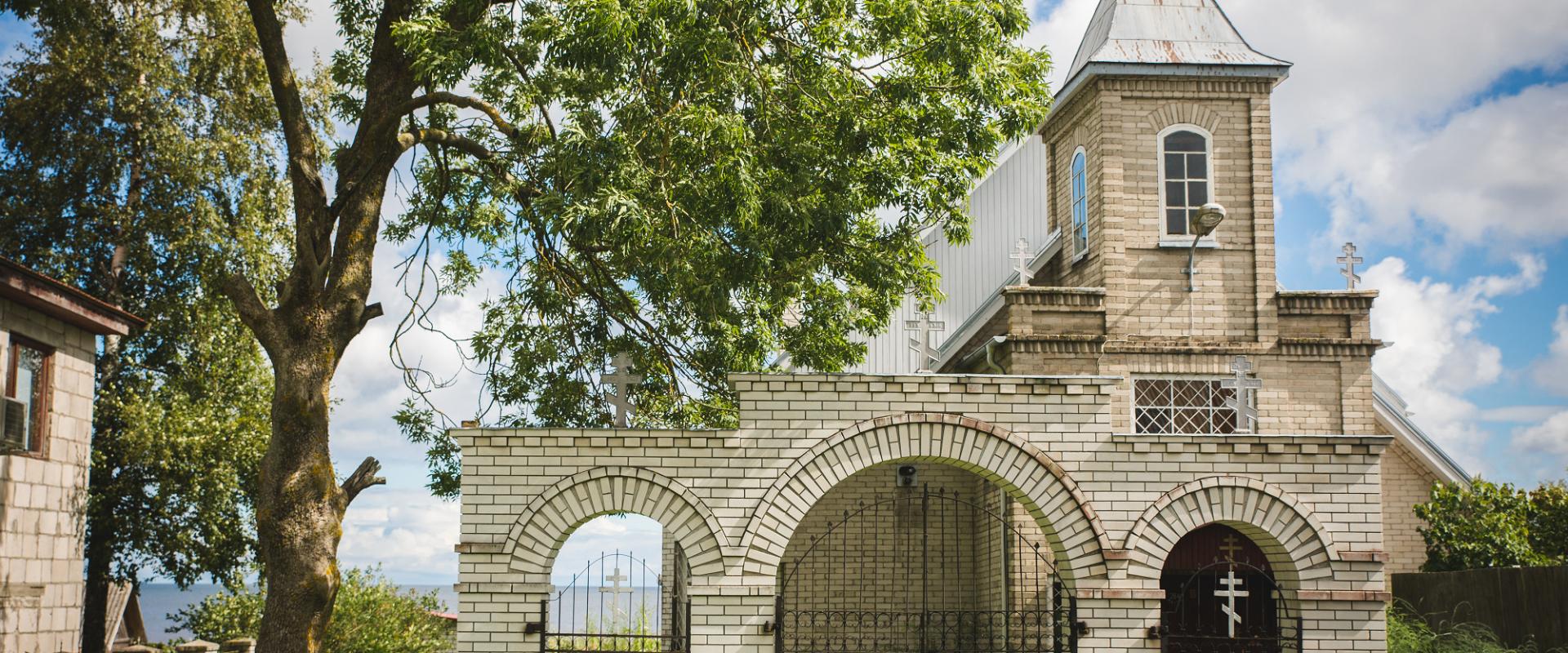
Obinitsa Church and Cemetery

Kesktänav 40, Setomaa vald, Võru maakond, 65301

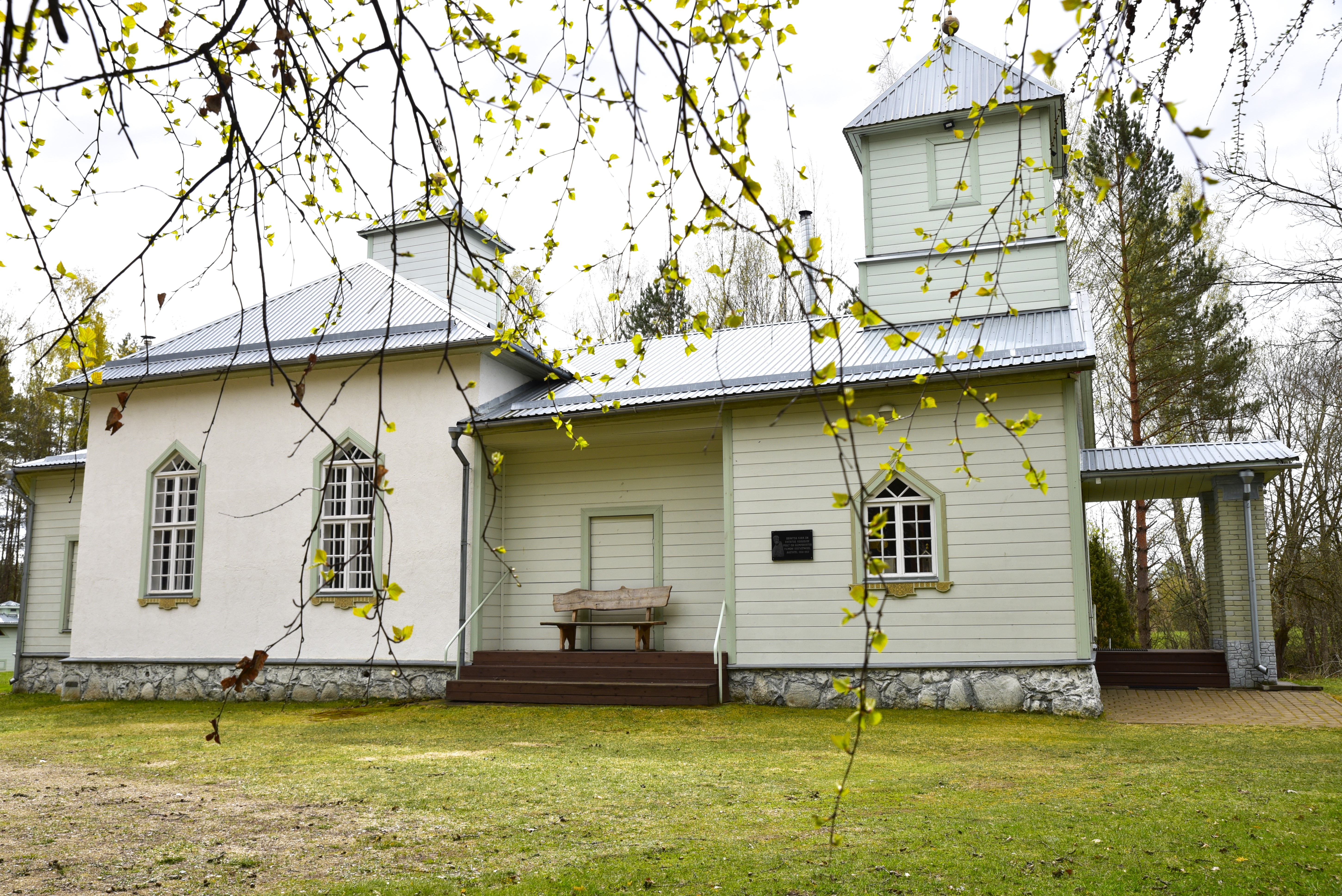
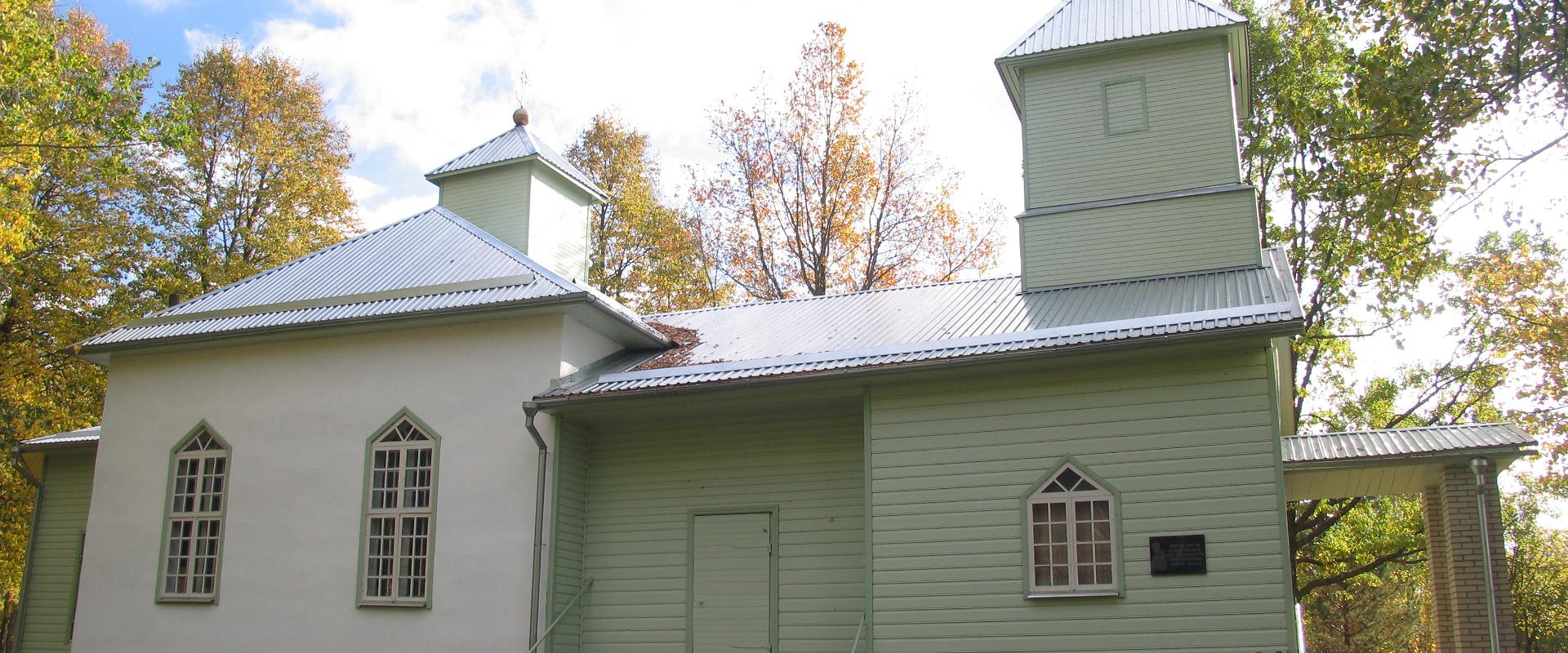
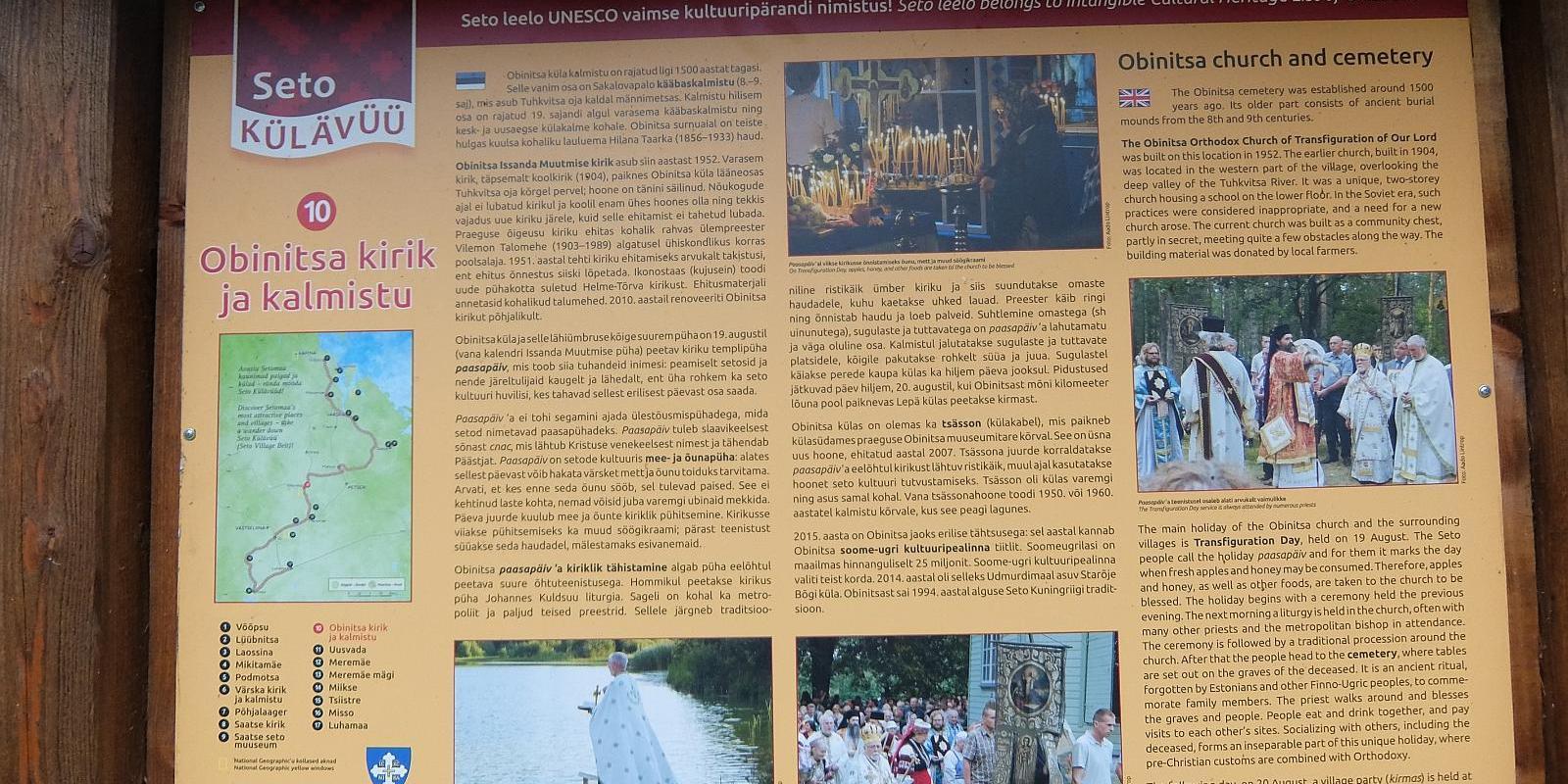
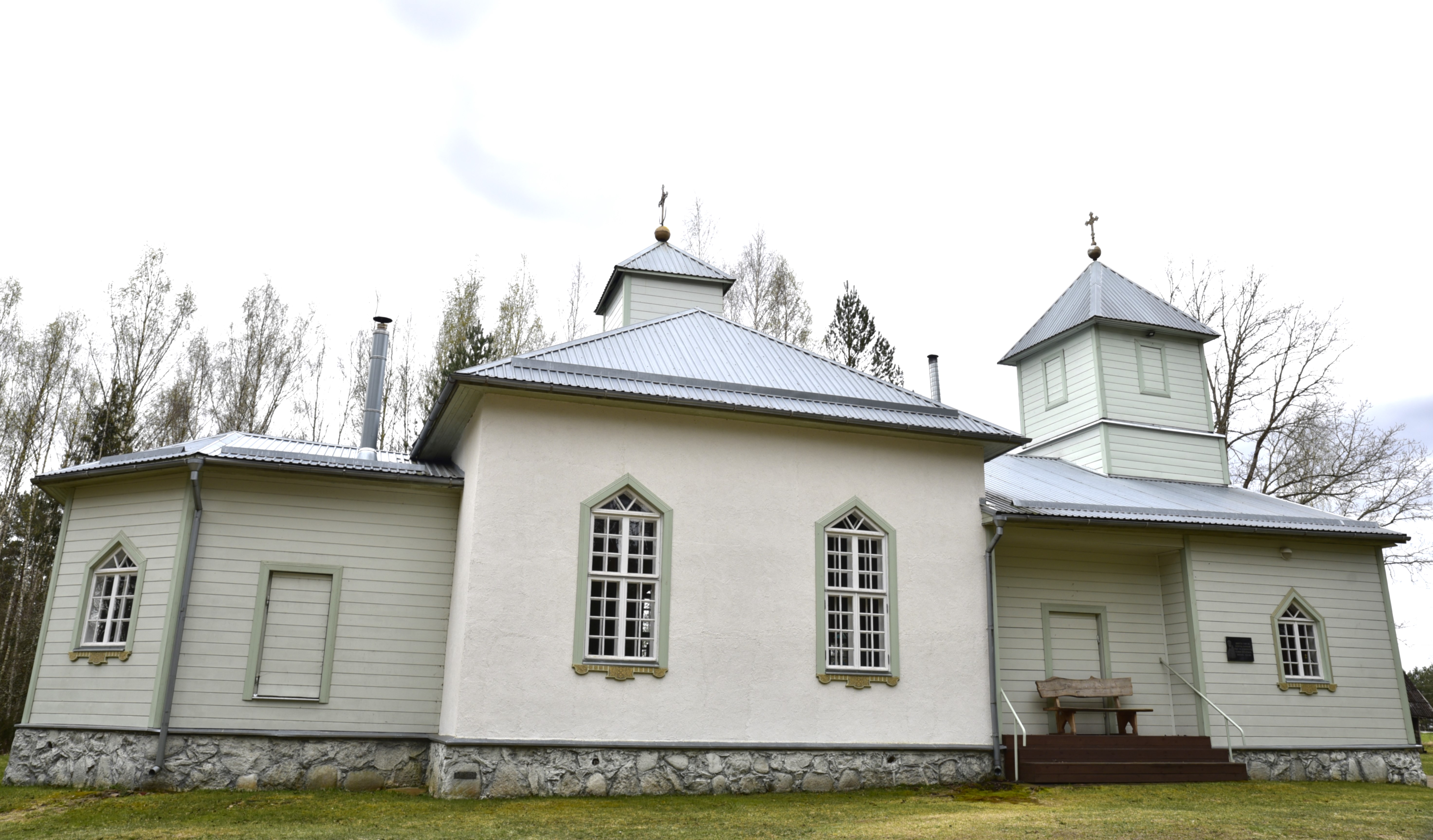
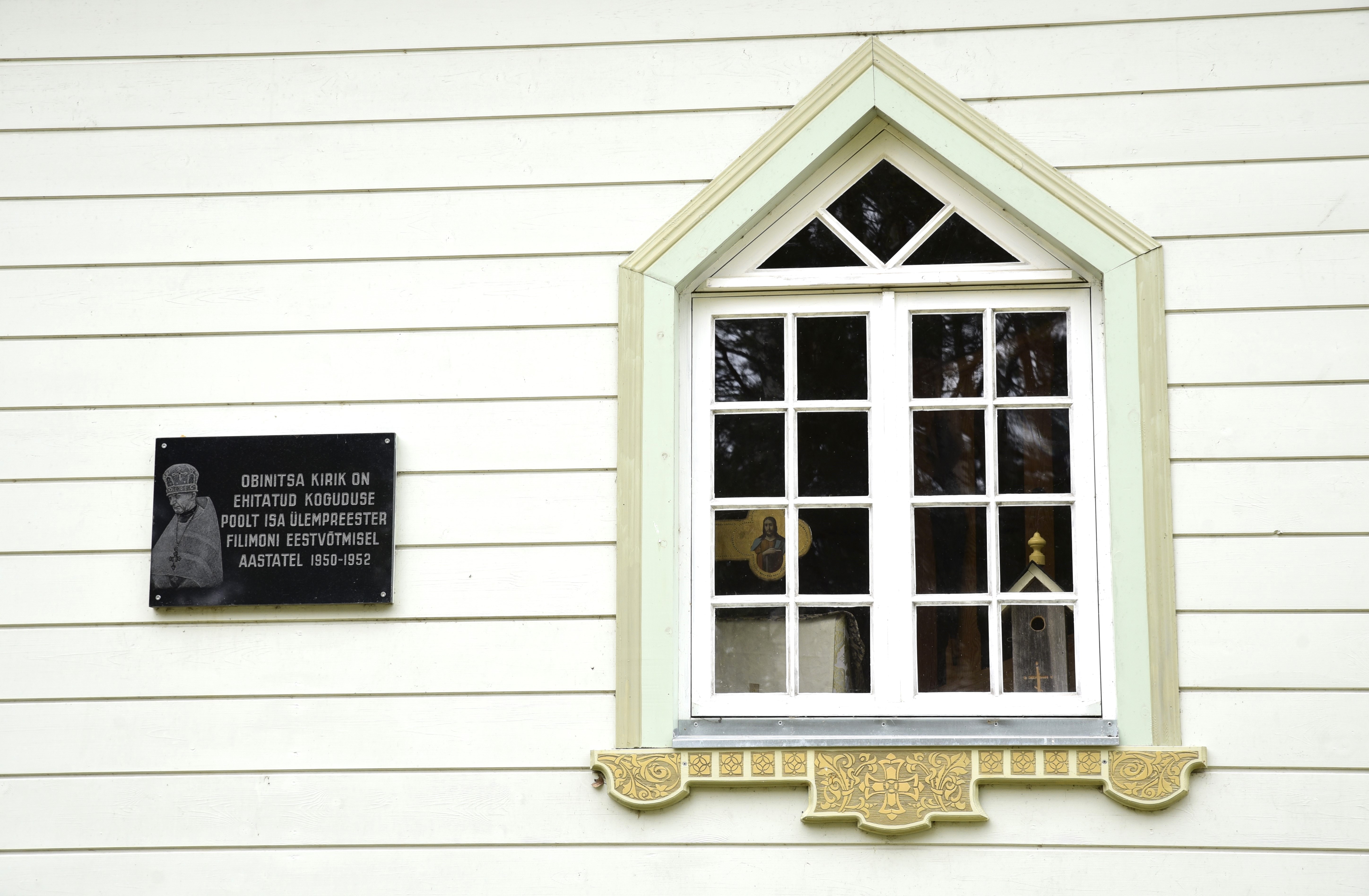
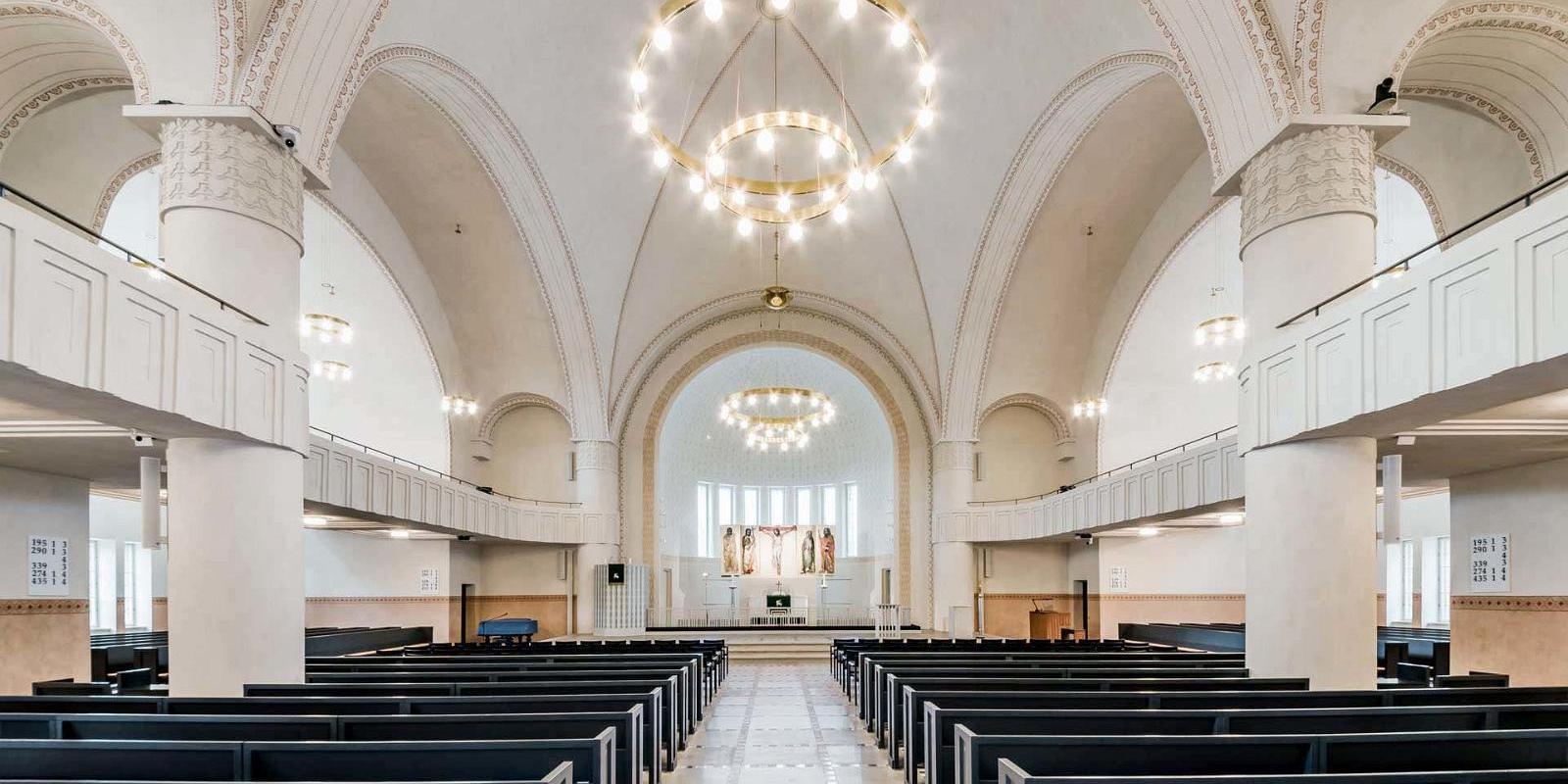
Obinitsa Church was built deep in the Soviet era: 1952, when the country was led by Comrade Stalin. The people’s desire for a new sanctuary (the old church was given to the school) was so great, that it bypassed the politics of the day. The Obinitsa Church’s main holiday is 19 August  – The Feast of the Transfiguration – and thousands of people visit the church that day to remember their ancestors and spend time with a relatives. People have been buried in Obinitsa Cemetery for at least 1,500 years. The oldest burials are marked by small stones located in the western part of the cemetery. The well-known Seto singer Hilana Taarka and the creator of the Obinitsa Museum, Lidia Sillaots, are buried in this park-like cemetery.
Amenities

  • Free parking

Open times

Throughout the Year

Eeltellimsel

Contact

  • +372 5326 7546
  • turism@setomaa.ee

Links

See more

  • Churches

Pindi church in Lasva

Pindi Jaani (St. John's) church was built according to the plan by architect J. G. Mühlhausen. The church was consecrated in 1881. A massive tower stands In the western part of the rectangular church, the vestry is in the north-eastern part. The altarpiece is a copy of the one in Rõuge church, "Jesus on the cross" by Rudolf von zur Mühlen. The new organ built by the brothers Kriisa was consecrated in 1903.The grave and monument of Captain Friedrich Vreeman (1894–1919), who was killed in the Estonian War of Independence, are in the church cemetery. Service is held Sundays at 10.30.Useful information: Laine Villenthal, who was the first woman ordained as a minister in Estonia, served in Pindi church until 2004.

  • Lookout towers
  • Guided tours
  • Churches

St. Paul’s Church in Tartu

St. Paul's Church in Tartu is unique because it is the only Art Nouveau church in Estonia. The church features a national romantic and geometric design. The church is also famous for its two steel bells, which were made in 1922 in Germany. The glass-domed bell tower offers a stunning view of the city of Tartu. It can be reached by stairs, and on the way to the tower, you can see a small gallery that explains the church's history. A visit to the church tower is available for an additional fee. The church has a columbarium, a crypt, and a bookstore. You can also order a church tour, a private organ concert, or catering from the church kitchen.

  • Churches

Kükita Old Believers Prayer House of the Estonian Association of Old Believers Congregations

The first prayer house of Old Believers in Estonia is located in Kükita. The Kükita Prayer House was consecrated on September 14, 1740. During the war of 1812, the Cossack Old Believers donated a chandelier to the Prayer House. There were a total of 397 Old Believers in the list of parishioners of the Kükita congregation by 1833. The current Prayer House was built in 1948 in place of the one destroyed in World War II.Old Believers have services every Sunday and on all holidays (Christmas, Pascha and Epiphany).

  • Churches

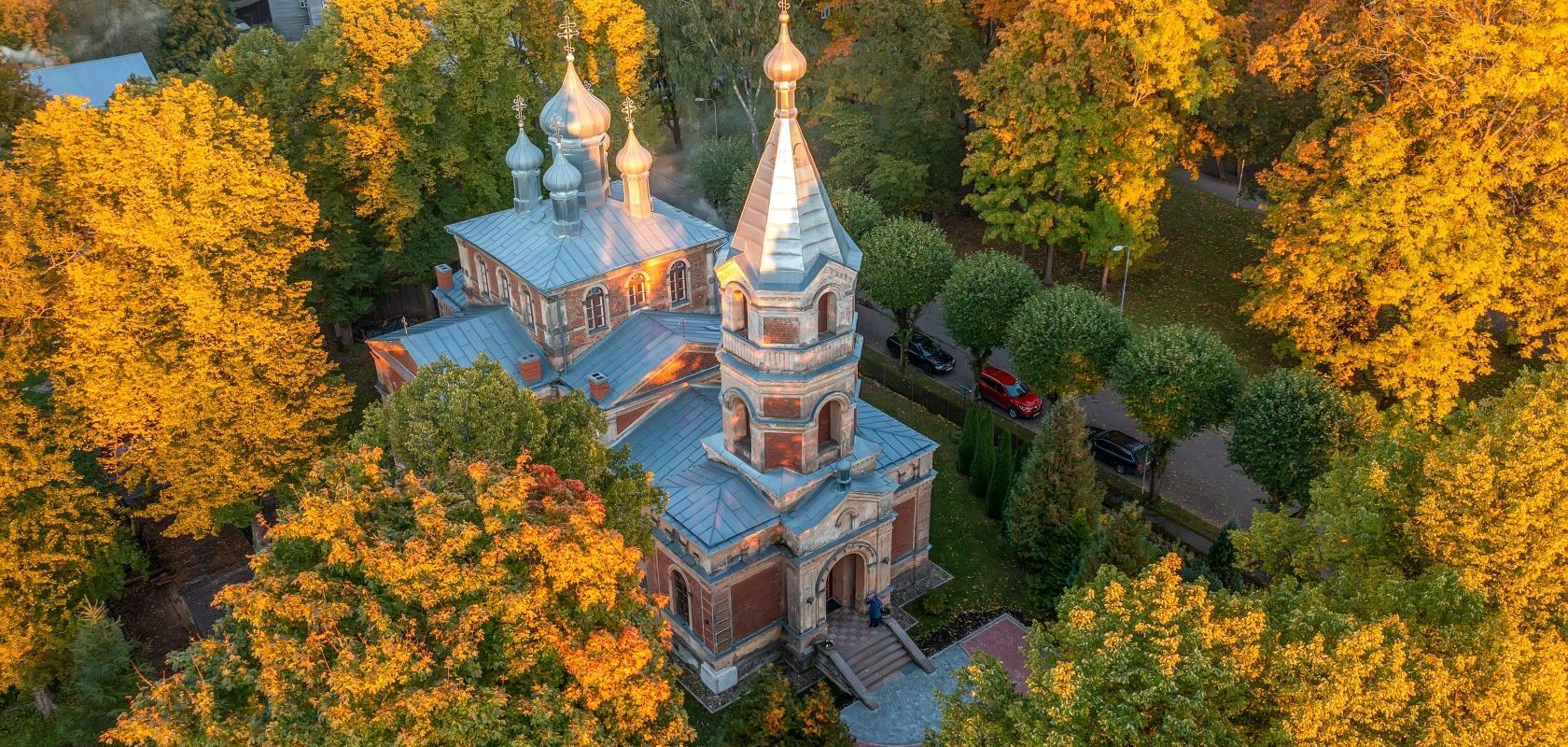
Saint Isidore’s Main Church in Valga

This historicist-style church is built from red and yellow bricks and has five domes and a bell tower. It is one of the four representative churches of the Apostolic Orthodox Church in Estonia. The church is named after the priest martyr Isidore of Tartu. The church was built in 1897–1898 and was consecrated in 1898. The architect of the building is Vladimir Lunski.The church was built in 1896 for the congregation of Orthodox Russians and Latvians.

  • Churches

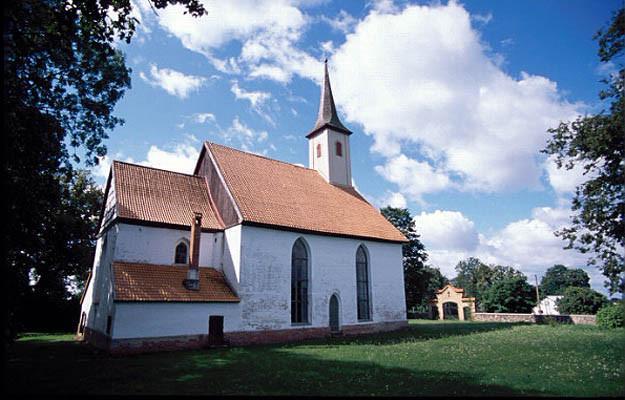
Rannu St Martin’s Church of the Estonian Evangelical Lutheran Church

The church dedicated to St. Martin is located on the Estonian Pilgrim Route, which starts from Pirita Monastery and ends at the Vana-Vastseliina Episcopal Castle. There is also a prayer bench in the churchyard.Come and see one of the oldest parish churches in Estonia. You can also can go to the spire, which offers a unique view of the beautiful Lake Võrtsjärv and the surroundings.Good to know:• The Church participates in the Wayfarers Churches and the Night of Churches projects.• The night battle from the feature film Names on a Marble Slab (2002) was filmed in Rannu Church garden.You can visit the church on Sundays during the service or by prior arrangement.

  • Churches

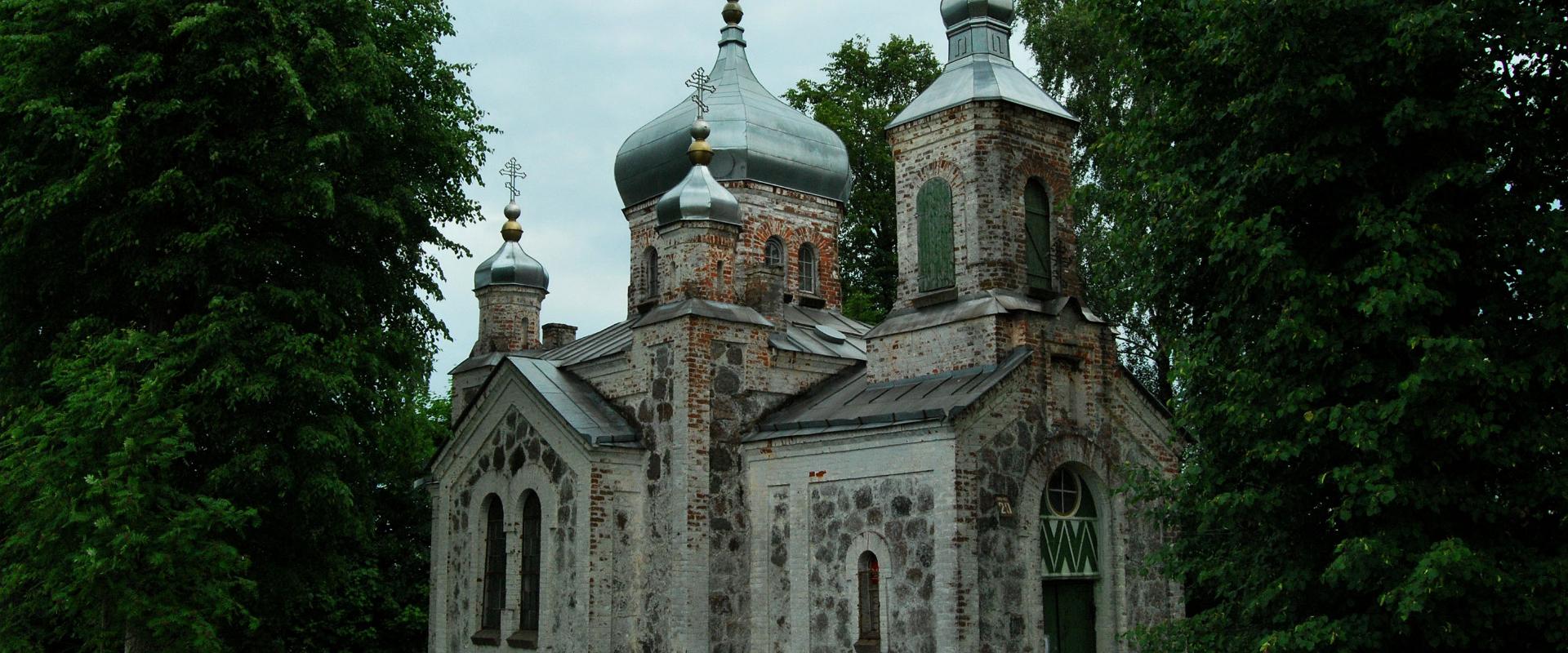
Nõo Holy Trinity Church of the Estonian Apostolic Orthodox Church

There is a remarkable historicist Orthodox church with quarrystone and brick walls and five onion-cupolas in Nõo small borough.The Nõo Congregation was founded in 1852 for Estonian Orthodox Christians who previously belonged to the Tartu Georgi congregation. The architecturally remarkable church is made of quarrystone and red bricks and has a bell-tower in the western side. It was completed in 1873. The interior architecture of the church is simple and the iconostasis dates back to the late 19th century.Services are held in the Holy Trinity Church in Nõo on the second Saturday of each month.

  • Churches

Kursi’s Sts. Mary and Elisabeth Church of the Estonian Evangelical Lutheran Church

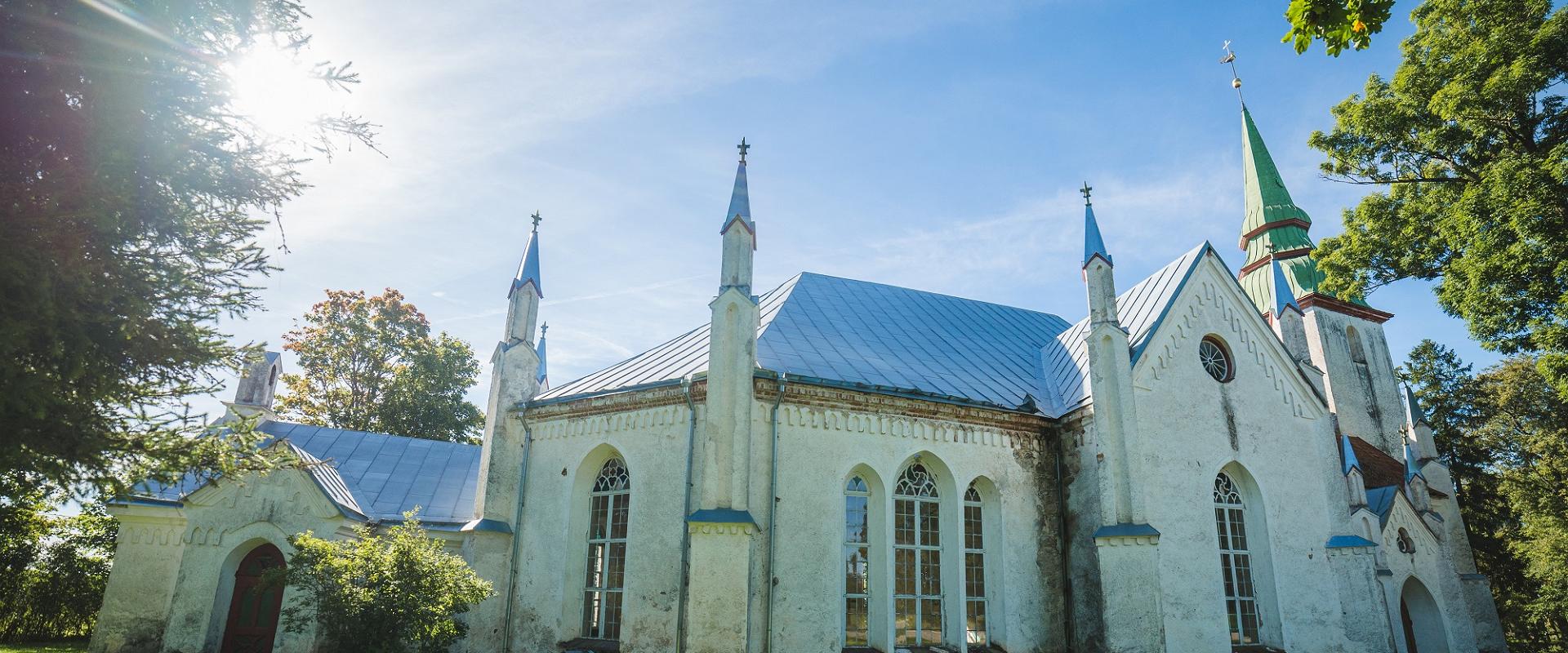
Baroque architecture in concordance with pseudo Gothic architecture (alteration by Johann Gottfired Mühlhausen). Twelve small spiring pinnacles symbolise the twelve apostles of Jesus. The church manor is a historical parochial centre; there is a museum in the vicarage (built in 1817).

  • Churches

The Liphardt tomb chapel

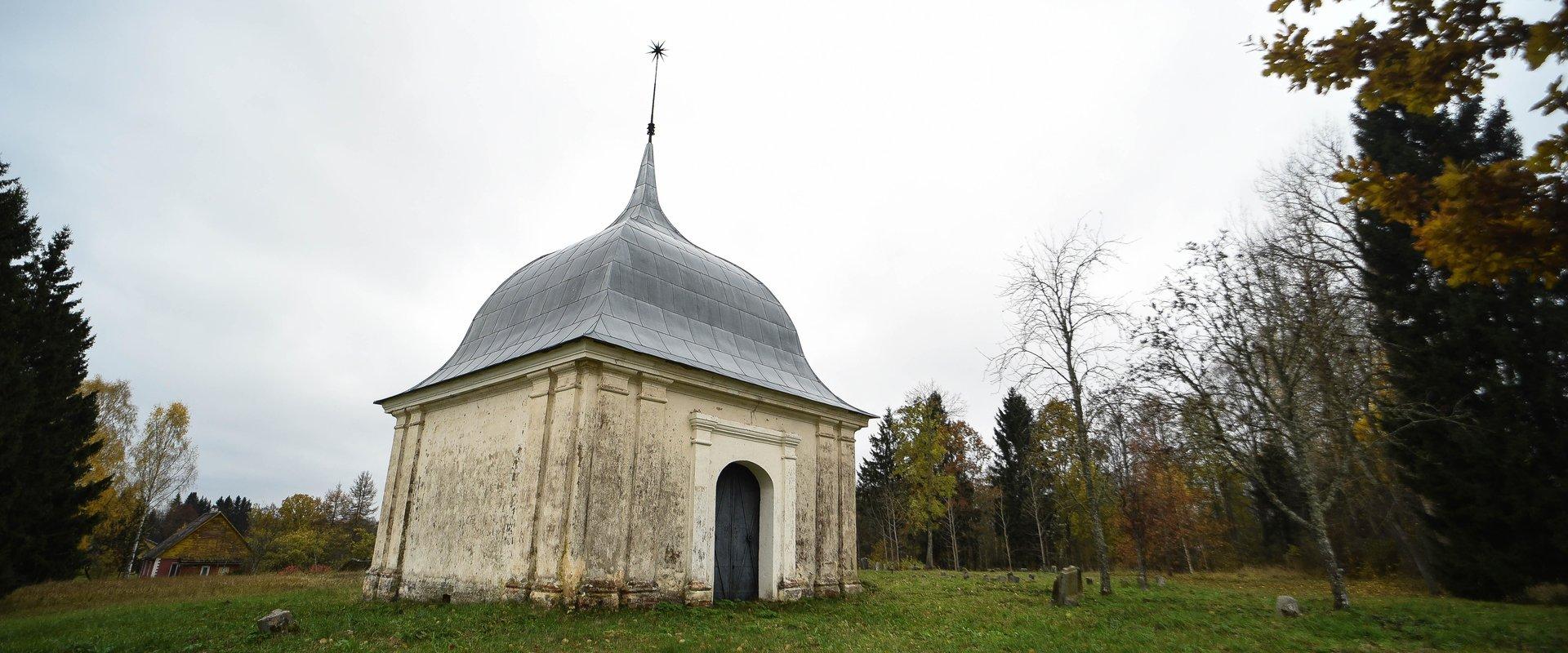
The Vastseliina manor chapel, popularly called the Liphardt tomb chapel, is situated in the old cemetery of Vastseliina (also known as the German cemetery). The chapel was completed in the same year as the current Vastseliina church, in 1772.The Liphardts, one of the wealthiest noble families of Livonia, governed the entire Vastseliina parish from Misso to Orava and ruled Vastseliina for seven generations. In addition to Vastseliina, the family also owned several other manors, including the Raadi manor.The Vastseliina manor chapel is one of the most remarkable examples of early classicist rural chapels.Visitors are welcome to see the exterior of the chapel only.

  • Collaboration
  • News
  • Contacts
  • Privacy Policy
Join our mailing list!

"*" indicates required fields

This field is for validation purposes and should be left unchanged.
I authorise marketing

South Estonia Tourism Cluster

info@visitsouthestonia.com