• Explore
    • Nature
    • Culture
    • Food
    • Family
    • Activity
    • Blog
    Smoke sauna
    Weather and seasons
  • Plan
    • Accommodation
    • How to get here
    • Weather and seasons
    • Sustainability
    • Tourist info
    Discover South Estonia’s Most Beautiful Manors and Castles
    Top 20 Sights in South Estonia
  • For professionals
    • For professionals
    • Collaboration
    • News
    • Projects
    • Training
    • Repository
    • Community (opens in new tab)
    • Contacts
ENG
  • EnglishENG
  • EestiEST
  • LatviešuLAT
  • РусскийRUS
  • SuomiFIN
ENG
  • EnglishENG
  • EestiEST
  • LatviešuLAT
  • РусскийRUS
  • SuomiFIN
Popular searches:
Show all
  • History & Culture
  • Architecture and history
  • Churches

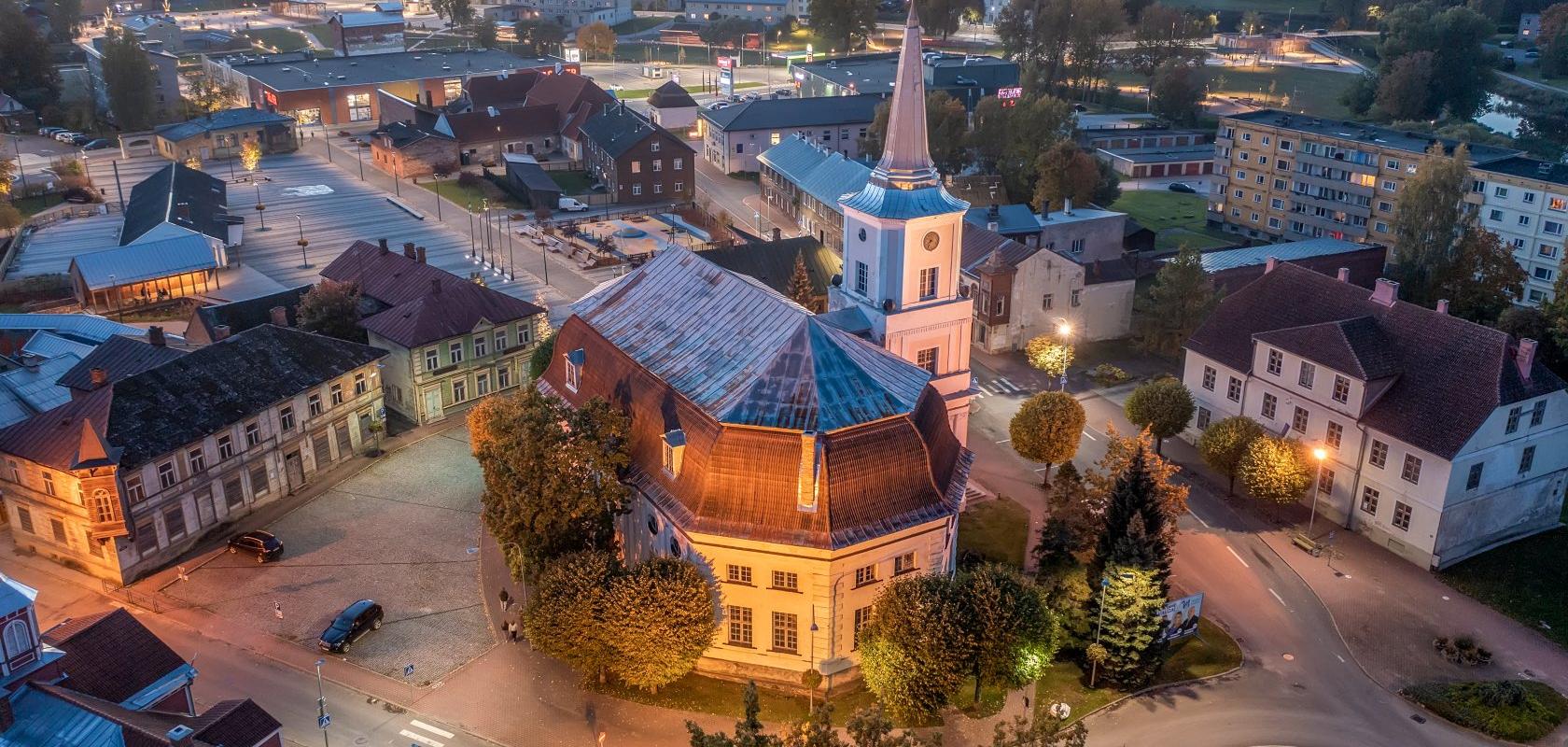
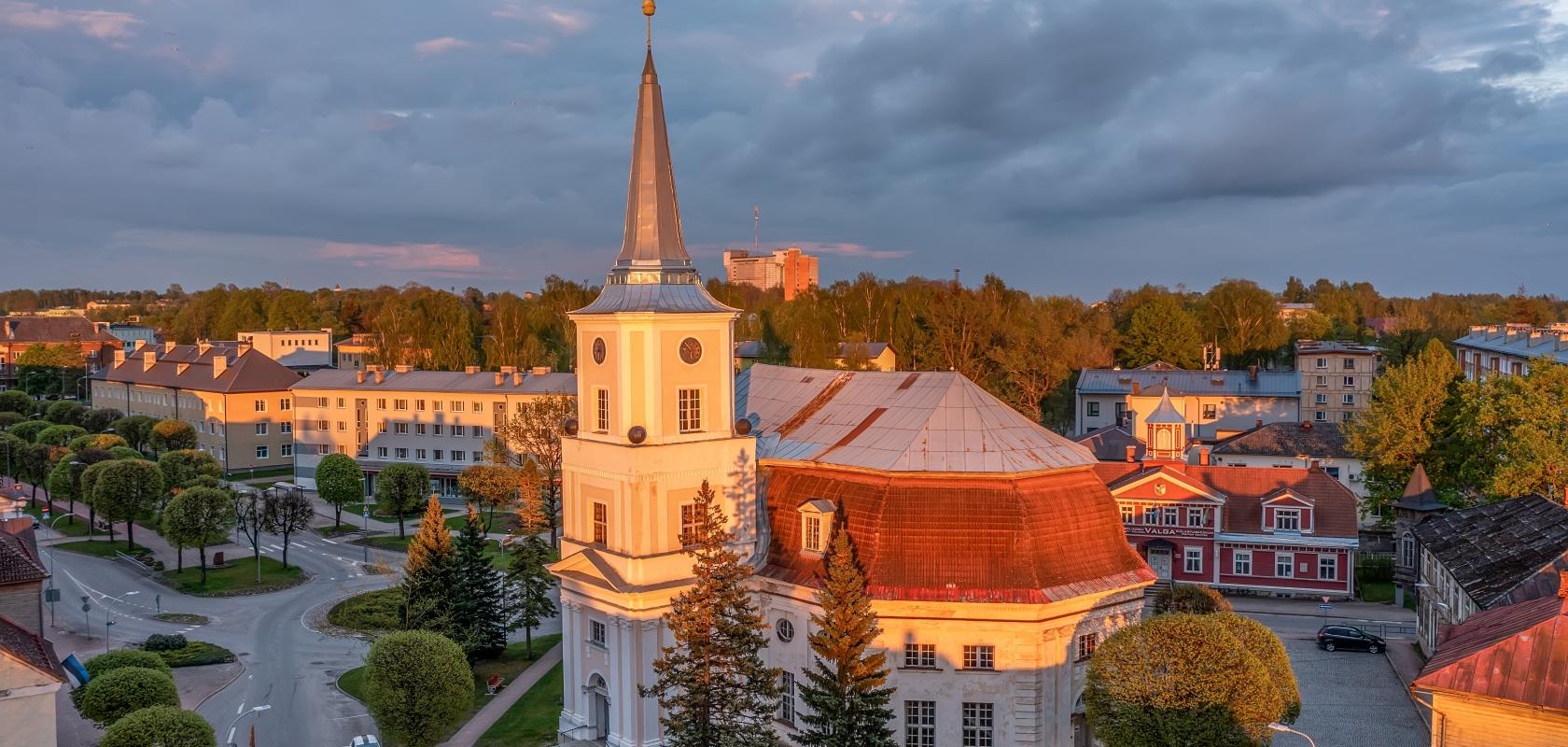
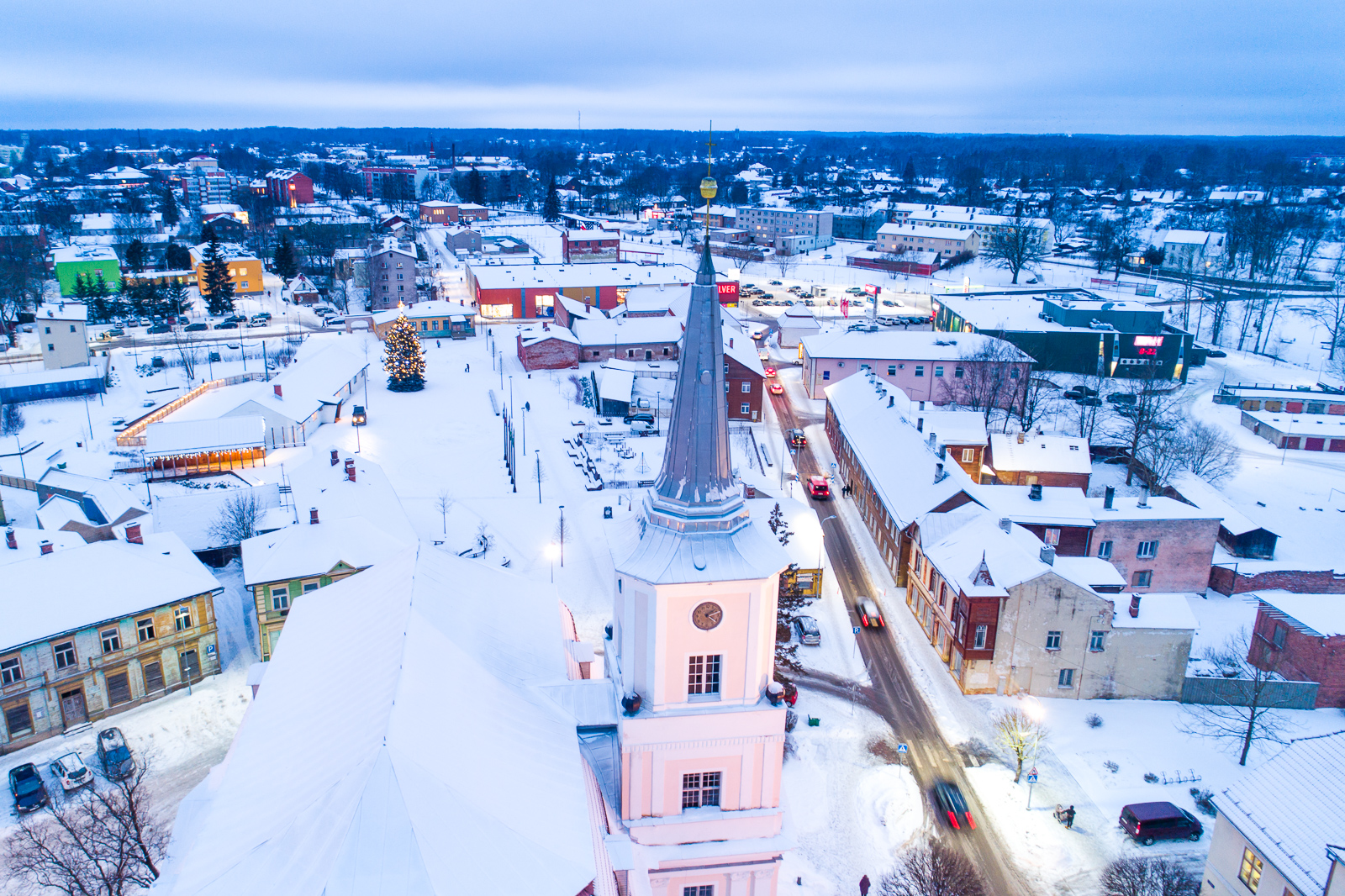
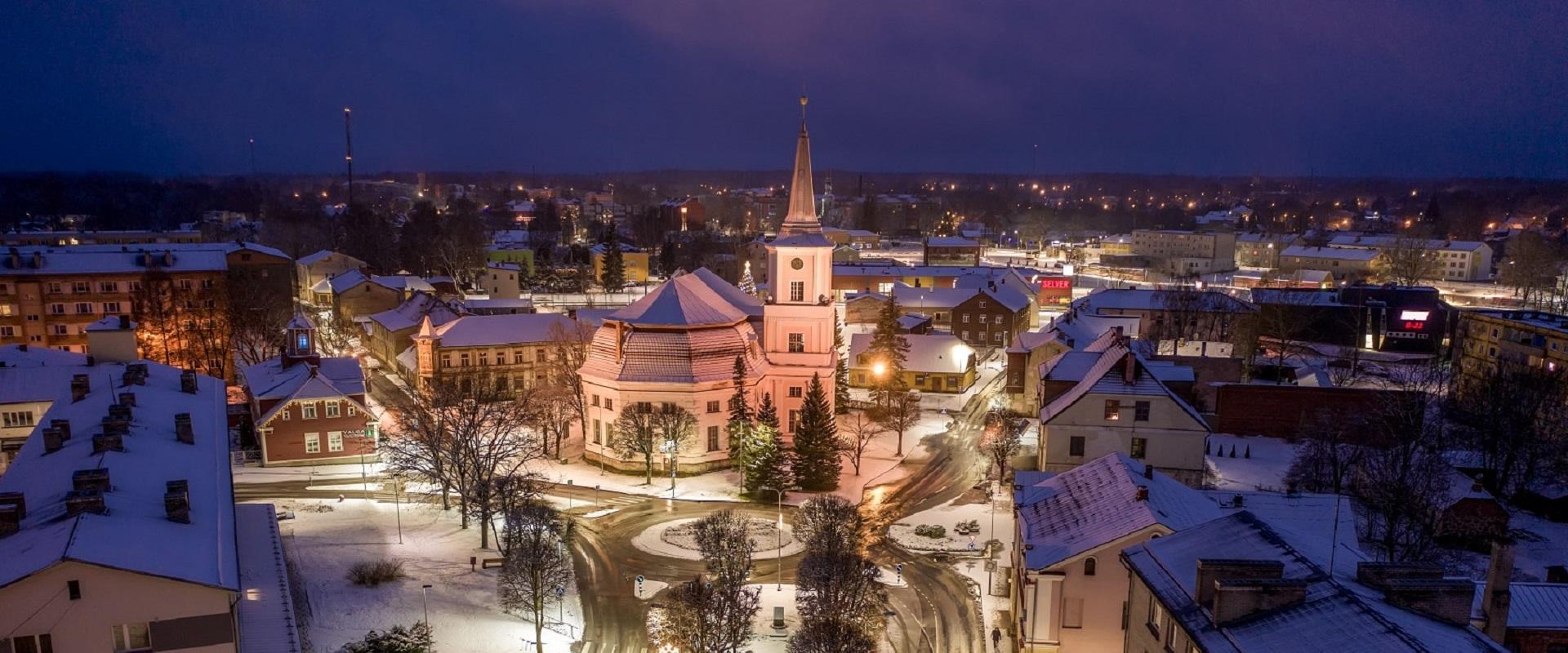
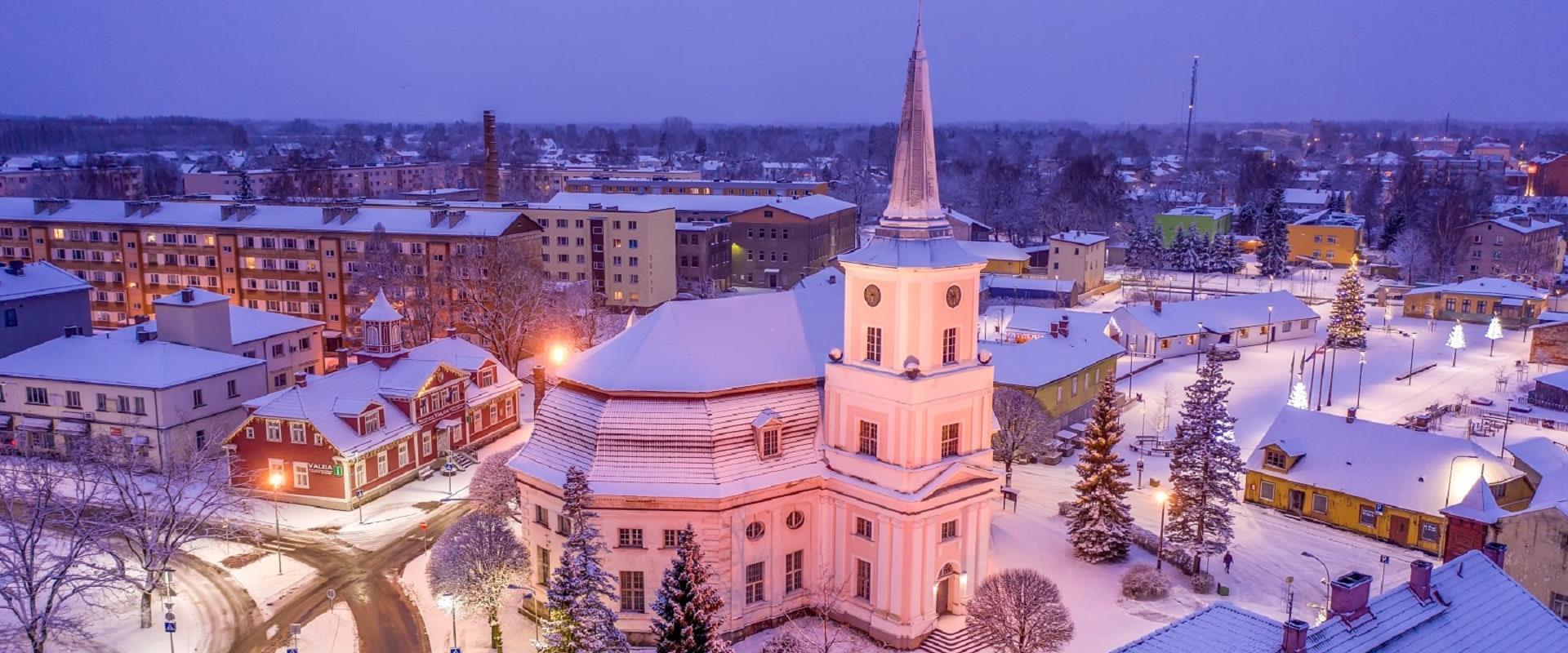
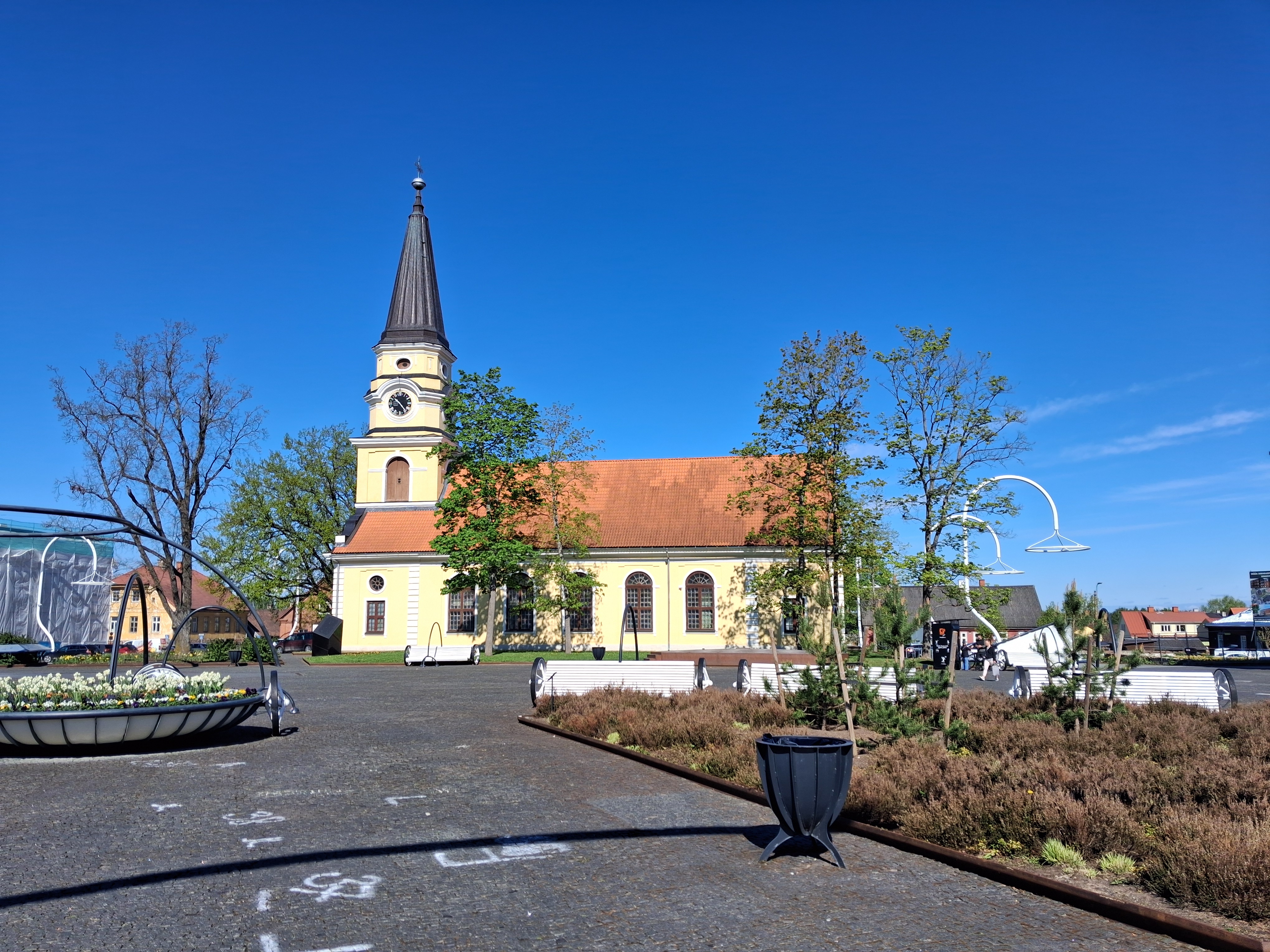
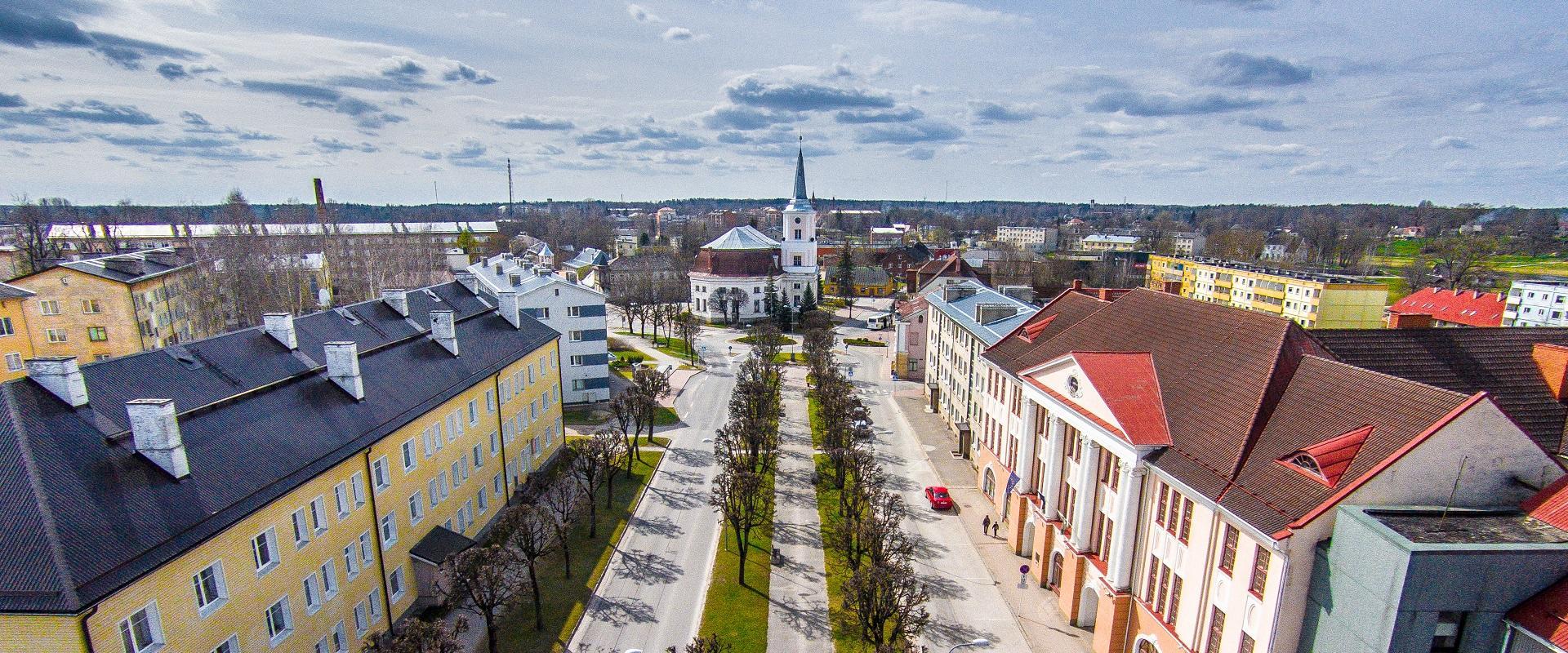
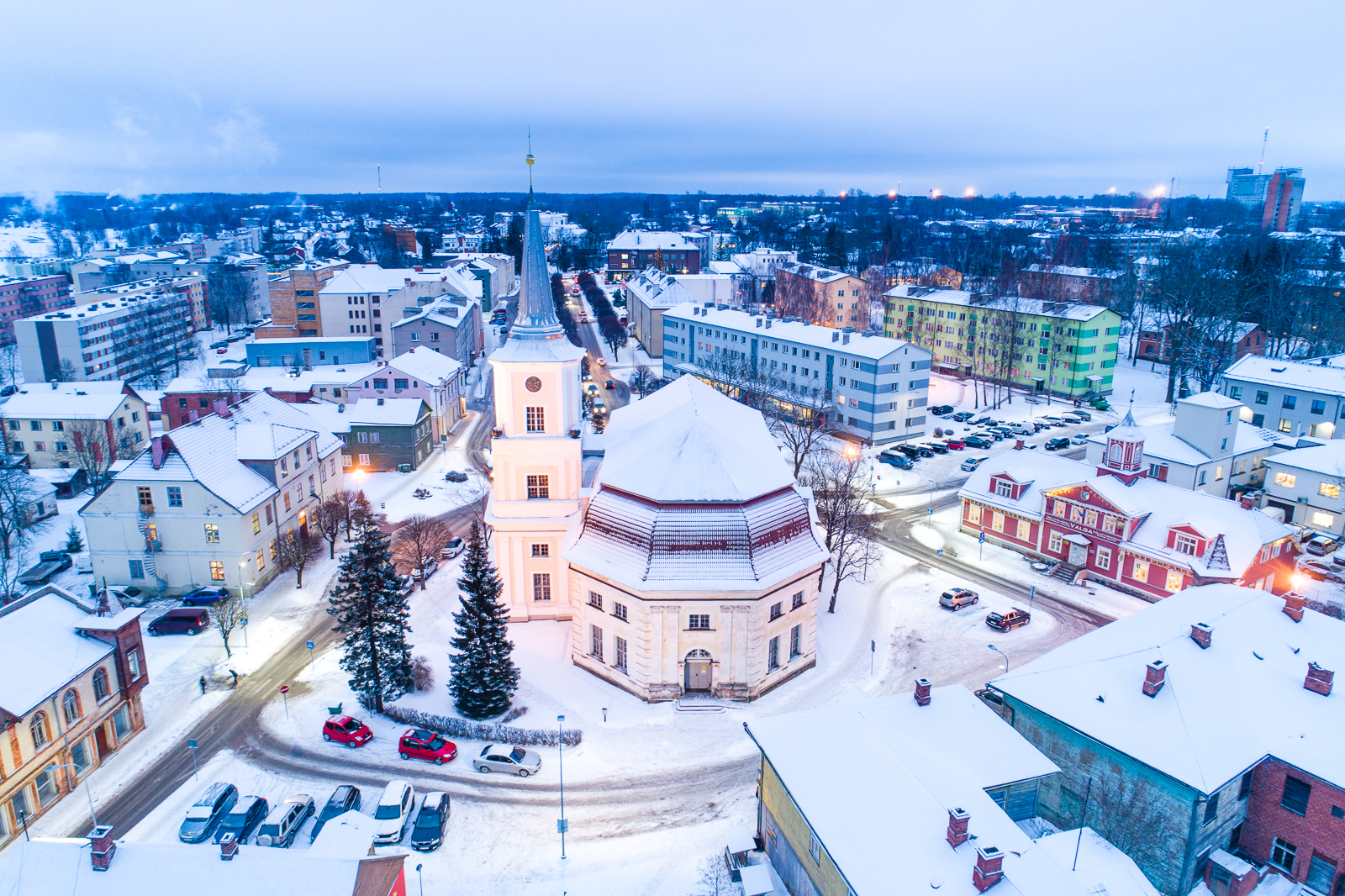
Valga Jaani (St John’s) Church

Kesk tn 21, Valga vald, Valga maakond, 68203

Jaani Church, located right in the heart of the city, was built in 1816 according to the design of architect Christoph Haberland and it is the only church in Estonia with an oval ground plan. The unique organ has been preserved in its original shape and it is the only instrument built by Friedrich Ladegast still left in Estonia.Interesting facts: * the organ is one of the 200 best organs in Europe; * music can be heard from the church’s bell tower at midday and midnight.

Amenities

  • Information boards
  • Free parking

Open times

1. okt - 30. apr

Eeltellimsel

1. mai - 30. sept

T-L11:00 - 16:00
P10:00 - 16:00

Contact

  • +372 56616497
  • valga.peetri-luke@eelk.ee

Links

See more

  • Pet friendly
  • Family friendly
  • Lookout towers
  • Guided tours
  • Workshops
  • Castles
  • Churches
  • Ruins

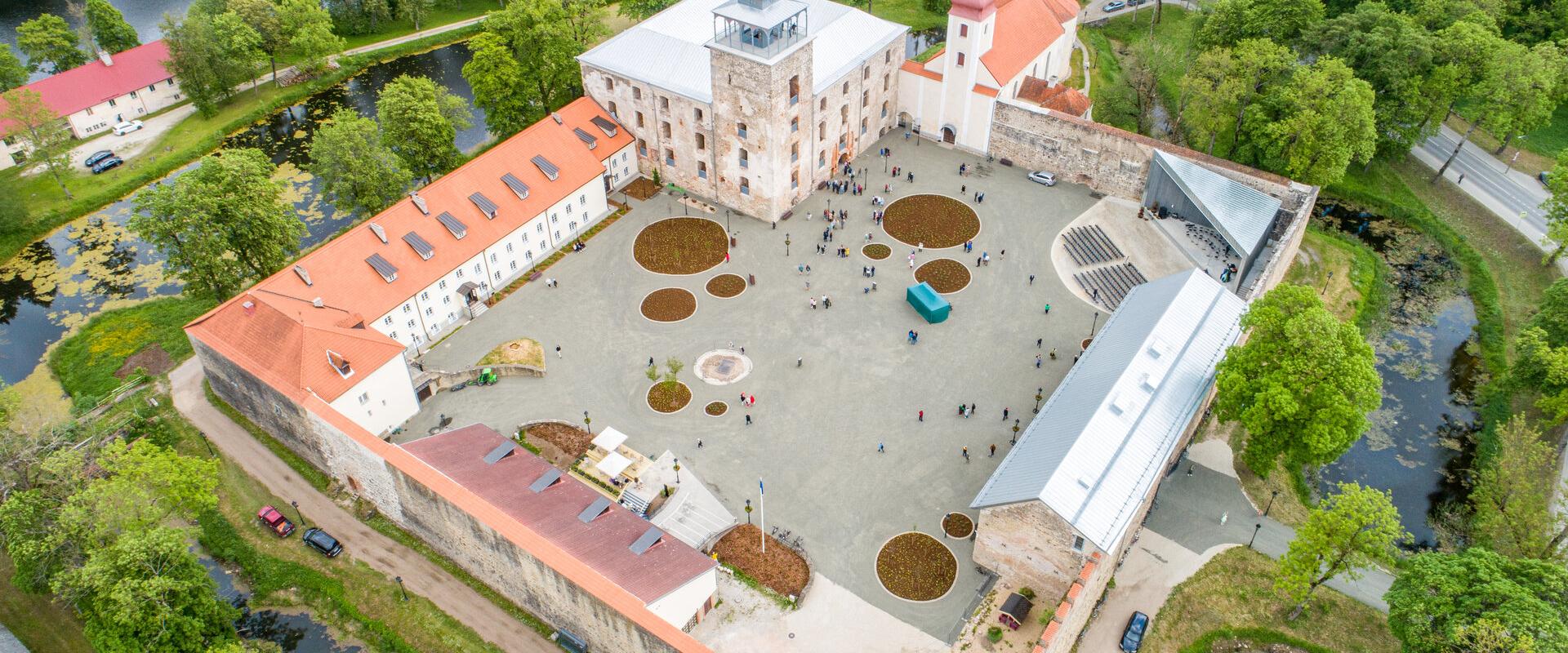
Põltsamaa Castle

Põltsamaa Castle has been an important site throughout the centuries and carries a distinguished history – founded in 1272 on the riverbank, it was the residence of Magnus, the King of Livonia, and later evolved into a magnificent Rococo palace. Wars and fires left the castle in ruins, but now it has come back to life and is waiting for you to visit! Today, the castle offers visitors plenty of excitement. First and foremost, it is worth climbing to the viewing platform of the seven-story castle tower, where a captivating view of the city unfolds in every season. The tower is crowned by a restored historical dome, which is unique in all of Estonia. The church, located within the complex, is built directly into the castle's fortification walls and tower, and is open daily during the summer. The convent and gatehouse feature a modern exhibition that tells the colorful story of the castle and the town of Põltsamaa. In the castle courtyard, craft workshops await, where you can watch the work of masters or purchase something interesting yourself. Culinary experiences are offered by the restaurant Oberpahlen, where history and excellent food come together. Discover Põltsamaa Castle – a place where history comes to life!
  • Churches

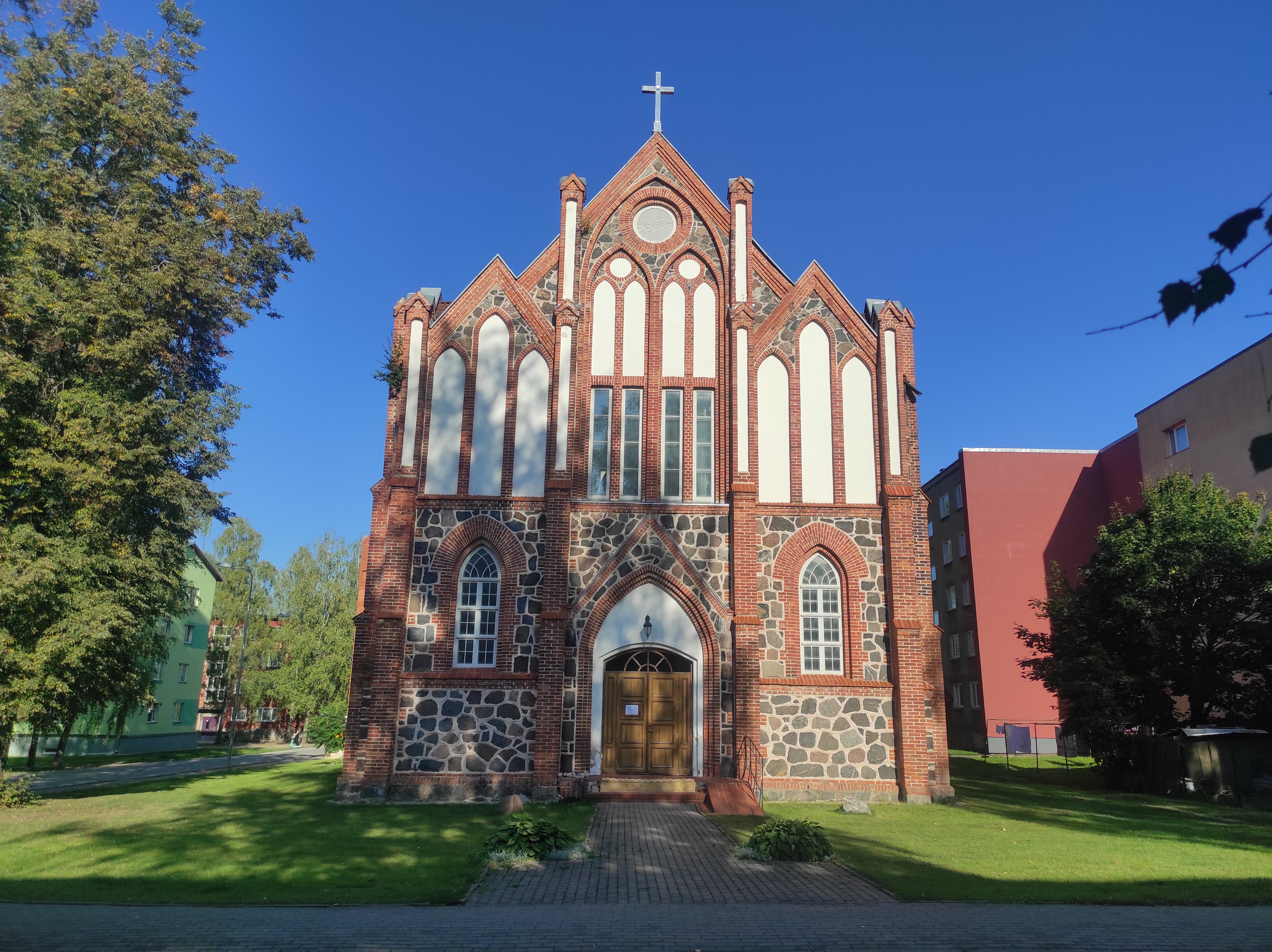
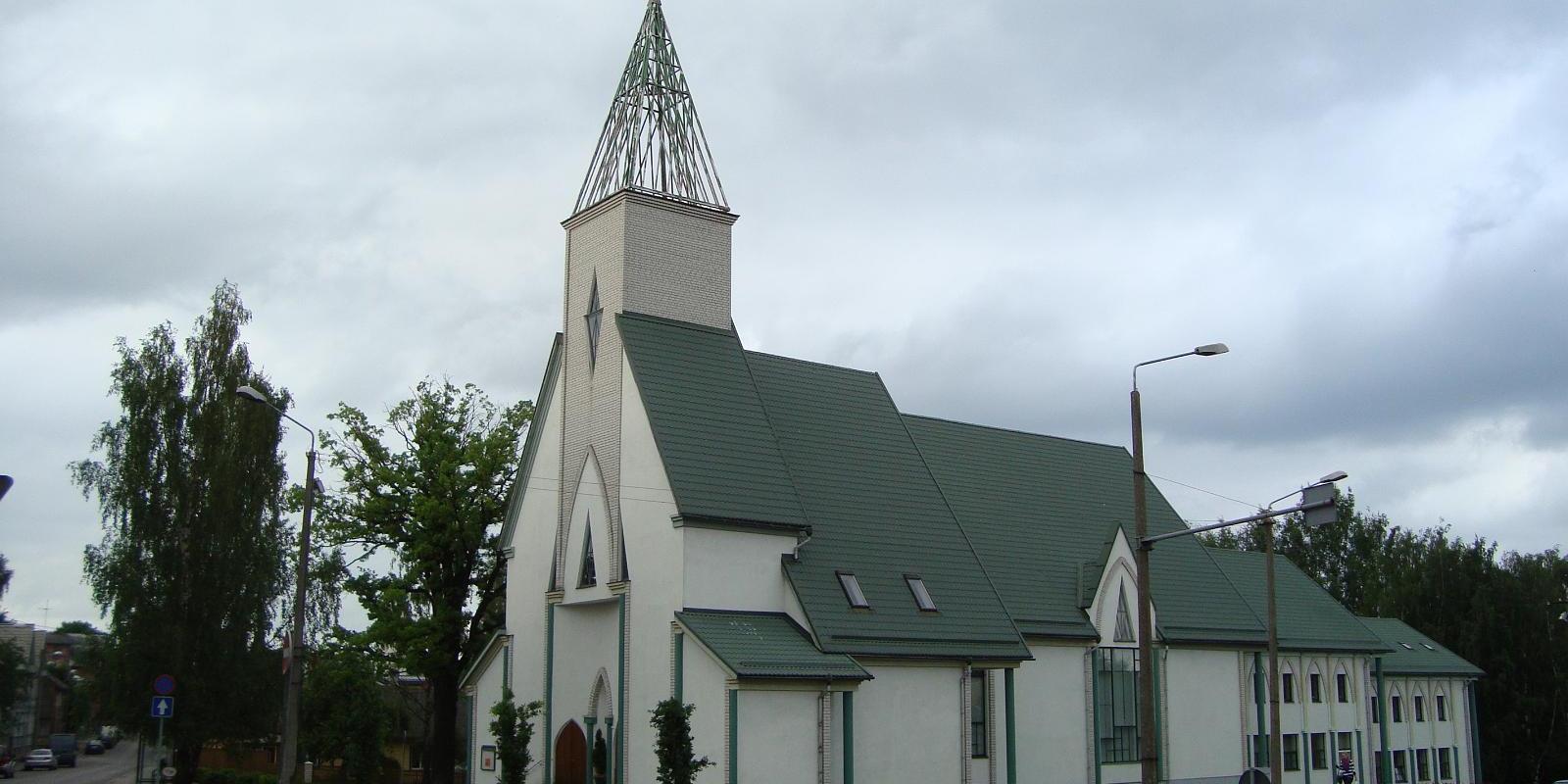
Valga Roman Catholic Church of the Holy Spirit

The church was built of natural stone and bricks in 1907. Lithuanian and Polish railway workers were actively involved in building the church. The church operated until 1940 and from 1945, the building was used as a warehouse and later as a gym.The extension of the church was built in 1995 and the church was renovated. Interesting facts: * the church does not have a tower as the imperial government of Russia refused to give permission to build one.

  • Churches

Catherine’s Church in Võru

28,000 silver roubles were donated towards the construction of this Lutheran church by Russian empress Catherine II. It was blessed on 24 July 1793, when it received the name 'Catherine'. It is thought that the church - which was designed in early classicist style with baroque roots and which boasts stunning arched windows - was designed by the architect Christoph Haberlandt from Riga. Renovations in 1879 saw its tower receive a new dome, and a four-faced clock was also installed. The church has an organ built by the Kriisa brothers in 1913. You can visit the church on Sundays during mass times.

  • Churches

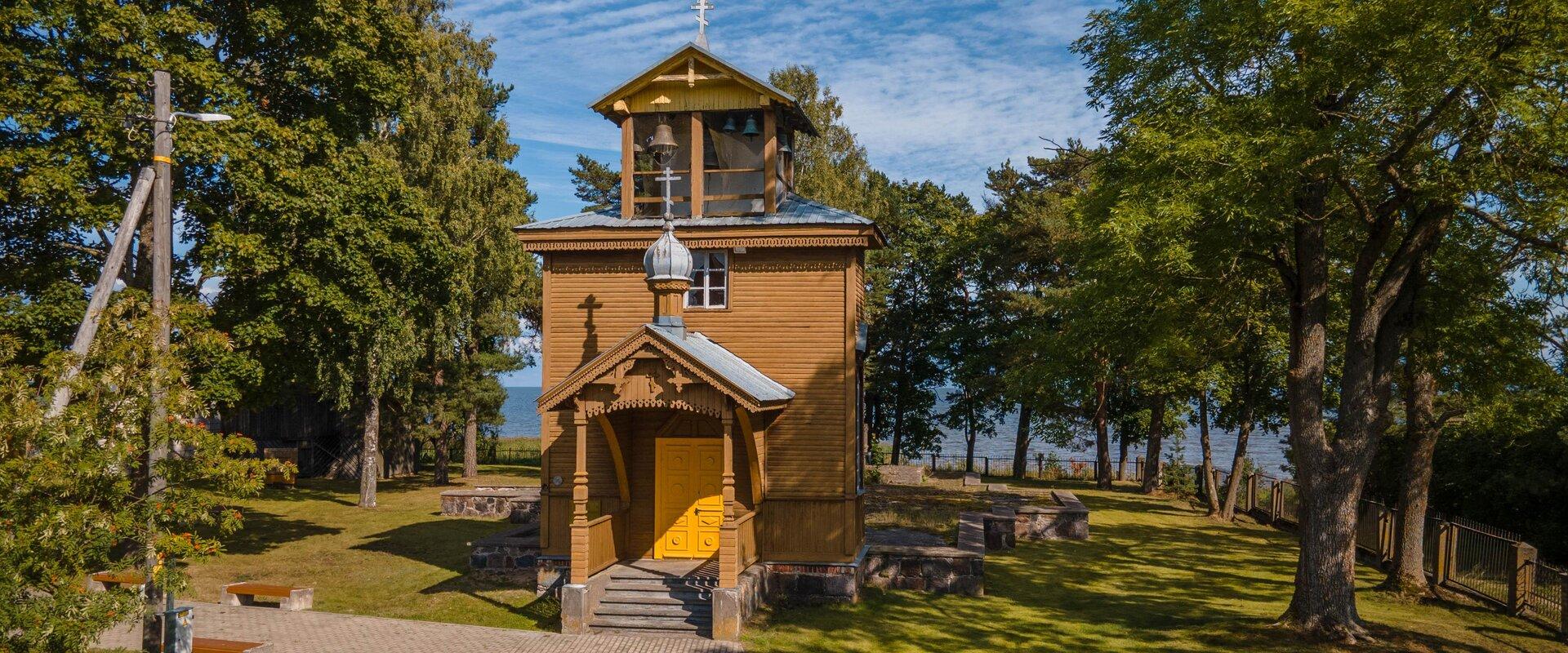
Obinitsa Church and Cemetery

Obinitsa Church was built deep in the Soviet era: 1952, when the country was led by Comrade Stalin. The people's desire for a new sanctuary (the old church was given to the school) was so great, that it bypassed the politics of the day. The Obinitsa Church's main holiday is 19 August - The Feast of the Transfiguration - and thousands of people visit the church that day to remember their ancestors and spend time with a relatives. People have been buried in Obinitsa Cemetery for at least 1,500 years. The oldest burials are marked by small stones located in the western part of the cemetery. The well-known Seto singer Hilana Taarka and the creator of the Obinitsa Museum, Lidia Sillaots, are buried in this park-like cemetery.

  • Churches

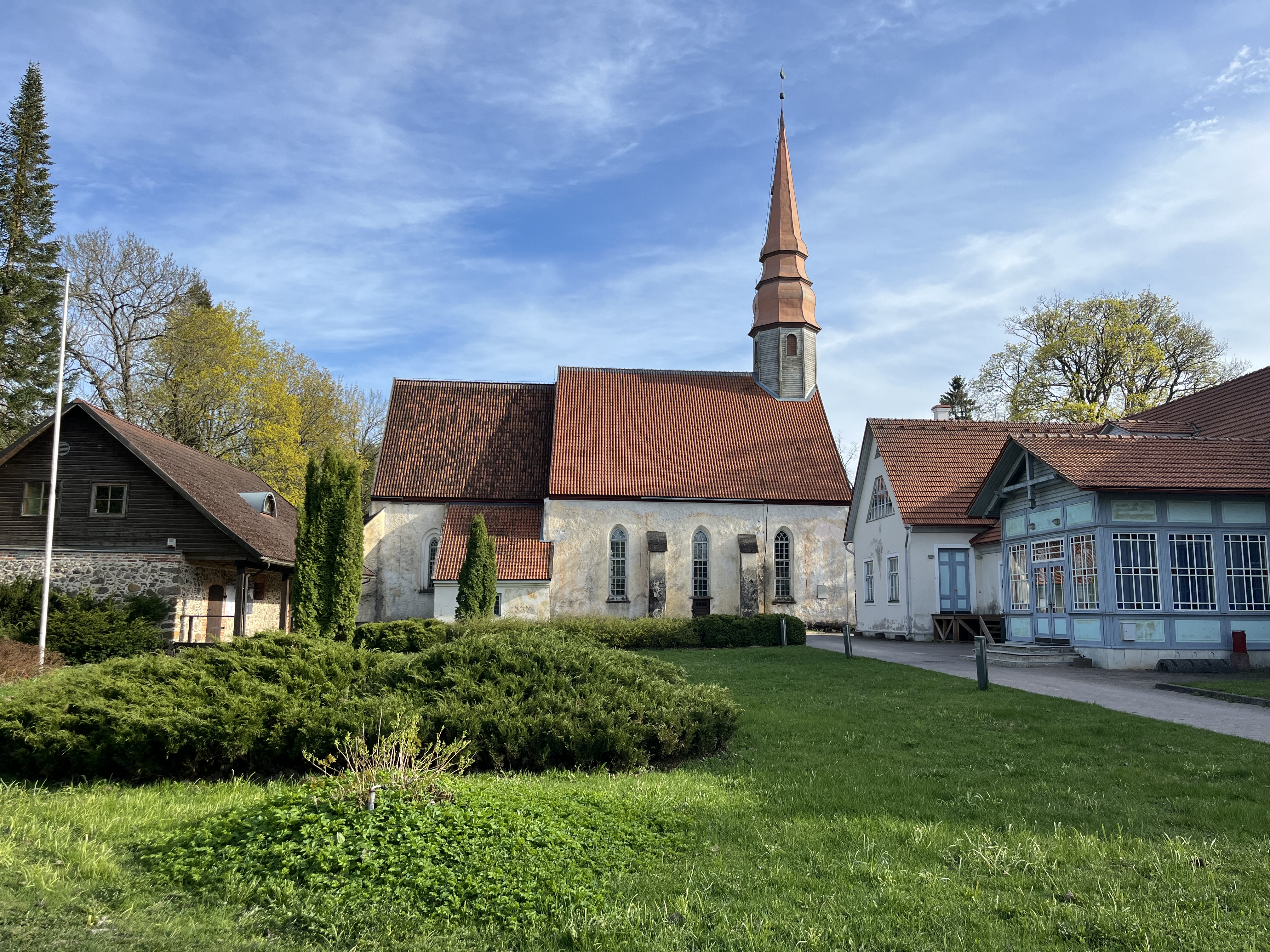
St Bartholomew’s Church in Palamuse

Palamuse Church is one of the oldest medieval churches in northern Tartu County. The church was first mentioned in documents in 1234. As a fortress church, it provided protection from invaders during wars. There is a burial ground around the church, which has two preserved headstones. The unique wooden sculptures on the altar and pulpit date back to 1696. There is a dry-stone painting on the eastern outer wall. Services are held in the church every Sunday at 11 a.m. The church also organises concerts and plays.

  • Churches

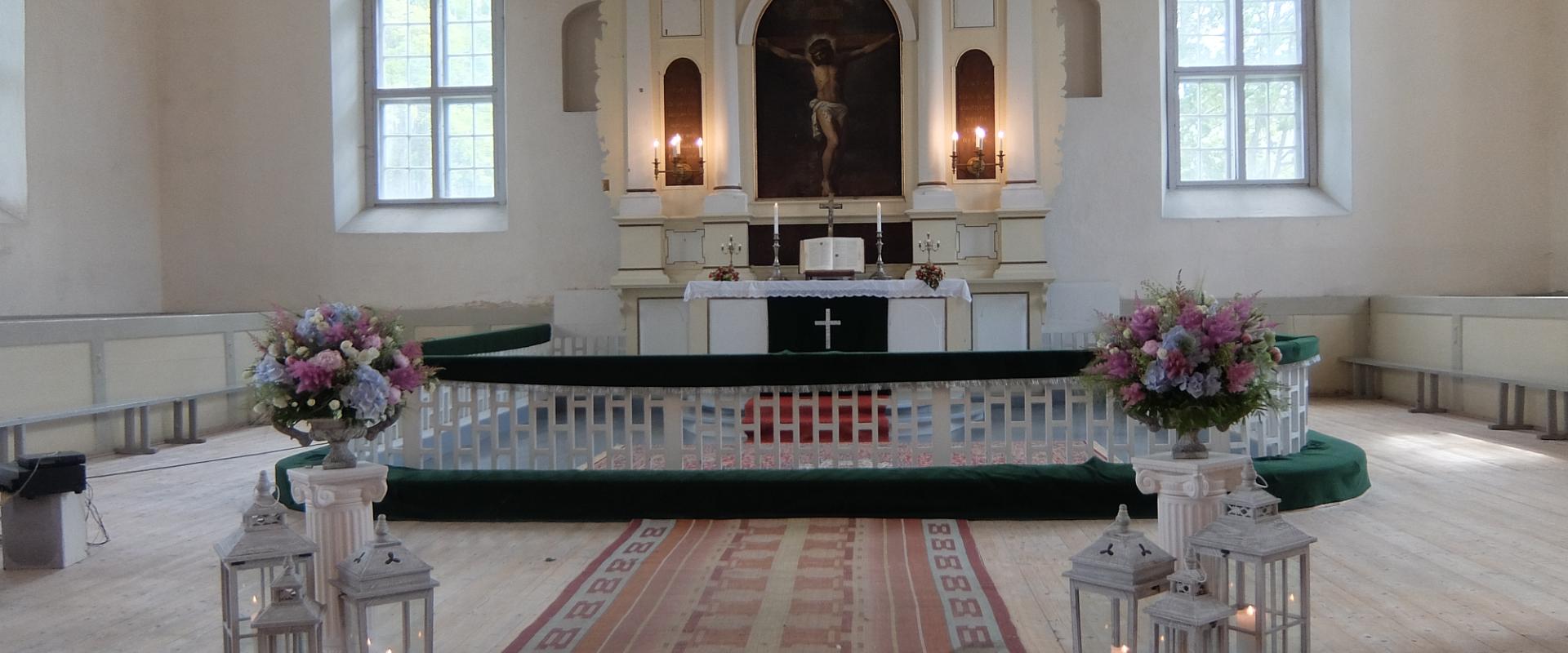
St. Mary’s Church in Rõuge

The first stone church was constructed in Rõuge in the 16th century. In 1730, the original church, which was destroyed in the Great Northern War, was replaced with one which had an imposing square tower. The church was blessed in the name of St. Mary. The altar-piece "Christ on the cross" by R. von Mühlen is from 1854. In 1860 the walls were made higher and a mirrored arch was installed. In 1930 the church got a 31-register organ built by the Kriisa brothers. The first Estonian pastor in Rõuge was Rudolf Gottfried Kallas.Useful information! You can attend mass at the church every Sunday at 11:00 and in summer, the church is used as a wayfarers' church. Entrance to the tower is for a fee (grown ups 1.50, children 1 and family ticket 3 euros).

  • Churches

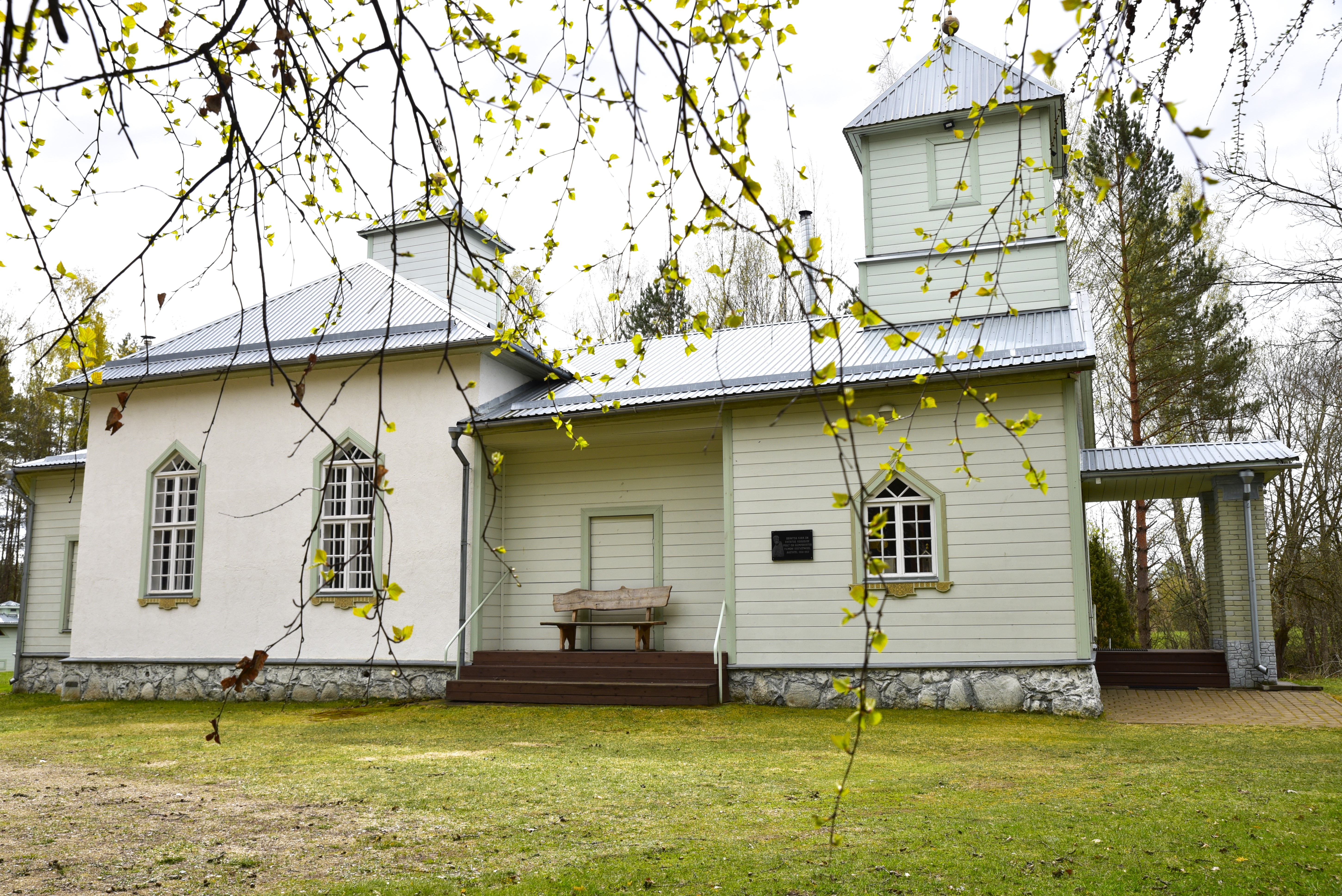
Rajaküla Old Believers’ Worship House

It is believed that the Raja congregation of Old Believers was established in the first quarter of the 18th century. The congregation was given permission to build its own church only in 1879. The church was destroyed during the Second World War – the only thing left is the belfry. The present worship house has 11 rooms. In 1854–1930 Gavriil Frolov lived in the worship house. He taught children icon-writing, reading and writing in Old-Slavic, also singing based on old musical notation.

  • Churches

Tartu Salem Baptist Church of the Alliance of Estonian Evangelical Christian Baptist Congregations

Come and take look at the modern and spacious church of the Tartu Salem Baptist Congregation (architect Maarja Nummert). The church was opened on 28 June 1988 with a concert and thanksgiving service. You are welcome to enjoy concerts in the church hall that has great acoustics and space for almost 400 people. Interesting facts: - the only baroque organ in Tartu is in the Tartu Salem Baptist Church; - the church offers accommodation to travellers.

  • Collaboration
  • News
  • Contacts
  • Privacy Policy
Join our mailing list!

"*" indicates required fields

This field is for validation purposes and should be left unchanged.
I authorise marketing

South Estonia Tourism Cluster

info@visitsouthestonia.com