• Avasta
    • Еда
    • Природа
    • Культура
    • Семья
    • Спорт
    • Сообщество
    • Блог
  • Planeeri
    • Размещение
    • Информация
    • Varamu
RUS
  • РусскийRUS
  • EestiEST
  • EnglishENG
  • LatviešuLAT
  • SuomiFIN
RUS
  • РусскийRUS
  • EestiEST
  • EnglishENG
  • LatviešuLAT
  • SuomiFIN
Populaarsed otsingud:
Näita kõiki tulemusi
  • History & Culture
  • Architecture and history
  • Lookout towers
  • Churches
  • Ruins

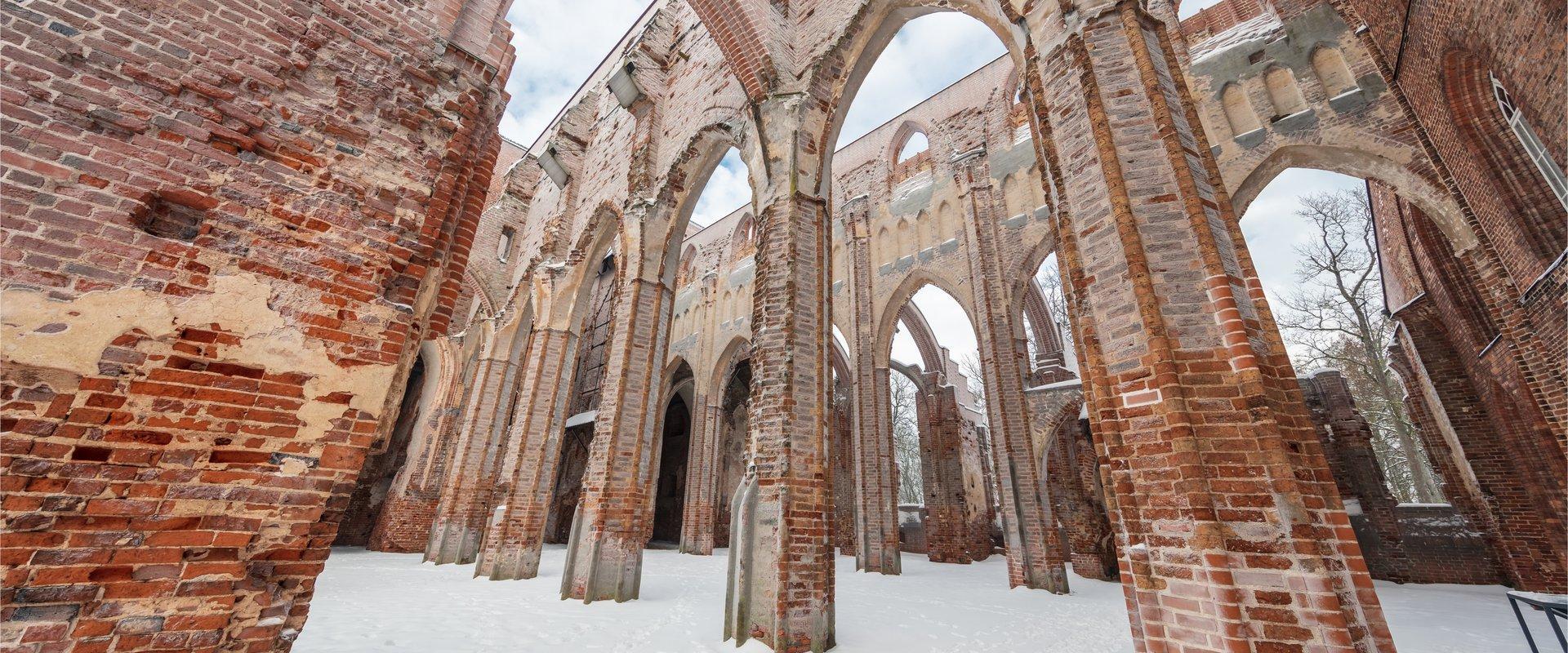
Tartu Cathedral

Lossi tn 25, Tartu linn, Tartu maakond, 51003

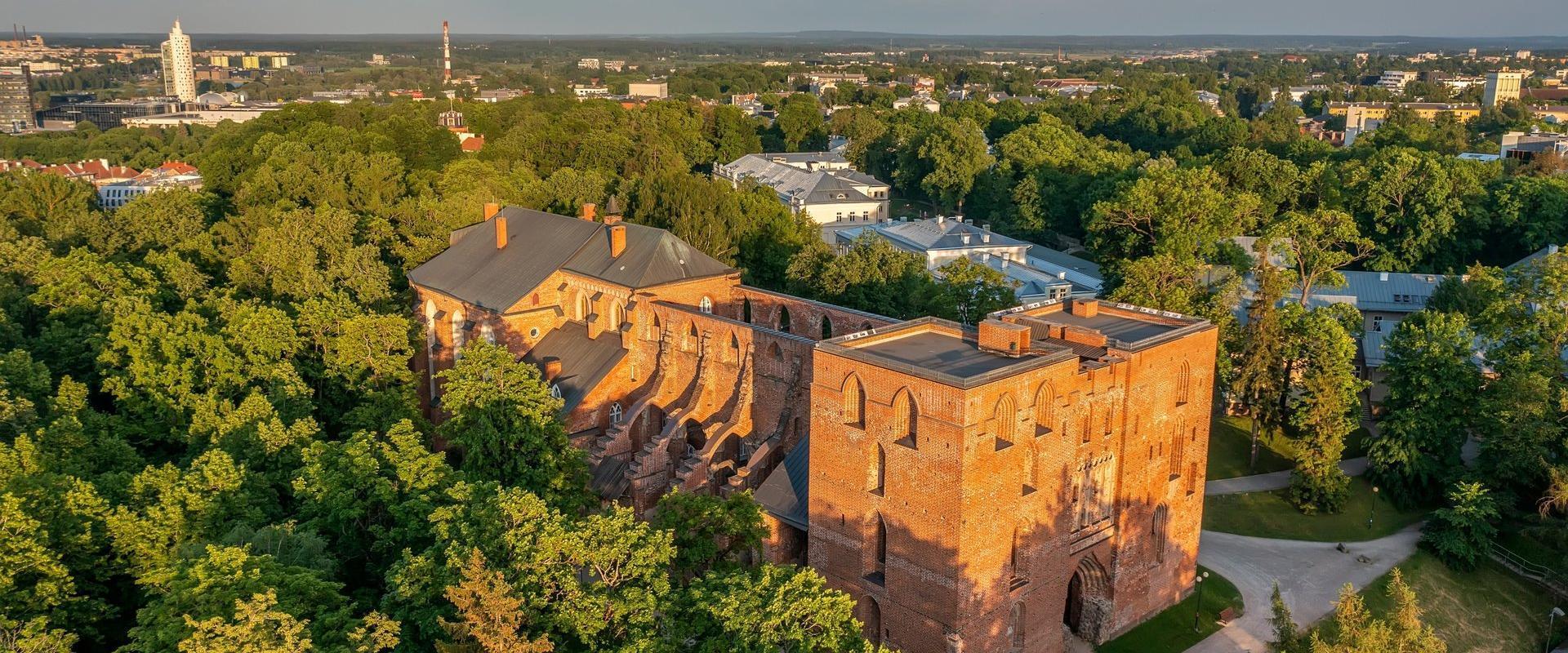
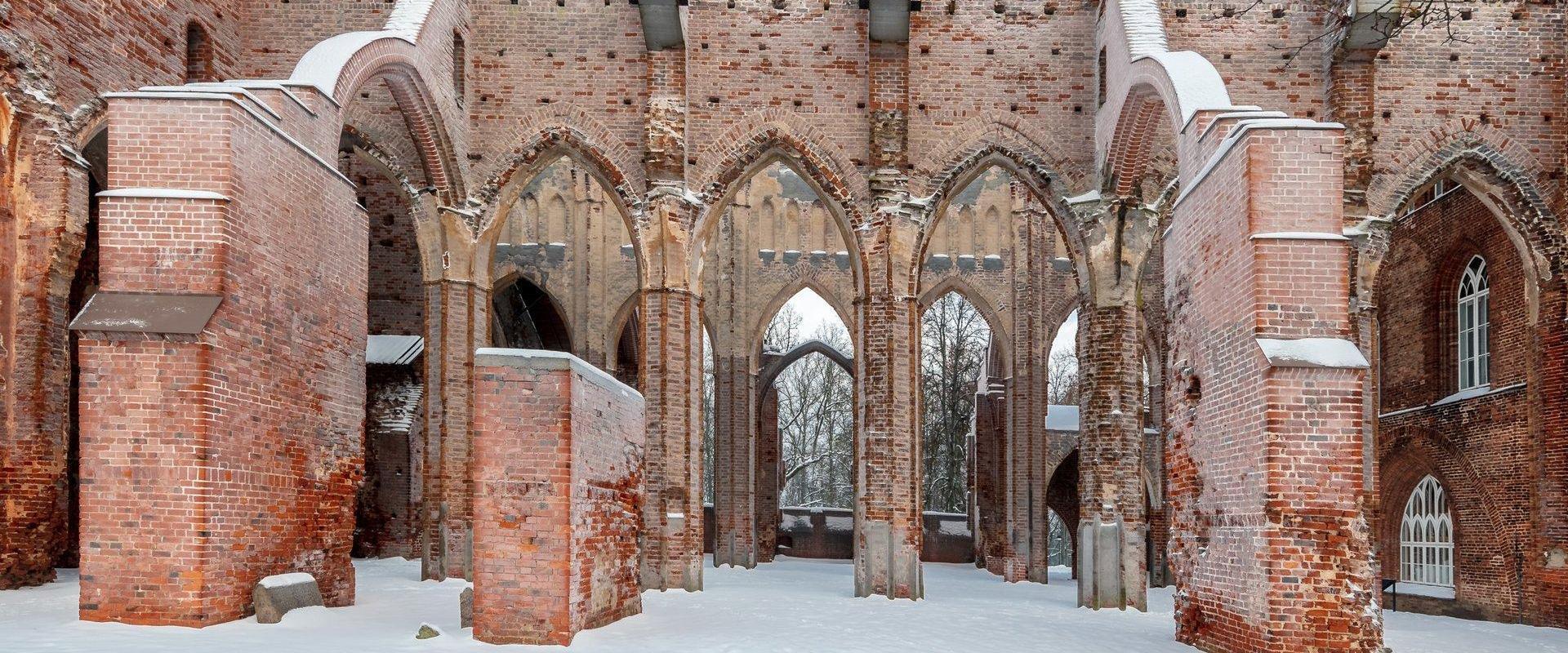
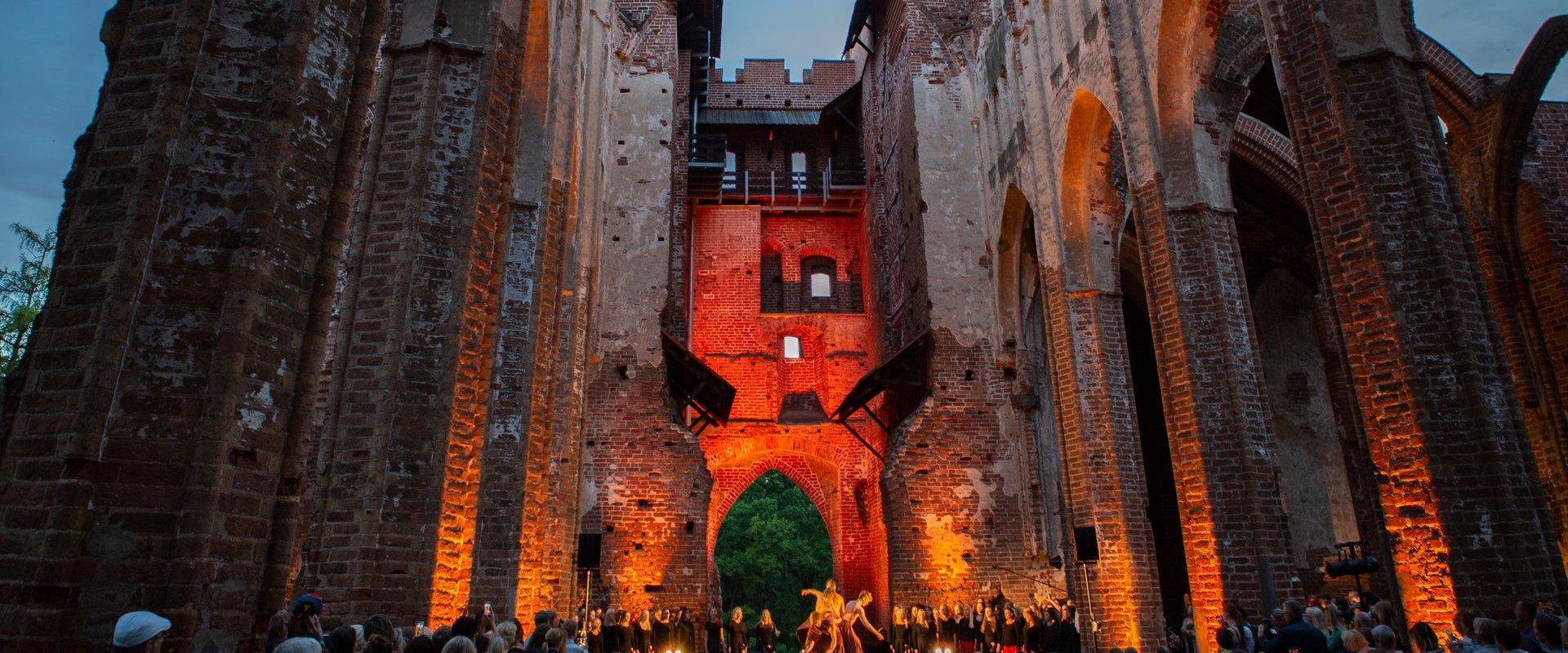
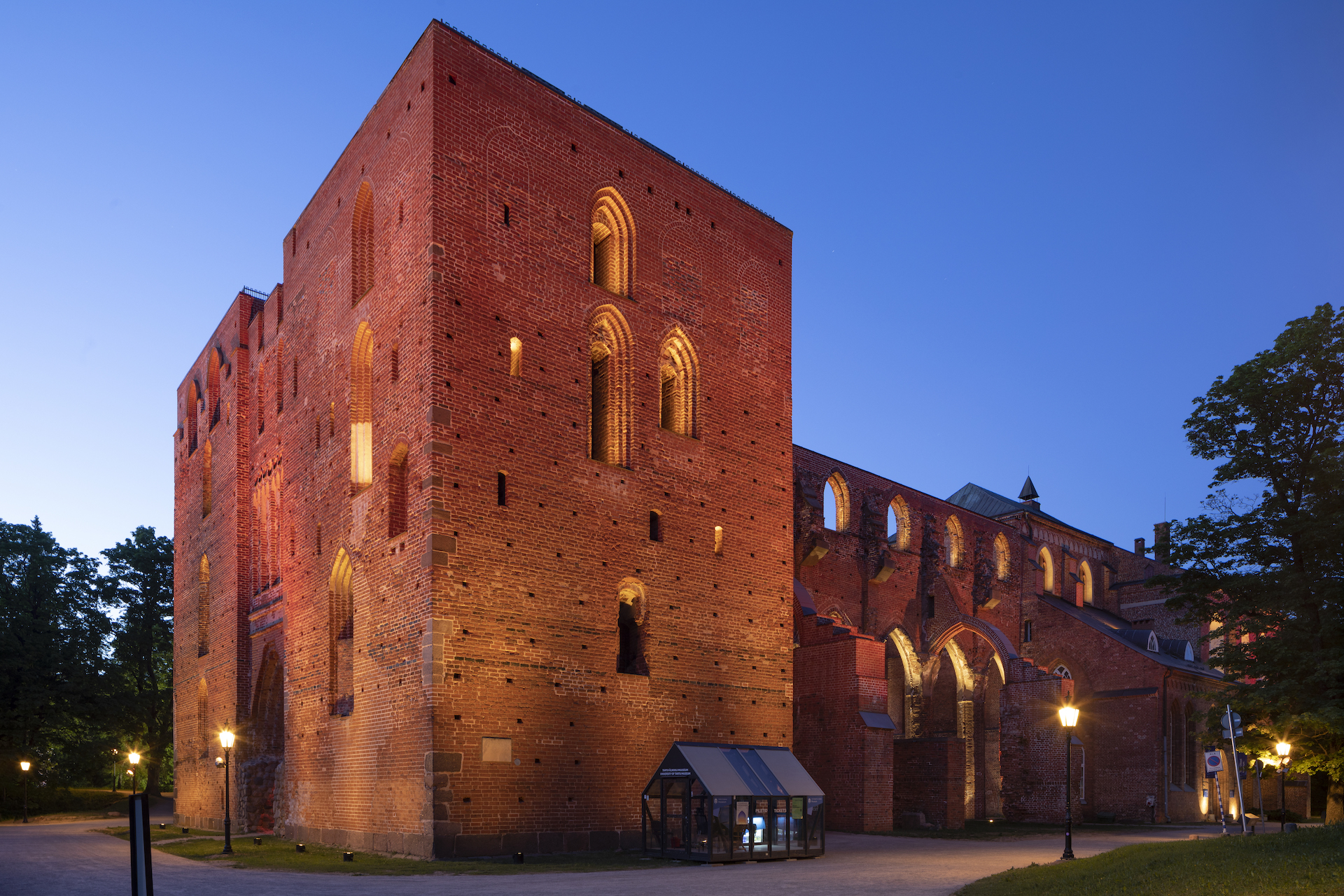
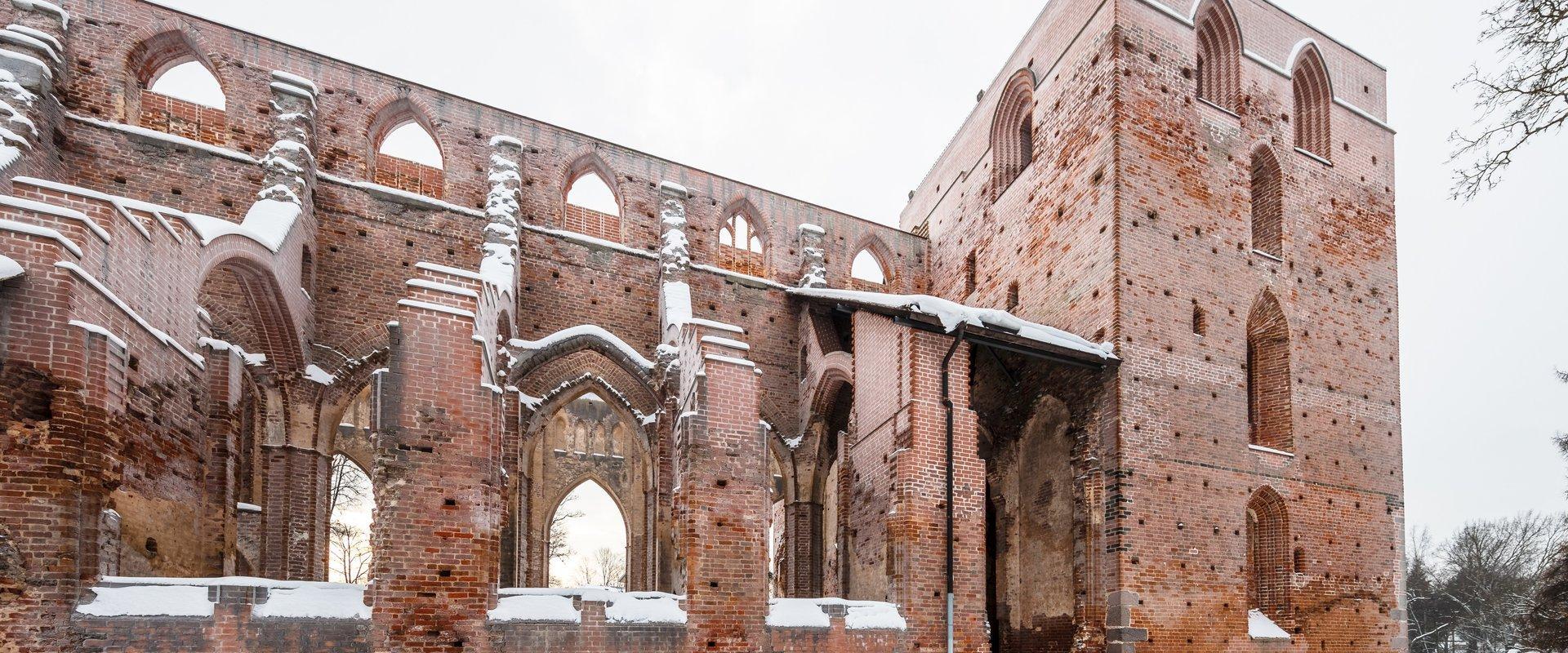
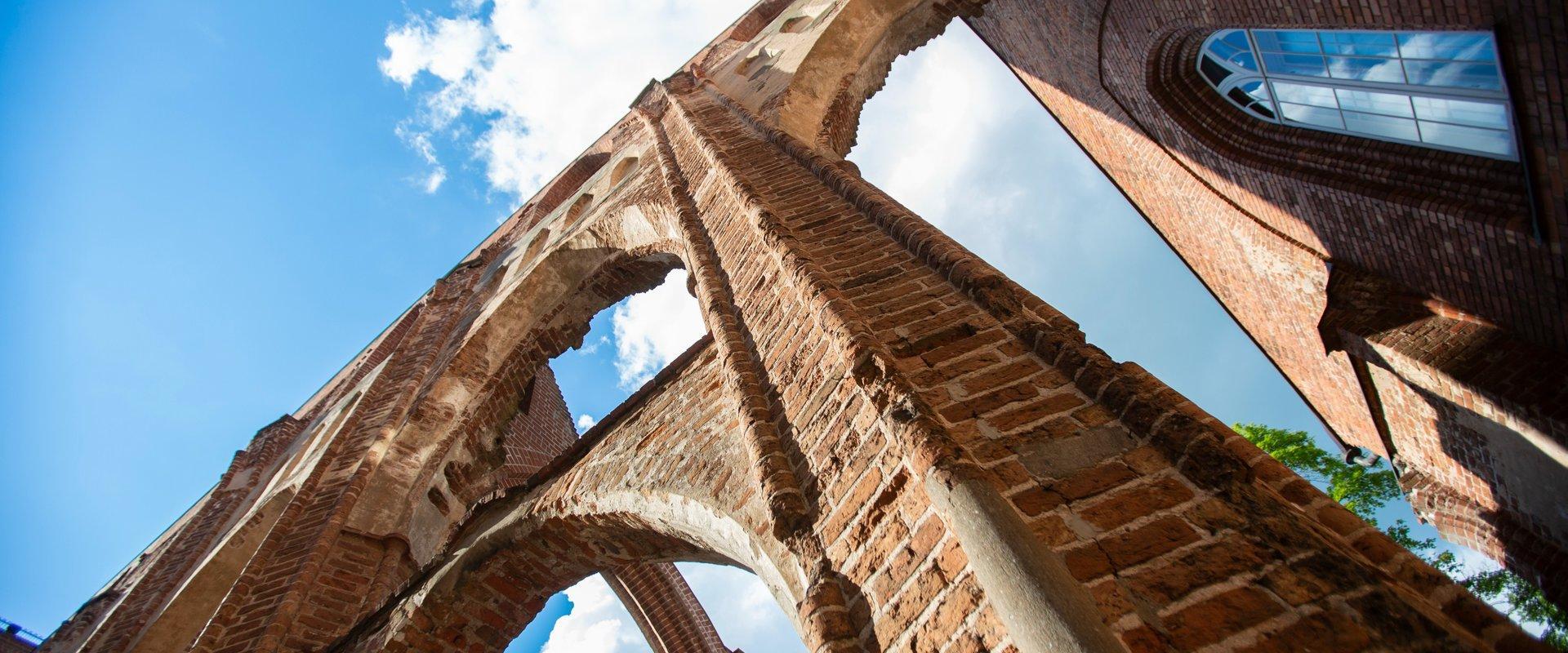
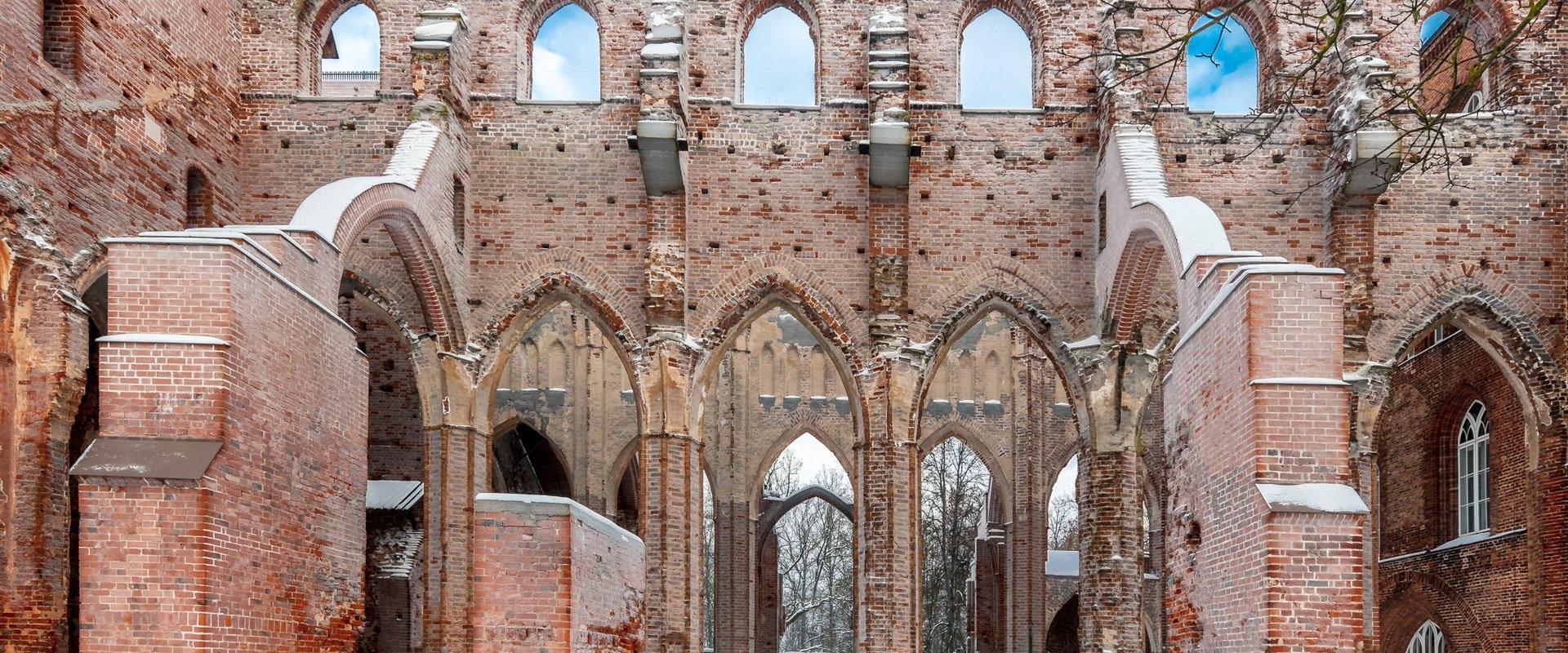
The cathedral located on Tartu’s Toome Hill is one of Estonia’s most remarkable and largest medieval structures, and the only church with two towers. The church’s construction began as early as the 13th century, when Tartu was an important bishopric. Construction work and additions continued into the early 16th century. During the Reformation, the cathedral was abandoned and, over time, turned into ruins. Nevertheless, these powerful walls and spacious vaults remain one of the most outstanding examples of brick Gothic architecture in Old Livonia, reflecting the scale and craftsmanship of medieval architecture.
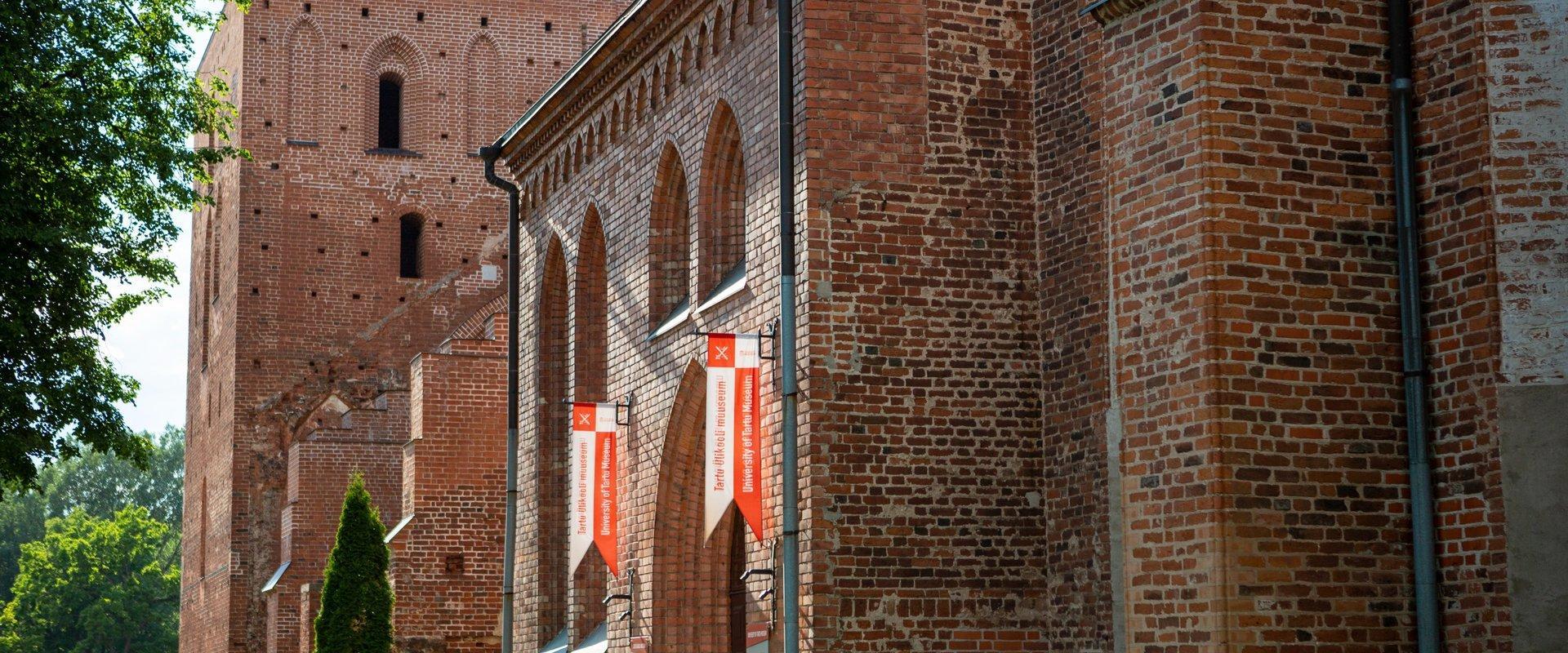
The University of Tartu Museum operates in the cathedral building, showcasing the history of science, university education, and the development of Tartu’s academic spirit.
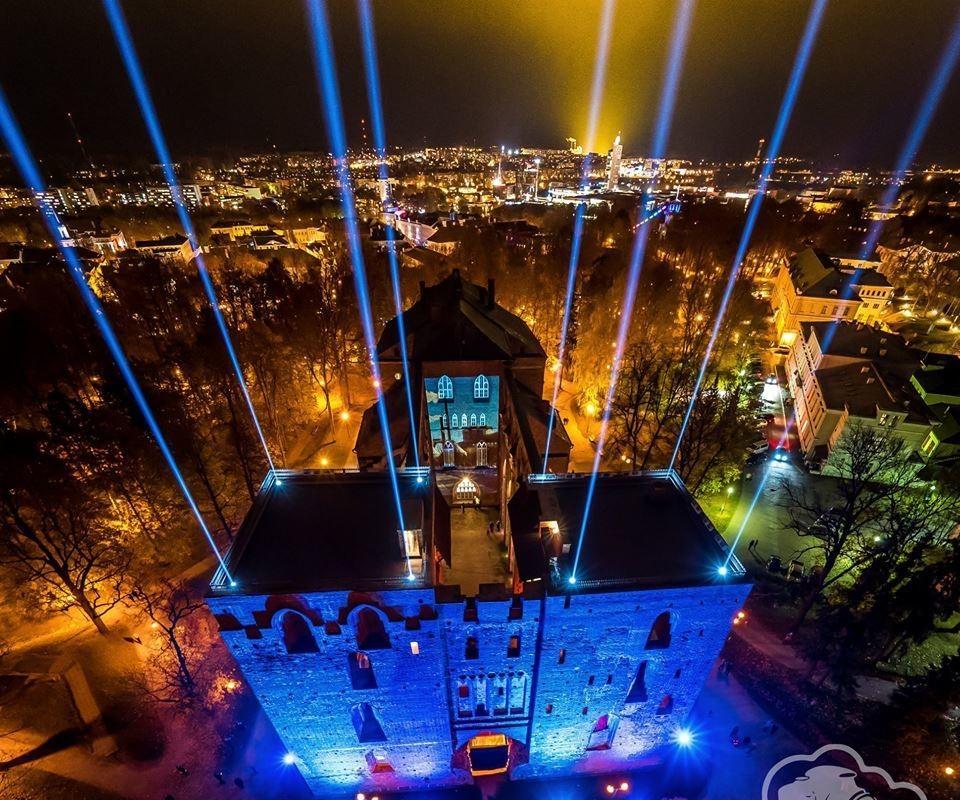
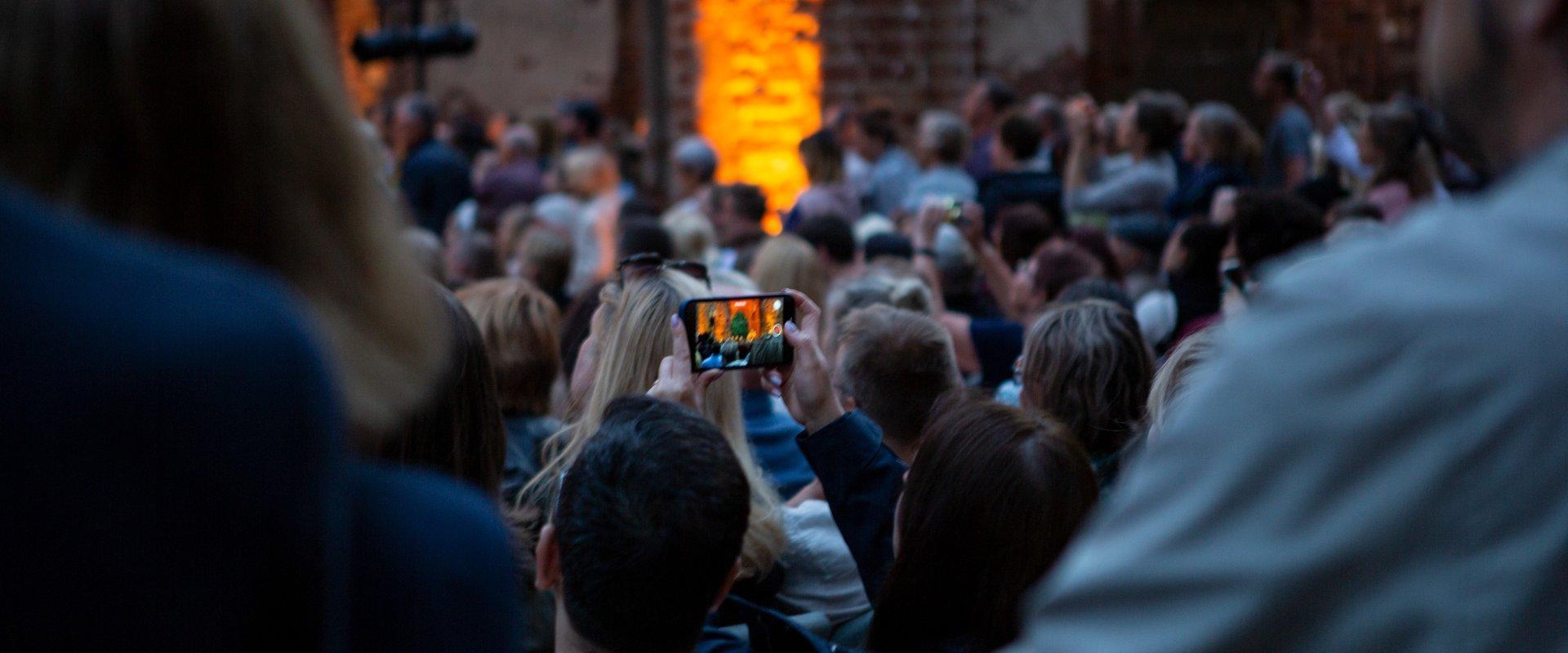
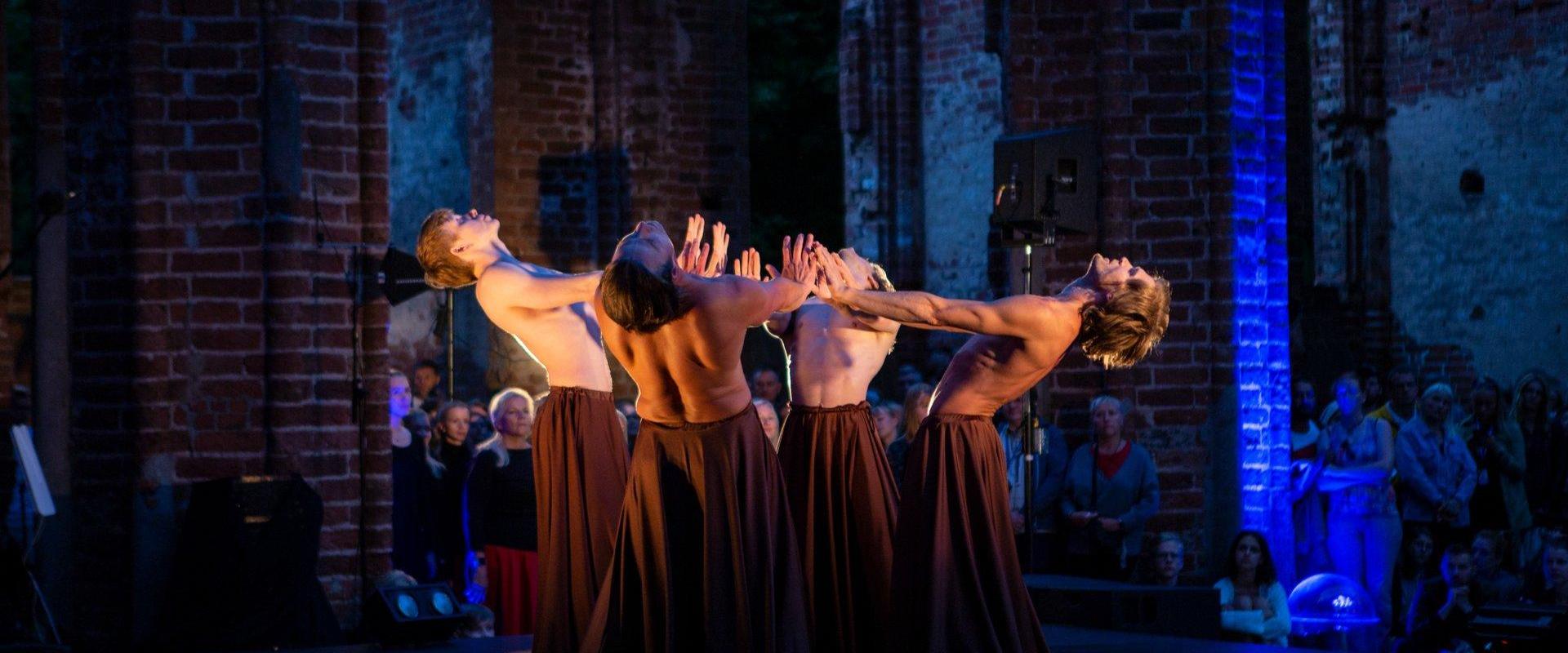
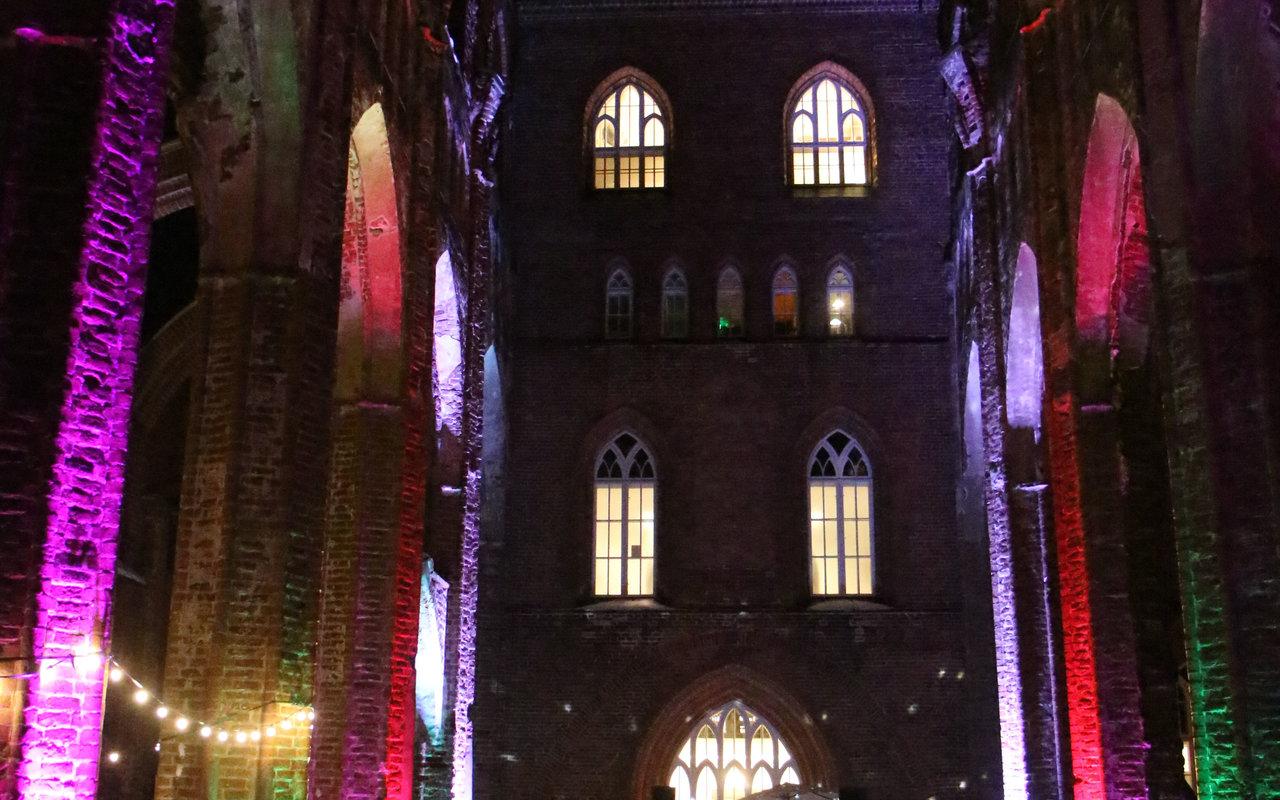
It is possible to visit the cathedral towers, which offer one of the most beautiful views of Tartu and the Emajõgi Valley. Next to the towers is Toompood, where you can find gifts, science-themed souvenirs, and memorabilia with university symbols. In the evenings, a light installation adds a magical atmosphere.
Mugavused

  • Information boards
  • Paid parking
  • Recreation area/picnic ground
  • Souvenirs

Lahtiolekuajad

Aastaringselt

Ööpäevaringselt

Kontakt

  • +372 737 5674
  • muuseum@ut.ee

Lingid

muuseum.ut.ee

Vaata lisaks

  • Churches

Vastseliina Church

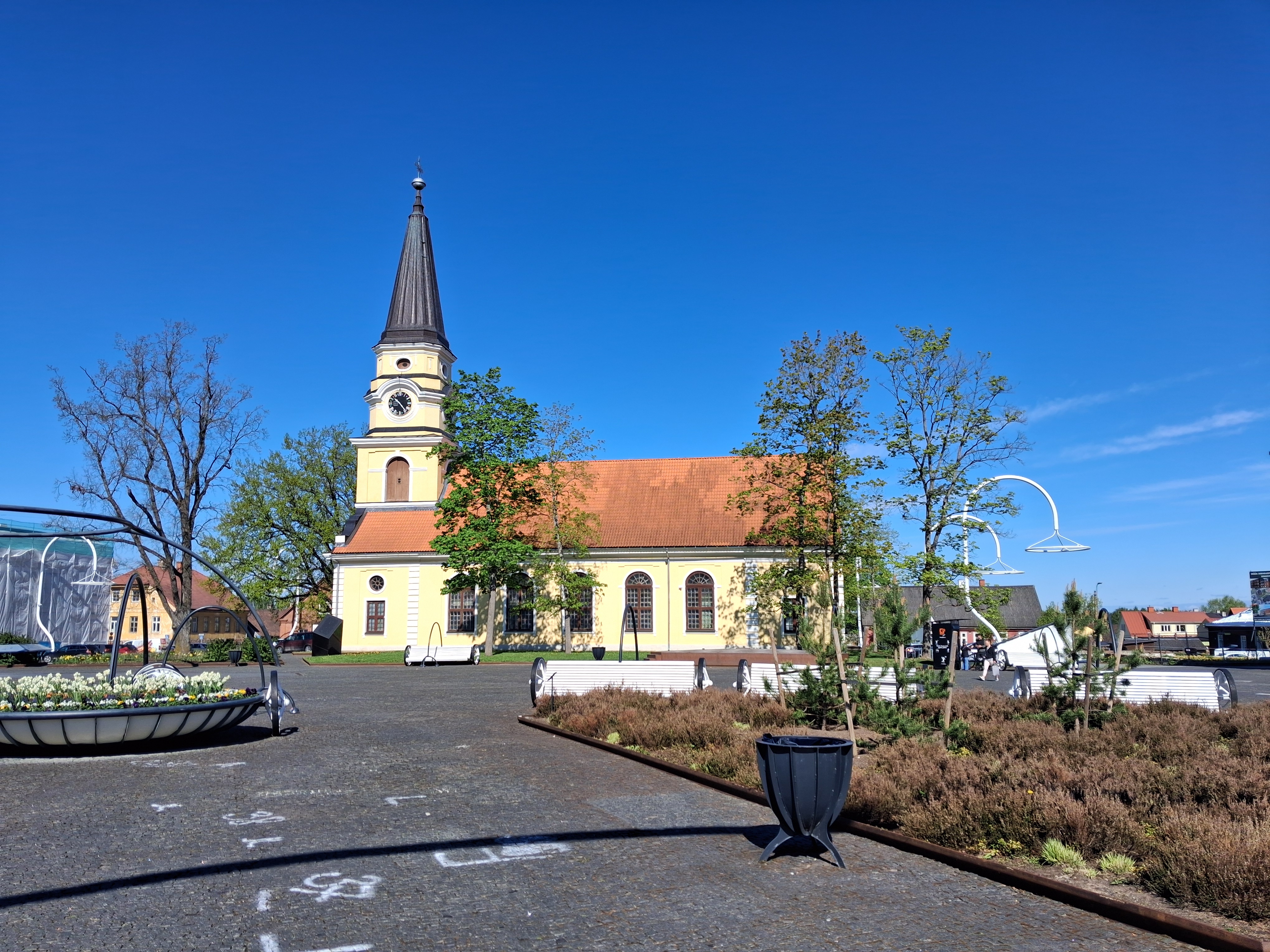
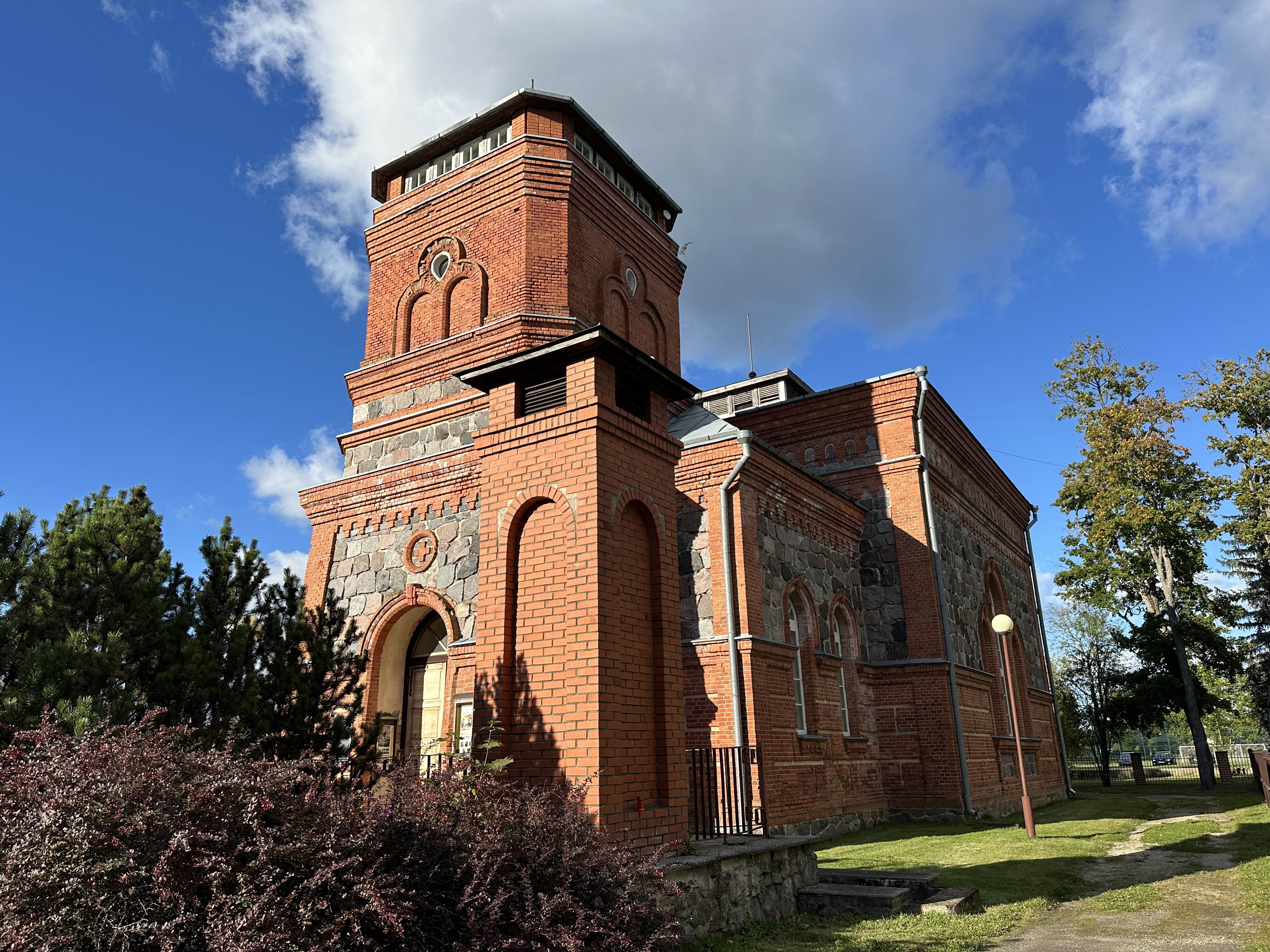
Vastseliina Castle was built in 1342. The Swedish Army gave the order to build another church outside the walls of the castle as an addition to the Vastseliina Castle Chapel. The new church was consecrated as St. Catherine's Church. The church was destroyed together with the Vastseliina Castle by Russian cannon fire. Another church was built, and construction began on a stone church. Von Liphardt donated an organ made by Kessler and an alter painting by Baron Maydell to the church. Vastseliina Church was reconstructed according to the plans of the architect Pohlmann. In 1911 the church obtained a new organ built by the brothers Kriisa. Church service is held on Sunday.

  • Ruins

12th Century Ruins of the Otepää Bishop’s Castle

Here You can see the ruins of the first known brick building in Estonia on top of the Otepää Hill Fort. Herman I, who became the Bishop of Tartu in autumn 1224, established the first stronghold of its diocese here. A settlement, which was mainly populated by craftsmen and merchants, appeared around the bishop’s castle in the 13th century.Interesting facts: * the oldest traces of a settlement on the Fort date back to approximately the change of the system of chronology; in the 11th century, Otepää was the most important stronghold of the ancient Ugandi County; * a metal map of the Estonian strongholds was installed on the Fort Hill in 1937.

  • Family friendly
  • Lookout towers
  • Hiking Trails

Ööbikuorg valley and Rõuge lakes

The Rõuge primeval valley, which is 10km long and 52m deep, contains seven lakes: Kahrila Lake, Tõugjärv, Ratasjärv, Kaussjärv, Rõuge Suurjärv, Liinjärv, and Valgjärv. The lakes are connected by the Rõuge or Ajo River, which starts from the Tindi valley. The side valleys of the Rõuge primeval valley are Tindi, Külm, Mõhk, Ööbikuorg, Tinopeetri, Hinni, Sikasoo, and Järveotsa valleys. The most famous of these is Ööbikuorg, which borders the ancient hillfort from the north. In spring, during the blossoming of bird cherry trees, the valley resonates with the song of nightingales – hence the name of the valley. Several hiking trails run through Rõuge, including the popular Ööbikuorg hiking trail, which takes visitors through the primeval valley, past lakes and springs. The trail is suitable for families with children and is partially accessible by bicycle. In summer, you can swim and paddle in the lakes, while in winter, the same trails are enjoyed by skiers and sledders. In the Rõuge settlement, there is also Estonia's deepest lake – Rõuge Suurjärv (38m) – and the largest Nature Clock in Estonia, whose hands mark the passage of time in nature's rhythm.Good to know: At the edge of Ööbikuorg, there is a visitor center and the Pesapuu observation tower, which offers a view of the entire valley.

  • Pet friendly
  • Family friendly
  • Lookout towers
  • Guided tours
  • Workshops
  • Castles
  • Churches
  • Ruins

Põltsamaa Castle

Põltsamaa Castle has been an important site throughout the centuries and carries a distinguished history – founded in 1272 on the riverbank, it was the residence of Magnus, the King of Livonia, and later evolved into a magnificent Rococo palace. Wars and fires left the castle in ruins, but now it has come back to life and is waiting for you to visit! Today, the castle offers visitors plenty of excitement. First and foremost, it is worth climbing to the viewing platform of the seven-story castle tower, where a captivating view of the city unfolds in every season. The tower is crowned by a restored historical dome, which is unique in all of Estonia. The church, located within the complex, is built directly into the castle's fortification walls and tower, and is open daily during the summer. The convent and gatehouse feature a modern exhibition that tells the colorful story of the castle and the town of Põltsamaa. In the castle courtyard, craft workshops await, where you can watch the work of masters or purchase something interesting yourself. Culinary experiences are offered by the restaurant Oberpahlen, where history and excellent food come together. Discover Põltsamaa Castle – a place where history comes to life!

  • Churches

Tartu St Alexander’s Church of the Estonian Apostolic Orthodox Church

Come and take a look at the two-storey St Alexander’s Church in Tartu with its onion domes inspired by old Russian church architecture (architect Vladimir Lunski). Construction of the church started in 1914 and it was re-consecrated in 2003. Interesting facts: - a zinc box with the remains of a saint and a copper plate with a letter have been placed in the cornerstone of Tartu Alexander’s Church. The cornerstone was put in place by Archbishop Ioann during the reign of Emperor Nicholas II on 27 May 1914; - the church was nationalised in 1940 and it was used as a storage building by the University of Tartu and the Estonian National Museum.

  • Lookout towers
  • Birdwatching

Linnutee hiking trail, bird observation tower

The bird observation tower on the Linnutee hiking trail is located in Kärevere Nature Reserve, which is one of the most visited places among bird enthusiasts. There are over 200 bird species here!The six-meter observation tower is perfect for admiring birds, their migration, and nesting, as well as the spring floods, and the diverse rivers, meadows, and forests. The purpose of this area is to protect rare species of birds, animals, and plants, as well as their habitats, forest and meadow communities, and inland water bodies. The local protected species include the black stork, the lesser spotted eagle, the white-tailed eagle, several bat species, the asp, the European bullhead, and others.

  • Ruins

Ruins of Rõngu Vassal Castle

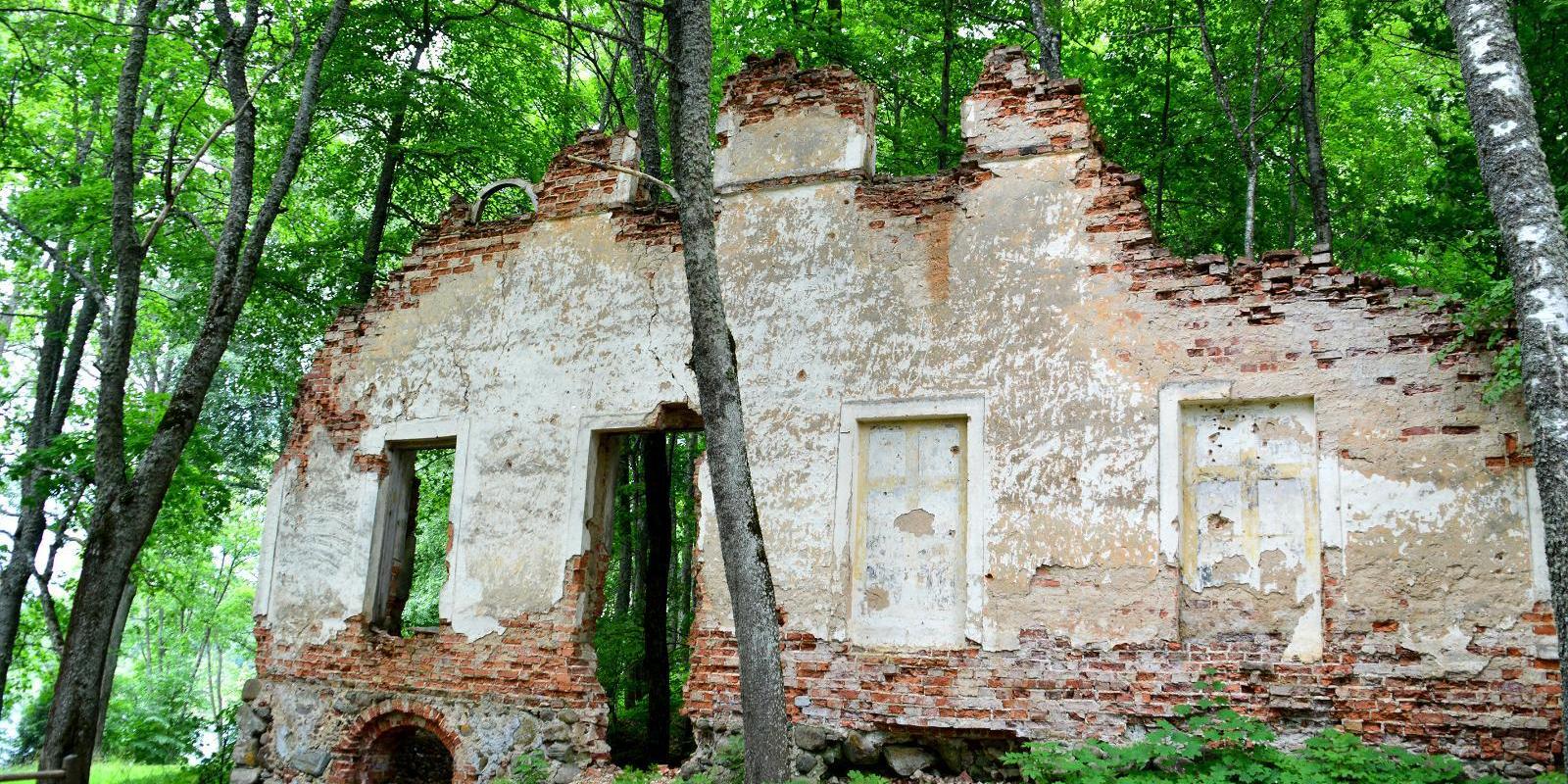
The ruins of Rõngu Vassal Castle are located in Rõngu, Elva Parish, Tartu County, and are among the most fascinating medieval monuments in South Estonia. The castle was likely established in the 14th century as a vassal castle of the Bishop of Tartu and was part of the bishopric's defense system, guarding important roads and the surrounding area. During medieval times, it was a complex of fortified buildings with an inner courtyard enclosed by walls. The castle also housed a chapel, which is mentioned in sources from the early 15th century. The castle lost its significance in the 16th century during the Livonian War when it was destroyed and fell into ruins. Today, the remnants of Rõngu Vassal Castle consist of wall remains located in the picturesque Lossimäe Park. The area is freely accessible and is suitable for walks, exploring history, and photography. The ruins offer an interesting time-travel experience for history enthusiasts and families looking to combine nature outings with cultural heritage exploration.

  • Churches

Elva Church of the Estonian Evangelical Lutheran Church

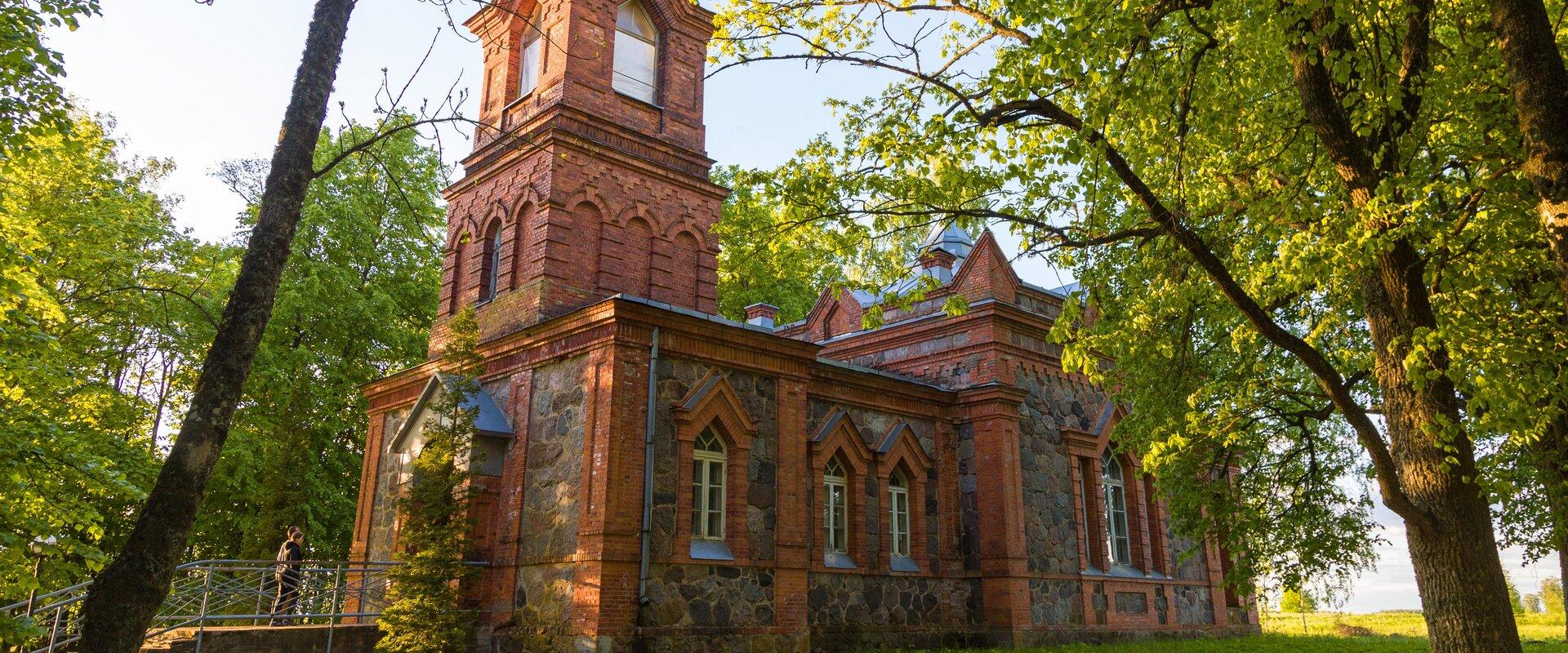
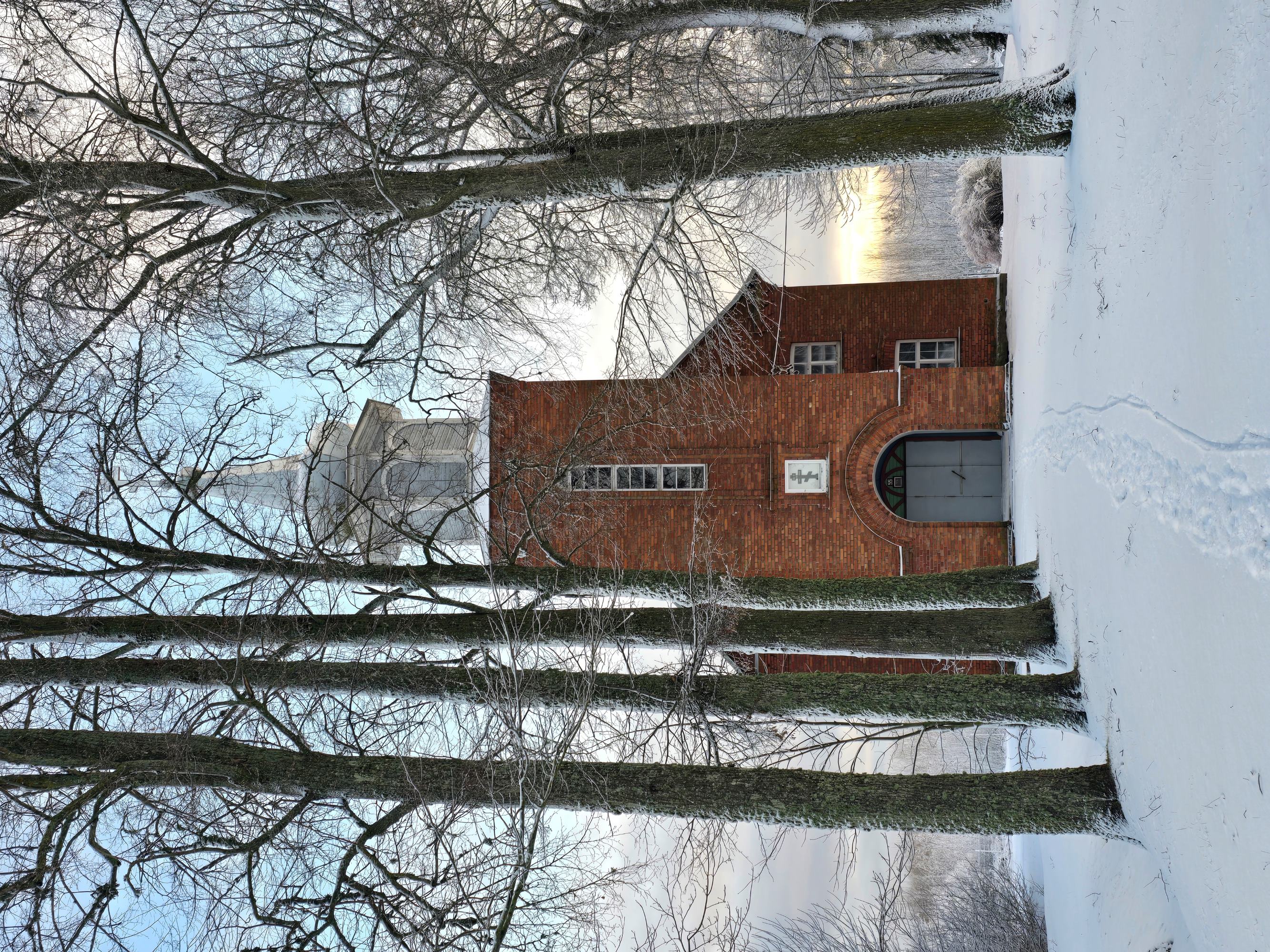
You will find this historicist red-brick church (architect Arved Eichorn), which is the first new church built in the Republic of Estonia, in the peaceful little town Elva. Tartu St John’s Congregation used to operate in Elva for some time. This is why some details of the Elva Church remind of Tartu St John’s Church – the rarely used plaster and brick imitation of a rose window on the western wall of the church refers to the medieval rose window that can be found in Tartu St John’s Church.

  • Privacy Policy

"*"обозначает обязательные поля

Это поле используется для проверочных целей, его следует оставить без изменений.
Я разрешаю маркетинг