• Avasta
    • Еда
    • Природа
    • Культура
    • Семья
    • Спорт
    • Сообщество
    • Блог
  • Planeeri
    • Размещение
    • Информация
    • Varamu
RUS
  • РусскийRUS
  • EestiEST
  • EnglishENG
  • LatviešuLAT
  • SuomiFIN
RUS
  • РусскийRUS
  • EestiEST
  • EnglishENG
  • LatviešuLAT
  • SuomiFIN
Populaarsed otsingud:
Näita kõiki tulemusi
  • History & Culture
  • Architecture and history
  • Churches

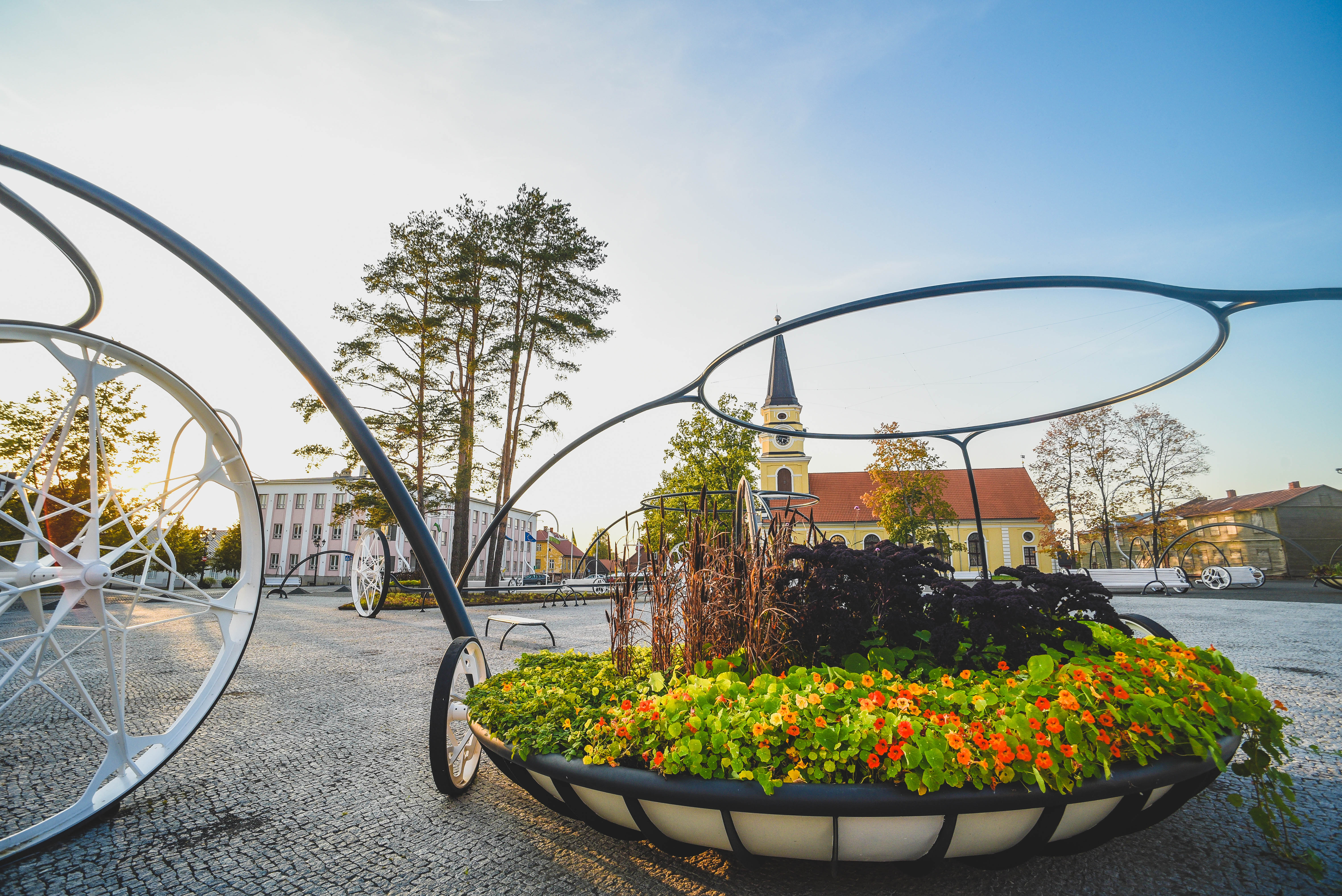
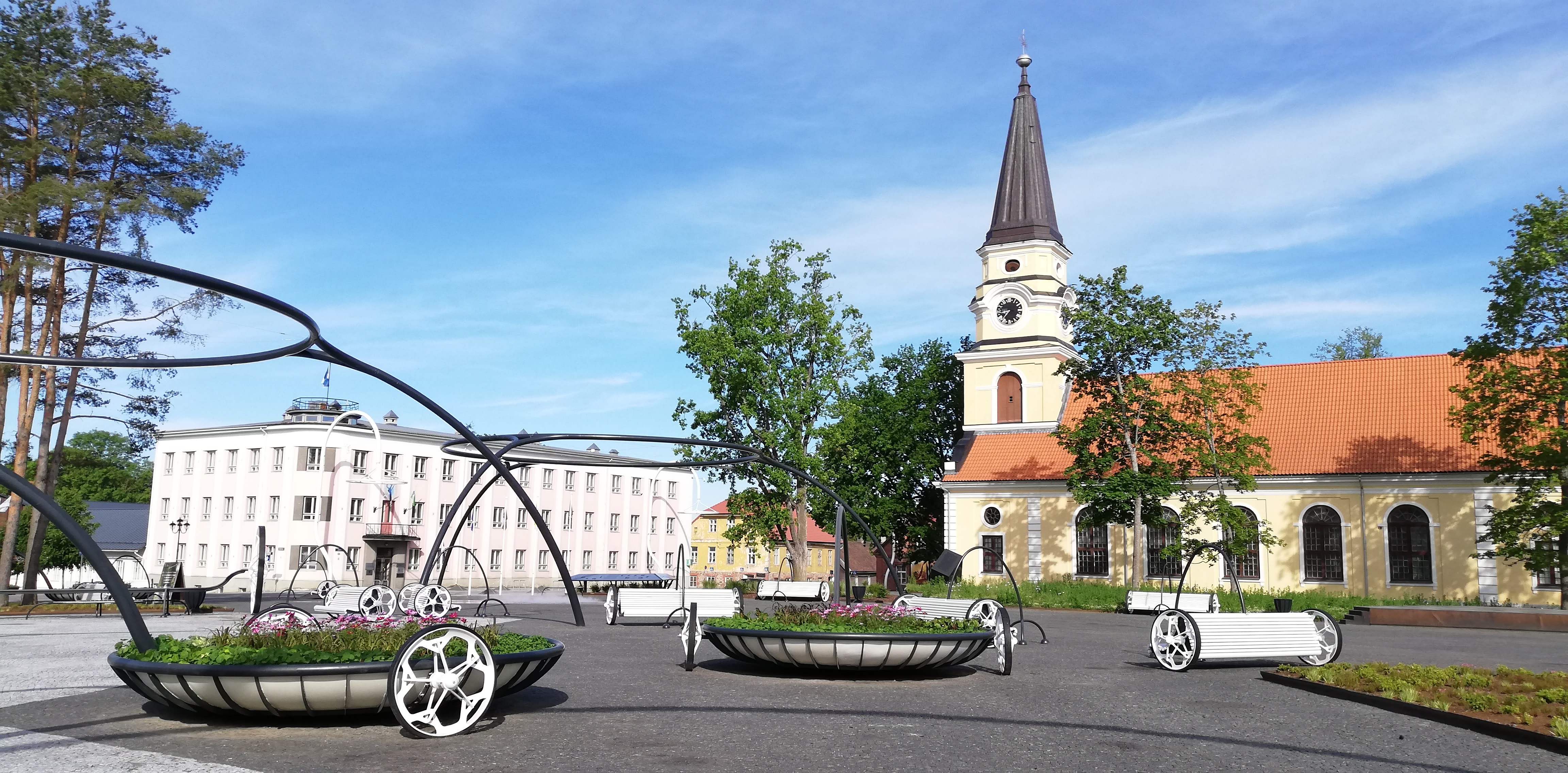
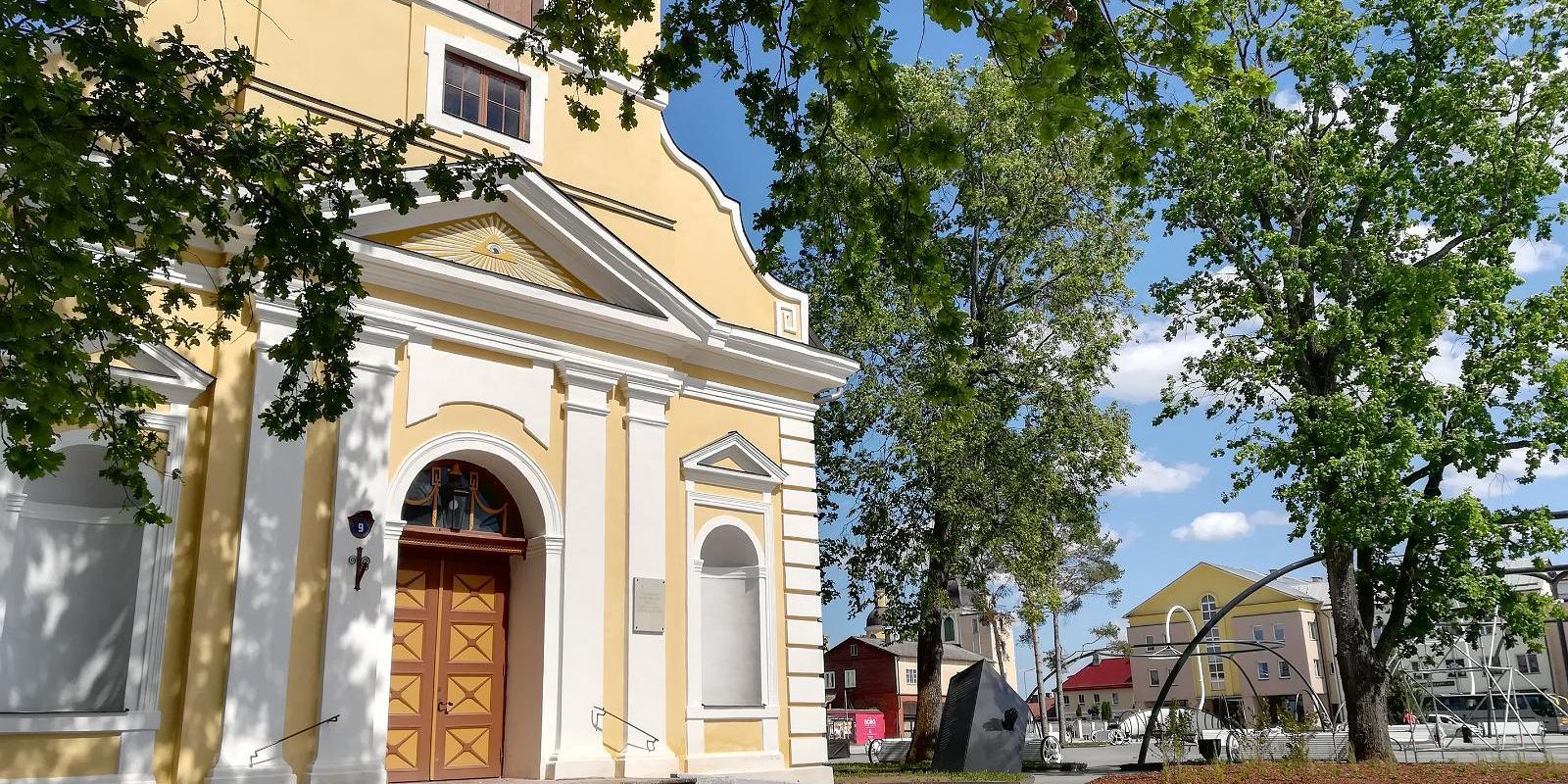
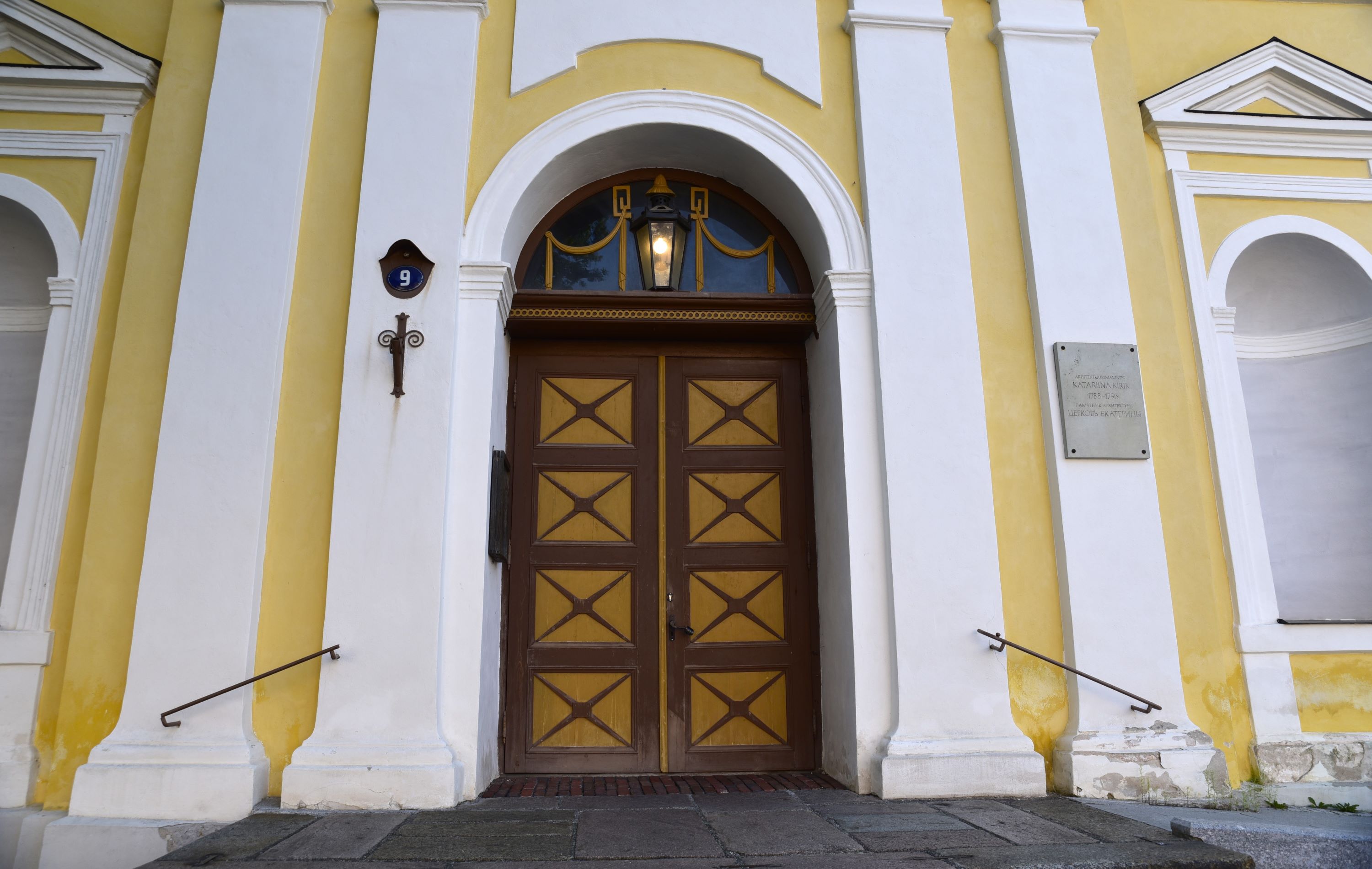
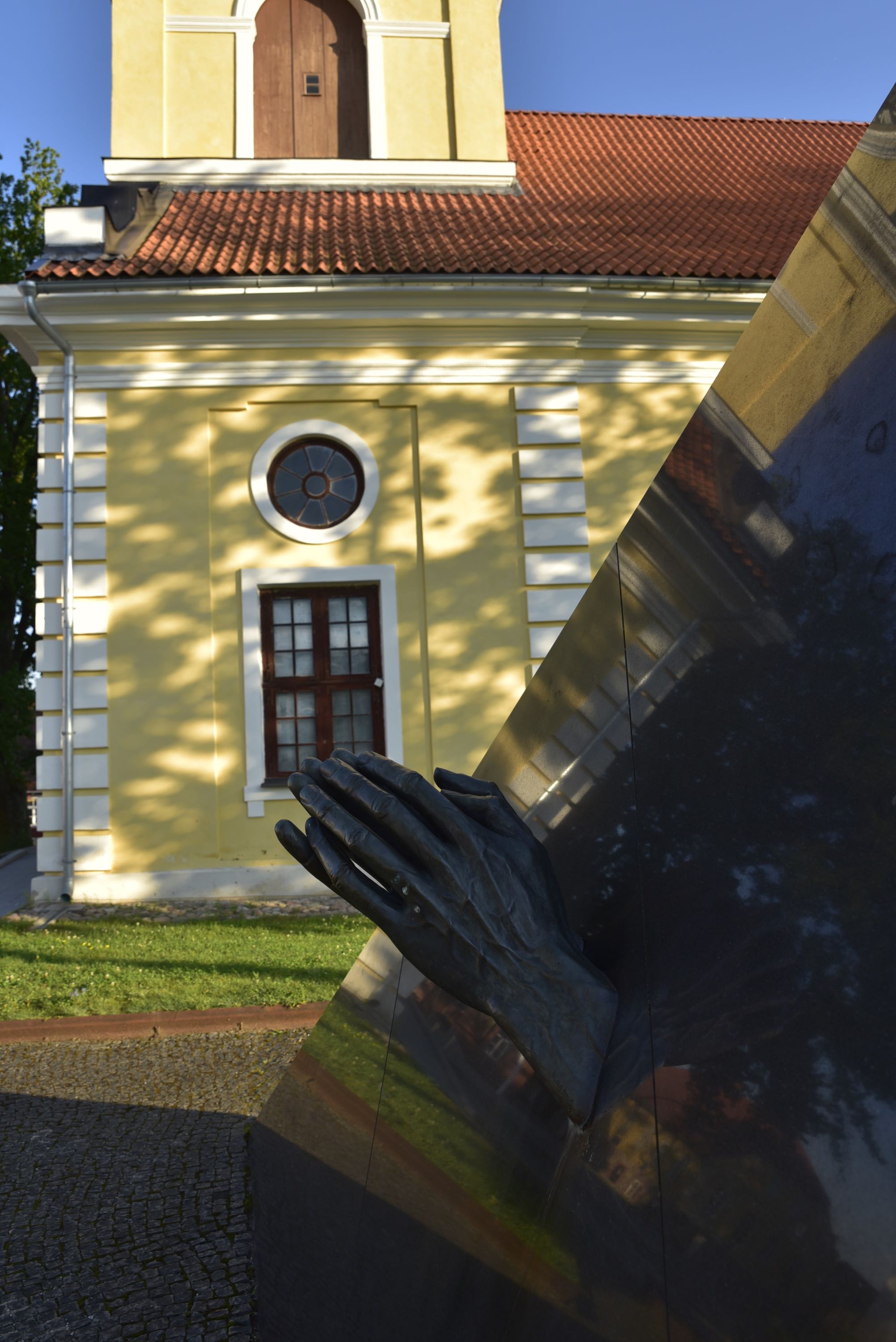
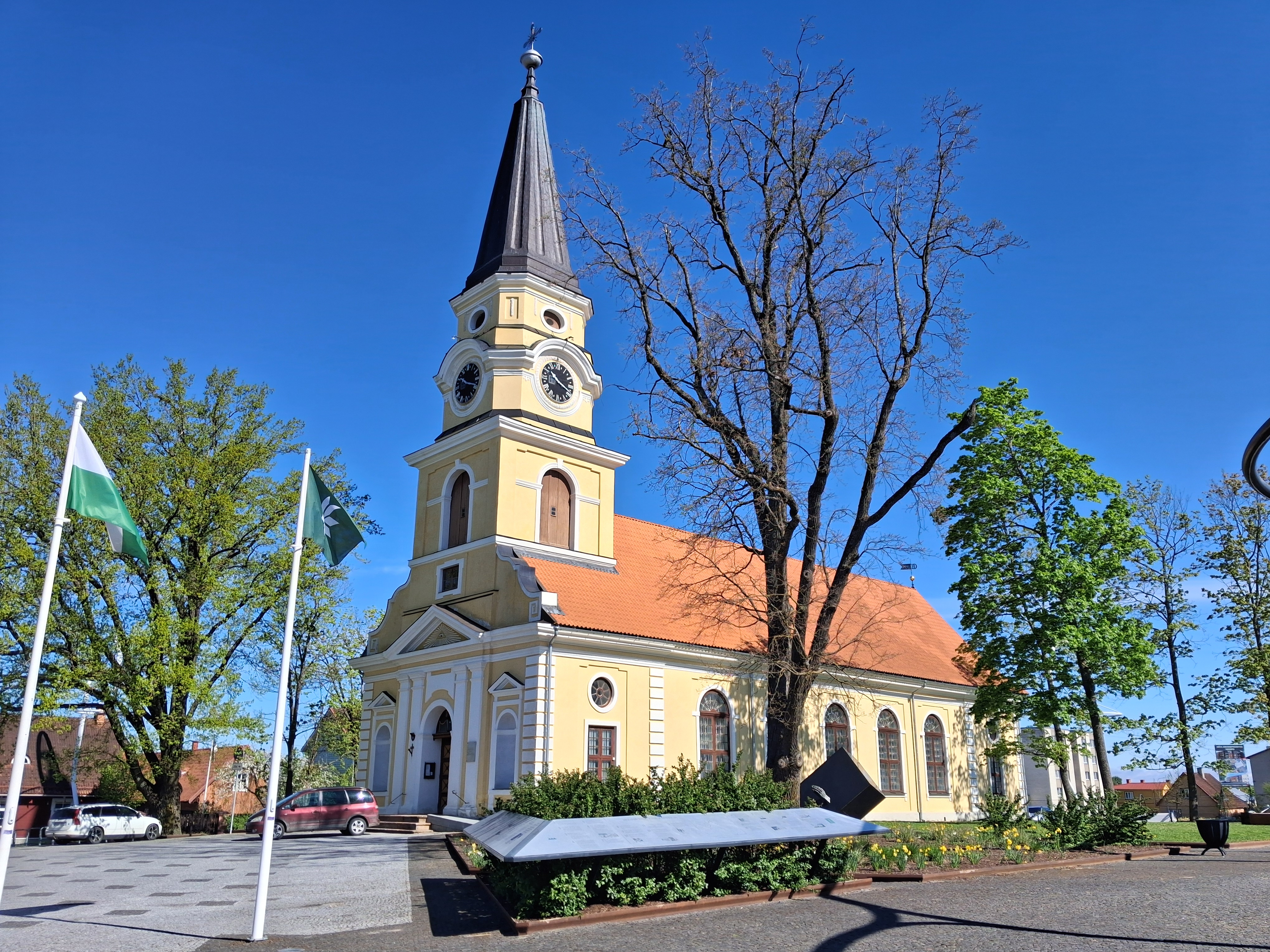
Catherine’s Church in Võru

Jüri tn 9, Võru linn, Võru maakond, 65608

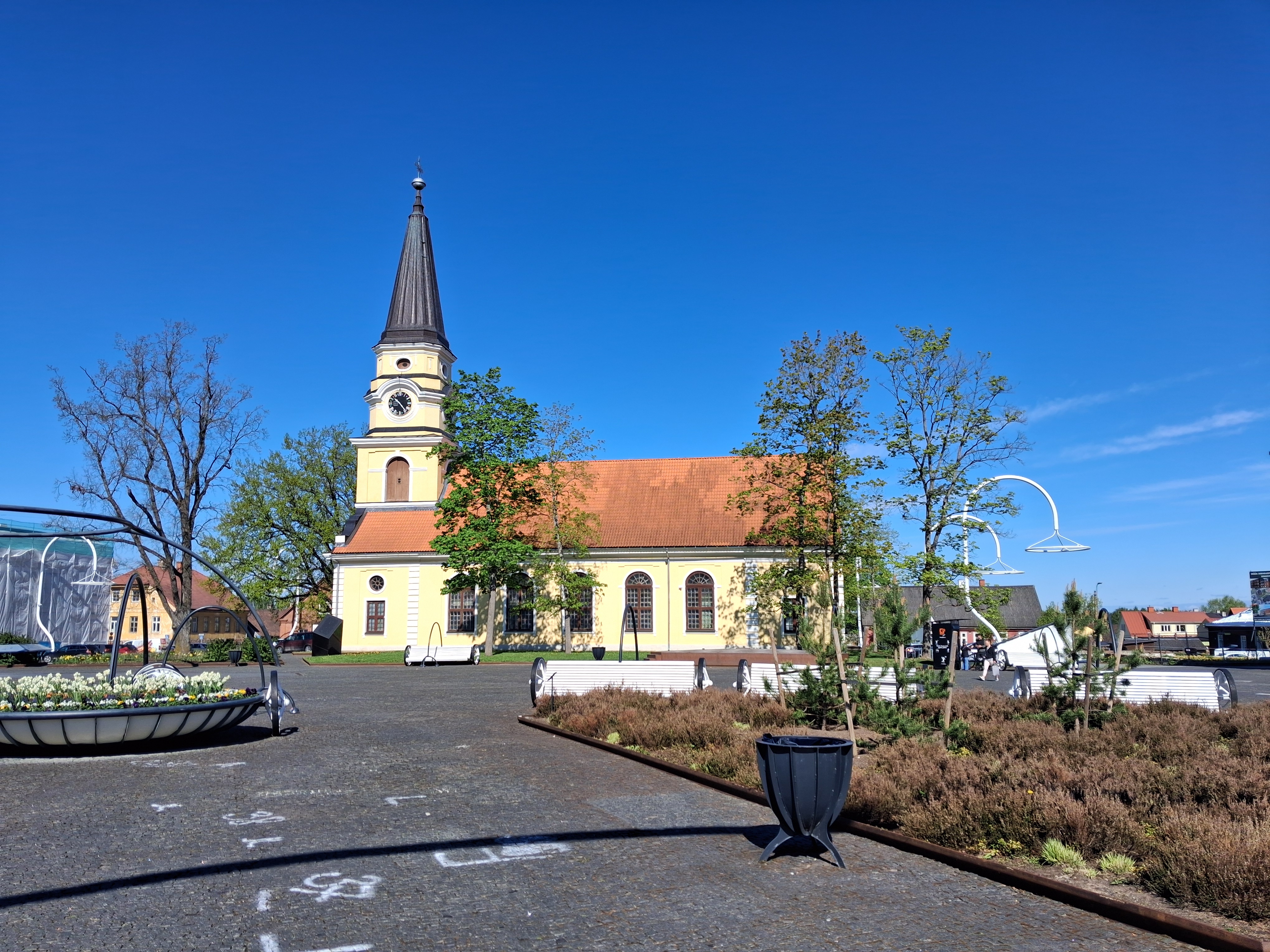
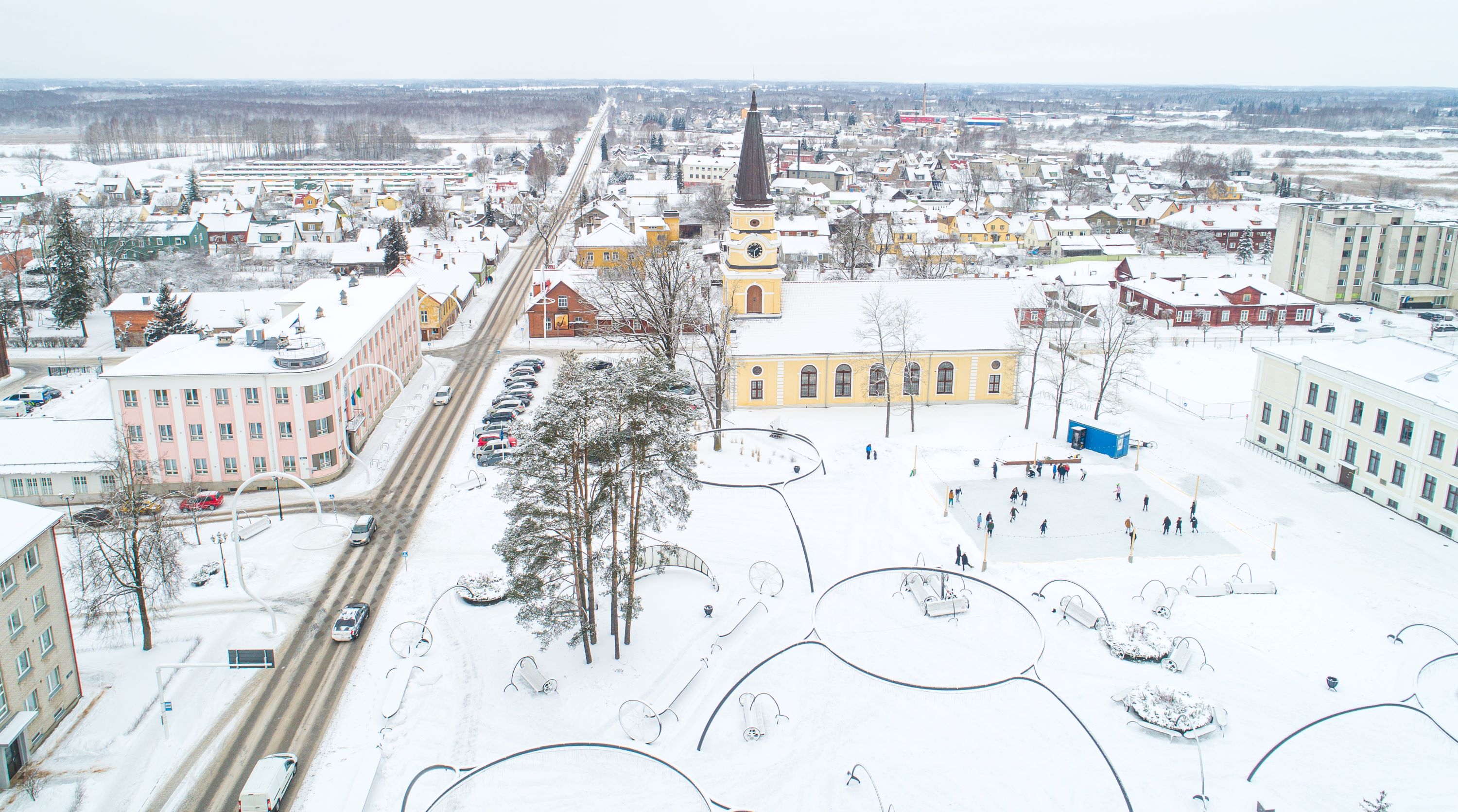
28,000 silver roubles were donated towards the construction of this Lutheran church by Russian empress Catherine II. It was blessed on 24 July 1793, when it received the name ‘Catherine’. It is thought that the church — which was designed in early classicist style with baroque roots and which boasts stunning arched windows — was designed by the architect Christoph Haberlandt from Riga. Renovations in 1879 saw its tower receive a new dome, and a four-faced clock was also installed. The church has an organ built by the Kriisa brothers in 1913. You can visit the church on Sundays during mass times.
Mugavused

  • Information boards
  • Free parking
  • Recreation area/picnic ground

Lahtiolekuajad

21. juuni - 15. aug

11:00 - 15:00

Kontakt

  • +372 5628 0830
  • rene.alberi@eelk.ee

Lingid

Vaata lisaks

  • Churches

Tõrva Church – Chamber Hall

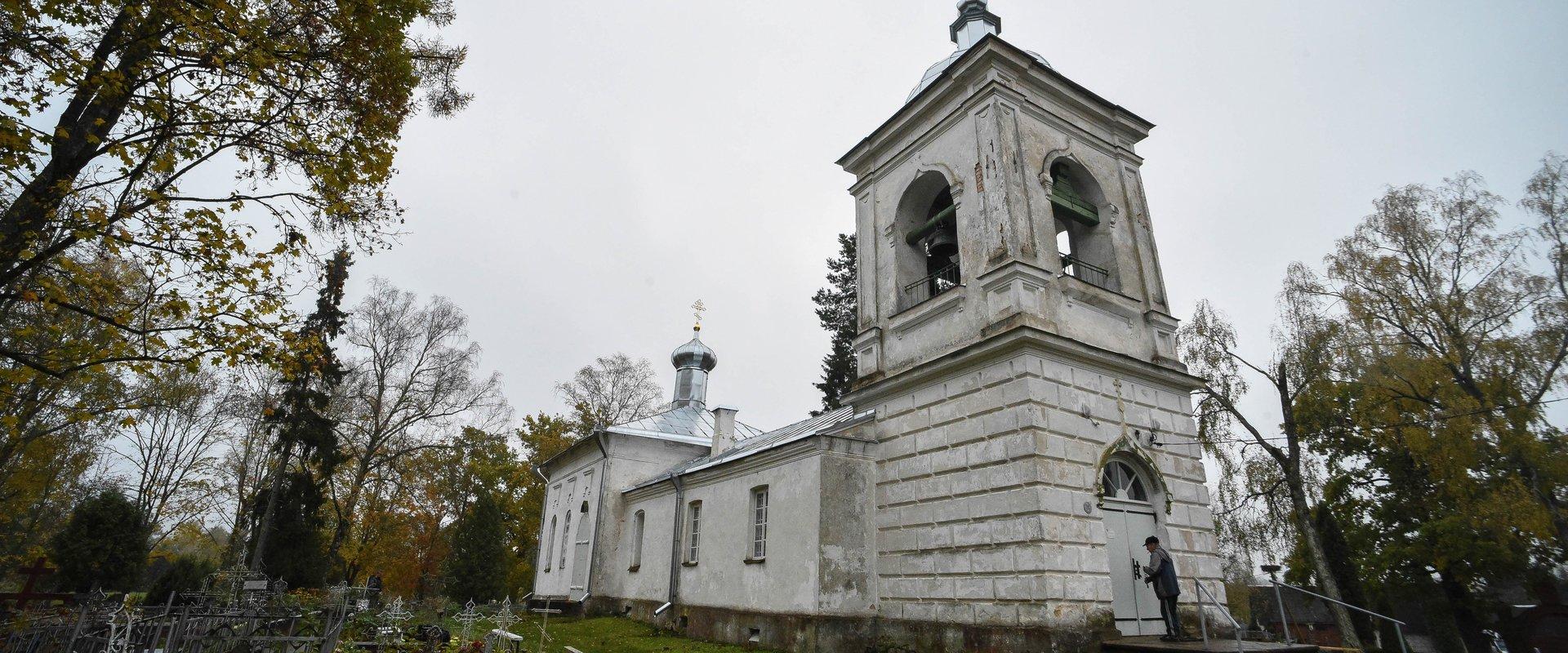
The Helme-Tõrva Apostolic Orthodox Church of the Birth of Christ was built in Valga Street in the years 1903 to 1904. Karl Shurin was in charge of the building work. The two domes and bell tower made the church one of the most imposing churches in the Viljandi Apostolic Orthodox Deanery. The church was seriously damaged during the fierce battles fought in September 1944 and it was only restored in 1990 as a chamber hall.Interesting facts: * the church was also used for salt and cement storage during the Soviet times; * the church-chamber hall currently belongs to the Lutheran church.

  • Churches

St John’s Lutheran Church in Kanepi

St John’s Church is an eye-catching building; its architect was Friedrich Siegel. There is an altar painting Christ on the Cross (A. Bauer, 1857) and a pseudo-Gothic altar, and two nationally protected wooden candlesticks (1810) and an armchair from the birch wood dating from the 18th century. On top of the spire there is a morning star. Interesting to know: St John’s Church in Kanepi was built in 1804-1810 to replace the old wooden church. In 1831 the church was set on fire by lightning. The church in Kanepi has been in its current state since the year 1877.

  • Churches

Saatse Church

Saatse Church was completed in 1801. This congregation has been a mixed congregation of Setos and Russians. Saatse's biggest holiday is St. Paraskeva's Day (the last Friday in July.). Paraskeva means "Friday" in Greek. The church has "royal gates" from the old wooden church, and a 15th century stone cross. The only saint of Seto background is associated with the church: St. Stefanus, a former parish priest, who is depicted in icons in Seto folk costume. In 1919, Stefanus was shot along with Father Vassili, who was also declared a saint.

  • Churches

Ritsiku church in Mõniste

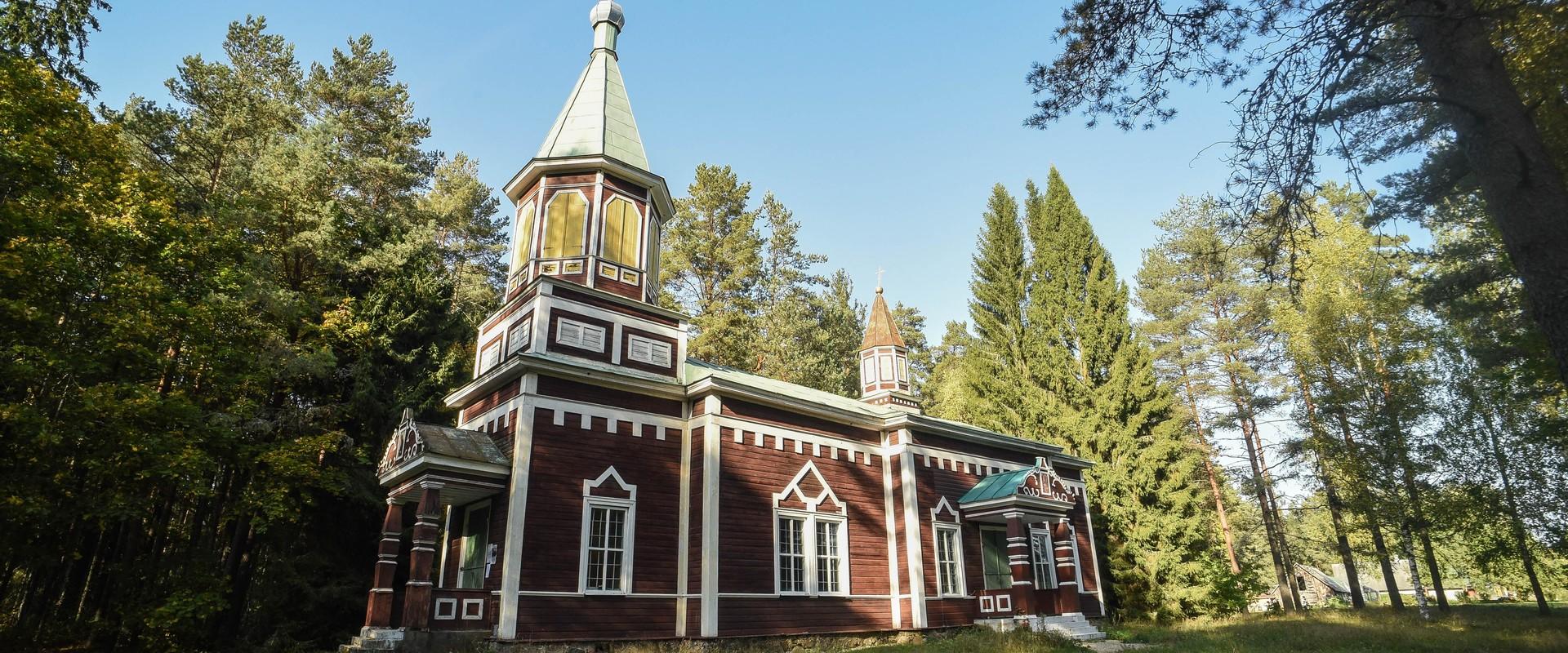
Of the Orthodox churches in Võru County, Ritsiku church in Mõniste is the second oldest (dating back to 1855). The oldest is St Catherine's Church in Võru itself.The church in Ritsiku was consecrated in the name of the prophet John the Baptist. Its name day is celebrated by the congregation every year on 24 June.The congregation was established in 1837. The church was constructed from timber and has a tin roof. It was originally known as Mõniste church, since it was located on the lands of the Mõniste estate. But since it was not in Mõniste itself, it was renamed Ritsiku church in Mõniste.The sacristan and parson did a lot of work in educating the local community. Until 1931 the congregation had its own parish school and three smaller schools.

  • Churches

Äksi St. Andrew’s Church of the Estonian Evangelical Lutheran Church

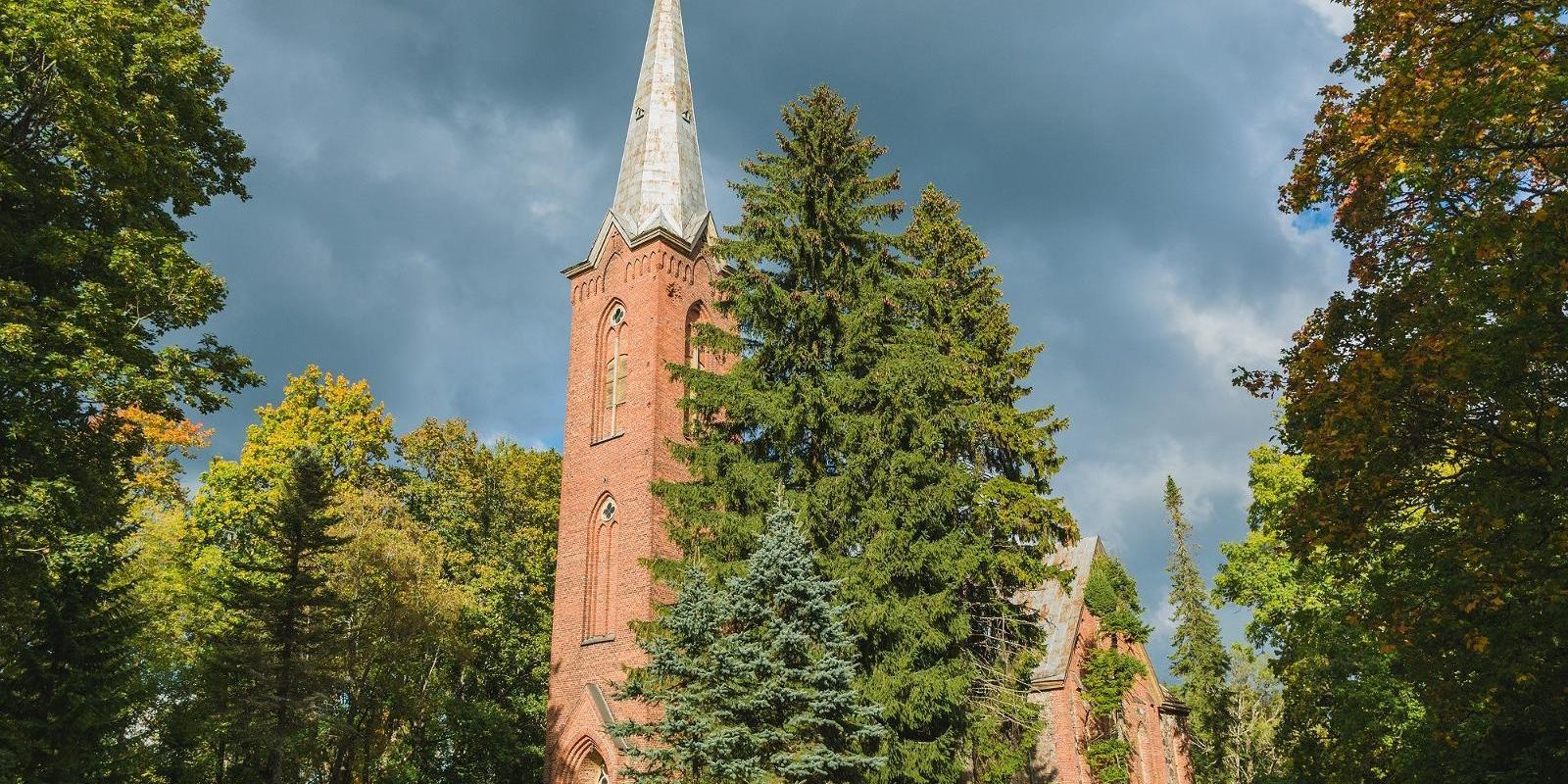
This neo-Gothic church with its tall and slender tower is an integral part of the beautiful landscape of Vooremaa. The church has a spacious and stylish Historicist interior. The church is thought to have been built in 1770 and was reconstructed in 1889. A monument to the pastor and renowned linguist Otto Wilhelm Masing can be found in the Church Manor (1989).

  • Churches

Valga Roman Catholic Church of the Holy Spirit

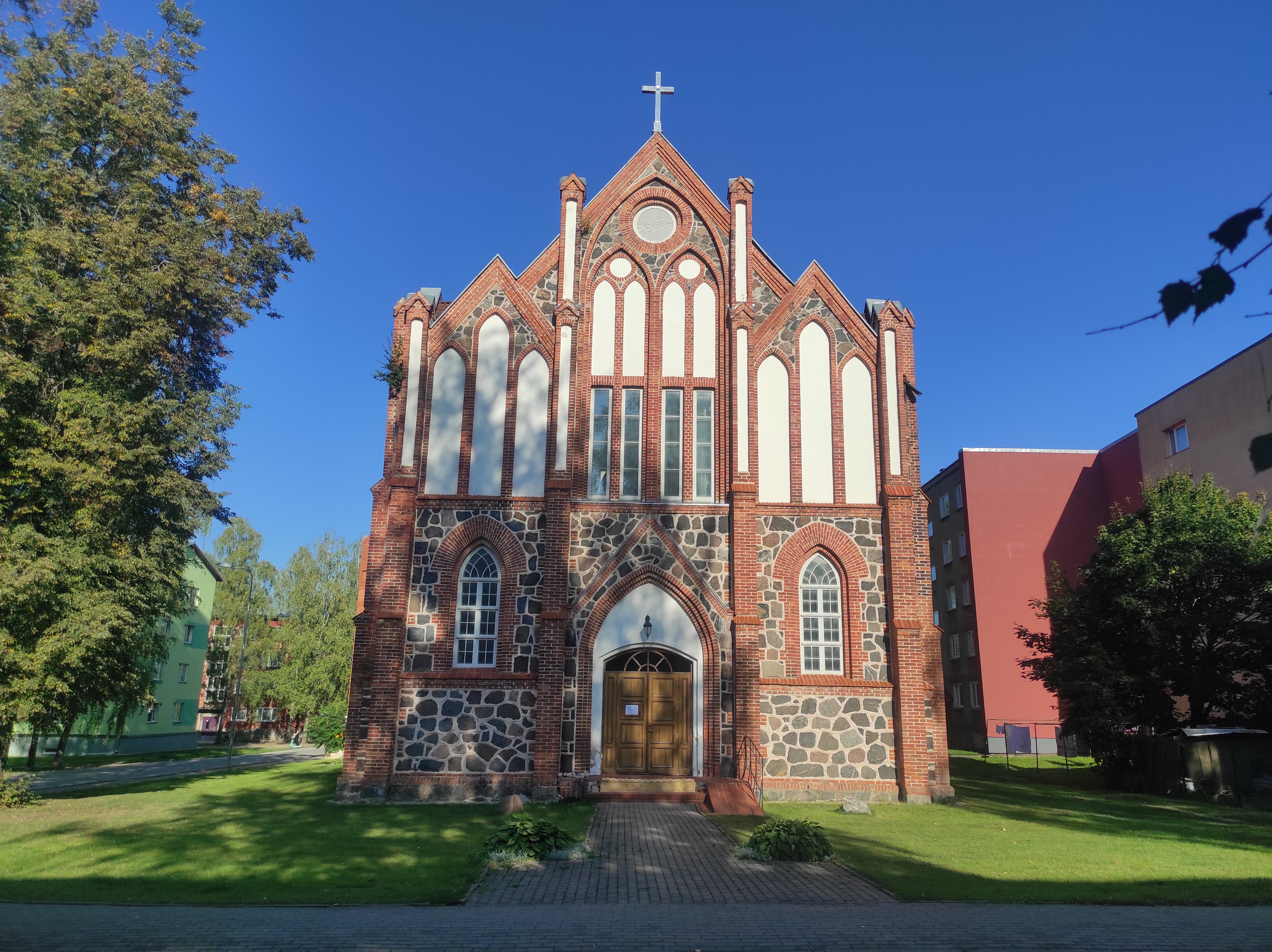
The church was built of natural stone and bricks in 1907. Lithuanian and Polish railway workers were actively involved in building the church. The church operated until 1940 and from 1945, the building was used as a warehouse and later as a gym.The extension of the church was built in 1995 and the church was renovated. Interesting facts: * the church does not have a tower as the imperial government of Russia refused to give permission to build one.

  • Churches

Roman Catholic Church of Immaculate Conception of the Blessed Virgin Mary

You are welcome to admire the Gothic red brick house of God (architect Wilhelm Schilling). The Church of Immaculate Conception of the Blessed Virgin Mary is the only Roman Catholic church in Tartu. The cornerstone was placed in 1862 and the church was consecrated in 1899. You will find the painting "Virgin Mary with Jesus" (1905) by Ernst Friedrich von Liphardt and a large crucifix carved of lime tree (1935) in the high-vaulted church.Interesting facts: - even Tsar Nicholas II donated 3000 roubles for the construction of the church in 1894 when Priest Friedrich Zhyskar started raising funds for building the church.

  • Lookout towers
  • Churches
  • Ruins

Tartu Cathedral

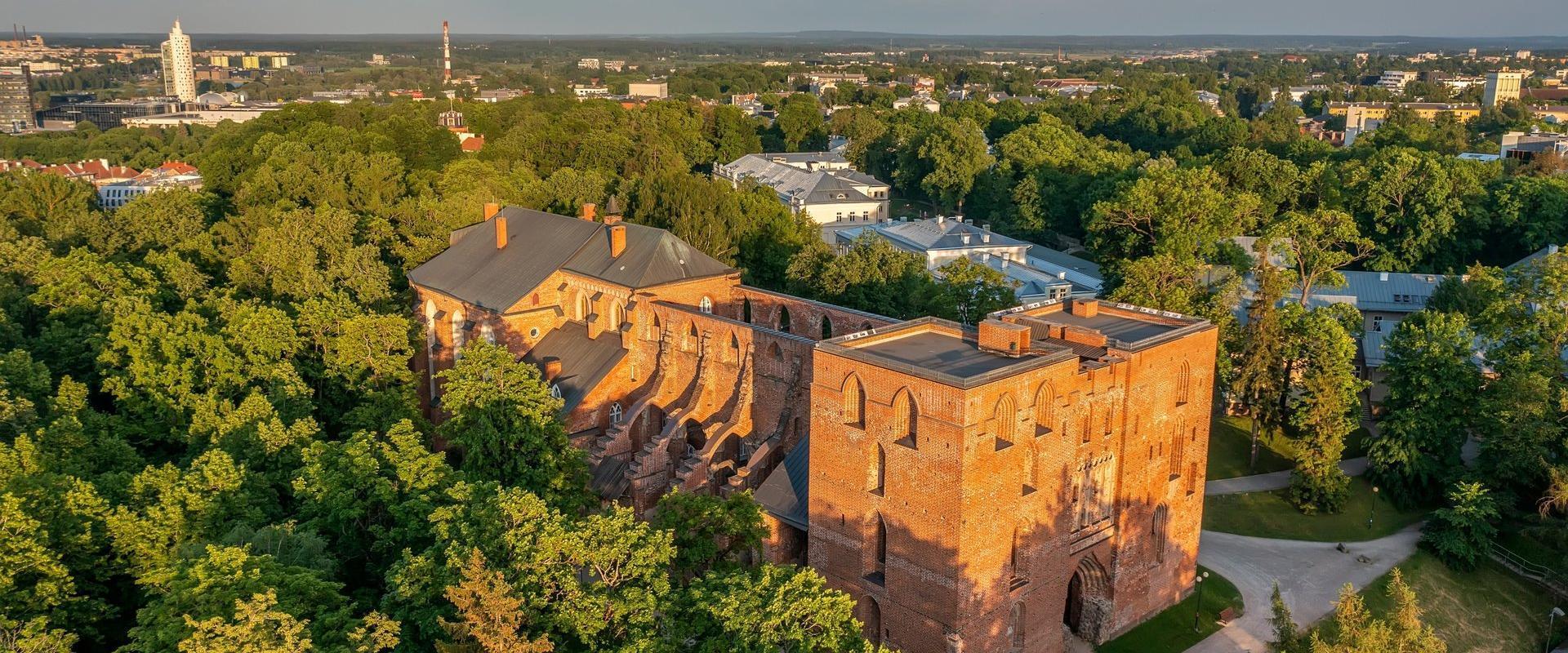
The cathedral located on Tartu's Toome Hill is one of Estonia's most remarkable and largest medieval structures, and the only church with two towers. The church's construction began as early as the 13th century, when Tartu was an important bishopric. Construction work and additions continued into the early 16th century. During the Reformation, the cathedral was abandoned and, over time, turned into ruins. Nevertheless, these powerful walls and spacious vaults remain one of the most outstanding examples of brick Gothic architecture in Old Livonia, reflecting the scale and craftsmanship of medieval architecture. The University of Tartu Museum operates in the cathedral building, showcasing the history of science, university education, and the development of Tartu's academic spirit. It is possible to visit the cathedral towers, which offer one of the most beautiful views of Tartu and the Emajõgi Valley. Next to the towers is Toompood, where you can find gifts, science-themed souvenirs, and memorabilia with university symbols. In the evenings, a light installation adds a magical atmosphere.

  • Privacy Policy

"*"обозначает обязательные поля

Это поле используется для проверочных целей, его следует оставить без изменений.
Я разрешаю маркетинг