• Открой
    • Еда
    • Природа
    • Культура
    • Семья
    • Спорт
    • Сообщество
    • Блог
    У Вас появились свободные выходные, чтобы провести с детьми? Здесь собраны лучшие места в Южной Эстонии для семейного отдыха
  • Планируй
    • Размещение
    • Информация
    • Varamu
    Sustainability
RUS
  • РусскийRUS
  • EestiEST
  • EnglishENG
  • LatviešuLAT
  • SuomiFIN
RUS
  • РусскийRUS
  • EestiEST
  • EnglishENG
  • LatviešuLAT
  • SuomiFIN
Populaarsed otsingud:
Näita kõiki tulemusi
  • History & Culture
  • Architecture and history
  • Guided tours
  • Churches

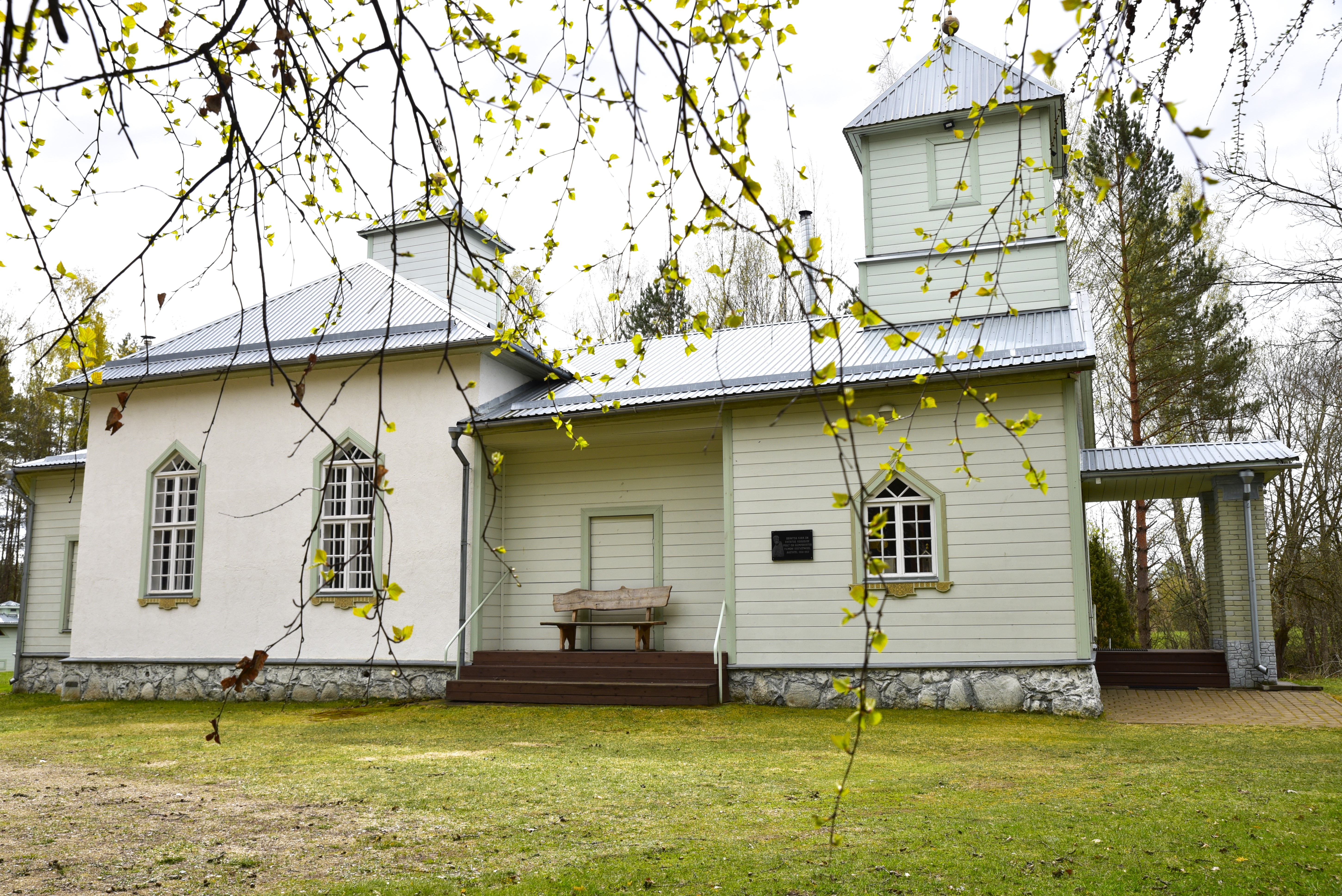
Varnja Old Believers Prayer House of the Estonian Association of Old Believers Congregations

Kesk tn 70, Peipsiääre vald, Tartu maakond, 60305

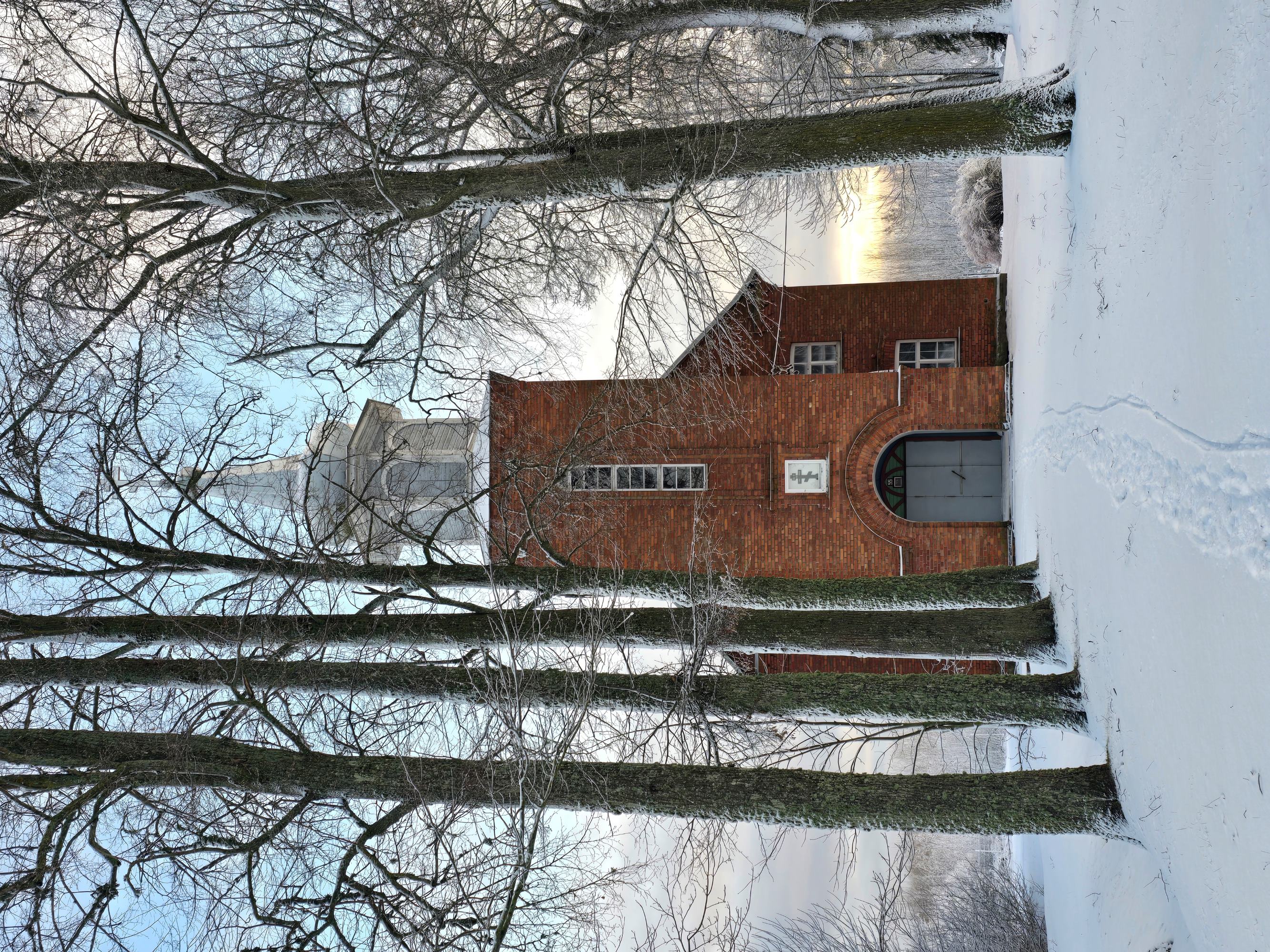
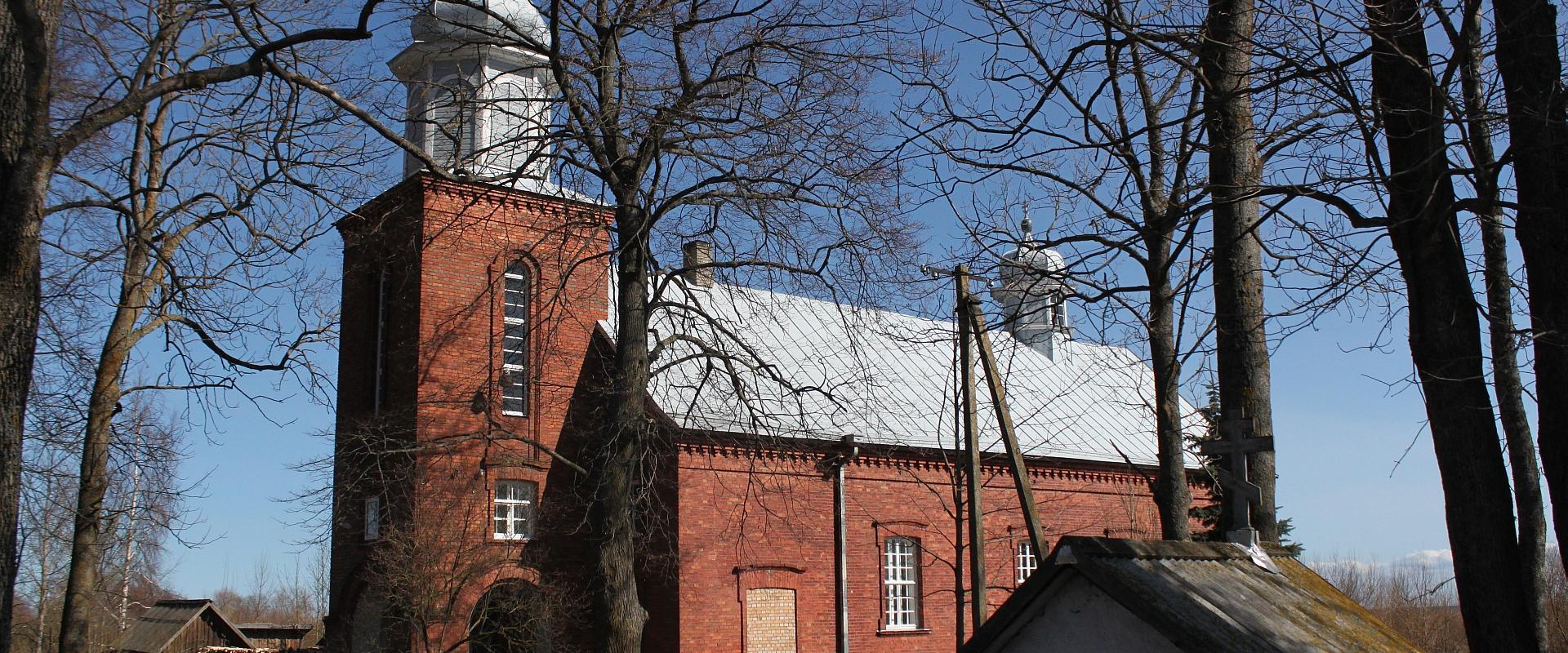
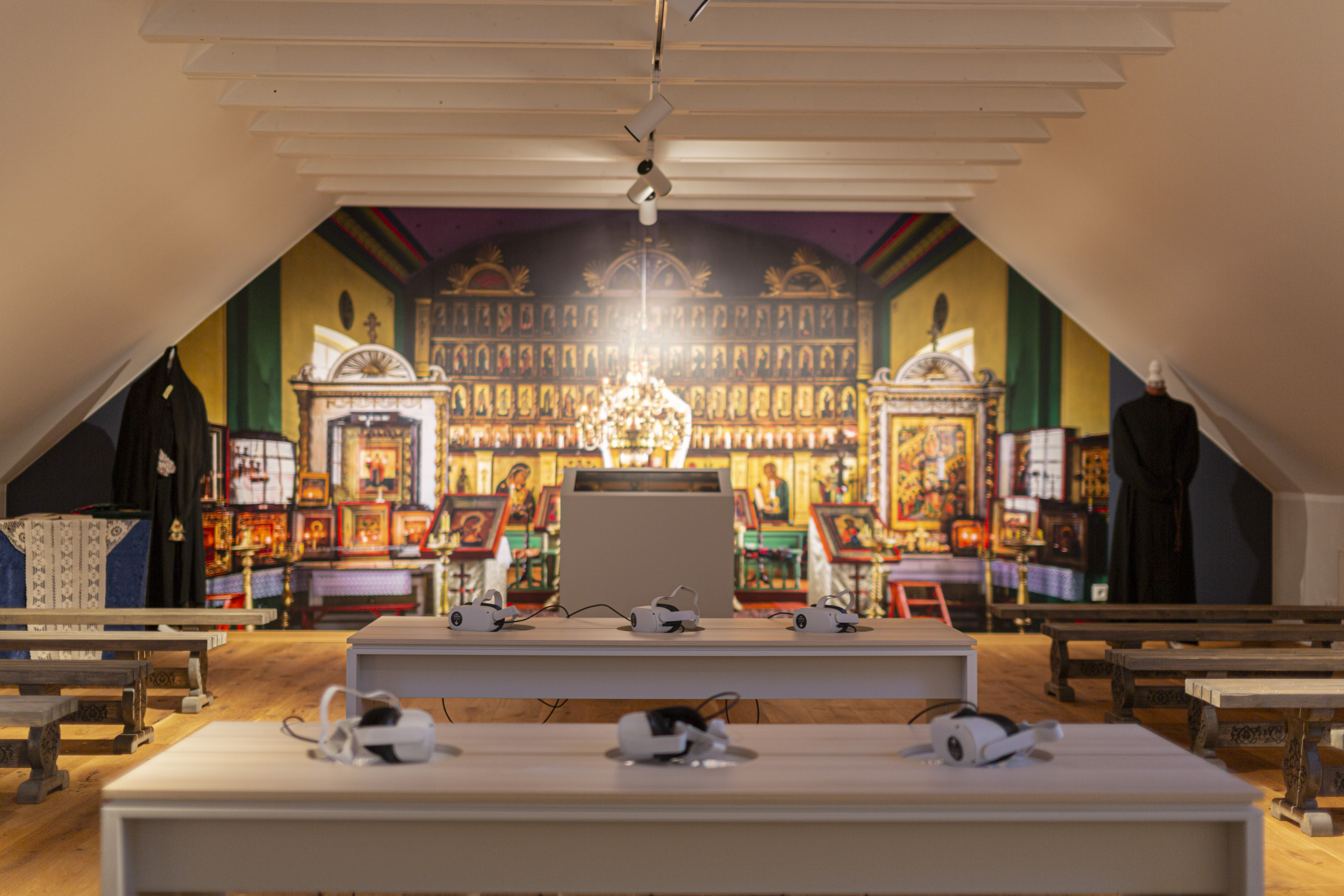
The big beautiful prayer house in Varnja Village on the shores of Lake Peipus was funded and built by the congregation itself. Most of the many icons of the prayer house date back to the start of the 20th century.Visitors can only enter the church with a reservation.The cost of a single visit for a group starts from 50 euros. Visitors get an interesting overview of the life and history of the Old Believers from a local guide who is also an Old Believer. The excursion may last for about an hour — the visit and a warm experience are worth it!Reminder: Women are asked to enter the prayer house with a covered head.We ask you not to take photos or videos in the prayer house.
Mugavused

  • Free parking

Часы работы

Круглый год

По предварительному заказу

Контакты

  • +372 5199 4274

Ссылки

www.sibulatee.ee

Подробнее

  • Guided tours

Siimusti Clay Industry

Siimusti Ceramics operates from the clay factory, which was founded in 1886 by Joosep Tiimann, a man born from a family of farmers. The location was suitable due to the clay deposits present here. At first the brick manufactury was created; afterwards they started producing oven pots and dishware.Nowadays you can get acquainted with the manufacturing process of ceramics: The pouring of clay into the mold and the firing and glazing processes. The end product can be bought onsite.

  • Churches

Obinitsa Church and Cemetery

Obinitsa Church was built deep in the Soviet era: 1952, when the country was led by Comrade Stalin. The people's desire for a new sanctuary (the old church was given to the school) was so great, that it bypassed the politics of the day. The Obinitsa Church's main holiday is 19 August - The Feast of the Transfiguration - and thousands of people visit the church that day to remember their ancestors and spend time with a relatives. People have been buried in Obinitsa Cemetery for at least 1,500 years. The oldest burials are marked by small stones located in the western part of the cemetery. The well-known Seto singer Hilana Taarka and the creator of the Obinitsa Museum, Lidia Sillaots, are buried in this park-like cemetery.

  • Guided tours

The 19th-century Tartu Citizen’s Home Museum

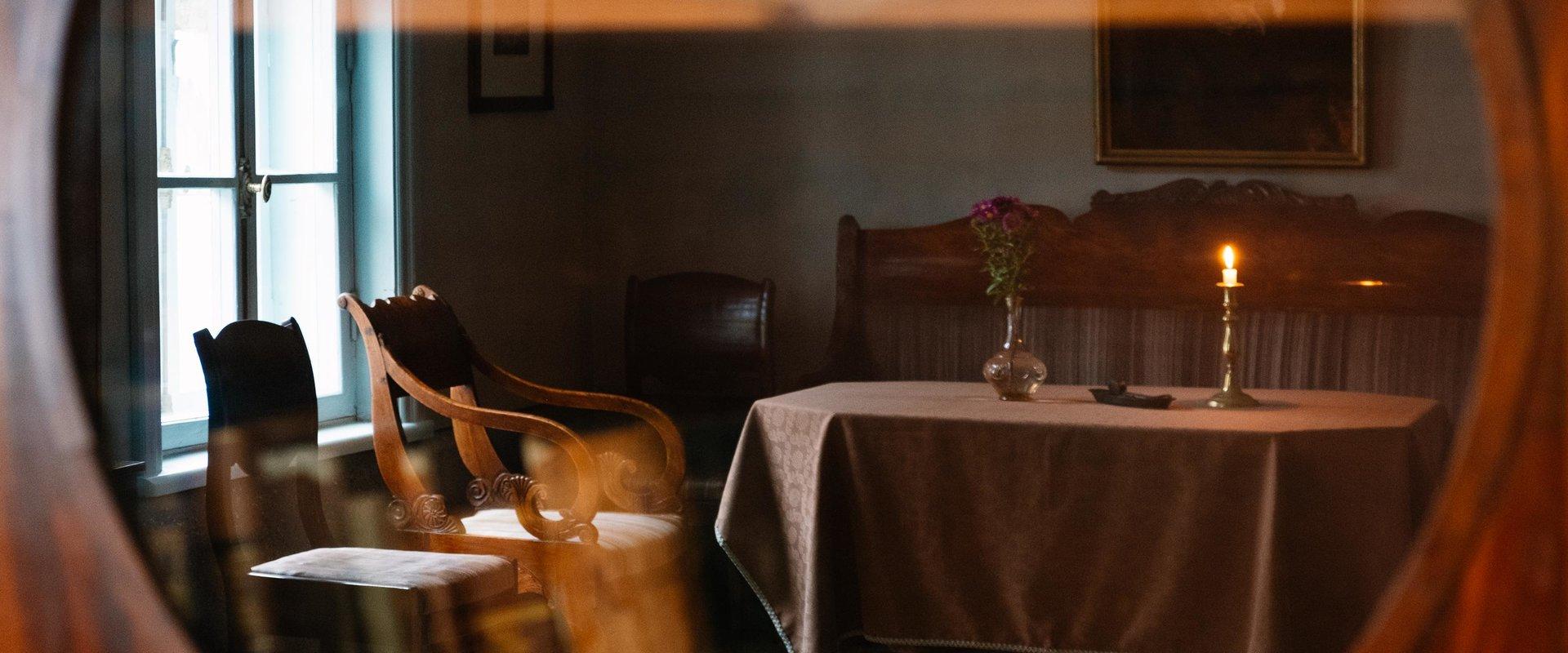
The 19th-century Tartu Citizen's Home Museum is located in one of the most unique areas of Tartu's Old Town, close to St. John's Church. The museum is housed in a wooden building completed in the 1740s, making it one of the oldest surviving residential houses in Tartu. With its historical ambiance and meticulously restored interior, the building takes visitors back to the early 19th century, when Tartu was a vibrant city of wealthy citizens and craftsmen. At the museum, you can learn more about the daily lives of urban citizens in the 1830s. Various rooms, furnished in the German Biedermeier style typical of the era, can be seen. The cozy, authentic atmosphere offers an opportunity to experience the sights, sounds, and smells of everyday life in a 19th-century Tartu home. During the summer season, a small garden is open, where plants and flowers of the period thrive, offering a glimpse of what urban greenery might have looked like almost two centuries ago. It is possible to participate in guided, thematic tours and educational programs.

  • Guided tours
  • Workshops
  • Galleries

Tartu Art House Galleries

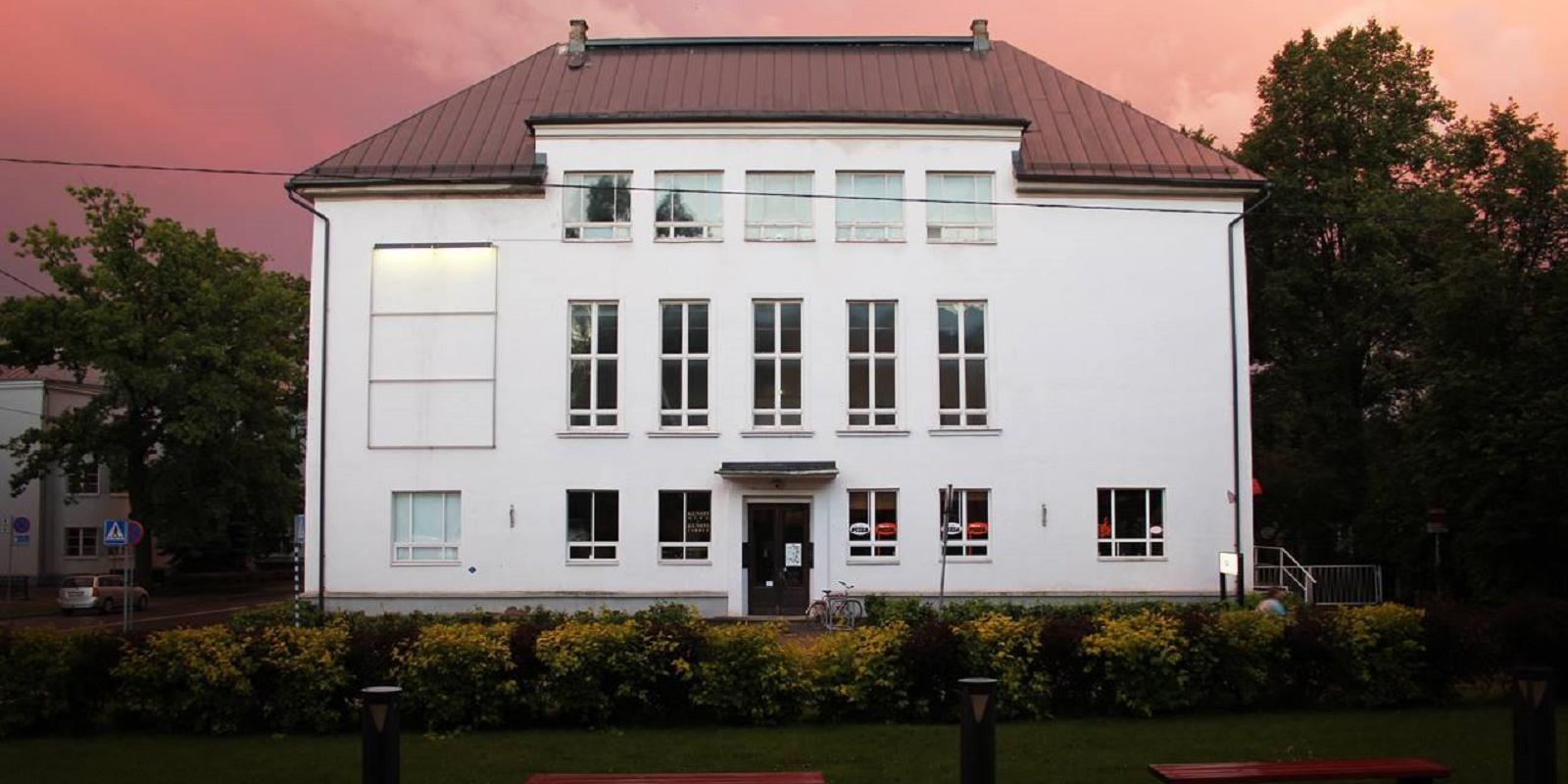
Tartu Art House is the home of the Tartu Artists’ Union and the heart of the city's art scene. It's not just a gallery room; it's a vibrant meeting place where creativity, diverse perspectives, and the spirit of an era meet. Art House is an important cultural node that brings together Estonian and international artists – known top performers, bold new talents, and, of course, all art lovers – on a regular basis. In three distinctive galleries, exhibitions alternate frequently, offering viewers something new and inspiring at every visit. Various forms of contemporary art are represented. Curators' offices, discussions, and meetings with artists help to gain a deeper understanding of the work on display and bring art closer to visitors for a more personal experience. All exhibitions and excursions are free for visitors. It is also possible to participate in practical workshops. Tartu Art House is waiting for you to discover Estonian art; a visit can show you a new perspective.

  • Churches

Tartu St. Peter’s Church

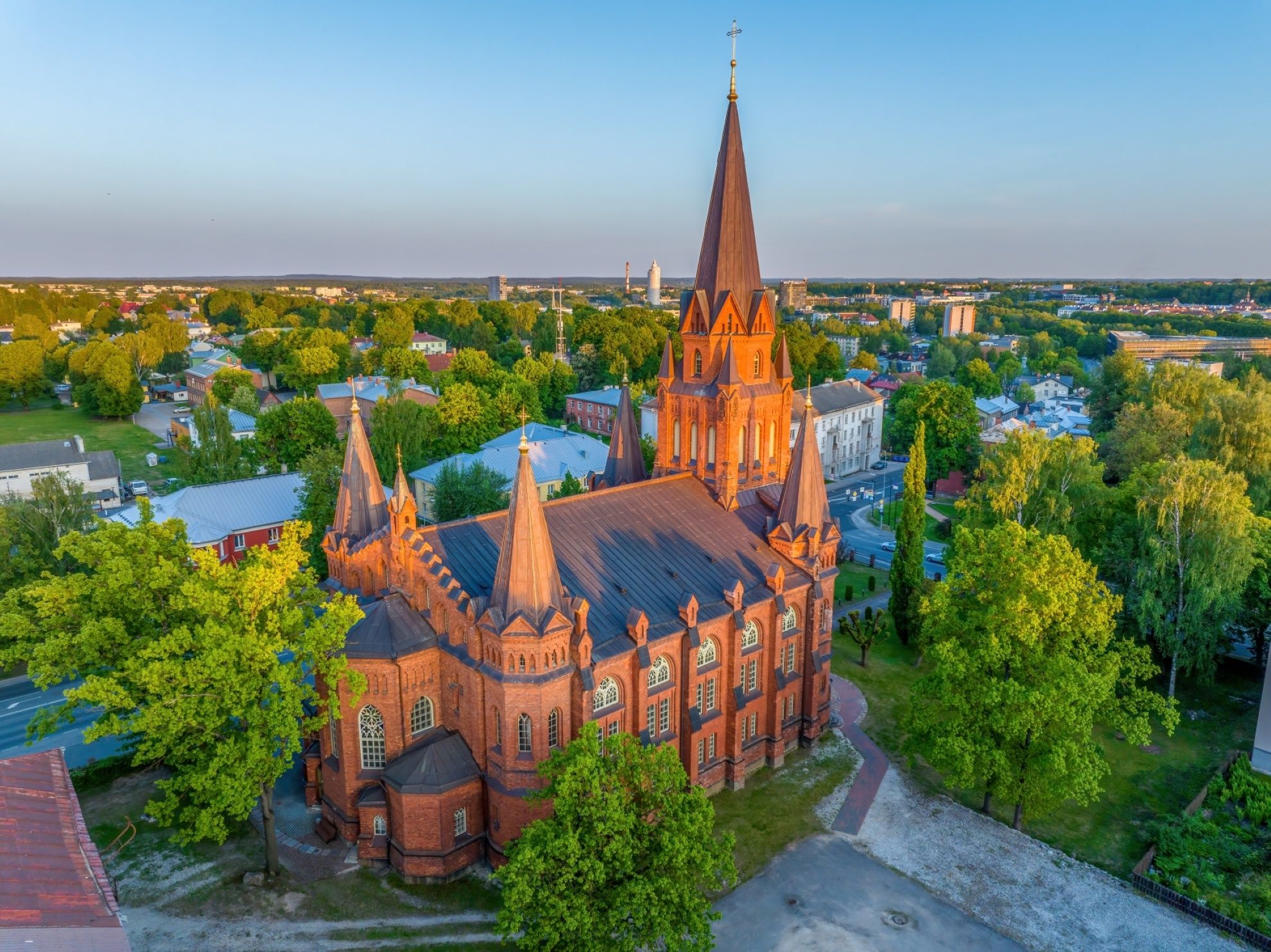
Tartu St. Peter's Church is one of the most beautiful neo-Gothic Lutheran sanctuaries in Southern Estonia, established in the late 19th century as a spiritual home for the growing Estonian-speaking community. Designed by architect Viktor Schröter, the church is distinguished by its 56.5-meter-high tower and impressive brick facade, which reshaped the entire Ülejõe district's appearance. The church hall is bright and spacious, featuring a remarkable three-story interior. Wooden balconies and neo-Gothic arches add warmth and a dignified rhythm to the space, creating the impression of a true city cathedral. Visitors can admire Johann Köler's altarpiece "Inviting Christ" (1897) and listen to the late-19th-century 22-register organ, making Peetri Church one of Tartu's most esteemed concert venues due to its excellent acoustics. The church was established near the site of Estonia's first national song festival and has been an important part of Estonian cultural and congregational history since its cornerstone was laid in 1882.

  • Churches

Miikse Church

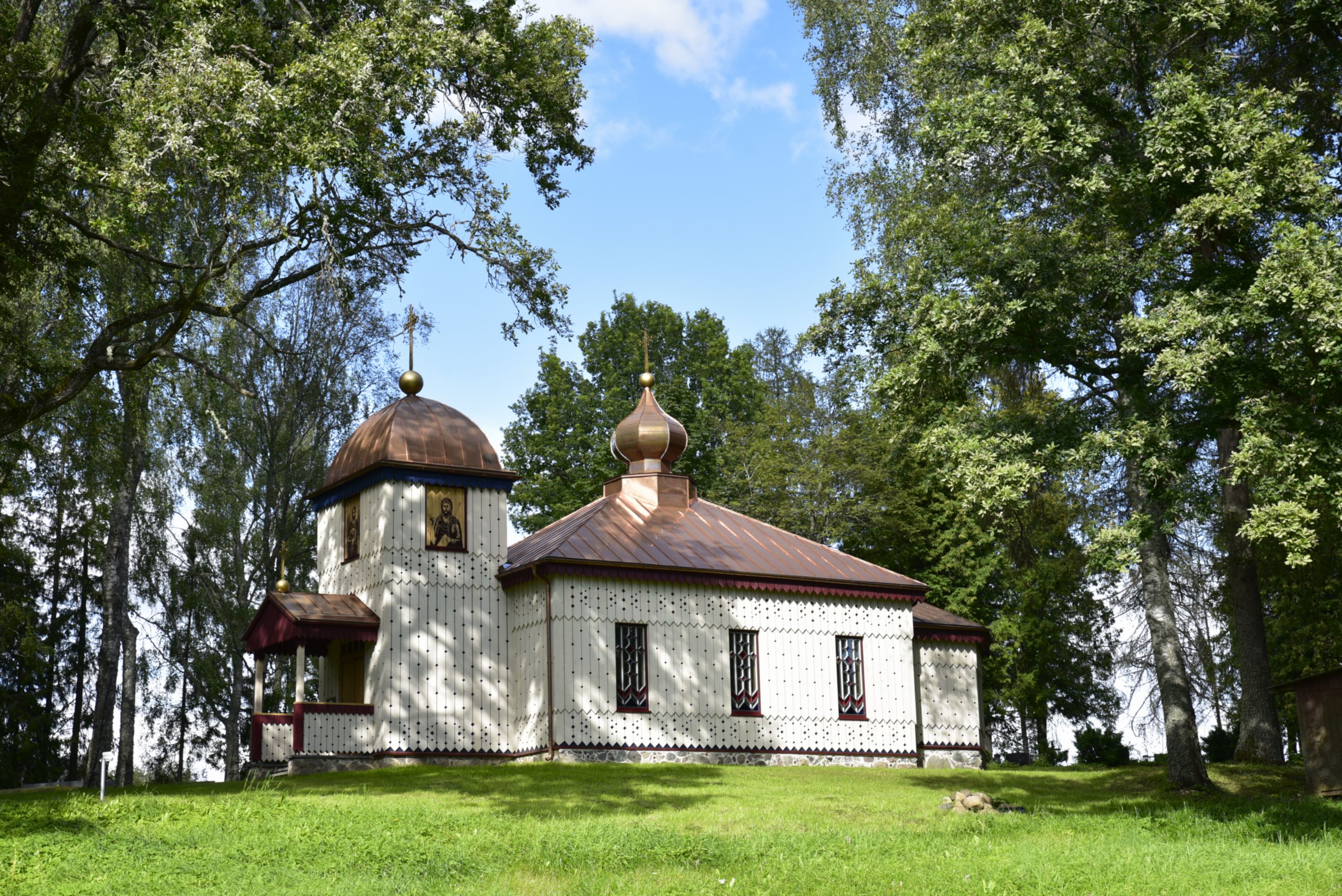
The Miikse St. John the Baptist Church is a small wooden Orthodox church located in the southeastern corner of Estonia in Setomaa. What makes this church special is its story. It was built in 1953, during the Soviet era, when religion and church construction were not encouraged. However, the local people took a bold step and built the church themselves, often working in the evenings and at night to avoid the authorities' attention. Today, Miikse Church is once again a symbol of the strength and perseverance of the Seto community, where the local community restored the dilapidated sanctuary into a new and striking Seto church. The altar and icons were preserved, but the new facade features a lace-like pattern using Seto colors (red, blue, and sheep's wool white) and Seto belt patterns. The church's surroundings also include an old cemetery and sacred stones, which lend the place a special historical and spiritual atmosphere. The church is open once a month during service, and at other times, access can be arranged by agreement with the church elder (who communicates in Estonian and Russian). For a foreign-language tour of Setomaa, we recommend booking a local guide.

  • Family friendly
  • Guided tours

Piusa visitor centre

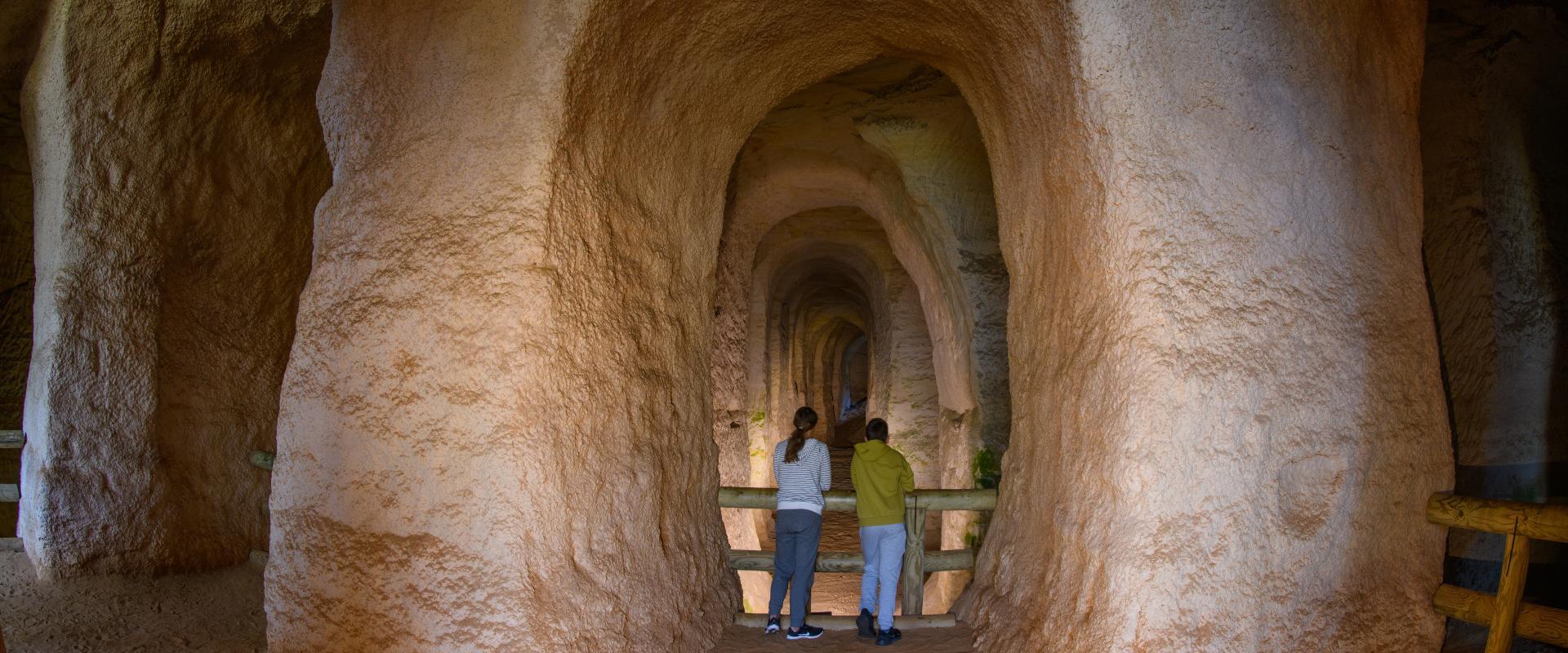
Tunnels dug in the bright sandstone of Piusa's caves are undoubtedly one of the best-known tourist attractions in ancient Võromaa. For several years now, a fun bat-shaped visitor centre has been waiting here for visitors. The Piusa visitor centre has a cafe, seminar room, craft room, cinema hall and numerous exhibits. Guests can watch a movie about bats, the most important inhabitants of caves, in the cinema hall, and then head along with a guide to the museum cave viewing platform. There are no bats in the caves in the summer because they only come here to winter. Right behind the museum cave is Piusa sand quarry, Estonia's largest sandbox. The Piusa visitor centre and the picturesque sandy hills offer a unique experience where nature and history intertwine – the mysterious caves of former glass sand mines can be discovered here and the most beautiful views of the sand quarry in Estonia can be enjoyed. With its steep slopes and sandstone outcrops, the Piusa sandy hills are like a natural adventure park that captivates both hiking enthusiasts and photographers.

  • Guided tours
  • Workshops
  • Virtual reality (VR)

University of Tartu Art Museum

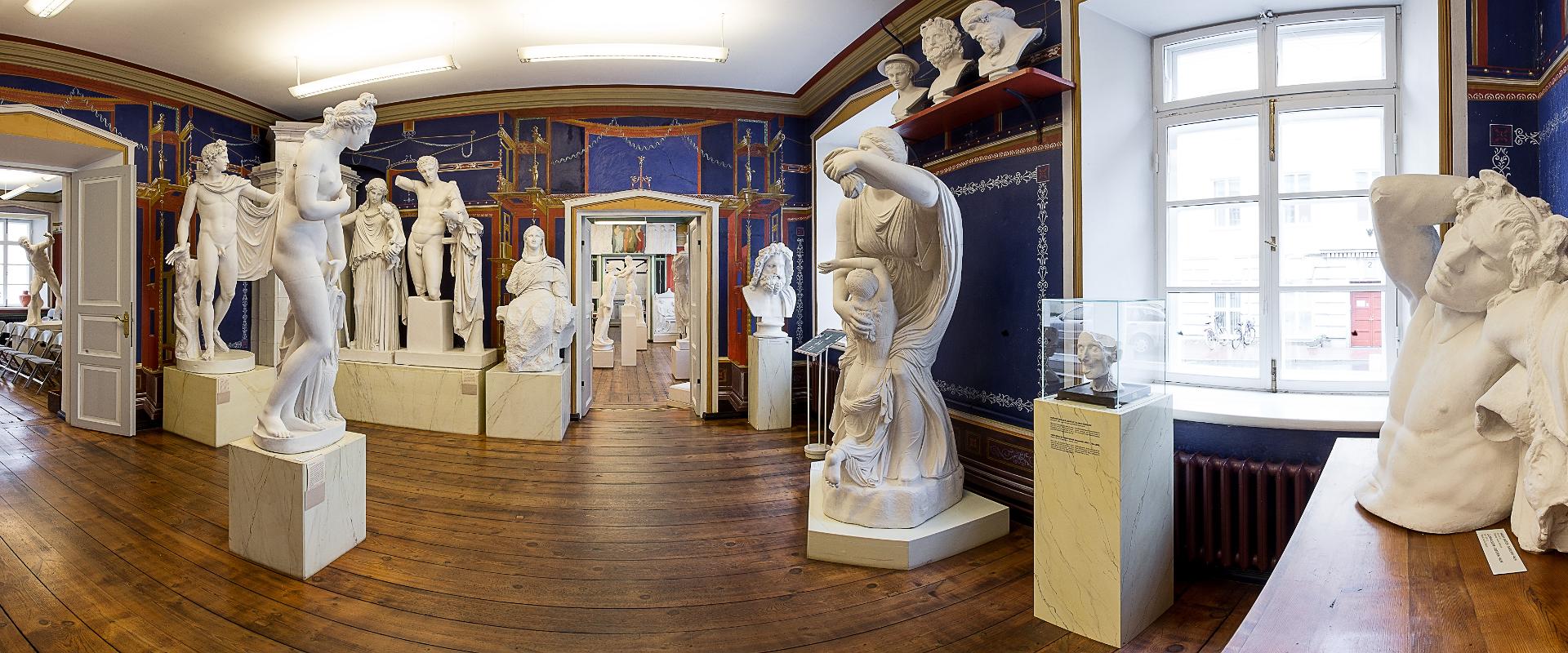
The University of Tartu Art Museum is located in the historical University Main Building and has Pompeian-style interior. The museum’s permanent exhibition consists of sculptures, mostly from the antiquity – original size plaster cast copies of the best works of Archaic, Classical, and Hellenistic Greece. The Art Museum also displays many ancient originals: coins, vases, clay lamps, and cuneiform tablets. There is also the mysterious mummy chamber, where you can find a genuine Egyptian mummy. You can also visit the beautiful Assembly Hall of the university and the student lock-up in the attic.

  • Privacy Policy

"*"обозначает обязательные поля

Это поле используется для проверочных целей, его следует оставить без изменений.
Я разрешаю маркетинг