• Открой
    • Еда
    • Природа
    • Культура
    • Семья
    • Спорт
    • Сообщество
    • Блог
    У Вас появились свободные выходные, чтобы провести с детьми? Здесь собраны лучшие места в Южной Эстонии для семейного отдыха
  • Планируй
    • Размещение
    • Информация
    Устойчивый туризм
RUS
  • РусскийRUS
  • EestiEST
  • EnglishENG
  • LatviešuLAT
  • SuomiFIN
RUS
  • РусскийRUS
  • EestiEST
  • EnglishENG
  • LatviešuLAT
  • SuomiFIN
Популярные запросы:
Показать все результаты
  • History & Culture
  • Museums
  • Family friendly
  • Guided tours

Piusa visitor centre

Võru vald, Võru maakond, 64122

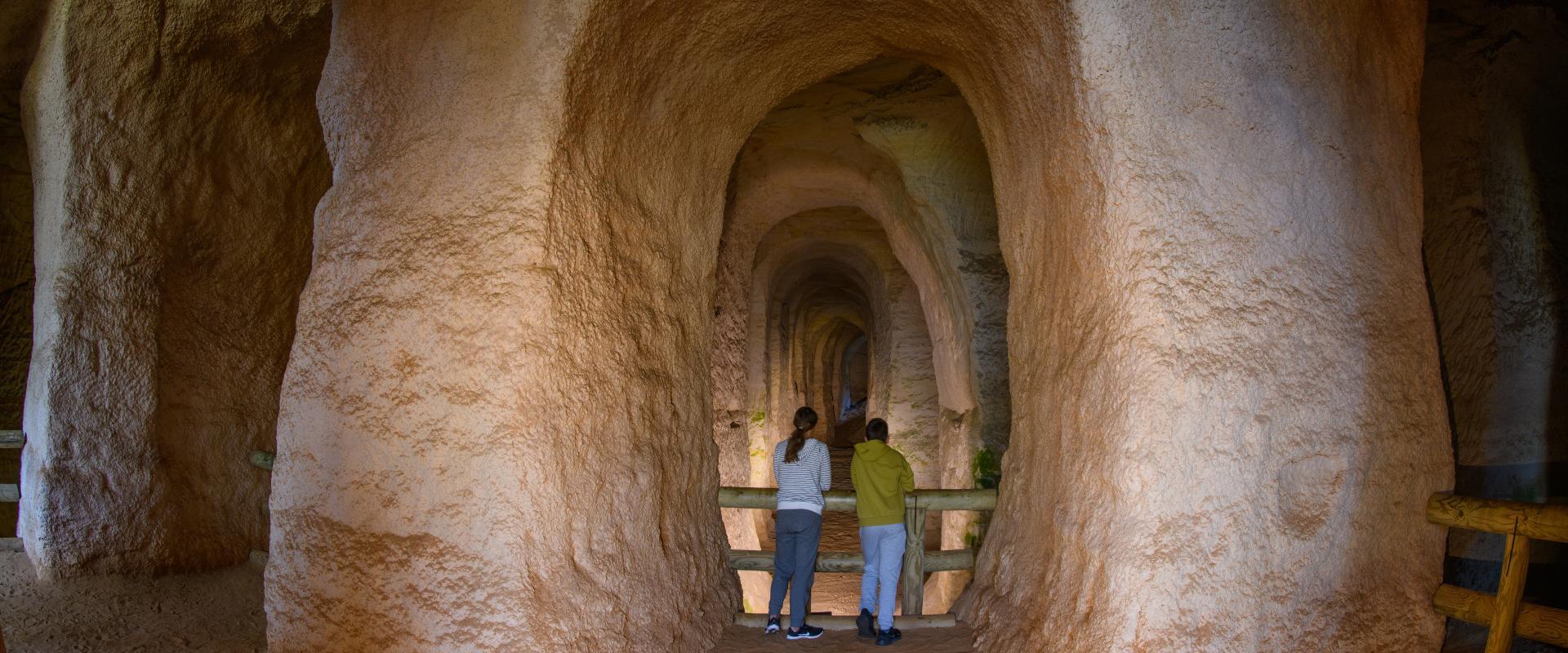
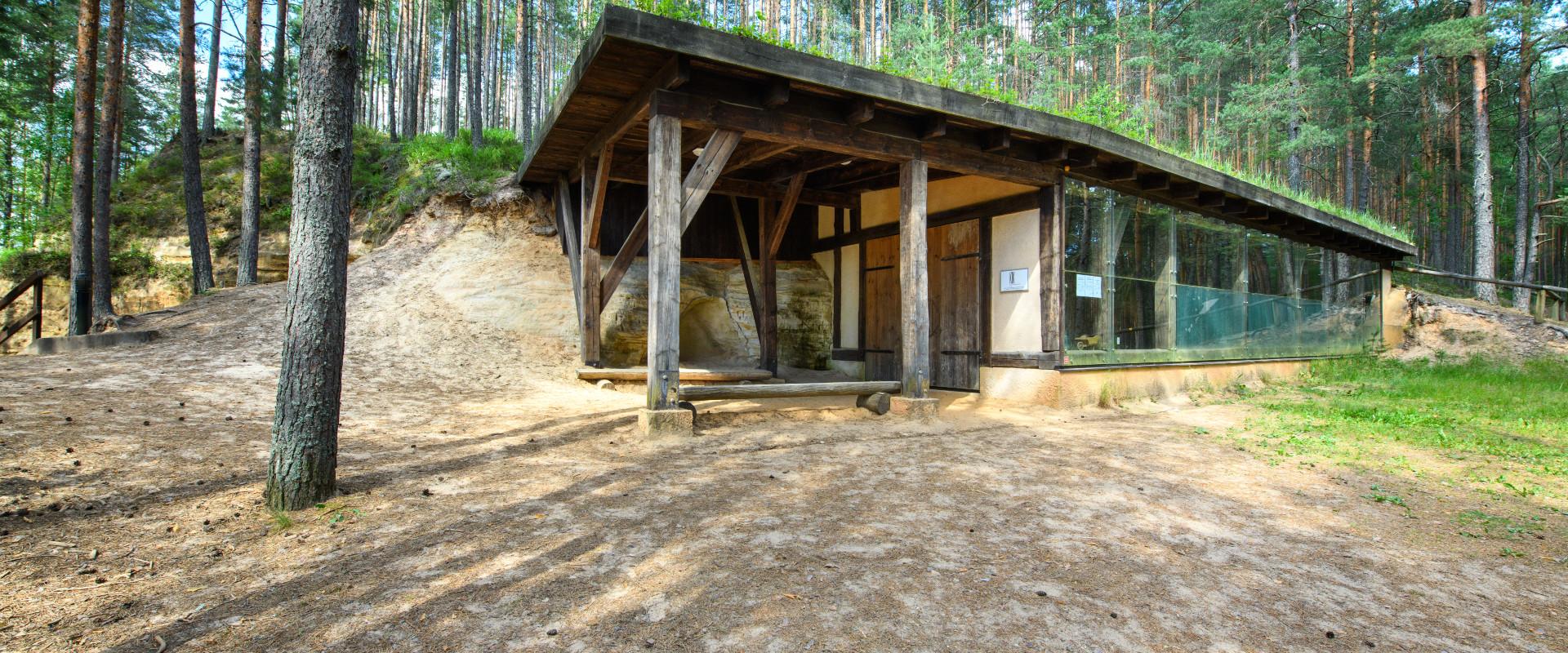
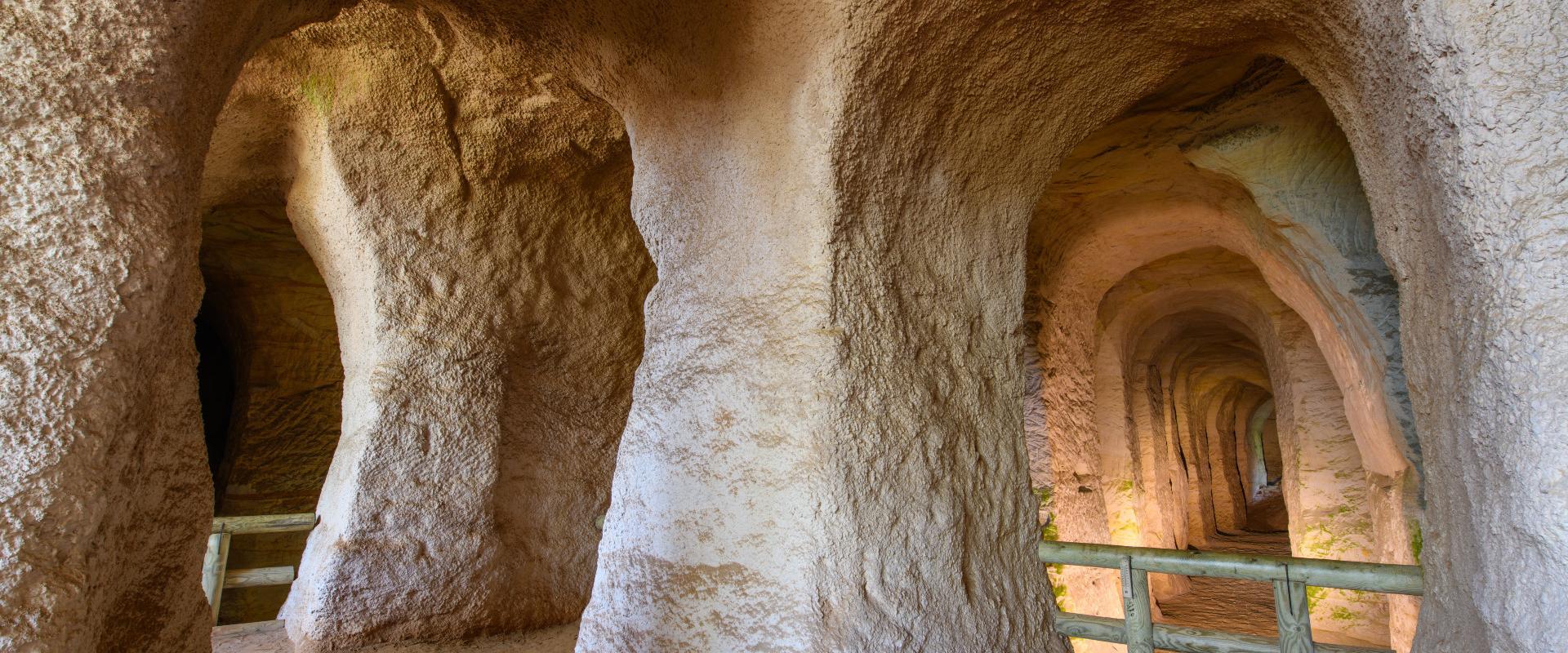
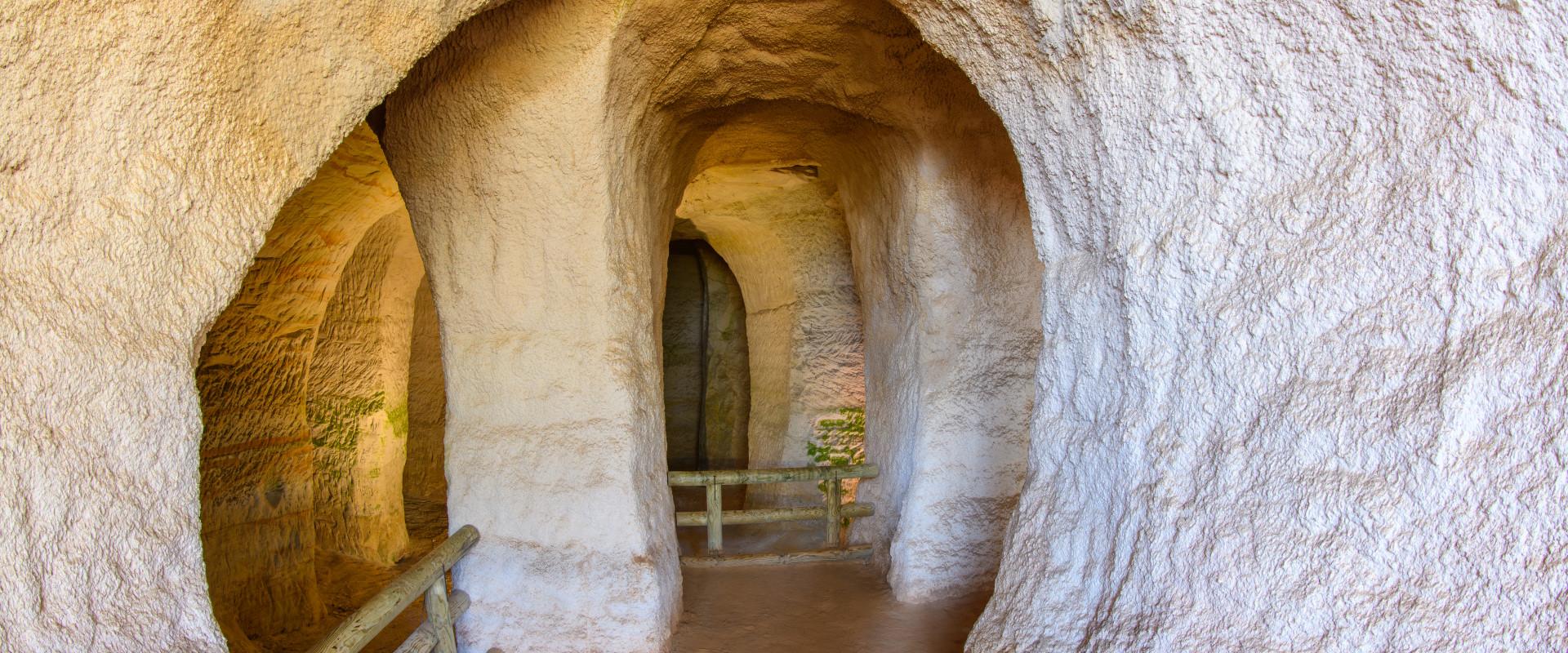
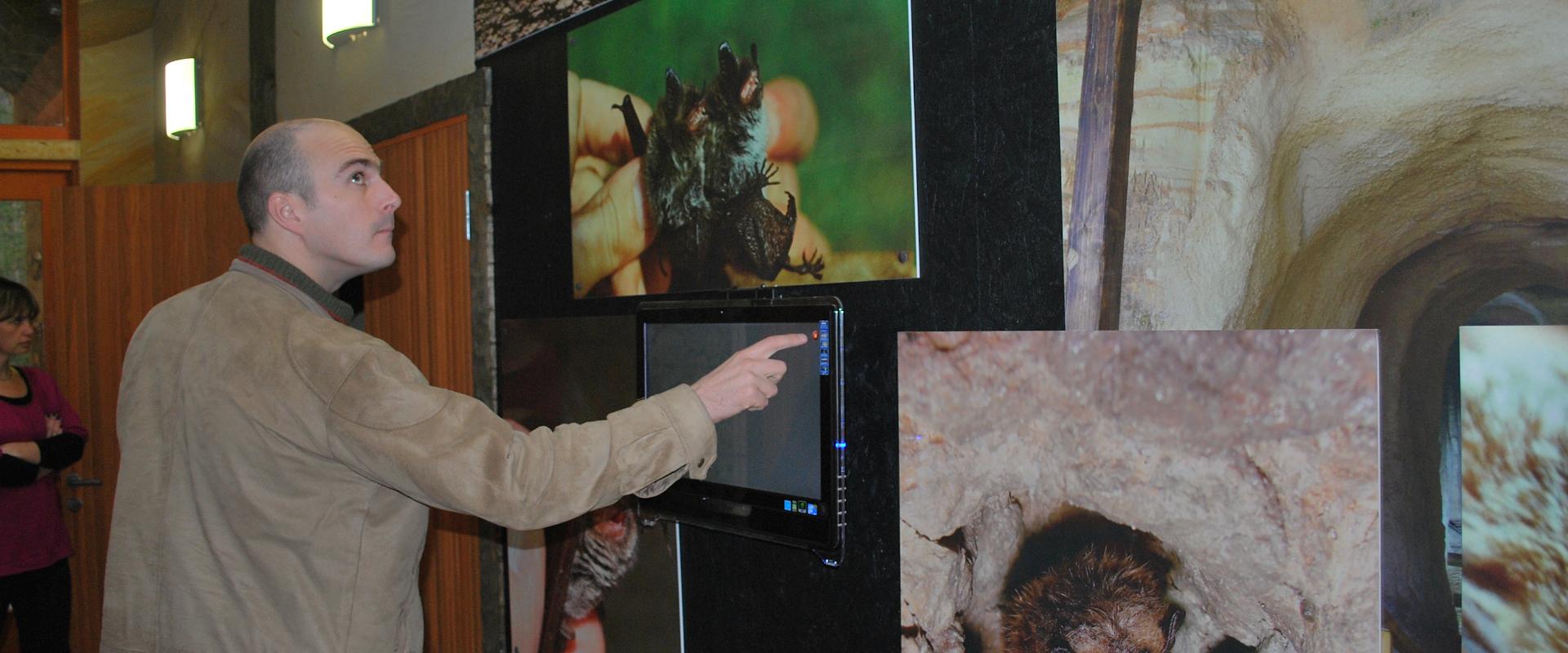
Tunnels dug in the bright sandstone of Piusa’s caves are undoubtedly one of the best-known tourist attractions in ancient Võromaa. For several years now, a fun bat-shaped visitor centre has been waiting here for visitors.
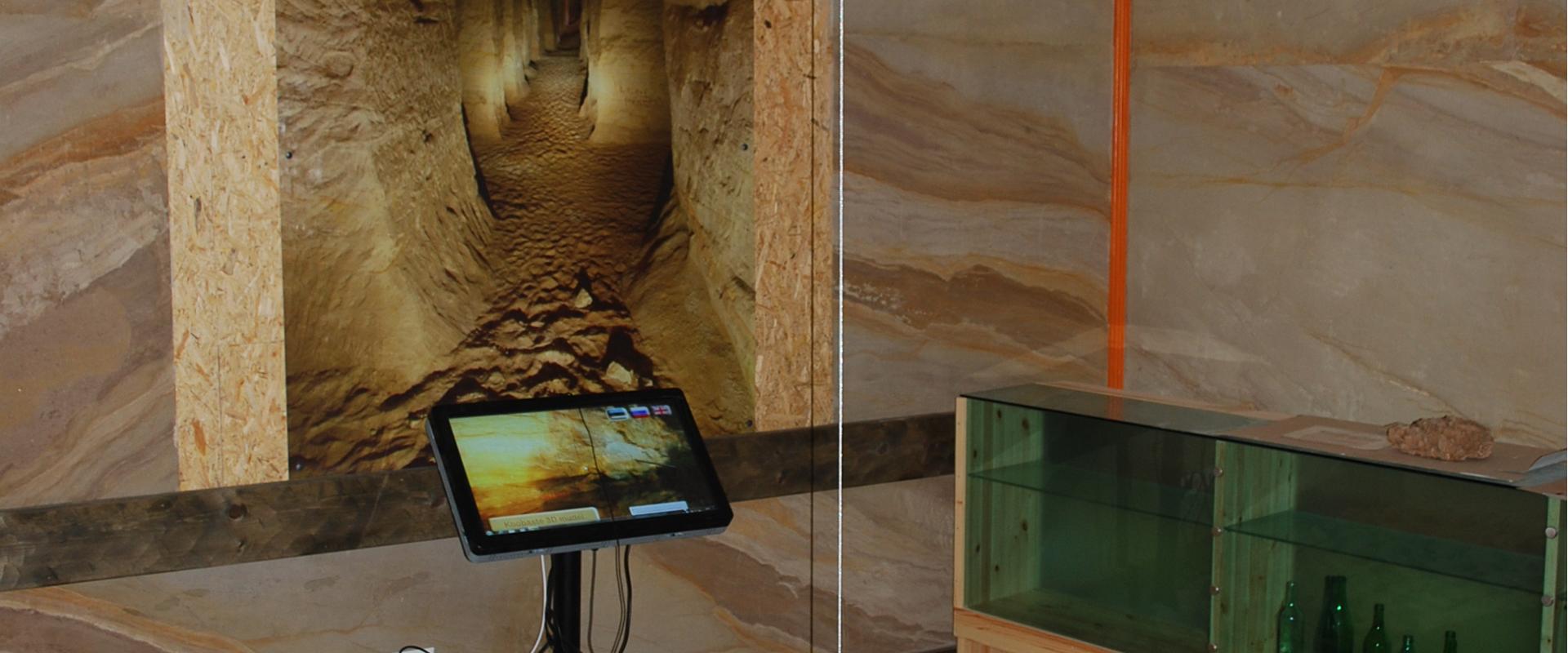
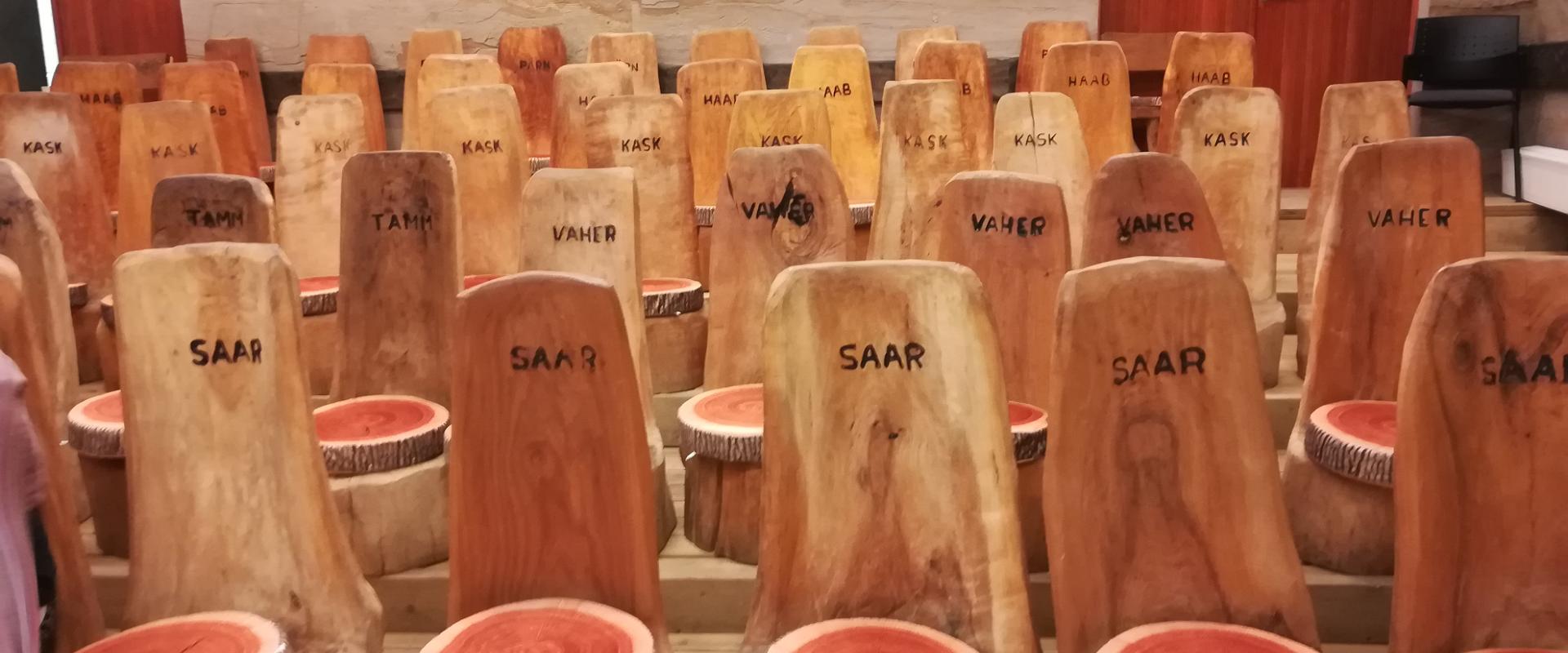
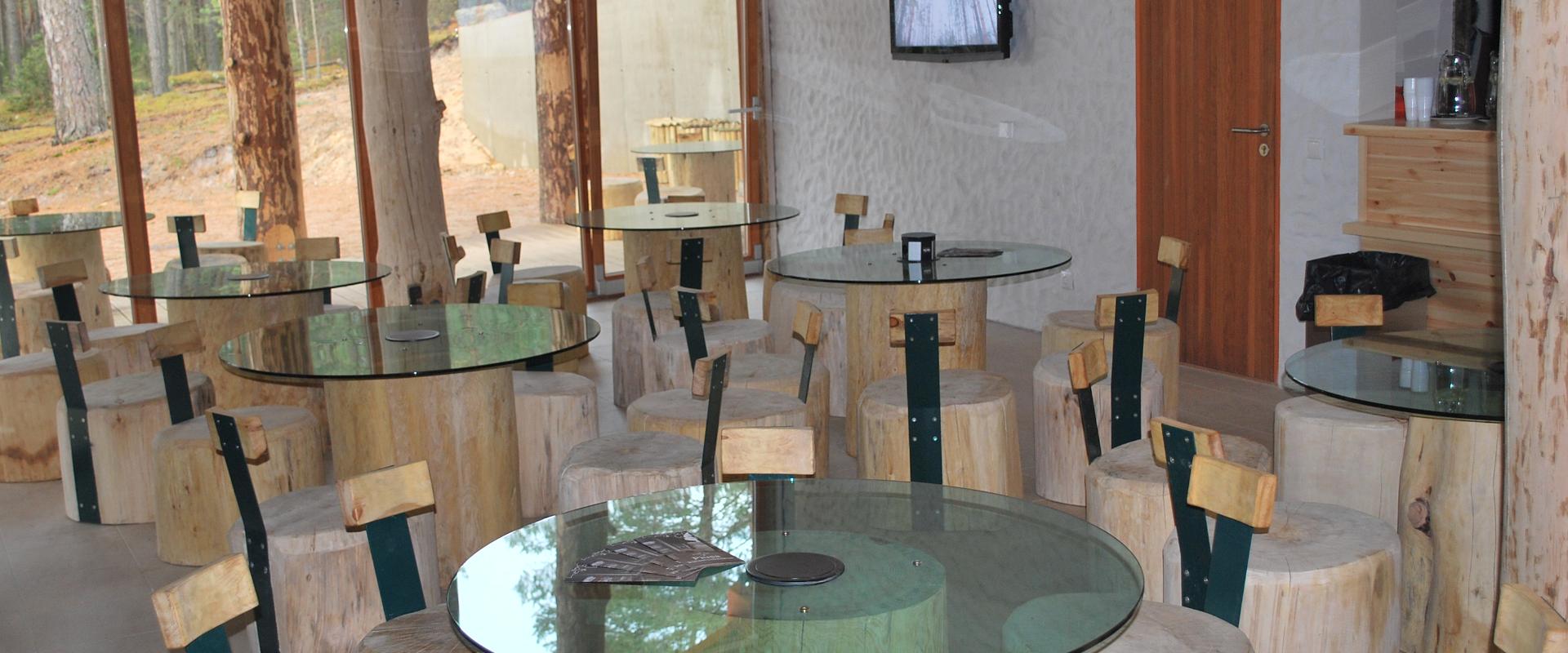
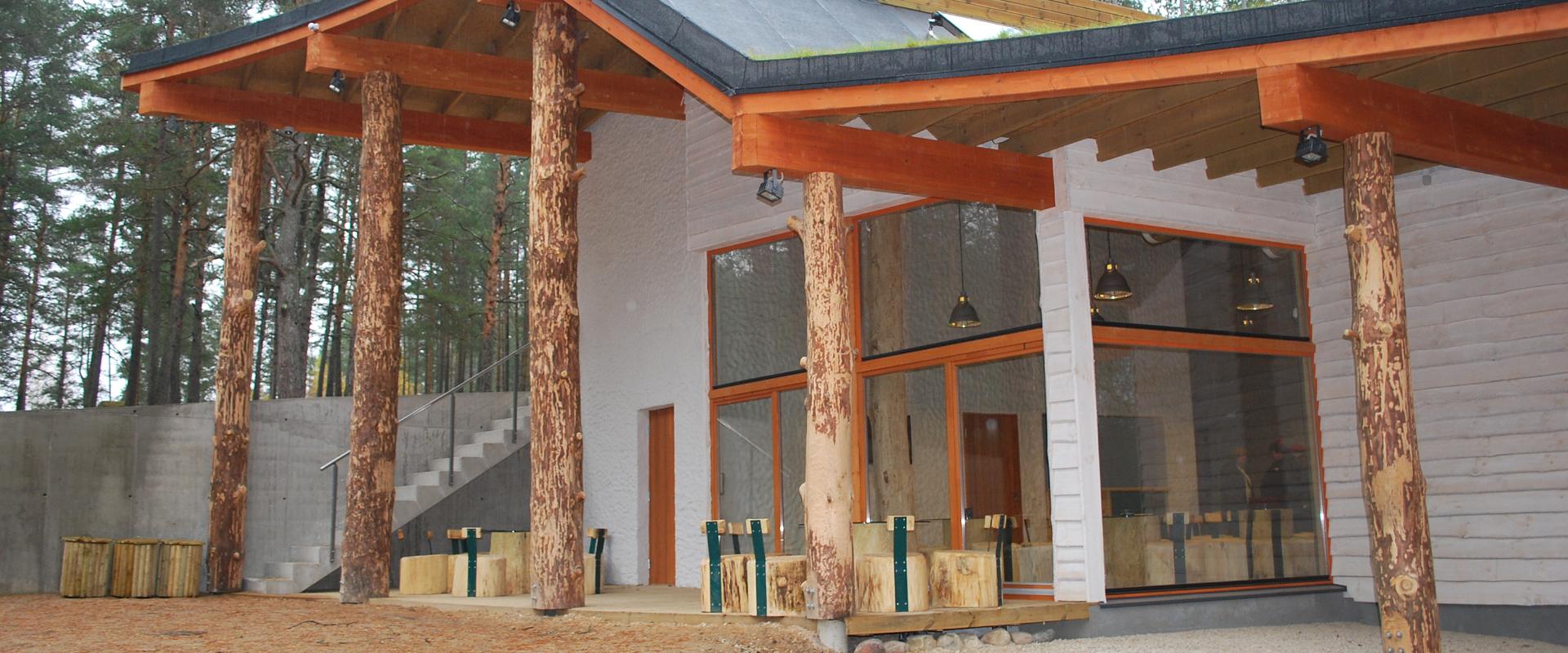
The Piusa visitor centre has a cafe, seminar room, craft room, cinema hall and numerous exhibits. Guests can watch a movie about bats, the most important inhabitants of caves, in the cinema hall, and then head along with a guide to the museum cave viewing platform.
There are no bats in the caves in the summer because they only come here to winter. Right behind the museum cave is Piusa sand quarry, Estonia’s largest sandbox.
The Piusa visitor centre and the picturesque sandy hills offer a unique experience where nature and history intertwine – the mysterious caves of former glass sand mines can be discovered here and the most beautiful views of the sand quarry in Estonia can be enjoyed. With its steep slopes and sandstone outcrops, the Piusa sandy hills are like a natural adventure park that captivates both hiking enthusiasts and photographers.
Удобства

  • Information boards
  • Free parking
  • Seminar room
  • Recreation area/picnic ground

Часы работы

1. sept - 28. sept

E-R12:00 - 16:00
L-P12:00 - 17:00

31. mai - 31. aug

11:00 - 18:00

1. okt - 31. mai

L-P12:00 - 16:00

Контакты

  • +372 53044120
  • piusainfo@gmail.com

Ссылки

piusa.ee

Подробнее

  • Guided tours
  • Workshops

Hellenurme Mill Museum

Hellenurme Mill Museum in Southern Estonia is the last operational historical watermill in Estonia and one of the few examples of a water-powered mill as industrial heritage in the Nordic countries. Visiting the mill feels like a trip back in time. Visitors can see century-old equipment across four floors of the mill, from the turbine to the milling machines and millstones, which still grind rye into bread flour. In the bread house, the mill hostess offers guests traditional Estonian rye bread made on-site and shares stories that bring the everyday life of centuries past to life. The large mill building of Hellenurme Manor, built in 1880 in Tartu County, hides surprises at every step. In addition to the working mill, guests can enjoy workshops and meals in the bread house. It is possible to stay overnight in the freshly renovated mill chambers, which offer views of the river and lake. Visitors can admire the lake's beauty and the surrounding nature.Here, you can also enjoy cultural events and celebrate festive moments with friends, family, or colleagues.

  • Guided tours
  • Workshops

Aparaaditehas Creative City

Aparaaditehas is a cultural space built in an old factory complex. Many creative entrepreneurs, artists, designers, and the house cat Johannes Gutenberg have made their homes here. The restaurants, cafes, and bakery in Aparaaditehas offer a variety of flavors to appeal to foodies of all types. Aparaaditehas also has small shops, galleries, and the TYPA Printing and Paper Arts Centre. Major events such as the Aparaaditehas Festival and Gallery Night take place inside the Creative City and factory yard. The factory also hosts smaller concerts, fairs, exhibitions, and workshops. Come and discover the world of the Aparaaditehas!

  • Guided tours

University of Tartu’s main building

The University of Tartu's main building is a truly remarkable and historically significant structure located in Tartu's Old Town. The building was designed by the university's architect, Johann Wilhelm Krause, and constructed between 1804 and 1809. It was inaugurated with a ceremonial event on July 3, 1809, and since then, it has been the central venue for the university, hosting all important celebrations, scientific and cultural events, and gatherings of the academic community. The main building's classical architecture, with its columned facade and dignified interior, has shaped Tartu as a university town. The main building houses the White Hall, where concerts, conferences, and ceremonial events take place. Another special attraction is the student prison in the attic, which offers an intriguing insight into the strict rules of 19th-century student life. Visitors can also explore the University of Tartu Art Museum in the main building. The main building can also be explored on a guided tour, organized through the University of Tartu Art Museum by prior appointment.

  • Manors
  • Guided tours
  • Workshops

Luke Manor

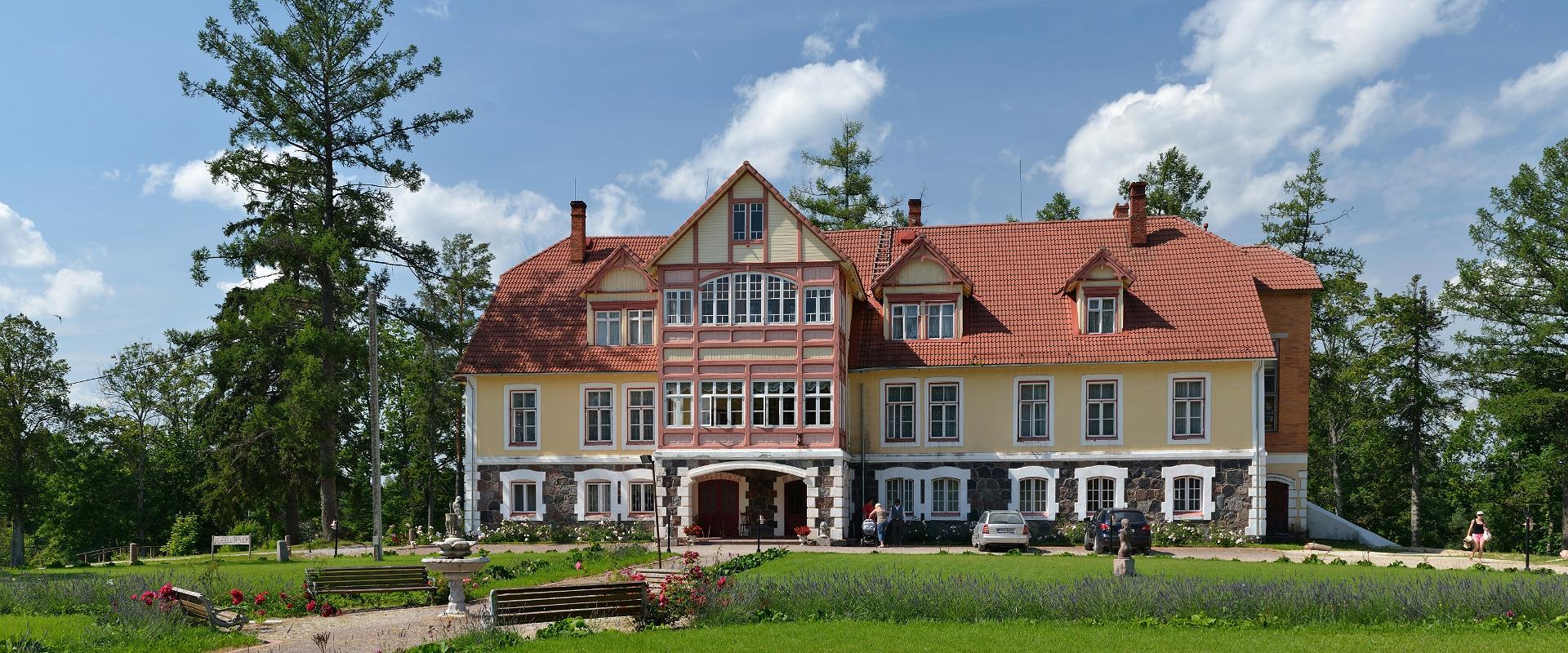
Luke Manor invites you to discover the historical architecture of its former knight's manor and the enchanting park, where you can find the stylish dollhouse-like Kärnerimaja, which has an information point, an exhibition introducing the manor, and a café in the summer. The restored Governor's House adds historical depth to the manor complex. The water fountain and the pavilion's view of the ponds invite you to immerse yourself in the romance of the manor era. The manor's terraces, an alley of uniquely shaped trees, and the concrete lion statues on the stairs (a favorite with the youngest visitors) create a unique and majestic atmosphere. At Luke Manor, you can organize a seminar, take a tour, attend a concert, or tinker in the craft workshop!

  • Guided tours

Rare Metsavenna Farm

At the Metsavenna Farm located on the Estonian-Latvian border, you have a unique opportunity to search for forest brothers in hiding places during a forest brother hike, stay in a bunker, and listen to true stories.The experience continues at the Metsavenna eatery, where simple yet authentic food from the era is served: boiled potatoes with skins, butter, salt, and juice. The visit concludes with a musical experience – singing the song of the former Härmiku forest brothers' orchestra. Visiting Metsavenna Farm is an engaging and educational journey into the history of forest brotherhood.

  • Guided tours

Supilinn — Tartu’s historic neighborhood of wooden homes

Supilinn is Tartu's most bohemian district, where 18th-century wooden houses, courtyards awash in urban greenery, and the banks of the Emajõgi River create an unparalleled atmosphere. It combines the best of city living with a natural environment, where you can feel the community spirit and local creativity. Go for a walk in Supilinn on the beautiful promenade along the Emajõgi River, where century-old trees and a tranquil frog pond give the city a breath of fresh air. Street art, colorful courtyards, and wooden houses tell Supilinn's story, which is best experienced during the spring Supilinn Days, when courtyards and gardens open to guests and the entire district turns into a large festival. The best way to explore Supilin is on foot or by bike, so you can notice hidden corners, shutter patterns, and backyard gardens. A walk with a local guide can reveal hidden layers of the district and highlight its bohemian spirit. More information about guided tours can be found on the Tartu Guides page.

  • Churches
  • Lookout towers
  • Guided tours

St. Paul’s Church in Tartu

St. Paul's Church in Tartu is unique because it is the only Art Nouveau church in Estonia. The church features a national romantic and geometric design. The church is also famous for its two steel bells, which were made in 1922 in Germany. The glass-domed bell tower offers a stunning view of the city of Tartu. It can be reached by stairs, and on the way to the tower, you can see a small gallery that explains the church's history. A visit to the church tower is available for an additional fee. The church has a columbarium, a crypt, and a bookstore. You can also order a church tour, a private organ concert, or catering from the church kitchen.

  • Guided tours

The 19th-century Tartu Citizen’s Home Museum

The 19th-century Tartu Citizen's Home Museum is located in one of the most unique areas of Tartu's Old Town, close to St. John's Church. The museum is housed in a wooden building completed in the 1740s, making it one of the oldest surviving residential houses in Tartu. With its historical ambiance and meticulously restored interior, the building takes visitors back to the early 19th century, when Tartu was a vibrant city of wealthy citizens and craftsmen. At the museum, you can learn more about the daily lives of urban citizens in the 1830s. Various rooms, furnished in the German Biedermeier style typical of the era, can be seen. The cozy, authentic atmosphere offers an opportunity to experience the sights, sounds, and smells of everyday life in a 19th-century Tartu home. During the summer season, a small garden is open, where plants and flowers of the period thrive, offering a glimpse of what urban greenery might have looked like almost two centuries ago. It is possible to participate in guided, thematic tours and educational programs.

  • Privacy Policy

"*"обозначает обязательные поля

Это поле используется для проверочных целей, его следует оставить без изменений.
Я разрешаю маркетинг