• Avasta
    • Еда
    • Природа
    • Культура
    • Семья
    • Спорт
    • Сообщество
    • Блог
  • Planeeri
    • Размещение
    • Информация
    • Varamu
RUS
  • РусскийRUS
  • EestiEST
  • EnglishENG
  • LatviešuLAT
  • SuomiFIN
RUS
  • РусскийRUS
  • EestiEST
  • EnglishENG
  • LatviešuLAT
  • SuomiFIN
Populaarsed otsingud:
Näita kõiki tulemusi
  • History & Culture
  • Architecture and history
  • Churches

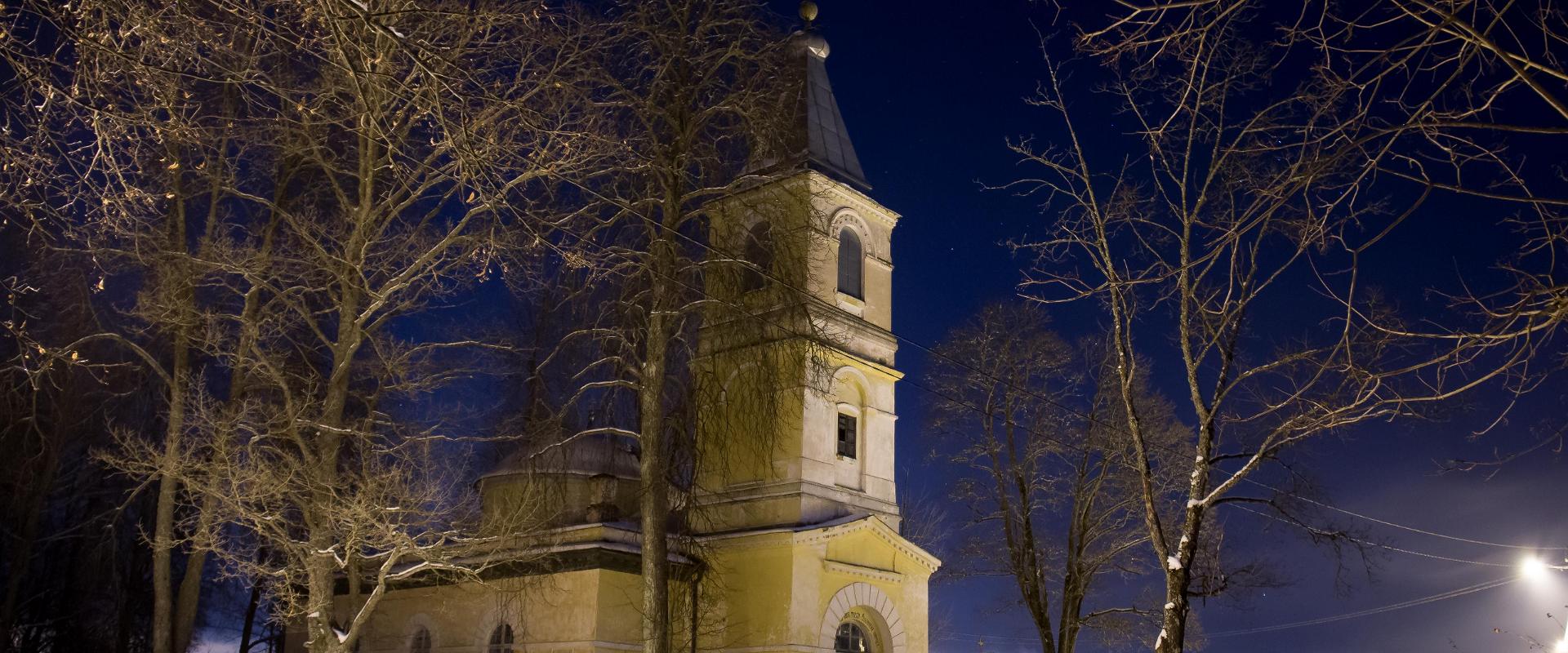
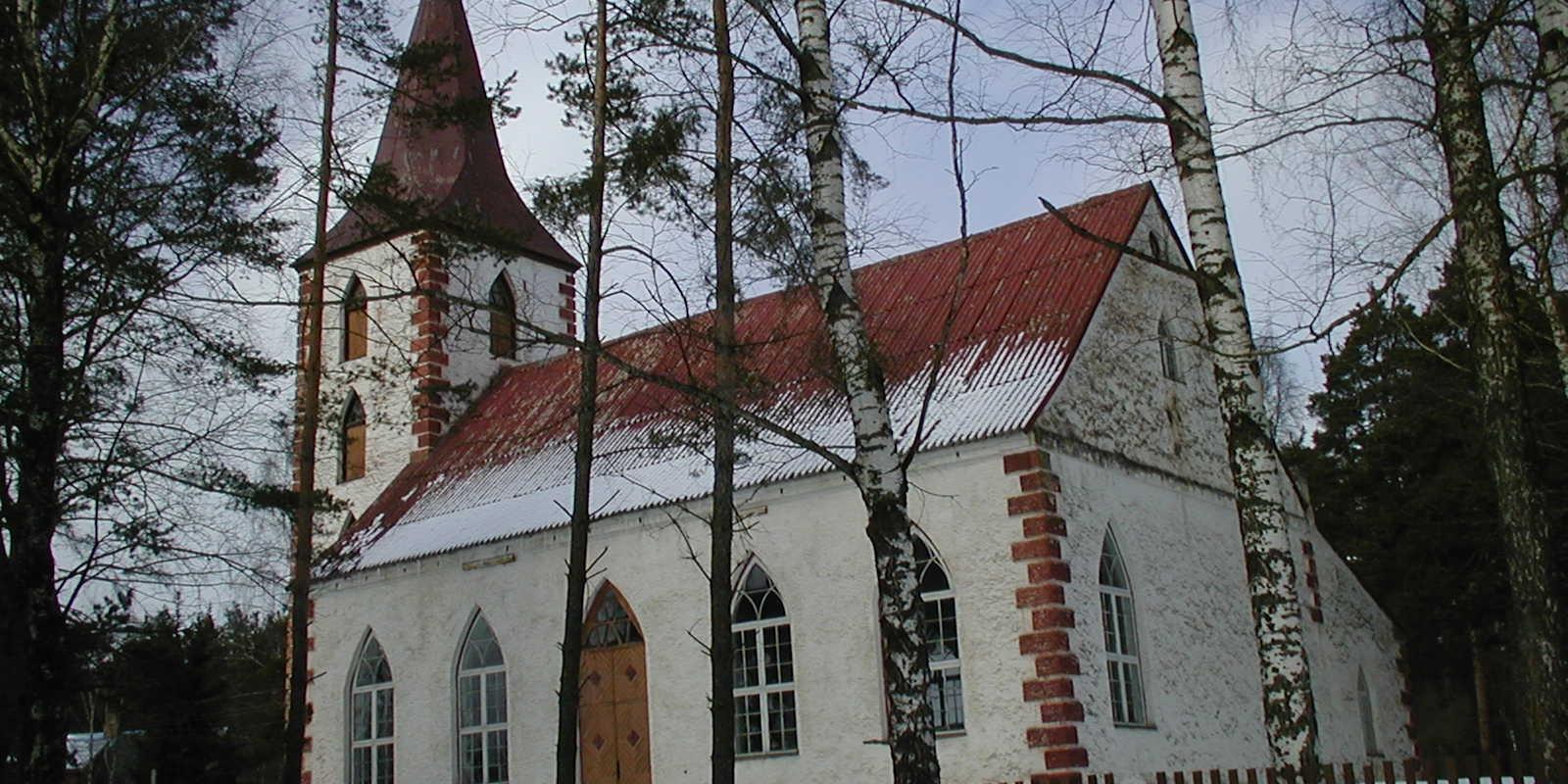
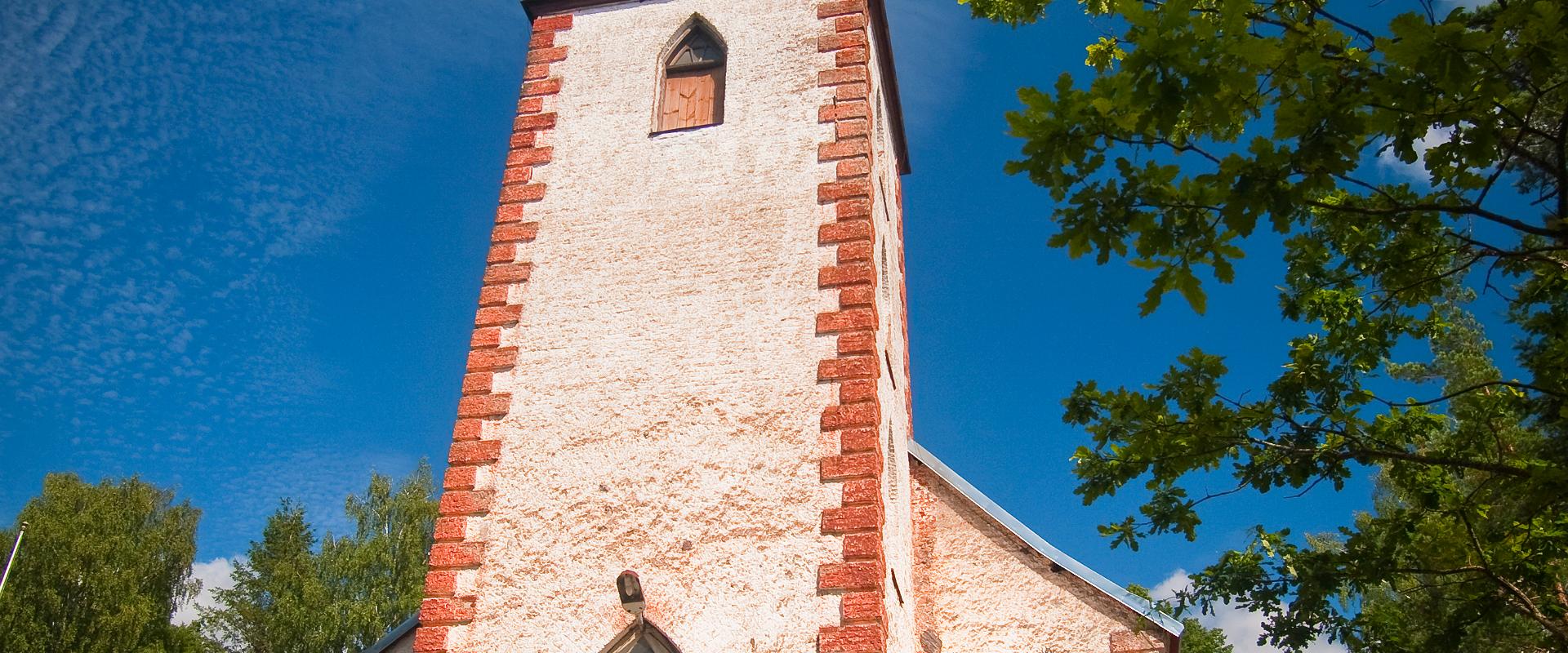
Pindi church in Lasva

Võru vald, Võru maakond, 65401

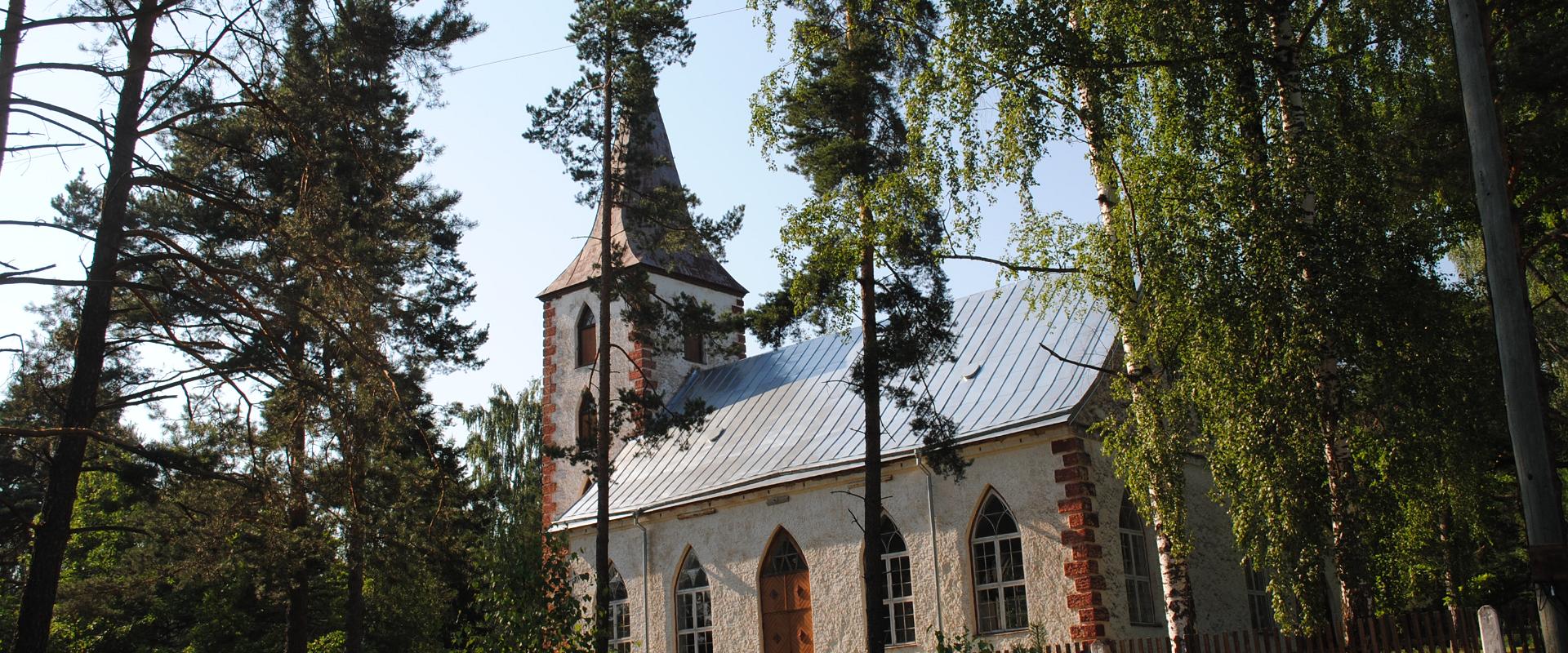
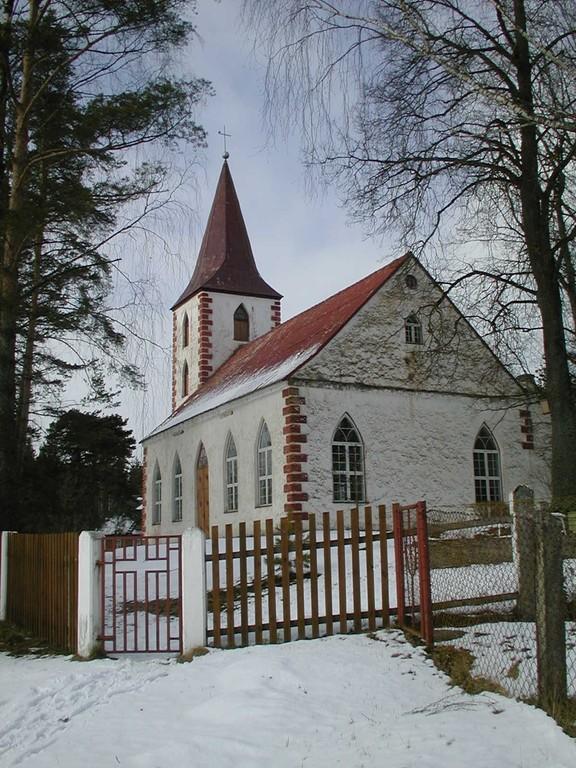
Pindi Jaani (St. John’s) church was built according to the plan by architect J. G. Mühlhausen. The church was consecrated in 1881. A massive tower stands In the western part of the rectangular church, the vestry is in the north-eastern part. The altarpiece is a copy of the one in Rõuge church, «Jesus on the cross» by Rudolf von zur Mühlen. The new organ built by the brothers Kriisa was consecrated in 1903.The grave and monument of Captain Friedrich Vreeman (1894–1919), who was killed in the Estonian War of Independence, are in the church cemetery. Service is held Sundays at 10.30.Useful information: Laine Villenthal, who was the first woman ordained as a minister in Estonia, served in Pindi church until 2004.
Mugavused

  • Free parking

Lahtiolekuajad

Aastaringselt

Eeltellimsel

Kontakt

  • +372 5030676
  • pindi@eelk.ee

Lingid

Vaata lisaks

  • Churches

Ritsiku church in Mõniste

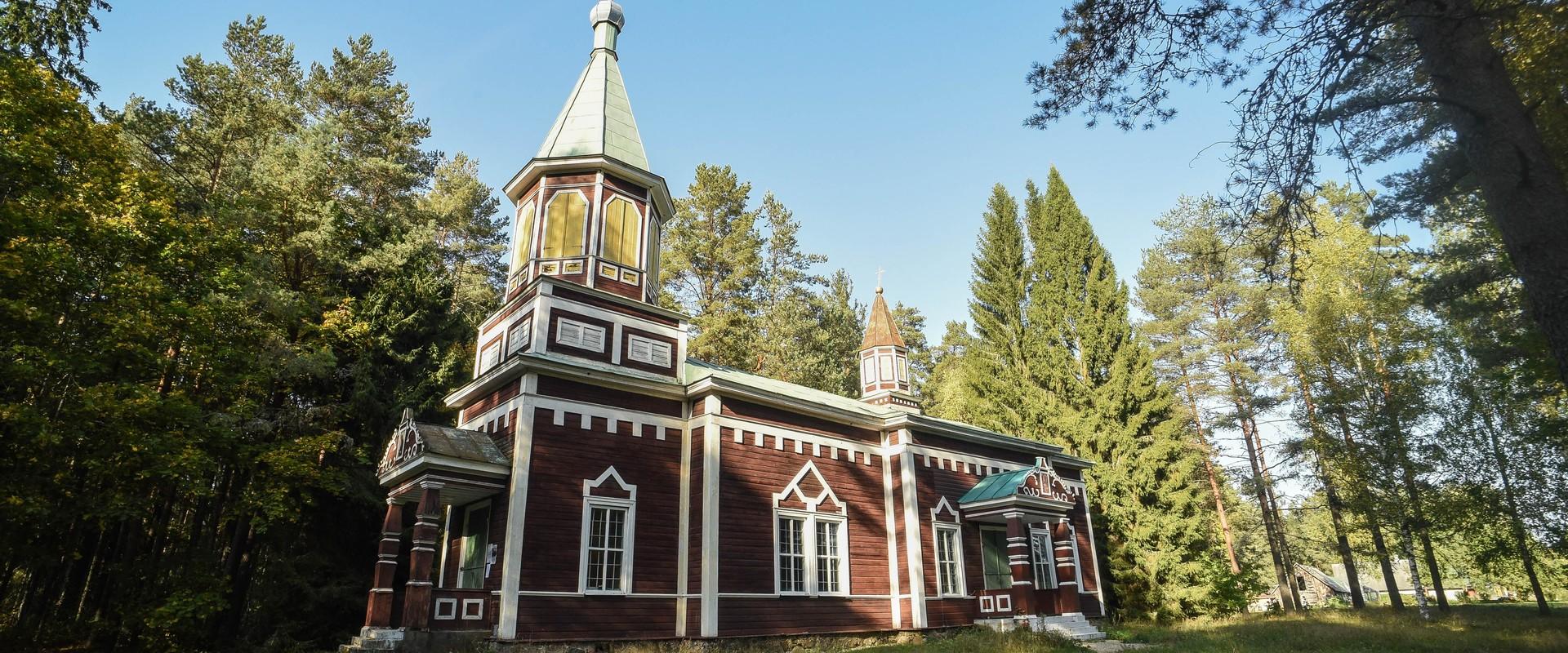
Of the Orthodox churches in Võru County, Ritsiku church in Mõniste is the second oldest (dating back to 1855). The oldest is St Catherine's Church in Võru itself.The church in Ritsiku was consecrated in the name of the prophet John the Baptist. Its name day is celebrated by the congregation every year on 24 June.The congregation was established in 1837. The church was constructed from timber and has a tin roof. It was originally known as Mõniste church, since it was located on the lands of the Mõniste estate. But since it was not in Mõniste itself, it was renamed Ritsiku church in Mõniste.The sacristan and parson did a lot of work in educating the local community. Until 1931 the congregation had its own parish school and three smaller schools.

  • Churches

Tõrva Church – Chamber Hall

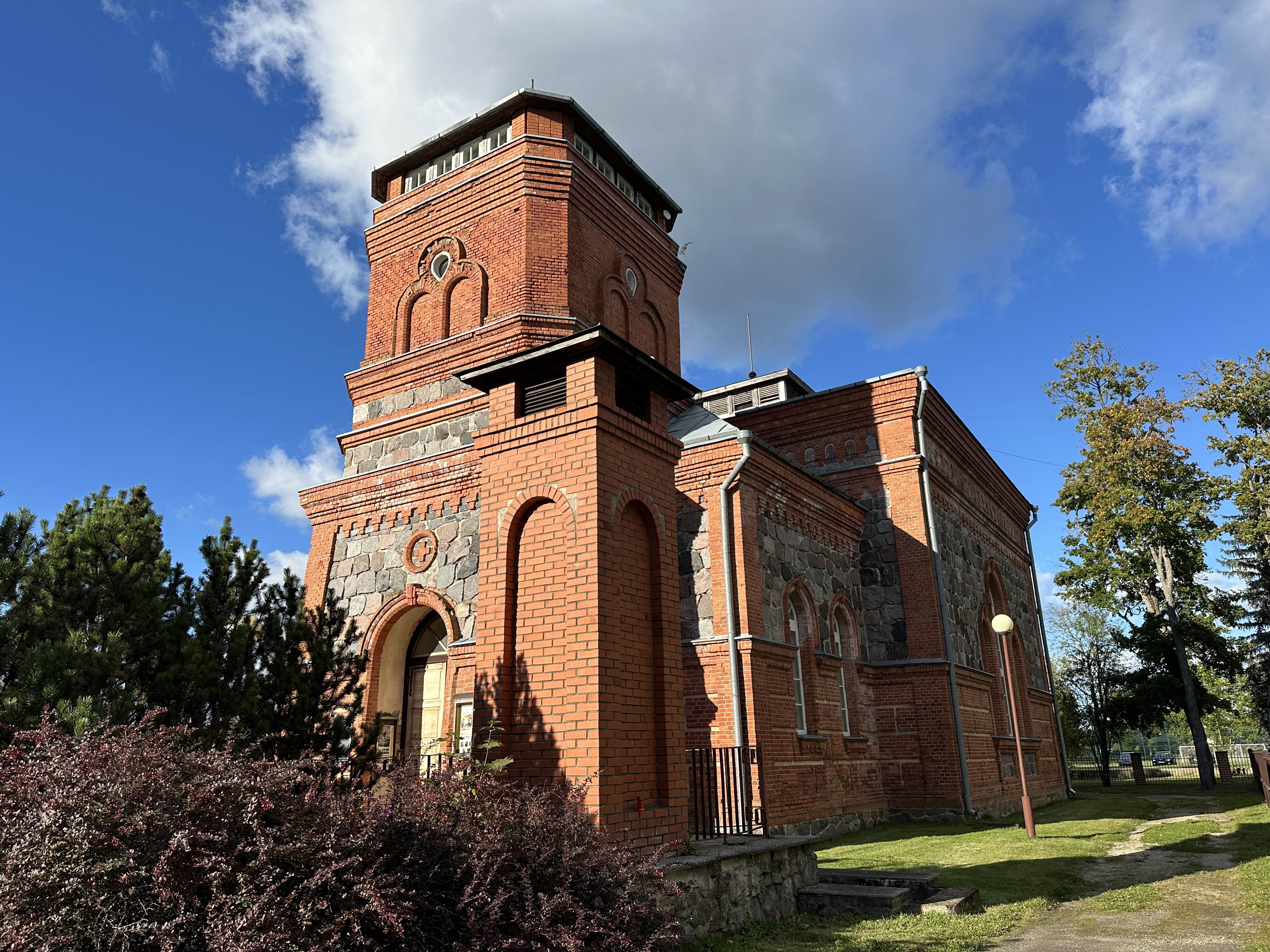
The Helme-Tõrva Apostolic Orthodox Church of the Birth of Christ was built in Valga Street in the years 1903 to 1904. Karl Shurin was in charge of the building work. The two domes and bell tower made the church one of the most imposing churches in the Viljandi Apostolic Orthodox Deanery. The church was seriously damaged during the fierce battles fought in September 1944 and it was only restored in 1990 as a chamber hall.Interesting facts: * the church was also used for salt and cement storage during the Soviet times; * the church-chamber hall currently belongs to the Lutheran church.

  • Churches

St Zachariah’s and St Elizabeth’s Orthodox Church in Räpina

St Zachariah’s and St Elizabeth’s Orthodox Church in Räpina is a neo-Classical oblong building consisting of three parts. In the Western part there is a bell tower and in the Eastern part a crescent-shaped apsis. A cupola with a tambour is in the middle of the building. The exterior of the building is in classical style, incorporating cornices and rustic work. Simple iconostasis of the 19th century catches the eye in the interior.

  • Churches

Valga Jaani (St John’s) Church

Jaani Church, located right in the heart of the city, was built in 1816 according to the design of architect Christoph Haberland and it is the only church in Estonia with an oval ground plan. The unique organ has been preserved in its original shape and it is the only instrument built by Friedrich Ladegast still left in Estonia.Interesting facts: * the organ is one of the 200 best organs in Europe; * music can be heard from the church’s bell tower at midday and midnight.

  • Churches

Otepää Winter Church

The Winter Church is located in a converted auxiliary building of the old church manor and is used mostly in the winter period. It is a small and cosy church that was built largely with the money donated from Finland. The church was consecrated on 6 December 1992 – the Independence Day of Finland. The consecrated name of the winter church is the Widow and Orphan Chapel. It is dedicated to widows because they were the ones who kept the church alive with their small salaries in the Soviet times. The blue, black and white flag of the Estonian Student Union, which later became the national flag and in 1991 the official flag of the state of Estonia, was consecrated in the rectory of the church next to it

  • Churches

Miikse Church

The Miikse St. John the Baptist Church is a small wooden Orthodox church located in the southeastern corner of Estonia in Setomaa. What makes this church special is its story. It was built in 1953, during the Soviet era, when religion and church construction were not encouraged. However, the local people took a bold step and built the church themselves, often working in the evenings and at night to avoid the authorities' attention. Today, Miikse Church is once again a symbol of the strength and perseverance of the Seto community, where the local community restored the dilapidated sanctuary into a new and striking Seto church. The altar and icons were preserved, but the new facade features a lace-like pattern using Seto colors (red, blue, and sheep's wool white) and Seto belt patterns. The church's surroundings also include an old cemetery and sacred stones, which lend the place a special historical and spiritual atmosphere. The church is open once a month during service, and at other times, access can be arranged by agreement with the church elder (who communicates in Estonian and Russian). For a foreign-language tour of Setomaa, we recommend booking a local guide.

  • Churches

Valga Roman Catholic Church of the Holy Spirit

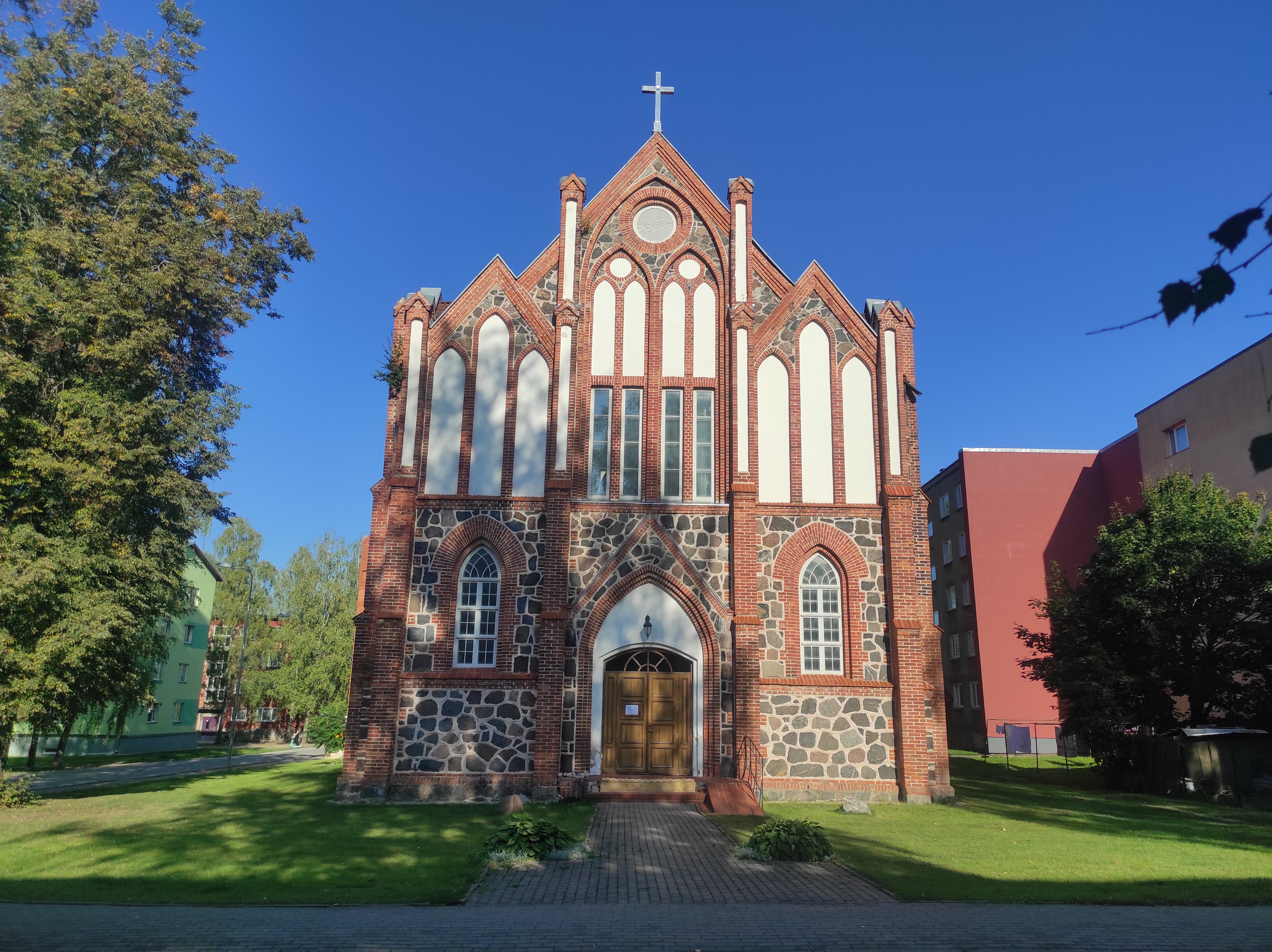
The church was built of natural stone and bricks in 1907. Lithuanian and Polish railway workers were actively involved in building the church. The church operated until 1940 and from 1945, the building was used as a warehouse and later as a gym.The extension of the church was built in 1995 and the church was renovated. Interesting facts: * the church does not have a tower as the imperial government of Russia refused to give permission to build one.

  • Churches

St. Nicholas’ church, Põltsamaa

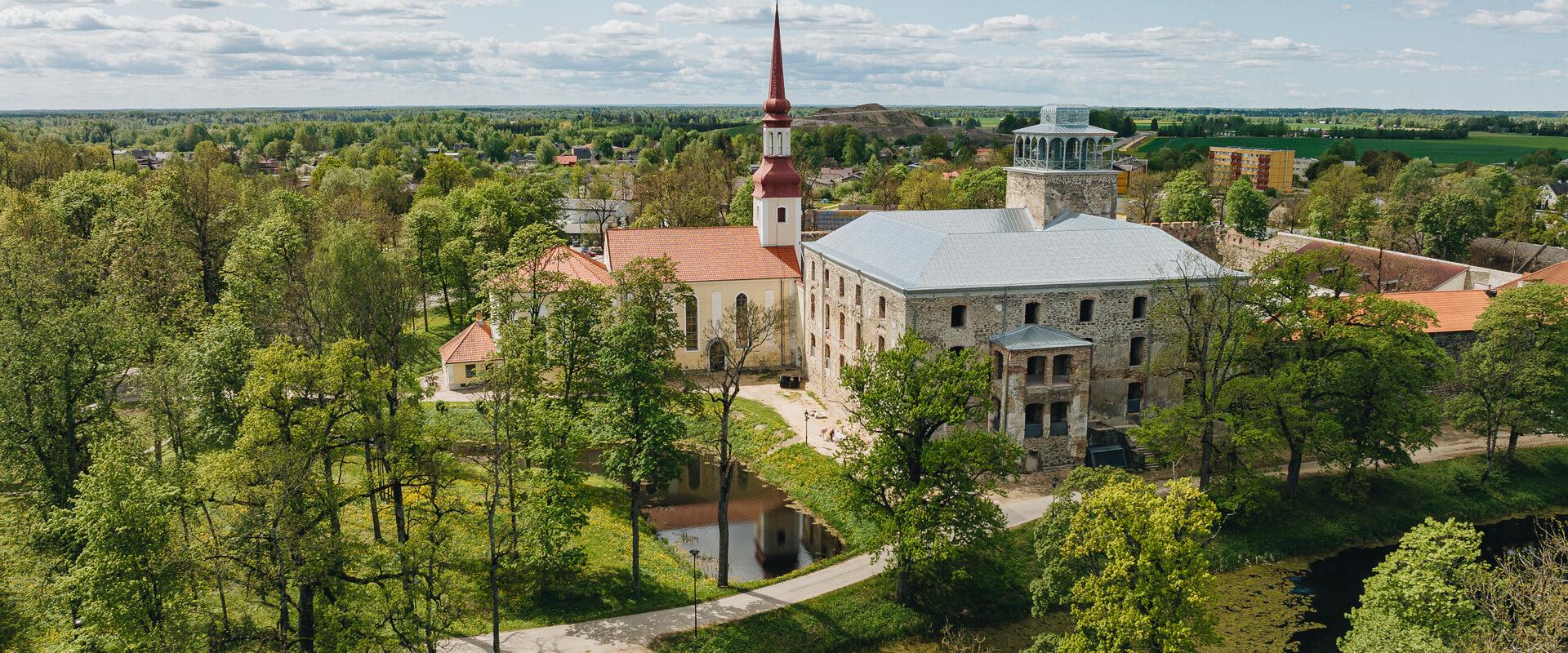
This Lutheran church, originally constructed on a bastion and the town's walls, was restored from its war-time ruins 50 years ago. Its altar, pulpit, lights and tower bells (XIX) are from the now defunct University of Tartu church.

  • Privacy Policy

"*"обозначает обязательные поля

Это поле используется для проверочных целей, его следует оставить без изменений.
Я разрешаю маркетинг