• Открой
    • Еда
    • Природа
    • Культура
    • Семья
    • Спорт
    • Сообщество
    • Блог
    У Вас появились свободные выходные, чтобы провести с детьми? Здесь собраны лучшие места в Южной Эстонии для семейного отдыха
  • Планируй
    • Размещение
    • Информация
    • Varamu
    Sustainability
RUS
  • РусскийRUS
  • EestiEST
  • EnglishENG
  • LatviešuLAT
  • SuomiFIN
RUS
  • РусскийRUS
  • EestiEST
  • EnglishENG
  • LatviešuLAT
  • SuomiFIN
Populaarsed otsingud:
Näita kõiki tulemusi
  • History & Culture
  • Architecture and history

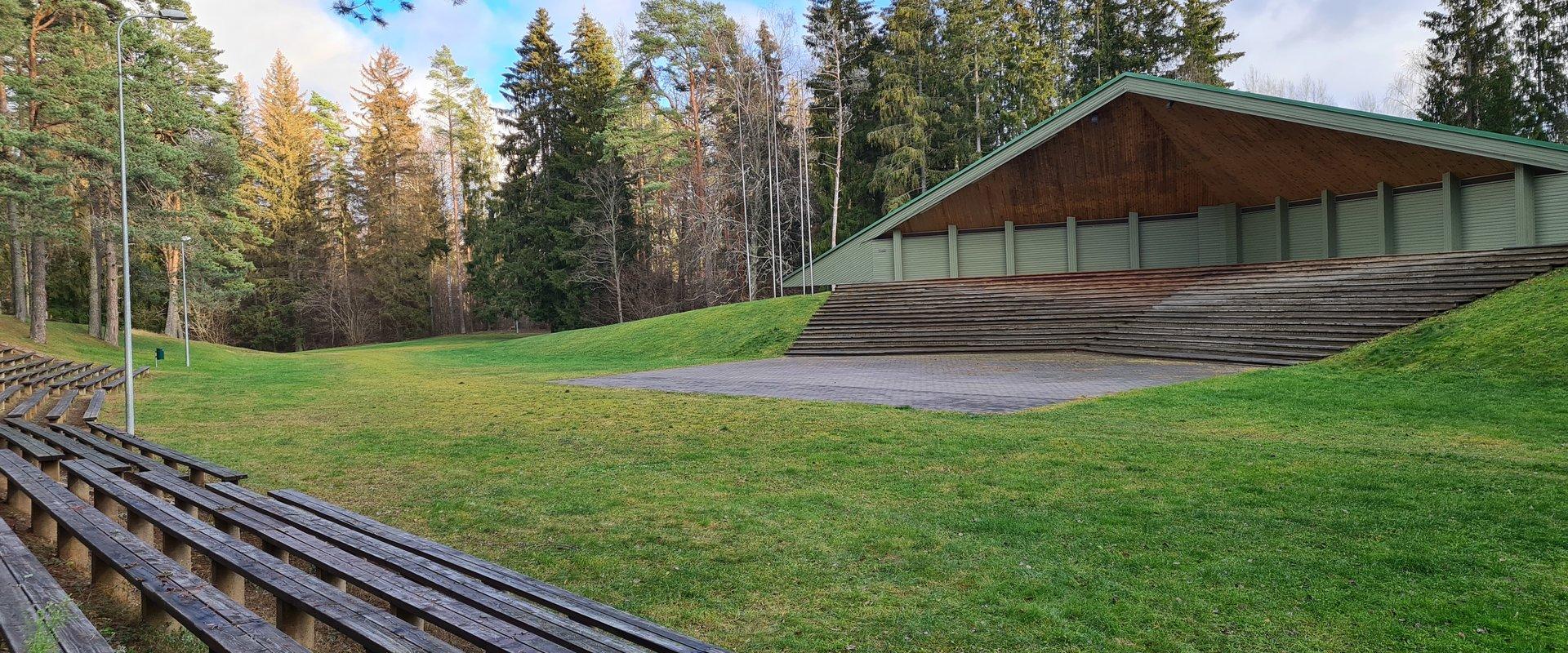
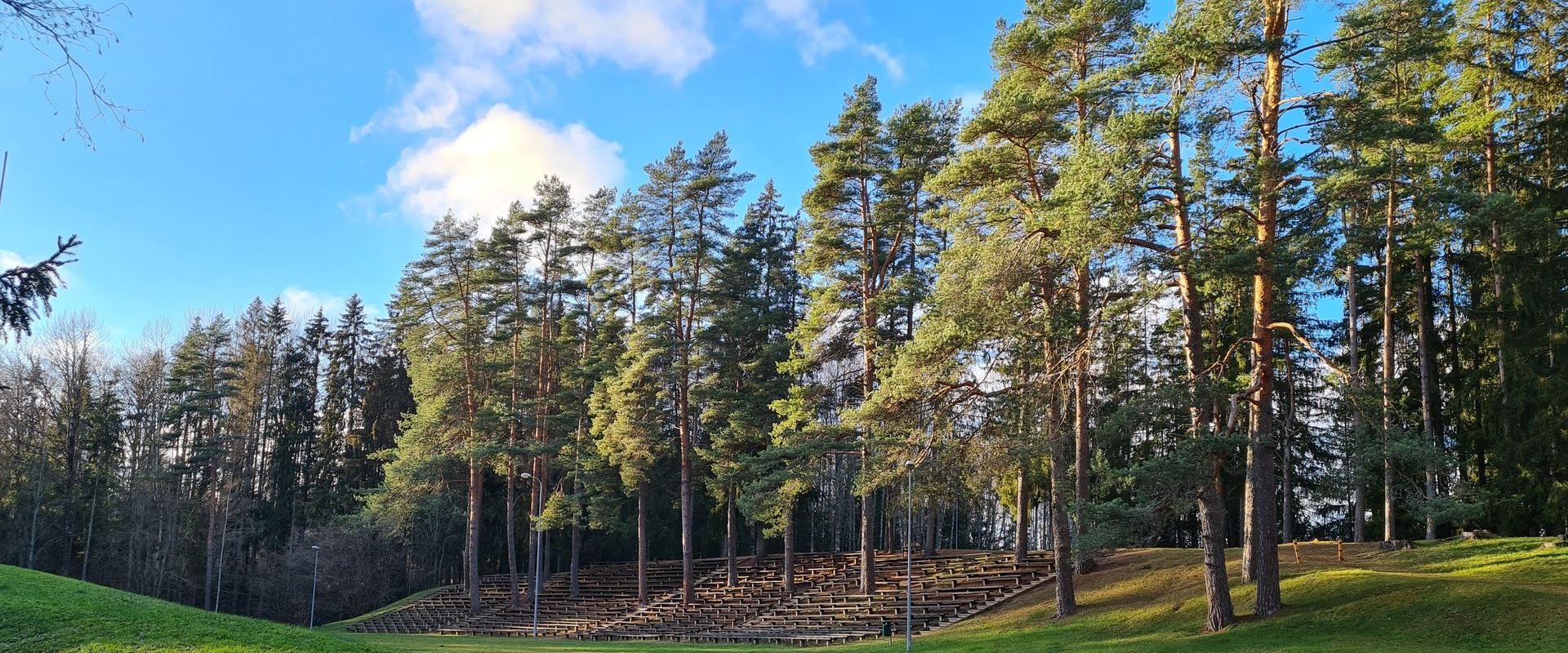
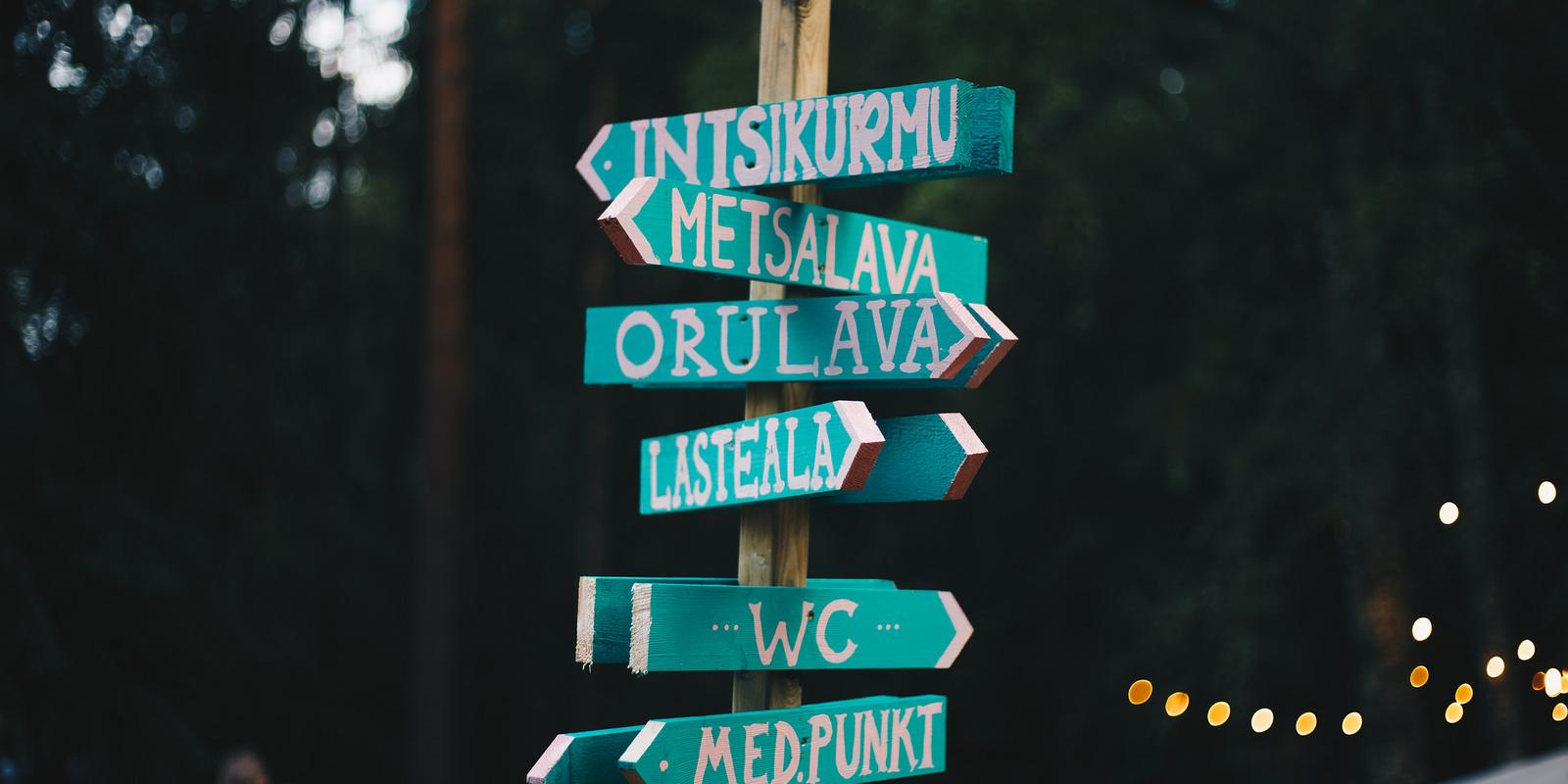
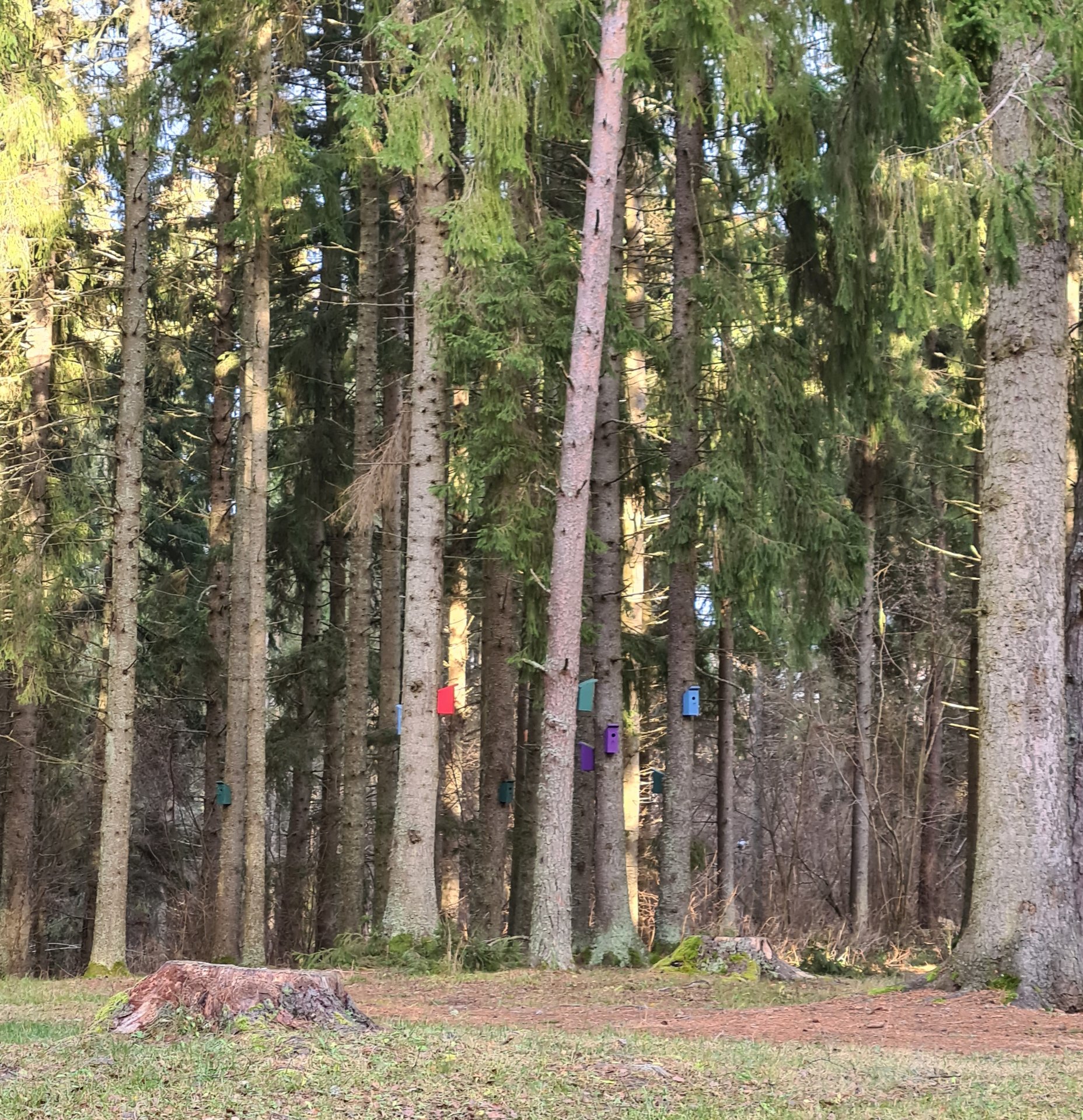
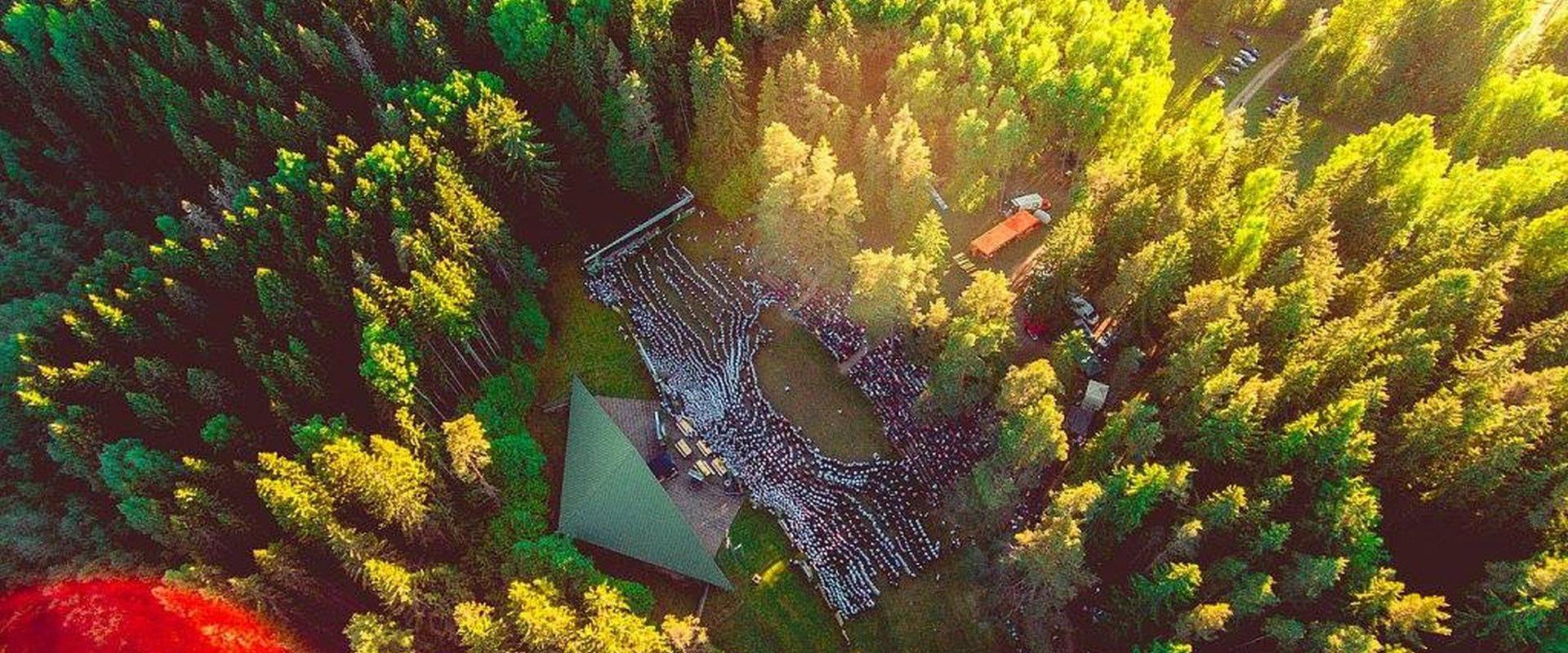
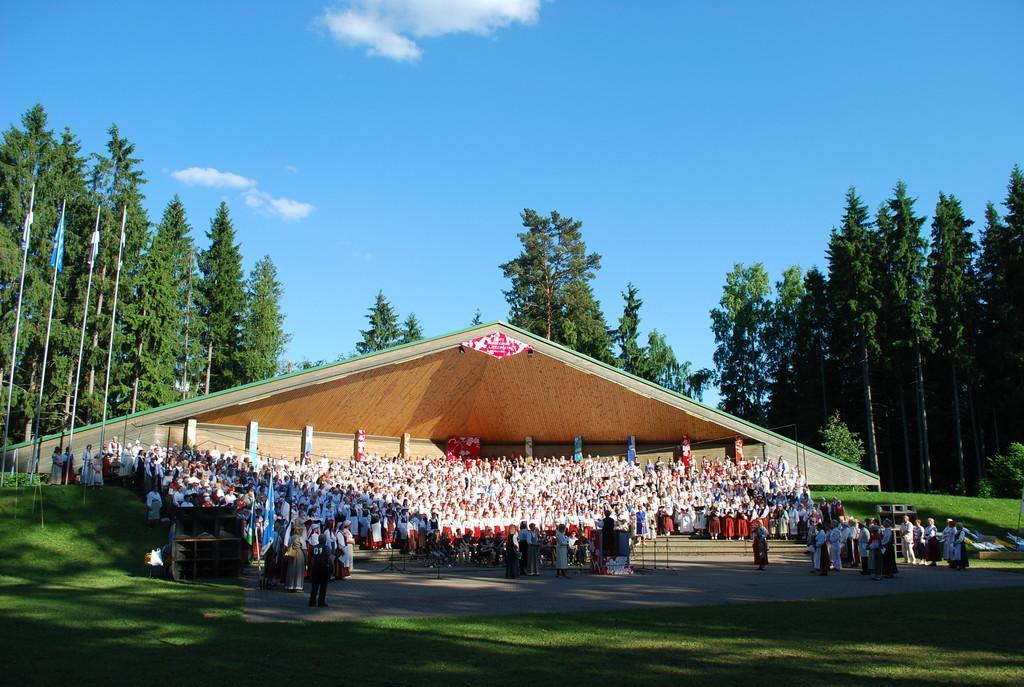
Intsikurmu Song Ground

Põlva vald, Põlva maakond, 63308

Many people in Estonia and beyond know the Intsikurmu Manor Park due to its tradition of fold song festivals. After all, the first song festivals in Estonia were held in Põlva in 1855 and 1857.The Intsikurmu Soung Ground is still a well-known location for concerts and celebrations. The stage can hold close to 3500 singers, the grounds can hold everyone who is interested in celebrating and dancing.

Mugavused

  • Free parking

Часы работы

Круглый год

Ööpäevaringselt

Ссылки

Подробнее

Antonius Courtyard

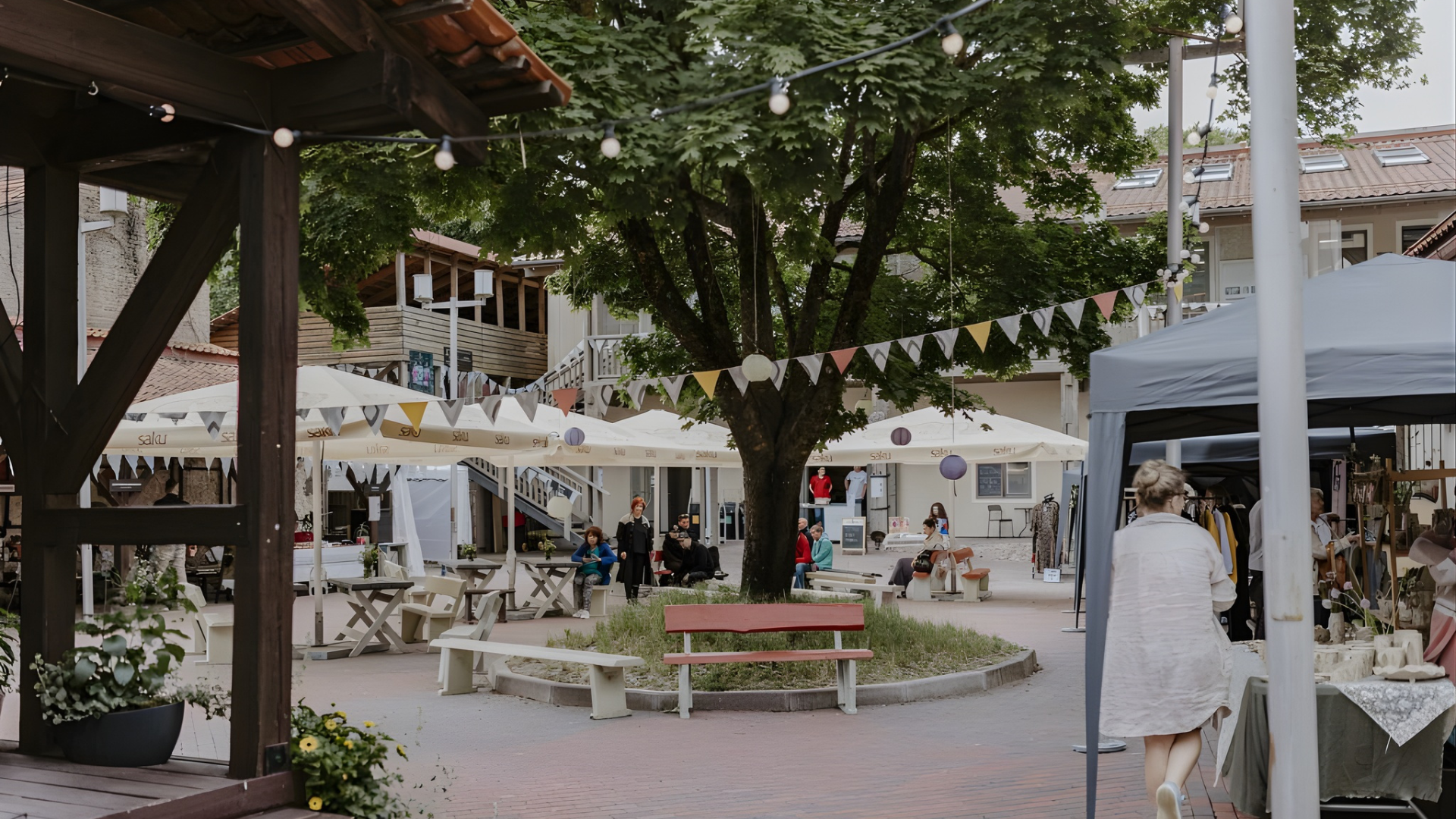
Antonius Courtyard is a historical site in the heart of Tartu's Old Town, where history meets contemporary creativity. This special courtyard, with centuries-old craftsmanship and artistic heritage, offers the opportunity to experience a vibrant cultural space in an authentic environment. Historically, this place is associated with the craft guild known as the St. Anthony's Guild, whose roots go back to the Middle Ages. Guilds played an important role in the economic and social life of cities, bringing together masters and regulating crafts and trade. The area was located near St. John's Church and was part of the medieval city structure where craftsmen lived and worked. Today, Antonius Courtyard is an inspiring creative center where designers, artists, and craftsmen work. It is a popular venue for events — concerts, performances, and other cultural events are held here year-round, bringing together designers, creative entrepreneurs, and visitors. During opening hours, you can explore the history exhibition about the Tartu County Creative Path and Tartu Small Guild.
  • Pet friendly
  • Family friendly
  • Guided tours
  • Workshops
  • Virtual reality (VR)

Lake Museum

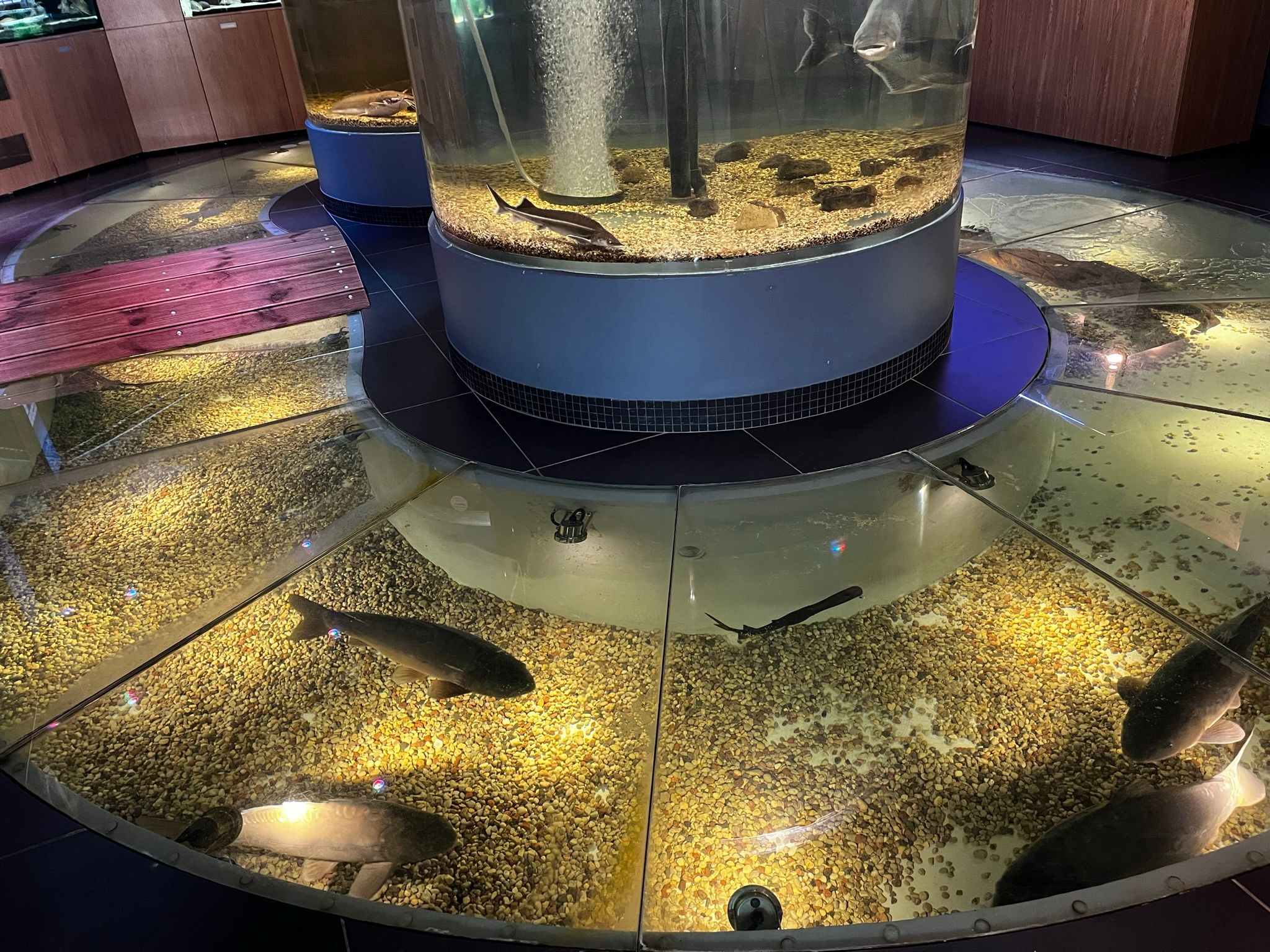
The main exposition of the Lake Museum is live Estonian freshwater fish. Our freshwater fish are not exhibited elsewhere in Estonia in such species quantity.About half of Estonia's freshwater fish live here, including more exotic species, as well as turtles, lake balls, and crayfish.You can visit 2 floor aquariums and 2 large cylindrical aquariums. There are more than 25 different aquariums in total. There is also a collection of fishing gear, an exhibition of primitive fish, and much more!You can book a sauna raft for a pleasure cruise or a sauna session and use a seminar room with a million-dollar view. During summers, a café is open.

  • Sculptures

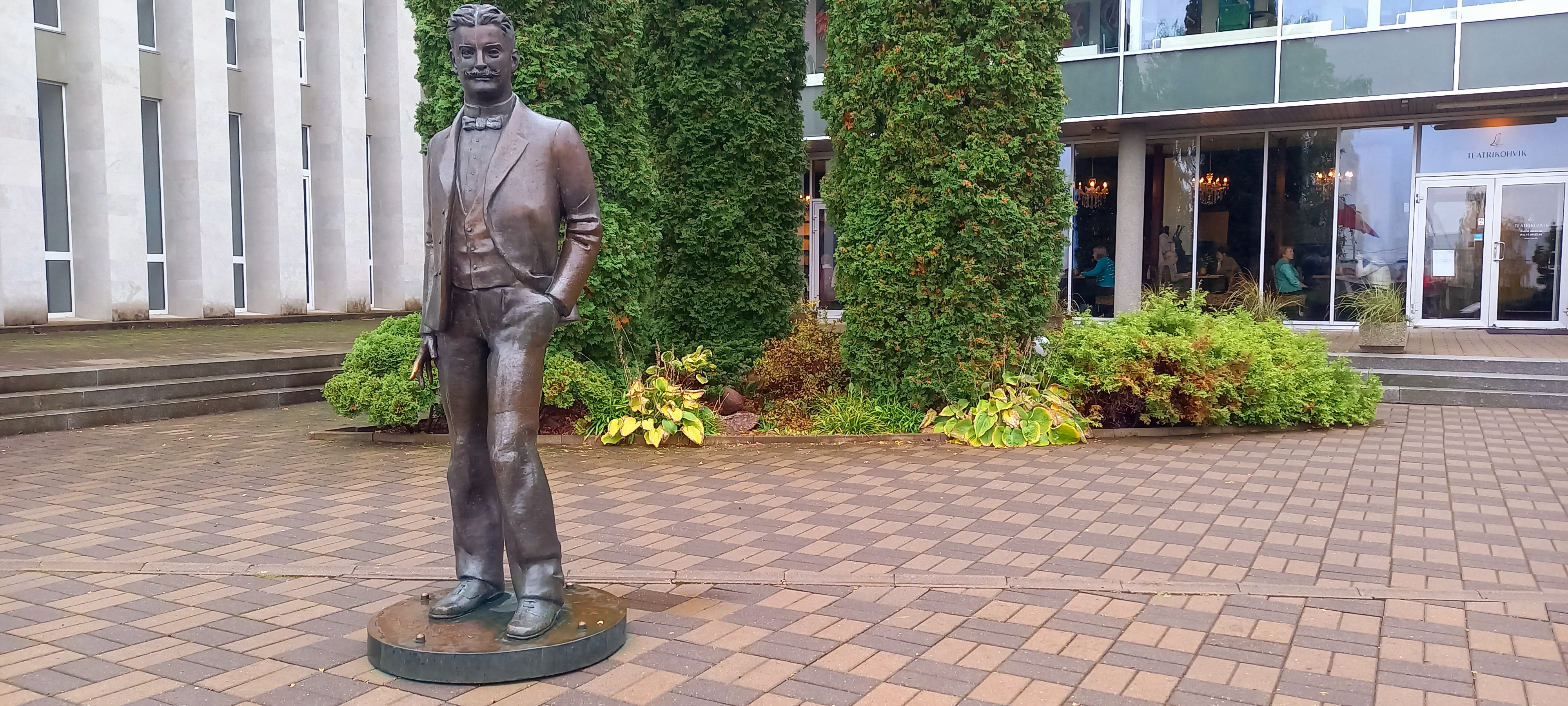
Sculpture of Karl Menning

Karl Menning was the founder of professional theatre in Estonia and the first professional theatre and stage director in the country. He was the director of the Vanemuine Theatre from 1906 to 1914. His sculpture was created by Mare Mikoff and is unique for the fact that it can be turned on the spot.

  • Churches

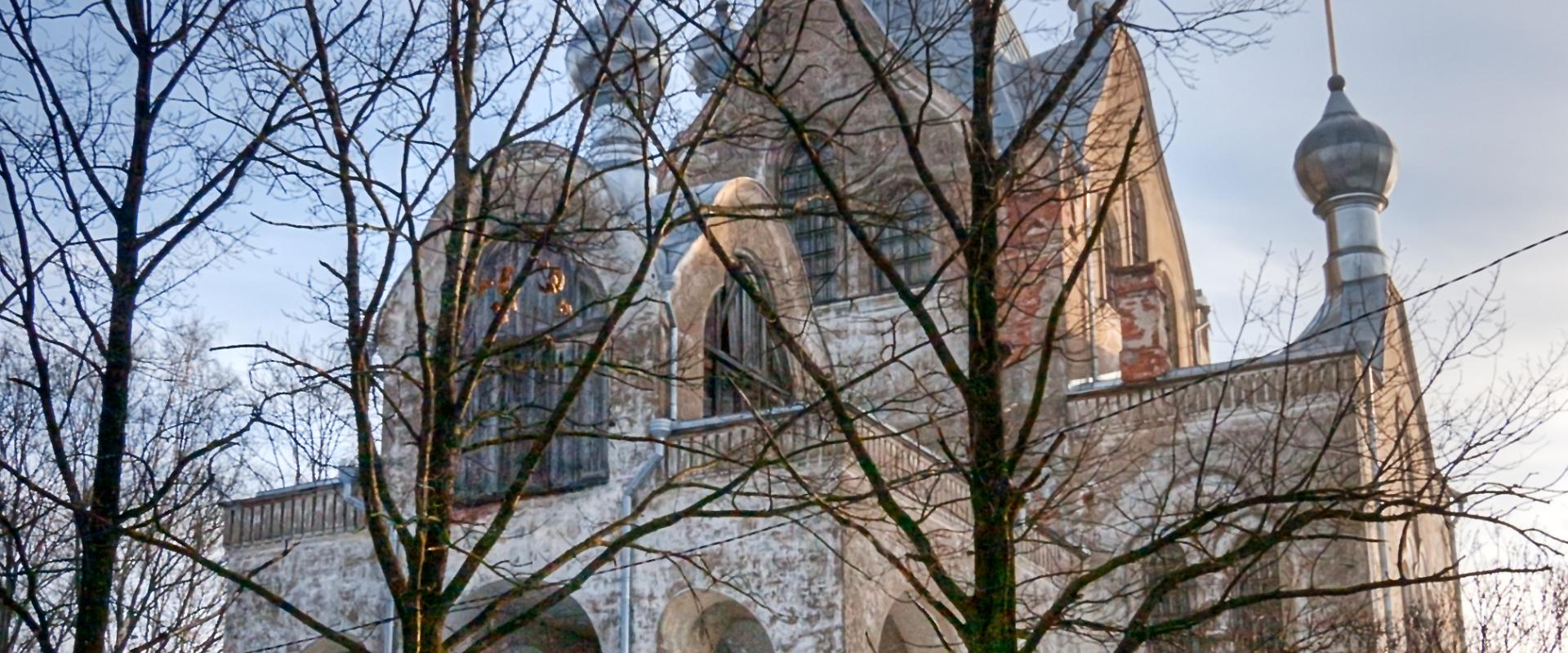
Tartu St Alexander’s Church of the Estonian Apostolic Orthodox Church

Come and take a look at the two-storey St Alexander’s Church in Tartu with its onion domes inspired by old Russian church architecture (architect Vladimir Lunski). Construction of the church started in 1914 and it was re-consecrated in 2003. Interesting facts: - a zinc box with the remains of a saint and a copper plate with a letter have been placed in the cornerstone of Tartu Alexander’s Church. The cornerstone was put in place by Archbishop Ioann during the reign of Emperor Nicholas II on 27 May 1914; - the church was nationalised in 1940 and it was used as a storage building by the University of Tartu and the Estonian National Museum.

Site of the Tamula Ancient Settlement on Roosisaare

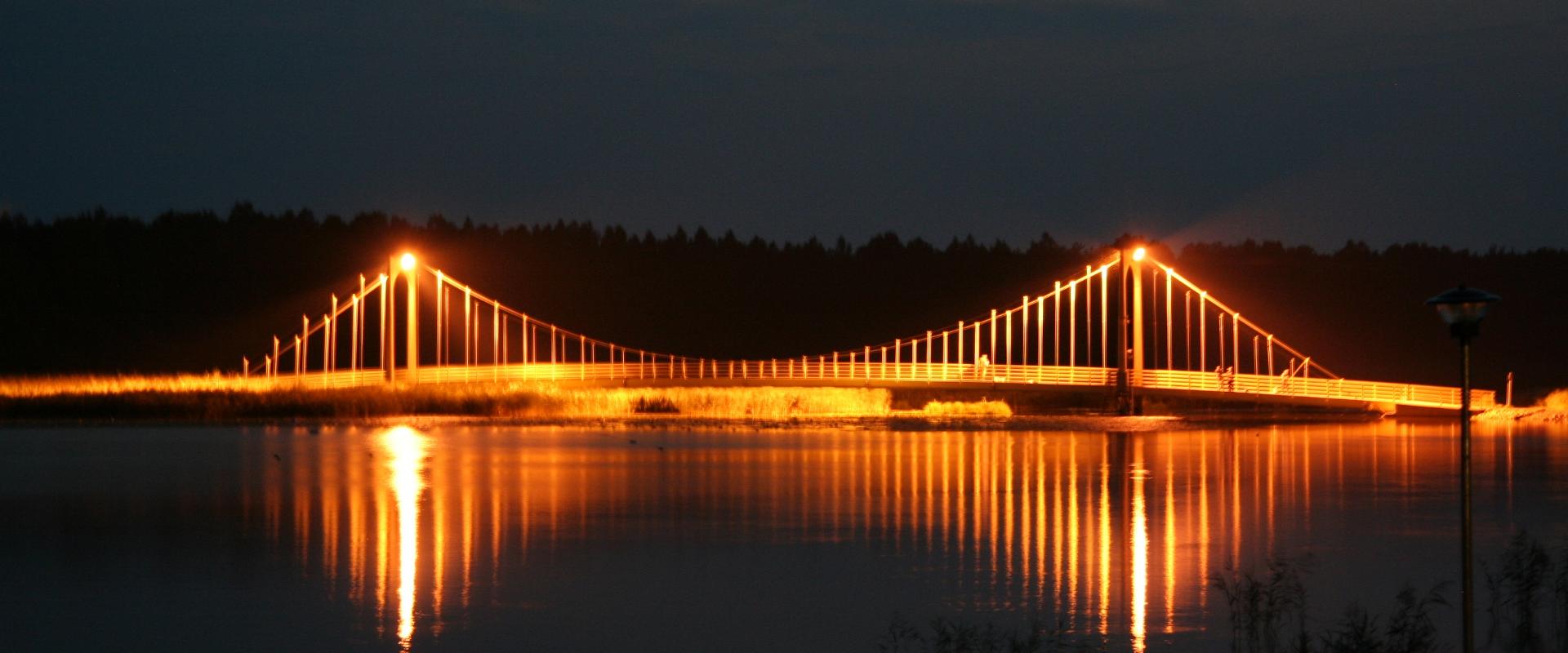
The horns of ancient cattle, animal bones and other objects found in the lake by Ida Kepnik and Richard Indreko indicated that a stone age settlement was once located here. In 1958, horns together with parts of the skull, ceramics and numerous other objects were found in the course of deepening the Võhandu River and bridge construction. In the summer of 1959, a joint expedition by the Institute of History and the Valga Interregional Local History Museum identified the exact location of the settlement. Using the radiometric dating method, it is estimated that the Tamula settlement is 4500 years old. The connection to Roosisaare peninsula was improved in 1998 when a new suspension bridge was opened for pedestrians. There is a great view of Lake Tamula and the town of Võru from the bridge.

  • Lighthouses

Mehikoorma Lighthouse

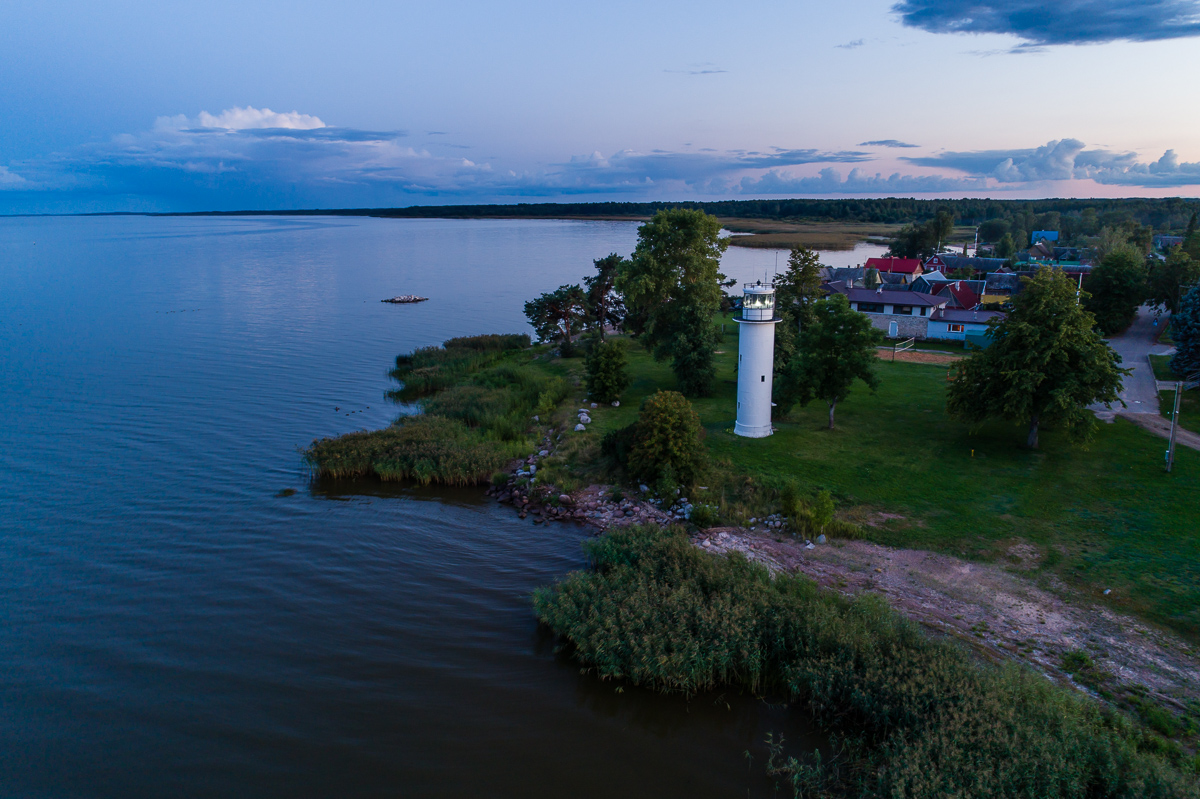
Mehikoorma Lighthouse is located on the west coast of Lake Lämmijärv in the south end of Lake Peipus. The first data from the beacons located in Mehikoorma, which showed the shipping route to Piirissaare towards north and to Sausaare towards south, date back to the First World War. By 1929, a beacon with a blinking light had been installed in Mehikoorma. The wooden beacon was replaced with a lighthouse built of reinforced concrete in 1938. The lighthouse, which is 15 m high and 3 m in diameter, worked on acetylene energy. Mehikoorma Lighthouse, with its 15 m of height, is the highest lighthouse of Lake Peipus. Visitors can only see the lighthouse from the outside.

  • Churches

St. Mary’s Church in Rõuge

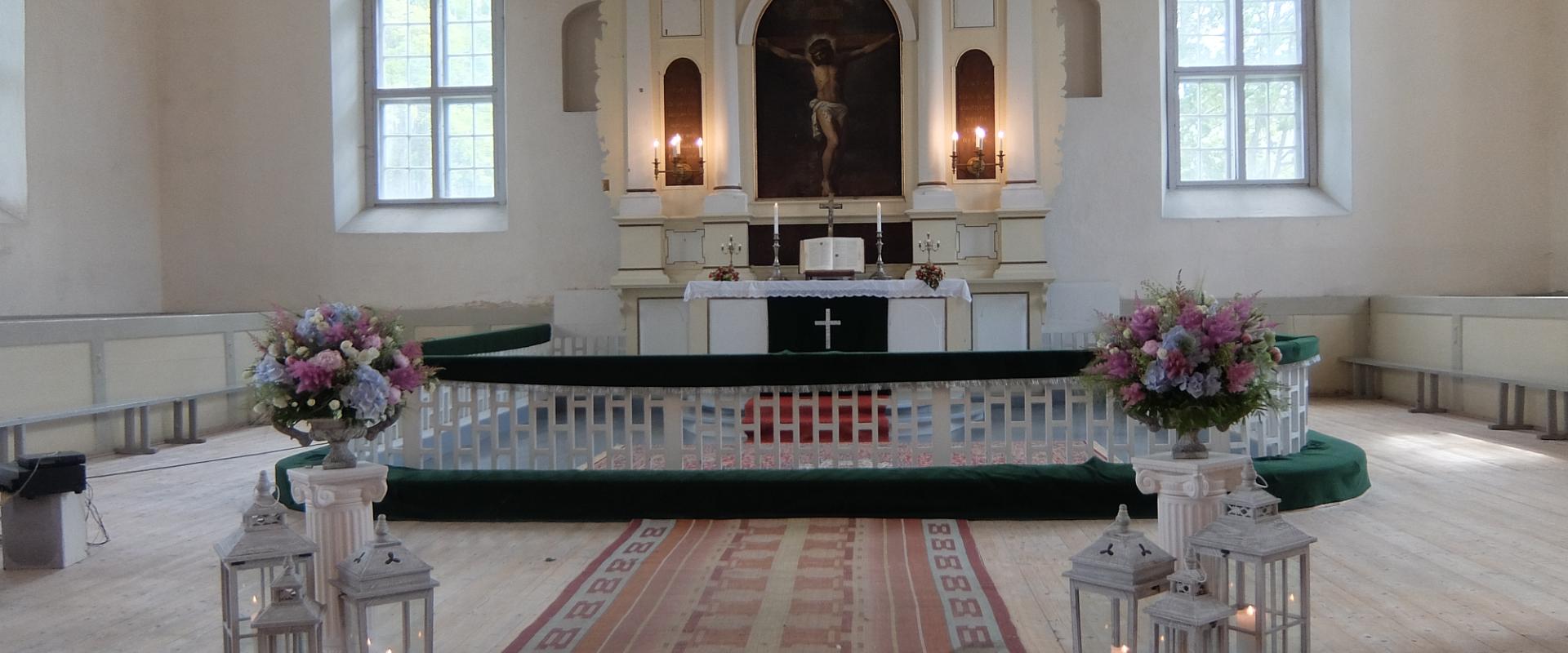
The first stone church was constructed in Rõuge in the 16th century. In 1730, the original church, which was destroyed in the Great Northern War, was replaced with one which had an imposing square tower. The church was blessed in the name of St. Mary. The altar-piece "Christ on the cross" by R. von Mühlen is from 1854. In 1860 the walls were made higher and a mirrored arch was installed. In 1930 the church got a 31-register organ built by the Kriisa brothers. The first Estonian pastor in Rõuge was Rudolf Gottfried Kallas.Useful information! You can attend mass at the church every Sunday at 11:00 and in summer, the church is used as a wayfarers' church. Entrance to the tower is for a fee (grown ups 1.50, children 1 and family ticket 3 euros).

  • Churches

Catherine’s Church in Võru

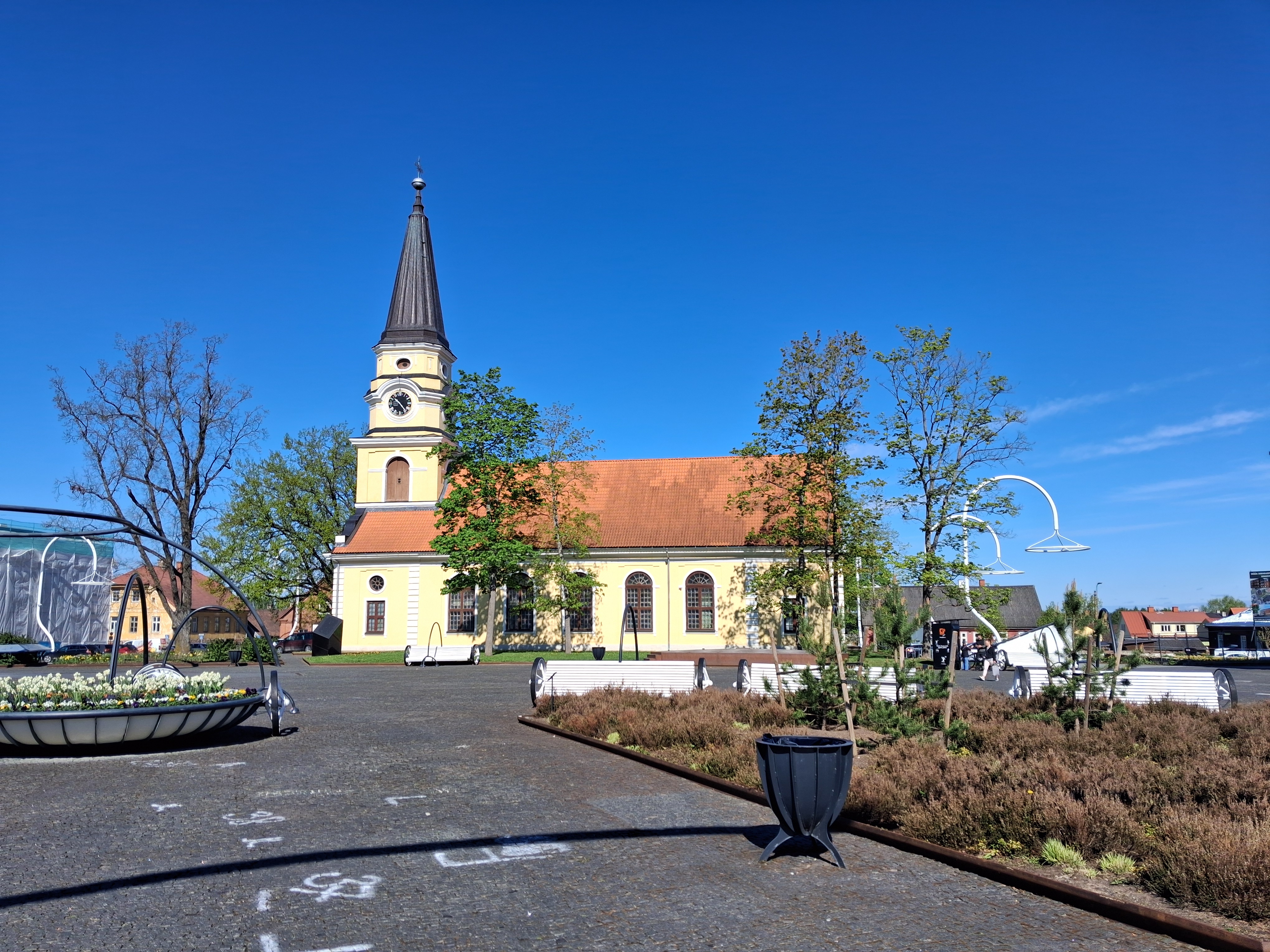
28,000 silver roubles were donated towards the construction of this Lutheran church by Russian empress Catherine II. It was blessed on 24 July 1793, when it received the name 'Catherine'. It is thought that the church - which was designed in early classicist style with baroque roots and which boasts stunning arched windows - was designed by the architect Christoph Haberlandt from Riga. Renovations in 1879 saw its tower receive a new dome, and a four-faced clock was also installed. The church has an organ built by the Kriisa brothers in 1913. You can visit the church on Sundays during mass times.

  • Privacy Policy

"*"обозначает обязательные поля

Это поле используется для проверочных целей, его следует оставить без изменений.
Я разрешаю маркетинг