• Explore
    • Nature
    • Culture
    • Food
    • Family
    • Activity
    • Blog
    Smoke sauna
    Weather and seasons
  • Plan
    • Accommodation
    • How to get here
    • Weather and seasons
    • Sustainability
    • Tourist info
    Discover South Estonia’s Most Beautiful Manors and Castles
    Top 20 Sights in South Estonia
  • For professionals
    • For professionals
    • Collaboration
    • News
    • Projects
    • Training
    • Repository
    • Community (opens in new tab)
    • Contacts
ENG
  • EnglishENG
  • EestiEST
  • LatviešuLAT
  • РусскийRUS
  • SuomiFIN
ENG
  • EnglishENG
  • EestiEST
  • LatviešuLAT
  • РусскийRUS
  • SuomiFIN
Popular searches:
Show all
  • History & Culture
  • Architecture and history

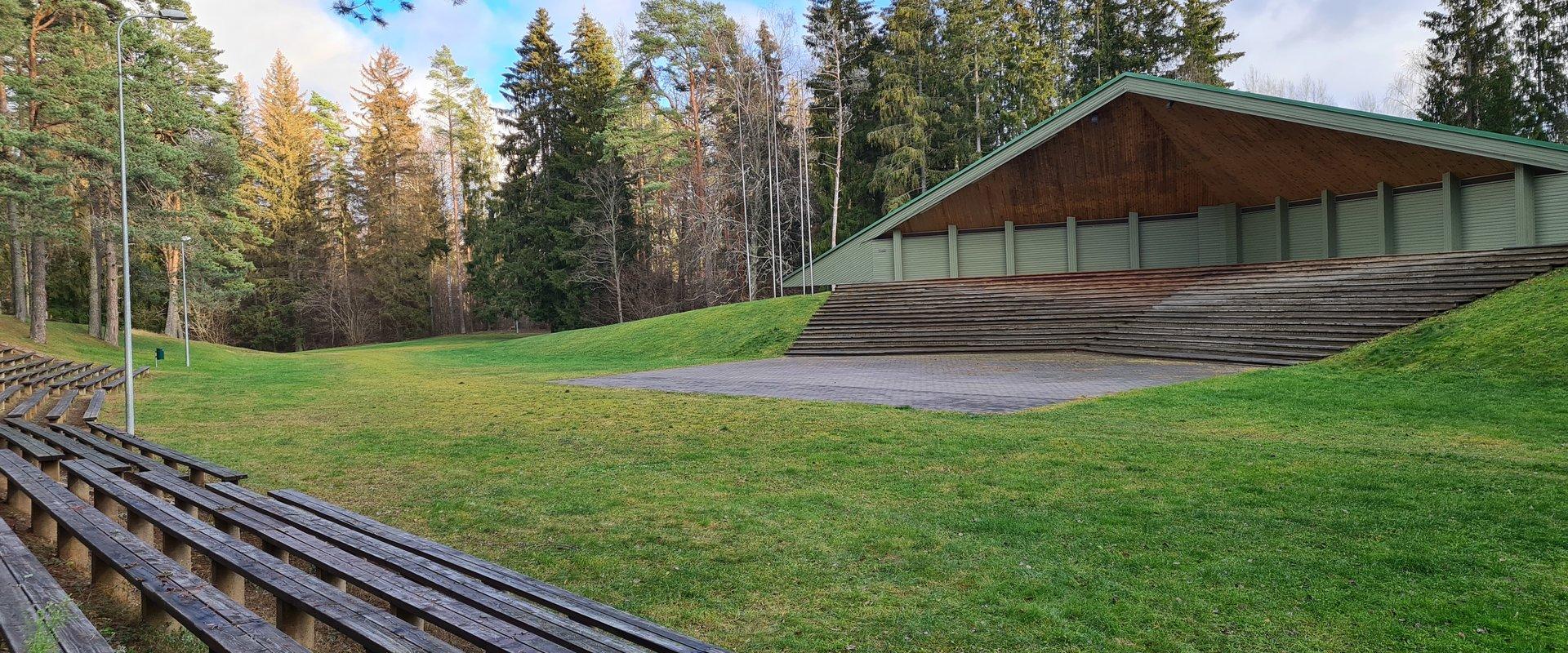
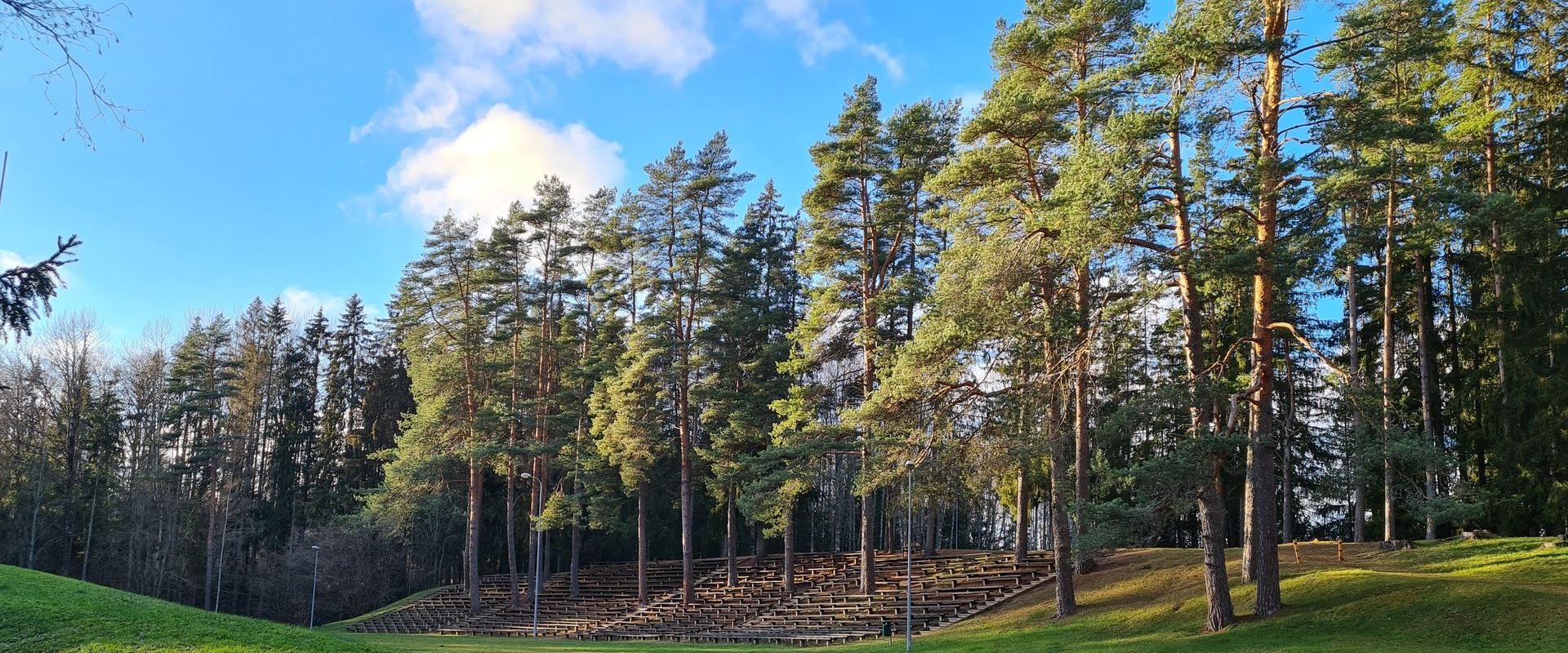
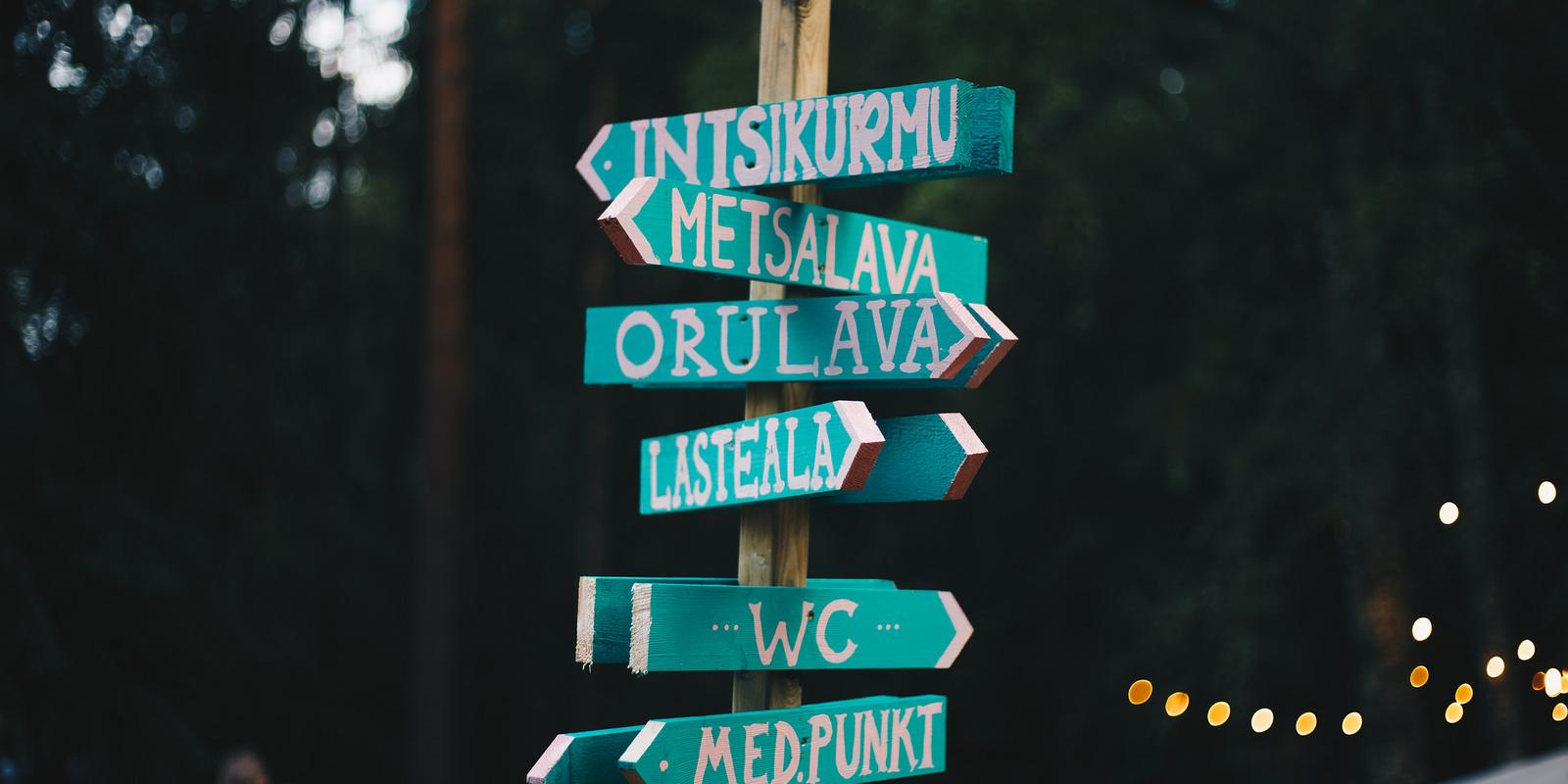
Intsikurmu Song Ground

Põlva vald, Põlva maakond, 63308

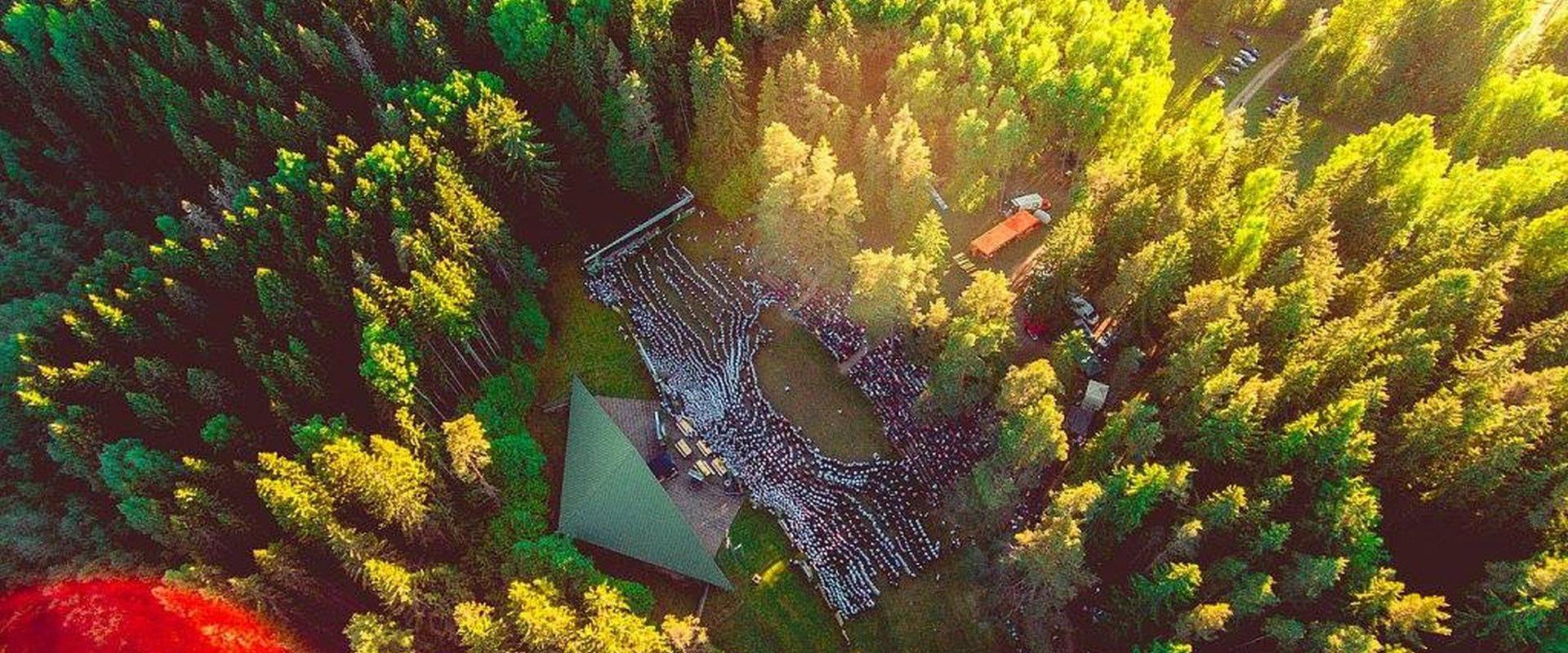
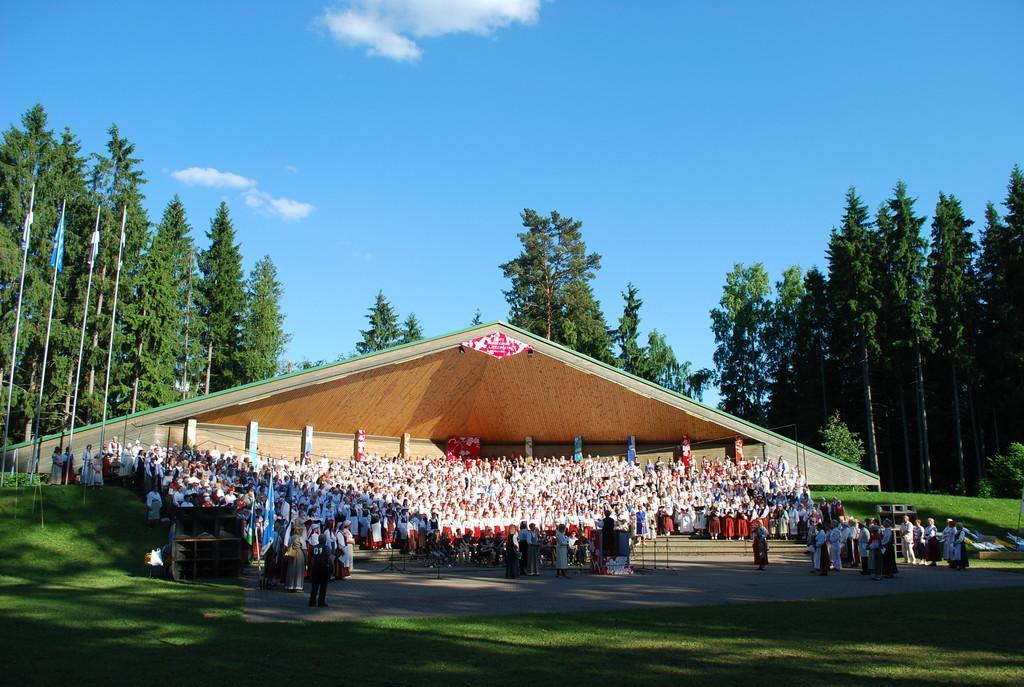
Many people in Estonia and beyond know the Intsikurmu Manor Park due to its tradition of fold song festivals. After all, the first song festivals in Estonia were held in Põlva in 1855 and 1857.The Intsikurmu Soung Ground is still a well-known location for concerts and celebrations. The stage can hold close to 3500 singers, the grounds can hold everyone who is interested in celebrating and dancing.

Amenities

  • Free parking

Open times

Throughout the Year

Around the Clock

Links

See more

  • Guided tours

Paduvere Farm Museum

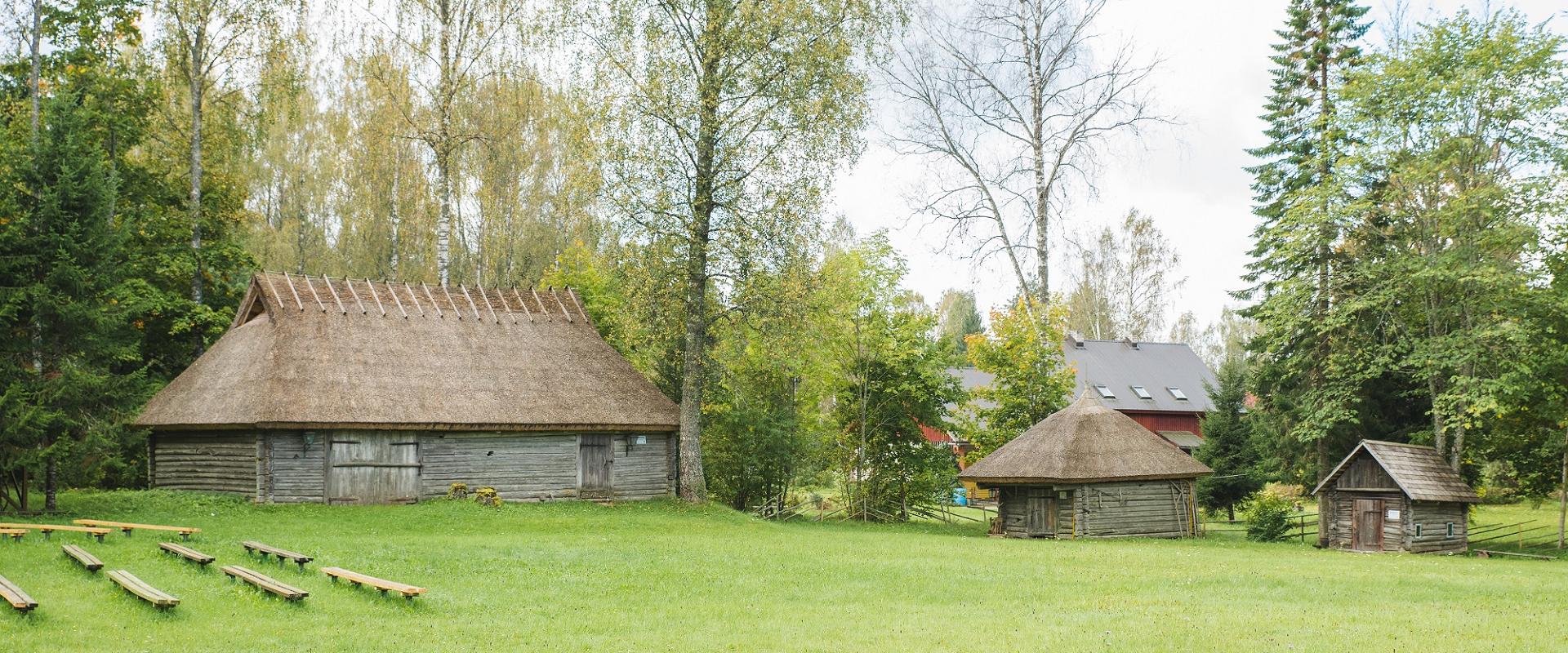
The museum introduces the life led by farmers in the 18th century and the everyday lives and work of our forefathers. There are five oak sculptures created by St Petersburg artist Grigori Azarenkov by the museum. The museum is surrounded by beautiful landscapes, which make it a popular venue for folk parties and theatre performances.

  • Sculptures

Singing Mother Monument

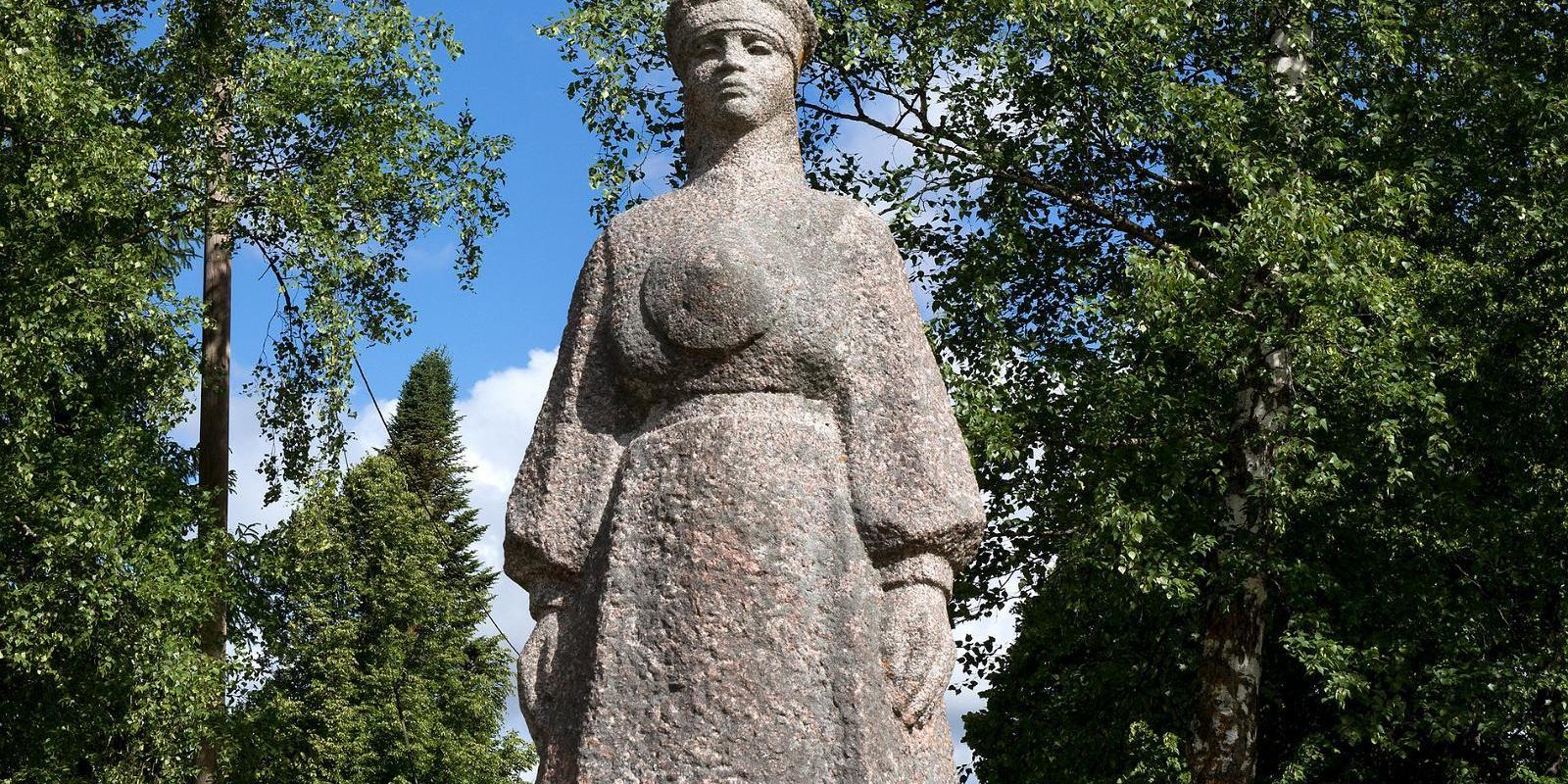
On the vista overlooking Obinitsa Lake stands the stone Singing Mother Monument. It's a memorial to all the "singing mothers" (Estonian: lauluemad) of Setomaa. The statue was erected in 1986. Around its base are many stones for local singers. The area around the monument offers a good view of Obinitsa Lake and the older part of the village. This is also a good place for a group picture. To the left of the Singing Mother Monument is Obinitsa's old school-church (1904).

  • Estonian design

A. Le Coq gift shop

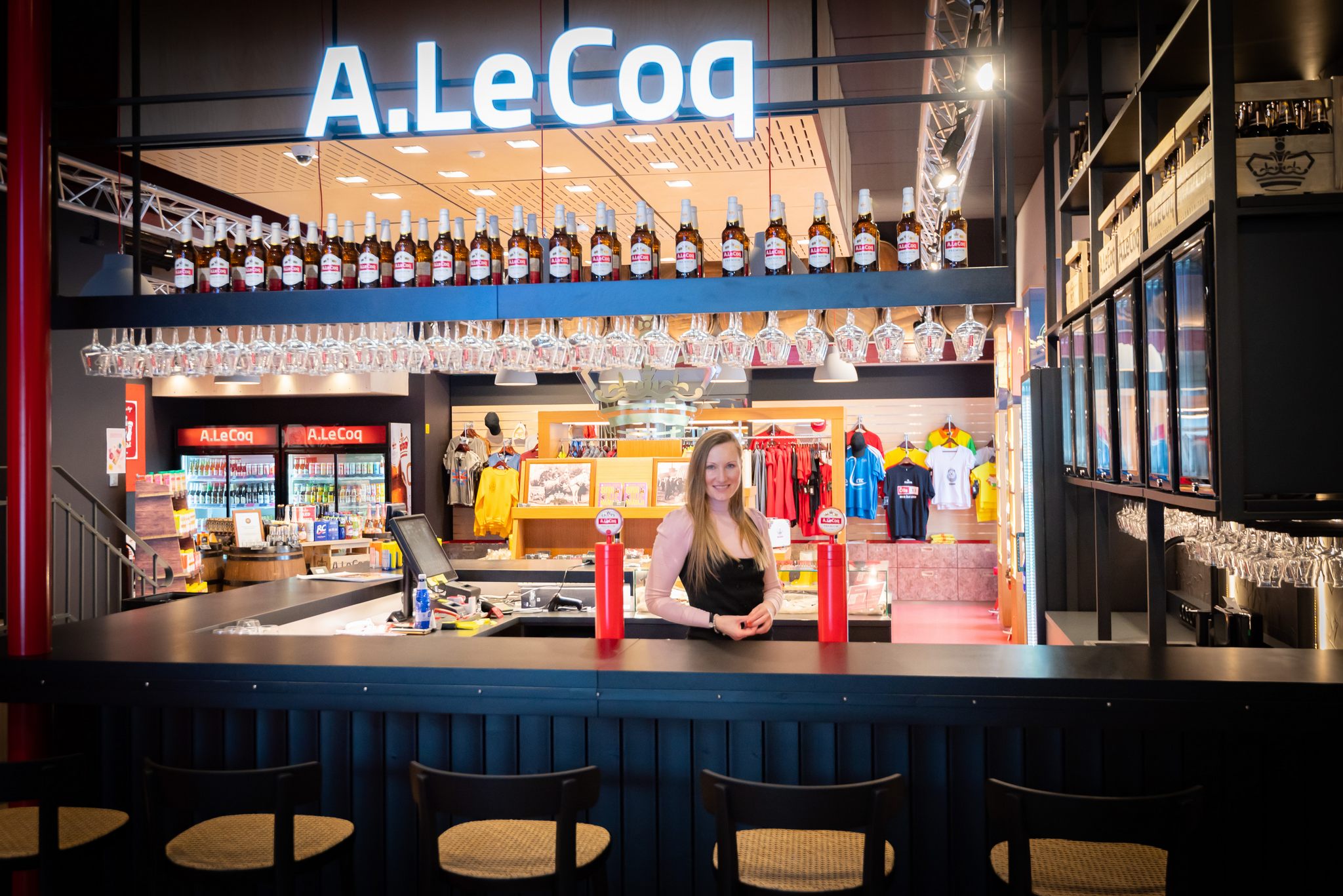
A. Le Coq is Estonia's oldest beer producer and largest beverage producer dedicated to preserving and promoting Estonia's beer and beverage culture. The A. Le Coq Museum has an extension with a gift shop, which makes visiting the museum more convenient and enjoyable than before. As an added experience to the museum visit, the gift shop allows visitors to familiarize themselves with the wide range of A. Le Coq products made by local masters. Choose a souvenir from nearly 200 different products related to Tartu and beer history.

  • Pet friendly
  • Family friendly
  • Guided tours
  • Workshops
  • Virtual reality (VR)

Lake Museum

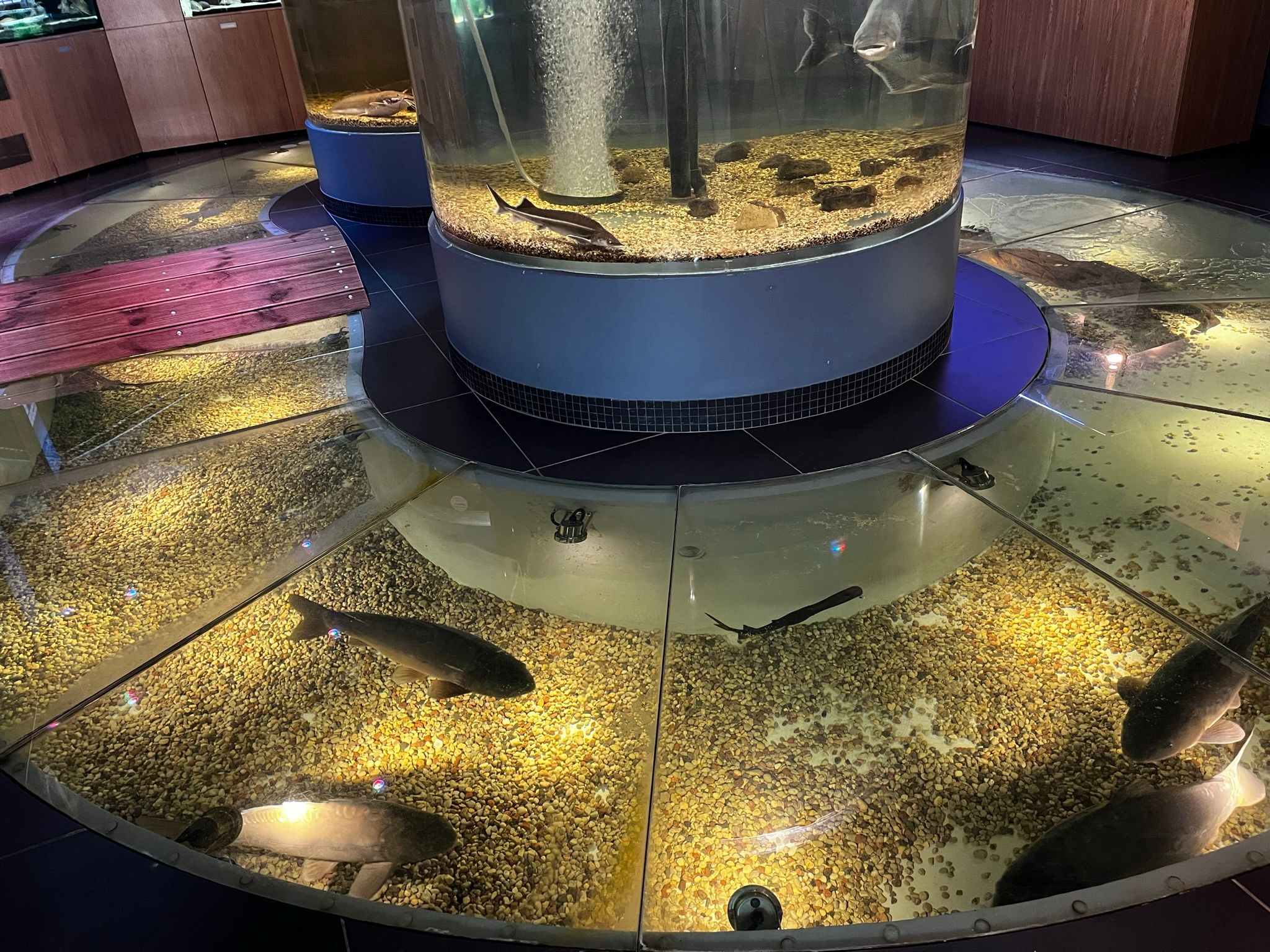
The main exposition of the Lake Museum is live Estonian freshwater fish. Our freshwater fish are not exhibited elsewhere in Estonia in such species quantity.About half of Estonia's freshwater fish live here, including more exotic species, as well as turtles, lake balls, and crayfish.You can visit 2 floor aquariums and 2 large cylindrical aquariums. There are more than 25 different aquariums in total. There is also a collection of fishing gear, an exhibition of primitive fish, and much more!You can book a sauna raft for a pleasure cruise or a sauna session and use a seminar room with a million-dollar view. During summers, a café is open.

  • Manors

Väimela Manor and Park

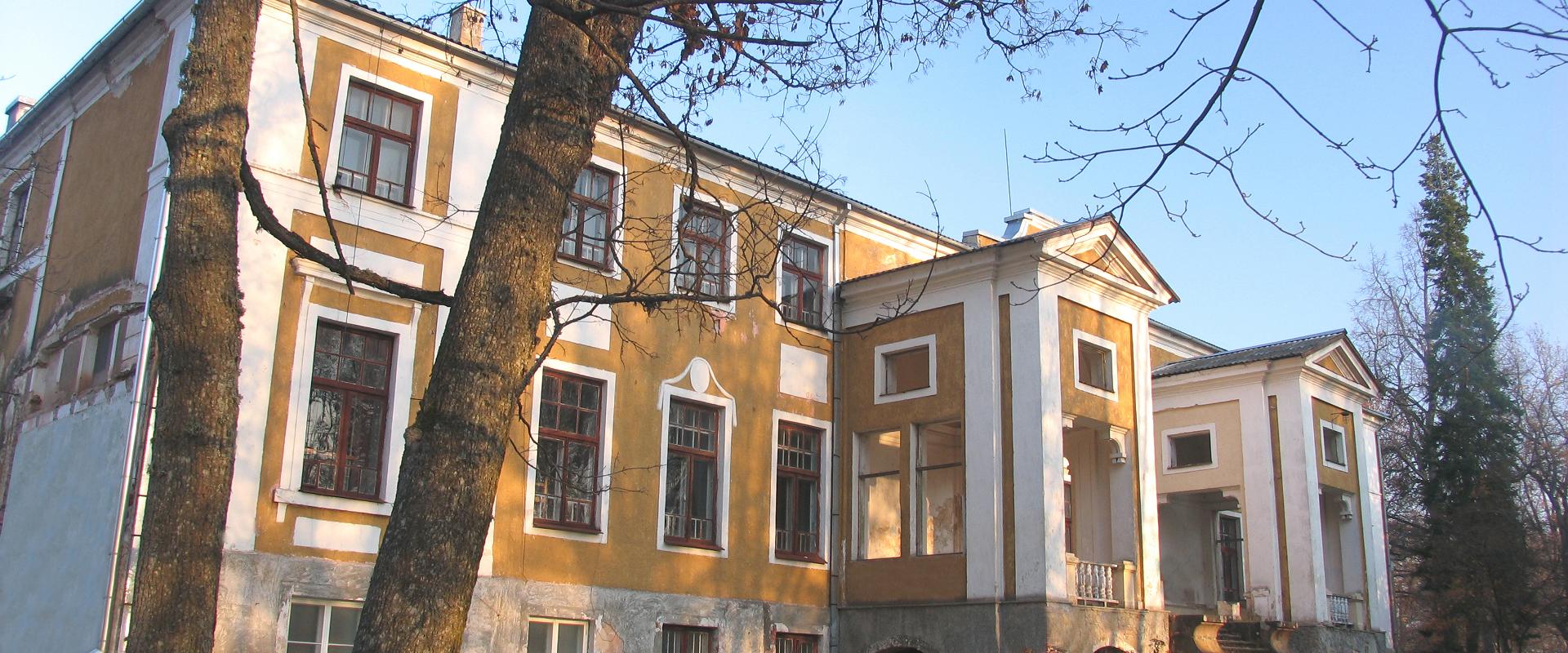
Väimela Manor was first mentioned already in 1590, but the current main building is from 1952.The threshing building, distillery, farmhands' barn, farmhand's house, milking parlor, woodworking shop, granary and grain dryer, hay barn, barn and dairy have been preserved. Bernhard von Loewen was the last squire.Today, the manor is managed by the Võru County Vocational Training Centre. The manor park was established in the 18th century and there are mostly lindens, maples and oaks.Lakes Alajärv and Mäejärv in Väimela are connected with a stream. South of Lake Alajärv, in Matussaare, is the burial ground of squires of Väimela and the ruins of a chapel, that was built in 1885.You can only see the manor from outside.

  • Churches

Lutheran Church of Blessed Virgin Mary in Põlva

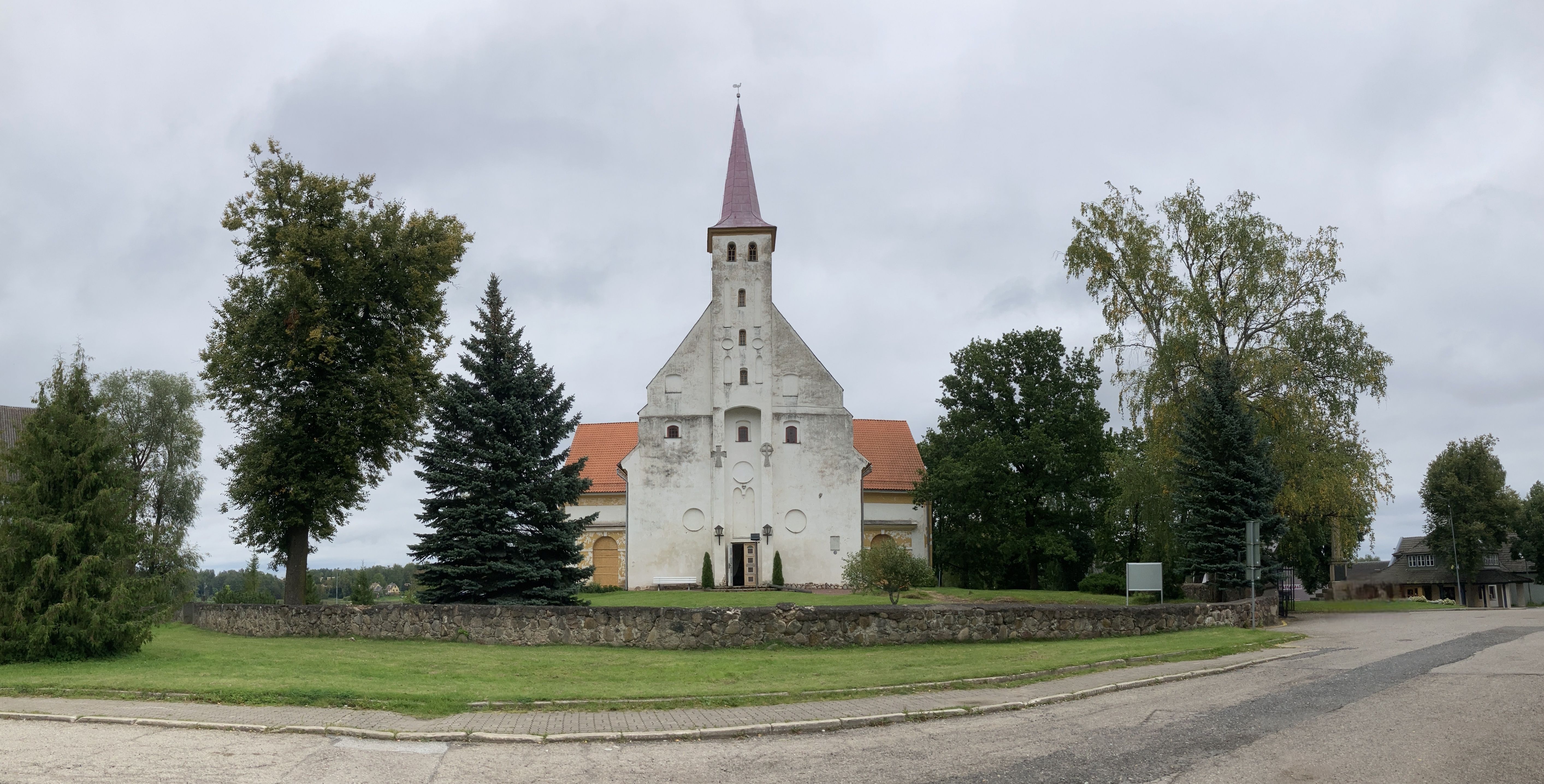
The Church of Blessed Virgin Mary in Põlva is one of the oldest churches in historical Võrumaa. The rarities of the church are the old altar painting The Last Supper (1650) and the altar panels (1647). There is an altar painting The Resurrection (Friedrich Ludwig von Maydell, 1845). The church was originally a square-shaped hall church with three naves. Today it has preserved from it a high tower with a deep niche and a Western façade. Interesting to know: According to a legend, the key of the church is held by a kneeling girl called Mary who is walled in. Allegedly that is also the origin of the name of the church and Põlva (‘knee’ for the Estonian ‘põlv’).

  • Churches

Nõo St Lawrence Church of the Estonian Evangelical Lutheran Church

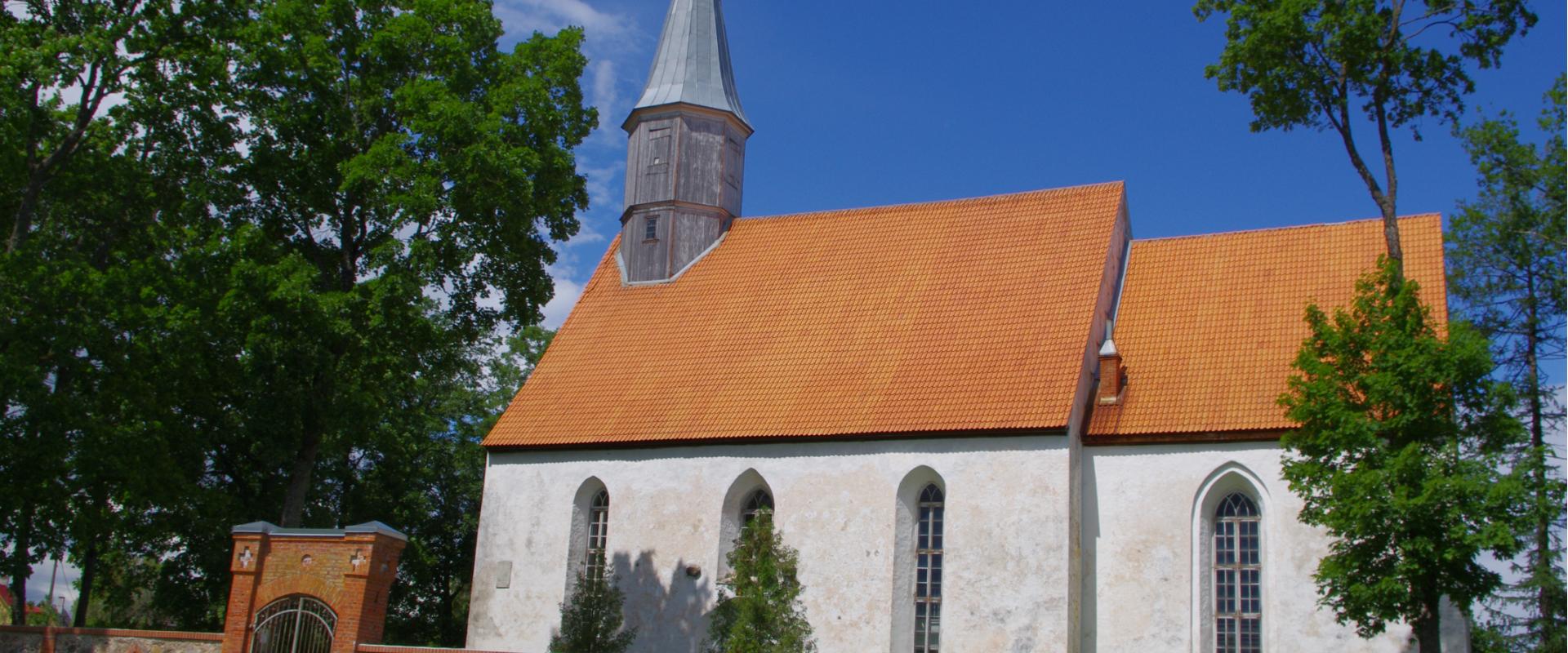
In Nõo, you can visit the only rural church with genuine medieval arches (13th century) in Southern Estonia. The church has a wooden tower (1879) and pseudo-gothic furnishings from the 19th century. You will see the altar painting Christ on the Cross by Tõnis Grenzstein from 1895, four wooden sculptures of apostles (Jaan Koort, 1910), two organs – Walcker (large, 1890) and Müllverstedt (small, 1903), and the bust of Martin Lipp (1854–1923), a long-time teacher of the congregation and the author of the lyrics of the song of the Estonian flag.In the summer months, Nõo Church participates in the Estonian Council of Churches' Wayfarers' Churches project.Services take place every Sunday at 11 a.m.

  • Guided tours
  • Workshops

Hellenurme Watermill Museum’s workshop “From Water to Bread”

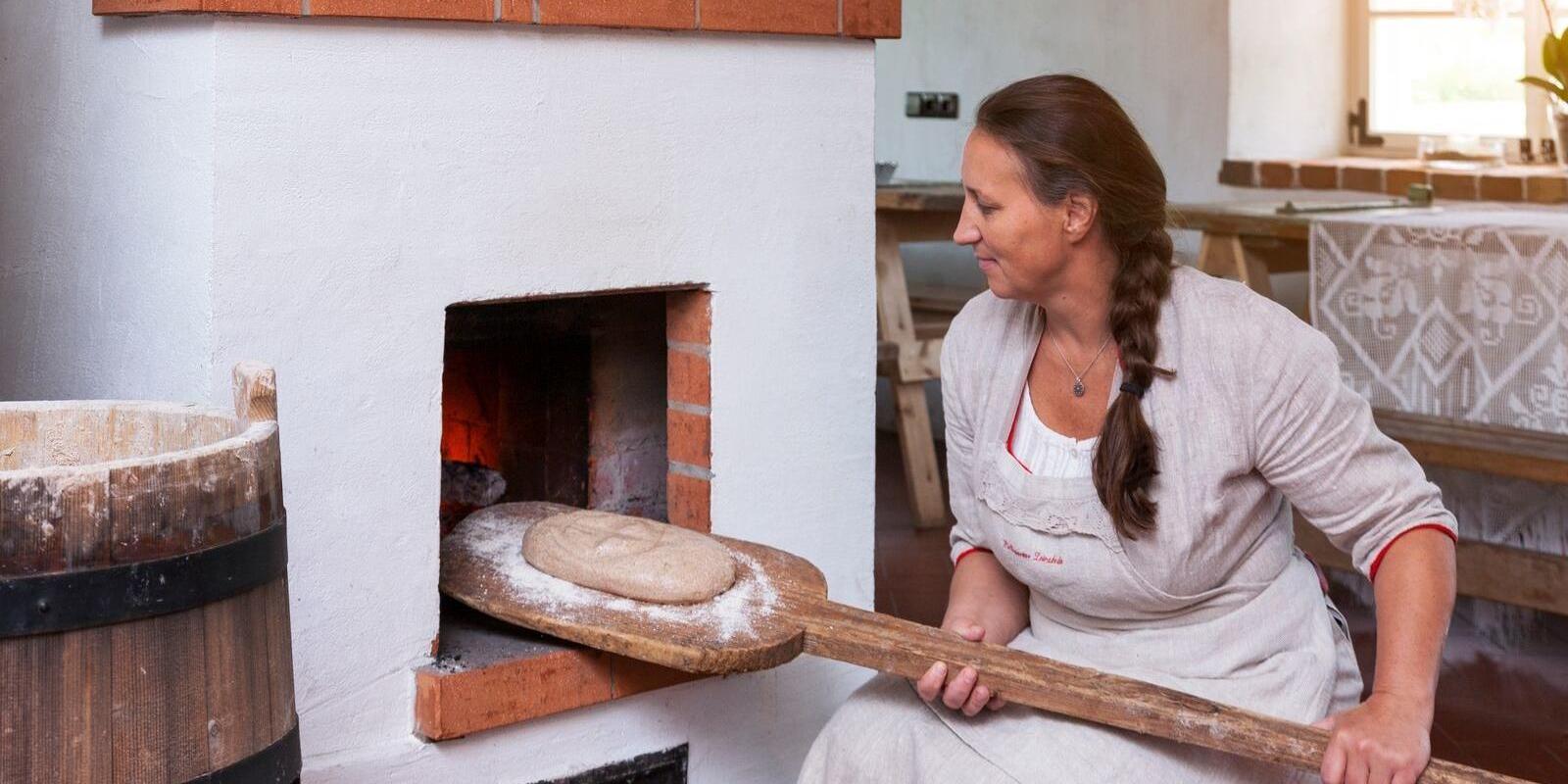
Between Hellenurme, Elva, and Otepää, there is a unique opportunity to see Estonia's last historical water-powered flour and grist mill in operation – the Hellenurme Water Mill. Upon arrival, we explore the mill building and views over the mill pond to Hellenurme Manor, then we open the turbine, and the mill begins to work, powered by water. Through the mill's four floors, you can see, touch, and feel the power of the mill, and soon fresh flour and grist fall into the bag as in the old days. In the bread house, you can try breadmaking under the guidance of the Mill Mistress, honoring traditions and telling stories about bread and the wisdom of ancestors. In the bread trough, dough is kneaded from sourdough. Each guest molds their own little loaf from a dough ball, which the Mill Mistress throws into the large bread oven with an old bread peel. Soon, the bread house fills with the smell of bread, and each guest can take their loaf from the oven, which tastes warm and buttery like an unforgettable dessert! As writer Juhan Liiv wrote: "... warm bread – imagine!"
  • Collaboration
  • News
  • Contacts
  • Privacy Policy
Join our mailing list!

"*" indicates required fields

This field is for validation purposes and should be left unchanged.
I authorise marketing

South Estonia Tourism Cluster

info@visitsouthestonia.com