• Explore
    • Nature
    • Culture
    • Food
    • Family
    • Activity
    • Blog
    Smoke sauna
    Weather and seasons
  • Plan
    • Accommodation
    • How to get here
    • Weather and seasons
    • Sustainability
    • Tourist info
    Discover South Estonia’s Most Beautiful Manors and Castles
    Top 20 Sights in South Estonia
  • For professionals
    • For professionals
    • Collaboration
    • News
    • Projects
    • Training
    • Repository
    • Community (opens in new tab)
    • Contacts
ENG
  • EnglishENG
  • EestiEST
  • LatviešuLAT
  • РусскийRUS
  • SuomiFIN
ENG
  • EnglishENG
  • EestiEST
  • LatviešuLAT
  • РусскийRUS
  • SuomiFIN
Popular searches:
Show all
  • History & Culture
  • Architecture and history
  • Guided tours
  • Workshops

Hellenurme Watermill Museum’s workshop “From Water to Bread”

Elva vald, Tartu maakond, 67514

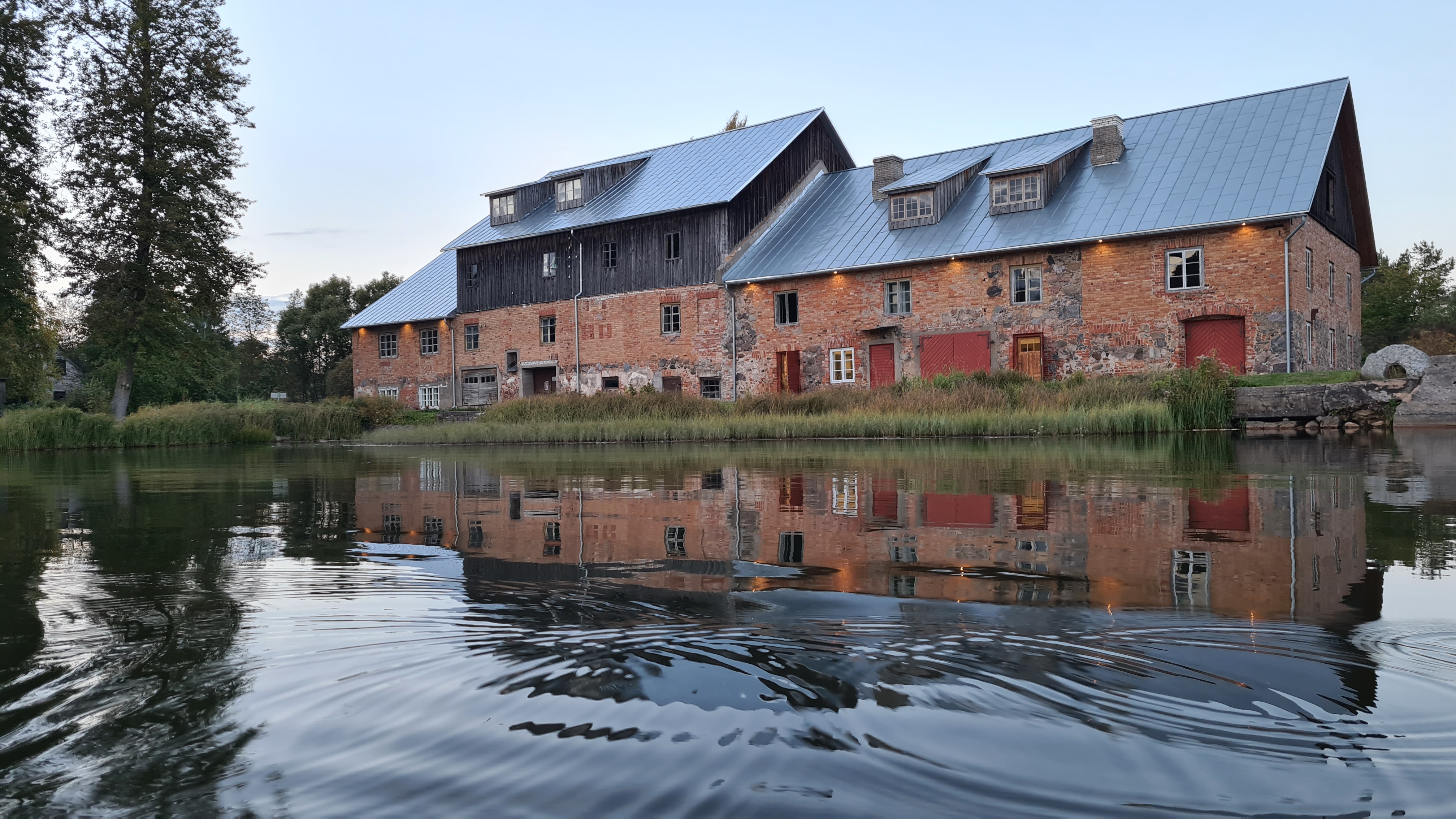
Between Hellenurme, Elva, and Otepää, there is a unique opportunity to see Estonia’s last historical water-powered flour and grist mill in operation – the Hellenurme Water Mill.
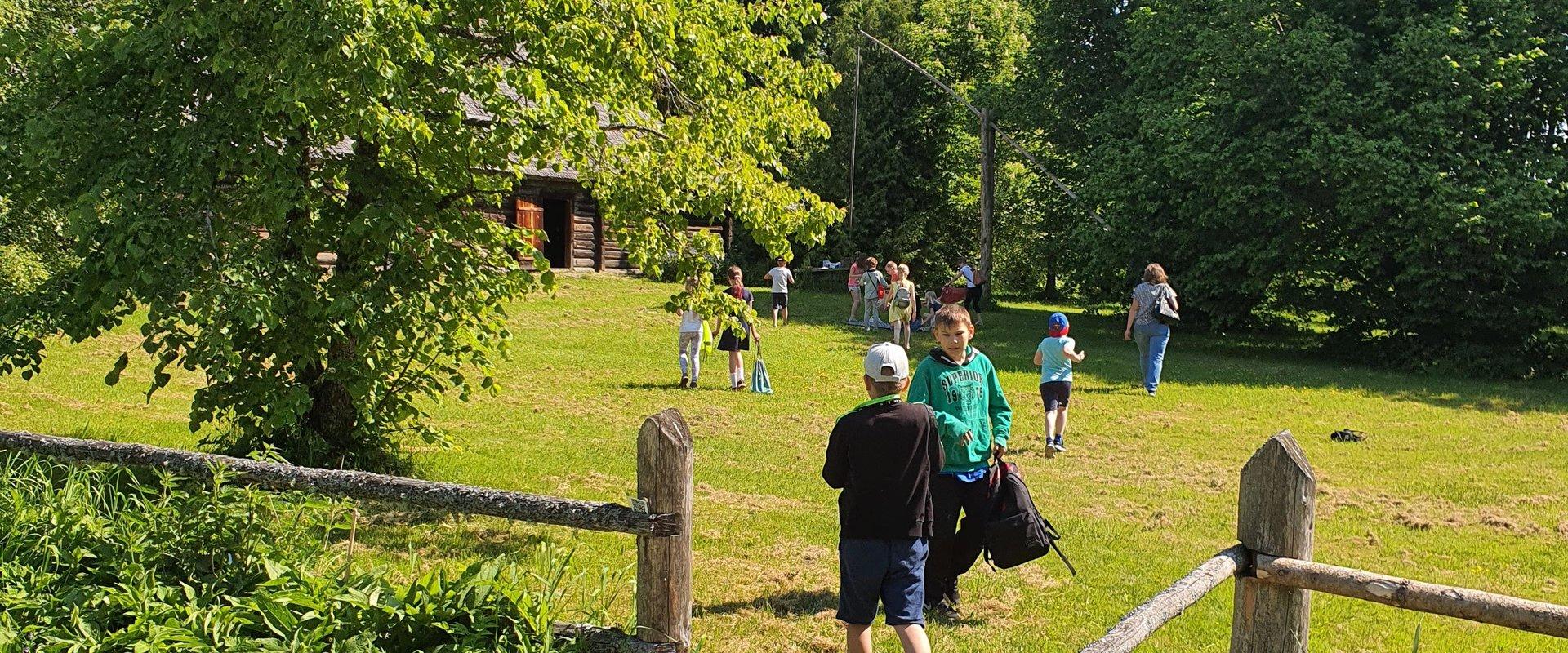
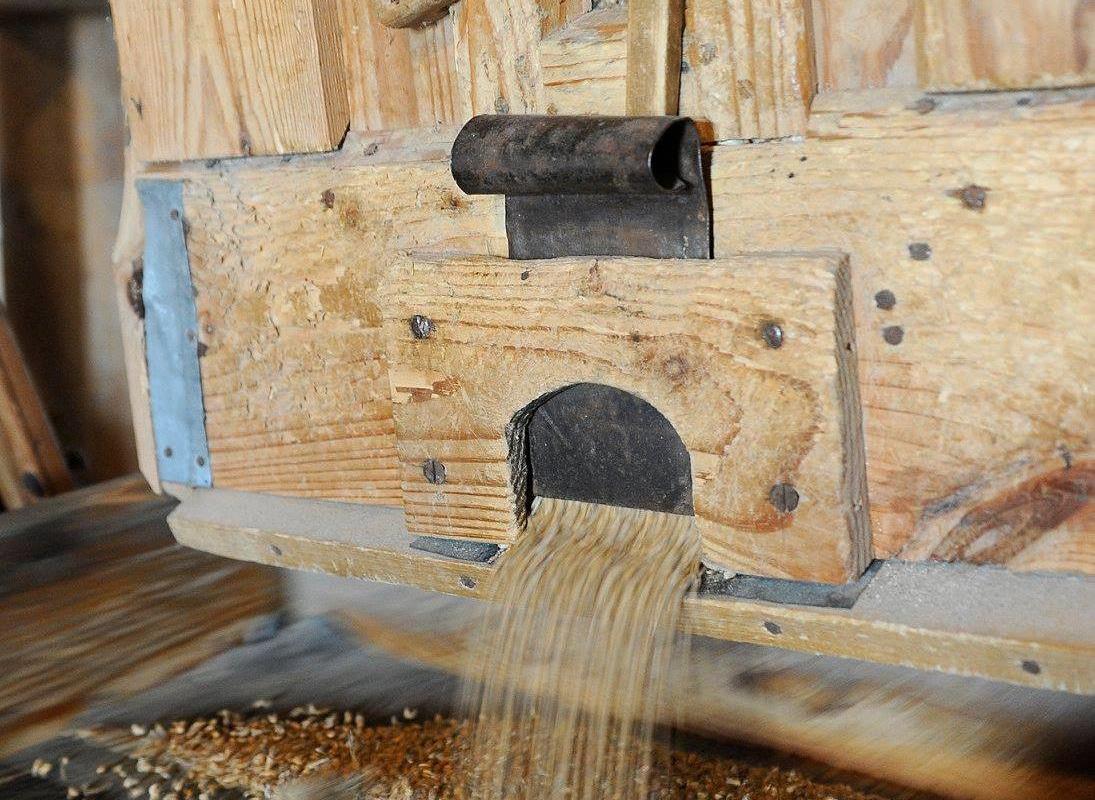
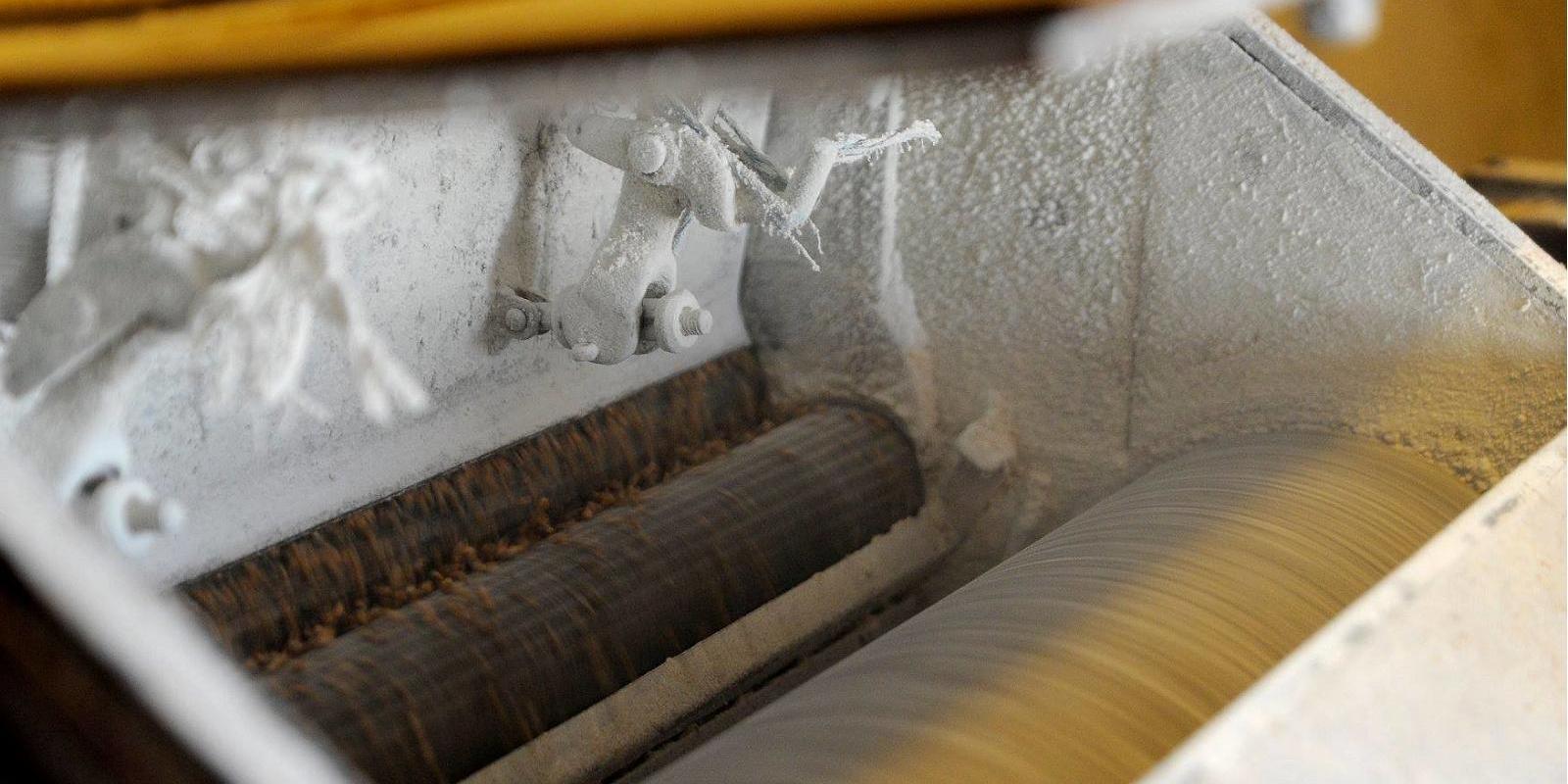
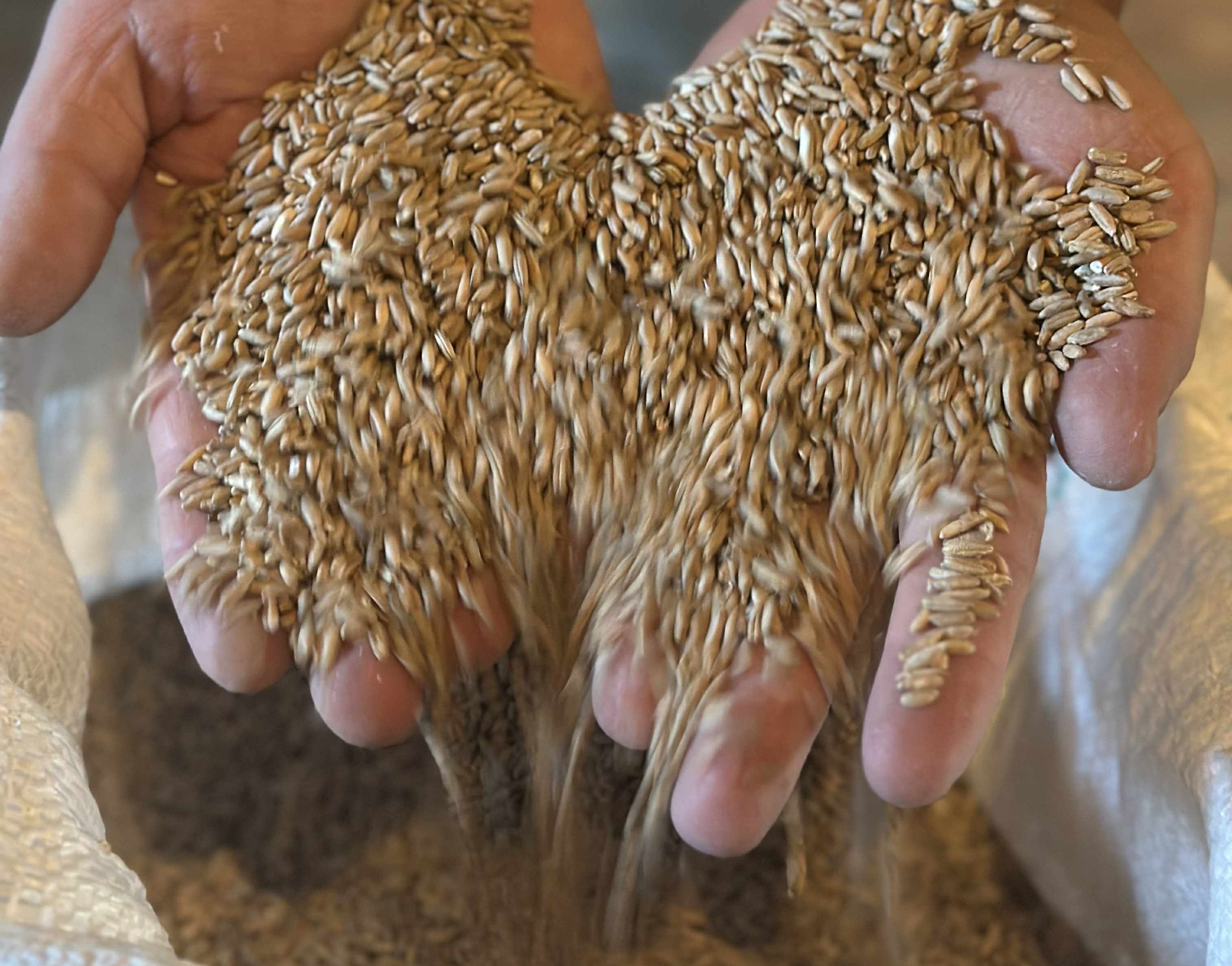
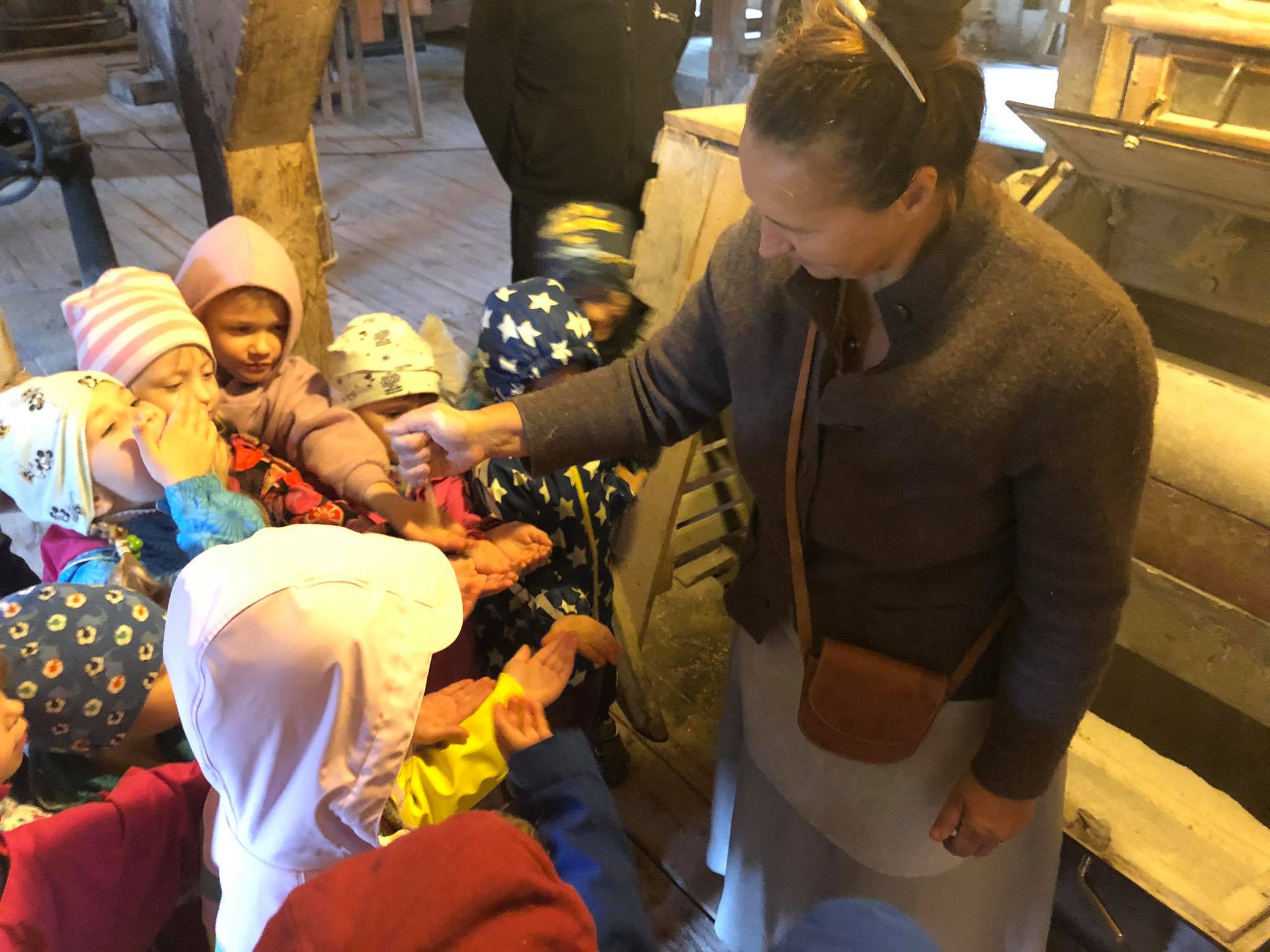
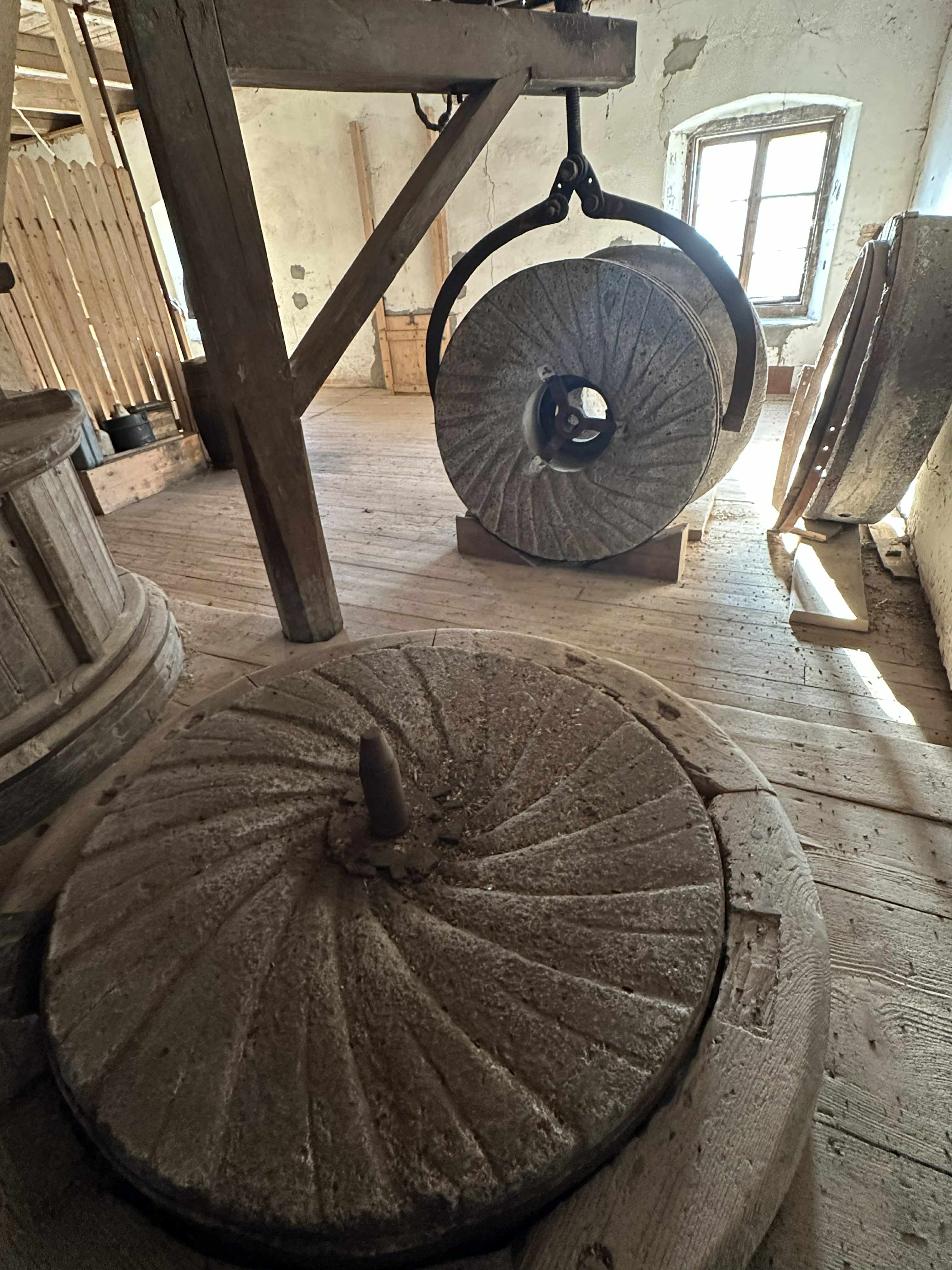
Upon arrival, we explore the mill building and views over the mill pond to Hellenurme Manor, then we open the turbine, and the mill begins to work, powered by water. Through the mill’s four floors, you can see, touch, and feel the power of the mill, and soon fresh flour and grist fall into the bag as in the old days.
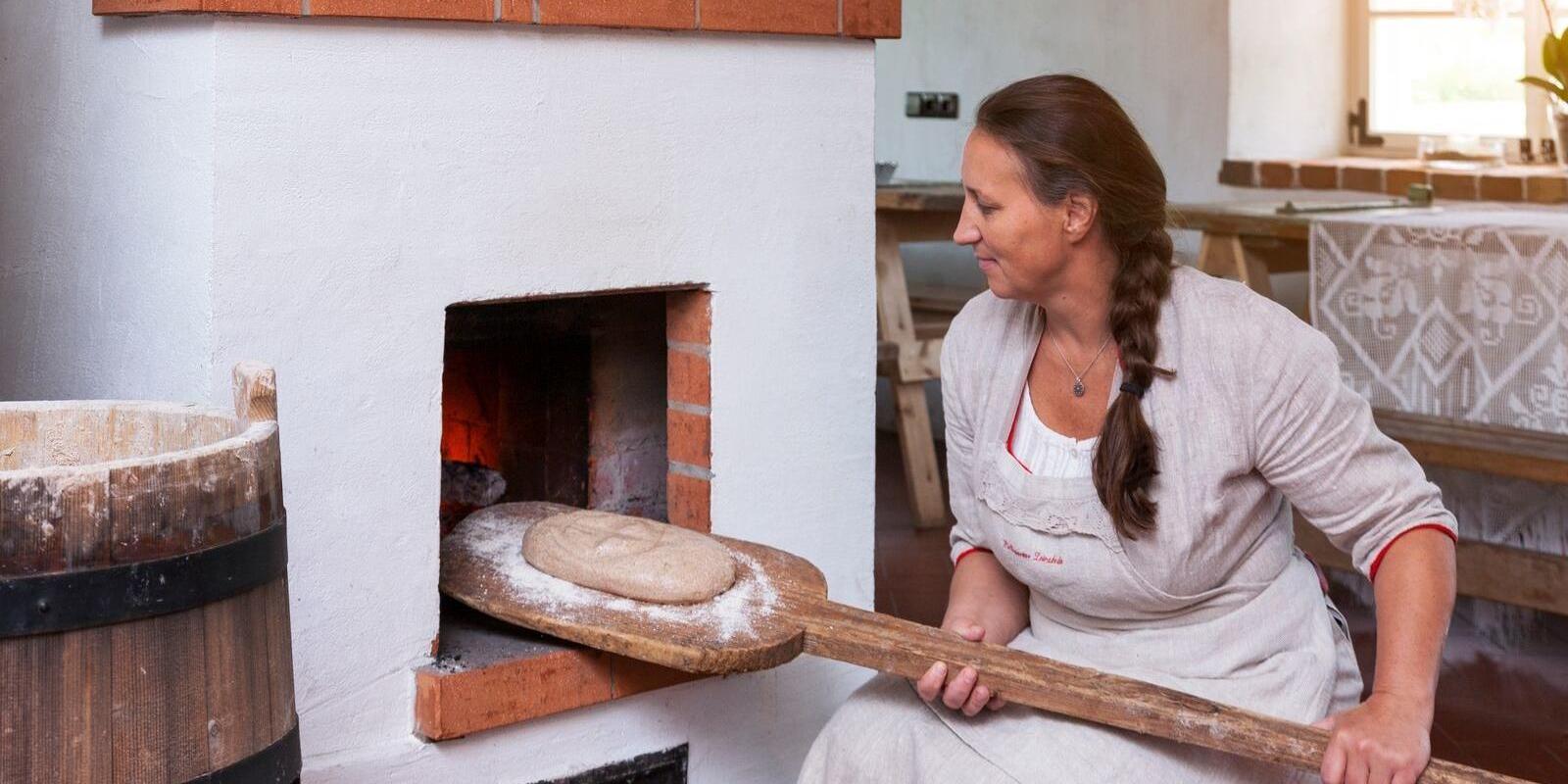
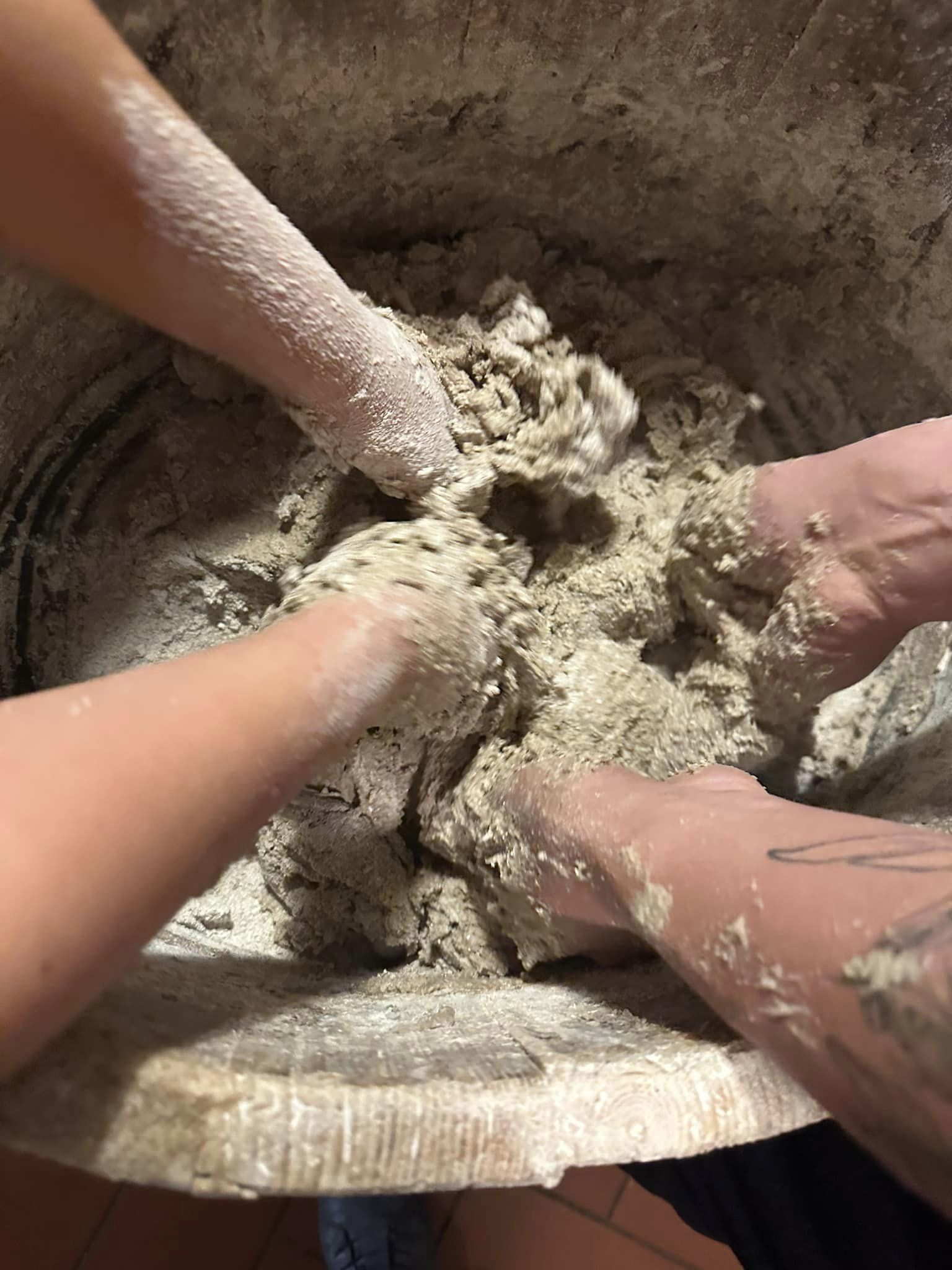
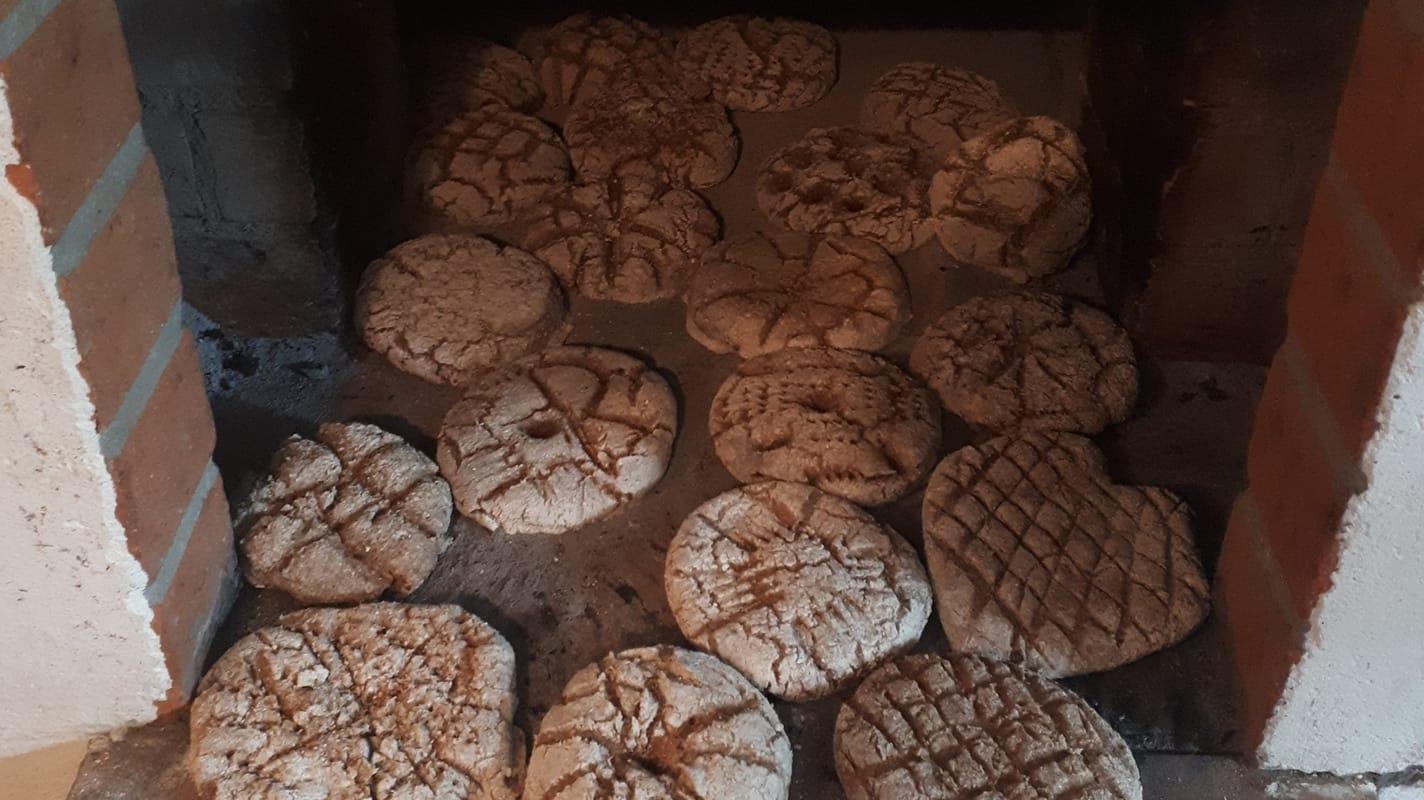
In the bread house, you can try breadmaking under the guidance of the Mill Mistress, honoring traditions and telling stories about bread and the wisdom of ancestors. In the bread trough, dough is kneaded from sourdough. Each guest molds their own little loaf from a dough ball, which the Mill Mistress throws into the large bread oven with an old bread peel. Soon, the bread house fills with the smell of bread, and each guest can take their loaf from the oven, which tastes warm and buttery like an unforgettable dessert!
As writer Juhan Liiv wrote: “… warm bread – imagine!”
Open times

Throughout the Year

Eeltellimsel

Contact

  • +372 5205142
  • mae@veskimuuseum.ee

Links

veskimuuseum.ee

See more

  • Guided tours
  • Workshops

Varnja Samovar House

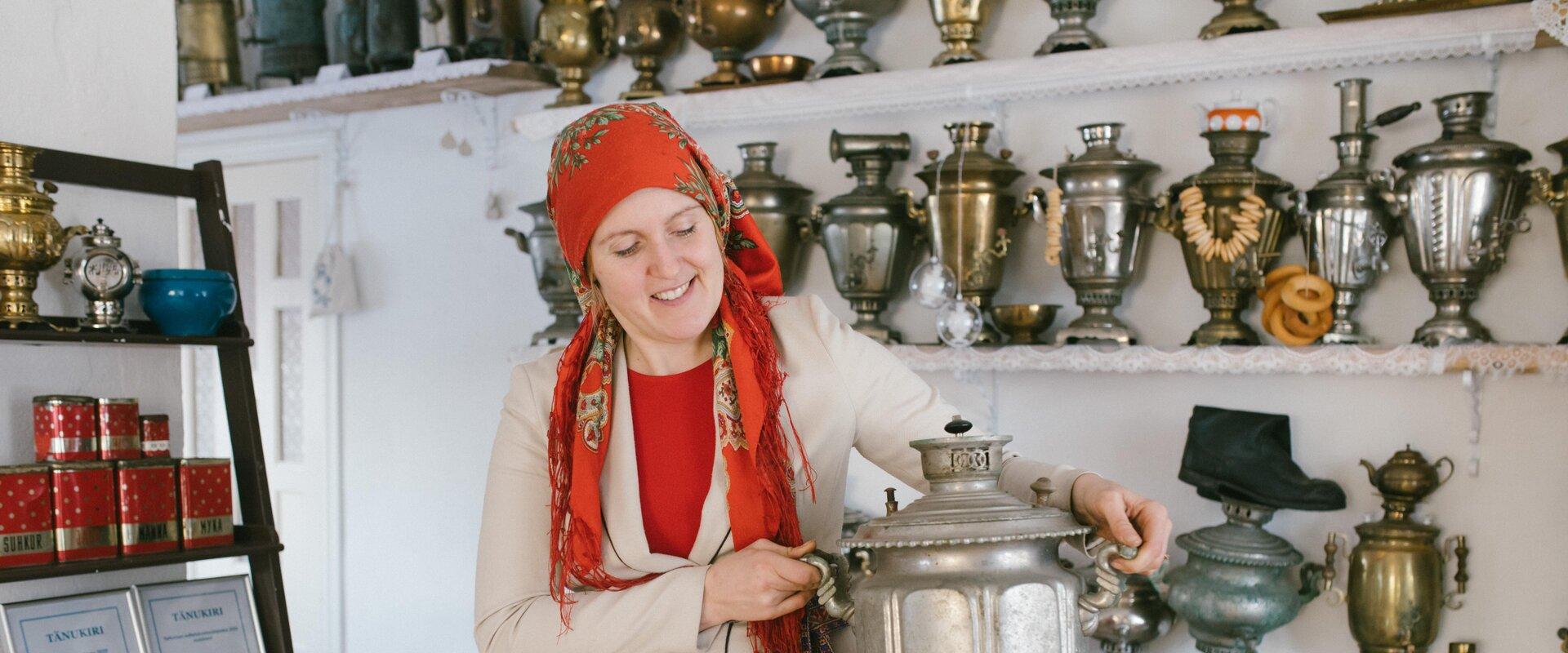
Peipsiveere Samovar House is a small museum in the Old Believers' village of Varnja that introduces visitors to the world of samovars and tea culture along Lake Peipsi. The private collection, accumulated over decades, contains more than 200 diverse samovars. From simple tin samovars to rare ones with elaborate engravings, reflecting the skills and traditions of masters from different eras. The exhibition, located in an authentic Old Believers' house, offers visitors insight into why the samovar was more than just a kettle for centuries. Stories reveal the origins of samovars, manufacturing techniques, usage methods, different design types, and tea-drinking traditions in the communities along the lake. Every guest can taste genuine samovar tea and the famous Ivan chai, and try traditional boiled sugar with the tea, an integral part of Old Believers' tea culture. If desired, one can also explore handmade samovar accessories and hear stories from the hostess of Mesi Tare about preparing, serving, and respectfully preserving tea.

  • Guided tours
  • Workshops

Medieval Theme Park and Pilgrim House at Vastseliina Episcopal Castle

The Medieval Theme Park and Pilgrim House at Vastseliina Episcopal Castle is a unique destination in South Estonia, offering visitors the opportunity to immerse themselves in the medieval world. This place combines the ruins of a 14th-century castle, a sanctuary, interactive exhibitions, and activities suitable for history buffs, families, and pilgrims alike. At our interactive museum, you can explore the medieval-themed exhibition, learn about the castle's history, discover knights' equipment and Hanseatic merchants' wares, visit an alchemist's corner, and participate in various workshops. There is a children's room and the Castle Tavern, open in summer, which serves dishes inspired by the Middle Ages.

  • Guided tours

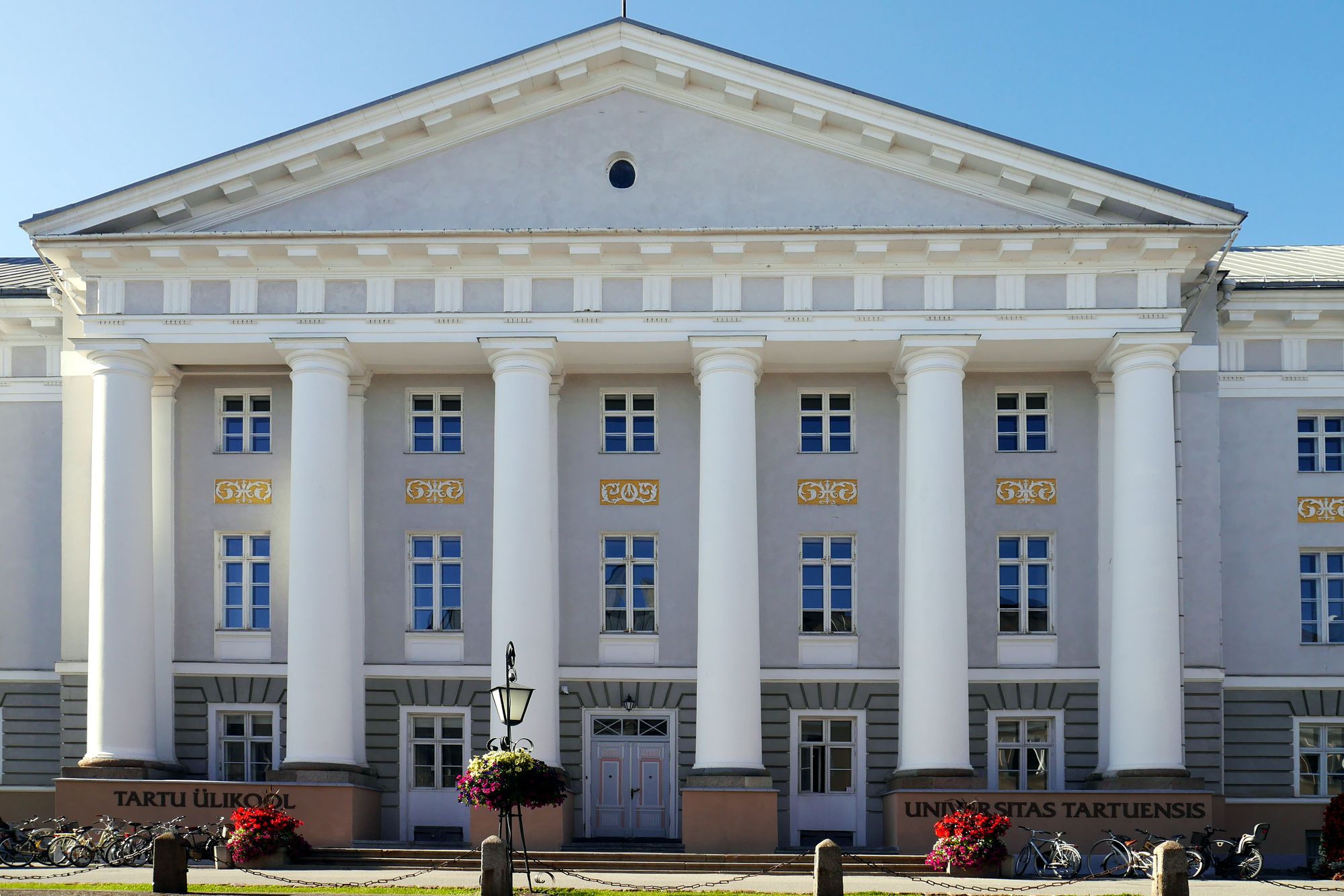
University of Tartu’s main building

The University of Tartu's main building is a truly remarkable and historically significant structure located in Tartu's Old Town. The building was designed by the university's architect, Johann Wilhelm Krause, and constructed between 1804 and 1809. It was inaugurated with a ceremonial event on July 3, 1809, and since then, it has been the central venue for the university, hosting all important celebrations, scientific and cultural events, and gatherings of the academic community. The main building's classical architecture, with its columned facade and dignified interior, has shaped Tartu as a university town. The main building houses the White Hall, where concerts, conferences, and ceremonial events take place. Another special attraction is the student prison in the attic, which offers an intriguing insight into the strict rules of 19th-century student life. Visitors can also explore the University of Tartu Art Museum in the main building. The main building can also be explored on a guided tour, organized through the University of Tartu Art Museum by prior appointment.

  • Pet friendly
  • Guided tours
  • Castles
  • Manors

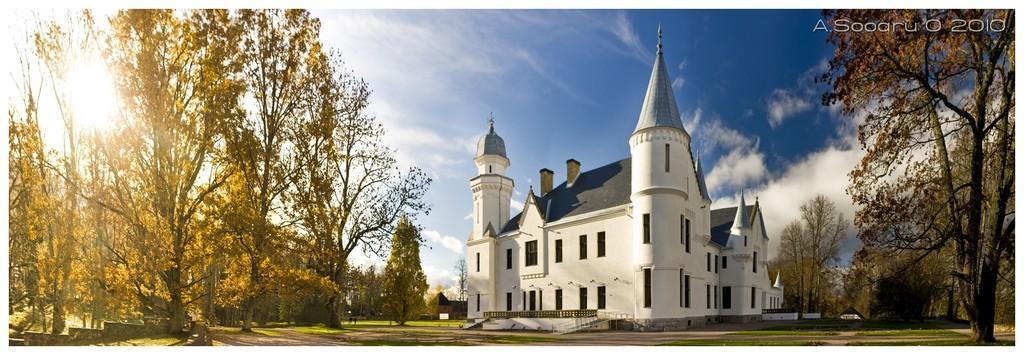
Following in the footsteps of the barons

This is a four-hour event taking place in the castle, its grounds and other parts of Alatskivi.The day includes:* A guided tour of the castle* A tour of the castle grounds and/or the nearby forest led by a cultural heritage guide, covering the manor-era buildings and other sites* A manor-era meal in the castle restaurantAlatskivi is located in Eastern Estonia, and at first glance the castle seems like something out of a fairytale with its battlements and towers. It is one of the most beautiful manor houses in the country.The minimum size of the group is 4 people.

  • Family friendly
  • Guided tours
  • Workshops

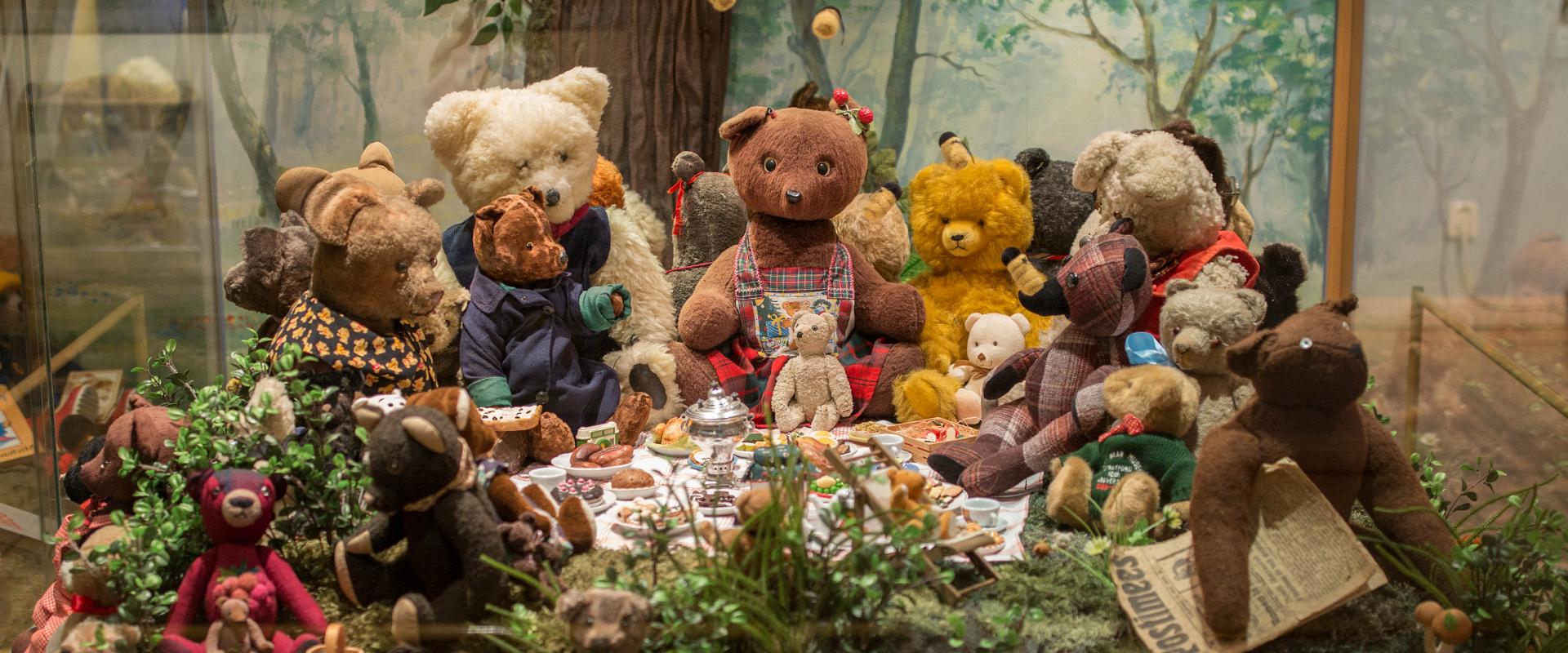
Tartu Toy Museum

Tartu Toy Museum, situated in the Old Town of Tartu, takes adults back to the brighter days of their childhood and offers children plenty of interesting things to see and do.The permanent exhibition displays toys that Estonian children have played with throughout the years. Artist-made dolls, souvenir dolls of different nations, and Finno-Ugric traditional toys are also exhibited. Playrooms and workshops are also open. You can see puppets from Estonian puppet films and temporary exhibitions in the outbuilding. The museum also has a theatre building named ’Teatri kodu’ (The Home of Theatre) with a theatre hall, a museum of puppets, and a children’s studio.

  • Guided tours

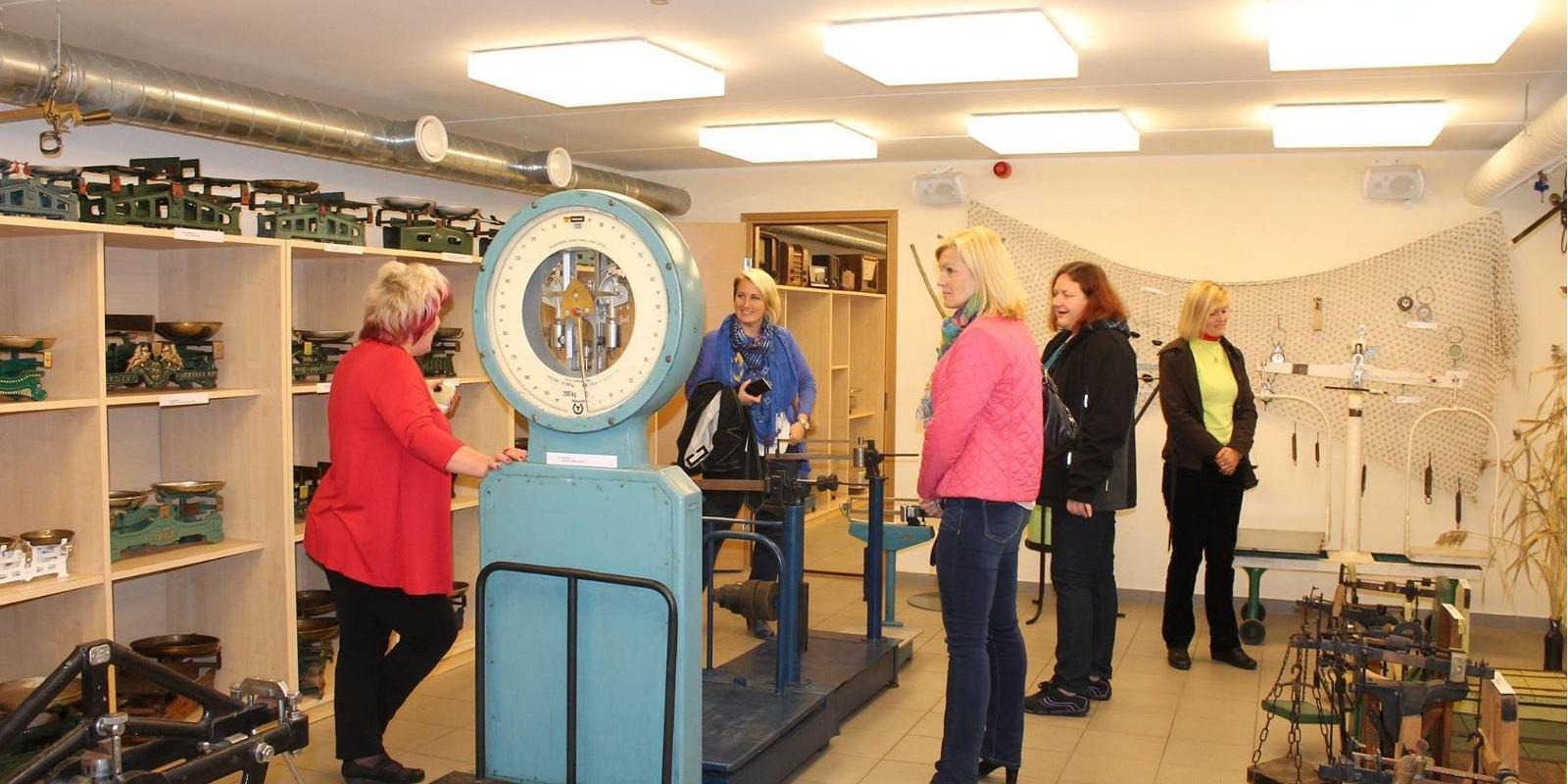
Heino Lubja Museum of Scales

A museum unique in Estonia is located on the main street of Mustvee, founded by Heino Lubi who worked as a scales maker for more than 30 years. The collection includes over 120 various scales, about 50 steelyards, a great number of metal and ceramic weights and other things related to scales.In addition to scales made in Estonia, Heino Lubi's collection also features scales made in the Soviet Union and Poland. The museum also displays several contemporary scales which help to understand the history of scales.Guided tours must be pre-booked!

  • Workshops

Weaving Chipwood Baskets in the Avinurme Wooden Handicrafts Center

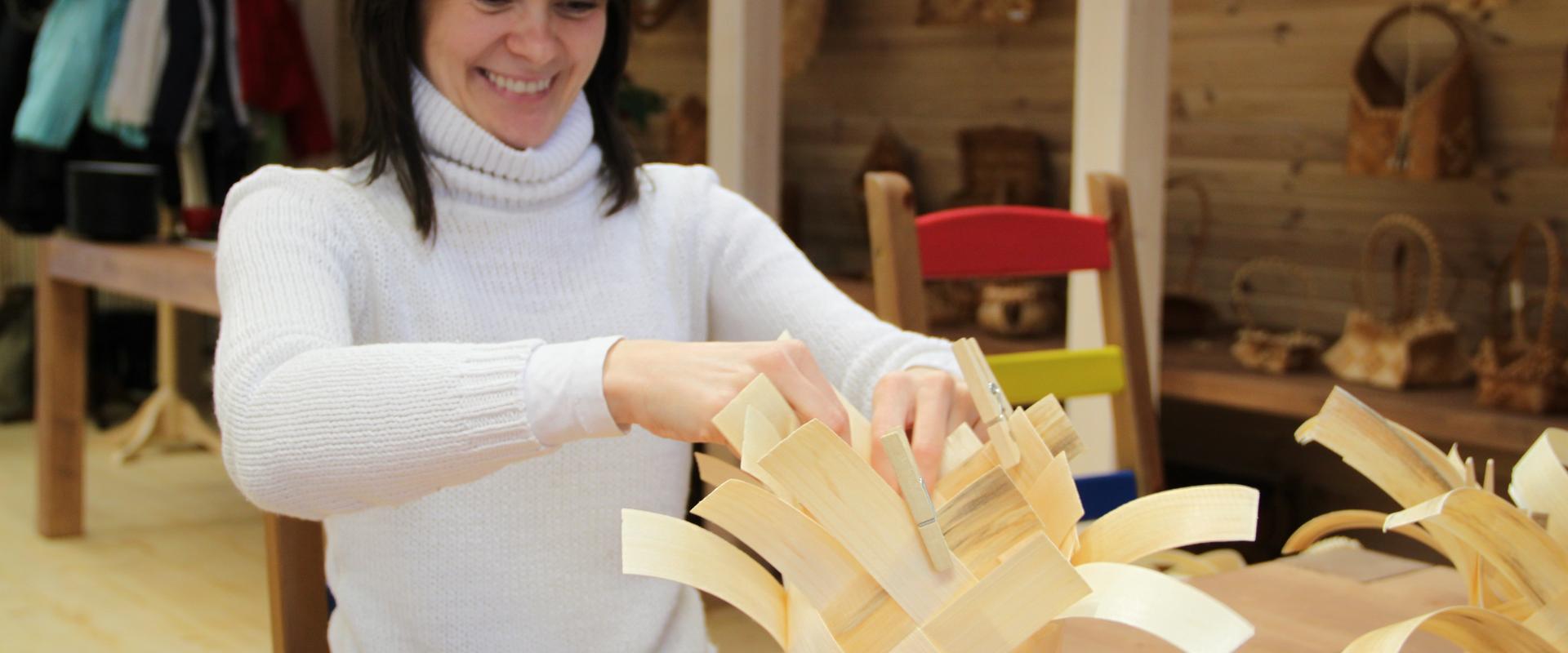
Weaving a chipwood basket is the most popular attraction in the wooden handicraft centre and if there's a place in Estonia where this craft is known, it's Avinurme. Everyone can learn the basics of weaving a basket in the workshop with the help of an instructor: you pick out chipwood, weave a berry basket from the chips and finally apply a finish. All the participants will be given the necessary tools for weaving a basket and at the end of the workshop you have your own basket.We have seen the most genuine joy over something made with your own hands in the basket weaving workshop.

  • Guided tours

Guided tour in the Liiv Museum

At the Liiv Museum, visitors can experience the environment that 19th-century Estonian peasants lived in. The guided tour gives an overview of the three cultures characteristic of the region. Two main elements are combined - the life of an Estonian peasant and the life and work of Juhan Liiv in the context of Estonian culture.The main farm buildings, objects, and their functions are all introduced.In seeing the life of the peasants, it becomes clear under what conditions Juhan Liiv grew up. Studying the life of the writer and poet gives the visitors ideas about very different parts of his life.It is possible to vary the topics based on the interests of the group visiting.

  • Collaboration
  • News
  • Contacts
  • Privacy Policy
Join our mailing list!

"*" indicates required fields

This field is for validation purposes and should be left unchanged.
I authorise marketing

South Estonia Tourism Cluster

info@visitsouthestonia.com