• Avasta
    • Еда
    • Природа
    • Культура
    • Семья
    • Спорт
    • Сообщество
    • Блог
  • Planeeri
    • Размещение
    • Информация
    • Varamu
RUS
  • РусскийRUS
  • EestiEST
  • EnglishENG
  • LatviešuLAT
  • SuomiFIN
RUS
  • РусскийRUS
  • EestiEST
  • EnglishENG
  • LatviešuLAT
  • SuomiFIN
Populaarsed otsingud:
Näita kõiki tulemusi
  • History & Culture
  • Architecture and history
  • Churches

Nõo St Lawrence Church of the Estonian Evangelical Lutheran Church

Tartu tn 2, Nõo vald, Tartu maakond, 61601

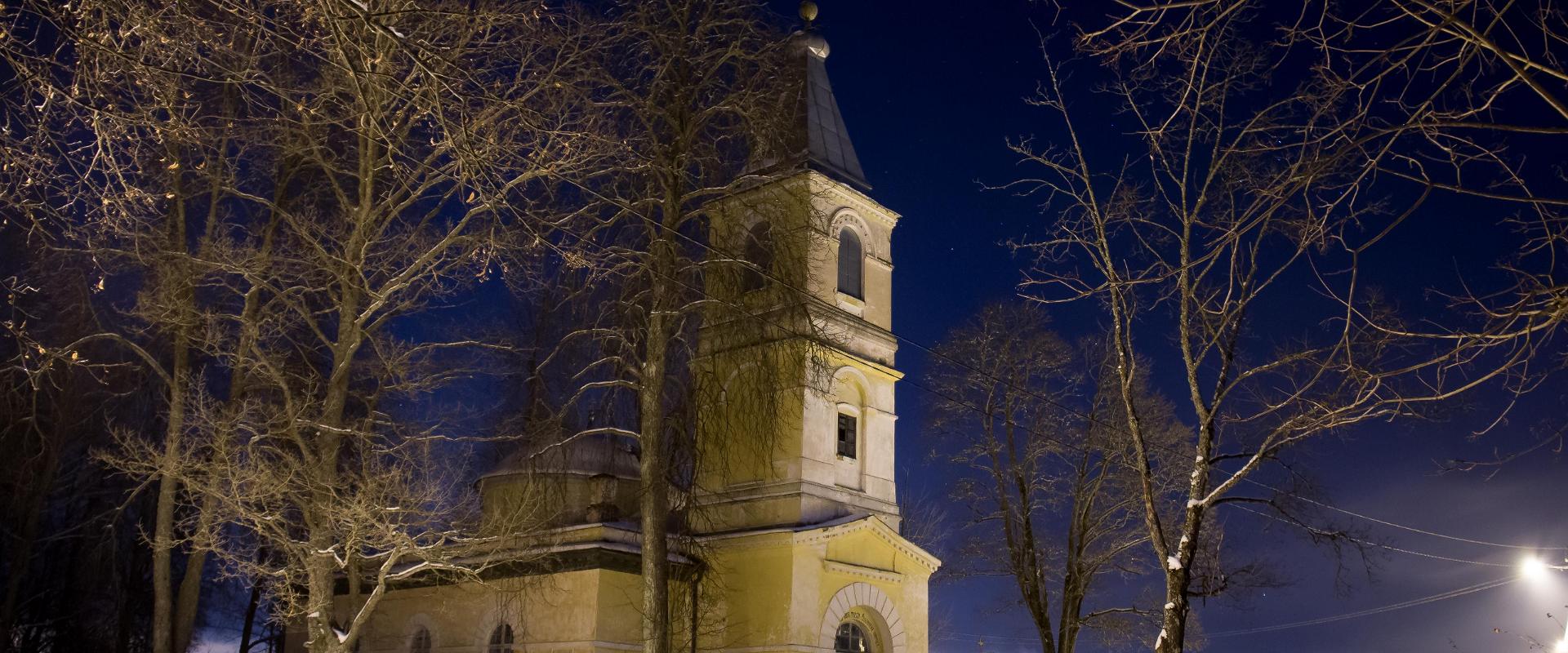
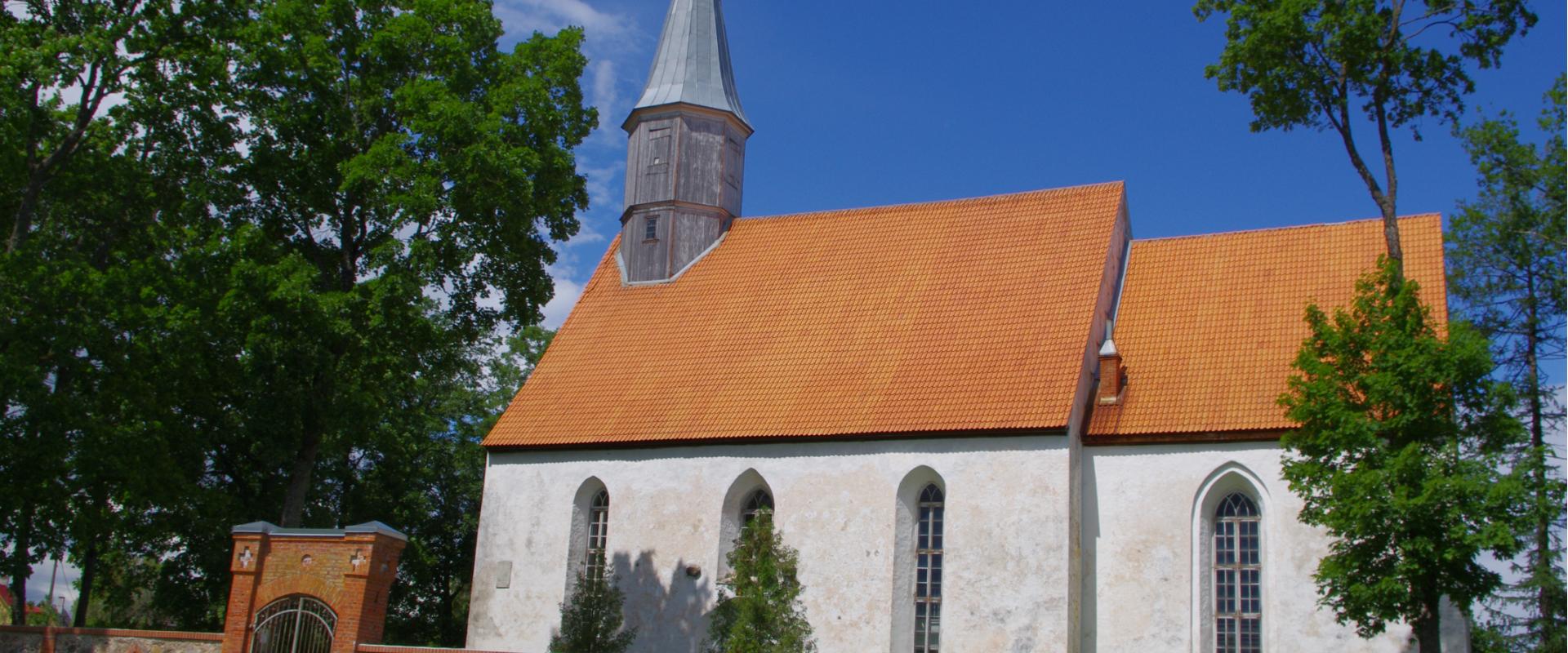
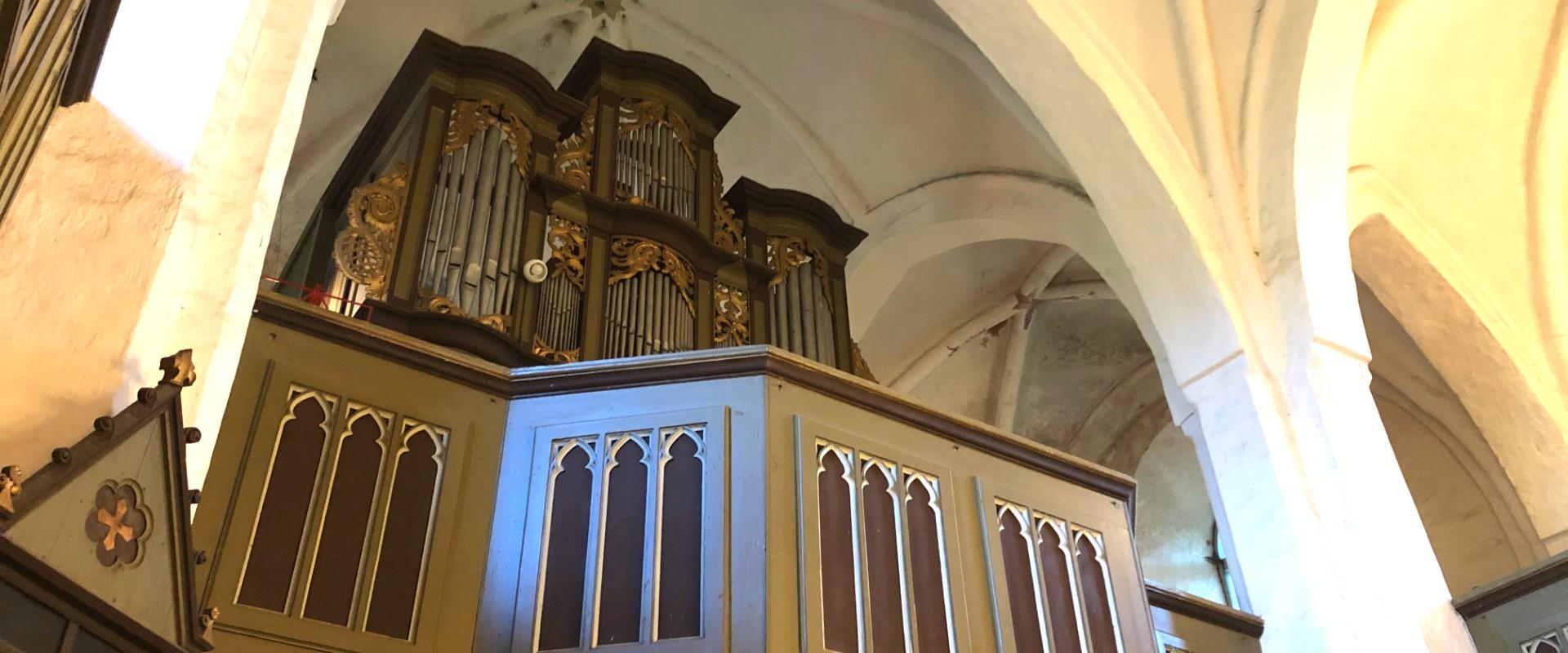
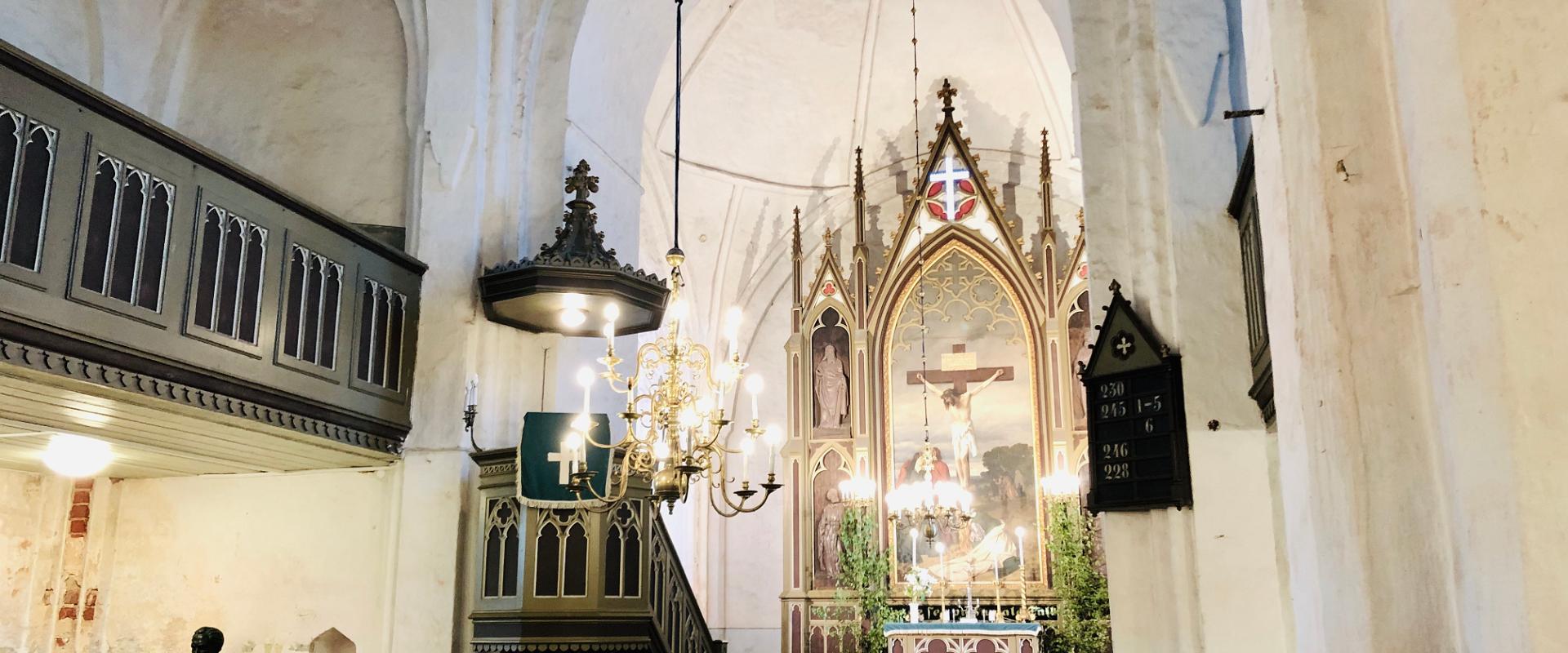
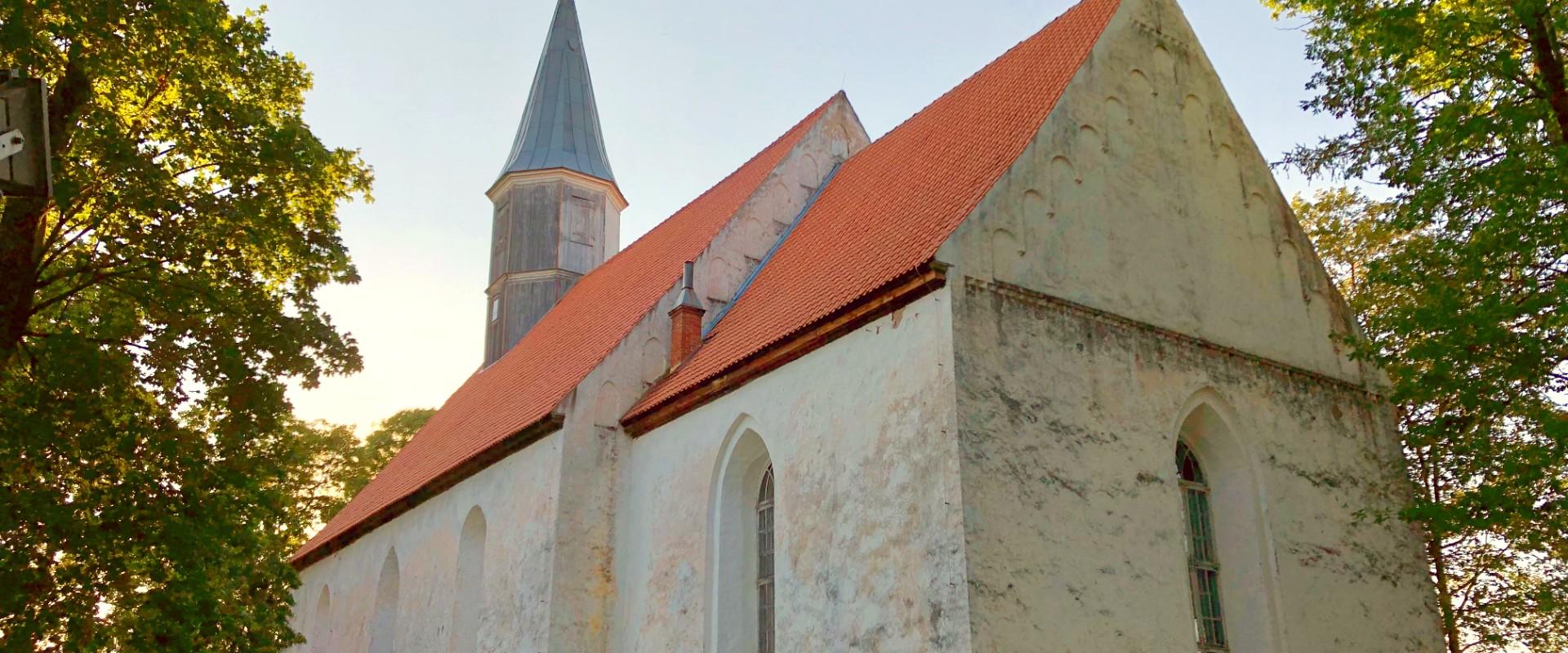
In Nõo, you can visit the only rural church with genuine medieval arches (13th century) in Southern Estonia. The church has a wooden tower (1879) and pseudo-gothic furnishings from the 19th century. You will see the altar painting Christ on the Cross by Tõnis Grenzstein from 1895, four wooden sculptures of apostles (Jaan Koort, 1910), two organs – Walcker (large, 1890) and Müllverstedt (small, 1903), and the bust of Martin Lipp (1854–1923), a long-time teacher of the congregation and the author of the lyrics of the song of the Estonian flag.In the summer months, Nõo Church participates in the Estonian Council of Churches’ Wayfarers’ Churches project.Services take place every Sunday at 11 a.m.
Mugavused

  • Information boards
  • Free parking

Lahtiolekuajad

Aastaringselt

P10:00 - 12:30

Kontakt

  • +372 5661 1443
  • mart.jaanson@eelk.ee

Lingid

Vaata lisaks

  • Churches

Võnnu St Jacob’s Church of the Estonian Evangelical Lutheran Church

Come and see one of the biggest and oldest country churches in Estonia – Võnnu St Jacob’s Church. Church was built 1232-1236. The altar of the church is adorned by the painting ‘Christ on the Cross' (Otto von Moeller, 1873). Several buildings of the rectory (19th century) are architectural monuments. The church is surrounded by a 2 ha park established in the beginning of the 19th century.Interesting facts: - the organ of Võnnu Church (1895) is considered one of the clearest sounding instruments in Estonia; - the classicist tomb monument to R von Nolcken, who fell in the Battle of Borodino, can be seen in the church (sculptor Paolo Triscorni).

  • Churches

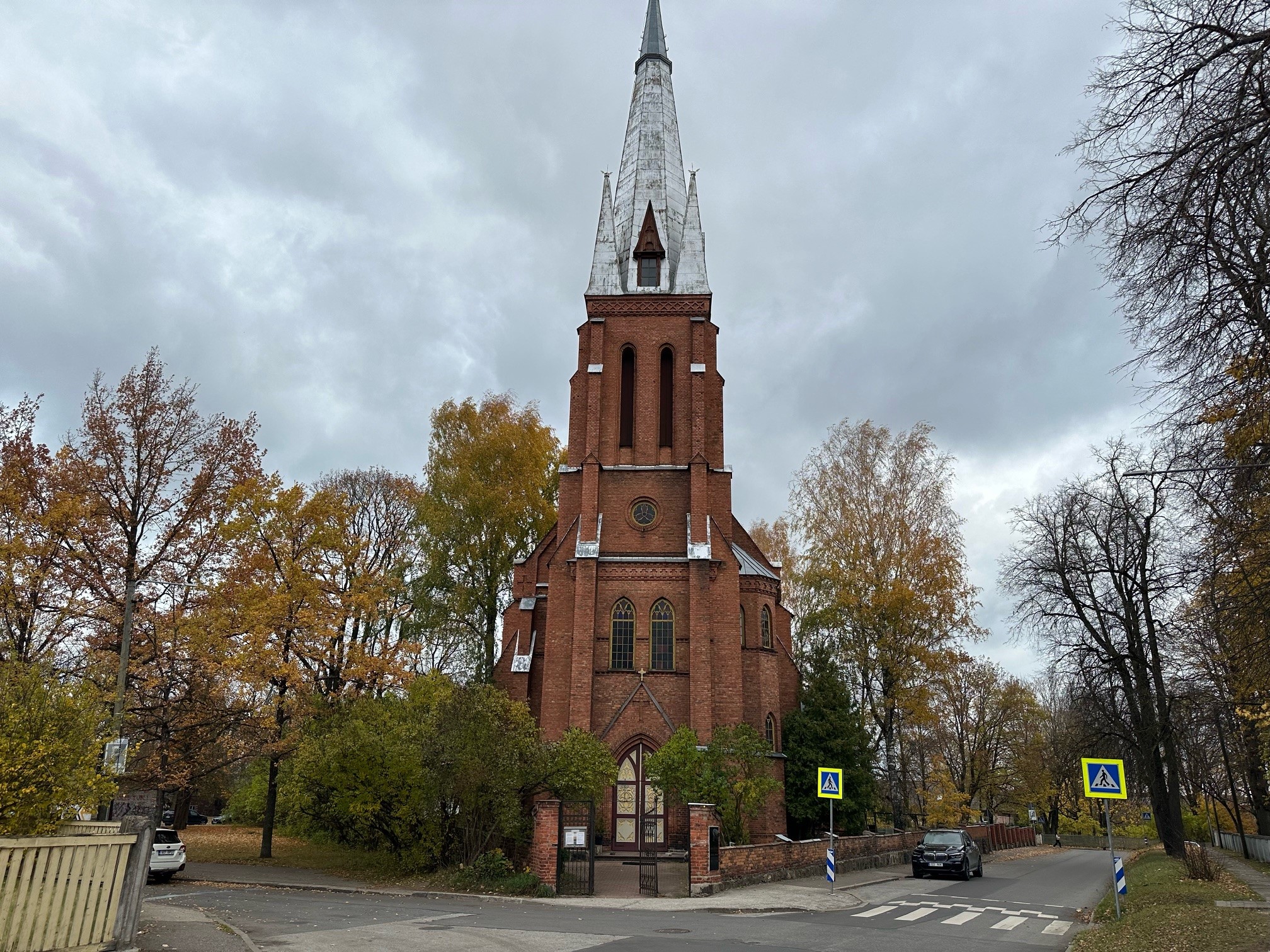
Tartu St. Peter’s Church

Tartu St. Peter's Church is one of the most beautiful neo-Gothic Lutheran sanctuaries in Southern Estonia, established in the late 19th century as a spiritual home for the growing Estonian-speaking community. Designed by architect Viktor Schröter, the church is distinguished by its 56.5-meter-high tower and impressive brick facade, which reshaped the entire Ülejõe district's appearance. The church hall is bright and spacious, featuring a remarkable three-story interior. Wooden balconies and neo-Gothic arches add warmth and a dignified rhythm to the space, creating the impression of a true city cathedral. Visitors can admire Johann Köler's altarpiece "Inviting Christ" (1897) and listen to the late-19th-century 22-register organ, making Peetri Church one of Tartu's most esteemed concert venues due to its excellent acoustics. The church was established near the site of Estonia's first national song festival and has been an important part of Estonian cultural and congregational history since its cornerstone was laid in 1882.

  • Churches

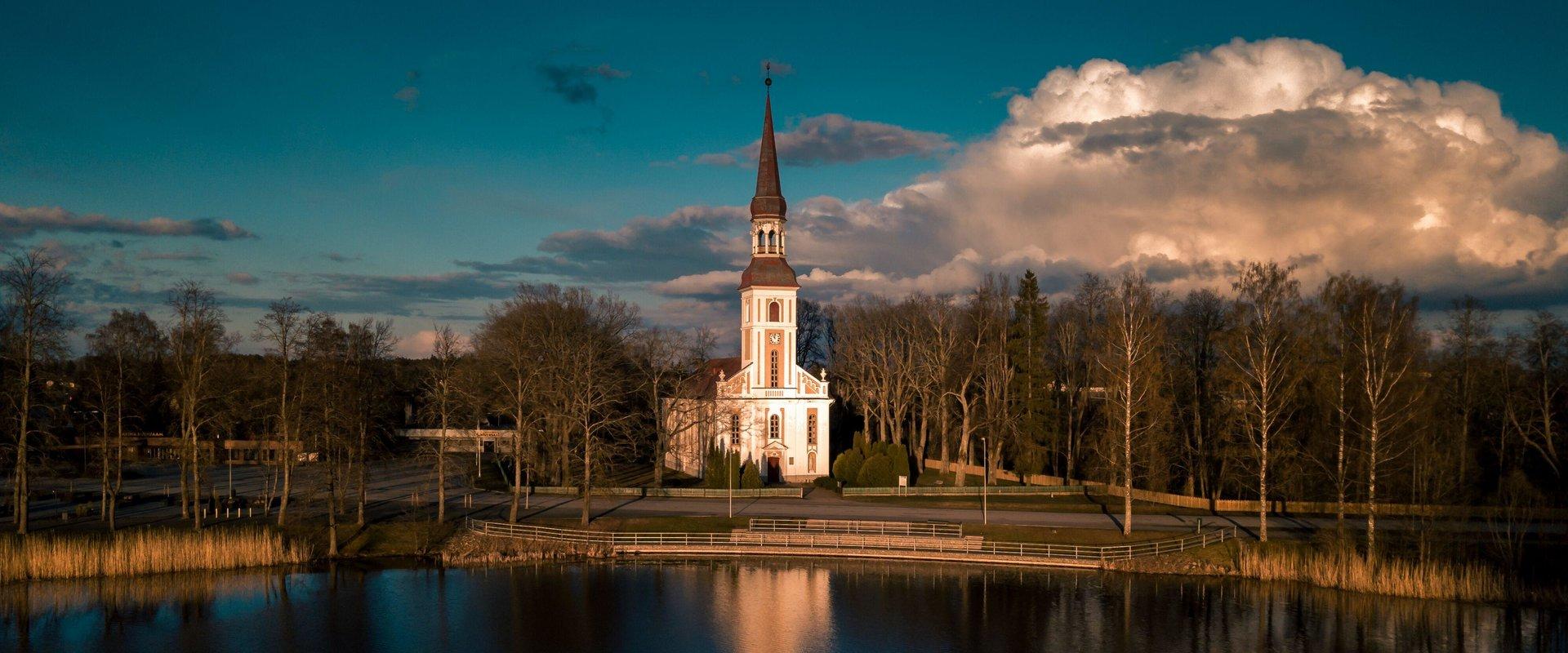
St Michael’s Lutheran Church in Räpina

This church, dedicated to the archangel Michael, was completed in 1785. It stands on the shores of a man-made lake in Räpina and enjoys beautiful views over Sillapää castle and park. The walls of the church, which was constructed in Late Baroque style, are made from rendered natural stone. The front of the church is adorned with sculptures dating from the time of its construction, which symbolise Hope and Love.One of the church's most valuable assets, the two-part altar painting entitled 'The Appearance of the Risen Jesus to Mary Magdalene' and 'The Burial of Jesus', was painted by Carl Antropoff in 1871.

  • Churches

Roman Catholic Church of Immaculate Conception of the Blessed Virgin Mary

You are welcome to admire the Gothic red brick house of God (architect Wilhelm Schilling). The Church of Immaculate Conception of the Blessed Virgin Mary is the only Roman Catholic church in Tartu. The cornerstone was placed in 1862 and the church was consecrated in 1899. You will find the painting "Virgin Mary with Jesus" (1905) by Ernst Friedrich von Liphardt and a large crucifix carved of lime tree (1935) in the high-vaulted church.Interesting facts: - even Tsar Nicholas II donated 3000 roubles for the construction of the church in 1894 when Priest Friedrich Zhyskar started raising funds for building the church.

  • Churches

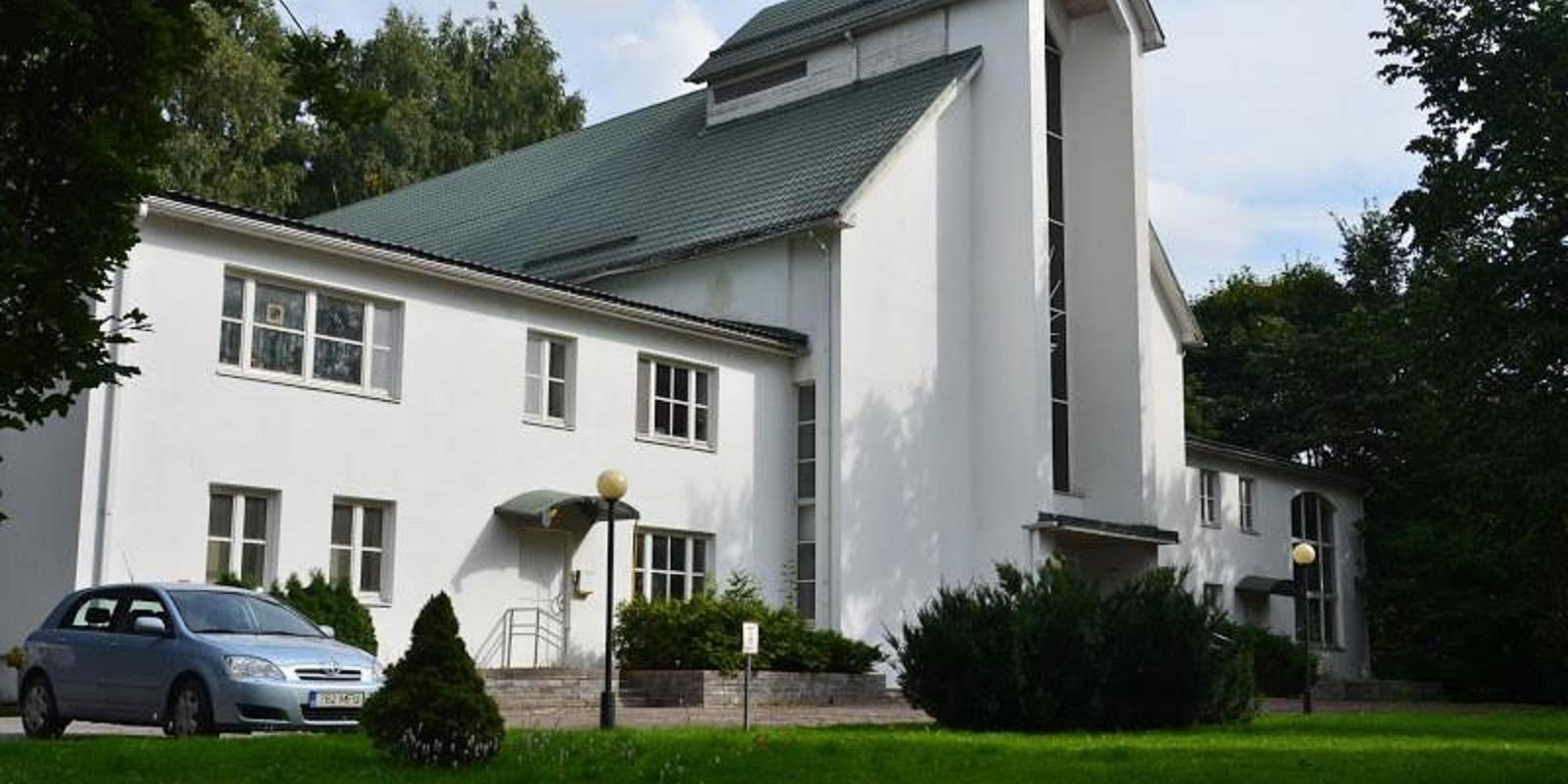
Tartu Kolgata Baptist Church

After the Second World War, the Baptist congregations in Tartu joined the only remaining Baptist church: the Kolgata congregation, whose chapel was opened in 1931.In 2013, the congregation moved from the old prayer house located in Karlova district to a modern church building (completed in 1995) at the edge of the centre of the city due to lack of space. The first service in the building on Veski Street took place on 10 November 2013, when the Kolgata congregation celebrated its 112th anniversary.The congregation belongs to the Union of Evangelical Christian and Baptist Churches of Estonia. Services in Estonian are held on Sundays at 11 a.m. and in Russian at 1 p.m.

  • Churches

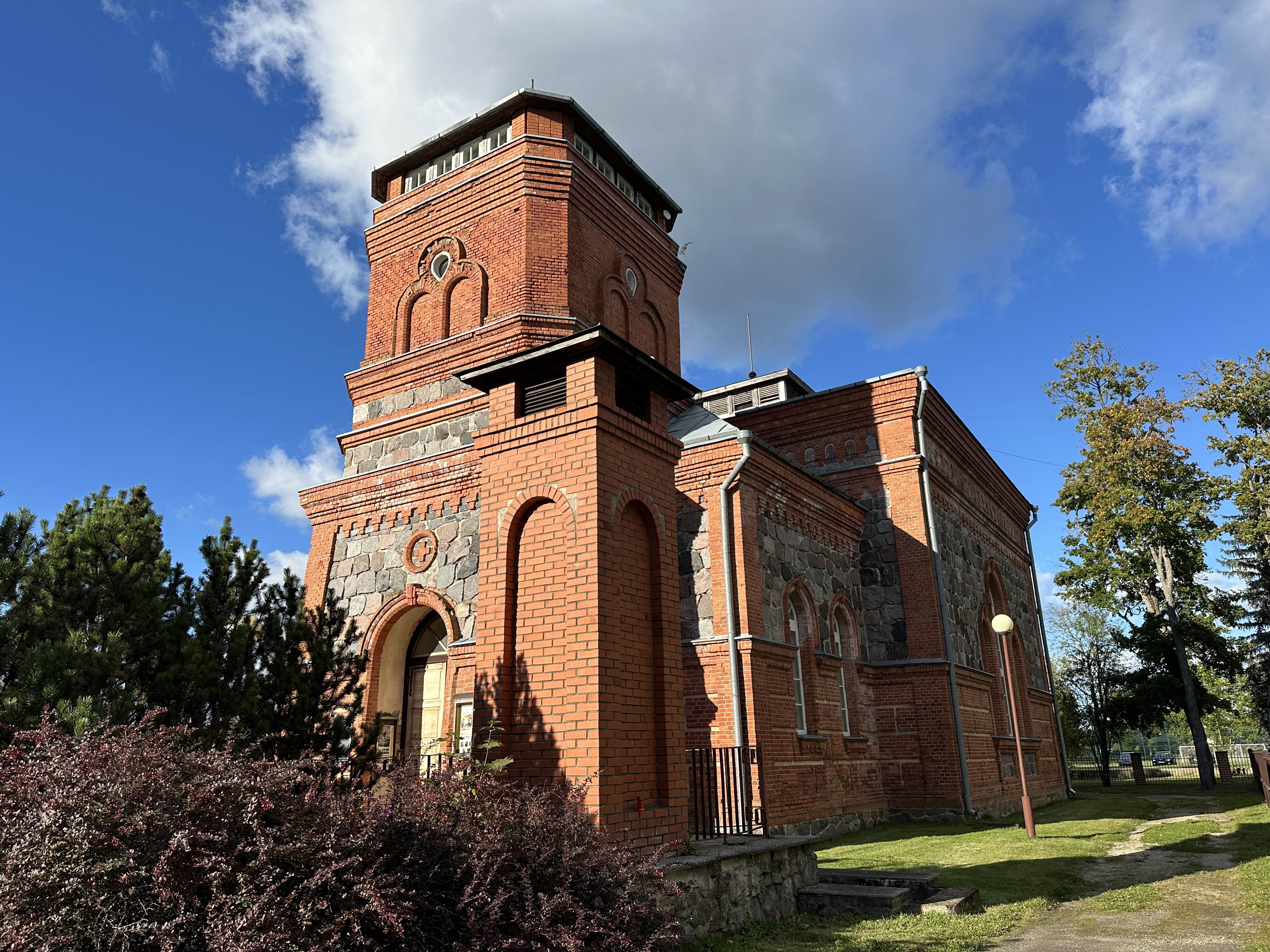
Tõrva Church – Chamber Hall

The Helme-Tõrva Apostolic Orthodox Church of the Birth of Christ was built in Valga Street in the years 1903 to 1904. Karl Shurin was in charge of the building work. The two domes and bell tower made the church one of the most imposing churches in the Viljandi Apostolic Orthodox Deanery. The church was seriously damaged during the fierce battles fought in September 1944 and it was only restored in 1990 as a chamber hall.Interesting facts: * the church was also used for salt and cement storage during the Soviet times; * the church-chamber hall currently belongs to the Lutheran church.

  • Churches

St Zachariah’s and St Elizabeth’s Orthodox Church in Räpina

St Zachariah’s and St Elizabeth’s Orthodox Church in Räpina is a neo-Classical oblong building consisting of three parts. In the Western part there is a bell tower and in the Eastern part a crescent-shaped apsis. A cupola with a tambour is in the middle of the building. The exterior of the building is in classical style, incorporating cornices and rustic work. Simple iconostasis of the 19th century catches the eye in the interior.

  • Churches

Nõo Holy Trinity Church of the Estonian Apostolic Orthodox Church

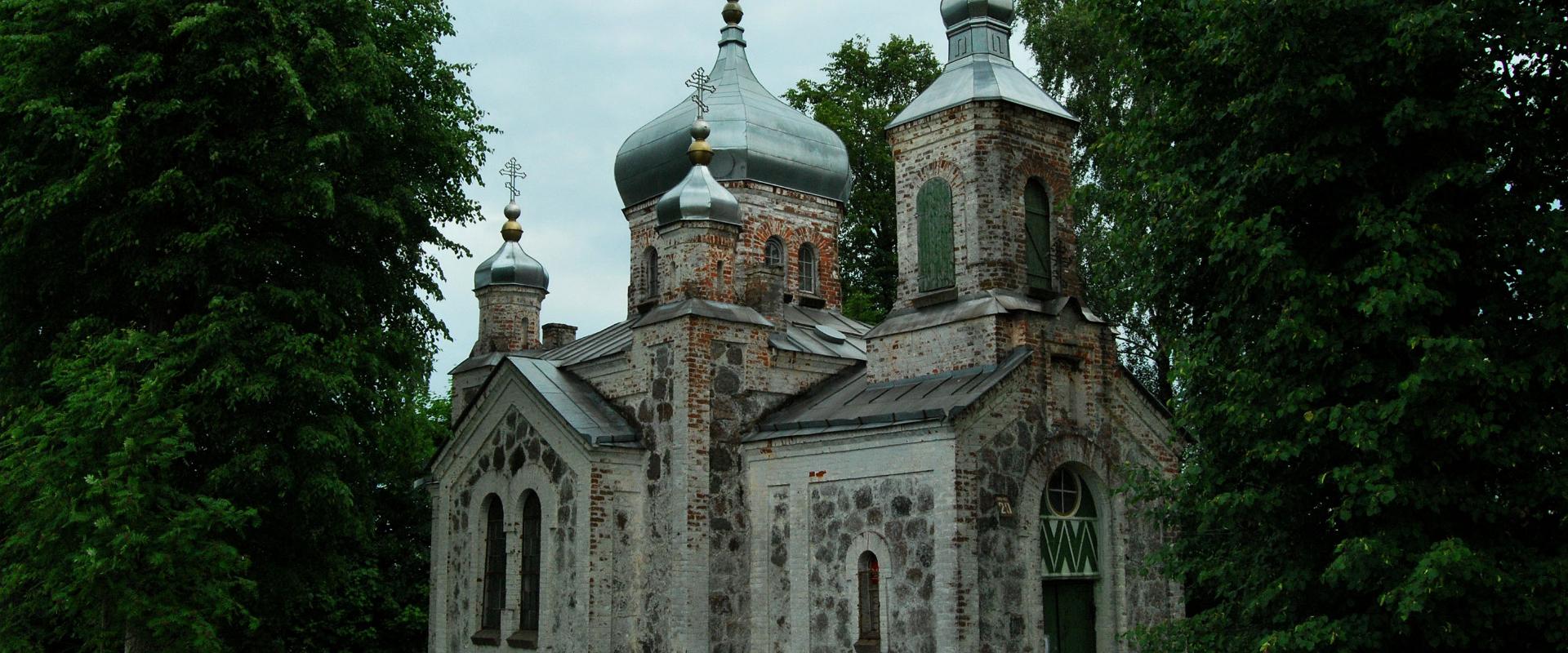
There is a remarkable historicist Orthodox church with quarrystone and brick walls and five onion-cupolas in Nõo small borough.The Nõo Congregation was founded in 1852 for Estonian Orthodox Christians who previously belonged to the Tartu Georgi congregation. The architecturally remarkable church is made of quarrystone and red bricks and has a bell-tower in the western side. It was completed in 1873. The interior architecture of the church is simple and the iconostasis dates back to the late 19th century.Services are held in the Holy Trinity Church in Nõo on the second Saturday of each month.

  • Privacy Policy

"*"обозначает обязательные поля

Это поле используется для проверочных целей, его следует оставить без изменений.
Я разрешаю маркетинг