• Avasta
    • Еда
    • Природа
    • Культура
    • Семья
    • Спорт
    • Сообщество
    • Блог
  • Planeeri
    • Размещение
    • Информация
    • Varamu
RUS
  • РусскийRUS
  • EestiEST
  • EnglishENG
  • LatviešuLAT
  • SuomiFIN
RUS
  • РусскийRUS
  • EestiEST
  • EnglishENG
  • LatviešuLAT
  • SuomiFIN
Populaarsed otsingud:
Näita kõiki tulemusi
  • History & Culture
  • Architecture and history
  • Churches

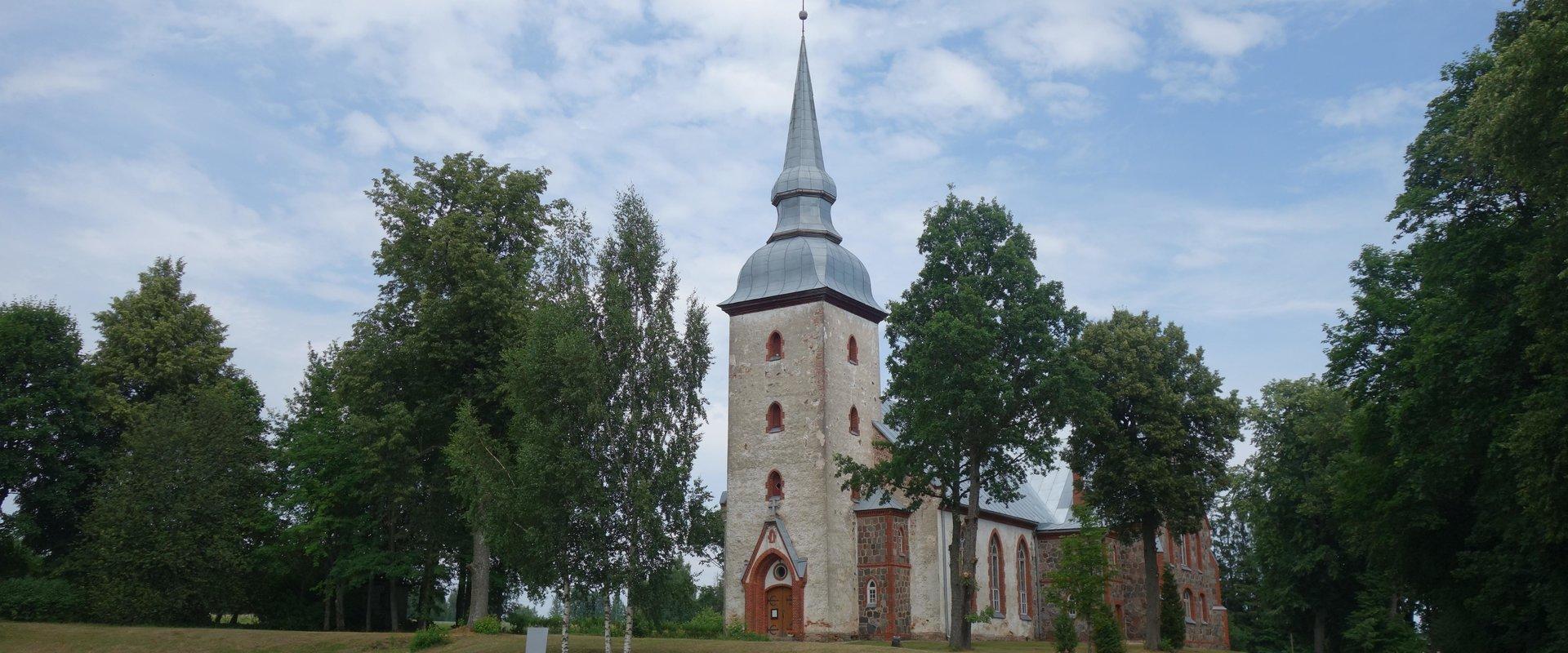
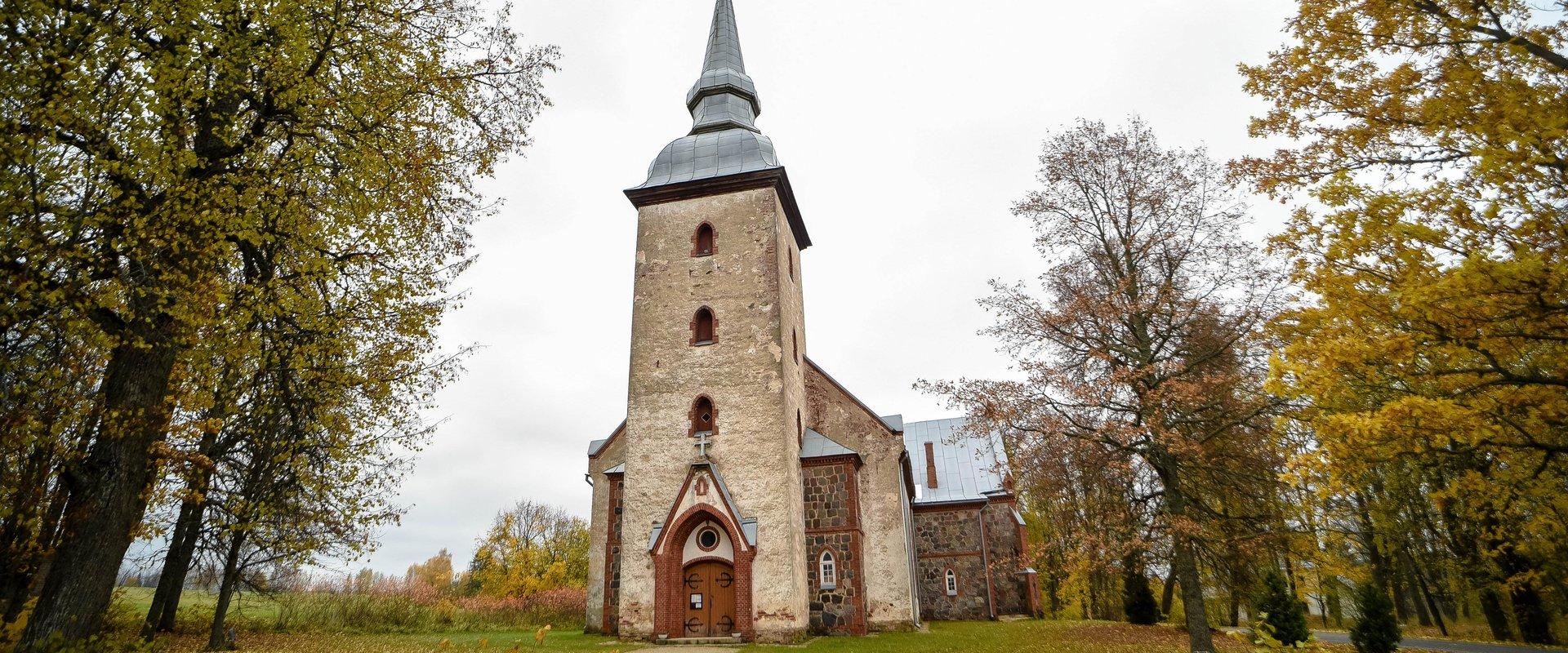
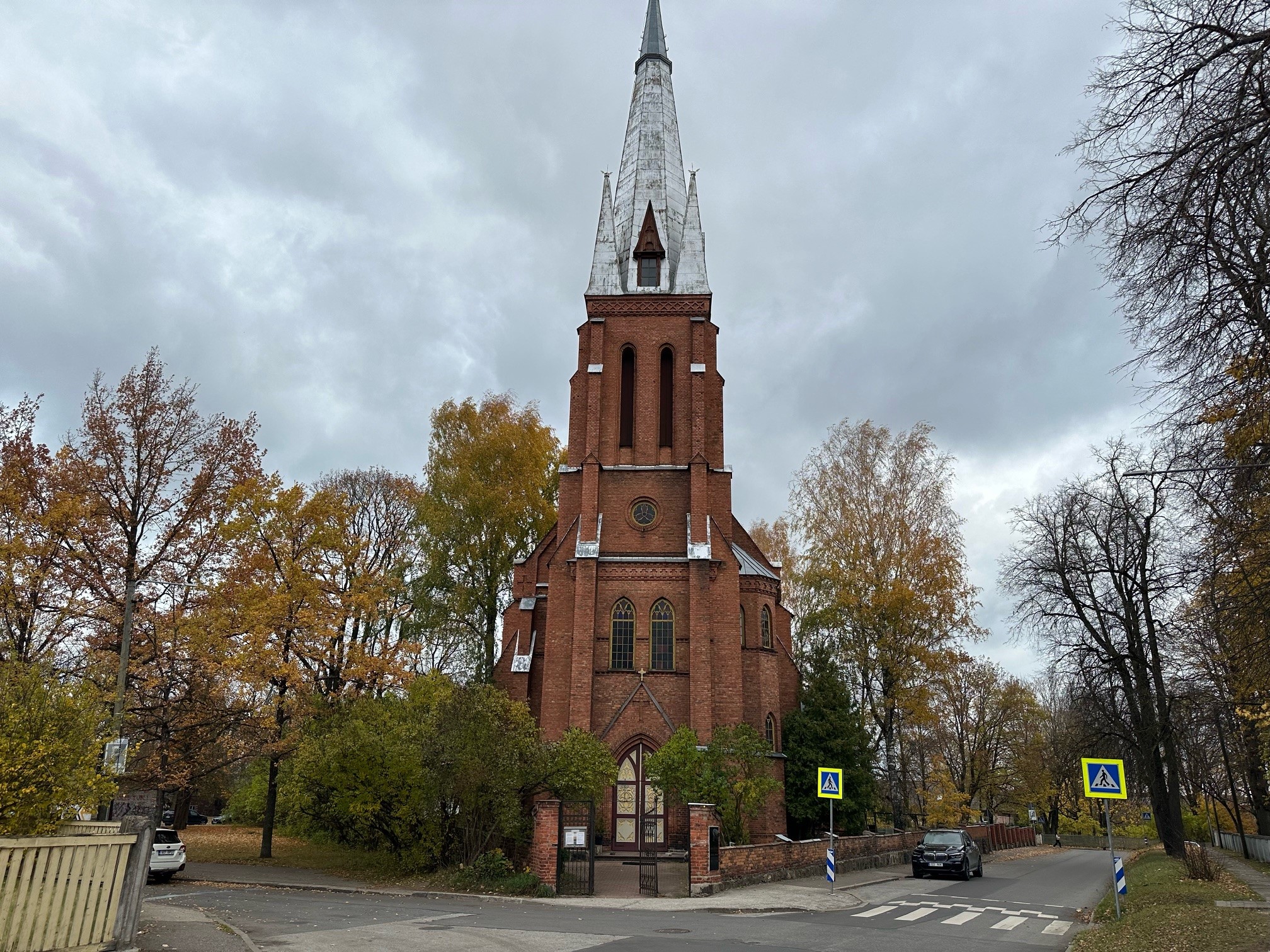
Vastseliina Church

Võru vald, Võru maakond, 65223

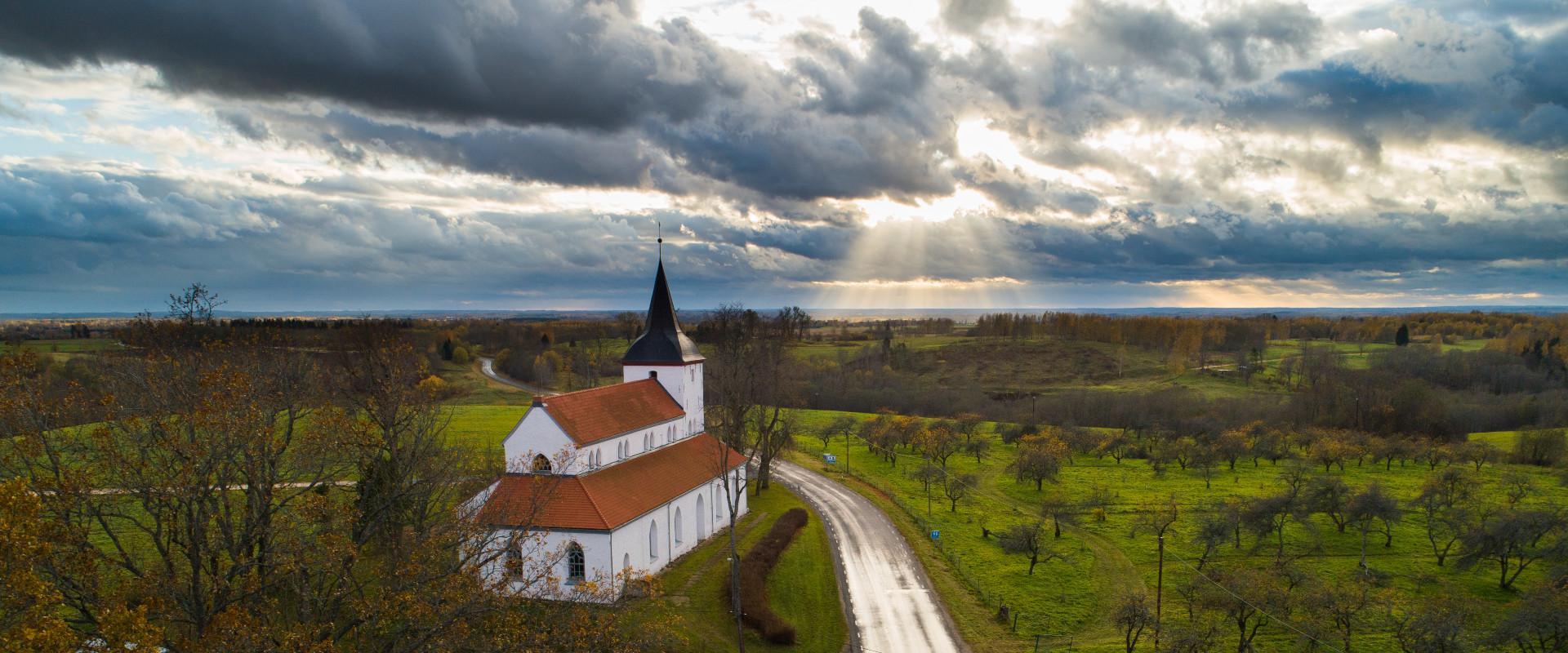
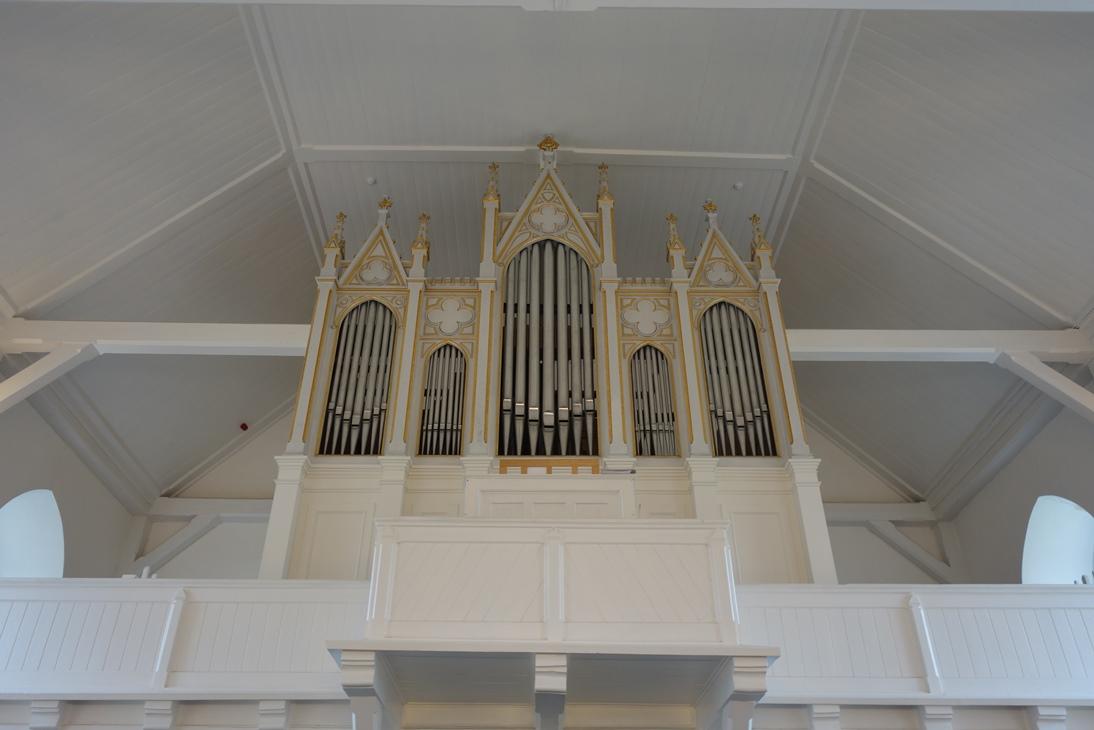
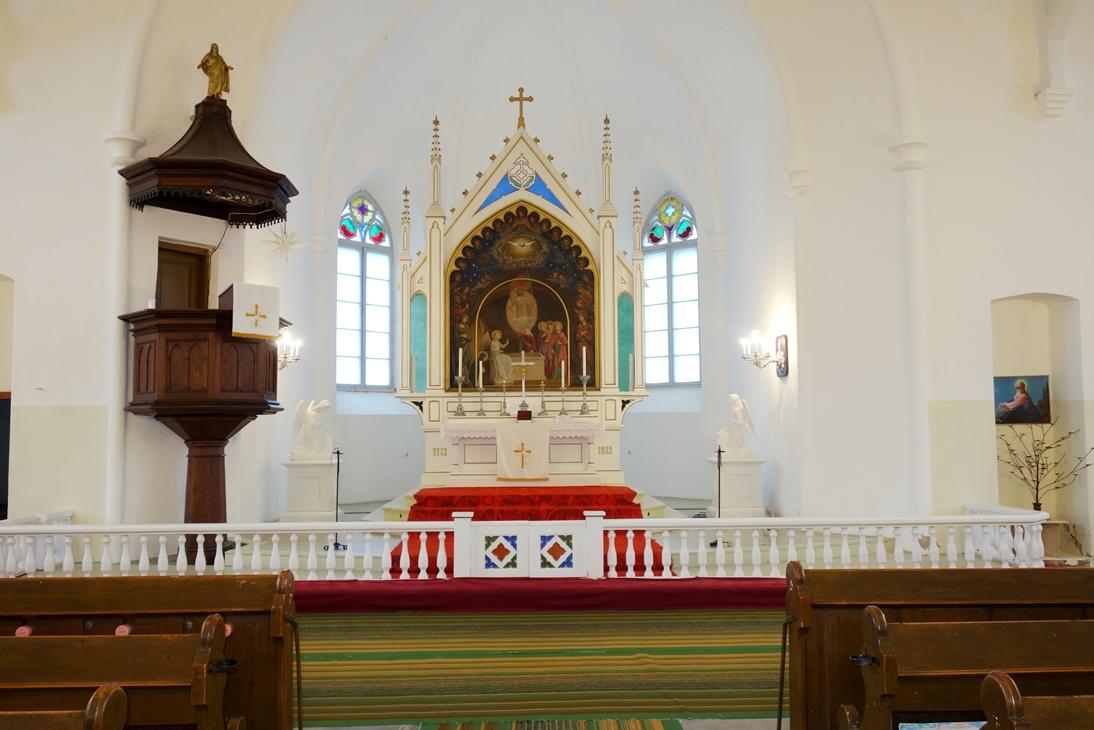
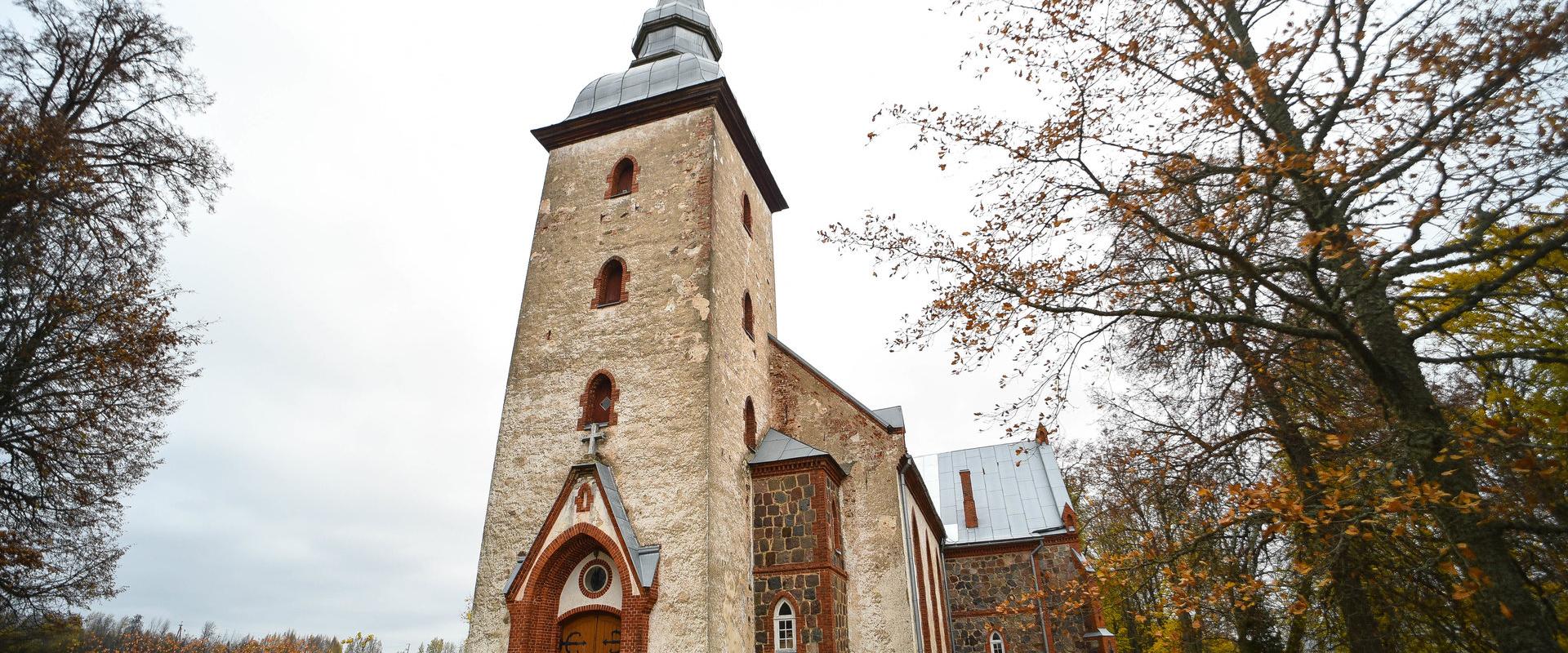
Vastseliina Castle was built in 1342. The Swedish Army gave the order to build another church outside the walls of the castle as an addition to the Vastseliina Castle Chapel. The new church was consecrated as St. Catherine’s Church. The church was destroyed together with the Vastseliina Castle by Russian cannon fire. Another church was built, and construction began on a stone church. Von Liphardt donated an organ made by Kessler and an alter painting by Baron Maydell to the church. Vastseliina Church was reconstructed according to the plans of the architect Pohlmann. In 1911 the church obtained a new organ built by the brothers Kriisa. Church service is held on Sunday.
Mugavused

  • Free parking

Lahtiolekuajad

1. sept - 14. mai

Eeltellimsel

15. mai - 31. aug

E-L10:00 - 17:00
P10:00 - 15:00

Kontakt

  • +372 53005155
  • vastseliina@eelk.ee

Lingid

Vaata lisaks

  • Churches

St Zachariah’s and St Elizabeth’s Orthodox Church in Räpina

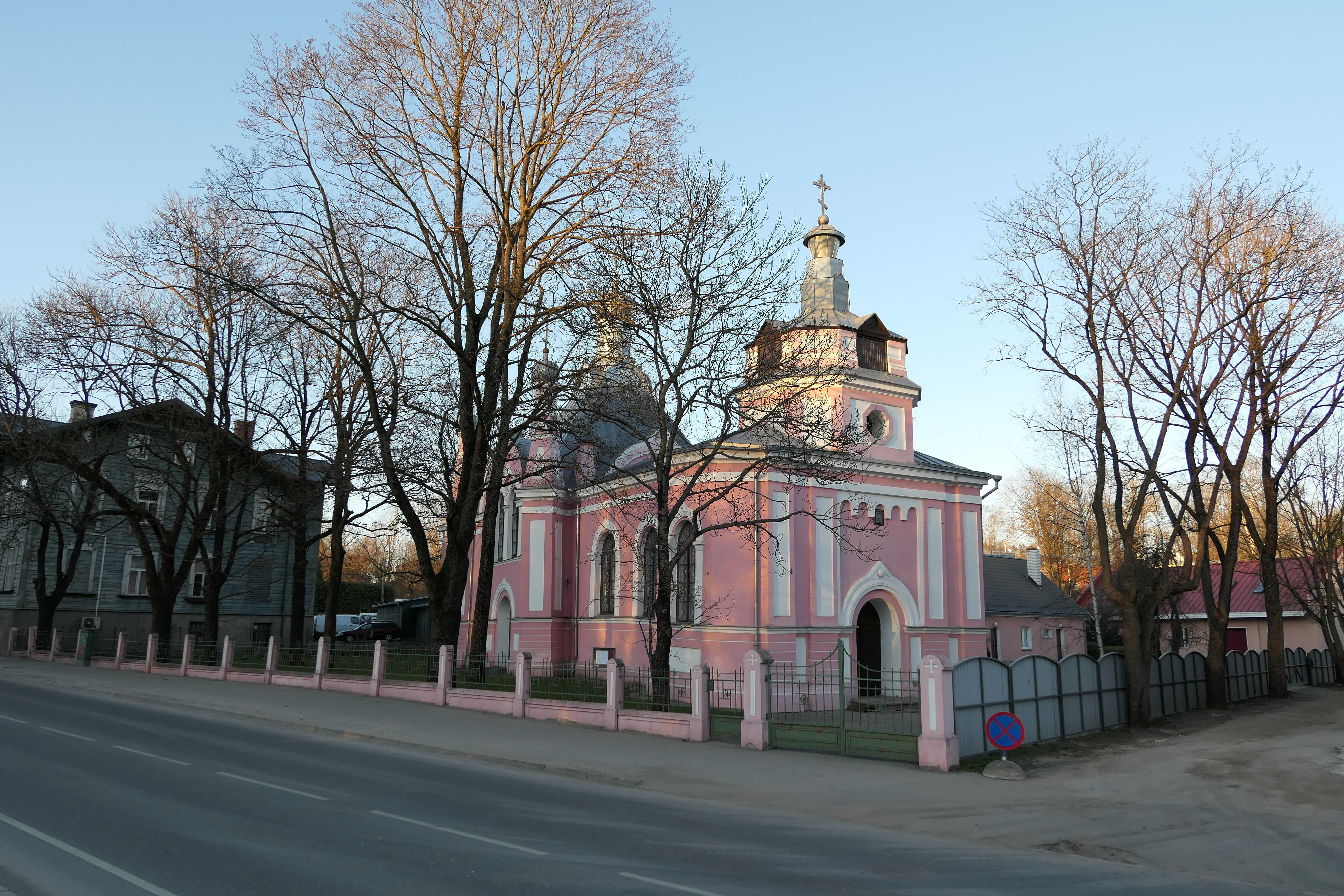
St Zachariah’s and St Elizabeth’s Orthodox Church in Räpina is a neo-Classical oblong building consisting of three parts. In the Western part there is a bell tower and in the Eastern part a crescent-shaped apsis. A cupola with a tambour is in the middle of the building. The exterior of the building is in classical style, incorporating cornices and rustic work. Simple iconostasis of the 19th century catches the eye in the interior.

  • Churches

Obinitsa Church and Cemetery

Obinitsa Church was built deep in the Soviet era: 1952, when the country was led by Comrade Stalin. The people's desire for a new sanctuary (the old church was given to the school) was so great, that it bypassed the politics of the day. The Obinitsa Church's main holiday is 19 August - The Feast of the Transfiguration - and thousands of people visit the church that day to remember their ancestors and spend time with a relatives. People have been buried in Obinitsa Cemetery for at least 1,500 years. The oldest burials are marked by small stones located in the western part of the cemetery. The well-known Seto singer Hilana Taarka and the creator of the Obinitsa Museum, Lidia Sillaots, are buried in this park-like cemetery.

  • Churches

Miikse Church

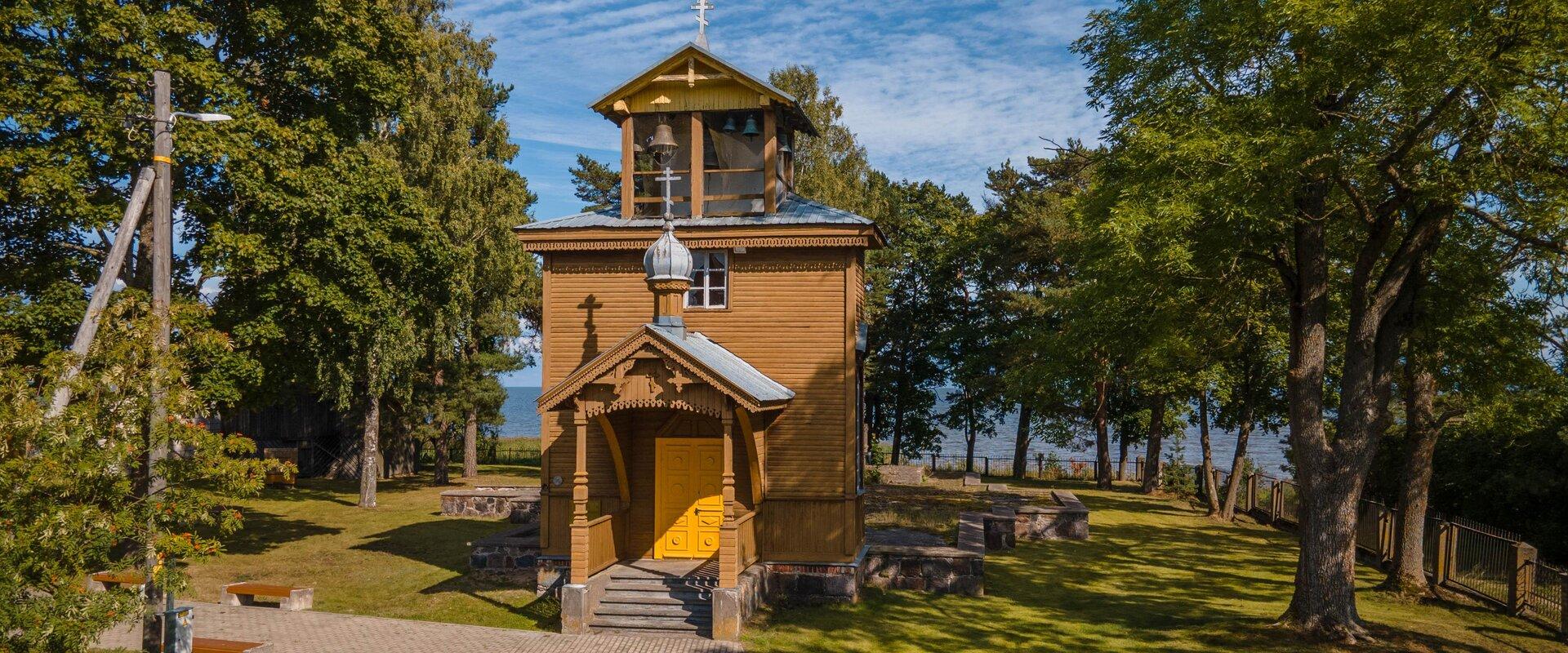
The Miikse St. John the Baptist Church is a small wooden Orthodox church located in the southeastern corner of Estonia in Setomaa. What makes this church special is its story. It was built in 1953, during the Soviet era, when religion and church construction were not encouraged. However, the local people took a bold step and built the church themselves, often working in the evenings and at night to avoid the authorities' attention. Today, Miikse Church is once again a symbol of the strength and perseverance of the Seto community, where the local community restored the dilapidated sanctuary into a new and striking Seto church. The altar and icons were preserved, but the new facade features a lace-like pattern using Seto colors (red, blue, and sheep's wool white) and Seto belt patterns. The church's surroundings also include an old cemetery and sacred stones, which lend the place a special historical and spiritual atmosphere. The church is open once a month during service, and at other times, access can be arranged by agreement with the church elder (who communicates in Estonian and Russian). For a foreign-language tour of Setomaa, we recommend booking a local guide.

  • Churches

Ritsiku church in Mõniste

Of the Orthodox churches in Võru County, Ritsiku church in Mõniste is the second oldest (dating back to 1855). The oldest is St Catherine's Church in Võru itself.The church in Ritsiku was consecrated in the name of the prophet John the Baptist. Its name day is celebrated by the congregation every year on 24 June.The congregation was established in 1837. The church was constructed from timber and has a tin roof. It was originally known as Mõniste church, since it was located on the lands of the Mõniste estate. But since it was not in Mõniste itself, it was renamed Ritsiku church in Mõniste.The sacristan and parson did a lot of work in educating the local community. Until 1931 the congregation had its own parish school and three smaller schools.

  • Churches

Tartu Old Believers Prayer House of the Estonian Association of Old Believers Congregations

Tartu Old Believers Prayer House is a small and cosy house of God in the hall under the tower of a large and impressive prayer house destroyed by bombing during the war. This is the only part of the house the congregation has managed to restore by today. You can also see icons from the 19th century and the works of local 20th century icon painters in the Tartu Old Believers Prayer House.Service in Russian takes place at 10 a.m. on Sundays.

  • Churches

EELC Roosa Jacob’s Church

The legend speaks about the owner of Roosa manor, who had promised to build a church if he is saved from a shipwreck. When he had happily escaped the sea, he fulfilled his promise and the first church was built in Roosa in 1735.The current church is the third one in Roosa, built in 1893.The massive quarrystone walls have round-headed windows and brick ornaments, the tower has four sides and triangular gables. The altar-piece is a copy of the ″Christ on the Cross” from the St. Mary's Church in Rõuge and the organ is the first church organ the Kriisa brothers built in 1900.

  • Churches

Church of St Catherine in Võru

Construction of the Church of St Catherine in Võru commenced in 1793 during the reign of Empress Catherine II. It is thought to have been designed by the Livonian architect Schons, while the man responsible for the building of the church was Võru's own Johann Karl Otto. The church was surrounded with a formidable fence. It is famous for its cross-shaped floor plan, substantial bell tower, high dome-like secondary tower and arched windows. Designed in classicist style, it was completed in 1804 in honour of St Catherine. The grounds around the church were restored in 2008 and are now home to an open air exhibition of religious text-themed illustrations by artist Marje Ernits.

  • Churches

St. Mary’s Church in Rõuge

The first stone church was constructed in Rõuge in the 16th century. In 1730, the original church, which was destroyed in the Great Northern War, was replaced with one which had an imposing square tower. The church was blessed in the name of St. Mary. The altar-piece "Christ on the cross" by R. von Mühlen is from 1854. In 1860 the walls were made higher and a mirrored arch was installed. In 1930 the church got a 31-register organ built by the Kriisa brothers. The first Estonian pastor in Rõuge was Rudolf Gottfried Kallas.Useful information! You can attend mass at the church every Sunday at 11:00 and in summer, the church is used as a wayfarers' church. Entrance to the tower is for a fee (grown ups 1.50, children 1 and family ticket 3 euros).

  • Privacy Policy

"*"обозначает обязательные поля

Это поле используется для проверочных целей, его следует оставить без изменений.
Я разрешаю маркетинг