• Открой
    • Еда
    • Природа
    • Культура
    • Семья
    • Спорт
    • Сообщество
    • Блог
    У Вас появились свободные выходные, чтобы провести с детьми? Здесь собраны лучшие места в Южной Эстонии для семейного отдыха
  • Планируй
    • Размещение
    • Информация
    • Varamu
    Sustainability
RUS
  • РусскийRUS
  • EestiEST
  • EnglishENG
  • LatviešuLAT
  • SuomiFIN
RUS
  • РусскийRUS
  • EestiEST
  • EnglishENG
  • LatviešuLAT
  • SuomiFIN
Populaarsed otsingud:
Näita kõiki tulemusi
  • History & Culture
  • Architecture and history
  • Churches

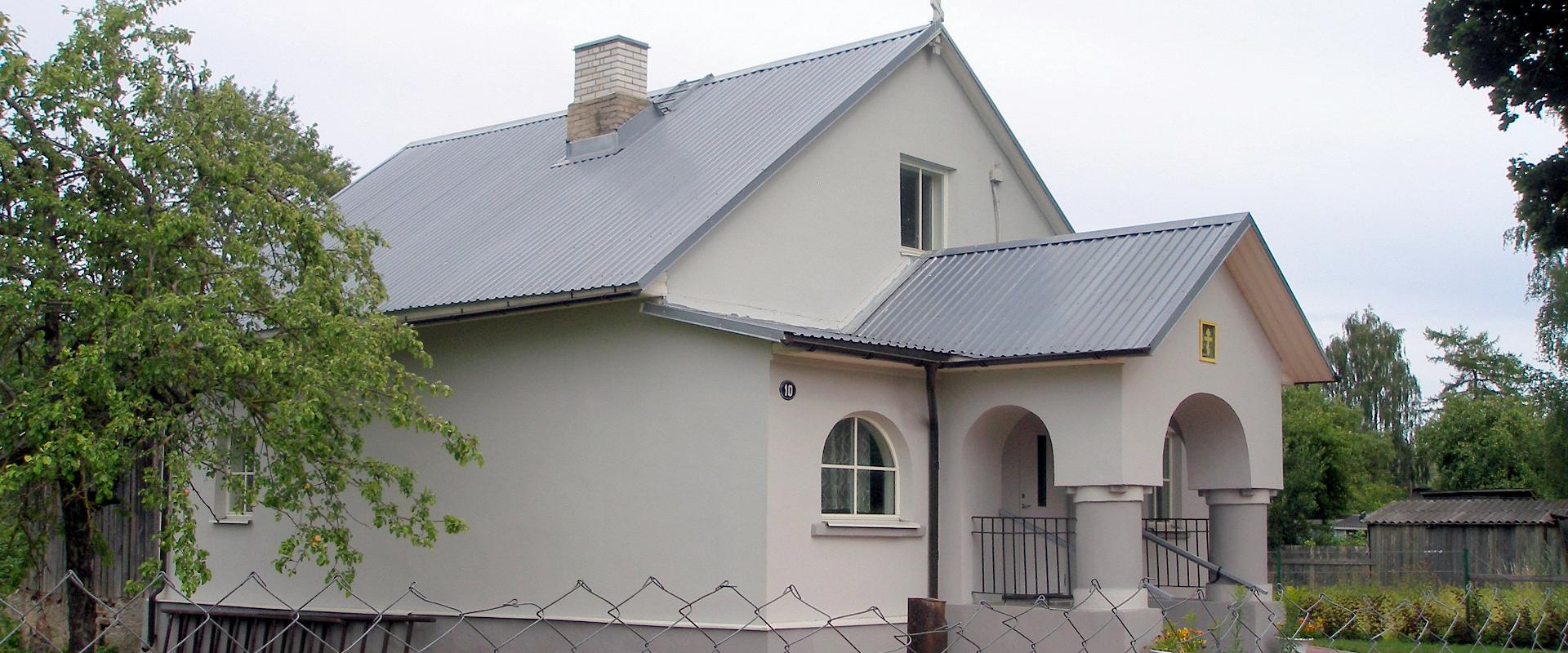
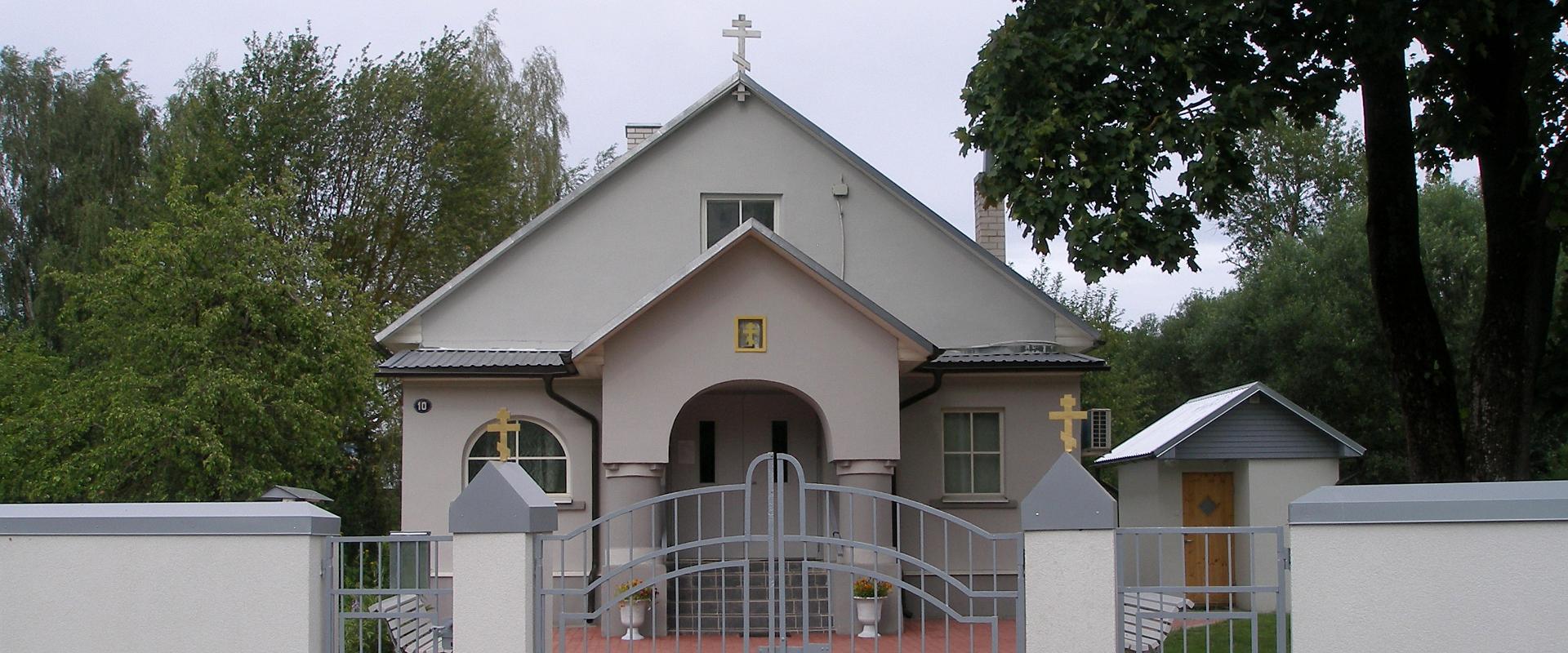
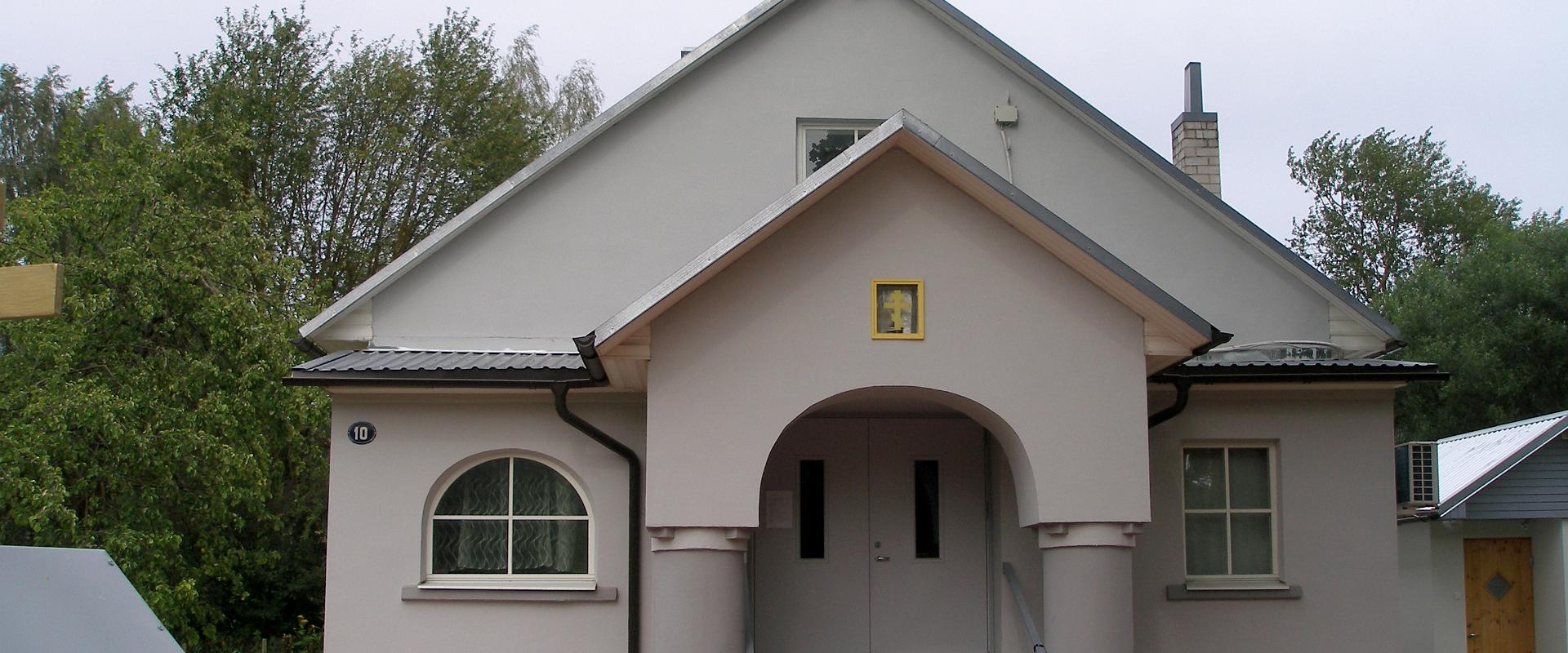
Tartu Old Believers Prayer House of the Estonian Association of Old Believers Congregations

Põik tn 10, Tartu linn, Tartu maakond, 50603

Tartu Old Believers Prayer House is a small and cosy house of God in the hall under the tower of a large and impressive prayer house destroyed by bombing during the war. This is the only part of the house the congregation has managed to restore by today. You can also see icons from the 19th century and the works of local 20th century icon painters in the Tartu Old Believers Prayer House.Service in Russian takes place at 10 a.m. on Sundays.

Mugavused

  • Free parking

Часы работы

Круглый год

По предварительному заказу

Контакты

  • +372 5396 7408
  • pavel@starover.ee

Ссылки

Подробнее

  • Churches

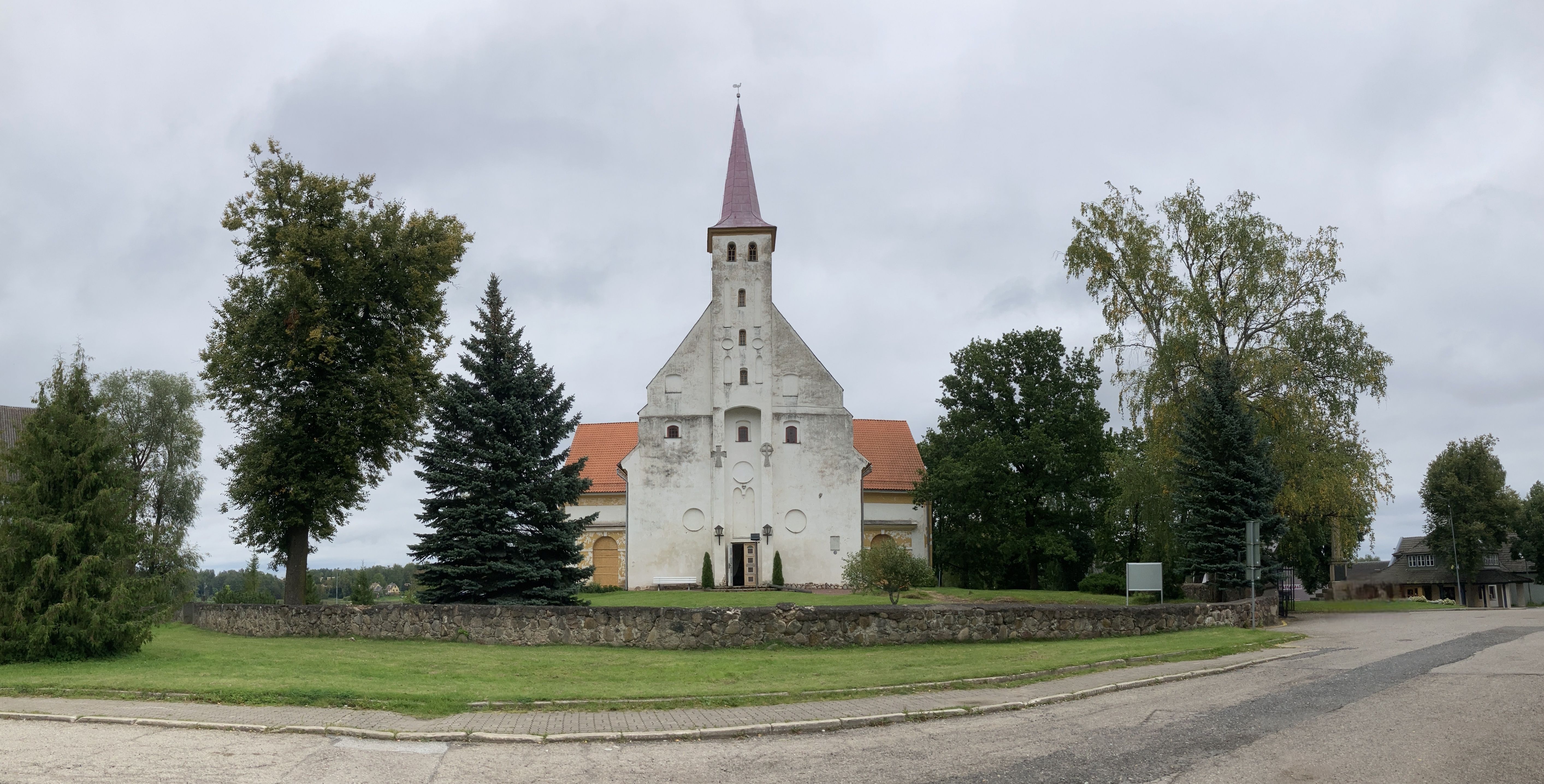
Lutheran Church of Blessed Virgin Mary in Põlva

The Church of Blessed Virgin Mary in Põlva is one of the oldest churches in historical Võrumaa. The rarities of the church are the old altar painting The Last Supper (1650) and the altar panels (1647). There is an altar painting The Resurrection (Friedrich Ludwig von Maydell, 1845). The church was originally a square-shaped hall church with three naves. Today it has preserved from it a high tower with a deep niche and a Western façade. Interesting to know: According to a legend, the key of the church is held by a kneeling girl called Mary who is walled in. Allegedly that is also the origin of the name of the church and Põlva (‘knee’ for the Estonian ‘põlv’).

  • Churches

Rannu St Martin’s Church of the Estonian Evangelical Lutheran Church

The church dedicated to St. Martin is located on the Estonian Pilgrim Route, which starts from Pirita Monastery and ends at the Vana-Vastseliina Episcopal Castle. There is also a prayer bench in the churchyard.Come and see one of the oldest parish churches in Estonia. You can also can go to the spire, which offers a unique view of the beautiful Lake Võrtsjärv and the surroundings.Good to know:• The Church participates in the Wayfarers Churches and the Night of Churches projects.• The night battle from the feature film Names on a Marble Slab (2002) was filmed in Rannu Church garden.You can visit the church on Sundays during the service or by prior arrangement.

  • Churches

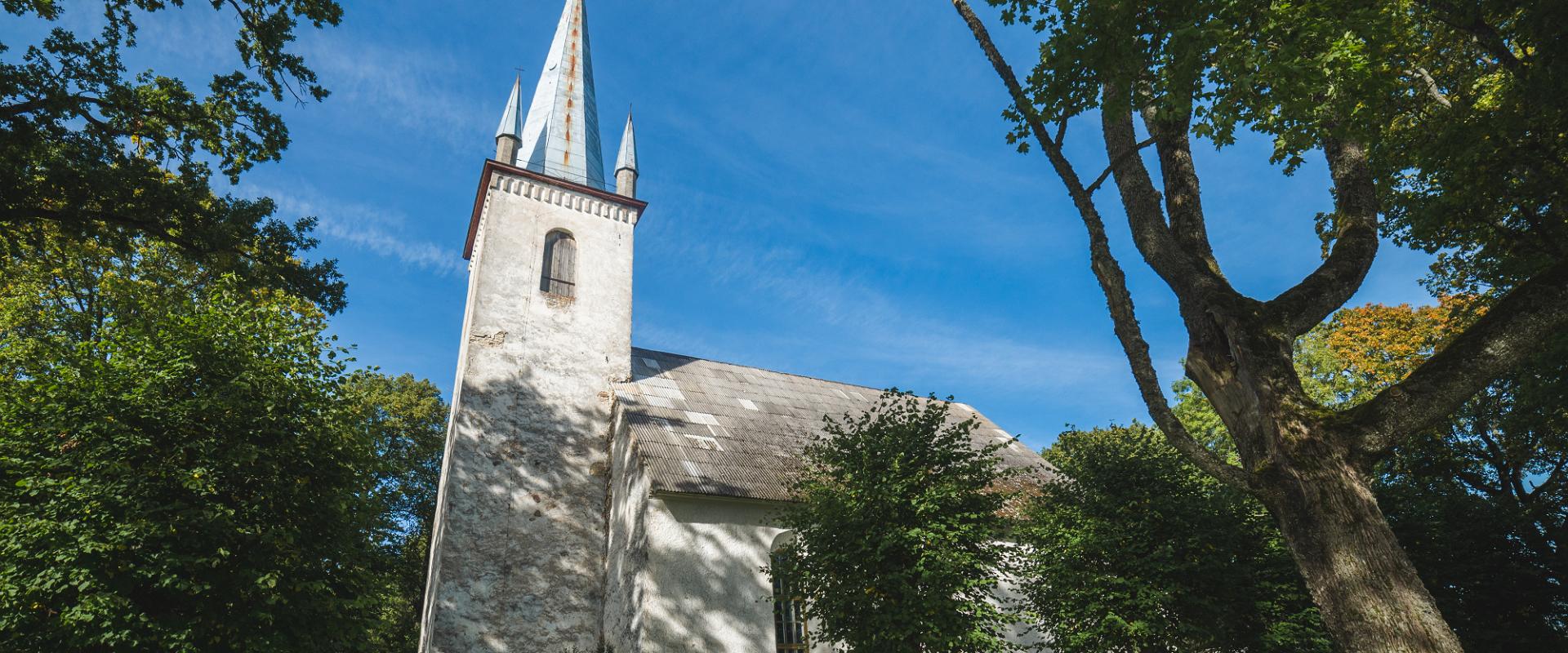
Estonian Evangelical Lutheran Church: St. George’s Church in Laiuse

Laiuse Church was first mentioned in 1319. It was destroyed during the Livonian War, the Polish–Swedish War, and the Great Northern War, but it was re-built. The church, which originally was a hall-church with three naves and no tower, is built from local limestone and its corners are made from large limestone dry-stones. The tower, which was destroyed in World War II, was restored in 1970. The building was restored in 2000–2001.The church organises a lot of concerts and services are held every Sunday at 1 p.m.

  • Churches

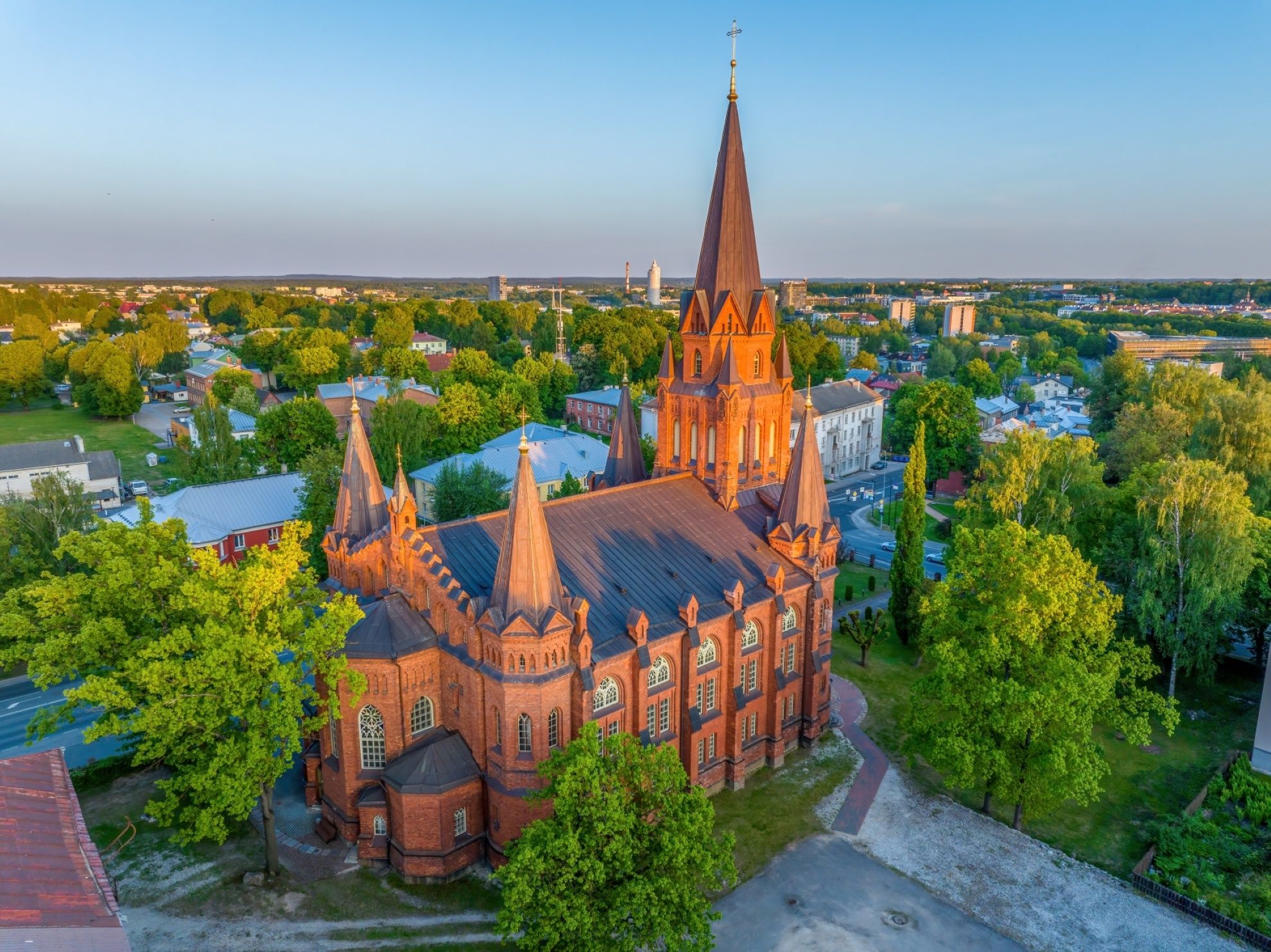
Tartu St. Peter’s Church

Tartu St. Peter's Church is one of the most beautiful neo-Gothic Lutheran sanctuaries in Southern Estonia, established in the late 19th century as a spiritual home for the growing Estonian-speaking community. Designed by architect Viktor Schröter, the church is distinguished by its 56.5-meter-high tower and impressive brick facade, which reshaped the entire Ülejõe district's appearance. The church hall is bright and spacious, featuring a remarkable three-story interior. Wooden balconies and neo-Gothic arches add warmth and a dignified rhythm to the space, creating the impression of a true city cathedral. Visitors can admire Johann Köler's altarpiece "Inviting Christ" (1897) and listen to the late-19th-century 22-register organ, making Peetri Church one of Tartu's most esteemed concert venues due to its excellent acoustics. The church was established near the site of Estonia's first national song festival and has been an important part of Estonian cultural and congregational history since its cornerstone was laid in 1882.

  • Pet friendly
  • Family friendly
  • Lookout towers
  • Guided tours
  • Workshops
  • Castles
  • Churches
  • Ruins

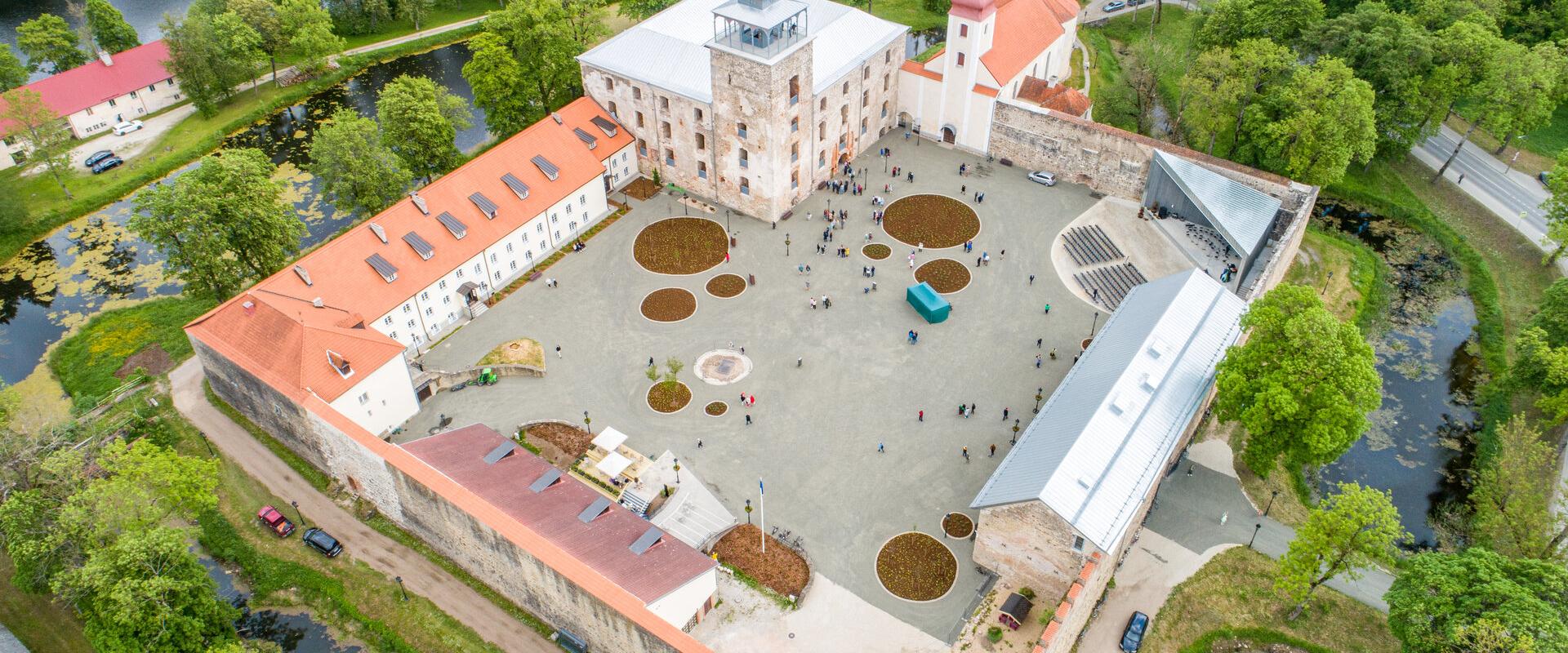
Põltsamaa Castle

Põltsamaa Castle has been an important site throughout the centuries and carries a distinguished history – founded in 1272 on the riverbank, it was the residence of Magnus, the King of Livonia, and later evolved into a magnificent Rococo palace. Wars and fires left the castle in ruins, but now it has come back to life and is waiting for you to visit! Today, the castle offers visitors plenty of excitement. First and foremost, it is worth climbing to the viewing platform of the seven-story castle tower, where a captivating view of the city unfolds in every season. The tower is crowned by a restored historical dome, which is unique in all of Estonia. The church, located within the complex, is built directly into the castle's fortification walls and tower, and is open daily during the summer. The convent and gatehouse feature a modern exhibition that tells the colorful story of the castle and the town of Põltsamaa. In the castle courtyard, craft workshops await, where you can watch the work of masters or purchase something interesting yourself. Culinary experiences are offered by the restaurant Oberpahlen, where history and excellent food come together. Discover Põltsamaa Castle – a place where history comes to life!
  • Churches

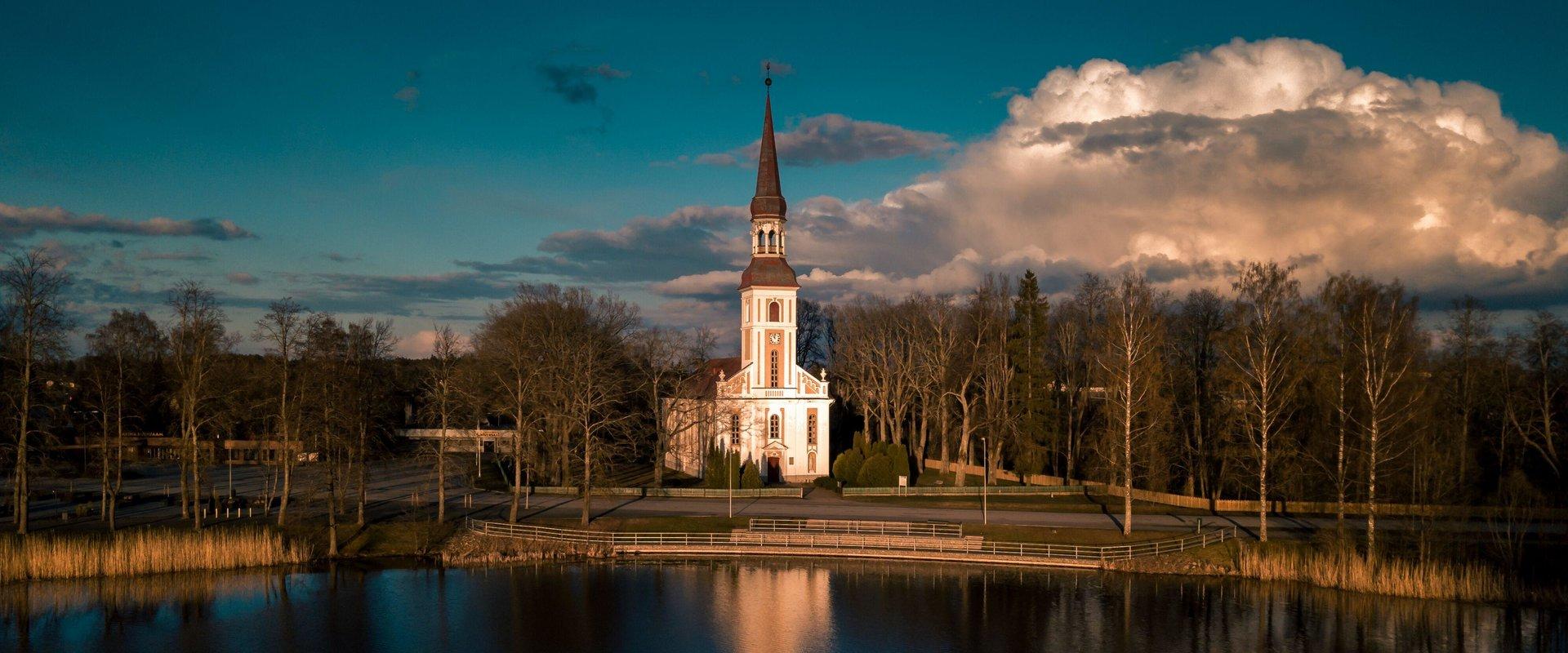
St Michael’s Lutheran Church in Räpina

This church, dedicated to the archangel Michael, was completed in 1785. It stands on the shores of a man-made lake in Räpina and enjoys beautiful views over Sillapää castle and park. The walls of the church, which was constructed in Late Baroque style, are made from rendered natural stone. The front of the church is adorned with sculptures dating from the time of its construction, which symbolise Hope and Love.One of the church's most valuable assets, the two-part altar painting entitled 'The Appearance of the Risen Jesus to Mary Magdalene' and 'The Burial of Jesus', was painted by Carl Antropoff in 1871.

  • Churches

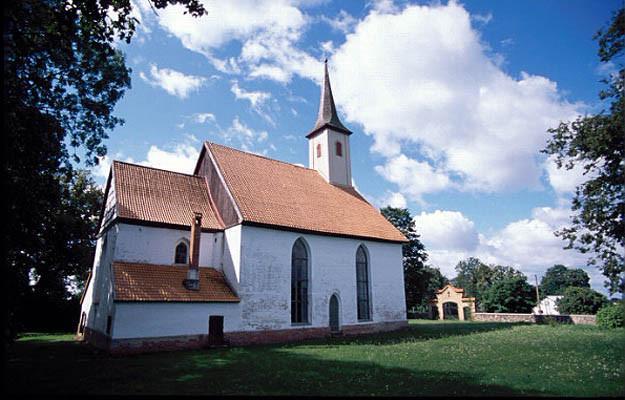
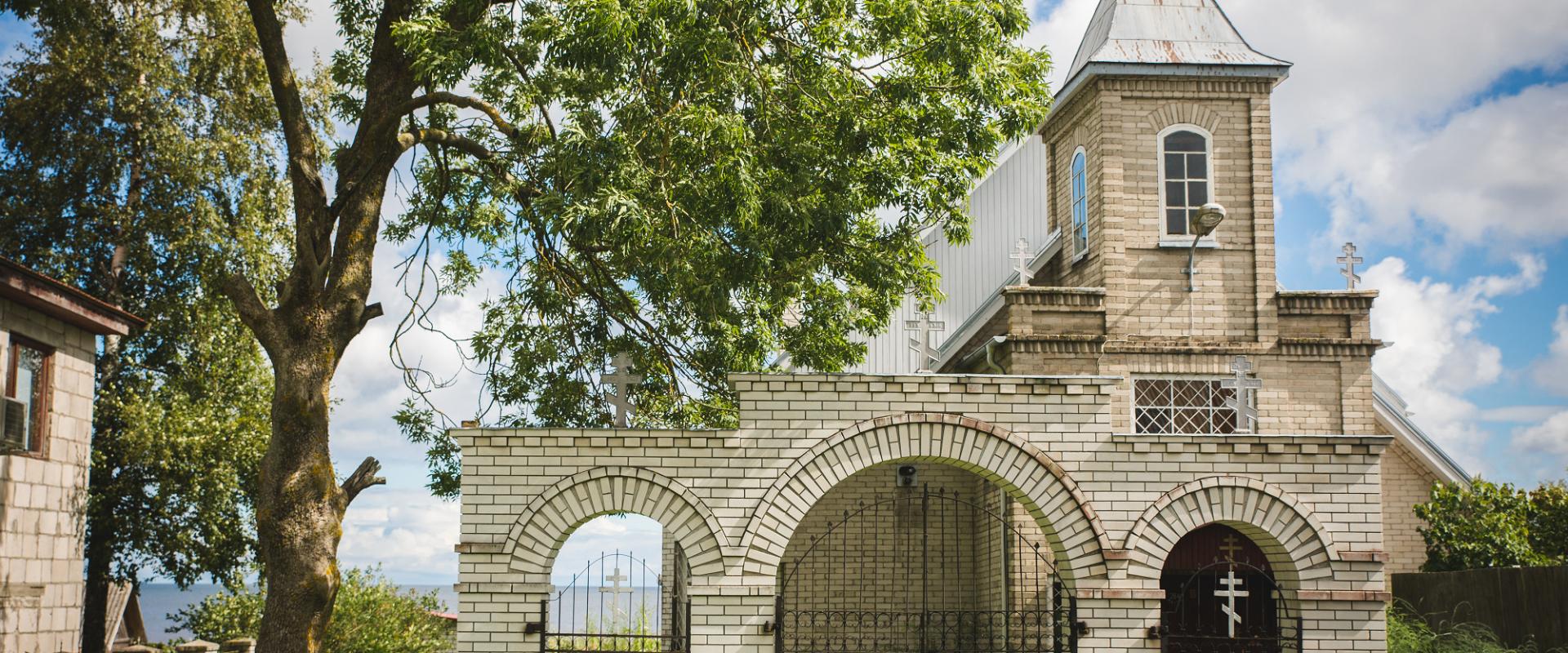
Kükita Old Believers Prayer House of the Estonian Association of Old Believers Congregations

The first prayer house of Old Believers in Estonia is located in Kükita. The Kükita Prayer House was consecrated on September 14, 1740. During the war of 1812, the Cossack Old Believers donated a chandelier to the Prayer House. There were a total of 397 Old Believers in the list of parishioners of the Kükita congregation by 1833. The current Prayer House was built in 1948 in place of the one destroyed in World War II.Old Believers have services every Sunday and on all holidays (Christmas, Pascha and Epiphany).

  • Churches

St Zachariah’s and St Elizabeth’s Orthodox Church in Räpina

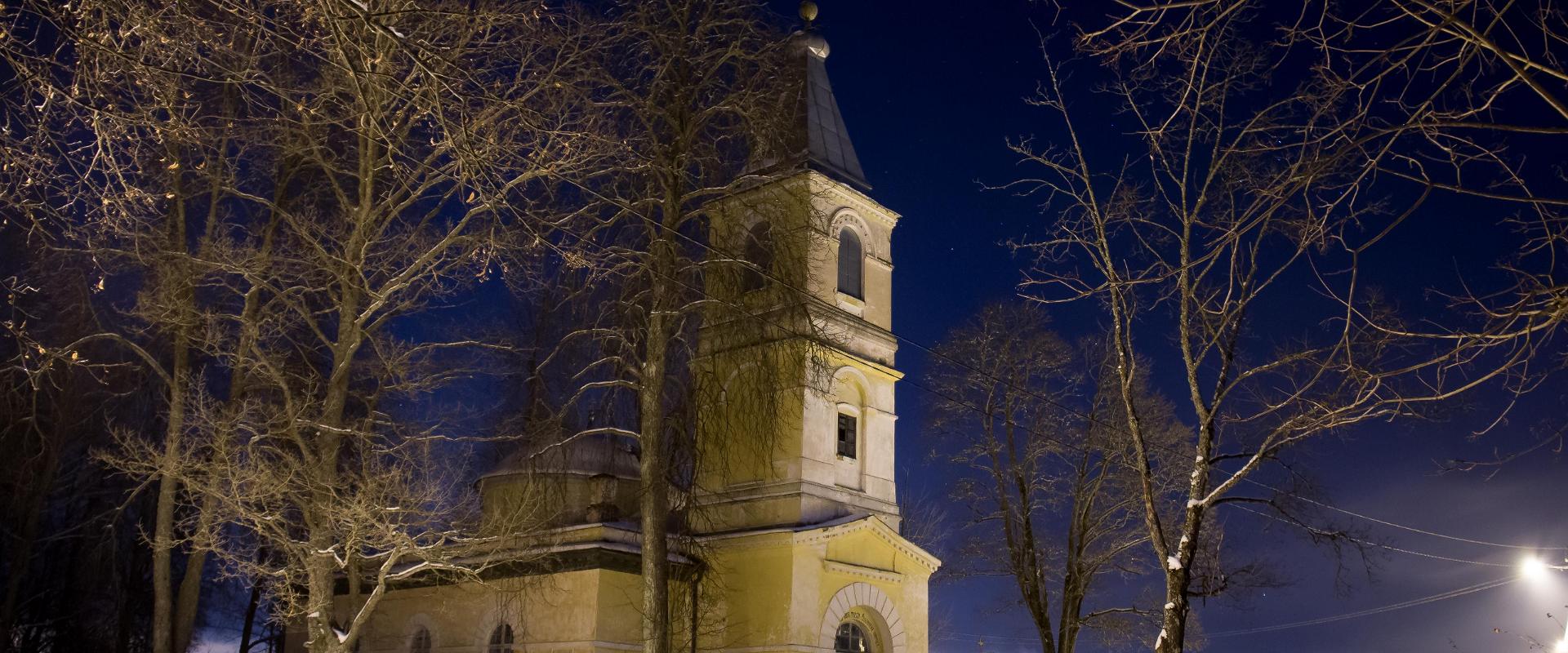
St Zachariah’s and St Elizabeth’s Orthodox Church in Räpina is a neo-Classical oblong building consisting of three parts. In the Western part there is a bell tower and in the Eastern part a crescent-shaped apsis. A cupola with a tambour is in the middle of the building. The exterior of the building is in classical style, incorporating cornices and rustic work. Simple iconostasis of the 19th century catches the eye in the interior.

  • Privacy Policy

"*"обозначает обязательные поля

Это поле используется для проверочных целей, его следует оставить без изменений.
Я разрешаю маркетинг