• Explore
    • Nature
    • Culture
    • Food
    • Family
    • Activity
    • Blog
    Smoke sauna
    Weather and seasons
  • Plan
    • Accommodation
    • How to get here
    • Weather and seasons
    • Sustainability
    • Tourist info
    Discover South Estonia’s Most Beautiful Manors and Castles
    Top 20 Sights in South Estonia
  • For professionals
    • For professionals
    • Collaboration
    • News
    • Projects
    • Training
    • Repository
    • Community (opens in new tab)
    • Contacts
ENG
  • EnglishENG
  • EestiEST
  • LatviešuLAT
  • РусскийRUS
  • SuomiFIN
ENG
  • EnglishENG
  • EestiEST
  • LatviešuLAT
  • РусскийRUS
  • SuomiFIN
Popular searches:
Show all
  • History & Culture
  • Architecture and history

Water tower of Raadi Manor

Narva mnt 177, Tartu linn, Tartu maakond, 51009

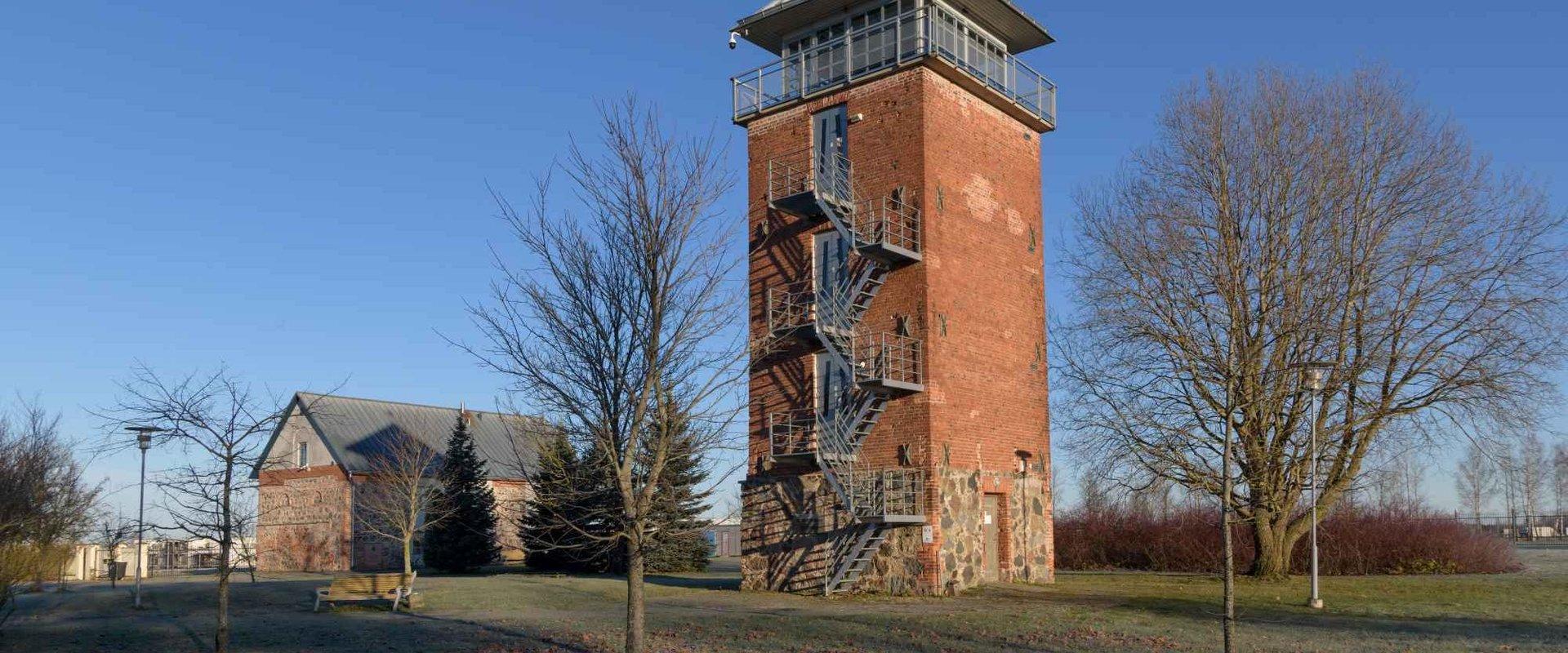
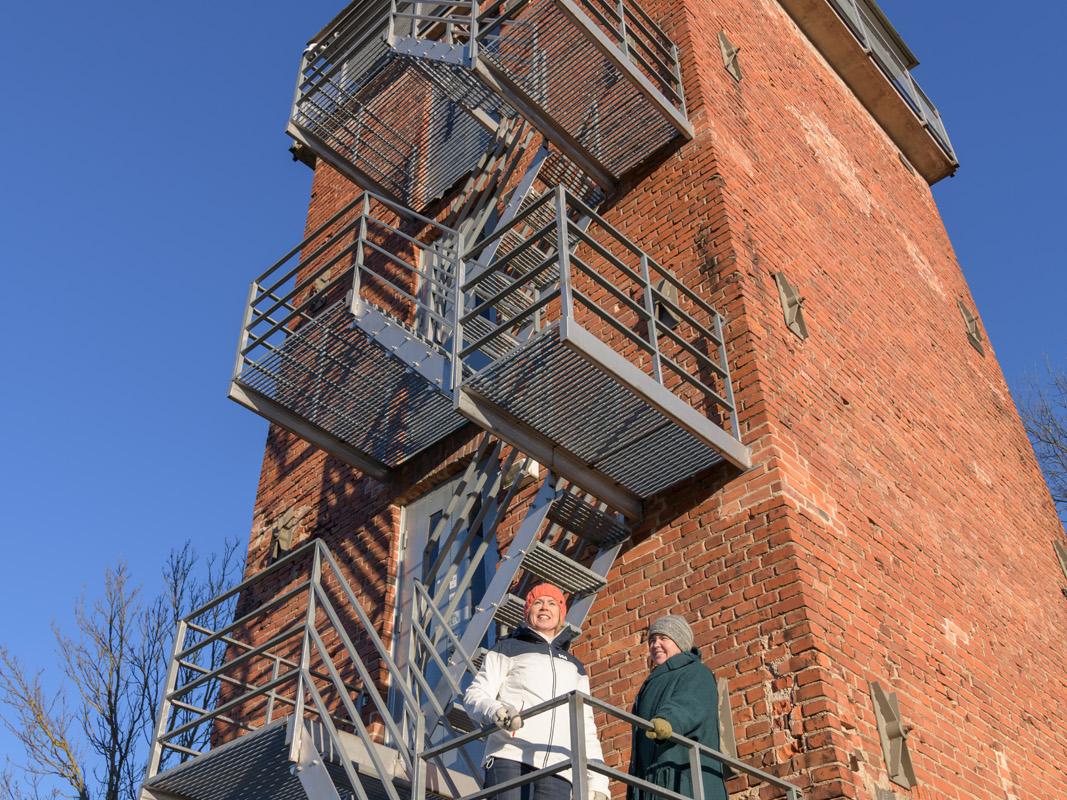
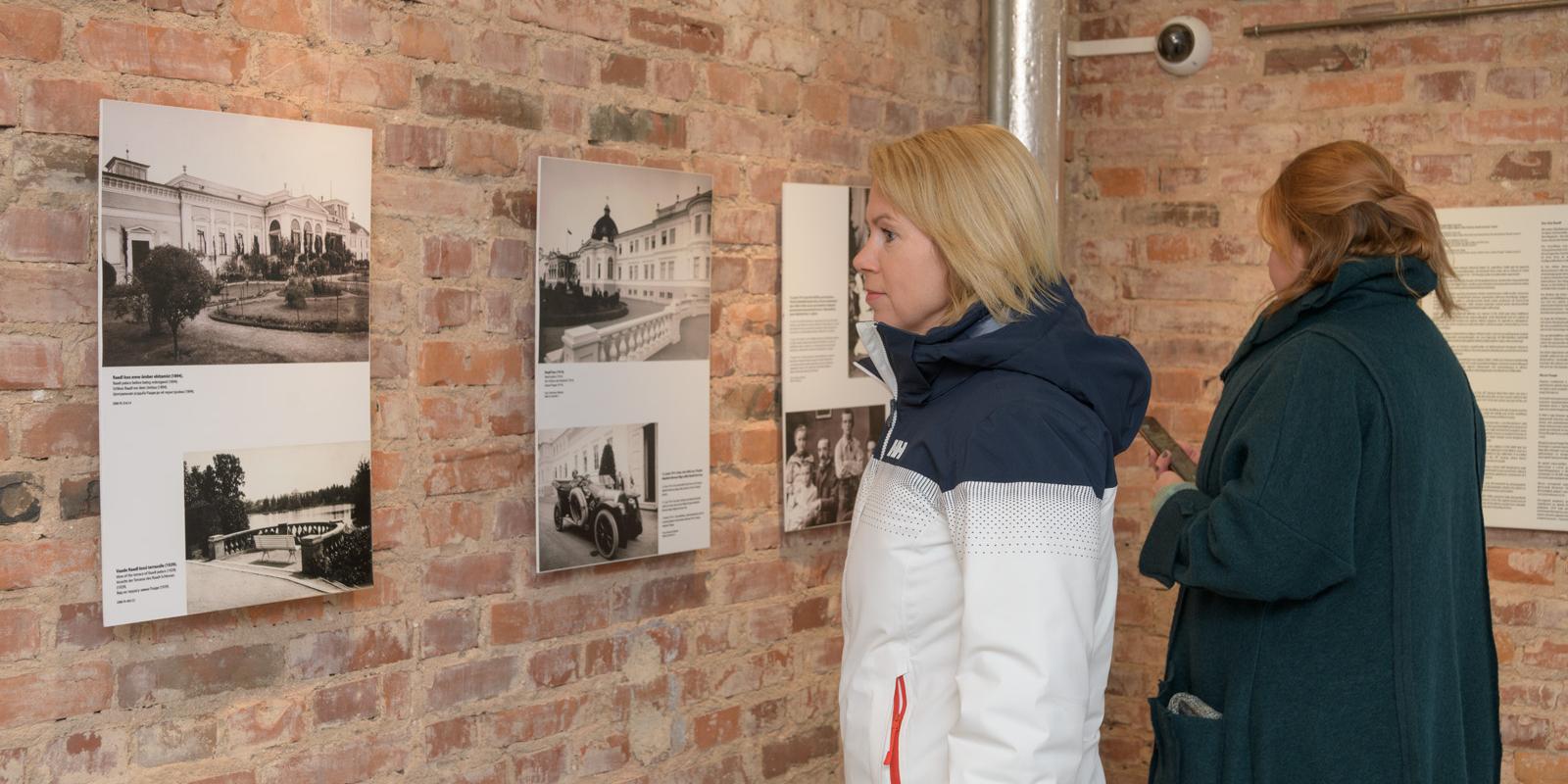
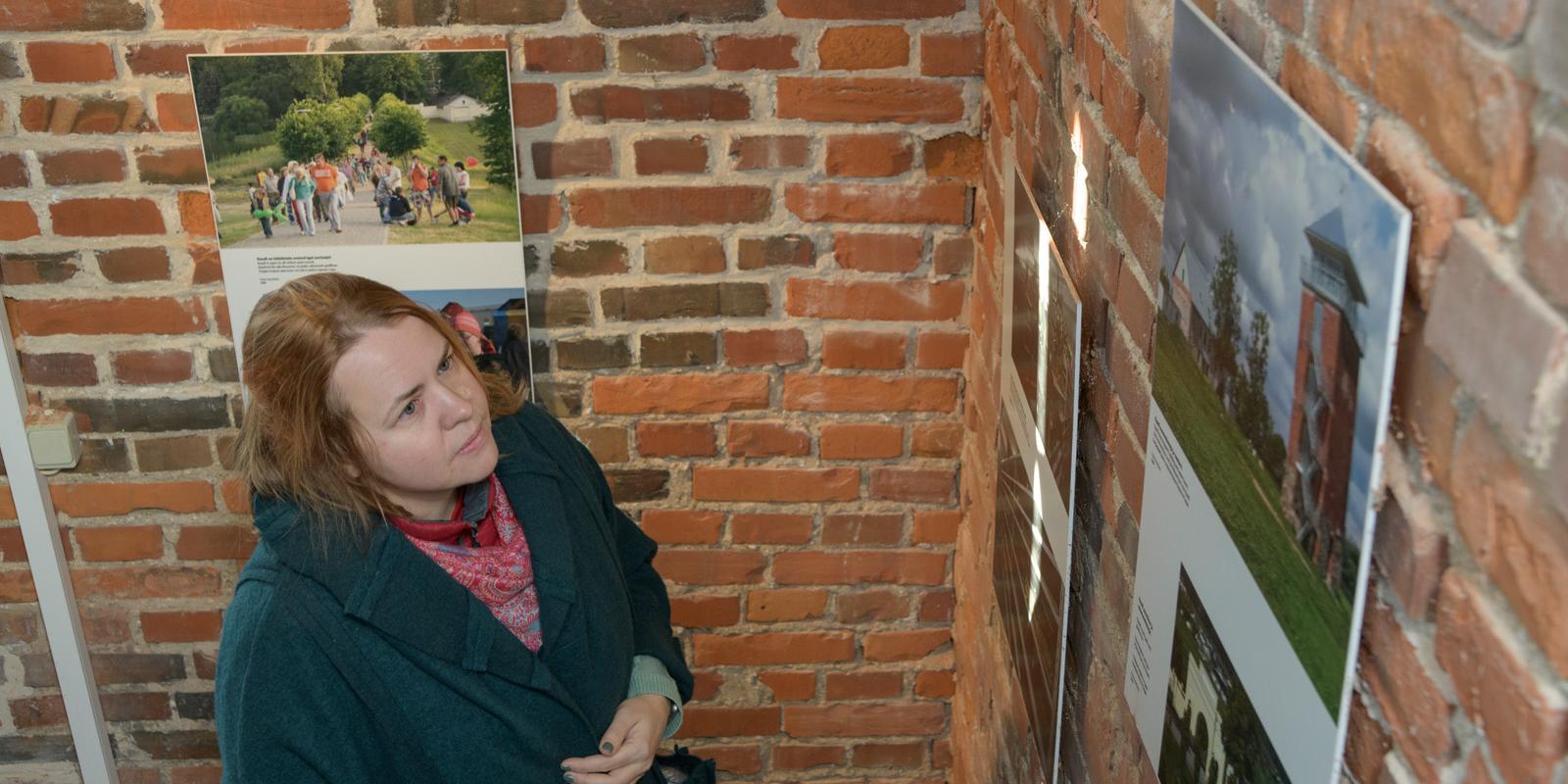
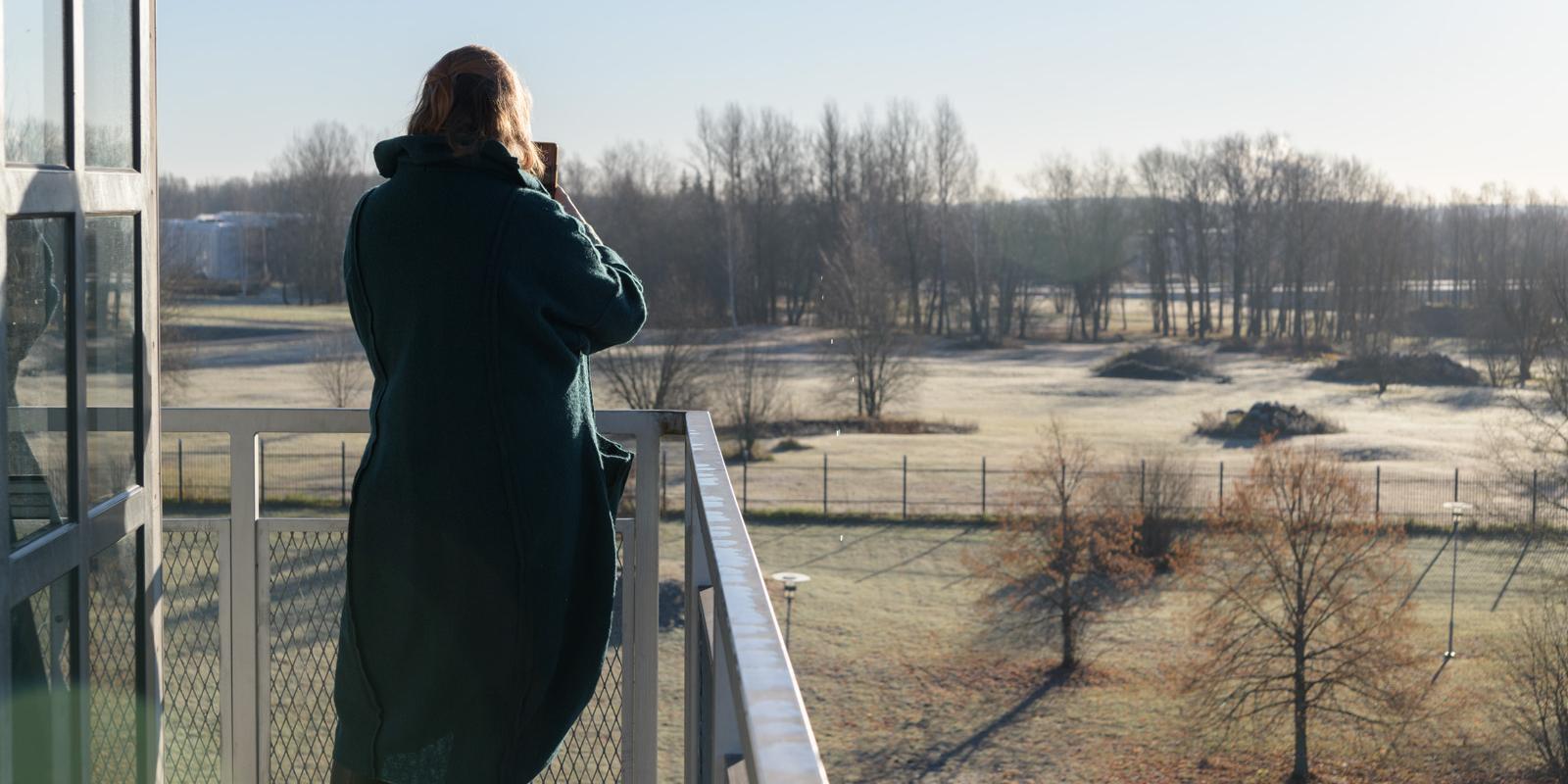
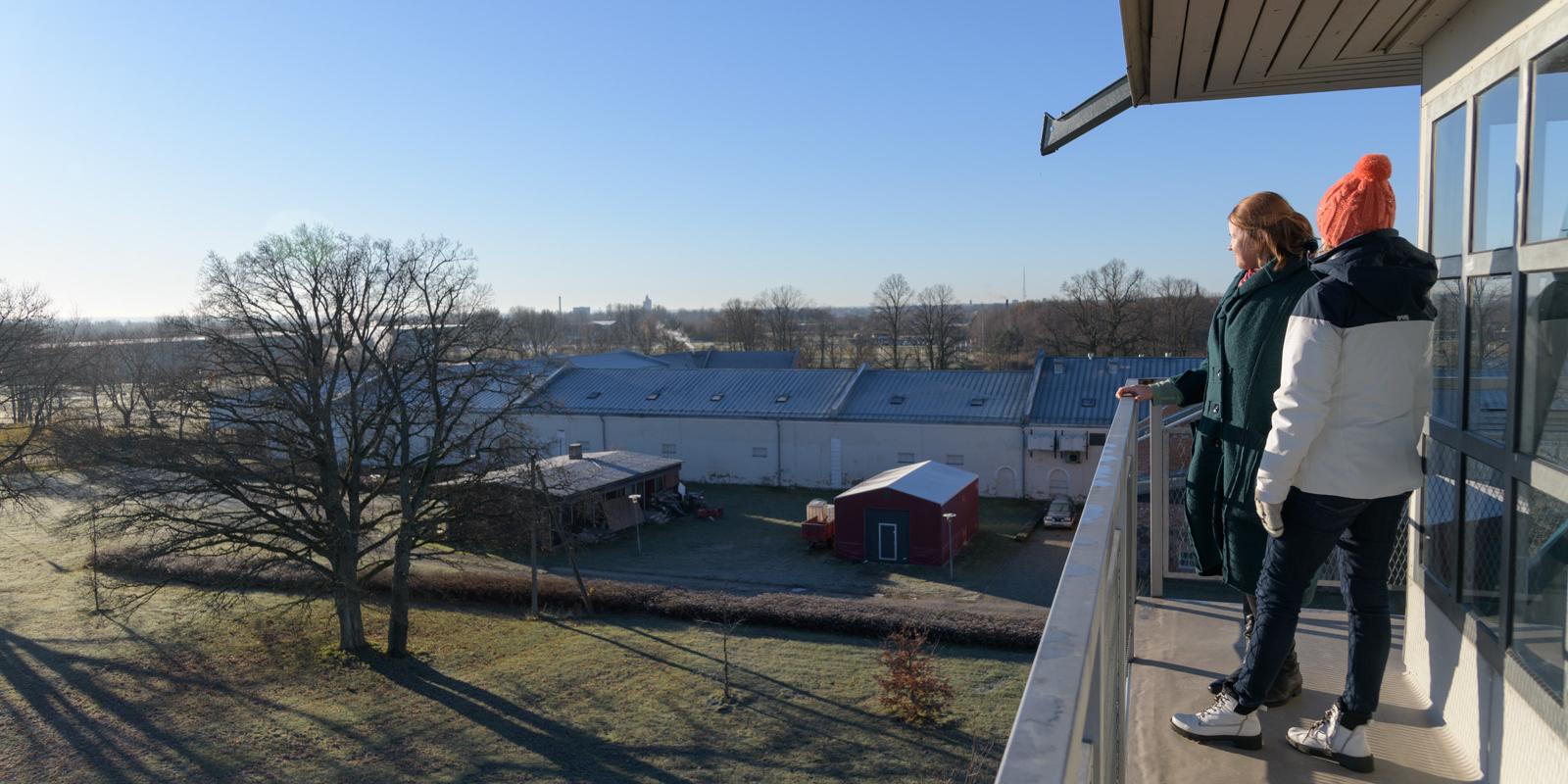
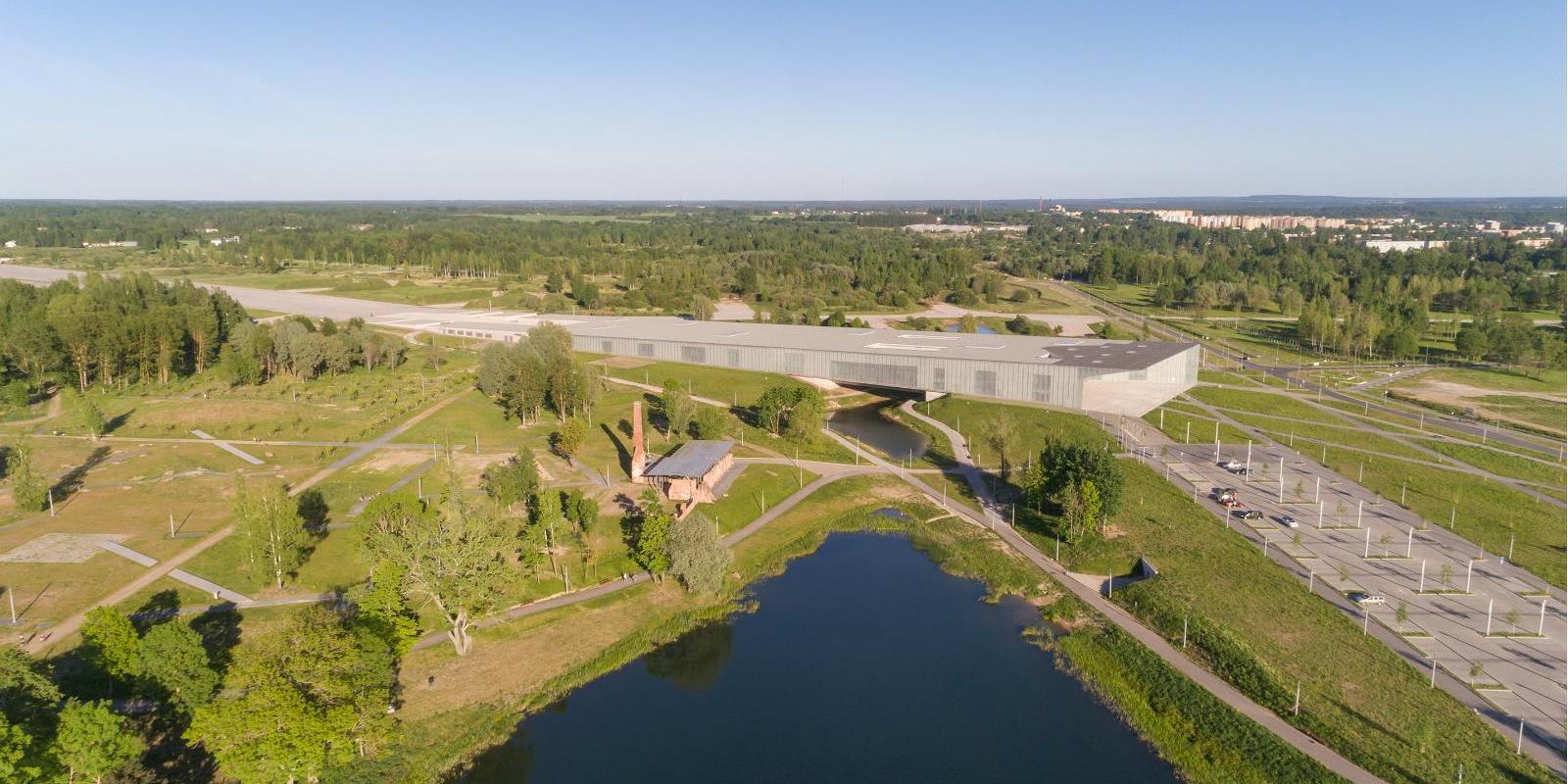
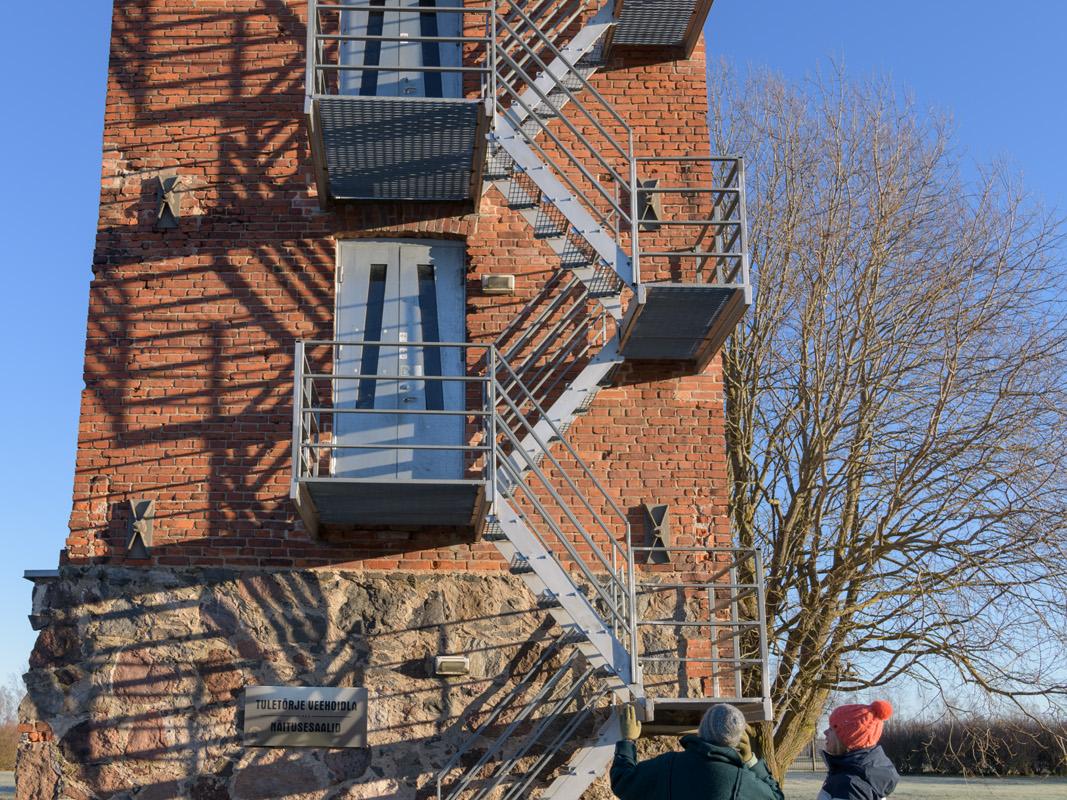
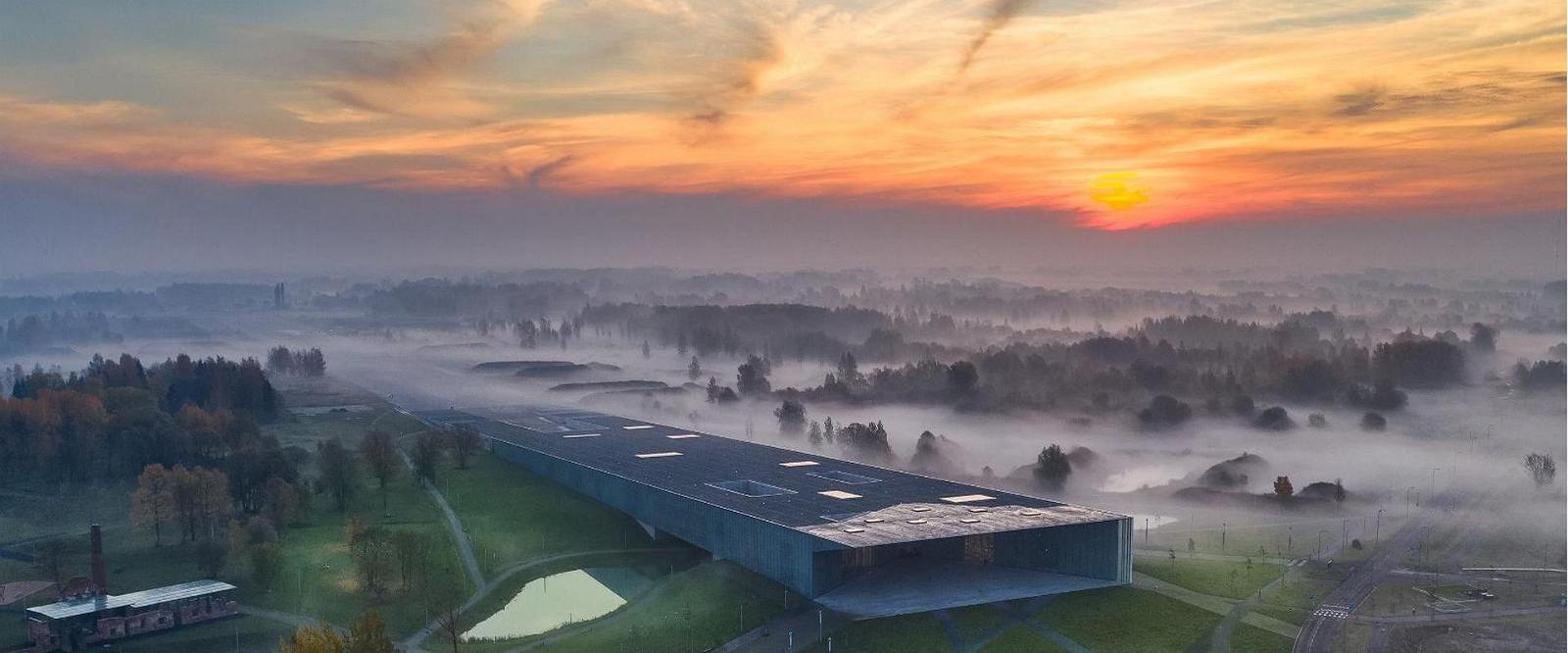
The water tower of Raadi Manor dates back to the 19th century. In ancient times, the tower housed the manor clock, which let the manor workers know it was time for lunch. After World War II, the building was used by the Soviet army and was restored in 2002.Inside the water tower is an exhibition of the Estonian National Museum. Visiting the photo exhibition Raadi Through the Ages, which runs along the floors of the water tower, offers not only historical knowledge but also enchanting views of the cosy Raadi Manor Park.The exhibition is open by reservation and a visit to the water tower can be ordered together with the guided tour of the Estonian National Museum ‘Raadi Manor Park Tour’.
Amenities

  • Free parking
  • Recreation area/picnic ground

Open times

1. mai - 31. aug

Eeltellimsel

Contact

  • +372 736 3051
  • erm@erm.ee

Links

See more

Välgi St Alexander Nevsky Church

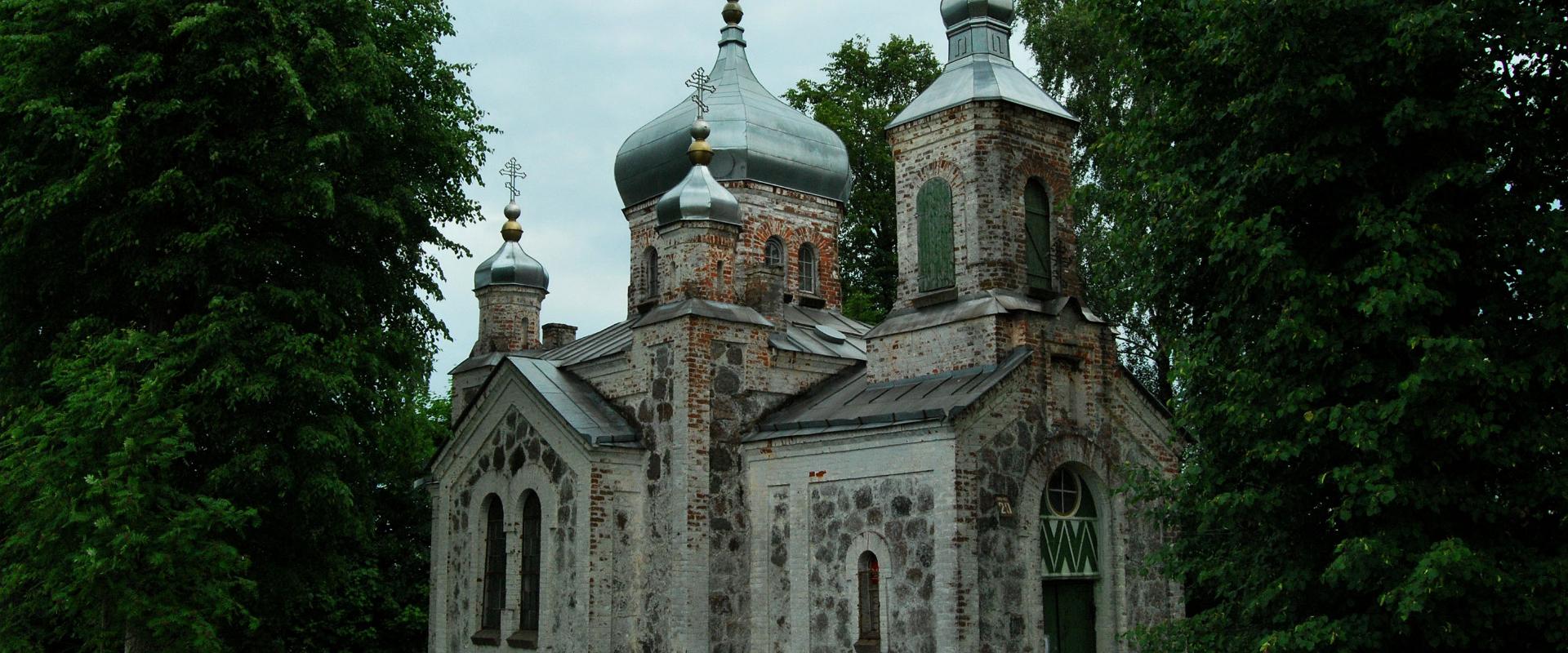
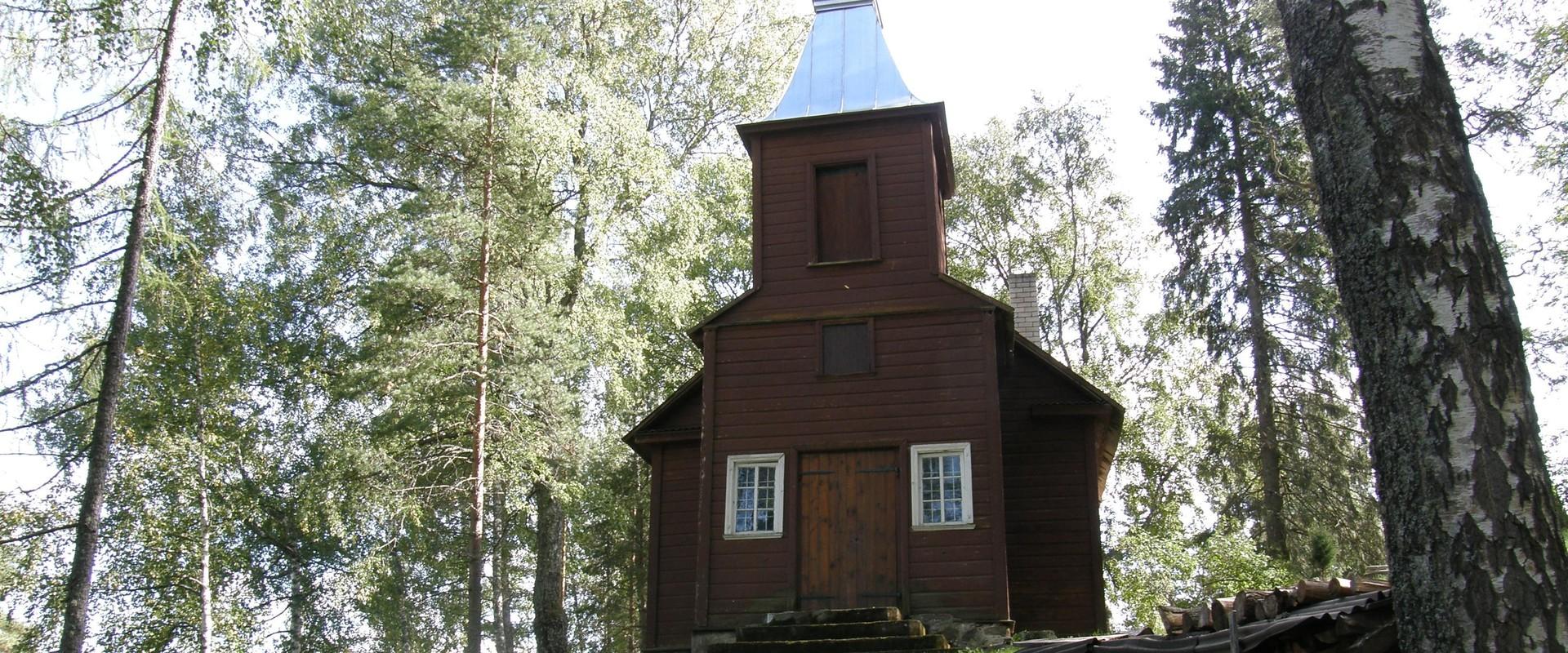
You will find the orthodox St Alexander Nevsky Church, which was built in 1859, in Välgi Village.Interesting facts: - there are many burial mounds in the Votian style near the church that date back to the 13th century.

  • Guided tours
  • Workshops
  • Virtual reality (VR)

University of Tartu Art Museum

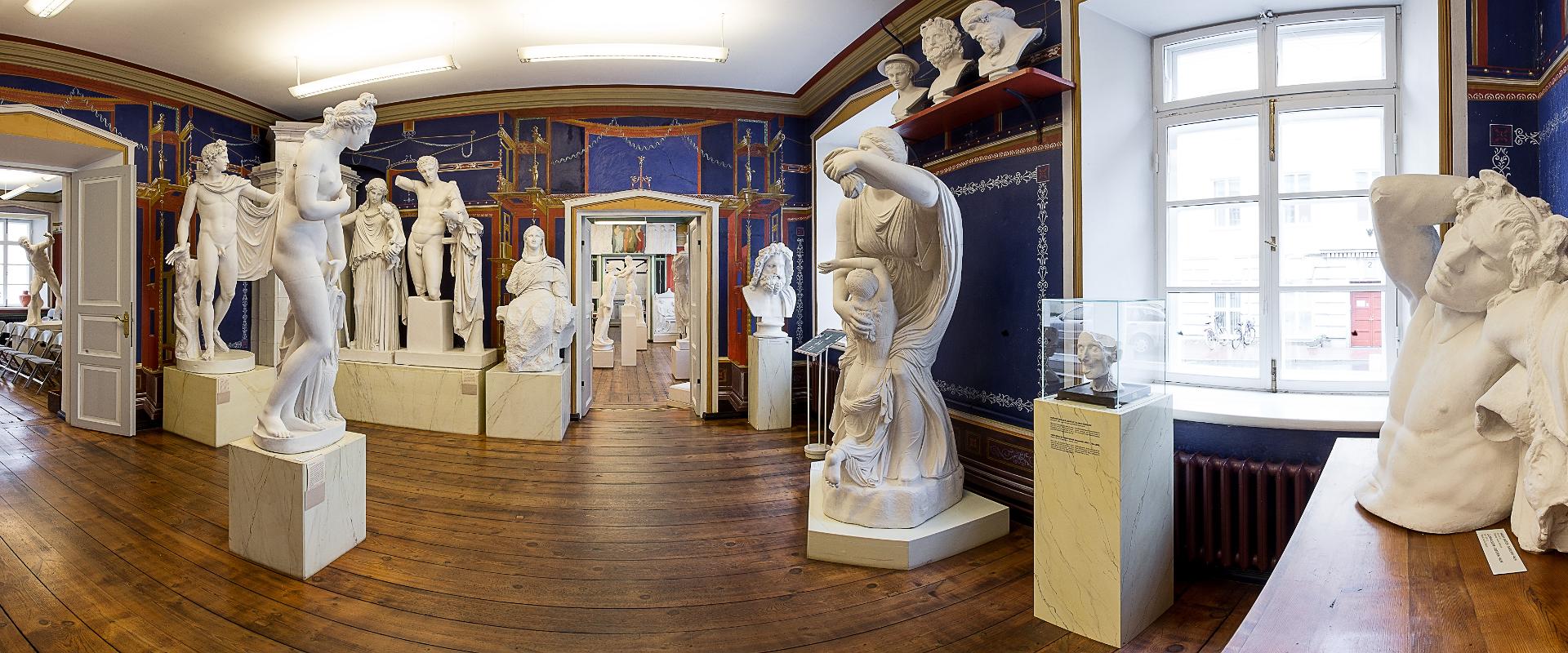
The University of Tartu Art Museum is located in the historical University Main Building and has Pompeian-style interior. The museum’s permanent exhibition consists of sculptures, mostly from the antiquity – original size plaster cast copies of the best works of Archaic, Classical, and Hellenistic Greece. The Art Museum also displays many ancient originals: coins, vases, clay lamps, and cuneiform tablets. There is also the mysterious mummy chamber, where you can find a genuine Egyptian mummy. You can also visit the beautiful Assembly Hall of the university and the student lock-up in the attic.

  • Family friendly

Children’s floor of the Estonian Road Museum

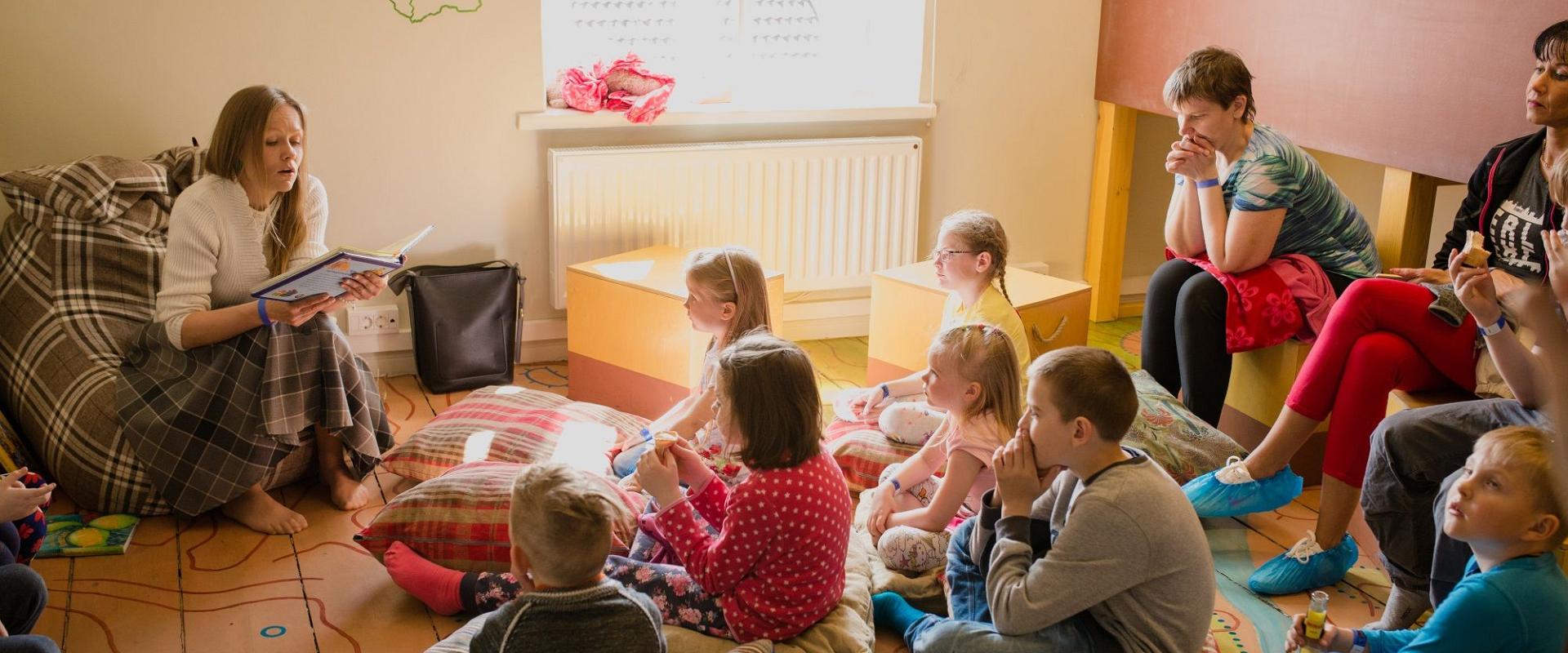
There is a unique children’s museum on the first floor of the Varbuse post station of the Road Museum. Children have the whole floor to themselves for having fun. Here, you will find exciting reading, educational games and activities, a puppet theatre, and the Chamber of Secrets which introduces fairy tales.There is an animal called Ajaloom (Time Animal) living in the children’s museum who is excited to meet his new friends to explore together what time is. The children’s floor is perfect for organising birthdays: it can accommodate up to 20 guests.

  • Churches

Nõo Holy Trinity Church of the Estonian Apostolic Orthodox Church

There is a remarkable historicist Orthodox church with quarrystone and brick walls and five onion-cupolas in Nõo small borough.The Nõo Congregation was founded in 1852 for Estonian Orthodox Christians who previously belonged to the Tartu Georgi congregation. The architecturally remarkable church is made of quarrystone and red bricks and has a bell-tower in the western side. It was completed in 1873. The interior architecture of the church is simple and the iconostasis dates back to the late 19th century.Services are held in the Holy Trinity Church in Nõo on the second Saturday of each month.

Vaksali bridge and tunnels

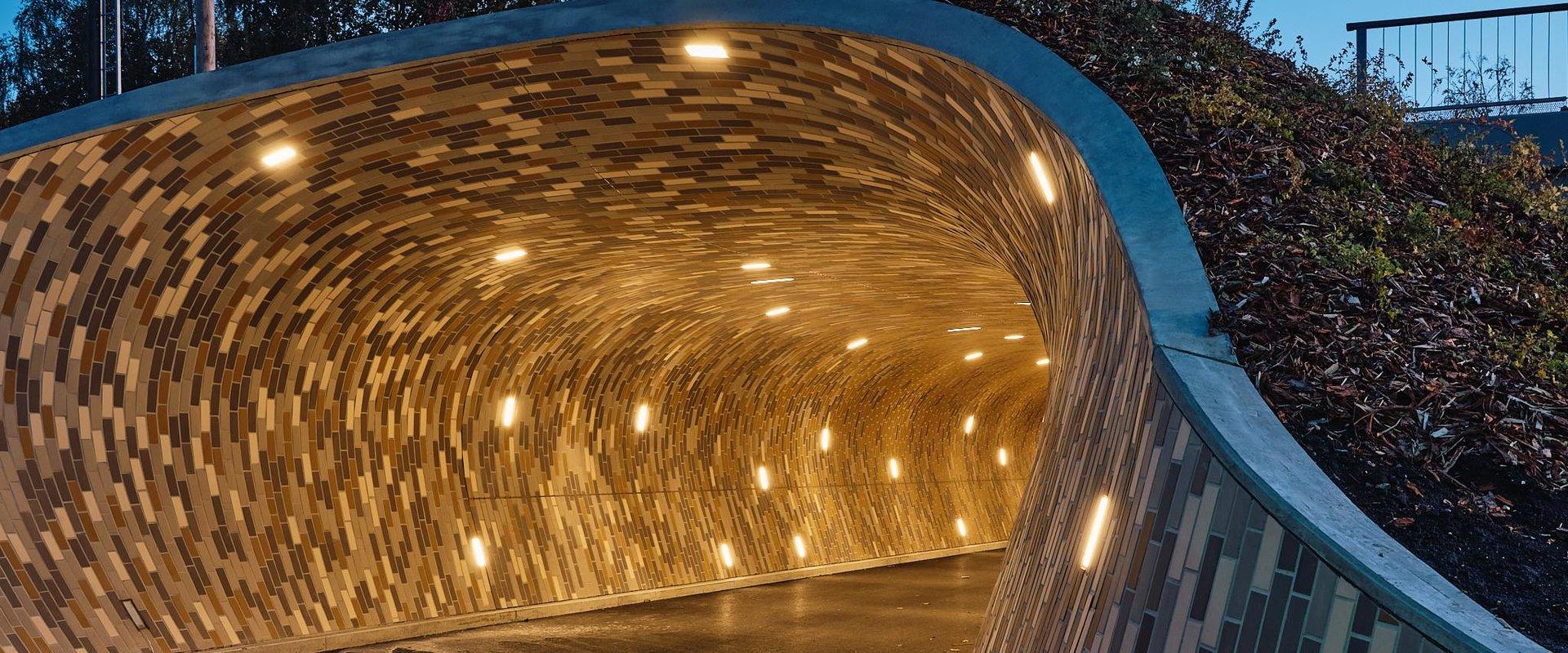
Do you know where photographers interested in architecture can take photos worthy of Instagram in Tartu? One of the most popular photography places in Tartu is the beautiful streamlined tunnels with cosy lighting built next to the Riga–Vaksali railway viaduct and the Vaksali bridge. The concrete frames of the pedestrian tunnels were pushed through the embankment of the railway dam – such a complex tunnelling technology was used for the first time in Estonia when renovating the intersection. Come take your best picture and share it on Instagram with the captions #vaksalisild, #visittartu, and #puhkaeestis!

  • Churches

Tartu St Alexander’s Church of the Estonian Apostolic Orthodox Church

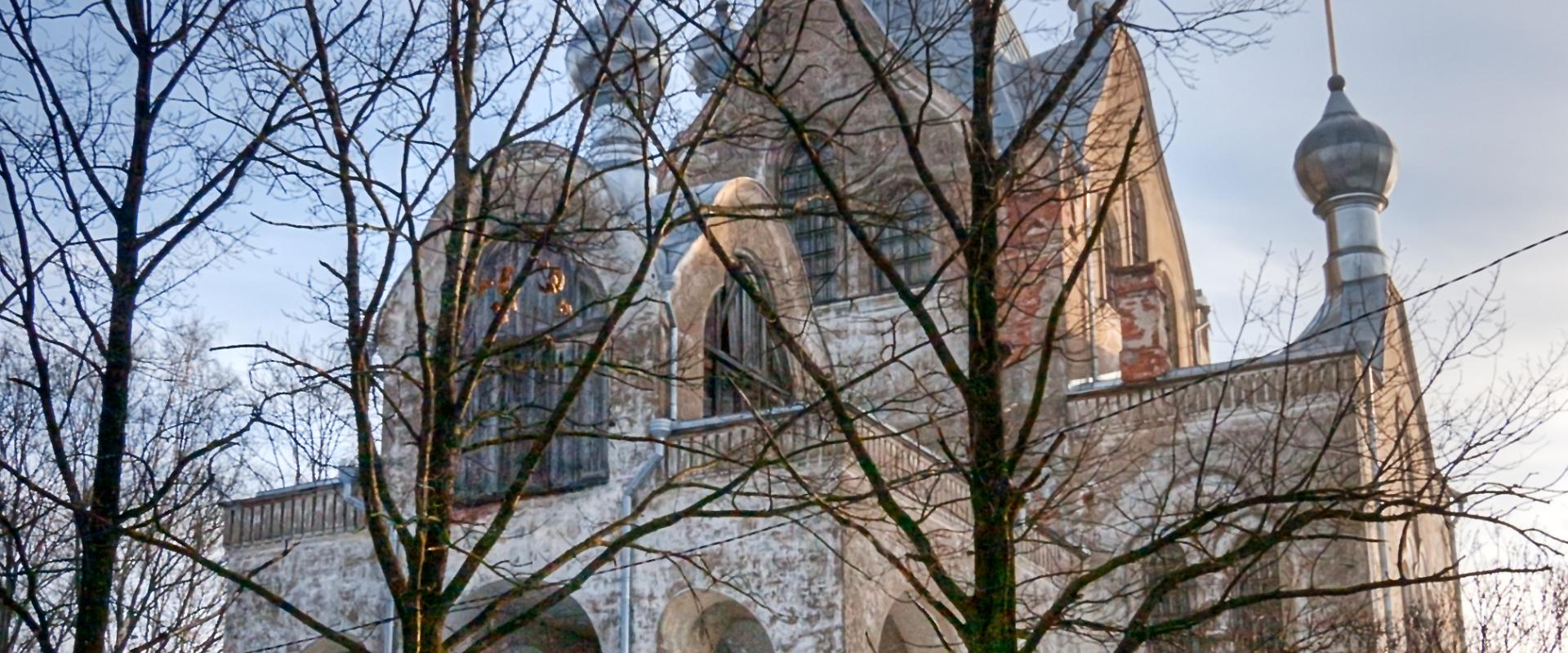
Come and take a look at the two-storey St Alexander’s Church in Tartu with its onion domes inspired by old Russian church architecture (architect Vladimir Lunski). Construction of the church started in 1914 and it was re-consecrated in 2003. Interesting facts: - a zinc box with the remains of a saint and a copper plate with a letter have been placed in the cornerstone of Tartu Alexander’s Church. The cornerstone was put in place by Archbishop Ioann during the reign of Emperor Nicholas II on 27 May 1914; - the church was nationalised in 1940 and it was used as a storage building by the University of Tartu and the Estonian National Museum.

Treski Village Chapel

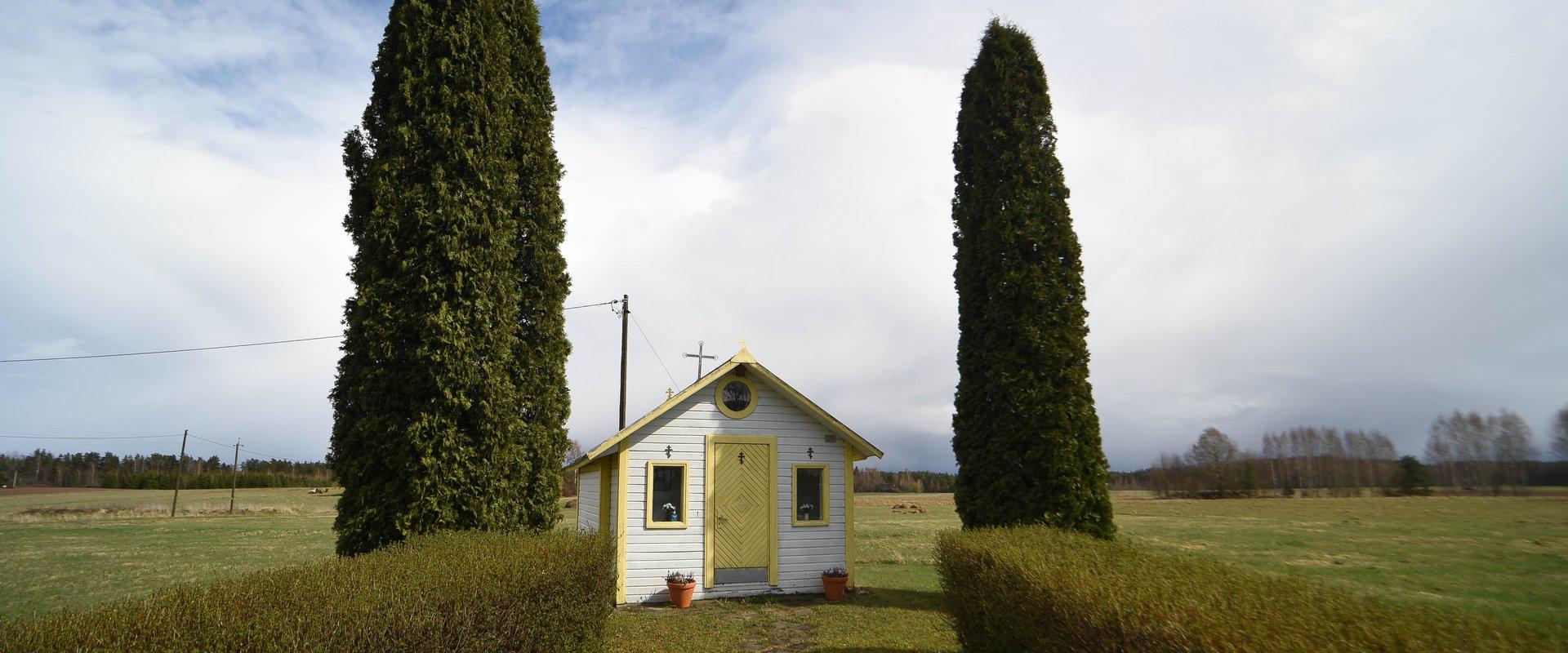
The tiny Treski tsässon, or Orthodox village chapel, can go unnoticed as you pass by it, though it is located right on the road. The villagers say that the building was built around the middle of the 18th century. Treski tsässon's patron saint is St. John the Baptist, and so St. John's Day is celebrated as a village holiday. Unlike in the rest of Estonia, St. John's Day is celebrated according to the Orthodox calendar here, so 13 days later. It's held on 7 July, meaning the party will be held on 6 July. Treski is renowned for its cheerful St. John's Day celebrations.

  • Monuments

The Fr. R. Kreutzwaldi Monument and Park on the Shore of Lake Tamula

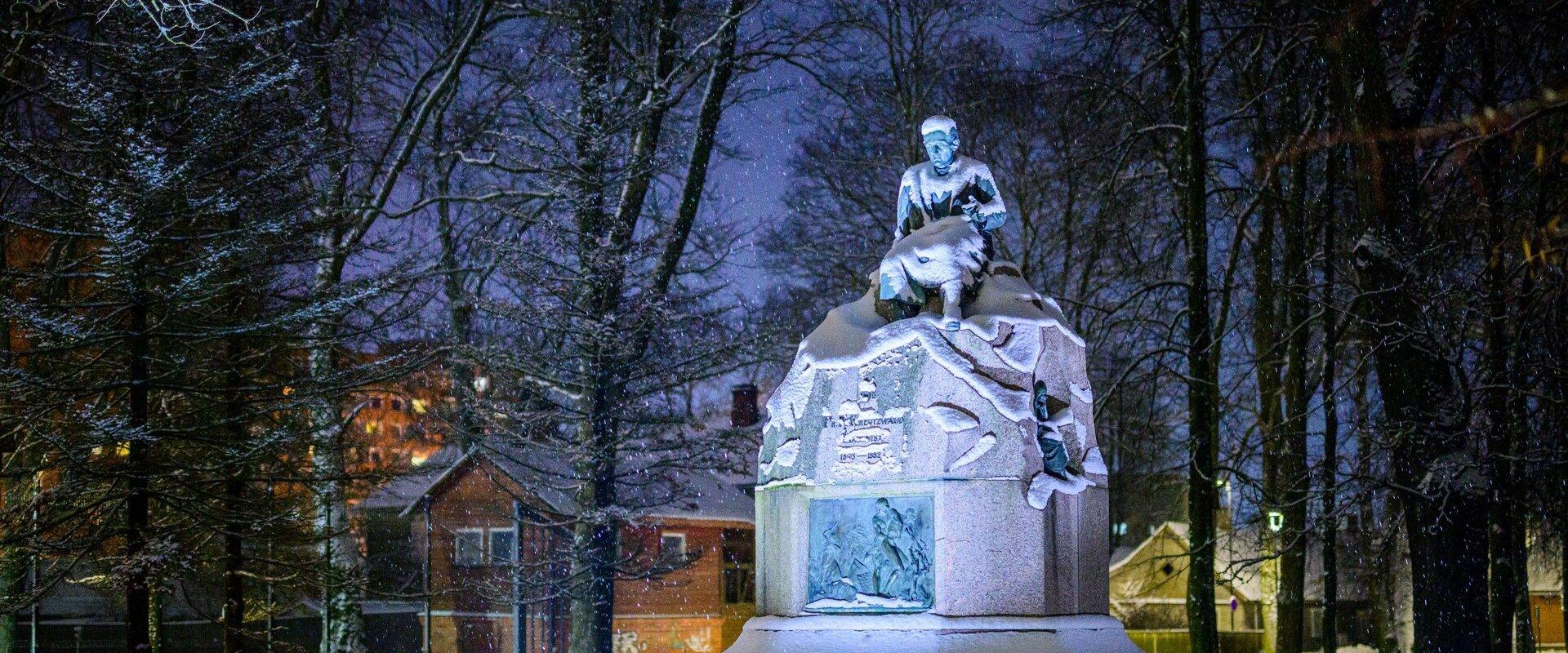
The Monument to Dr. Fr. R. Kreutzwald is located in a park on the shore of Lake Tamula. The author of the monument is A. Adamson and it was cast in bronze in Italy. The monument was opened in 1926. It is not known when the park was founded, however the age of most of the species of trees, birches and lindens is estimated at more than one hundred years. The coniferous trees in the park include spruces and firs. Lake Tamula has an oval shape in an east-west direction with an average depth of 4.2 m. The lake is deepest to the northeast of its centre (7.5 m) and has a surface area of 231 ha. There is a swimming area, beach and a beautiful promenade on the shore on the city side. In Kreutzwald Park, there is an accessible trail.

  • Collaboration
  • News
  • Contacts
  • Privacy Policy
Join our mailing list!

"*" indicates required fields

This field is for validation purposes and should be left unchanged.
I authorise marketing

South Estonia Tourism Cluster

info@visitsouthestonia.com