• Открой
    • Еда
    • Природа
    • Культура
    • Семья
    • Спорт
    • Сообщество
    • Блог
    У Вас появились свободные выходные, чтобы провести с детьми? Здесь собраны лучшие места в Южной Эстонии для семейного отдыха
  • Планируй
    • Размещение
    • Информация
    Устойчивый туризм
RUS
  • РусскийRUS
  • EestiEST
  • EnglishENG
  • LatviešuLAT
  • SuomiFIN
RUS
  • РусскийRUS
  • EestiEST
  • EnglishENG
  • LatviešuLAT
  • SuomiFIN
Популярные запросы:
Показать все результаты
  • History & Culture
  • Art & design

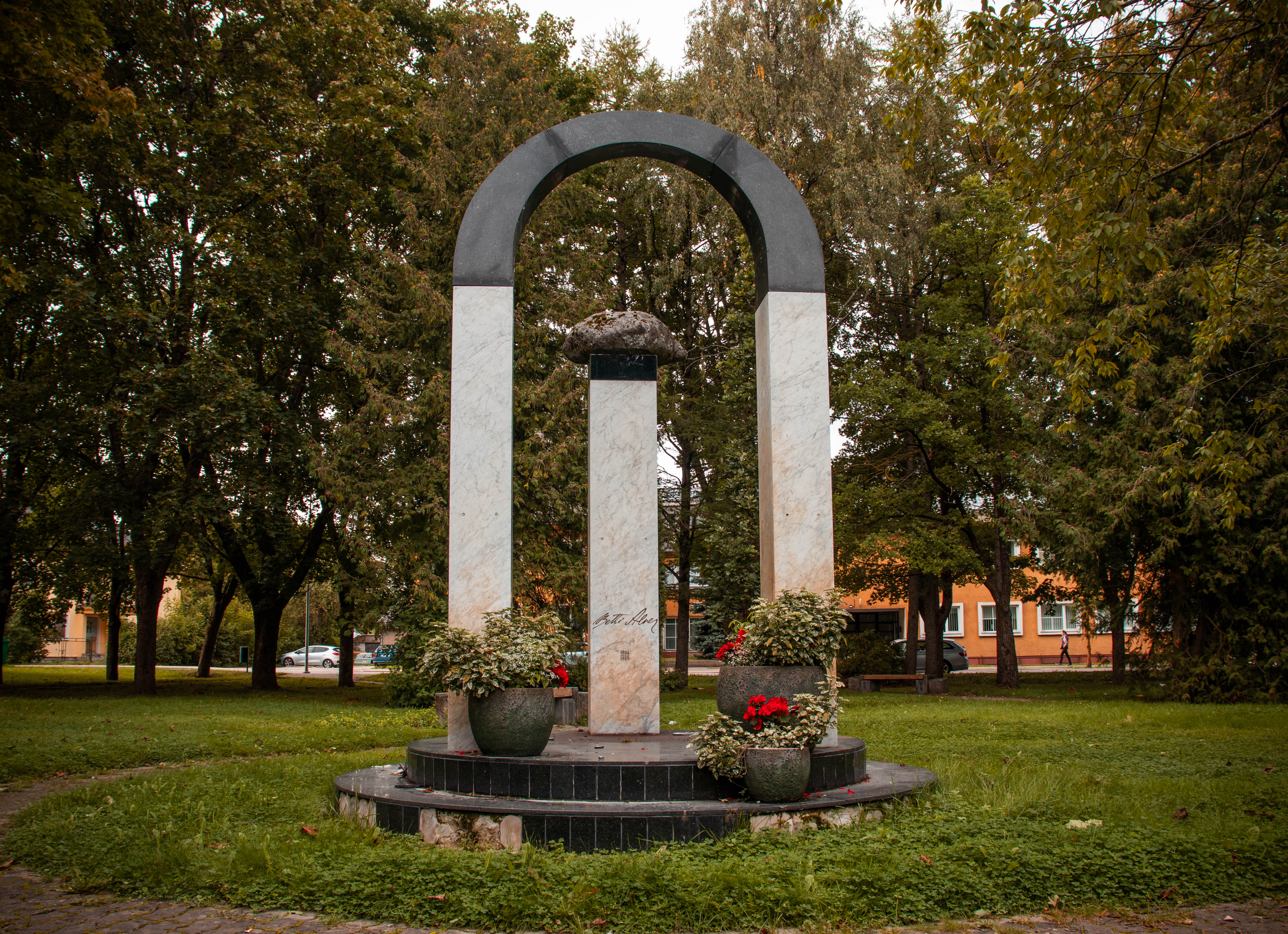
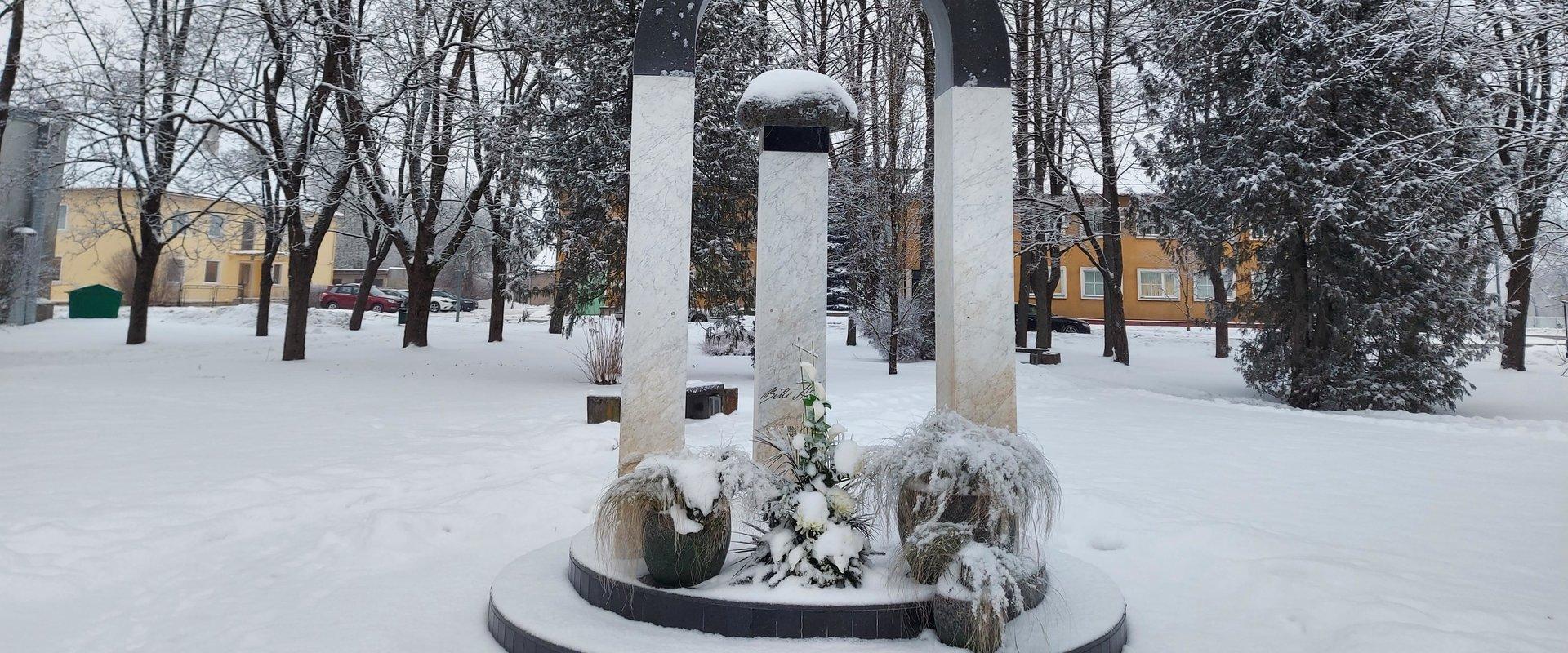
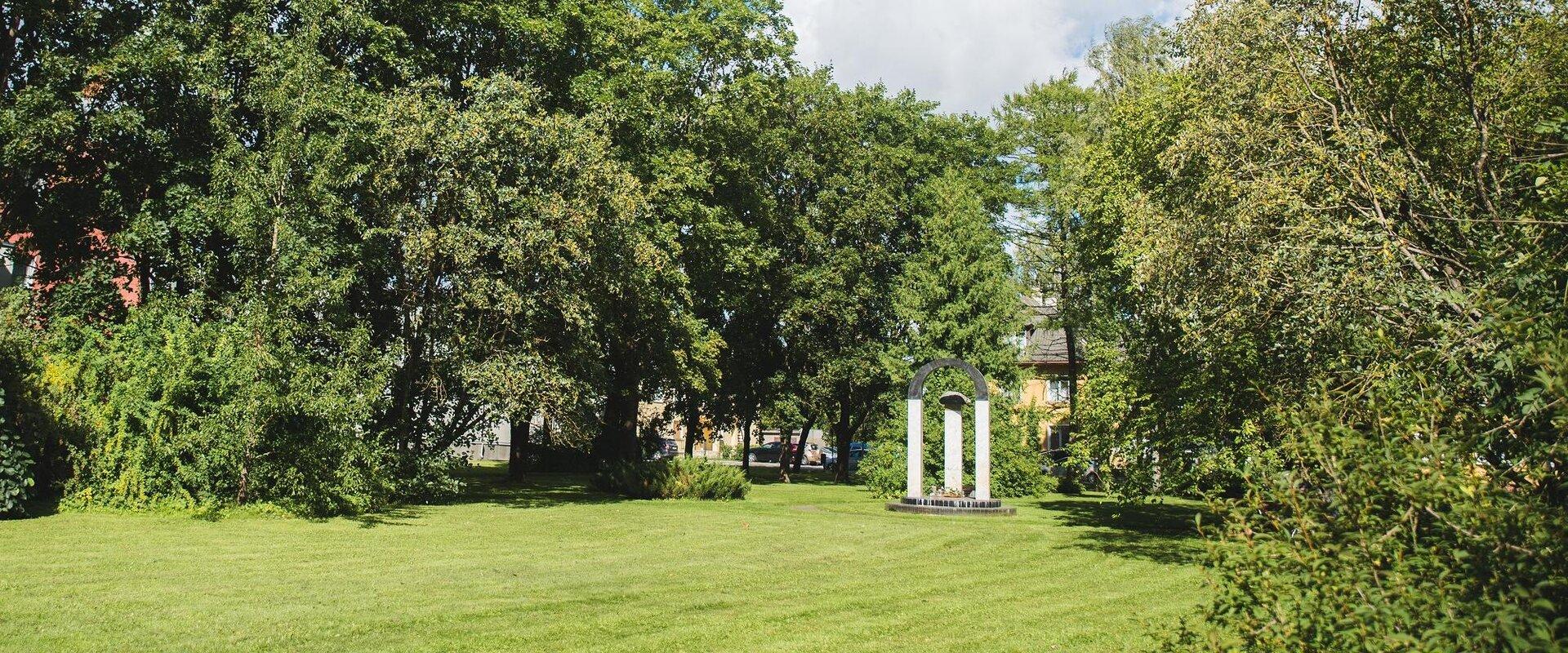
Monument and memorial park to Betti Alver

Suur tn 2, Jõgeva vald, Jõgeva maakond, 48306

The park and monument dedicated to Betti Alver were opened with a ceremony on the writer’s 90th birthday in 1996. This is not a traditional bust of a writer, but a symbol focussed on creation. The poet’s autograph, signature in stone, is in the base of the monument. The monument as a whole depicts the airy lightness, classic strictness and energetic striving of the poet’s works, but also shows contrasts, suppressing and destructive forces. The general image of the monument represents Betti Alver’s fate and story.
Удобства

  • Free parking

Часы работы

Круглый год

Ööpäevaringselt

Ссылки

Подробнее

Raadi Cemetery

Raadi Cemetery is the largest cemetery in Tartu, consisting of cemeteries of several different congregations which were merged as late as in 1961. The congregations of Mary and Peter make up the largest part of the cemetery. There are many graves of cultural figures and researchers in the Vana-Jaani cemetery, as well as in the newer part of the University cemetery.Above the main gate of the cemetery is the inscription in the local Tartu language 'Õnsa omma ne koolnu, kes Issandan koolwa.' The Douglas fir alley in the military cemetery is under nature protection.Previously, the Vana-Jaani cemetery had a Jewish cemetery on the side of Narva maantee and an Islamic cemetery on its side.

  • Guided tours
  • Workshops

Mõniste Museum

The Mõniste Museum is the oldest open-air museum in Estonia; here you can light a fire in a Stone Age tepee or practice archery, slinging or lassoing. You can also learn how to make bone and earthenware objects, weave fishing nets and fabric, grind grain or bake a loaf of Stone Age bread. The threshing barn dating back to Czarist times features the interior of the 19th century building, tools, household utensils and clothing. The farmhouse from the times of the first Republic of Estonia exhibits the tools that blacksmiths used, horse necessaries, handicraft tools, national costumes, folk music instruments, etc. You can also try what farm works felt like at that time.

  • Lighthouses

Mehikoorma Lighthouse

Mehikoorma Lighthouse is located on the west coast of Lake Lämmijärv in the south end of Lake Peipus. The first data from the beacons located in Mehikoorma, which showed the shipping route to Piirissaare towards north and to Sausaare towards south, date back to the First World War. By 1929, a beacon with a blinking light had been installed in Mehikoorma. The wooden beacon was replaced with a lighthouse built of reinforced concrete in 1938. The lighthouse, which is 15 m high and 3 m in diameter, worked on acetylene energy. Mehikoorma Lighthouse, with its 15 m of height, is the highest lighthouse of Lake Peipus. Visitors can only see the lighthouse from the outside.

  • Churches

Nõo Holy Trinity Church of the Estonian Apostolic Orthodox Church

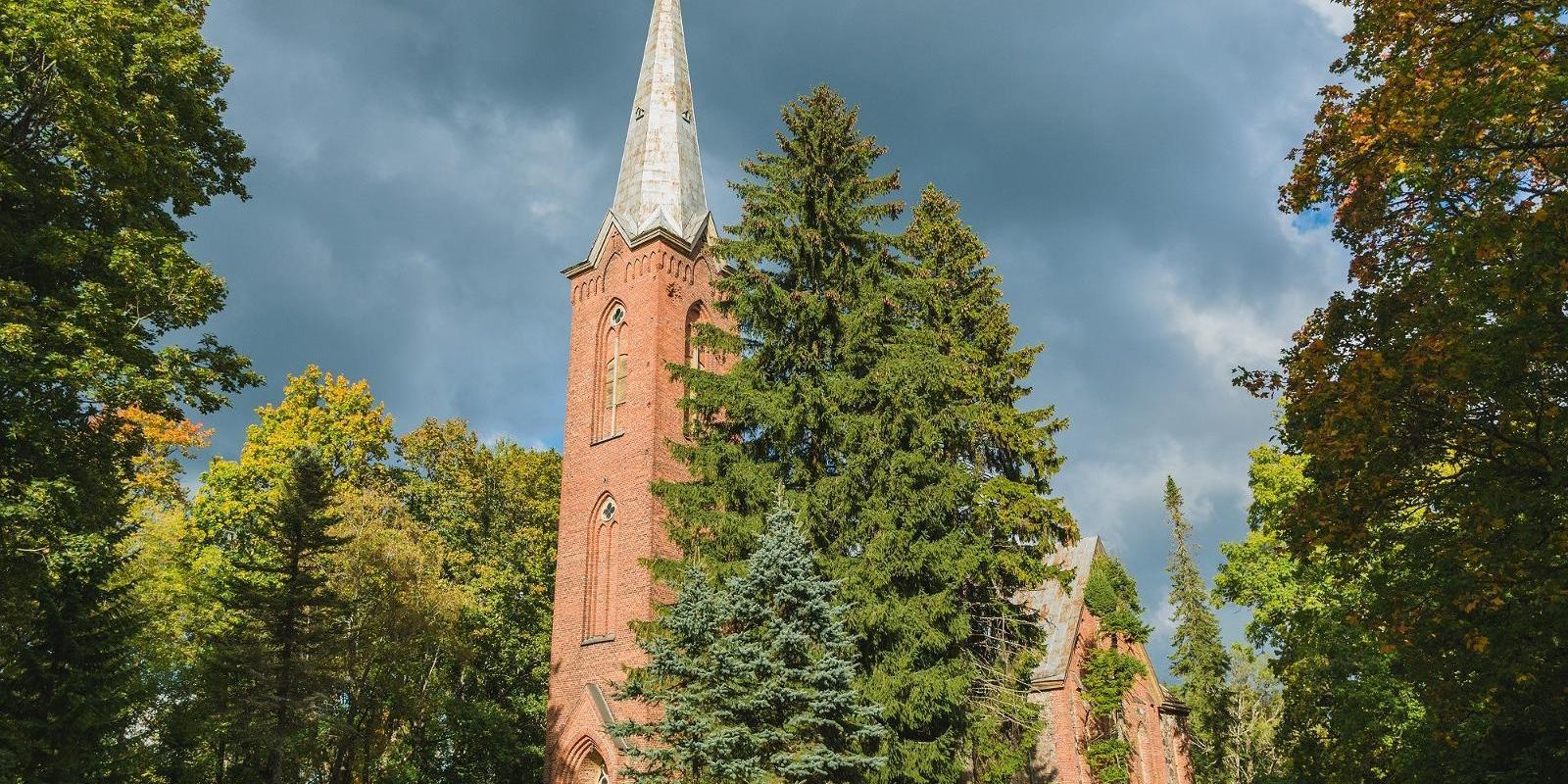
There is a remarkable historicist Orthodox church with quarrystone and brick walls and five onion-cupolas in Nõo small borough.The Nõo Congregation was founded in 1852 for Estonian Orthodox Christians who previously belonged to the Tartu Georgi congregation. The architecturally remarkable church is made of quarrystone and red bricks and has a bell-tower in the western side. It was completed in 1873. The interior architecture of the church is simple and the iconostasis dates back to the late 19th century.Services are held in the Holy Trinity Church in Nõo on the second Saturday of each month.

Museum / thematic house Inglite Kodu (Home of Angels)

Have you ever been in the midst of thousands of angels? We offer this powerful and unforgettable experience in the recently opened museum / thematic house Inglite Kodu.Our family has a collection of over 5,000 angels and elves. The farthest we have brought them here is from New Zealand. We have porcelain, glass, metal, wood, and also textile angels.Here, you can escape the rest of the world and enjoy a cup of tea or coffee and the cake in the middle of angels. You can also buy lovely gifts and souvenirs here.

Loov Energia Torma workshop ‘Make your own mug’

Loov Energia Ceramic Studio is dedicated to creation and design. During the workshop in Torma, one cylindrical mug will be made, which will be left to dry and, after pre-firing, glazed by the instructor. The finished mug will be available within approximately two weeks after firing.The price of the workshop includes the materials and firing

  • Family friendly
  • Guided tours

Tartu City Museum

Tartu City Museum invites you to explore the city's diverse history and cultural heritage. The permanent exhibition, "Our Tartu," introduces the districts of Tartu, telling stories about the people of Tartu, their lives, and everyday habits. The exhibition provides insight into what makes each district in Tartu special, as each district has its own personality, as shared by local people. Visitors can also enjoy temporary exhibitions that introduce new topics and artistic perspectives. These exhibitions reveal different facets of Tartu, ranging from the city's architecture and social life to contemporary cultural phenomena. The museum offers guided tours and city tours, during which guides take participants on exciting journeys through Tartu's districts. These excursions are suitable for both local enthusiasts and visitors who wish to learn more about Tartu. The museum's premises can also be rented for various events. Come experience the story of Tartu through its people, places, and memories.

  • Sculptures

Otepää Energy Column

Otepää irradiates good energy! The monument that celebrates the existence of positive energy fields was opened in Mäe Street on 1 October 1992.The entire field is surrounded by benches and the location of these as well as the column itself was selected by psychics. The energy column is the symbol which reminds us that in this rapidly changing world, humans are a part of nature and everything is based on the rules of nature that rely on balance and co-dependency.

  • Privacy Policy

"*"обозначает обязательные поля

Это поле используется для проверочных целей, его следует оставить без изменений.
Я разрешаю маркетинг