• Explore
    • Nature
    • Culture
    • Food
    • Family
    • Activity
    • Blog
    Smoke sauna
    Weather and seasons
  • Plan
    • Accommodation
    • How to get here
    • Weather and seasons
    • Sustainability
    • Tourist info
    Discover South Estonia’s Most Beautiful Manors and Castles
    Top 20 Sights in South Estonia
  • For professionals
    • For professionals
    • Collaboration
    • News
    • Projects
    • Training
    • Repository
    • Community (opens in new tab)
    • Contacts
ENG
  • EnglishENG
  • EestiEST
  • LatviešuLAT
  • РусскийRUS
  • SuomiFIN
ENG
  • EnglishENG
  • EestiEST
  • LatviešuLAT
  • РусскийRUS
  • SuomiFIN
Popular searches:
Show all
  • History & Culture
  • Art & design

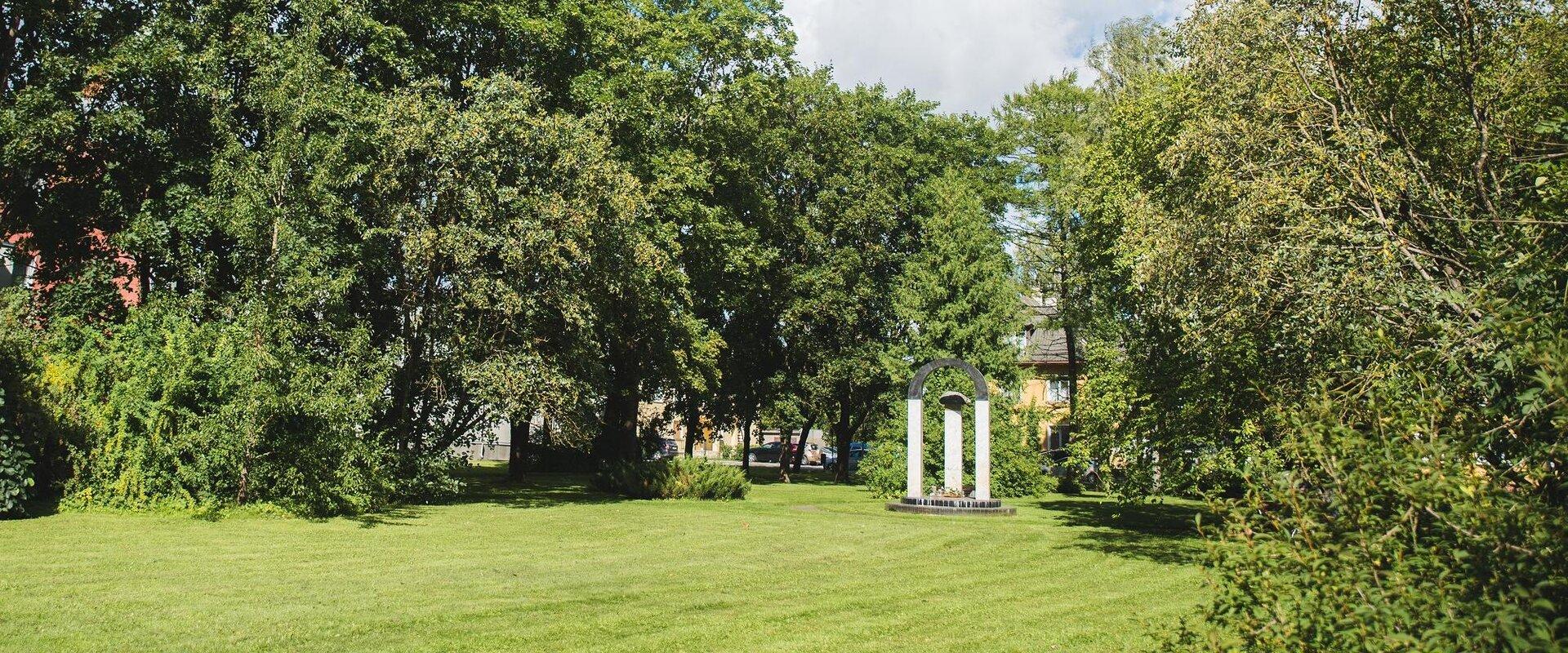
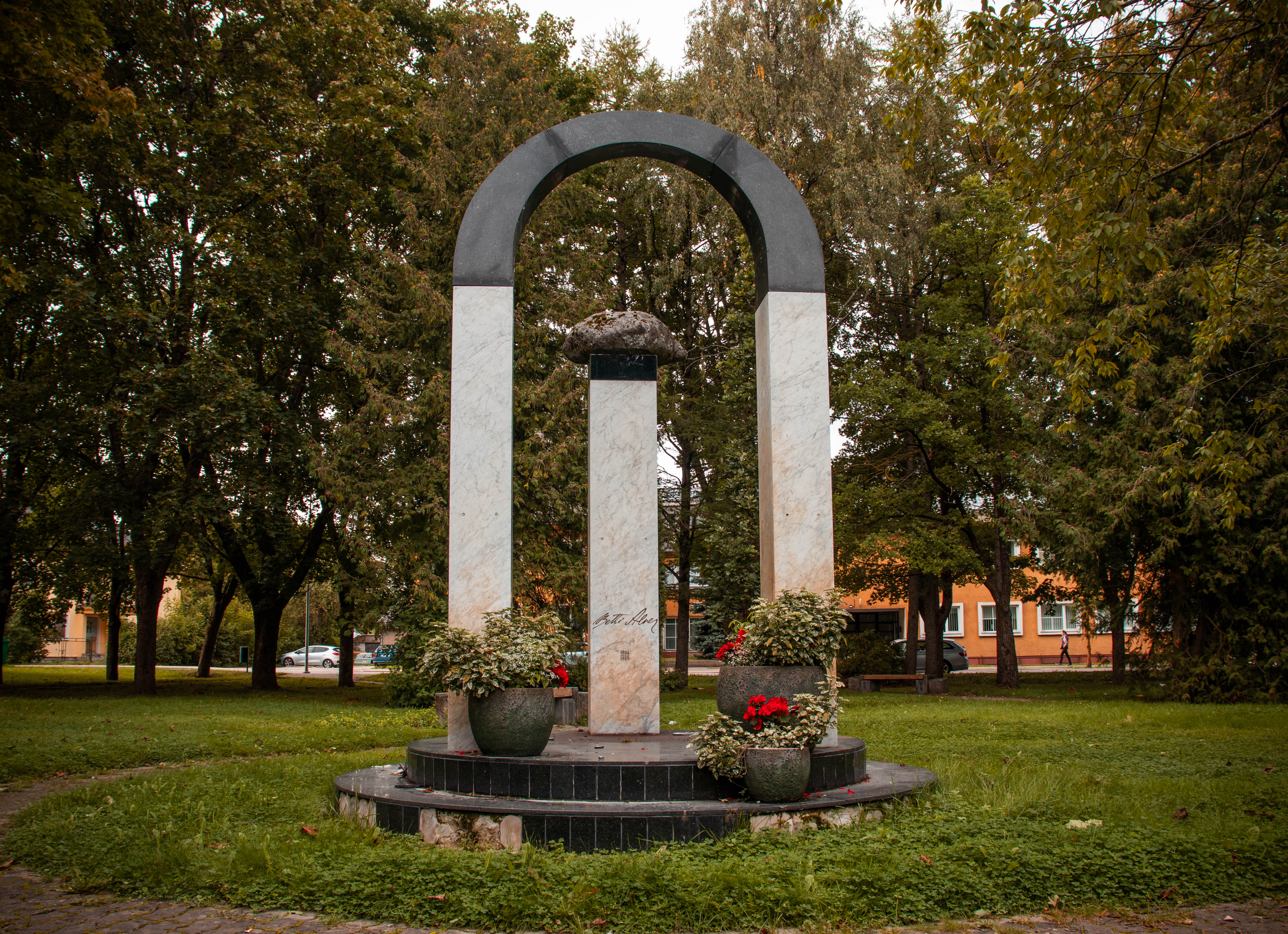
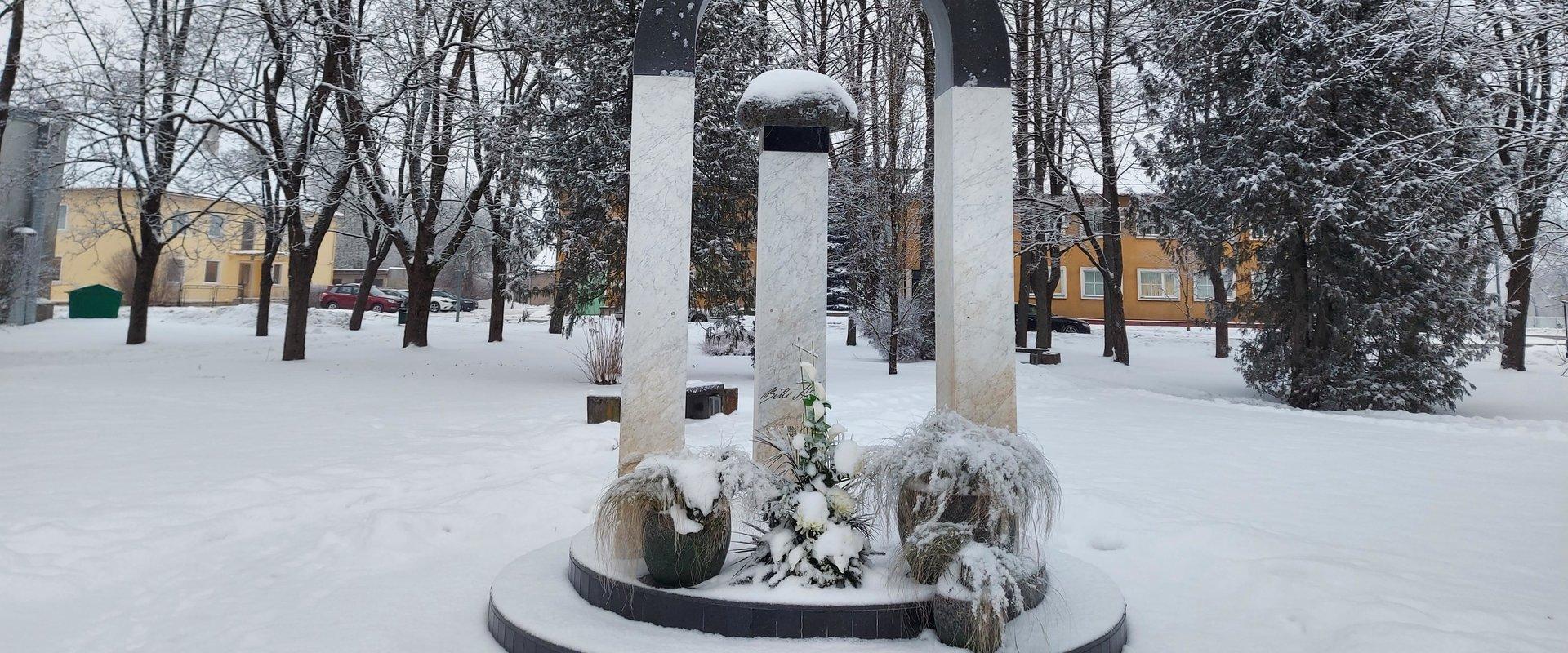
Monument and memorial park to Betti Alver

Suur tn 2, Jõgeva vald, Jõgeva maakond, 48306

The park and monument dedicated to Betti Alver were opened with a ceremony on the writer’s 90th birthday in 1996. This is not a traditional bust of a writer, but a symbol focussed on creation. The poet’s autograph, signature in stone, is in the base of the monument. The monument as a whole depicts the airy lightness, classic strictness and energetic striving of the poet’s works, but also shows contrasts, suppressing and destructive forces. The general image of the monument represents Betti Alver’s fate and story.

Amenities

  • Free parking

Open times

Throughout the Year

Around the Clock

Links

See more

Barclay de Tolly Mausoleum

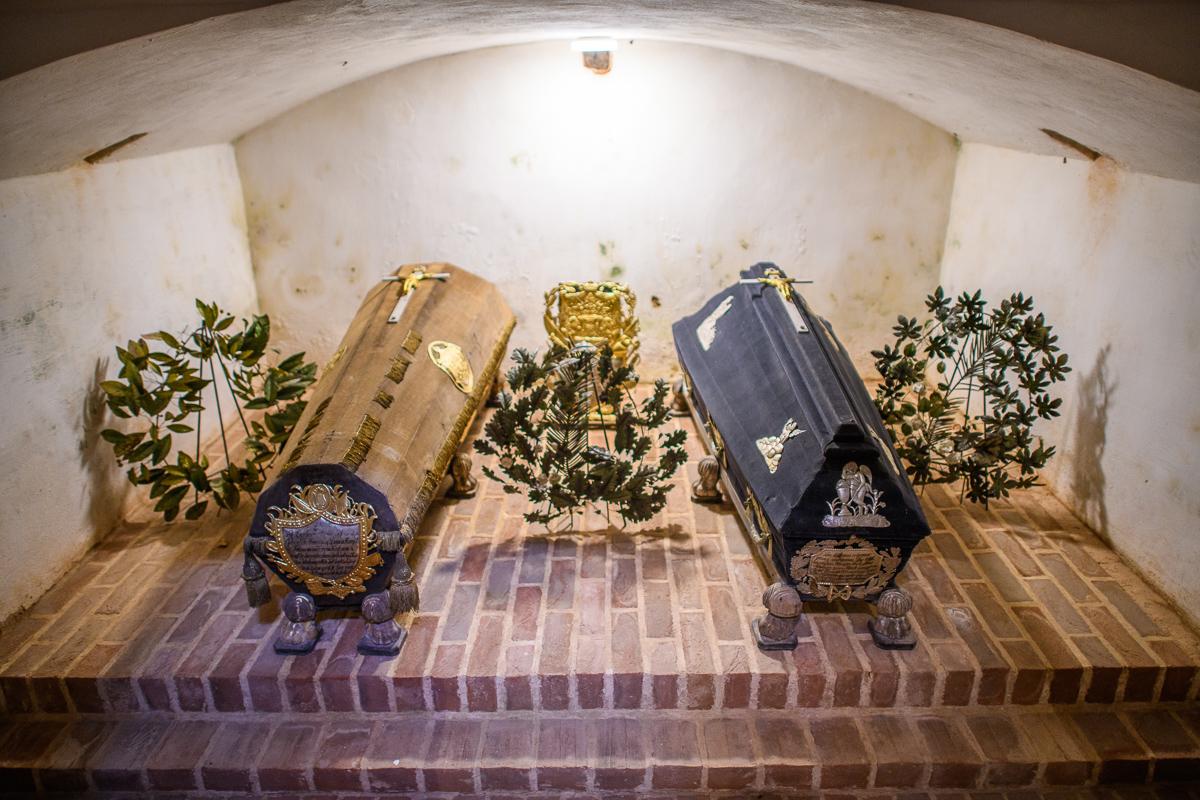
Barclay de Tolly mausoleum is one of the 21 places in Southern Estonia worth discovering which are marked by a yellow National Geographic window; if you love culture and nature, a visit is highly recommended.Field Marshal de Tolly, whose final resting place is in Estonia, is one of the most famous people related to Estonia and probably the greatest Russian military leader. The Russian commander who came from a Baltic aristocratic family with Scottish roots played an important part in the Napoleonic wars between 1812 and 1814.Barclay de Tolly's name has been related to Jõgeveste since 1791 when he married Helene Auguste Eleanore von Smitten and became the owner of the Jõgeveste manor.

  • Guided tours

A. Le Coq Beer Museum

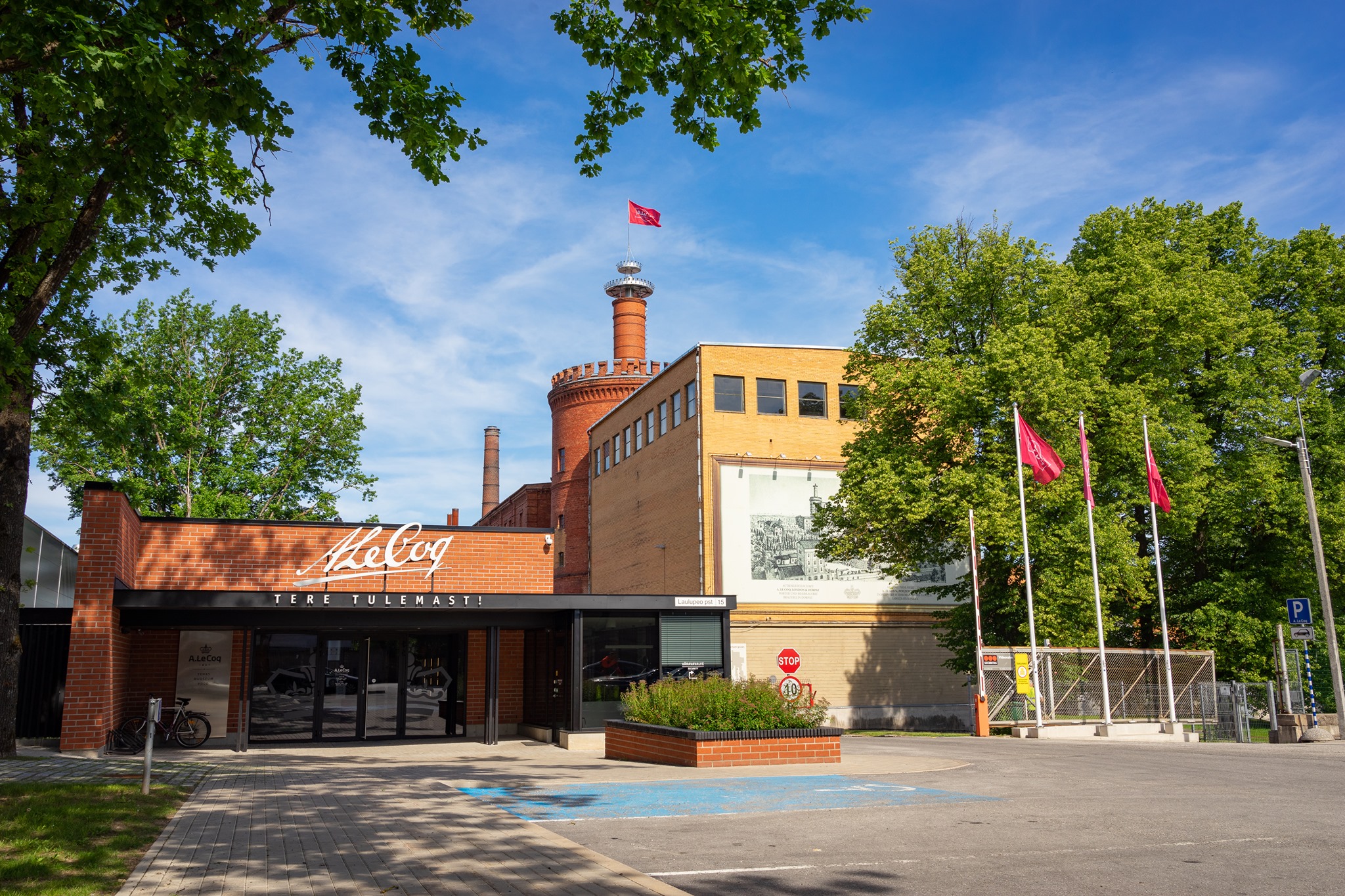
The A. Le Coq Beer Museum lets you see, hear, and taste the story of beer. You'll learn brewing history from ancient Egypt to the present day. The museum displays the ingredients needed to brew beer, describes the brewing process, and exhibits old production facilities. The heart of the museum is the historic malt tower, where the exciting 200-year history of A. Le Coq unfolds. At the end of the visit, you can enjoy a cold beer or lemonade at the museum's bar and peruse the gift shop. You can visit the museum on your own or with a guide.

  • Ruins

Raadi Manor

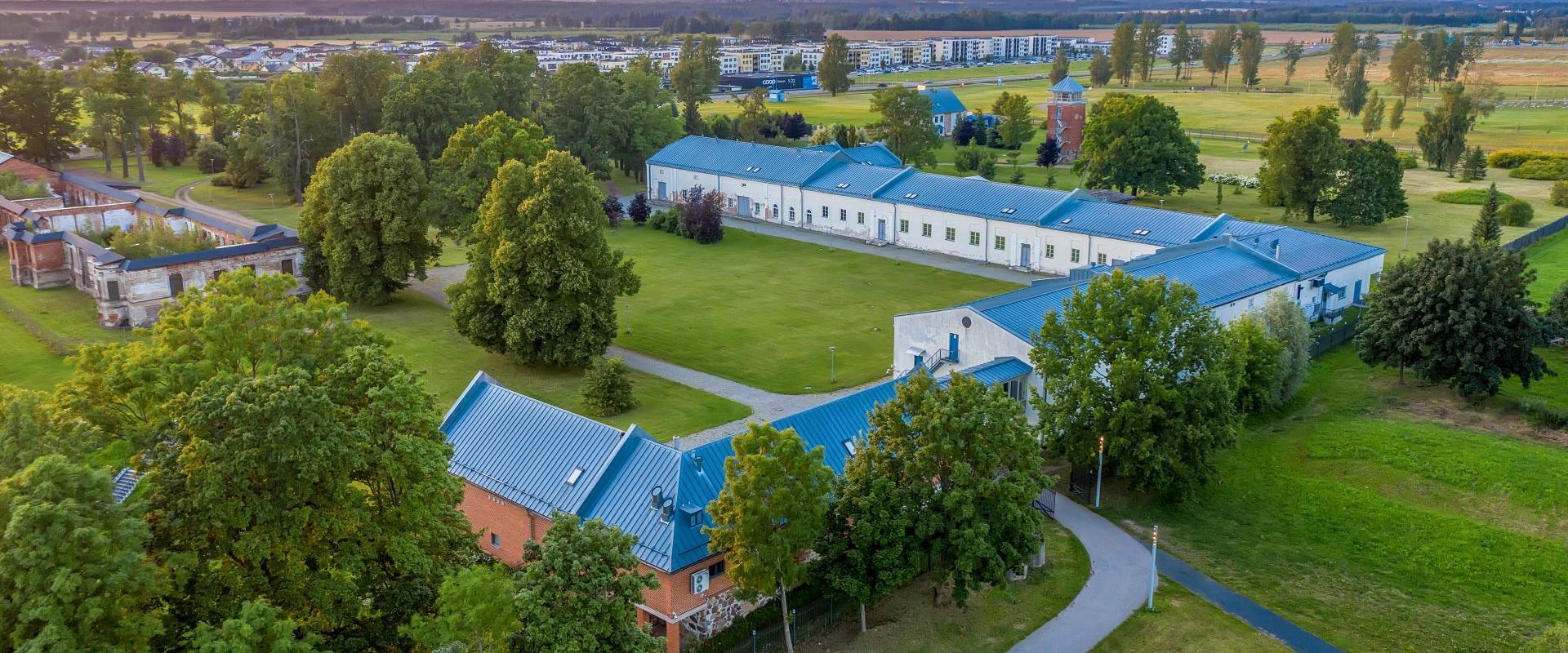
Raadi Manor, which stands on the border of the city of Tartu, had its glory days in the first half of the 19th century with its magnificent art gallery and library and salon evenings. The manor then belonged to the von Liphart family.The main building of the manor was destroyed by the bombing in 1944. The manor park, together with the ruins of the main building and the gate, are included in the list of national cultural monuments.The area forms a distinctive complex: there is the magnificent manor complex, as well as a woodshed, a water tower, an ice cellar, and a restored wall. In the centre of the complex, there is the natural Raadi lake and the restored manor park.

  • Churches

Saint Isidore’s Main Church in Valga

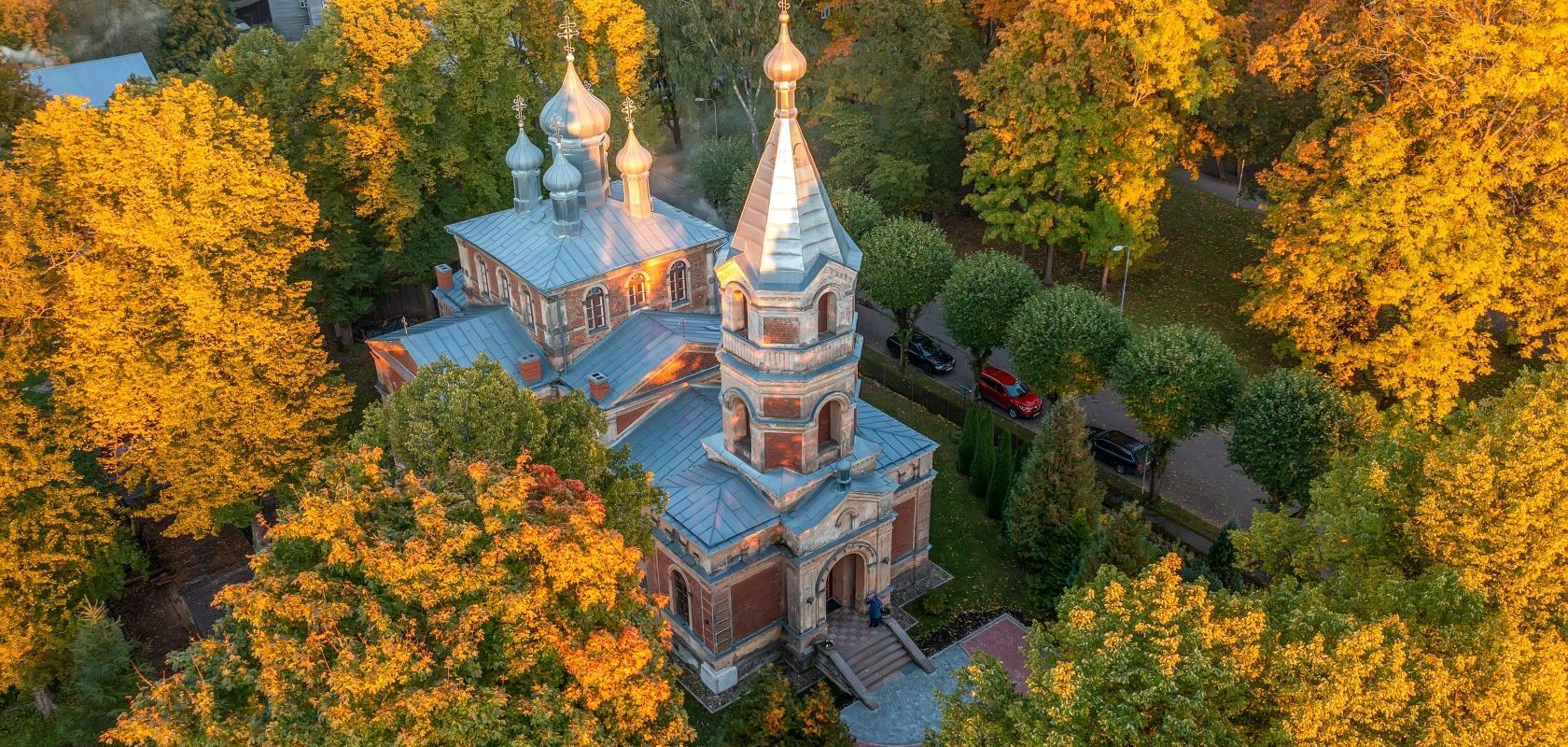
This historicist-style church is built from red and yellow bricks and has five domes and a bell tower. It is one of the four representative churches of the Apostolic Orthodox Church in Estonia. The church is named after the priest martyr Isidore of Tartu. The church was built in 1897–1898 and was consecrated in 1898. The architect of the building is Vladimir Lunski.The church was built in 1896 for the congregation of Orthodox Russians and Latvians.

  • Workshops

Linocut with blind embossing and ink printing in TYPA

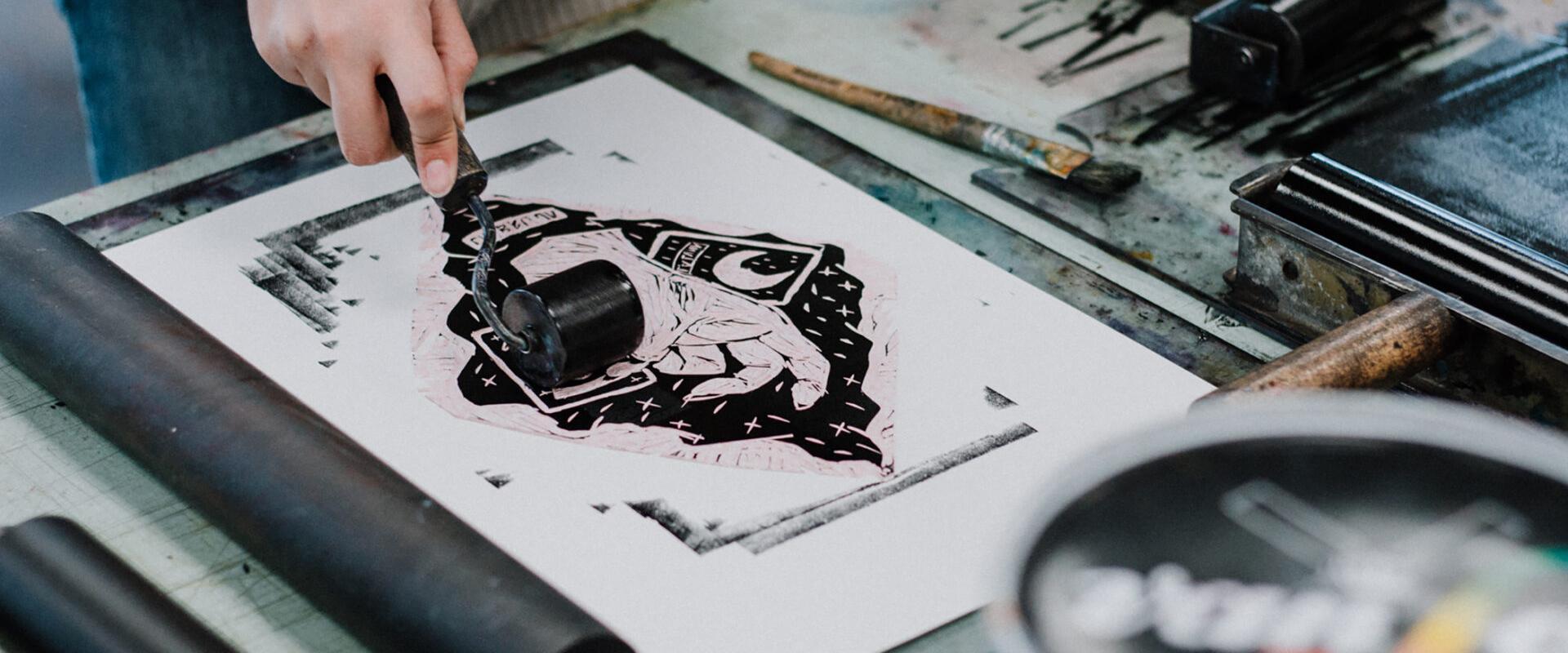
Linocut — where the printing form is cut out of linoleum by hand — is one of the simplest graphic arts techniques. In the workshop, each participant will make a linocut printing plate (10x15 cm) according to their own design, with which they will first print a clean, blind-embossed image and then color images. Prepare for the workshop by thinking of a design in advance or searching the Internet for an image to inspire you. Tip: The image should have strong contrasts and clear lines, like a black and white image, because smooth color transitions cannot be printed with linocut.

  • Family friendly

Pokuland

The Pokuland theme park on the borders of Võru and Põlva Counties was created after a children’s book, Pokumaa by Edgar Valter, and its main characters – Pokus. Pokus were created after sedge tussocks, or clumps of long, thick grass that grow in the bogs.The world of Pokus begins with the visitor's centre – Pokuhall – that looks like a twin-Poku and surprises guests with its unique stairways, passages and interior design elements. In the Pokuhall visitors can see original illustrations and oil paintings by Edgar Valter, get to know his creative work and make Pokus themselves. There are many other activities and events, such as study trails to introduce local nature, village swings to ride, as well as picnic and camping sites.

Vaksali bridge and tunnels

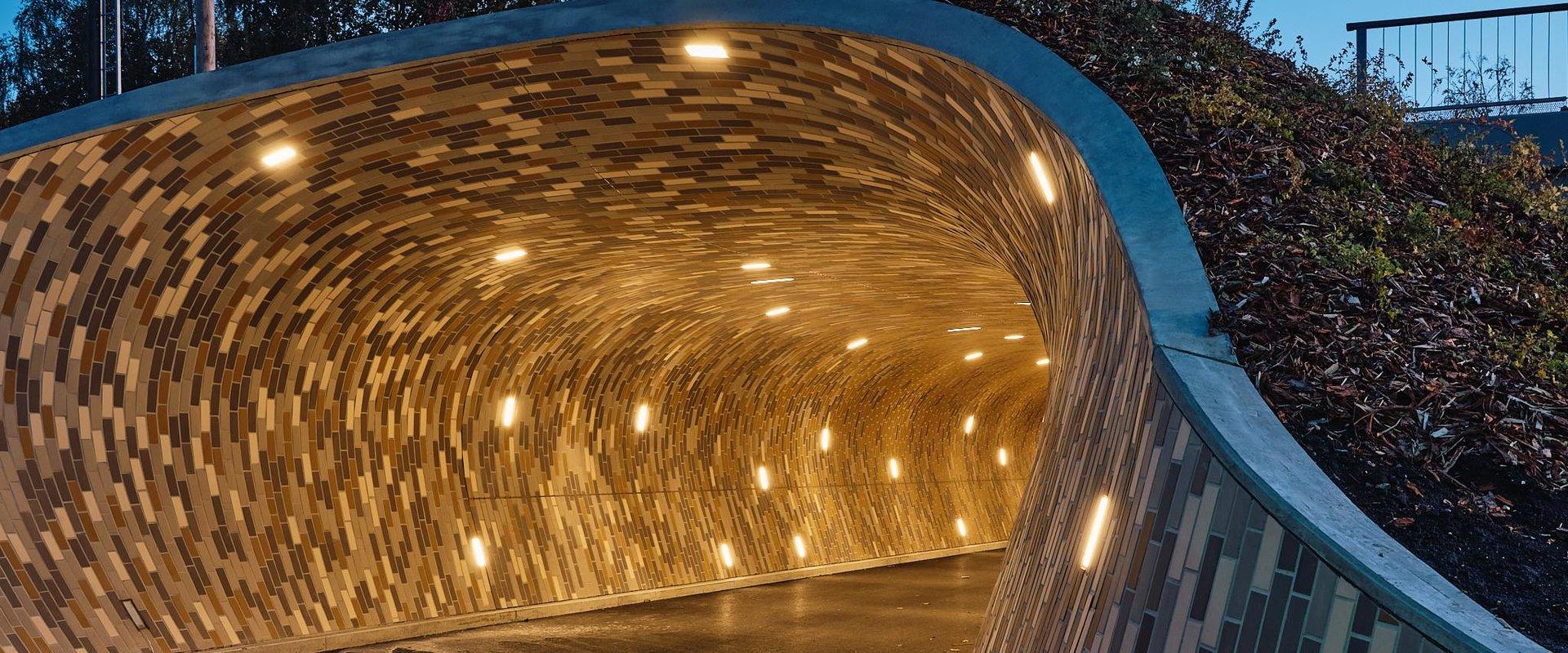
Do you know where photographers interested in architecture can take photos worthy of Instagram in Tartu? One of the most popular photography places in Tartu is the beautiful streamlined tunnels with cosy lighting built next to the Riga–Vaksali railway viaduct and the Vaksali bridge. The concrete frames of the pedestrian tunnels were pushed through the embankment of the railway dam – such a complex tunnelling technology was used for the first time in Estonia when renovating the intersection. Come take your best picture and share it on Instagram with the captions #vaksalisild, #visittartu, and #puhkaeestis!

  • Guided tours

University of Tartu’s main building

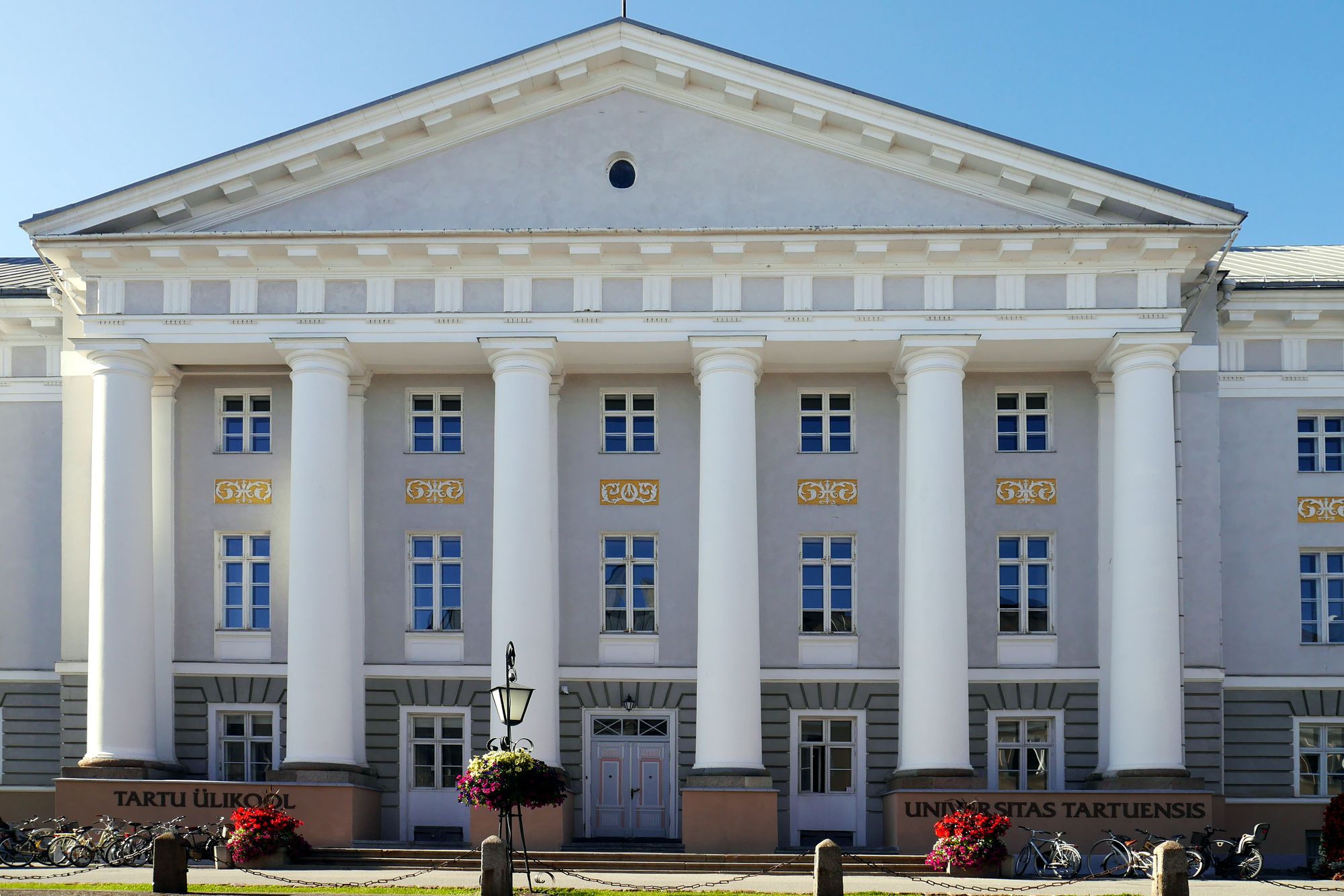
The University of Tartu's main building is a truly remarkable and historically significant structure located in Tartu's Old Town. The building was designed by the university's architect, Johann Wilhelm Krause, and constructed between 1804 and 1809. It was inaugurated with a ceremonial event on July 3, 1809, and since then, it has been the central venue for the university, hosting all important celebrations, scientific and cultural events, and gatherings of the academic community. The main building's classical architecture, with its columned facade and dignified interior, has shaped Tartu as a university town. The main building houses the White Hall, where concerts, conferences, and ceremonial events take place. Another special attraction is the student prison in the attic, which offers an intriguing insight into the strict rules of 19th-century student life. Visitors can also explore the University of Tartu Art Museum in the main building. The main building can also be explored on a guided tour, organized through the University of Tartu Art Museum by prior appointment.
  • Collaboration
  • News
  • Contacts
  • Privacy Policy
Join our mailing list!

"*" indicates required fields

This field is for validation purposes and should be left unchanged.
I authorise marketing

South Estonia Tourism Cluster

info@visitsouthestonia.com