• Открой
    • Еда
    • Природа
    • Культура
    • Семья
    • Спорт
    • Сообщество
    • Блог
    У Вас появились свободные выходные, чтобы провести с детьми? Здесь собраны лучшие места в Южной Эстонии для семейного отдыха
  • Планируй
    • Размещение
    • Информация
    • Varamu
    Sustainability
RUS
  • РусскийRUS
  • EestiEST
  • EnglishENG
  • LatviešuLAT
  • SuomiFIN
RUS
  • РусскийRUS
  • EestiEST
  • EnglishENG
  • LatviešuLAT
  • SuomiFIN
Populaarsed otsingud:
Näita kõiki tulemusi
  • History & Culture
  • Museums

Museum / thematic house Inglite Kodu (Home of Angels)

Põllu tn 10, Võru linn, Võru maakond, 65606

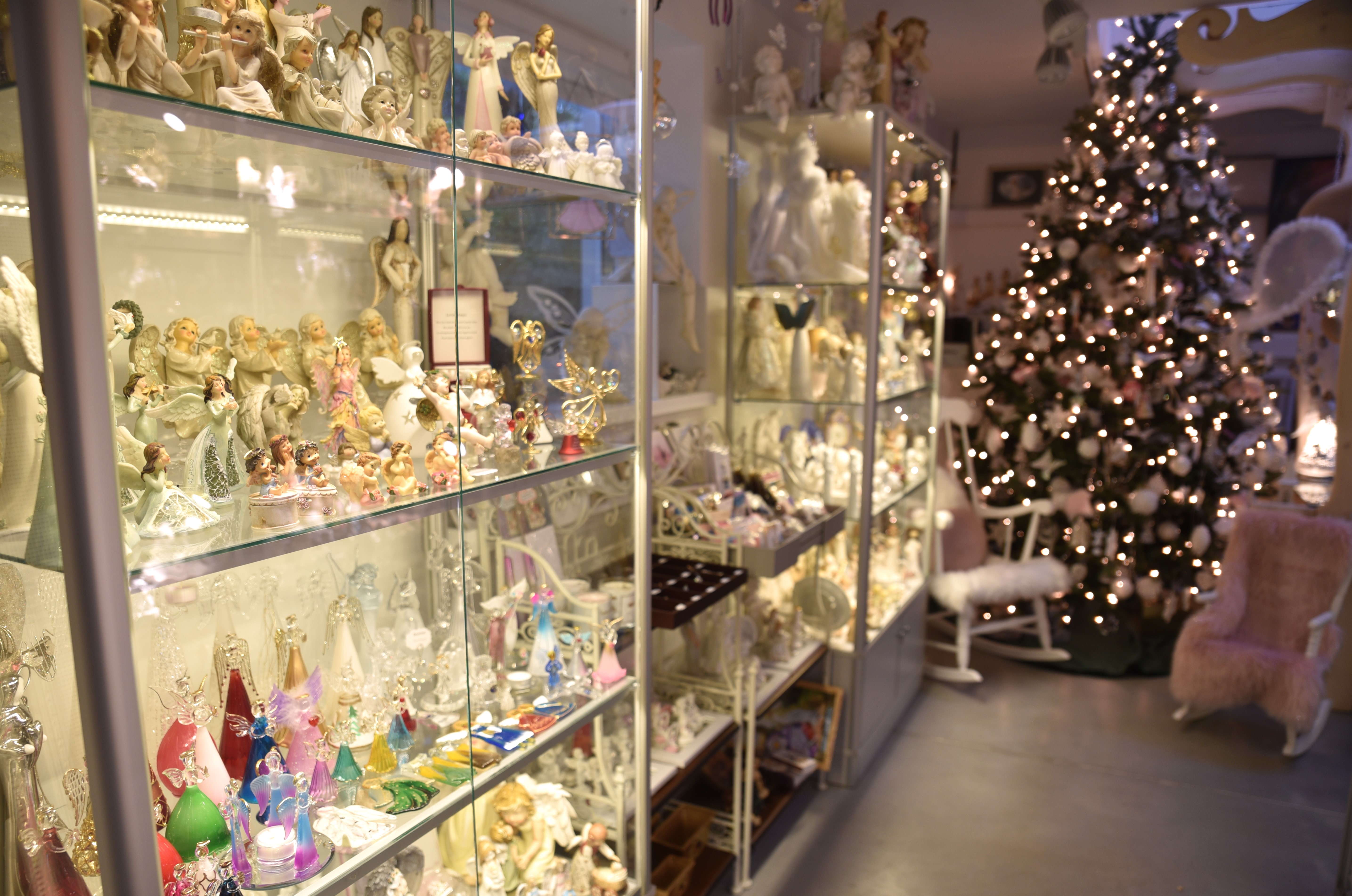
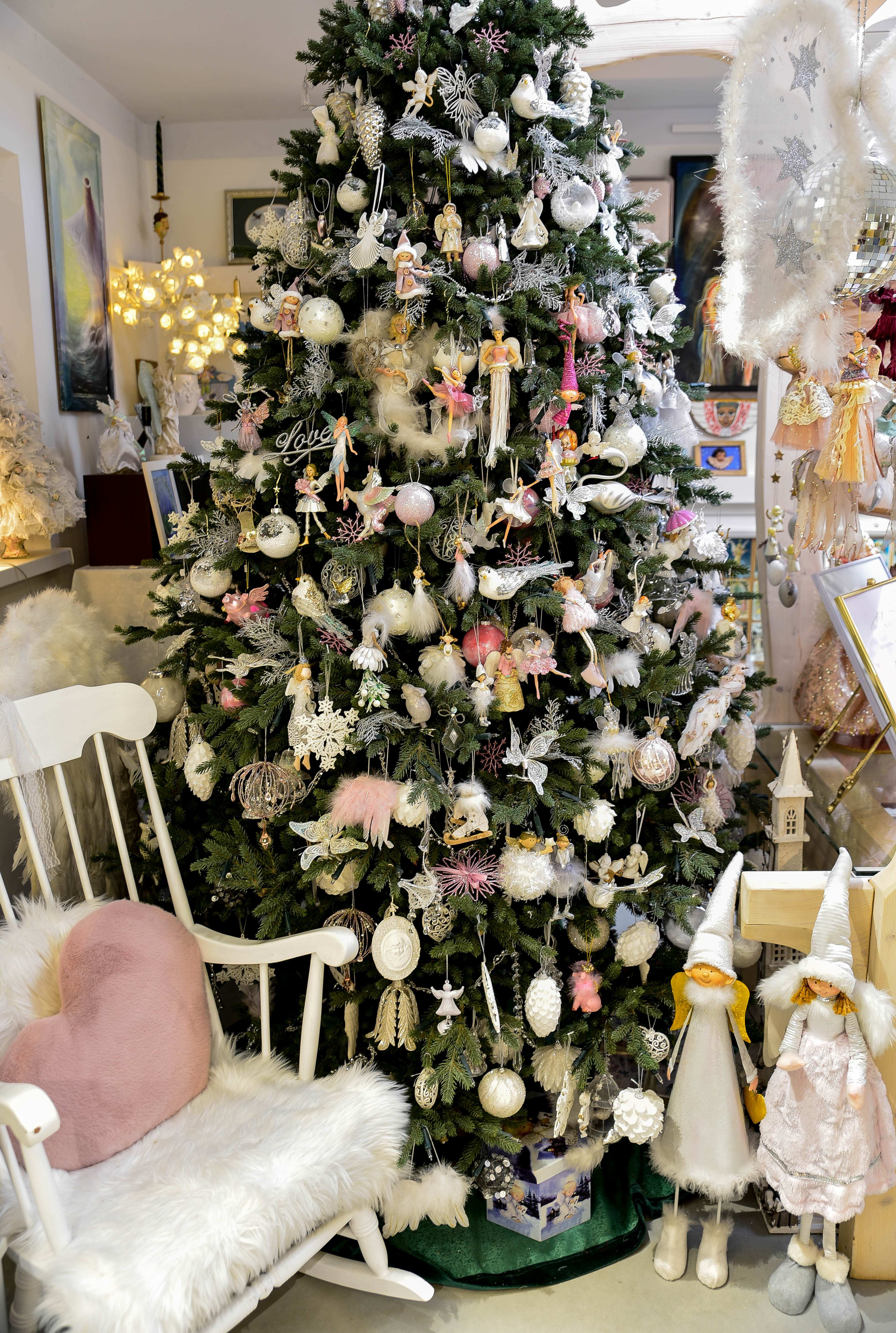
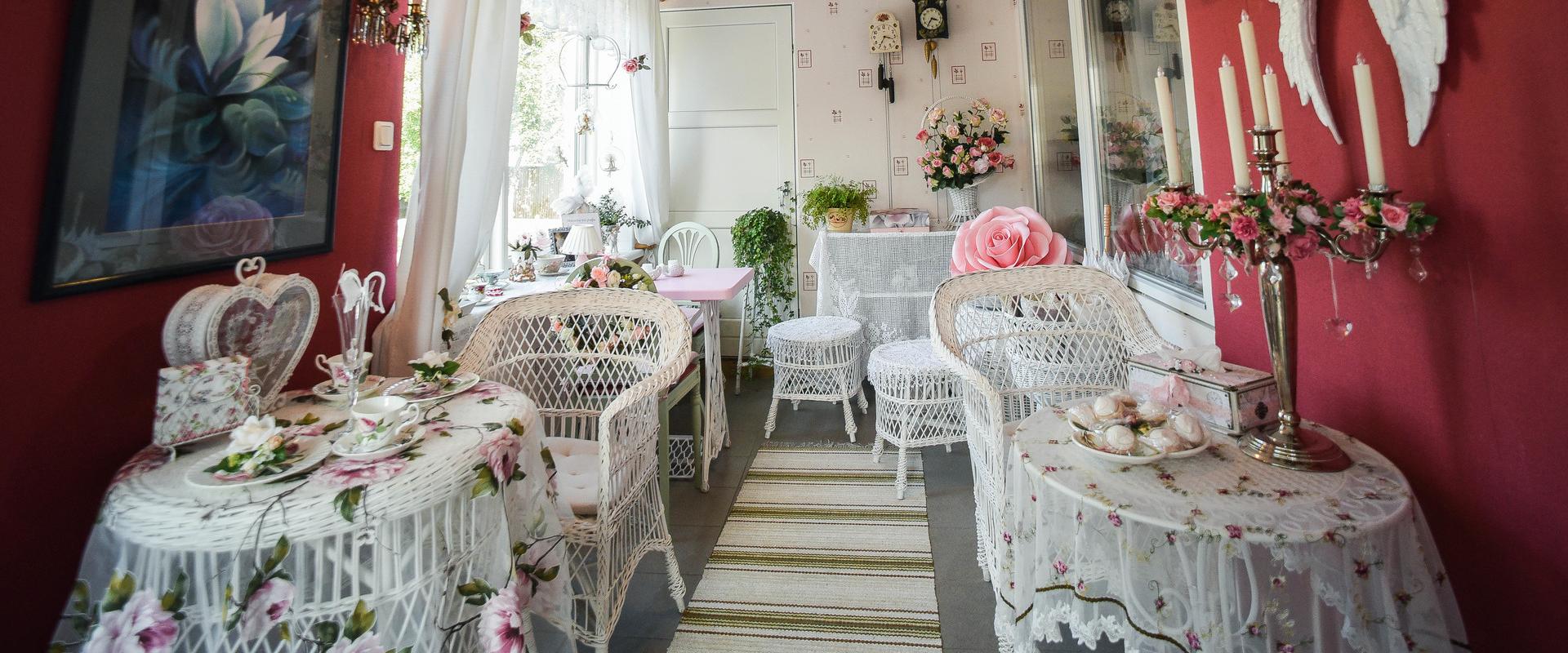
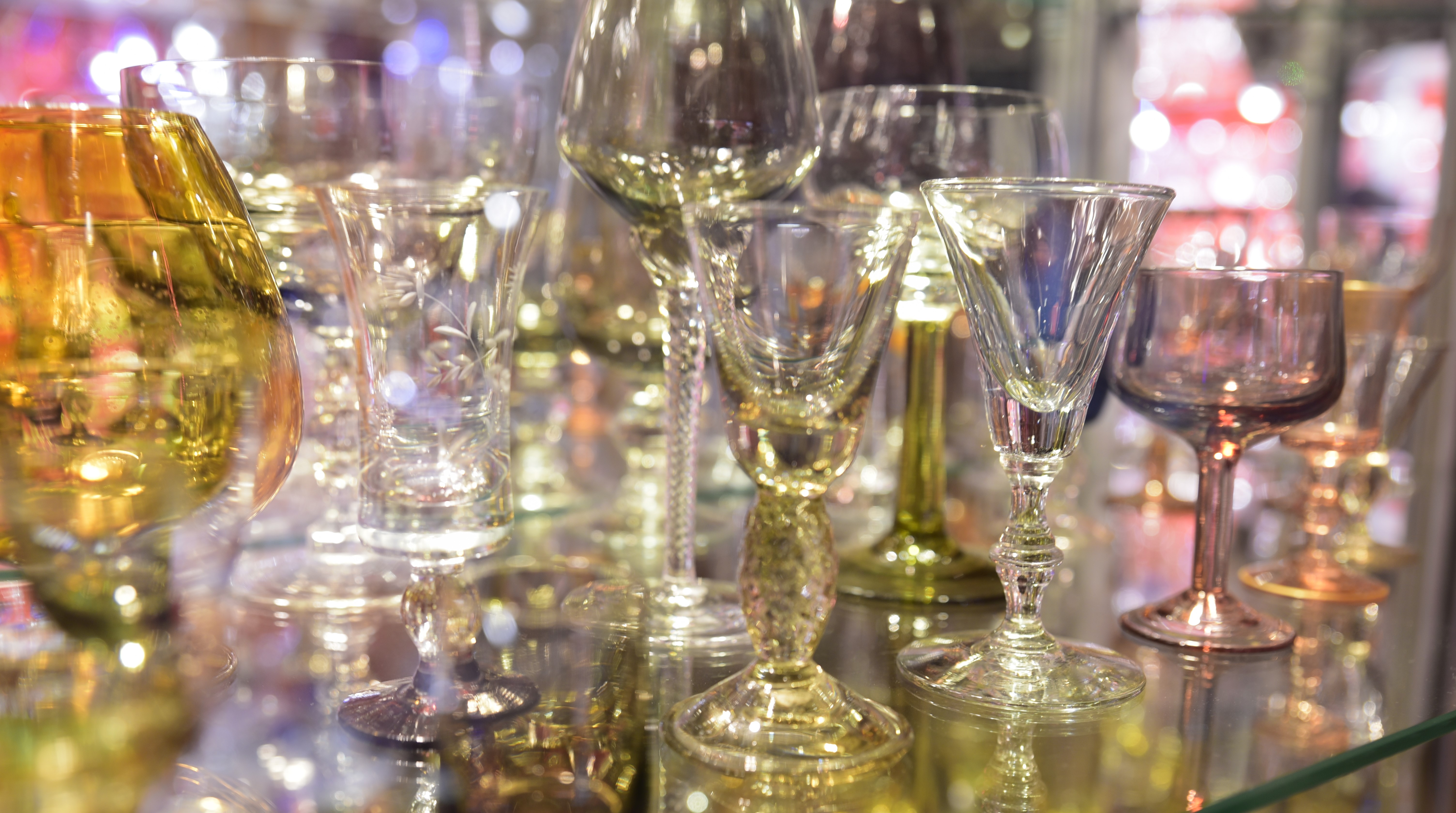
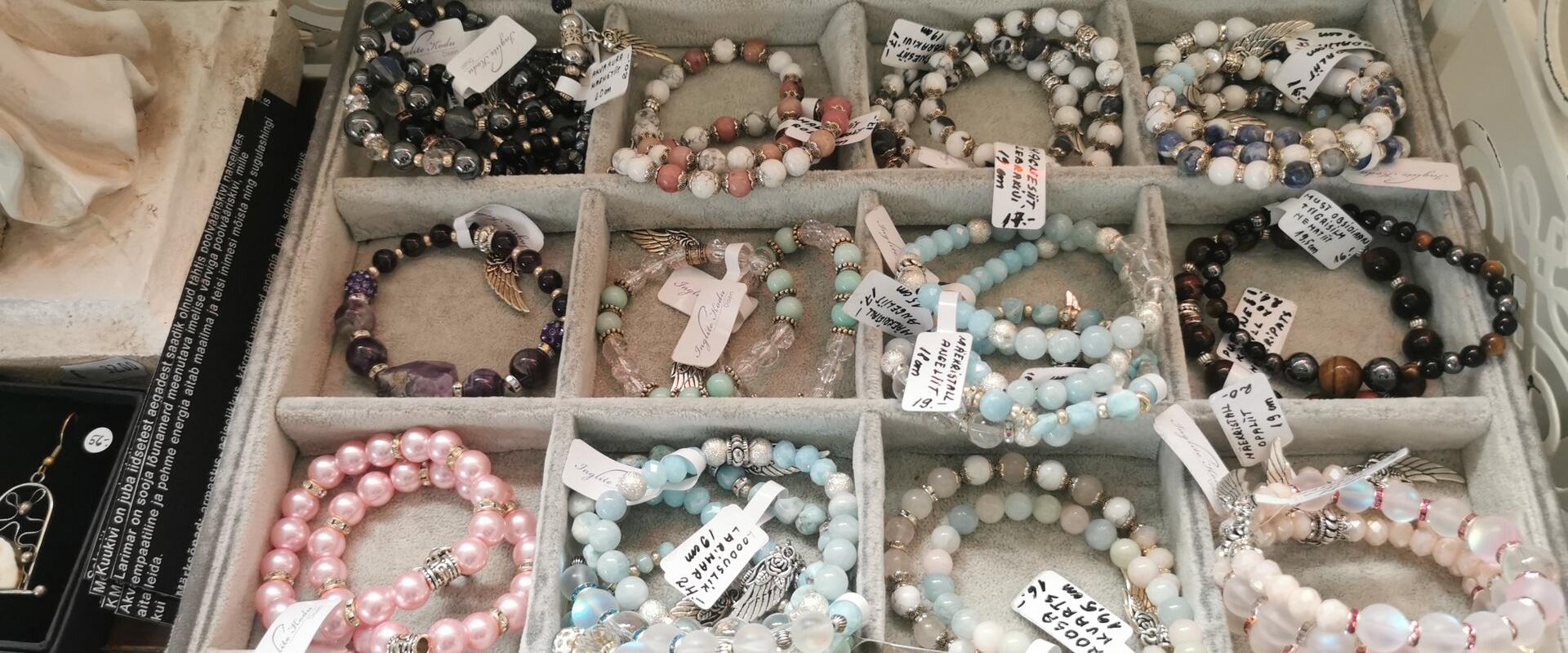
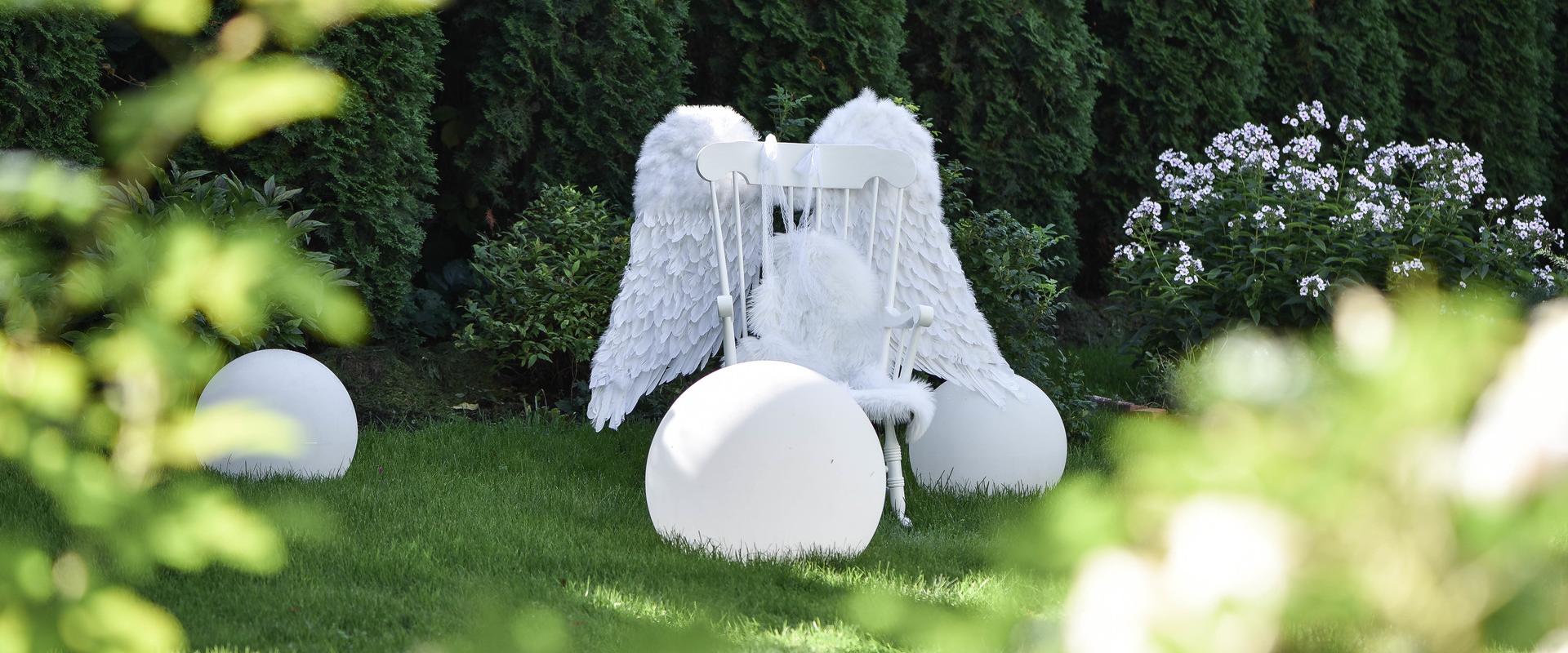
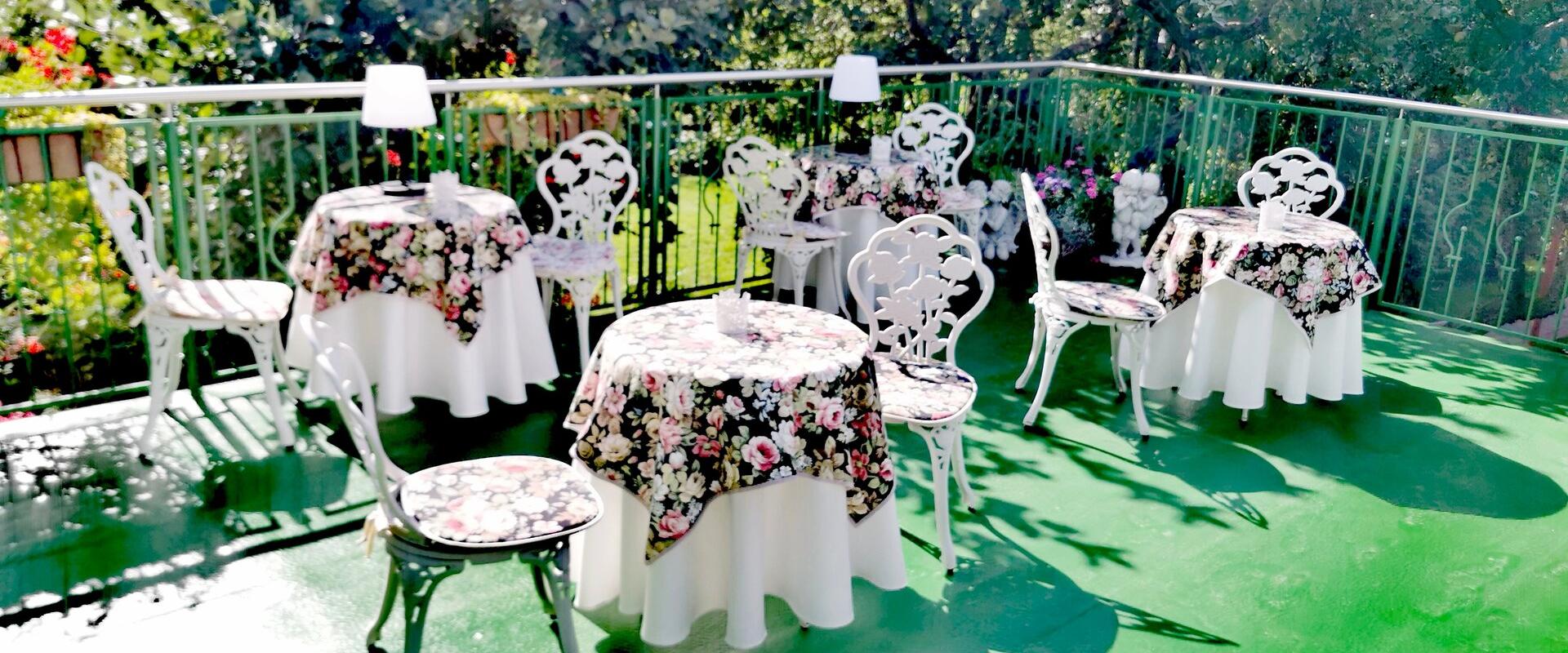
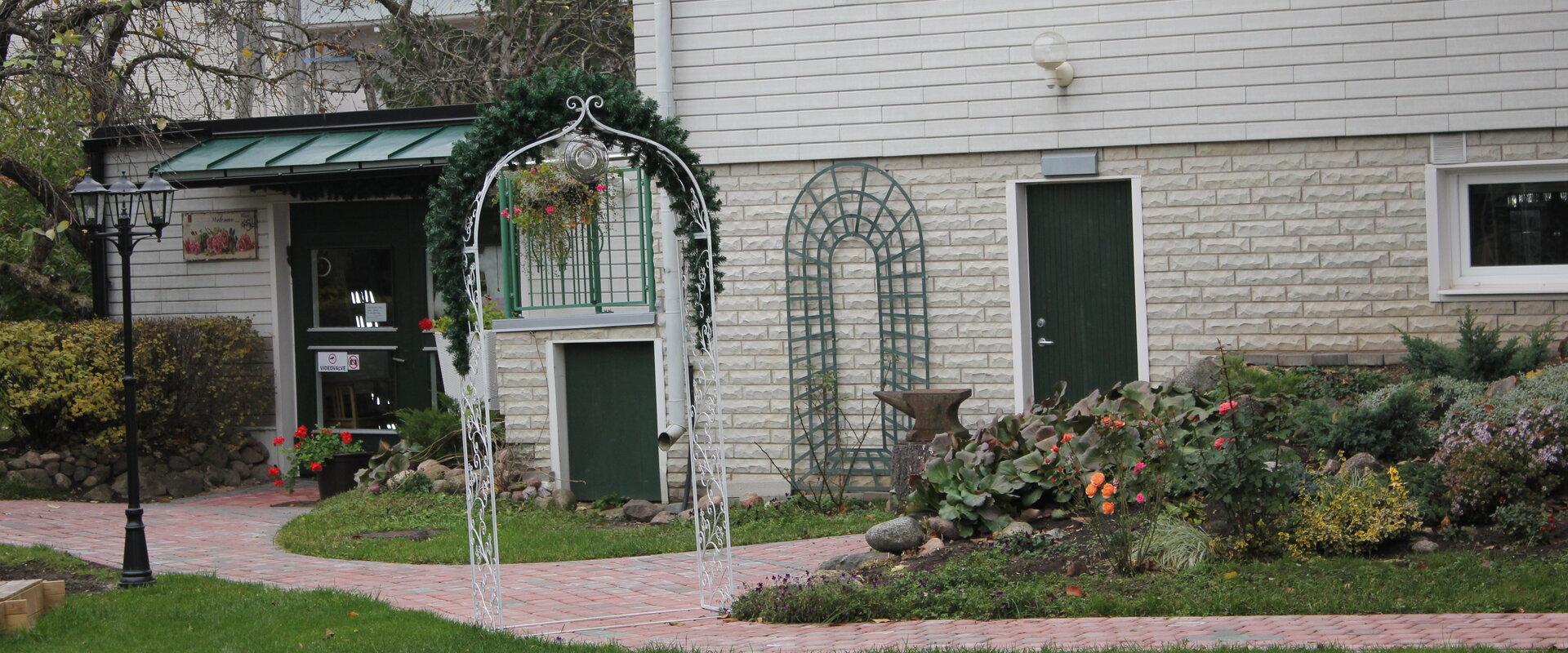
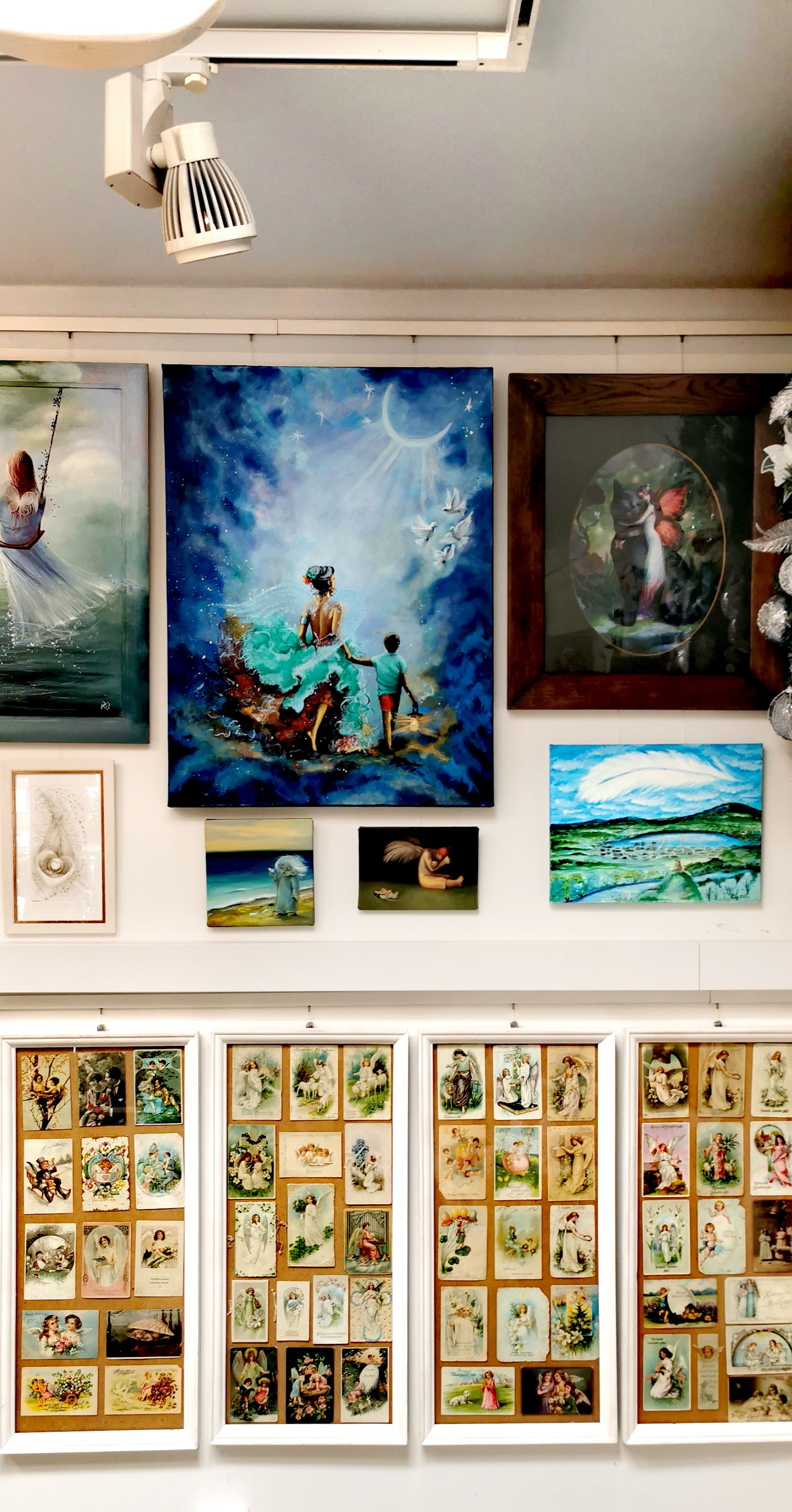
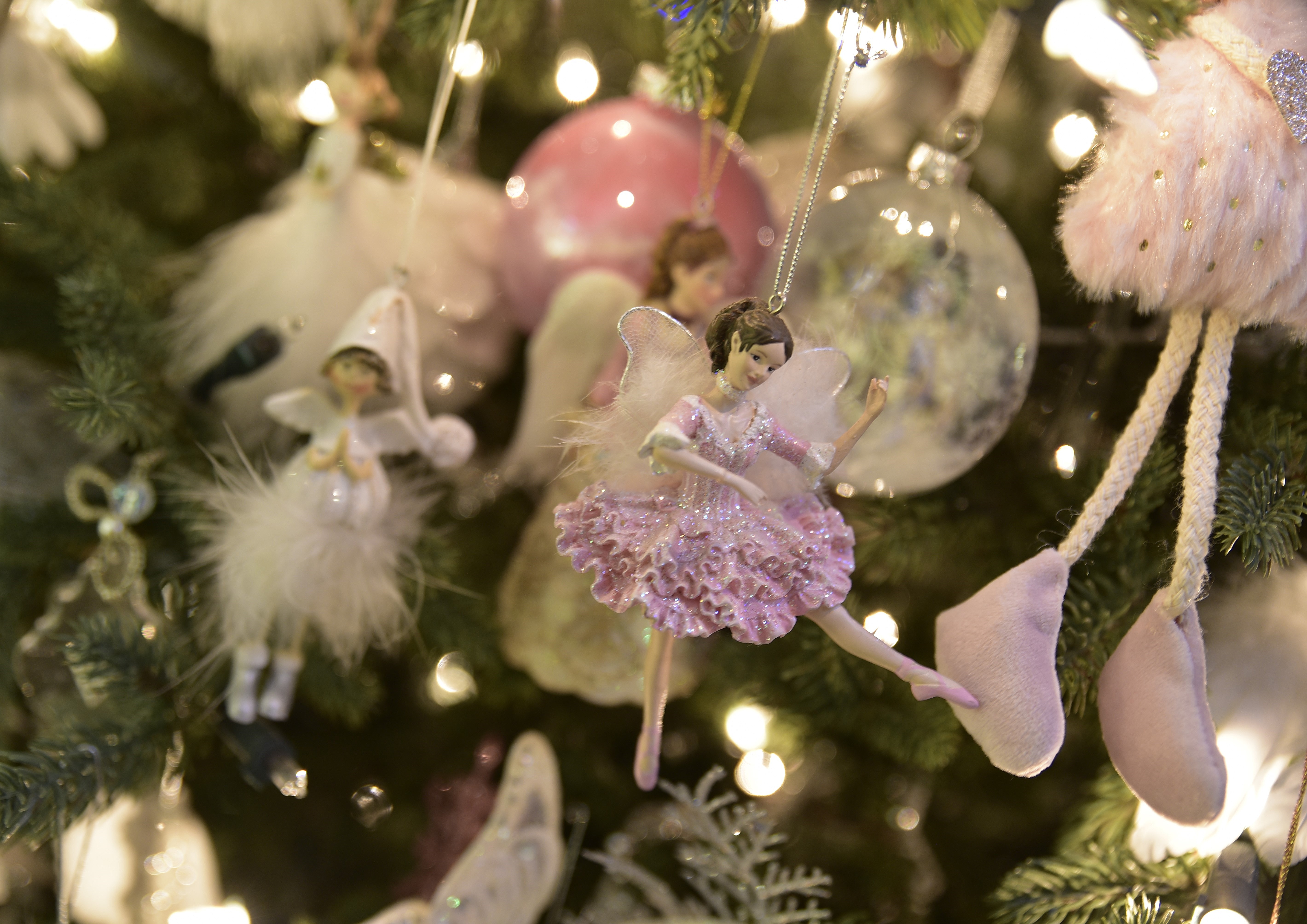
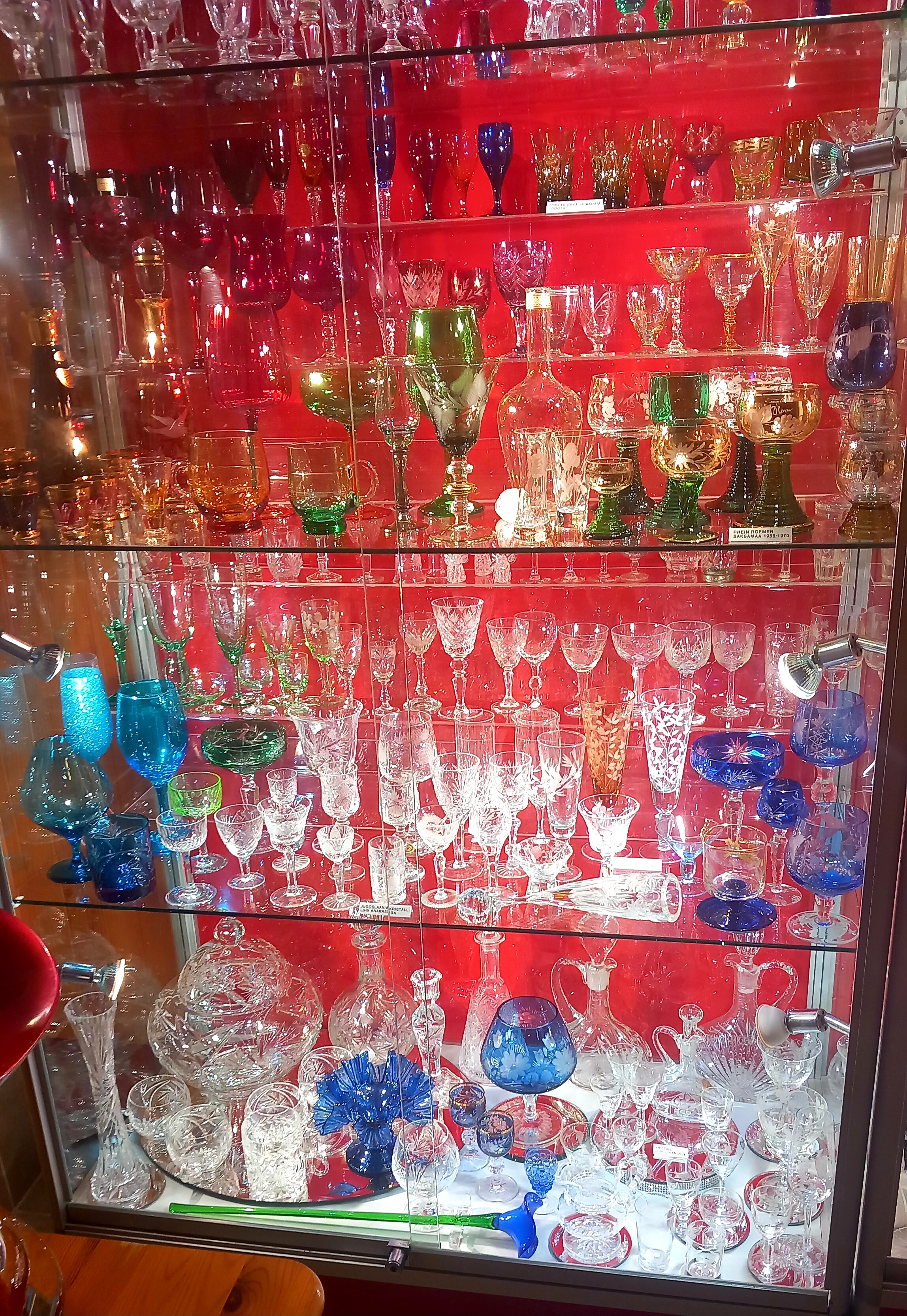
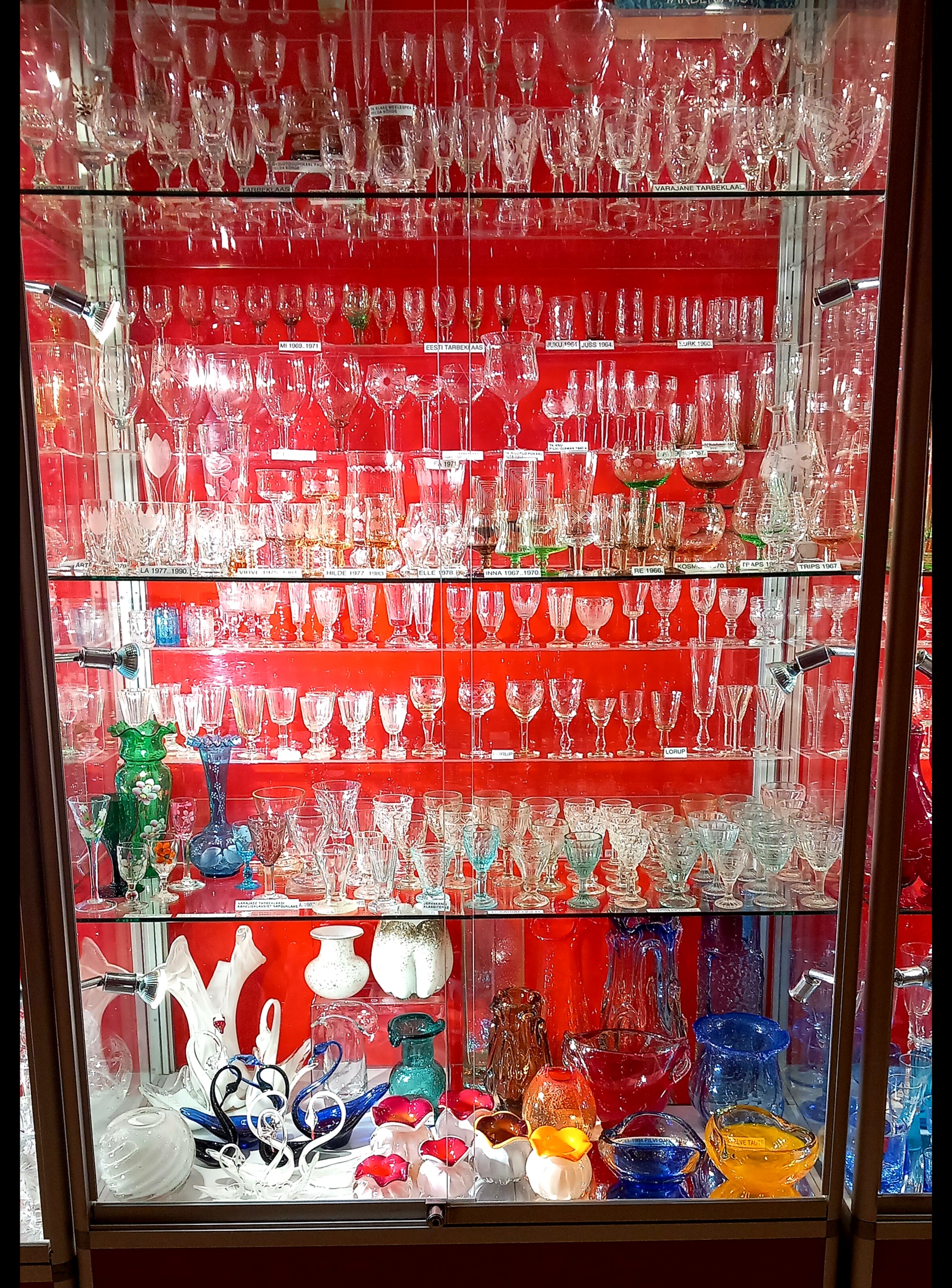
Have you ever been in the midst of thousands of angels? We offer this powerful and unforgettable experience in the recently opened museum / thematic house Inglite Kodu.Our family has a collection of over 5,000 angels and elves. The farthest we have brought them here is from New Zealand. We have porcelain, glass, metal, wood, and also textile angels.Here, you can escape the rest of the world and enjoy a cup of tea or coffee and the cake in the middle of angels. You can also buy lovely gifts and souvenirs here.
Mugavused

  • Free parking
  • Recreation area/picnic ground
  • Souvenirs

Часы работы

1. apr - 30. sept

N-L12:00 - 18:00

1. okt - 31. märts

По предварительному заказу

Контакты

  • +372 5669 7018
  • inglitekodu@gmail.com

Ссылки

Подробнее

Välgi St Alexander Nevsky Church

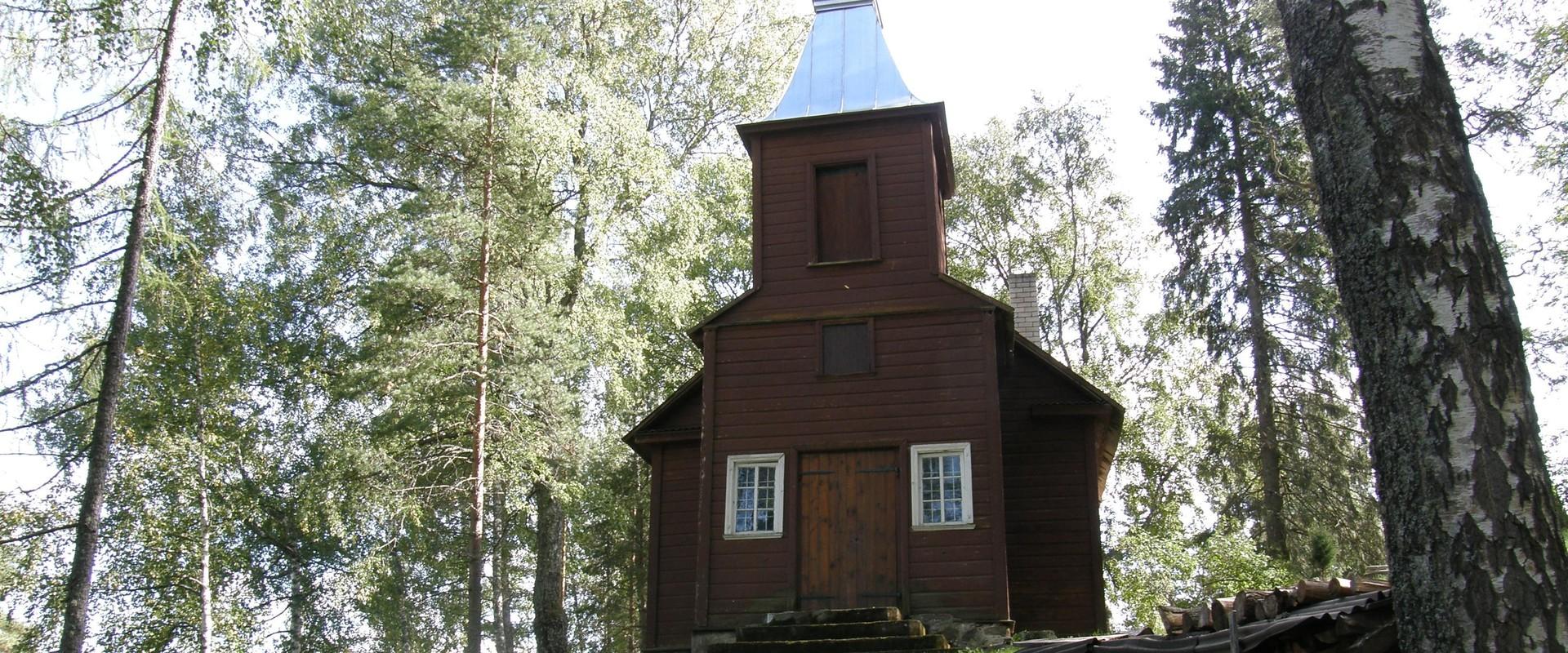
You will find the orthodox St Alexander Nevsky Church, which was built in 1859, in Välgi Village.Interesting facts: - there are many burial mounds in the Votian style near the church that date back to the 13th century.

  • Lighthouses

Nina blockfield or Kalevipoeg’s Bridge

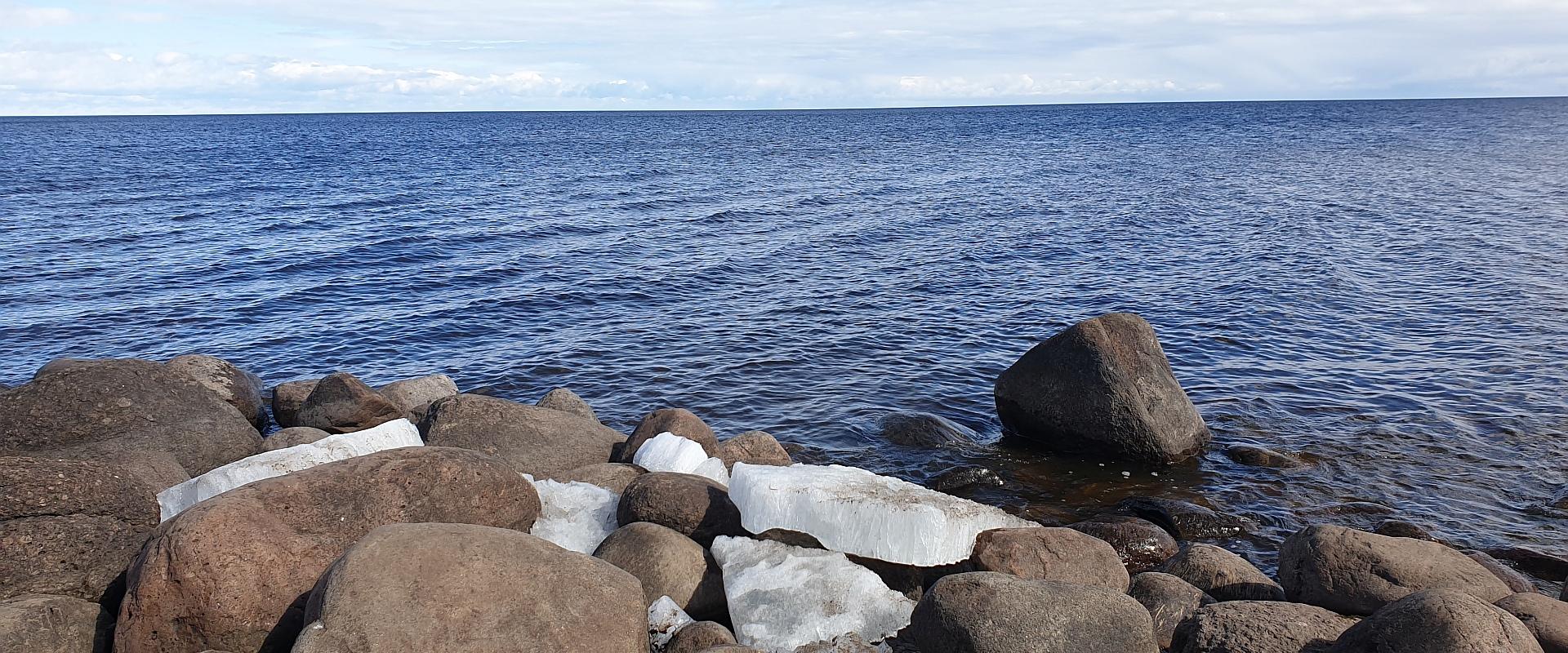
The village of Nina (‘nose’) gets its name from the nose-shaped shoreline reaching the lake. It is a stone ridge heading into the lake, which is popularly called the Kalevipoeg Bridge. According to legend, Kalevipoeg started to build a bridge to go to Russia, but the devil demolished the bridge. Kalevipoeg was very tired and decided to walk through the lake, where the water reached his upper body. The remains of the bridge or the stone blockfield can still be seen. The stone blockfield, which is located both on the beach and in lake water, covers an area of 0.7 ha.The village of Nina is known for its icebergs.

  • Manors

Rogosi Castle Manor in Ruusmäe

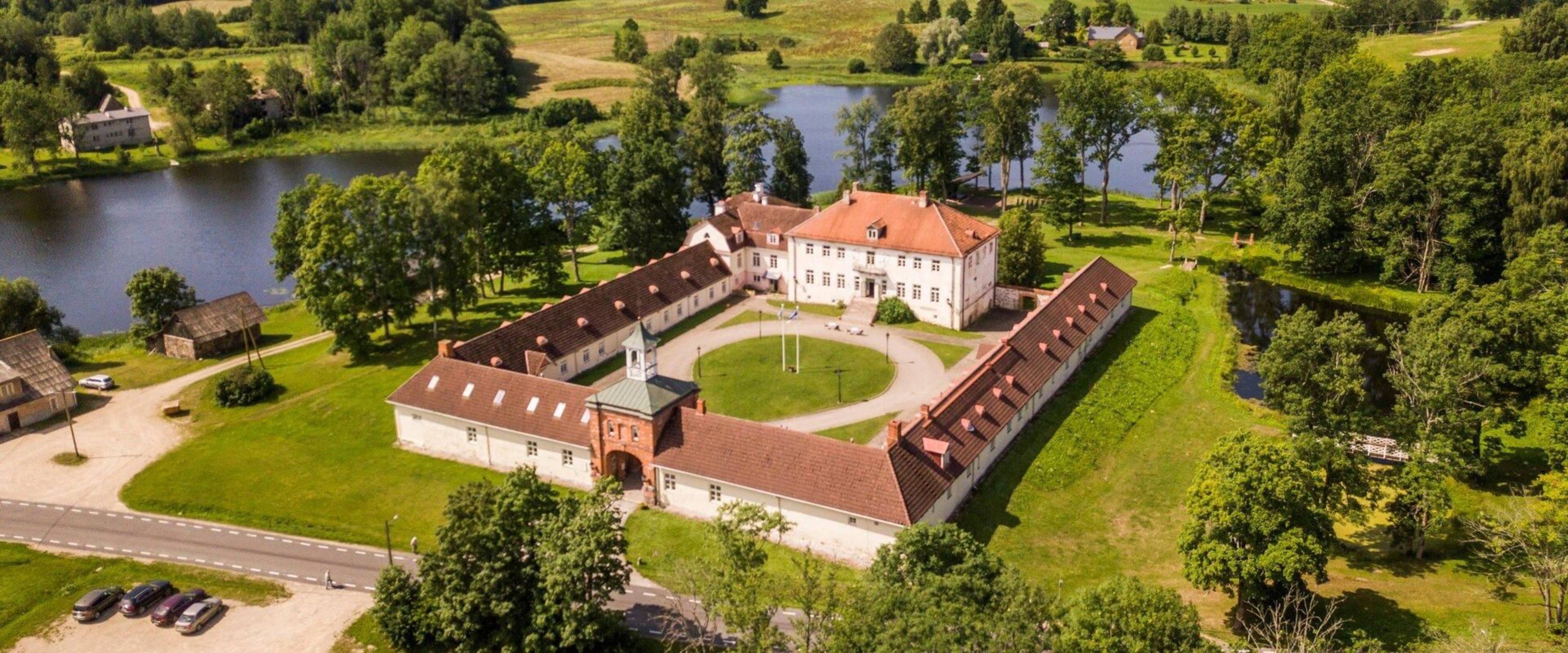
Stanislaw Rogosinsky, a native of Poland, established the Rogosi Manor. From 1629 to 1776 the manor belonged to Herman von Liebsdorff and was later given to the von Glasenapp family as Herman's daughter's dowry. From 1934, after the Glasenapp family was dispossessed of the manor, a school operates in the manor. When place names were translated into Estonian in 1939, the village was named Ruusmäe, but the manor is still known as Rogosi. In summer 1990, Otto von Glasenapp, son of the owner of the manor visited his old home.Useful information: There is a museum of local lore in the barbican, which is open in summer. Watercolors of Joh. Chr. Brotze have been preserved as sources of the manor's history.

  • Sculptures

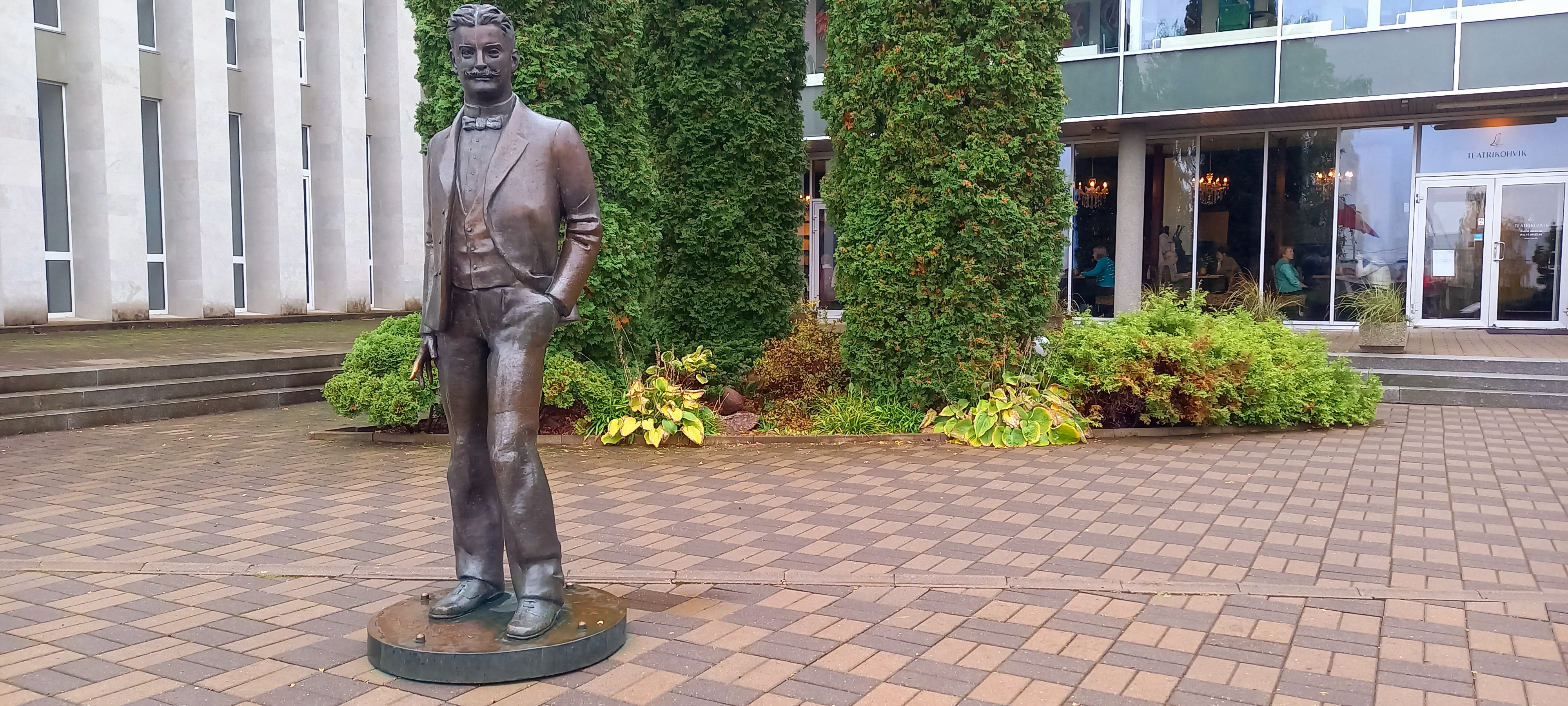
Sculpture of Karl Menning

Karl Menning was the founder of professional theatre in Estonia and the first professional theatre and stage director in the country. He was the director of the Vanemuine Theatre from 1906 to 1914. His sculpture was created by Mare Mikoff and is unique for the fact that it can be turned on the spot.

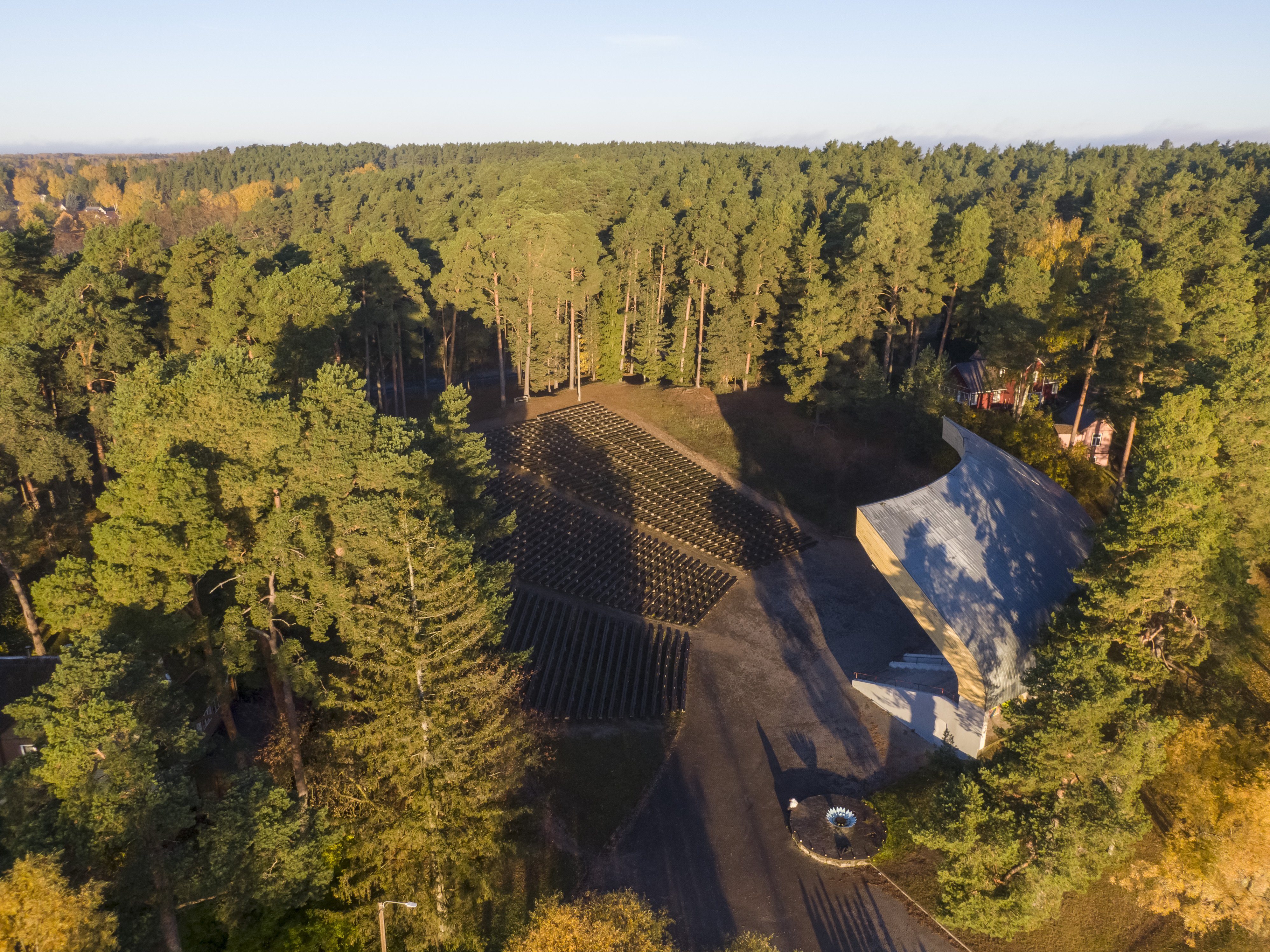
Elva Song Festival Grounds

Elva Song Festival Grounds, like every other one, has a symbolic and sacred meaning in preserving the Estonian national culture and song festival tradition. While singing together with others, one feels unity and the joy of Estonian freedom. Elva Song Festival Grounds is located in the centre of Elva, near Lake Arbi in a pine forest. It is not only for song festivals but also a beautiful place for concerts and parties. The Song Festival Grounds was built in 1951. On 8 August 2015, a memorial to the Estonian choir conductor and teacher Ants Sööt (8 August 1935 – 17 October 2013) from Elva, who is buried in Elva Cemetery, was erected at the Song Festival Grounds.

  • Galleries
  • Guided tours
  • Workshops

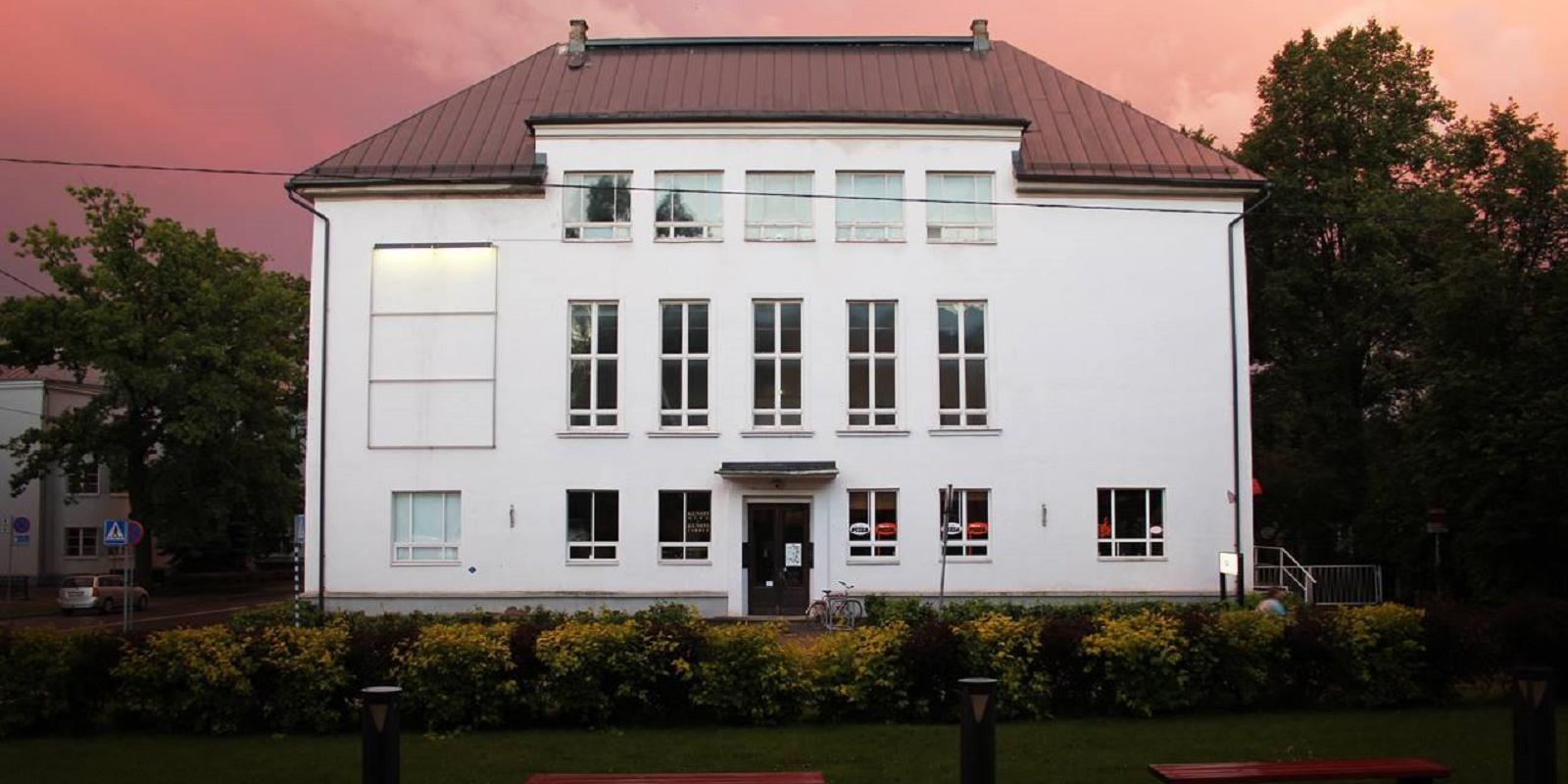
Tartu Art House Galleries

Tartu Art House is the home of the Tartu Artists’ Union and the heart of the city's art scene. It's not just a gallery room; it's a vibrant meeting place where creativity, diverse perspectives, and the spirit of an era meet. Art House is an important cultural node that brings together Estonian and international artists – known top performers, bold new talents, and, of course, all art lovers – on a regular basis. In three distinctive galleries, exhibitions alternate frequently, offering viewers something new and inspiring at every visit. Various forms of contemporary art are represented. Curators' offices, discussions, and meetings with artists help to gain a deeper understanding of the work on display and bring art closer to visitors for a more personal experience. All exhibitions and excursions are free for visitors. It is also possible to participate in practical workshops. Tartu Art House is waiting for you to discover Estonian art; a visit can show you a new perspective.

  • Guided tours

Vastseliina Episcopal Castle Pilgrim House

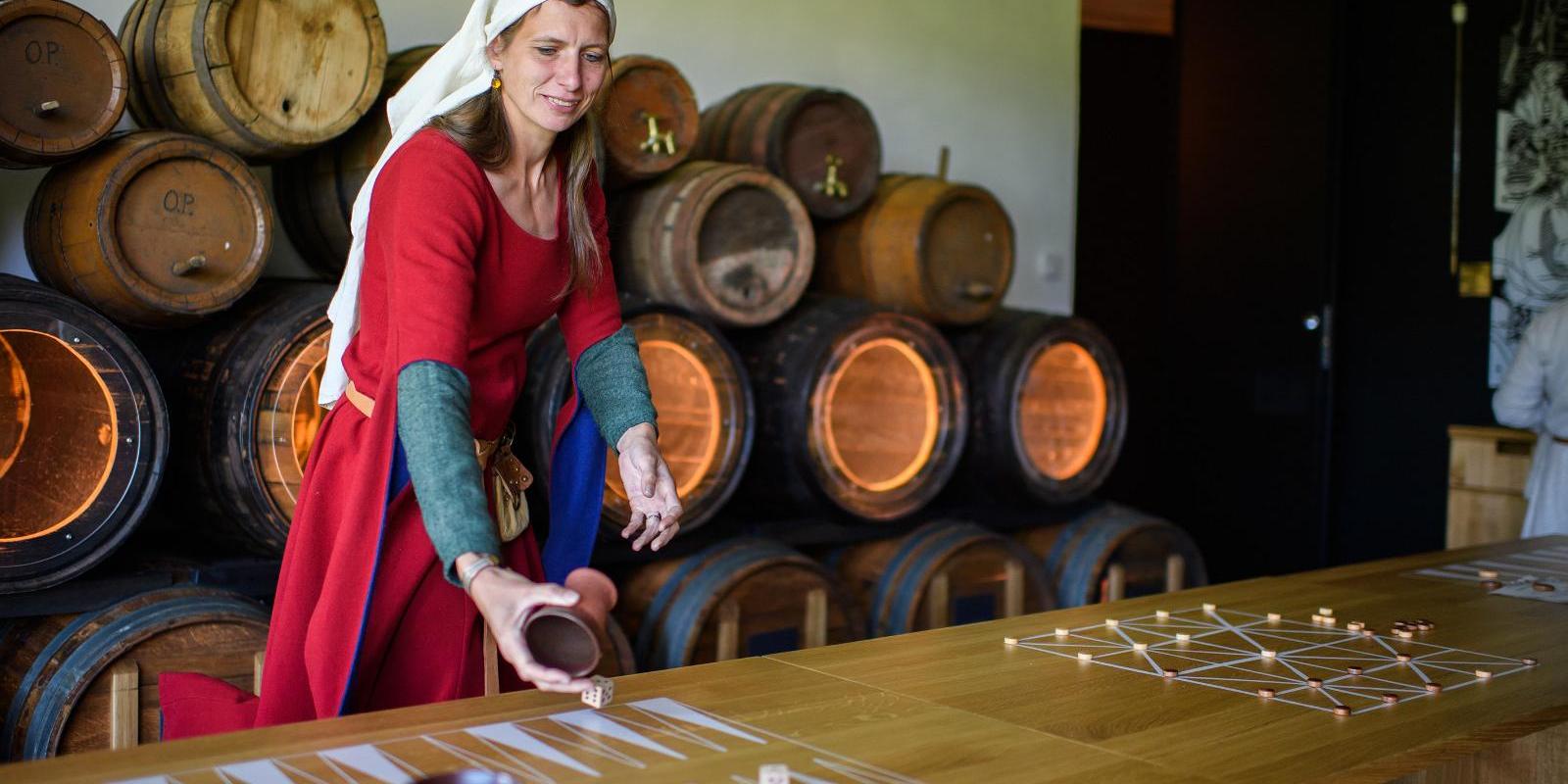
The Pilgrim House introduces visitors to everything related to medieval pilgrims and pilgrimages. Here you can get acquainted with various medieval holy places and pilgrimage destinations. One of them, the most famous in Northern Europe, was located right here in the Holy Cross Chapel of the Vastseliina Bishopric! Thanks to the interactive exhibit, visitors can experience firsthand what a medieval pilgrim felt, what he feared, and what he loved. You can play medieval board games, and with prior arrangements, we offer various experience packages, including period and themed meals prepared in the Pilgrim House oven to fill your stomach!

  • Churches

Saint Isidore’s Main Church in Valga

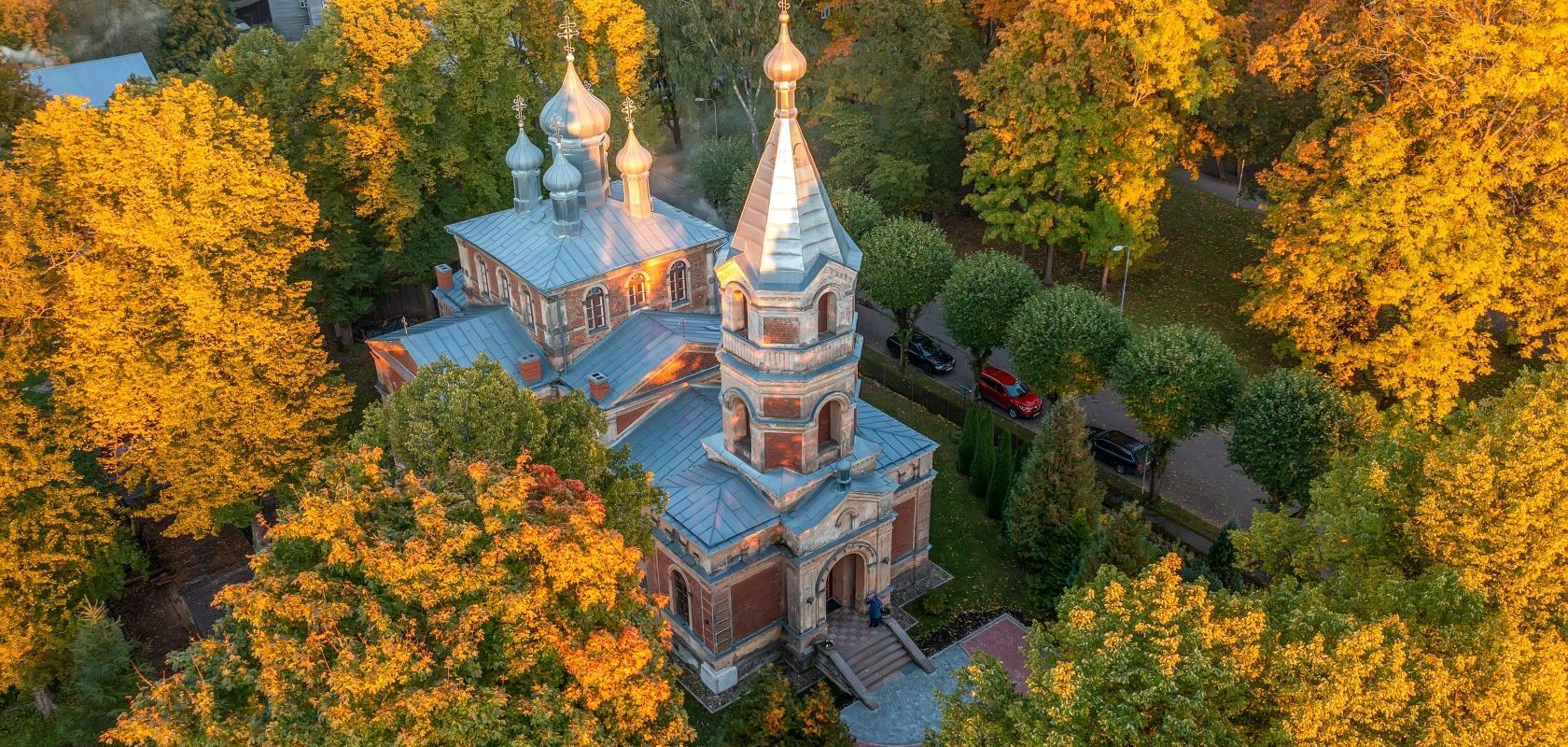
This historicist-style church is built from red and yellow bricks and has five domes and a bell tower. It is one of the four representative churches of the Apostolic Orthodox Church in Estonia. The church is named after the priest martyr Isidore of Tartu. The church was built in 1897–1898 and was consecrated in 1898. The architect of the building is Vladimir Lunski.The church was built in 1896 for the congregation of Orthodox Russians and Latvians.

  • Privacy Policy

"*"обозначает обязательные поля

Это поле используется для проверочных целей, его следует оставить без изменений.
Я разрешаю маркетинг