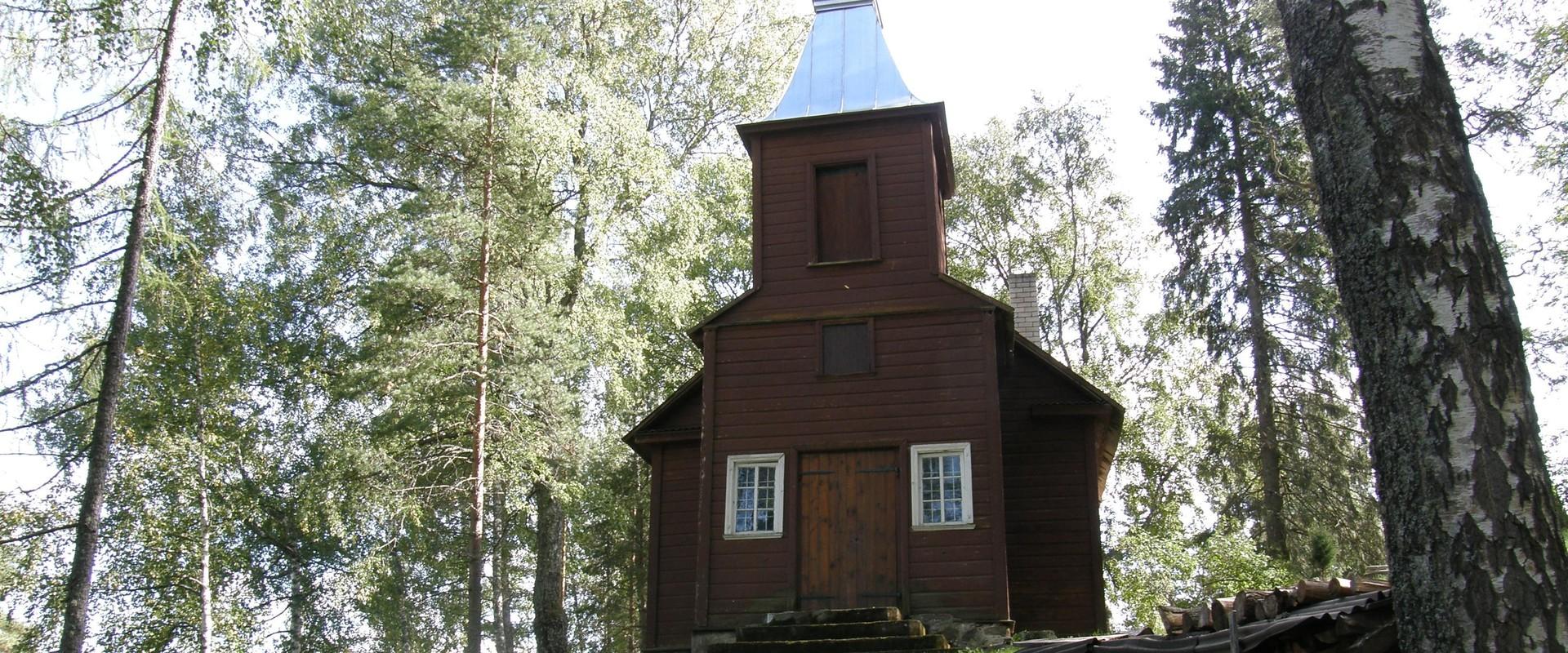
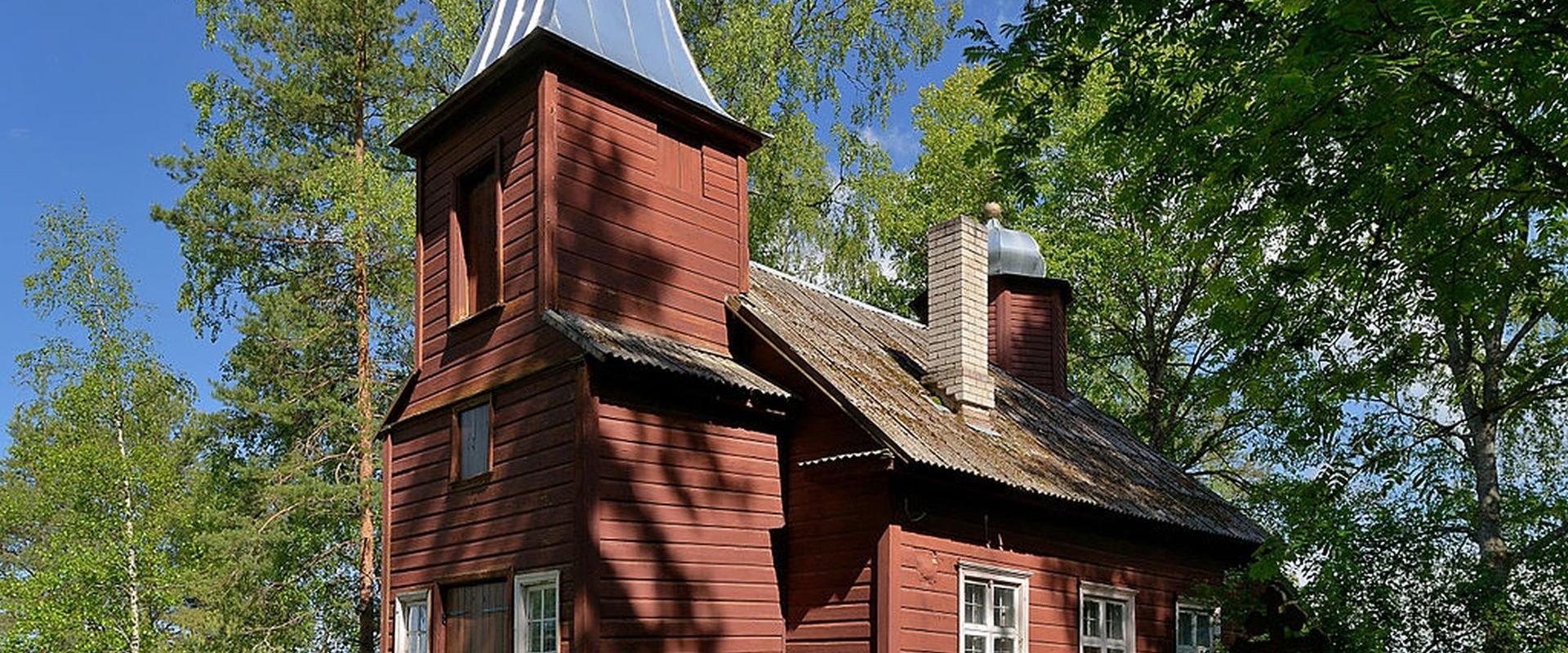
You will find the orthodox St Alexander Nevsky Church, which was built in 1859, in Välgi Village.Interesting facts: — there are many burial mounds in the Votian style near the church that date back to the 13th century.


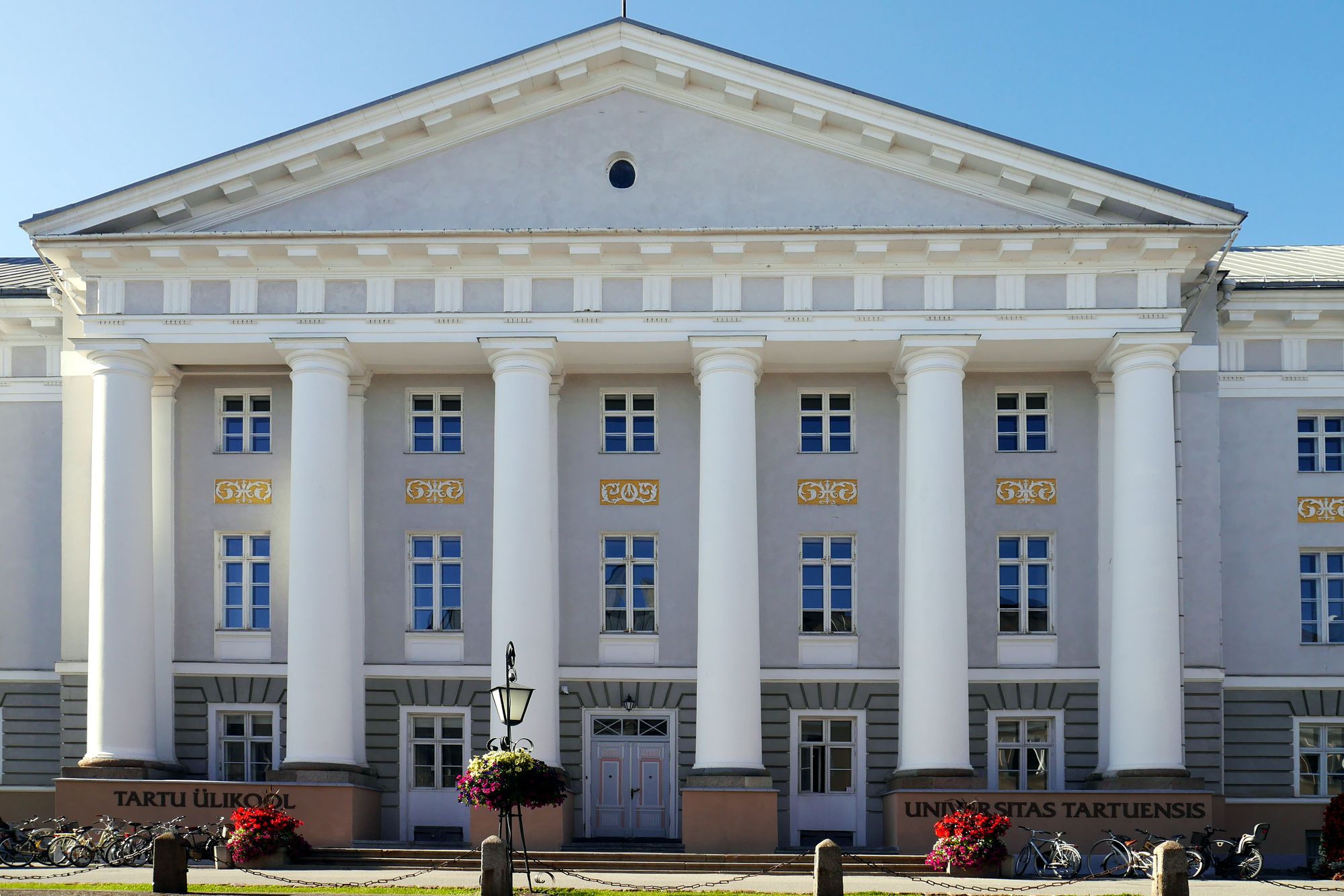
The University of Tartu's main building is a truly remarkable and historically significant structure located in Tartu's Old Town. The building was designed by the university's architect, Johann Wilhelm Krause, and constructed between 1804 and 1809. It was inaugurated with a ceremonial event on July 3, 1809, and since then, it has been the central venue for the university, hosting all important celebrations, scientific and cultural events, and gatherings of the academic community. The main building's classical architecture, with its columned facade and dignified interior, has shaped Tartu as a university town. The main building houses the White Hall, where concerts, conferences, and ceremonial events take place. Another special attraction is the student prison in the attic, which offers an intriguing insight into the strict rules of 19th-century student life. Visitors can also explore the University of Tartu Art Museum in the main building. The main building can also be explored on a guided tour, organized through the University of Tartu Art Museum by prior appointment.
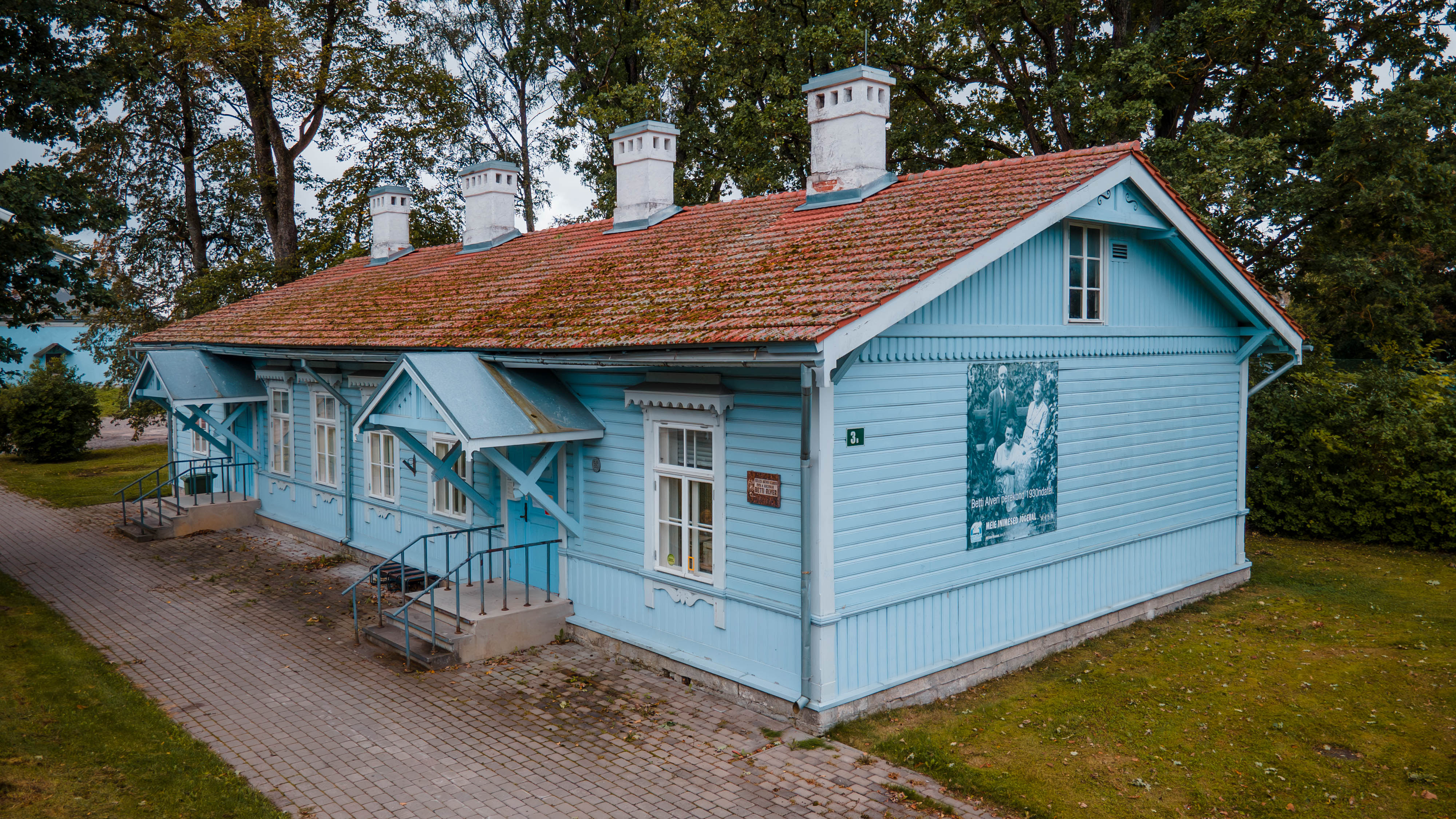
The museum is housed in Betti Alver’s home next to the Jõgeva railway station.The museum gives an overview of Betti Alver’s life and works, also perpetuates the memory of Alo Mattiisen and acquaints visitors with the historic and cultural heritage of Jõgeva.
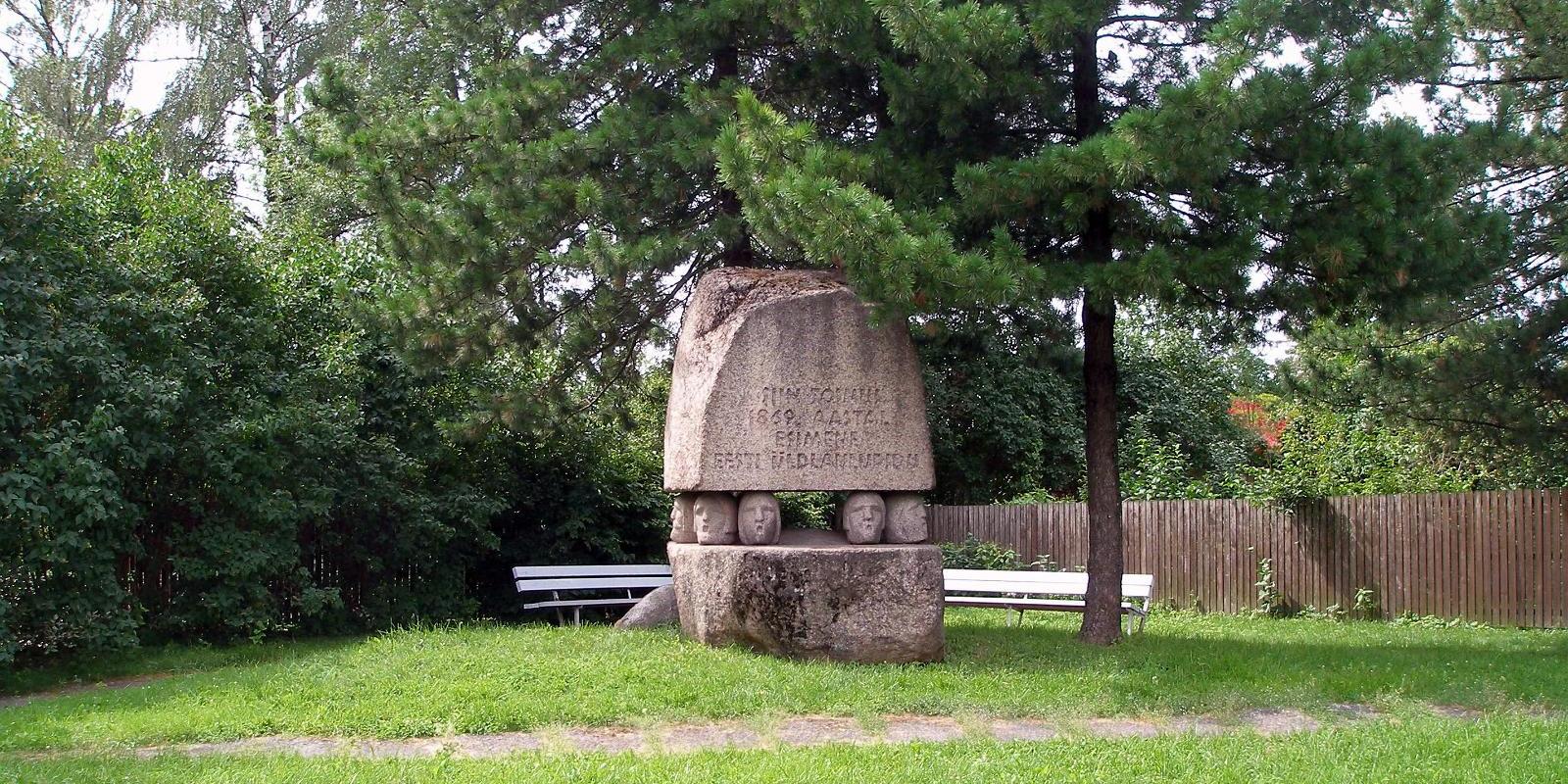
The memorial stone to the first Estonian song festival was unveiled on the 125th anniversary of the festival in 1994. It was designed by Mati Karmin.Between the two millstones (czarist power and hard work and austerity), the heads are like grains that are being ground. They sing despite the pressure (Mati Karmin XL, 2019).The first song festival was held in Tartu from 18–20 June 1869. It was opened in Toomeoru but mainly took place in the gardens of the Ressourc society opposite St Peter’s Church, which enjoyed beautiful views over the town and the Emajõgi River. The festival was attended by 46 choirs, involving almost 800 male singers and four brass bands. Almost 15,000 people attended the festival.
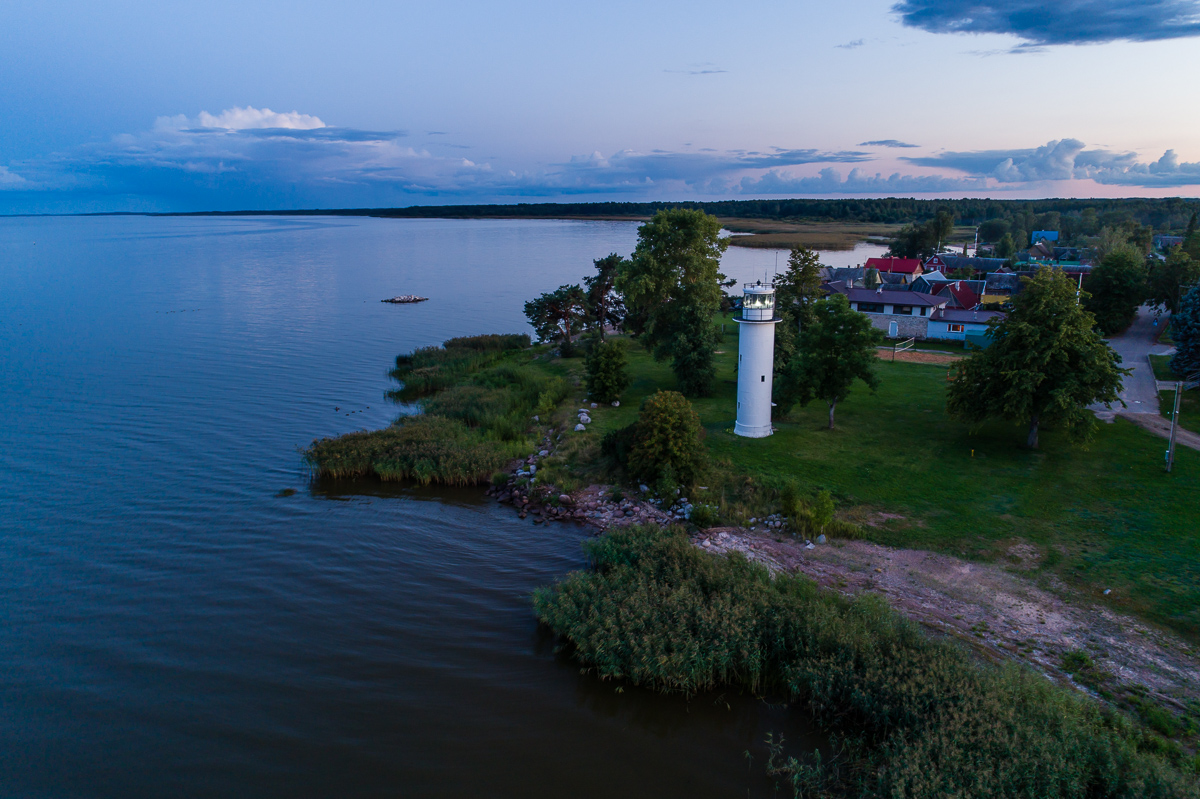
Mehikoorma Lighthouse is located on the west coast of Lake Lämmijärv in the south end of Lake Peipus. The first data from the beacons located in Mehikoorma, which showed the shipping route to Piirissaare towards north and to Sausaare towards south, date back to the First World War. By 1929, a beacon with a blinking light had been installed in Mehikoorma. The wooden beacon was replaced with a lighthouse built of reinforced concrete in 1938. The lighthouse, which is 15 m high and 3 m in diameter, worked on acetylene energy. Mehikoorma Lighthouse, with its 15 m of height, is the highest lighthouse of Lake Peipus. Visitors can only see the lighthouse from the outside.
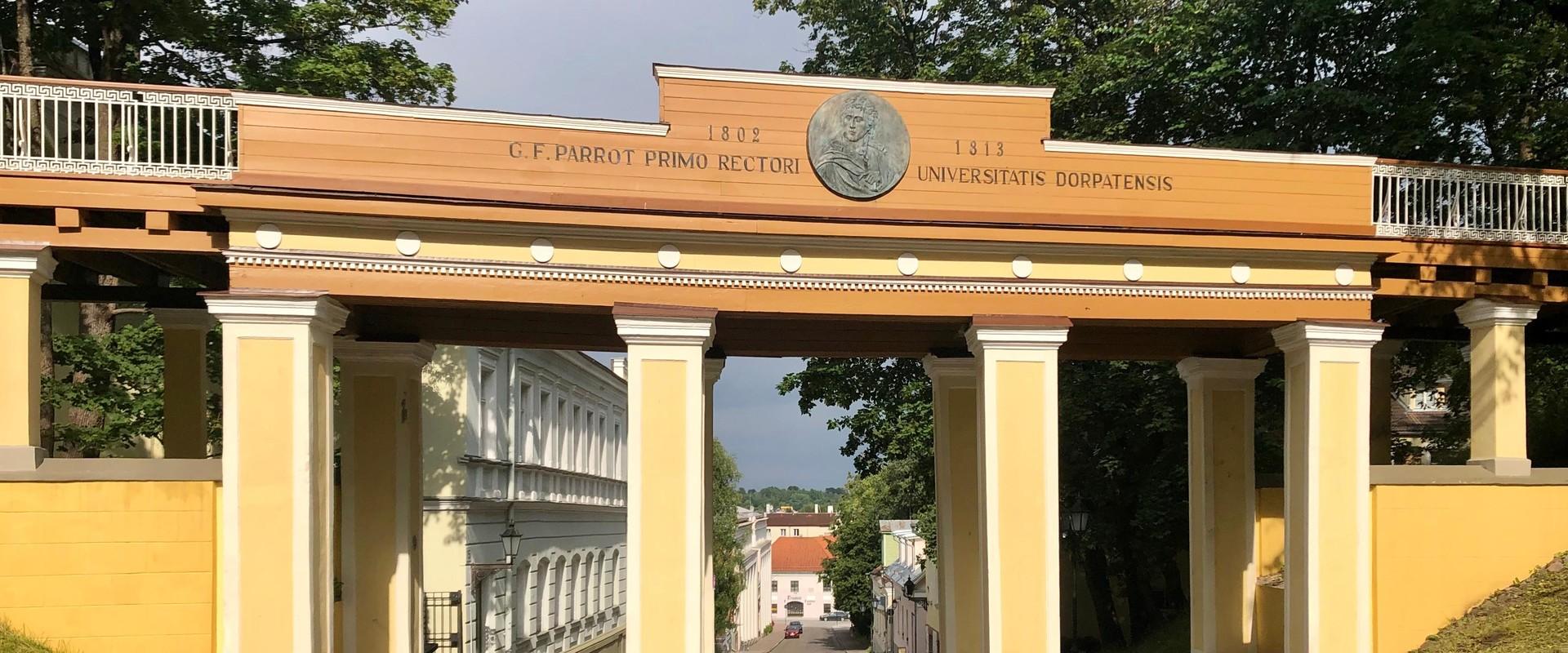
Angel Bridge is one of Tartu's symbols and a popular place among both locals and tourists. It offers a beautiful view of Toomemäe Park. Angel Bridge, designed by Johann Wilhelm Krause, was completed in 1838. On the bridge is a bas-relief of the first rector of the University of Tartu, Georg Friedrich Parrot, with the inscription "Otium reficit vires" or "Rest restores strength." There are several legends surrounding the bridge. For example, it is believed that if you take a deep breath before stepping on the bridge, run across the bridge, and make a wish, your wish will come true. Angel Bridge is also a great place to take romantic pictures!
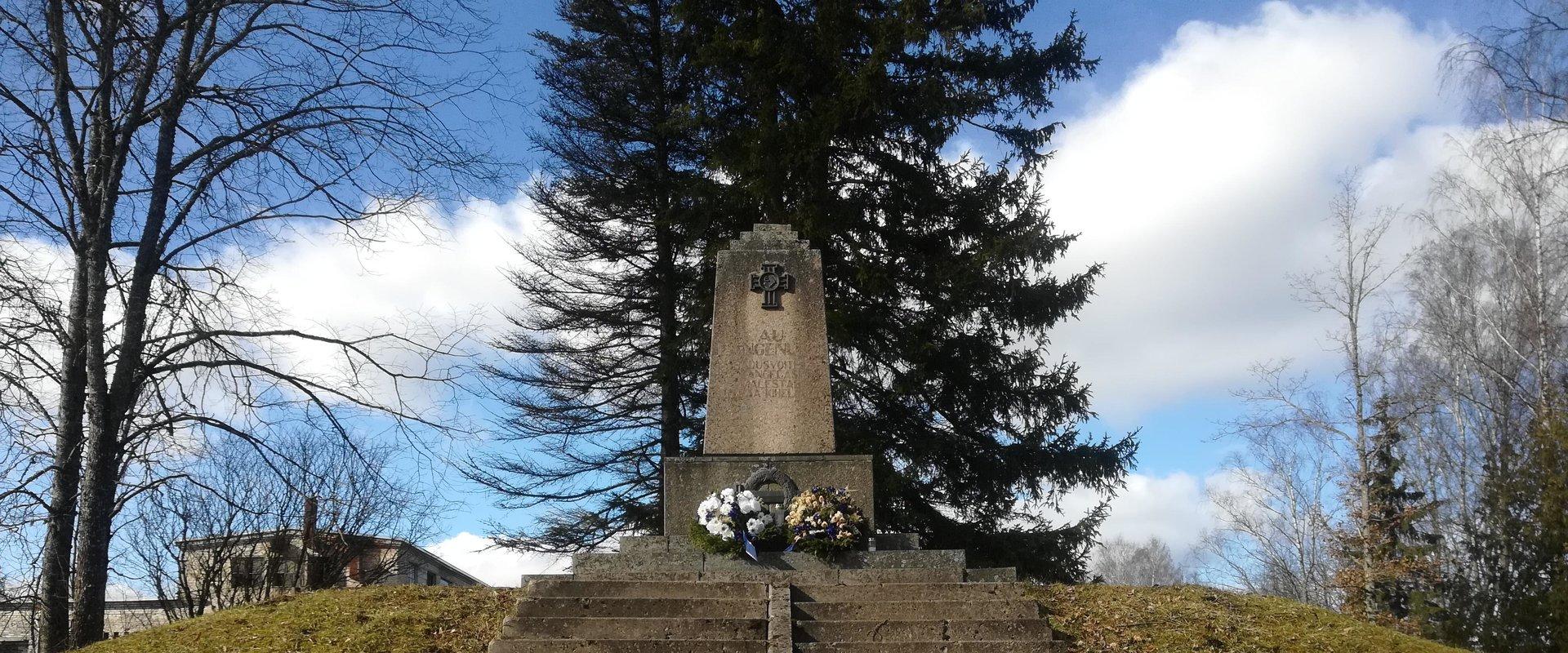
The monument to soldiers who fell in the War of Independence stands on a hill in front of Otepää Maarja Church and it is remarkable because it was hidden underground for 30 years. The monument was reopened in 1989 after renovation. The top part of the monument bears the words HONOUR THE FALLEN and a list of 22 names. The granite piece with the full list has been lost. The metal decorations were created at the initiative of sculptor Jüri Ojaver.Interesting facts: The initial monument was designed by Voldemar Melnik and made by stonemason Peeter Veeber. The monument was opened for the first time on 10 June 1928.
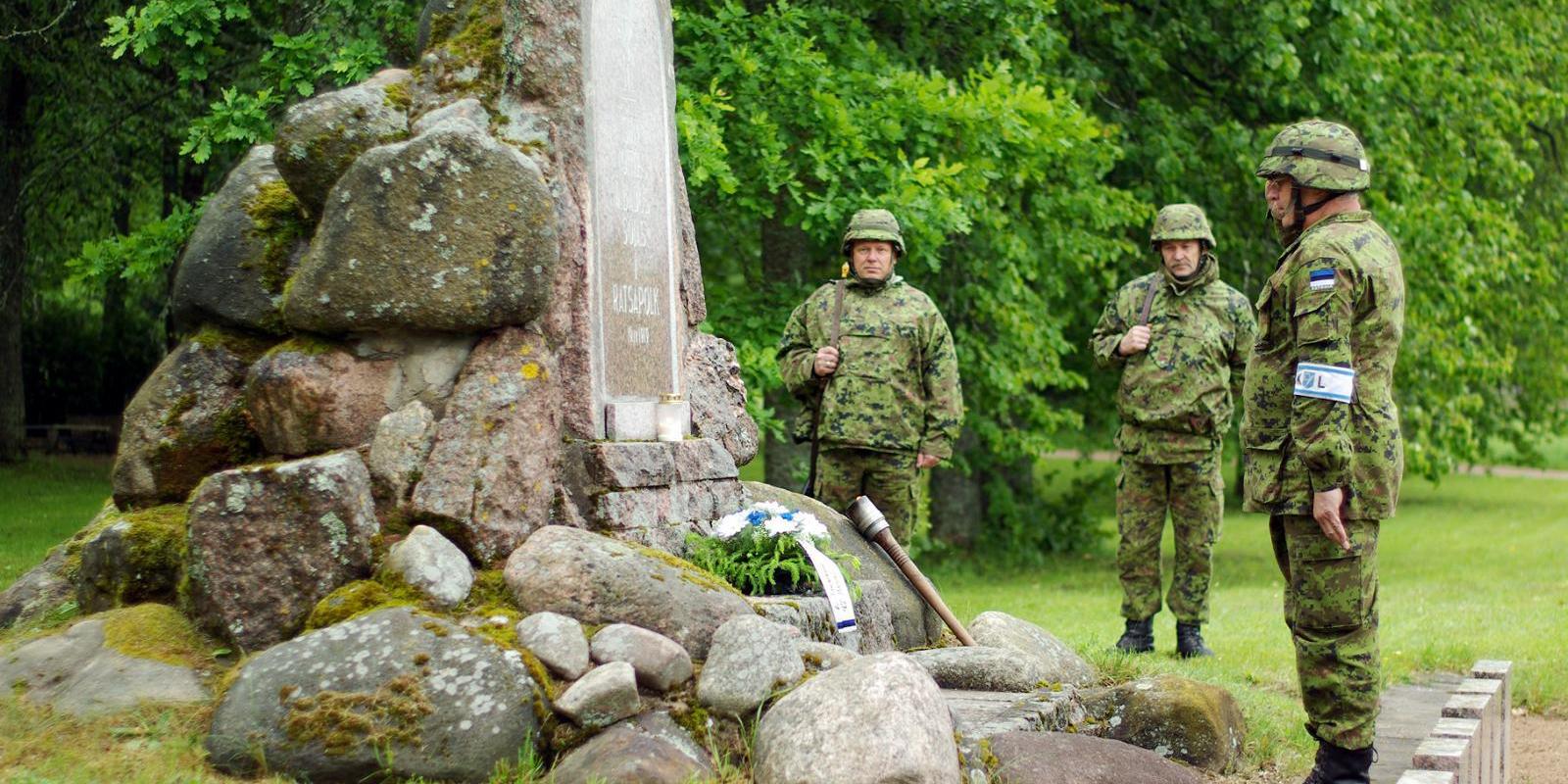
A monument to those, who fell in the War of Independence, was opened in Misso on 26 May 1935, and the activities of the 1st cavalry regiment in the battles of the War of Independence were immortalised. The monument was demolished in 1945.The reconstructed monument was reopened on 27 August 1989. The granite pillar placed on a base of quarry-stones is 2.5 m tall. Its main side has the symbol of the cavalry unit along with the text “Here, the 1st cavalry regiment fought in the War of Independence on 19 April 1919”. In front of the monument, there are six granite plates with the names of those that fell.A monument to World War II is erected only a few steps from the Monument to the War of Independence.
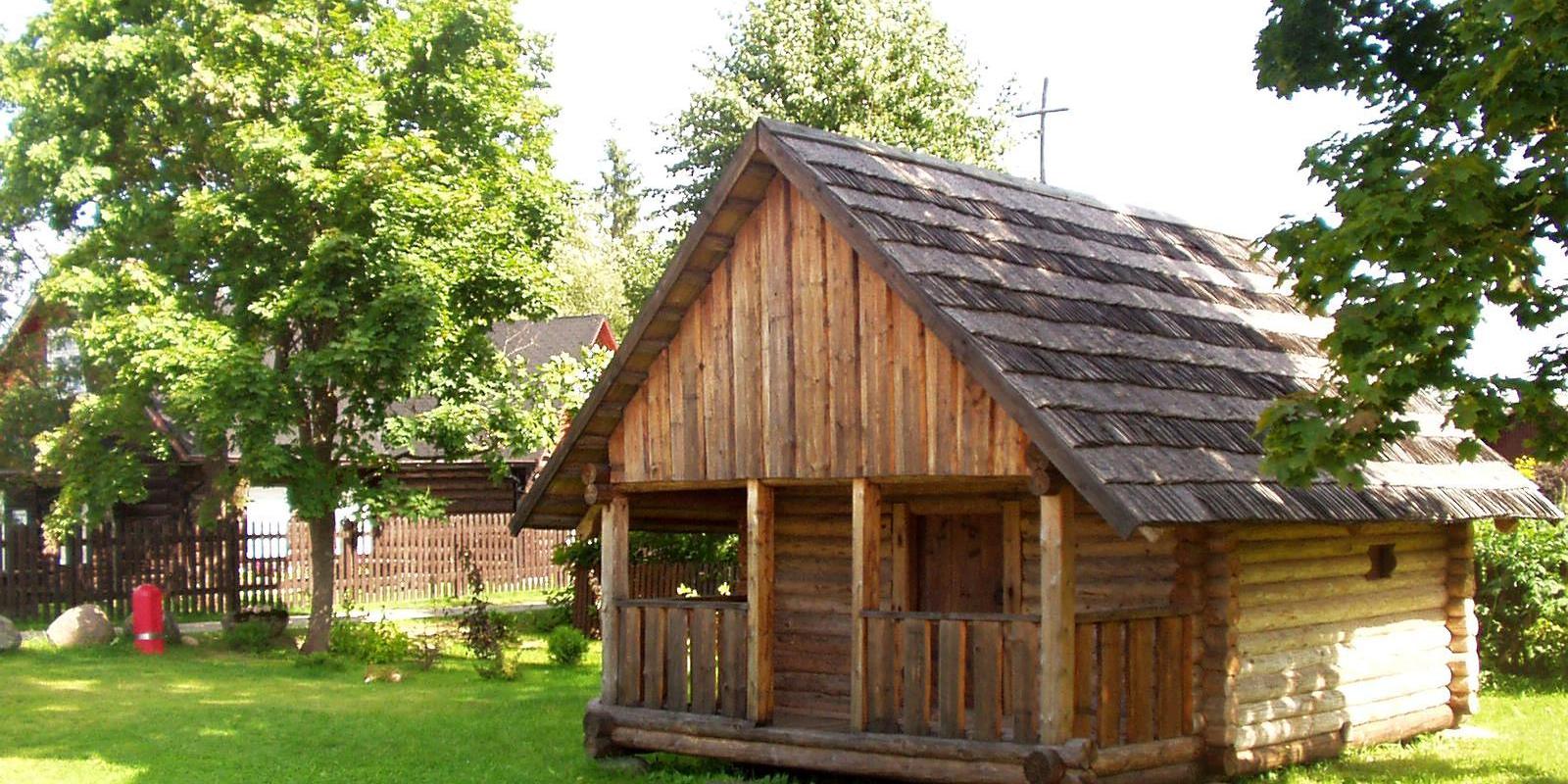
Next to the Obinitsa Museum is a small log building with a barely noticeable wooden cross on the roof. This is the Obinitsa village chapel.The building was built in 2007 in the place where a village chapel was a hundred years ago. The chapel plays an important role in Seto culture.The holy day of the chapel is the day of the Lord's Transfiguration. On its eve, on 18 August, a procession from Obinitsa Church comes here.Ask the Obinitsa Museum for more information on the chapel.