• Открой
    • Еда
    • Природа
    • Культура
    • Семья
    • Спорт
    • Сообщество
    • Блог
    У Вас появились свободные выходные, чтобы провести с детьми? Здесь собраны лучшие места в Южной Эстонии для семейного отдыха
  • Планируй
    • Размещение
    • Информация
    • Varamu
    Sustainability
RUS
  • РусскийRUS
  • EestiEST
  • EnglishENG
  • LatviešuLAT
  • SuomiFIN
RUS
  • РусскийRUS
  • EestiEST
  • EnglishENG
  • LatviešuLAT
  • SuomiFIN
Популярные запросы:
Показать все результаты
  • History & Culture
  • Architecture and history
  • Manors

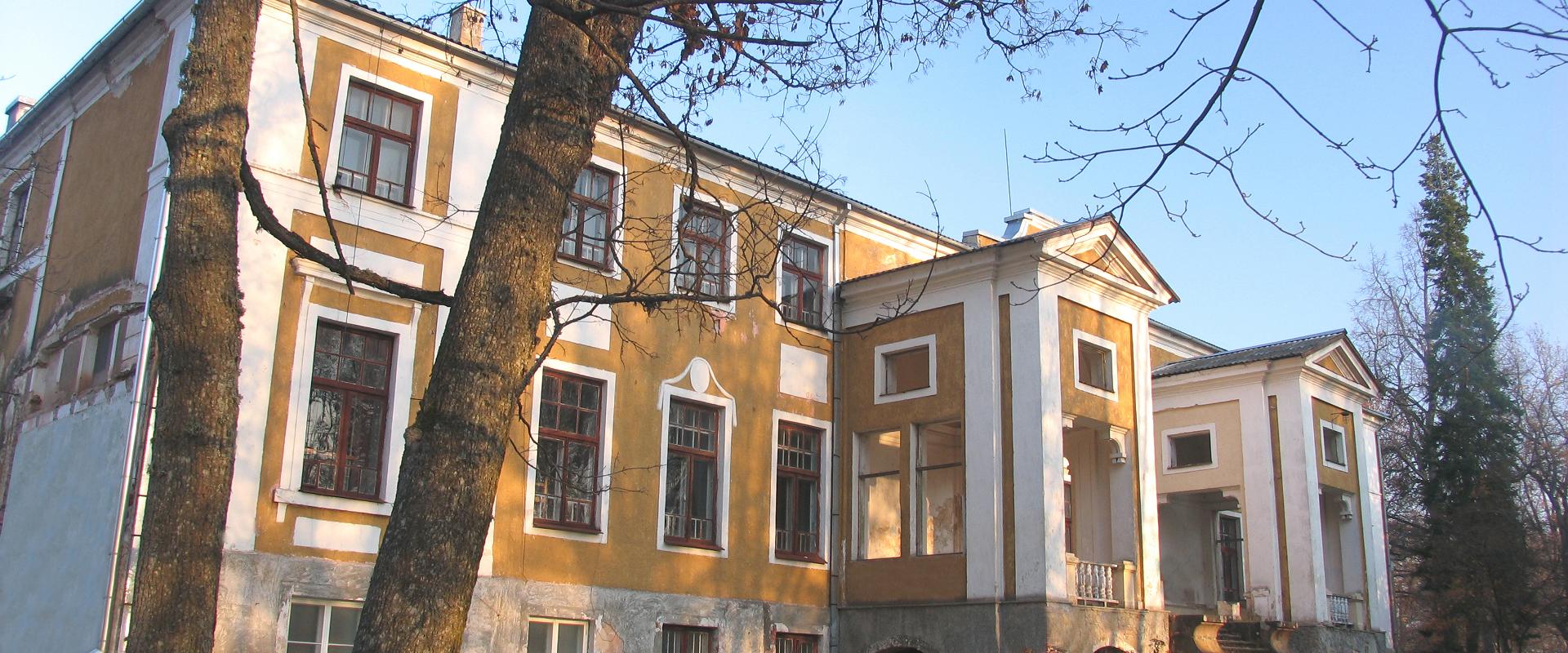
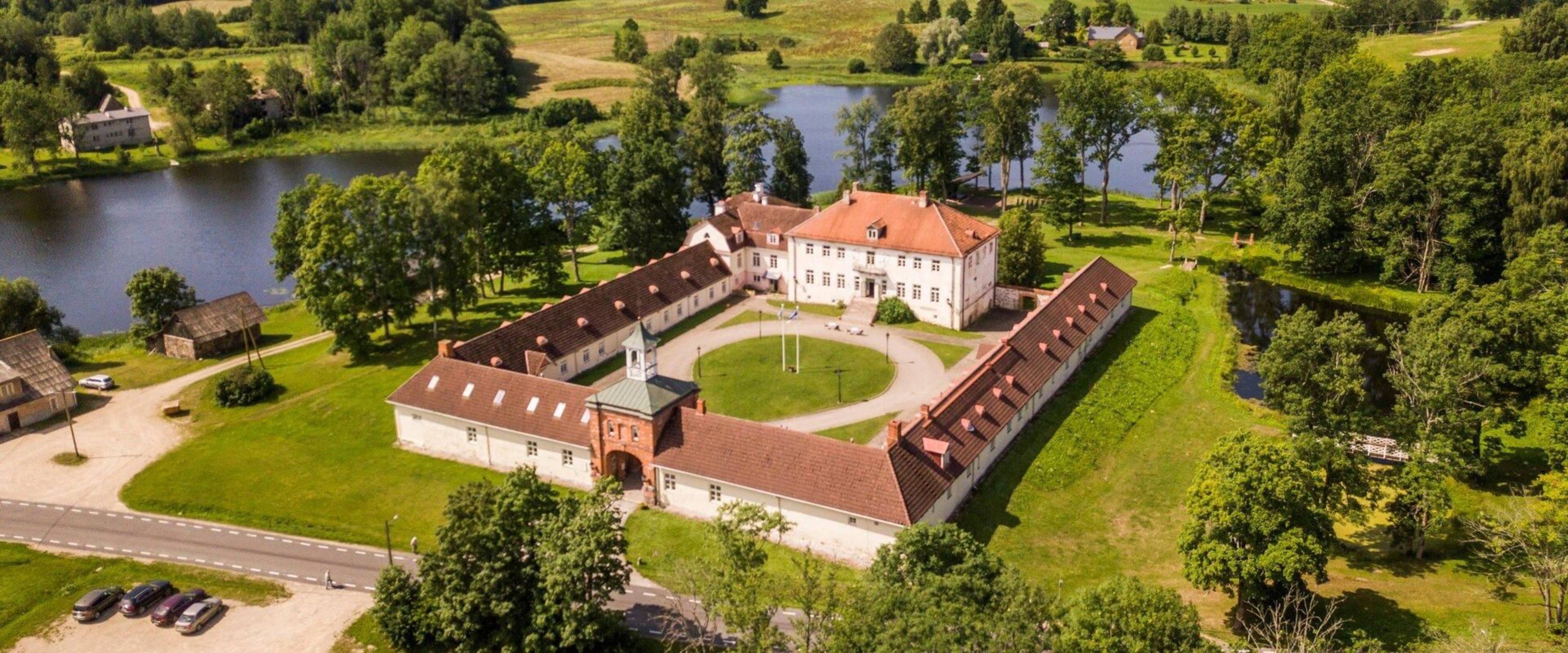
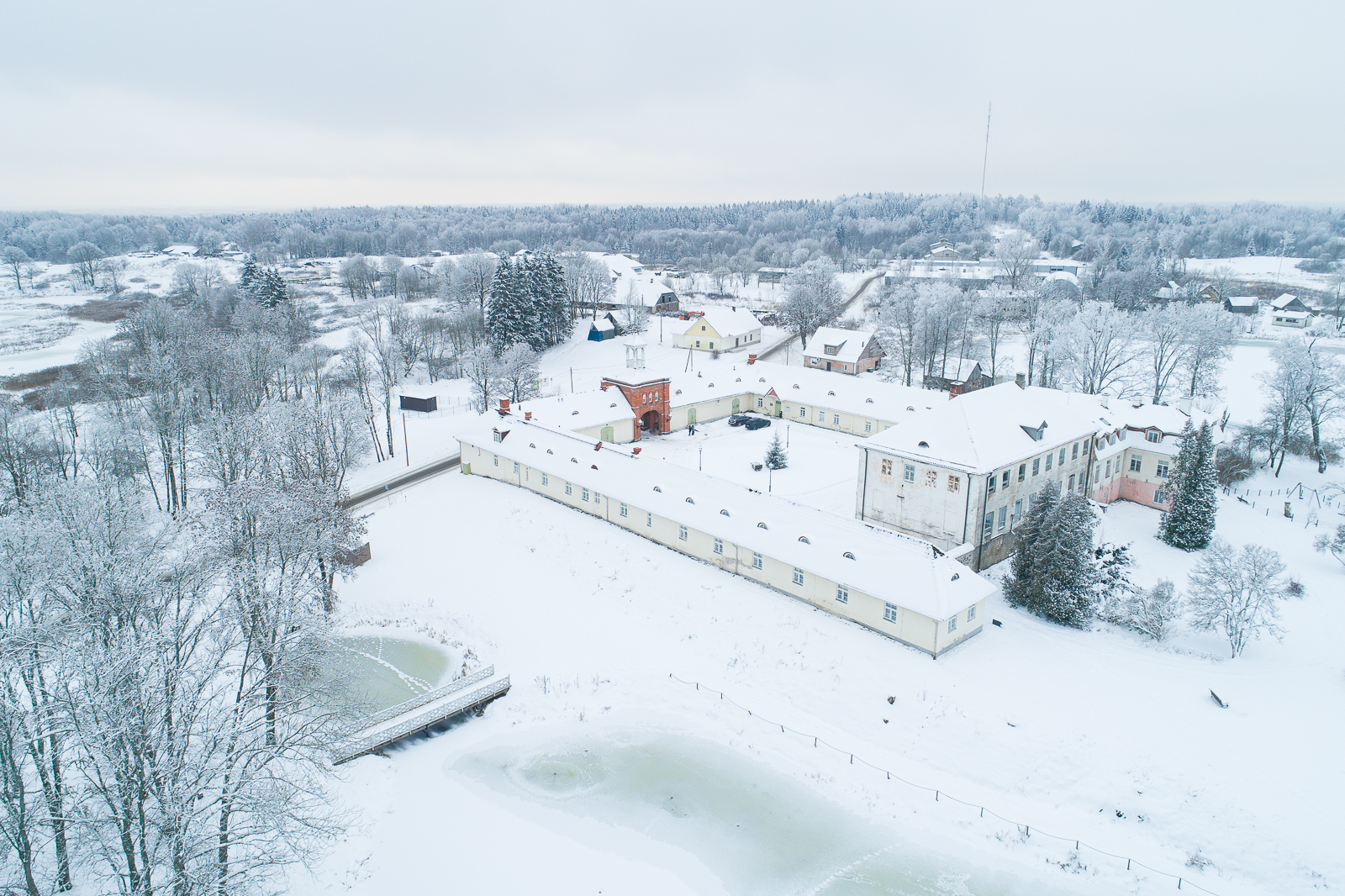
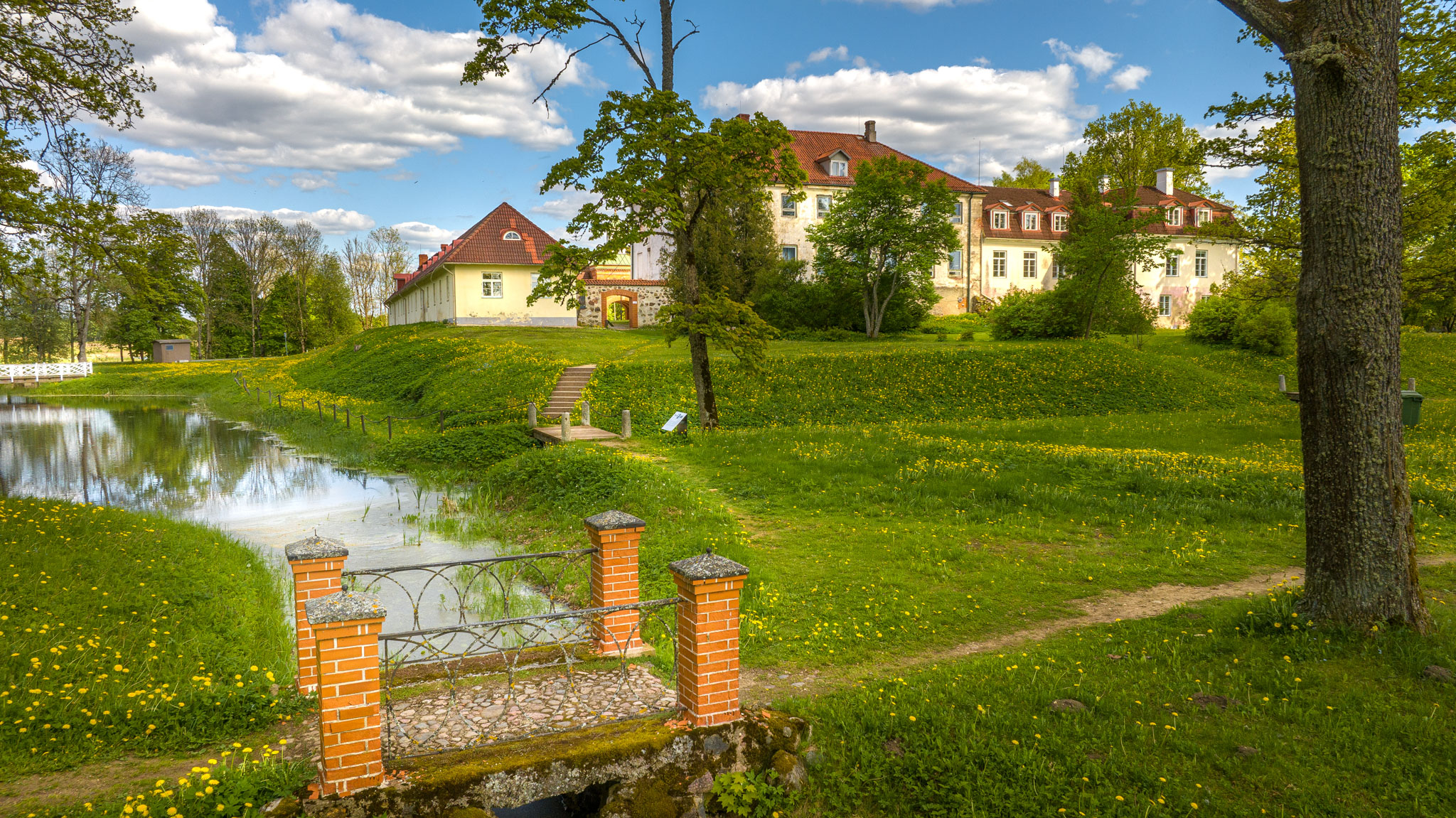
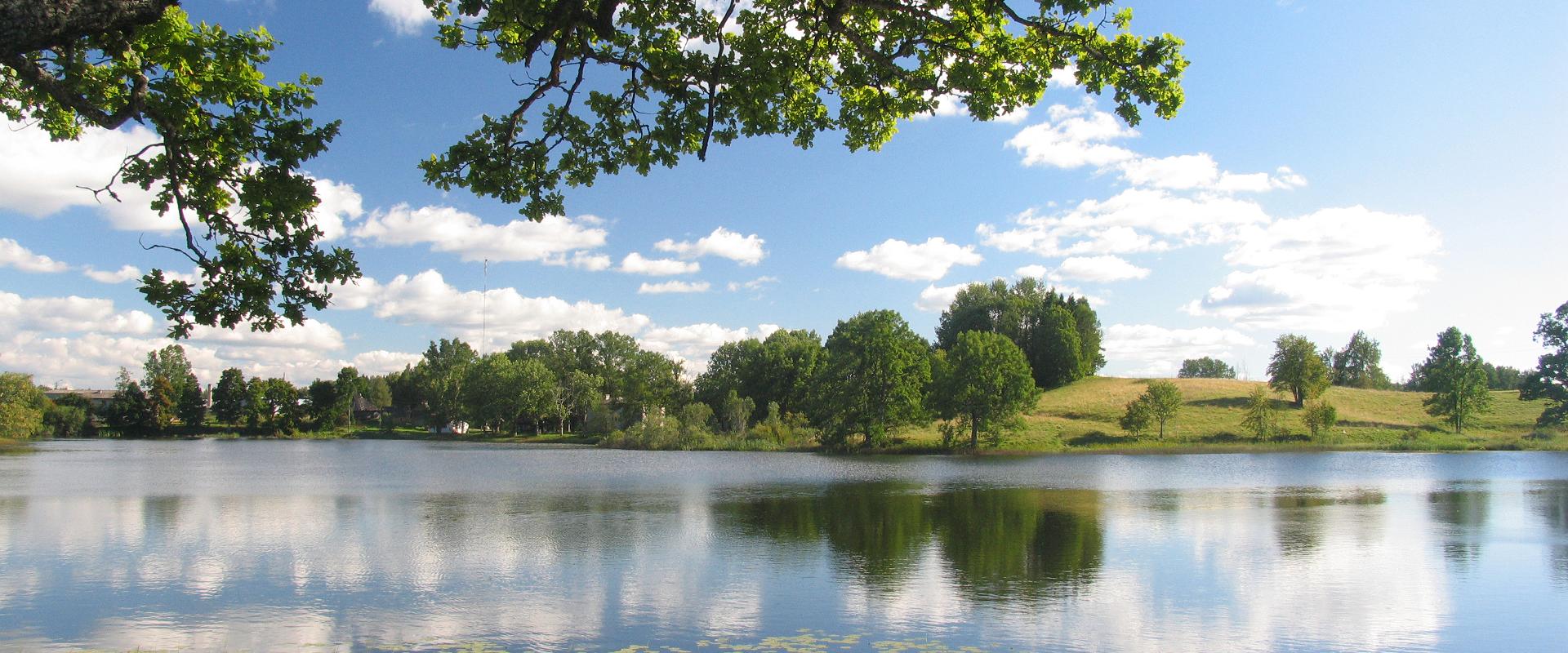
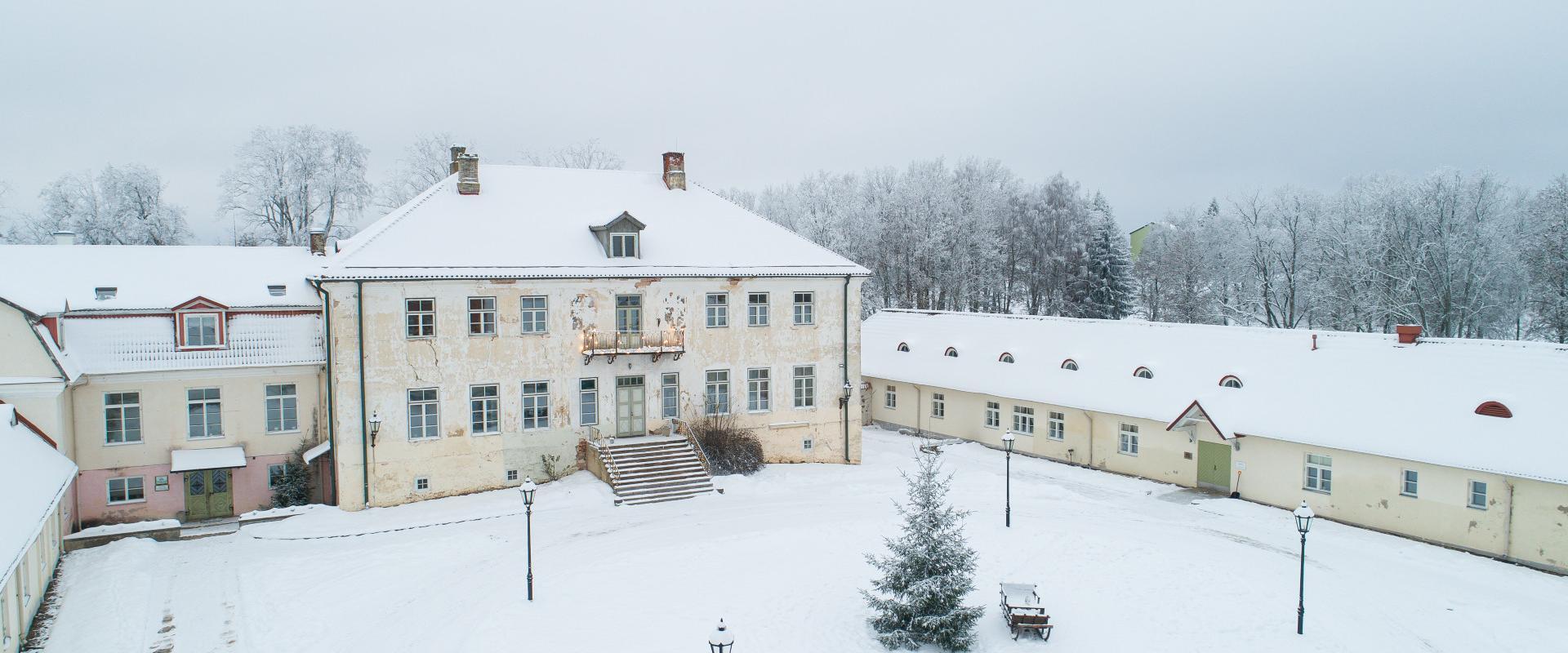
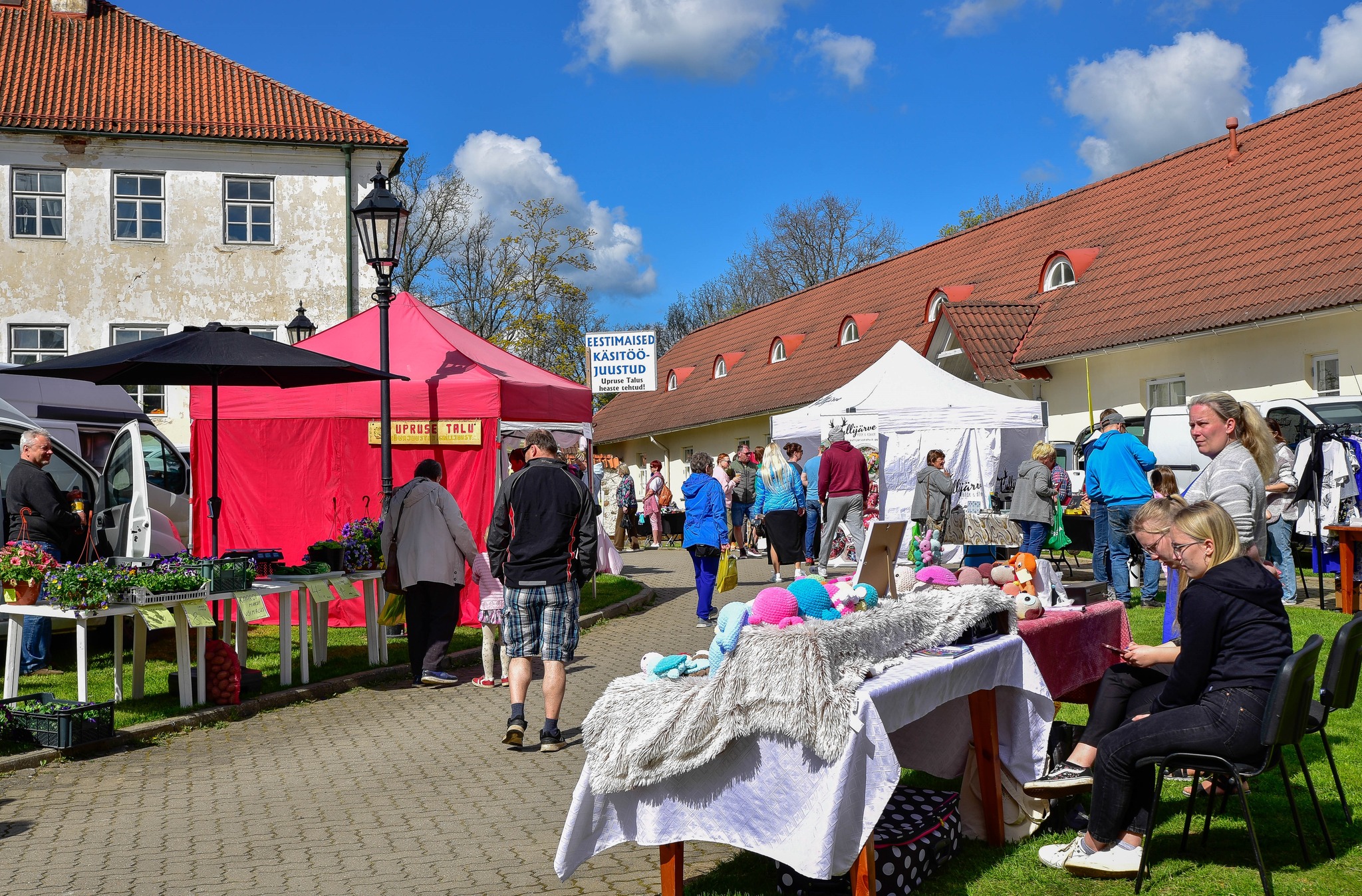
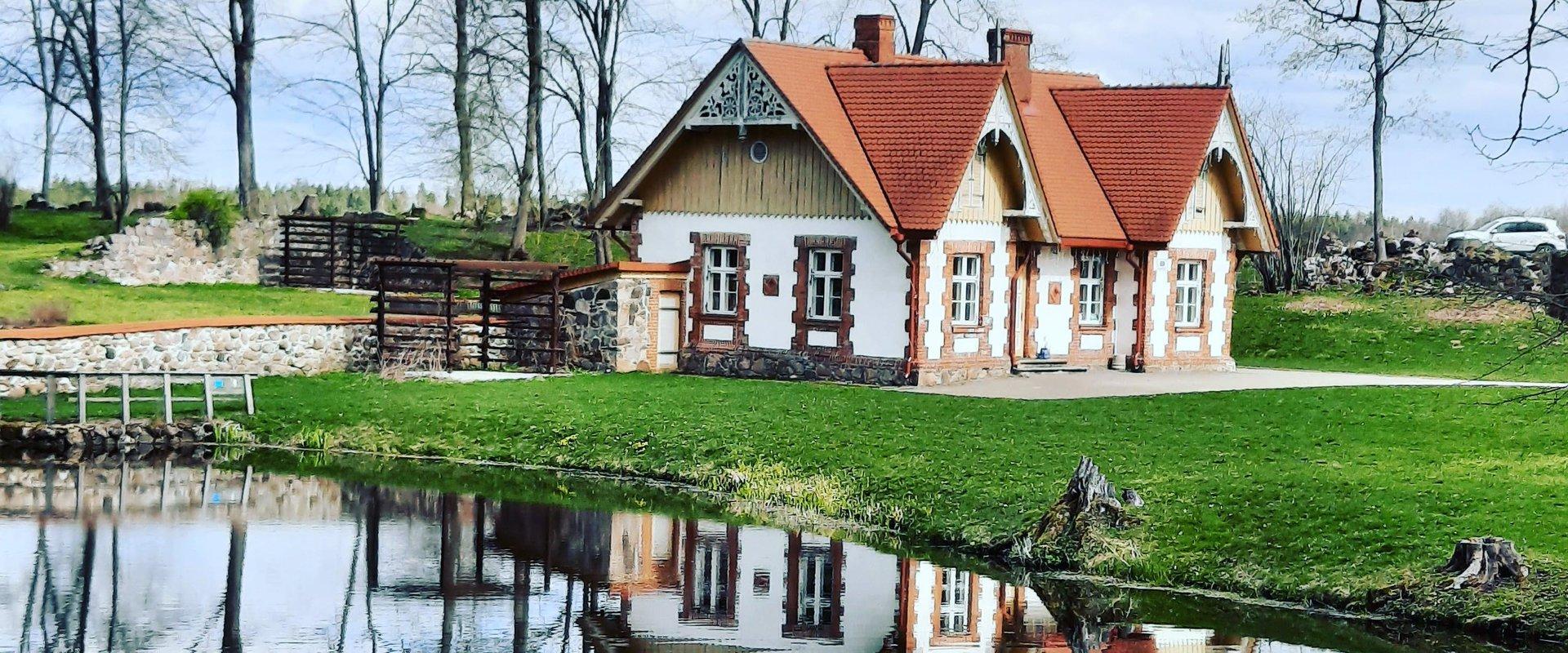
Rogosi Castle Manor in Ruusmäe

Tammiku tee 13, Rõuge vald, Võru maakond, 65102

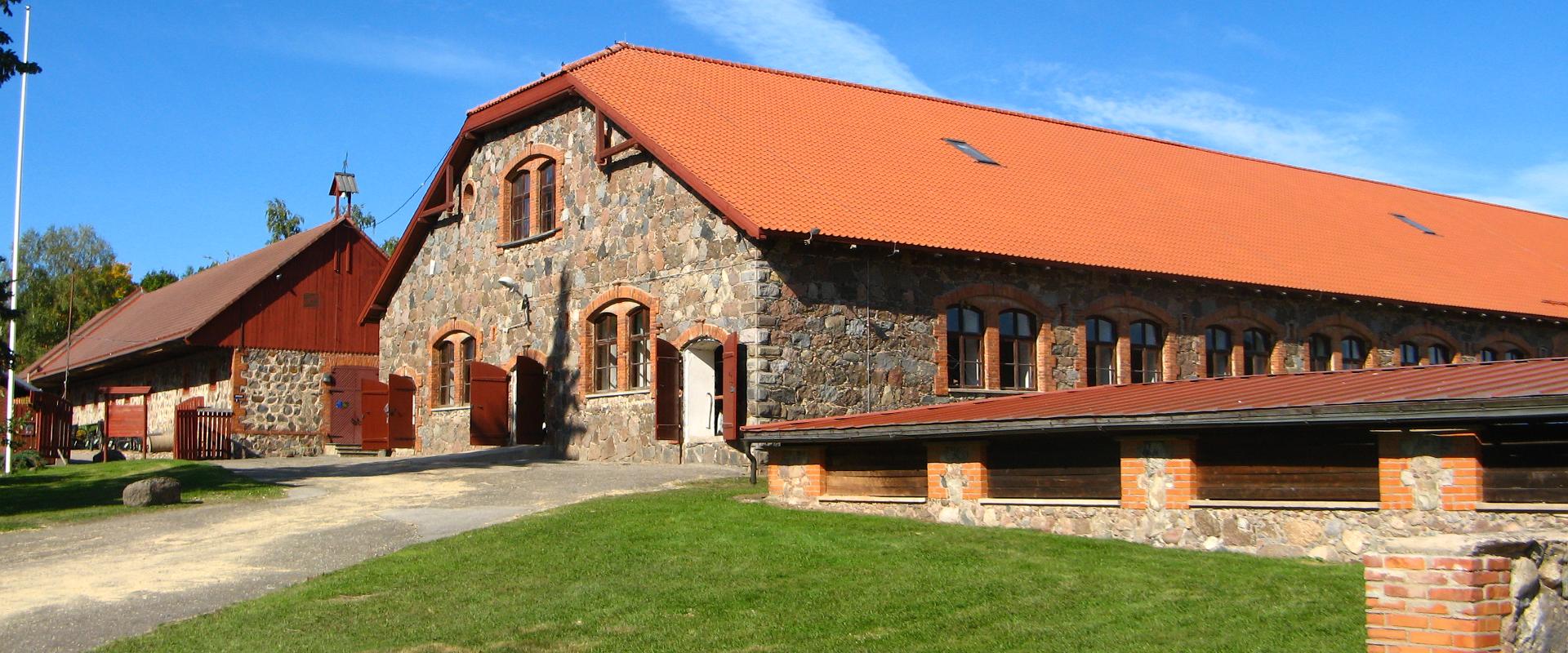
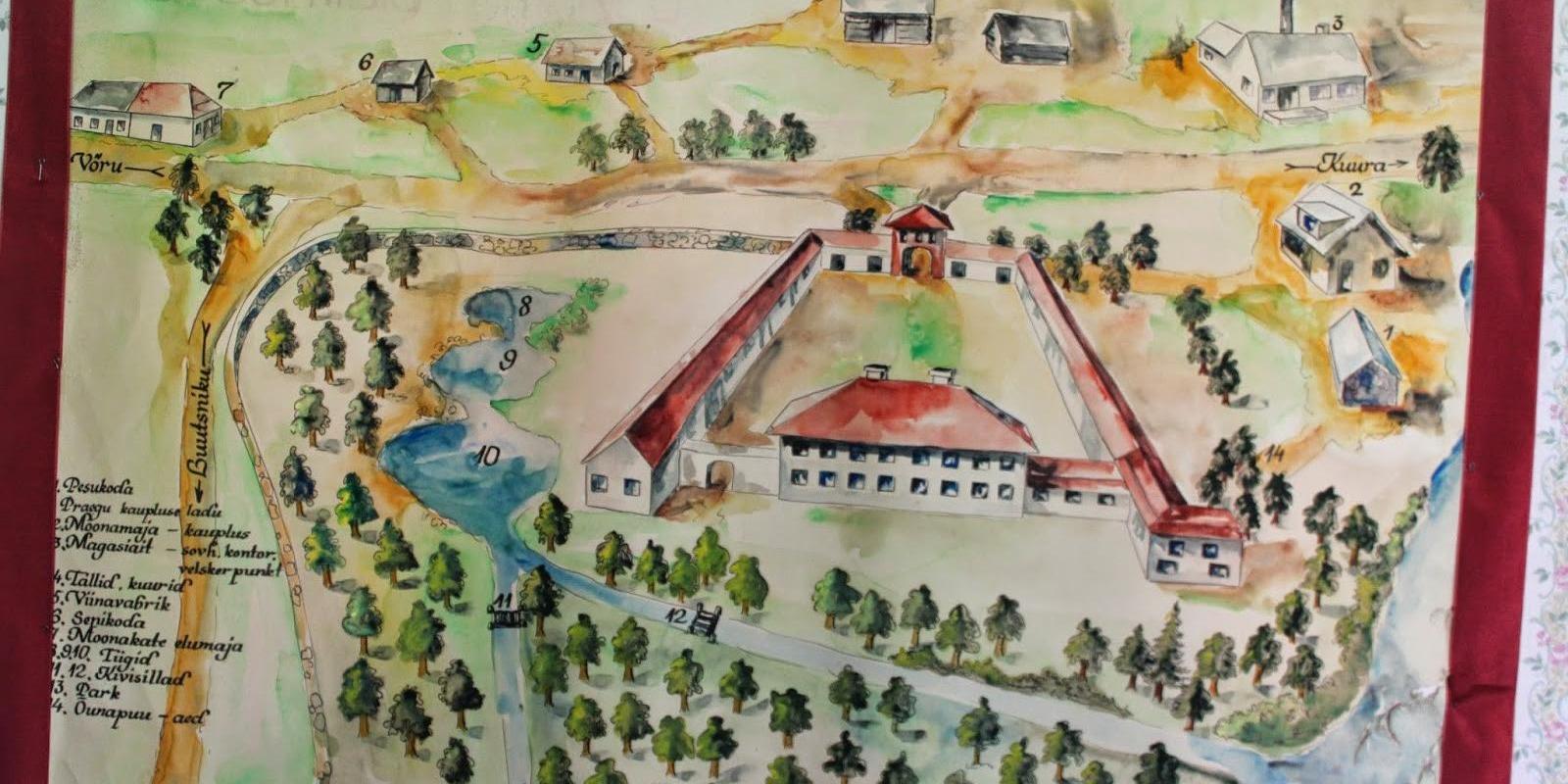
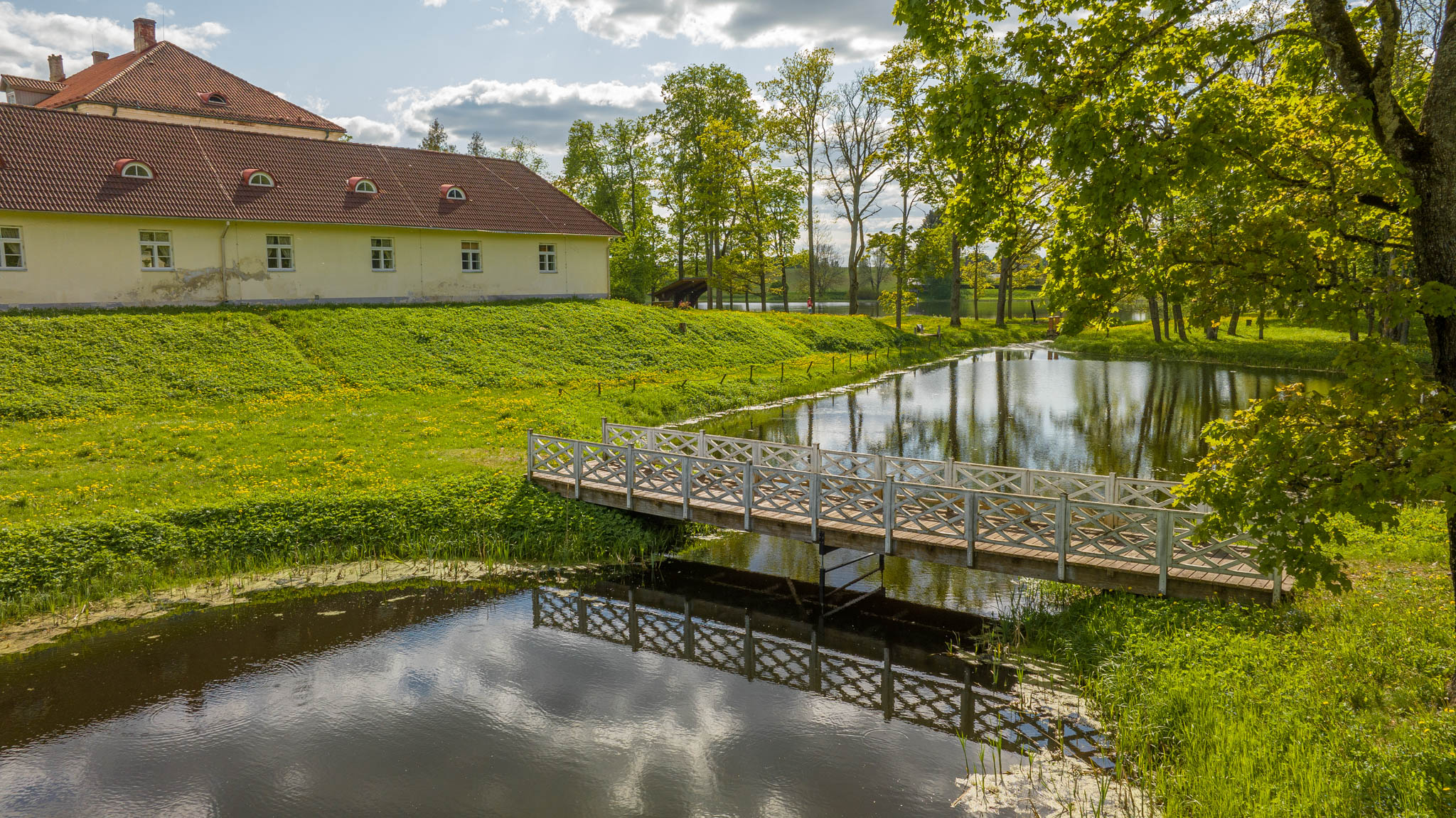
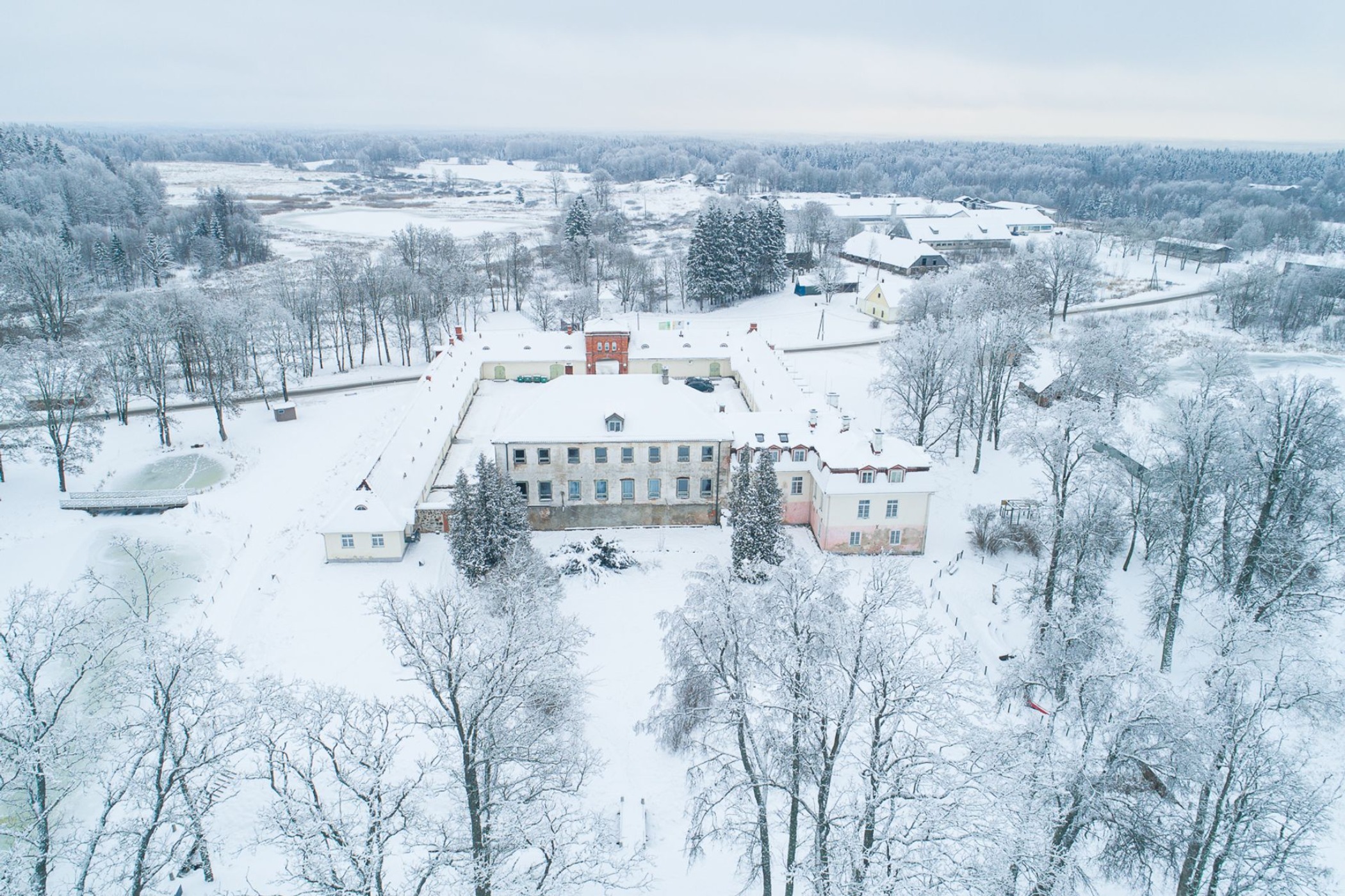
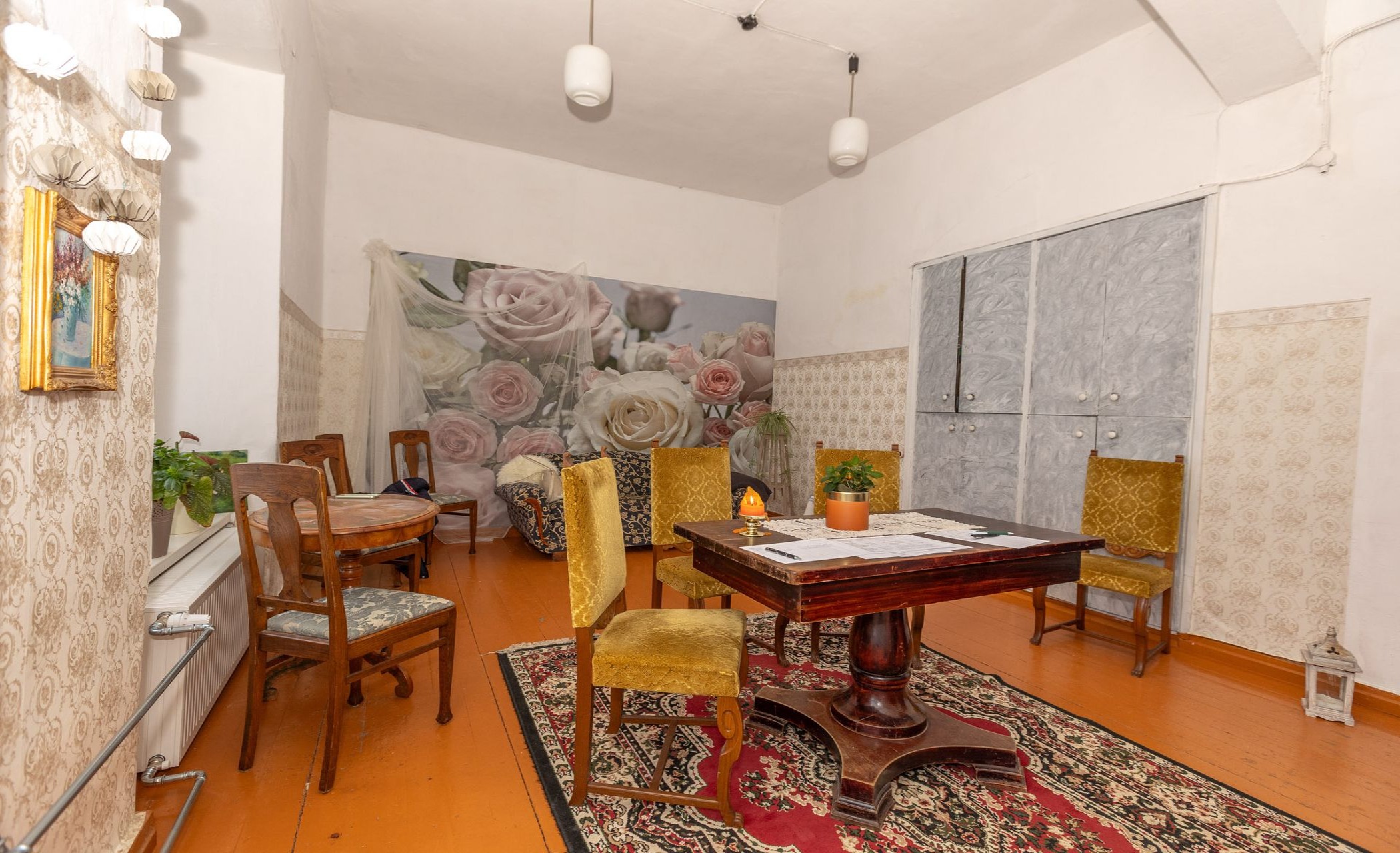
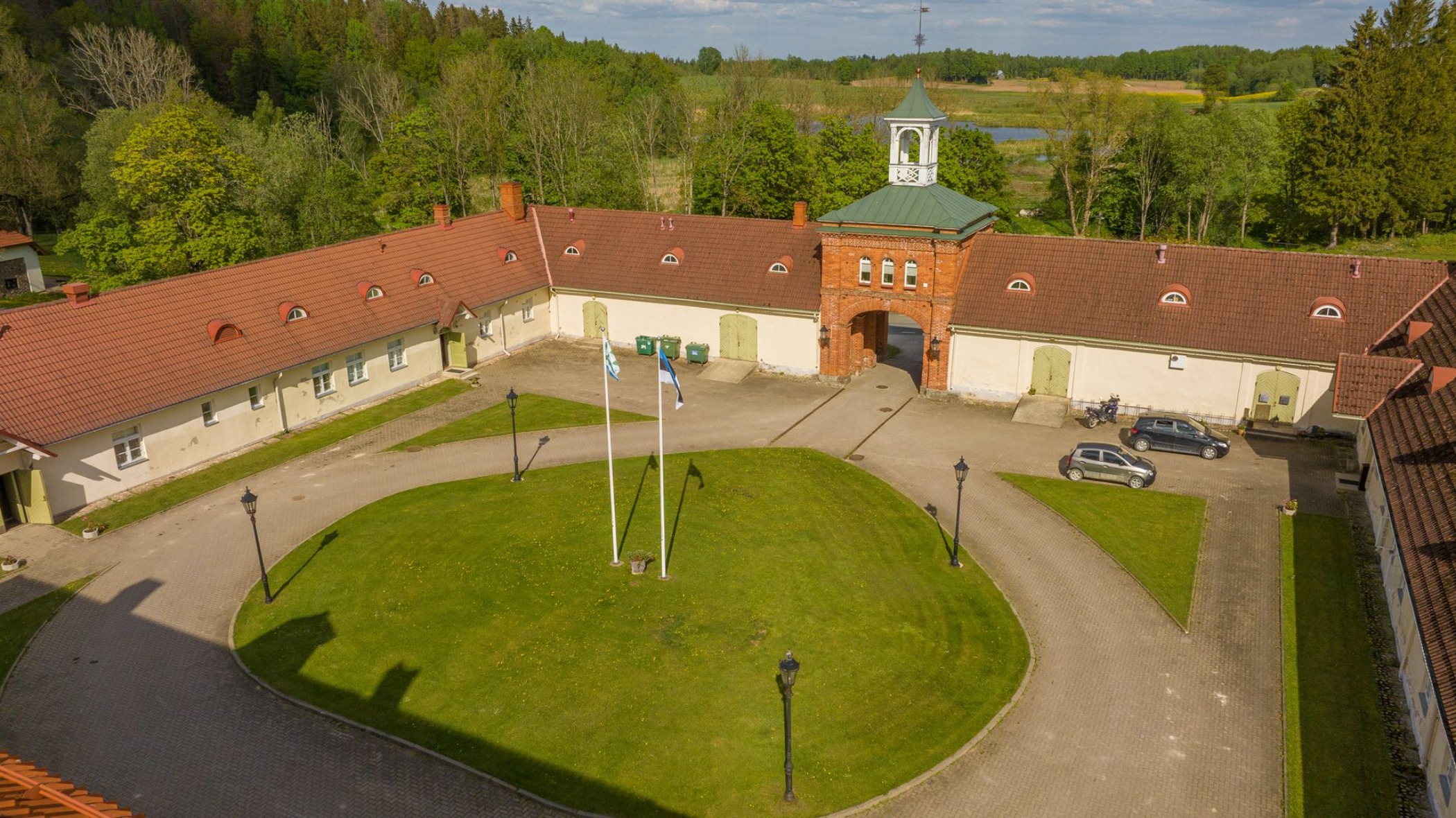
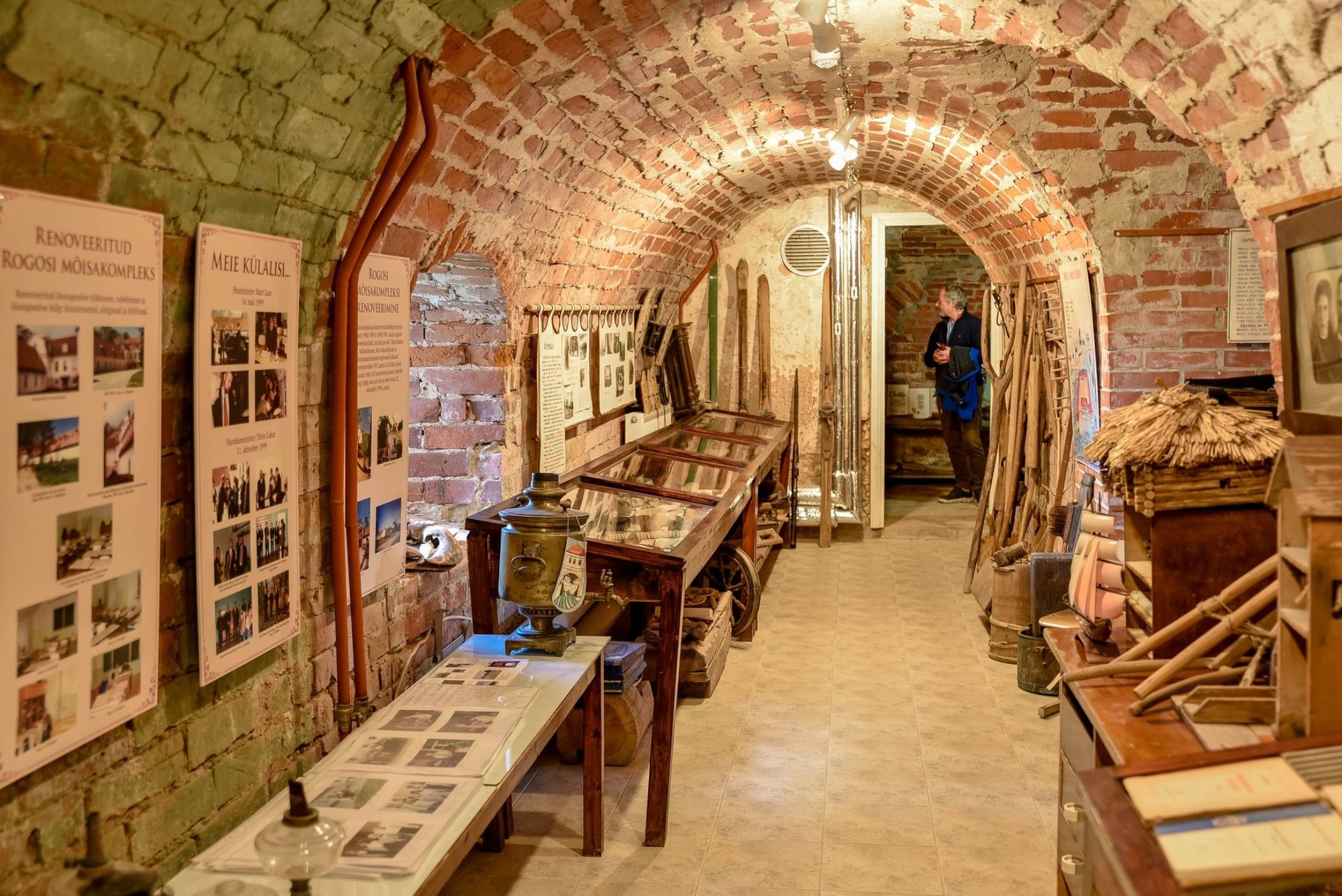
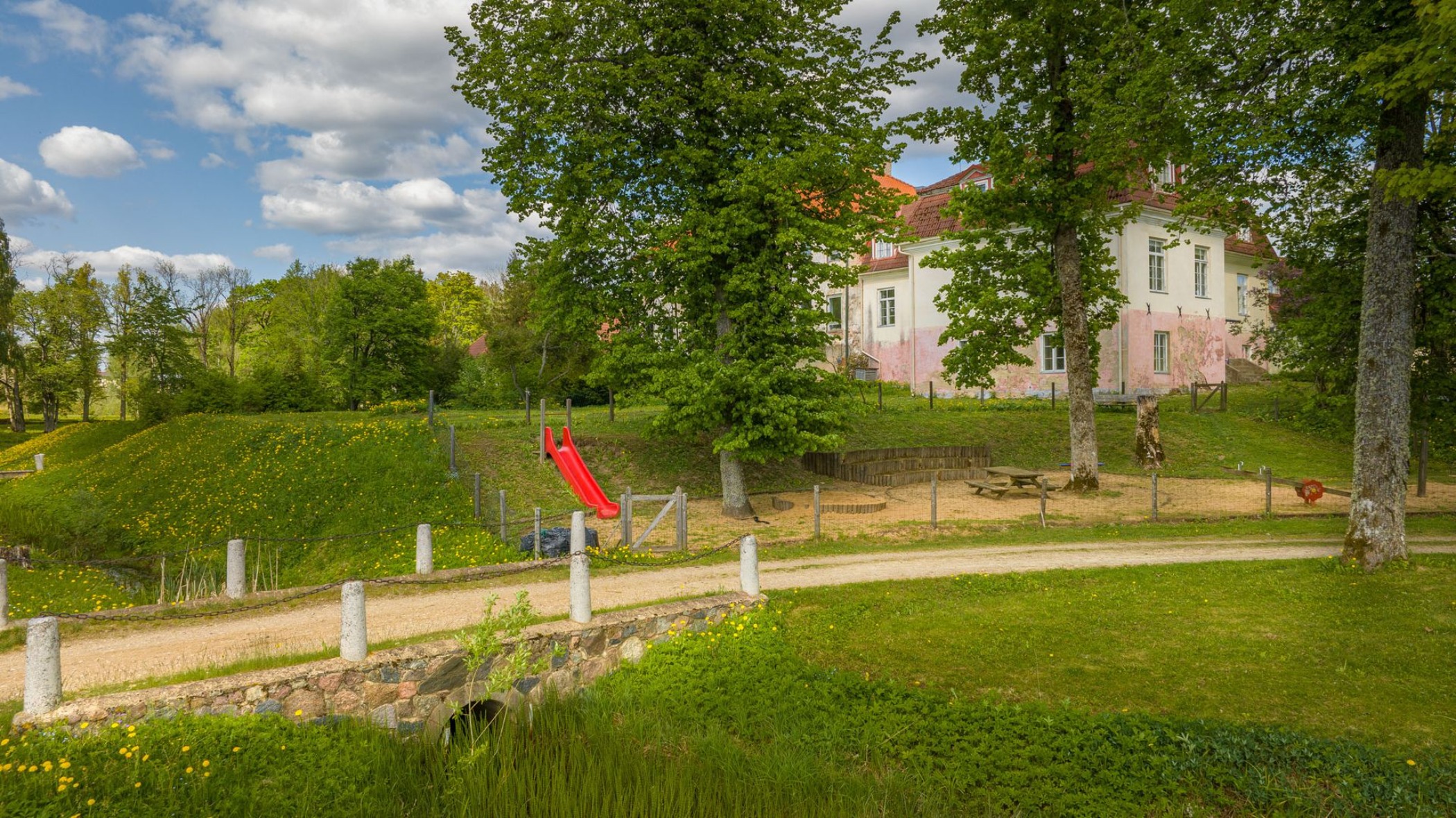
Stanislaw Rogosinsky, a native of Poland, established the Rogosi Manor. From 1629 to 1776 the manor belonged to Herman von Liebsdorff and was later given to the von Glasenapp family as Herman’s daughter’s dowry. From 1934, after the Glasenapp family was dispossessed of the manor, a school operates in the manor. When place names were translated into Estonian in 1939, the village was named Ruusmäe, but the manor is still known as Rogosi. In summer 1990, Otto von Glasenapp, son of the owner of the manor visited his old home.Useful information: There is a museum of local lore in the barbican, which is open in summer. Watercolors of Joh. Chr. Brotze have been preserved as sources of the manor’s history.
Удобства

  • Information boards
  • WiFi
  • Free parking
  • Recreation area/picnic ground

Часы работы

Круглый год

Можно наблюдать издалека

Контакты

  • +372 528 2989
  • info@visitrouge.com

Ссылки

rogosimois.ee

Подробнее

  • Guided tours
  • Workshops
  • Manors

Luke Manor

Luke Manor invites you to discover the historical architecture of its former knight's manor and the enchanting park, where you can find the stylish dollhouse-like Kärnerimaja, which has an information point, an exhibition introducing the manor, and a café in the summer. The restored Governor's House adds historical depth to the manor complex. The water fountain and the pavilion's view of the ponds invite you to immerse yourself in the romance of the manor era. The manor's terraces, an alley of uniquely shaped trees, and the concrete lion statues on the stairs (a favorite with the youngest visitors) create a unique and majestic atmosphere. At Luke Manor, you can organize a seminar, take a tour, attend a concert, or tinker in the craft workshop!

  • Manors

Pajusi manor

Pajusi manor was constructed in the 17th century. Its long, stone main building in Classicist style is thought to have been erected in the early 19th century. It was one-storey; only the central section was adorned with a small upper floor, which bears a distinct decorative window. In addition to the main building, the manor as a whole includes a number of other buildings and a large park. Did you know...? *Remaining of the main building of the manor are its central part and right-hand wing, which is home to Pajusi Community Centre

  • Manors

Puurmani Manor

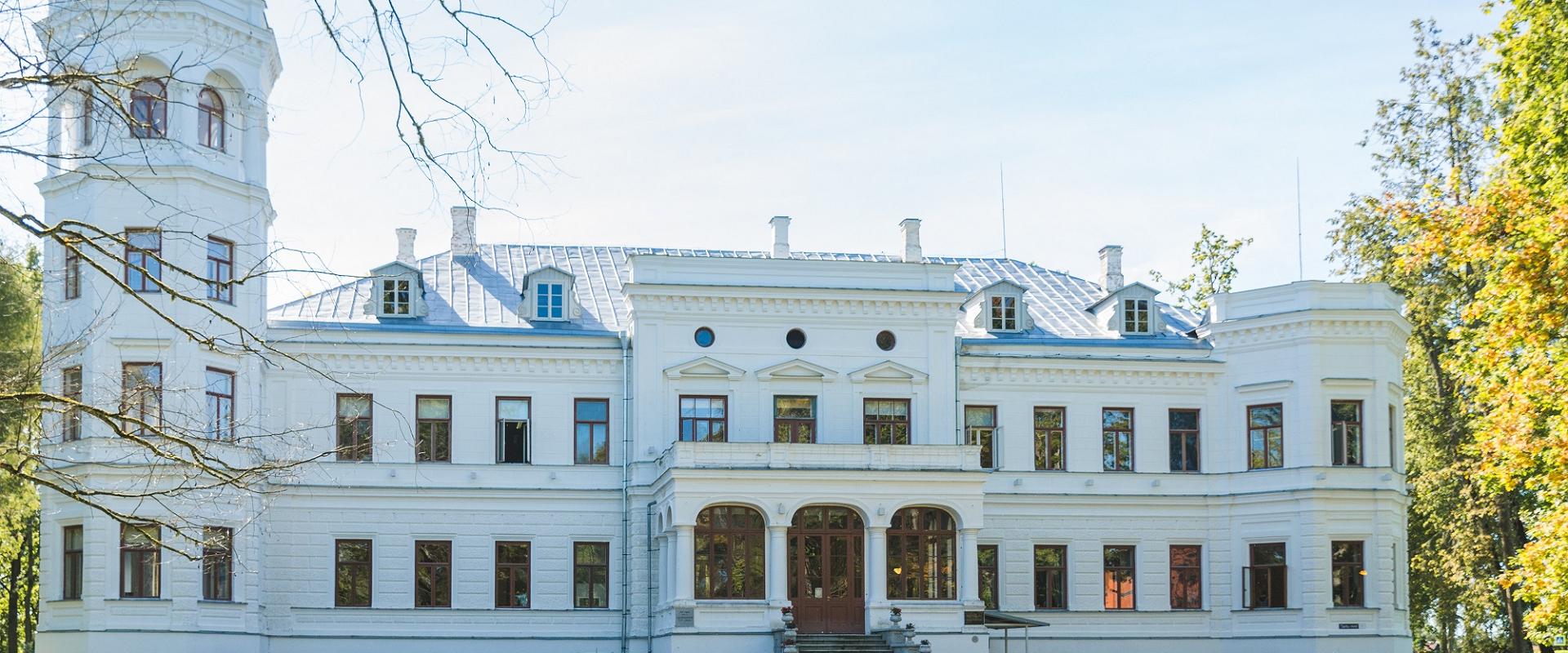
The magnificent Neo-Renaissance style manor with a white main building was built during the time of G. J. Mannteuffel in 1860. In 1918, Julius Kuperjanov established a partisan battalion in Puurmani castle.At present, the castle houses the Puurmani Upper Secondary School.You can visit Puurmani castle and learn about its history in the course of the Forgotten Manors program during the visiting days in the summer. You can also order a tour of the manor house, manor park and the entire Jõgeva County. In the manor, we will look around different floors where you can see the countess's boudoir, a secret door leading to the tower, as well as the count's study and treasury. You can also order a night tour and catering.

  • Manors

Palupera Manor Complex and the Yellow Window of National Geographic

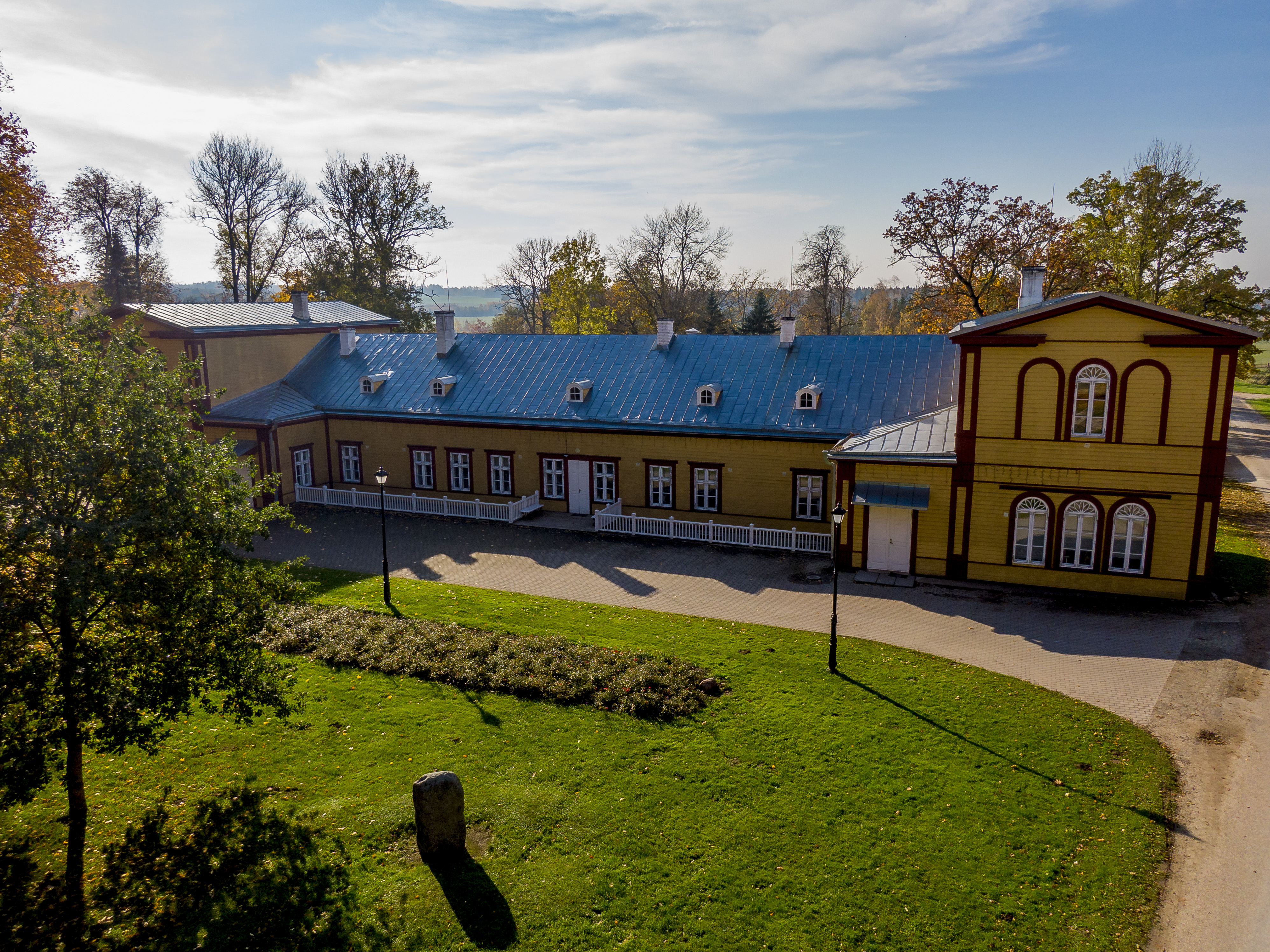
The earliest records of the Palupera Knight Manor date back to 1582. In the sixteenth and seventeenth century, the manor belonged to the von Dückers, Bronskies, and von Fersens. The manor remained the property of the von Bruiningks for a longer time, so their family cemetery is located near the heart of the manor. Several buildings have been preserved from the complex, which have been preserved under heritage protection.On 28 September 2019, the first Yellow Window of National Geographic in Elva rural municipality was opened at the Palupera Manor. Palupera’s yellow window is innovative in that it is the first window to have a special visitor counter installed to it.

  • Castles
  • Manors

Sangaste Castle

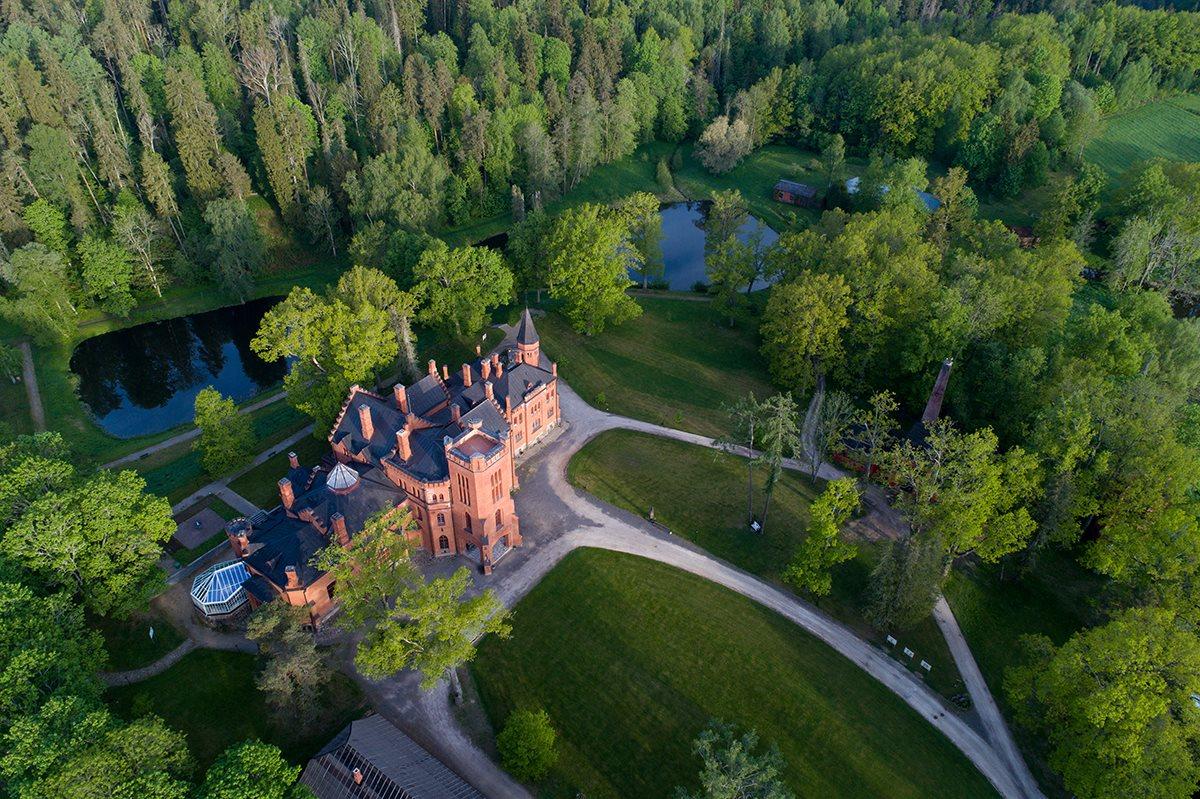
Sangaste Castle is one of the Southern Estonian places worth discovering that are marked with a yellow window. If you are interested in culture and history, it is definitely worth a visit. Sangaste castle and park were fashioned after the famous Windsor castle in England. The magnificent halls, architecture and history of the castle make this a good place for a big wedding, get-togethers or spending the night in a genuine castle. The castle restaurant serves local food and real rye vodka made from Sangaste rye. In addition to the castle, the stables, dairy, barn, water tower and arboretum are also open for visitors.

  • Manors

Ülenurme Manor

The well-preserved Ülenurme Knight's Manor (Üllenorm) in Ülenurme is first mentioned in writing in 1646, when a military man called Bernhard Bousselberg received the manor from the Kingdom of Sweden in exchange for a stone building in Tartu.The park and the main building were probably created by Count Cancrin who was the owner of Ülenurme manor between 1856 and 1883.The manor has been passed from owner to owner, and the main source of its income was grain farming.At the beginning of 1970, the complex of numerous stone buildings of the former Ülenurme Manor's centre was allocated to the Estonian Agricultural Museum that opened its doors to visitors in 1981.You have to buy a ticket in order to visit the museum. The complex has a gazebo, a village swing, and stables.

  • Manors

Väimela Manor and Park

Väimela Manor was first mentioned already in 1590, but the current main building is from 1952.The threshing building, distillery, farmhands' barn, farmhand's house, milking parlor, woodworking shop, granary and grain dryer, hay barn, barn and dairy have been preserved. Bernhard von Loewen was the last squire.Today, the manor is managed by the Võru County Vocational Training Centre. The manor park was established in the 18th century and there are mostly lindens, maples and oaks.Lakes Alajärv and Mäejärv in Väimela are connected with a stream. South of Lake Alajärv, in Matussaare, is the burial ground of squires of Väimela and the ruins of a chapel, that was built in 1885.You can only see the manor from outside.

  • Pet friendly
  • Guided tours
  • Castles
  • Manors

Following in the footsteps of the barons

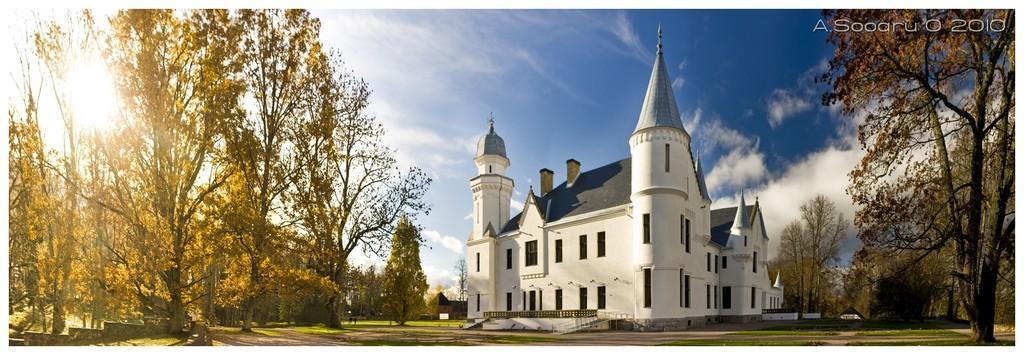
This is a four-hour event taking place in the castle, its grounds and other parts of Alatskivi.The day includes:* A guided tour of the castle* A tour of the castle grounds and/or the nearby forest led by a cultural heritage guide, covering the manor-era buildings and other sites* A manor-era meal in the castle restaurantAlatskivi is located in Eastern Estonia, and at first glance the castle seems like something out of a fairytale with its battlements and towers. It is one of the most beautiful manor houses in the country.The minimum size of the group is 4 people.

  • Privacy Policy

"*"обозначает обязательные поля

Это поле используется для проверочных целей, его следует оставить без изменений.
Я разрешаю маркетинг