• Avasta
    • Еда
    • Природа
    • Культура
    • Семья
    • Спорт
    • Сообщество
    • Блог
  • Planeeri
    • Размещение
    • Информация
    • Varamu
RUS
  • РусскийRUS
  • EestiEST
  • EnglishENG
  • LatviešuLAT
  • SuomiFIN
RUS
  • РусскийRUS
  • EestiEST
  • EnglishENG
  • LatviešuLAT
  • SuomiFIN
Populaarsed otsingud:
Näita kõiki tulemusi
  • History & Culture
  • Art & design
  • Monuments

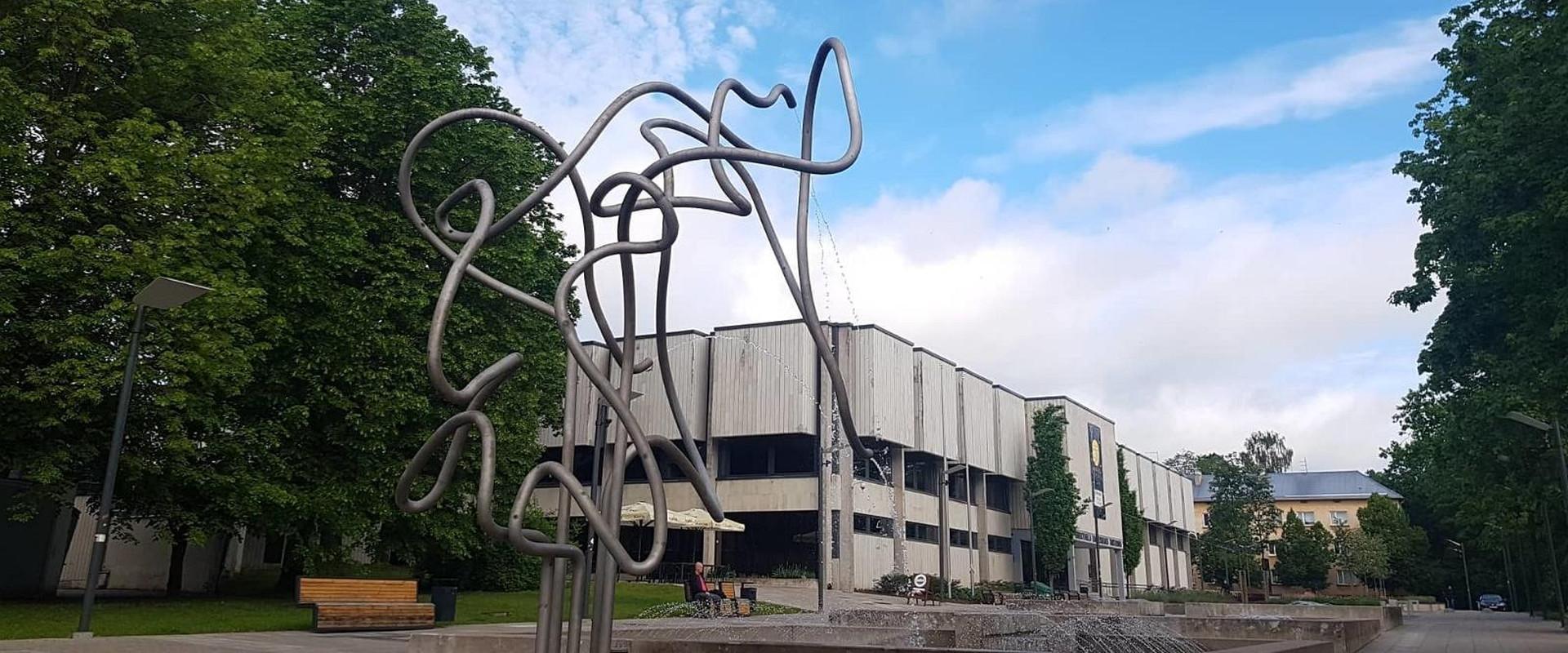
Monument to Eduard Tubin

Vanemuise tn 6, Tartu linn, Tartu maakond, 51003

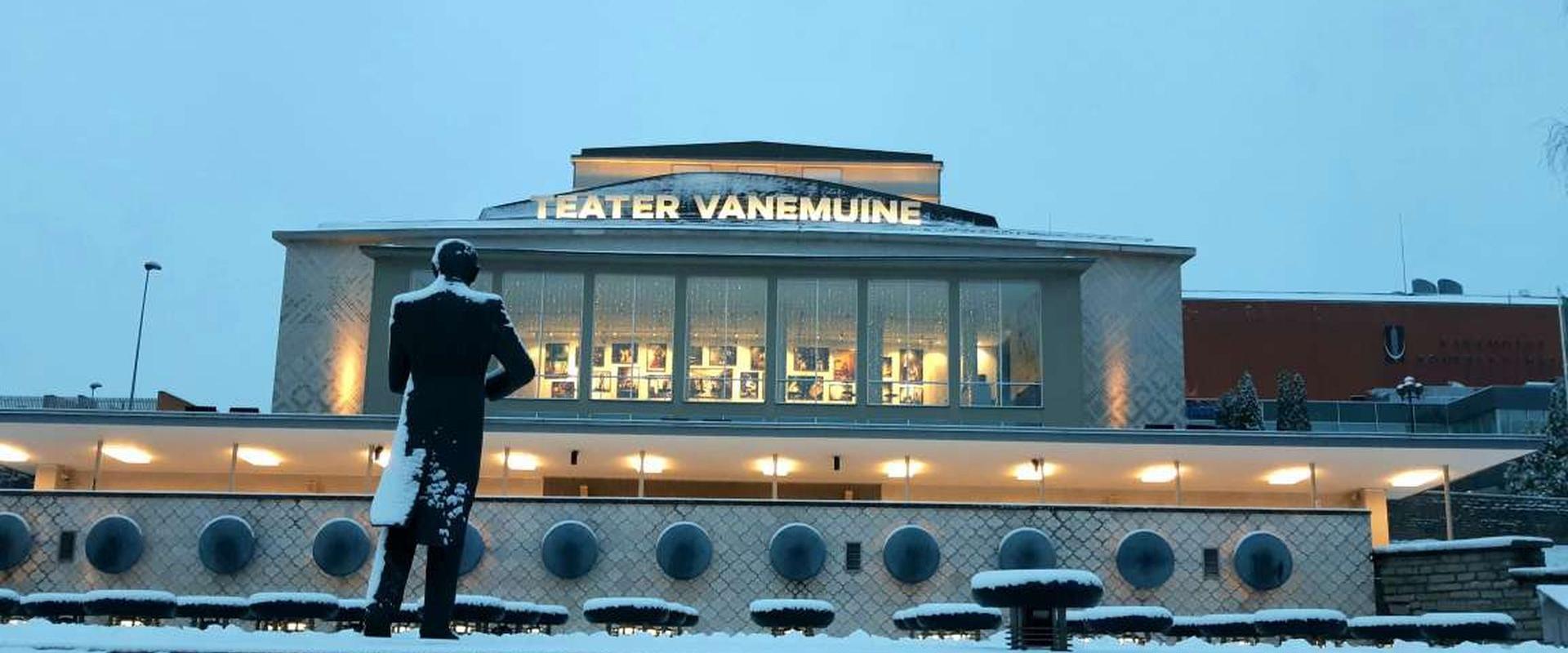
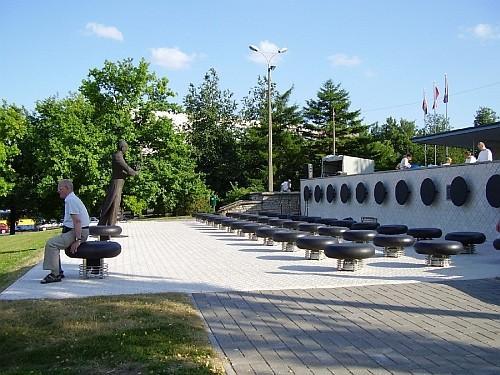
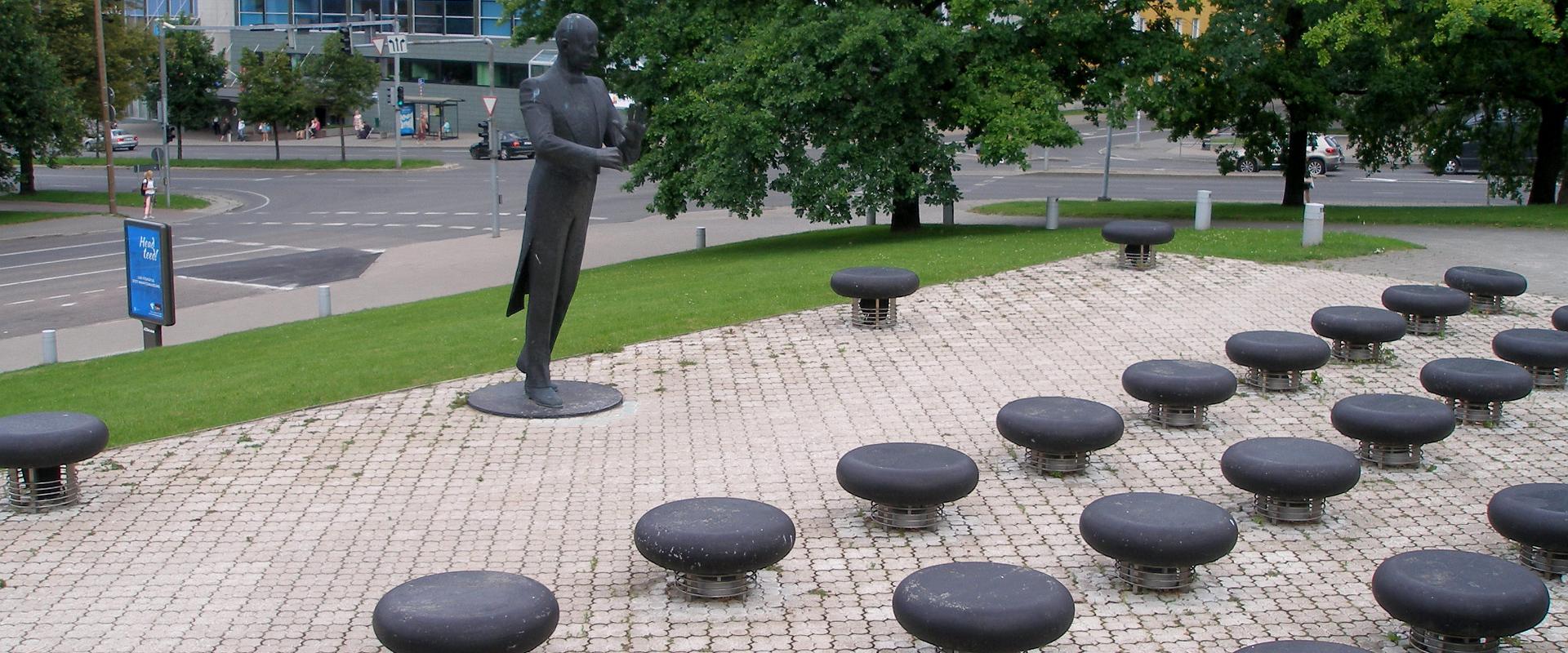
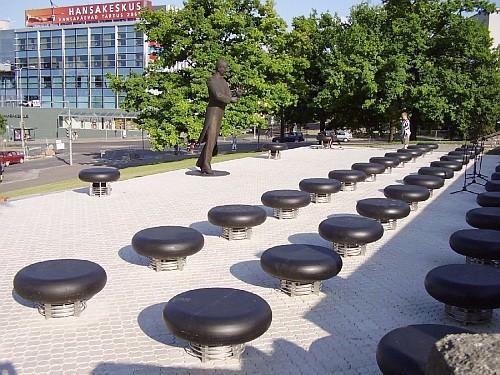
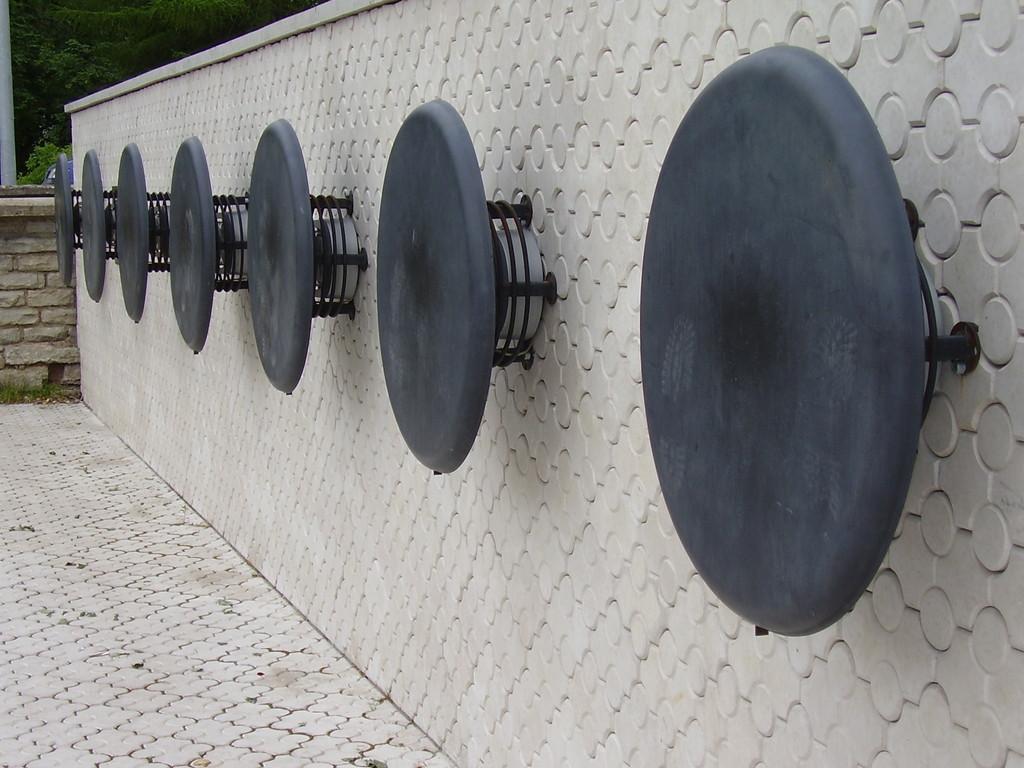
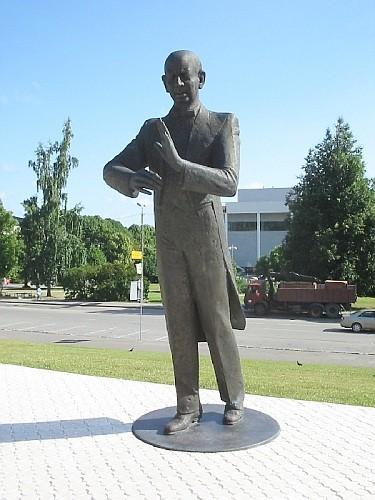
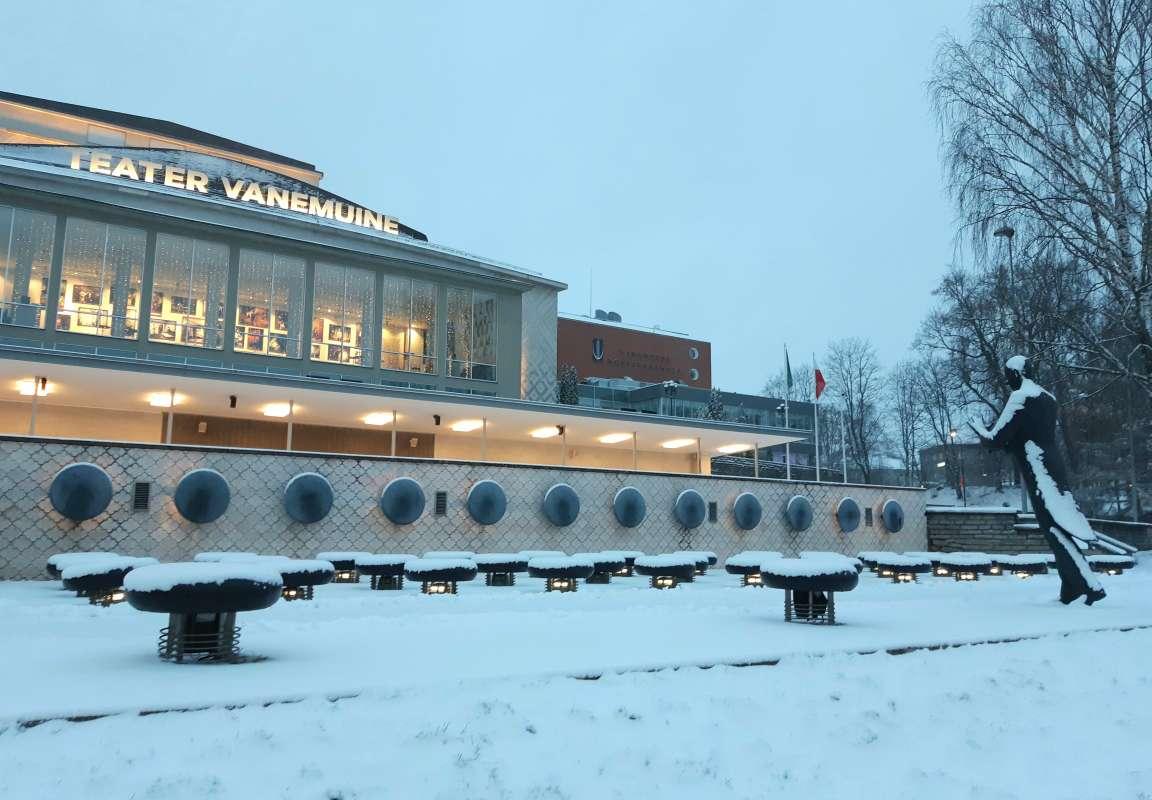
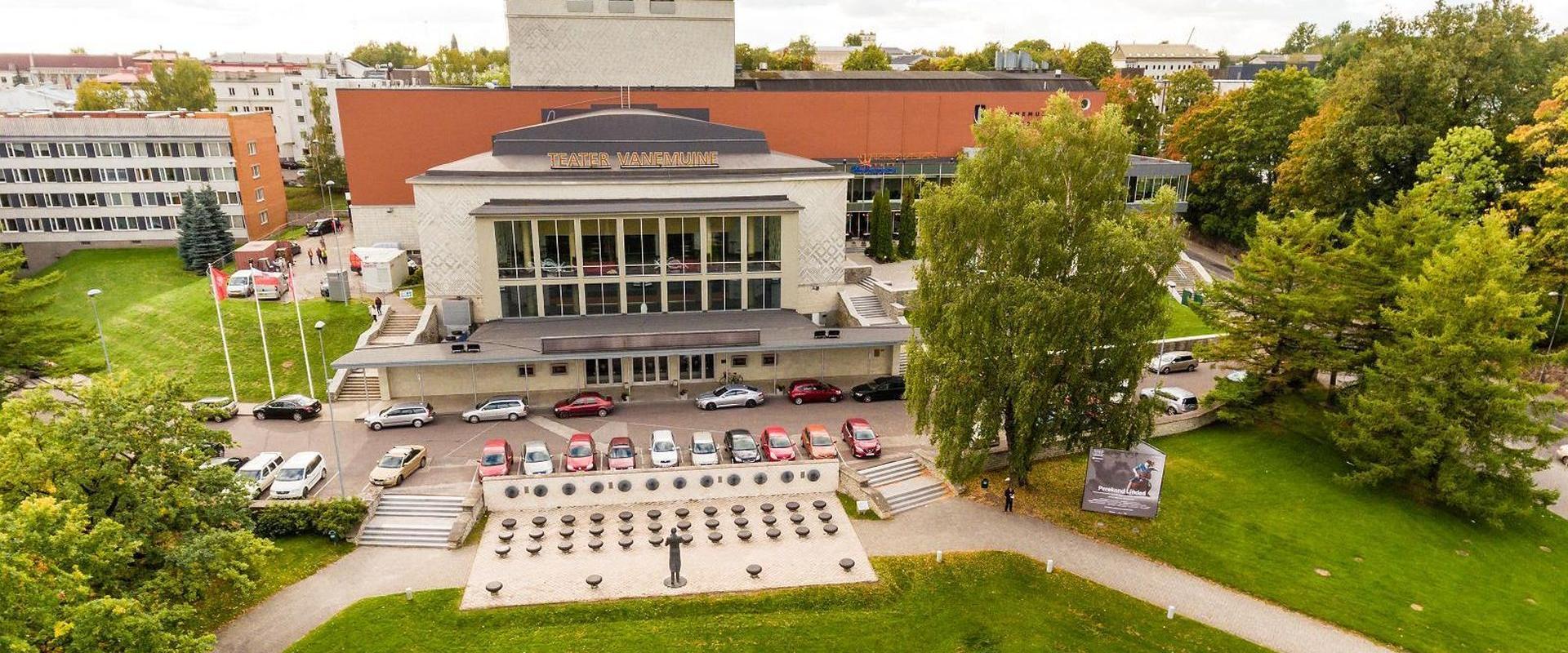
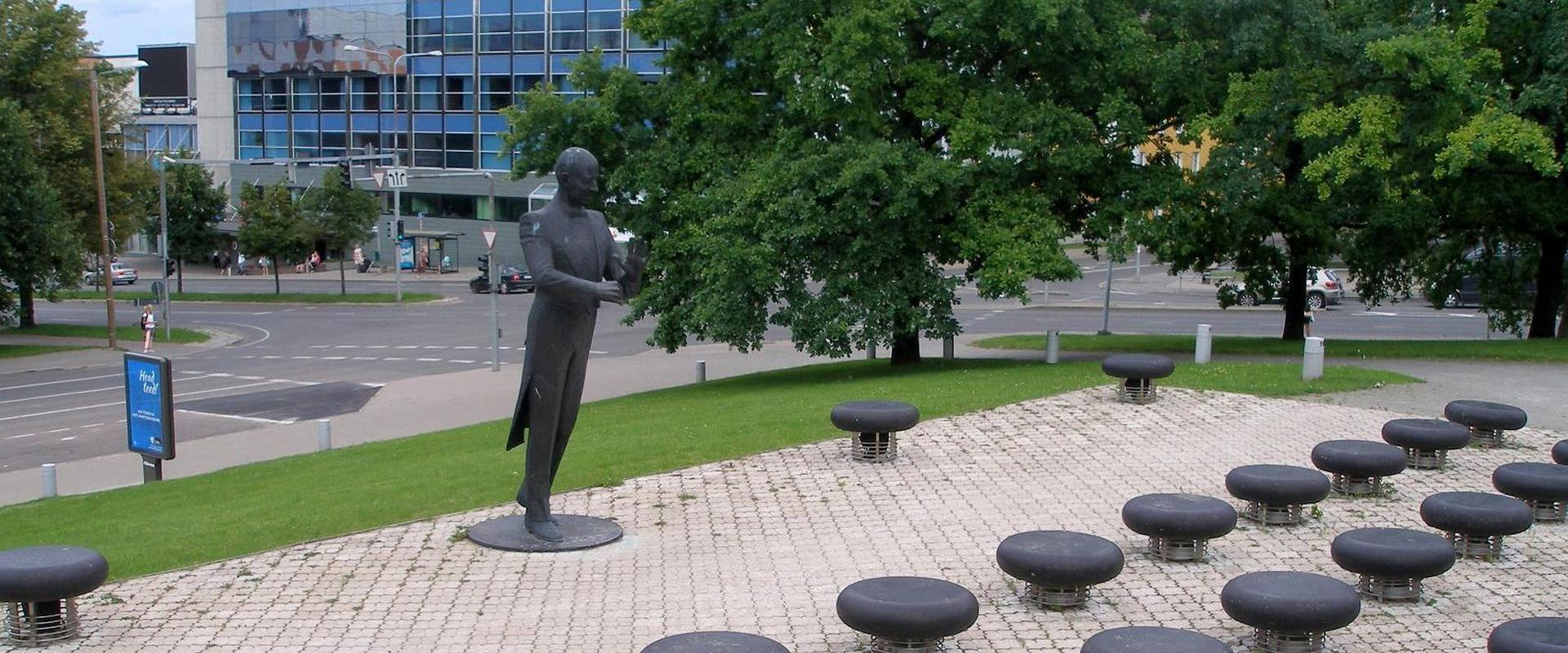
The monument to the most renowned Estonian symphonist of all times Eduard Tubin stands on the slope by the Vanemuine Theatre (authors A Vahtrapuu, V Valk, sound installations created by Louis Dandrel). Come and see how the well-known Estonian conductor and composer conducts an imaginary orchestra and listen to sound installations of the works of Eduard Tubin.
Lahtiolekuajad

Aastaringselt

Ööpäevaringselt

Kontakt

  • info@visittartu.com

Lingid

Vaata lisaks

  • Monuments

Petseri Statue of Liberty

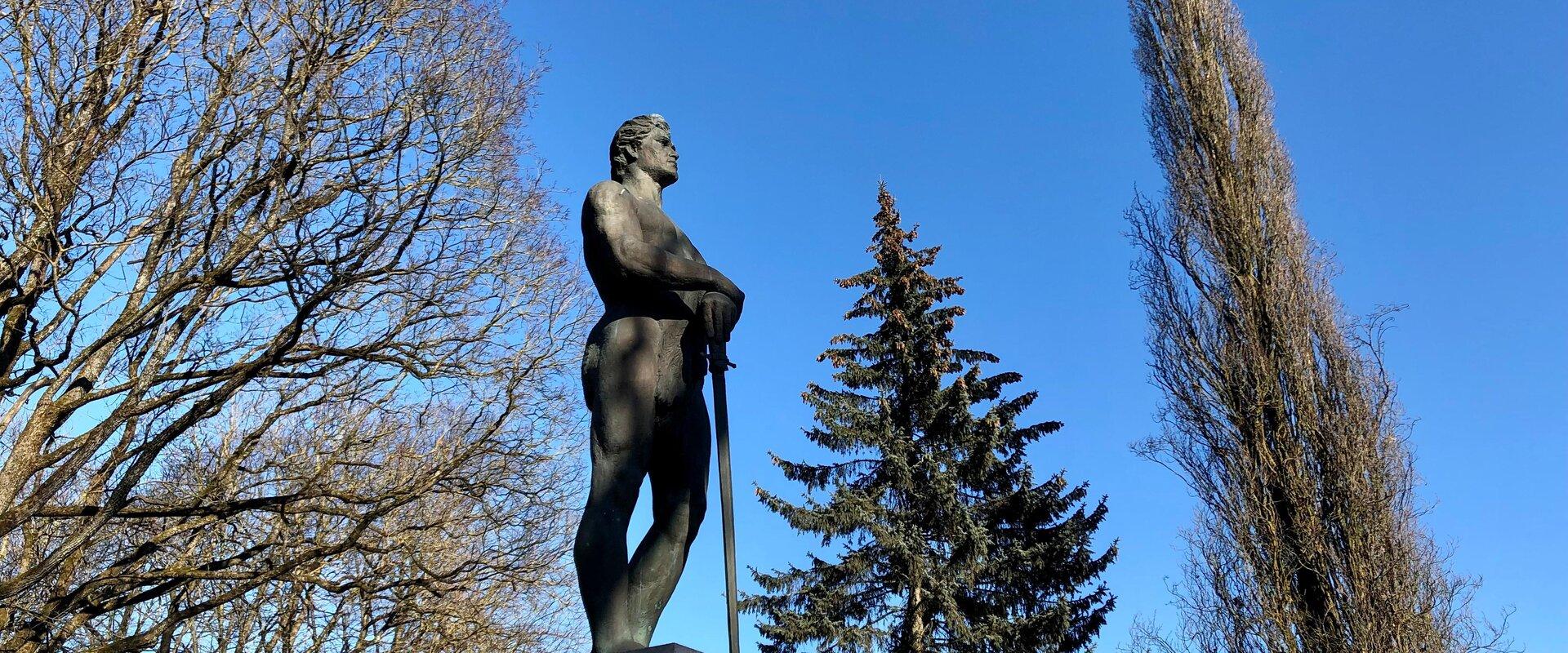
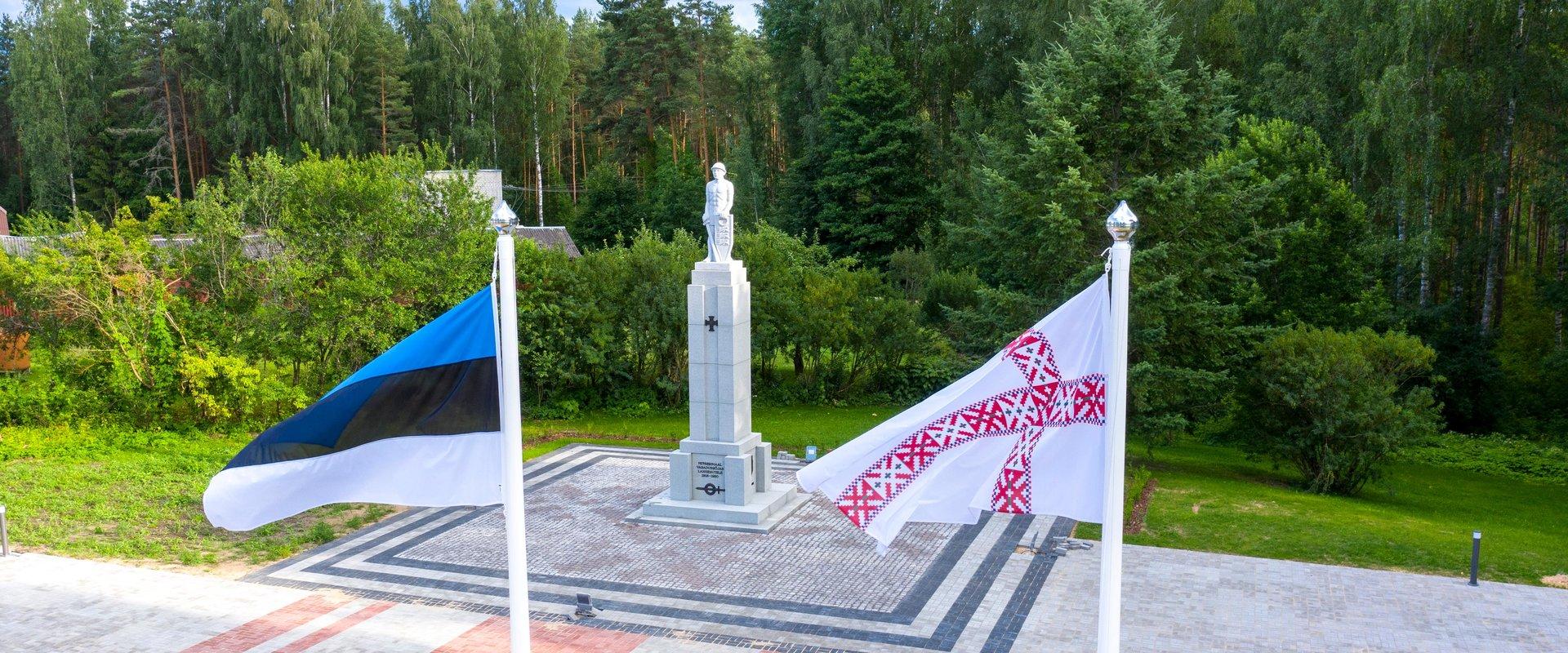
The statue for those who perished in the War of Independence in Petseri county stands on the Statue of Liberty Square in Värska. The monument designed by sculptor Roman Haavamägi was supposed to be erected in the heart of the town of Petseri in the summer of 1940, but due to the Soviet occupation that started, the plan was abandoned. Only 80 years later, in 20 July 2020, the restored statue was opened here in Setomaa. The soldier figure was modelled and shaped in granite on the basis of photos by sculptor Tiiu Kirsipuu.The Statue of Liberty of Petseri was erected in remembrance of those nearly 350 Estonian soldiers who fell in the War of Independence in Petseri County, as well as the importance of the Tartu Peace Agreement for the Setos.

  • Monuments

Monument to Juri Lotman

The long-serving professor of the University of Tartu was one of the brightest scientists in 20th century Tartu. Lotman studied the history of Russian literature and culture and general regularities of culture. He laid the foundation of cultural semiotics and was the founder of the Tartu-Moscow school of semiotics. The monument to the world-famous culturologist and semiotician, which consists of pipes, water and light, was opened on 6 October 2007. The idea for the sculpture made of 15 m of steel pipe is based on the self-portrait of Juri Lotman. Authors of the monument: Mati Karmin, architect Andres Lunge.

  • Monuments

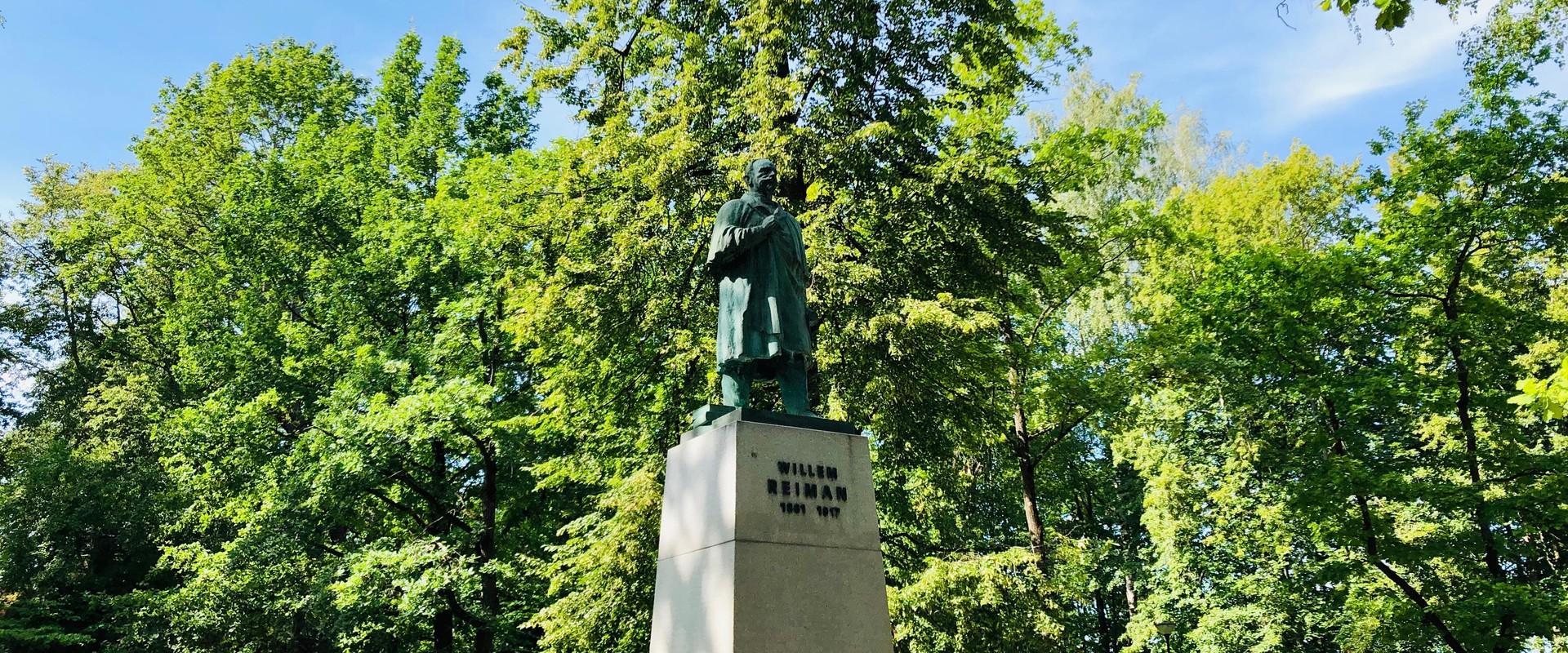
Monument to Villem Reiman

The new monument to Villem Reiman (1861-1917) was opened in 2004 and its author is Mati Varik.Villem Reiman was a pastor and a cultural persona who fought for the independence of the Estonian people as a figurehead of the Estonian national movement.

  • Monuments

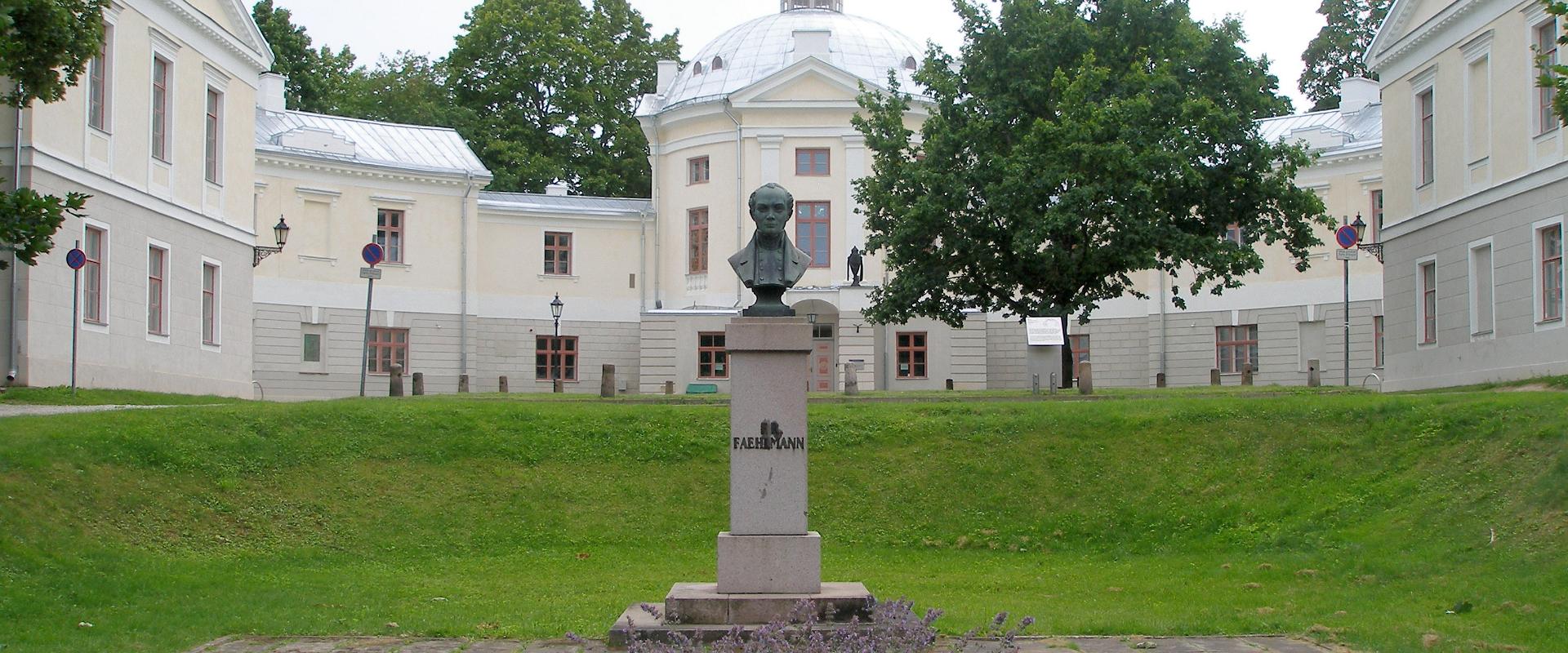
Monument to Friedrich Robert Faehlmann

The monument to Friedrich Robert Faehlmann – a bronze bust on a pillar of local grey granite – was opened in front of the Old Anatomical Theatre at Toomemägi, Tartu, on 18 May 1930. Friedrich Robert Faehlmann (1798 - 1850) was one of the founders of Estonian national literature, a physician and a democrat. He studied in Rakvere District School, Tartu Upper Secondary School and the Faculty of Medicine in the University of Tartu. Faehlmann worked as a physician in Tartu from 1824. He worked in the Old Anatomical Theatre. He was a lector of the Estonian language in the university and sometimes also gave lectures in pharmacology and prescriptions.

  • Monuments

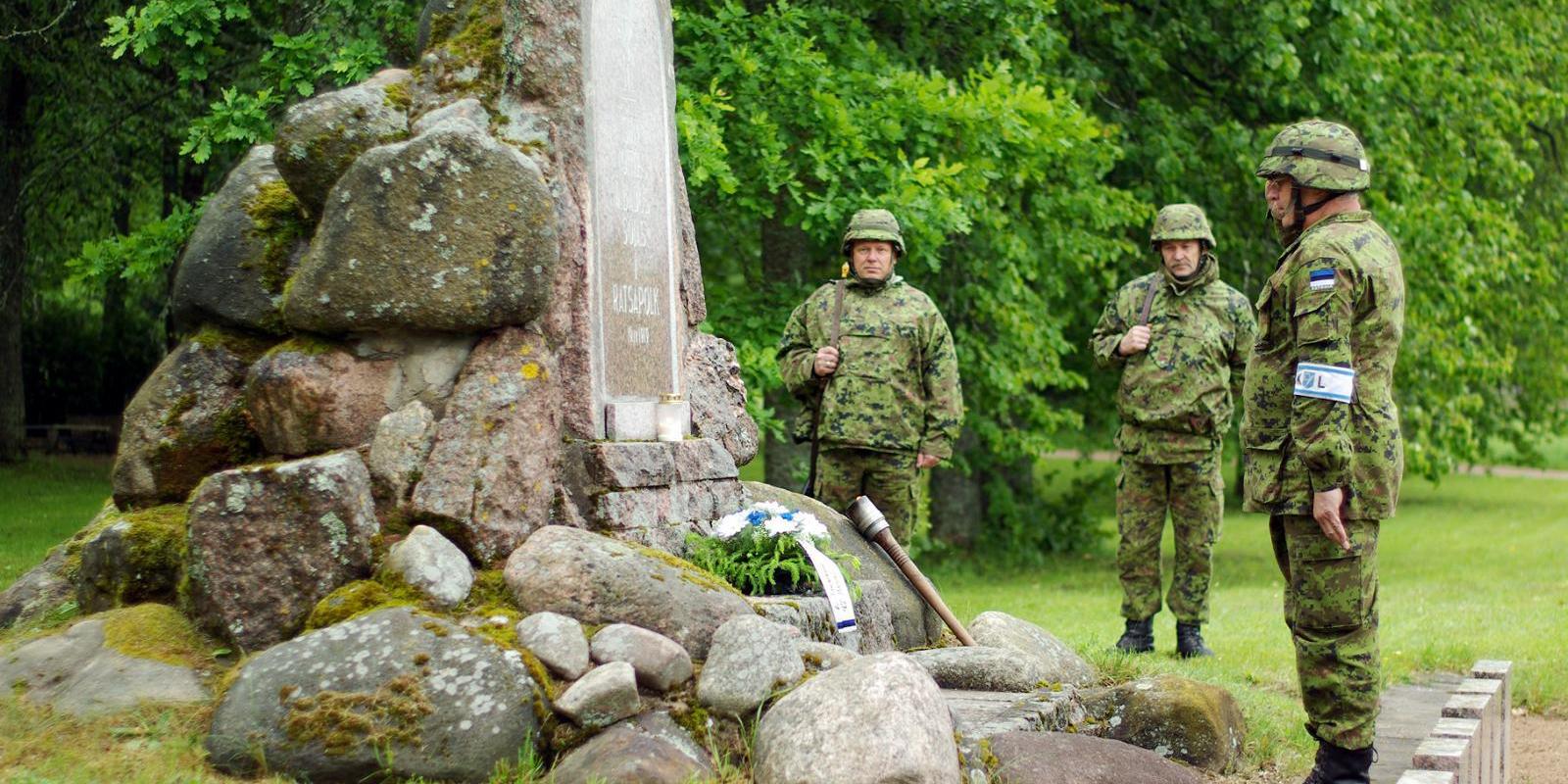
Monument to the War of Independence in Misso

A monument to those, who fell in the War of Independence, was opened in Misso on 26 May 1935, and the activities of the 1st cavalry regiment in the battles of the War of Independence were immortalised. The monument was demolished in 1945.The reconstructed monument was reopened on 27 August 1989. The granite pillar placed on a base of quarry-stones is 2.5 m tall. Its main side has the symbol of the cavalry unit along with the text “Here, the 1st cavalry regiment fought in the War of Independence on 19 April 1919”. In front of the monument, there are six granite plates with the names of those that fell.A monument to World War II is erected only a few steps from the Monument to the War of Independence.

  • Monuments

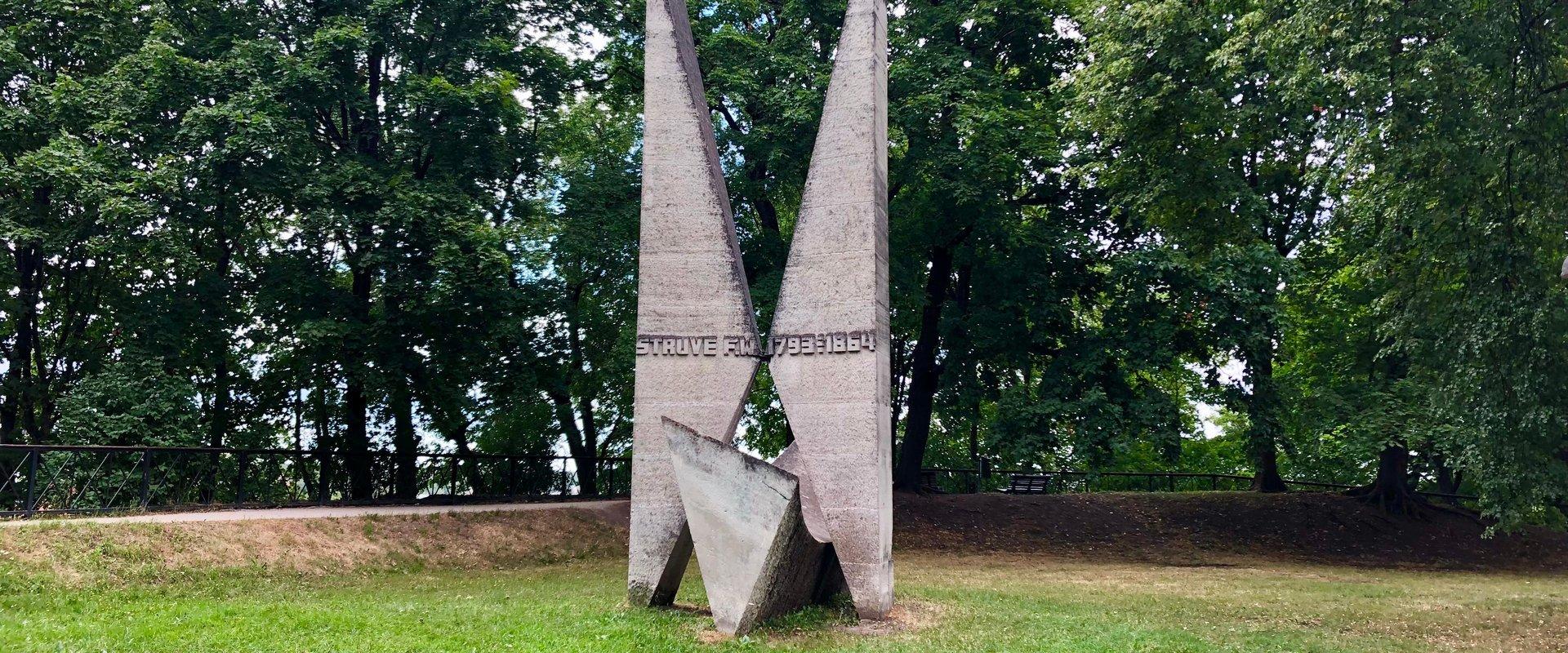
Friedrich Georg Wilhelm Struve Monument

Opened in 1969, the Struve Monument is dedicated to the former director of the Tartu Observatory, Fr. G. W. Struve (15 April 1793 – 23 November 1864), a Russian astronomer and geodesist of German origin. Under his leadership, the meridian arc was measured between 1816 and 1855 to determine the shape and size of the globe.The monument is an abstract work, inspired by the spirit of its era, reflecting the pursuit of the human race into space. The lower part of the sculpture is a sundial and the upper part is an hourglass. The authors of the monument are Olav Männi and Udo Ivask.The Struve street and the geodetic arc are also dedicated to him in Tartu.

  • Monuments

Kalevipoeg – War of Independence Monument

Kalevipoeg is the Estonian national epic about the adventures of the hero called Kalevipoeg.In 1950, the memorial Kalevipoeg, which was dedicated to the soldiers who lost their lives in the War of Independence, was taken down by the occupying power. The monument was built by Amandus Adamson. In 1952, the monument to Kreutzwald, the Father of Song, was erected at the same location. Discussions over restoring the memorial Kalevipoeg were held since 1988, but in 2002, when the exhibition ‘Kalevipoeg in Sculpture’ took place, the restoration proptly started. Sculptor Ekke Väli modelled the momorial on the basis of photos, and he was consulted by Endel Taniloo, a senior sculptor, during the restoration of Kalevipoeg.

  • Monuments

Monument to the Estonian Mother

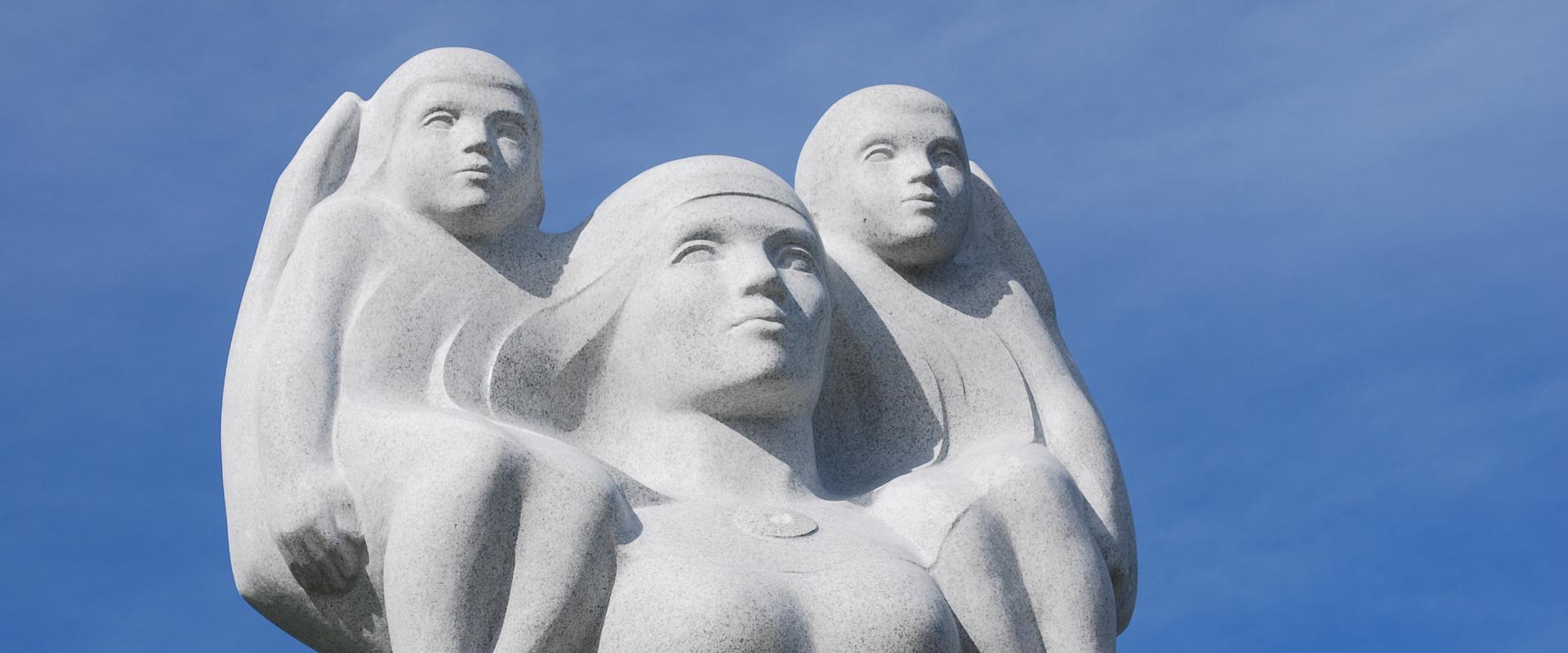
The Monument to the Estonian Mother was inaugurated in Rõuge on 26 June 2010. The monument is meant to demonstrate appreciation for the Estonian woman as a mother, to express gratitute, and to value the survival of our people. Hans Sissas (1933 - 2012), who has recounted the stories of Estonian deportees and authored many memoirs, initiated the idea of a monument to the Estonian mother, and lead the efforts to have the monument completed.The monument is made from stone brought from Udmurtia, and is 3.6 high, weighing nearly 6 tonnes.The monument was designed by the artists/sculptors Ilme and Riho Kuld, and was made by the sculptors/stone masons Margus Kurvits and Kristjan Kittus.

  • Privacy Policy

"*"обозначает обязательные поля

Это поле используется для проверочных целей, его следует оставить без изменений.
Я разрешаю маркетинг