• Открой
    • Еда
    • Природа
    • Культура
    • Семья
    • Спорт
    • Сообщество
    • Блог
    У Вас появились свободные выходные, чтобы провести с детьми? Здесь собраны лучшие места в Южной Эстонии для семейного отдыха
  • Планируй
    • Размещение
    • Информация
    • Varamu
    Sustainability
RUS
  • РусскийRUS
  • EestiEST
  • EnglishENG
  • LatviešuLAT
  • SuomiFIN
RUS
  • РусскийRUS
  • EestiEST
  • EnglishENG
  • LatviešuLAT
  • SuomiFIN
Populaarsed otsingud:
Näita kõiki tulemusi
  • History & Culture
  • Art & design

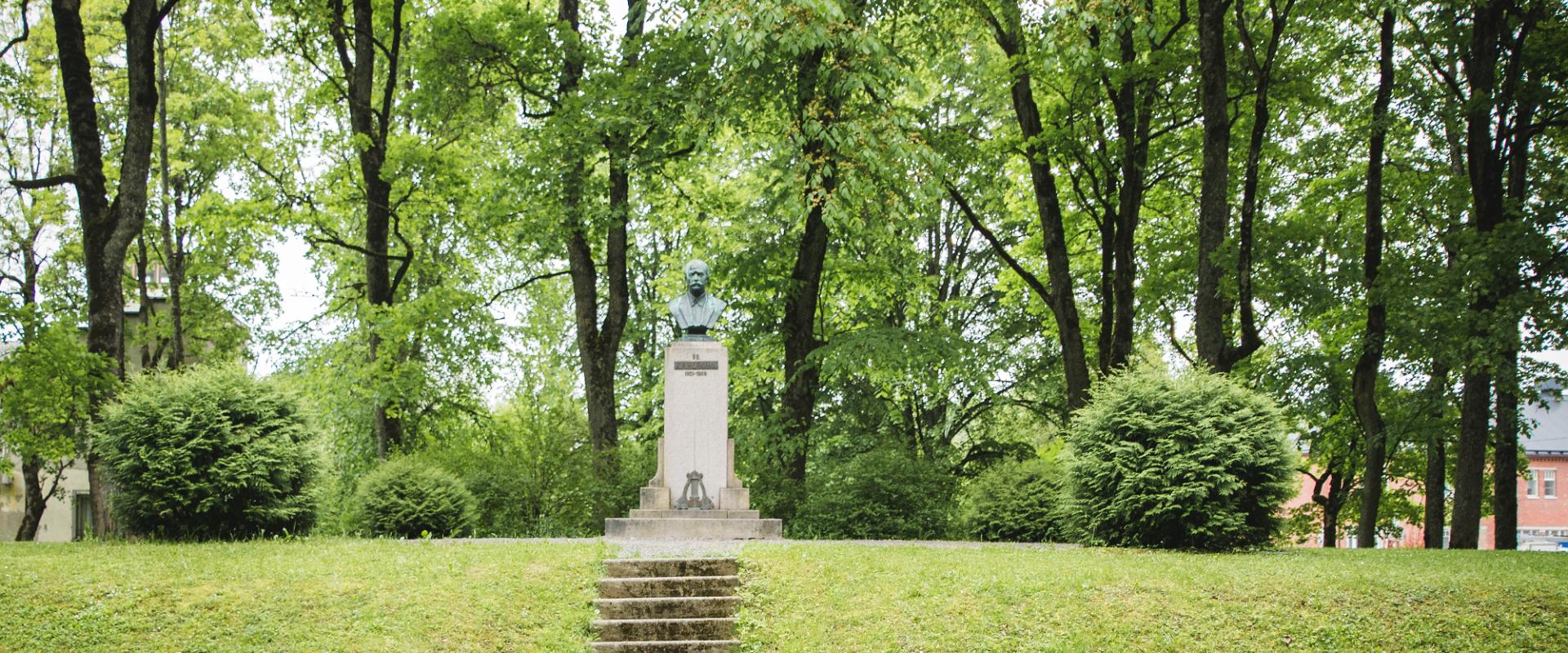
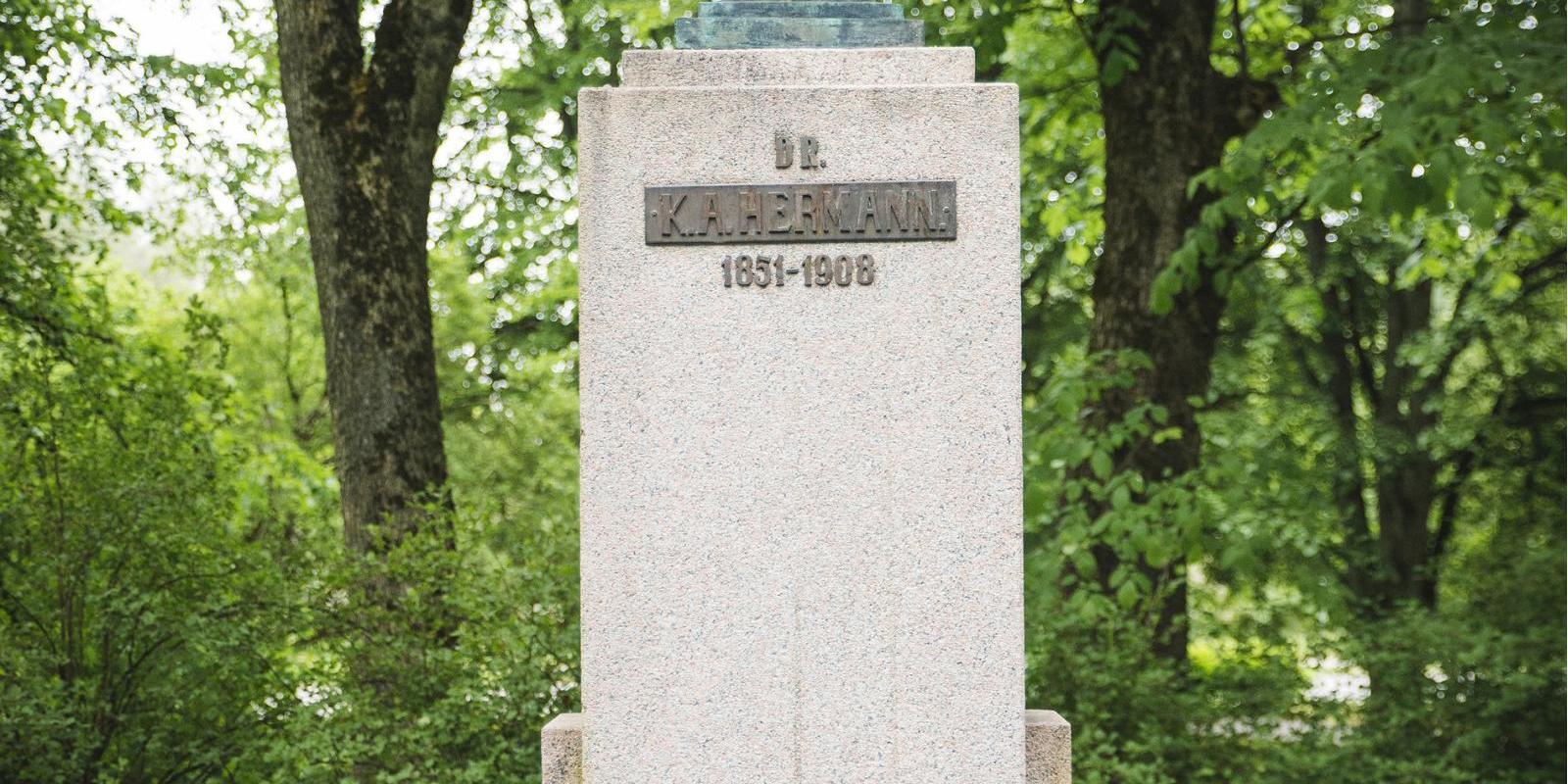
Karl August Hermann Monument

Põltsamaa vald, Jõgeva maakond, 48104

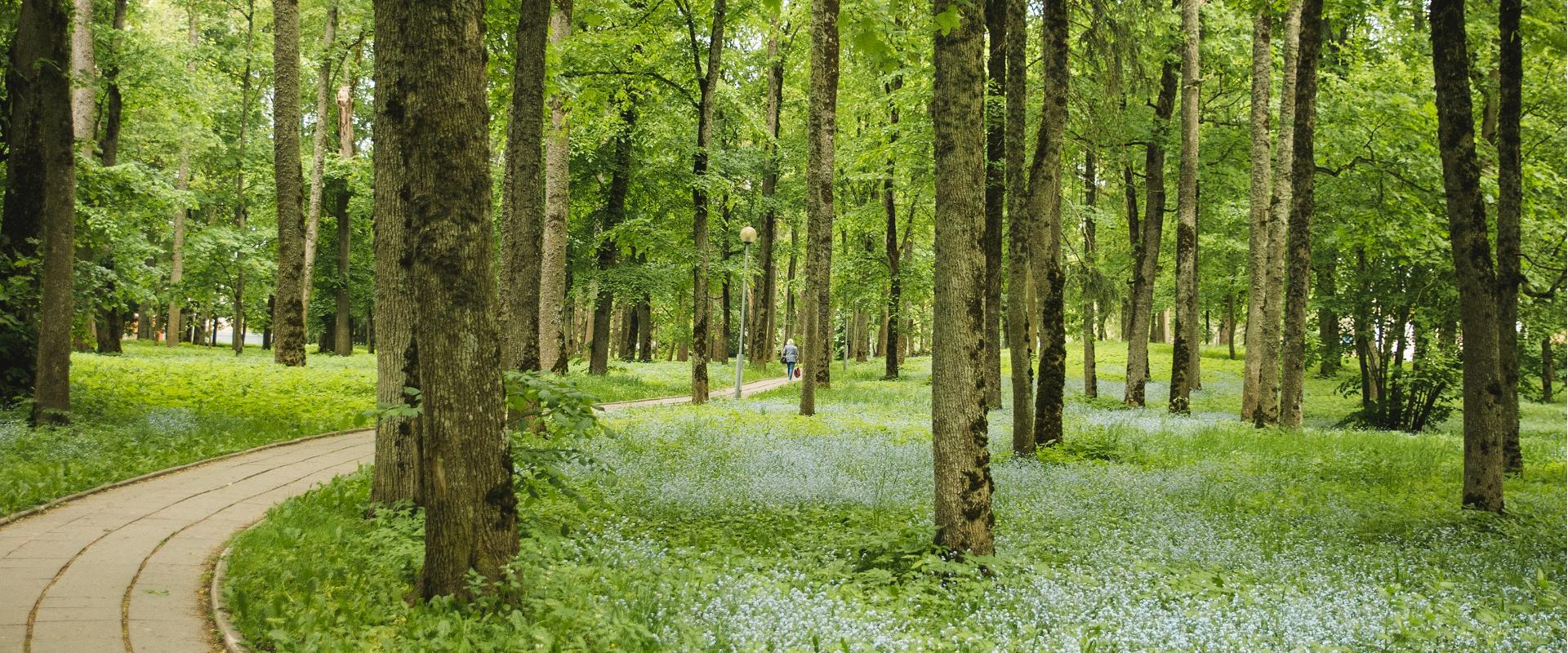
Karl August Hermann (23 September 1851, Võhma village, Põltsamaa parish – 11 January 1909, Tartu) was an Estonian composer, linguist, and encyclopaedist. He was an important figure in the national movement. He published the first encyclopaedia in Estonian, was one of the organisers of several song festivals, and composed several hundred pieces of music, the best known of which are, for example, ‘Kungla rahvas’ and ‘Oh laula ja hõiska’. He bought Perno Postimees, brought the publication to Tartu, and turned it into the first Estonian-language daily newspaper.The monument to Karl August Hermann in the park of Vana-Põltsamaa Manor was opened on 10 June 1935. The author of the statue is Alfred Zolk-Leius.
Часы работы

Круглый год

Ööpäevaringselt

Контакты

  • +372 775 1390
  • turism@poltsamaa.ee

Ссылки

visitpoltsamaa.com

Подробнее

‘Traveller’ statue

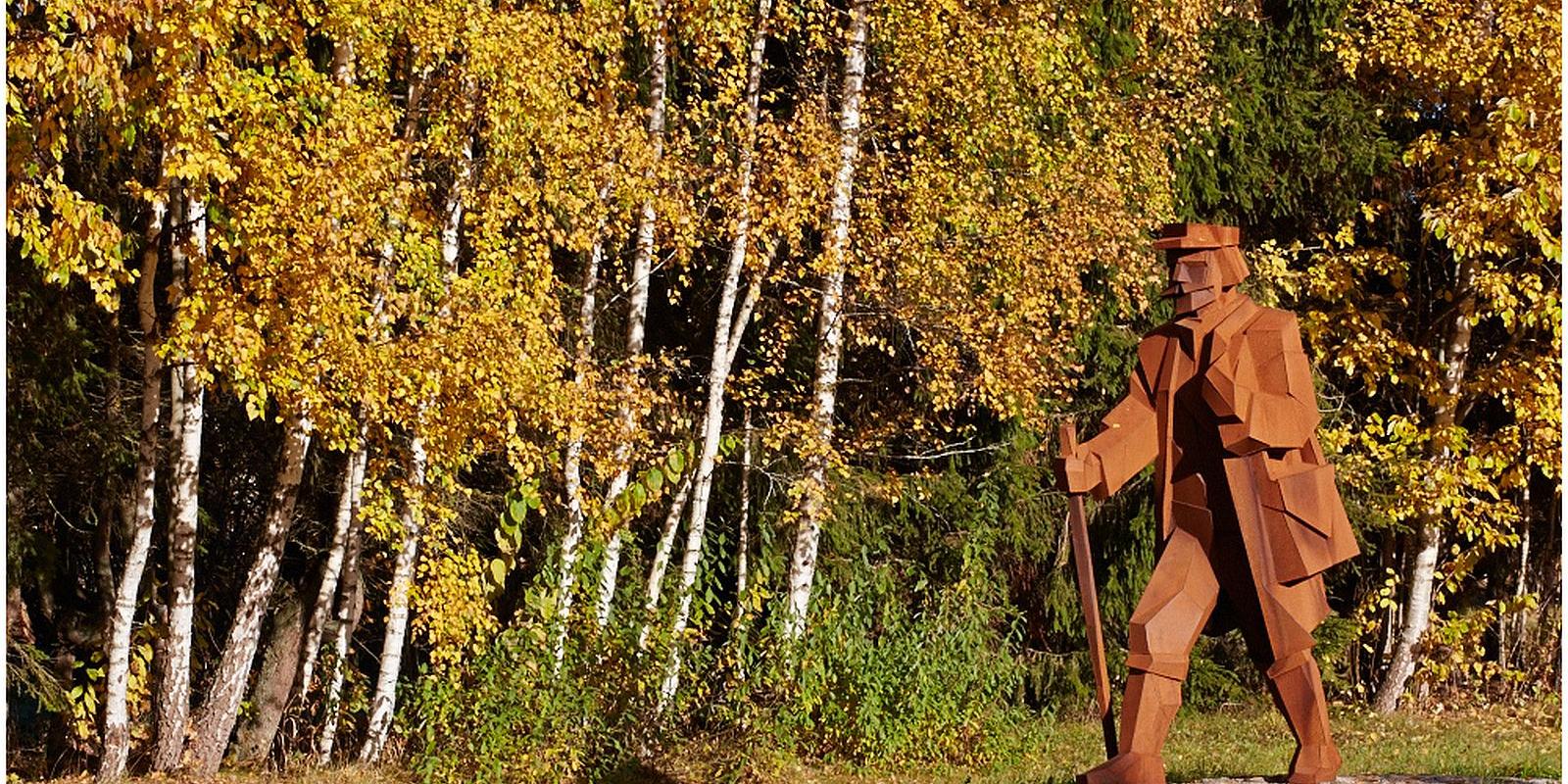
The Postal Road is a trading and military route with a fascinating history which has connected Tartu to Vastseliina and Russia for centuries. From the mid-19th century it became a postal route, which led to the development of a network of post stations. That's where the road gets its name from today.The 'Traveller' statue on the Postal Road is the first sculpture in Estonia to be dedicated to roads and travelling. It depicts a man with a postal bag over his shoulder and a walking stick in his hand. The three-metre-tall statue is made of metal plates measuring 3-5 mm thick which are welded onto the form. It was designed by Mati Karmin.

Tartu Von Bock House

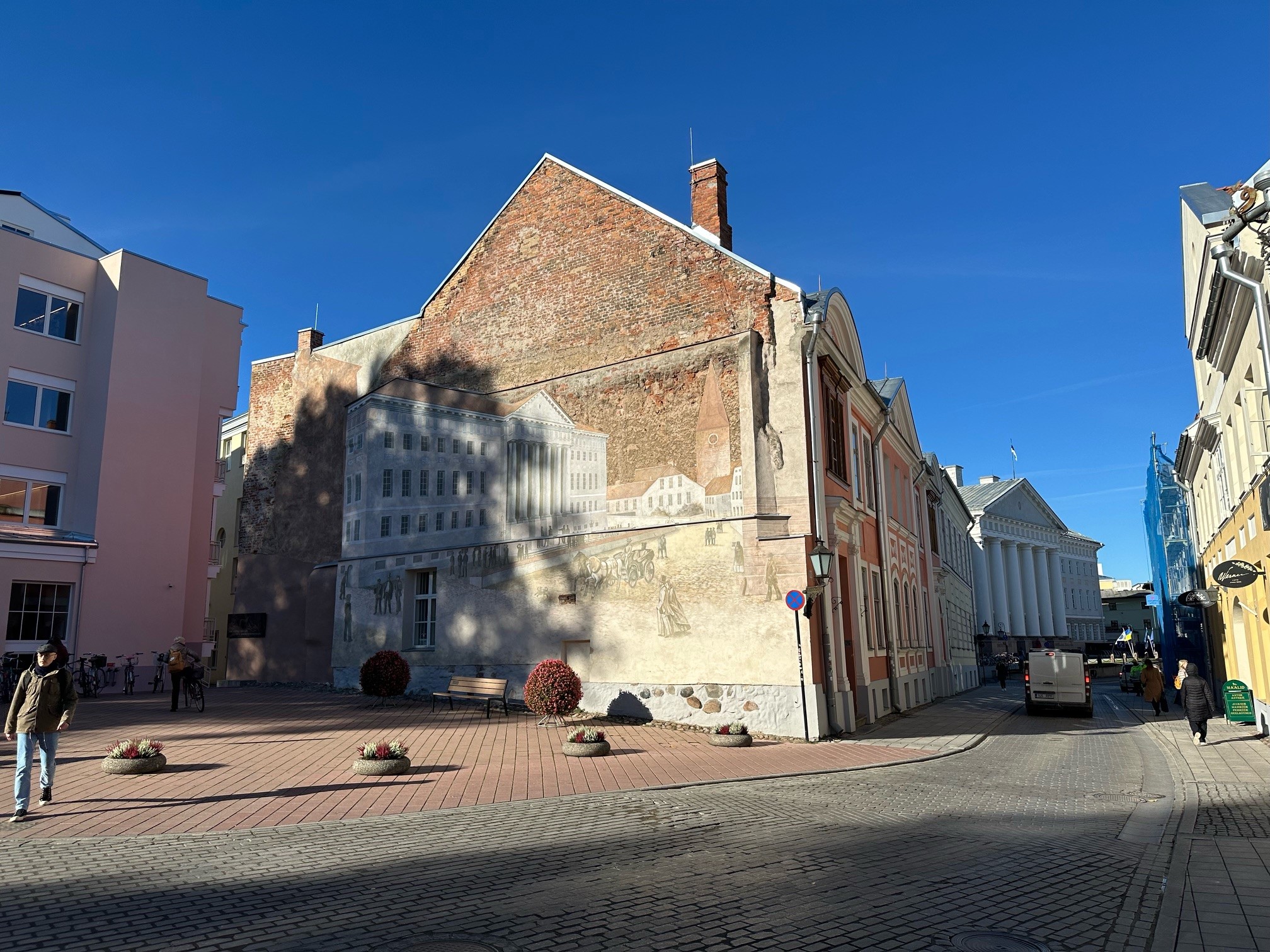
You will certainly notice the Von Bock House (1780) at Ülikooli 16 in the centre of Tartu, which used to belong to Oberst MJ von Bock. The University of Tartu bought the building in 1839. The house was renovated and reopened in 2007. There is a mural that depicts the main building of the University of Tartu on the building’s wall that faces the Town Hall and an exhibition of Alar Madisson’s photos of current lecturers and legendary professors of the University of Tartu is up on the wall next to Jakobi Street.Interesting facts: - the Von Bock has been the home of the University of Tartu Clinic, a veterinary school and the library of the Learned Estonian Society in different times. The building currently belongs to the University of Tartu.

  • Family friendly

Pokuland

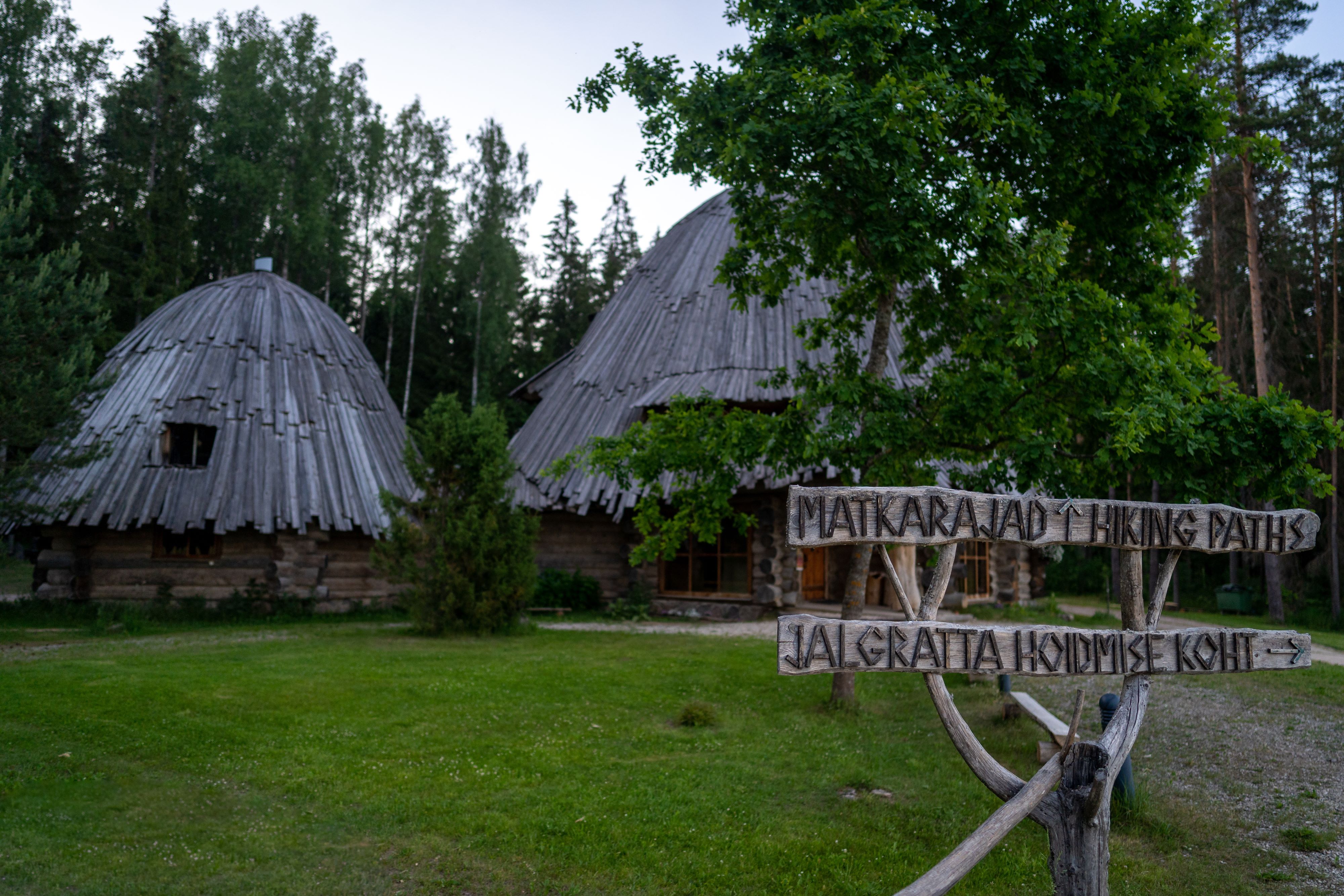
The Pokuland theme park on the borders of Võru and Põlva Counties was created after a children’s book, Pokumaa by Edgar Valter, and its main characters – Pokus. Pokus were created after sedge tussocks, or clumps of long, thick grass that grow in the bogs.The world of Pokus begins with the visitor's centre – Pokuhall – that looks like a twin-Poku and surprises guests with its unique stairways, passages and interior design elements. In the Pokuhall visitors can see original illustrations and oil paintings by Edgar Valter, get to know his creative work and make Pokus themselves. There are many other activities and events, such as study trails to introduce local nature, village swings to ride, as well as picnic and camping sites.

  • Sculptures

Kaarnakivi Stone in Rõuge Park

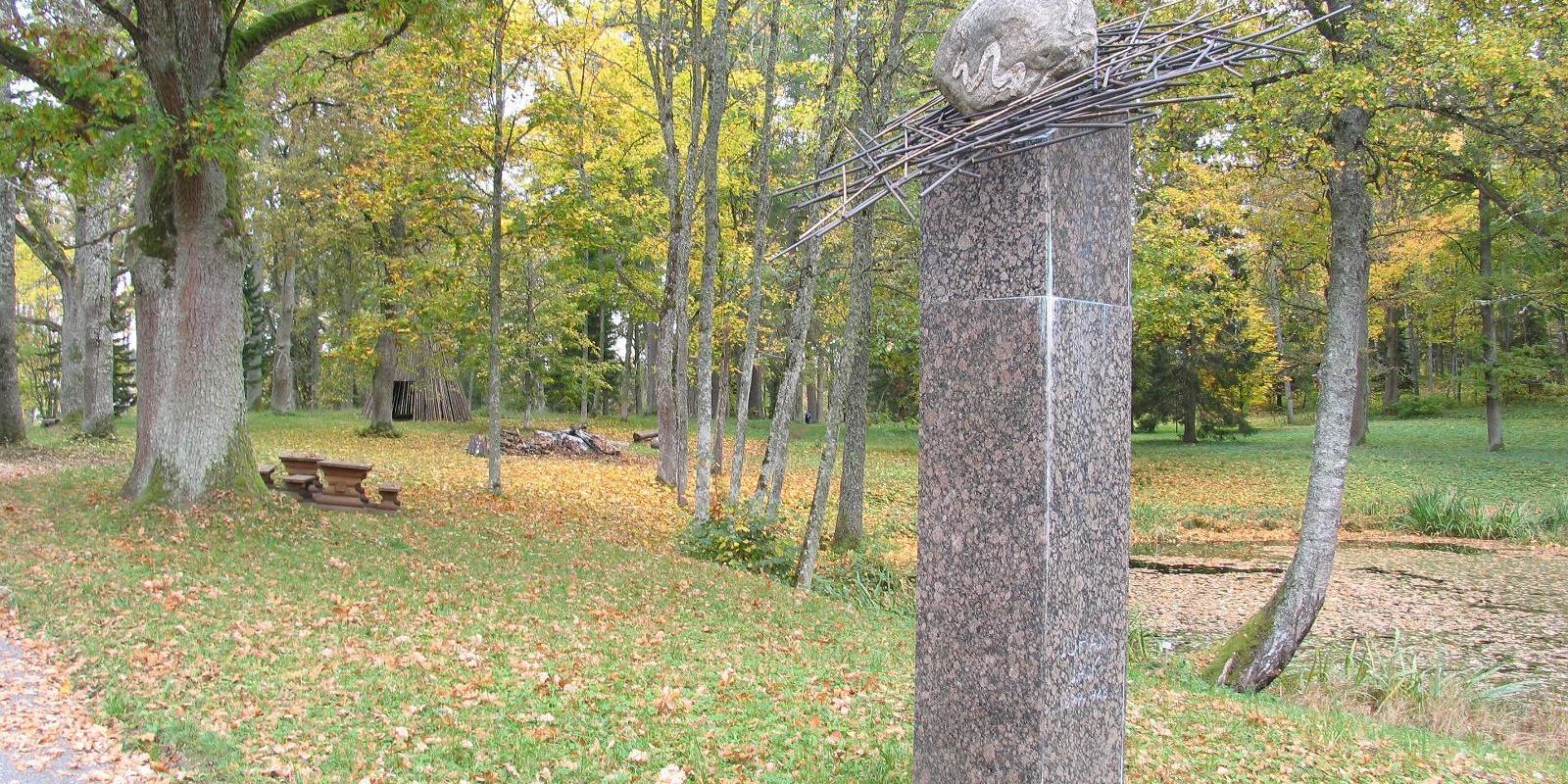
The Kaarnakivi Stone by the sculptor Tiiu Kirsipuu is a memorial to the writer Juhan Jaik erected on the occasion of the 100th anniversary of his birth. Fantasy author Juhan Jaik (1899-1948), born in Sänna in Võru County, wrote captivating and enchanting stories and poems for both adults and children. "Kaarnakivi", a collection of ghost and animal stories, is an Estonian children's literature classic that continues to excite readers today.The "kaarnakivi", as many Estonians already know, is a stone that gives its finder whatever he or she wants, if a person knows how to use it prudently.

  • Lighthouses

Nina beacon light

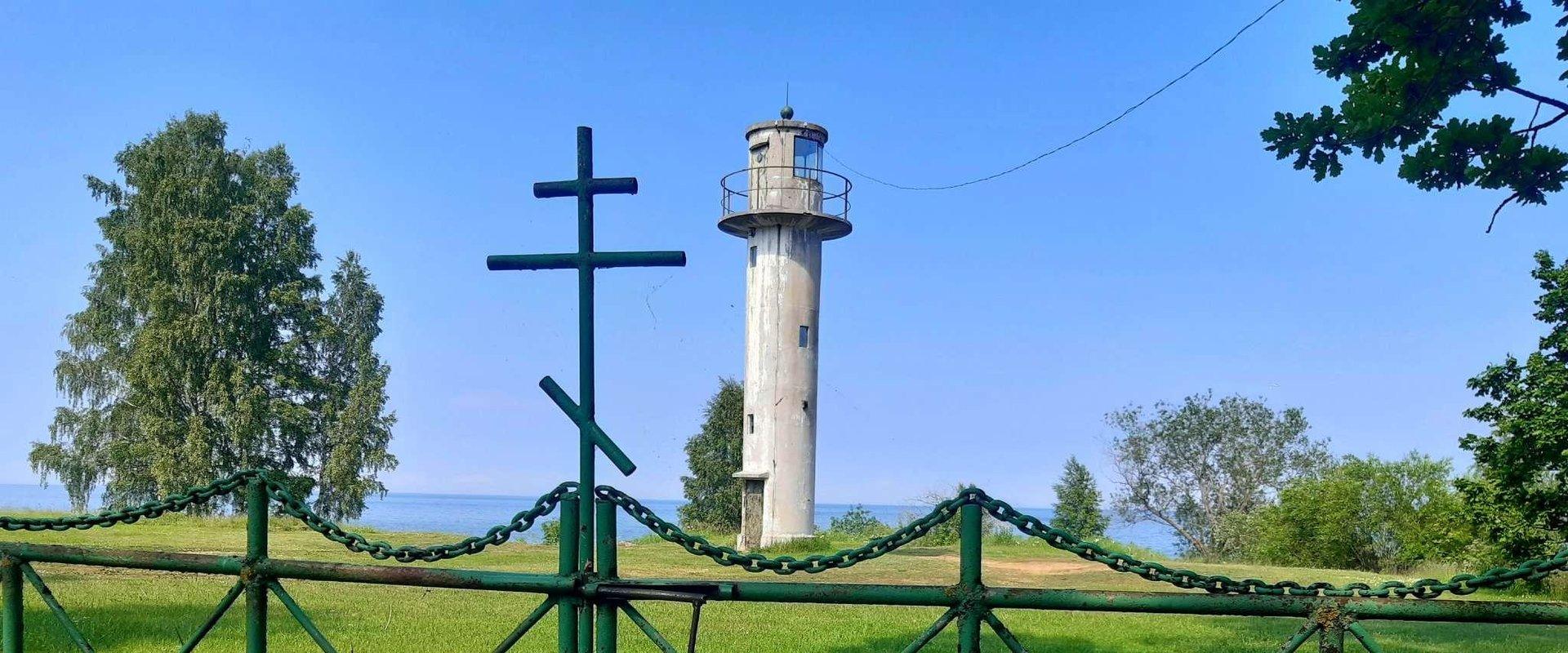
On Lake Peipsi, massive fog can sometimes rise in winter. The shore edge disappears with the fog and when it gets dark, the light beam of the lighthouse does not pass through it. It is said that years ago, locals rang church bells to help the fishermen find their way to the shore.The reinforced concrete beacon was built in 1938. A beacon is a lighthouse with a visibility of less than 10 nautical miles. The height of the beacon is 11 metres and the height of the light is 14 metres.In spring, the famous icebergs of Lake Peipus can be seen here. This is because of the stone bridge created by the hero of the Estonian national epic, Kalevipoeg.

  • Guided tours
  • Workshops

Hellenurme Mill Museum

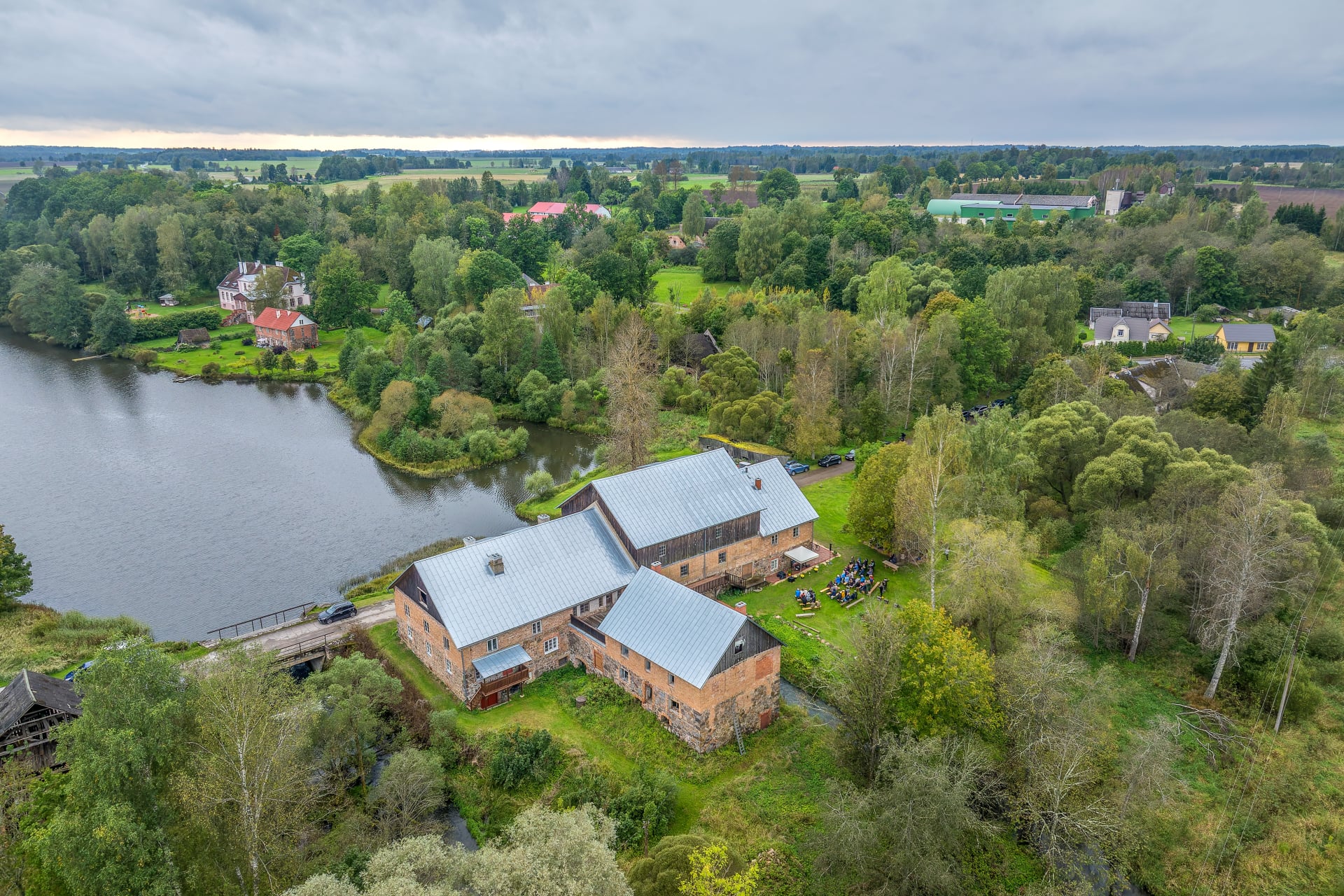
Hellenurme Mill Museum in Southern Estonia is the last operational historical watermill in Estonia and one of the few examples of a water-powered mill as industrial heritage in the Nordic countries. Visiting the mill feels like a trip back in time. Visitors can see century-old equipment across four floors of the mill, from the turbine to the milling machines and millstones, which still grind rye into bread flour. In the bread house, the mill hostess offers guests traditional Estonian rye bread made on-site and shares stories that bring the everyday life of centuries past to life. The large mill building of Hellenurme Manor, built in 1880 in Tartu County, hides surprises at every step. In addition to the working mill, guests can enjoy workshops and meals in the bread house. It is possible to stay overnight in the freshly renovated mill chambers, which offer views of the river and lake. Visitors can admire the lake's beauty and the surrounding nature.Here, you can also enjoy cultural events and celebrate festive moments with friends, family, or colleagues.

Linocut workshop in TYPA

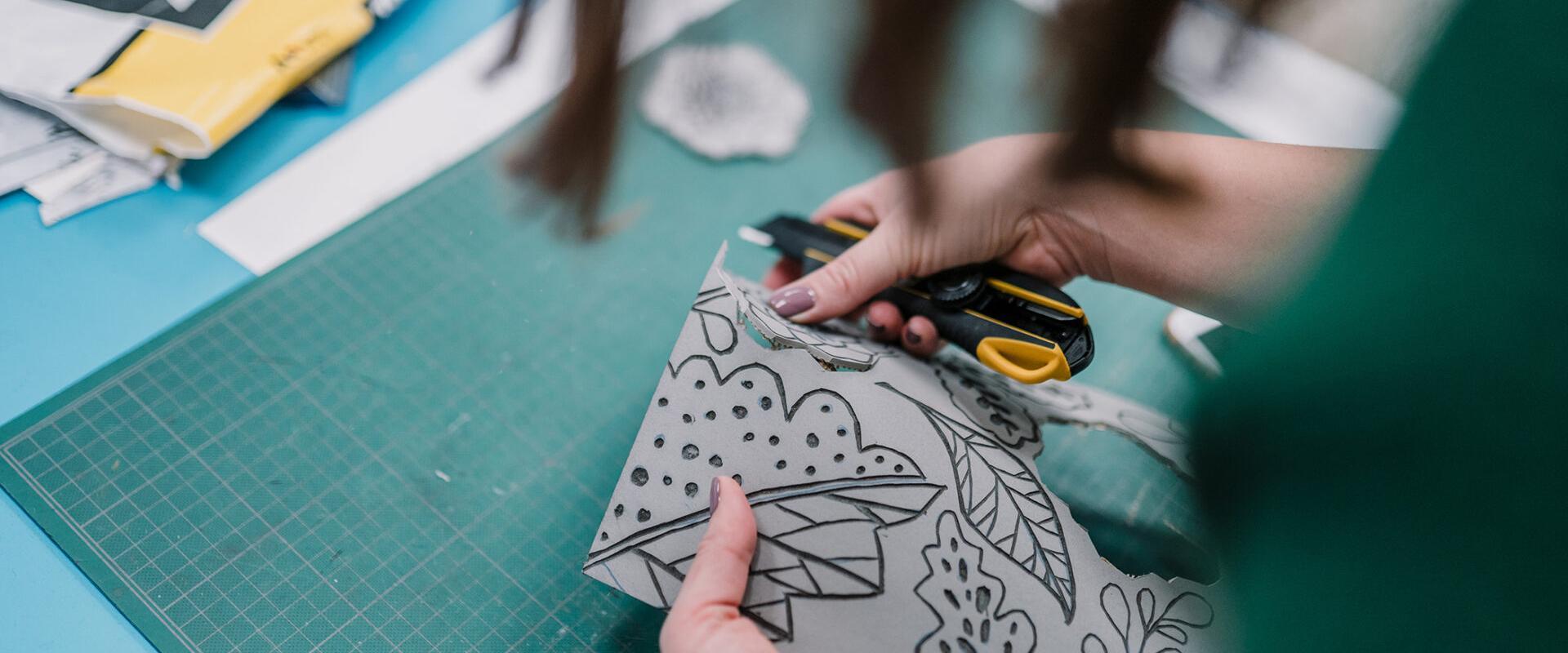
Linocut is one of the simplest classic graphic techniques where the printing form is cut out of linoleum by hand. In the workshop, each participant prepares a printing plate in linocut technique based on their own design. You can use the finished printing plate repeatedly and print greeting cards, notebook covers, and beautiful pictures. You can get all the materials from us, but we recommend thinking about your design or searching the Internet for inspiration beforehand. The image should have strong contrasts and clear lines, such as black and white, because linocutting cannot be used for smooth colour transitions.

  • Manors

Pajusi manor

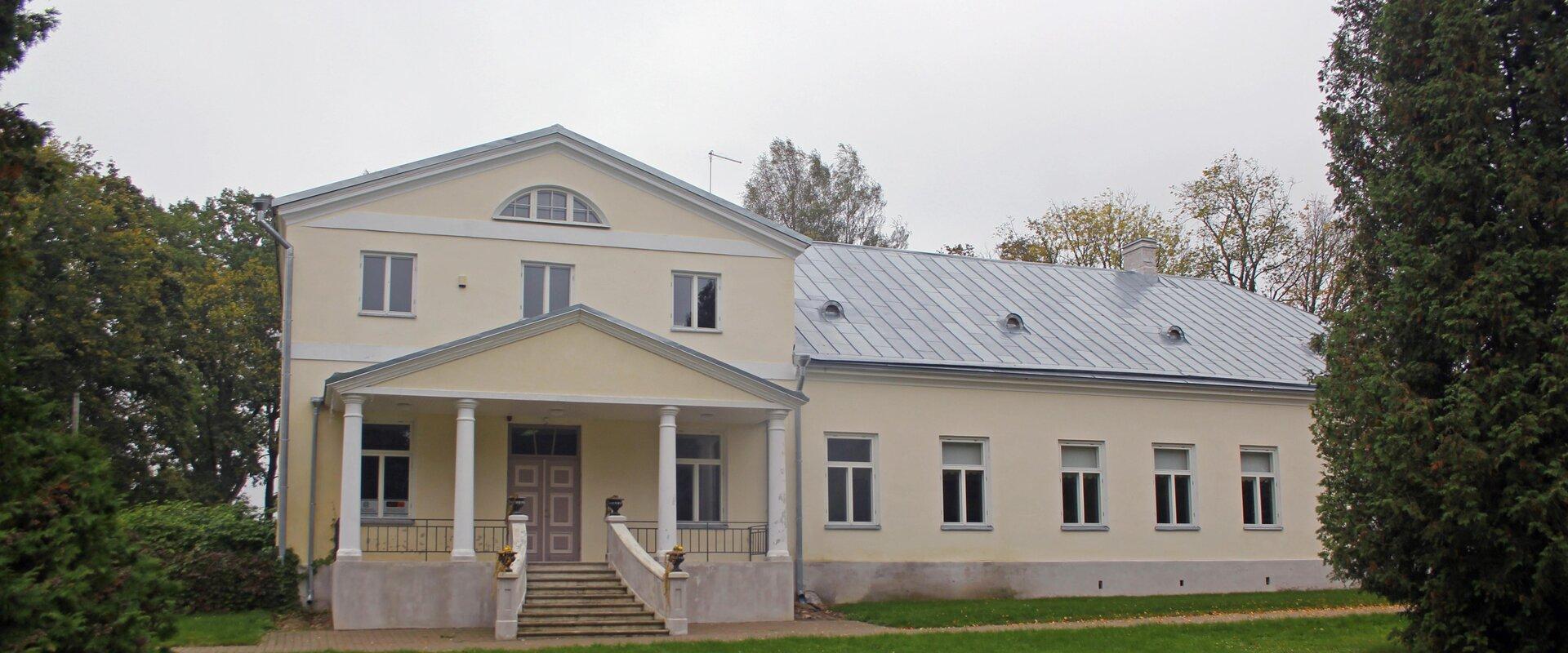
Pajusi manor was constructed in the 17th century. Its long, stone main building in Classicist style is thought to have been erected in the early 19th century. It was one-storey; only the central section was adorned with a small upper floor, which bears a distinct decorative window. In addition to the main building, the manor as a whole includes a number of other buildings and a large park. Did you know...? *Remaining of the main building of the manor are its central part and right-hand wing, which is home to Pajusi Community Centre

  • Privacy Policy

"*"обозначает обязательные поля

Это поле используется для проверочных целей, его следует оставить без изменений.
Я разрешаю маркетинг