• Explore
    • Nature
    • Culture
    • Food
    • Family
    • Activity
    • Blog
    Smoke sauna
    Weather and seasons
  • Plan
    • Accommodation
    • How to get here
    • Weather and seasons
    • Sustainability
    • Tourist info
    Discover South Estonia’s Most Beautiful Manors and Castles
    Top 20 Sights in South Estonia
  • For professionals
    • For professionals
    • Collaboration
    • News
    • Projects
    • Training
    • Repository
    • Community (opens in new tab)
    • Contacts
ENG
  • EnglishENG
  • EestiEST
  • LatviešuLAT
  • РусскийRUS
  • SuomiFIN
ENG
  • EnglishENG
  • EestiEST
  • LatviešuLAT
  • РусскийRUS
  • SuomiFIN
Popular searches:
Show all
  • Art & design
  • History & Culture

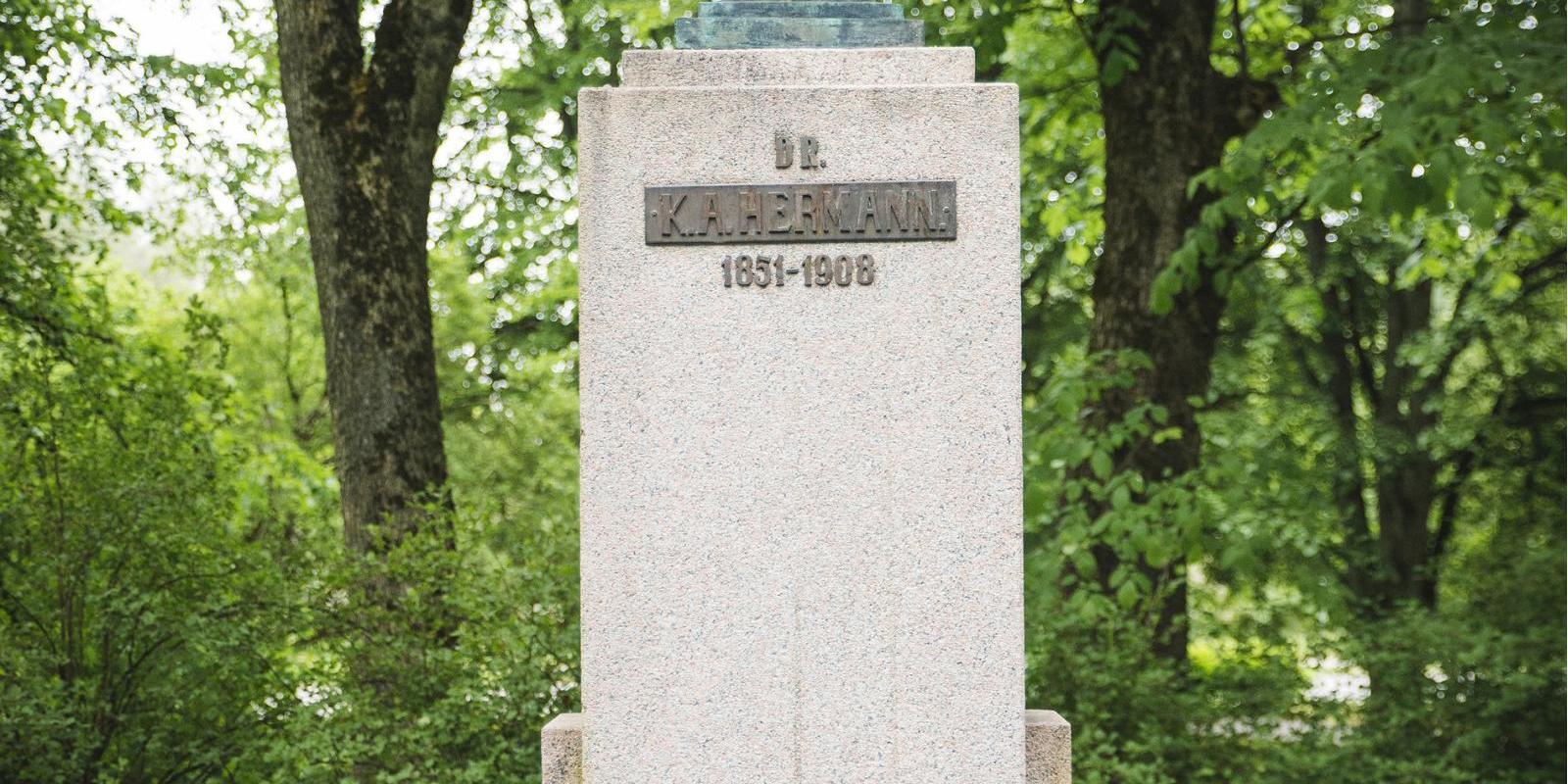
Karl August Hermann Monument

Põltsamaa vald, Jõgeva maakond, 48104

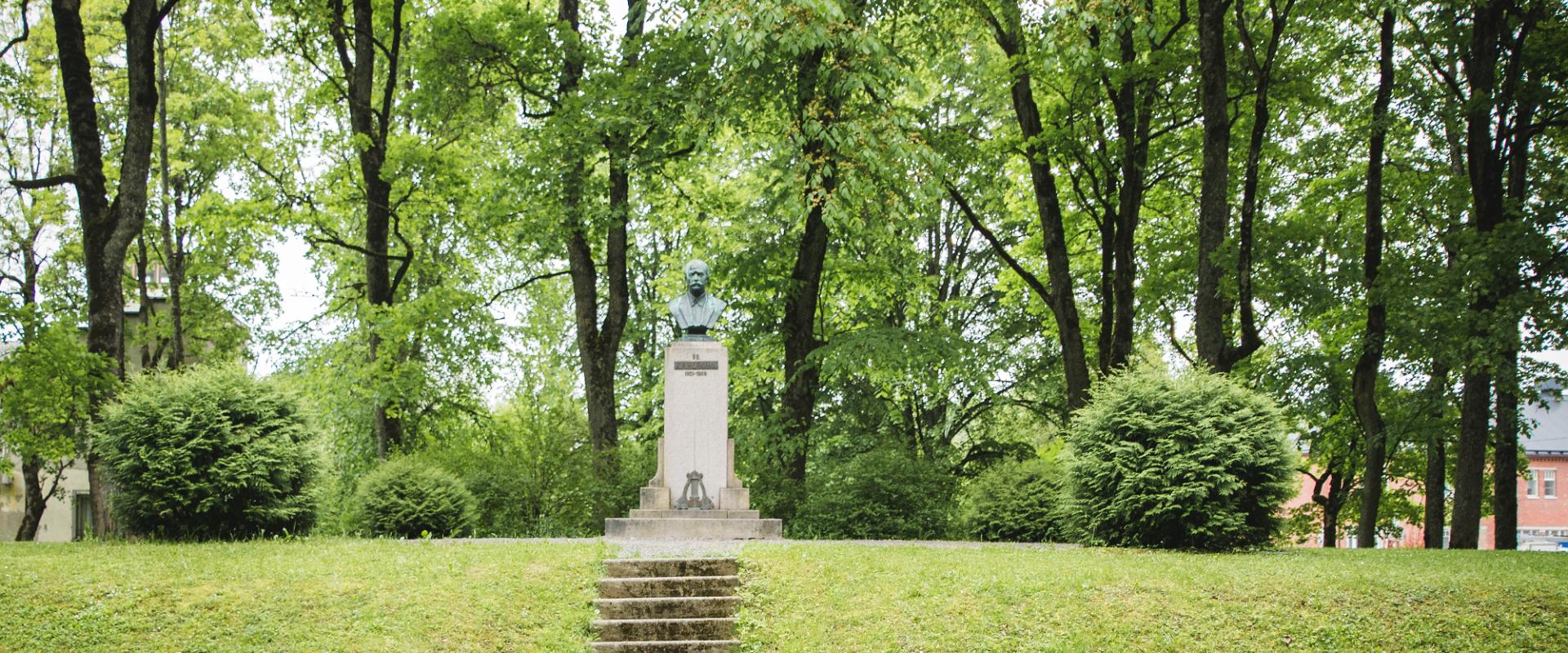
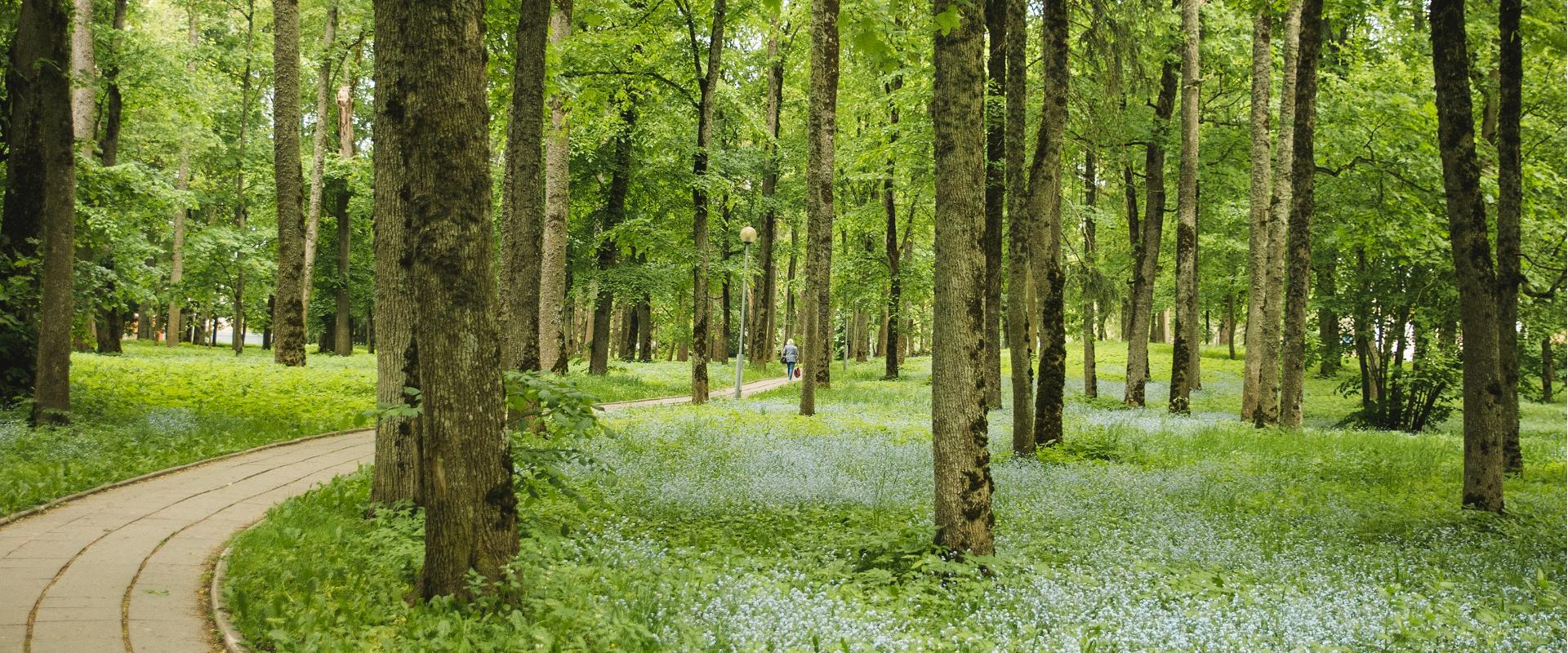
Karl August Hermann (23 September 1851, Võhma village, Põltsamaa parish – 11 January 1909, Tartu) was an Estonian composer, linguist, and encyclopaedist. He was an important figure in the national movement. He published the first encyclopaedia in Estonian, was one of the organisers of several song festivals, and composed several hundred pieces of music, the best known of which are, for example, ‘Kungla rahvas’ and ‘Oh laula ja hõiska’. He bought Perno Postimees, brought the publication to Tartu, and turned it into the first Estonian-language daily newspaper.The monument to Karl August Hermann in the park of Vana-Põltsamaa Manor was opened on 10 June 1935. The author of the statue is Alfred Zolk-Leius.
Open times

Throughout the Year

Around the Clock

Contact

  • +372 775 1390
  • turism@poltsamaa.ee

Links

visitpoltsamaa.com

See more

  • Monuments

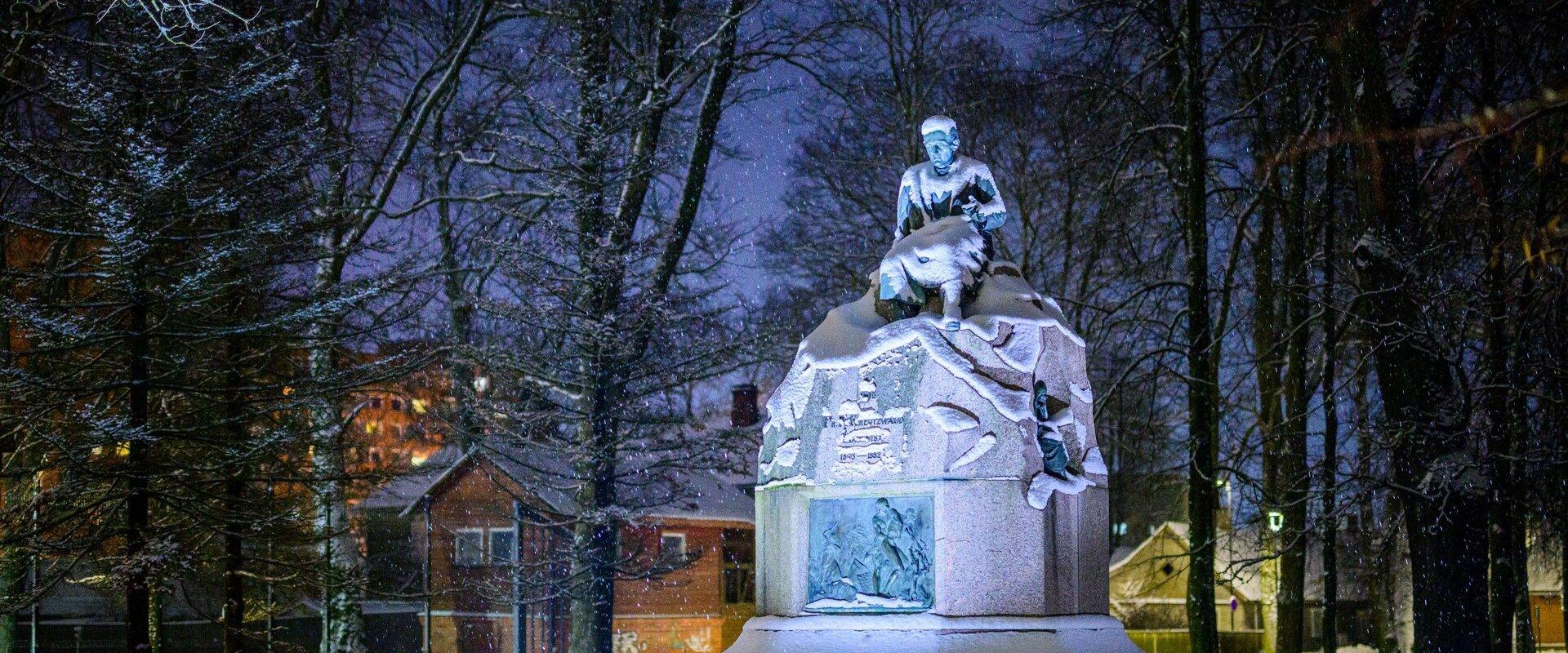
The Fr. R. Kreutzwaldi Monument and Park on the Shore of Lake Tamula

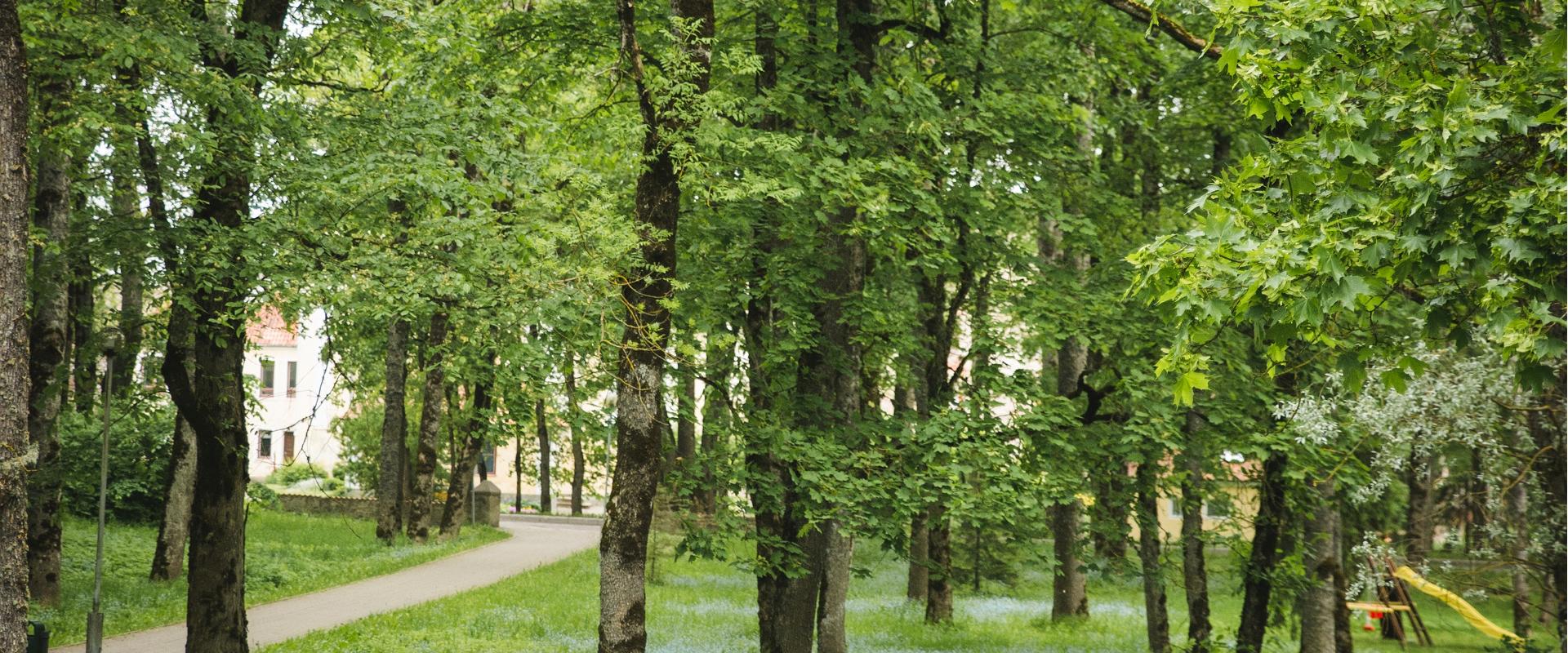
The Monument to Dr. Fr. R. Kreutzwald is located in a park on the shore of Lake Tamula. The author of the monument is A. Adamson and it was cast in bronze in Italy. The monument was opened in 1926. It is not known when the park was founded, however the age of most of the species of trees, birches and lindens is estimated at more than one hundred years. The coniferous trees in the park include spruces and firs. Lake Tamula has an oval shape in an east-west direction with an average depth of 4.2 m. The lake is deepest to the northeast of its centre (7.5 m) and has a surface area of 231 ha. There is a swimming area, beach and a beautiful promenade on the shore on the city side. In Kreutzwald Park, there is an accessible trail.

  • Monuments

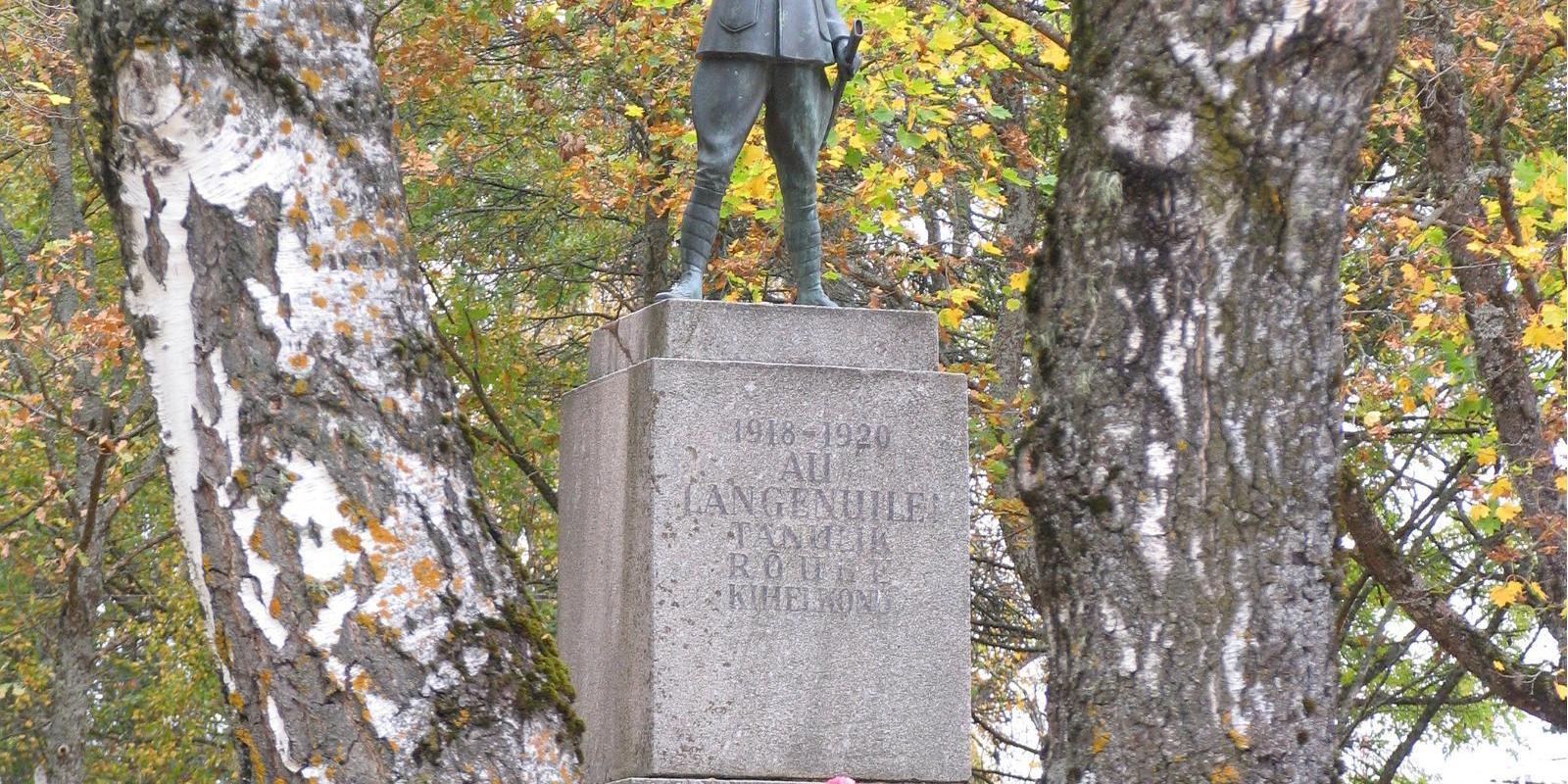
War of Independence Memorial in Rõuge

In 1926, on the initiative of pastor Valter Viks, a memorial to the 200 citizens of Rõuge who were killed in the War of Independence, designed by artist Voldermar Mellik, was erected near the Rõuge Church. The Estonian text engraved in the stone on the front of the memorial reads "1918-1920. Honour the Fallen! Your thankful Rõuge parish". In 1945, the Bolsheviks blew up the memorial, and the bronze soldier and its foundation stones were buried in the ground near the monument. A local artist Aksel Ollmann dug the bronze statue out under the cover of night and hid it on his farm. In 1988, the statue was dug up from its hiding place. The memorial was re-inaugurated on 30 October 1988. The statue was restored by Ars Monumentaal.

  • Shopping centres

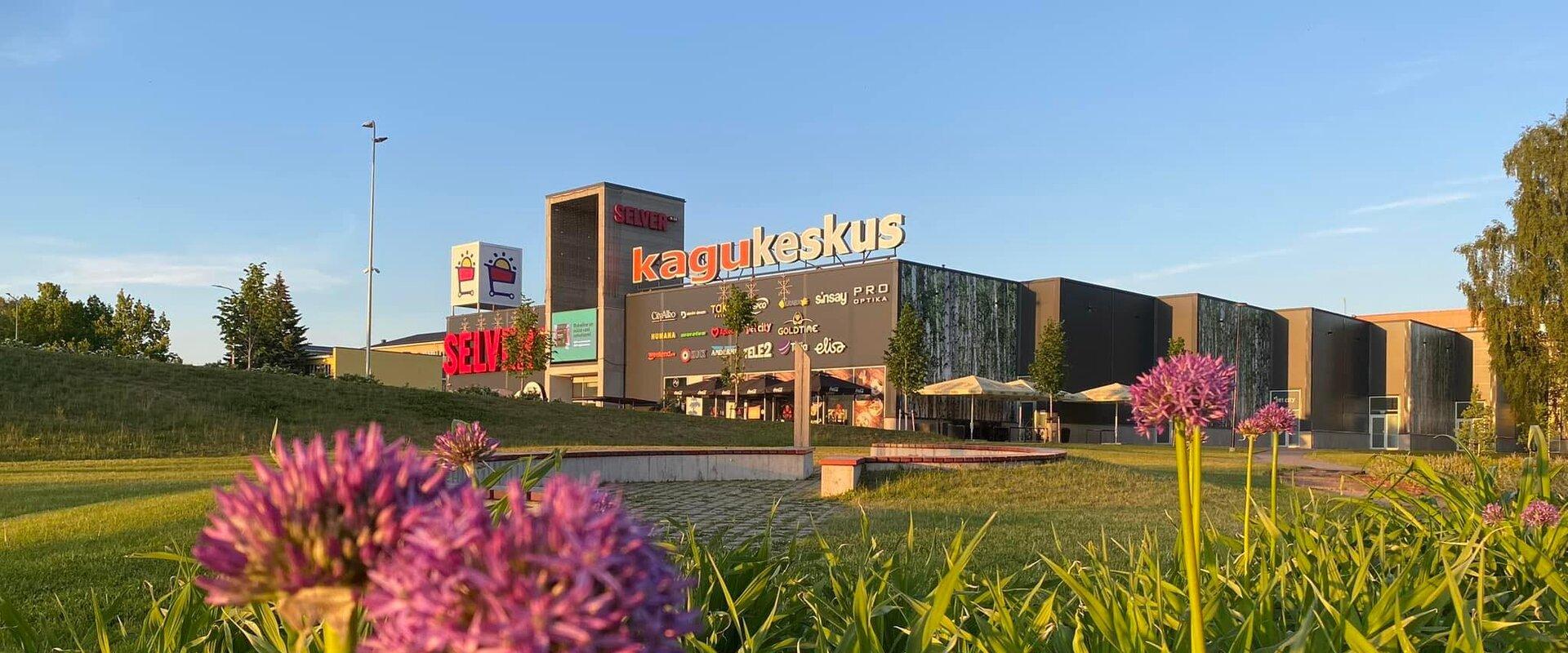
Kagukeskus shopping centre

Kagukeskus in Võru is the biggest shopping centre in south-eastern Estonia. It is home to more than 20 shops and service providers over two floors. You can make the most of the solarium and beauty salon, or attend to your business needs at the accountancy office. There is something at the centre for everyone!

  • Churches

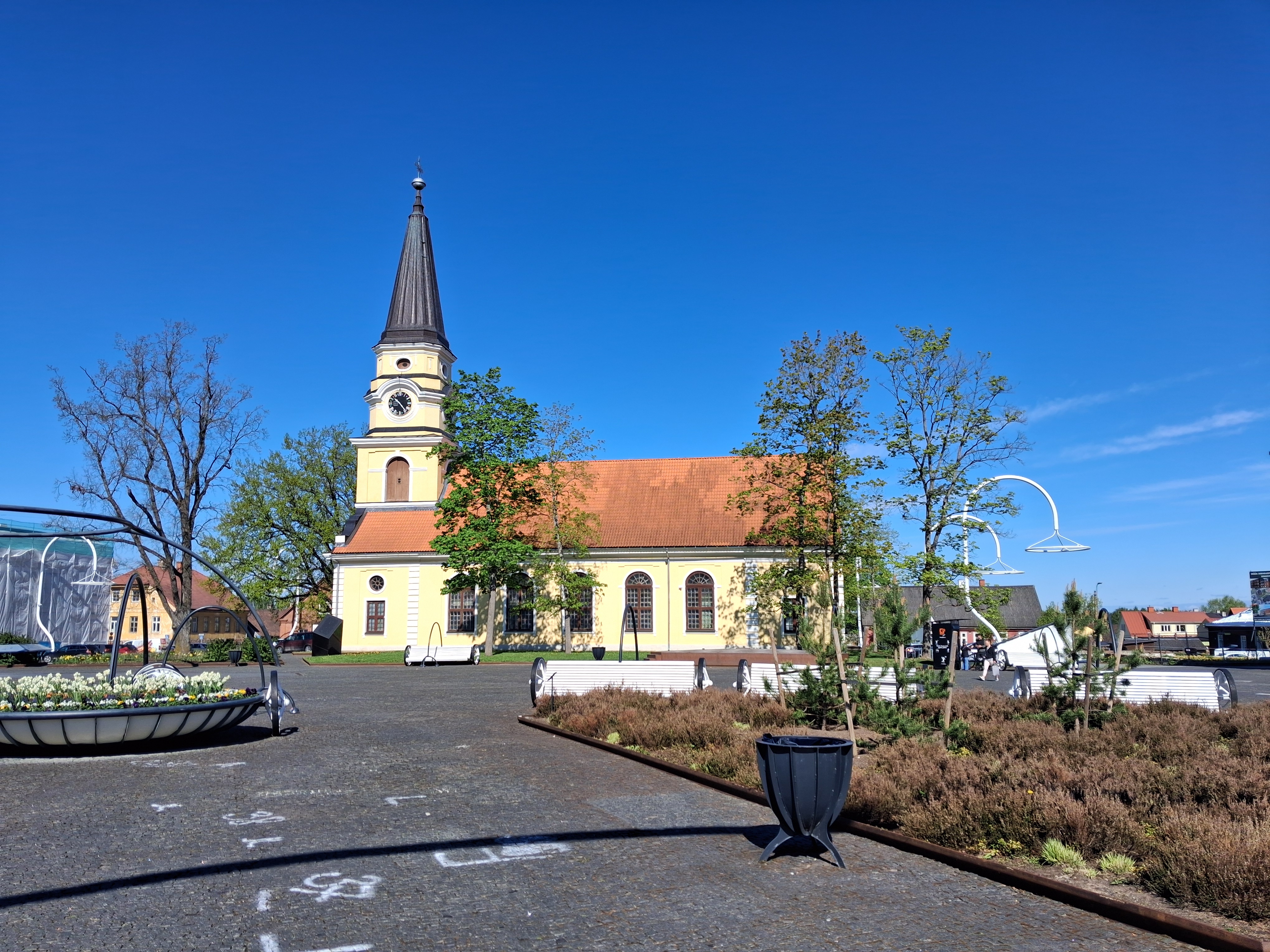
Catherine’s Church in Võru

28,000 silver roubles were donated towards the construction of this Lutheran church by Russian empress Catherine II. It was blessed on 24 July 1793, when it received the name 'Catherine'. It is thought that the church - which was designed in early classicist style with baroque roots and which boasts stunning arched windows - was designed by the architect Christoph Haberlandt from Riga. Renovations in 1879 saw its tower receive a new dome, and a four-faced clock was also installed. The church has an organ built by the Kriisa brothers in 1913. You can visit the church on Sundays during mass times.

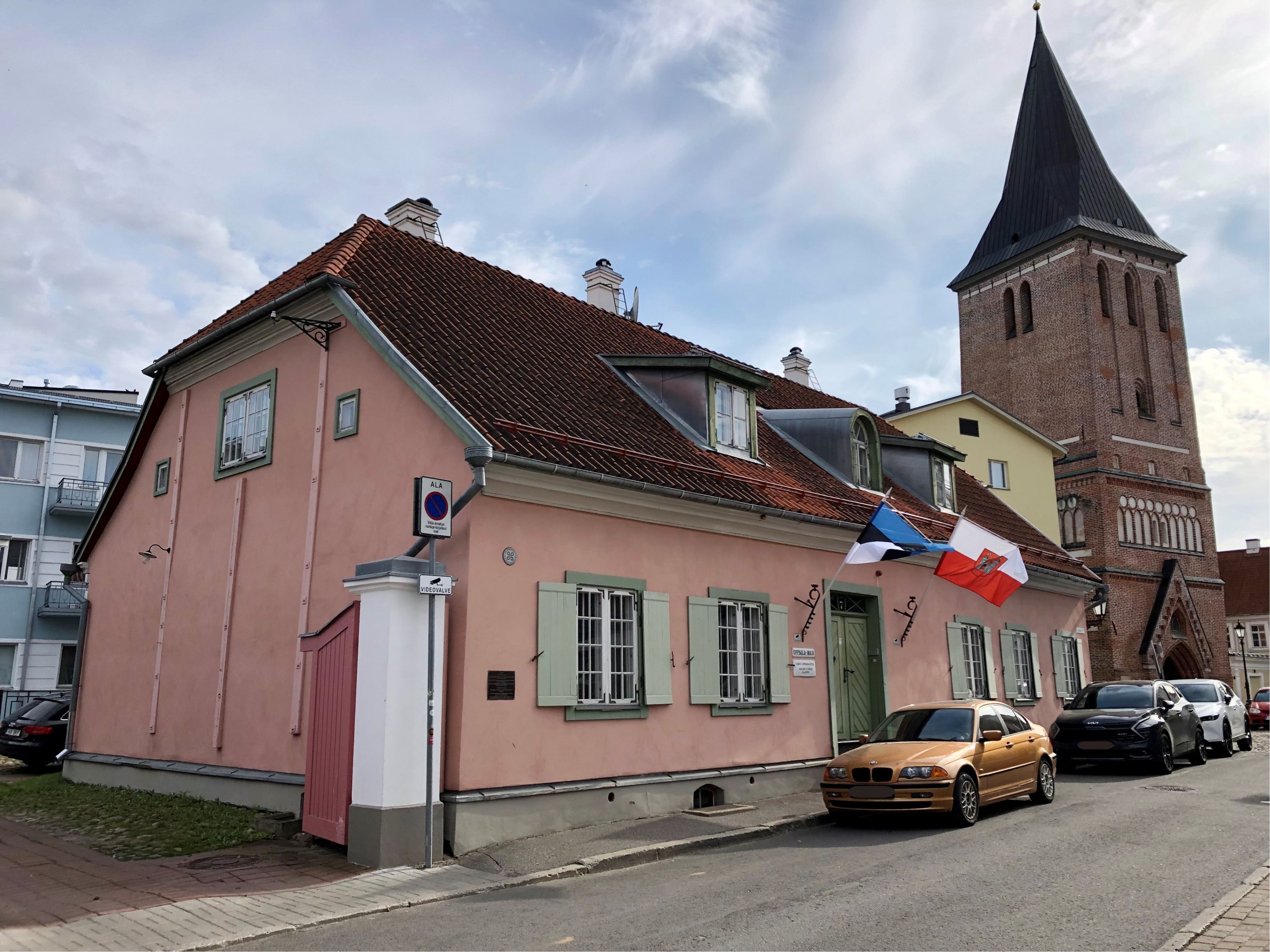
Uppsala House in Tartu

Uppsala House is a typical 18th century citizen’s home – a one-storey building with a mansard roof. In 1993, the cities of Uppsala and Tartu entered into a cooperation project 'Restoration of Old Buildings'. This led to the restoration of Uppsala House, which currently belongs to Tartu City Government.Did you know...? The families of a secretary of the highest Livonian court, a saddle maker, tailors and representatives of many other interesting professions have lived in the building at different times. There were rental flats for students in the building in the beginning of the 19th century.Only the exterior of the Uppsala House can be enjoyed by the visitors!The building is listed in the Estonian National Register of Cultural Monuments.

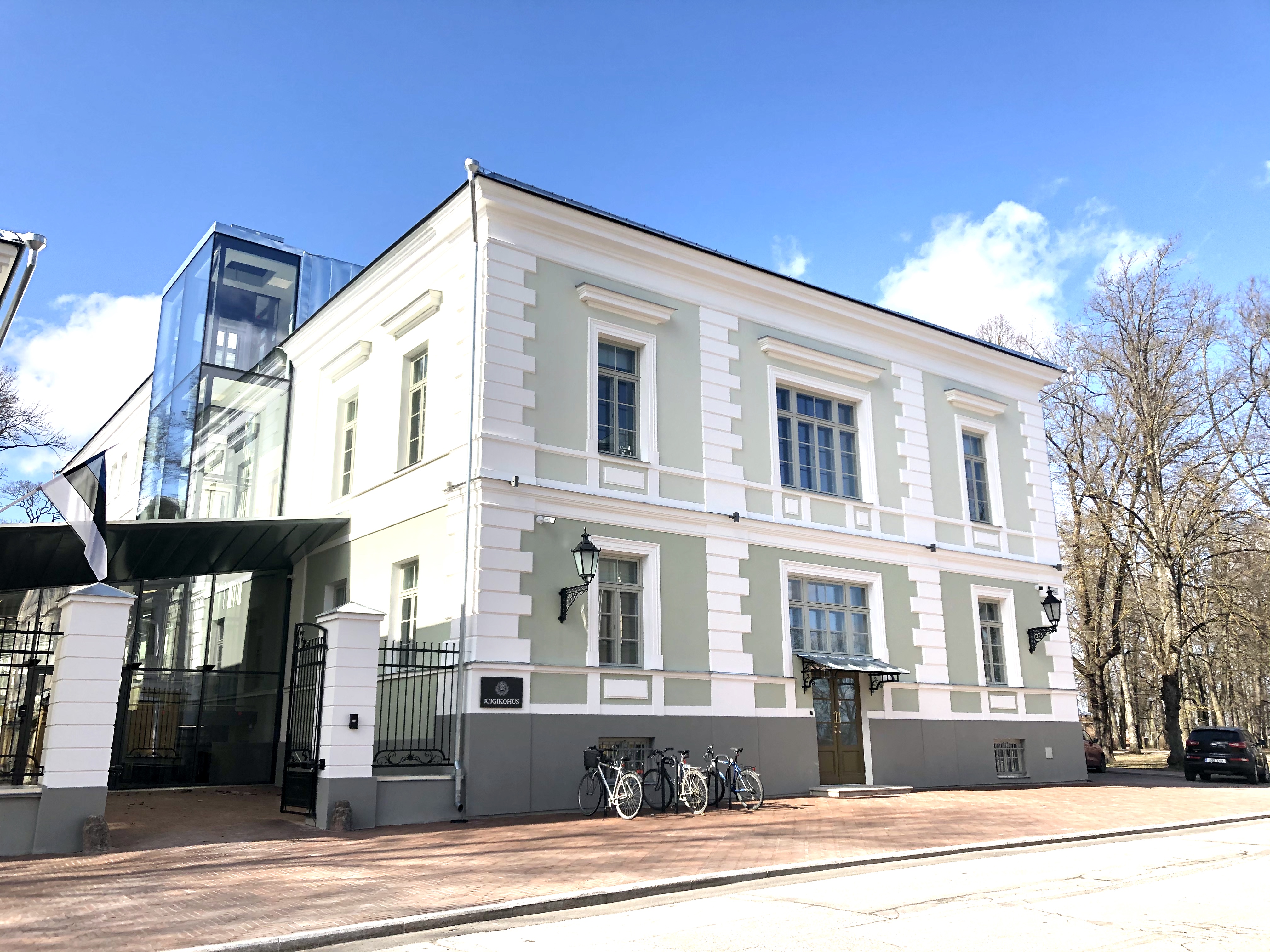
Estonian Supreme Court Building

The highest court of the Republic of Estonia, the Estonian Supreme Court that operated in Tartu from 1920 to 1935, is located in this building. The building was initially built as a barracks in 1763, the university hospital was built on its ruins in 1808 and the Estonian Supreme Court has been in the building since 1995. The building can be viewed only from the outside.Take a look at the aerial panorama (picture by Joel Tammet).

  • Churches

Ritsiku church in Mõniste

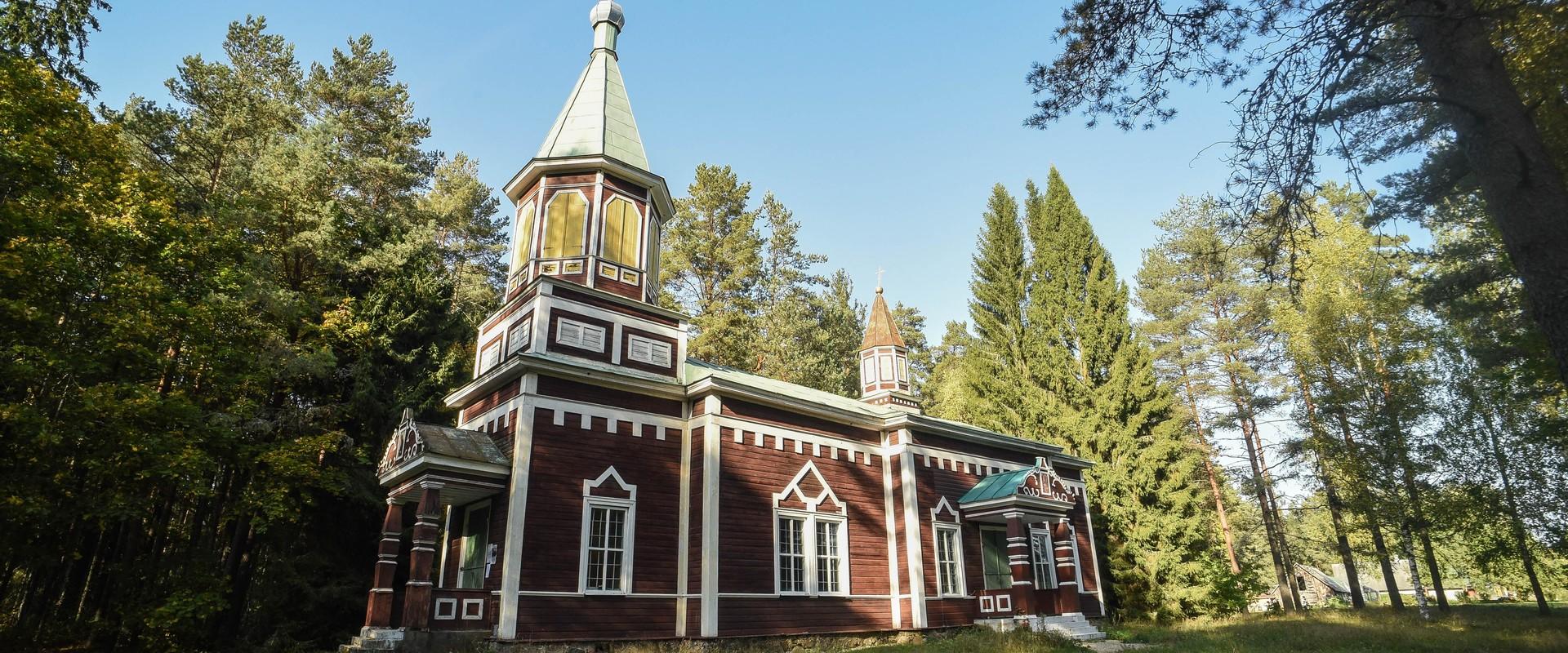
Of the Orthodox churches in Võru County, Ritsiku church in Mõniste is the second oldest (dating back to 1855). The oldest is St Catherine's Church in Võru itself.The church in Ritsiku was consecrated in the name of the prophet John the Baptist. Its name day is celebrated by the congregation every year on 24 June.The congregation was established in 1837. The church was constructed from timber and has a tin roof. It was originally known as Mõniste church, since it was located on the lands of the Mõniste estate. But since it was not in Mõniste itself, it was renamed Ritsiku church in Mõniste.The sacristan and parson did a lot of work in educating the local community. Until 1931 the congregation had its own parish school and three smaller schools.

Elva Song Festival Grounds

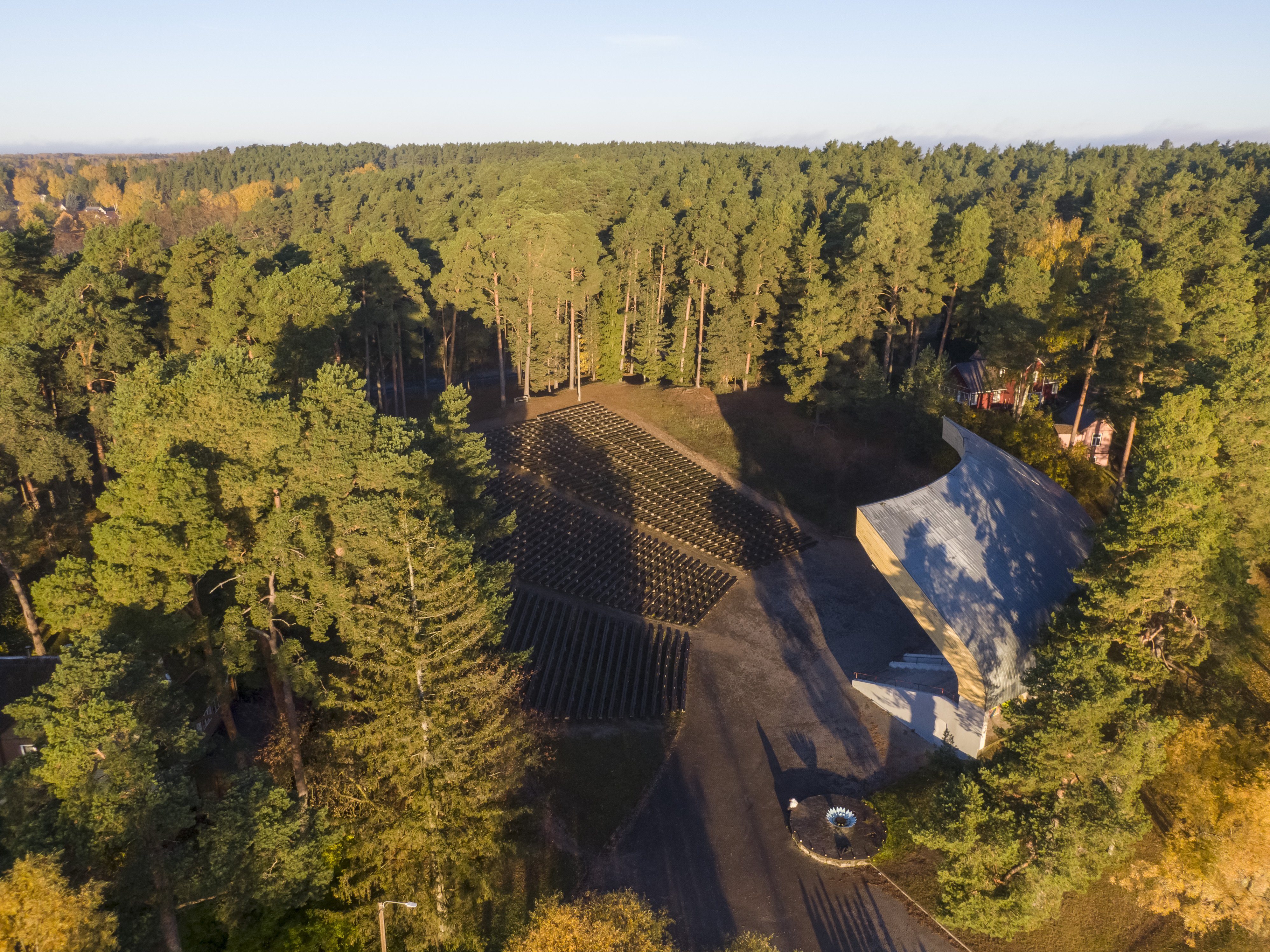
Elva Song Festival Grounds, like every other one, has a symbolic and sacred meaning in preserving the Estonian national culture and song festival tradition. While singing together with others, one feels unity and the joy of Estonian freedom. Elva Song Festival Grounds is located in the centre of Elva, near Lake Arbi in a pine forest. It is not only for song festivals but also a beautiful place for concerts and parties. The Song Festival Grounds was built in 1951. On 8 August 2015, a memorial to the Estonian choir conductor and teacher Ants Sööt (8 August 1935 – 17 October 2013) from Elva, who is buried in Elva Cemetery, was erected at the Song Festival Grounds.

  • Collaboration
  • News
  • Contacts
  • Privacy Policy
Join our mailing list!

"*" indicates required fields

This field is for validation purposes and should be left unchanged.
I authorise marketing

South Estonia Tourism Cluster

info@visitsouthestonia.com