• Explore
    • Nature
    • Culture
    • Food
    • Family
    • Activity
    • Blog
    Smoke sauna
    Weather and seasons
  • Plan
    • Accommodation
    • How to get here
    • Weather and seasons
    • Sustainability
    • Tourist info
    Discover South Estonia’s Most Beautiful Manors and Castles
    Top 20 Sights in South Estonia
  • For professionals
    • For professionals
    • Collaboration
    • News
    • Projects
    • Training
    • Repository
    • Community (opens in new tab)
    • Contacts
ENG
  • EnglishENG
  • EestiEST
  • LatviešuLAT
  • РусскийRUS
  • SuomiFIN
ENG
  • EnglishENG
  • EestiEST
  • LatviešuLAT
  • РусскийRUS
  • SuomiFIN
Popular searches:
Show all
  • History & Culture
  • Architecture and history

Võõpsu Orthodox Village Chapel

Silla tn 3, Setomaa vald, Võru maakond, 64318

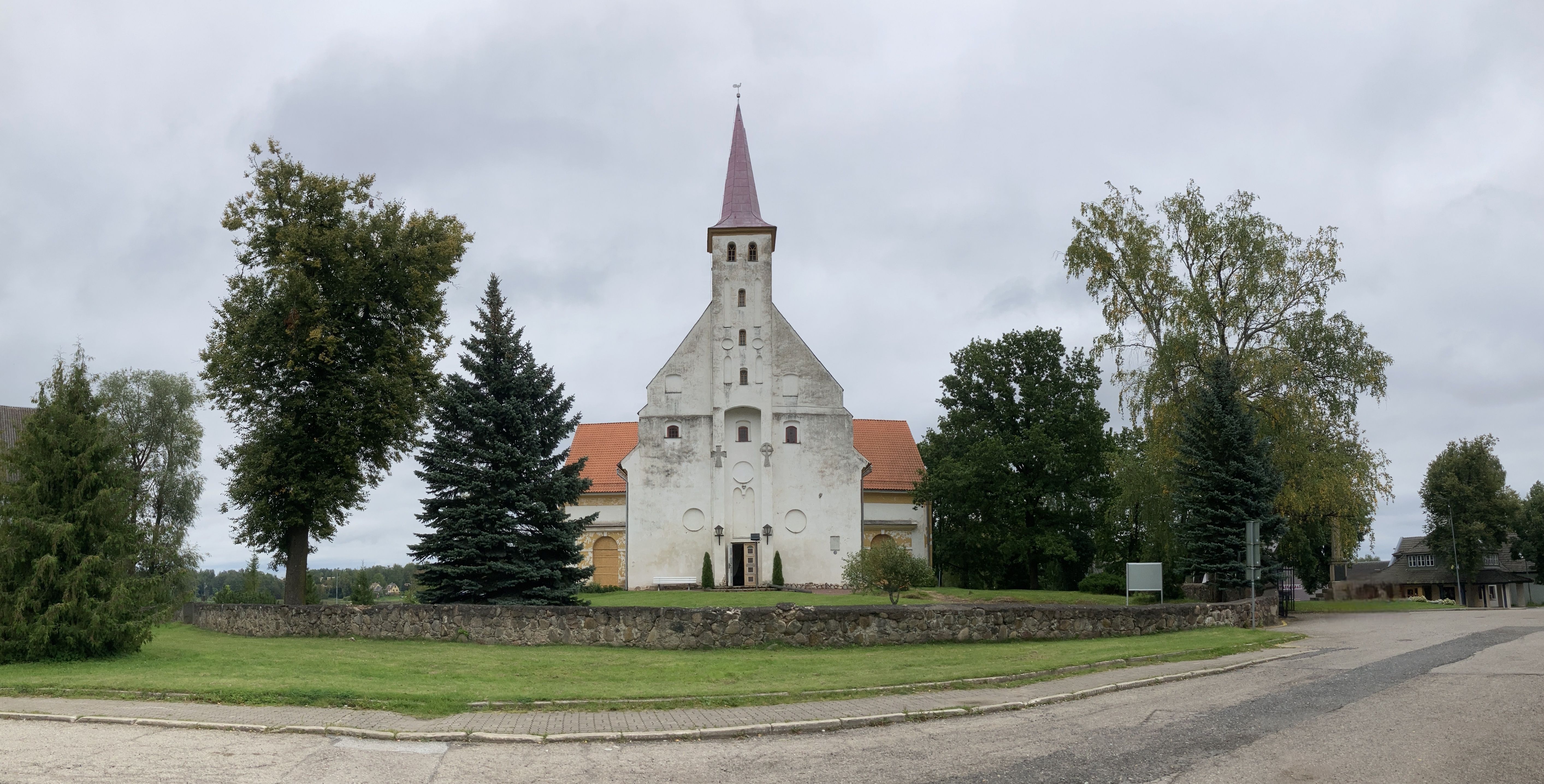
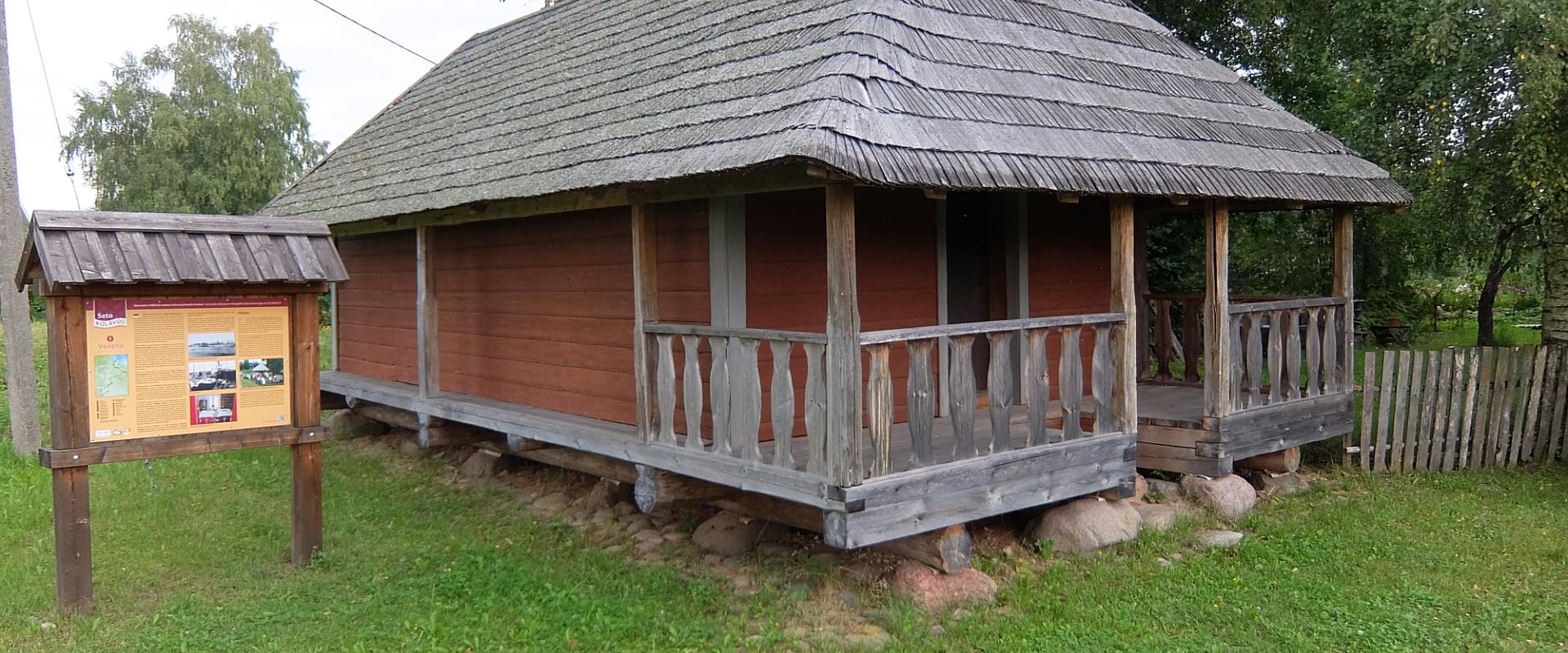
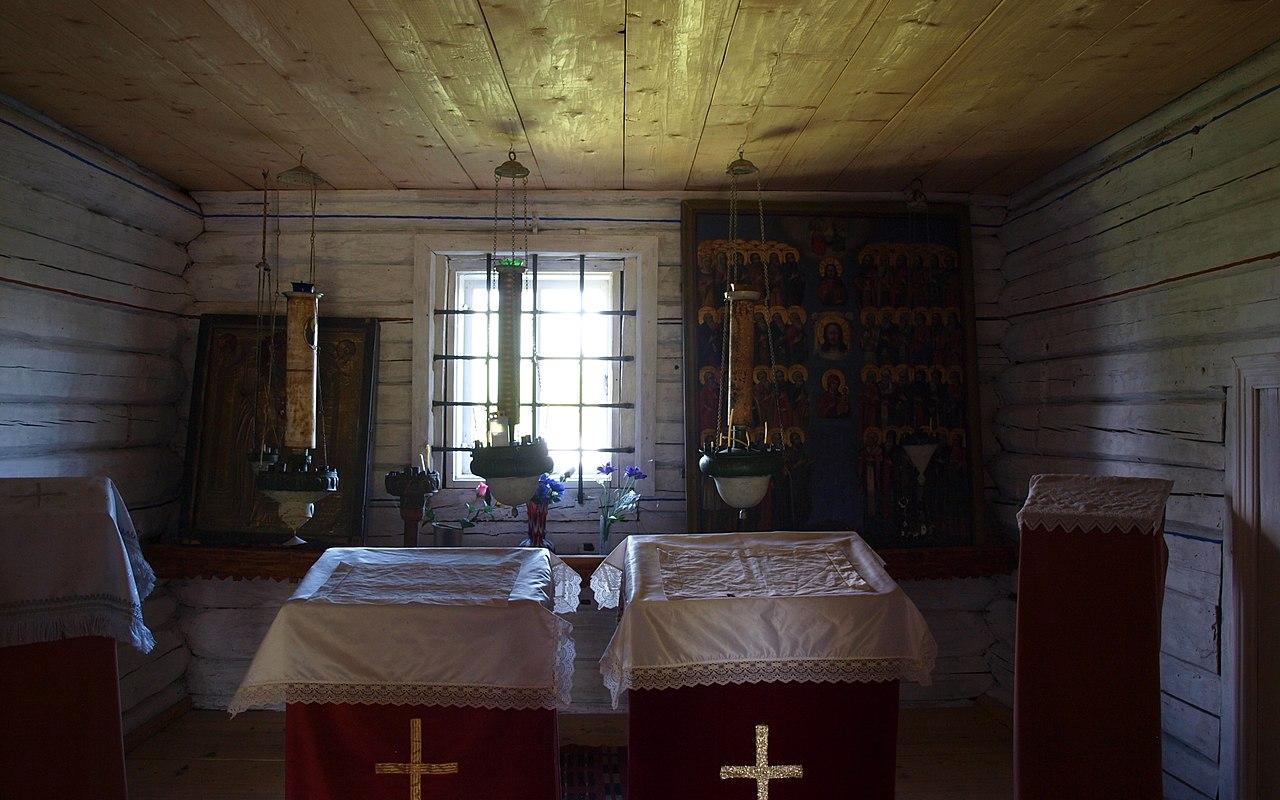
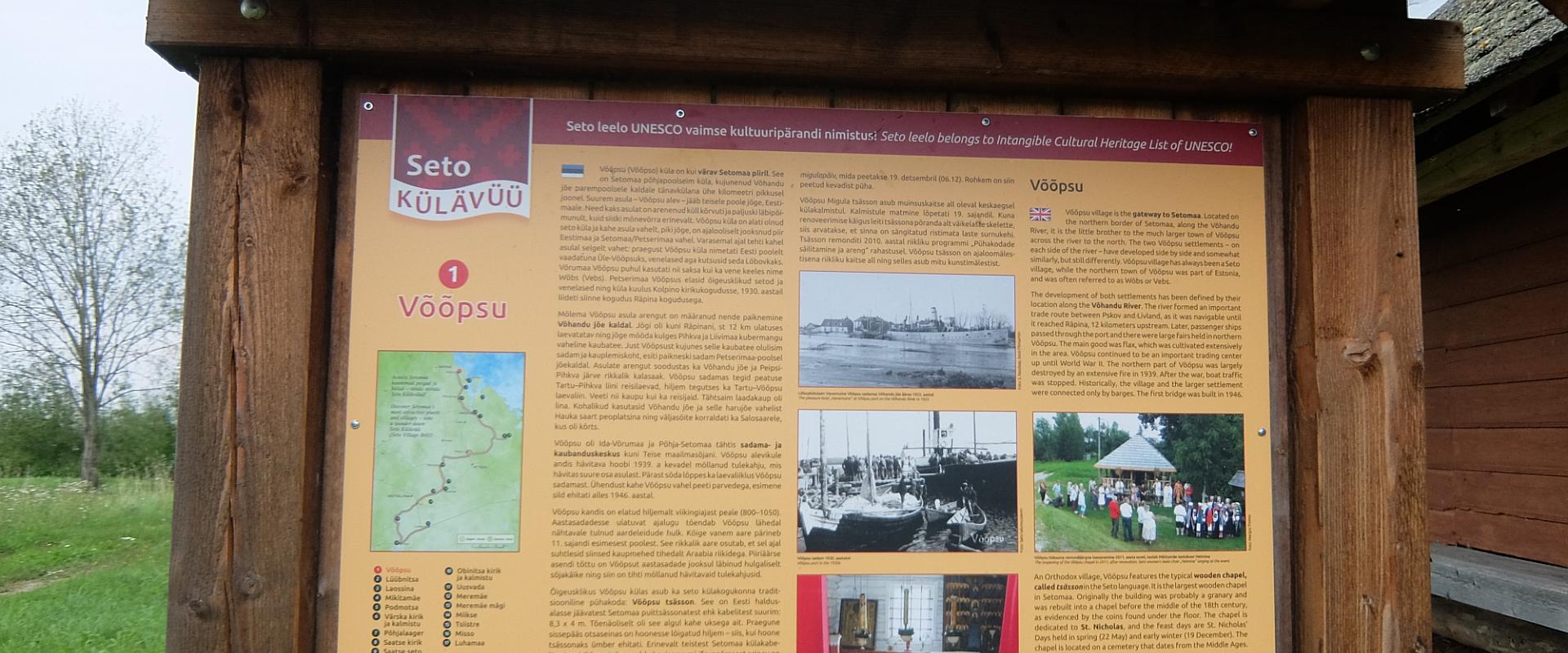
Võõpsu’s village chapel, is located right next to Setomaa’s northern gate — the bridge over the Võhandu River — in a medieval village cemetery. This is the Estonian part of Setomaa’s largest wooden tsässon, which some believe originally served as a barn. It was remodeled into a tsässon a little before the middle of the 18th century and properly renovated in 2010. Of architectural interest is the large, open front hall, which partially covers the side walls.The patron saint of Võõpsu tsässon is St. Nicholas (Seto: Püha Migul) and its name days are the spring and winter St. Nicholas days (migulapäiv).
Amenities

  • Free parking

Open times

Throughout the Year

Eeltellimsel

Contact

  • +372 5682 1268
  • turism@setomaa.ee

Links

See more

  • Churches

EELC Roosa Jacob’s Church

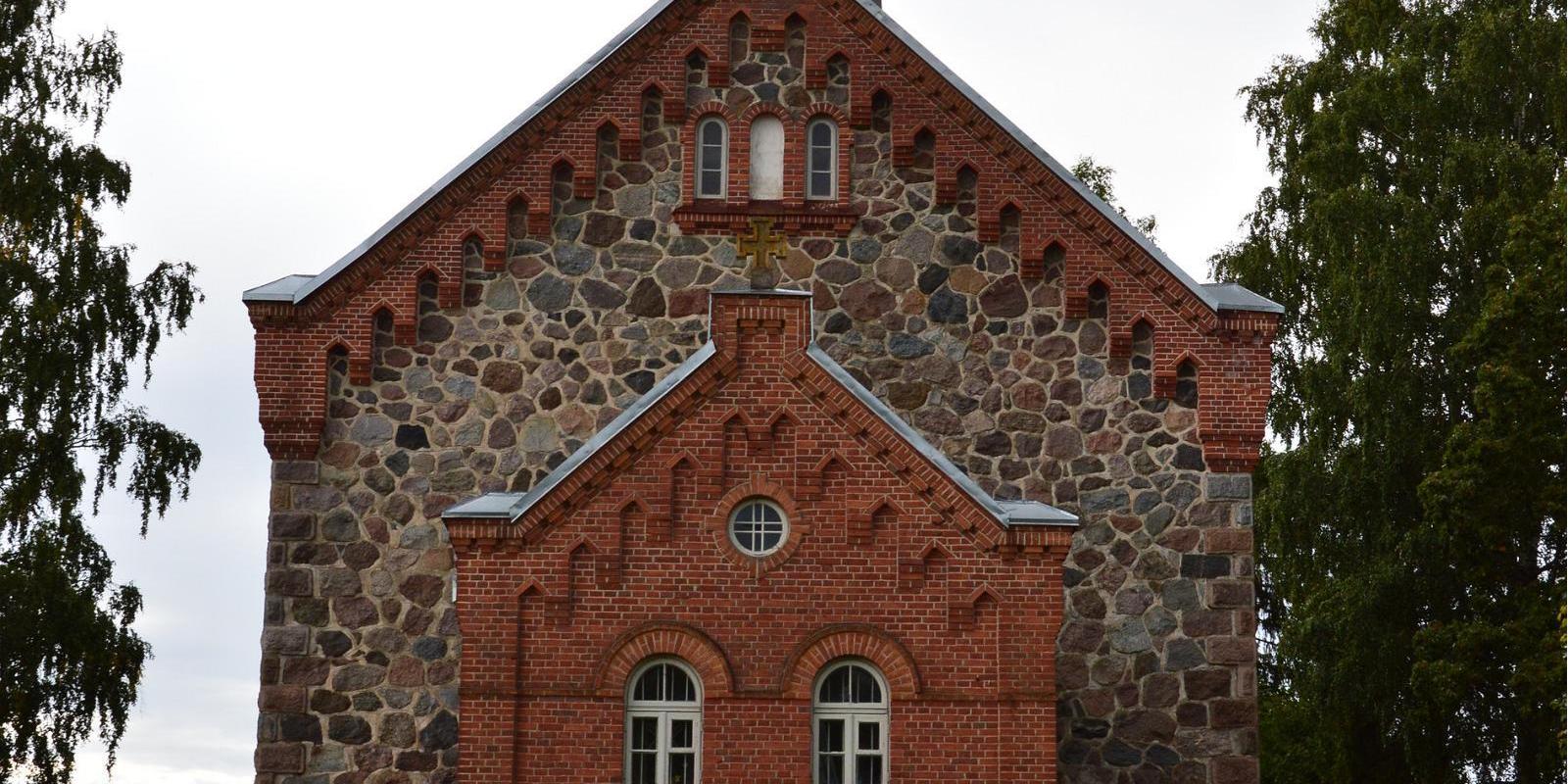
The legend speaks about the owner of Roosa manor, who had promised to build a church if he is saved from a shipwreck. When he had happily escaped the sea, he fulfilled his promise and the first church was built in Roosa in 1735.The current church is the third one in Roosa, built in 1893.The massive quarrystone walls have round-headed windows and brick ornaments, the tower has four sides and triangular gables. The altar-piece is a copy of the ″Christ on the Cross” from the St. Mary's Church in Rõuge and the organ is the first church organ the Kriisa brothers built in 1900.

  • Estonian handicraft
  • Estonian design

Aino Tamberg’s Art Shop

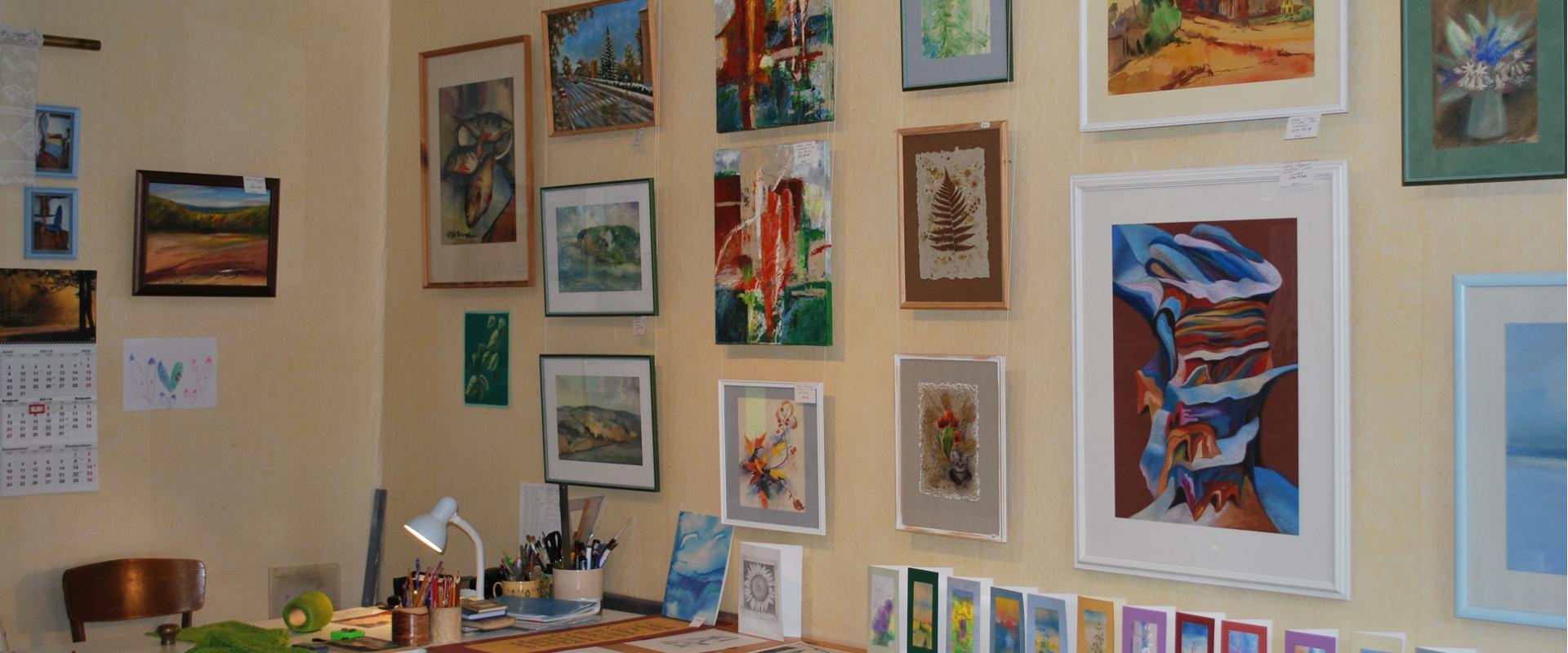
Aino Tamberg's Art Shop sells the work of artists and craftsmen from Võru County — paintings, post cards, pottery.

  • Churches

Lutheran Church of Blessed Virgin Mary in Põlva

The Church of Blessed Virgin Mary in Põlva is one of the oldest churches in historical Võrumaa. The rarities of the church are the old altar painting The Last Supper (1650) and the altar panels (1647). There is an altar painting The Resurrection (Friedrich Ludwig von Maydell, 1845). The church was originally a square-shaped hall church with three naves. Today it has preserved from it a high tower with a deep niche and a Western façade. Interesting to know: According to a legend, the key of the church is held by a kneeling girl called Mary who is walled in. Allegedly that is also the origin of the name of the church and Põlva (‘knee’ for the Estonian ‘põlv’).

  • Family friendly
  • Guided tours

MUHK – the Rural Curiosity Center at the Estonian Agricultural Museum

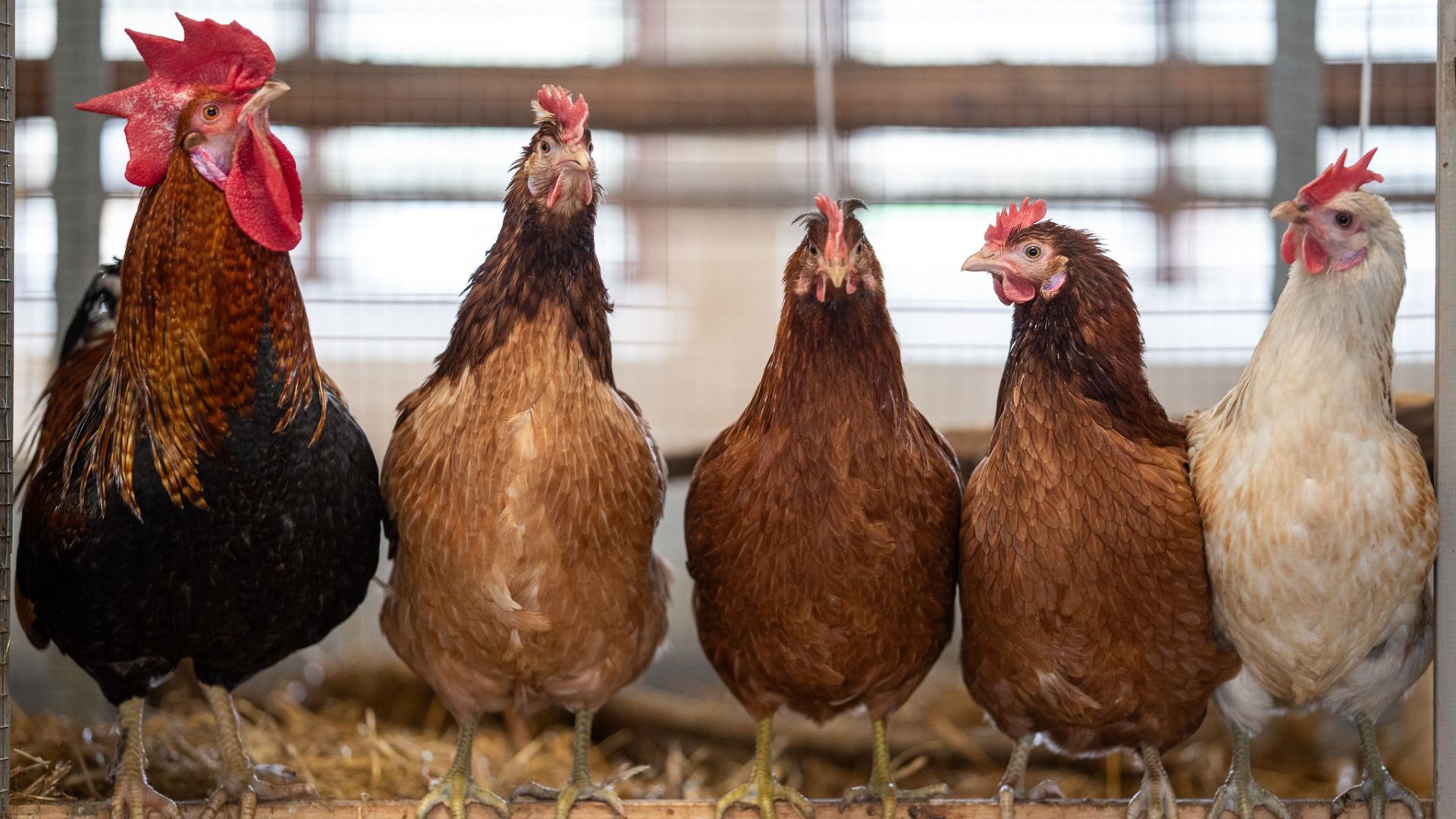
Located at the Estonian Agricultural Museum in Ülenurme, the MUHK, or the Rural Curiosity Center, is a lively place where visitors of all ages can discover, research, and play. This is where rural life comes to play through engaging education. Located on two floors, the center introduces modern agriculture through practical activities. The “Barn Symphony” exhibition explores topics related to animal welfare, feeding, and husbandry. You can also meet the museum's farm animals and relax in a soothing rabbit village. The exhibition “Manure and Milk” adds to the excitement, where you can also see a rare manure spreader. For the more adventurous, the slightly gut-wrenching veterinary room takes a look at the history of animal treatment. The museum’s treasury, or open storage, also awaits visitors, where fascinating objects from the museum’s collections are on display. The Estonian Rural Museum ticket gives you access to all museums in the complex, including the Rural Curiosity Center.

  • Estonian handicraft

Bakery Rosiine Leivad

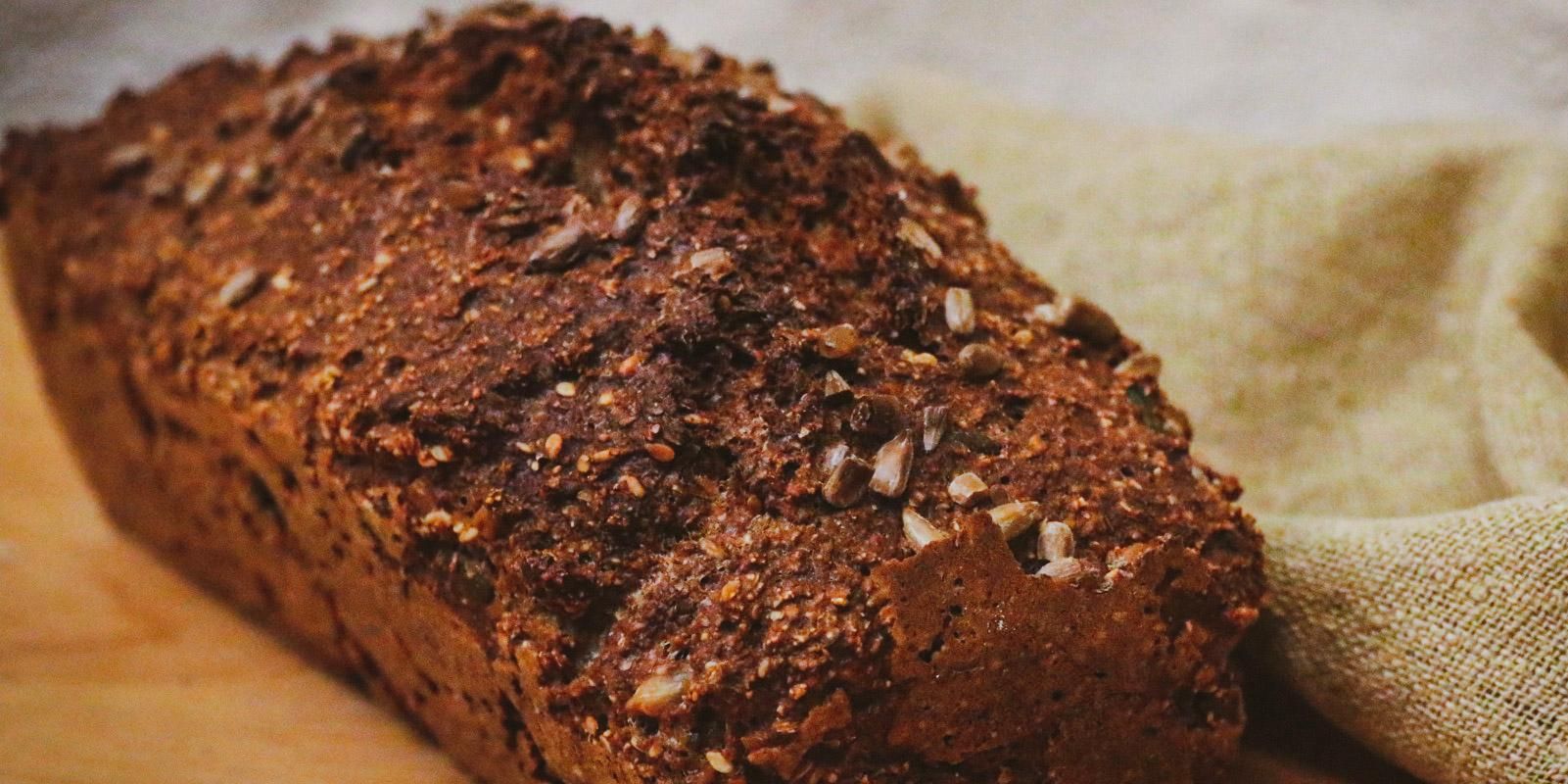
Rosiine Leivad is a bakery located in the Old Town of Tartu, where all products are made on-site. There are more than 15 different breads, both savoury and sweet. Wheat flour, sugar, and yeast have not been added to the breads made from whole rye flour with apple juice and fermentation starter. The bakery also makes soda bread, snacks, and cookies. We also sell nostalgic products such as honey bread, pumpernickels, and Tallinn breads. No preservatives have been added to any of the products.Rosiine Leivad is named after our grandmother Linda Rosiine who taught us to bake genuine rye bread.Bread made with love – healthy and delicious!

  • Guided tours

Süvahavva Wool Factory and Museum

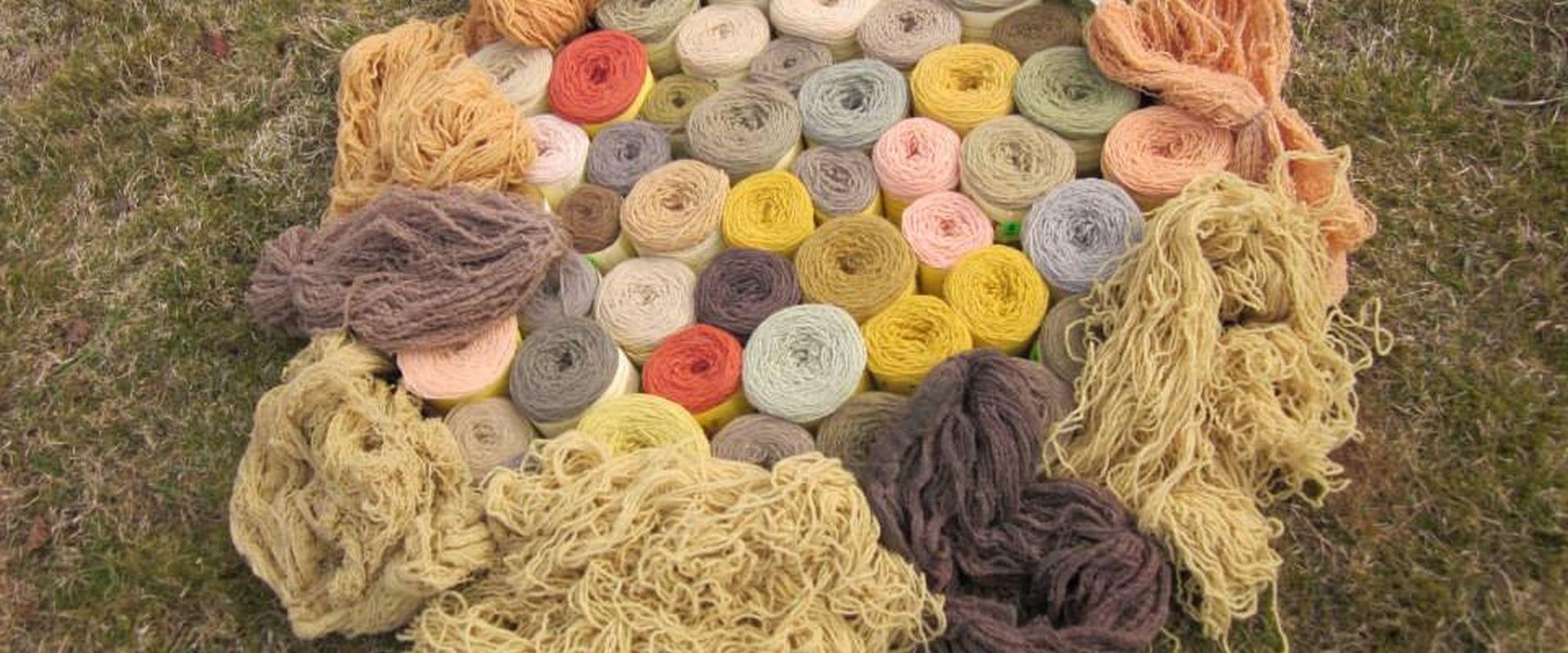
At Süvahavva Wool Factory and Museum you can see how wool is spun into yarn. Villakalli Puut sells wool products and other local handicrafts on the spot.Also, don't miss the opportunity to visit Süvahavva Nature Farm which is located close to the factory. The farm grows more than 40 species and cultures of tea plants and herbs. The most beautiful sandstone outcrops and caves on the Võhandu River are only a few hundred metres from here.Süvahavva village is one of the 21 places in Southern Estonia worth discovering that are marked by a yellow National Geographic window; if you love culture and nature, a visit is highly recommended.

Tartu Katariina House

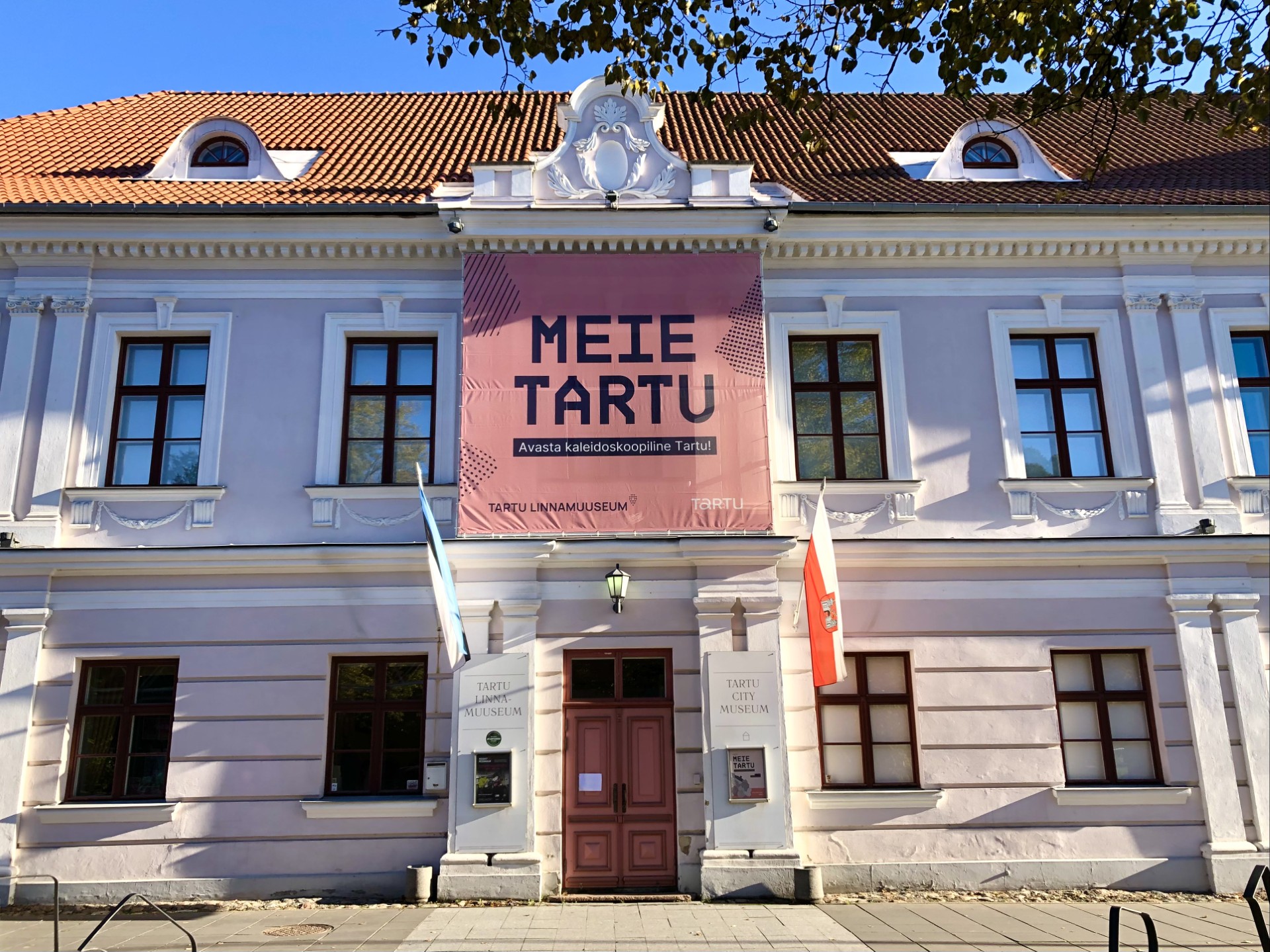
When walking in the Old Town of Tartu, head also for the other side of the riverbanks where you will see the early classicist Pistohlkors or Katariina House. It is a building from the 18th century that used to belong to Lieutenant WC von Pistohlkors. The interior design of the building’s hall in the style of Louis XVI is worth special attention. Tartu Town Museum is currently located in Katariina House.Interesting facts: - people know the house as Katariina House. There is a legend according to which Empress of Russia Catherine II (Katariina in Estonian) stayed in this house. However, there is no truth in the legend. - The house was designed by famous architect JHB Walter, who also designed the Town Hall of Tartu.

  • Monuments

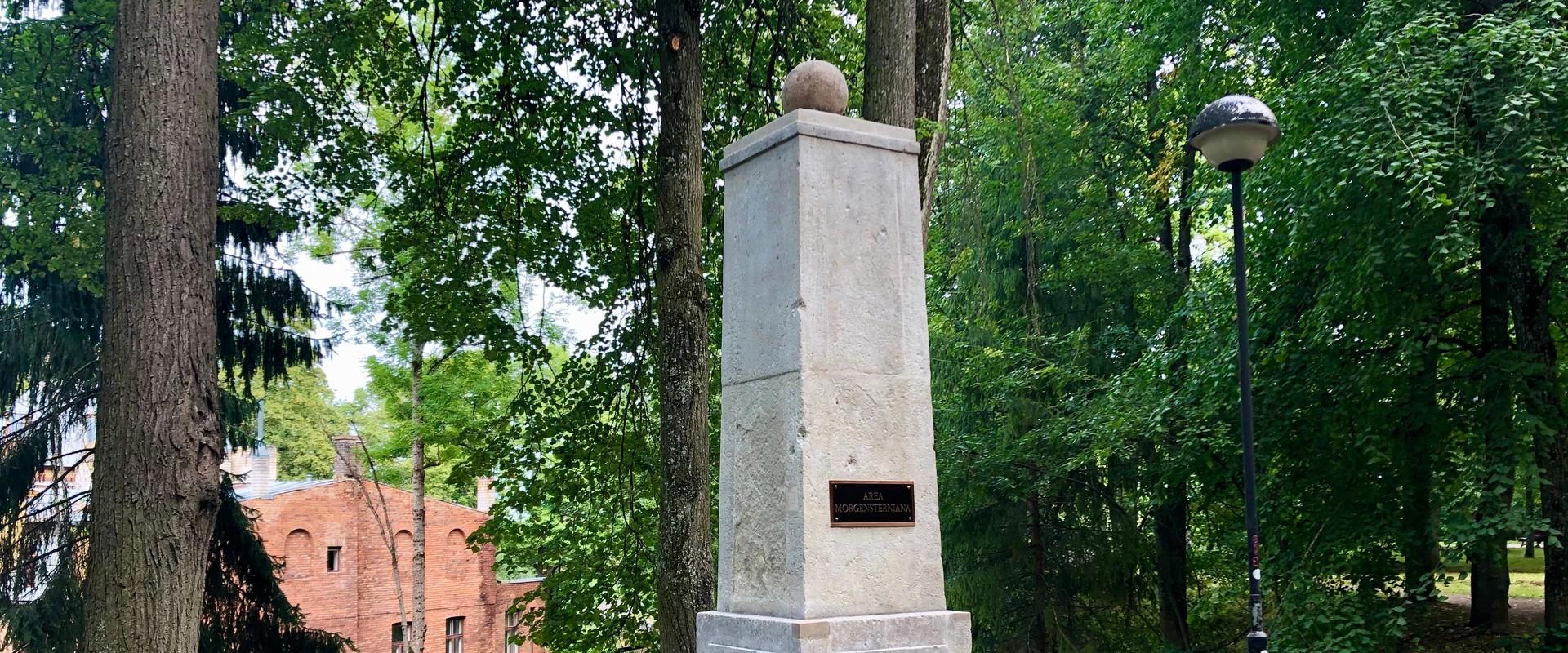
Monument to Johann Karl Simon Morgenstern

The university erected this monument to its long-serving professor K Morgernstern.Johann Karl Simon Morgenstern (1770-1852) was a German scholar who was a professor of eloquence and classic philology, aesthetics, literary and art history in the University of Tartu from 1802 to 1836. He was one of the founders and the first director of the University of Tartu Library (1802-1839). He founded the Museum of Art of the University of Tartu in 1803.

  • Collaboration
  • News
  • Contacts
  • Privacy Policy
Join our mailing list!

"*" indicates required fields

This field is for validation purposes and should be left unchanged.
I authorise marketing

South Estonia Tourism Cluster

info@visitsouthestonia.com