• Открой
    • Еда
    • Природа
    • Культура
    • Семья
    • Спорт
    • Сообщество
    • Блог
    У Вас появились свободные выходные, чтобы провести с детьми? Здесь собраны лучшие места в Южной Эстонии для семейного отдыха
  • Планируй
    • Размещение
    • Информация
    • Varamu
    Sustainability
RUS
  • РусскийRUS
  • EestiEST
  • EnglishENG
  • LatviešuLAT
  • SuomiFIN
RUS
  • РусскийRUS
  • EestiEST
  • EnglishENG
  • LatviešuLAT
  • SuomiFIN
Populaarsed otsingud:
Näita kõiki tulemusi
  • History & Culture
  • Architecture and history

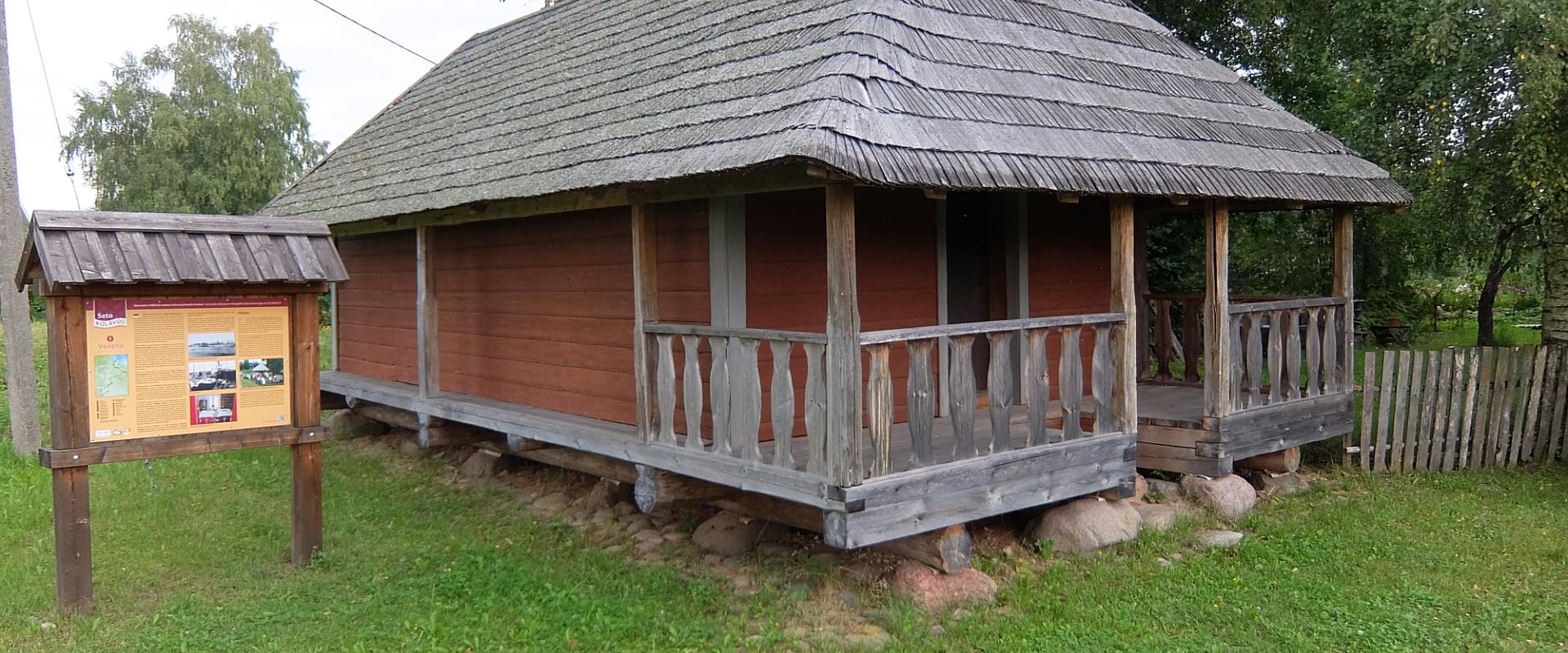
Võõpsu Orthodox Village Chapel

Silla tn 3, Setomaa vald, Võru maakond, 64318

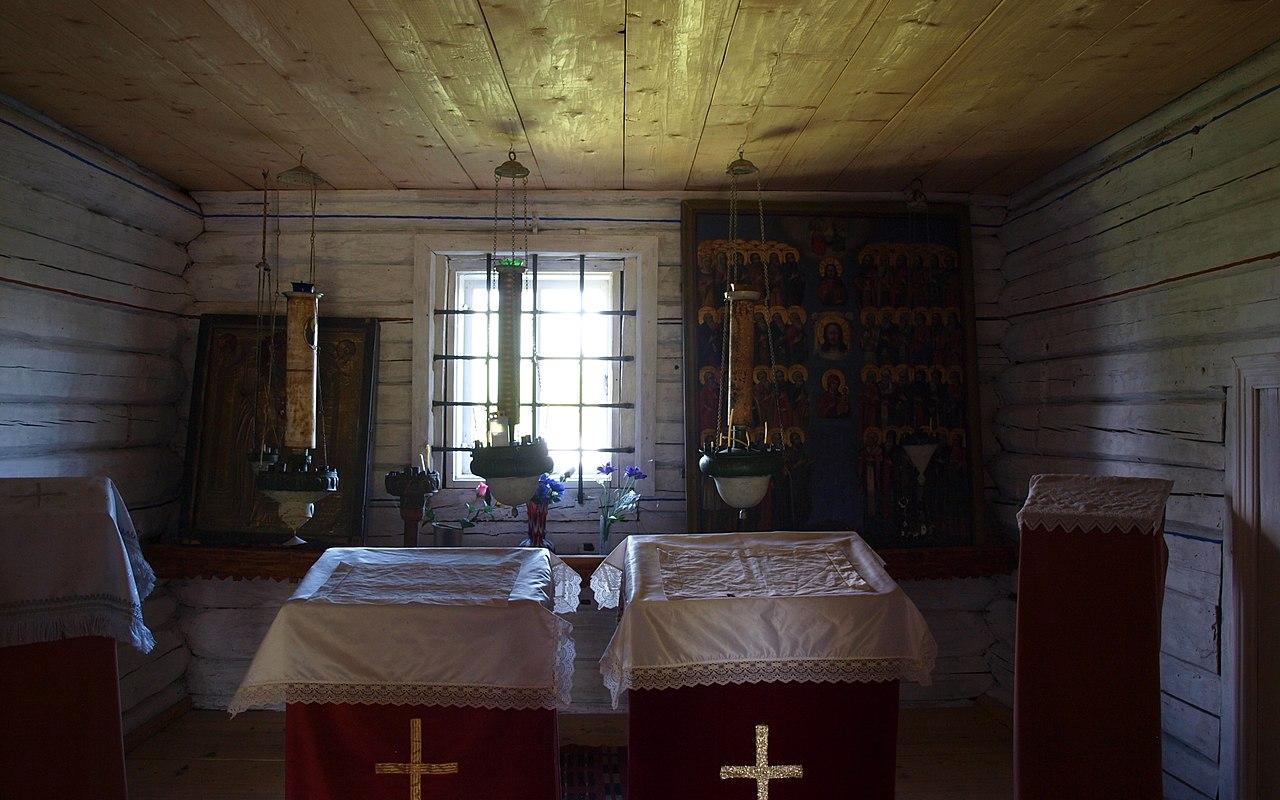
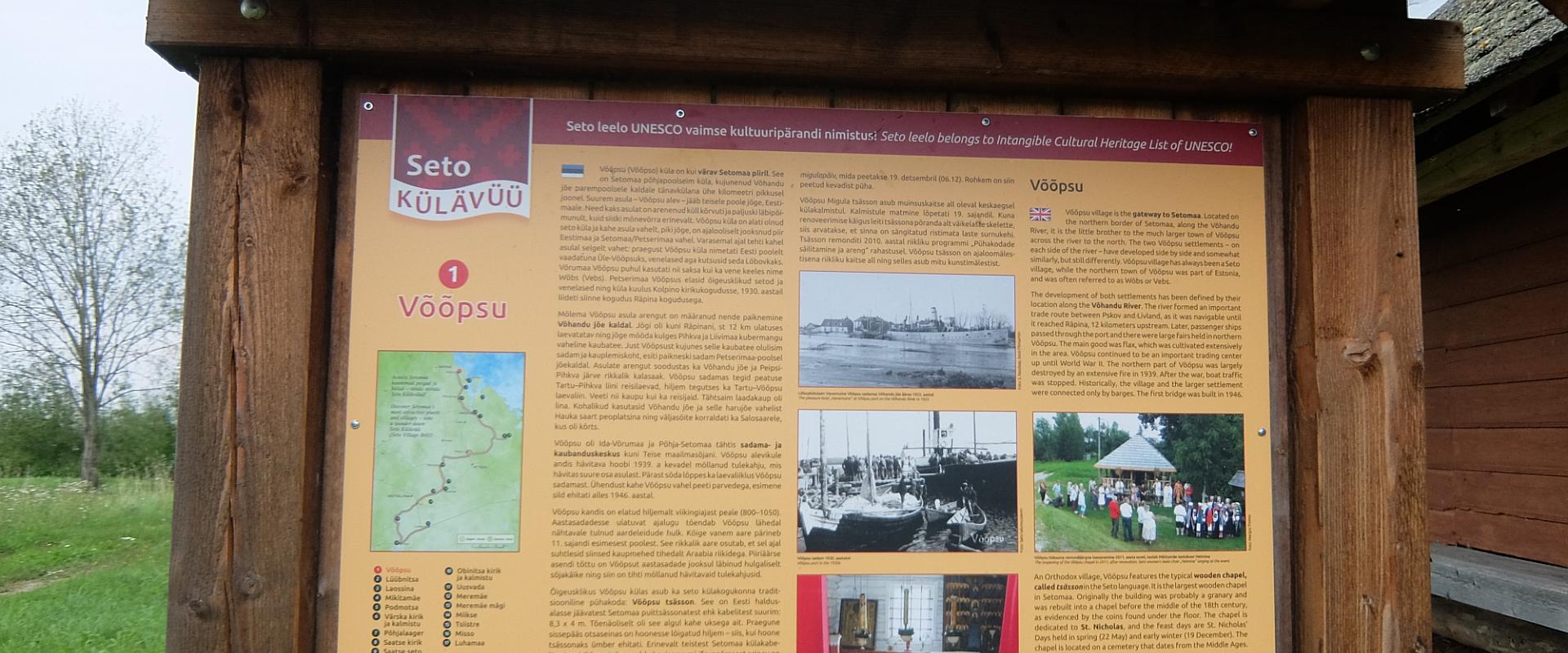
Võõpsu’s village chapel, is located right next to Setomaa’s northern gate — the bridge over the Võhandu River — in a medieval village cemetery. This is the Estonian part of Setomaa’s largest wooden tsässon, which some believe originally served as a barn. It was remodeled into a tsässon a little before the middle of the 18th century and properly renovated in 2010. Of architectural interest is the large, open front hall, which partially covers the side walls.The patron saint of Võõpsu tsässon is St. Nicholas (Seto: Püha Migul) and its name days are the spring and winter St. Nicholas days (migulapäiv).
Mugavused

  • Free parking

Часы работы

Круглый год

По предварительному заказу

Контакты

  • +372 5682 1268
  • turism@setomaa.ee

Ссылки

Подробнее

  • Monuments

Paju Battle Memorial

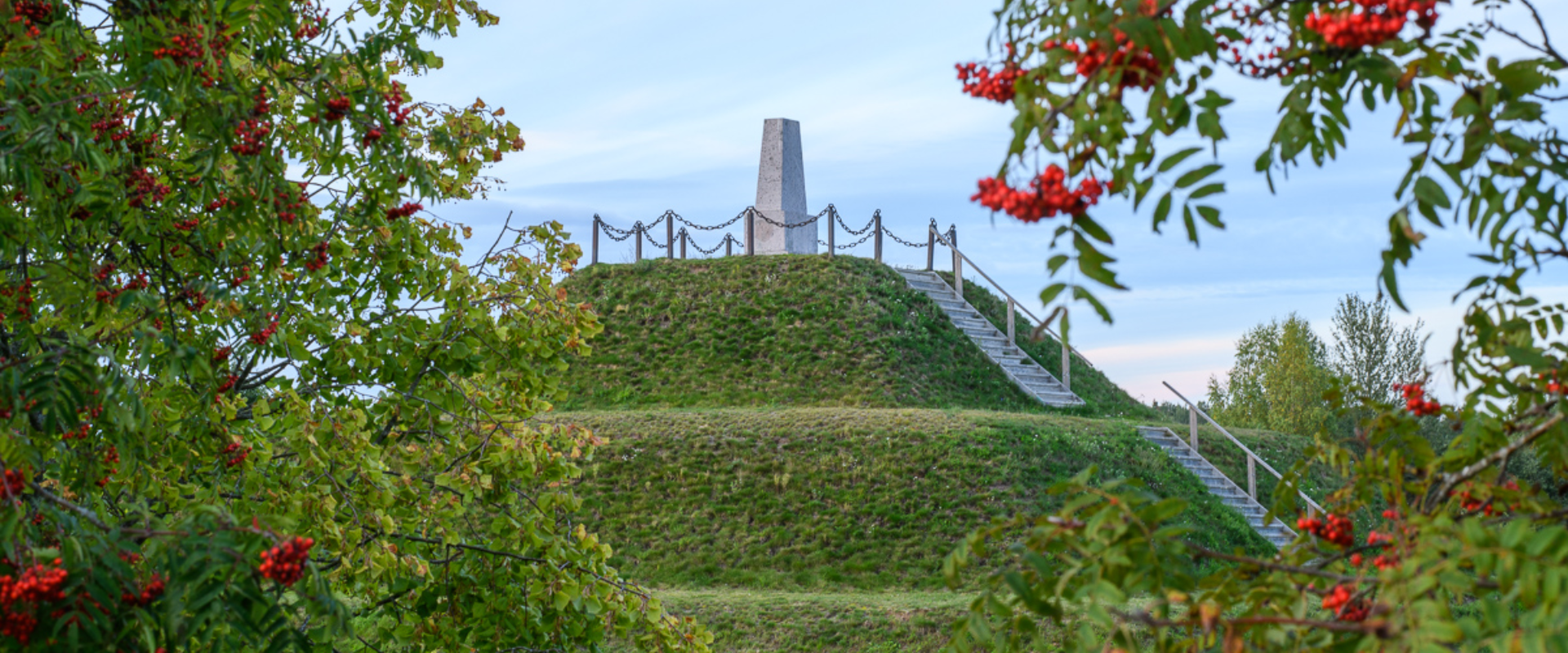
One of the most important battles of the War of Independence took place near the Paju Manor on 31 January 1919. The Northern Sons Regiment that consisted of Finnish volunteers also fought for the independence of Estonia over here. The most legendary commander in the War of Independence, Lieutenant Julius Kuperjanov, was fatally injured in the battle. The battle memorial is a granite pillar on a three-level pyramid, which was reopened on the 75th anniversary of the battle on 30 January 1994.Interesting facts: * the memorial was opened by President of the Republic of Estonia Lennart Meri; * a memorial tablet to the Northern Sons who fell in the battle can be found on the wall of the Valga Jaani (St John’s) Church.

  • UNESCO

Struve Geodetic Arc in Kaarepere on Aruküla hill

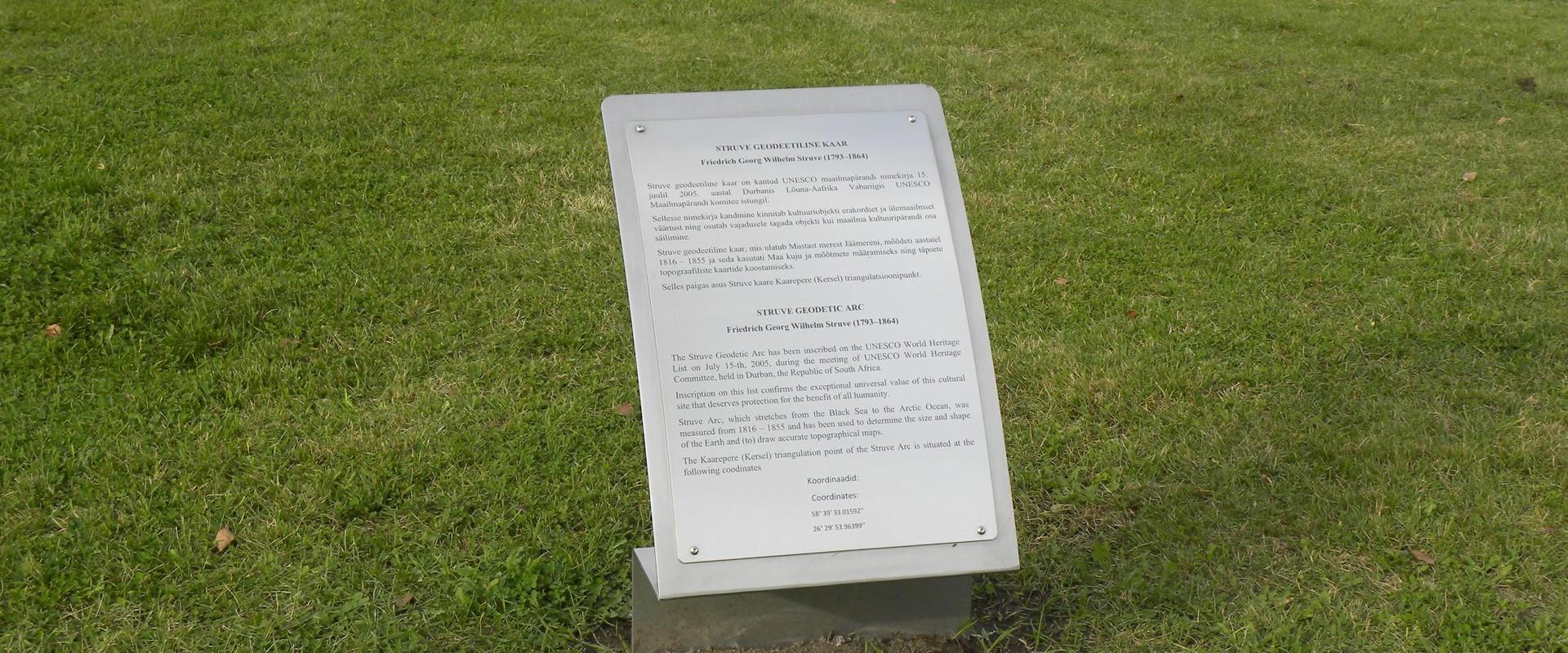
The Struve Geodetic Arc is a survey circuit created by astronomer and surveyor Friedrich Georg Wilhelm Struve to specify the size and shape of the Earth and to produce accurate topographic maps, consisting of 265 measuring points and extending from the Arctic Ocean to the Black Sea.One of the triangulation points is located in Kaarepere on Aruküla hill. The point is marked with an information board and in the immediate vicinity, there is the Kaarepere disc golf course, a barbecue and picnic area, and a pleasant village swing. In 2005, the Struve Arc was entered into the UNESCO World Heritage List.

  • Lookout towers
  • Churches

St. John’s Church in Tartu

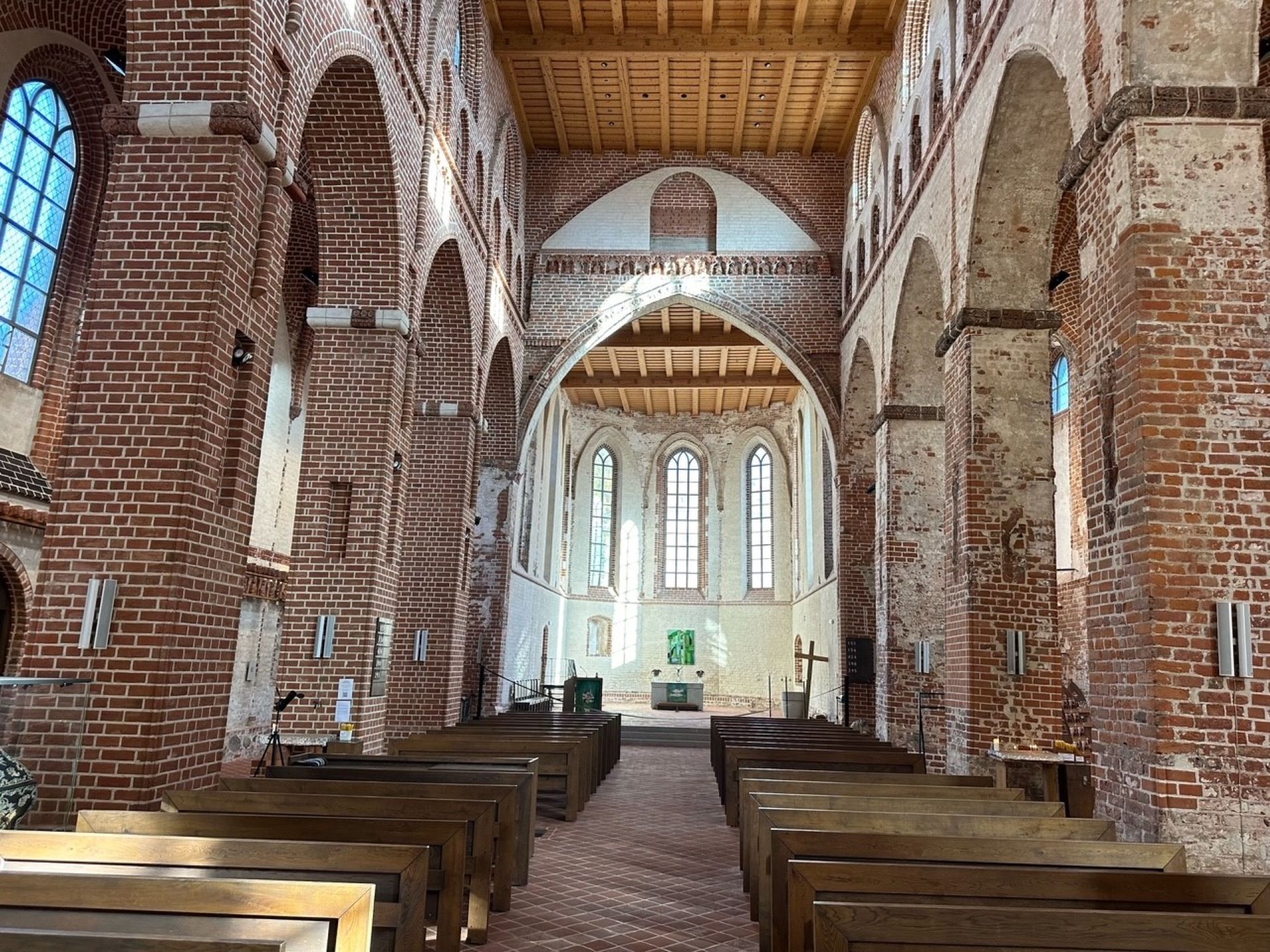
Tartu's Gothic-style St. John's Church dates back to the 14th century, making it one of the oldest churches in Estonia. It is known for its unique terracotta sculptures, which are considered rare in all of Europe. The church once had over 1,000 handmade terracotta statues; about 200 have survived. Each sculpture is different, which has led to speculation that they may depict Tartu's former inhabitants or other important people. The tower of St. John's Church offers a wonderful view of the entire historic old town of Tartu. It houses two bronze bells, called Peter and Paul. On the last Sunday of every month, the church holds a service in English!

Freedom Bridge

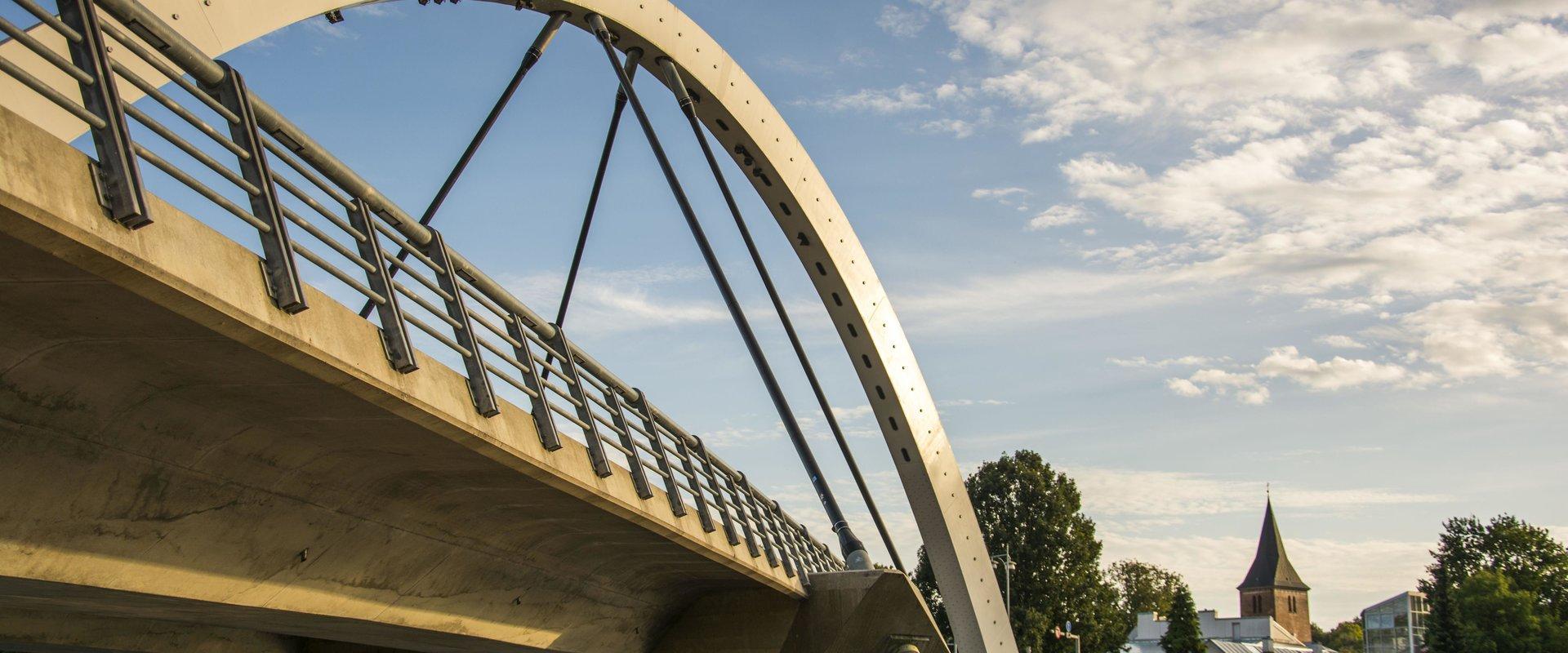
The Freedom Bridge is a bridge over the Emajõgi River in the centre of Tartu. It connects Lai tänav with Vene tänav. The current bridge, with a slab of reinforced concrete and an arch of steel, was opened on 30 July 2009. The bridge is 90 m long and 13.35 m wide. In the dark, the bridge is illuminated. A lot of eye-catching street art can be found on the concrete surfaces of the lower part of the bridge.As the location of the bridge has high banks and a narrow riverbed, the site was used for river crossing as early as in ancient times. It is not known exactly how many bridges there have been before the current Freedom Bridge.

  • Monuments

Cornflower – Monument to the Victims of Stalinism

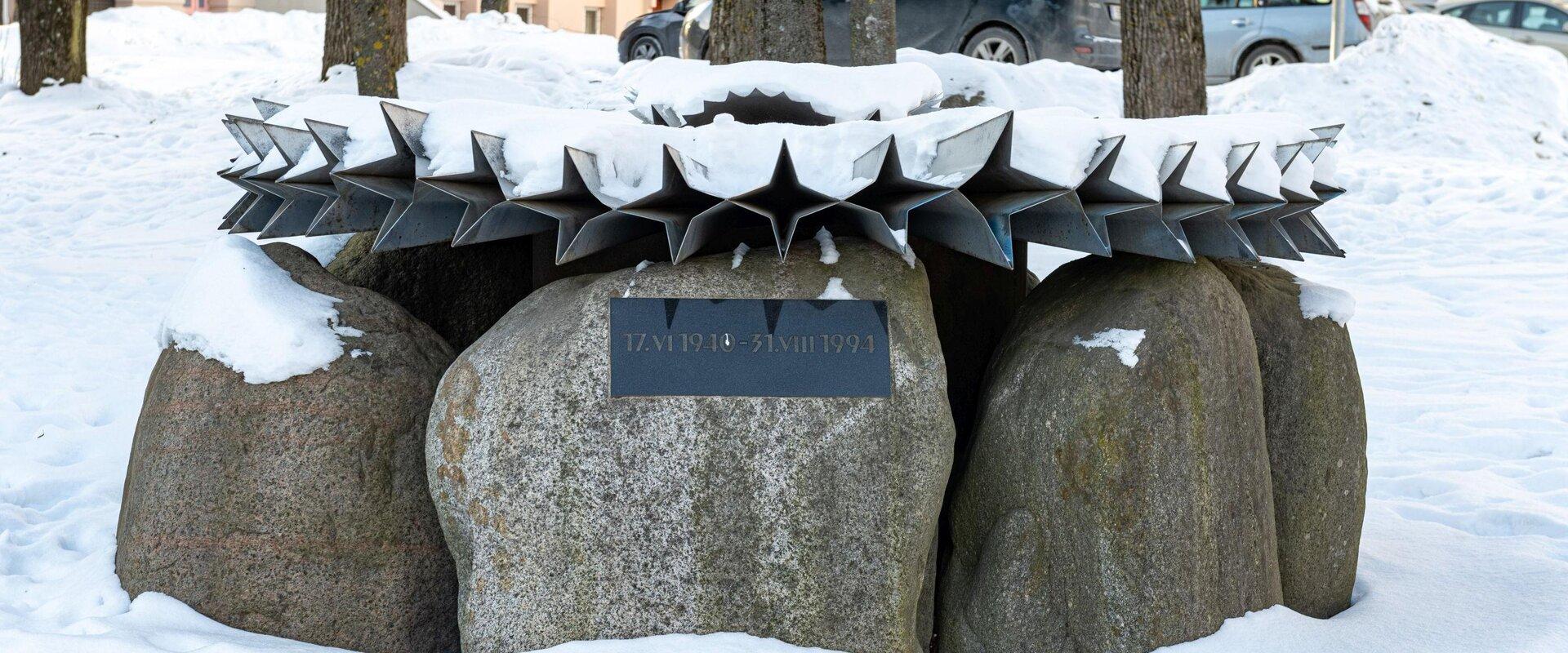
The Cornflower (or Broken Cornflower) memorial to the victims of Stalinism was established in 1990 and its author is P. Saar.On top of the granite boulders is a broken cornflower (Estonian national flower). Black stripes run through the grey stone parquet of the square. They depict the railway tracks that symbolise deportation to Siberia. The waterworks of the monument make it possible for water to drip off the petals of the cornflower, like tears.The monument, which was initially erected on the corner of Riia and Pepleri streets in Tartu by the association of freedom fighters Memento, was reopened in its new spot at Pepleri 27. The monument is located next to the grey building. During the Soviet era, a KGB remand prison was located there, where the deportation of many Estonians to Siberia began.

  • Monuments

Monument to Peeter Põld

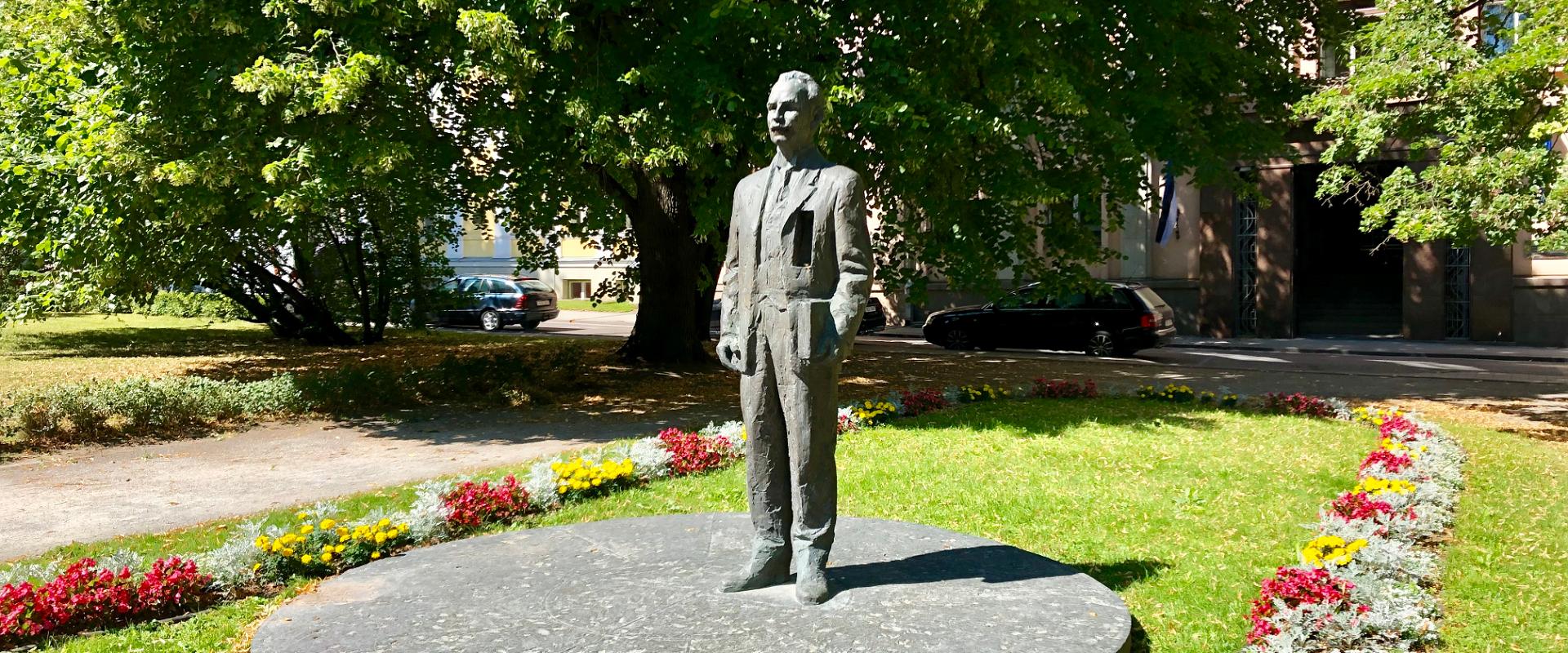
The monument to Peeter Siegfried Nikolaus Põld (1878–1930), the first Minister of Education and founder of the national university of Estonia, the first professor of pedagogy, was unveiled in front of the Ministry of Education and Research on 1 December 2008.The authors of the monument are sculptor Ekke Väli and architect Ain Rööpson.Under the name of Peeter Põld Day, student scientific conferences have been organised at the University of Tartu since 2008, and on the same day, the university issues a scholarship named after him.

  • Monuments

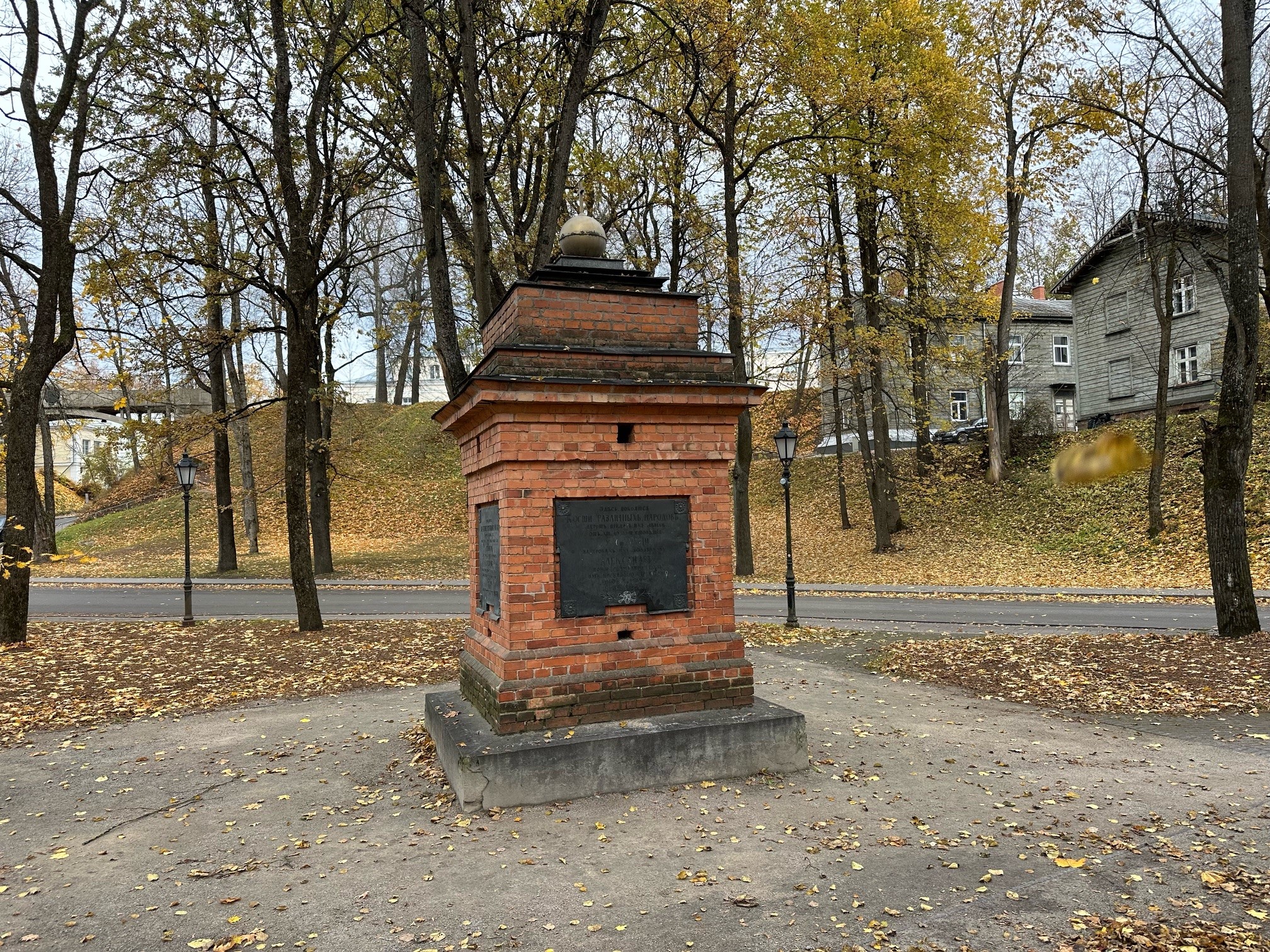
Monument of Nations

The Monument of Nation is the oldest monument in Tartu. The bones buried under the floor and in the cemetery of St Mary’s Church were found when the main building of the University of Tartu was built on the former site of the church. In 1806 they were reburied in Toomeorg near Vallikraavi Street and the small square Monument to People, which was created according to the drawings of J W Krause and resembles the tomb monuments of Asia Minor (Lykia), was erected there in 1811. The human bones found in the course of archaeological work in the cellars of the main building of the University of Tartu were buried by the monument’s side that faces street on 20 September 1985. A case with information was also buried in the grave.

  • Churches

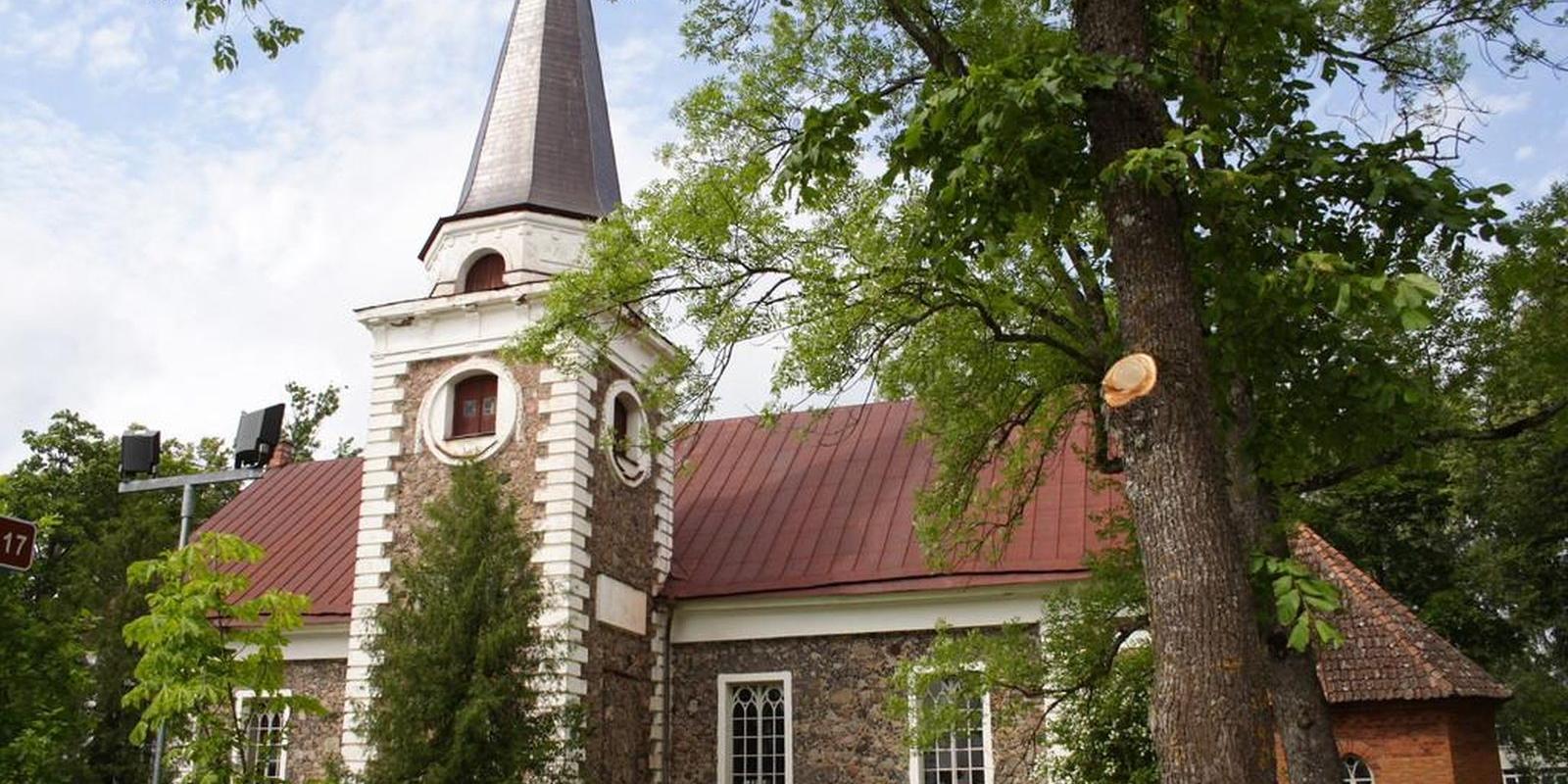
St John’s Lutheran Church in Kanepi

St John’s Church is an eye-catching building; its architect was Friedrich Siegel. There is an altar painting Christ on the Cross (A. Bauer, 1857) and a pseudo-Gothic altar, and two nationally protected wooden candlesticks (1810) and an armchair from the birch wood dating from the 18th century. On top of the spire there is a morning star. Interesting to know: St John’s Church in Kanepi was built in 1804-1810 to replace the old wooden church. In 1831 the church was set on fire by lightning. The church in Kanepi has been in its current state since the year 1877.

  • Privacy Policy

"*"обозначает обязательные поля

Это поле используется для проверочных целей, его следует оставить без изменений.
Я разрешаю маркетинг