• Avasta
    • Еда
    • Природа
    • Культура
    • Семья
    • Спорт
    • Сообщество
    • Блог
  • Planeeri
    • Размещение
    • Информация
    • Varamu
RUS
  • РусскийRUS
  • EestiEST
  • EnglishENG
  • LatviešuLAT
  • SuomiFIN
RUS
  • РусскийRUS
  • EestiEST
  • EnglishENG
  • LatviešuLAT
  • SuomiFIN
Populaarsed otsingud:
Näita kõiki tulemusi
  • History & Culture
  • Architecture and history
  • Lookout towers
  • Churches

St. John’s Church in Tartu

Jaani tn 5, Tartu linn, Tartu maakond, 51007

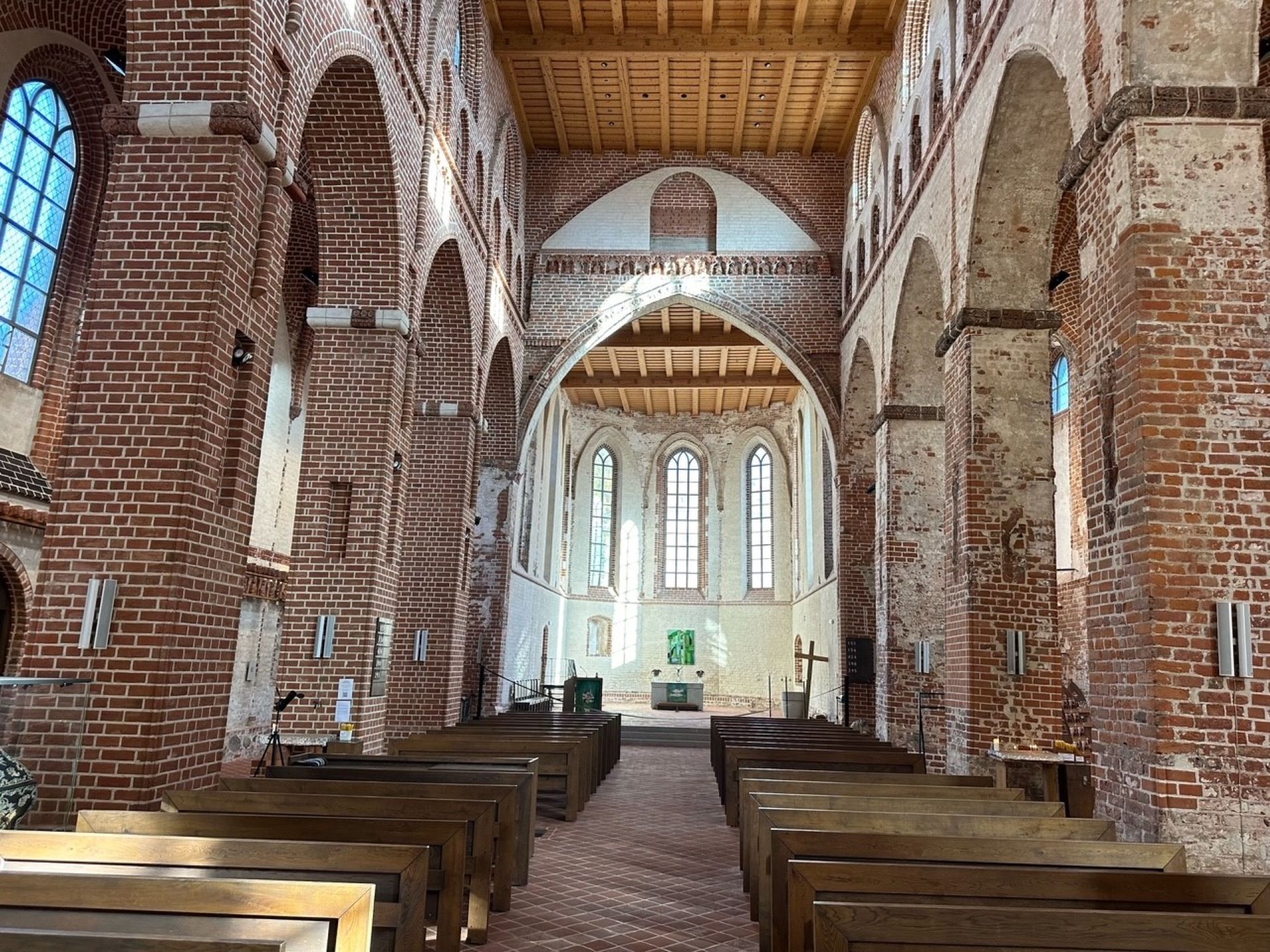
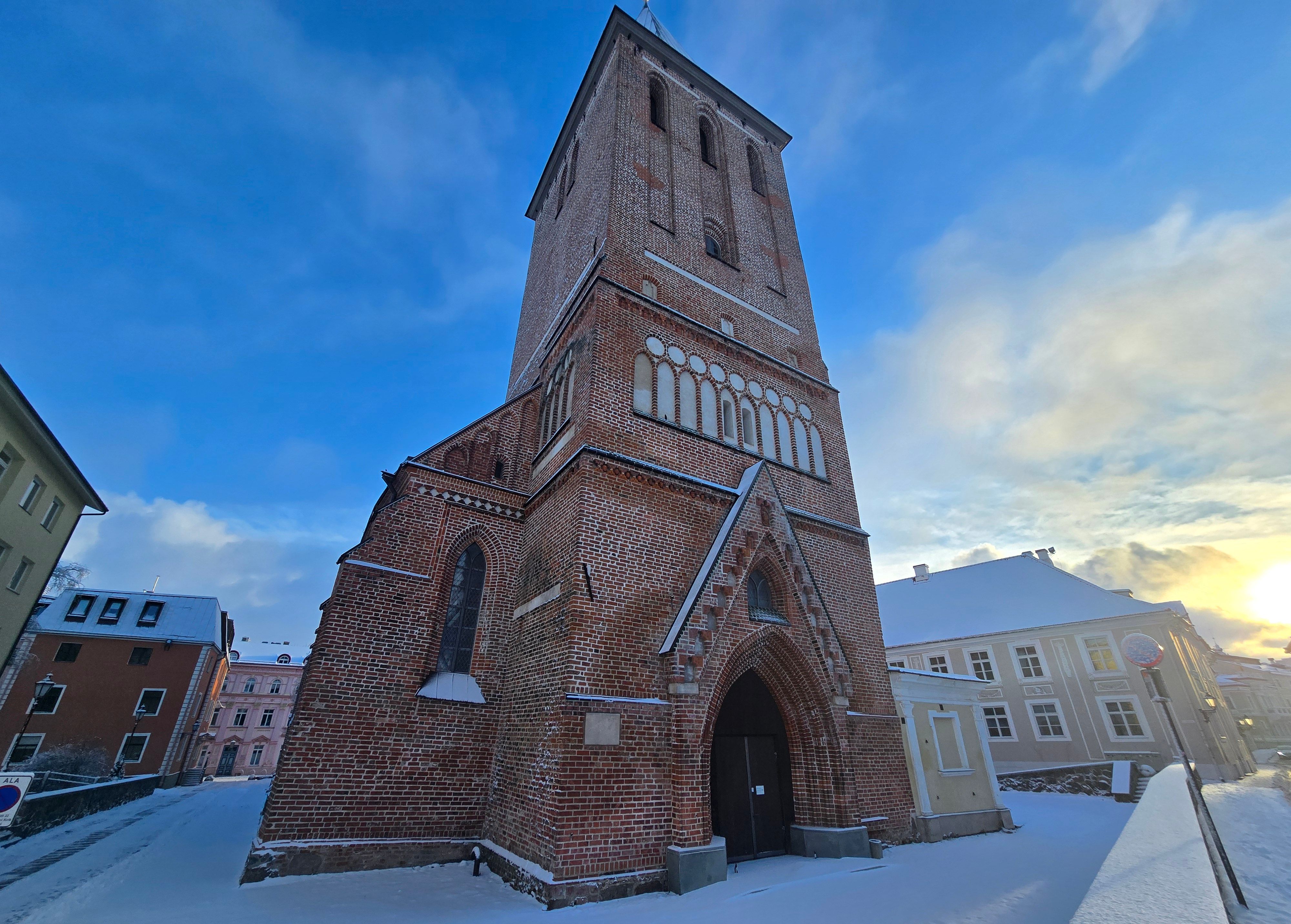
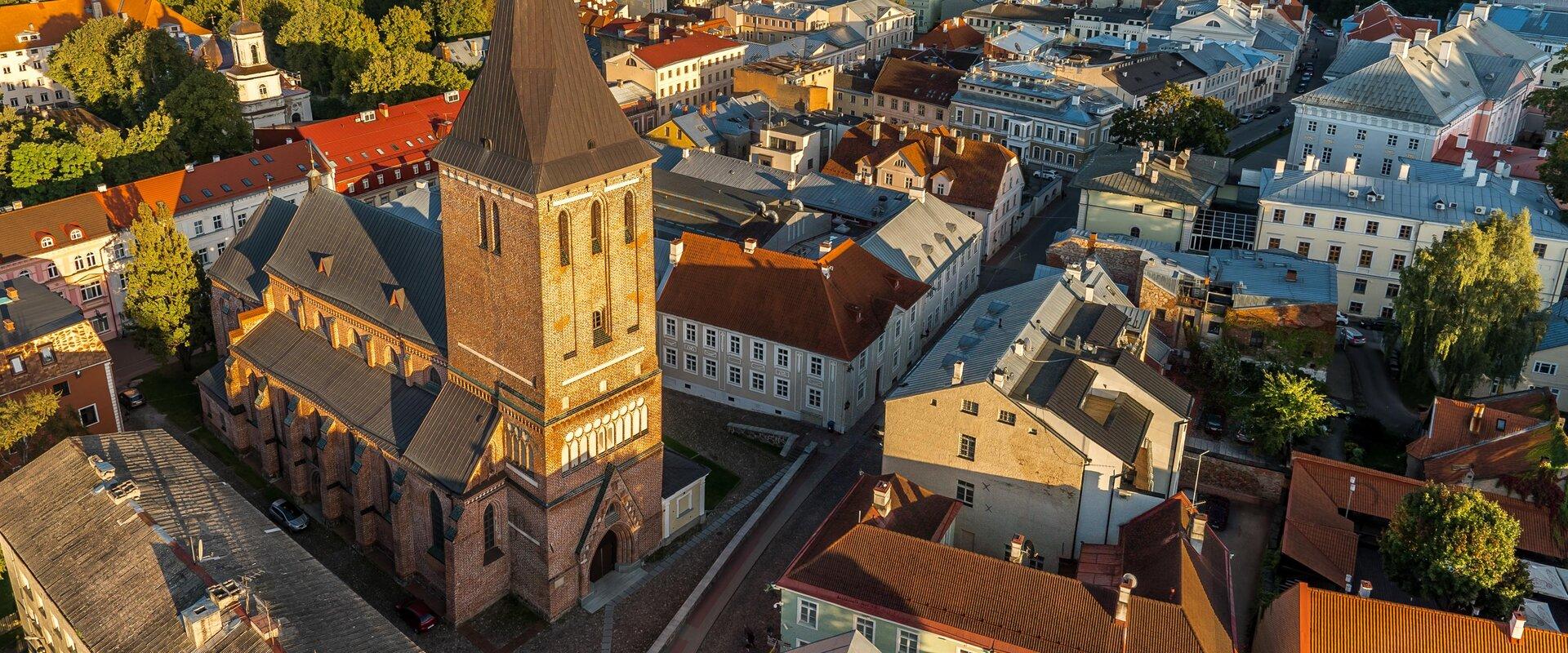
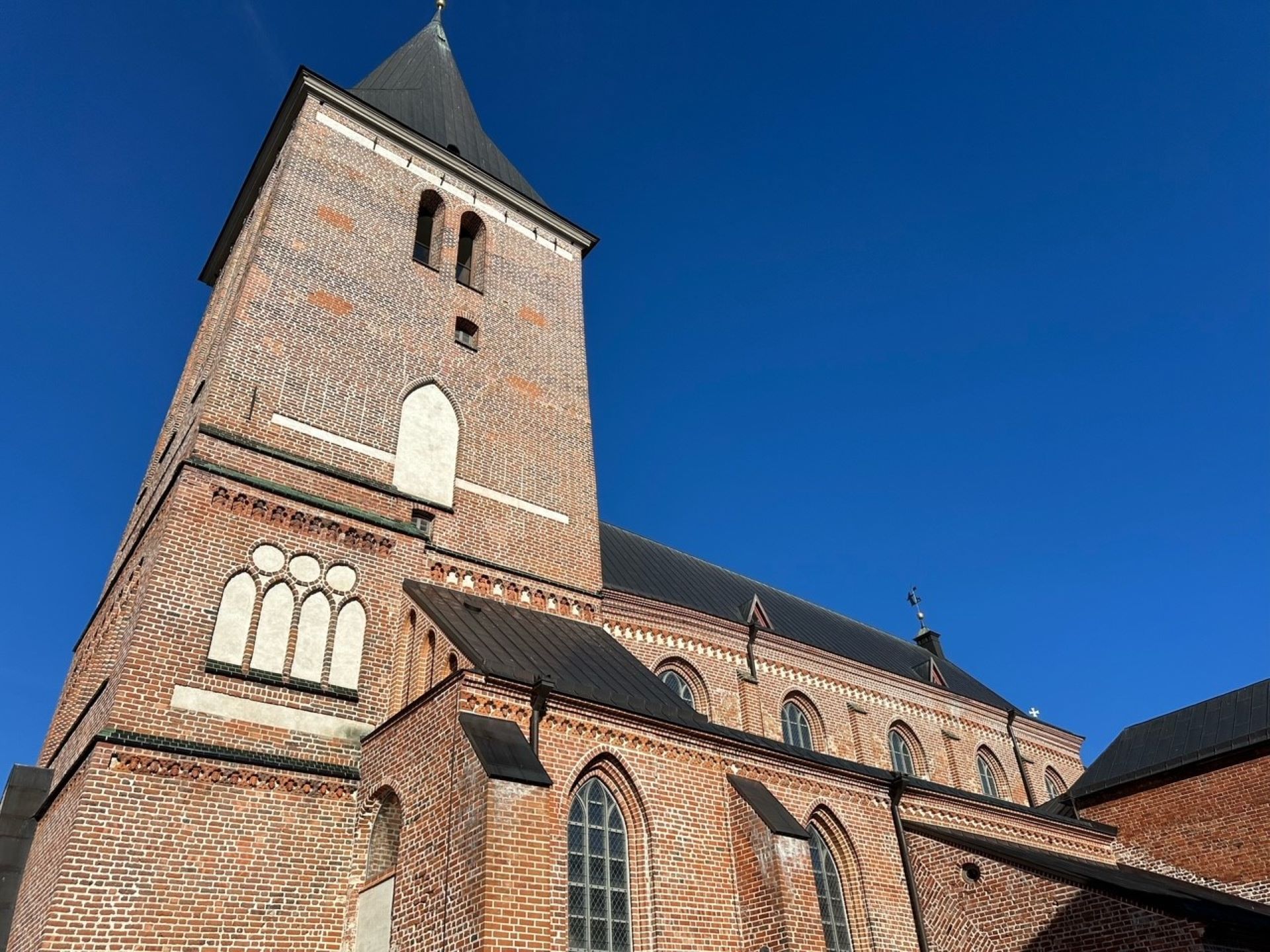
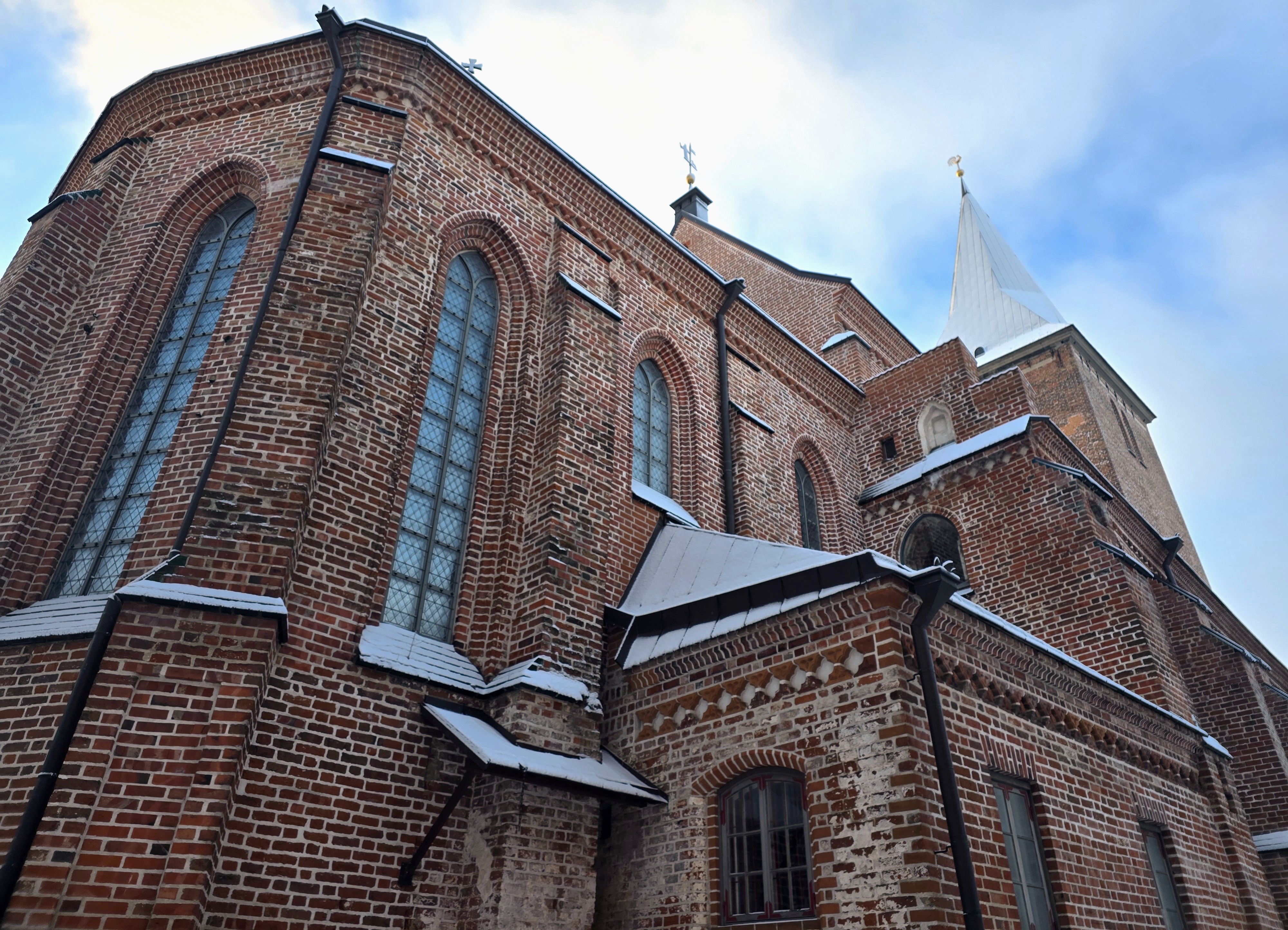
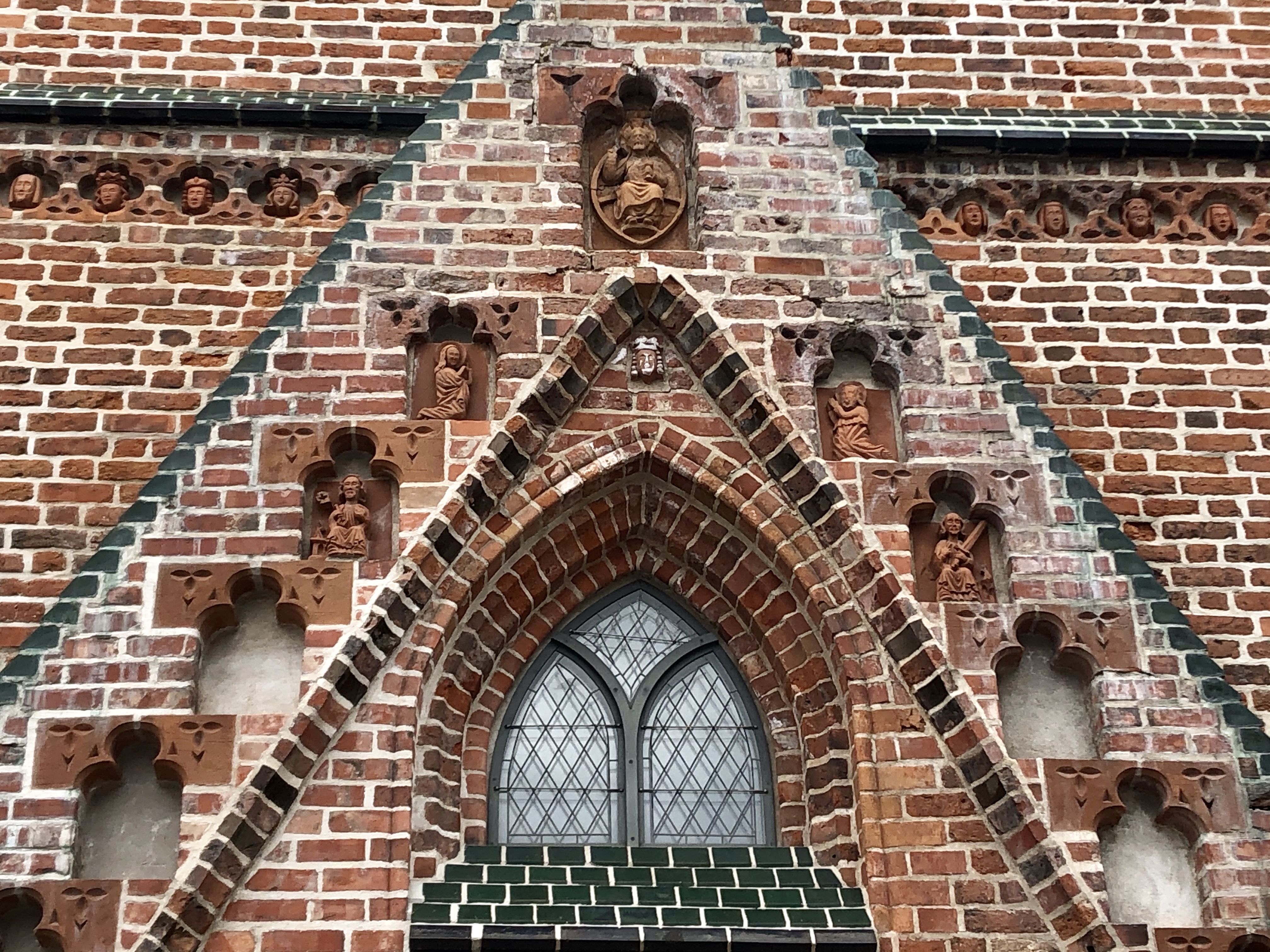
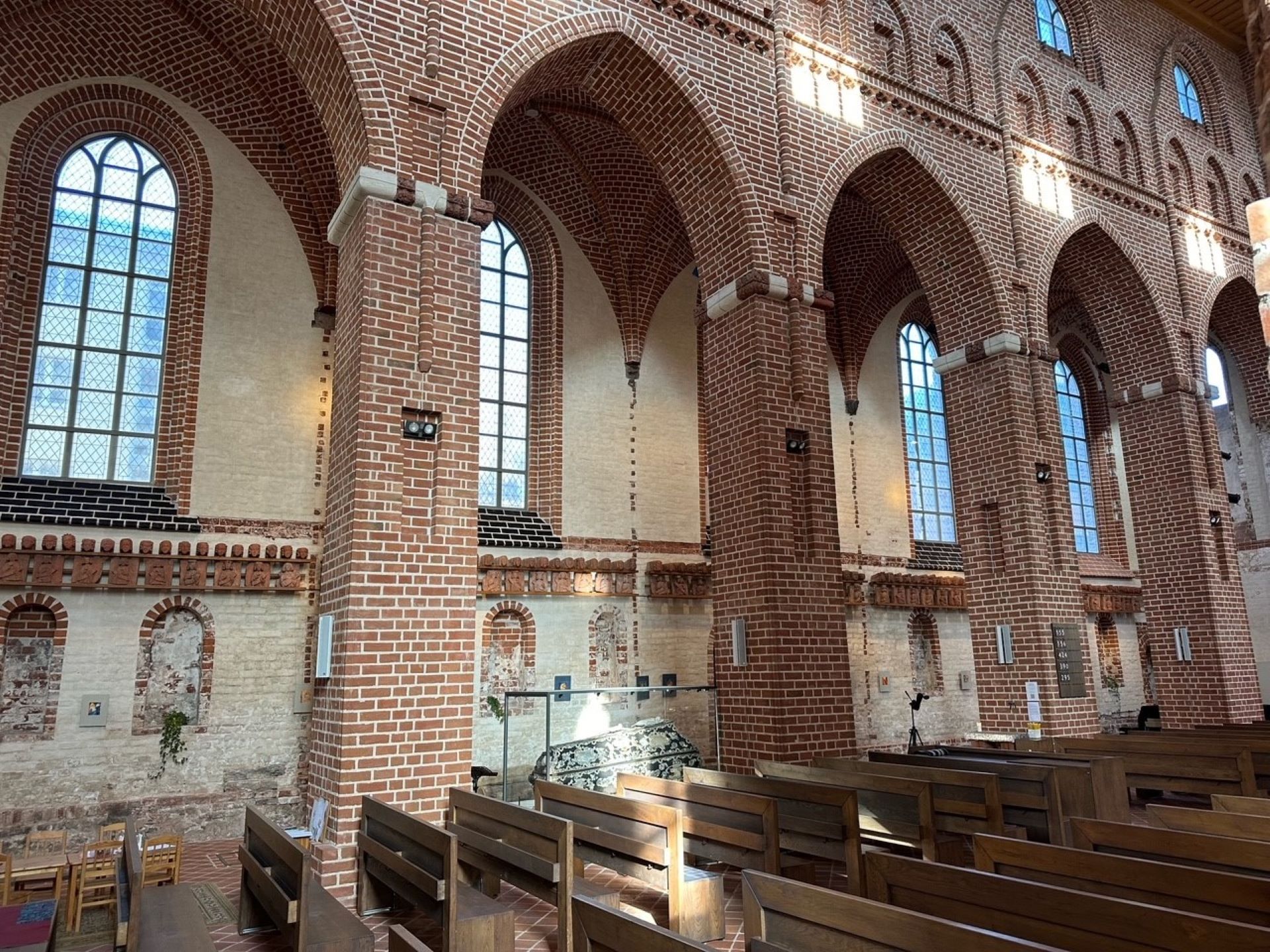
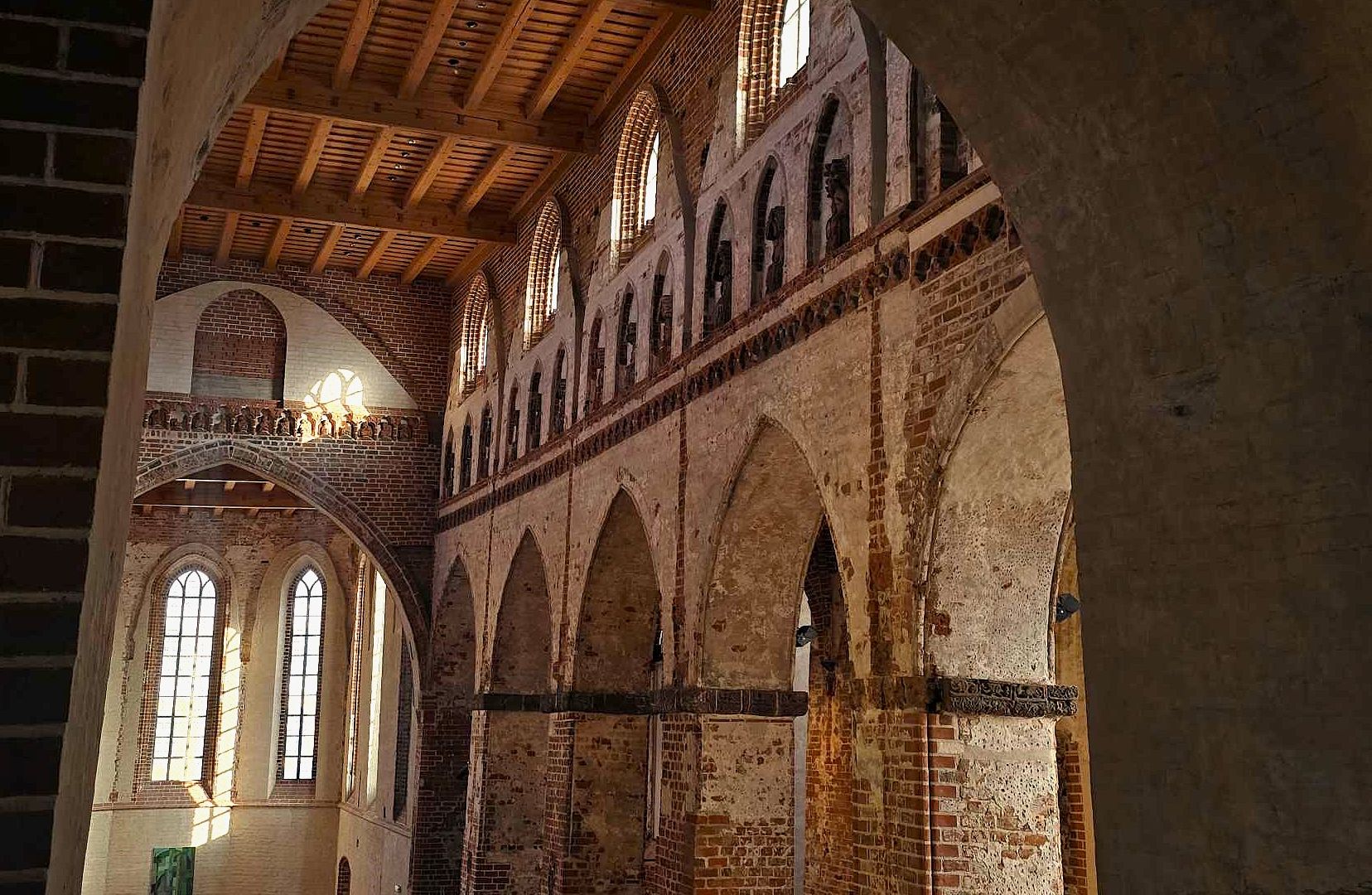
Tartu’s Gothic-style St. John’s Church dates back to the 14th century, making it one of the oldest churches in Estonia. It is known for its unique terracotta sculptures, which are considered rare in all of Europe.
The church once had over 1,000 handmade terracotta statues; about 200 have survived. Each sculpture is different, which has led to speculation that they may depict Tartu’s former inhabitants or other important people.
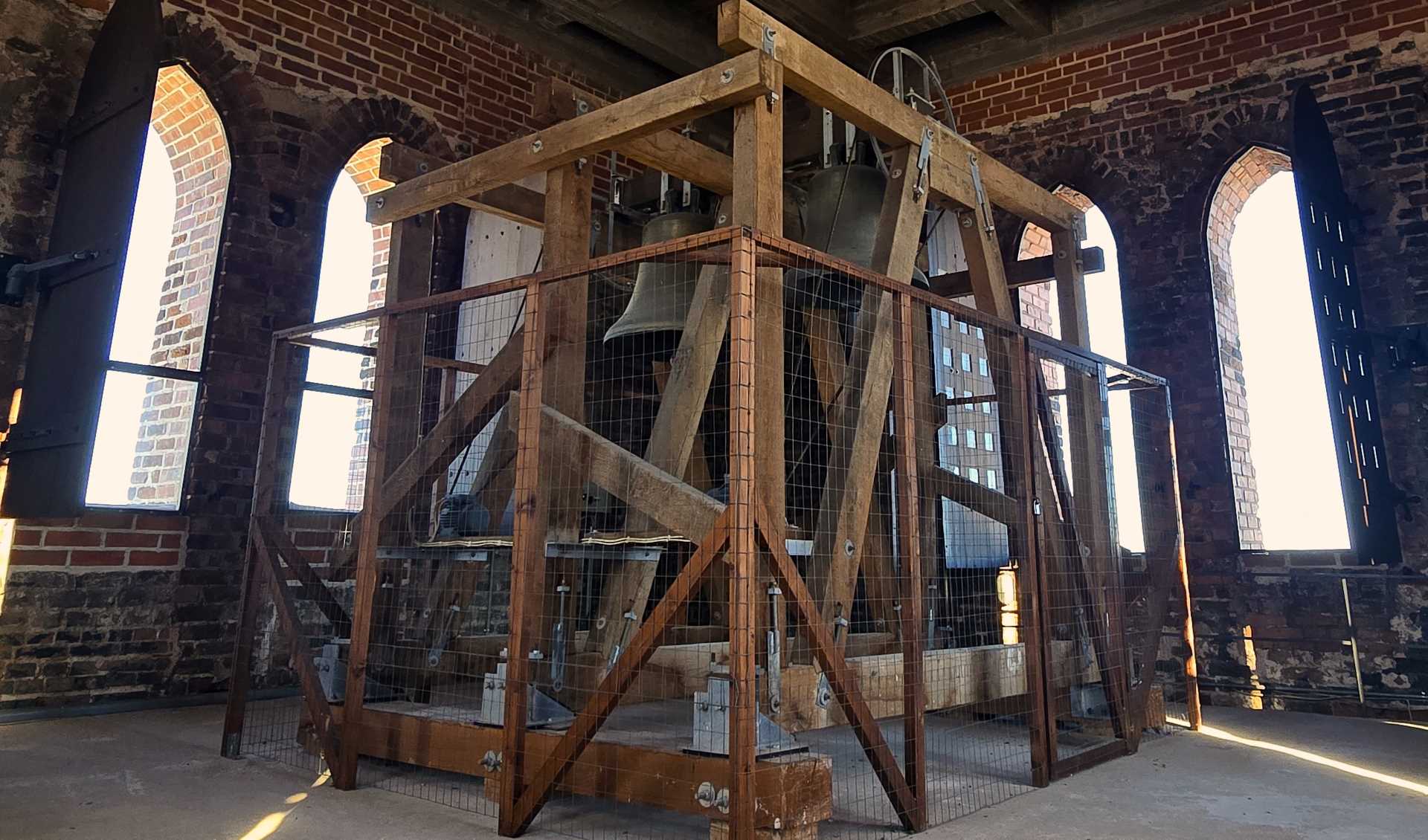
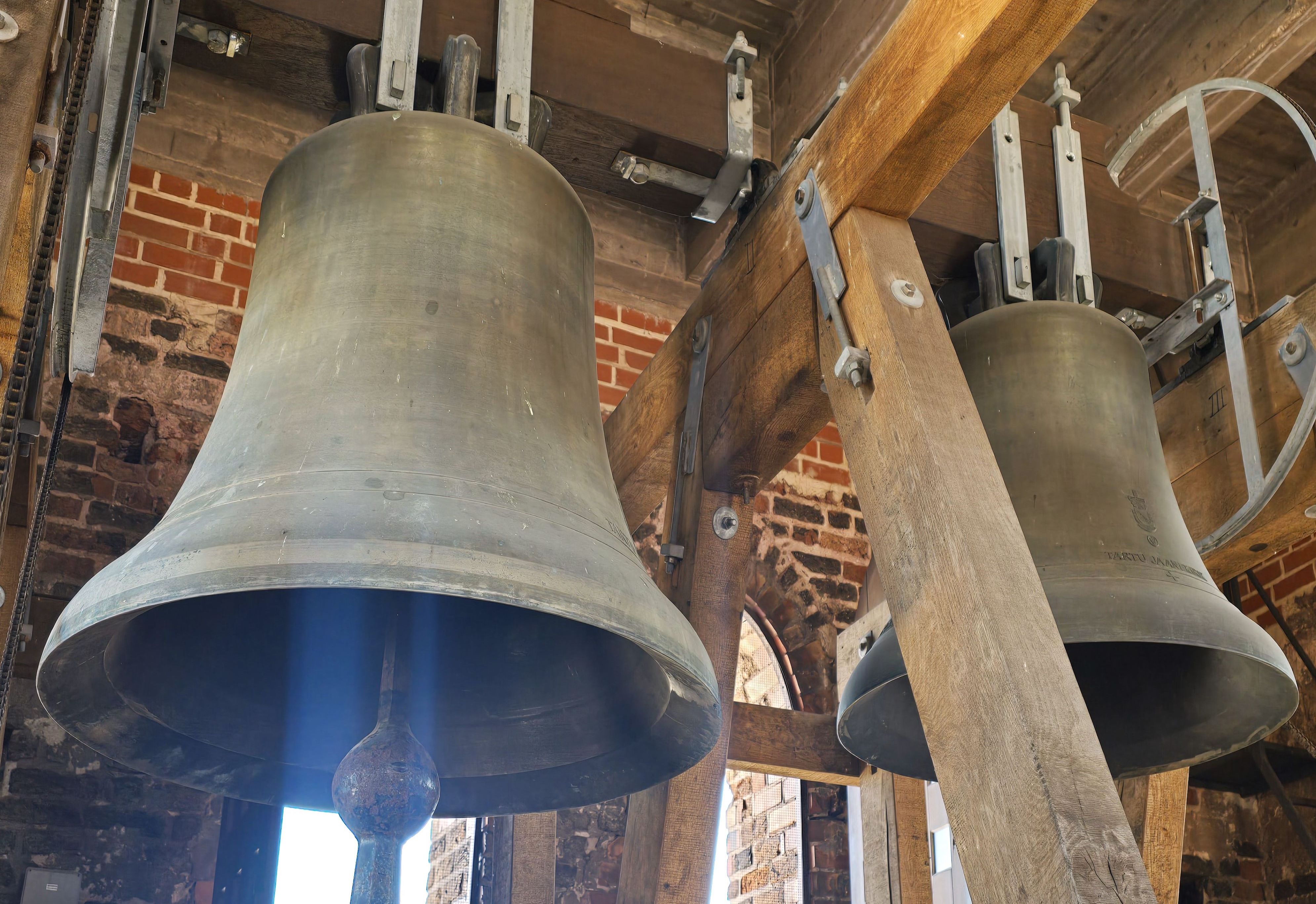
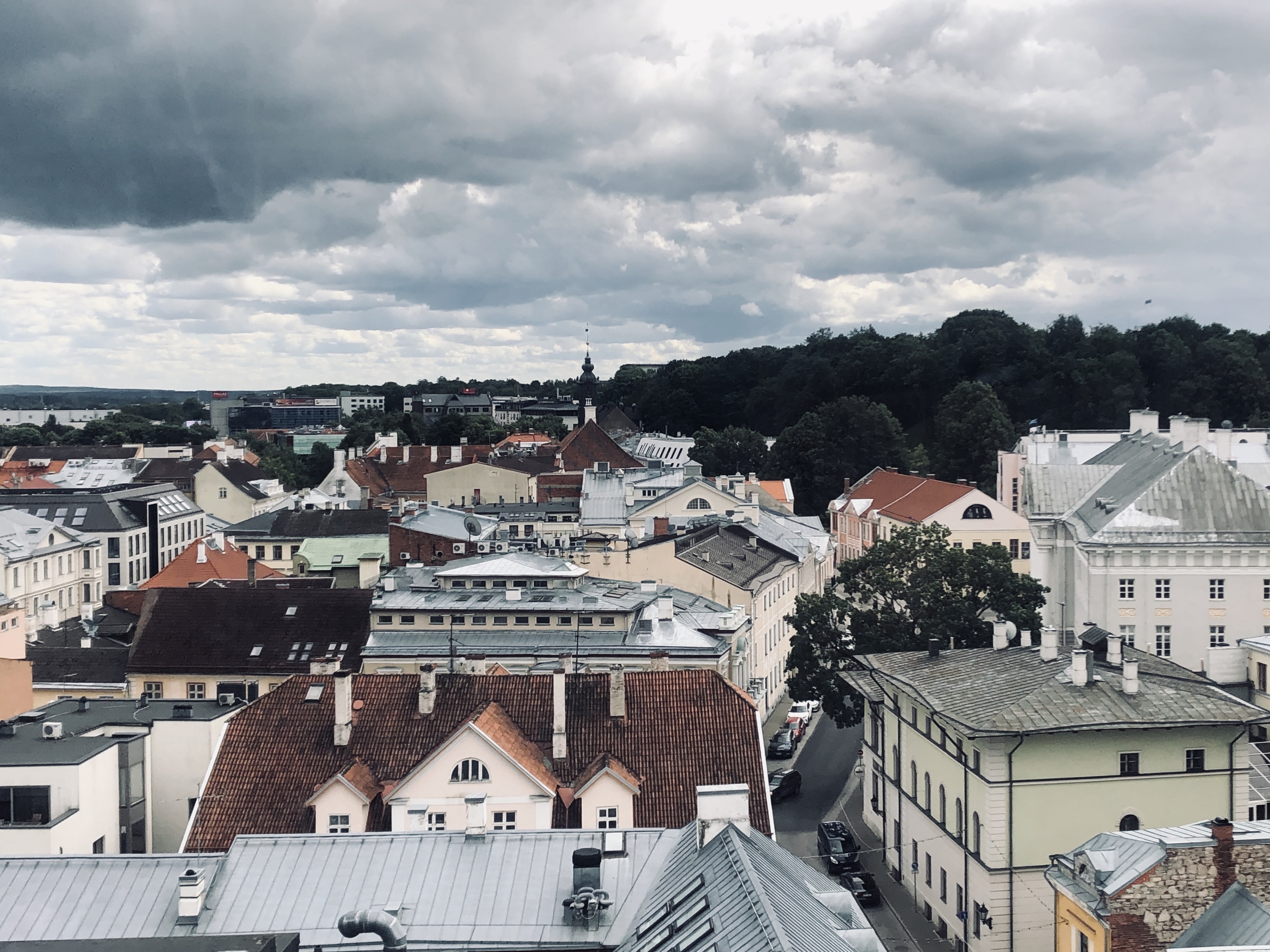
The tower of St. John’s Church offers a wonderful view of the entire historic old town of Tartu. It houses two bronze bells, called Peter and Paul.
On the last Sunday of every month, the church holds a service in English!
Mugavused

  • Paid parking
  • Souvenirs

Lahtiolekuajad

1. jaan - 31. mai

T-L12:00 - 17:00

1. sept - 31. dets

T-L11:00 - 17:00

1. juuni - 31. aug

T-R10:00 - 17:00
L10:00 - 18:00

Kontakt

  • +372 507 3712
  • tartu.jaani@eelk.ee

Lingid

www.jaanikirik.ee

Vaata lisaks

  • Churches

Tõrva Church – Chamber Hall

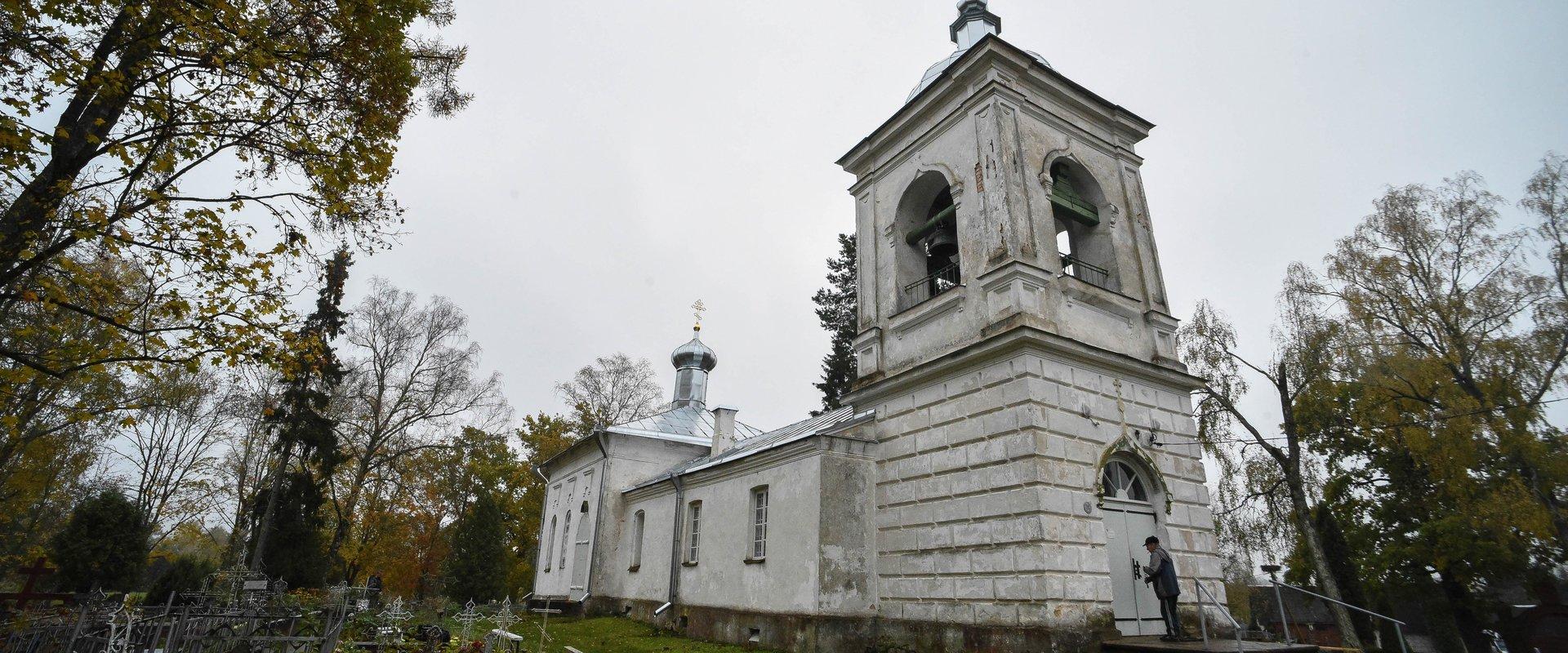
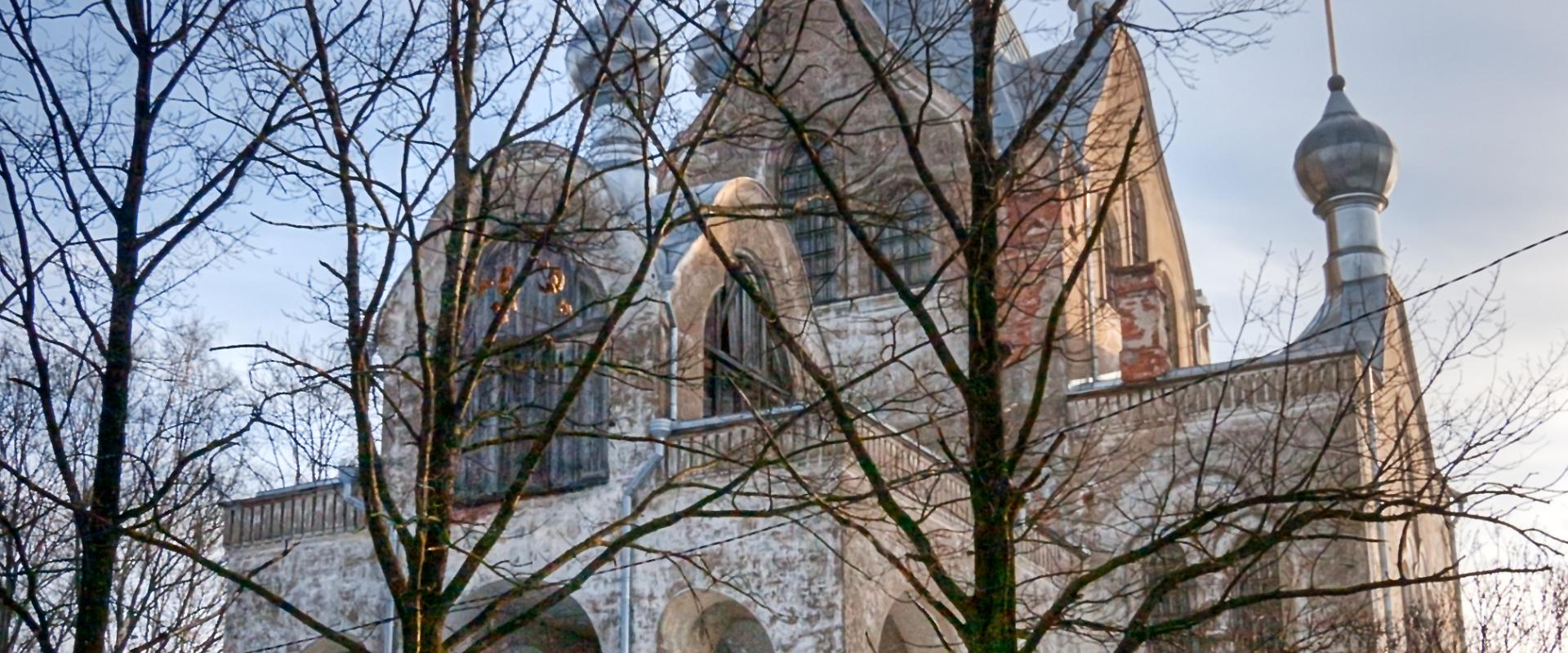
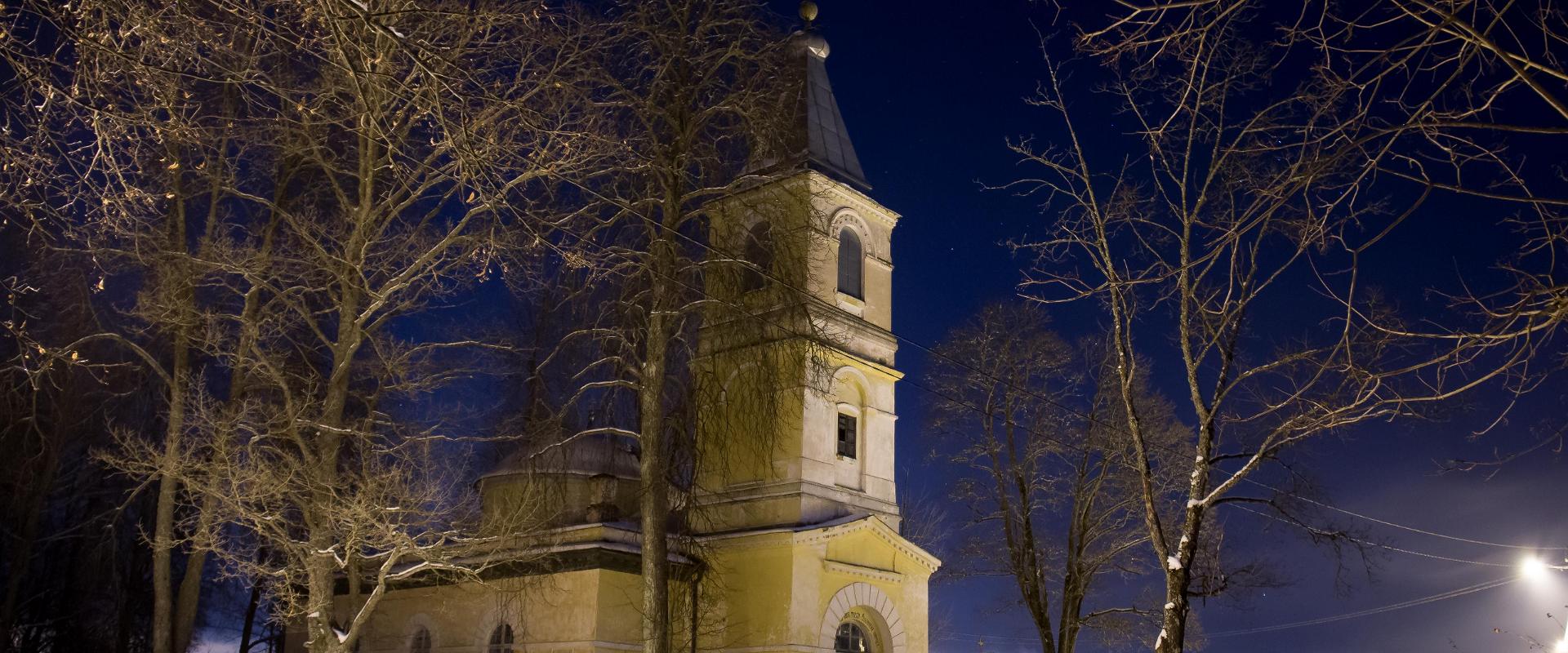
The Helme-Tõrva Apostolic Orthodox Church of the Birth of Christ was built in Valga Street in the years 1903 to 1904. Karl Shurin was in charge of the building work. The two domes and bell tower made the church one of the most imposing churches in the Viljandi Apostolic Orthodox Deanery. The church was seriously damaged during the fierce battles fought in September 1944 and it was only restored in 1990 as a chamber hall.Interesting facts: * the church was also used for salt and cement storage during the Soviet times; * the church-chamber hall currently belongs to the Lutheran church.

  • Churches

St John’s Lutheran Church in Kanepi

St John’s Church is an eye-catching building; its architect was Friedrich Siegel. There is an altar painting Christ on the Cross (A. Bauer, 1857) and a pseudo-Gothic altar, and two nationally protected wooden candlesticks (1810) and an armchair from the birch wood dating from the 18th century. On top of the spire there is a morning star. Interesting to know: St John’s Church in Kanepi was built in 1804-1810 to replace the old wooden church. In 1831 the church was set on fire by lightning. The church in Kanepi has been in its current state since the year 1877.

  • Family friendly
  • Lookout towers
  • Parks

Toome Hill Park

Toomemäe Park, a natural hill with a rich history, is one of the favorite places for Tartu residents to enjoy greenery without leaving the city. In the cathedral located here, you can visit the University of Tartu Museum, which provides an overview of the university's history and scientific research, and enjoy the views from the towers' observation platforms. While walking in the romantic English-style park, don't miss the beautiful Angel Bridge with its twin Devil's Bridge, statues, outdoor exhibitions, and university buildings, such as the observatory and the old anatomical museum. The park is accessible with a stroller, there is a playground for toddlers and a sports park for more active visitors.

  • Churches

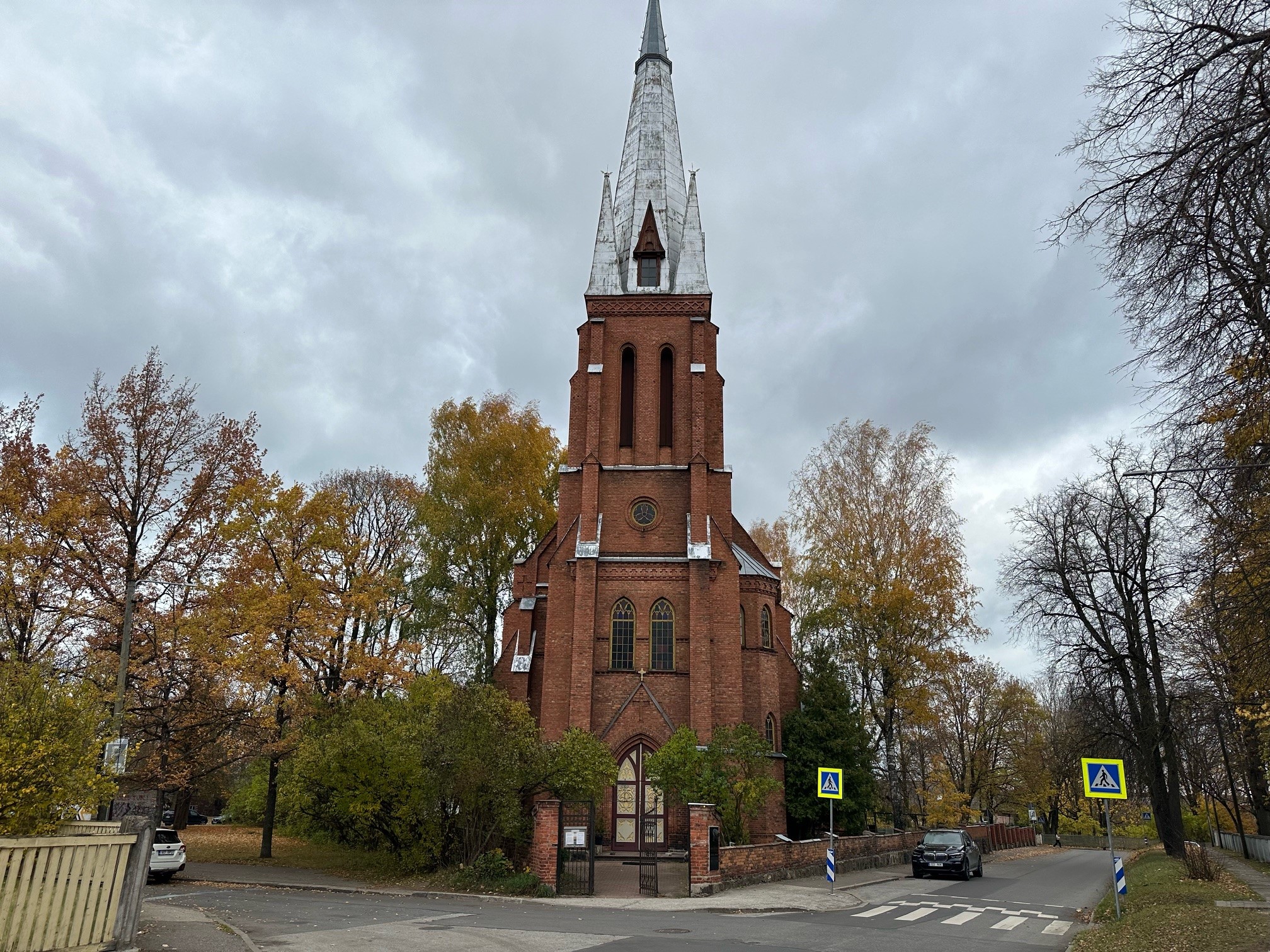
Tartu St. Peter’s Church

Tartu St. Peter's Church is one of the most beautiful neo-Gothic Lutheran sanctuaries in Southern Estonia, established in the late 19th century as a spiritual home for the growing Estonian-speaking community. Designed by architect Viktor Schröter, the church is distinguished by its 56.5-meter-high tower and impressive brick facade, which reshaped the entire Ülejõe district's appearance. The church hall is bright and spacious, featuring a remarkable three-story interior. Wooden balconies and neo-Gothic arches add warmth and a dignified rhythm to the space, creating the impression of a true city cathedral. Visitors can admire Johann Köler's altarpiece "Inviting Christ" (1897) and listen to the late-19th-century 22-register organ, making Peetri Church one of Tartu's most esteemed concert venues due to its excellent acoustics. The church was established near the site of Estonia's first national song festival and has been an important part of Estonian cultural and congregational history since its cornerstone was laid in 1882.

  • Lookout towers
  • Hiking Trails
  • Birdwatching

Valgesoo watchtower

The Valgesoo watchtower is located in the Valgesoo bog, which represents one of the 21 places worth discovering in South Estonia and is recommended for all nature enthusiasts.With its eye-catching design, the watchtower overlooks the Valgesoo bog, the pristine-looking primeval forest, and the Baron's pine forest (Parunimännik) and the study trail that runs through it. The 29.7 m high metal watchtower has three intermediate platforms, the last of which is 23.8 m high, with a wind screen and seat benches in the centre. The State Forest Management Centre's campfire site and camping area for up to five tents are nearby.

  • Lookout towers
  • Birdwatching

Räpina polder conservation area

Räpina polder on the banks of Lake Lämmijärv is a bird-nesting area of international importance. It is a place of nesting and migrating through for many protected bird species. Of the species that nest here, the prominent ones from the perspective of bird protection are corn crake, black tern and little gull, to whom the Räpina polder is one of the best areas in Estonia. Of the migratory birds, the most important species are crane and white-fronted goose. The polder is an important place of nesting and stopping also for waterfowls and Charadriiformers. Up to 1.5 million birds pass through this area during the migration period. The area is the most important assembling area of migratory birds in Eastern Estonia. There are watchtowers for bird watching.

  • Churches

Rõngu St Michael’s Church of the Estonian Evangelical Lutheran Church

The medieval Rõngu St Michael's Church is dedicated to the Archangel Michael. The church is also known as the oldest building in Rõngu.The church has suffered major damage in several wars, and over time, the original architecture has been partially altered during the restorations. The current shape of the church dates from the last reconstruction in 1901.Today, the most significant parts of the church are the altarpiece (1901, the work of a Dresden artist), the organ (V. Müllverstedt, 1874), and the stained-glass windows (1900, the work of Riga artists).The church participates in both the 'Wayfarers' Churches' and the 'Night of Churches' programme.The church can be visited on Sundays during the service or by prior arrangement.

  • Churches

Kursi’s Sts. Mary and Elisabeth Church of the Estonian Evangelical Lutheran Church

Baroque architecture in concordance with pseudo Gothic architecture (alteration by Johann Gottfired Mühlhausen). Twelve small spiring pinnacles symbolise the twelve apostles of Jesus. The church manor is a historical parochial centre; there is a museum in the vicarage (built in 1817).

  • Privacy Policy

"*"обозначает обязательные поля

Это поле используется для проверочных целей, его следует оставить без изменений.
Я разрешаю маркетинг