• Explore
    • Nature
    • Culture
    • Food
    • Family
    • Activity
    • Blog
    Smoke sauna
    Weather and seasons
  • Plan
    • Accommodation
    • How to get here
    • Weather and seasons
    • Sustainability
    • Tourist info
    Discover South Estonia’s Most Beautiful Manors and Castles
    Top 20 Sights in South Estonia
  • For professionals
    • For professionals
    • Collaboration
    • News
    • Projects
    • Training
    • Repository
    • Community (opens in new tab)
    • Contacts
ENG
  • EnglishENG
  • EestiEST
  • LatviešuLAT
  • РусскийRUS
  • SuomiFIN
ENG
  • EnglishENG
  • EestiEST
  • LatviešuLAT
  • РусскийRUS
  • SuomiFIN
Popular searches:
Show all
  • History & Culture
  • Architecture and history
  • Lookout towers
  • Churches

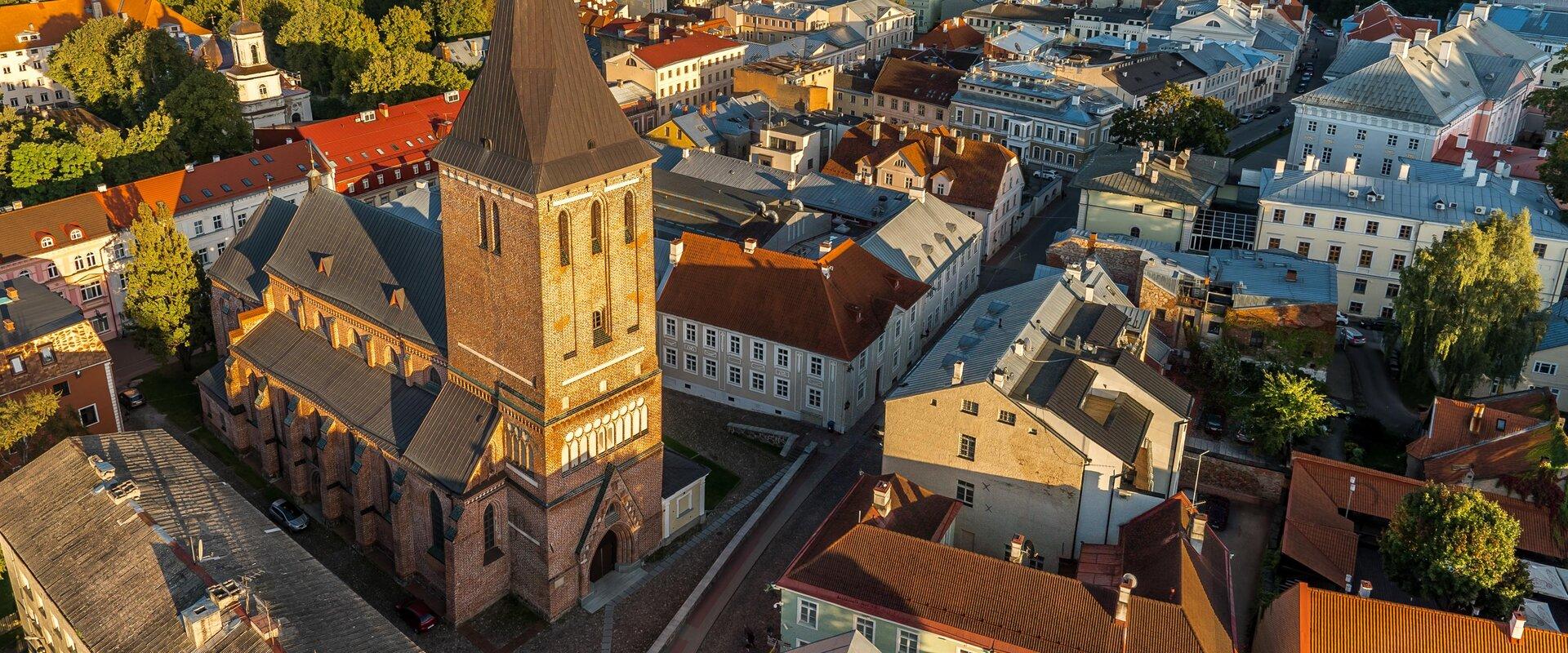
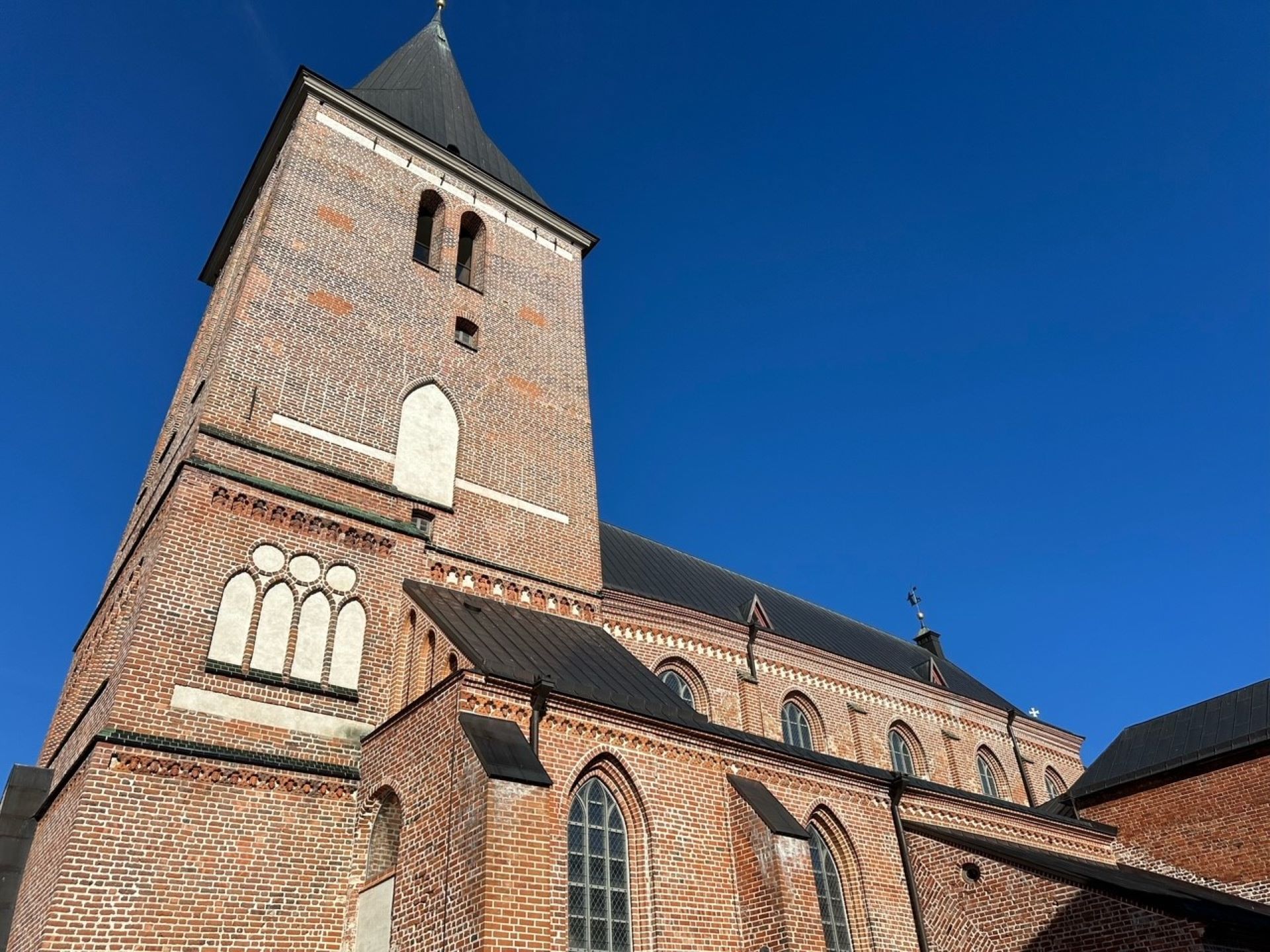
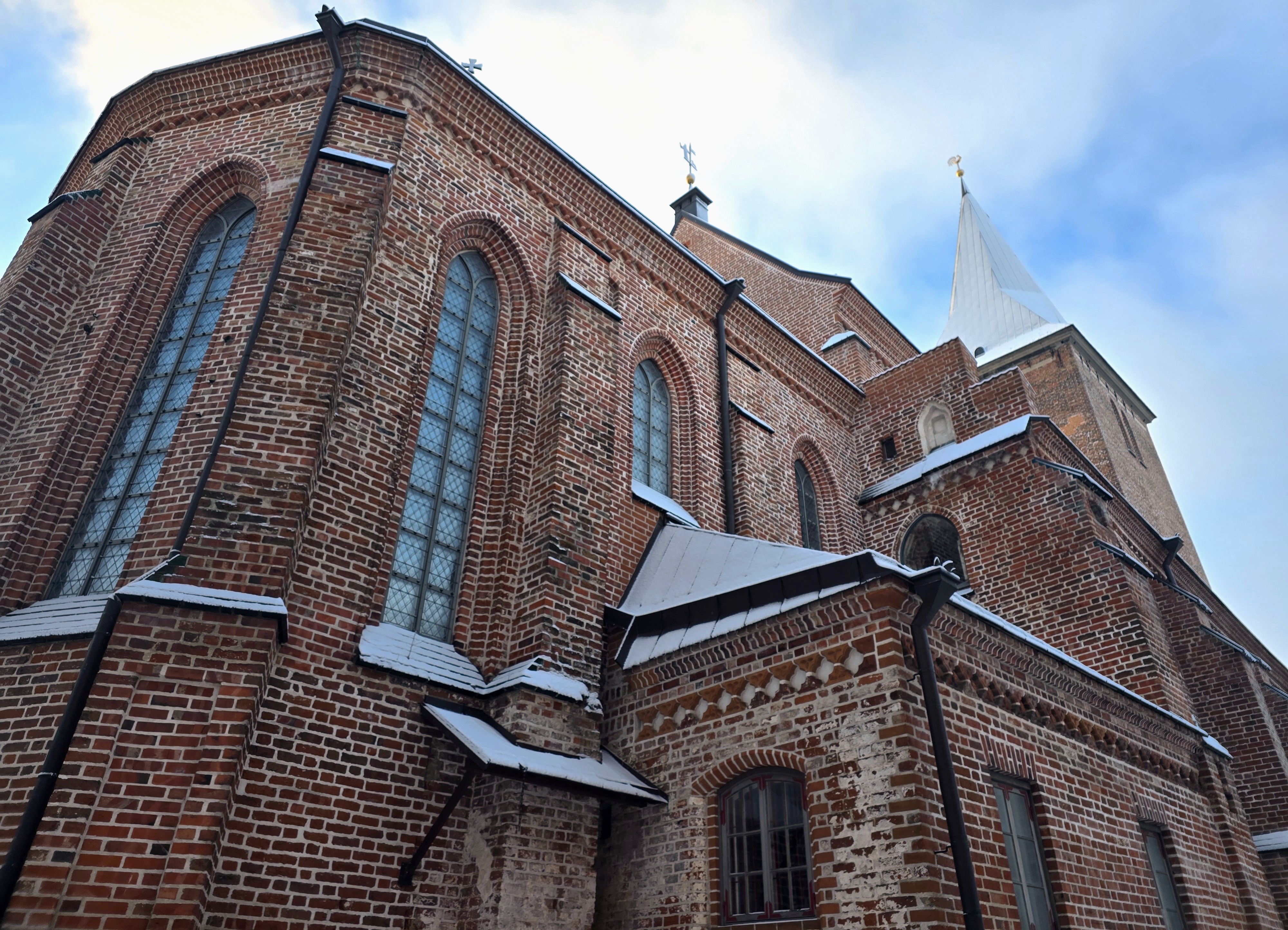
St. John’s Church in Tartu

Jaani tn 5, Tartu linn, Tartu maakond, 51007

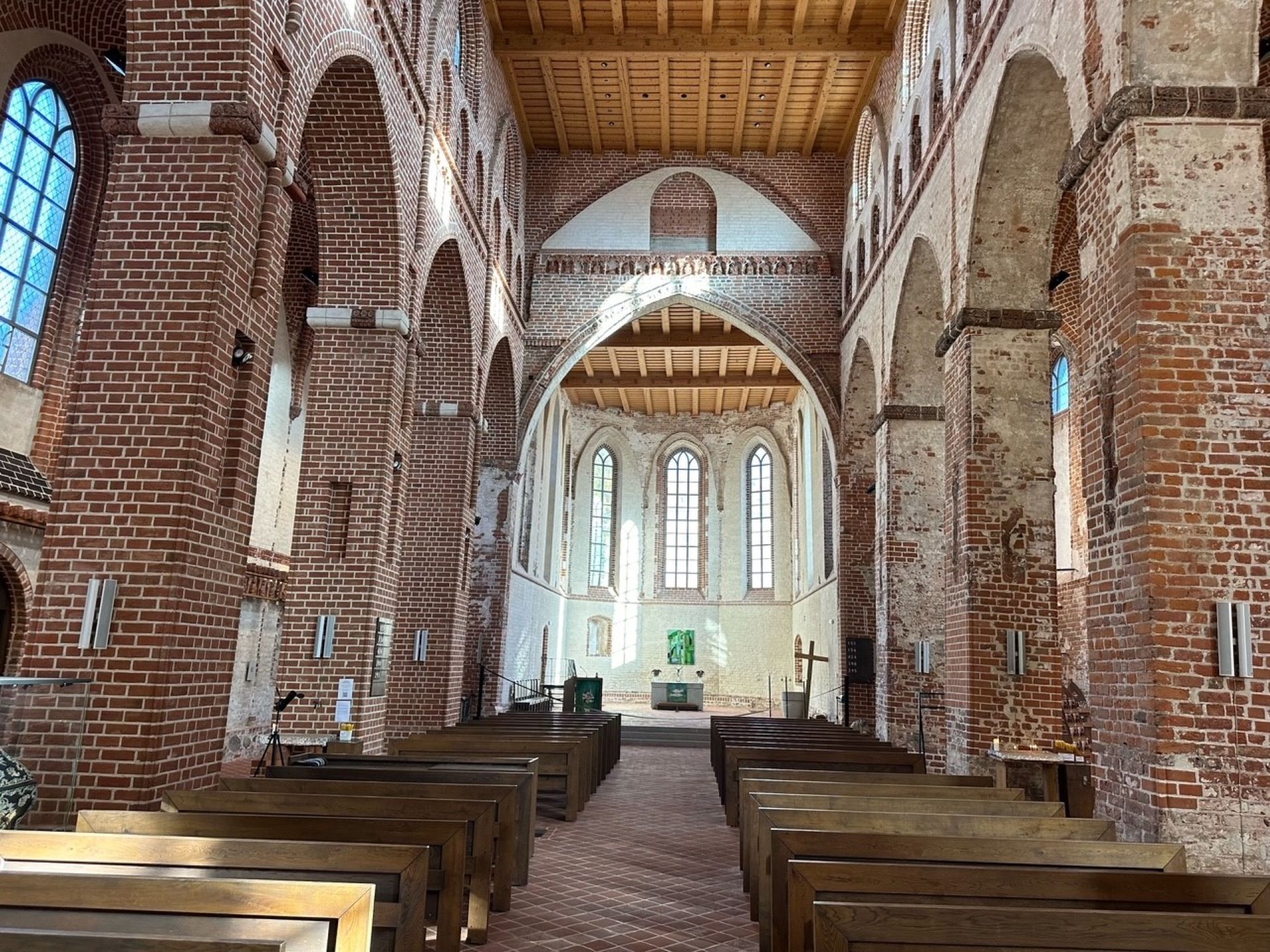
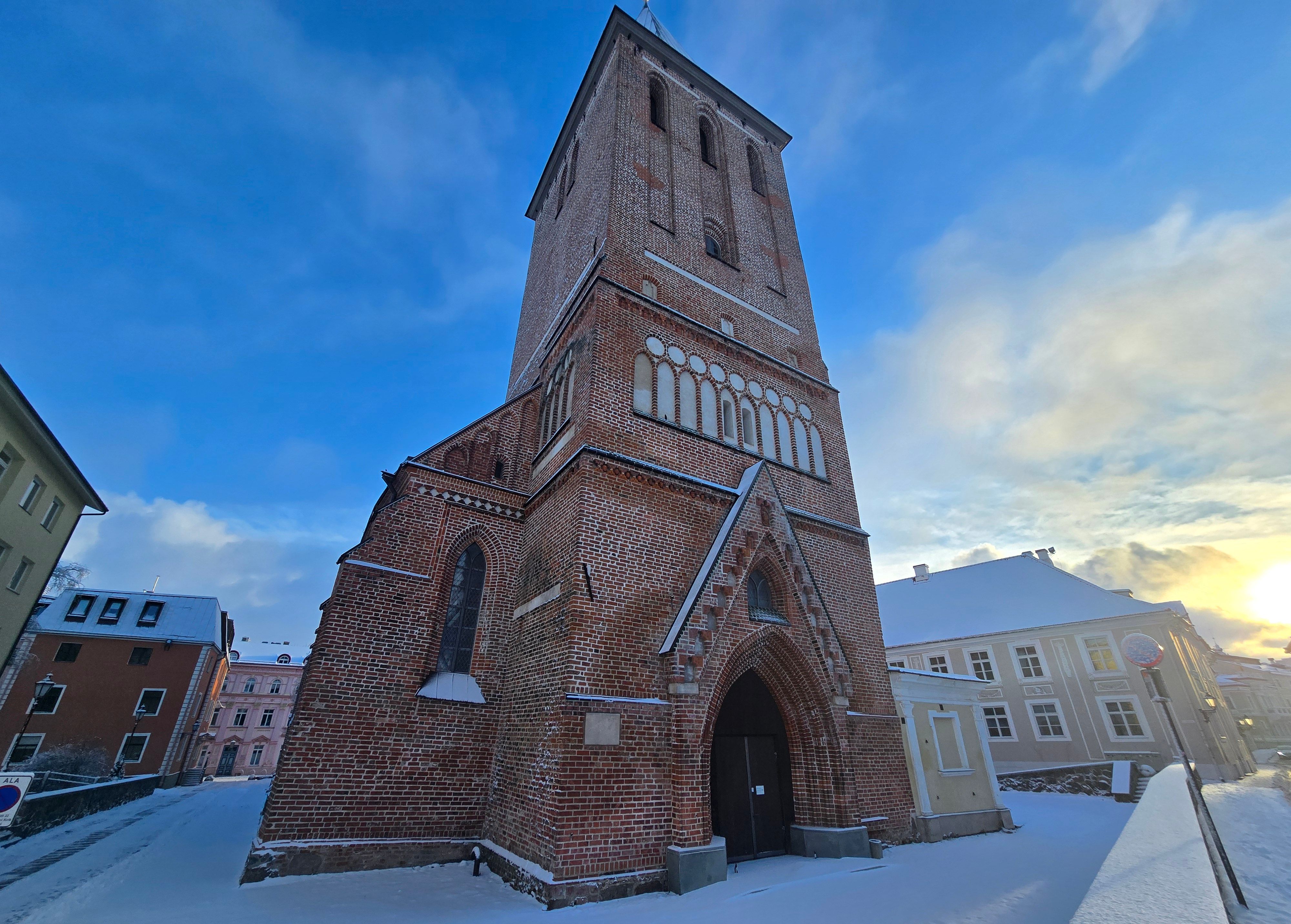
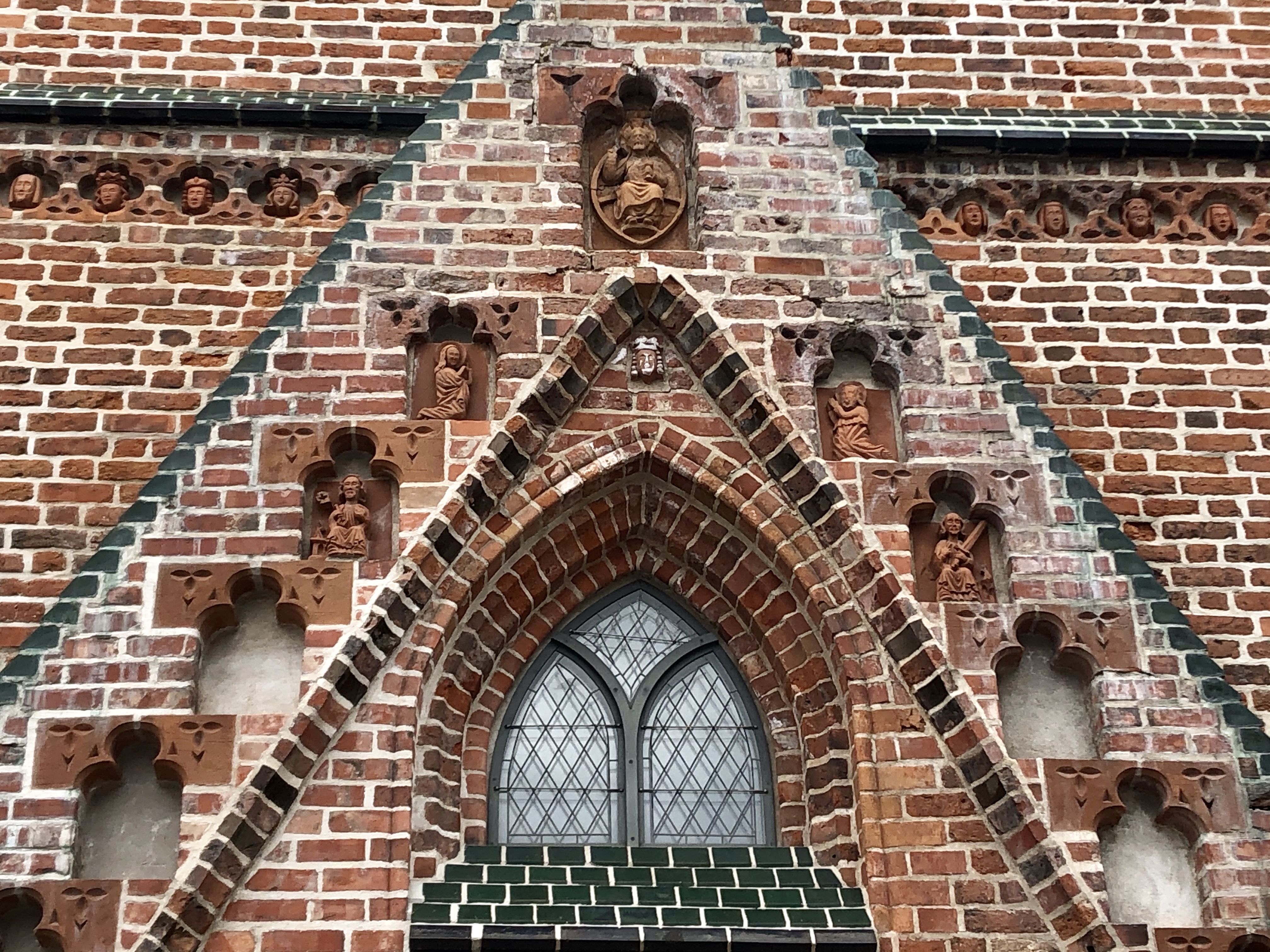
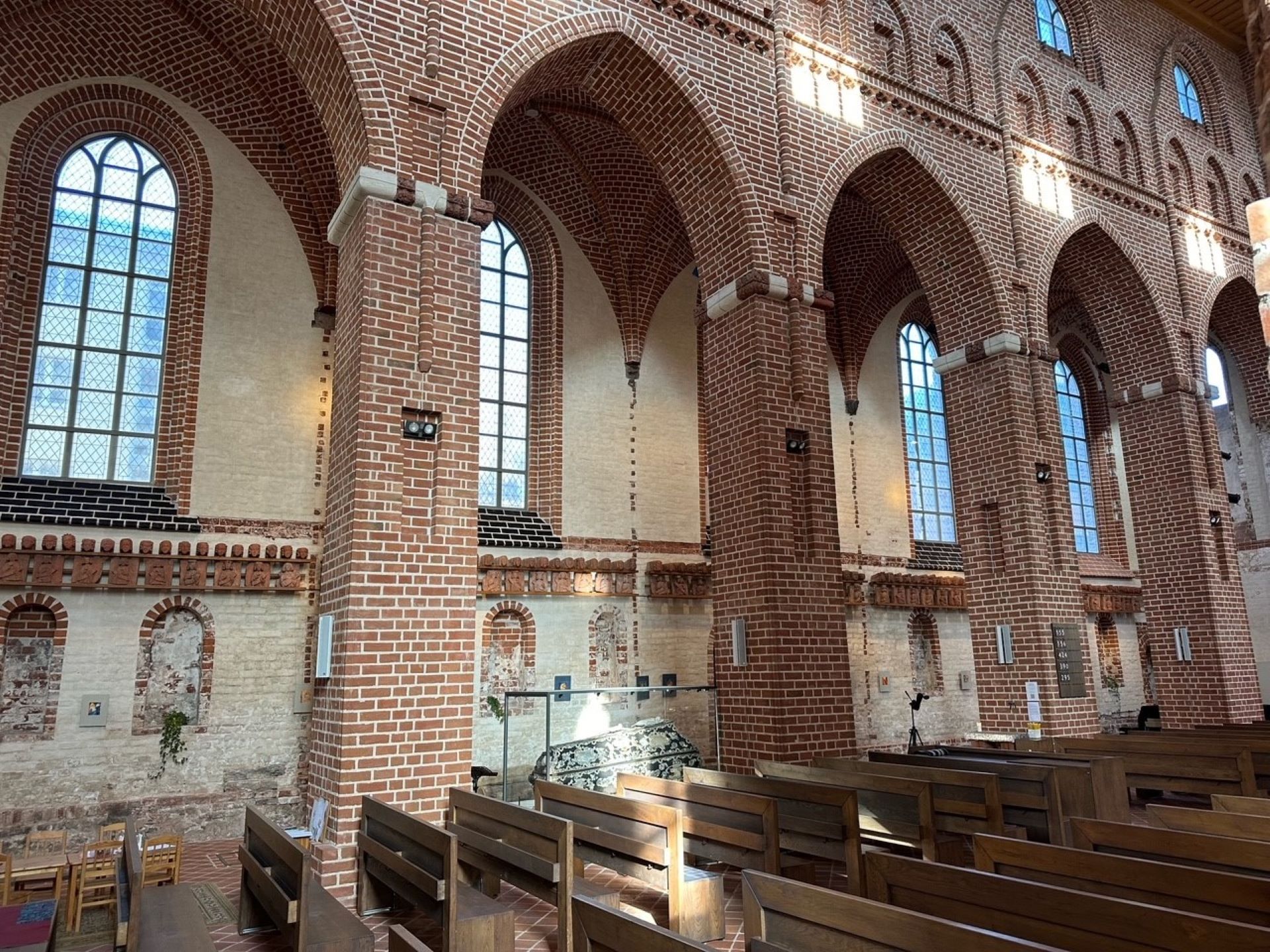
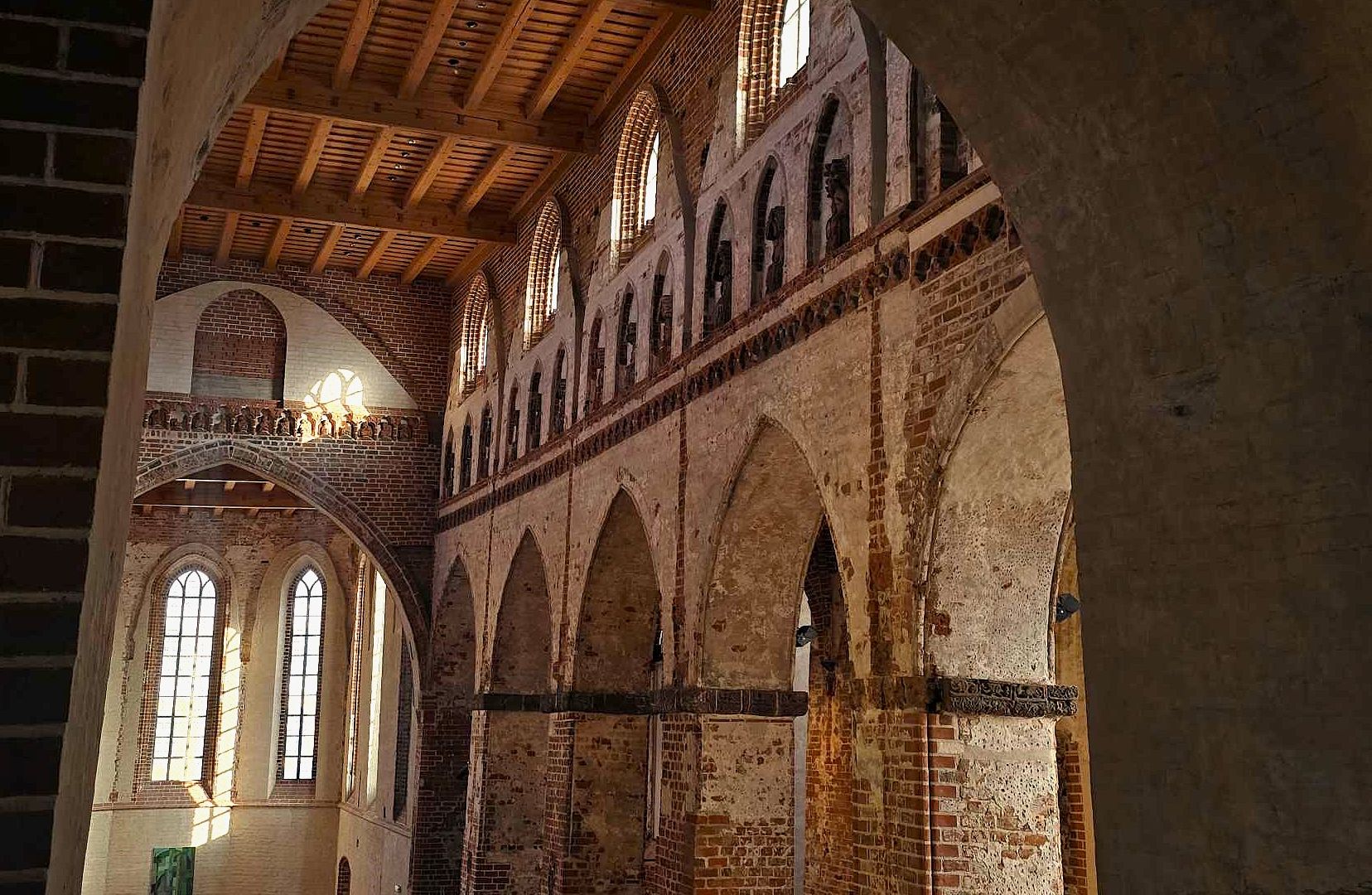
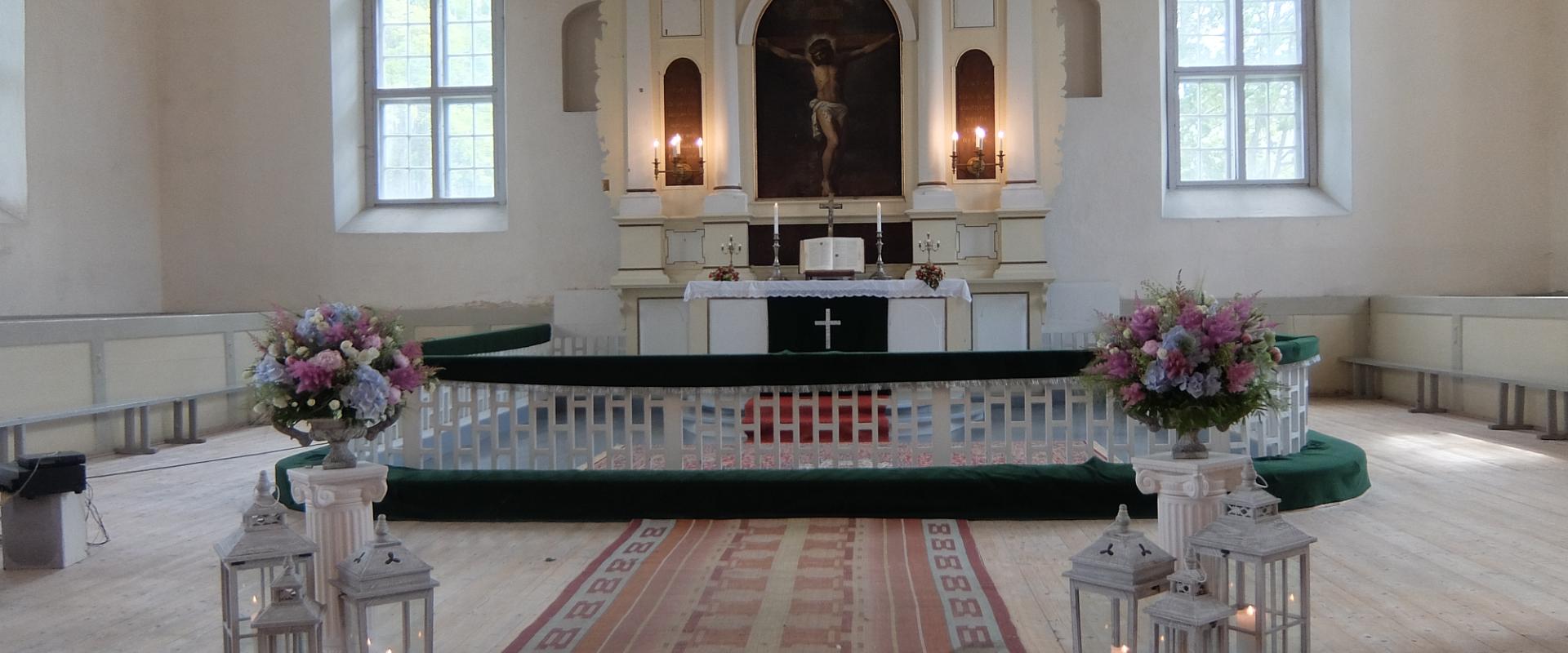
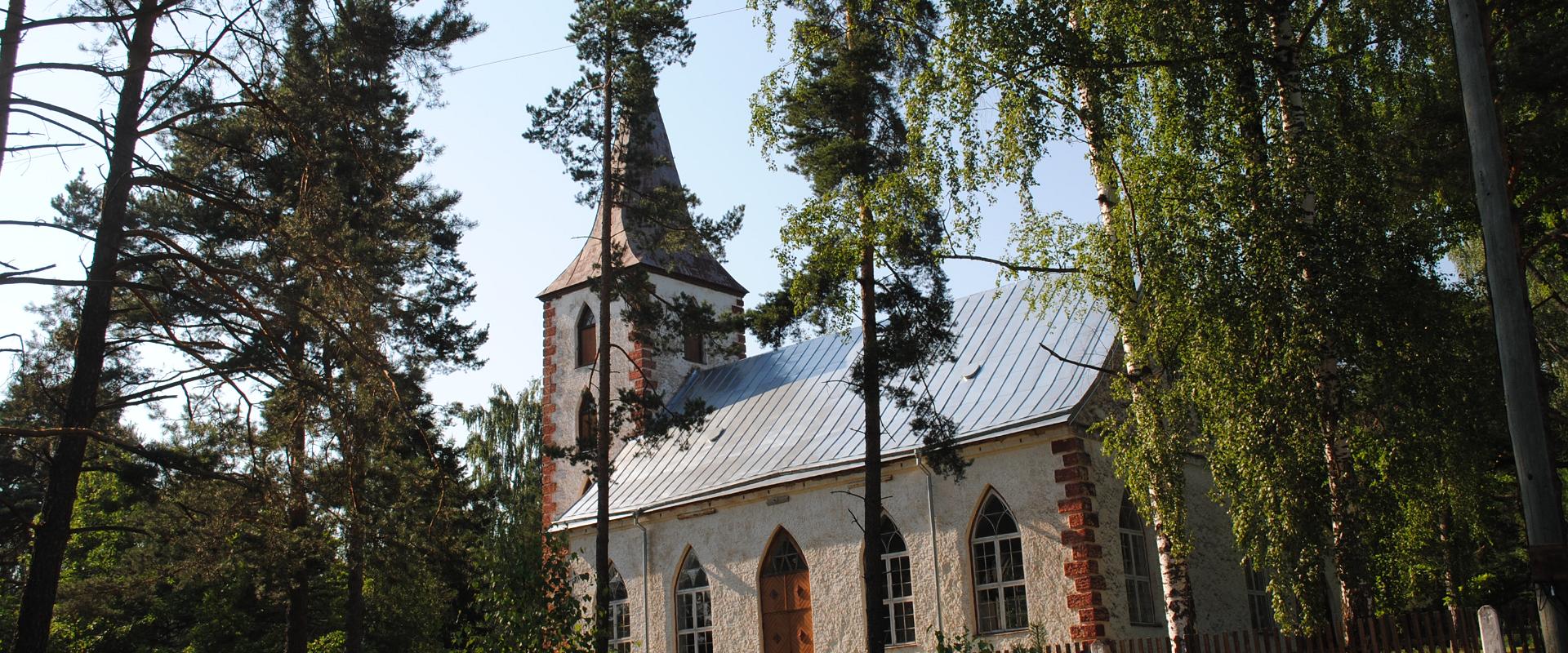
Tartu’s Gothic-style St. John’s Church dates back to the 14th century, making it one of the oldest churches in Estonia. It is known for its unique terracotta sculptures, which are considered rare in all of Europe.
The church once had over 1,000 handmade terracotta statues; about 200 have survived. Each sculpture is different, which has led to speculation that they may depict Tartu’s former inhabitants or other important people.
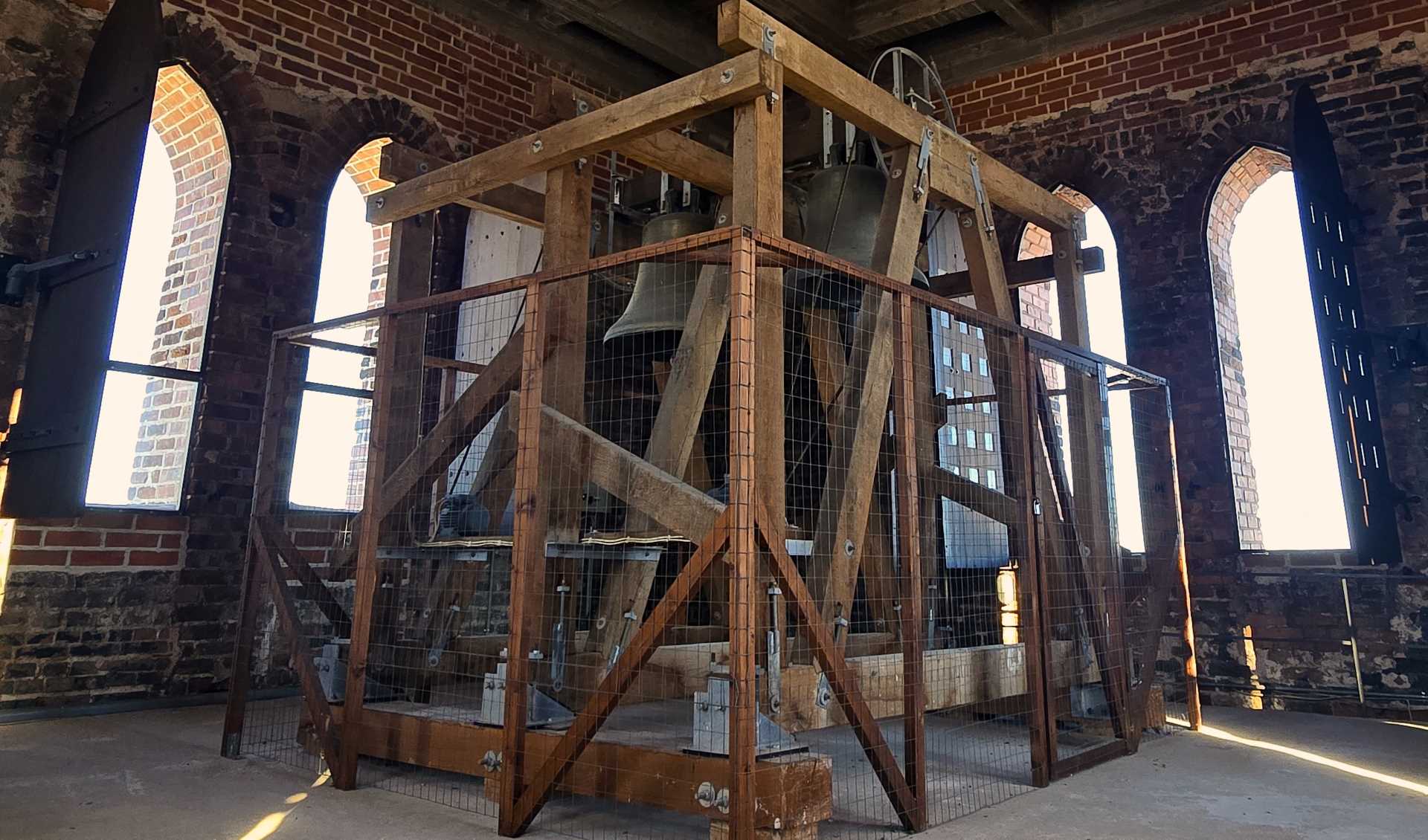
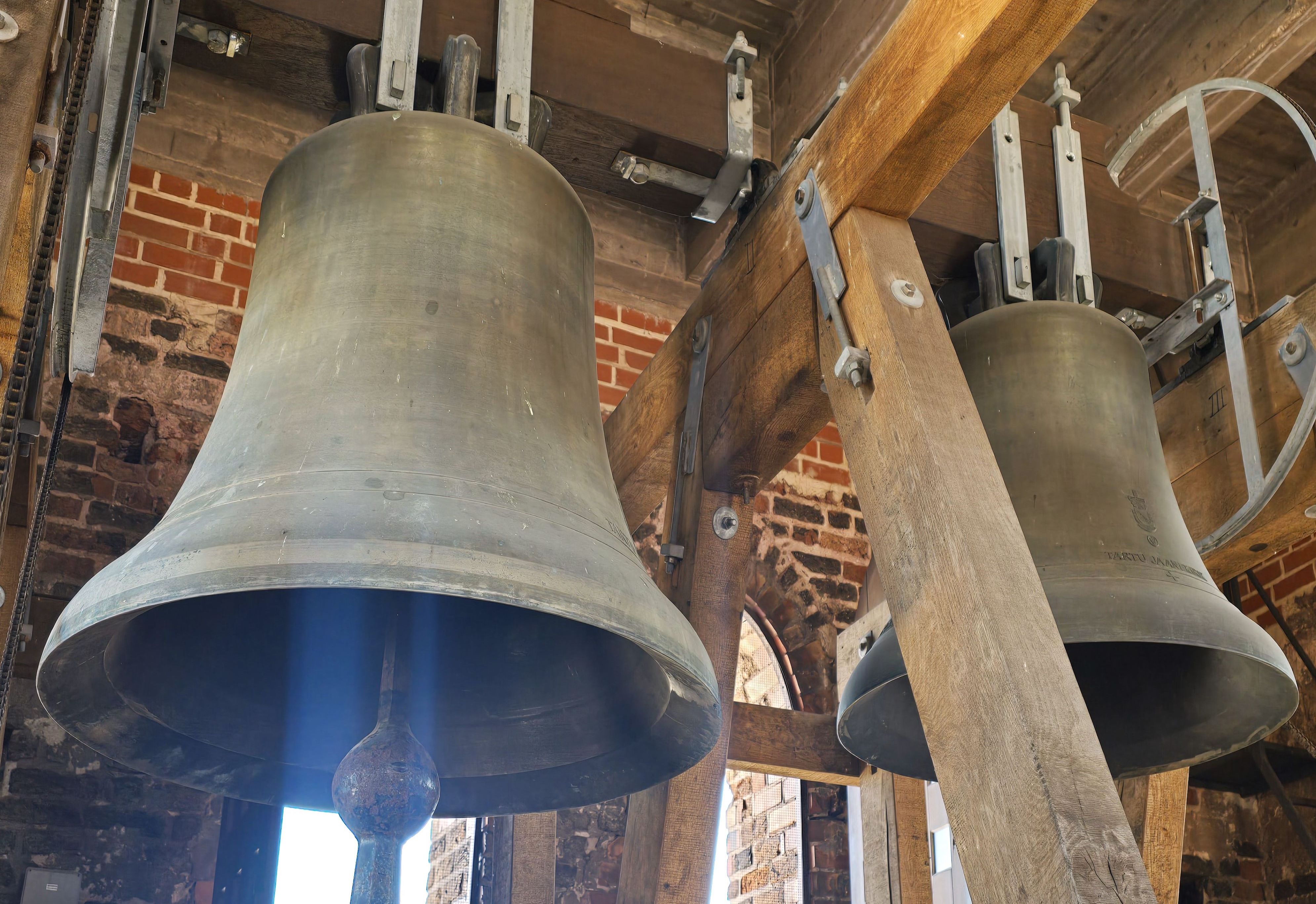
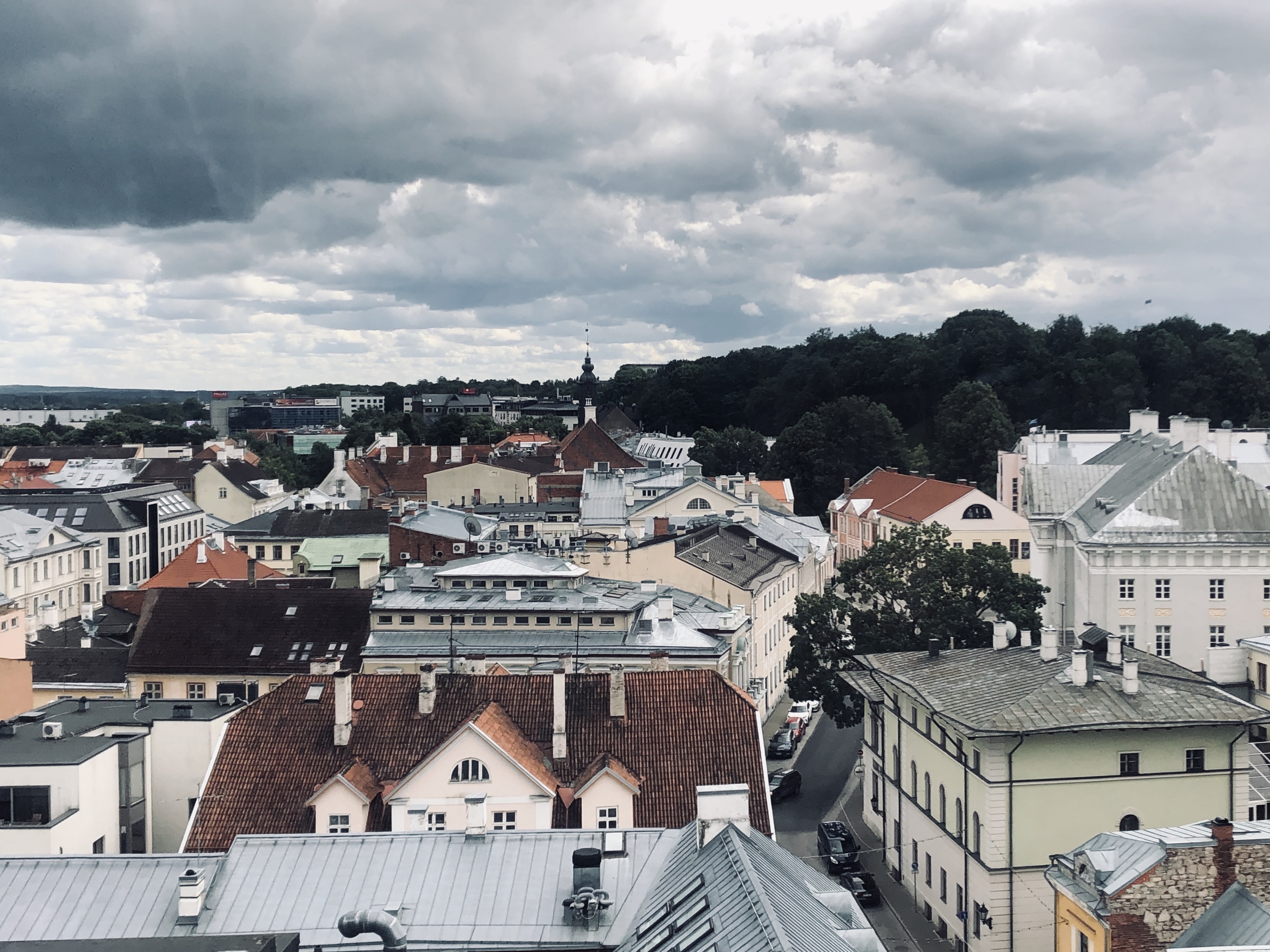
The tower of St. John’s Church offers a wonderful view of the entire historic old town of Tartu. It houses two bronze bells, called Peter and Paul.
On the last Sunday of every month, the church holds a service in English!
Amenities

  • Paid parking
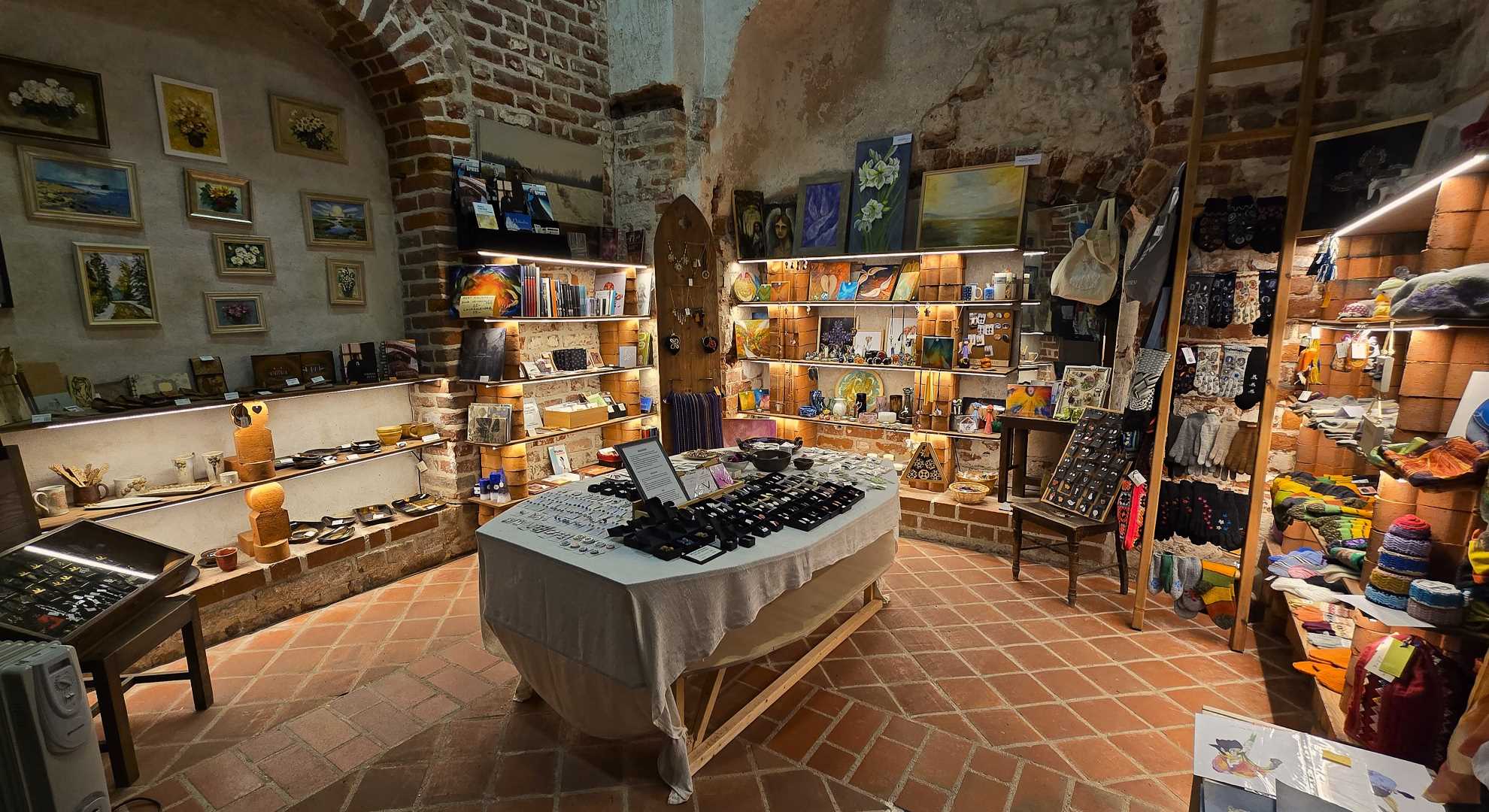
  • Souvenirs

Open times

1. jaan - 31. mai

T-L12:00 - 17:00

1. sept - 31. dets

T-L11:00 - 17:00

1. juuni - 31. aug

T-R10:00 - 17:00
L10:00 - 18:00

Contact

  • +372 507 3712
  • tartu.jaani@eelk.ee

Links

www.jaanikirik.ee

See more

  • Churches

St. Mary’s Church in Rõuge

The first stone church was constructed in Rõuge in the 16th century. In 1730, the original church, which was destroyed in the Great Northern War, was replaced with one which had an imposing square tower. The church was blessed in the name of St. Mary. The altar-piece "Christ on the cross" by R. von Mühlen is from 1854. In 1860 the walls were made higher and a mirrored arch was installed. In 1930 the church got a 31-register organ built by the Kriisa brothers. The first Estonian pastor in Rõuge was Rudolf Gottfried Kallas.Useful information! You can attend mass at the church every Sunday at 11:00 and in summer, the church is used as a wayfarers' church. Entrance to the tower is for a fee (grown ups 1.50, children 1 and family ticket 3 euros).

  • Churches

Pindi church in Lasva

Pindi Jaani (St. John's) church was built according to the plan by architect J. G. Mühlhausen. The church was consecrated in 1881. A massive tower stands In the western part of the rectangular church, the vestry is in the north-eastern part. The altarpiece is a copy of the one in Rõuge church, "Jesus on the cross" by Rudolf von zur Mühlen. The new organ built by the brothers Kriisa was consecrated in 1903.The grave and monument of Captain Friedrich Vreeman (1894–1919), who was killed in the Estonian War of Independence, are in the church cemetery. Service is held Sundays at 10.30.Useful information: Laine Villenthal, who was the first woman ordained as a minister in Estonia, served in Pindi church until 2004.

  • Churches

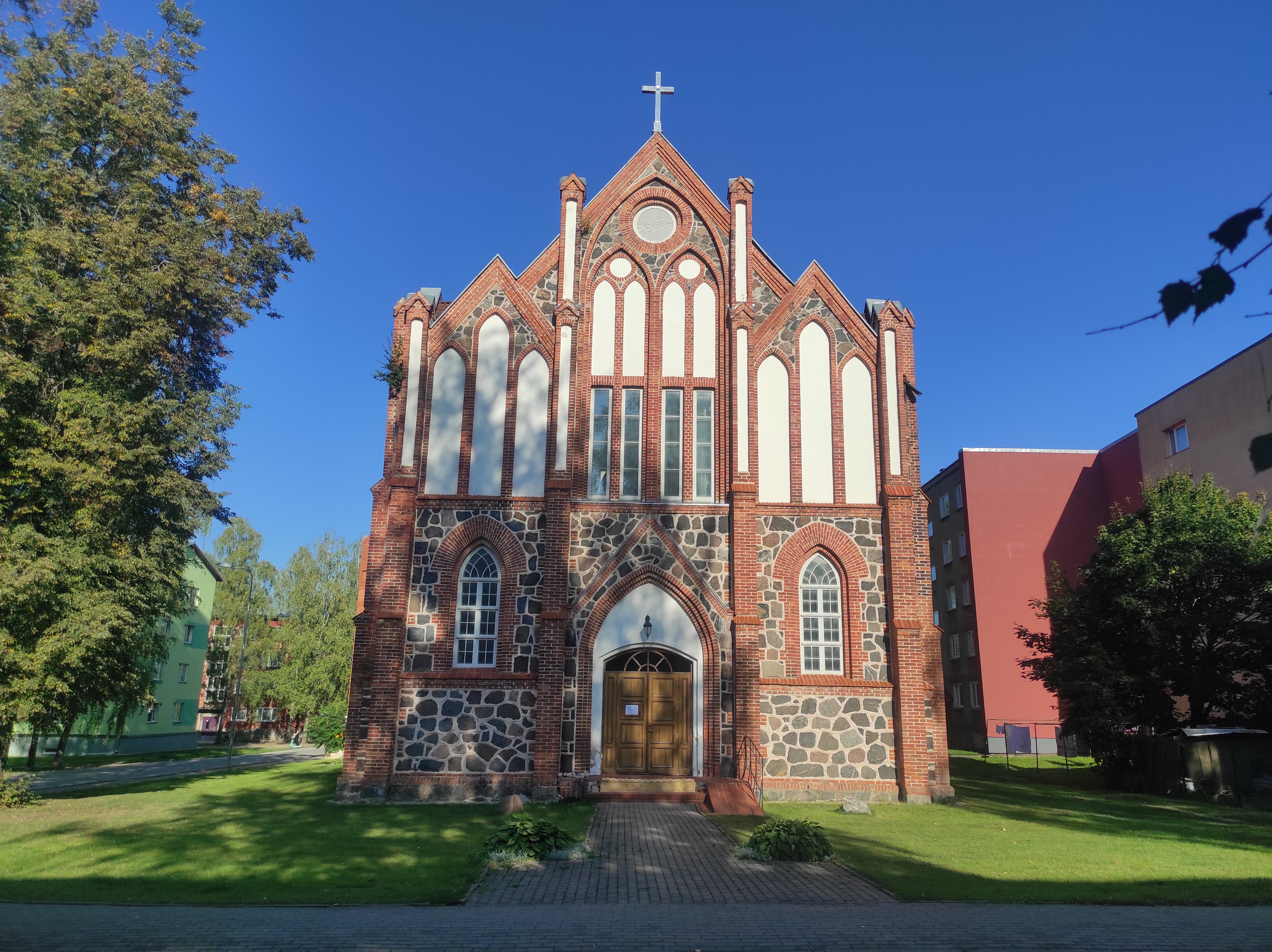
Valga Roman Catholic Church of the Holy Spirit

The church was built of natural stone and bricks in 1907. Lithuanian and Polish railway workers were actively involved in building the church. The church operated until 1940 and from 1945, the building was used as a warehouse and later as a gym.The extension of the church was built in 1995 and the church was renovated. Interesting facts: * the church does not have a tower as the imperial government of Russia refused to give permission to build one.

  • Churches

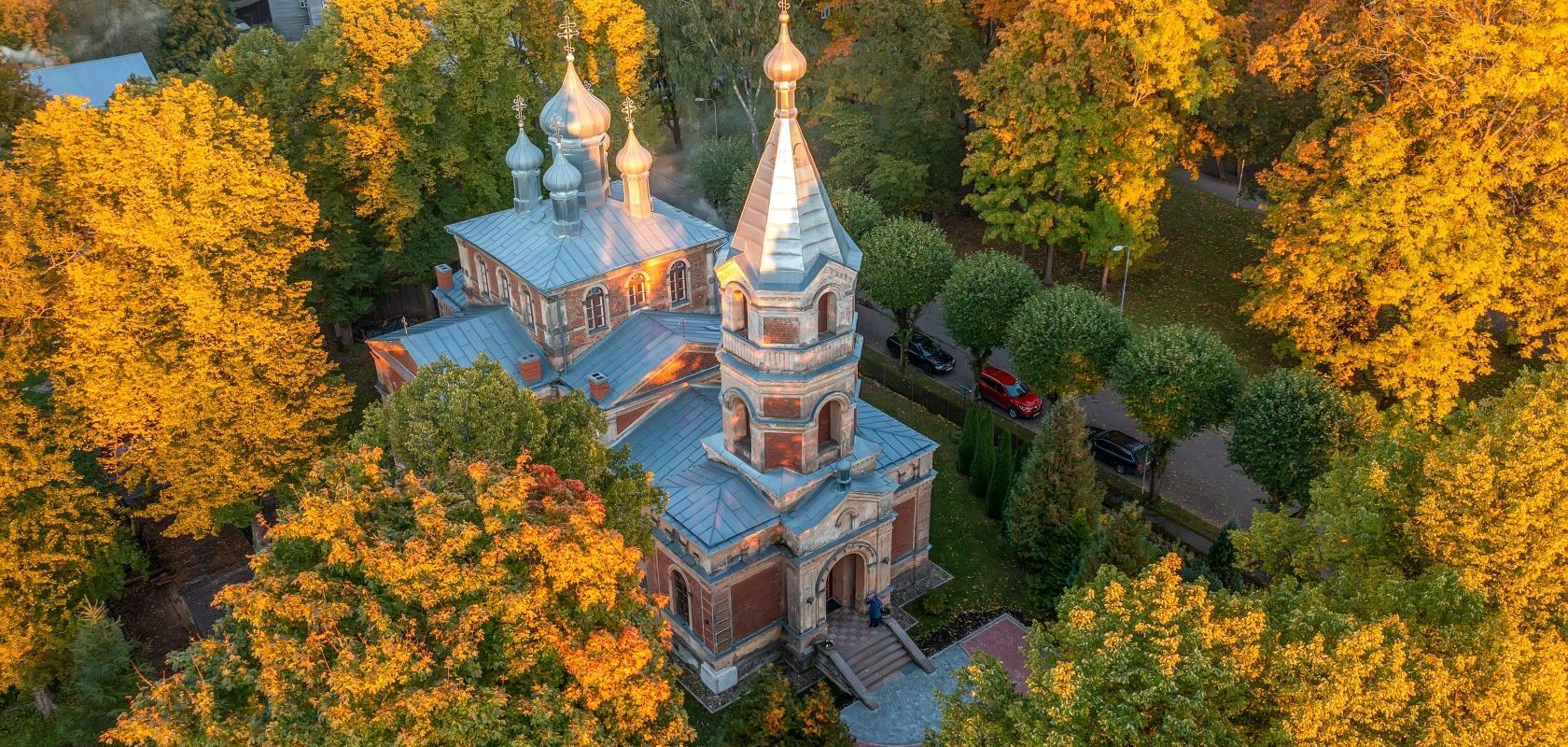
Saint Isidore’s Main Church in Valga

This historicist-style church is built from red and yellow bricks and has five domes and a bell tower. It is one of the four representative churches of the Apostolic Orthodox Church in Estonia. The church is named after the priest martyr Isidore of Tartu. The church was built in 1897–1898 and was consecrated in 1898. The architect of the building is Vladimir Lunski.The church was built in 1896 for the congregation of Orthodox Russians and Latvians.

  • Churches

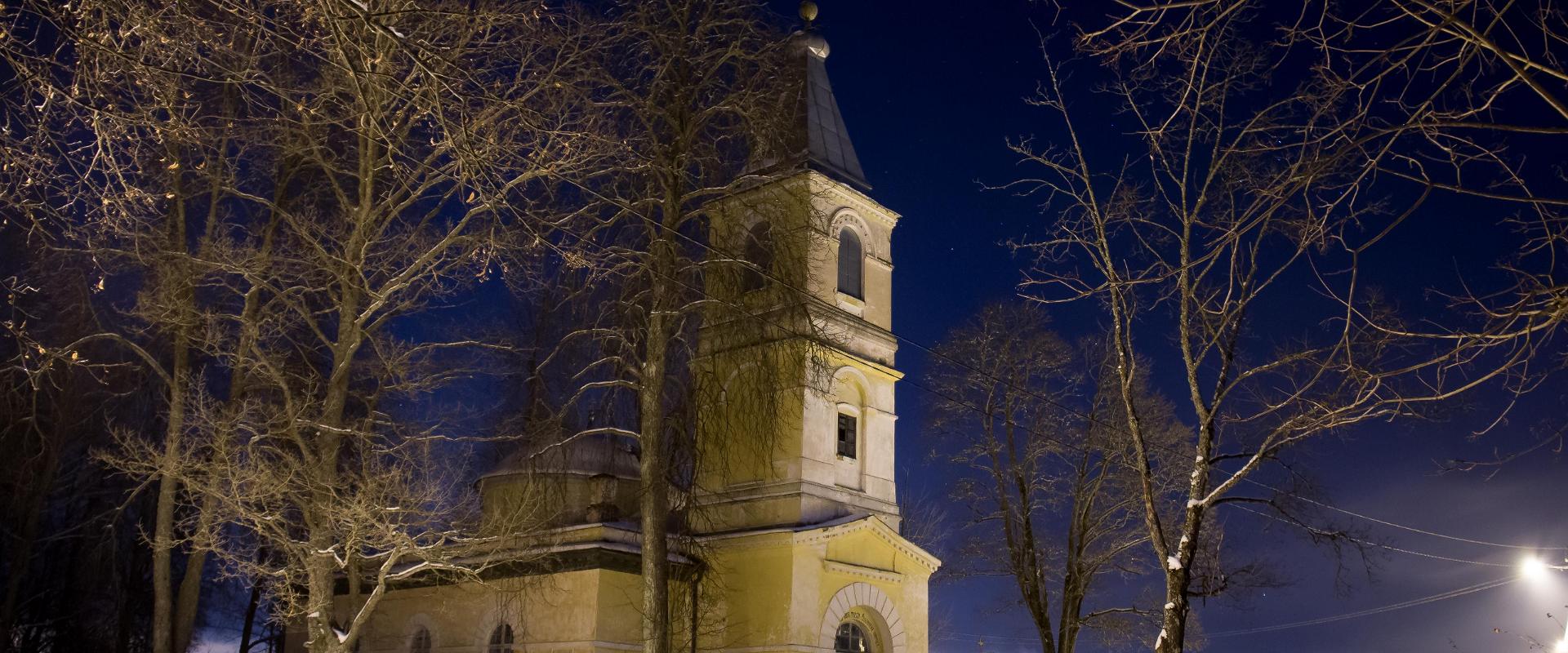
St Zachariah’s and St Elizabeth’s Orthodox Church in Räpina

St Zachariah’s and St Elizabeth’s Orthodox Church in Räpina is a neo-Classical oblong building consisting of three parts. In the Western part there is a bell tower and in the Eastern part a crescent-shaped apsis. A cupola with a tambour is in the middle of the building. The exterior of the building is in classical style, incorporating cornices and rustic work. Simple iconostasis of the 19th century catches the eye in the interior.

  • Churches

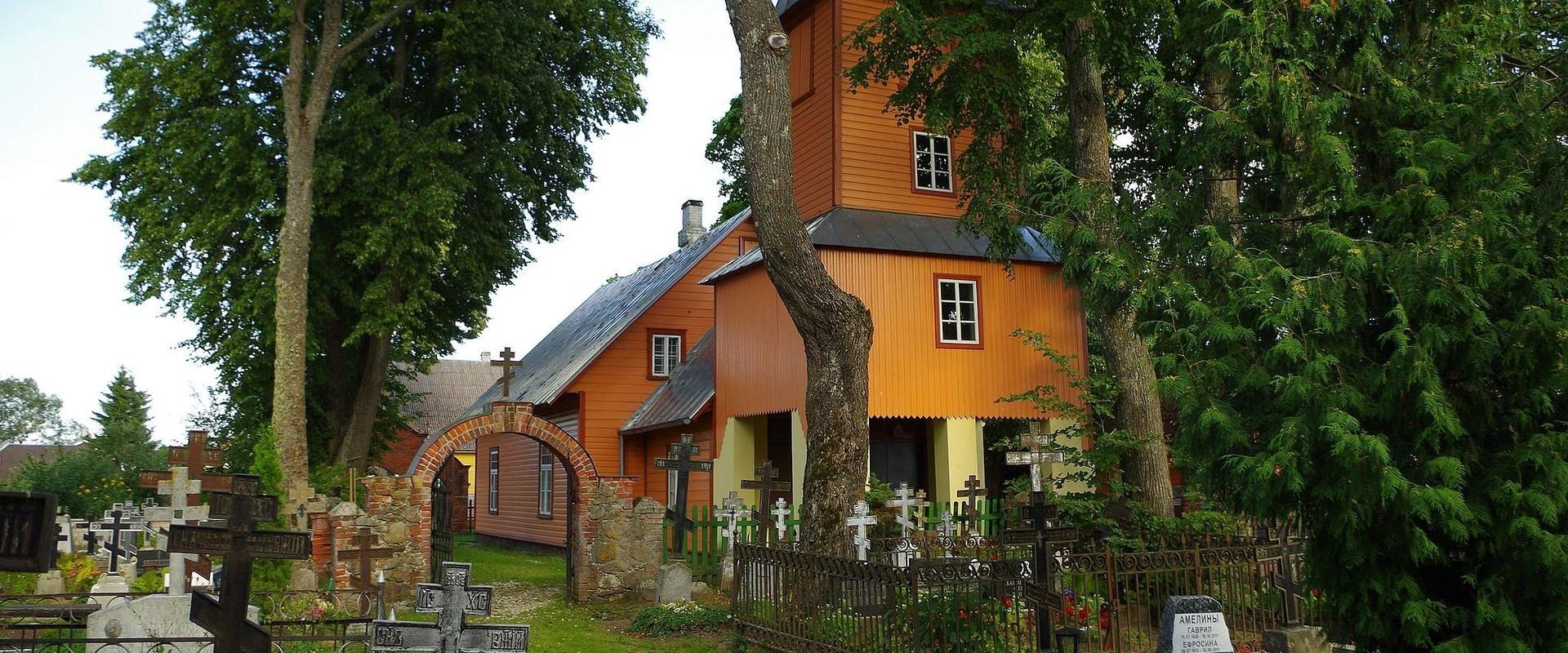
Kasepää Old Believers’ Prayer House of the Estonian Association of Old Believers Congregations

When in Kasepää Village near Lake Peipus, go and visit the prayer house of Russian Old Believers, which has been operating without interruption since the 18th century.The current prayer house was built at the beginning of the 20th century. It was designed by the governorate architect Wilhelm Schilling in 1902. The Florov school masters renewed the icons of the iconostasis in the prayer house before the Second World War. Some of the icons in the chapel date back as far as to the 17th century.Prayers are held in the chapel in Russian on Sundays at 10 a.m.

  • Churches

Karula Maarja (St Mary’s) Church

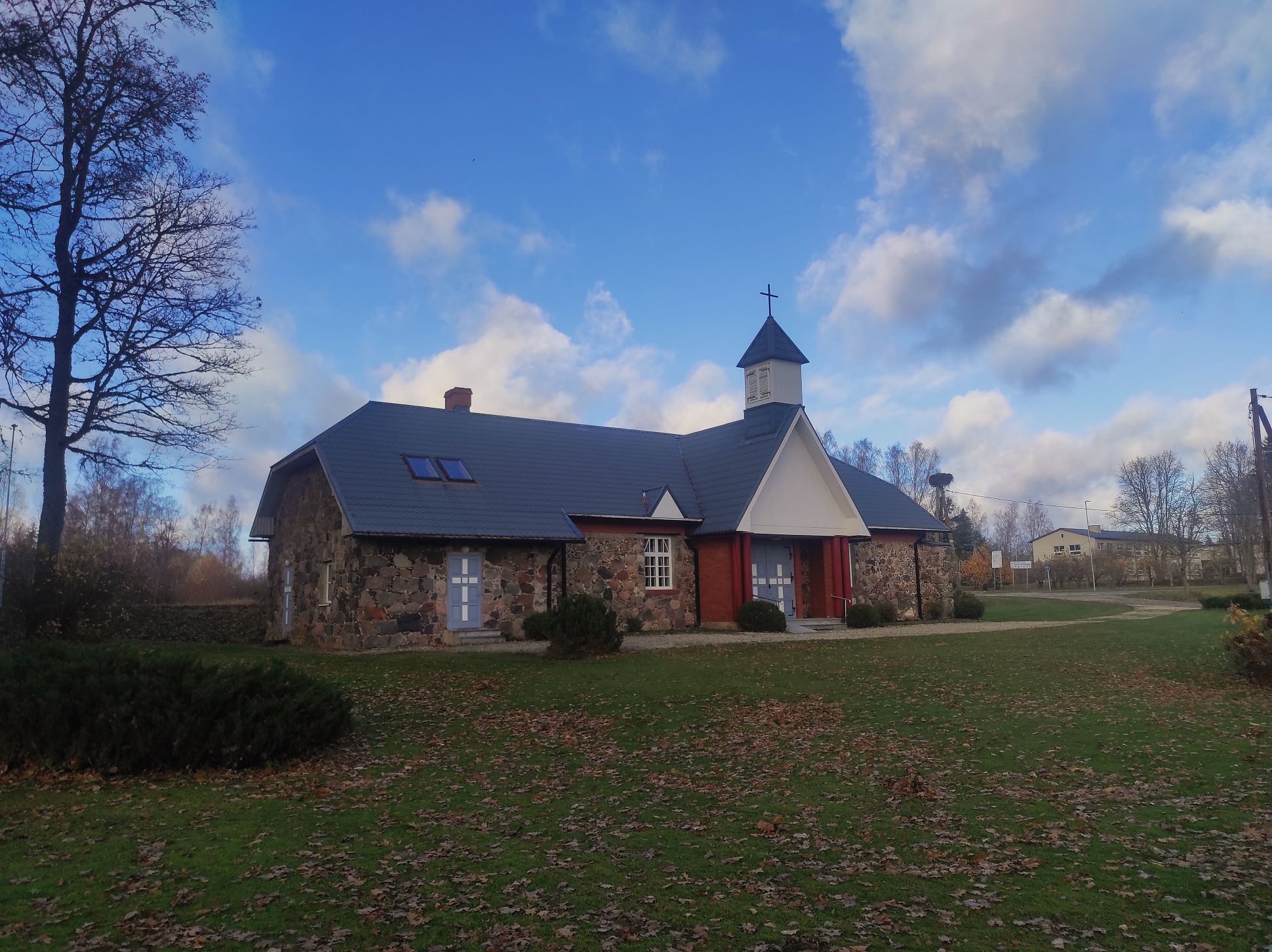
Karula Church has been working in the converted manor granary since 1997. The most special feature of the church is the stained glass painting 'Eucharist' of Estonian artist Dolores Hoffmann which depicts local people as the disciples against the background of the holly landscape of Karula.The doors of the Karula Church are open to visitors during Sunday services. Please contact a representative of the congregation if you wish to visit the church some other time. Interesting facts: • The same building was used as an animal barn during the Soviet times. • The stained glass painting was donated to Karula Church by the descendants of the German squires the von Grotes.

  • Churches

Värska Church

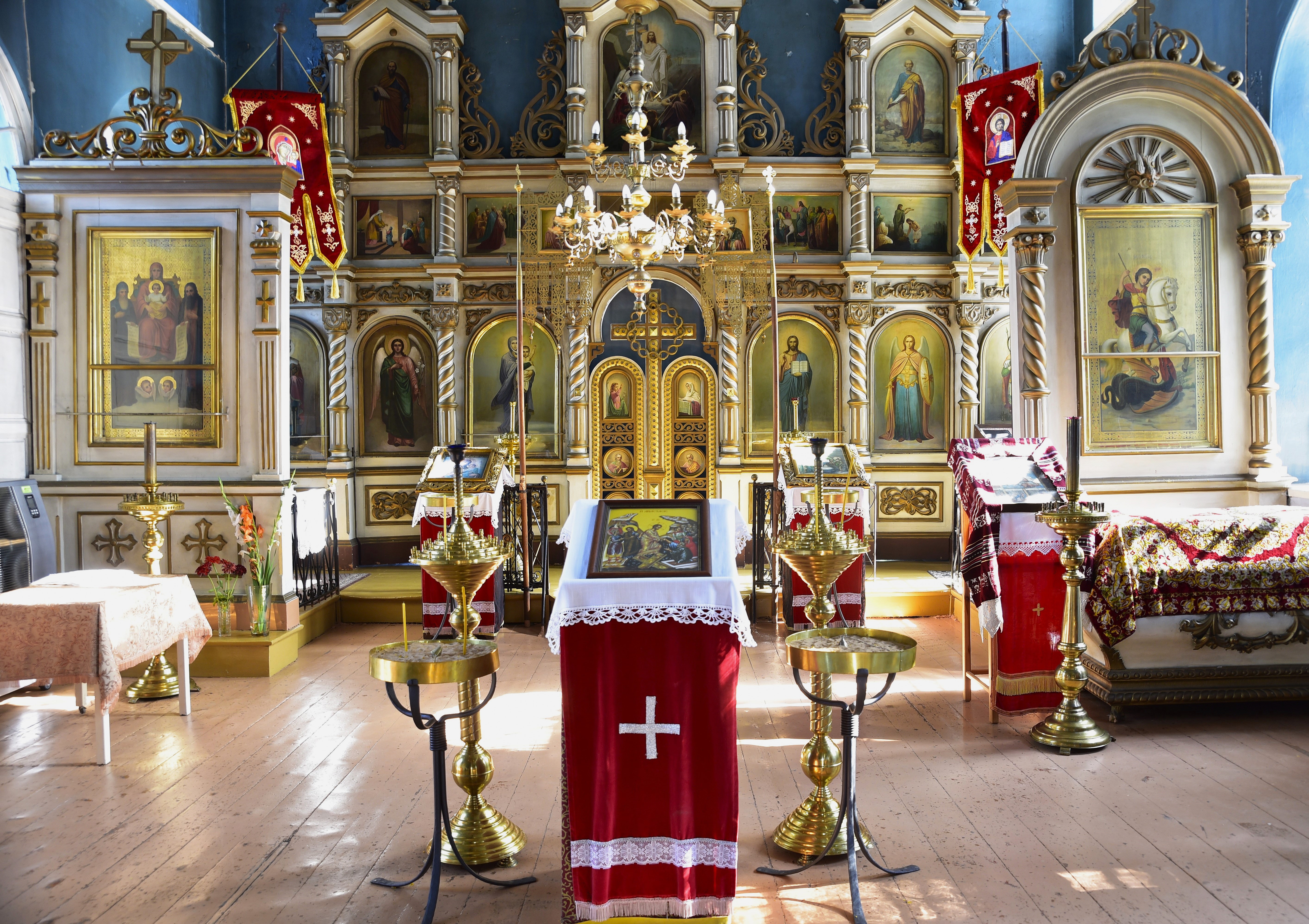
The patron saint of the Värska Orthodox Church is St. George. The most important church holiday is St. George's Day, which is celebrated in Setomaa on May 6 and culminates with the afternoon kirmaski, or village party. The church was built with money from the community, and the original iconostasis from the beginning of the 20th century has been preserved, part of which is an icon of St. George painted on a tree in the 17th century. The church also has several handmade holy shawls. Värska cemetery is next to the church, and several important Seto cultural figures are buried there.

  • Collaboration
  • News
  • Contacts
  • Privacy Policy
Join our mailing list!

"*" indicates required fields

This field is for validation purposes and should be left unchanged.
I authorise marketing

South Estonia Tourism Cluster

info@visitsouthestonia.com