• Explore
    • Nature
    • Culture
    • Food
    • Family
    • Activity
    • Blog
    Smoke sauna
    Weather and seasons
  • Plan
    • Accommodation
    • How to get here
    • Weather and seasons
    • Sustainability
    • Tourist info
    Discover South Estonia’s Most Beautiful Manors and Castles
    Top 20 Sights in South Estonia
  • For professionals
    • For professionals
    • Collaboration
    • News
    • Projects
    • Training
    • Repository
    • Community (opens in new tab)
    • Contacts
ENG
  • EnglishENG
  • EestiEST
  • LatviešuLAT
  • РусскийRUS
  • SuomiFIN
ENG
  • EnglishENG
  • EestiEST
  • LatviešuLAT
  • РусскийRUS
  • SuomiFIN
Popular searches:
Show all
  • Architecture and history
  • History & Culture
  • Churches

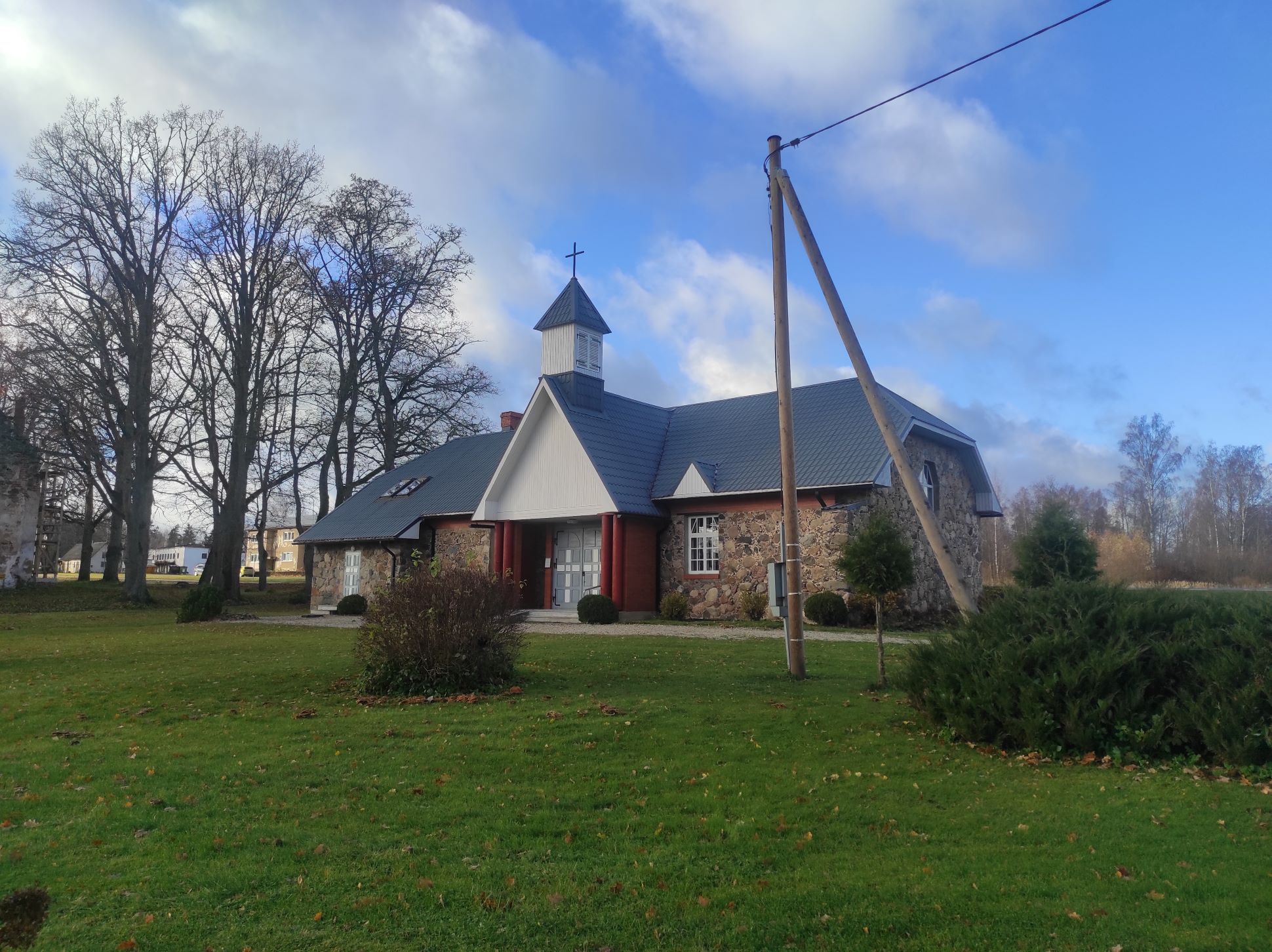
Karula Maarja (St Mary’s) Church

Kirikumõisa tee 14, Valga vald, Valga maakond, 68116

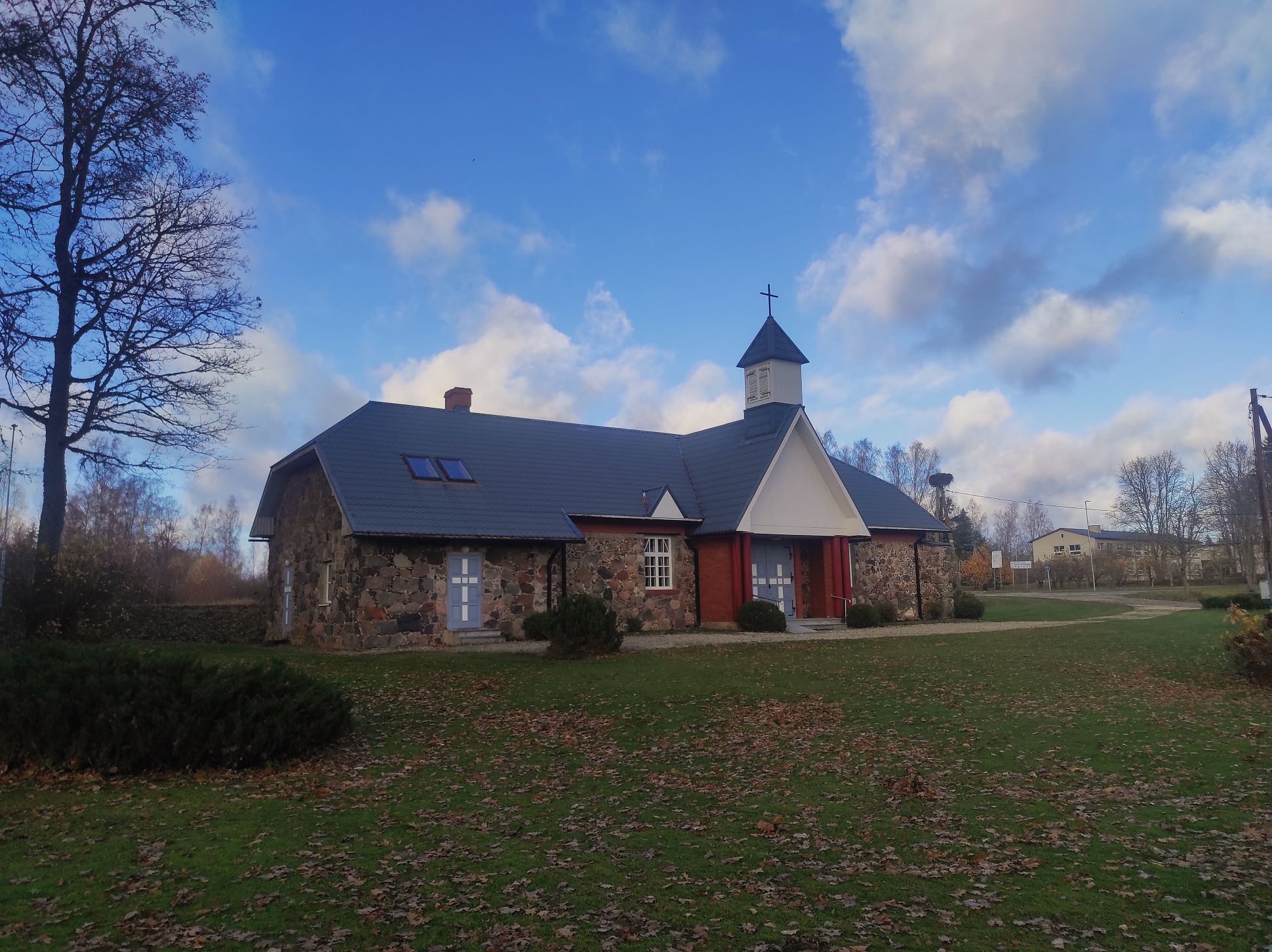
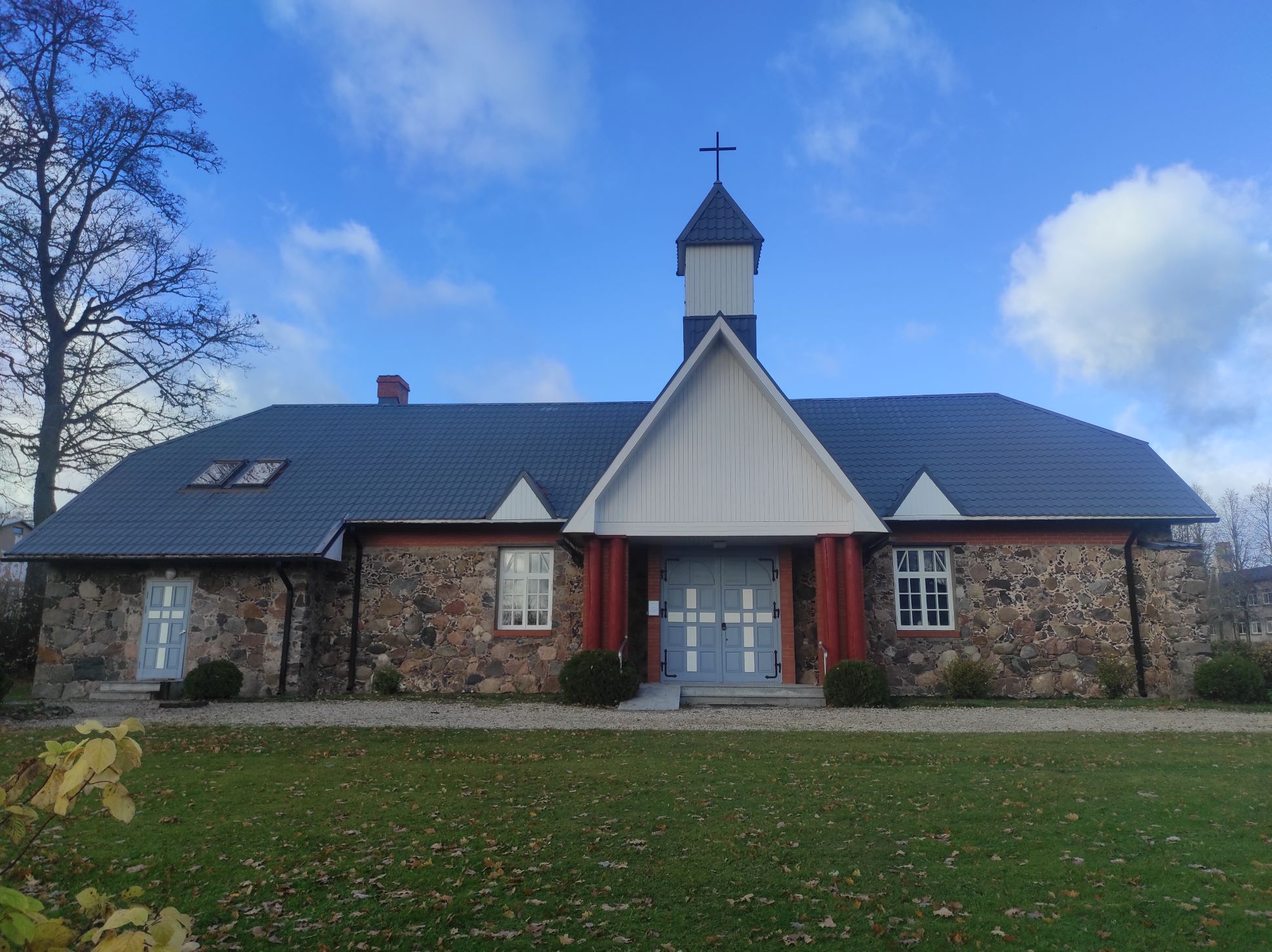
Karula Church has been working in the converted manor granary since 1997. The most special feature of the church is the stained glass painting ‘Eucharist’ of Estonian artist Dolores Hoffmann which depicts local people as the disciples against the background of the holly landscape of Karula.The doors of the Karula Church are open to visitors during Sunday services. Please contact a representative of the congregation if you wish to visit the church some other time. Interesting facts: • The same building was used as an animal barn during the Soviet times. • The stained glass painting was donated to Karula Church by the descendants of the German squires the von Grotes.
Amenities

  • Information boards
  • Free parking

Open times

Throughout the Year

Eeltellimsel

Contact

  • +372 529 6516
  • enno.tanilas@eelk.ee

Links

karula.ee

See more

  • Churches

Äksi St. Andrew’s Church of the Estonian Evangelical Lutheran Church

This neo-Gothic church with its tall and slender tower is an integral part of the beautiful landscape of Vooremaa. The church has a spacious and stylish Historicist interior. The church is thought to have been built in 1770 and was reconstructed in 1889. A monument to the pastor and renowned linguist Otto Wilhelm Masing can be found in the Church Manor (1989).

  • Churches

Kükita Old Believers Prayer House of the Estonian Association of Old Believers Congregations

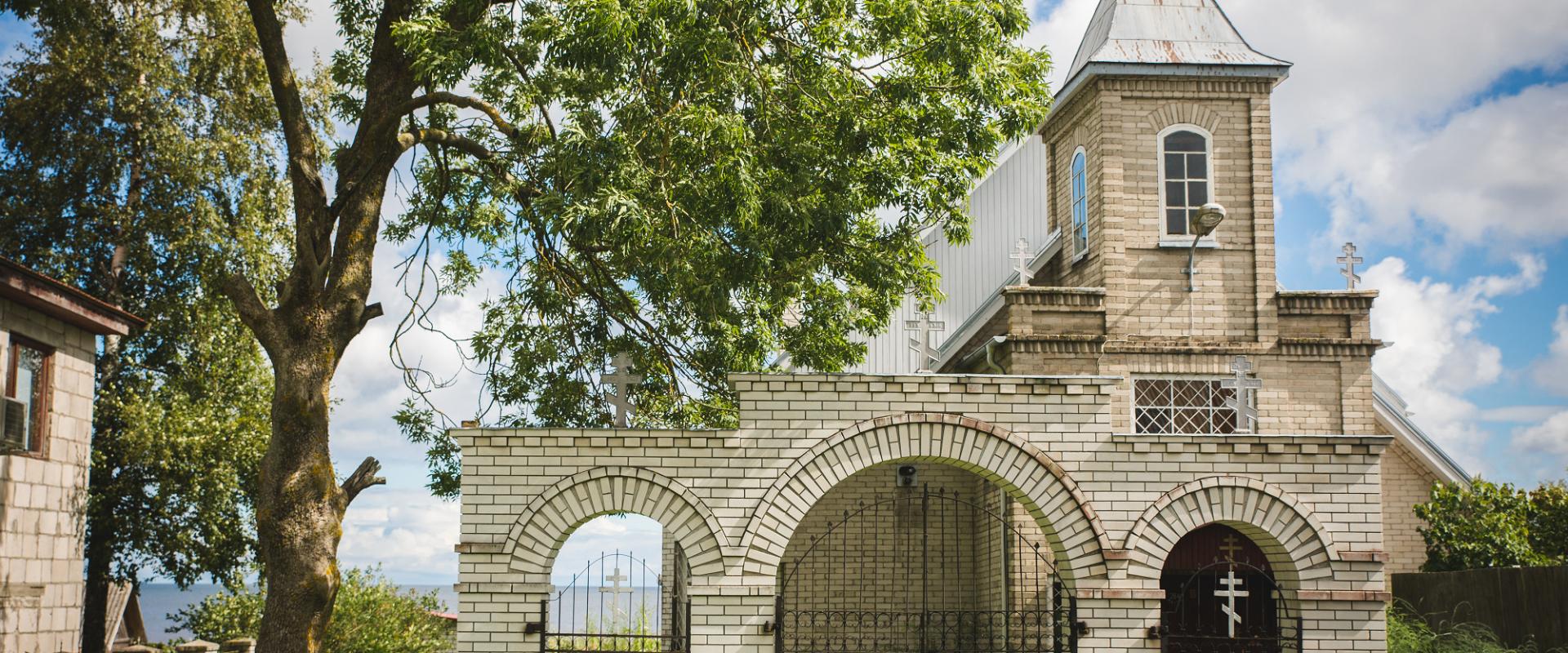
The first prayer house of Old Believers in Estonia is located in Kükita. The Kükita Prayer House was consecrated on September 14, 1740. During the war of 1812, the Cossack Old Believers donated a chandelier to the Prayer House. There were a total of 397 Old Believers in the list of parishioners of the Kükita congregation by 1833. The current Prayer House was built in 1948 in place of the one destroyed in World War II.Old Believers have services every Sunday and on all holidays (Christmas, Pascha and Epiphany).

  • Churches

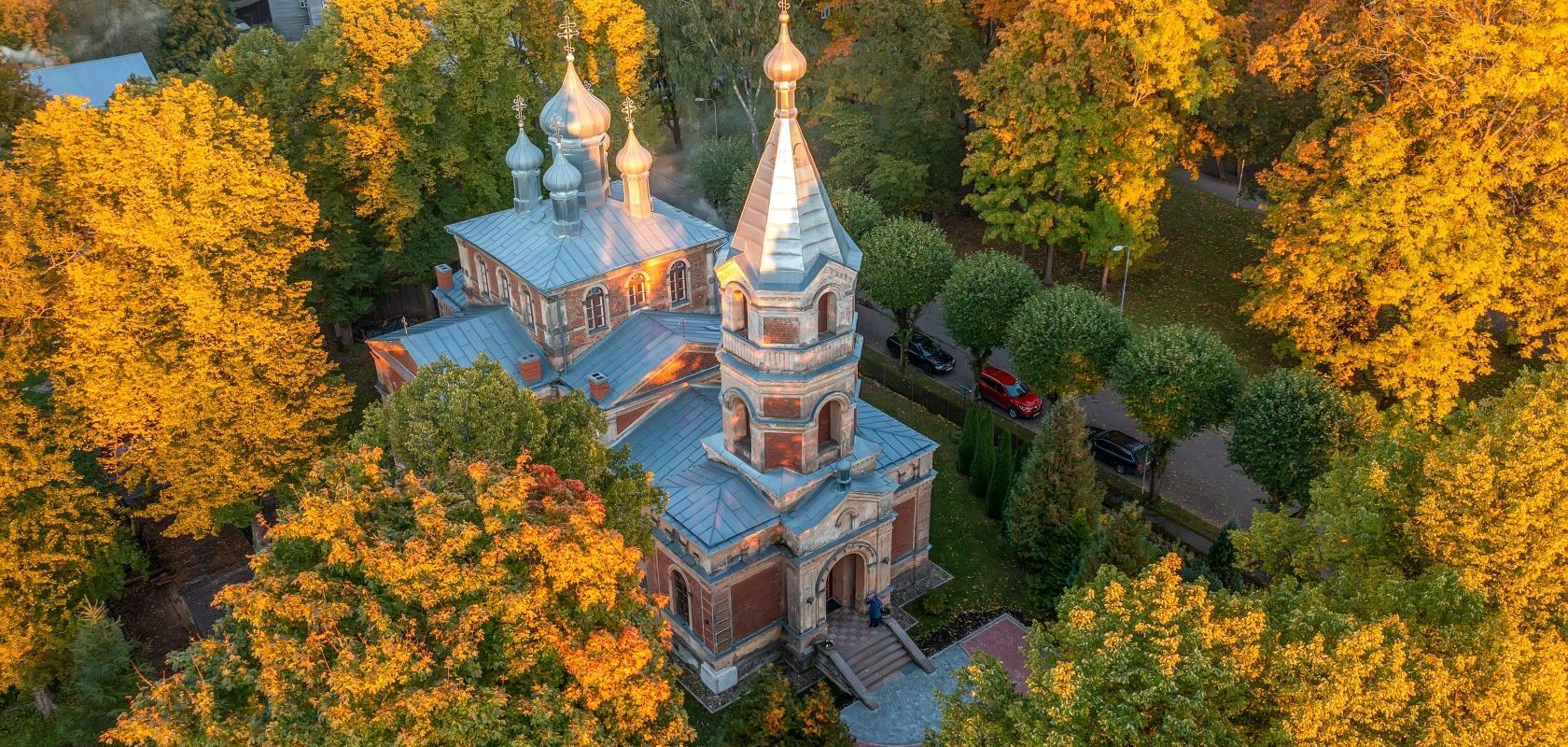
Saint Isidore’s Main Church in Valga

This historicist-style church is built from red and yellow bricks and has five domes and a bell tower. It is one of the four representative churches of the Apostolic Orthodox Church in Estonia. The church is named after the priest martyr Isidore of Tartu. The church was built in 1897–1898 and was consecrated in 1898. The architect of the building is Vladimir Lunski.The church was built in 1896 for the congregation of Orthodox Russians and Latvians.

  • Churches

EELC Roosa Jacob’s Church

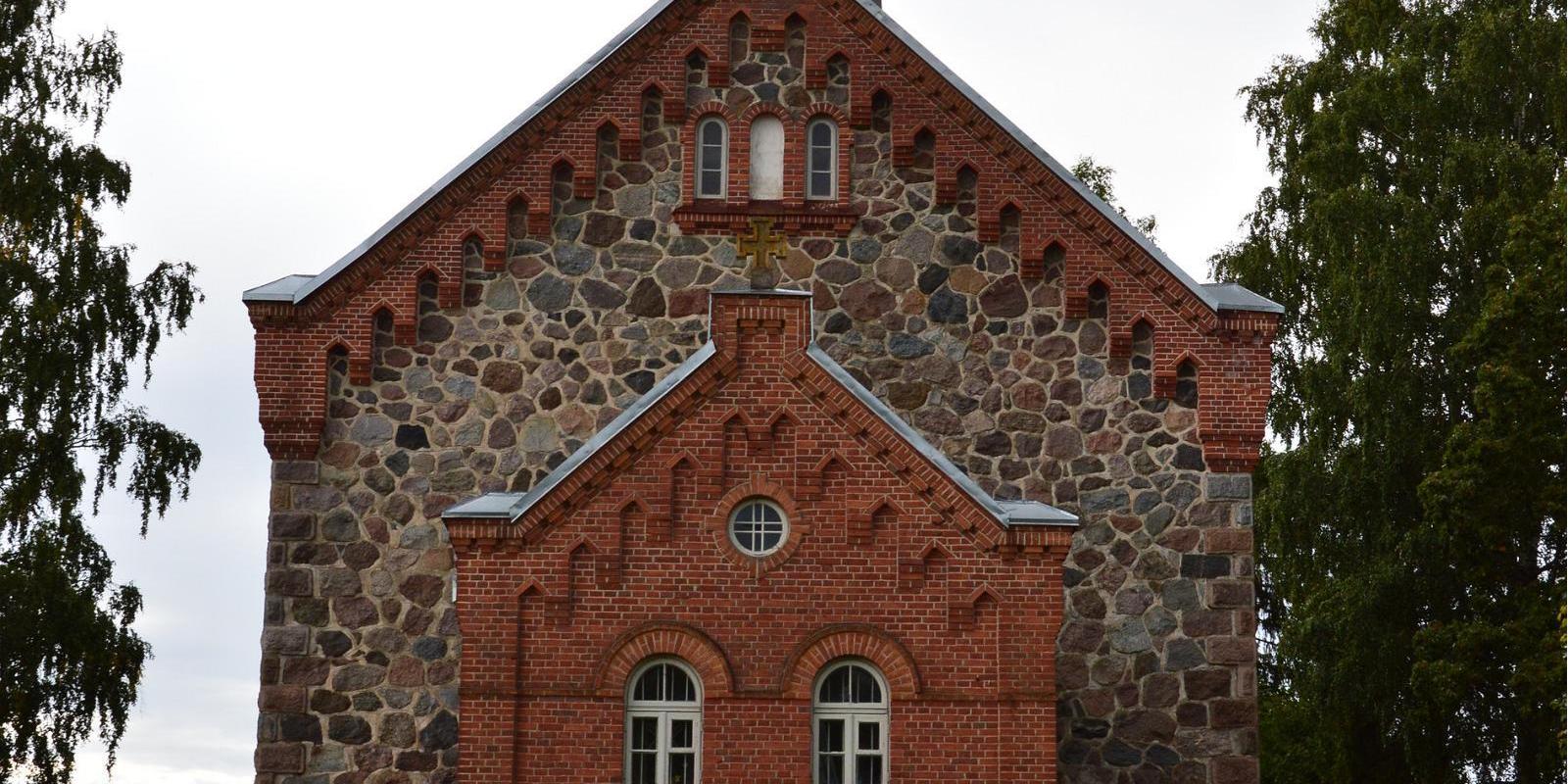
The legend speaks about the owner of Roosa manor, who had promised to build a church if he is saved from a shipwreck. When he had happily escaped the sea, he fulfilled his promise and the first church was built in Roosa in 1735.The current church is the third one in Roosa, built in 1893.The massive quarrystone walls have round-headed windows and brick ornaments, the tower has four sides and triangular gables. The altar-piece is a copy of the ″Christ on the Cross” from the St. Mary's Church in Rõuge and the organ is the first church organ the Kriisa brothers built in 1900.

  • Churches

Värska Church

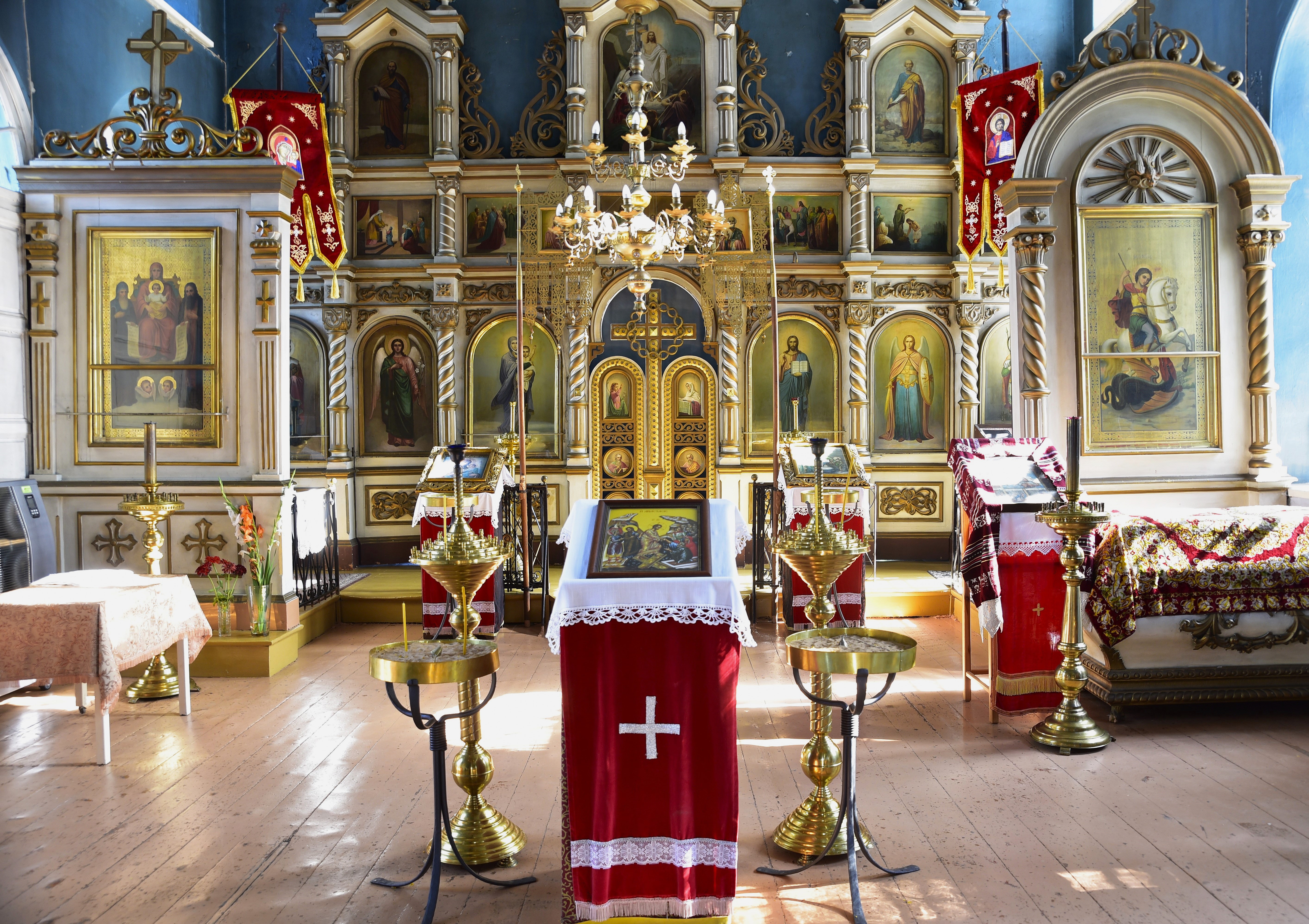
The patron saint of the Värska Orthodox Church is St. George. The most important church holiday is St. George's Day, which is celebrated in Setomaa on May 6 and culminates with the afternoon kirmaski, or village party. The church was built with money from the community, and the original iconostasis from the beginning of the 20th century has been preserved, part of which is an icon of St. George painted on a tree in the 17th century. The church also has several handmade holy shawls. Värska cemetery is next to the church, and several important Seto cultural figures are buried there.

  • Churches

Estonian Evangelical Lutheran Church of Blessed Virgin Mary in Torma

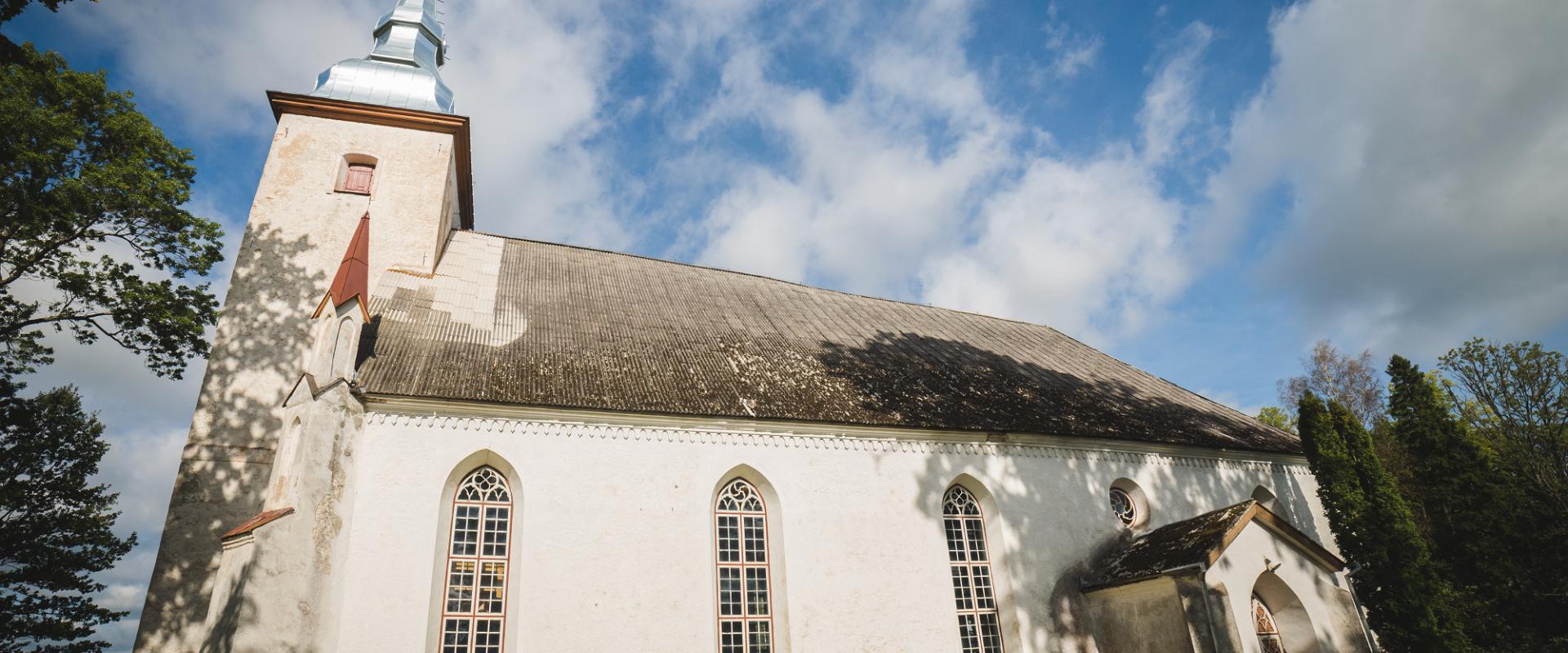
Church of Blessed Virgin Mary in Torma is a late baroque trapezoidal aisleless church. The completed church was blessed in 1767 and in 1868, it was made more pseudogothic.There is a cup-shaped pulpit and people compare it to Noah’s ship. Services are held at the Church of Blessed Virgin Mary in Torma every Sunday at 11 a.m.

  • Churches

St Michael’s Lutheran Church in Räpina

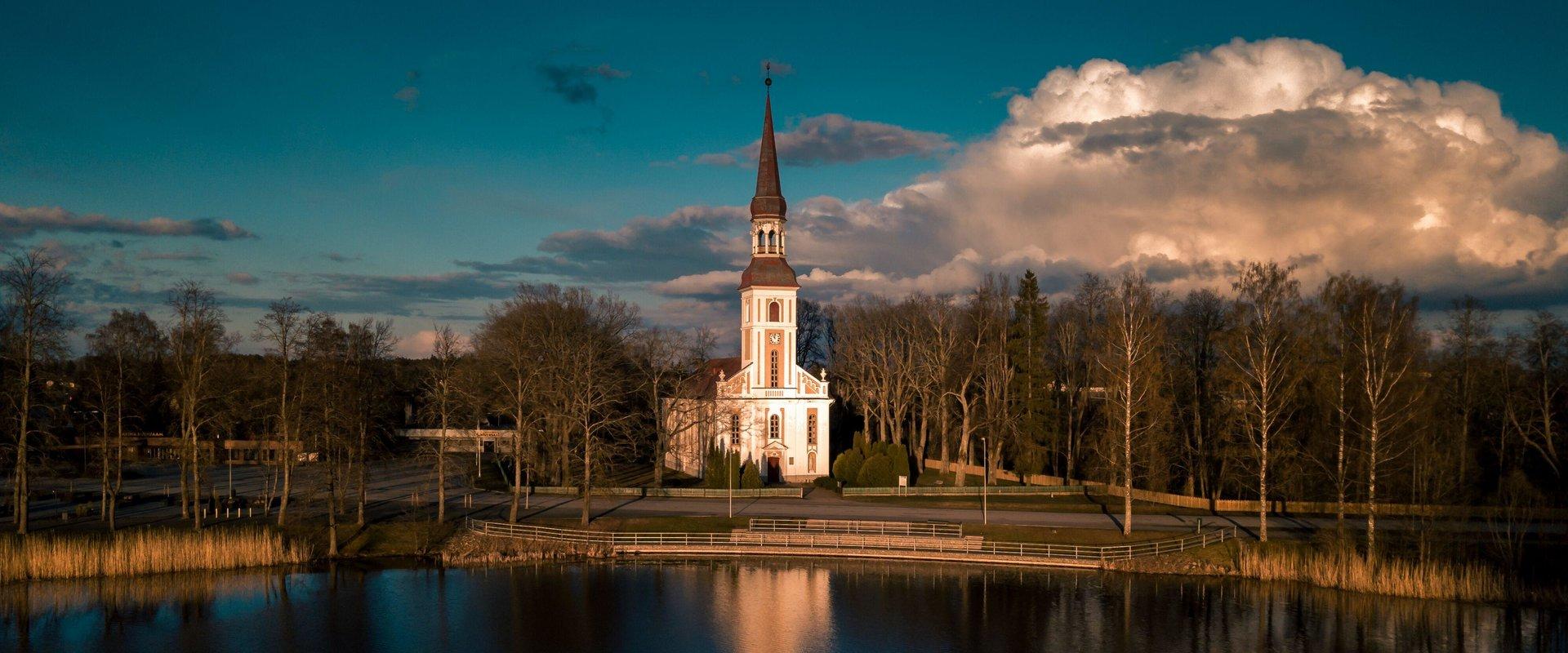
This church, dedicated to the archangel Michael, was completed in 1785. It stands on the shores of a man-made lake in Räpina and enjoys beautiful views over Sillapää castle and park. The walls of the church, which was constructed in Late Baroque style, are made from rendered natural stone. The front of the church is adorned with sculptures dating from the time of its construction, which symbolise Hope and Love.One of the church's most valuable assets, the two-part altar painting entitled 'The Appearance of the Risen Jesus to Mary Magdalene' and 'The Burial of Jesus', was painted by Carl Antropoff in 1871.

  • Churches

Memorial Tablet of the Northern Sons of Finland

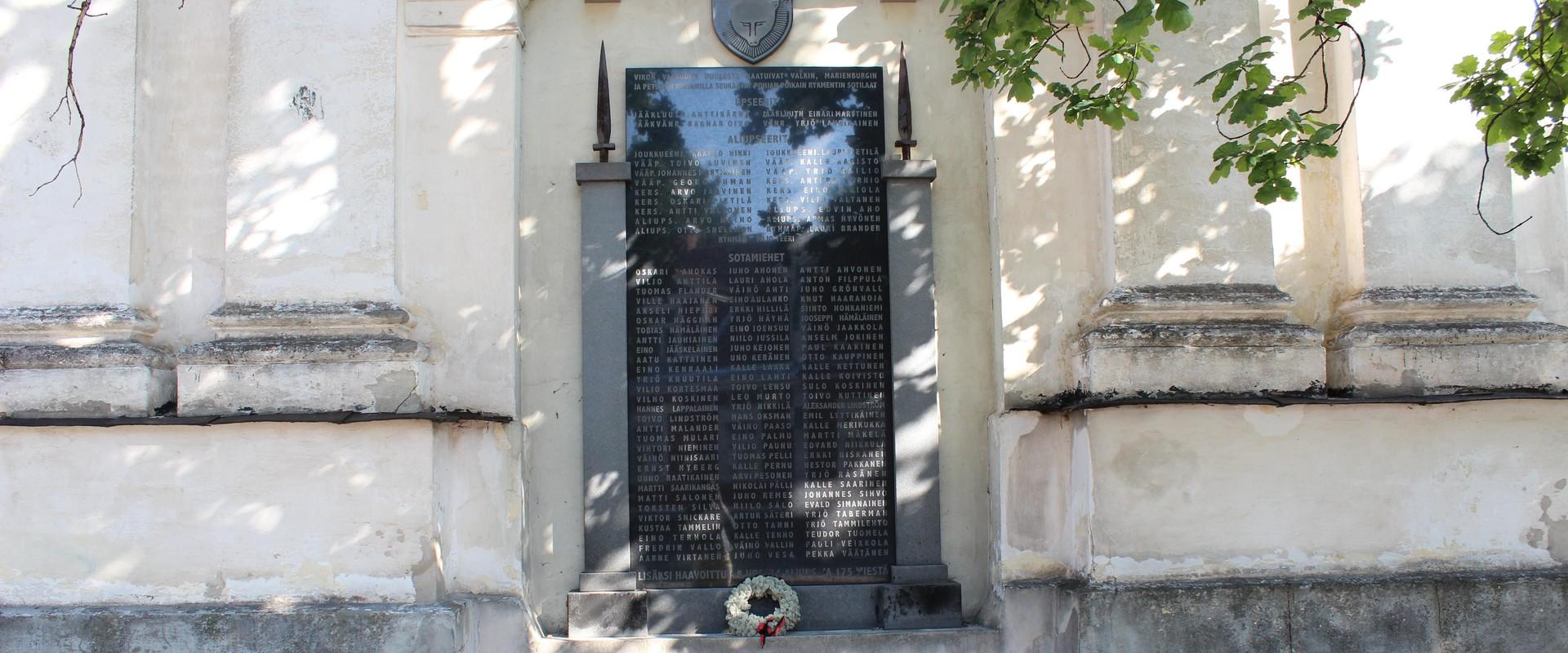
A black granite memorial tablet bearing almost 200 names was installed on the wall of the Valga Jaani (St John’s) Church in 1934 in remembrance of the Finnish volunteers who fell in the Paju Battle of the War of Independence. The polar bear sign of the Northern Sons Regiment is shown on the shield above the stone. In 1940 the memorial tablet was demolished with pickaxes by the order of communists. The memorial tablet was reopened on the 80th anniversary of the Paju Battle in 1999.Interesting facts: * the memorial tablet was opened in 1934 by President Konstantin Päts; * the first table was made in Finland and the second one in Tartu; * donations for the second tablet were collected by Ylistaro Rural Municipality (Finland) at the initiative of Ossi Salo.

  • Collaboration
  • News
  • Contacts
  • Privacy Policy
Join our mailing list!

"*" indicates required fields

This field is for validation purposes and should be left unchanged.
I authorise marketing

South Estonia Tourism Cluster

info@visitsouthestonia.com