• Explore
    • Nature
    • Culture
    • Food
    • Family
    • Activity
    • Blog
    Smoke sauna
    Weather and seasons
  • Plan
    • Accommodation
    • How to get here
    • Weather and seasons
    • Sustainability
    • Tourist info
    Discover South Estonia’s Most Beautiful Manors and Castles
    Top 20 Sights in South Estonia
  • For professionals
    • For professionals
    • Collaboration
    • News
    • Projects
    • Training
    • Repository
    • Community (opens in new tab)
    • Contacts
ENG
  • EnglishENG
  • EestiEST
  • LatviešuLAT
  • РусскийRUS
  • SuomiFIN
ENG
  • EnglishENG
  • EestiEST
  • LatviešuLAT
  • РусскийRUS
  • SuomiFIN
Popular searches:
Show all
  • History & Culture
  • Architecture and history
  • Churches

Äksi St. Andrew’s Church of the Estonian Evangelical Lutheran Church

Tartu vald, Tartu maakond, 49124

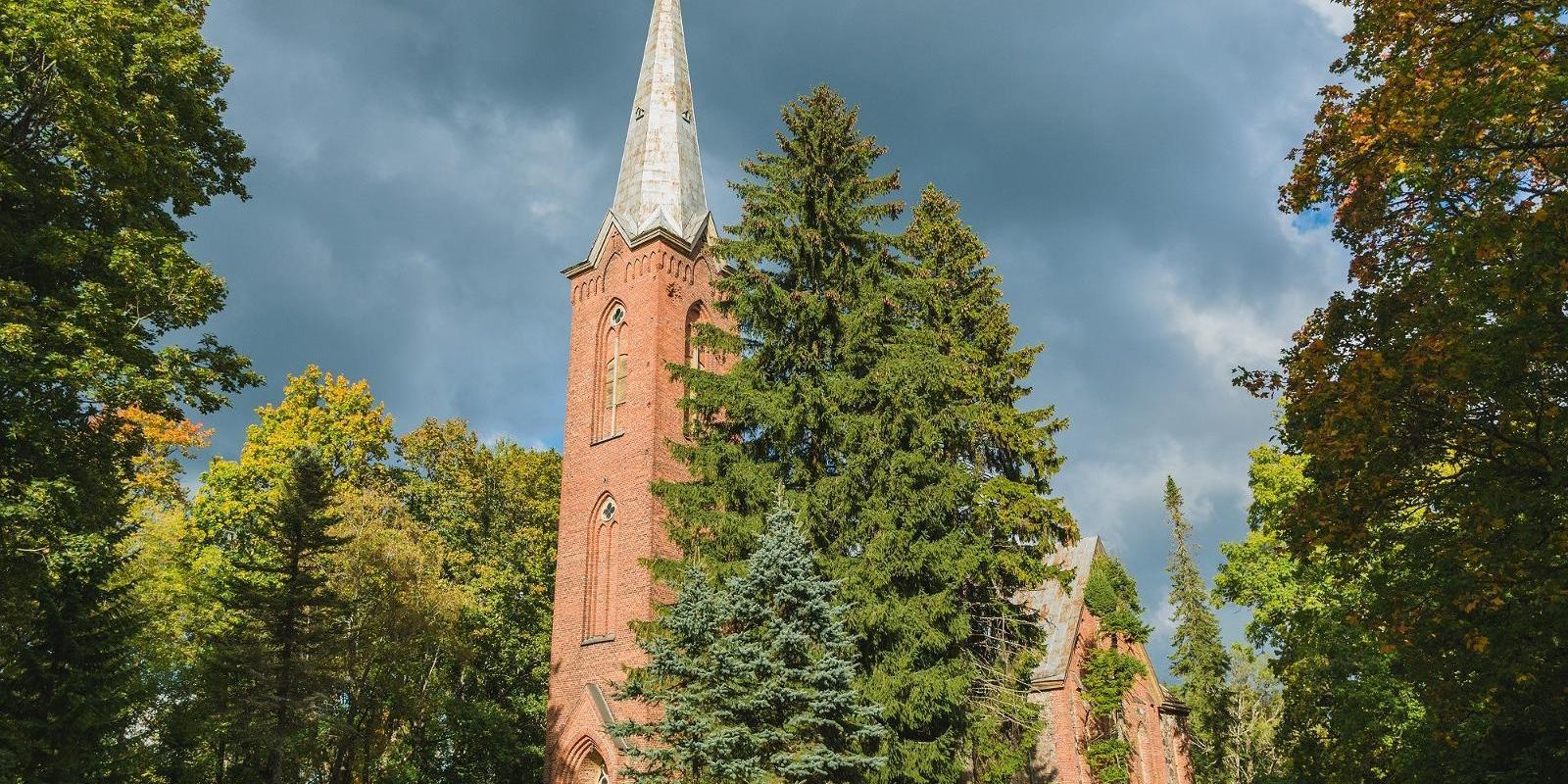
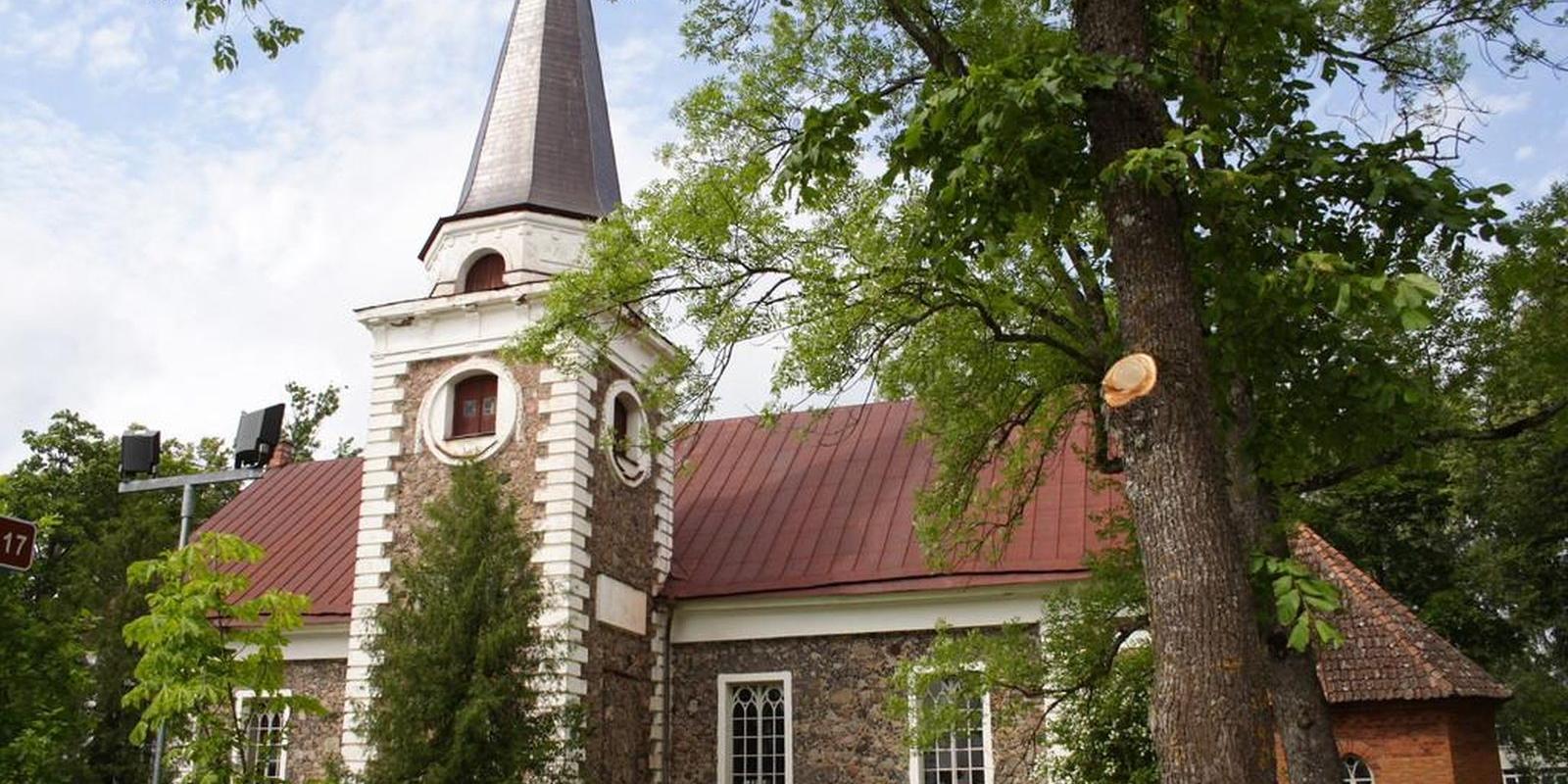
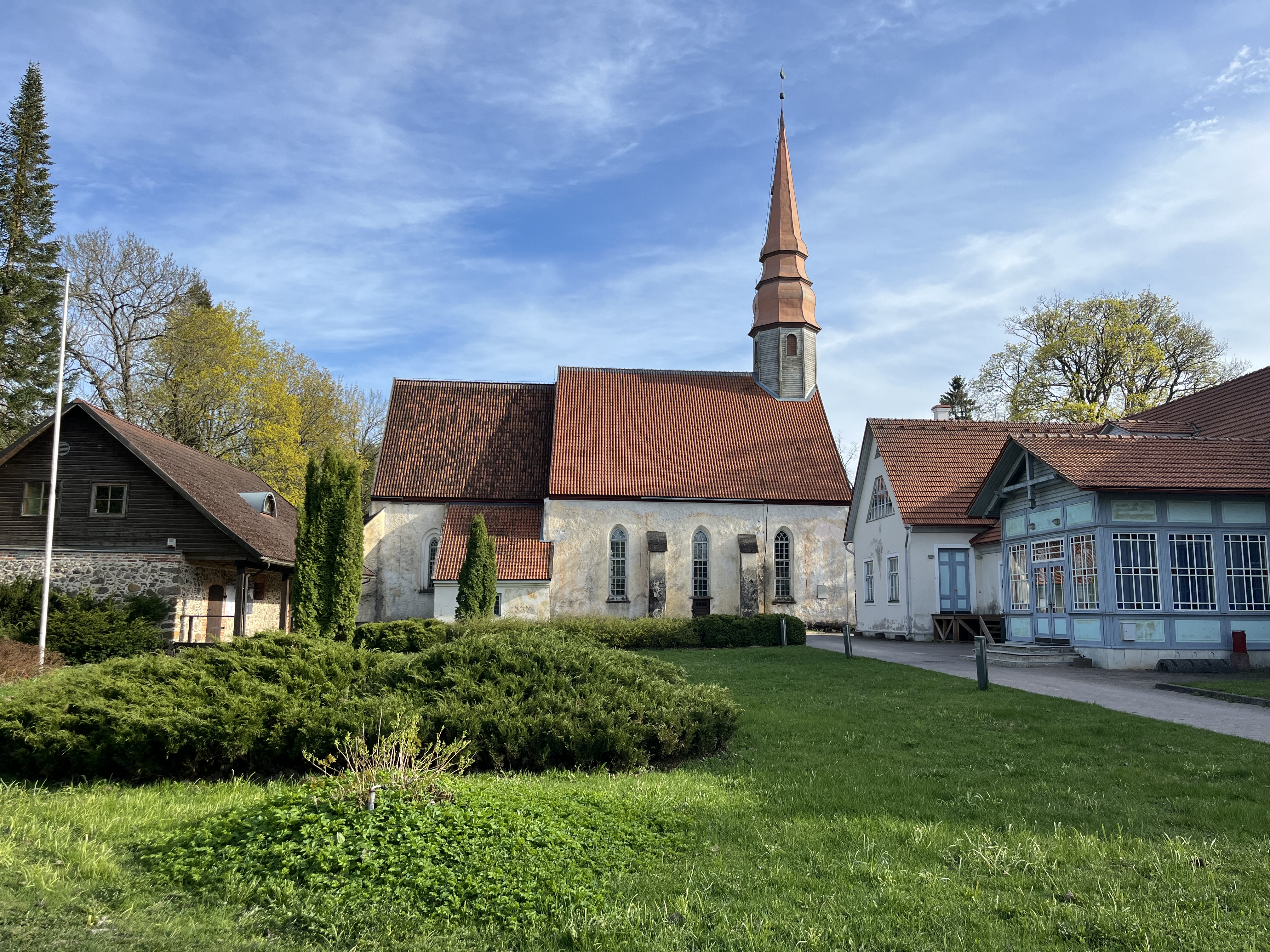
This neo-Gothic church with its tall and slender tower is an integral part of the beautiful landscape of Vooremaa. The church has a spacious and stylish Historicist interior. The church is thought to have been built in 1770 and was reconstructed in 1889. A monument to the pastor and renowned linguist Otto Wilhelm Masing can be found in the Church Manor (1989).
Amenities

  • Information boards
  • Free parking

Open times

1. juuni - 31. aug

Eeltellimsel

Contact

  • +372 5811 3195
  • aksi@eelk.ee

Links

See more

  • Churches

St John’s Lutheran Church in Kanepi

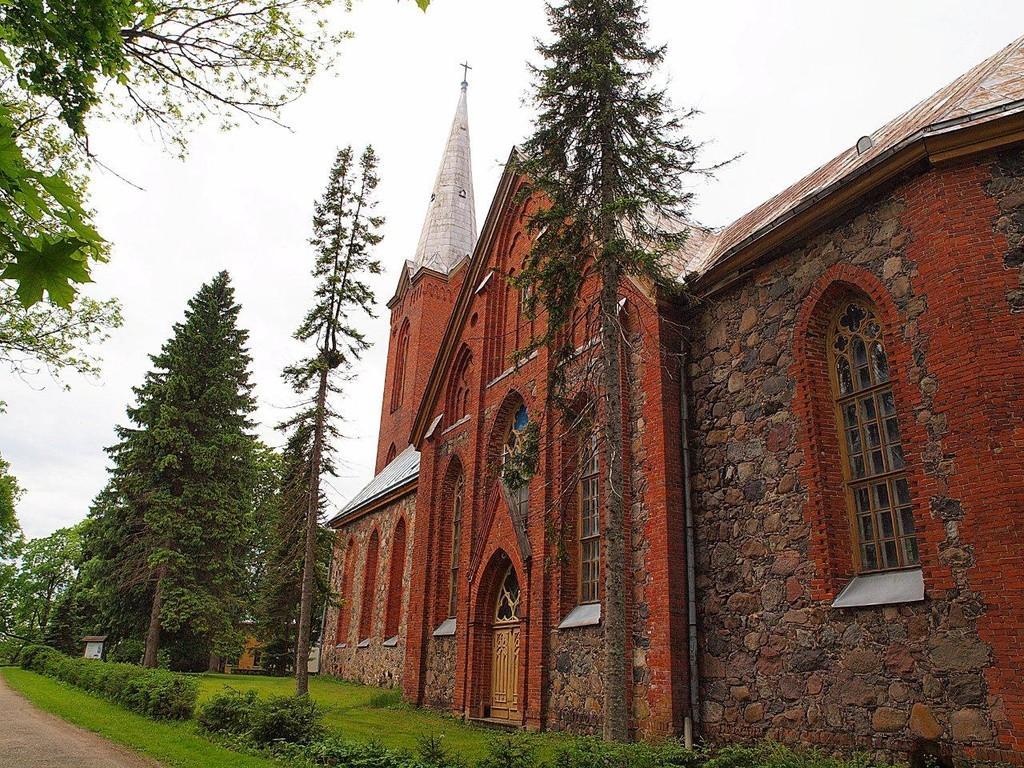
St John’s Church is an eye-catching building; its architect was Friedrich Siegel. There is an altar painting Christ on the Cross (A. Bauer, 1857) and a pseudo-Gothic altar, and two nationally protected wooden candlesticks (1810) and an armchair from the birch wood dating from the 18th century. On top of the spire there is a morning star. Interesting to know: St John’s Church in Kanepi was built in 1804-1810 to replace the old wooden church. In 1831 the church was set on fire by lightning. The church in Kanepi has been in its current state since the year 1877.

  • Churches

St Bartholomew’s Church in Palamuse

Palamuse Church is one of the oldest medieval churches in northern Tartu County. The church was first mentioned in documents in 1234. As a fortress church, it provided protection from invaders during wars. There is a burial ground around the church, which has two preserved headstones. The unique wooden sculptures on the altar and pulpit date back to 1696. There is a dry-stone painting on the eastern outer wall. Services are held in the church every Sunday at 11 a.m. The church also organises concerts and plays.

  • Churches

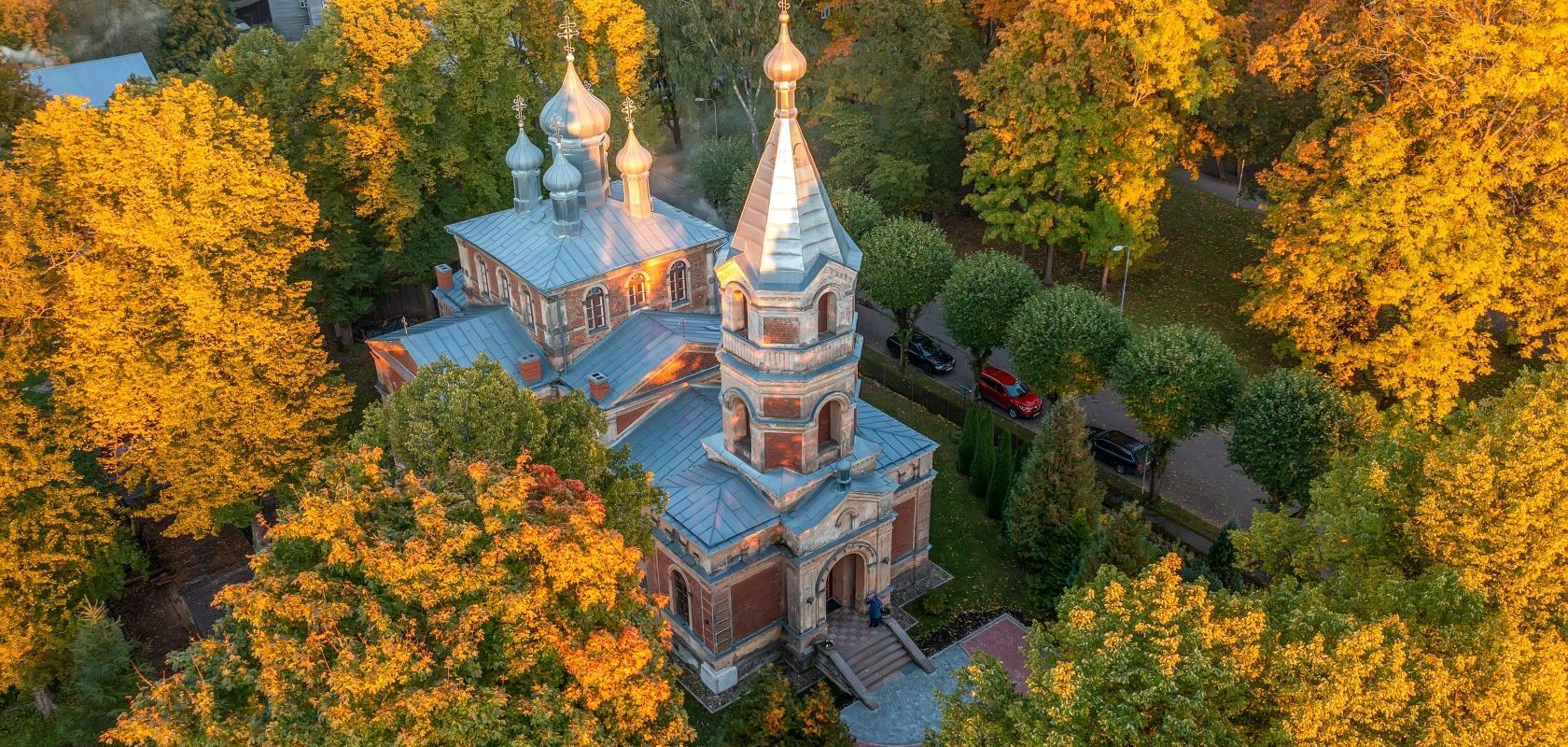
Saint Isidore’s Main Church in Valga

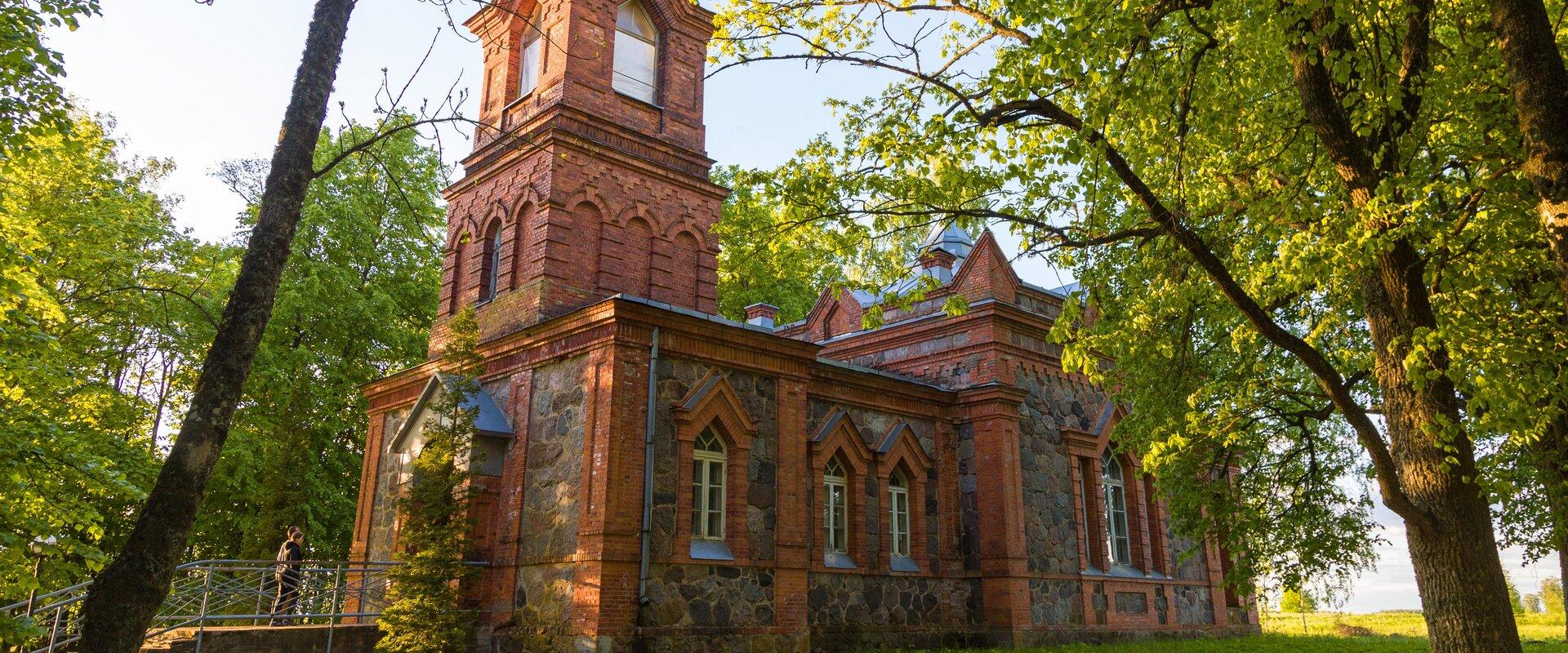
This historicist-style church is built from red and yellow bricks and has five domes and a bell tower. It is one of the four representative churches of the Apostolic Orthodox Church in Estonia. The church is named after the priest martyr Isidore of Tartu. The church was built in 1897–1898 and was consecrated in 1898. The architect of the building is Vladimir Lunski.The church was built in 1896 for the congregation of Orthodox Russians and Latvians.

  • Churches

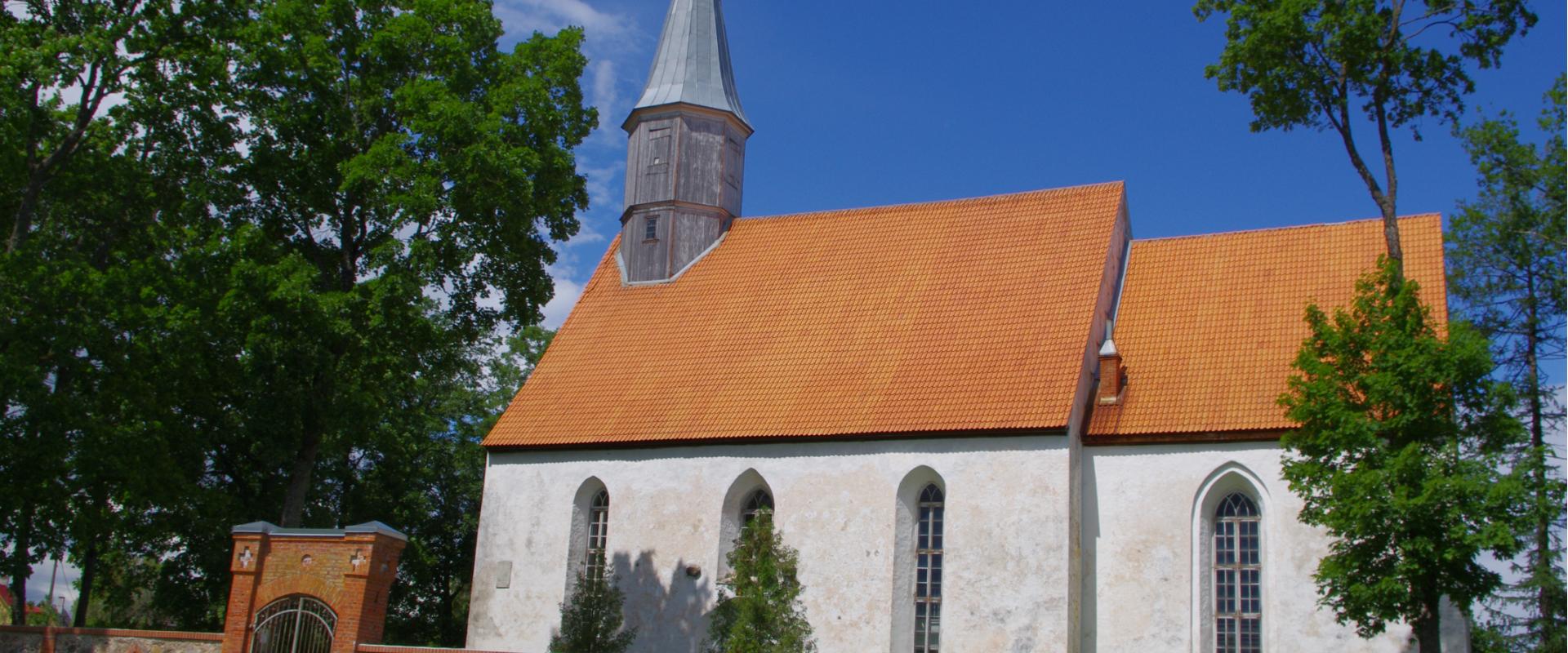
Nõo St Lawrence Church of the Estonian Evangelical Lutheran Church

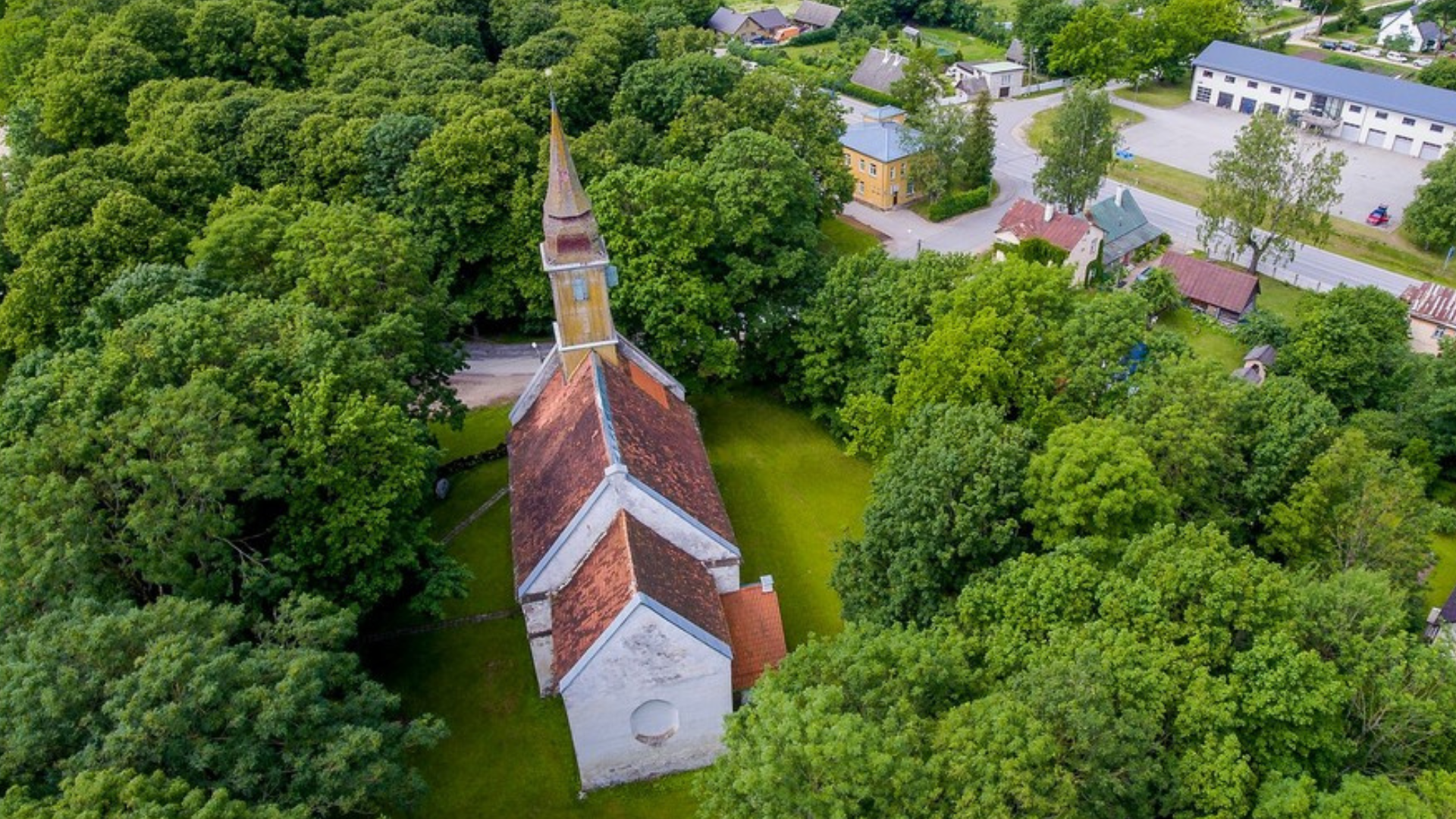
In Nõo, you can visit the only rural church with genuine medieval arches (13th century) in Southern Estonia. The church has a wooden tower (1879) and pseudo-gothic furnishings from the 19th century. You will see the altar painting Christ on the Cross by Tõnis Grenzstein from 1895, four wooden sculptures of apostles (Jaan Koort, 1910), two organs – Walcker (large, 1890) and Müllverstedt (small, 1903), and the bust of Martin Lipp (1854–1923), a long-time teacher of the congregation and the author of the lyrics of the song of the Estonian flag.In the summer months, Nõo Church participates in the Estonian Council of Churches' Wayfarers' Churches project.Services take place every Sunday at 11 a.m.

  • Churches

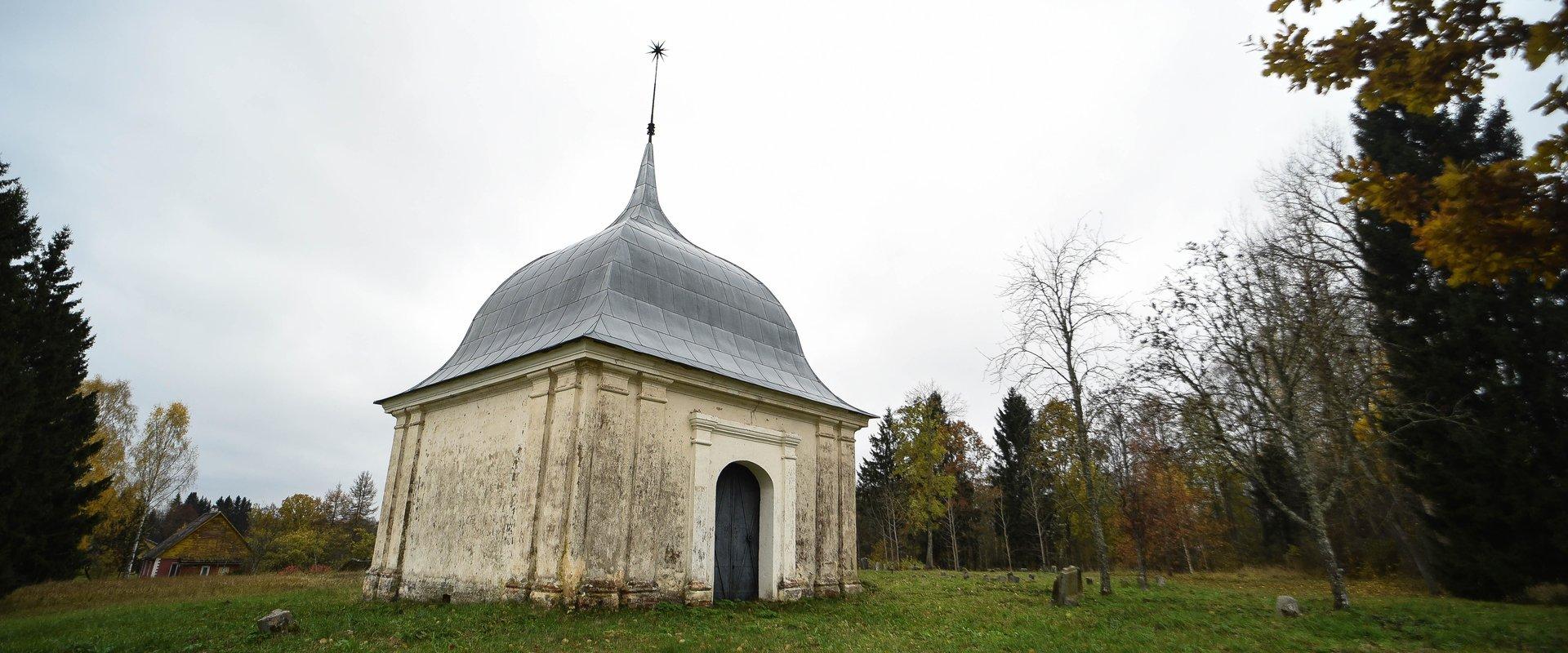
The Liphardt tomb chapel

The Vastseliina manor chapel, popularly called the Liphardt tomb chapel, is situated in the old cemetery of Vastseliina (also known as the German cemetery). The chapel was completed in the same year as the current Vastseliina church, in 1772.The Liphardts, one of the wealthiest noble families of Livonia, governed the entire Vastseliina parish from Misso to Orava and ruled Vastseliina for seven generations. In addition to Vastseliina, the family also owned several other manors, including the Raadi manor.The Vastseliina manor chapel is one of the most remarkable examples of early classicist rural chapels.Visitors are welcome to see the exterior of the chapel only.

  • Churches

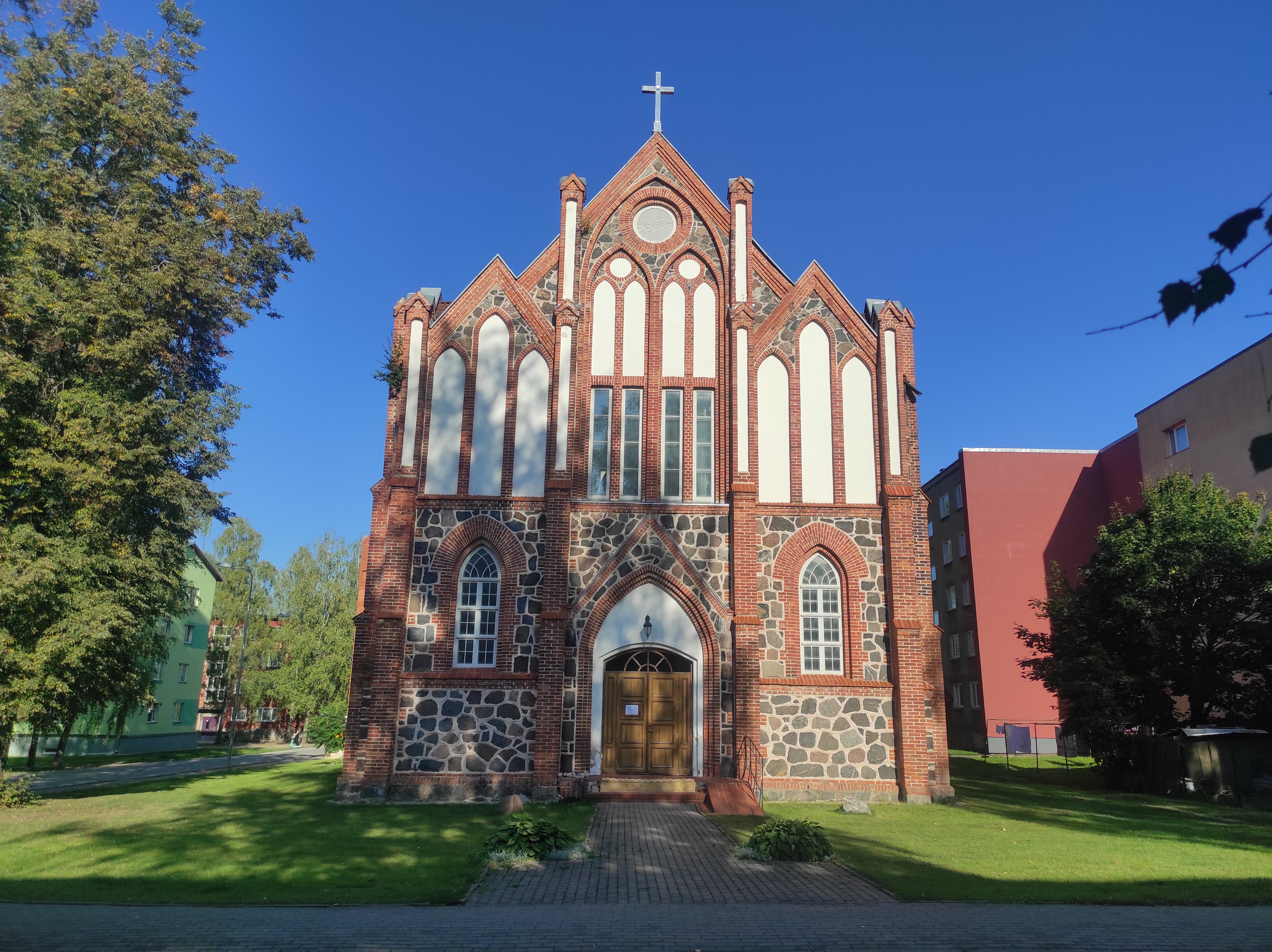
Valga Roman Catholic Church of the Holy Spirit

The church was built of natural stone and bricks in 1907. Lithuanian and Polish railway workers were actively involved in building the church. The church operated until 1940 and from 1945, the building was used as a warehouse and later as a gym.The extension of the church was built in 1995 and the church was renovated. Interesting facts: * the church does not have a tower as the imperial government of Russia refused to give permission to build one.

  • Churches

Puhja St Dionysus Church of the Estonian Evangelical Lutheran Church

The medieval Gothic church is located on the ancient Pirita–Vastseliina pilgrim route. The white walls of the sanctuary are characterised by narrow and high round arched windows and beautiful relief motifs on the western façade.The organ used in Puhja Church is a rarity throughout Europe. It is estimated that only 10 other similar organs have survived. Those who wish can also go to see the spire or visit the church museum of Puhja parsonage.Good to know:The church participates in the Wayfarers Churches and the Night of Churches programmes.Worship every Sunday at 11 a.m. The church can also be visited by prior arrangement.

  • Churches

Rannu Apostolic Orthodox Church

The Apostolic Orthodox Church in Rannu (Rannu Orthodox Church) was built during 1899-1901 and consecrated on 5 May 1905 to celebrate Jesus going to Jerusalem. Therefore the church is also called the Rannu Church of the Lord Going to Jerusalem.The activities of the Orthodox congregation were terminated in 1961 and the church was used as the warehouse of the Rannu collective farm. In the 1980s, Rannu State Farm decided to make amends for the injustice and restored the church. The church has been previously used as a concert venue due to its excellent acoustics.Currently the church is not used for services.

  • Collaboration
  • News
  • Contacts
  • Privacy Policy
Join our mailing list!

"*" indicates required fields

This field is for validation purposes and should be left unchanged.
I authorise marketing

South Estonia Tourism Cluster

info@visitsouthestonia.com