• Открой
    • Еда
    • Природа
    • Культура
    • Семья
    • Спорт
    • Сообщество
    • Блог
    У Вас появились свободные выходные, чтобы провести с детьми? Здесь собраны лучшие места в Южной Эстонии для семейного отдыха
  • Планируй
    • Размещение
    • Информация
    • Varamu
    Sustainability
RUS
  • РусскийRUS
  • EestiEST
  • EnglishENG
  • LatviešuLAT
  • SuomiFIN
RUS
  • РусскийRUS
  • EestiEST
  • EnglishENG
  • LatviešuLAT
  • SuomiFIN
Populaarsed otsingud:
Näita kõiki tulemusi
  • History & Culture
  • Architecture and history
  • Churches

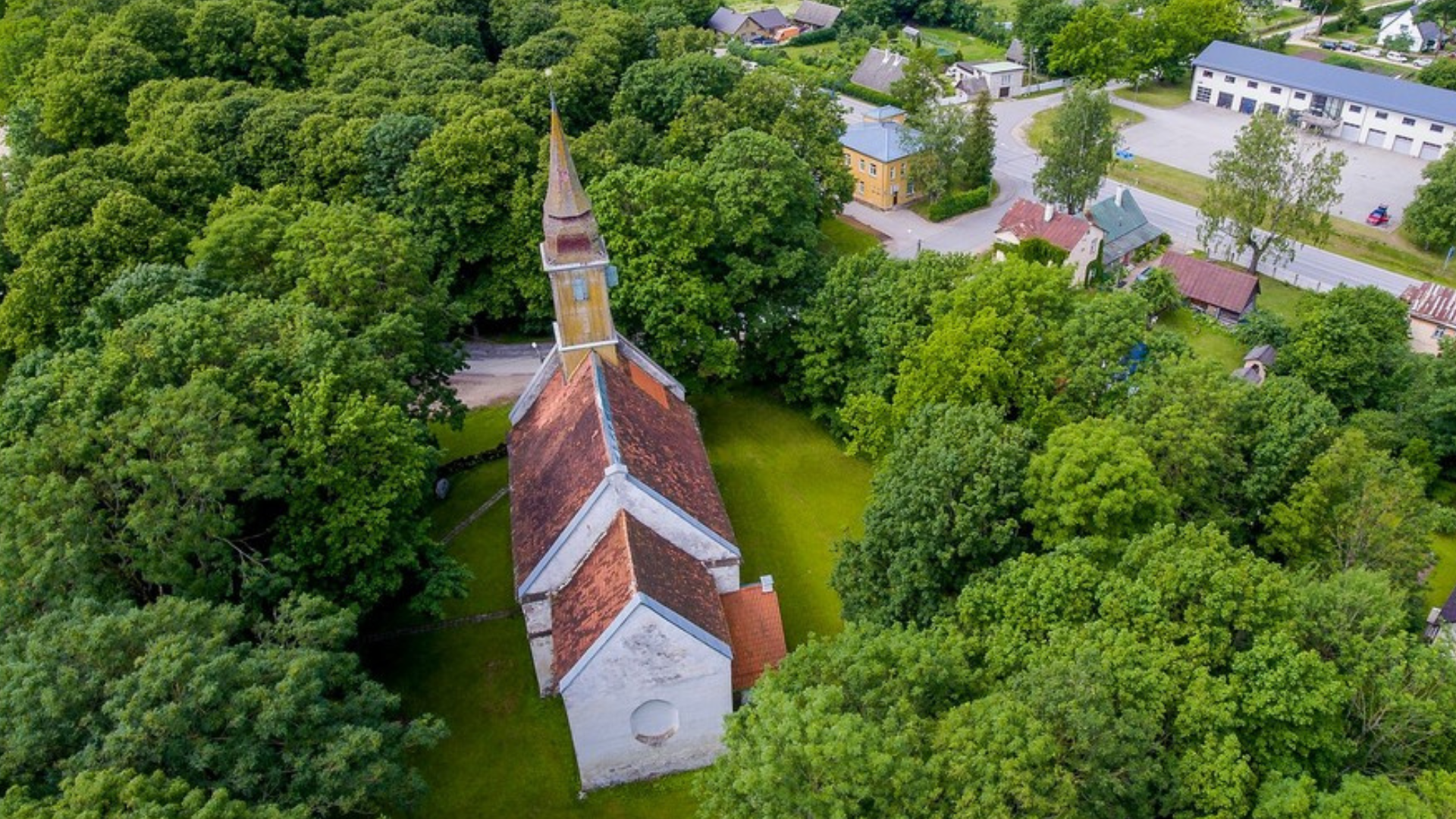
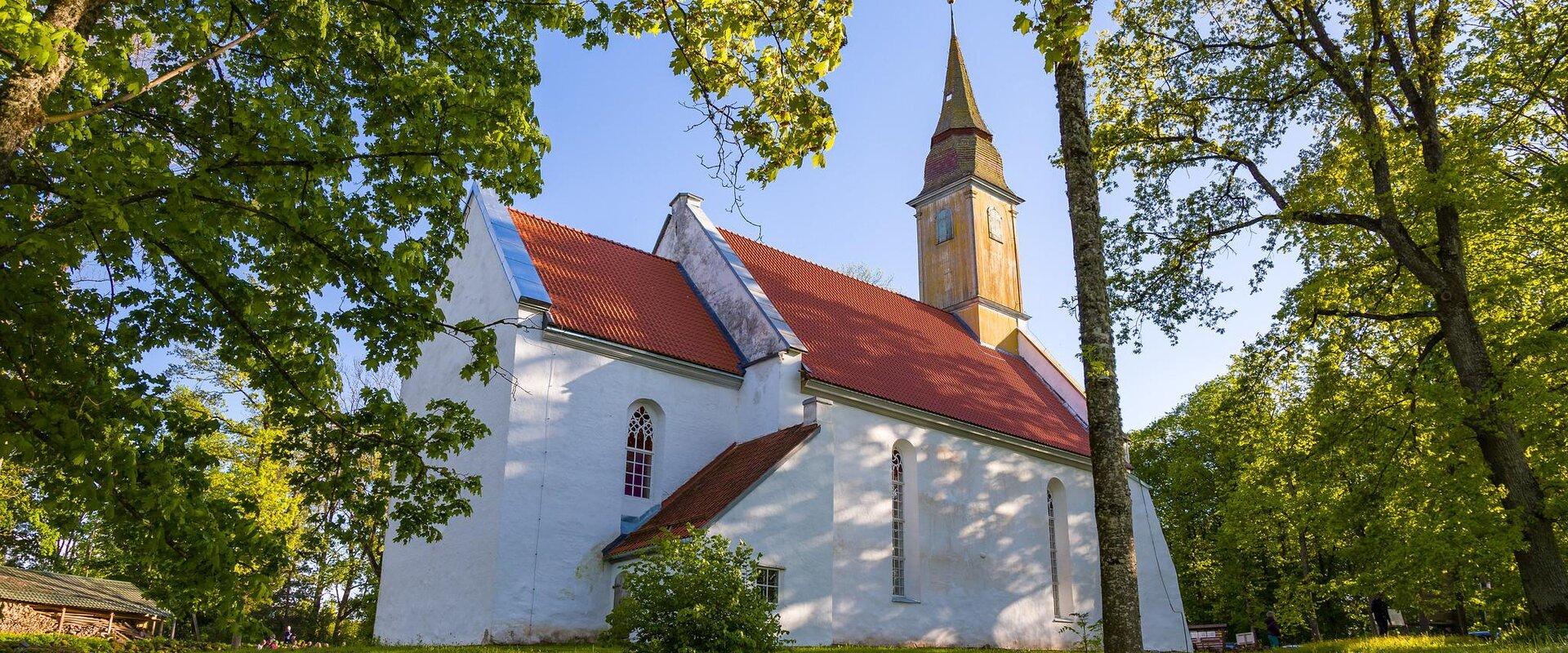
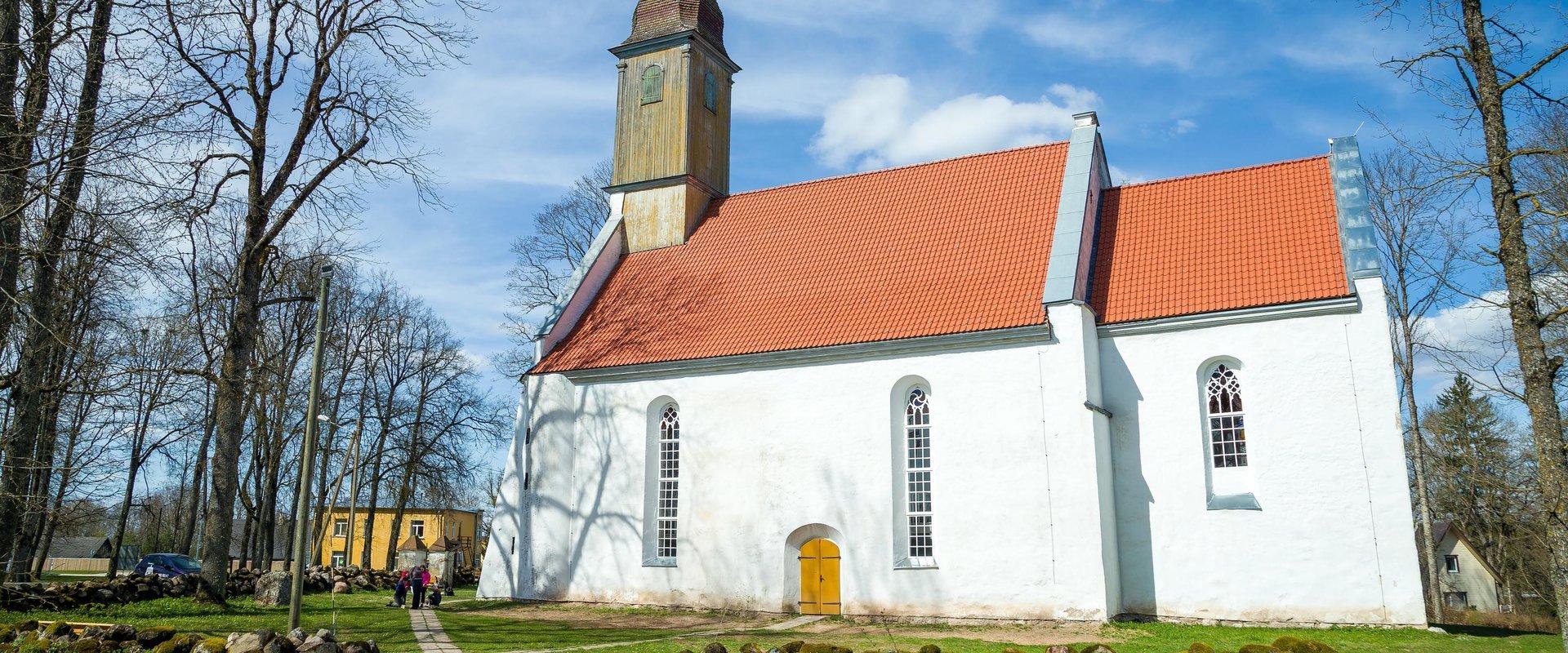
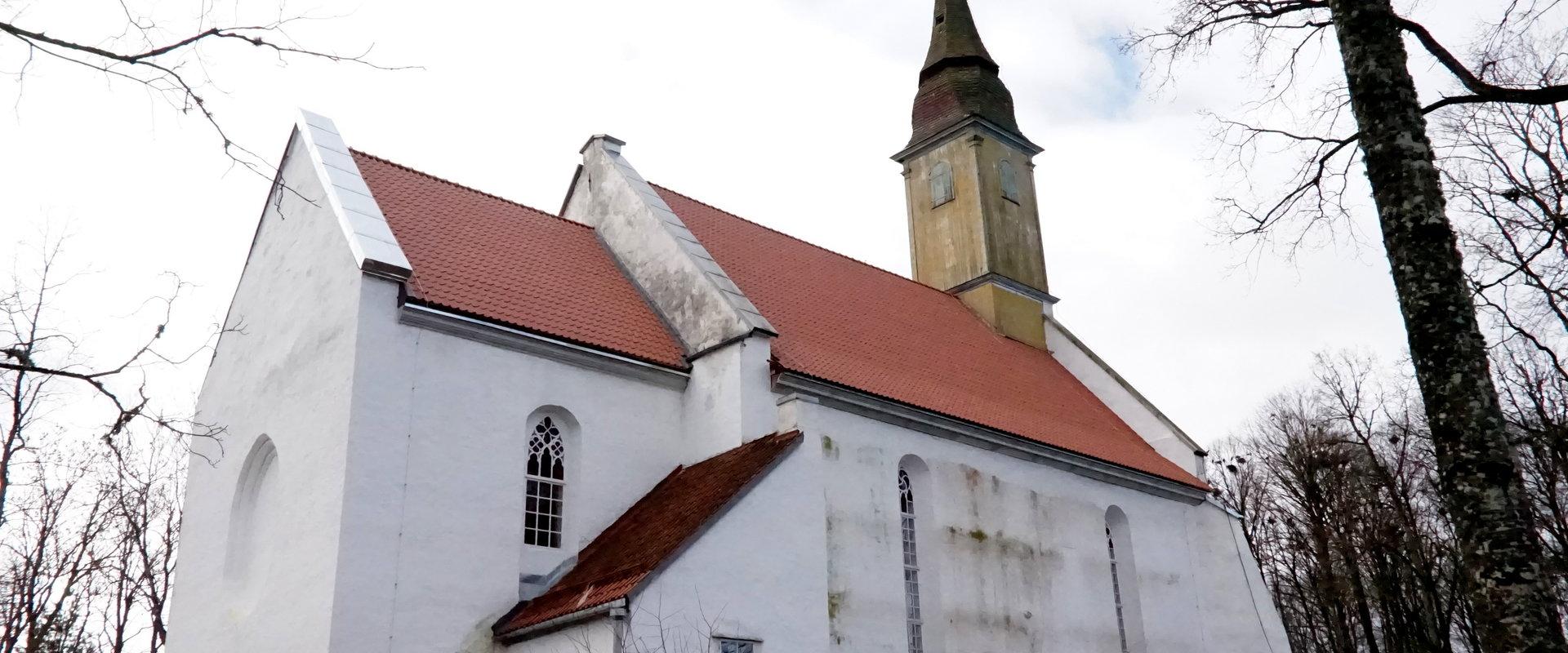
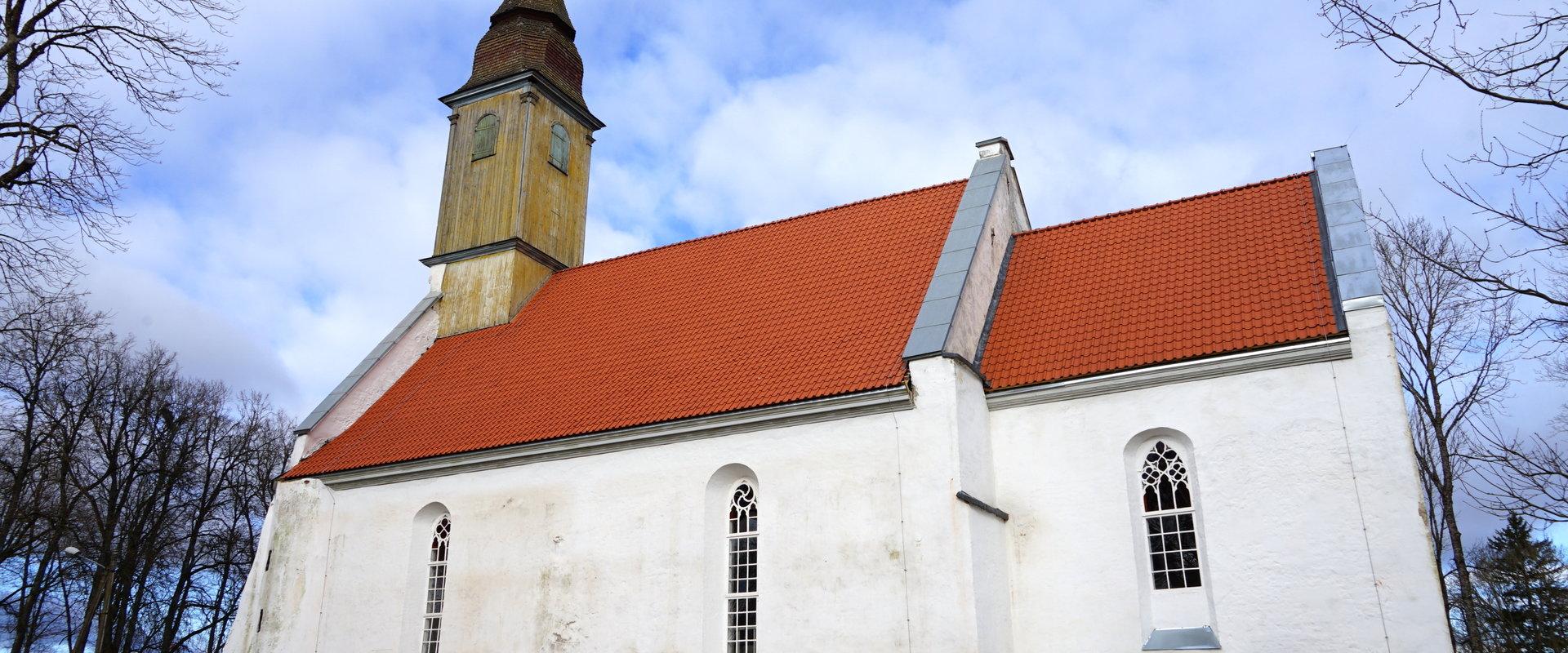
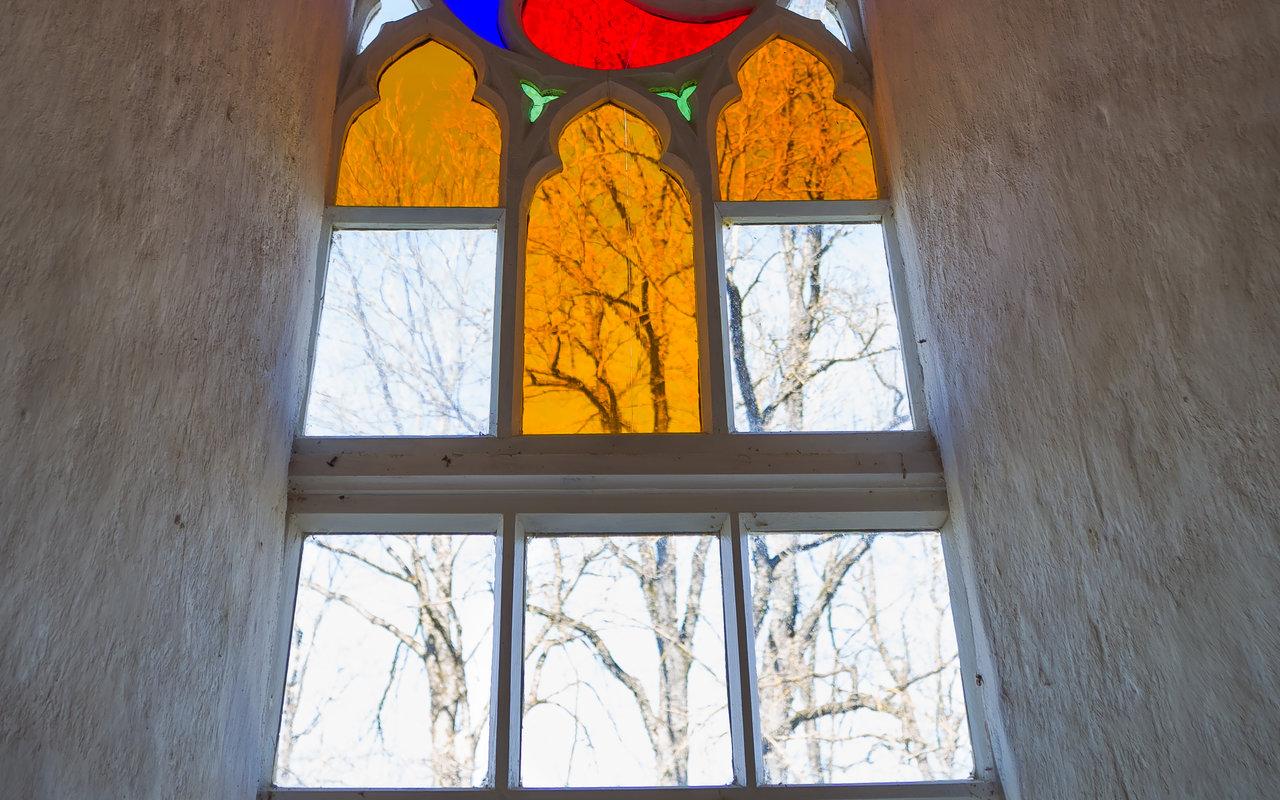
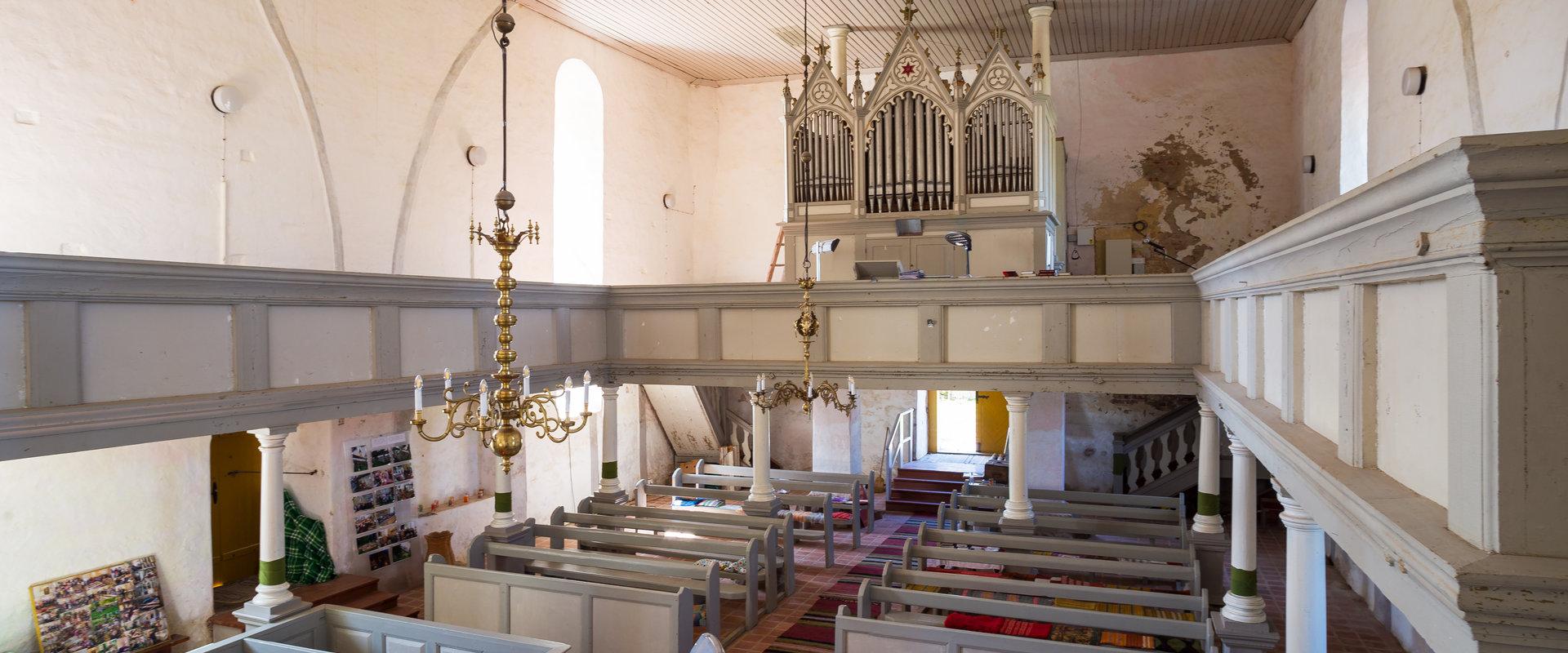
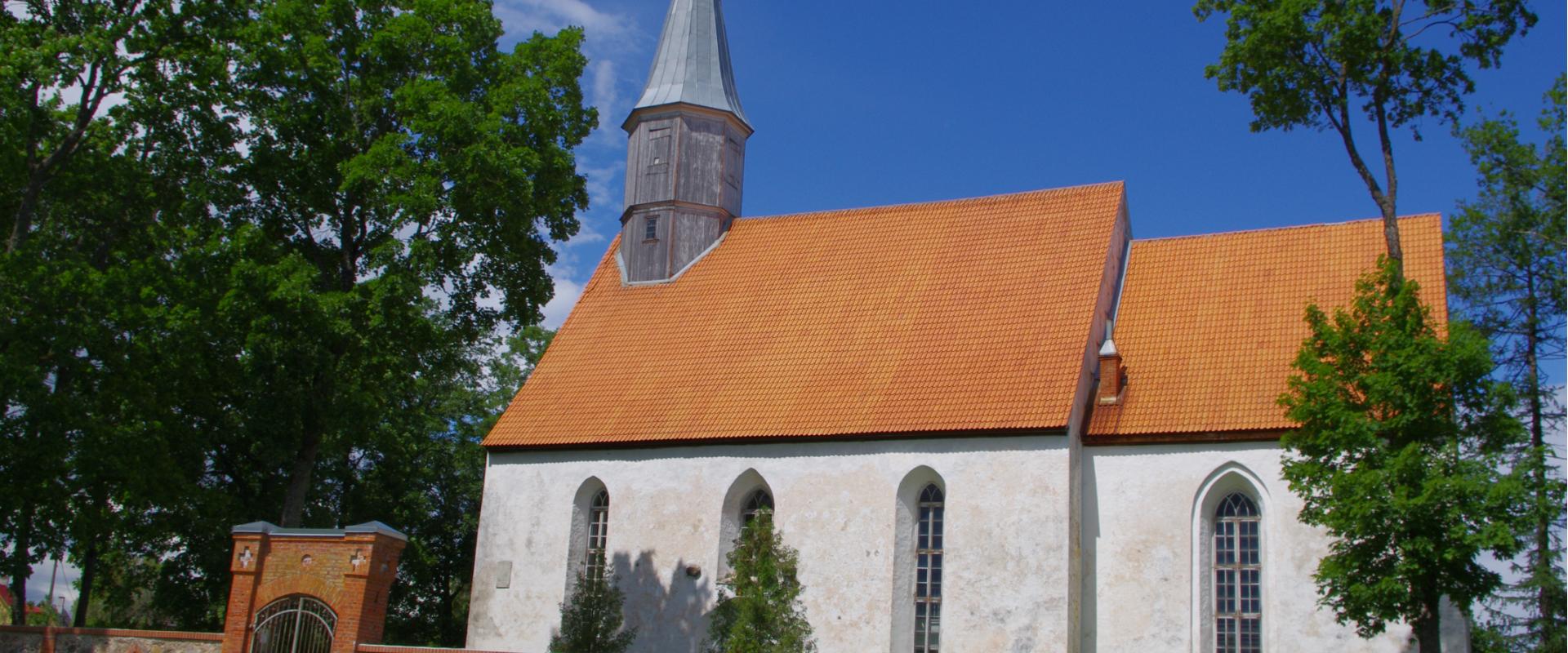
Puhja St Dionysus Church of the Estonian Evangelical Lutheran Church

Elva tee 6, Elva vald, Tartu maakond, 61301

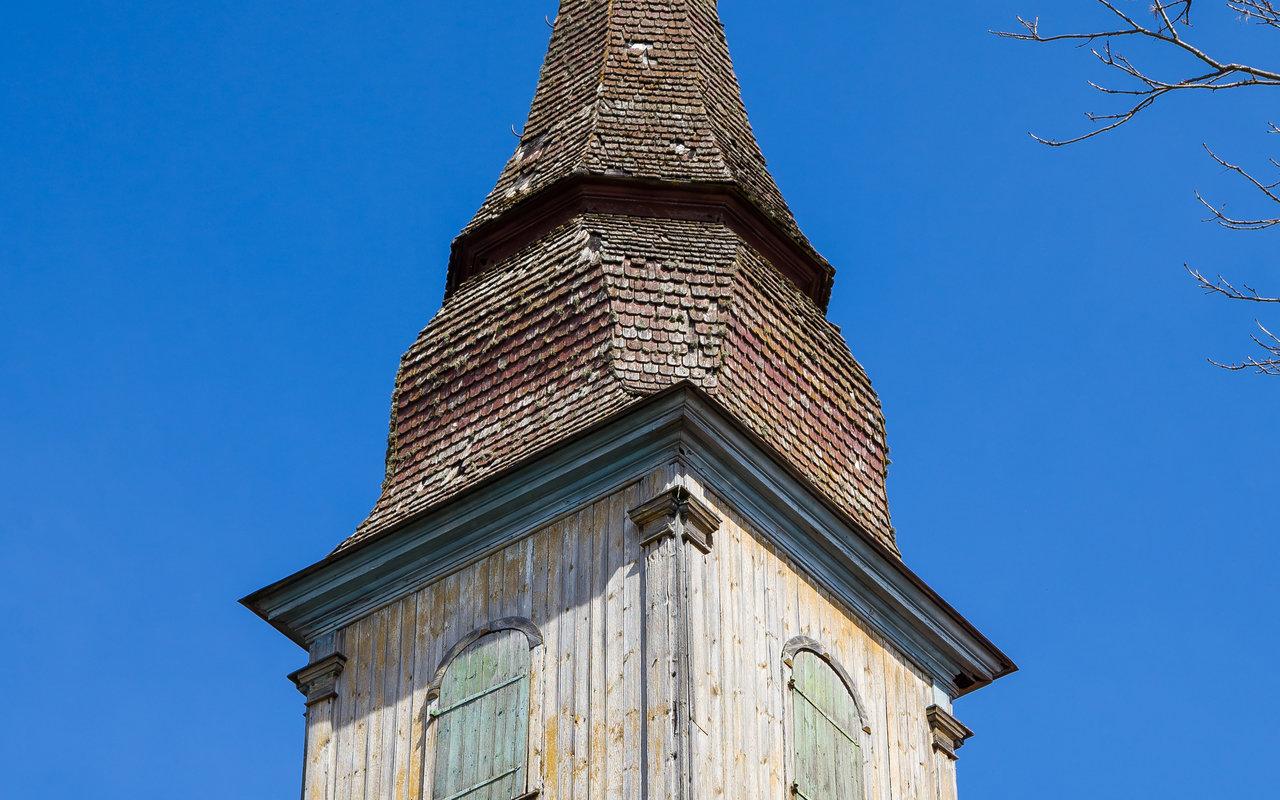
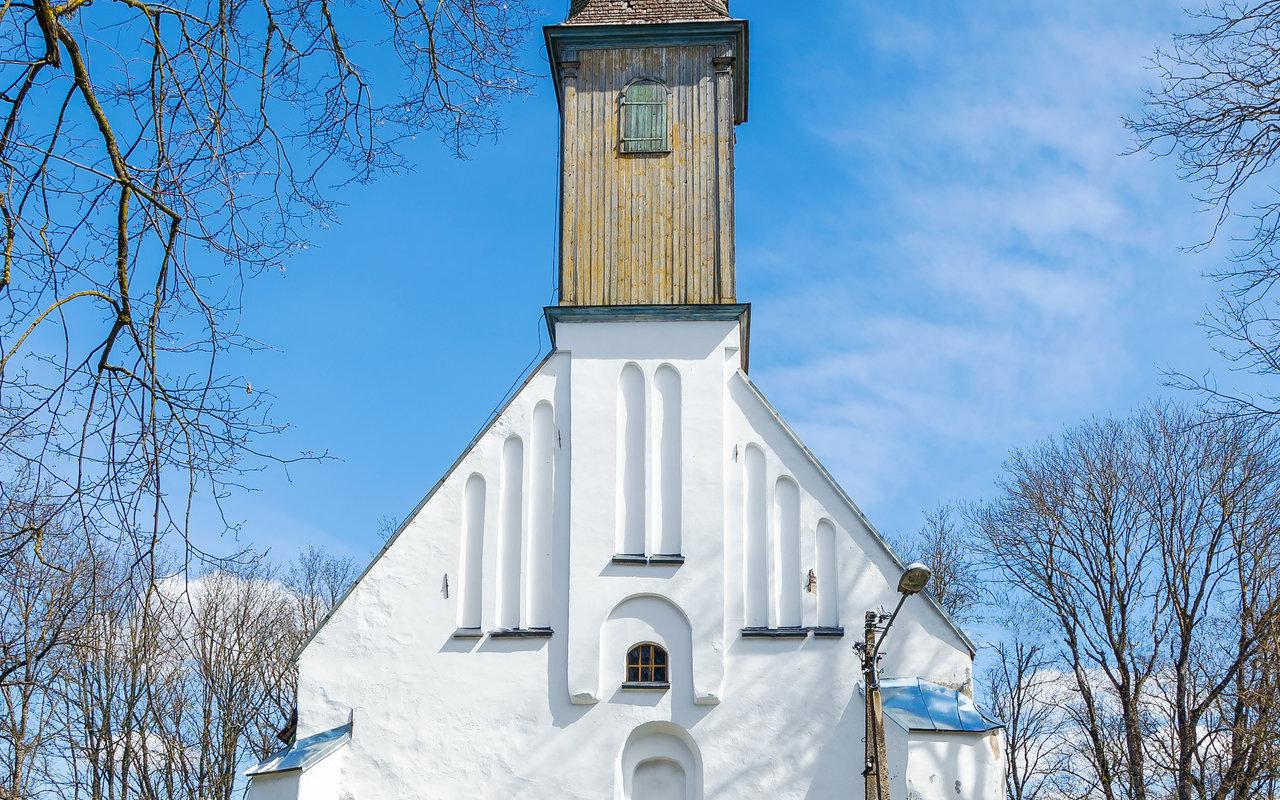
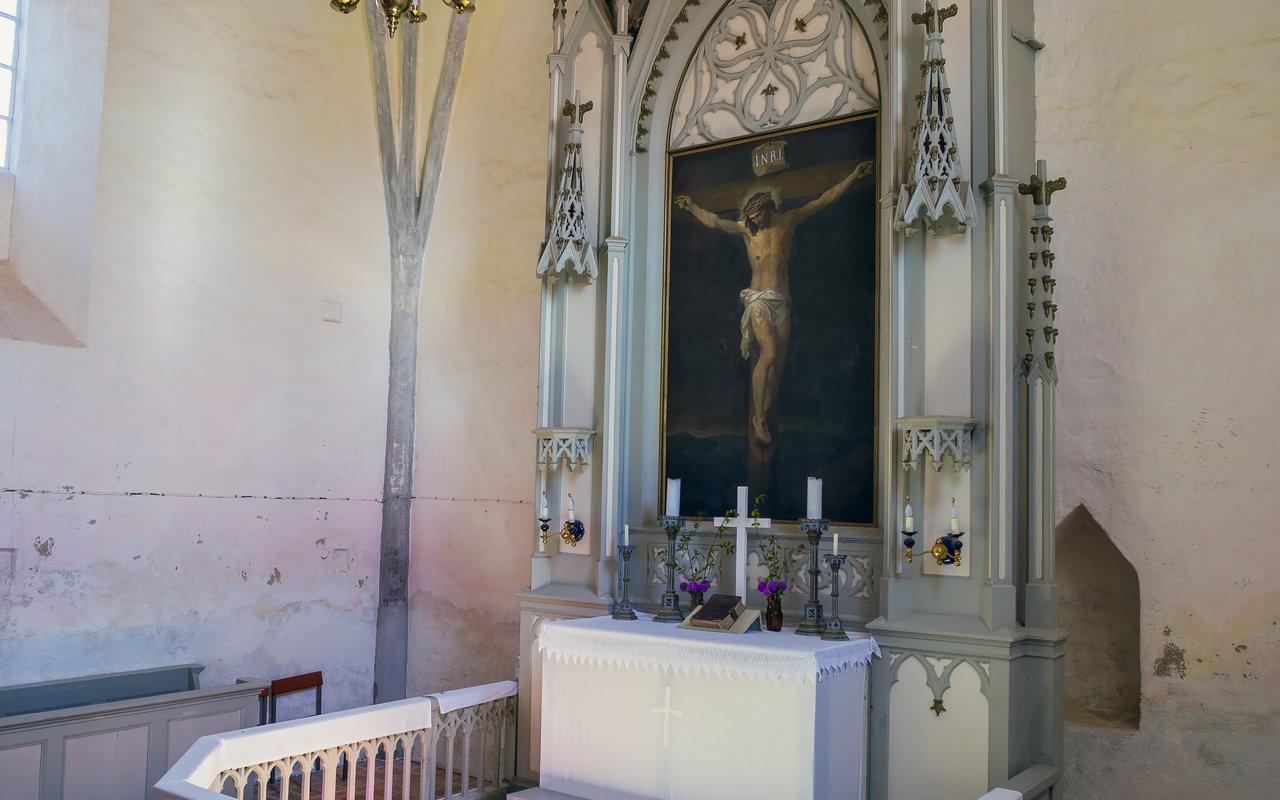
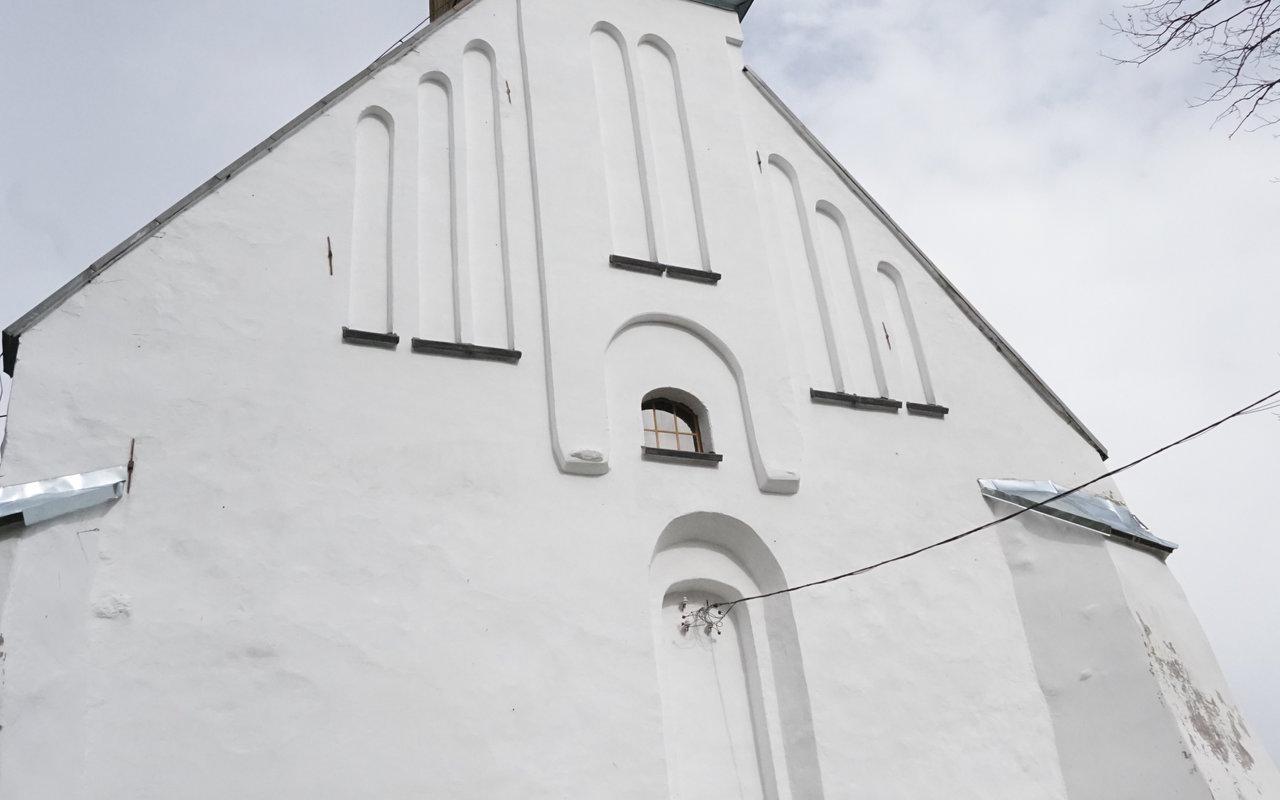
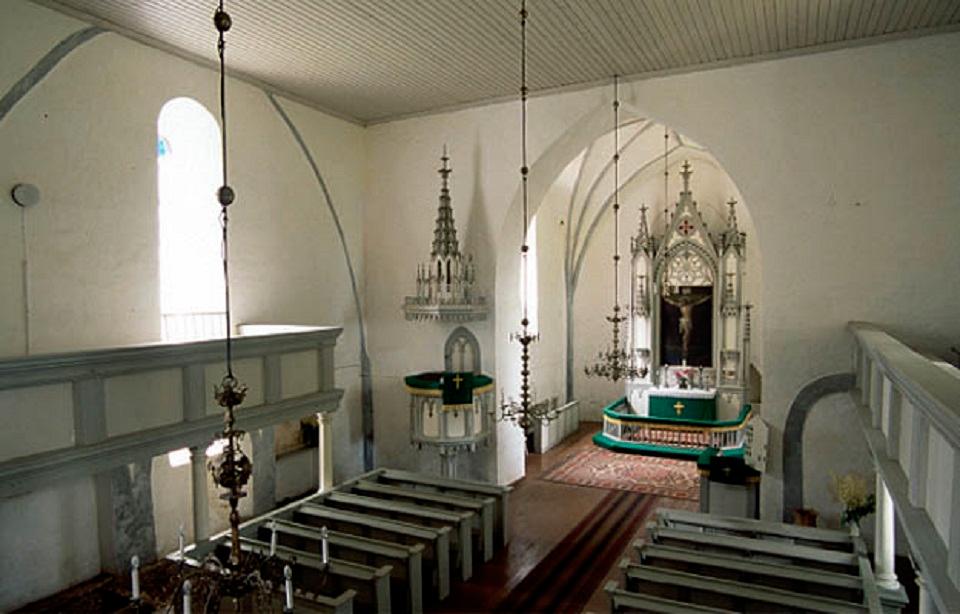
The medieval Gothic church is located on the ancient Pirita–Vastseliina pilgrim route. The white walls of the sanctuary are characterised by narrow and high round arched windows and beautiful relief motifs on the western façade.The organ used in Puhja Church is a rarity throughout Europe. It is estimated that only 10 other similar organs have survived. Those who wish can also go to see the spire or visit the church museum of Puhja parsonage.Good to know:The church participates in the Wayfarers Churches and the Night of Churches programmes.Worship every Sunday at 11 a.m. The church can also be visited by prior arrangement.
Mugavused

  • Information boards
  • Free parking

Часы работы

Круглый год

P11:00 - 12:00

Контакты

  • +372 55563876
  • tiit.kuusemaa@eelk.ee

Ссылки

Подробнее

  • Lookout towers
  • Churches

St. John’s Church in Tartu

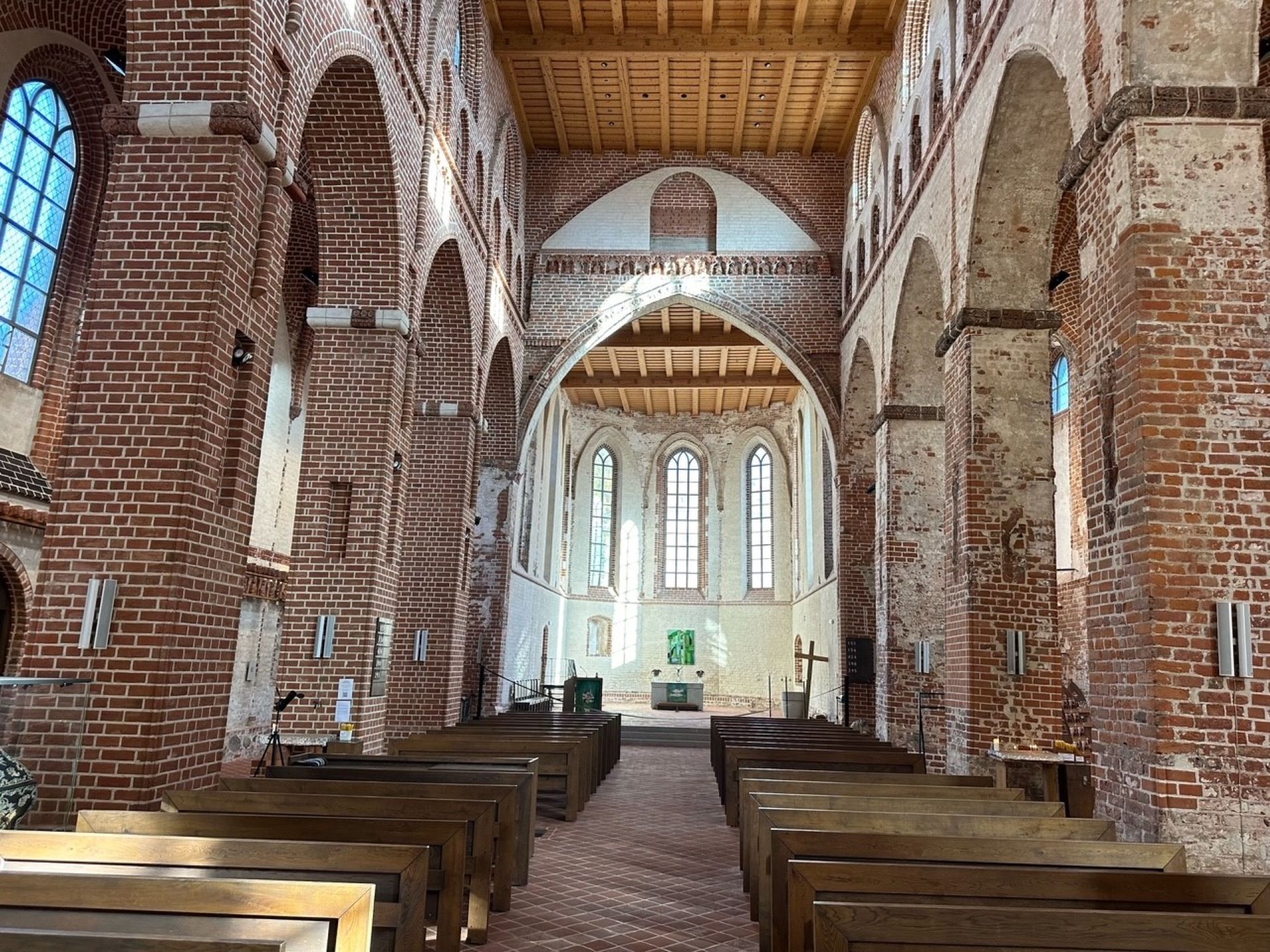
Tartu's Gothic-style St. John's Church dates back to the 14th century, making it one of the oldest churches in Estonia. It is known for its unique terracotta sculptures, which are considered rare in all of Europe. The church once had over 1,000 handmade terracotta statues; about 200 have survived. Each sculpture is different, which has led to speculation that they may depict Tartu's former inhabitants or other important people. The tower of St. John's Church offers a wonderful view of the entire historic old town of Tartu. It houses two bronze bells, called Peter and Paul. On the last Sunday of every month, the church holds a service in English!

  • Churches

Nõo St Lawrence Church of the Estonian Evangelical Lutheran Church

In Nõo, you can visit the only rural church with genuine medieval arches (13th century) in Southern Estonia. The church has a wooden tower (1879) and pseudo-gothic furnishings from the 19th century. You will see the altar painting Christ on the Cross by Tõnis Grenzstein from 1895, four wooden sculptures of apostles (Jaan Koort, 1910), two organs – Walcker (large, 1890) and Müllverstedt (small, 1903), and the bust of Martin Lipp (1854–1923), a long-time teacher of the congregation and the author of the lyrics of the song of the Estonian flag.In the summer months, Nõo Church participates in the Estonian Council of Churches' Wayfarers' Churches project.Services take place every Sunday at 11 a.m.

  • Churches

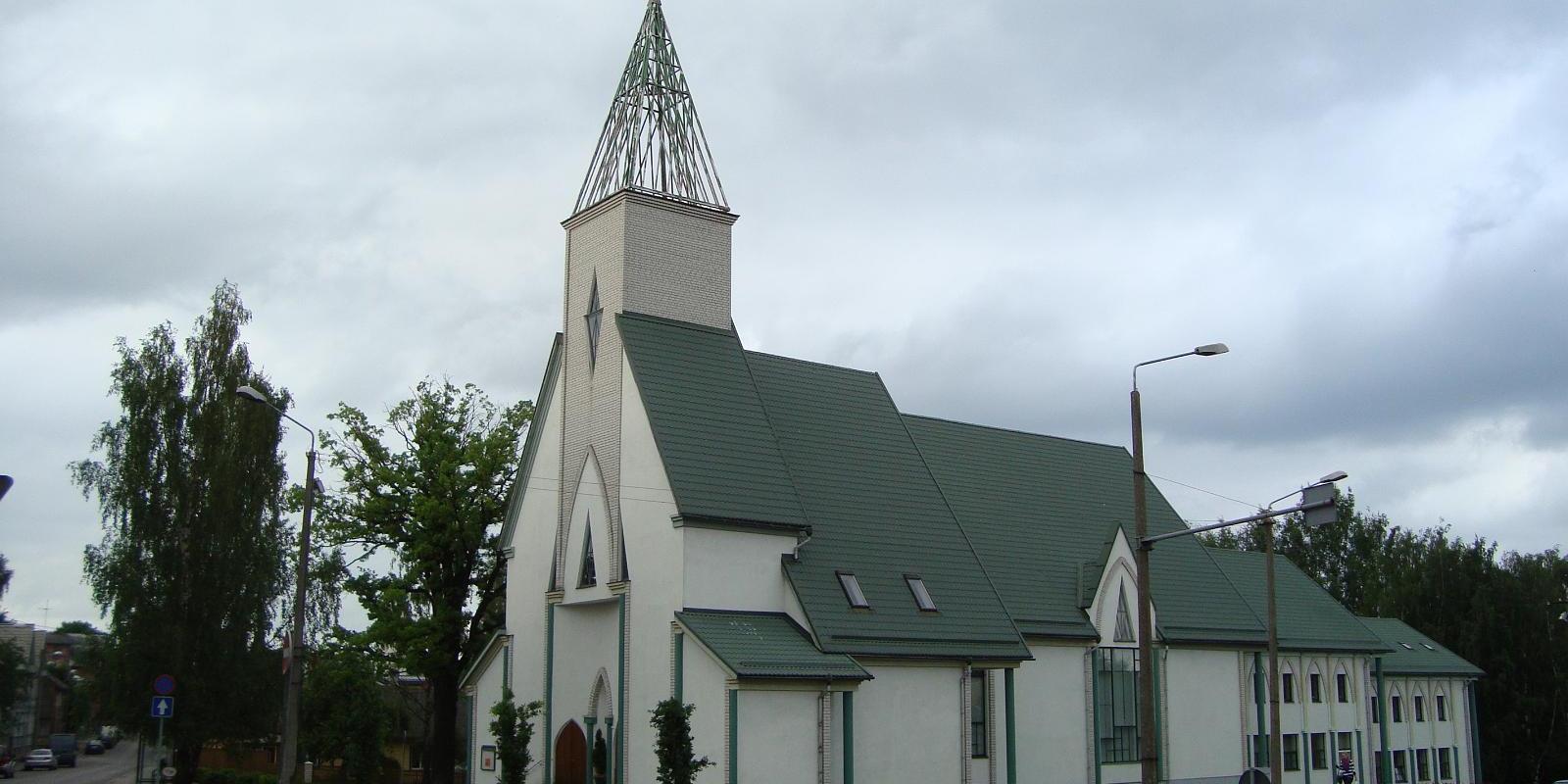
Tartu Salem Baptist Church of the Alliance of Estonian Evangelical Christian Baptist Congregations

Come and take look at the modern and spacious church of the Tartu Salem Baptist Congregation (architect Maarja Nummert). The church was opened on 28 June 1988 with a concert and thanksgiving service. You are welcome to enjoy concerts in the church hall that has great acoustics and space for almost 400 people. Interesting facts: - the only baroque organ in Tartu is in the Tartu Salem Baptist Church; - the church offers accommodation to travellers.

  • Churches

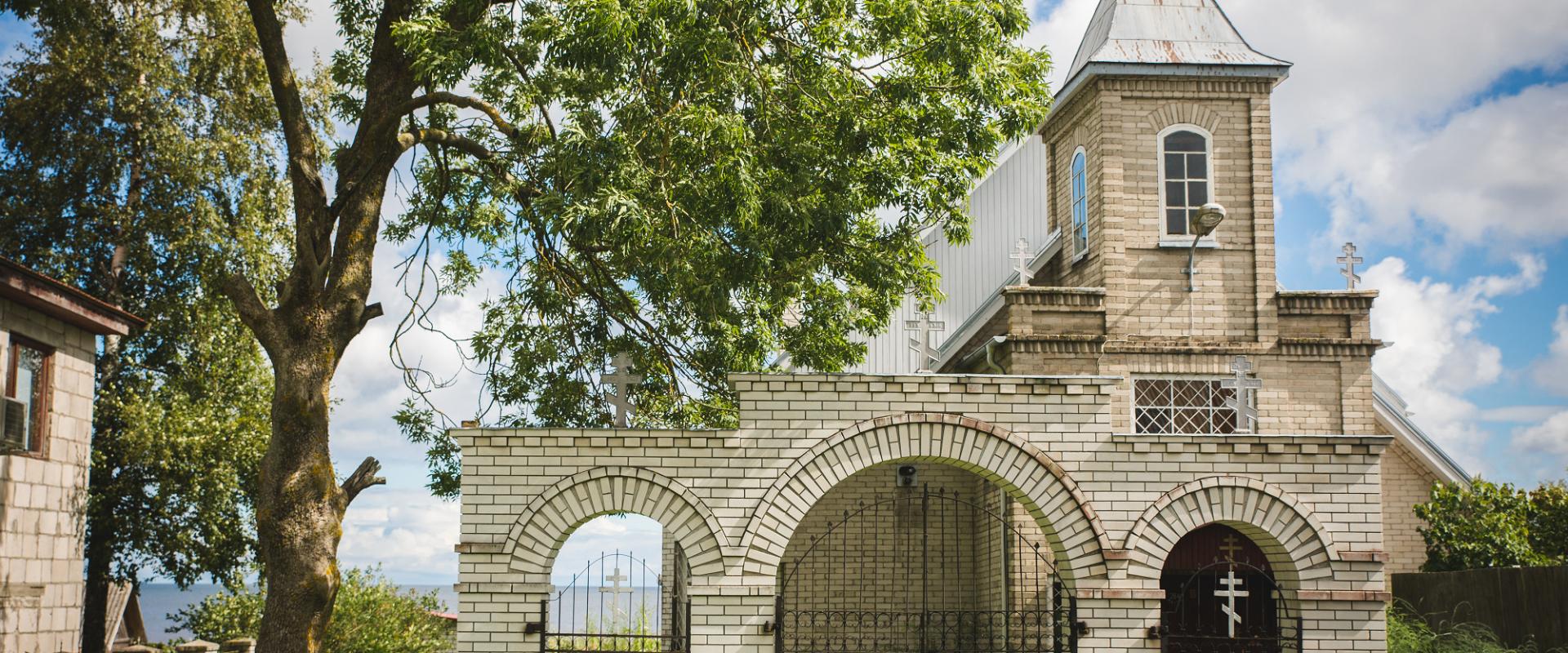
Rajaküla Old Believers’ Worship House

It is believed that the Raja congregation of Old Believers was established in the first quarter of the 18th century. The congregation was given permission to build its own church only in 1879. The church was destroyed during the Second World War – the only thing left is the belfry. The present worship house has 11 rooms. In 1854–1930 Gavriil Frolov lived in the worship house. He taught children icon-writing, reading and writing in Old-Slavic, also singing based on old musical notation.

  • Churches

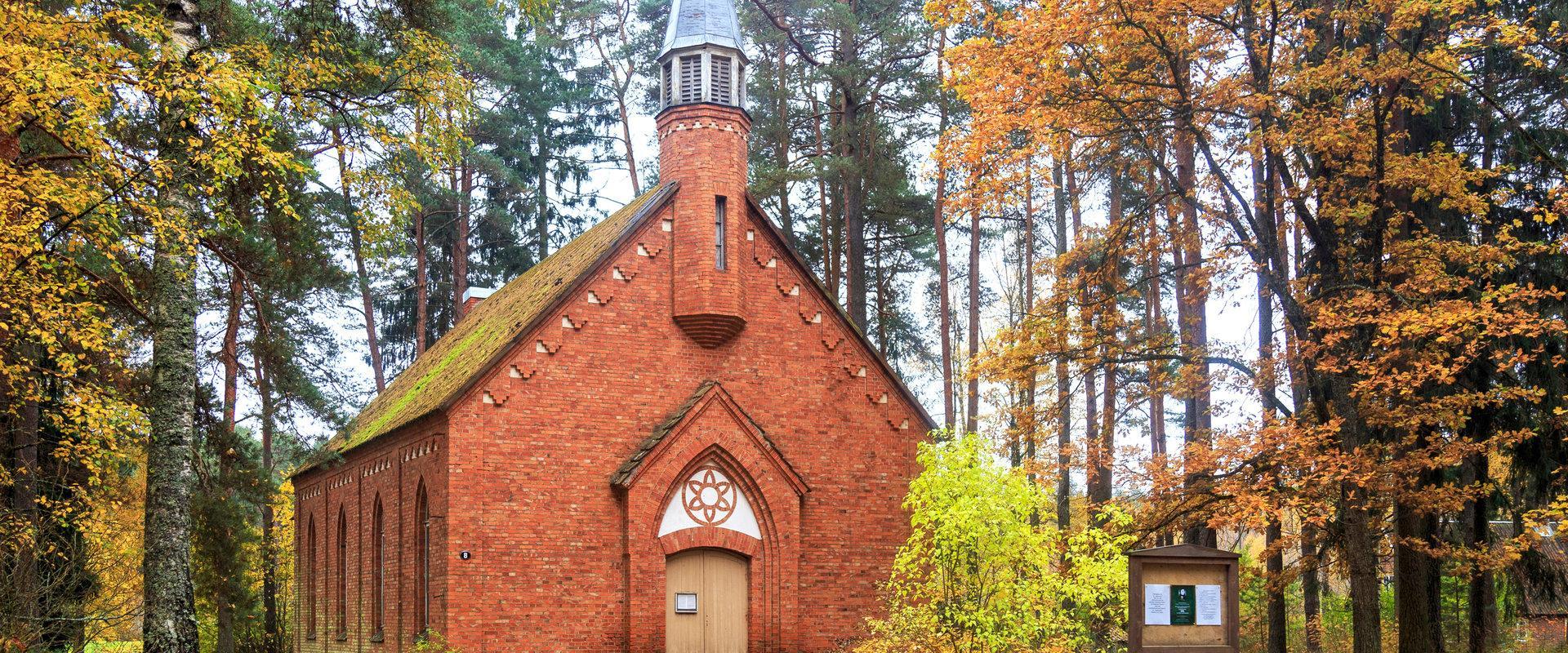
Elva Church of the Estonian Evangelical Lutheran Church

You will find this historicist red-brick church (architect Arved Eichorn), which is the first new church built in the Republic of Estonia, in the peaceful little town Elva. Tartu St John’s Congregation used to operate in Elva for some time. This is why some details of the Elva Church remind of Tartu St John’s Church – the rarely used plaster and brick imitation of a rose window on the western wall of the church refers to the medieval rose window that can be found in Tartu St John’s Church.

  • Churches

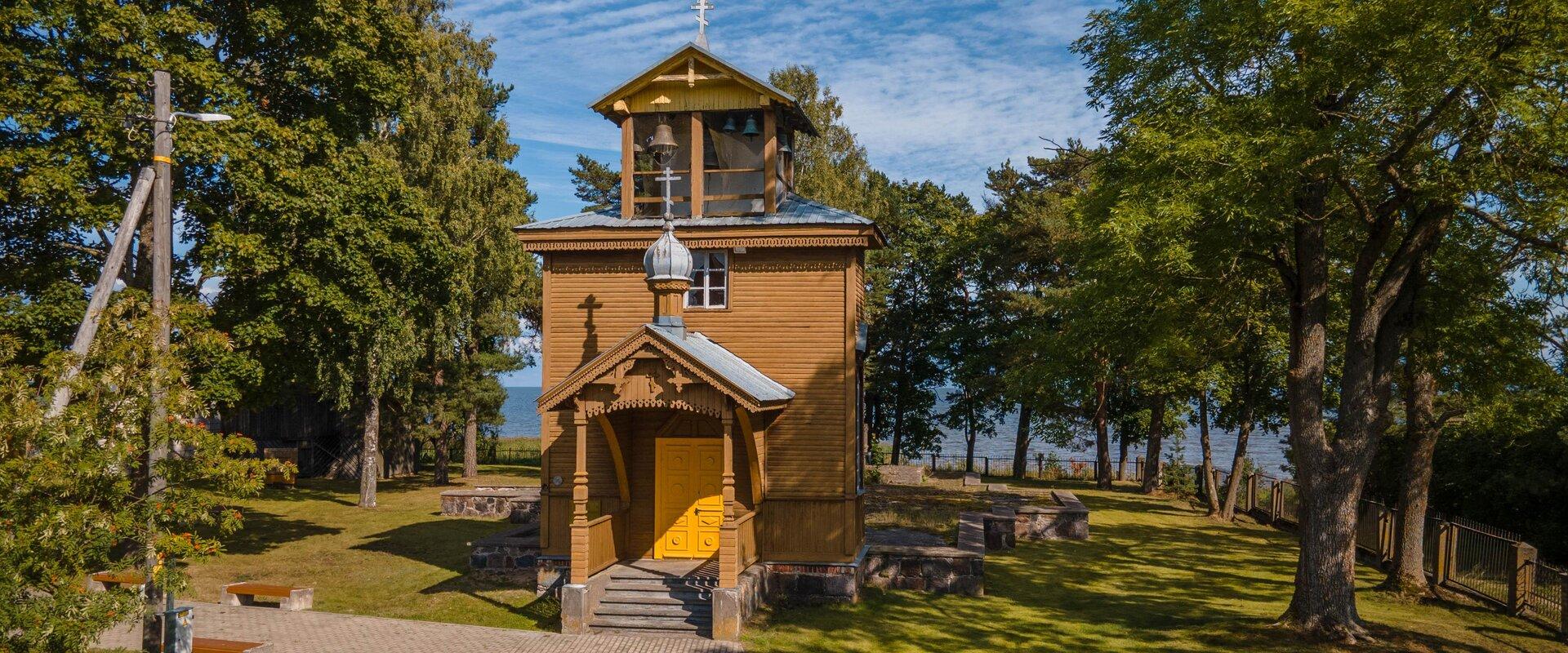
Kükita Old Believers Prayer House of the Estonian Association of Old Believers Congregations

The first prayer house of Old Believers in Estonia is located in Kükita. The Kükita Prayer House was consecrated on September 14, 1740. During the war of 1812, the Cossack Old Believers donated a chandelier to the Prayer House. There were a total of 397 Old Believers in the list of parishioners of the Kükita congregation by 1833. The current Prayer House was built in 1948 in place of the one destroyed in World War II.Old Believers have services every Sunday and on all holidays (Christmas, Pascha and Epiphany).

  • Churches

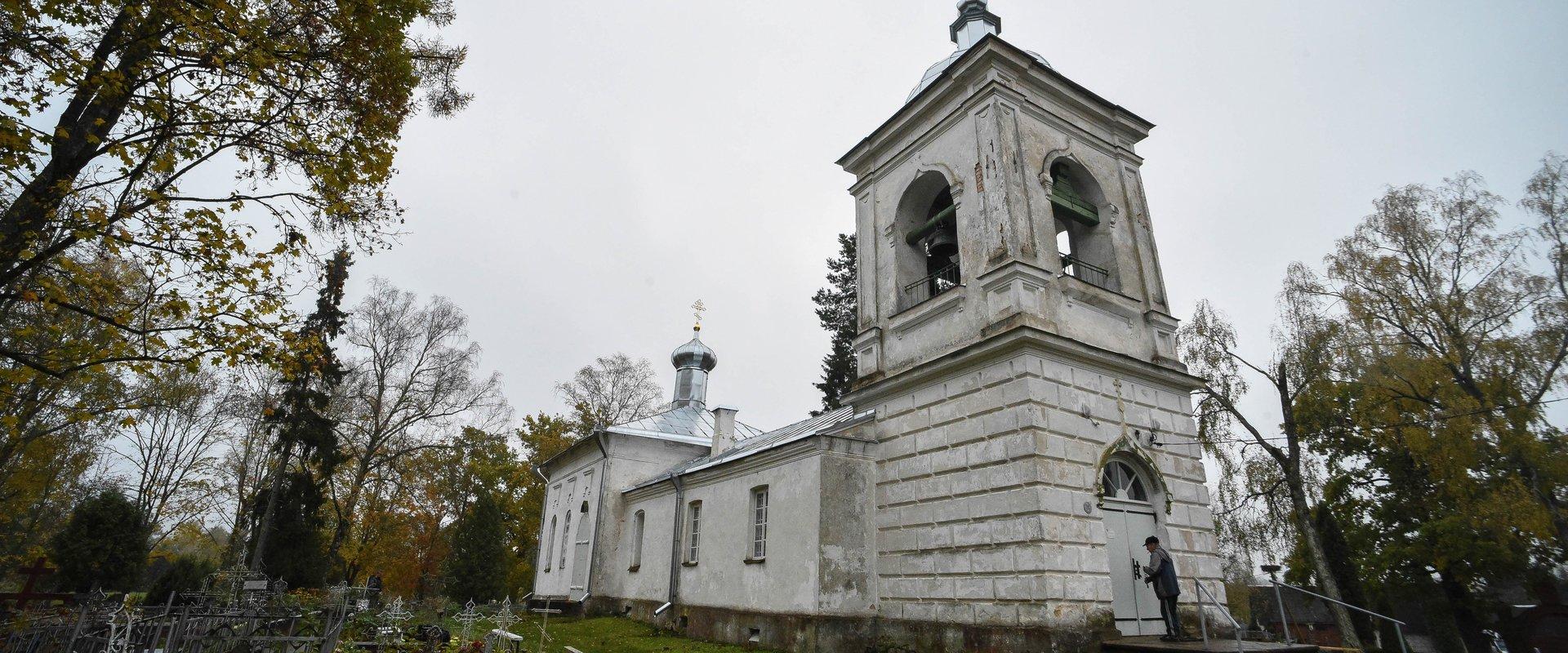
Saatse Church

Saatse Church was completed in 1801. This congregation has been a mixed congregation of Setos and Russians. Saatse's biggest holiday is St. Paraskeva's Day (the last Friday in July.). Paraskeva means "Friday" in Greek. The church has "royal gates" from the old wooden church, and a 15th century stone cross. The only saint of Seto background is associated with the church: St. Stefanus, a former parish priest, who is depicted in icons in Seto folk costume. In 1919, Stefanus was shot along with Father Vassili, who was also declared a saint.

  • Churches

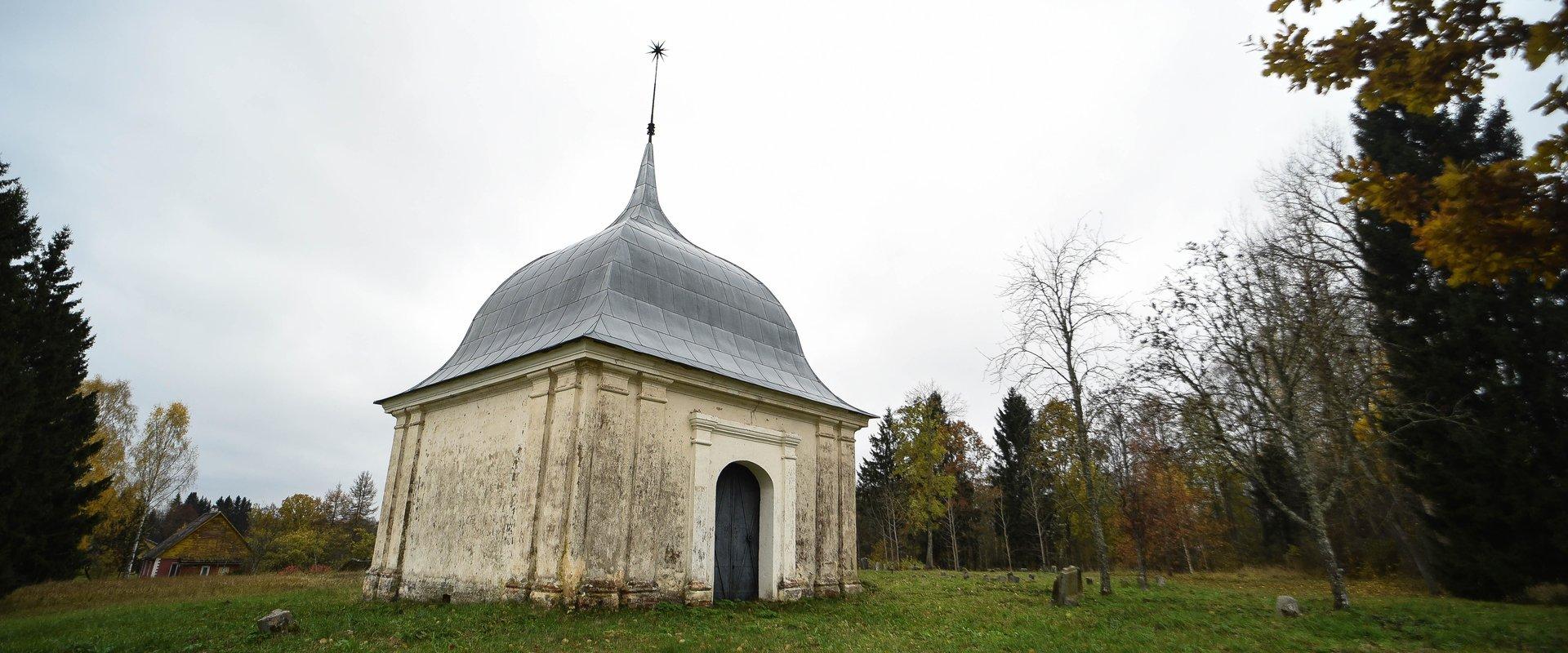
The Liphardt tomb chapel

The Vastseliina manor chapel, popularly called the Liphardt tomb chapel, is situated in the old cemetery of Vastseliina (also known as the German cemetery). The chapel was completed in the same year as the current Vastseliina church, in 1772.The Liphardts, one of the wealthiest noble families of Livonia, governed the entire Vastseliina parish from Misso to Orava and ruled Vastseliina for seven generations. In addition to Vastseliina, the family also owned several other manors, including the Raadi manor.The Vastseliina manor chapel is one of the most remarkable examples of early classicist rural chapels.Visitors are welcome to see the exterior of the chapel only.

  • Privacy Policy

"*"обозначает обязательные поля

Это поле используется для проверочных целей, его следует оставить без изменений.
Я разрешаю маркетинг