• Explore
    • Nature
    • Culture
    • Food
    • Family
    • Activity
    • Blog
    Smoke sauna
    Weather and seasons
  • Plan
    • Accommodation
    • How to get here
    • Weather and seasons
    • Sustainability
    • Tourist info
    Discover South Estonia’s Most Beautiful Manors and Castles
    Top 20 Sights in South Estonia
  • For professionals
    • For professionals
    • Collaboration
    • News
    • Projects
    • Training
    • Repository
    • Community (opens in new tab)
    • Contacts
ENG
  • EnglishENG
  • EestiEST
  • LatviešuLAT
  • РусскийRUS
  • SuomiFIN
ENG
  • EnglishENG
  • EestiEST
  • LatviešuLAT
  • РусскийRUS
  • SuomiFIN
Popular searches:
Show all
  • History & Culture
  • Architecture and history

Podmotsa Village Chapel

Setomaa vald, Võru maakond, 64018

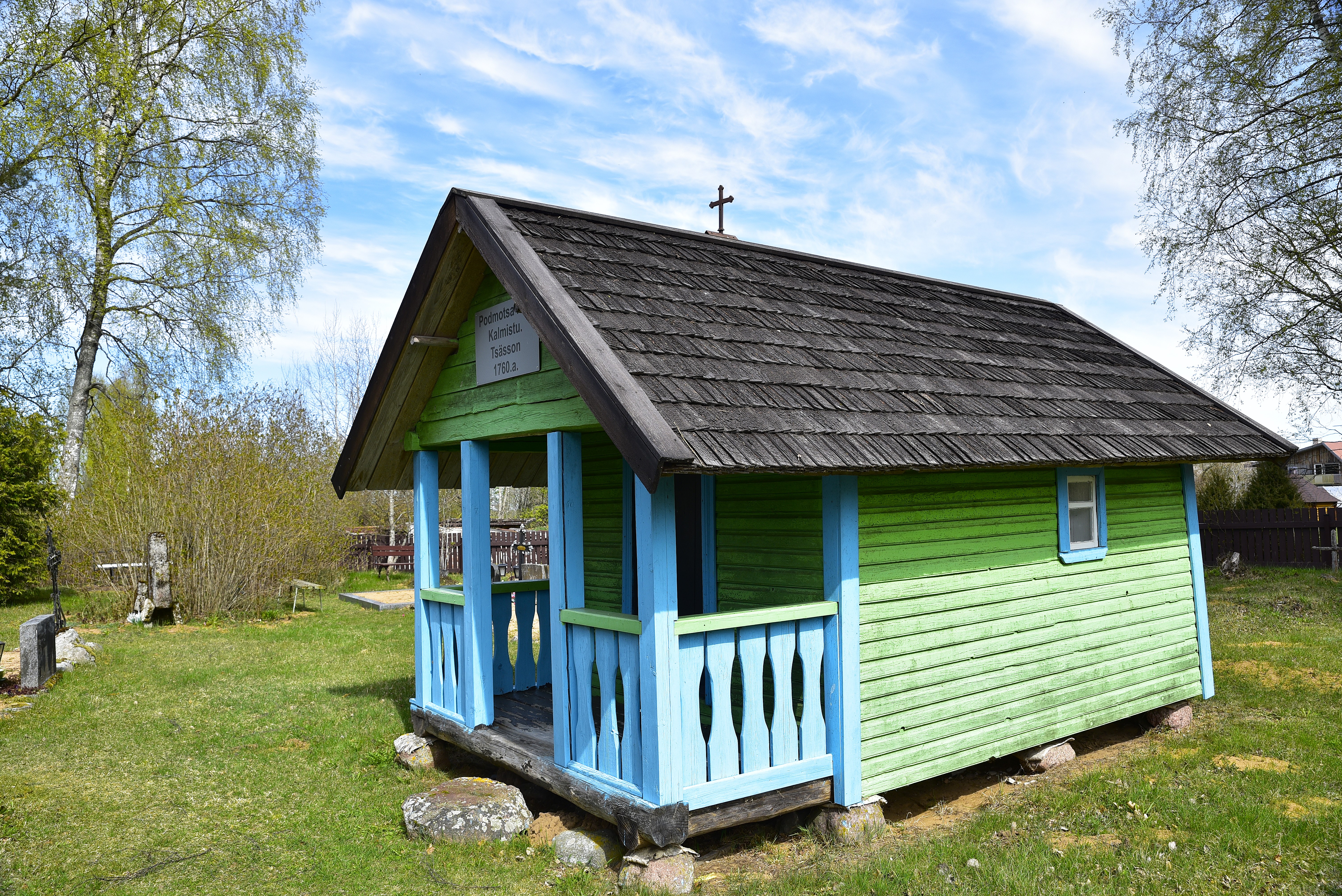
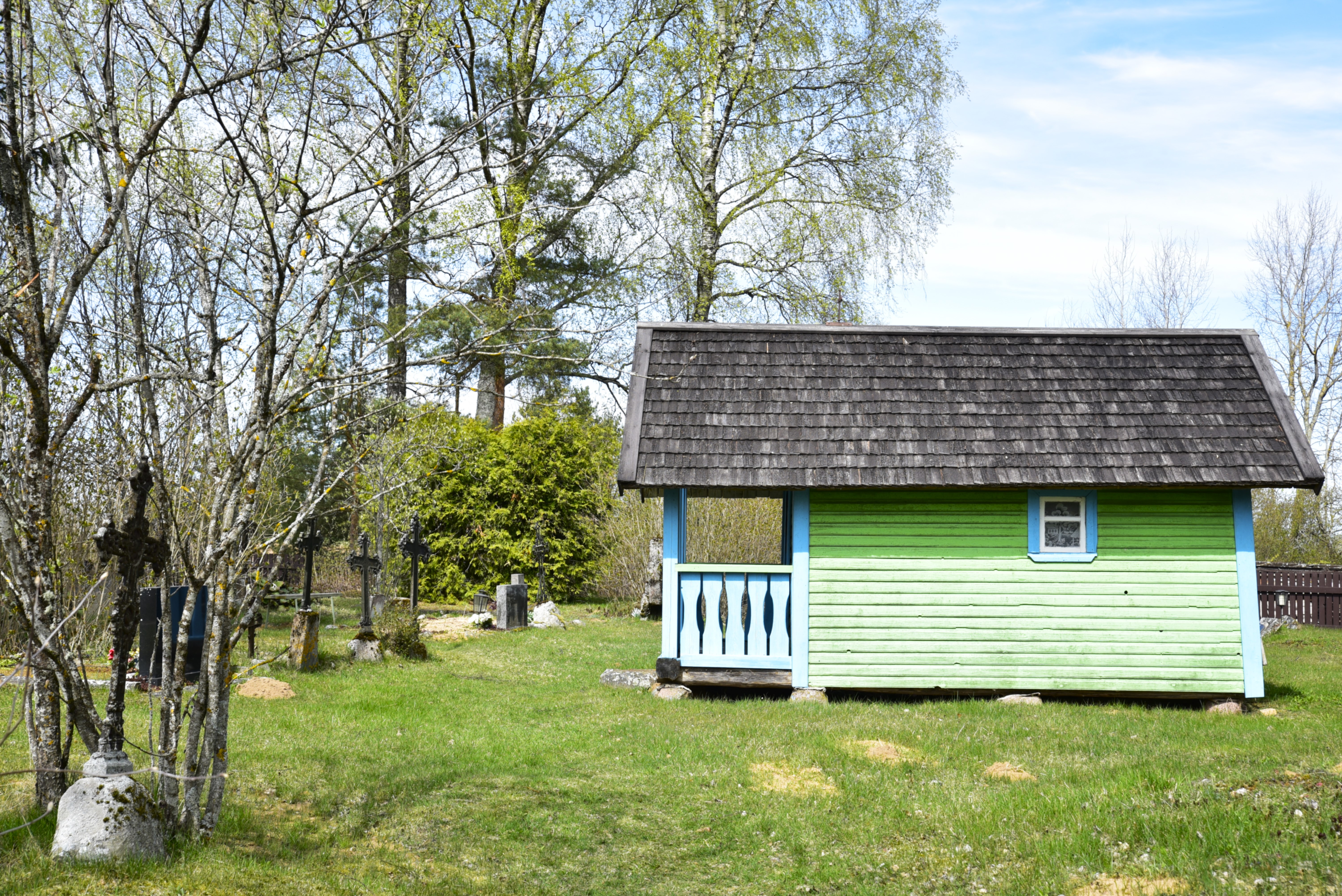
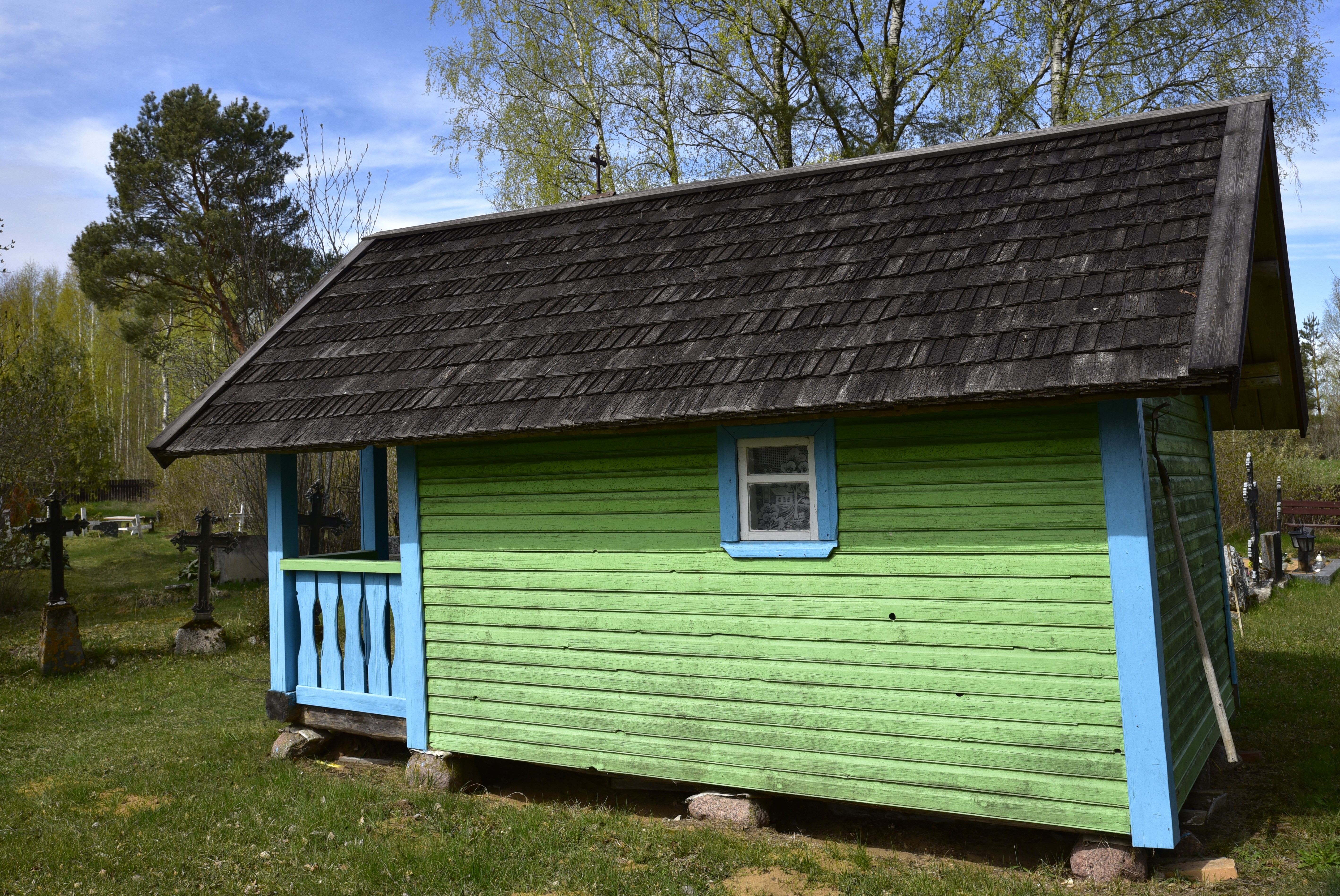
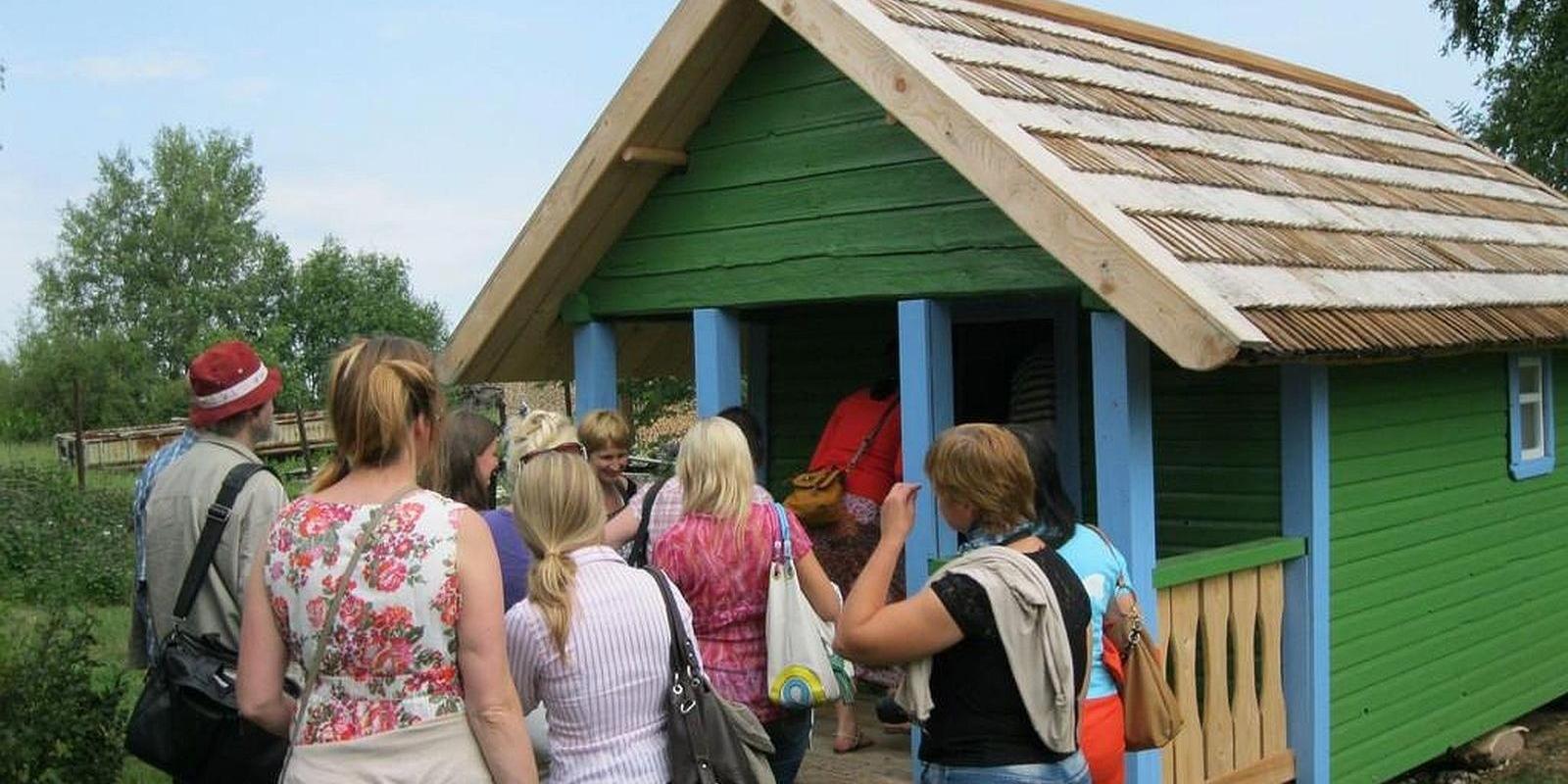
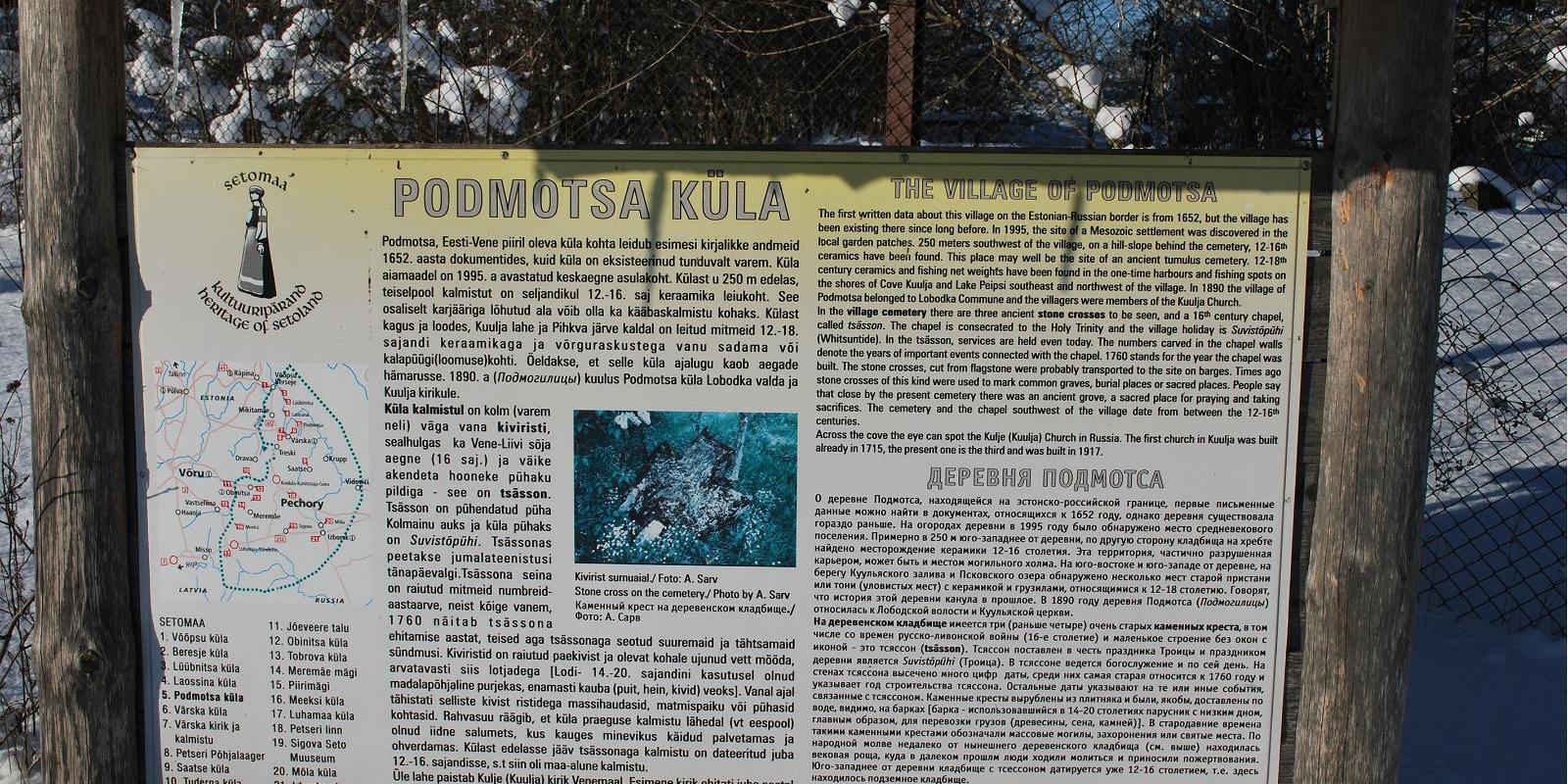
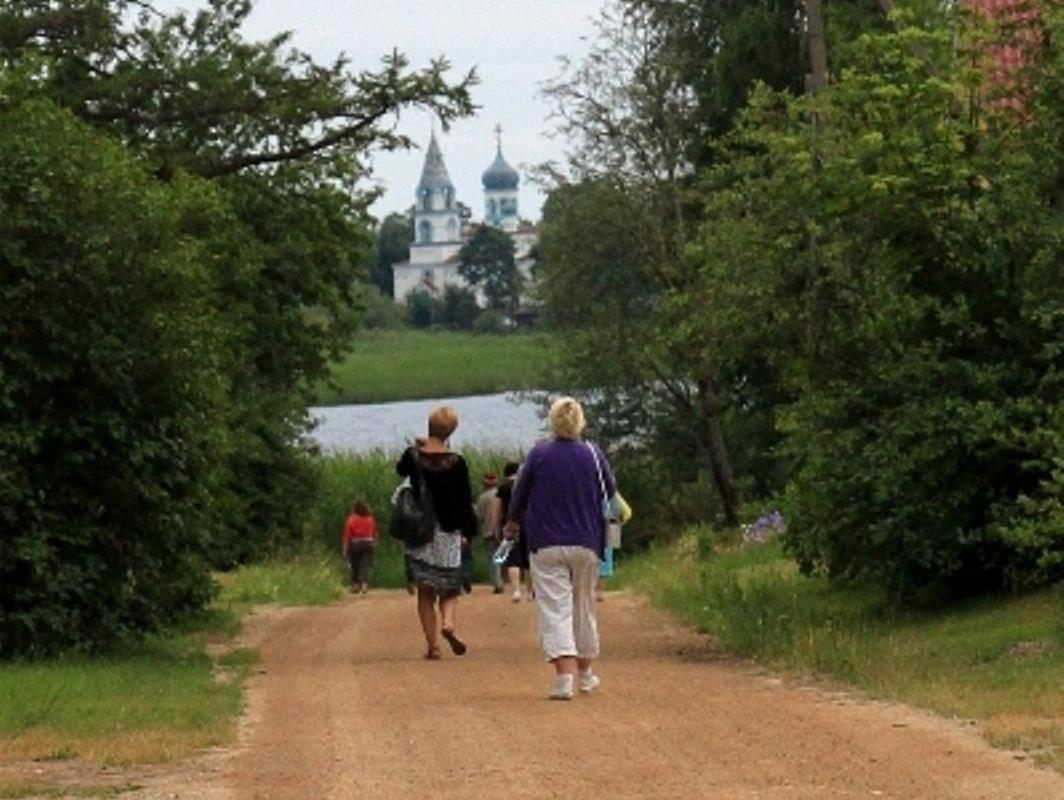
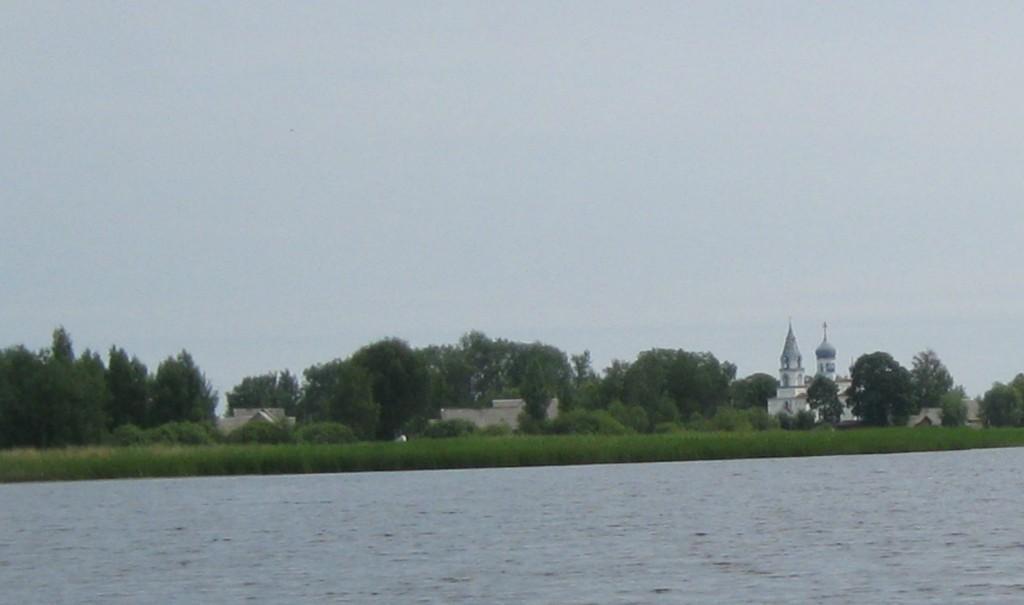
Podmotsa Village Chapel is located in a small lakeside village in the middle of a medieval cemetery. The chapel, surrounded by lilacs and rowan trees, was built in 1760 and dedicated on Ascension Day. Because of this, it was built with young birches. There is a large stone cross near the chapel, as well as two smaller ones. According to local legend, these are the larger cross’s sons. Beside the cemetery is the village swing, and the National Geographic yellow window, which acknowledges a unique landscape. Walking down to the lake from the village, one can also view the Kolpino Orthodox Church, which is currently located in Russian territory.

Amenities

  • Information boards
  • Free parking

Open times

Throughout the Year

Eeltellimsel

Contact

  • +372 5682 1268
  • turism@setomaa.ee

Links

See more

  • Hiking Trails

Tõrvandu forest study trail

The 3 km Tõrvandu forest study trail starts at a crossroads about 400 metres from Pähni Nature Centre. This marked and explained hiking trail is meant for everyone interested in the forest. There are campfire grounds, camping area and shelters on the trail. The 25 observation points of the trail are also permeable by car.

Memorial stone to the first Estonian Song Festival

The memorial stone to the first Estonian song festival was unveiled on the 125th anniversary of the festival in 1994. It was designed by Mati Karmin.Between the two millstones (czarist power and hard work and austerity), the heads are like grains that are being ground. They sing despite the pressure (Mati Karmin XL, 2019).The first song festival was held in Tartu from 18–20 June 1869. It was opened in Toomeoru but mainly took place in the gardens of the Ressourc society opposite St Peter’s Church, which enjoyed beautiful views over the town and the Emajõgi River. The festival was attended by 46 choirs, involving almost 800 male singers and four brass bands. Almost 15,000 people attended the festival.

Karu Holiday Home

Laiusevälja in Jõgeva County is an authentic Estonian village with fields of grazing animals and dusty roads in summer lined with stalks of grain. The courtyard of Karu Holiday Home is designed to look like it would have done last century, replete with apple tress and berry bushes. The holiday home offers year-round accommodation for up to 20 people. The building also has all of the facilities needed to serve the disabled. In addition, you can also enjoy the sauna and hot tub. Come enjoy the countryside and a pleasant stay at Karu Holiday Home near Jõgeva!

A permaculture community garden Emajõe Aed

Emajõe Aed, located by the River Emajõgi, is a public permaculture community garden. Permaculture is a sustainable and environmentally-friendly way of cultivating land, and the aim of the Emajõe Aed is to introduce permaculture and urban gardening to townspeople, enrich the diversity of urban nature, and enliven the urban space.We grow food together in the garden, following the principles of permaculture, and those who wish can become community gardeners. All visitors can explore the garden on their own, and we can also organise excursions in the garden for those who are interested.During the gardening season, public workshops, campfire evenings, and other events take place regularly in the garden.

  • Smoke saunas

Pedaja Holiday Farm smoke sauna, hot tub, and car sauna

The smoke sauna belonging to the Pedaja Holiday Farm complex comfortably accommodates up to 6 people for steaming. For larger groups, vacationers can alternately enjoy the pleasures of the smoke sauna and the relaxing effect of the hot tub. For a change, the body can be cooled on the sauna terrace or in the nearby pond among water lilies. To enrich the sauna experience, we also offer a mobile car sauna — the car sauna is built into the trunk of a GAZ 52 car, which can be driven to a location suitable for the group. It is possible to order sauna masters to perform smoke sauna rituals. This procedure adds a deep cultural dimension to the experience. The sauna pleasure can be combined with the entire complex holiday experience, making the whole event memorable. The smoke sauna culture originates from the Estonian rural tradition passed down from generation to generation, and UNESCO has recognized the Võromaa smoke sauna tradition as an intangible cultural heritage. This means it is not just a sauna, but an experiential combination of culture, relaxing routine, and nature.

Restaurant of Alatskivi castle

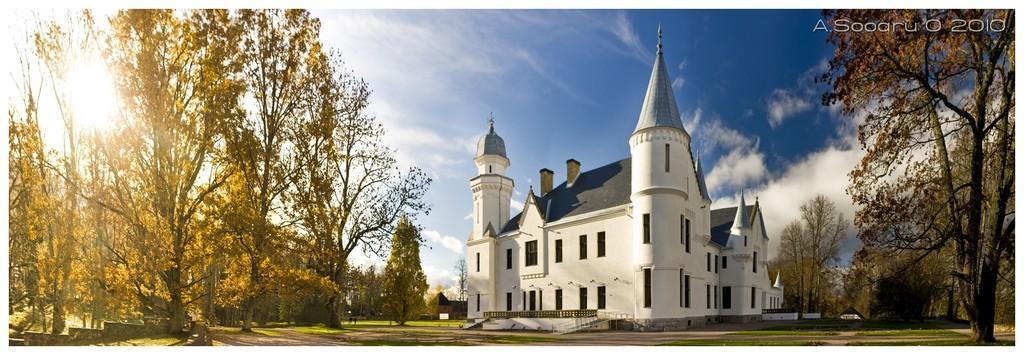
Alatskivi Manor combines three completely different cultures: the Scottish culture, represented in the architecture of the manor house; Estonia peasants, people living and working in the manor and on the manor's land; and the German nobility, representing aristocracy and old German habits. The restaurant offers its visitors a unique combination of three completely different cultures, expressed in the menu, as one would expect of a restaurant. The visitors can also find well-known, classic dishes from our menu.

  • Guided tours

Jõgewa Museum

Jõgewa Museum displays historical items that are mostly connected to the history of Jõgeva County; the general title of the exhibition is 'Jõgeva County's Local History 1900–1945'. A particularly interesting section of the exhibition features weapons used during WWII.Good to know: schools can organize history lessons on the museum premises.

  • Family friendly
  • Virtual reality (VR)

Kalevipoeg Museum

The Kalevipoja Museum, located in Jõgeva County, Kääpa, is named after the Estonian national epic "Kalevipoeg". In the nearby river lies the sword of Kalevipoja, and around it lie the resting places, stones, springs and furrows of the ancient sangari. This is where you can start a real journey into the world of the Estonian national epic! The museum's permanent exhibition gives an overview of the epic, and you can learn about the most important events in a playful way. Anyone who wishes can listen to the epic as an audiobook or sit in the "Plane" and watch a short film about places in Estonia related to Kalevipoja. Do you dare to try what it feels like to be Kalevipoeg yourself? In a virtual reality adventure, you can pick up your sword and fight Sarviktaat! Families, groups of friends and groups are welcome! In addition, you can organize seminars and team events with us, which combine knowledge, creativity and adventure. Adrenaline and fun activities are offered in our adventure park with both high and low trails - the perfect way to spend active time with family, friends or colleagues.

  • Collaboration
  • News
  • Contacts
  • Privacy Policy
Join our mailing list!

"*" indicates required fields

This field is for validation purposes and should be left unchanged.
I authorise marketing

South Estonia Tourism Cluster

info@visitsouthestonia.com