• Explore
    • Nature
    • Culture
    • Food
    • Family
    • Activity
    • Blog
    Smoke sauna
    Weather and seasons
  • Plan
    • Accommodation
    • How to get here
    • Weather and seasons
    • Sustainability
    • Tourist info
    Discover South Estonia’s Most Beautiful Manors and Castles
    Top 20 Sights in South Estonia
  • For professionals
    • For professionals
    • Collaboration
    • News
    • Projects
    • Training
    • Repository
    • Community (opens in new tab)
    • Contacts
ENG
  • EnglishENG
  • EestiEST
  • LatviešuLAT
  • РусскийRUS
  • SuomiFIN
ENG
  • EnglishENG
  • EestiEST
  • LatviešuLAT
  • РусскийRUS
  • SuomiFIN
Popular searches:
Show all
  • History & Culture
  • Architecture and history
  • Churches

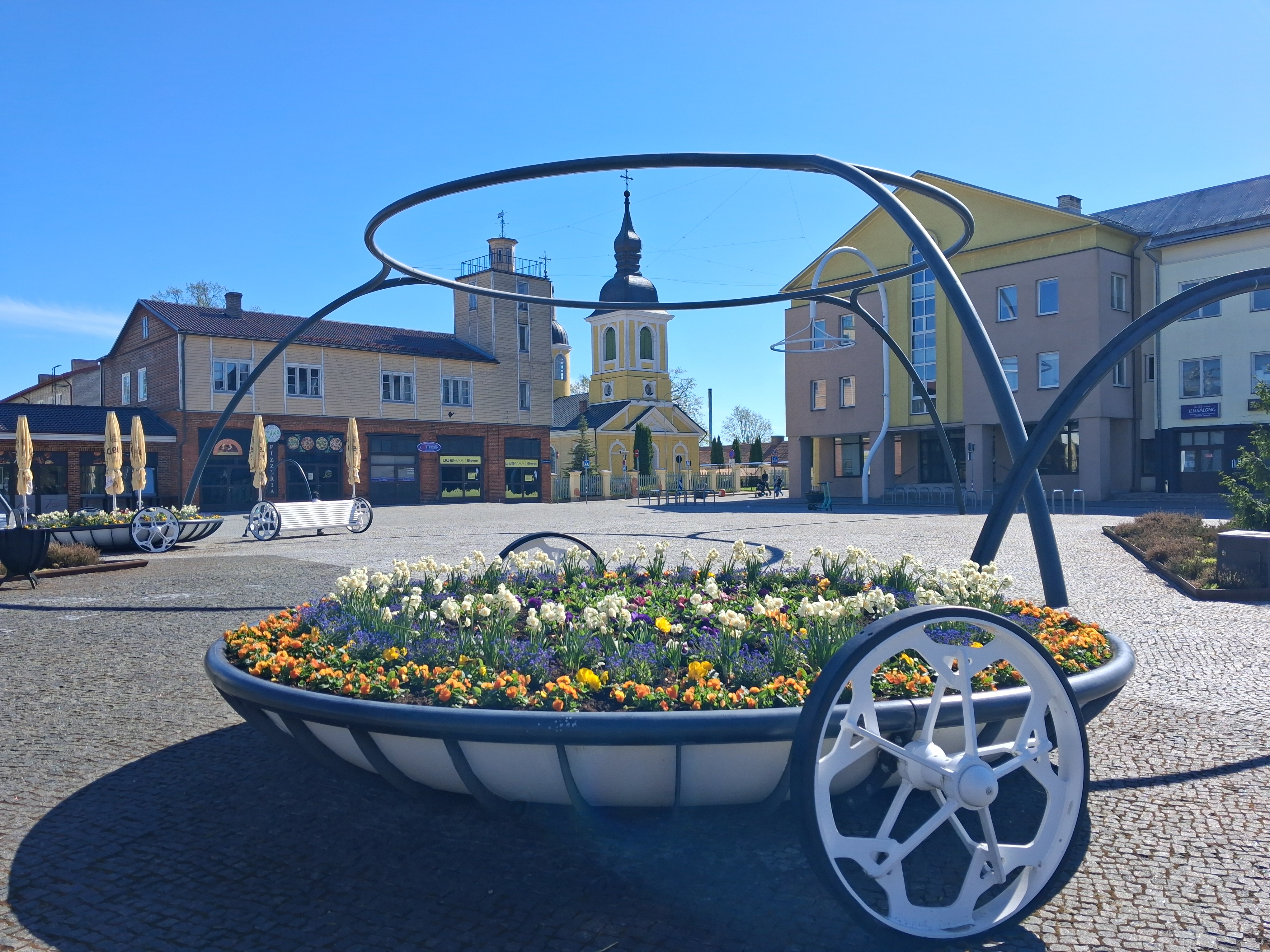
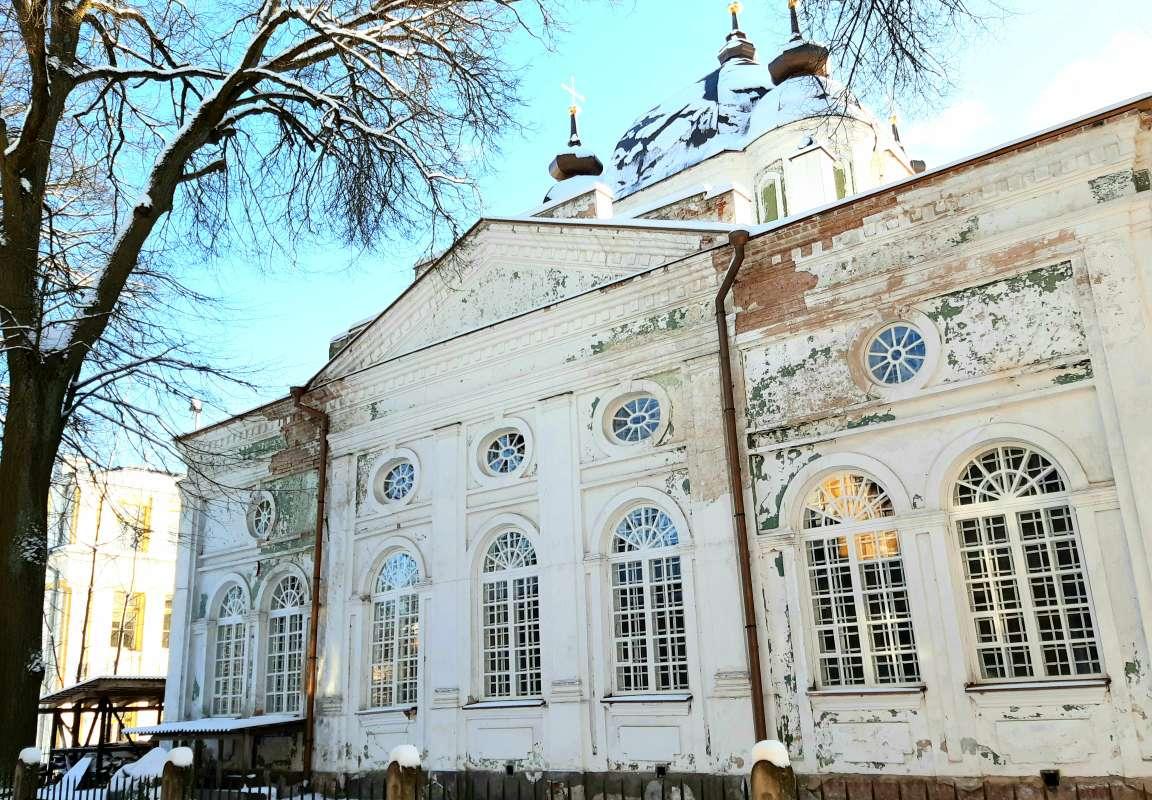
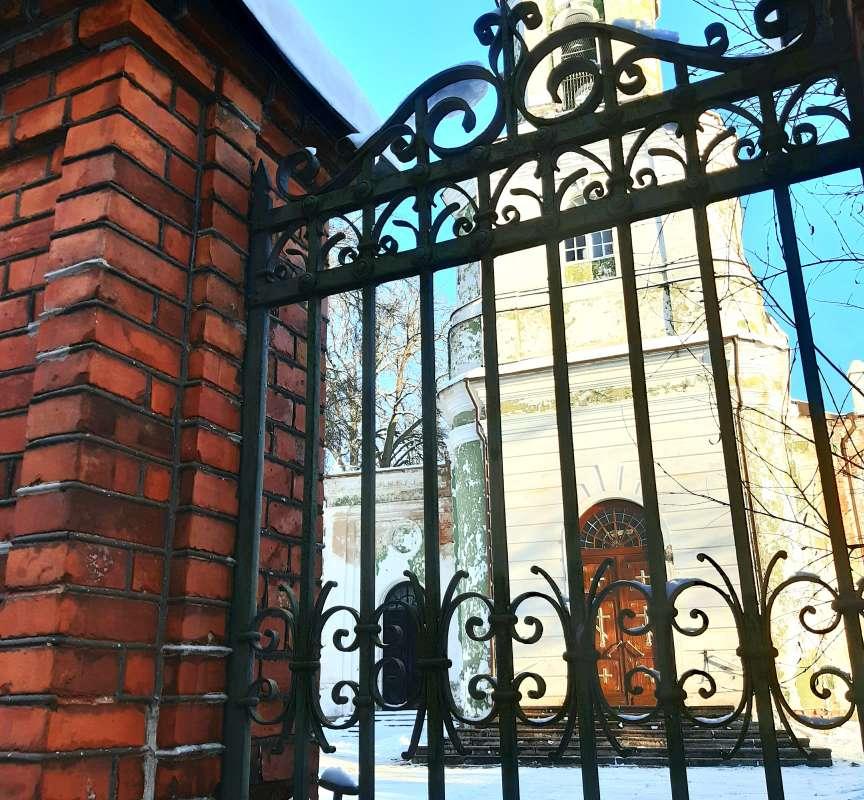
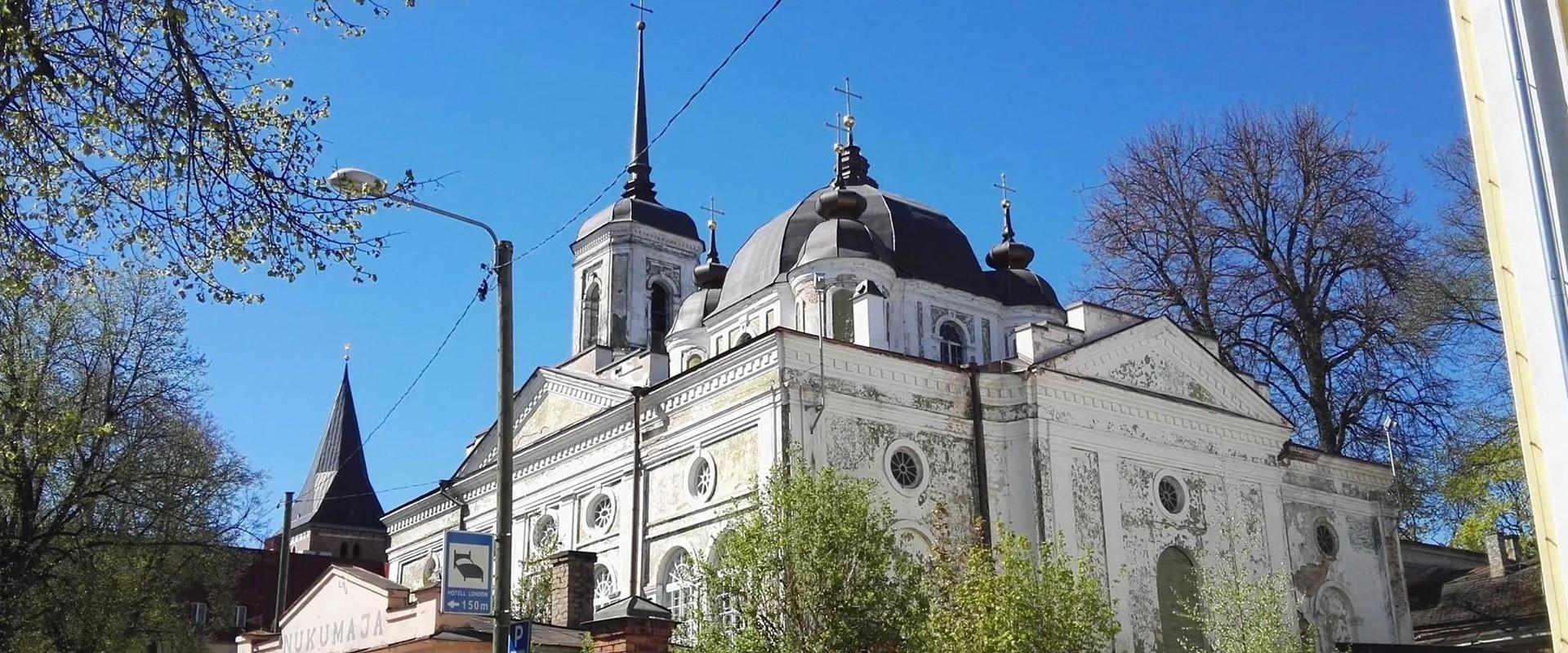
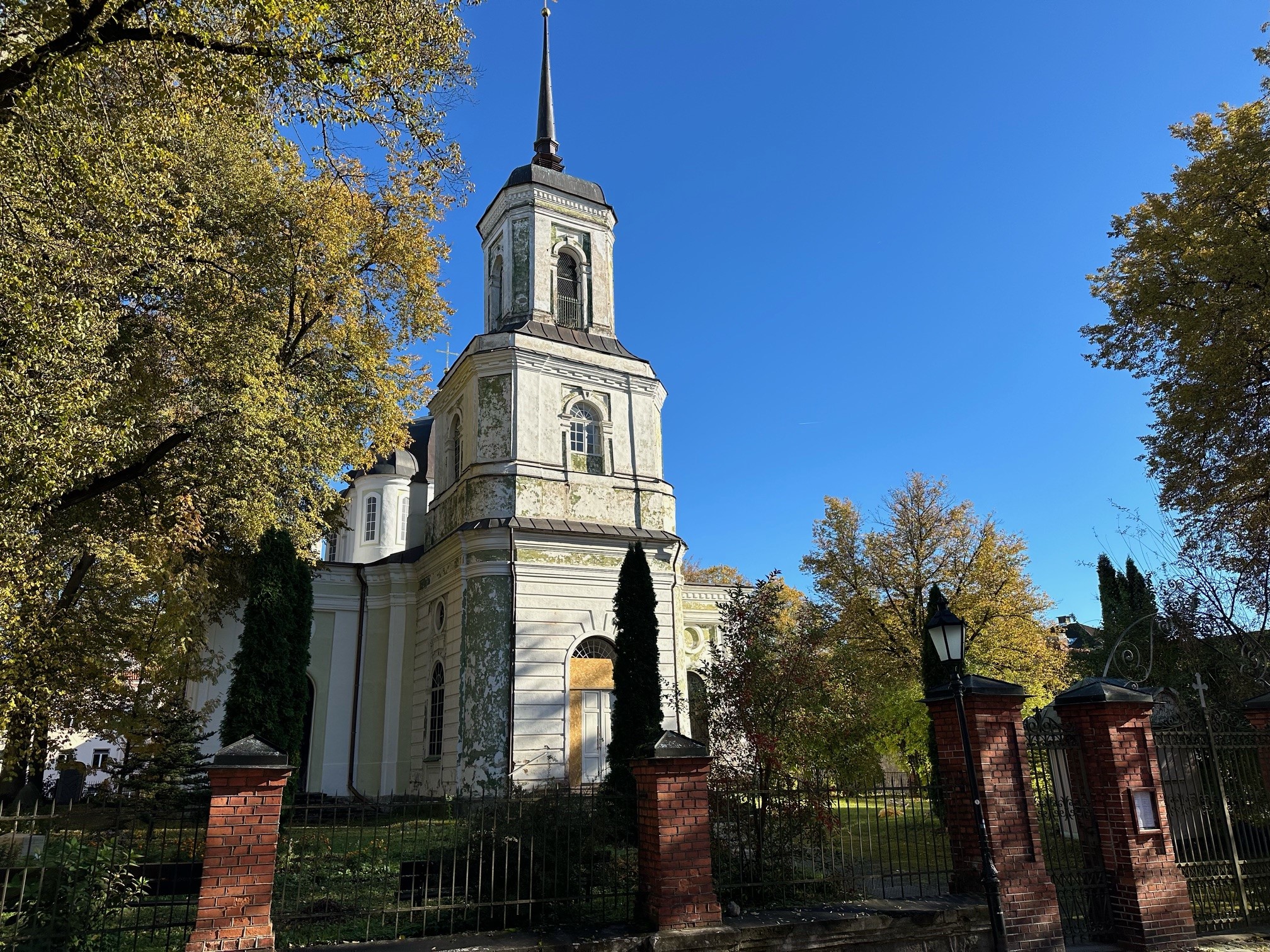
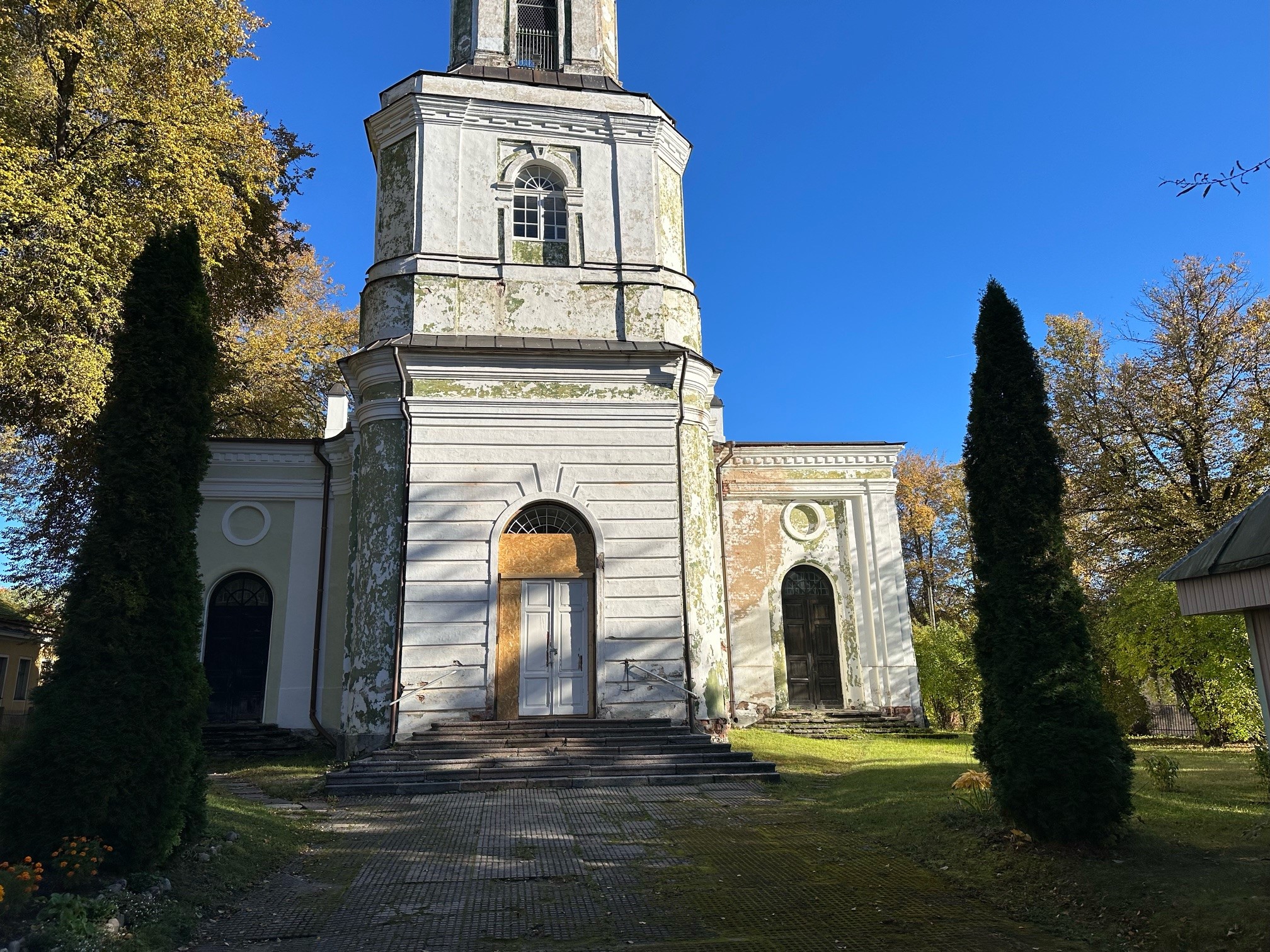
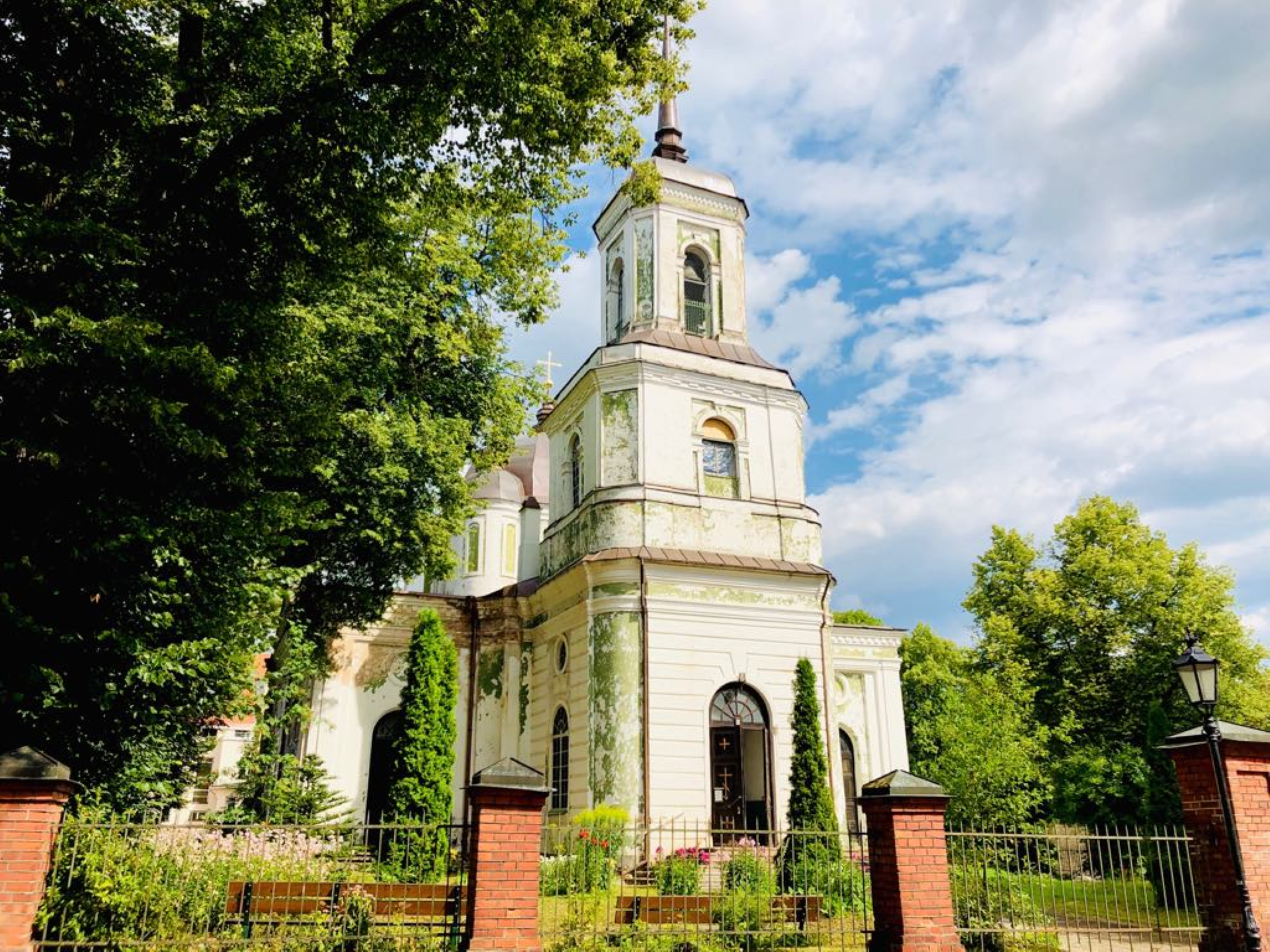
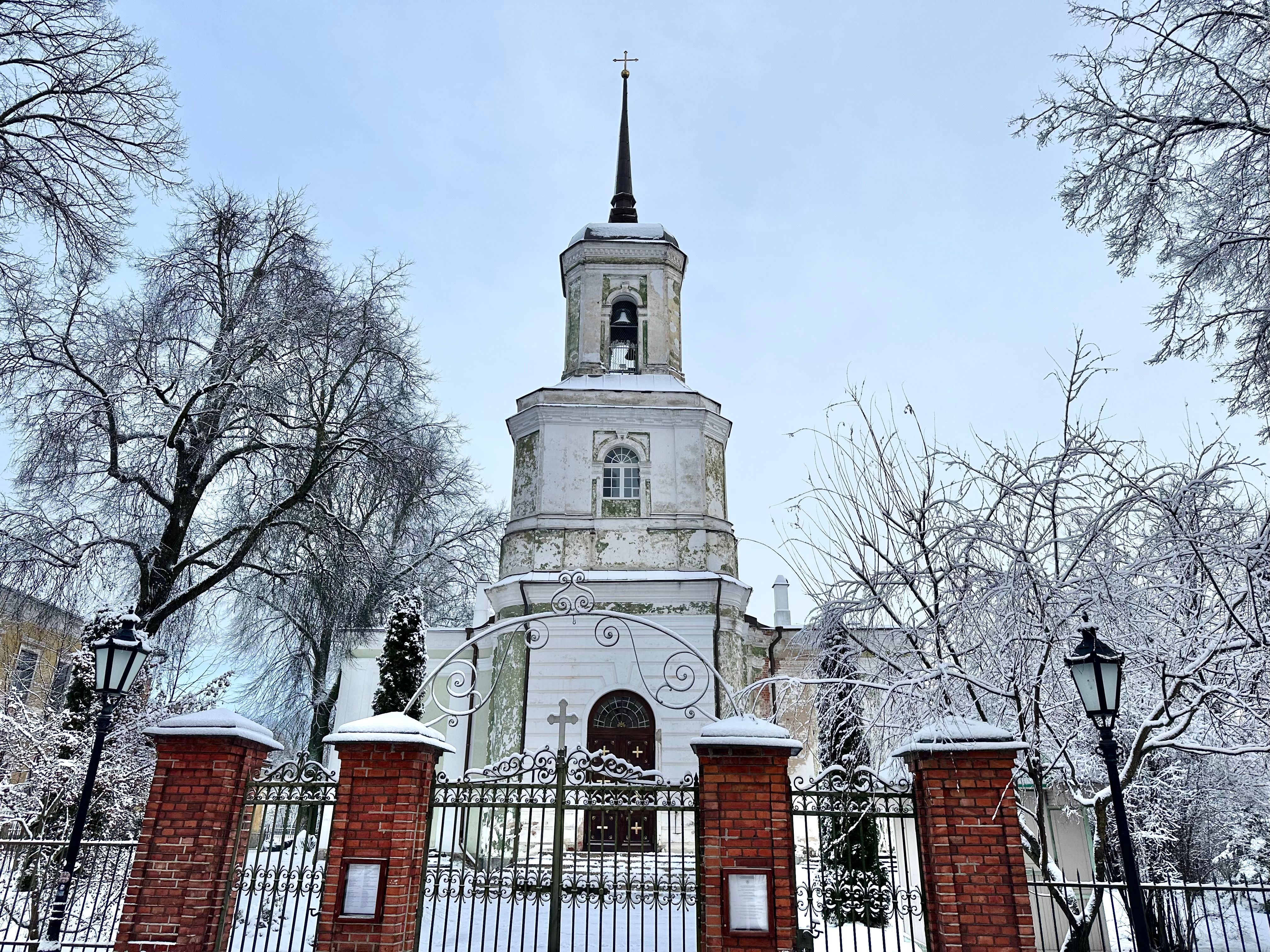
Tartu Uspenski Cathedral of the Estonian Apostolic Orthodox Church

Magasini tn 1, Tartu linn, Tartu maakond, 51005

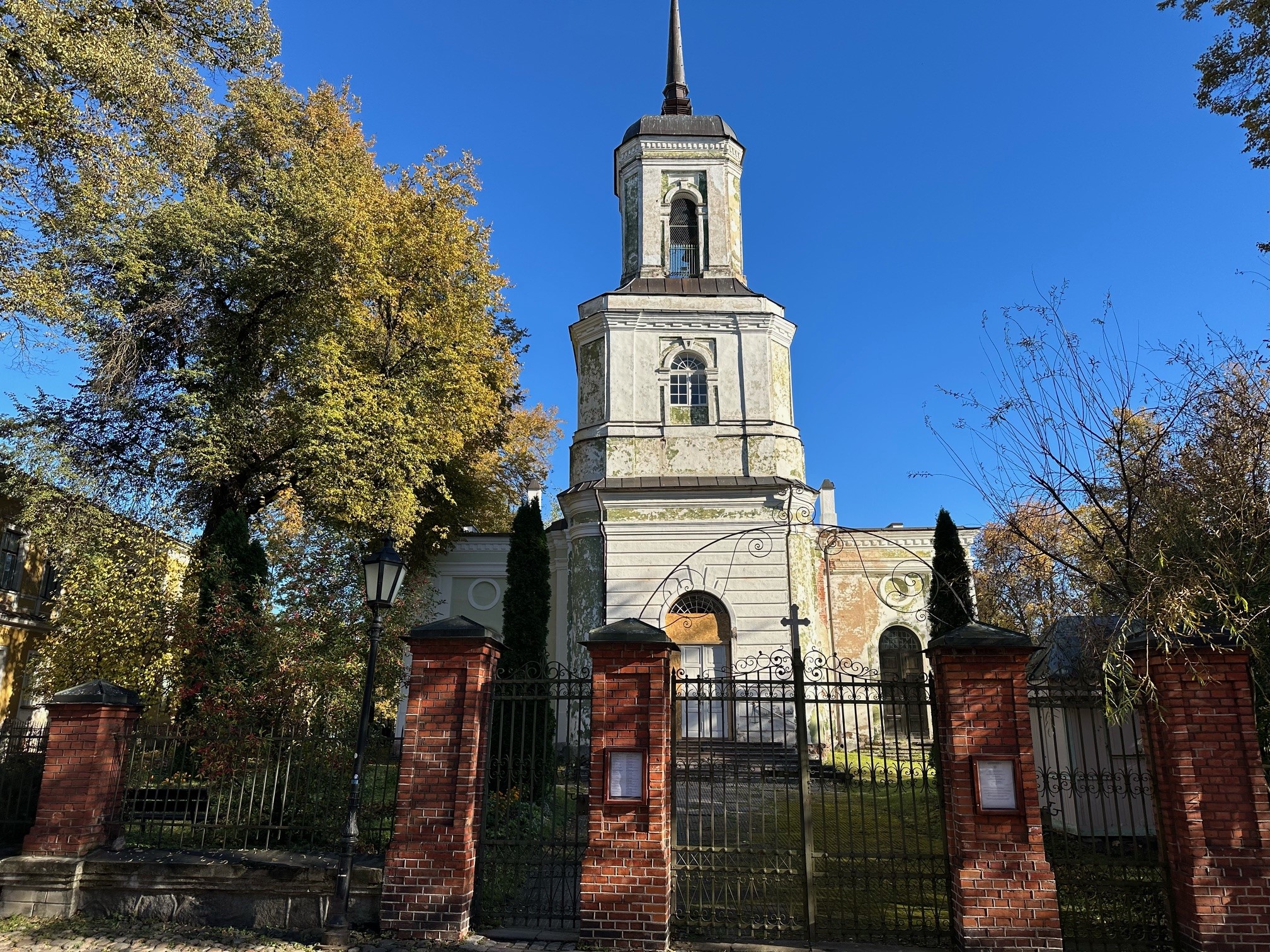
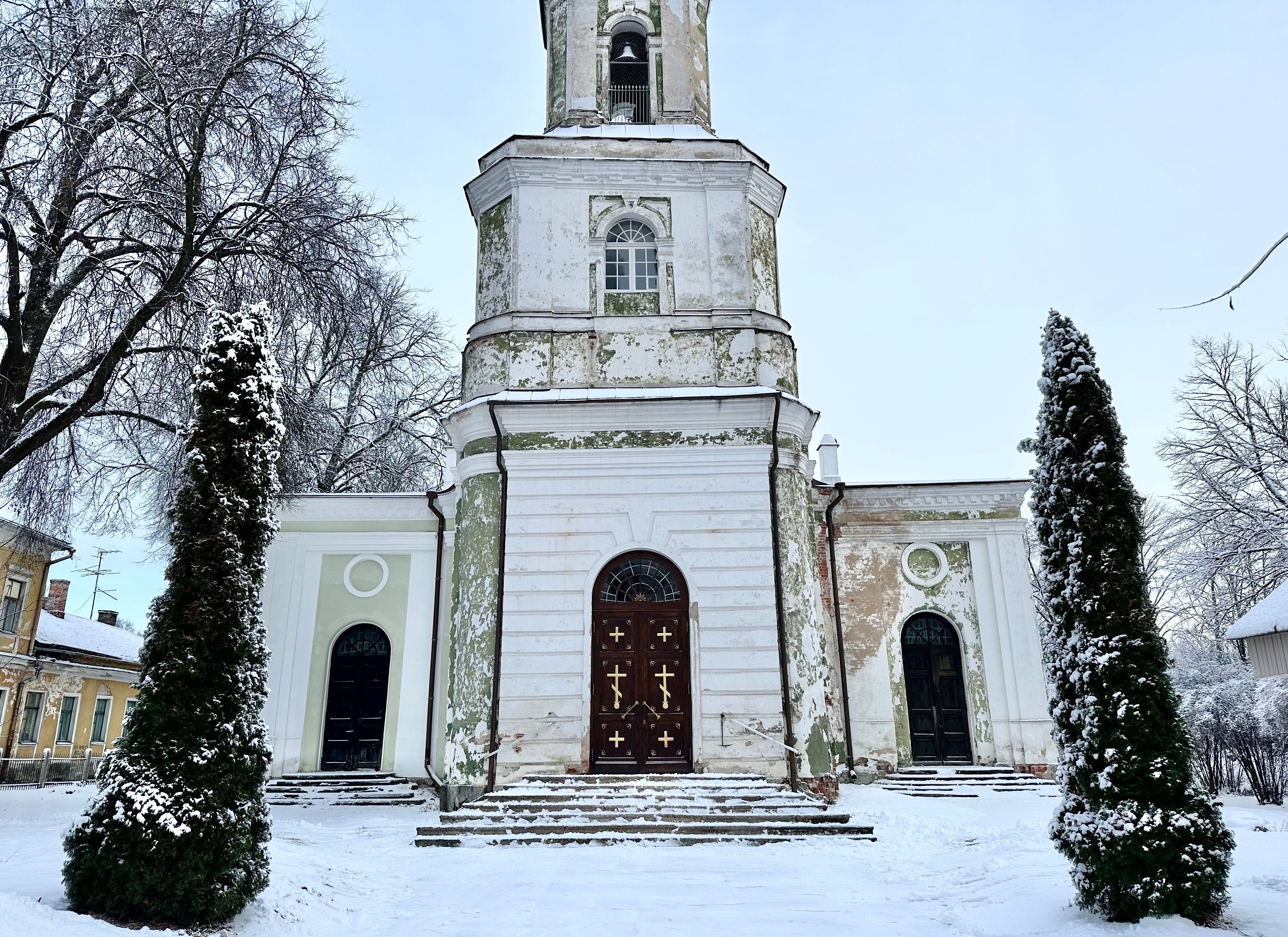
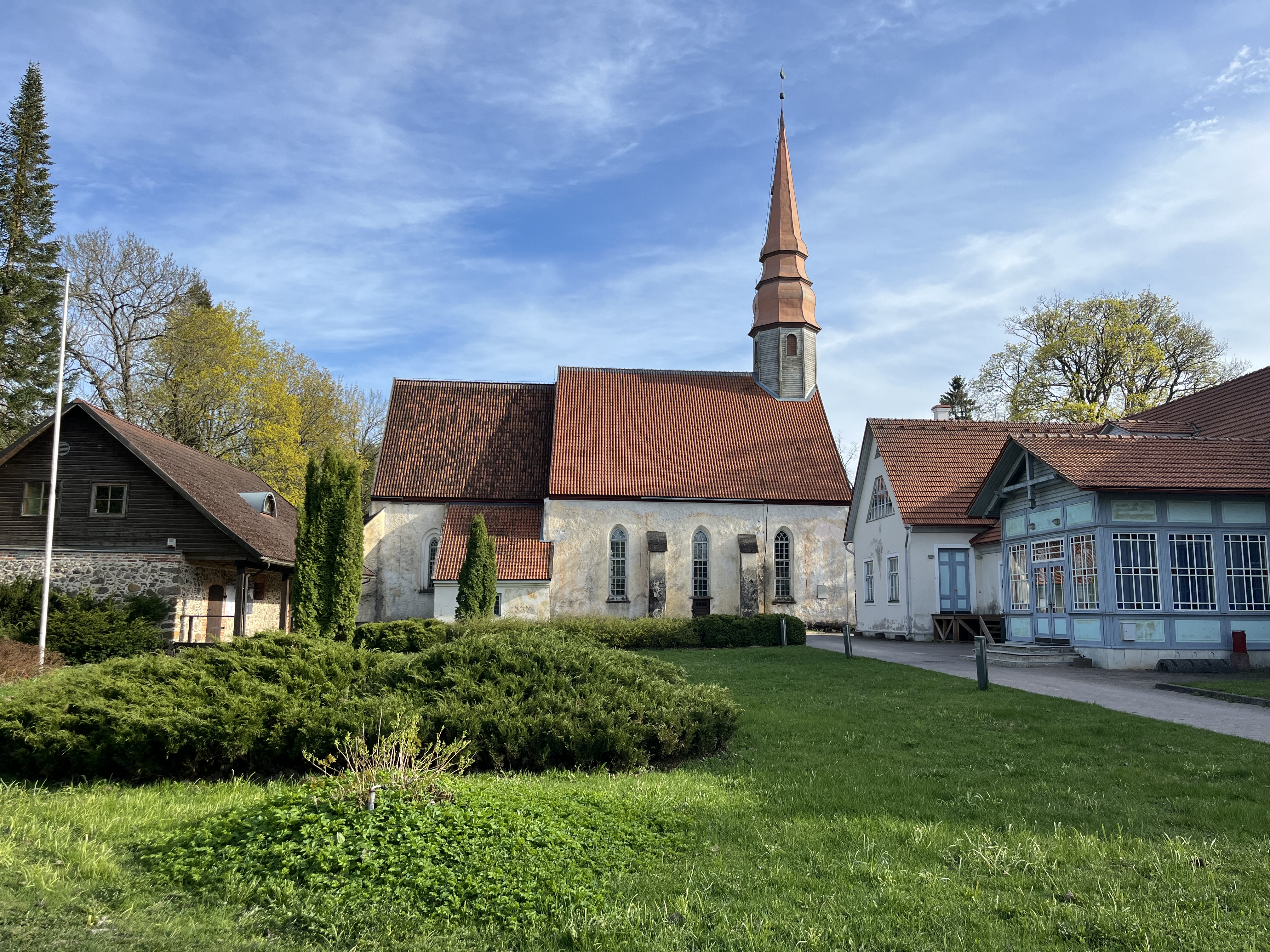
Construction of the Tartu Uspenski Cathedral started by the order of Peter I after the Northern War and it was consecrated in 1783. The church was established on the foundation of the Dominican Convent Church. It was initially built in the shape of a cross and was given its quadrangular shape in 1840. Interesting facts: – a chapel to St Isidor, who died as a martyr, was established in the church in the course of its extension; ‑ the Bolsheviks killed 19 innocent people in the cellar of Krediidikassa 80 years ago. Their victims, archpriests Bleive and Berzhanitski, are buried in Uspenski Church.
Amenities

  • Paid parking

Open times

Throughout the Year

Eemalt vaadeldav

Contact

  • +372 53933863
  • vladimir@eoc.ee

Links

See more

  • Churches

Nõo Holy Trinity Church of the Estonian Apostolic Orthodox Church

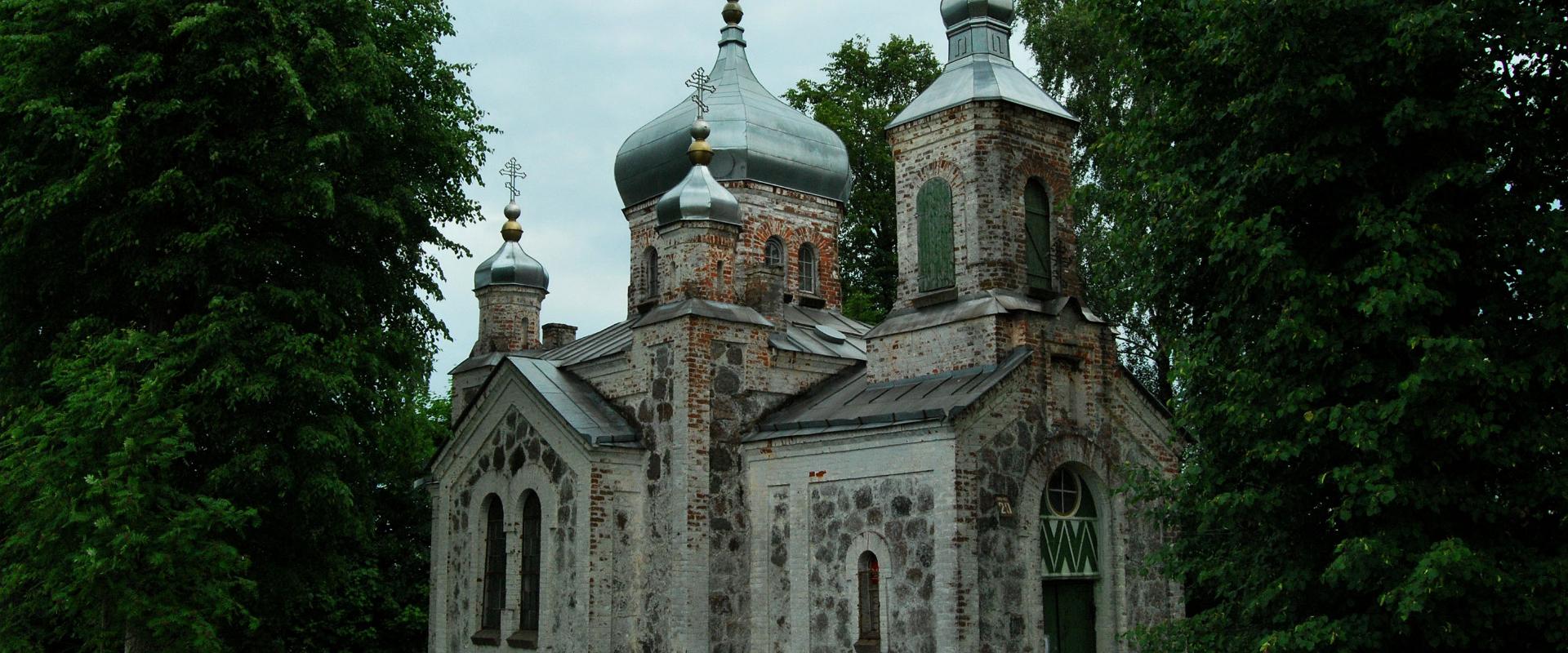
There is a remarkable historicist Orthodox church with quarrystone and brick walls and five onion-cupolas in Nõo small borough.The Nõo Congregation was founded in 1852 for Estonian Orthodox Christians who previously belonged to the Tartu Georgi congregation. The architecturally remarkable church is made of quarrystone and red bricks and has a bell-tower in the western side. It was completed in 1873. The interior architecture of the church is simple and the iconostasis dates back to the late 19th century.Services are held in the Holy Trinity Church in Nõo on the second Saturday of each month.

  • Churches

St Bartholomew’s Church in Palamuse

Palamuse Church is one of the oldest medieval churches in northern Tartu County. The church was first mentioned in documents in 1234. As a fortress church, it provided protection from invaders during wars. There is a burial ground around the church, which has two preserved headstones. The unique wooden sculptures on the altar and pulpit date back to 1696. There is a dry-stone painting on the eastern outer wall. Services are held in the church every Sunday at 11 a.m. The church also organises concerts and plays.

  • Churches

Church of St Catherine in Võru

Construction of the Church of St Catherine in Võru commenced in 1793 during the reign of Empress Catherine II. It is thought to have been designed by the Livonian architect Schons, while the man responsible for the building of the church was Võru's own Johann Karl Otto. The church was surrounded with a formidable fence. It is famous for its cross-shaped floor plan, substantial bell tower, high dome-like secondary tower and arched windows. Designed in classicist style, it was completed in 1804 in honour of St Catherine. The grounds around the church were restored in 2008 and are now home to an open air exhibition of religious text-themed illustrations by artist Marje Ernits.

  • Churches

Rõngu St Michael’s Church of the Estonian Evangelical Lutheran Church

The medieval Rõngu St Michael's Church is dedicated to the Archangel Michael. The church is also known as the oldest building in Rõngu.The church has suffered major damage in several wars, and over time, the original architecture has been partially altered during the restorations. The current shape of the church dates from the last reconstruction in 1901.Today, the most significant parts of the church are the altarpiece (1901, the work of a Dresden artist), the organ (V. Müllverstedt, 1874), and the stained-glass windows (1900, the work of Riga artists).The church participates in both the 'Wayfarers' Churches' and the 'Night of Churches' programme.The church can be visited on Sundays during the service or by prior arrangement.

  • Churches

Kasepää Old Believers’ Prayer House of the Estonian Association of Old Believers Congregations

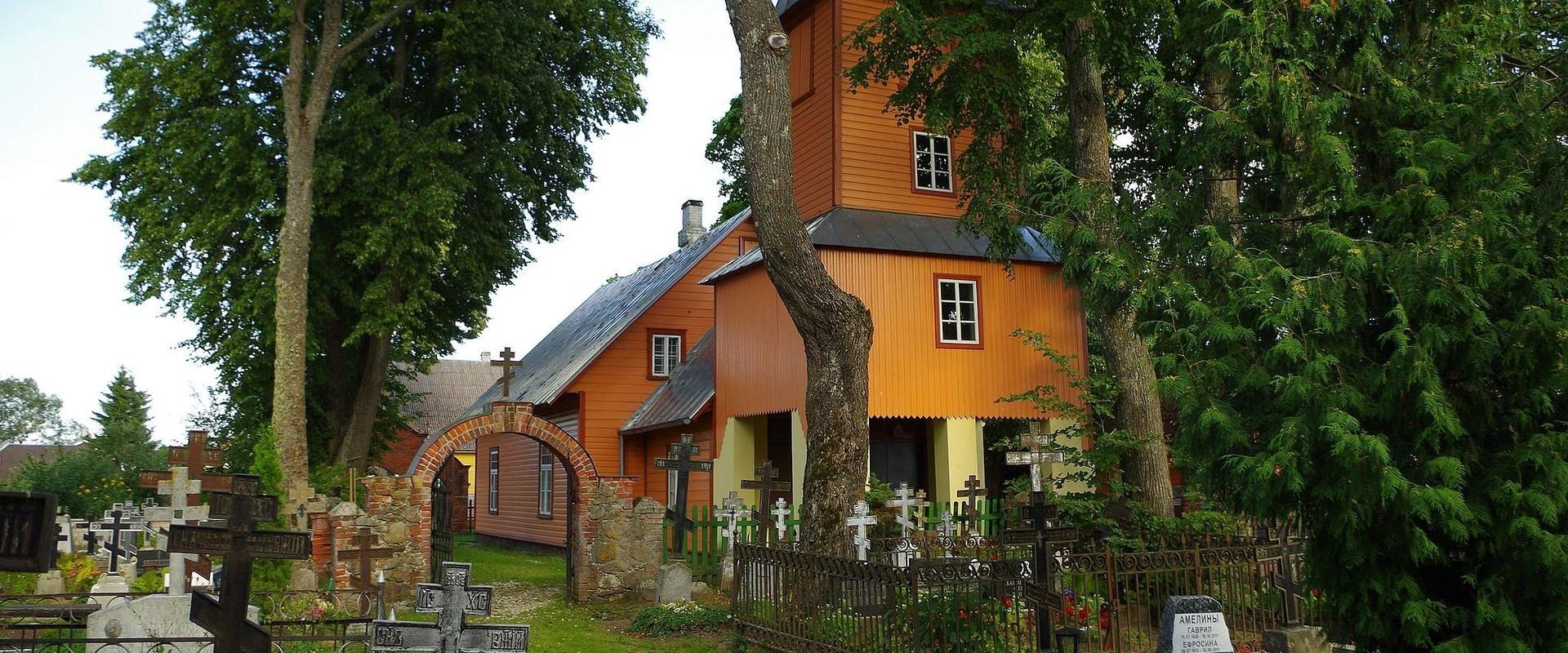
When in Kasepää Village near Lake Peipus, go and visit the prayer house of Russian Old Believers, which has been operating without interruption since the 18th century.The current prayer house was built at the beginning of the 20th century. It was designed by the governorate architect Wilhelm Schilling in 1902. The Florov school masters renewed the icons of the iconostasis in the prayer house before the Second World War. Some of the icons in the chapel date back as far as to the 17th century.Prayers are held in the chapel in Russian on Sundays at 10 a.m.

  • Churches

Otepää St Mary’s Lutheran Church

Otepää St Mary's Lutheran Church is one of the 21 places in Southern Estonia worth discovering, all those interested in culture and history should definitely pay a visit. Otepää St Mary's Lutheran Church is historically connected to the national flag of Estonia. The blue, black and white flag of the Estonian Student Union, which later became the national flag and in 1991 the official flag of the state of Estonia, was consecrated in the rectory of the church on 4 June, 1884. The church has a neo-gothic altarpiece "Christ on the Cross" which dates from 1880, and a Kessler organ from 1853. In summer, the doors of the church are open to everyone.

  • Churches

Äksi St. Andrew’s Church of the Estonian Evangelical Lutheran Church

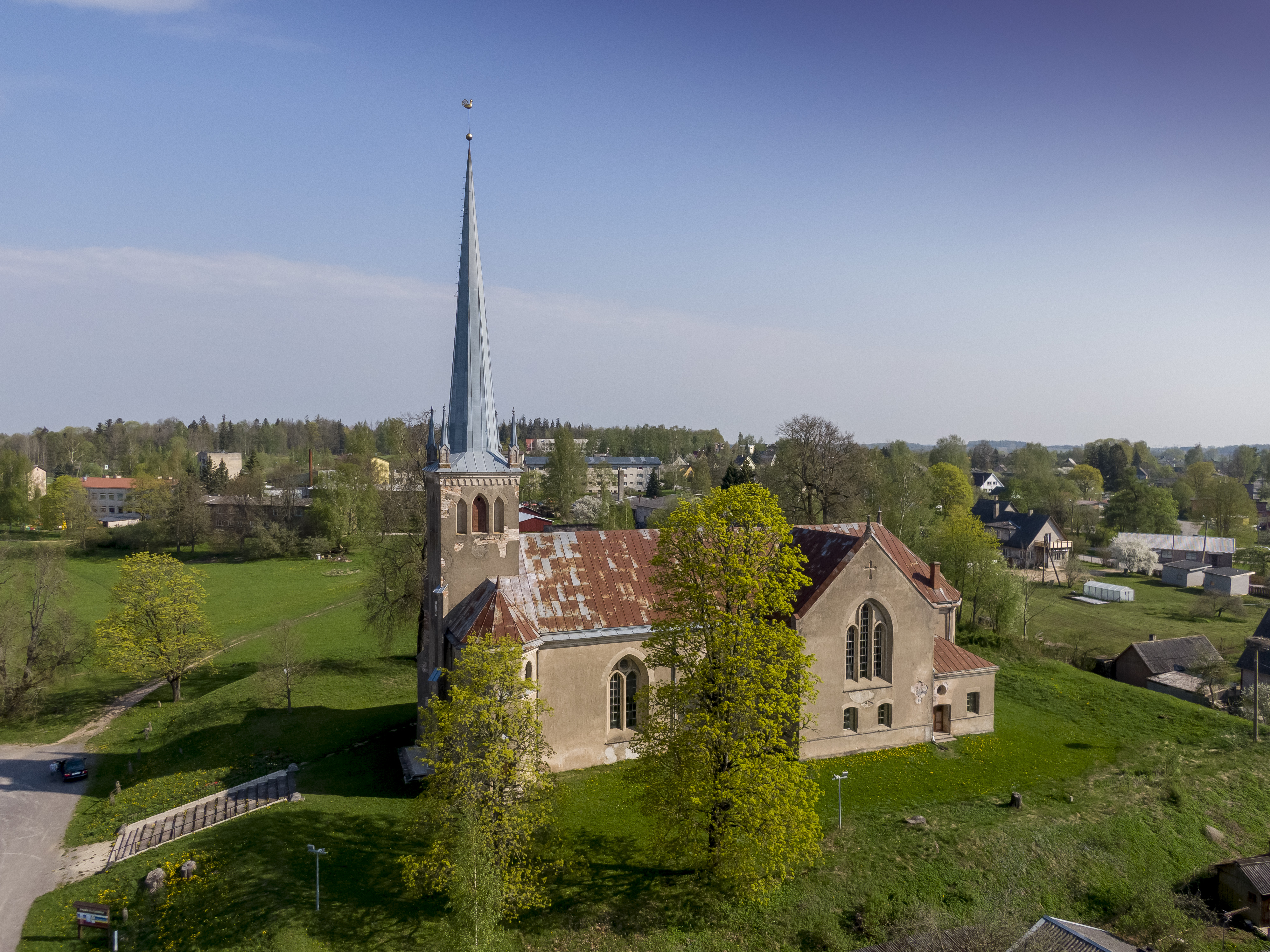
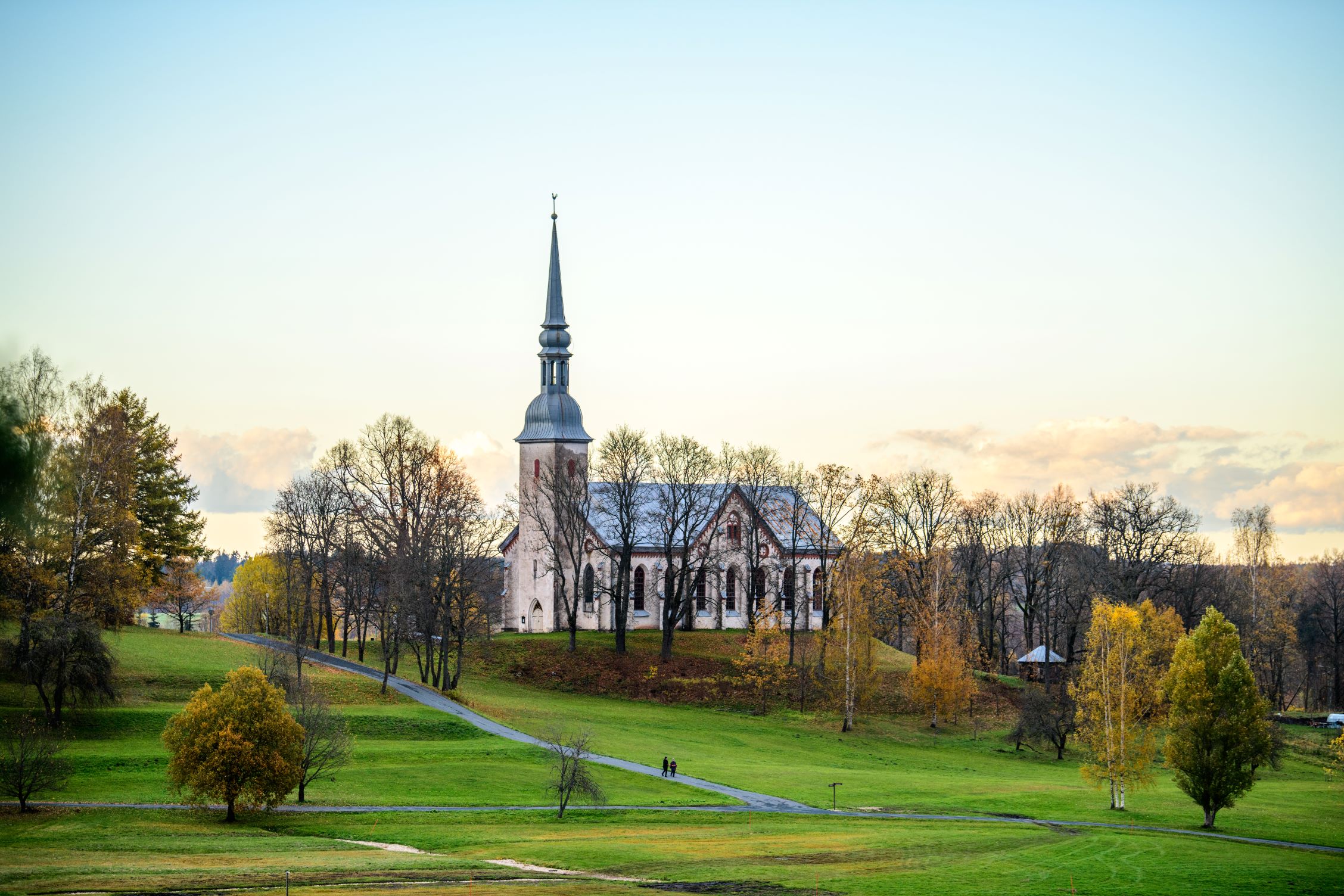
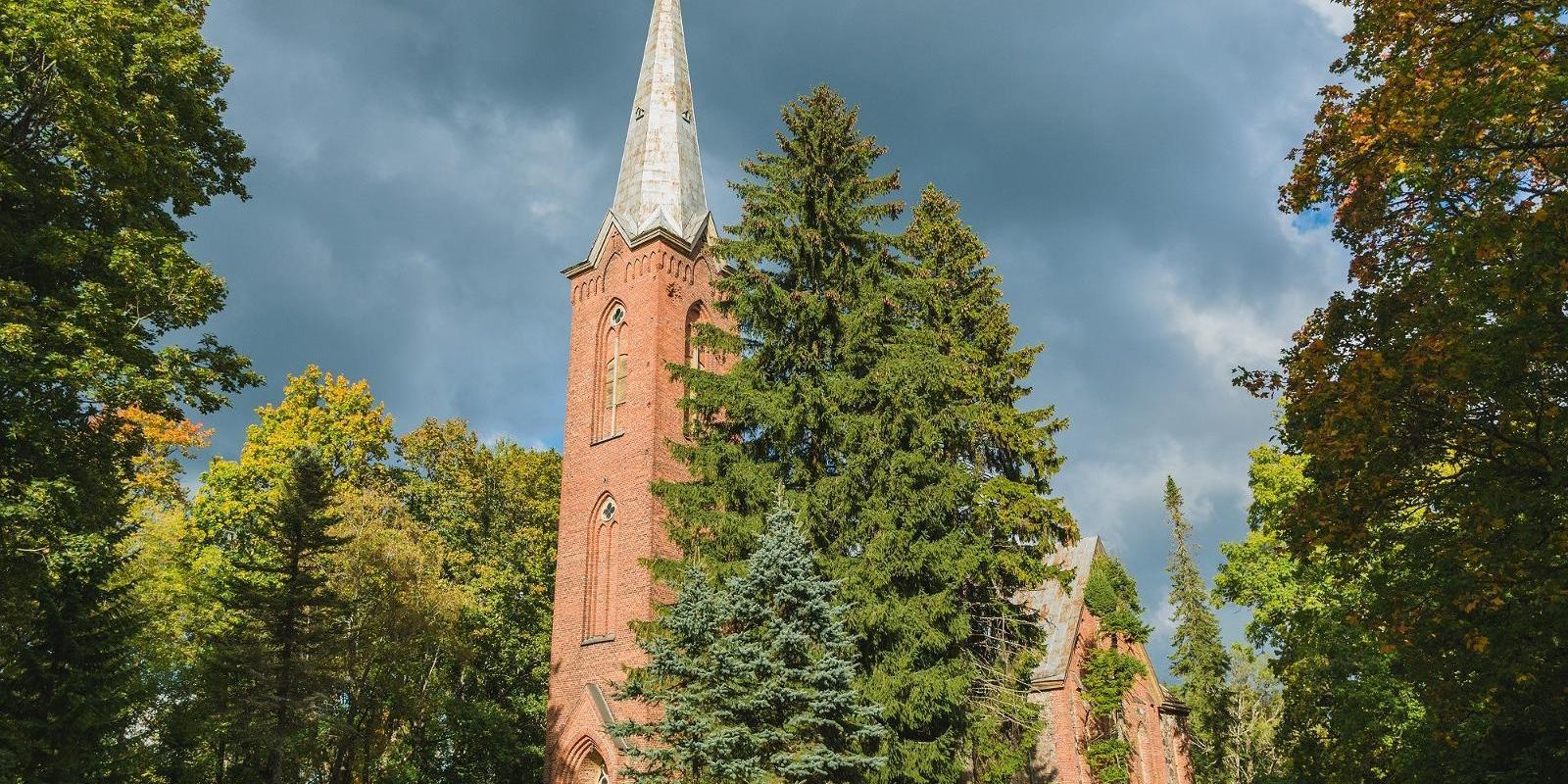
This neo-Gothic church with its tall and slender tower is an integral part of the beautiful landscape of Vooremaa. The church has a spacious and stylish Historicist interior. The church is thought to have been built in 1770 and was reconstructed in 1889. A monument to the pastor and renowned linguist Otto Wilhelm Masing can be found in the Church Manor (1989).

  • Churches

The Liphardt tomb chapel

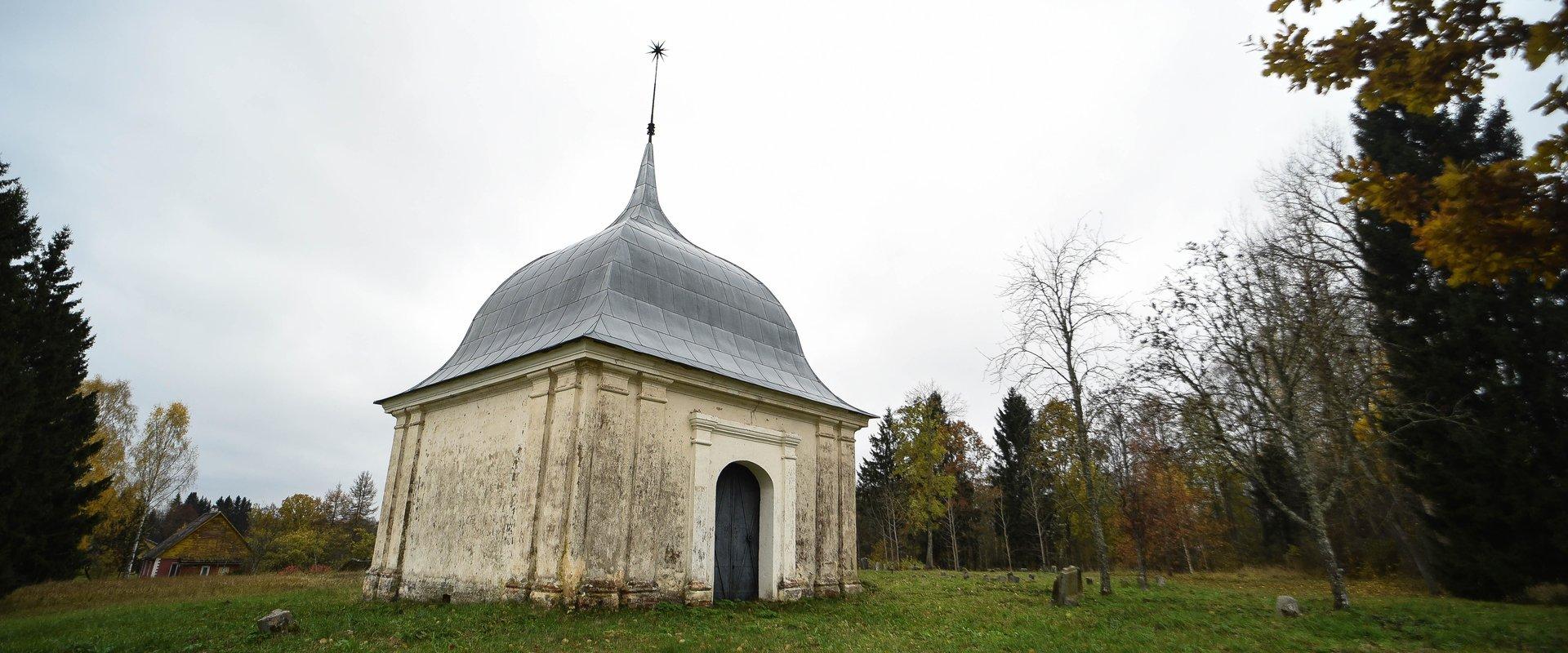
The Vastseliina manor chapel, popularly called the Liphardt tomb chapel, is situated in the old cemetery of Vastseliina (also known as the German cemetery). The chapel was completed in the same year as the current Vastseliina church, in 1772.The Liphardts, one of the wealthiest noble families of Livonia, governed the entire Vastseliina parish from Misso to Orava and ruled Vastseliina for seven generations. In addition to Vastseliina, the family also owned several other manors, including the Raadi manor.The Vastseliina manor chapel is one of the most remarkable examples of early classicist rural chapels.Visitors are welcome to see the exterior of the chapel only.

  • Collaboration
  • News
  • Contacts
  • Privacy Policy
Join our mailing list!

"*" indicates required fields

This field is for validation purposes and should be left unchanged.
I authorise marketing

South Estonia Tourism Cluster

info@visitsouthestonia.com