• Explore
    • Nature
    • Culture
    • Food
    • Family
    • Activity
    • Blog
    Smoke sauna
    Weather and seasons
  • Plan
    • Accommodation
    • How to get here
    • Weather and seasons
    • Sustainability
    • Tourist info
    Discover South Estonia’s Most Beautiful Manors and Castles
    Top 20 Sights in South Estonia
  • For professionals
    • For professionals
    • Collaboration
    • News
    • Projects
    • Training
    • Repository
    • Community (opens in new tab)
    • Contacts
ENG
  • EnglishENG
  • EestiEST
  • LatviešuLAT
  • РусскийRUS
  • SuomiFIN
ENG
  • EnglishENG
  • EestiEST
  • LatviešuLAT
  • РусскийRUS
  • SuomiFIN
Popular searches:
Show all
  • History & Culture
  • Architecture and history
  • Churches

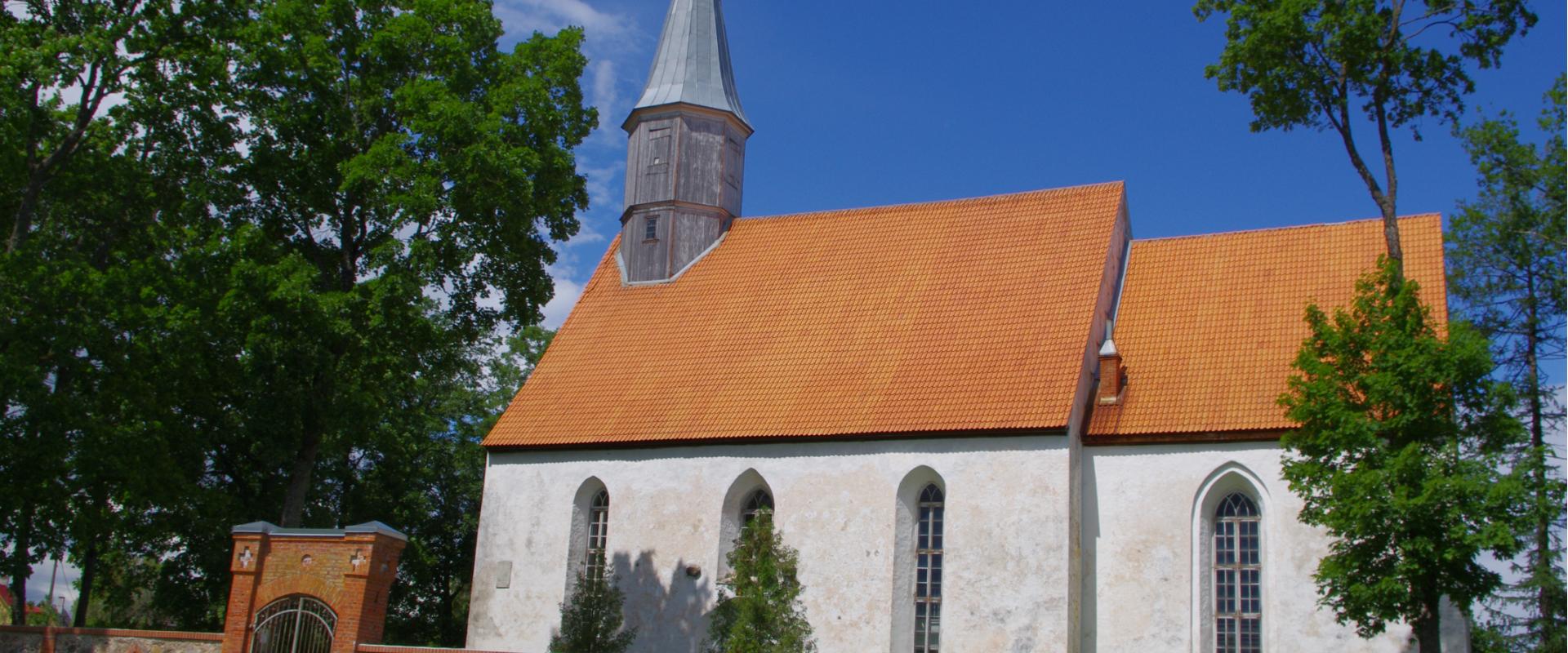
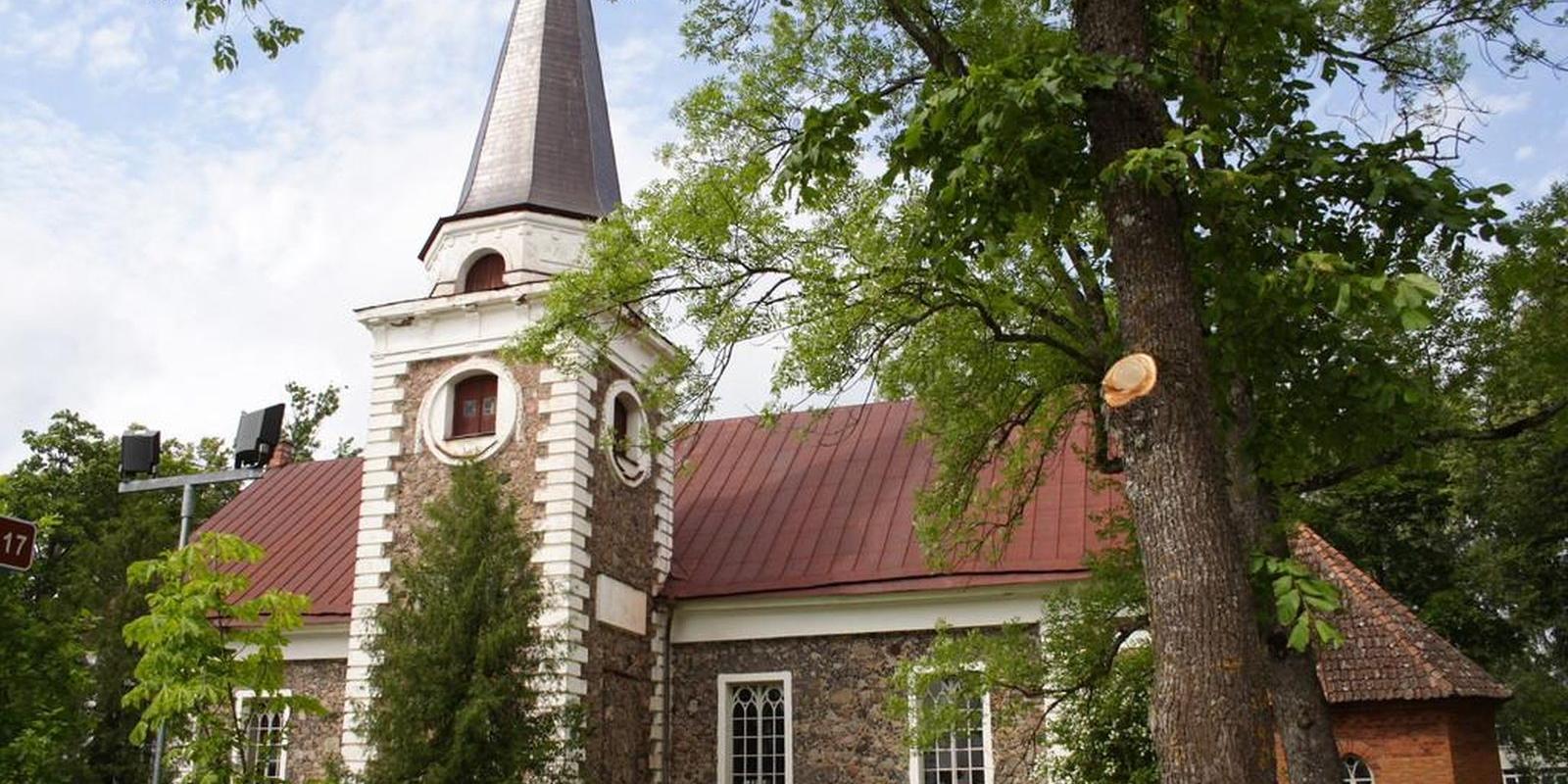
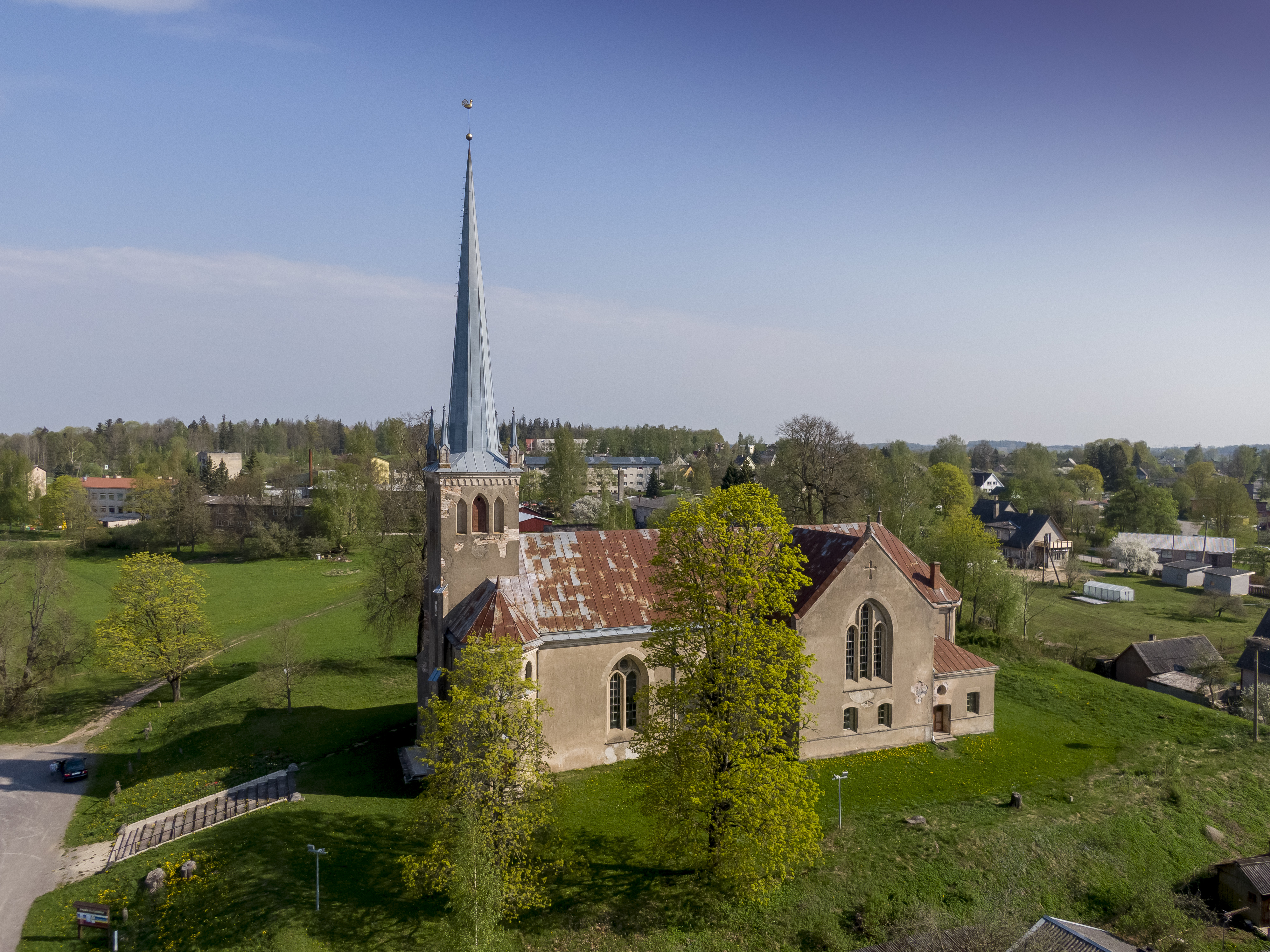
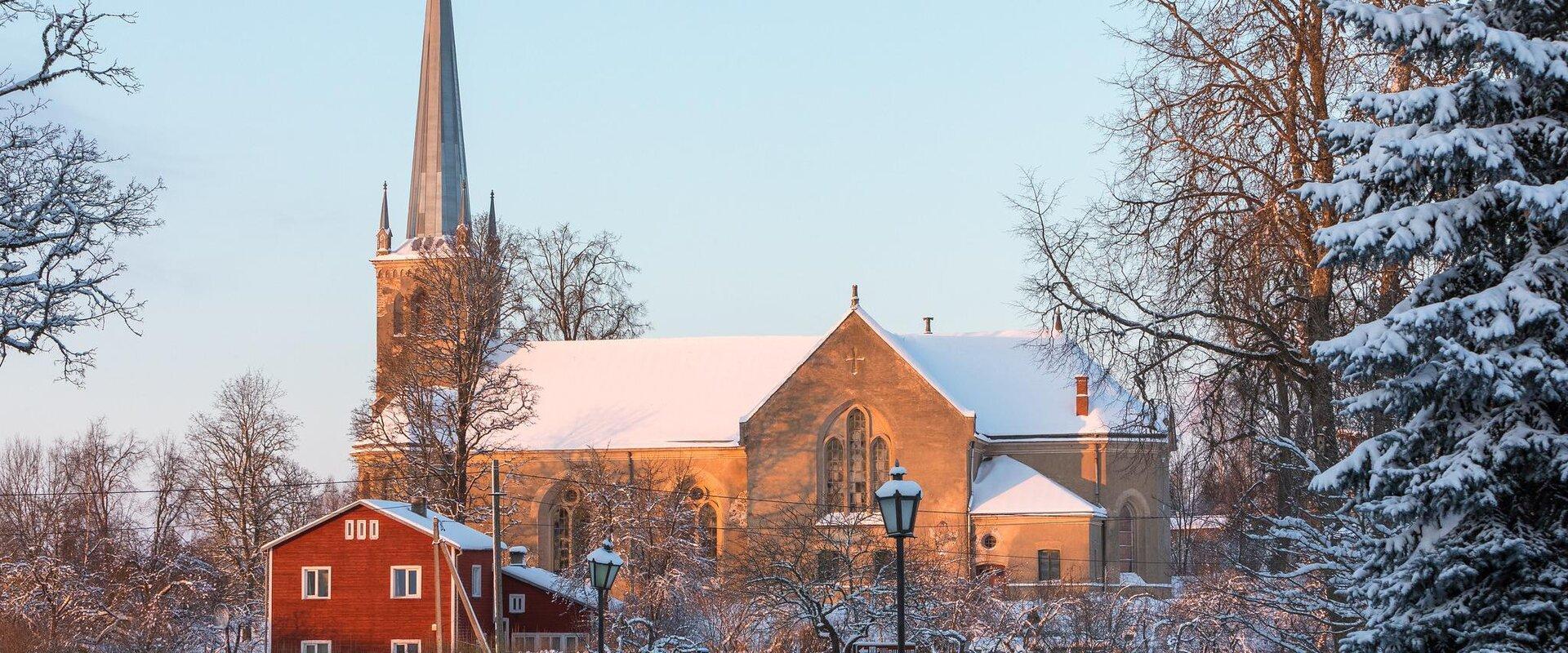
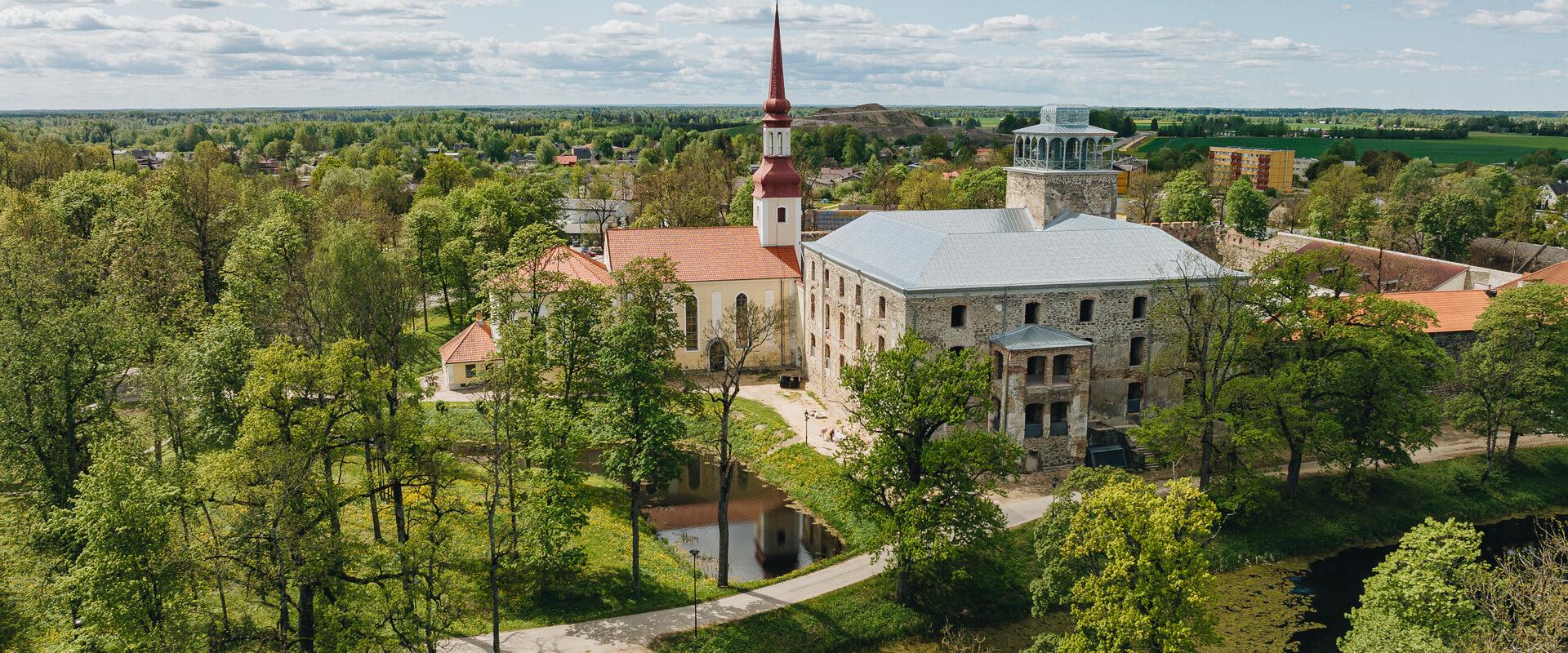
Rõngu St Michael’s Church of the Estonian Evangelical Lutheran Church

Elva vald, Tartu maakond, 61001

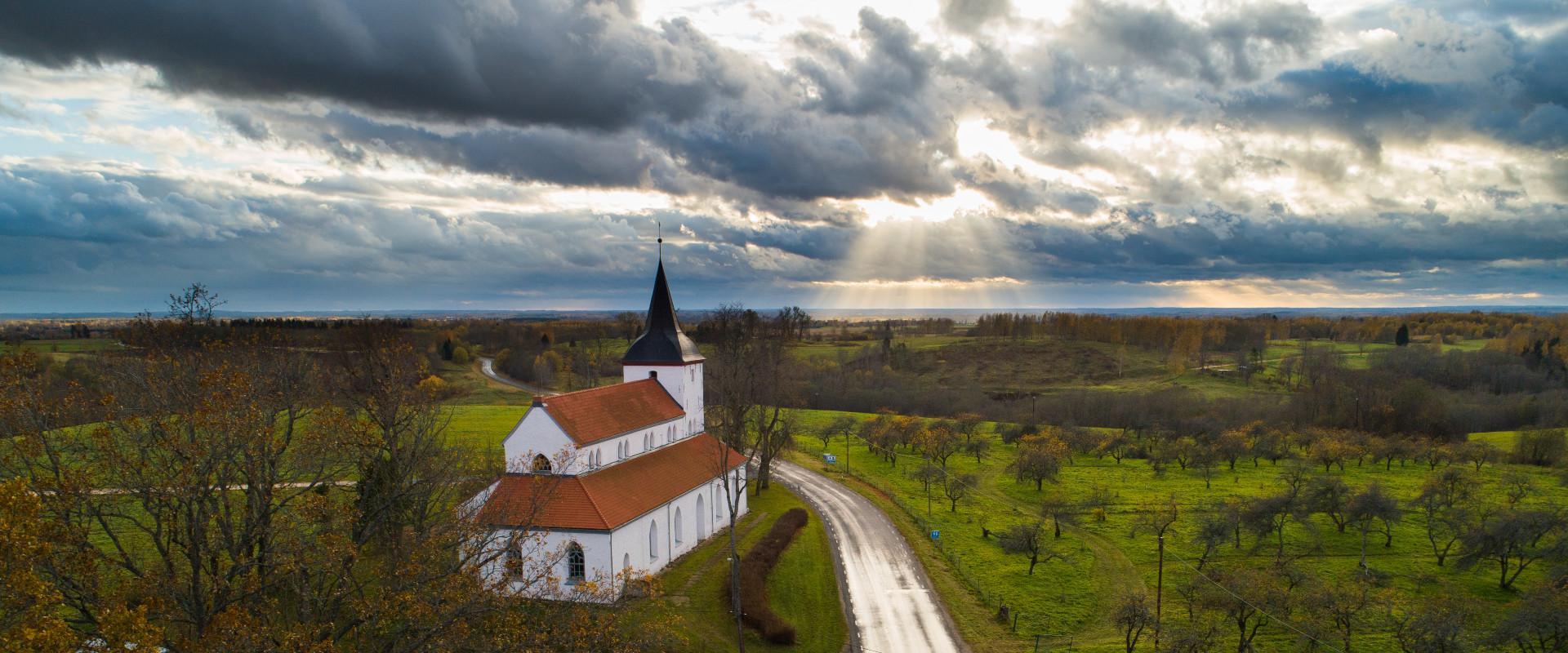
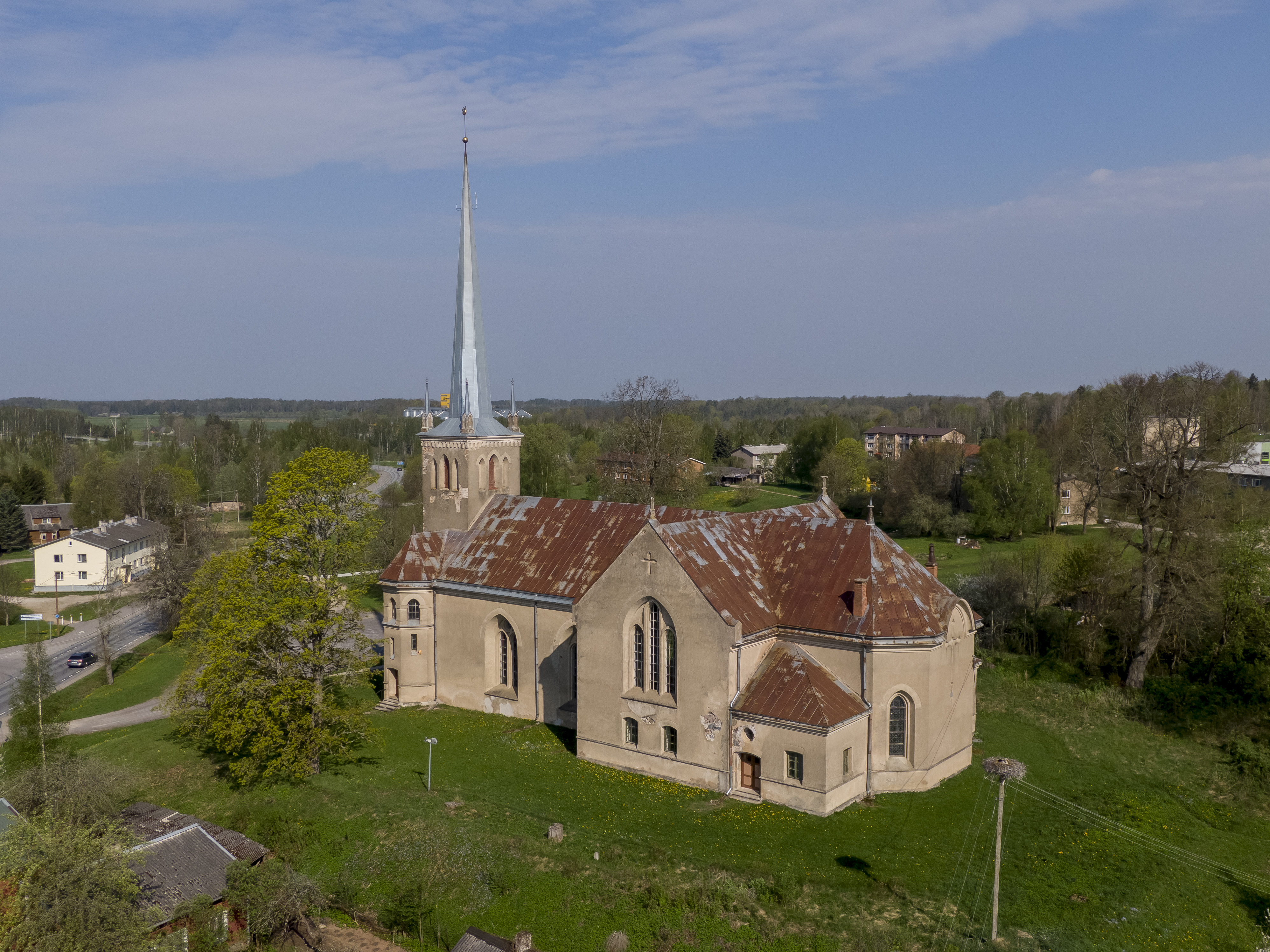
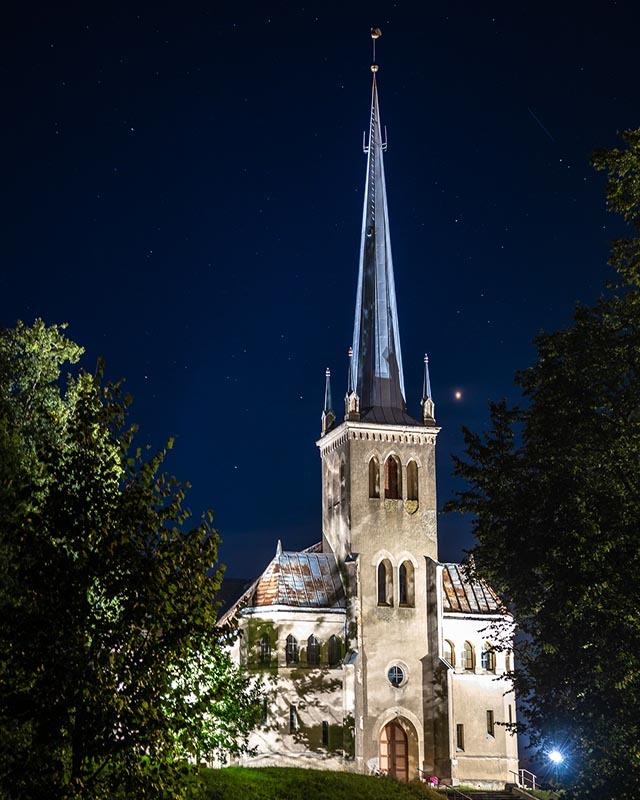
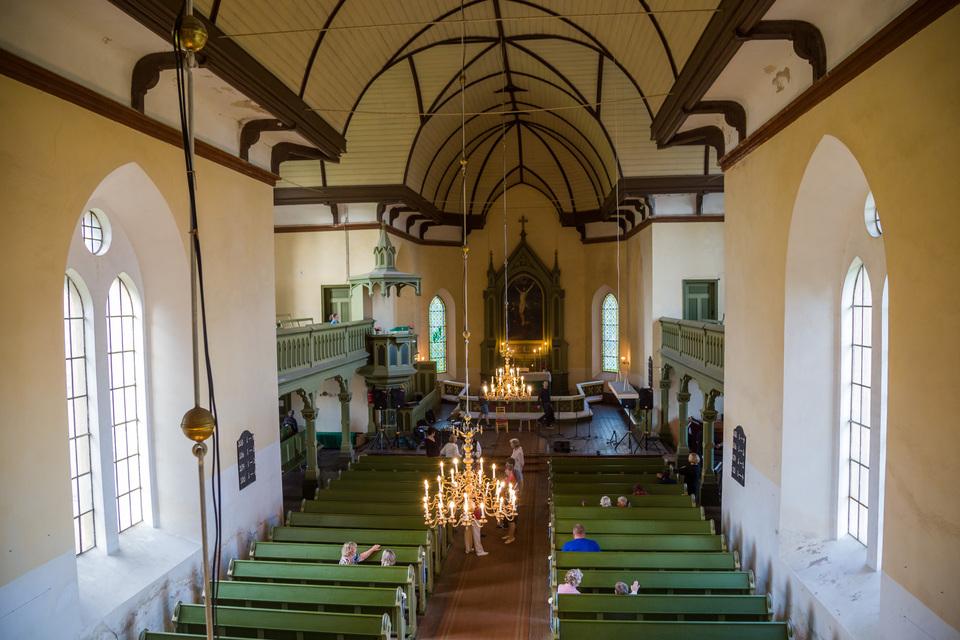
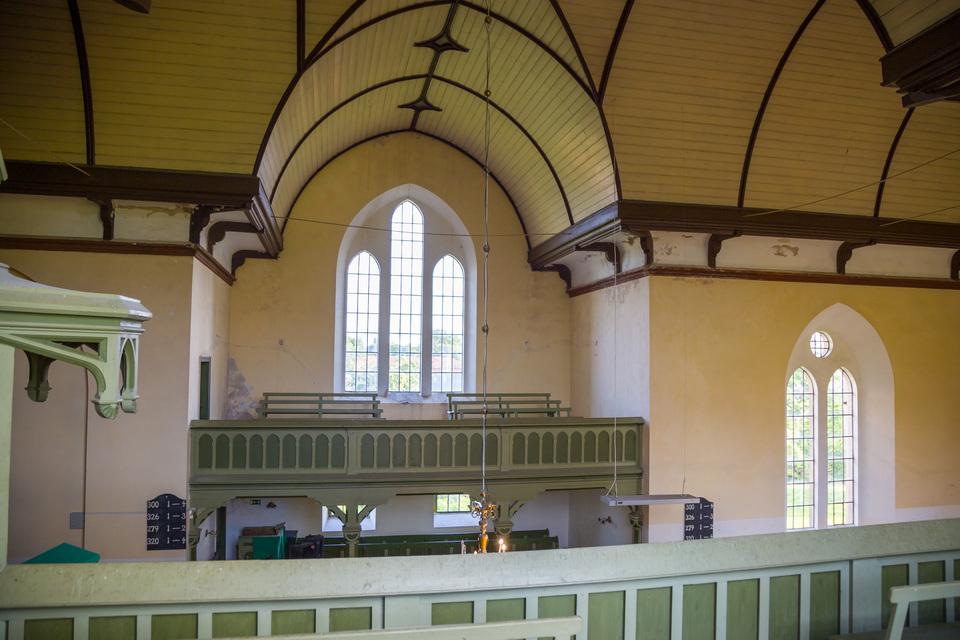
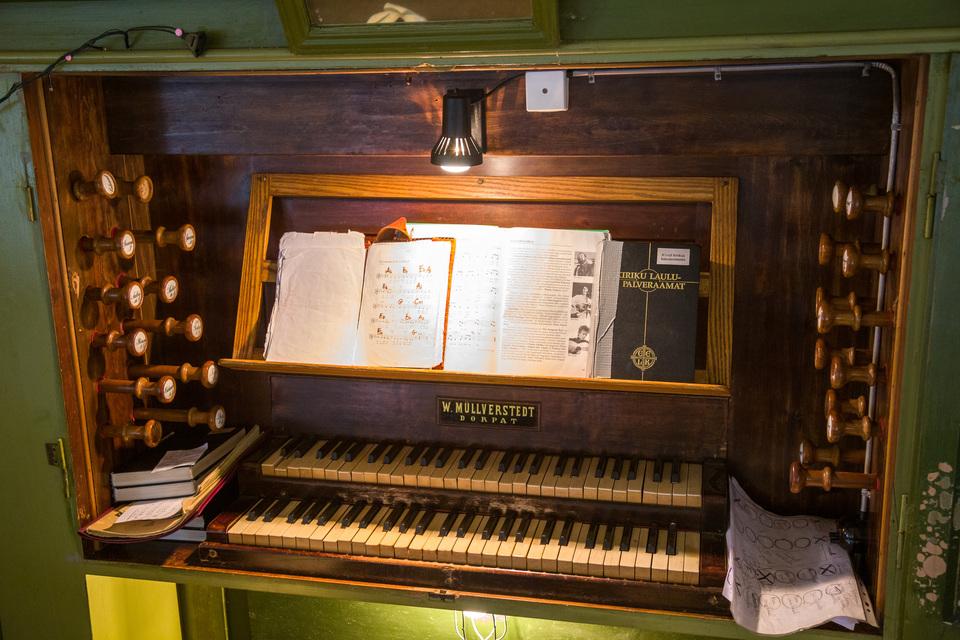
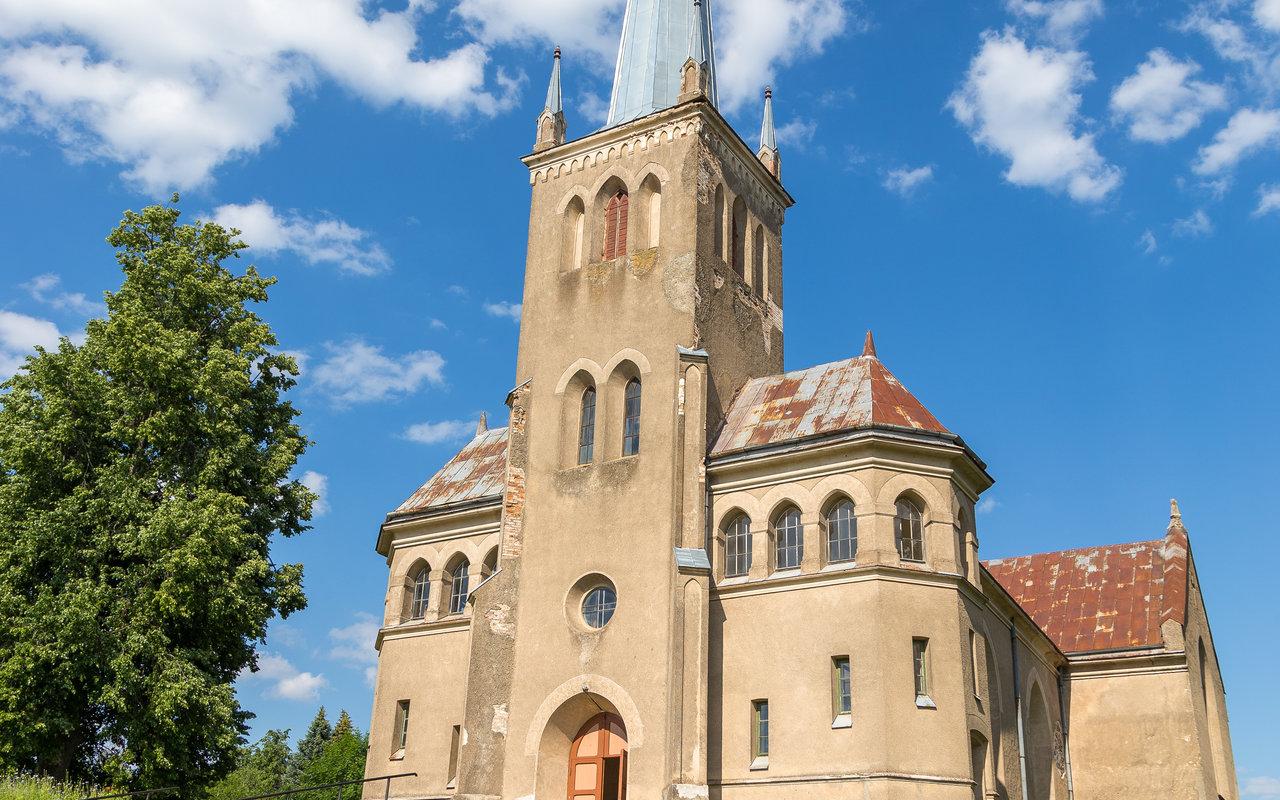
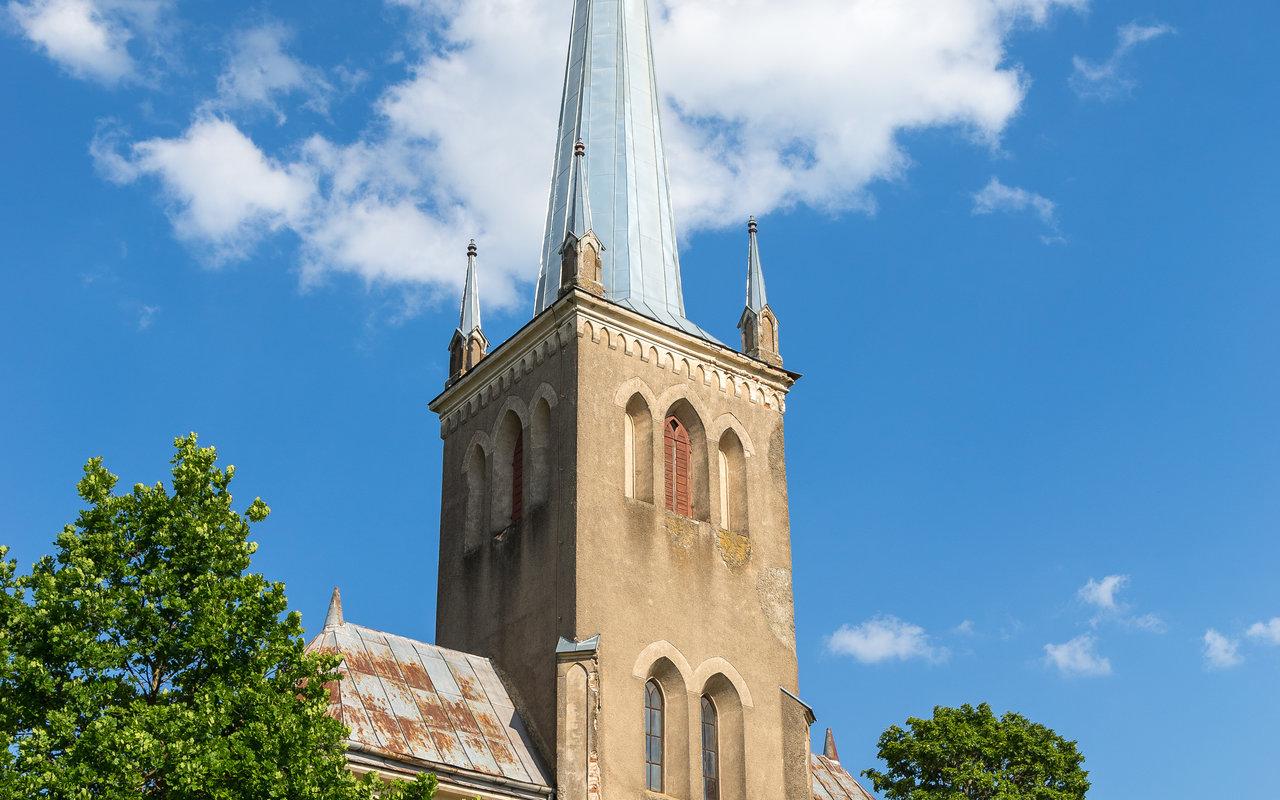
The medieval Rõngu St Michael’s Church is dedicated to the Archangel Michael. The church is also known as the oldest building in Rõngu.The church has suffered major damage in several wars, and over time, the original architecture has been partially altered during the restorations. The current shape of the church dates from the last reconstruction in 1901.Today, the most significant parts of the church are the altarpiece (1901, the work of a Dresden artist), the organ (V. Müllverstedt, 1874), and the stained-glass windows (1900, the work of Riga artists).The church participates in both the ‘Wayfarers’ Churches’ and the ‘Night of Churches’ programme.The church can be visited on Sundays during the service or by prior arrangement.
Amenities

  • Free parking

Open times

Throughout the Year

Eeltellimsel

Contact

  • +372 503 1474
  • vallo.ehasalu@eelk.ee

Links

visitelva.com

See more

  • Churches

Äksi St. Andrew’s Church of the Estonian Evangelical Lutheran Church

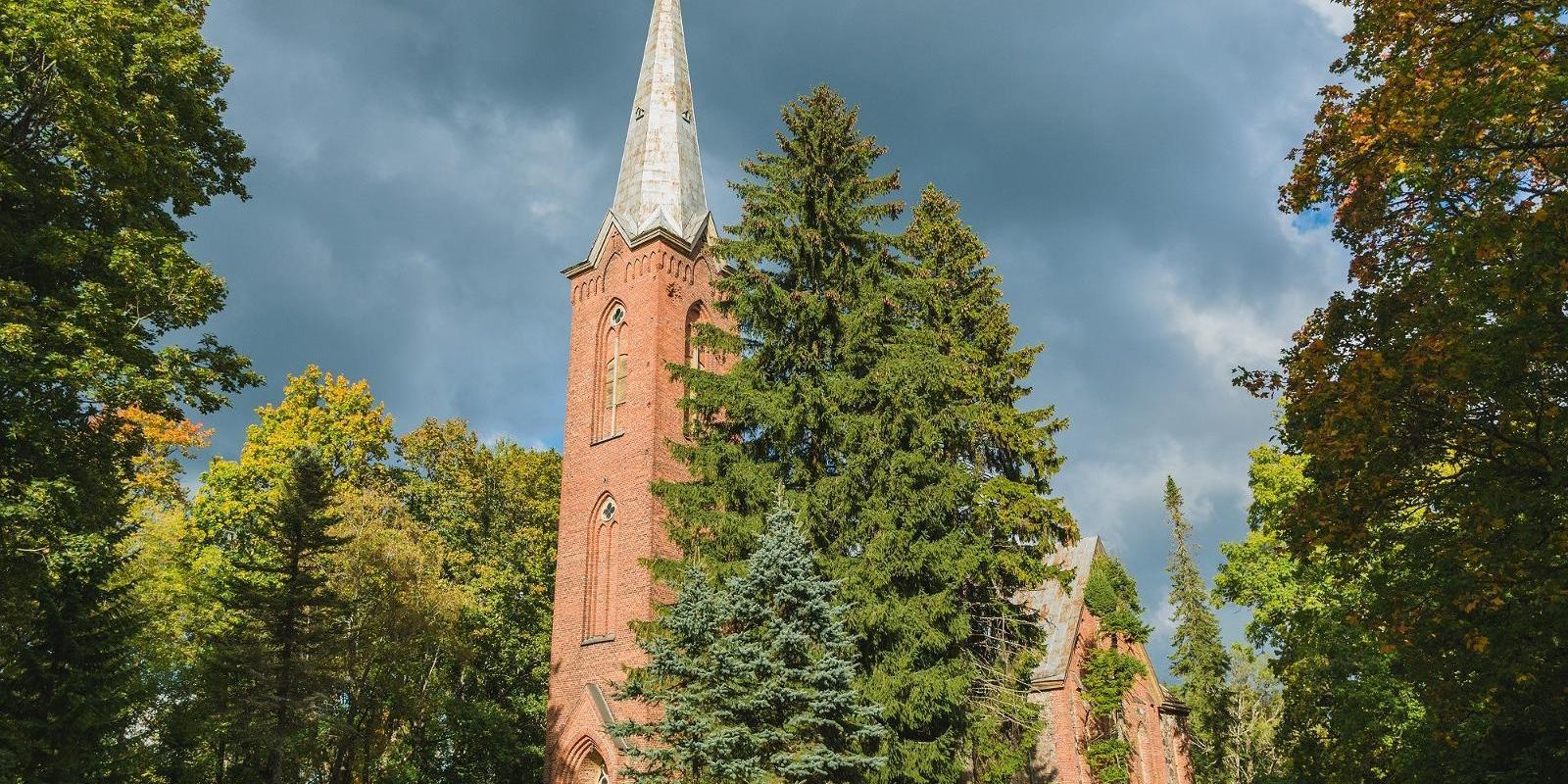
This neo-Gothic church with its tall and slender tower is an integral part of the beautiful landscape of Vooremaa. The church has a spacious and stylish Historicist interior. The church is thought to have been built in 1770 and was reconstructed in 1889. A monument to the pastor and renowned linguist Otto Wilhelm Masing can be found in the Church Manor (1989).

  • Churches

St. Nicholas’ church, Põltsamaa

This Lutheran church, originally constructed on a bastion and the town's walls, was restored from its war-time ruins 50 years ago. Its altar, pulpit, lights and tower bells (XIX) are from the now defunct University of Tartu church.

  • Churches

Roman Catholic Church of Immaculate Conception of the Blessed Virgin Mary

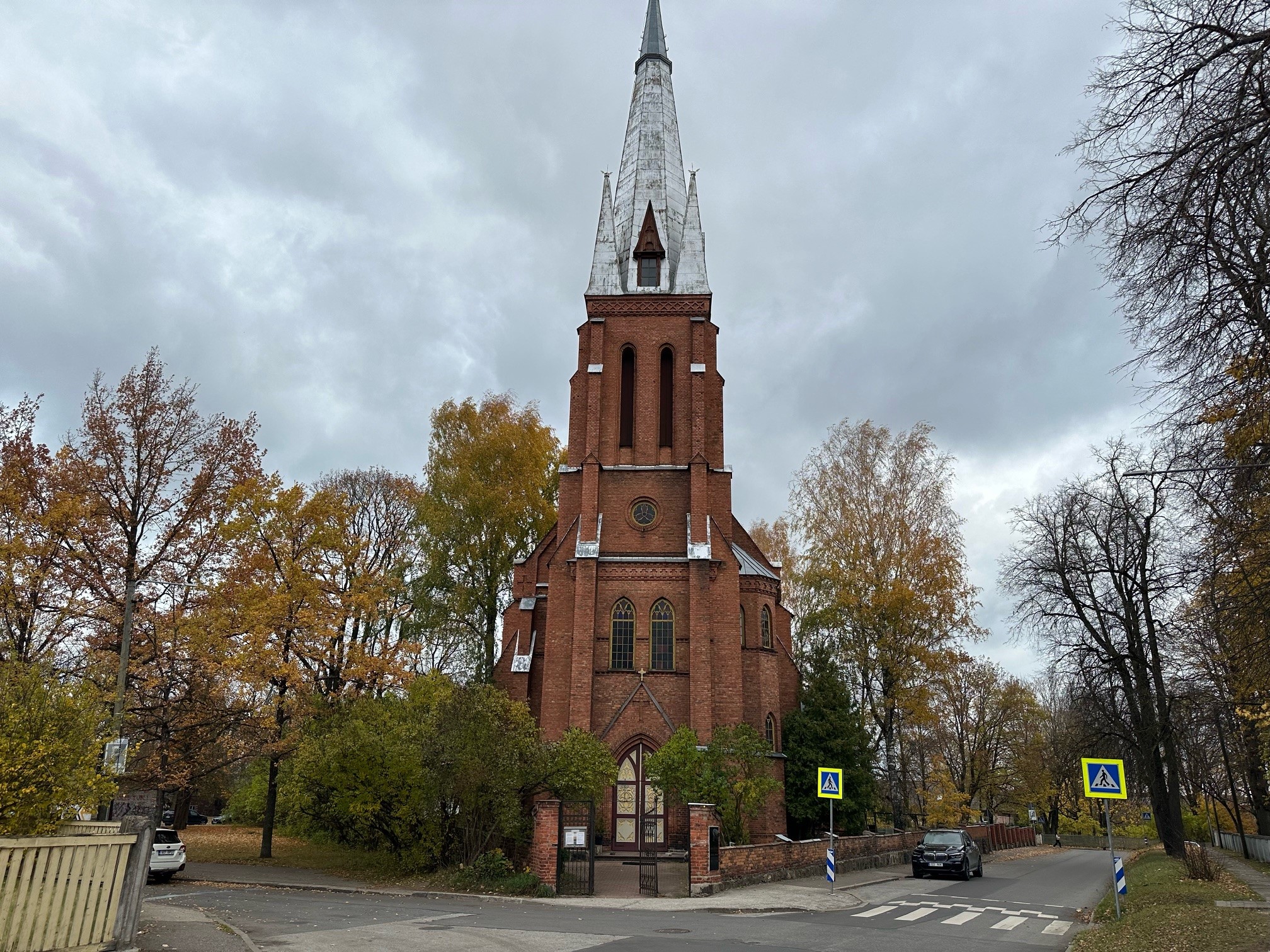
You are welcome to admire the Gothic red brick house of God (architect Wilhelm Schilling). The Church of Immaculate Conception of the Blessed Virgin Mary is the only Roman Catholic church in Tartu. The cornerstone was placed in 1862 and the church was consecrated in 1899. You will find the painting "Virgin Mary with Jesus" (1905) by Ernst Friedrich von Liphardt and a large crucifix carved of lime tree (1935) in the high-vaulted church.Interesting facts: - even Tsar Nicholas II donated 3000 roubles for the construction of the church in 1894 when Priest Friedrich Zhyskar started raising funds for building the church.

  • Churches

The Liphardt tomb chapel

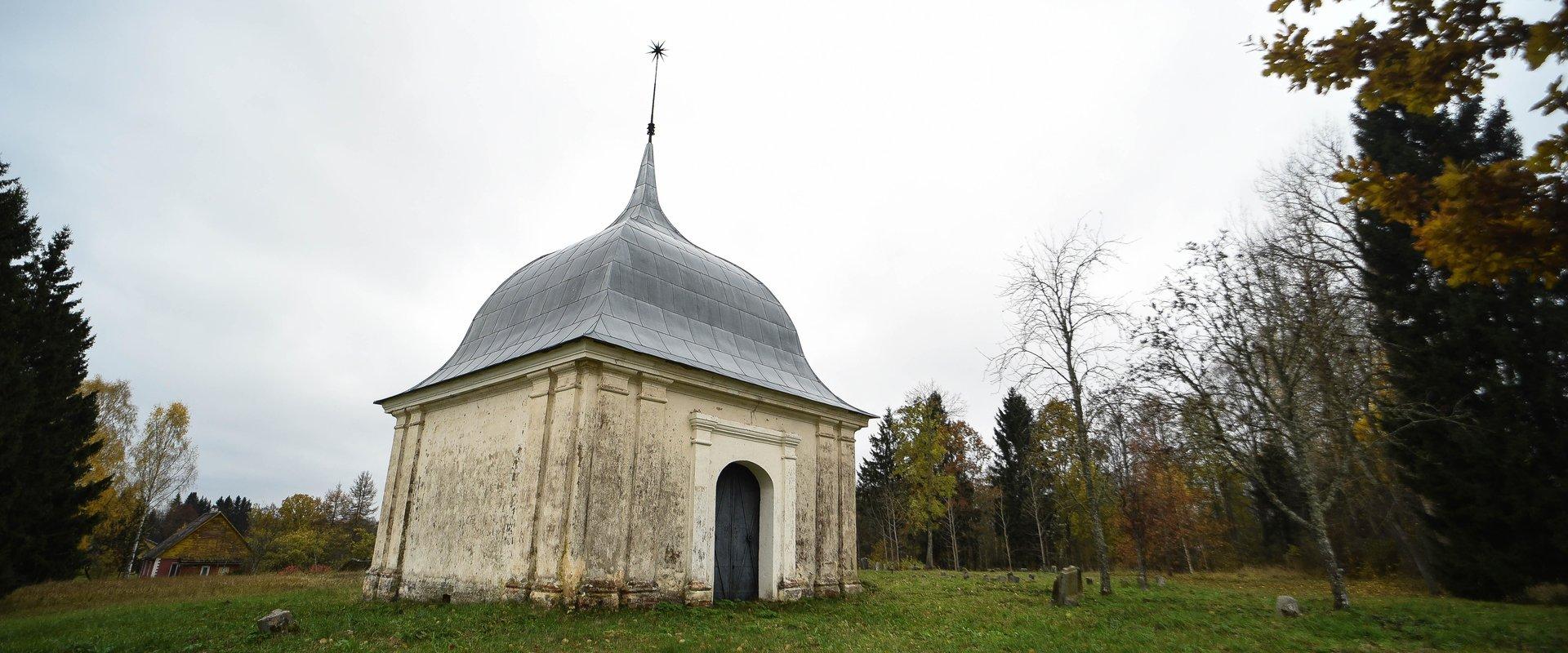
The Vastseliina manor chapel, popularly called the Liphardt tomb chapel, is situated in the old cemetery of Vastseliina (also known as the German cemetery). The chapel was completed in the same year as the current Vastseliina church, in 1772.The Liphardts, one of the wealthiest noble families of Livonia, governed the entire Vastseliina parish from Misso to Orava and ruled Vastseliina for seven generations. In addition to Vastseliina, the family also owned several other manors, including the Raadi manor.The Vastseliina manor chapel is one of the most remarkable examples of early classicist rural chapels.Visitors are welcome to see the exterior of the chapel only.

  • Churches

Rajaküla Old Believers’ Worship House

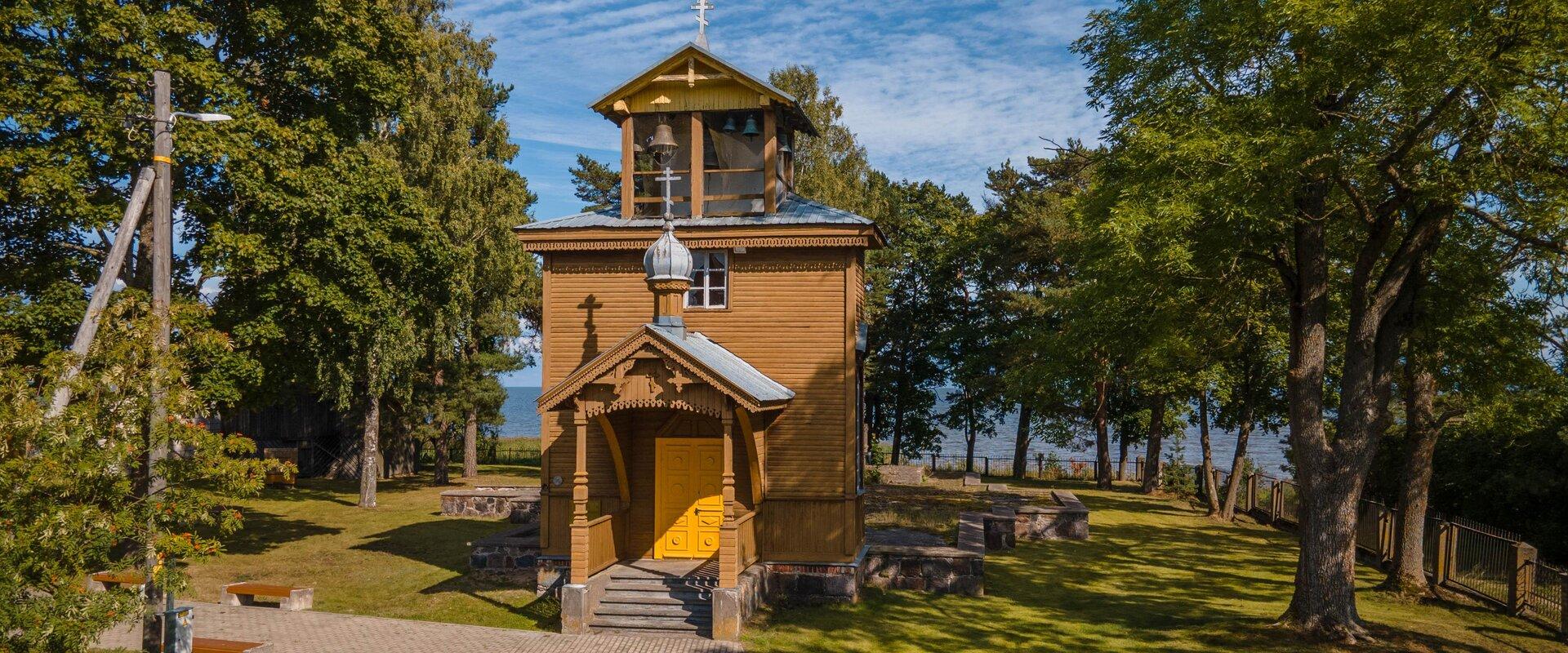
It is believed that the Raja congregation of Old Believers was established in the first quarter of the 18th century. The congregation was given permission to build its own church only in 1879. The church was destroyed during the Second World War – the only thing left is the belfry. The present worship house has 11 rooms. In 1854–1930 Gavriil Frolov lived in the worship house. He taught children icon-writing, reading and writing in Old-Slavic, also singing based on old musical notation.

  • Churches

Urvaste church and cemetery on the shores of Lake Uhtjärv

The EELC St. Urbanus' Church in Urvaste, Võru County is one of the oldest and most unique country churches. The earliest written records date back to 1413, which means that 600 years have passed since the church was first mentioned.The church we see today – a three-naved Gothic basilica – was consecrated on 5 September 1889. The entire interior of the church also dates back to this time. In 1938, The organ was built by the Kriisa brothers in 1938, while the church bells date back to 1832.From the yellow National Geographic window on the shores of Lake Uhtjärv, you can enjoy a breathtaking view over the Urvaste church and the primeval valley of Lake Uhtjärv. The window marks one of the 21 places worthy of discovery in South-Estonia.

  • Churches

Nõo St Lawrence Church of the Estonian Evangelical Lutheran Church

In Nõo, you can visit the only rural church with genuine medieval arches (13th century) in Southern Estonia. The church has a wooden tower (1879) and pseudo-gothic furnishings from the 19th century. You will see the altar painting Christ on the Cross by Tõnis Grenzstein from 1895, four wooden sculptures of apostles (Jaan Koort, 1910), two organs – Walcker (large, 1890) and Müllverstedt (small, 1903), and the bust of Martin Lipp (1854–1923), a long-time teacher of the congregation and the author of the lyrics of the song of the Estonian flag.In the summer months, Nõo Church participates in the Estonian Council of Churches' Wayfarers' Churches project.Services take place every Sunday at 11 a.m.

  • Churches

St John’s Lutheran Church in Kanepi

St John’s Church is an eye-catching building; its architect was Friedrich Siegel. There is an altar painting Christ on the Cross (A. Bauer, 1857) and a pseudo-Gothic altar, and two nationally protected wooden candlesticks (1810) and an armchair from the birch wood dating from the 18th century. On top of the spire there is a morning star. Interesting to know: St John’s Church in Kanepi was built in 1804-1810 to replace the old wooden church. In 1831 the church was set on fire by lightning. The church in Kanepi has been in its current state since the year 1877.

  • Collaboration
  • News
  • Contacts
  • Privacy Policy
Join our mailing list!

"*" indicates required fields

This field is for validation purposes and should be left unchanged.
I authorise marketing

South Estonia Tourism Cluster

info@visitsouthestonia.com