Tartu

Tartu

Tartu überrascht die meisten Erstbesucher. Man erwartet ein kleines Provinzstädtchen. Was man findet, ist eine wahrhaft lebendige Universitätsstadt mit guten Restaurants, einem Fluss, der mitten hindurchfließt, mittelalterlichen Ruinen auf dem Hügel darüber und an jeder Ecke ein Café, das seinen Platz wirklich verdient. Die Universität besteht seit 1632. Jeder fünfte Mensch auf der Straße ist Student. Die UNESCO verlieh der Stadt den Titel City of Literature. Eigentlich sollte all das nicht in eine Stadt mit 100.000 Einwohnern passen – und doch tut es das.
Die Universität und der Geist der Stadt

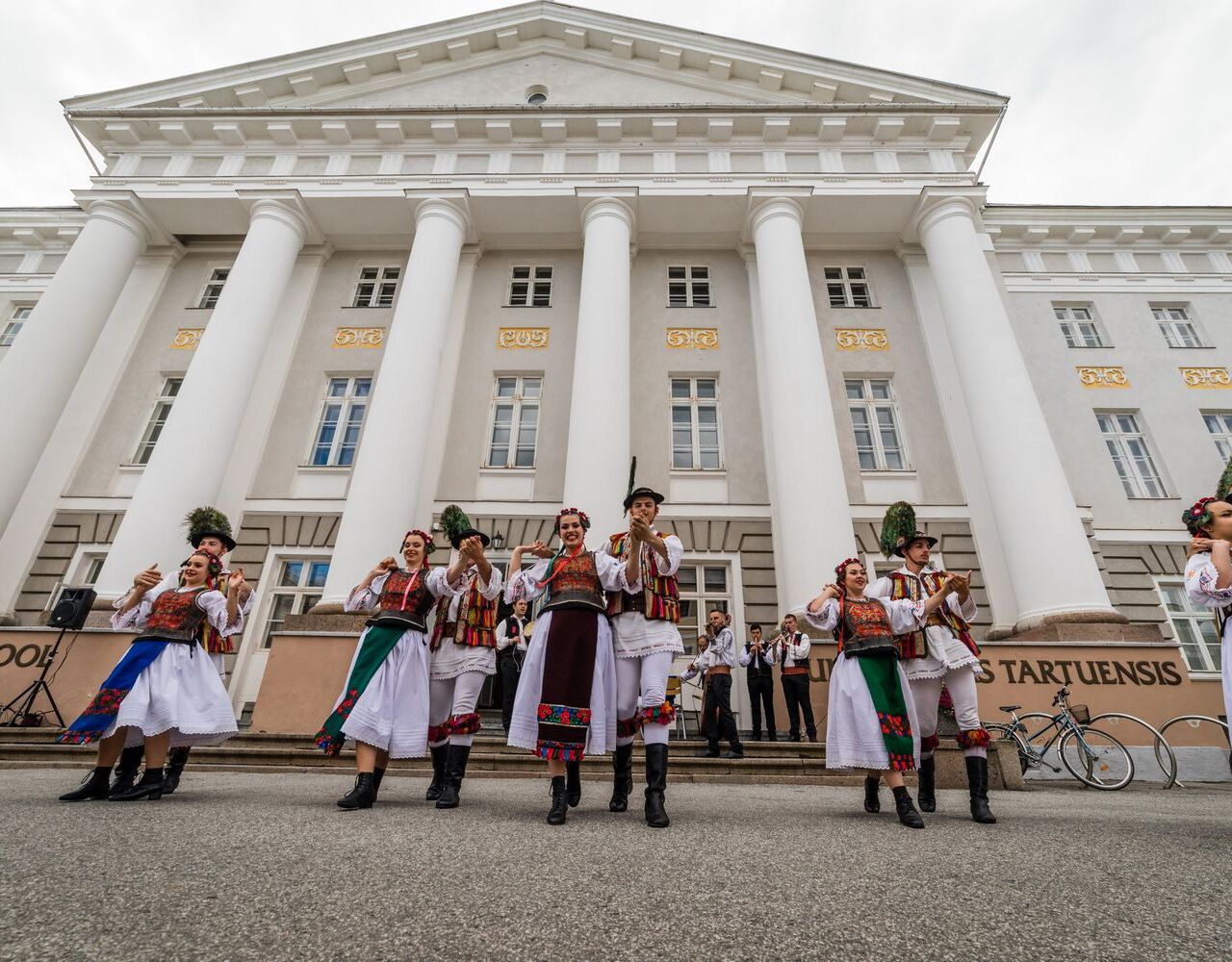
Die Universität Tartu wurde 1632 von König Gustav II. Adolf von Schweden gegründet und zählt damit zu den ältesten Universitäten Nordeuropas. Seitdem hat sie diese Stadt in jeder Hinsicht geprägt. Das neoklassizistische Hauptgebäude mit seinen weißen Säulen bildet den optischen Ankerpunkt der Altstadt. Rund um das Universitätsviertel pulsiert das Studentenleben, umgeben von historischen Gedenktafeln und kleinen Innenhöfen, die von Tartus Geschichte als intellektuellem Zentrum Estlands erzählen.

Die Universität hat eine unverhältnismäßig große Zahl estnischer Wissenschaftler, Schriftsteller und Politiker hervorgebracht. Hier wurde die estnische Sprache erstmals akademisch erforscht. Hier entstanden die Ideen, die zur estnischen Unabhängigkeit führten. Heute ist jeder fünfte Einwohner Tartus Student – das verleiht der Stadt ihre charakteristische Energie: neugierig, meinungsstark und deutlich besser bekocht, als man erwarten würde.

Seit 2015 gehört Tartu als City of Literature zum UNESCO-Netzwerk der Creative Cities. 2024 war die Stadt Europäische Kulturhauptstadt, mit über 1.000 Kunst- und Kulturprojekten in der Stadt und der umliegenden Region. Die Energie dieses Jahres ist bis heute nicht vollständig verflogen.

Die Altstadt

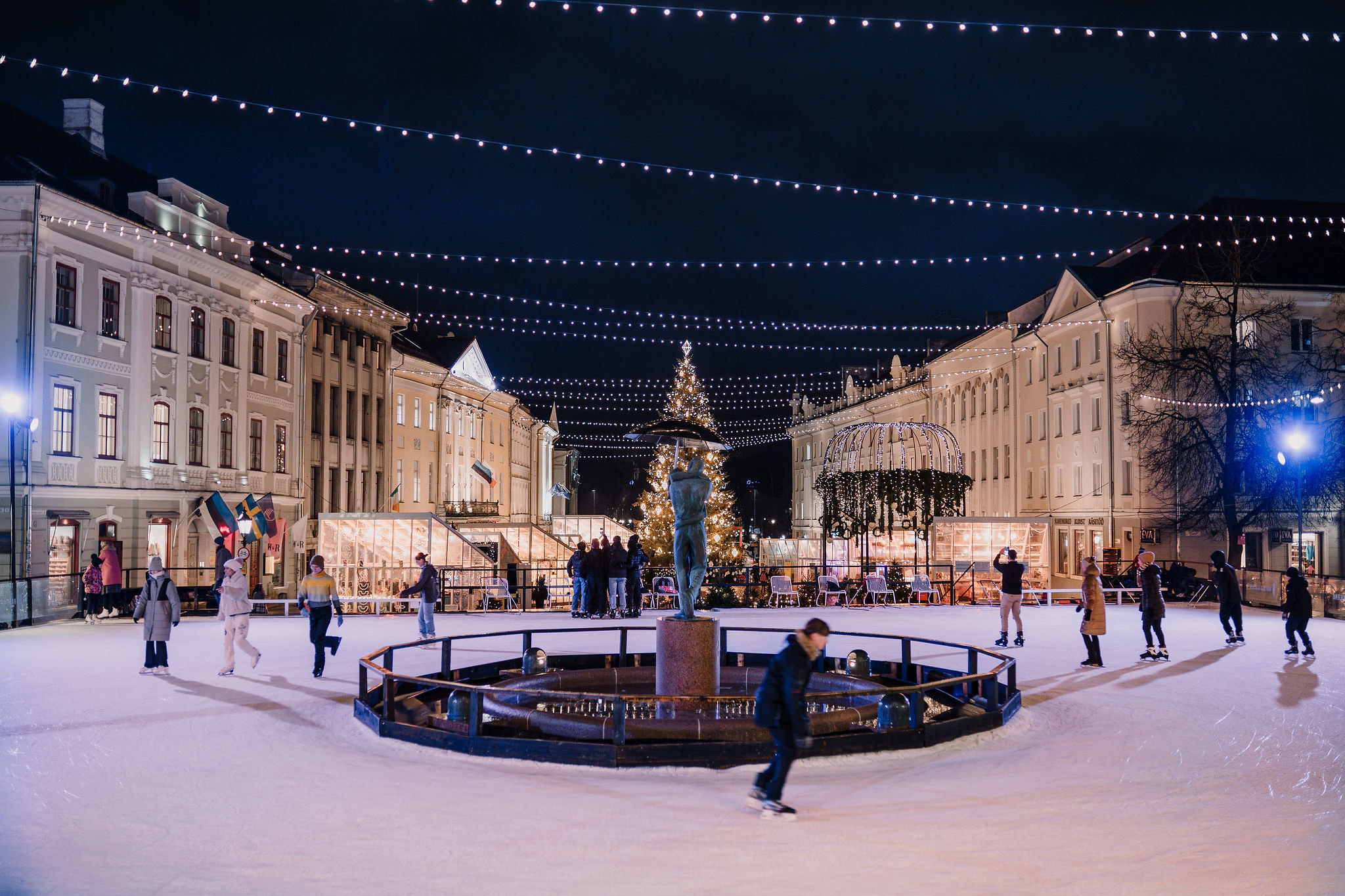
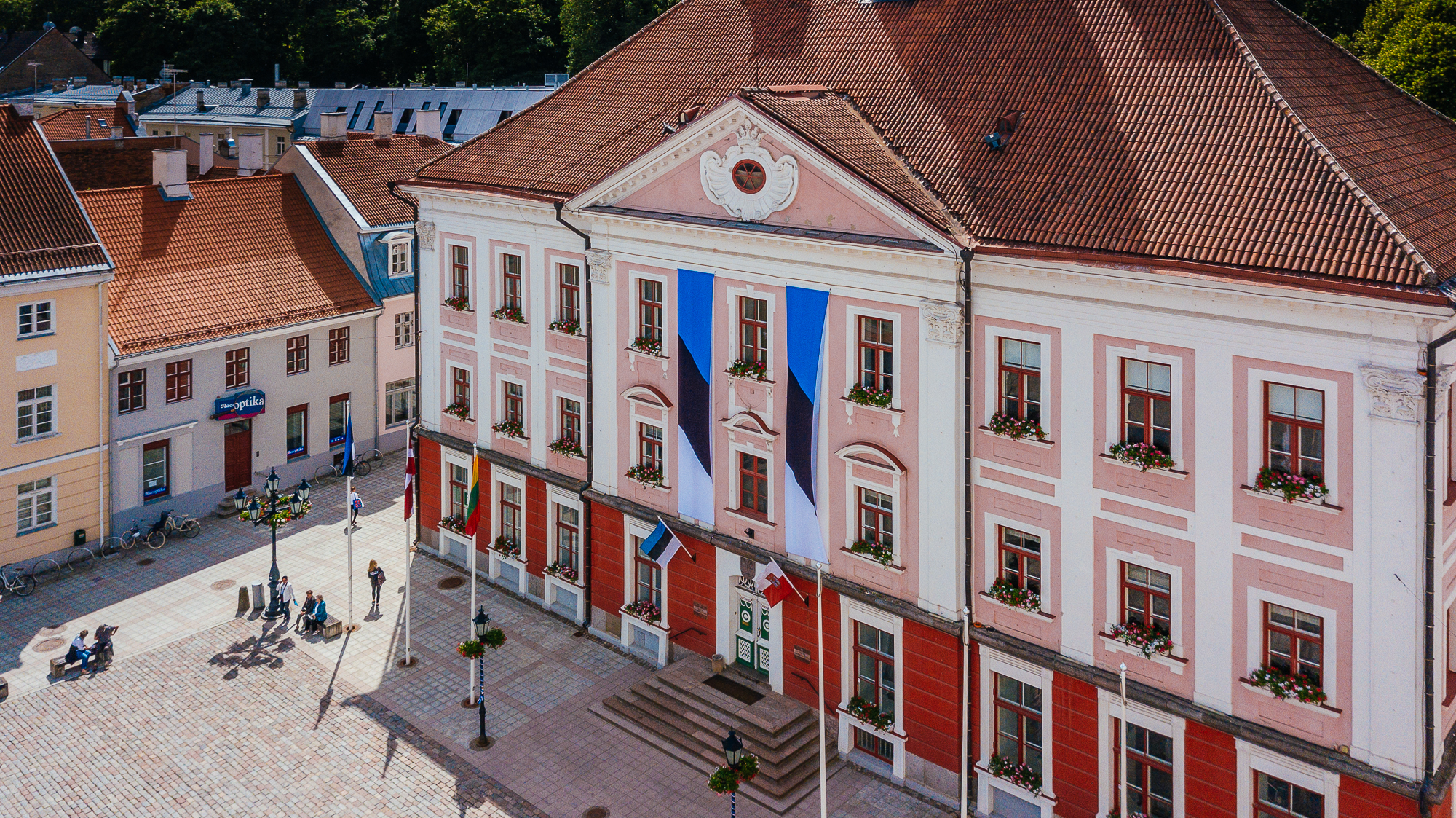
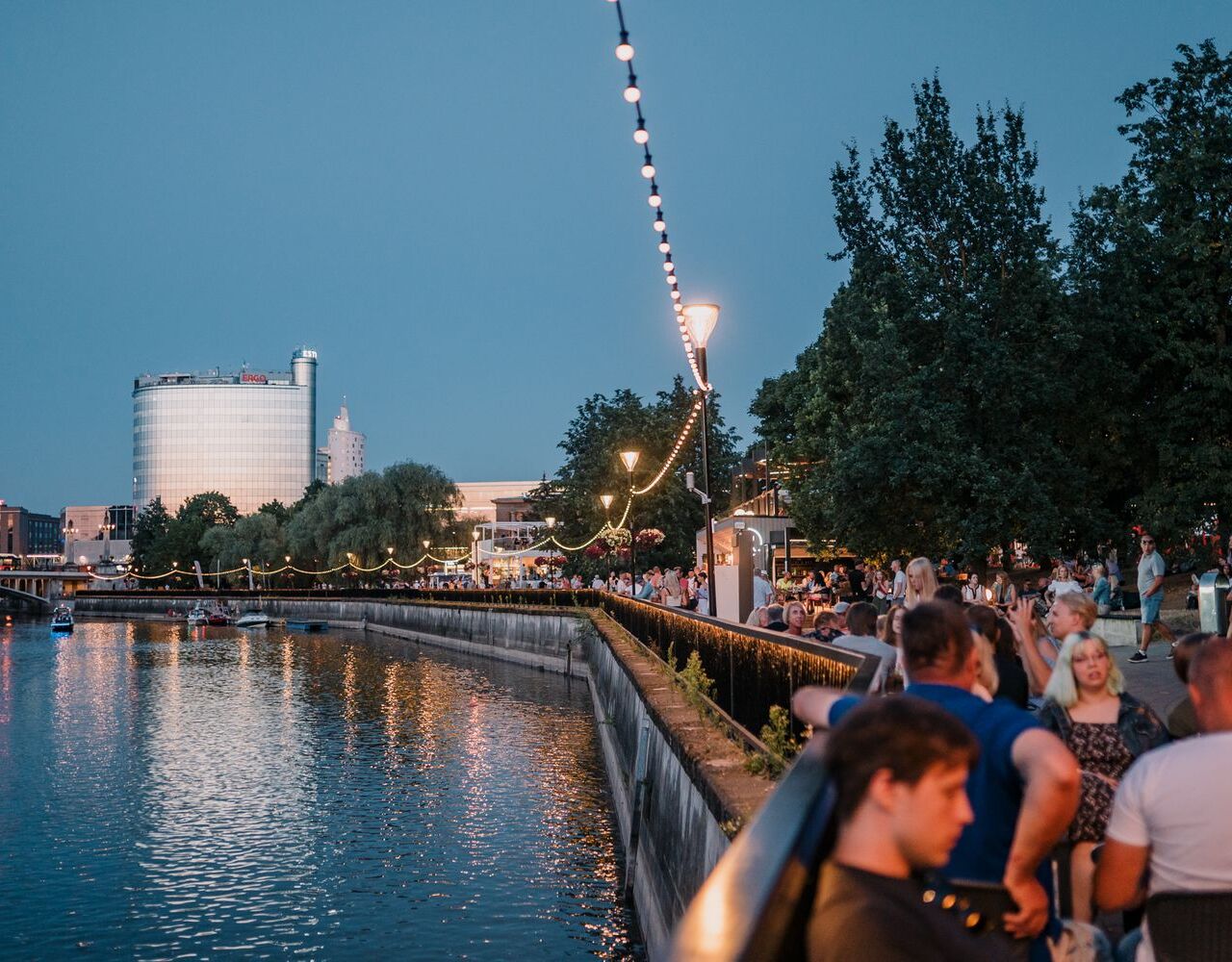
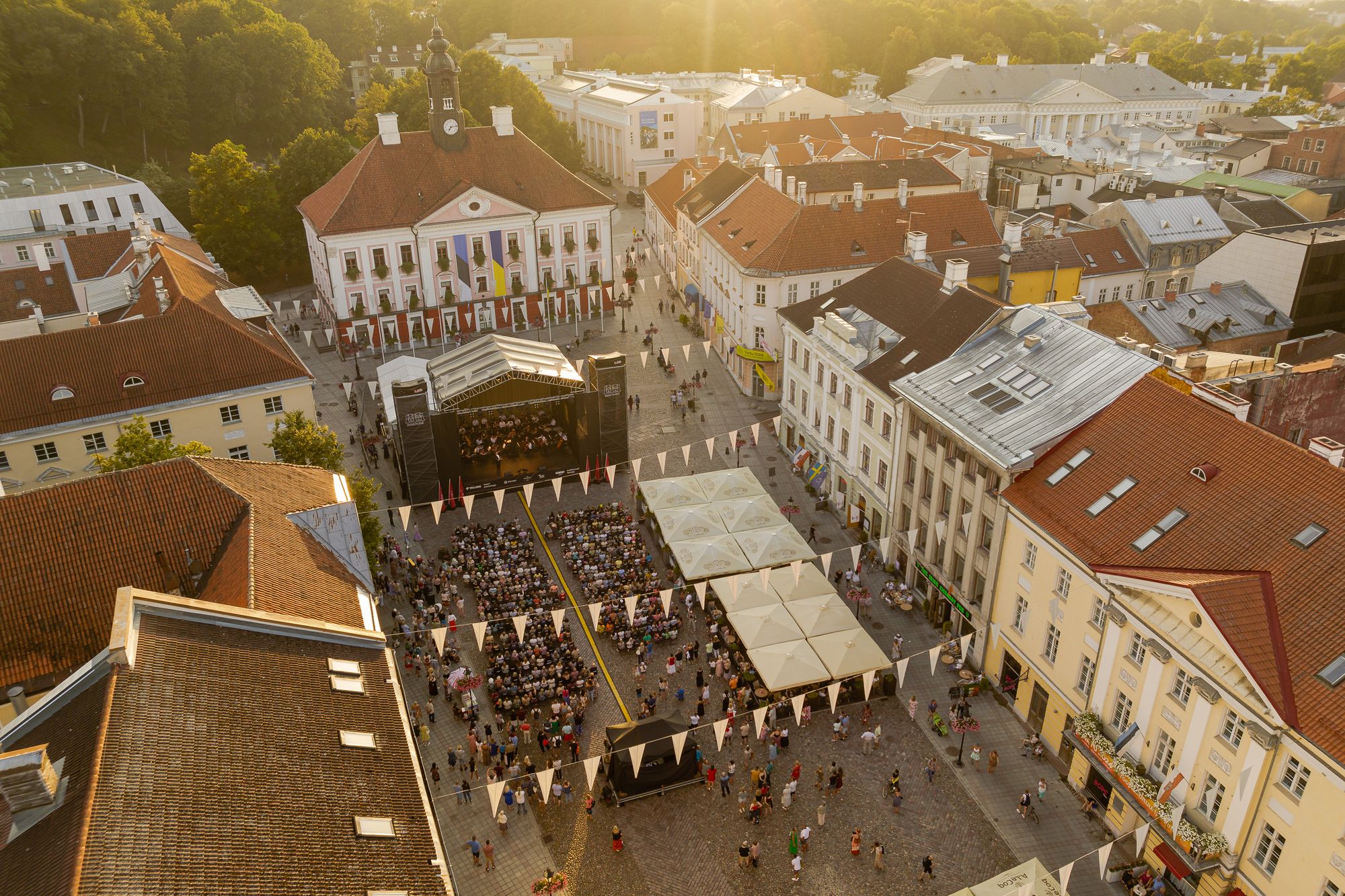
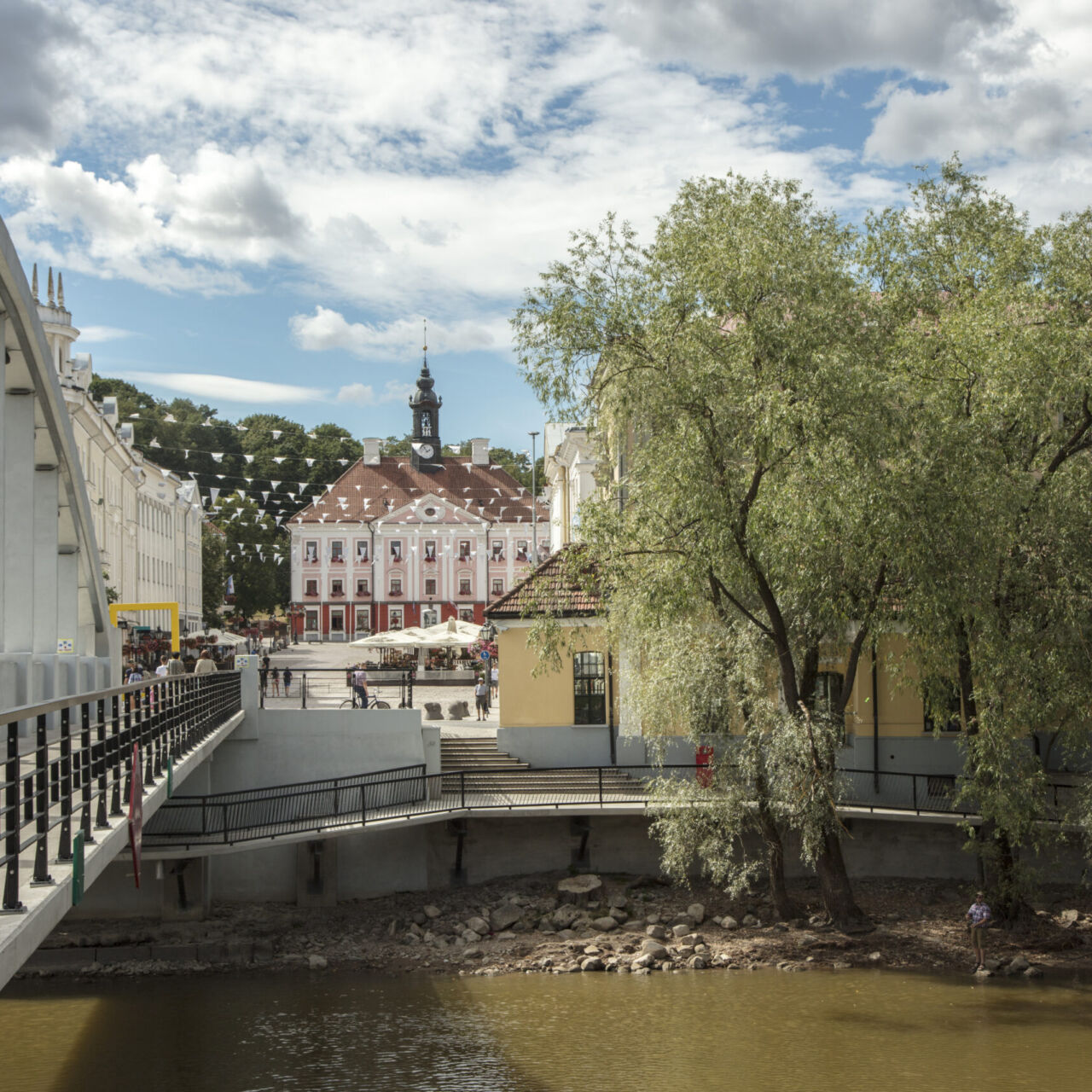
Raekoja Plats ist das Zentrum – ein trapezförmiger Platz mit einem noch immer genutzten Rathaus aus dem 18. Jahrhundert und einem Brunnen mit zwei sich küssenden Studenten davor. Hinter dem Platz liegt der Domberg (Toomemägi) mit den Ruinen einer Kathedrale aus dem 13. Jahrhundert, einem botanischen Garten und Ausblicken über die Stadt. Der Fluss Emajõgi verläuft entlang der Altstadt. Im Sommer füllen sich die Ufer. Im Juni bleibt der Himmel bis Mitternacht hell, und die Abende am Fluss haben eine Qualität, die sich kaum künstlich herstellen lässt.

Tartu wird seit 1030 in schriftlichen Aufzeichnungen erwähnt und war neben Tallinn, Pärnu und Viljandi eine bedeutende Hansestadt. Die Geschichtsschichten sind sichtbar, wenn man genau hinsieht: mittelalterliche Ruinen, barocke Universitätsgebäude, sowjetzeitlicher Beton und zeitgenössisches Design – alles fußläufig erreichbar.

Tartu, die Weihnachtsstadt

Jeden Winter verwandelt sich der Rathausplatz in einen Weihnachtsmarkt mit einer Eisbahn im Zentrum und Lichtinstallationen, die sich über die ganze Altstadt erstrecken. Er dauert von Ende November bis Januar – in Tartu bedeutet das Frost, Glühwein und eine Atmosphäre, die einen dazu verleitet, noch eine weitere Nacht zu bleiben. Der Fluss Emajõgi friert in den meisten Wintern zu. Sobald das Eis dick genug ist, gehen die Menschen darauf spazieren. Tartu im Winter sieht aus wie aus einem Kinderbuch – und fühlt sich noch besser an, als es aussieht.

Die Stadtviertel

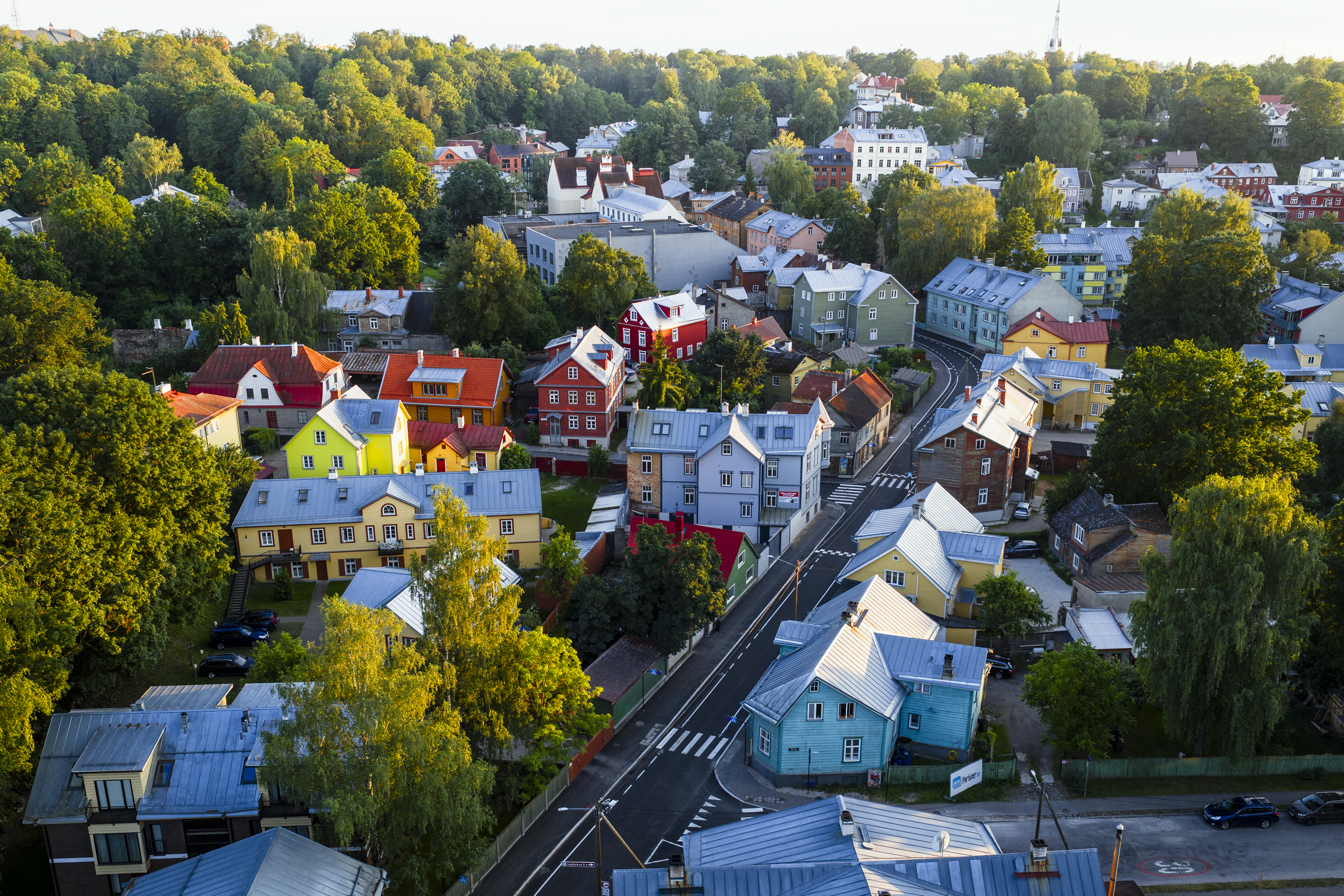
Supilinn, direkt nördlich der Altstadt, ist ein Viertel mit Holzhäusern aus dem 18. Jahrhundert an Straßen, die nach Gemüsesorten benannt sind: Kartoffelstraße, Erbsenstraße, Bohnenstraße. Es ist eine architektonische Zeitkapsel, die nicht für Touristen zurechtgemacht wurde – genau das macht sie eine Stunde deines Besuchs wert. Das A. Le Coq Biermuseum liegt ebenfalls hier, falls du einen Grund über die Häuser hinaus brauchst.

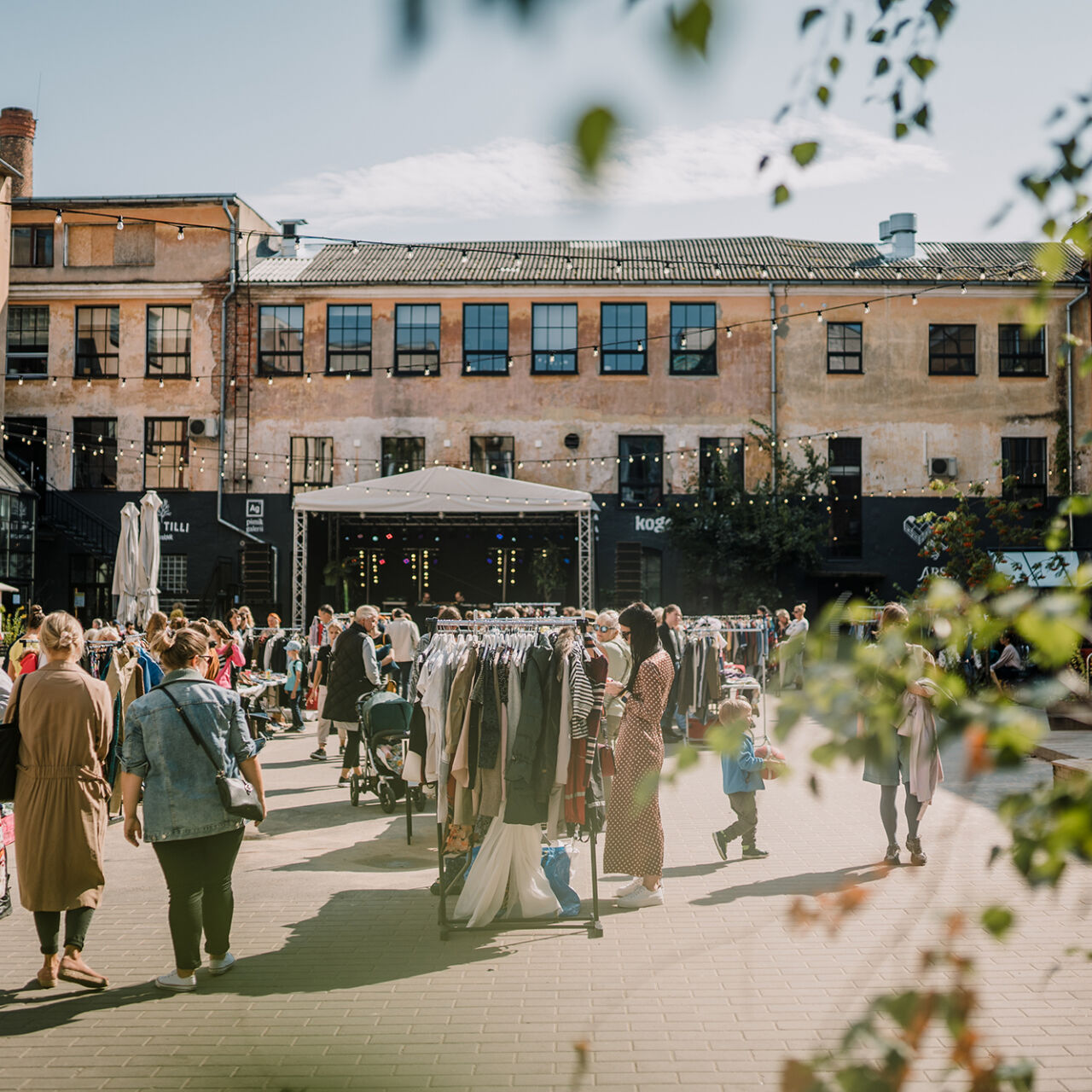
Karlova, südlich des Zentrums, ist das Boheme-Viertel. Bunte Holzhäuser, Street Art, unabhängige Kaffeeröstereien und Bars, die eine Mischung aus Studenten, Künstlern und langjährigen Bewohnern anziehen. Aparaaditehas, der alte Fabrikkomplex am Rand von Karlova, hat sich zum kreativen Viertel der Stadt entwickelt. Kleine Designläden, guter Kaffee, Veranstaltungen und gelegentliche Partys in Räumen, in denen früher sowjetische Industrieausrüstung hergestellt wurde.

Essen und Trinken

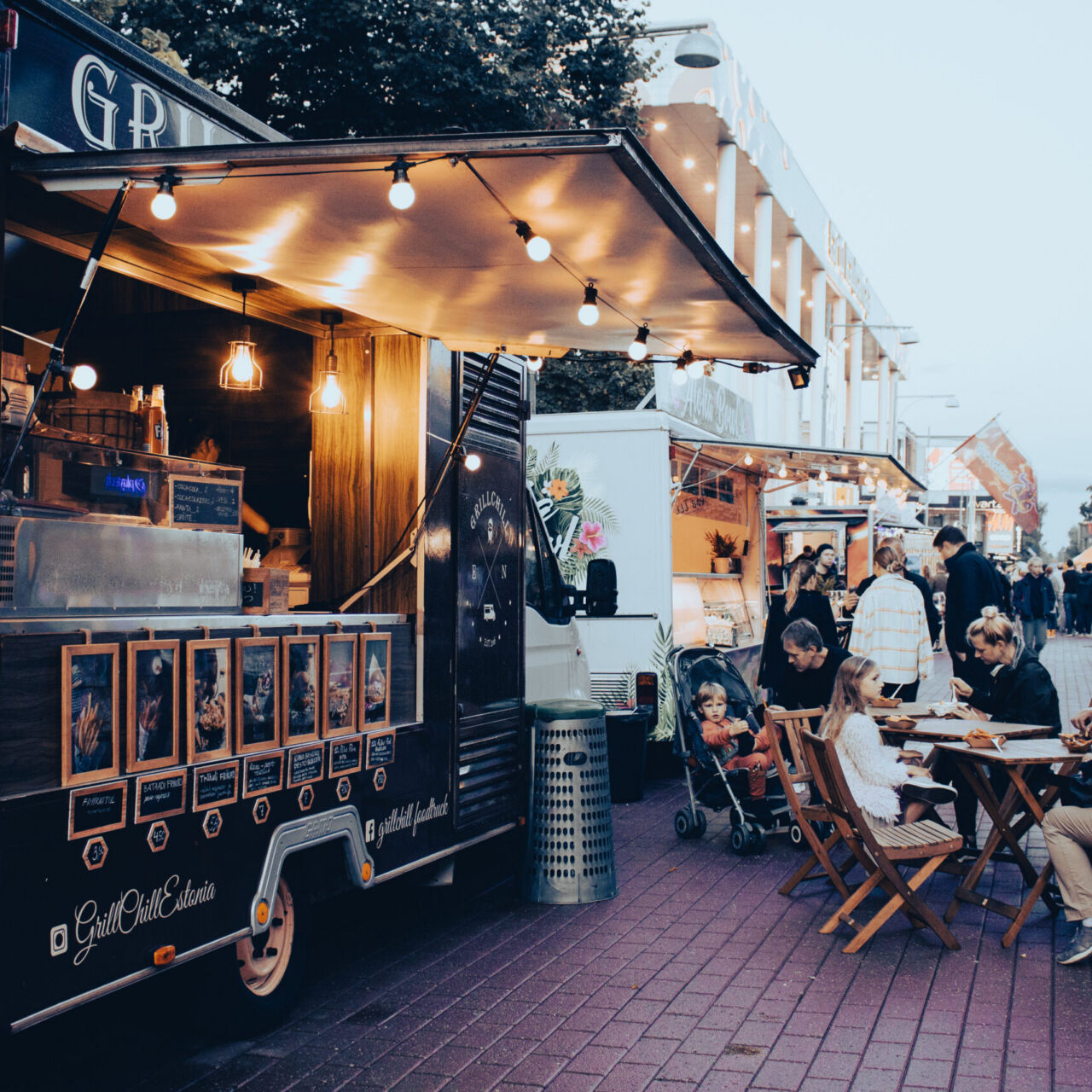
Tartu verzeichnet zwei Empfehlungen im Guide Michelin, ein Green-Star-Restaurant in der umliegenden Region und eine kulinarische Szene, die sich seit einem Jahrzehnt still und leise entwickelt. Der Samstagsmarkt rund um den Raekoja Plats bringt Erzeuger aus ganz Südestland zusammen – die beste Einführung in das, was die Region tatsächlich anbaut, herstellt und räuchert. Im August übernimmt das Tartu Food and Wine Festival ein Wochenende lang die Innenstadt.

Die Café-Kultur ist dicht und ernst zu nehmen. Das Café Werner ist seit 125 Jahren Treffpunkt für Schriftsteller und Intellektuelle. Das kreative Viertel rund um Aparaaditehas hat eine neue Generation von Orten hinzugefügt. Zusammen bieten sie in Tartu mehr guten Kaffee pro Quadratkilometer als in den meisten dreimal so großen Städten.

  • Giidiga tuurid

Supilinn — Tartu’s historic neighborhood of wooden homes

Supilinn is Tartu's most bohemian district, where 18th-century wooden houses, courtyards awash in urban greenery, and the banks of the Emajõgi River create an unparalleled atmosphere. It combines the best of city living with a natural environment, where you can feel the community spirit and local creativity. Go for a walk in Supilinn on the beautiful promenade along the Emajõgi River, where century-old trees and a tranquil frog pond give the city a breath of fresh air. Street art, colorful courtyards, and wooden houses tell Supilinn's story, which is best experienced during the spring Supilinn Days, when courtyards and gardens open to guests and the entire district turns into a large festival. The best way to explore Supilin is on foot or by bike, so you can notice hidden corners, shutter patterns, and backyard gardens. A walk with a local guide can reveal hidden layers of the district and highlight its bohemian spirit. More information about guided tours can be found on the Tartu Guides page.

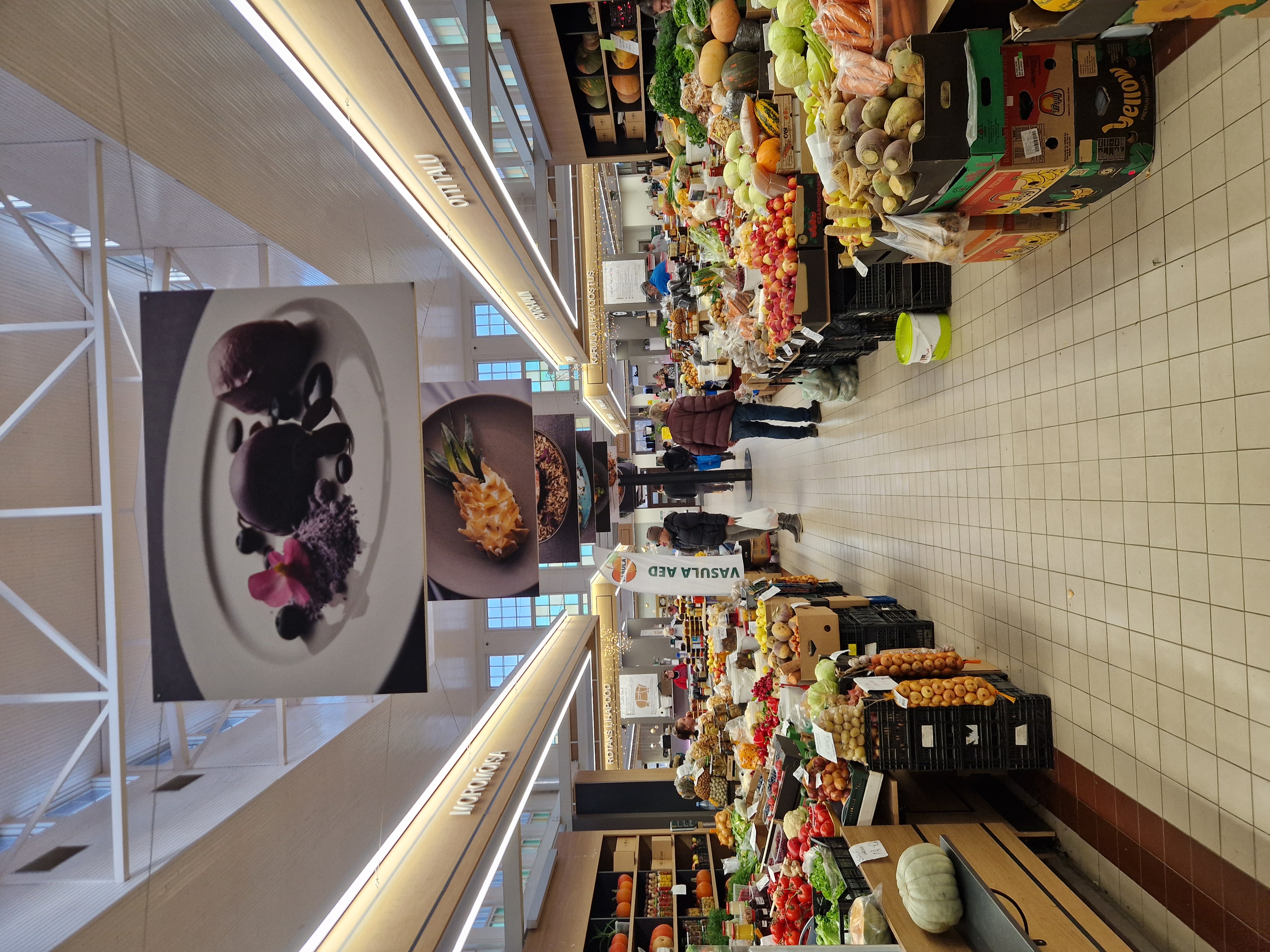
Tartu Market Hall

Tartu Market Hall is a contemporary indoor market in the heart of Tartu. It offers the largest and most authentic selection of fresh food and raw produce in South Estonia. In addition to shopping, visitors can stop by several cafes and local delicacies while watching the colorful, bustling market life. During the week, traders with decades of experience and brave newcomers sell their wares, while on weekends, guest vendors offer interesting new products. The Market Hall hosts food-oriented events, offering a diverse selection of goods and an unparalleled shopping experience.

  • Parks
  • Gardens

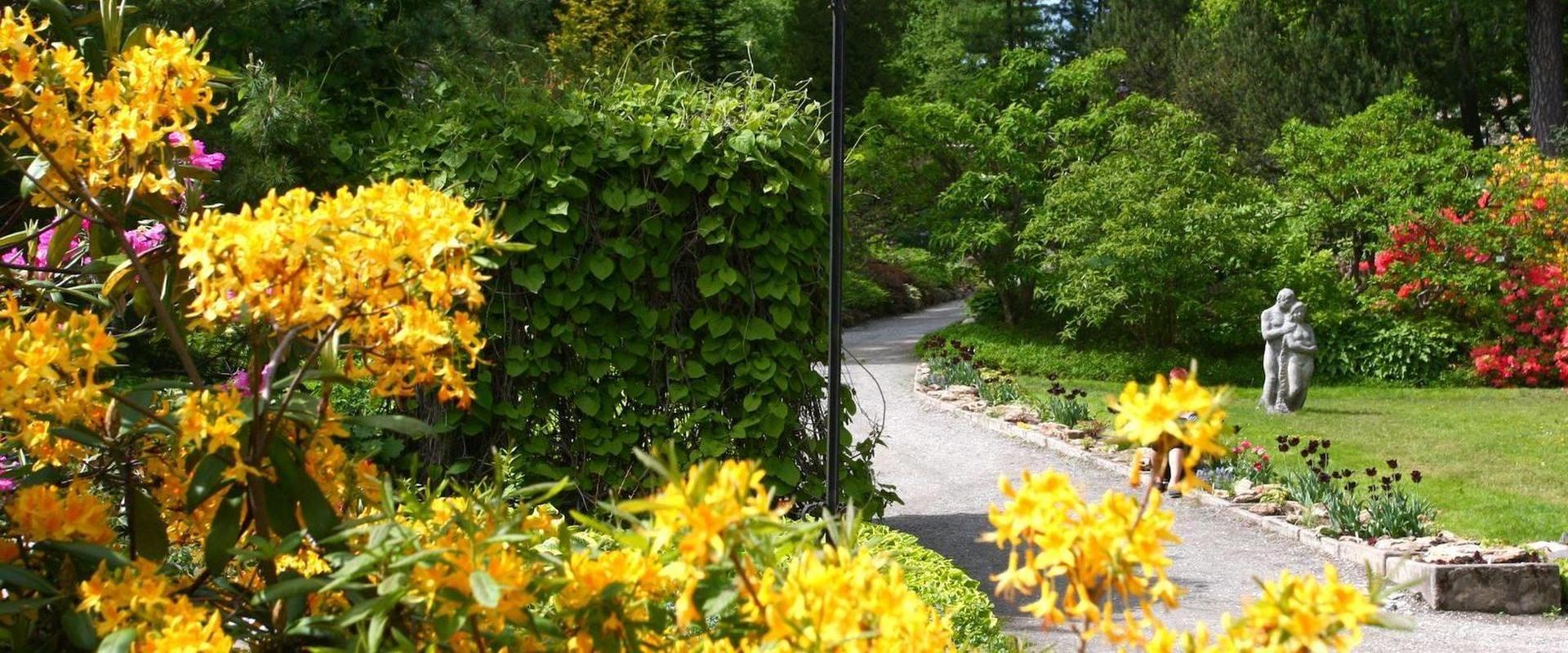
University of Tartu Botanical Garden

The University of Tartu Botanical Garden offers study programmes and excursions for visitors of all ages. There are more than 10,000 species and varieties of plants in the garden. In addition to natural plants, including rare protected plants, we introduce new decorative plants. In the greenhouses, rainforest and desert plants can be seen. We are the oldest botanical garden in the Baltic States, operating for more than 200 years in the same location. The garden is designed by world-renowned botanists, professors Ledebour and Bunge. Guests can visit the greenhouses with a ticket, but the garden is open for everyone for free. There is a playground for children.

  • Promenades

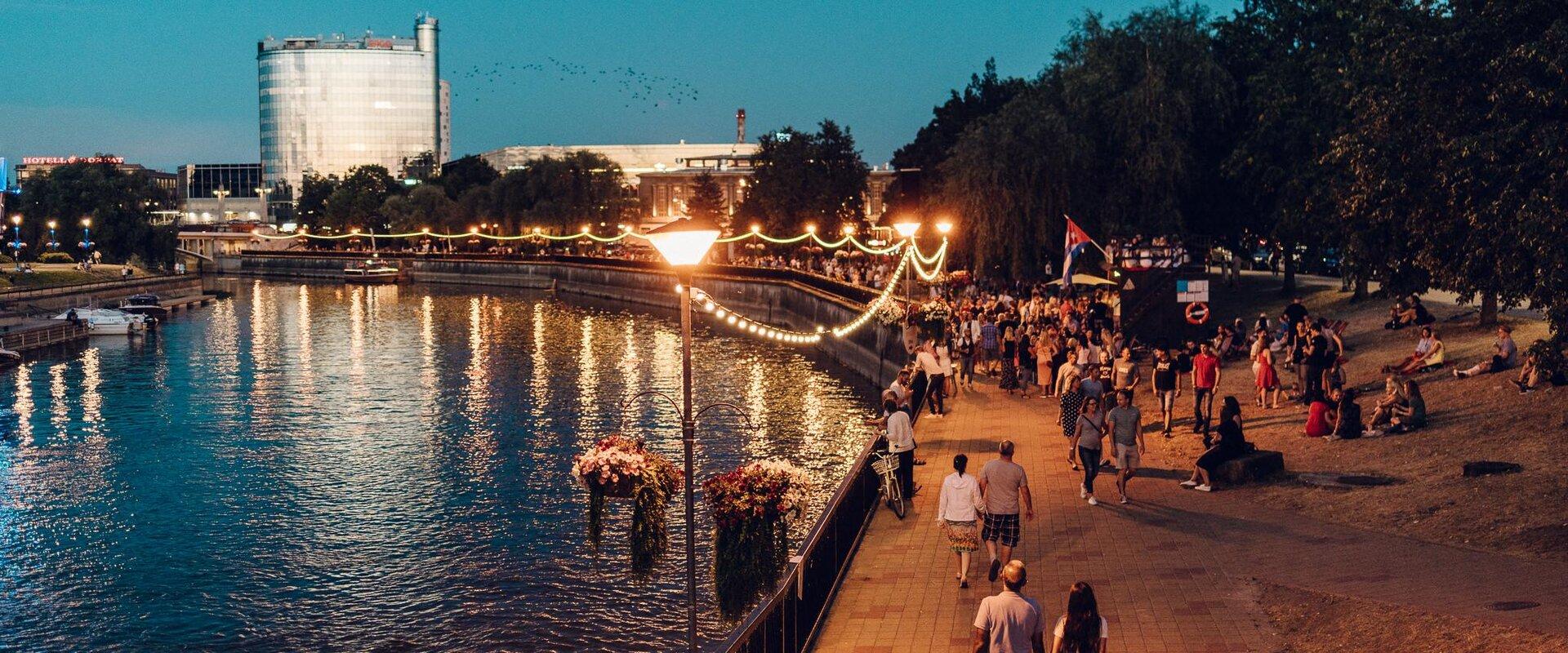
Emajõe Riviera promenade

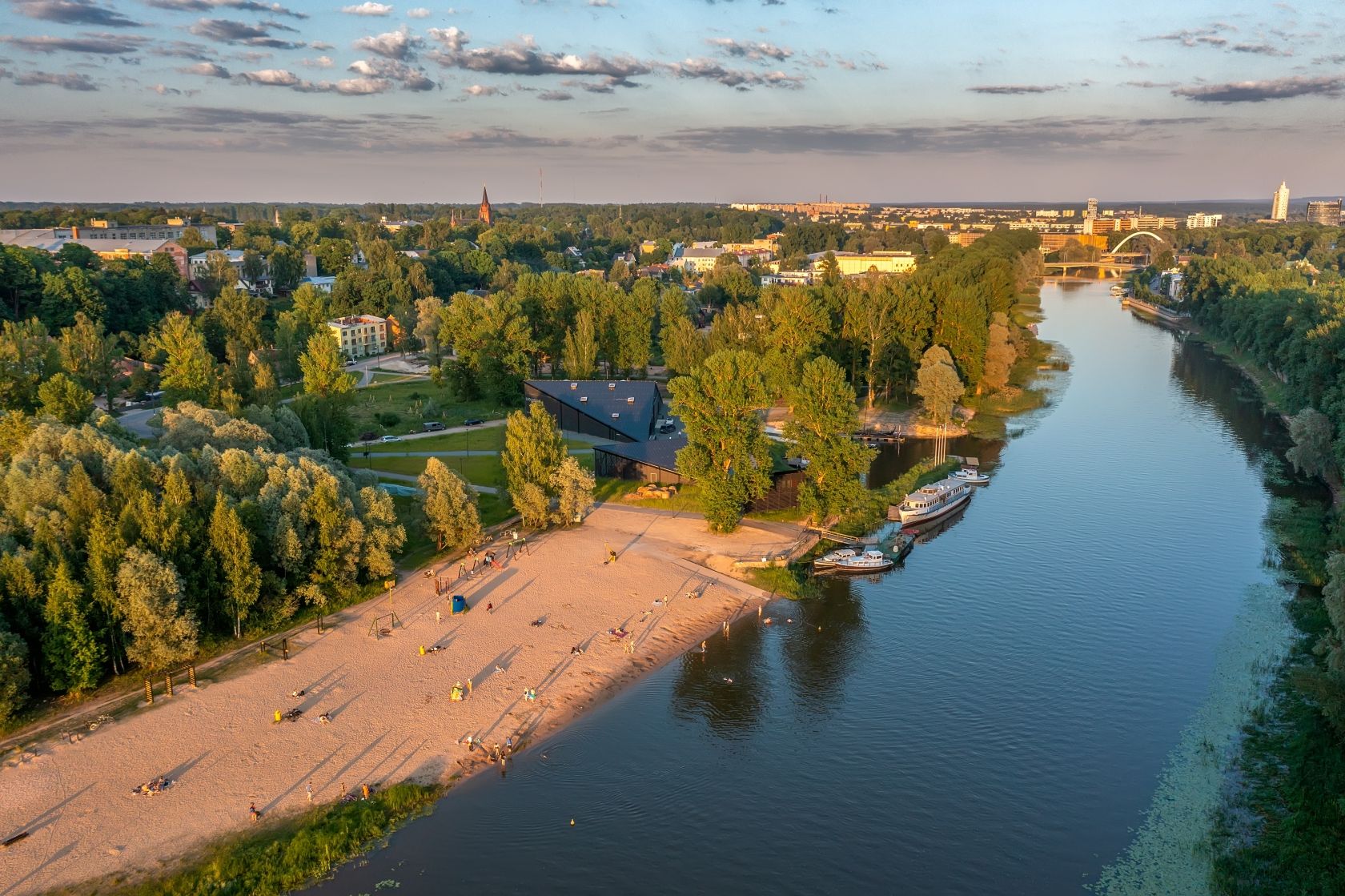
The trails along the Emajõgi River allow you to walk in nature and enjoy your free time. One of the busiest trails is the Emajõe Riviera, which is named after a series of summer concerts. In warm weather, the promenade along the Emajõgi River is one of the favourite places for locals and tourists alike. On the Riviera there are cafés, bars and restaurants that are full of fun atmosphere, delicious food and music. The shores are full of greenery and invite you to read a book, enjoy the company of friends, and watch the traffic of ships and boats. The evening city lights by the river make you want to stay in magical Tartu's summer night forever.

  • Bike rental

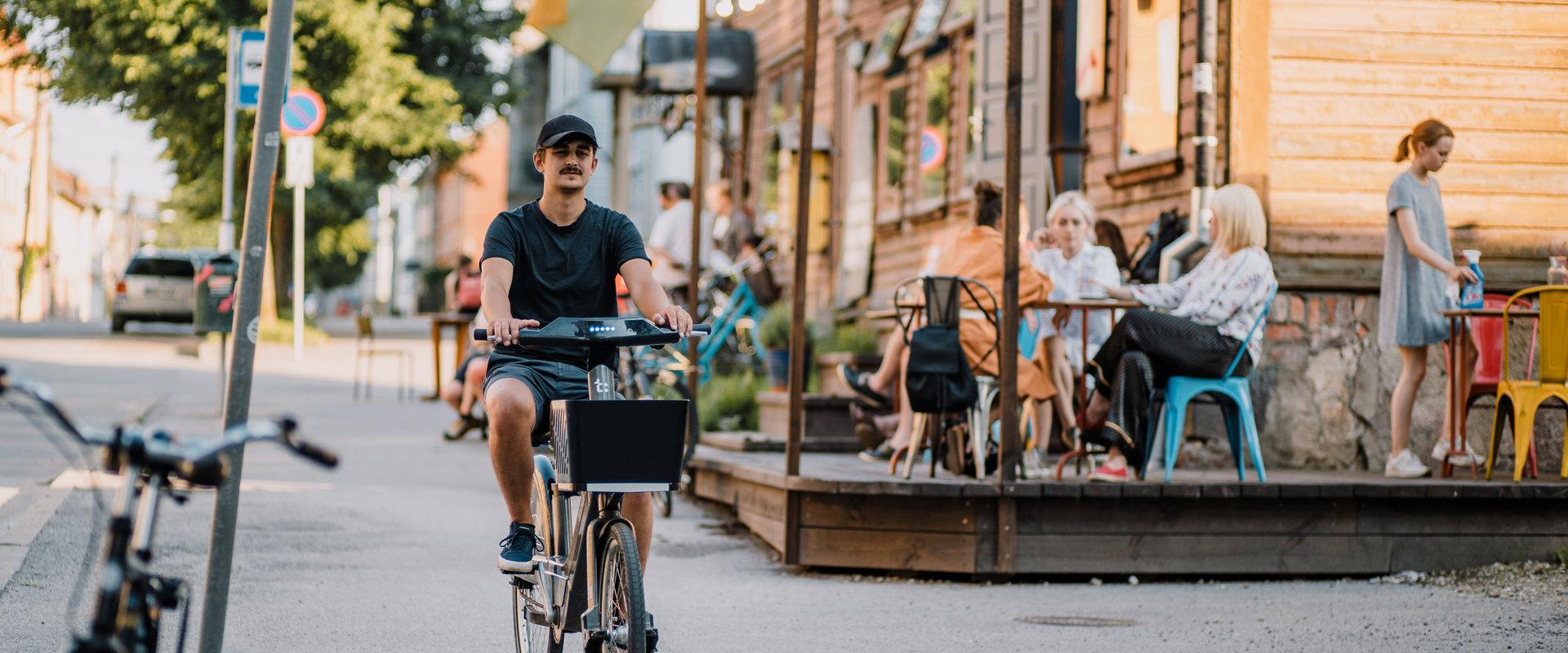
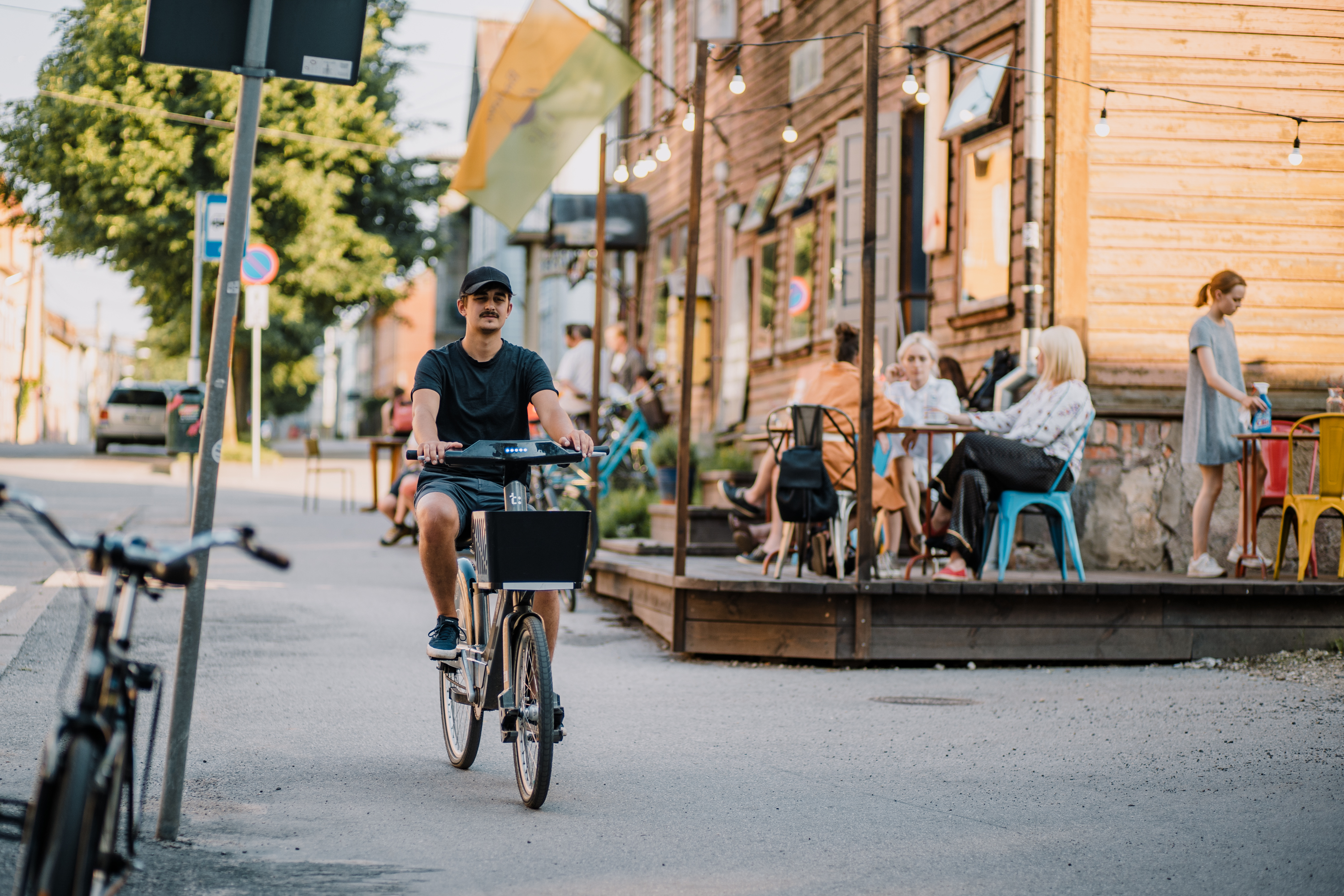
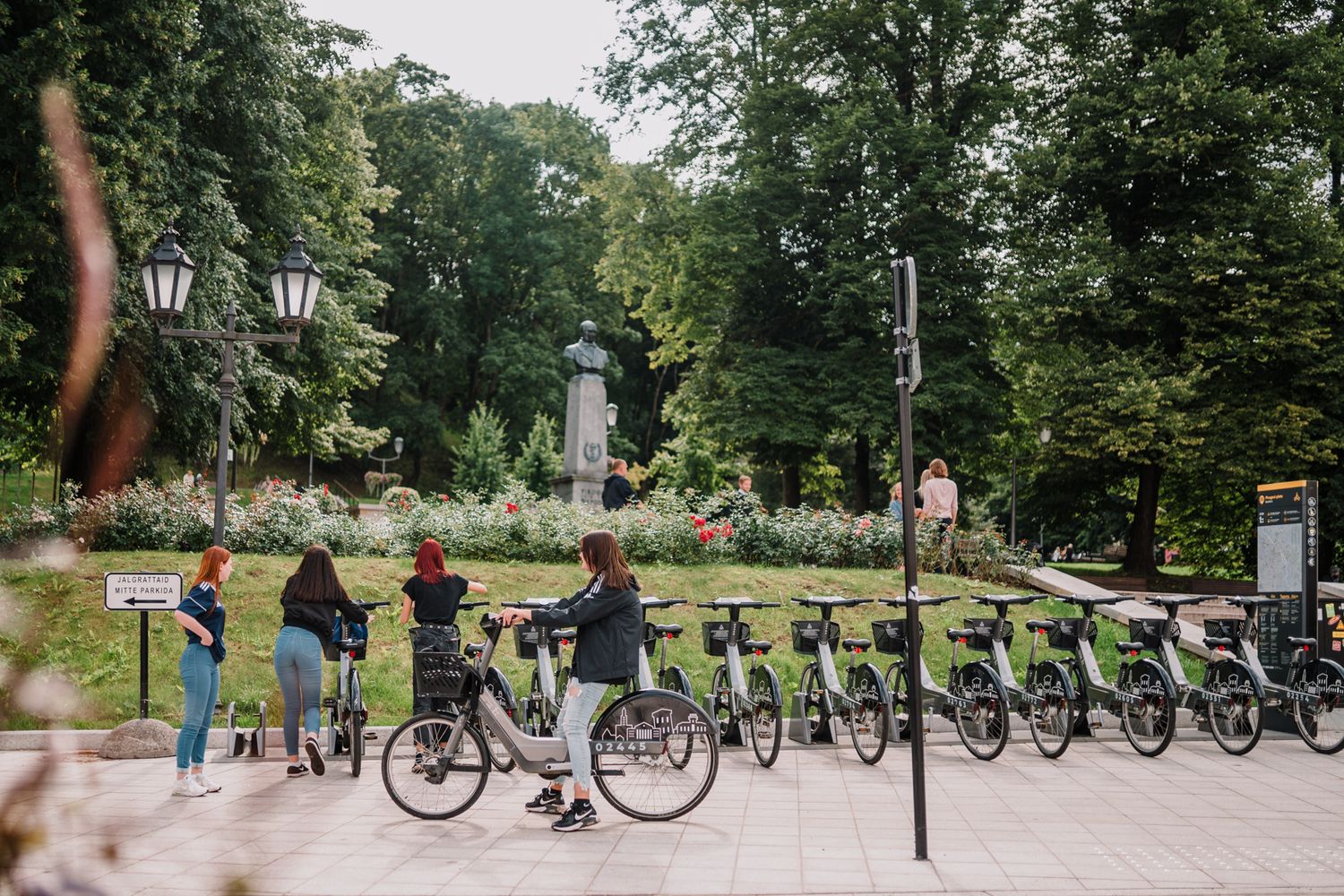
Tartu Smart Bike Share — Bike tour of Tartu

Discover Tartu's beauty and fascinating sights on a comfortable, environmentally friendly bike tour. Explore parks, historical buildings, and the most important neighborhoods by bike. With Tartu's Smart Bike Share, you can rent regular or electric bikes from various parking areas throughout the city. The Tartu Smart Bike app makes renting bikes easy. Electric bikes are available until the temperature drops below zero. They must be returned to any bike parking area within five hours. Rent a Tartu city bike, and go on an adventure in the historic University City of Tartu.

Tartu Town Hall

Tartu Town Hall is a symbol of the historical heart of the city, located on Town Hall Square. The building was completed in 1789, combining Baroque and Early Classicism elements. The Baroque bell tower was completed in 1784. Historically, the town hall has served several functions: a prison and a poorhouse (weighing house) were located here, and the council operated on the upper floors. Today, the town hall houses the Tartu city government, an information point, and a pharmacy, which has been located here for more than 100 years. One of the special features of Tartu Town Hall is the carillon in the tower. There are 34 bells, and beautiful melodies sound daily at 9:00, 12:00, 15:00, 18:00, and 21:00.

  • Family friendly
  • Giidiga tuurid

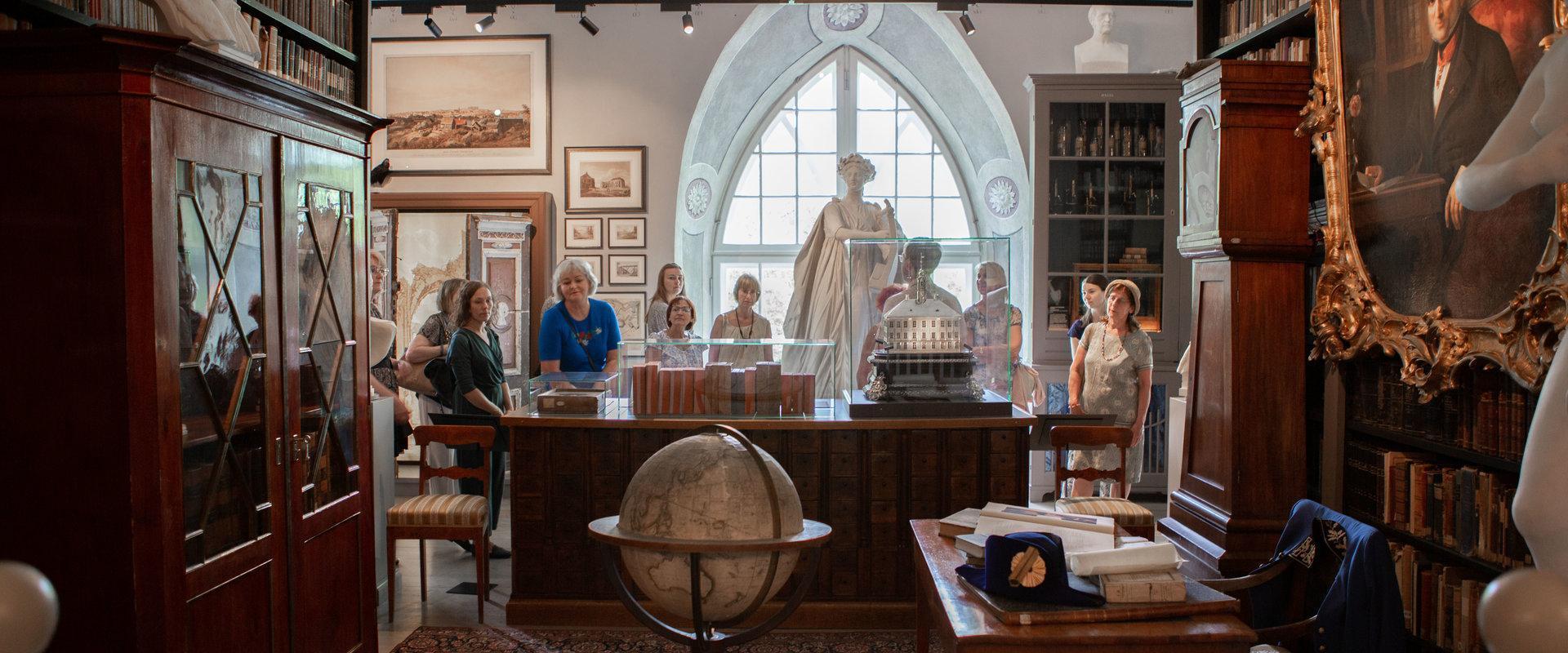
The University of Tartu Museum

What is special about the University of Tartu and where does the spirit of the university manifest itself?The University of Tartu Museum introduces the history of science and university education from the 17th century to the present day and tells the exciting story of Tartu Cathedral.The seven floors of the museum offer the following:- the most precious treasures of the University of Tartu in the Treasury- the spirit of Tartu and the university at the exhibition The University of Our Lives- an exhibition of the gifts made to the university in the White Hall- a good luck formula in the physics office of Georg Friedrich Parrot- Crazy Scientist's office for children interested in scienceIn addition, temporary exhibitions and viewing platforms are open in the summer!See you at Toome Hill!

  • Green Key
  • Giidiga tuurid
  • Workshops

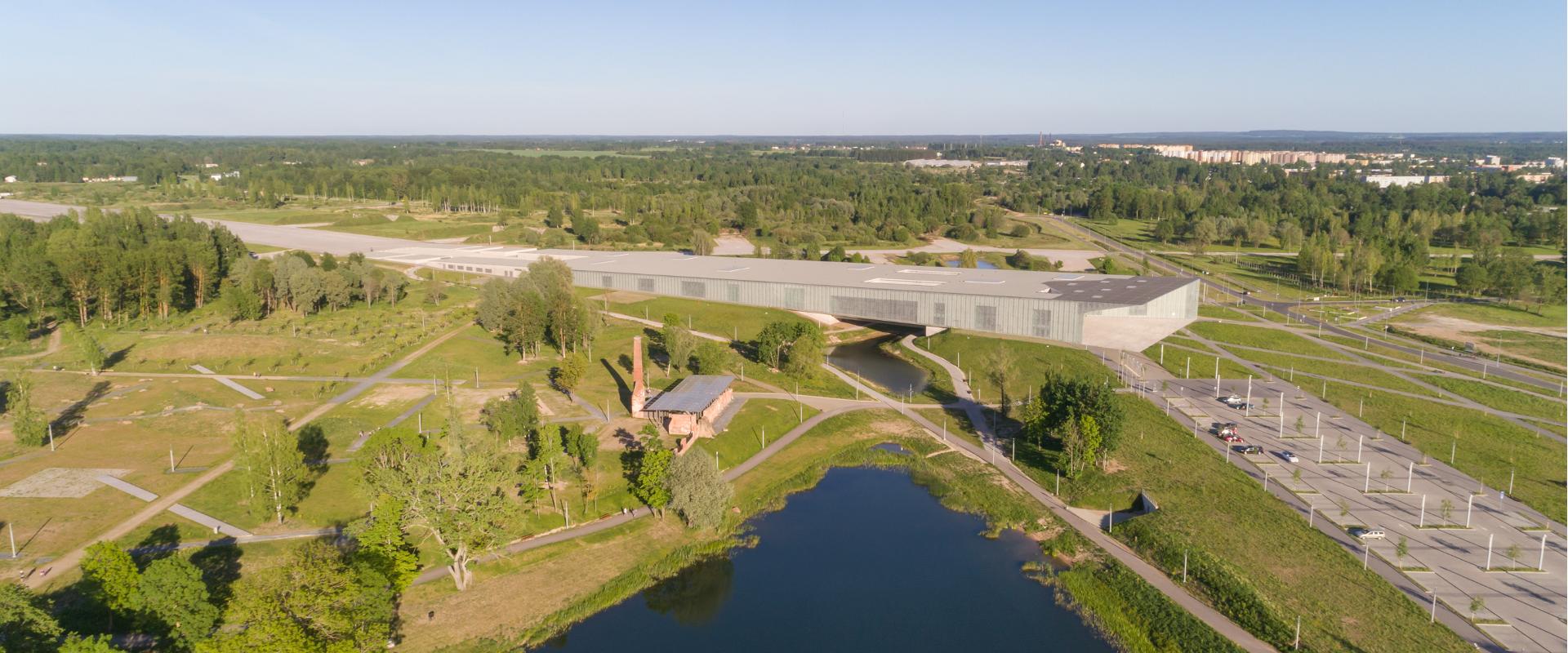
Estonian National Museum

The largest museum in Estonia with nearly 6,000 m² of exhibition space invites you to discover the everyday life of Estonians throughout history at the permanent exhibition ‘Encounters’ and to learn about the life of the Finno-Ugric peoples in the permanent exhibition ‘Echo of the Urals’. The museum experience is complemented by temporary exhibitions. There is a restaurant and a museum shop. The outdoor areas of the museum are perfect to have a rest and a picnic. There is also a romantic rotunda and a glass-roofed distillery on the shores of Lake Raadi.The Estonian National Museum offers workshops, educational programmes, and guided tours in 11 languages. The museum has a modern conference centre and venue for international events.

  • Family friendly
  • Giidiga tuurid

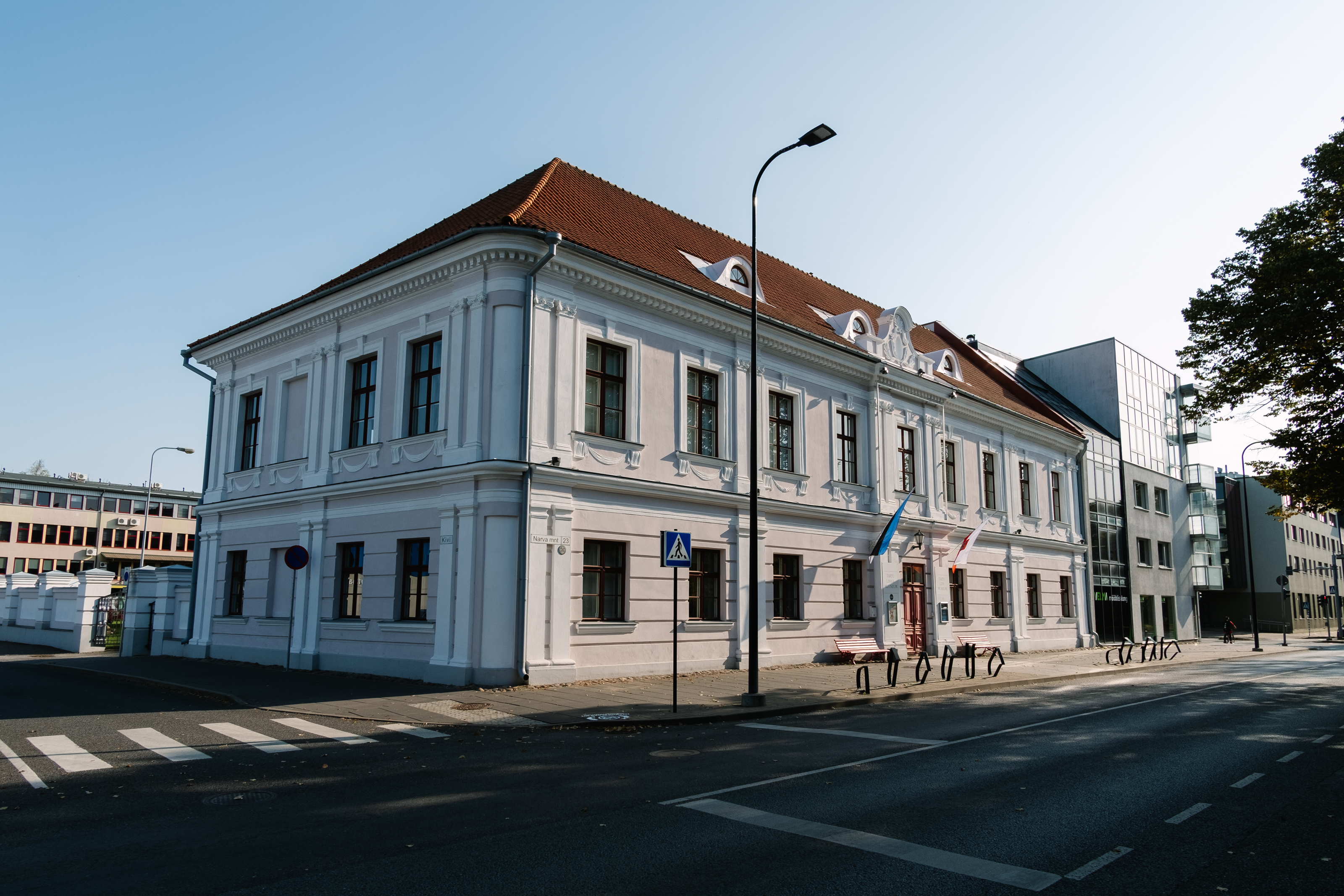
Tartu City Museum

Tartu City Museum invites you to explore the city's diverse history and cultural heritage. The permanent exhibition, "Our Tartu," introduces the districts of Tartu, telling stories about the people of Tartu, their lives, and everyday habits. The exhibition provides insight into what makes each district in Tartu special, as each district has its own personality, as shared by local people. Visitors can also enjoy temporary exhibitions that introduce new topics and artistic perspectives. These exhibitions reveal different facets of Tartu, ranging from the city's architecture and social life to contemporary cultural phenomena. The museum offers guided tours and city tours, during which guides take participants on exciting journeys through Tartu's districts. These excursions are suitable for both local enthusiasts and visitors who wish to learn more about Tartu. The museum's premises can also be rented for various events. Come experience the story of Tartu through its people, places, and memories.

  • Boat trips

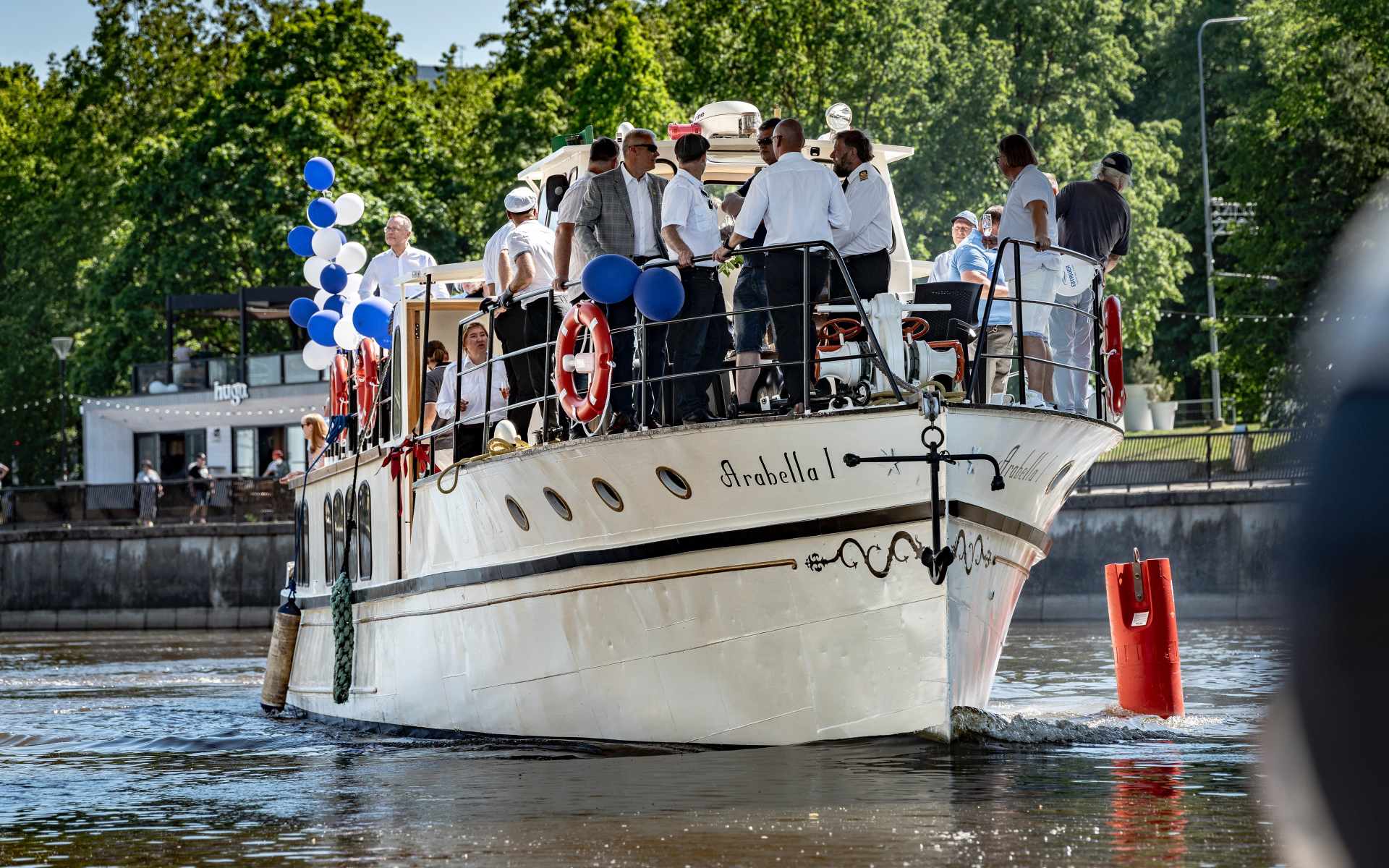
Boat trips in Tartu on the Emajõgi River with the ship Arabella I

Built in 1922, Arabella I is Estonia's oldest continuously operating ship and carries its historical charm to this day. Sailing on Tartu's Emajõgi River, the ship captivates with its elegance and peaceful journey through Old Town and the enchanting nature along the river. The historical Arabella I is suitable for corporate parties, weddings, birthdays, or special events. On board, there is a spacious lounge, stylish bar area, and modern presentation equipment, making the ship suitable for seminars or memorable receptions. The ship can be rented for exclusive use, with the route and program tailored to the client's wishes. There are also open excursions, welcoming both individual visitors and groups of friends and families. During the winter season, Advent and Christmas cruises take place on Sundays, where candlelight, Christmas lights, and the serene atmosphere of the Emajõgi create an unforgettable experience. Open to families, groups of friends, and couples.

  • Promenades

Supilinna promenade

The quay of the river Emajõgi on the side of Supilinn features a nice promenade (1.3 km), which is lined with an enchanting avenue of old poplars. The avenue takes past the village swing, small Konnatiik and Tähtvere Sports Park where anyone can find a suitable activity all year round. On the Supilinna promenade, you will see health enthusiasts enjoying their sports. During the summer, the citizens take the avenue on bikes or walking to the Emajõe free pool beach to swim . Promenade features bench-swings where you can read books, enjoy views on the river traffic and amateur fishermen, and spend time with friends and families in fresh air and in the charming bohemian atmosphere of Supilinn.

Karlova — a meeting place for architecture enthusiasts and bohemians

Karlova is a neighborhood in Tartu that captivates visitors with its bohemian atmosphere. In Tartu's Karlova district, there are historical wooden houses, secret courtyards worth discovering, unique cafés loved by locals, greenery, and plenty of street art. In the heart of Karlova are several important community places – the cozy Karlova Kohv, the popular meeting spot Barlova Bar, and the Karlova Harbor area by the Emajõgi River, suitable for more peaceful leisure. The neighborhood dates back to the houses built on the lands of Karlova Manor in the 19th–20th centuries, which have developed into today's unique living environment. The oldest settlement, at the beginning of Kalevi Street, dates back to the 18th century and architecturally differs from the rest of the area. In spring, Karlova Days take place, where you can get to know the neighborhood even better through various events and open courtyards. Exploring the neighborhood with a guide will show you Karlova's hidden side and the historical charm of its bohemian wooden houses. More information can be found on the Tartu Guides website.

Der Fluss

Tartu liegt dort, wo es liegt, wegen der Emajõgi. Im Mittelalter war der Fluss eine Handelsroute. Die Brücken wurden mehr als einmal niedergebrannt, gesprengt und wieder aufgebaut.

Die Fußgängerbrücke Kaarsild steht an der Stelle der alten Steinbrücke, die 1784 auf Befehl von Kaiserin Katharina II. errichtet wurde. Die sowjetische Armee sprengte sie 1941. Die Nazis zerstörten die Reste 1944. An ihrer Stelle wurde 1959 die Bogenbrücke gebaut. Es gibt eine Studententradition: Der Tartu-Aufenthalt ist erst vollständig, wenn man über den Scheitel des Bogens balanciert ist. Offiziell wird das nicht empfohlen.

Heute erstreckt sich die Emajõgi-Riviera entlang des Südufers mit Terrassen, Sandstränden und einem Uferabschnitt, der im Sommer zum Leben erwacht. Kajaks und Paddleboards erscheinen auf dem Wasser. Die Arabella I, gebaut 1922, ist Estlands ältestes durchgehend in Betrieb befindliches Schiff und bietet Flusskreuzfahrten an. Im Winter friert der Fluss zu, und sobald das Eis dick genug ist, gehen die Menschen darauf spazieren.

Eine grüne Stadt

Tartu trägt die Platin-Auszeichnung des Green-Destinations-Programms und gehört zu den 100 Städten, die von der Europäischen Kommission ausgewählt wurden, um bis 2030 klimaneutral und smart zu werden. Die bekanntesten Grünflächen, der Domberg-Park und der Botanische Garten der Universität, sind Hunderte Jahre alt. Die Spazierwege entlang der Emajõgi durchziehen die Stadt, ohne sie je zu verlassen. Das 2019 gestartete Smart-Bike-Share-Programm hat bereits über 2,5 Millionen Fahrten und mehr als 6,6 Millionen gefahrene Kilometer verzeichnet. Die Busse fahren mit Biomethan. Die Parks werden aktiv renaturiert. Tartu nimmt das ernst, auf eine Weise, die sich nicht wie Marketing anfühlt.

Veranstaltungen

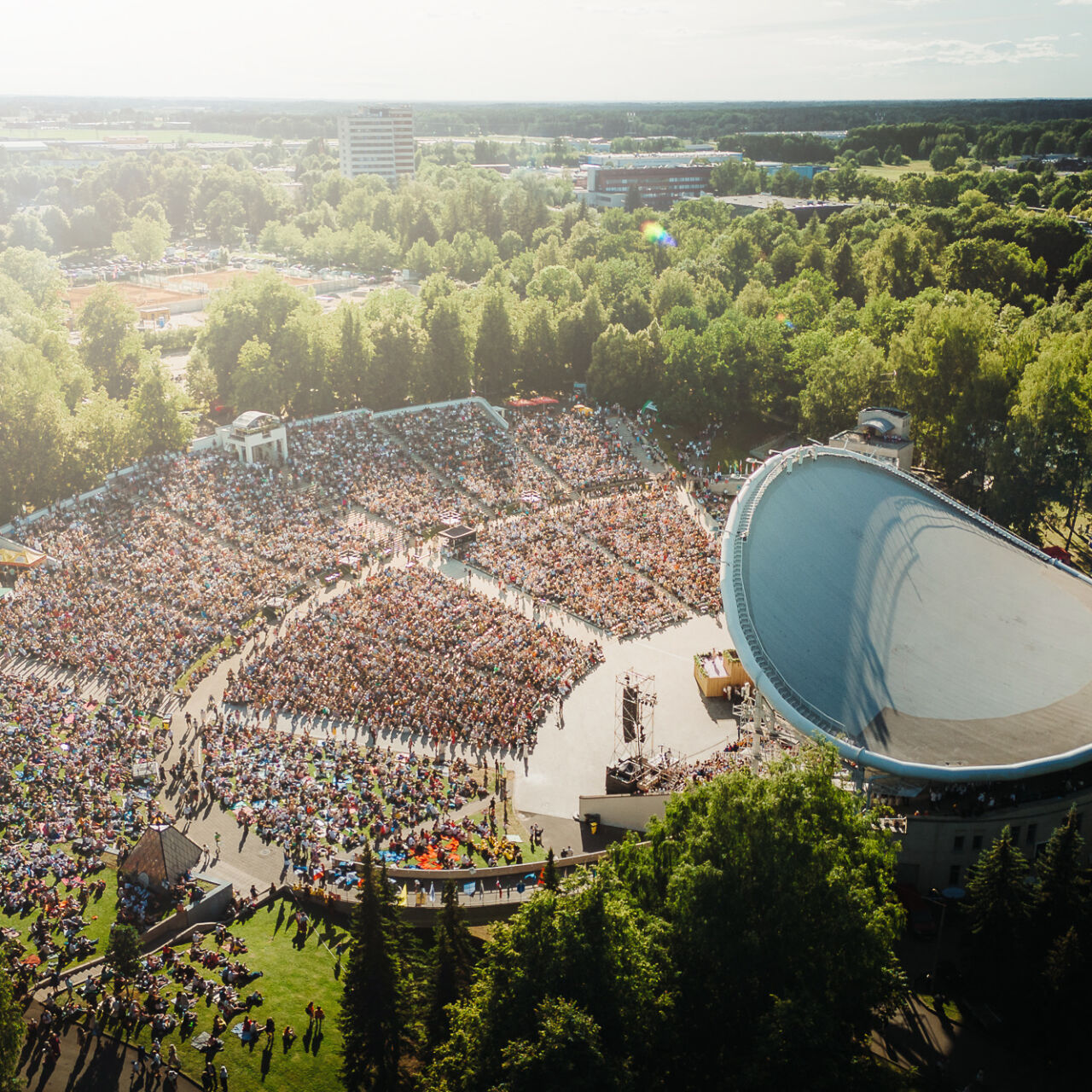
Der Veranstaltungskalender Tartus ist voller, als es einer Stadt dieser Größe eigentlich zusteht. tARTuFF, das Tartu-Liebesfilmfestival, findet jeden August auf dem Rathausplatz statt – das größte Freiluftkino im Baltikum, mit kostenlosem Eintritt zu allen Vorführungen. Das Rathaus selbst dient als Kulisse. Stencibility ist eines der am längsten laufenden Street-Art-Festivals Nordeuropas und übernimmt die Stadt jeden September. Die Studententage im April füllen die Straßen mit Veranstaltungen, die die Präsenz der Universität unübersehbar machen. Das Tartu Food and Wine Festival übernimmt im August die Innenstadt. Im September bringt der Tartu Rattamaraton als Teil der UCI Gravel World Series Tausende Radfahrer in die Region. Den vollständigen Veranstaltungskalender findest du auf kultuuriaken.ee.

Deine Basis für Südestland

Tartu liegt im Zentrum Südestlands, und alles Sehenswerte ist gut erreichbar. Setomaa ist 90 Minuten mit dem Auto entfernt. Die Haanja-Hügel sind eine Stunde entfernt. Der Peipsi-See und die Zwiebelstraße liegen 40 Minuten weit. Das Rauchsauna-Land beginnt eine Stunde südlich. Tartu bietet sich als natürliche Basis für Tagesausflüge in jede Richtung an – mit genug eigenem Angebot, um auch die Abende nach der Rückkehr zu füllen.

Die Innenstadt lässt sich in 20 Minuten zu Fuß durchqueren. Die meisten Sehenswürdigkeiten liegen in kurzer Gehdistanz zum Rathausplatz.

Das Glockenspiel im Rathausturm erklingt täglich um 9, 12, 15, 18 und 21 Uhr. 34 Glocken.

Tartu hat über 20 Museen – pro Kopf mehr als fast jede andere Stadt dieser Größe in Nordeuropa.

Der Domberg-Park und der Botanische Garten der Universität sind kostenlos zugänglich. Für das Gewächshaus des Botanischen Gartens ist ein Ticket erforderlich.

Geführte englischsprachige Stadtführungen finden im Sommer jeden Samstag um 14 Uhr ab dem Infopunkt neben dem Rathaus statt.

Parken in der Innenstadt ist kostenpflichtig. Am Rand von Karlova und Supilinn gibt es kostenlose Parkplätze in Gehdistanz zum Zentrum.

Der Flughafen Tartu wird täglich von Finnair aus Helsinki angeflogen. Von Tallinn aus fahren alle 30 Minuten Busse, die Fahrt dauert rund 2 Stunden. Seit Januar 2026 gibt es eine Direktverbindung mit dem Zug aus Riga, die 3 Stunden und 41 Minuten dauert.

Das Tartu Smart Bike Share Programm verfügt über 750 Fahrräder an 100 Stationen in der Stadt, darunter auch E-Bikes. Stundenweise Ausleihe über die App.

Die Universität besitzt ein eigenes, noch erhaltenes Gefängnis, in das Studenten früher bei Vergehen geschickt wurden – statt ins städtische Gefängnis. Sehenswert im Rahmen der Universitätsführung.