Tartu

Tartu

Tartu surprises most people who visit for the first time. They expect a small provincial town. What they find is a genuinely alive university city with good restaurants, a river running through the middle, medieval ruins on the hill above it and a café on every corner that actually deserves to be there. The university has been here since 1632. Every fifth person on the street is a student. UNESCO made it a City of Literature. None of this feels like it should fit in a city of 100,000 people, but it does.
The university and the spirit of the city

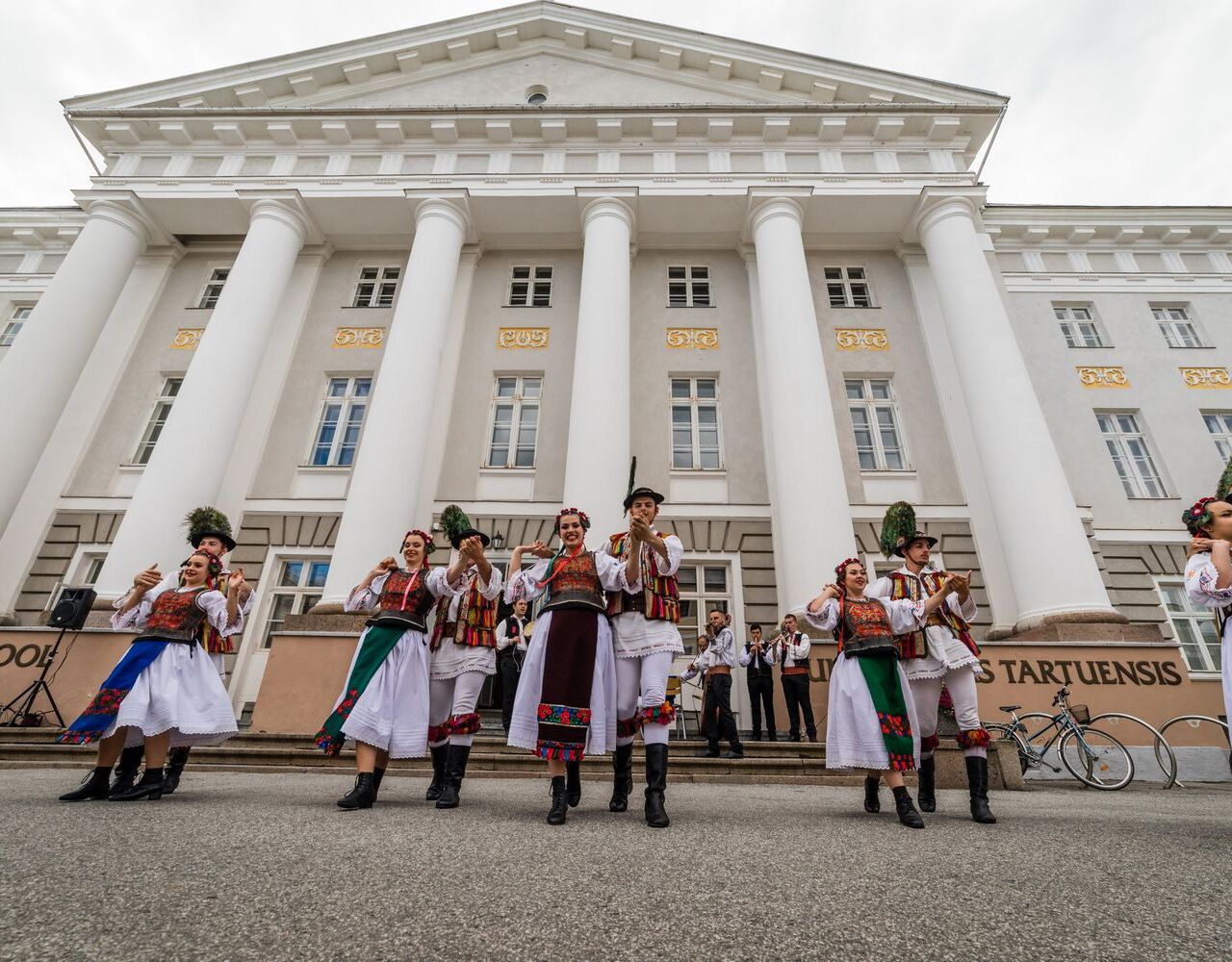
The University of Tartu was founded in 1632 by King Gustav II Adolf of Sweden, making it one of the oldest universities in Northern Europe. It has shaped everything about this city since then. The neoclassical main building with its white columns anchors the old town visually. The university quarter around it buzzes with student life, historic plaques and small courtyards that tell Tartu’s story as Estonia’s intellectual centre.

The university has produced an outsized number of Estonia’s scientists, writers and politicians. It is where the Estonian language was first studied academically. It is where the ideas behind Estonian independence were developed. Today every fifth resident of Tartu is a student, giving the city its characteristic energy – curious, opinionated and considerably better fed than you’d expect.

Tartu has been part of the UNESCO Creative Cities network as a City of Literature since 2015. In 2024 it was the European Capital of Culture, with over 1,000 arts and culture projects running across the city and the surrounding region. The energy from that year hasn’t fully dissipated.

The old town

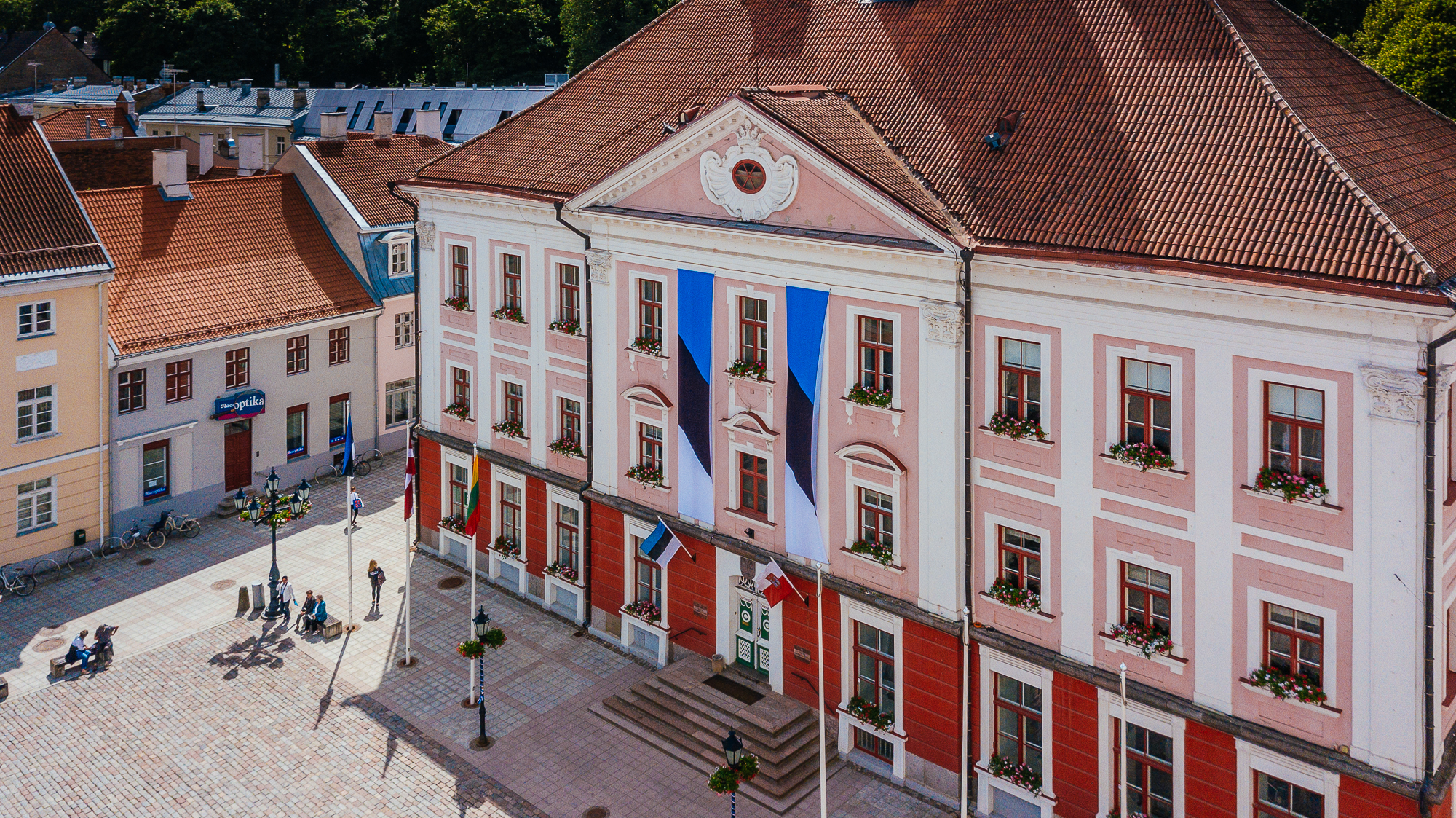
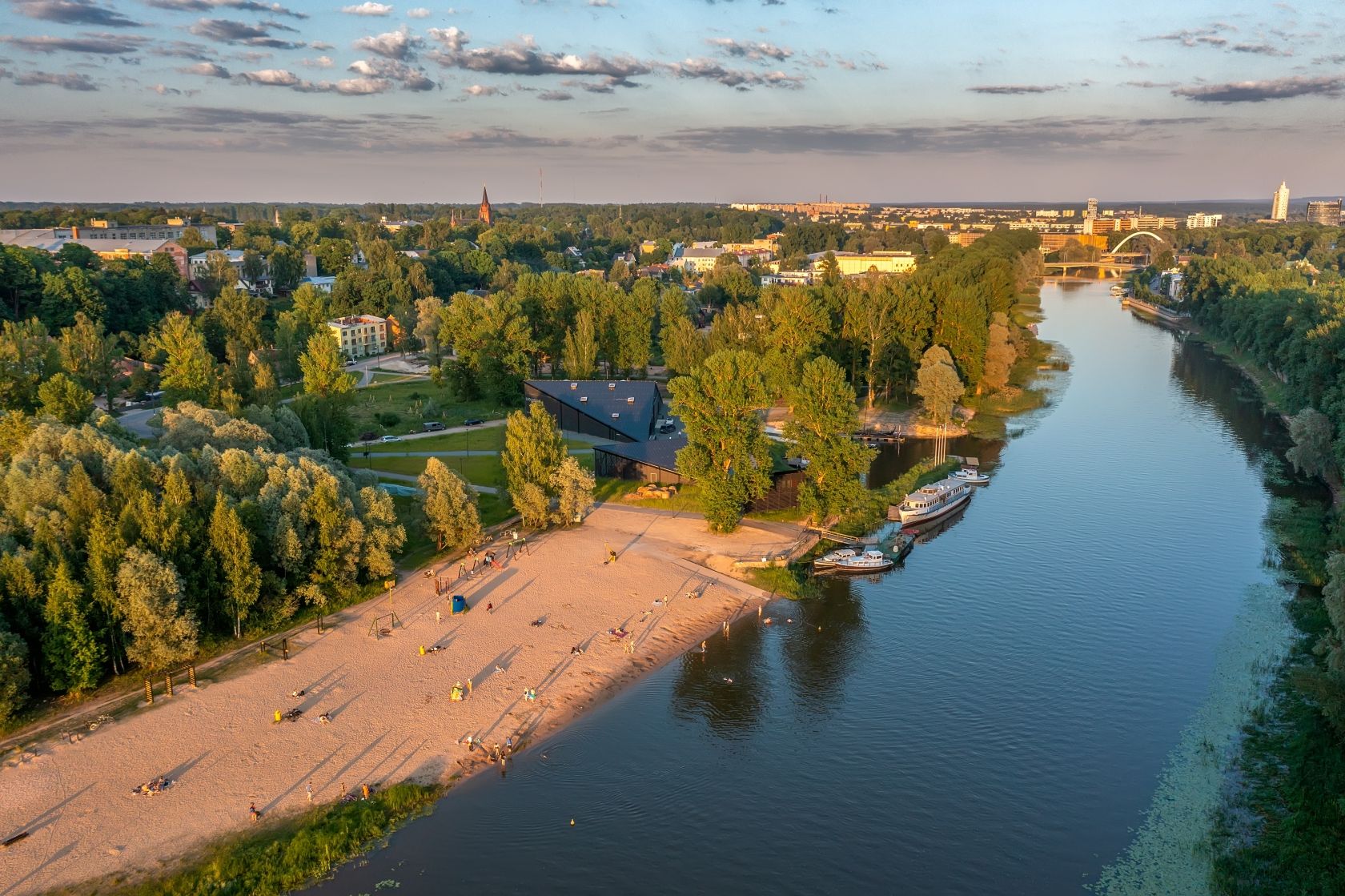
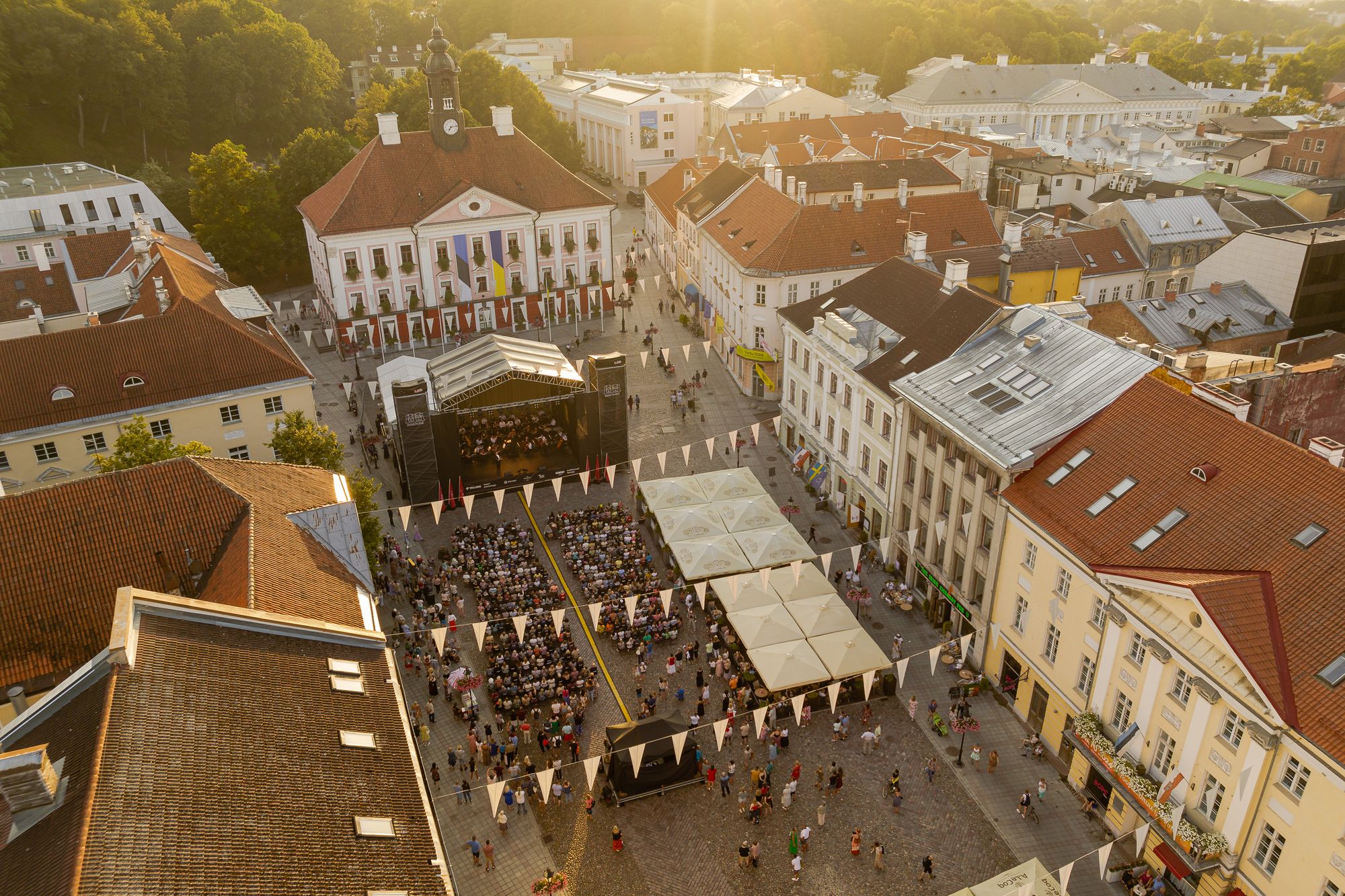
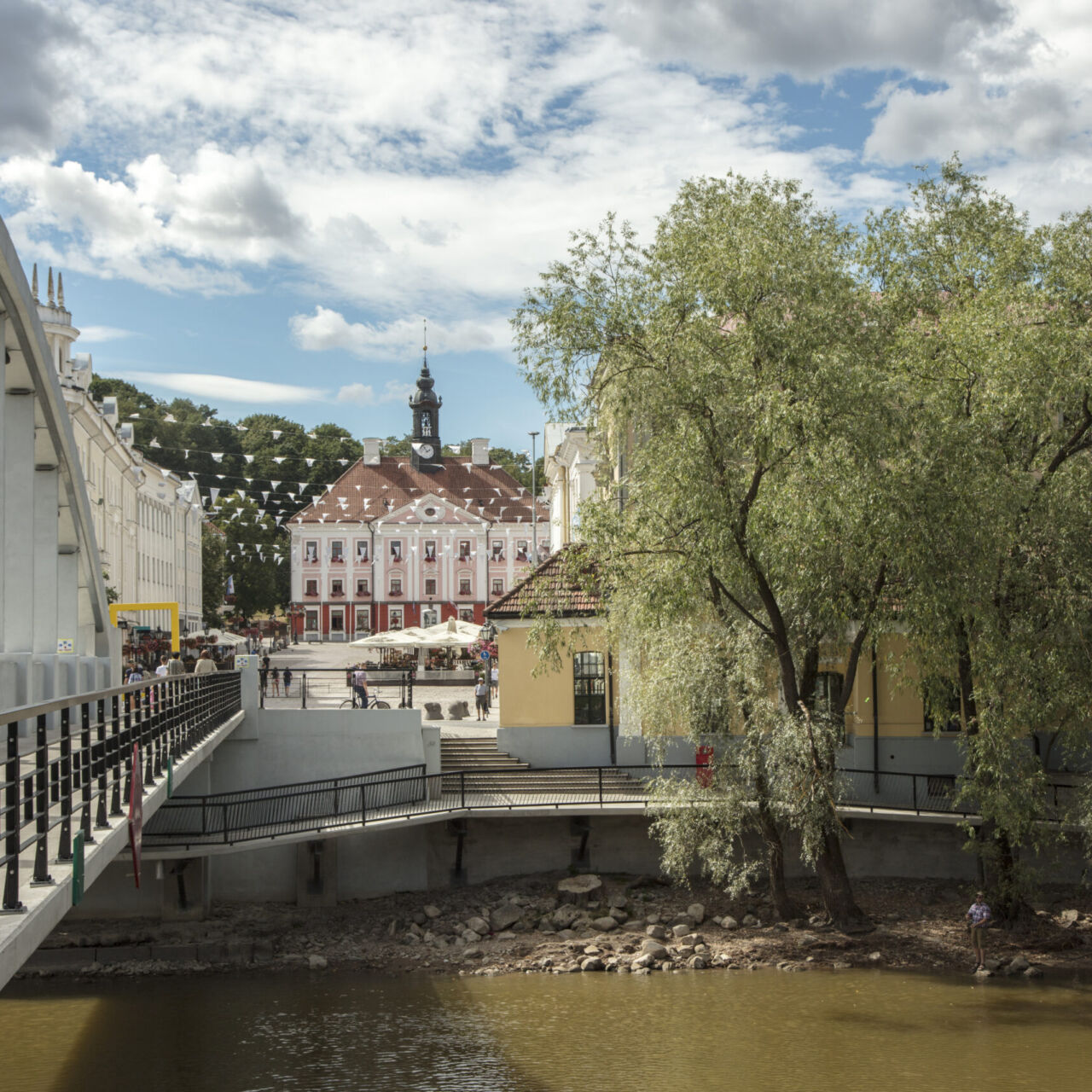
Raekoja Plats is the centre, a trapezium-shaped square with an 18th century town hall still in active use and a fountain with two kissing students in front of it. Behind the square, Toomemägi Hill has the ruins of a 13th century cathedral, a botanical garden and views over the city. The Emajõgi River runs along the edge of the old town. In summer the banks fill up. In June the sky stays light until midnight and the evenings along the river have a quality that is hard to manufacture.

Tartu has been mentioned in written records since 1030 and was an important Hanseatic trading city alongside Tallinn, Pärnu and Viljandi. The layers of history are visible if you look. Medieval ruins, Baroque university buildings, Soviet-era concrete and contemporary design, all within walking distance of each other.

Tartu Christmas City

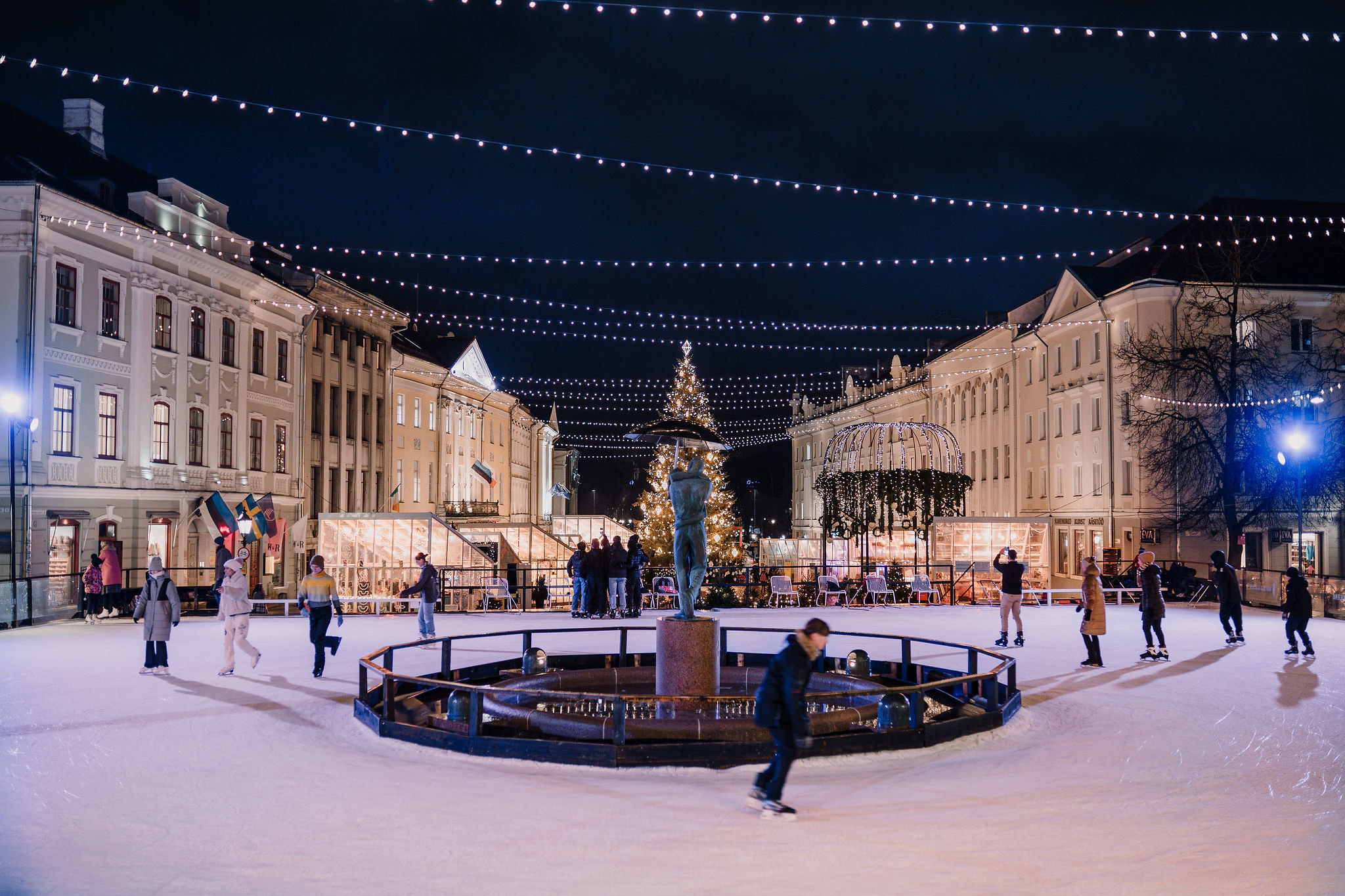
Every winter, Town Hall Square turns into a Christmas market with an ice skating rink at its centre and light installations stretching across the old town. It runs from late November through January, which in Tartu means frost, mulled wine and the kind of atmosphere that makes you want to stay another night. The Emajõgi River freezes most winters. When the ice is thick enough, people walk out onto it. Tartu in winter looks like something from a children’s book and feels even better than it looks.

The neighbourhoods

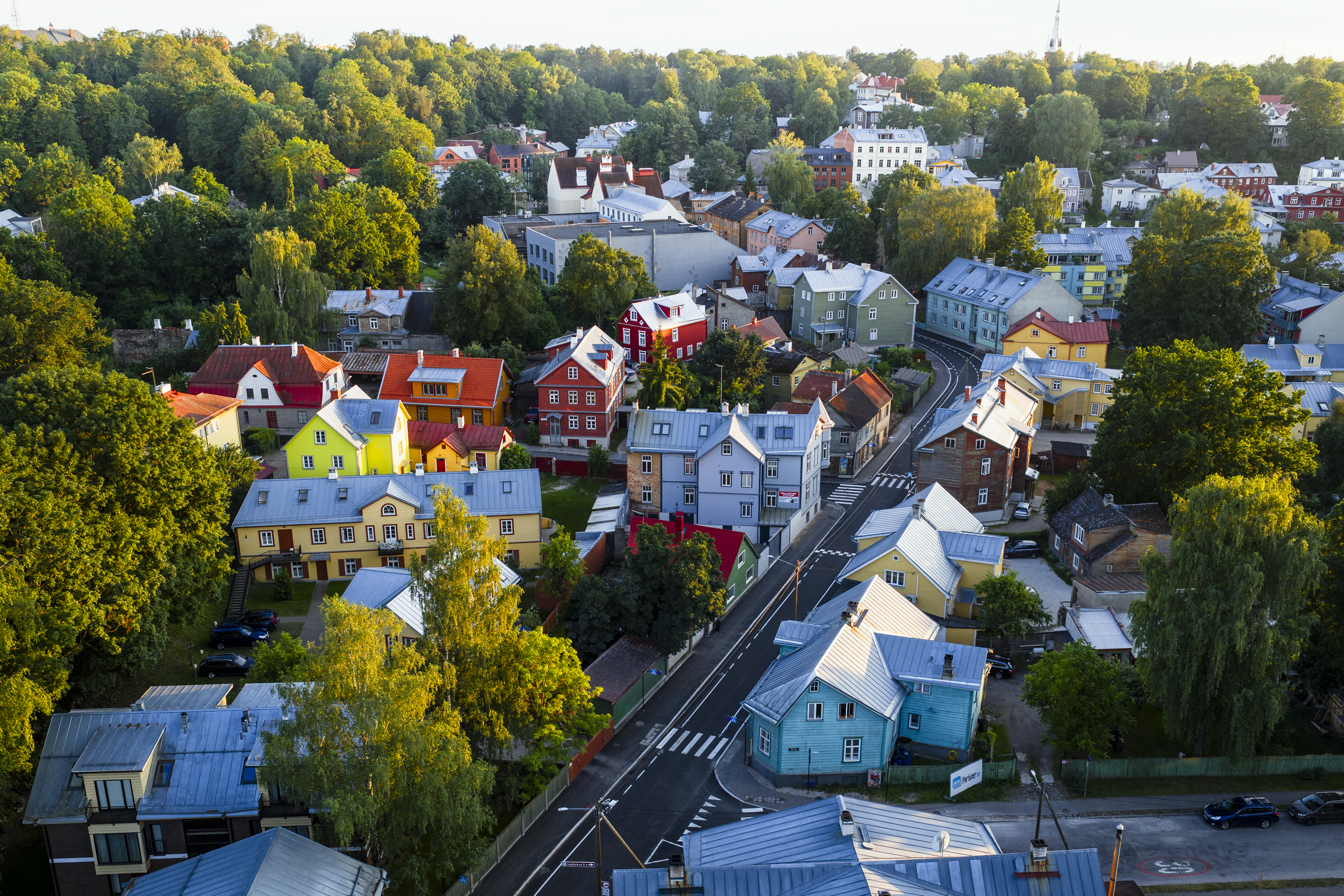
Supilinn, directly north of the old town, is a neighbourhood of 18th century wooden houses on streets named after vegetables. Potato Street, Pea Street, Bean Street. It is an architectural time capsule that hasn’t been tidied up for tourists, which is what makes it worth an hour of your time. The A. Le Coq Beer Museum is here too, in case you need a reason beyond the houses.

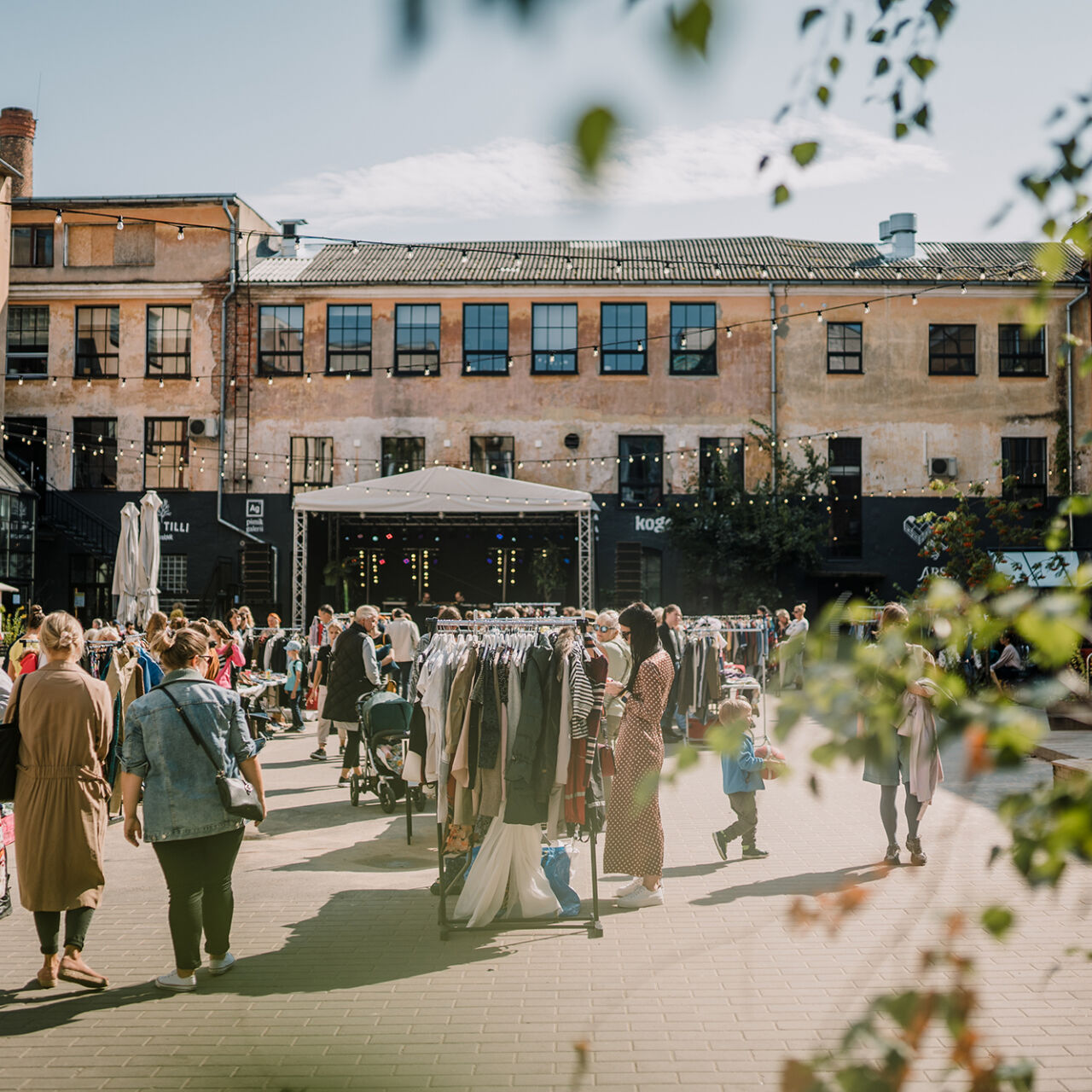
Karlova, south of the centre, is the bohemian neighbourhood. Colourful wooden houses, street art, independent coffee shops and bars that draw a mix of students, artists and people who have lived here for decades. Aparaaditehas, the old factory complex on the edge of Karlova, has become the city’s creative quarter. Small design shops, good coffee, events and occasional parties in spaces that used to manufacture Soviet industrial equipment.

Food and drink

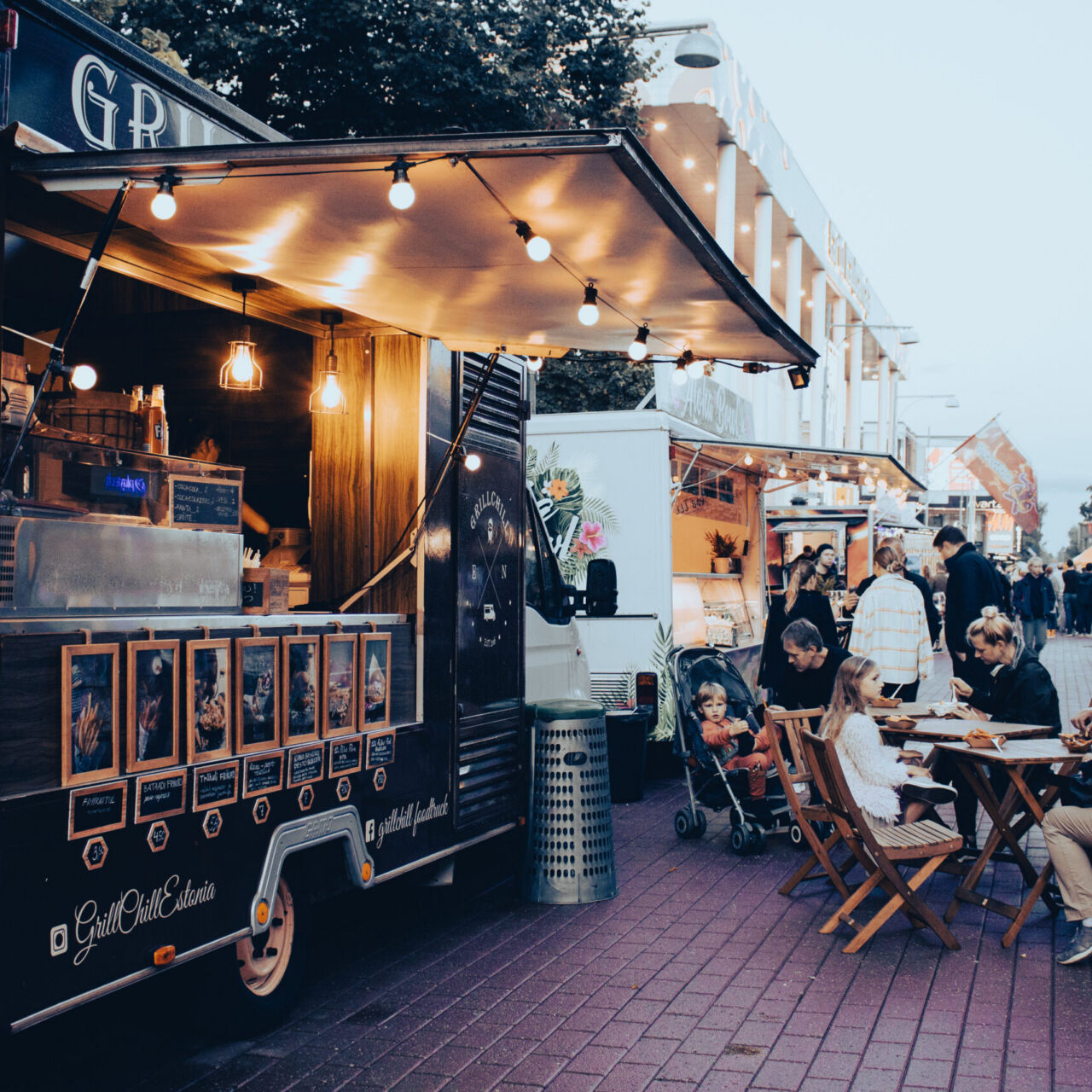
Tartu has two Michelin Guide recommendations, a Green Star restaurant in the surrounding region and a food scene that has been quietly building for a decade. The Saturday market around Raekoja Plats brings in producers from across South Estonia, the best introduction to what the region actually grows, makes and smokes. In August, the Tartu Food and Wine Festival takes over the city centre for a weekend.

The café culture is dense and serious. Werner Café has been a meeting point for writers and intellectuals for 125 years. The creative quarter around Aparaaditehas has added a new generation of places. Between them, Tartu has more good coffee per square kilometre than most cities three times its size.

  • Guided tours

Supilinn — Tartu’s historic neighborhood of wooden homes

Supilinn is Tartu's most bohemian district, where 18th-century wooden houses, courtyards awash in urban greenery, and the banks of the Emajõgi River create an unparalleled atmosphere. It combines the best of city living with a natural environment, where you can feel the community spirit and local creativity. Go for a walk in Supilinn on the beautiful promenade along the Emajõgi River, where century-old trees and a tranquil frog pond give the city a breath of fresh air. Street art, colorful courtyards, and wooden houses tell Supilinn's story, which is best experienced during the spring Supilinn Days, when courtyards and gardens open to guests and the entire district turns into a large festival. The best way to explore Supilin is on foot or by bike, so you can notice hidden corners, shutter patterns, and backyard gardens. A walk with a local guide can reveal hidden layers of the district and highlight its bohemian spirit. More information about guided tours can be found on the Tartu Guides page.

Tartu Market Hall

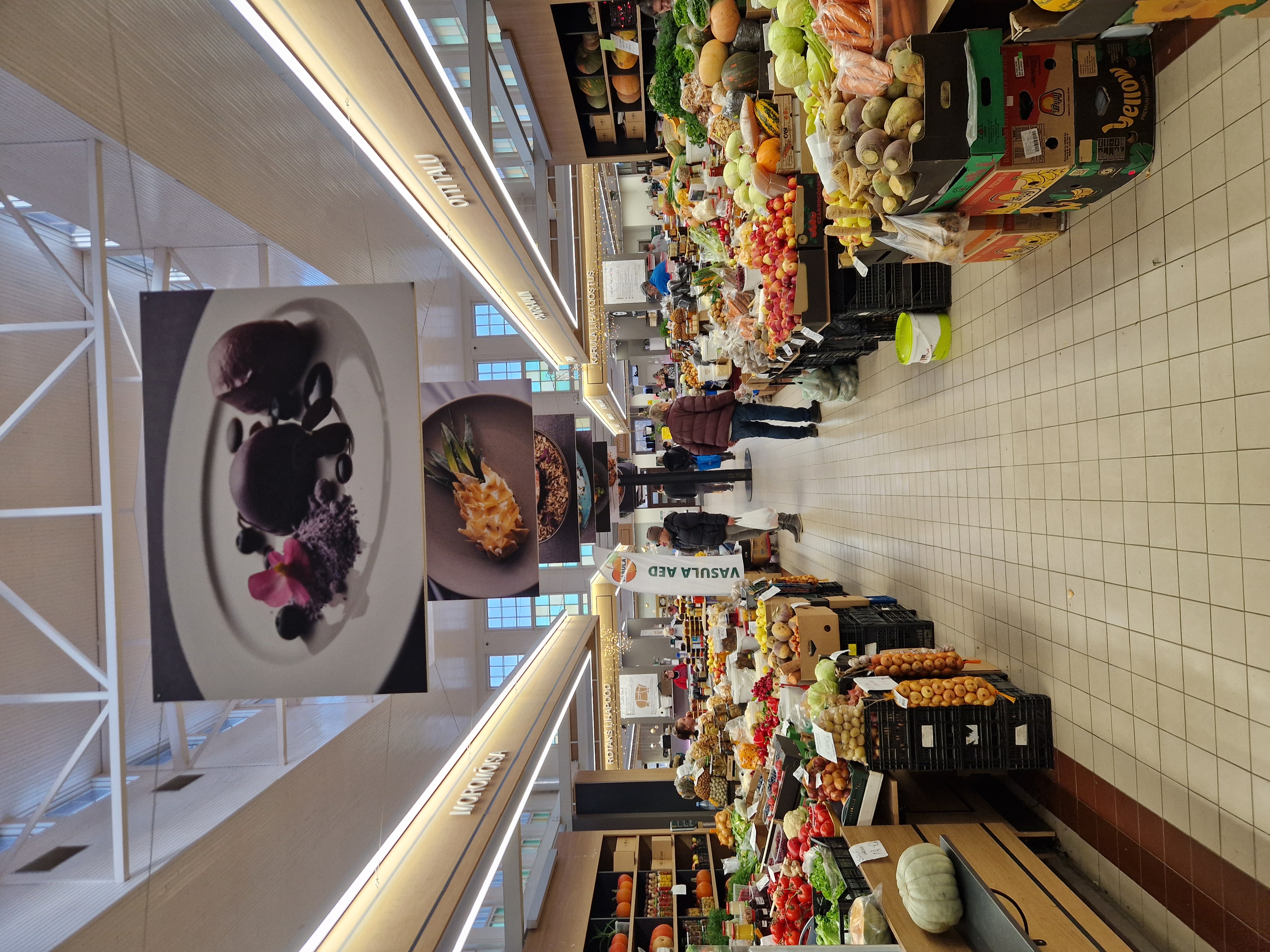
Tartu Market Hall is a contemporary indoor market in the heart of Tartu. It offers the largest and most authentic selection of fresh food and raw produce in South Estonia. In addition to shopping, visitors can stop by several cafes and local delicacies while watching the colorful, bustling market life. During the week, traders with decades of experience and brave newcomers sell their wares, while on weekends, guest vendors offer interesting new products. The Market Hall hosts food-oriented events, offering a diverse selection of goods and an unparalleled shopping experience.

  • Parks
  • Gardens

University of Tartu Botanical Garden

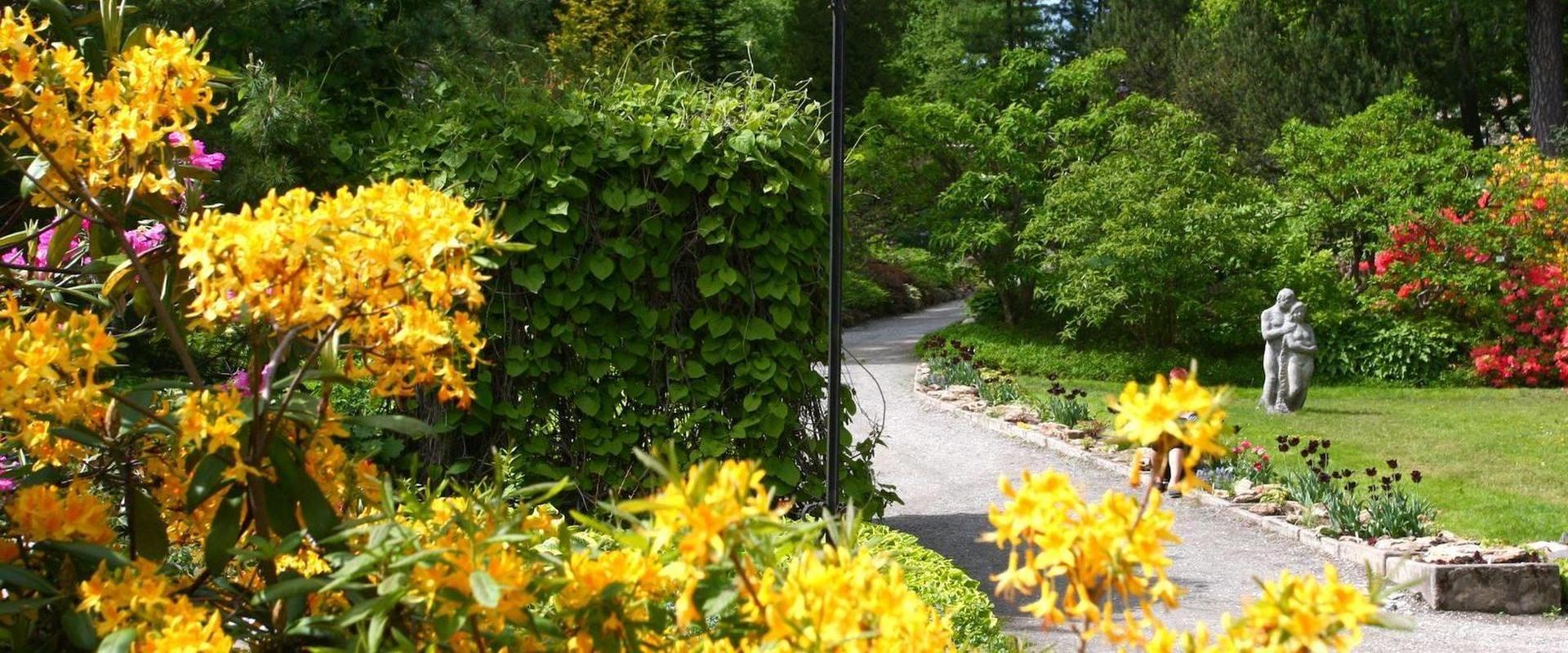
The University of Tartu Botanical Garden offers study programmes and excursions for visitors of all ages. There are more than 10,000 species and varieties of plants in the garden. In addition to natural plants, including rare protected plants, we introduce new decorative plants. In the greenhouses, rainforest and desert plants can be seen. We are the oldest botanical garden in the Baltic States, operating for more than 200 years in the same location. The garden is designed by world-renowned botanists, professors Ledebour and Bunge. Guests can visit the greenhouses with a ticket, but the garden is open for everyone for free. There is a playground for children.

  • Promenades

Emajõe Riviera promenade

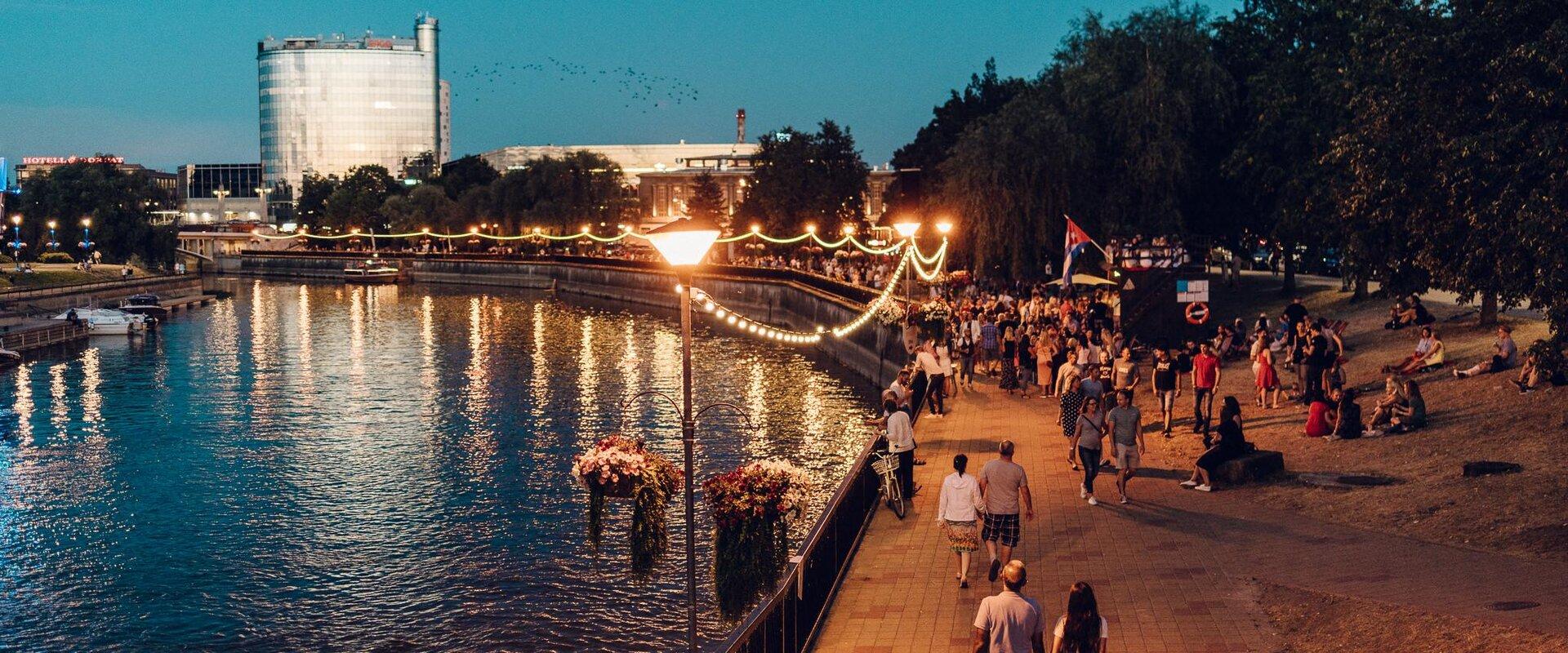
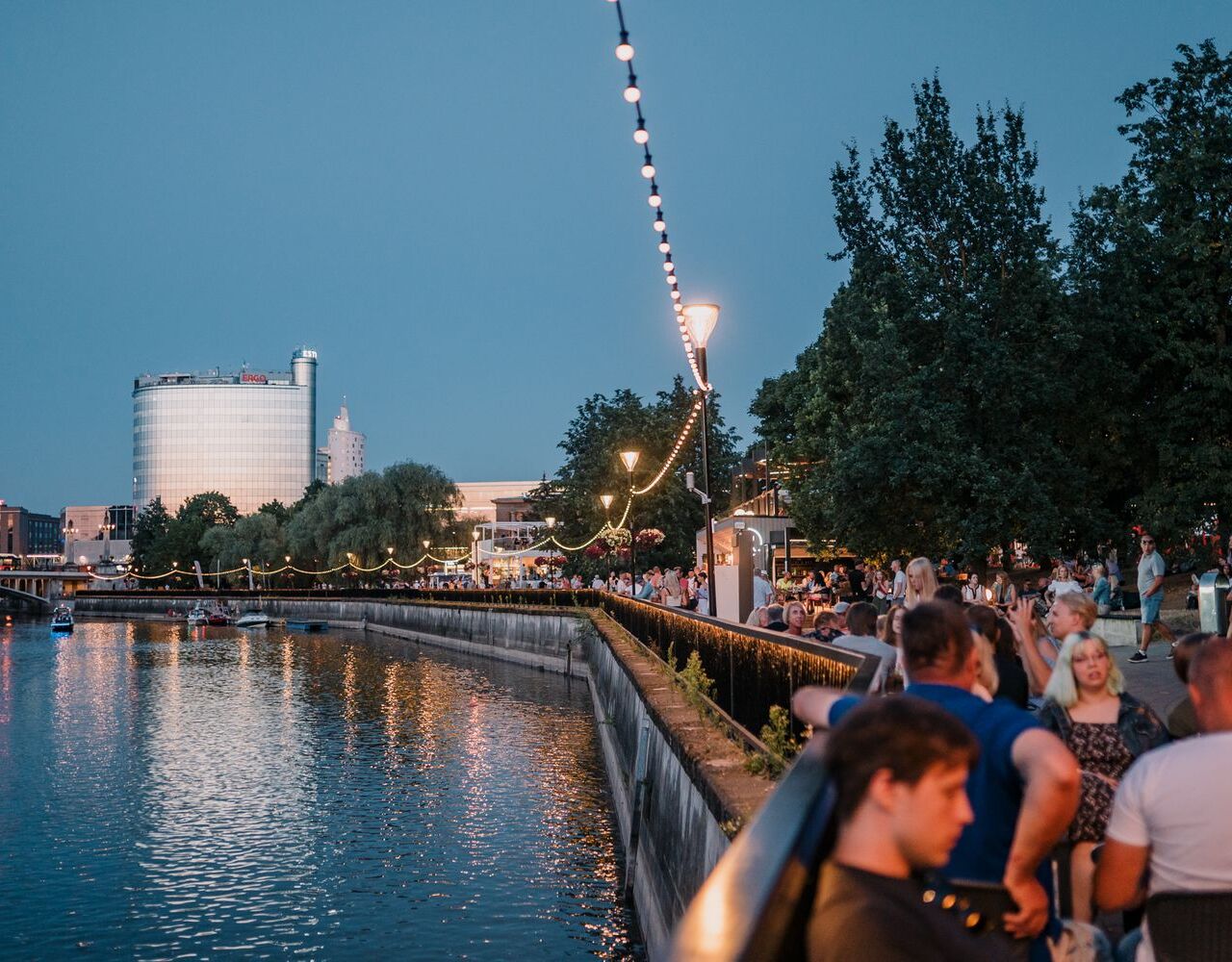
The trails along the Emajõgi River allow you to walk in nature and enjoy your free time. One of the busiest trails is the Emajõe Riviera, which is named after a series of summer concerts. In warm weather, the promenade along the Emajõgi River is one of the favourite places for locals and tourists alike. On the Riviera there are cafés, bars and restaurants that are full of fun atmosphere, delicious food and music. The shores are full of greenery and invite you to read a book, enjoy the company of friends, and watch the traffic of ships and boats. The evening city lights by the river make you want to stay in magical Tartu's summer night forever.

  • Bike rental

Tartu Smart Bike Share — Bike tour of Tartu

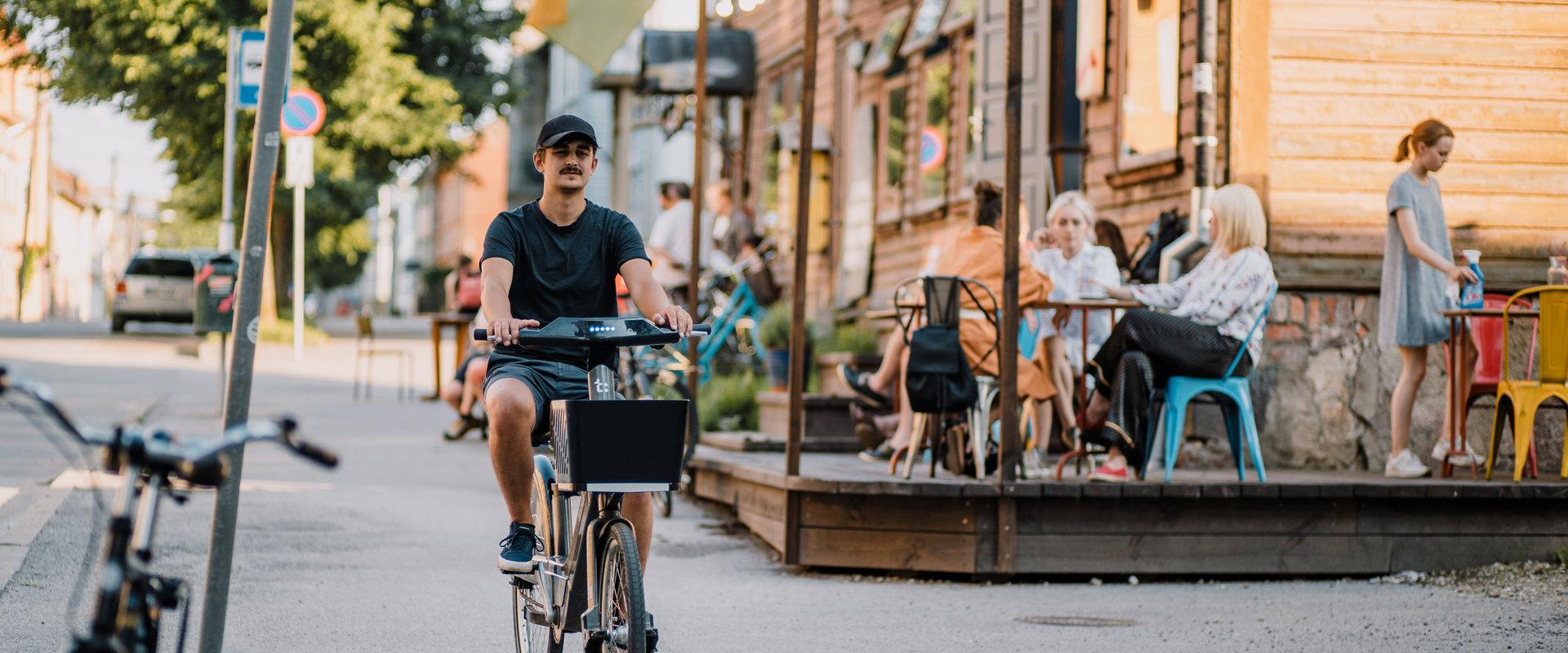
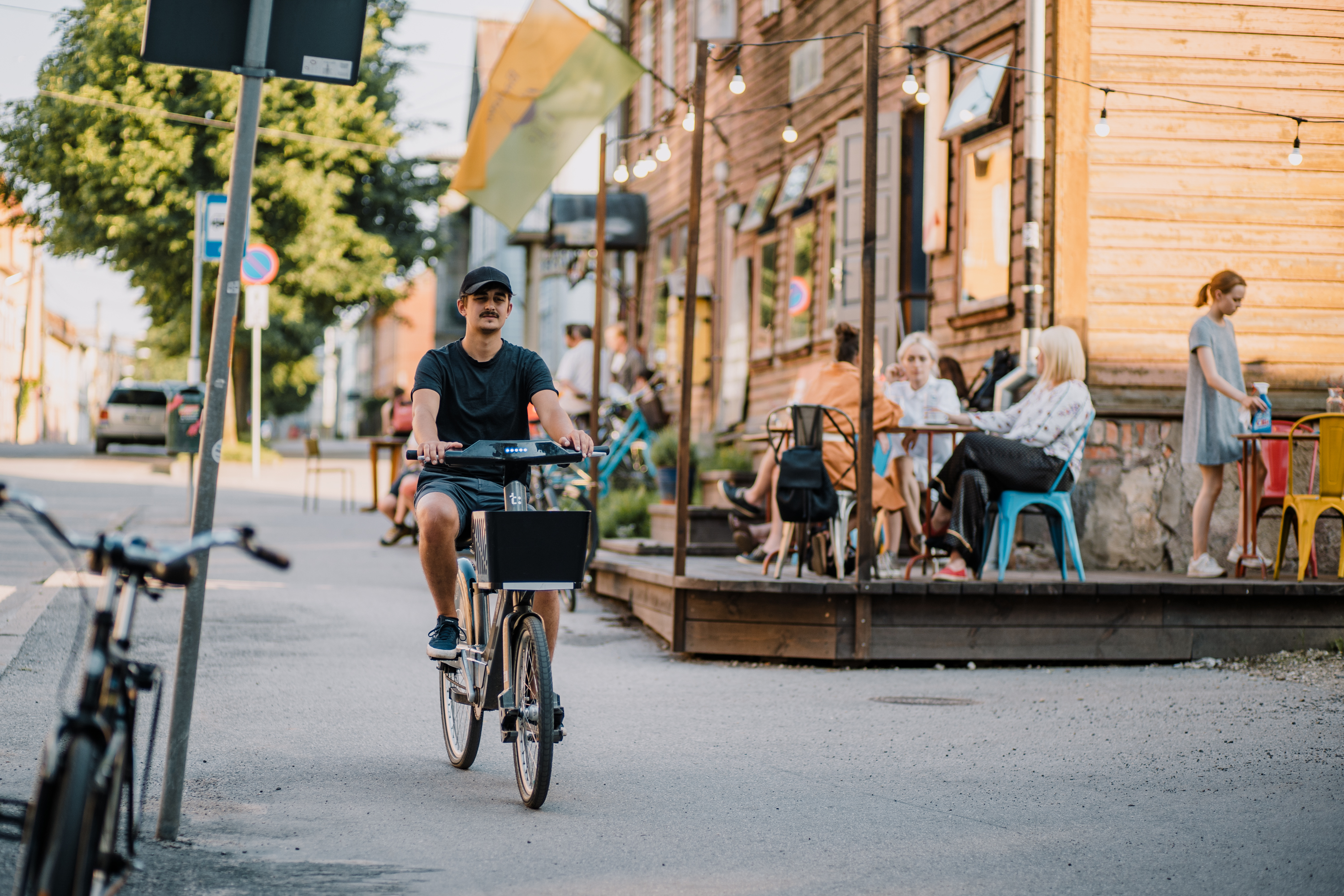
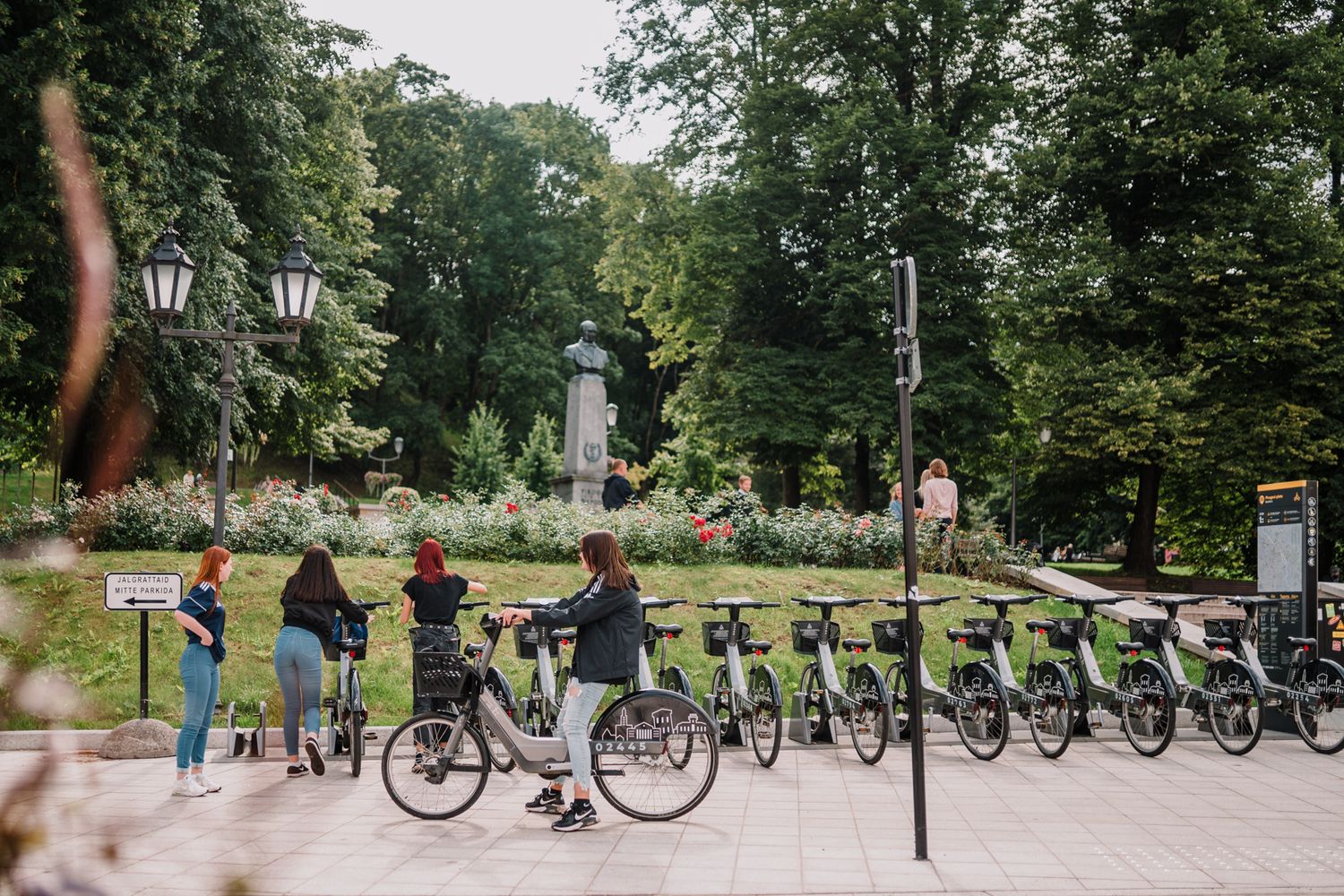
Discover Tartu's beauty and fascinating sights on a comfortable, environmentally friendly bike tour. Explore parks, historical buildings, and the most important neighborhoods by bike. With Tartu's Smart Bike Share, you can rent regular or electric bikes from various parking areas throughout the city. The Tartu Smart Bike app makes renting bikes easy. Electric bikes are available until the temperature drops below zero. They must be returned to any bike parking area within five hours. Rent a Tartu city bike, and go on an adventure in the historic University City of Tartu.

Tartu Town Hall

Tartu Town Hall is a symbol of the historical heart of the city, located on Town Hall Square. The building was completed in 1789, combining Baroque and Early Classicism elements. The Baroque bell tower was completed in 1784. Historically, the town hall has served several functions: a prison and a poorhouse (weighing house) were located here, and the council operated on the upper floors. Today, the town hall houses the Tartu city government, an information point, and a pharmacy, which has been located here for more than 100 years. One of the special features of Tartu Town Hall is the carillon in the tower. There are 34 bells, and beautiful melodies sound daily at 9:00, 12:00, 15:00, 18:00, and 21:00.

  • Family friendly
  • Guided tours

The University of Tartu Museum

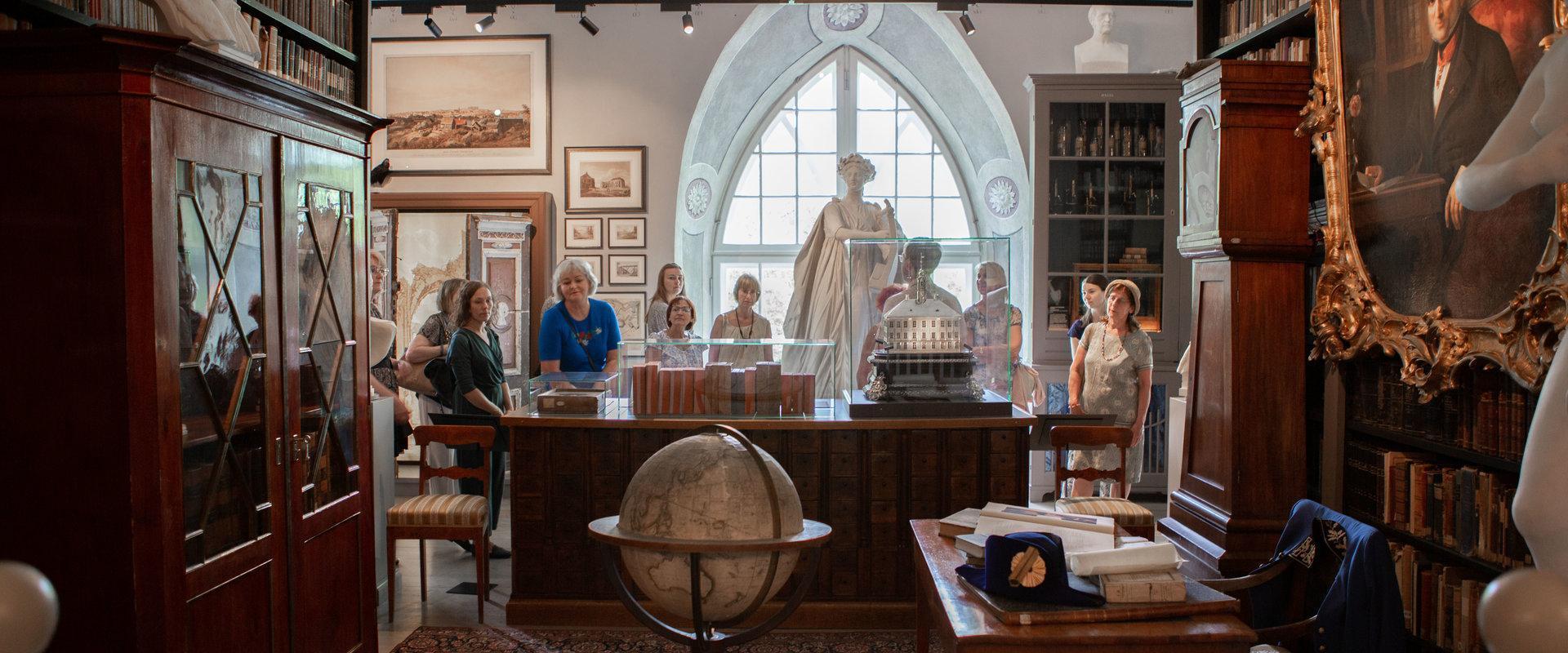
What is special about the University of Tartu and where does the spirit of the university manifest itself?The University of Tartu Museum introduces the history of science and university education from the 17th century to the present day and tells the exciting story of Tartu Cathedral.The seven floors of the museum offer the following:- the most precious treasures of the University of Tartu in the Treasury- the spirit of Tartu and the university at the exhibition The University of Our Lives- an exhibition of the gifts made to the university in the White Hall- a good luck formula in the physics office of Georg Friedrich Parrot- Crazy Scientist's office for children interested in scienceIn addition, temporary exhibitions and viewing platforms are open in the summer!See you at Toome Hill!

  • Guided tours
  • Workshops

Estonian National Museum

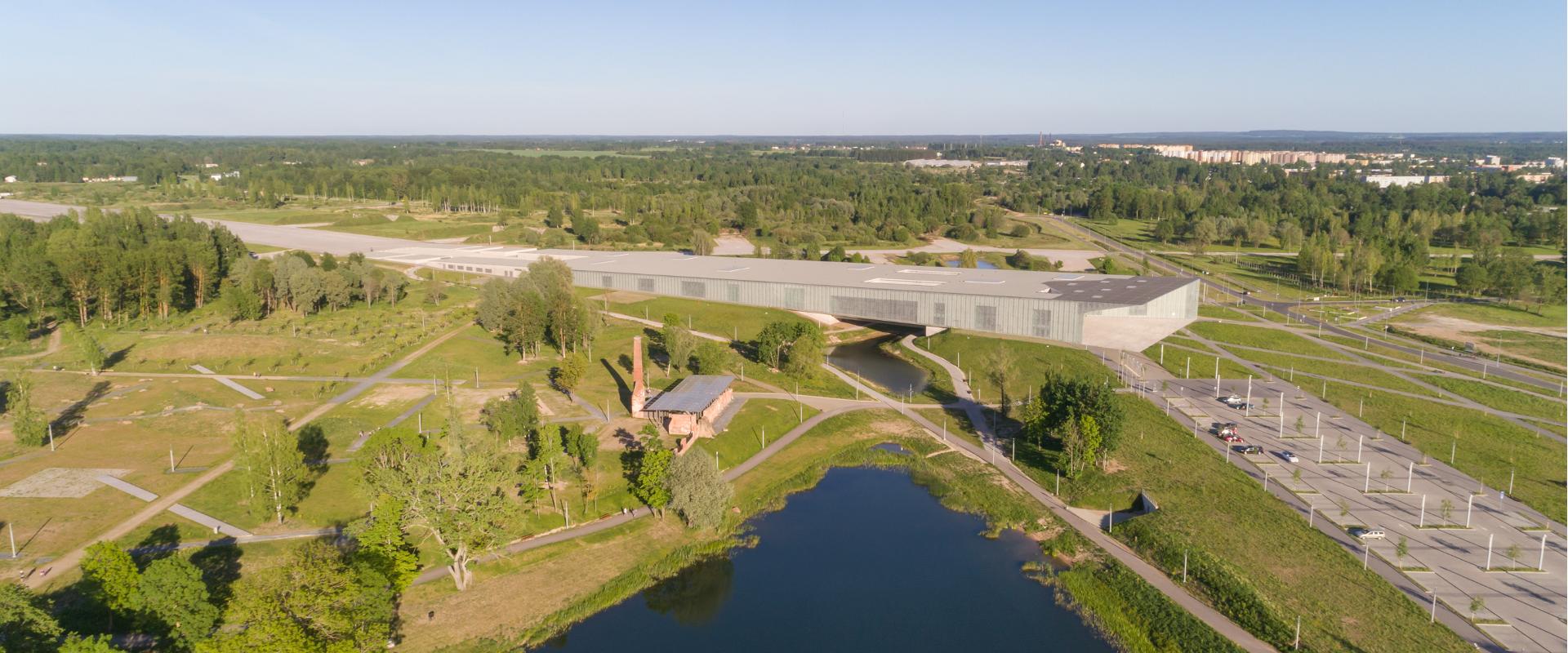
The largest museum in Estonia with nearly 6,000 m² of exhibition space invites you to discover the everyday life of Estonians throughout history at the permanent exhibition ‘Encounters’ and to learn about the life of the Finno-Ugric peoples in the permanent exhibition ‘Echo of the Urals’. The museum experience is complemented by temporary exhibitions. There is a restaurant and a museum shop. The outdoor areas of the museum are perfect to have a rest and a picnic. There is also a romantic rotunda and a glass-roofed distillery on the shores of Lake Raadi.The Estonian National Museum offers workshops, educational programmes, and guided tours in 11 languages. The museum has a modern conference centre and venue for international events.

  • Family friendly
  • Guided tours

Tartu City Museum

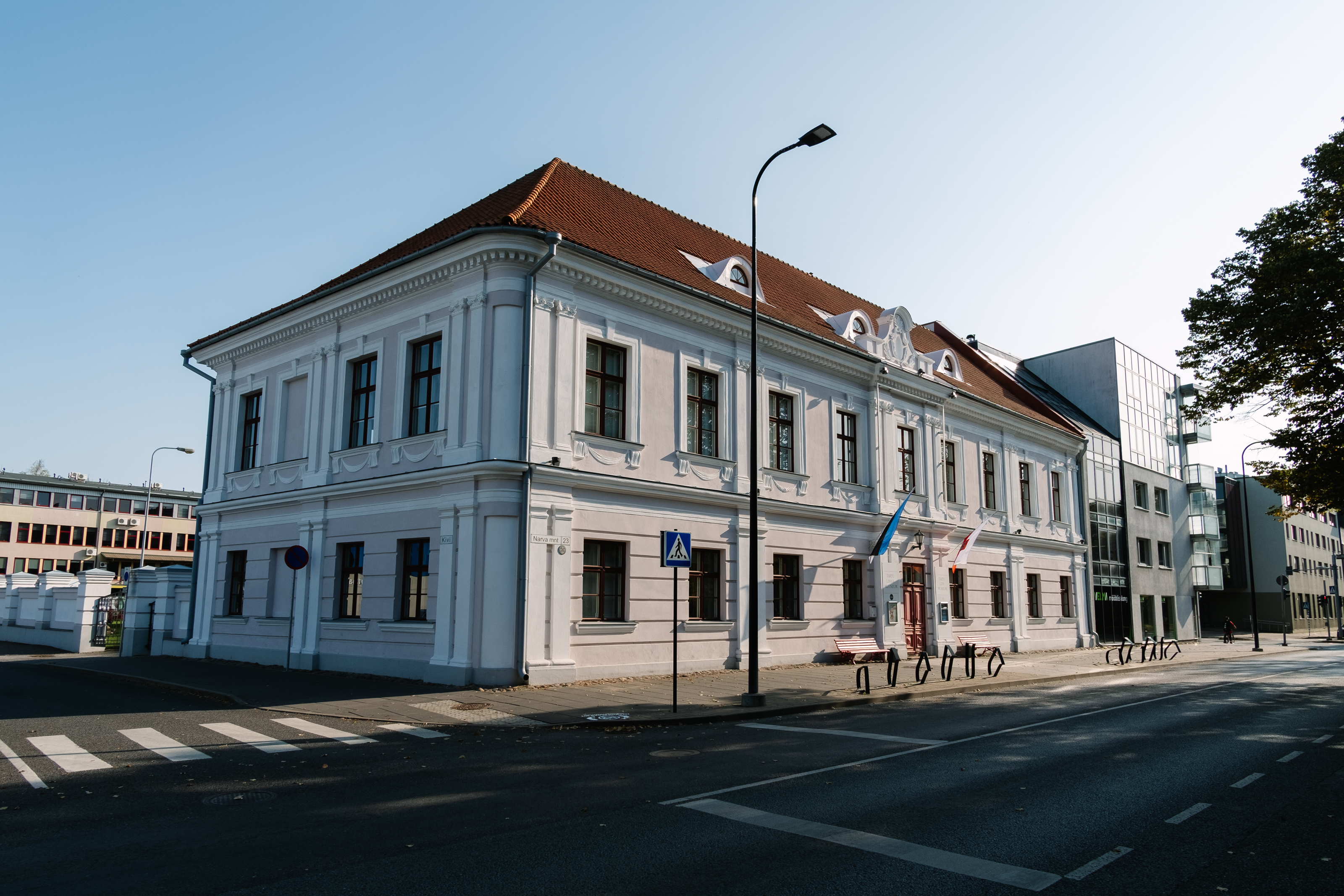
Tartu City Museum invites you to explore the city's diverse history and cultural heritage. The permanent exhibition, "Our Tartu," introduces the districts of Tartu, telling stories about the people of Tartu, their lives, and everyday habits. The exhibition provides insight into what makes each district in Tartu special, as each district has its own personality, as shared by local people. Visitors can also enjoy temporary exhibitions that introduce new topics and artistic perspectives. These exhibitions reveal different facets of Tartu, ranging from the city's architecture and social life to contemporary cultural phenomena. The museum offers guided tours and city tours, during which guides take participants on exciting journeys through Tartu's districts. These excursions are suitable for both local enthusiasts and visitors who wish to learn more about Tartu. The museum's premises can also be rented for various events. Come experience the story of Tartu through its people, places, and memories.

  • Boat trips

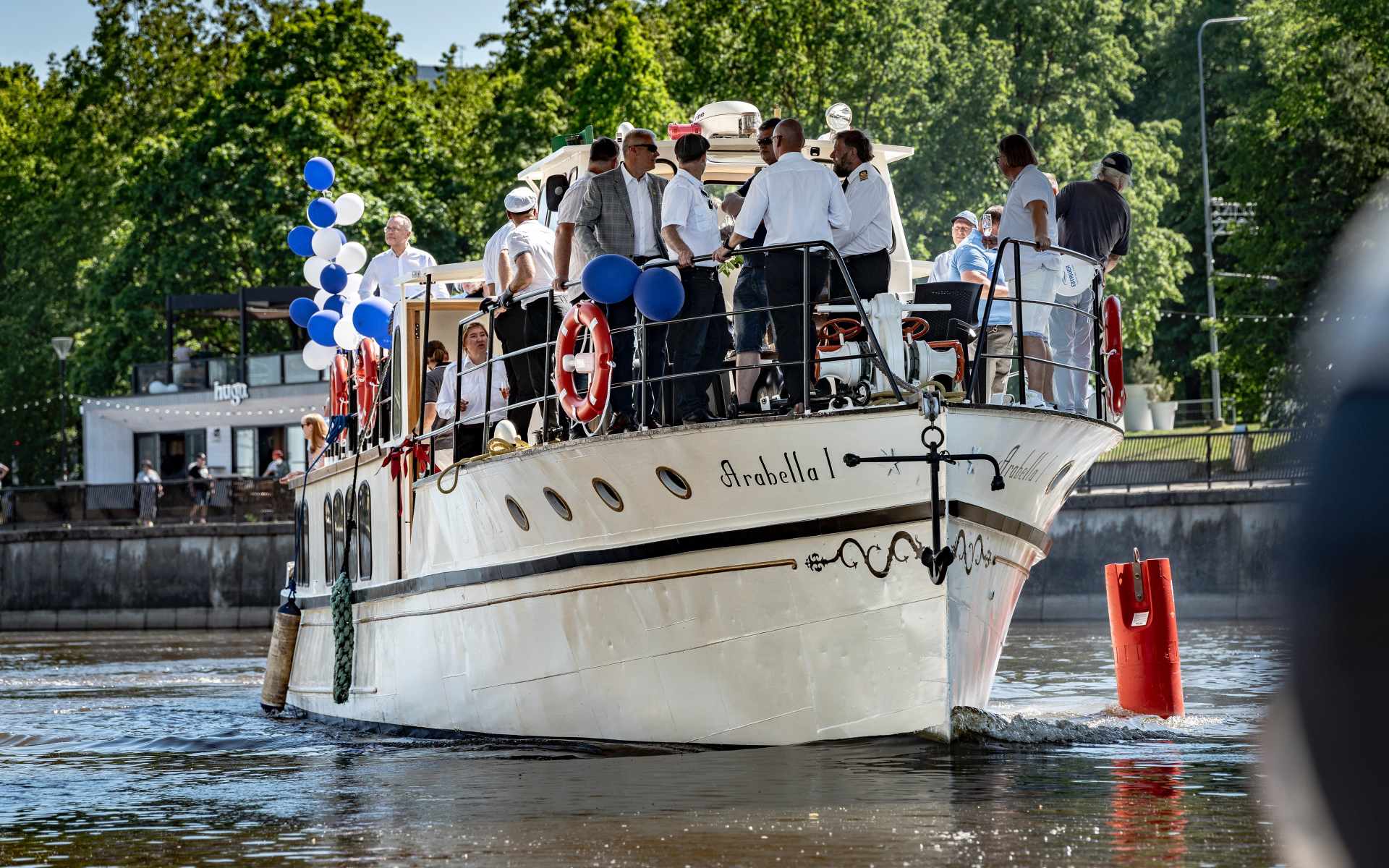
Boat trips in Tartu on the Emajõgi River with the ship Arabella I

Built in 1922, Arabella I is Estonia's oldest continuously operating ship and carries its historical charm to this day. Sailing on Tartu's Emajõgi River, the ship captivates with its elegance and peaceful journey through Old Town and the enchanting nature along the river. The historical Arabella I is suitable for corporate parties, weddings, birthdays, or special events. On board, there is a spacious lounge, stylish bar area, and modern presentation equipment, making the ship suitable for seminars or memorable receptions. The ship can be rented for exclusive use, with the route and program tailored to the client's wishes. There are also open excursions, welcoming both individual visitors and groups of friends and families. During the winter season, Advent and Christmas cruises take place on Sundays, where candlelight, Christmas lights, and the serene atmosphere of the Emajõgi create an unforgettable experience. Open to families, groups of friends, and couples.

  • Promenades

Supilinna promenade

The quay of the river Emajõgi on the side of Supilinn features a nice promenade (1.3 km), which is lined with an enchanting avenue of old poplars. The avenue takes past the village swing, small Konnatiik and Tähtvere Sports Park where anyone can find a suitable activity all year round. On the Supilinna promenade, you will see health enthusiasts enjoying their sports. During the summer, the citizens take the avenue on bikes or walking to the Emajõe free pool beach to swim . Promenade features bench-swings where you can read books, enjoy views on the river traffic and amateur fishermen, and spend time with friends and families in fresh air and in the charming bohemian atmosphere of Supilinn.

Karlova — a meeting place for architecture enthusiasts and bohemians

Karlova is a neighborhood in Tartu that captivates visitors with its bohemian atmosphere. In Tartu's Karlova district, there are historical wooden houses, secret courtyards worth discovering, unique cafés loved by locals, greenery, and plenty of street art. In the heart of Karlova are several important community places – the cozy Karlova Kohv, the popular meeting spot Barlova Bar, and the Karlova Harbor area by the Emajõgi River, suitable for more peaceful leisure. The neighborhood dates back to the houses built on the lands of Karlova Manor in the 19th–20th centuries, which have developed into today's unique living environment. The oldest settlement, at the beginning of Kalevi Street, dates back to the 18th century and architecturally differs from the rest of the area. In spring, Karlova Days take place, where you can get to know the neighborhood even better through various events and open courtyards. Exploring the neighborhood with a guide will show you Karlova's hidden side and the historical charm of its bohemian wooden houses. More information can be found on the Tartu Guides website.

The river

Tartu is where it is because of Emajõgi. In medieval times the river was a trade route. The bridges have been burnt, blown up and rebuilt more than once.

The pedestrian Kaarsild stands on the site of the old Stone Bridge, built by order of Empress Catherine II in 1784. The Soviet army blew it up in 1941. The Nazis destroyed what remained in 1944. The Arched Bridge was built in its place in 1959. There is a student tradition: your time in Tartu is not complete until you have walked across the top of its arch. It is not officially encouraged.

Today the Emajõgi Riviera runs along the southern bank with terraces, sandy beaches and a stretch of waterfront that comes alive in summer. Kayaks and paddleboards appear on the water. Arabella I, built in 1922, is Estonia’s oldest continuously operating ship and runs cruises along the river. In winter the river freezes and when the ice is thick enough, people walk out onto it.

A green city

Tartu holds a Platinum award from the Green Destinations programme and is one of 100 cities chosen by the European Commission to be climate-neutral and smart by 2030. The most famous green spaces, Toomemägi Hill Park and the University Botanical Garden, date back hundreds of years. The Emajõgi River walking paths run through the city without ever leaving it. The Smart Bike Share programme, launched in 2019, has logged over 2.5 million trips and more than 6.6 million kilometres ridden. The buses run on biomethane. The parks are being actively rewilded. Tartu takes this seriously in a way that doesn’t feel like marketing.

Events

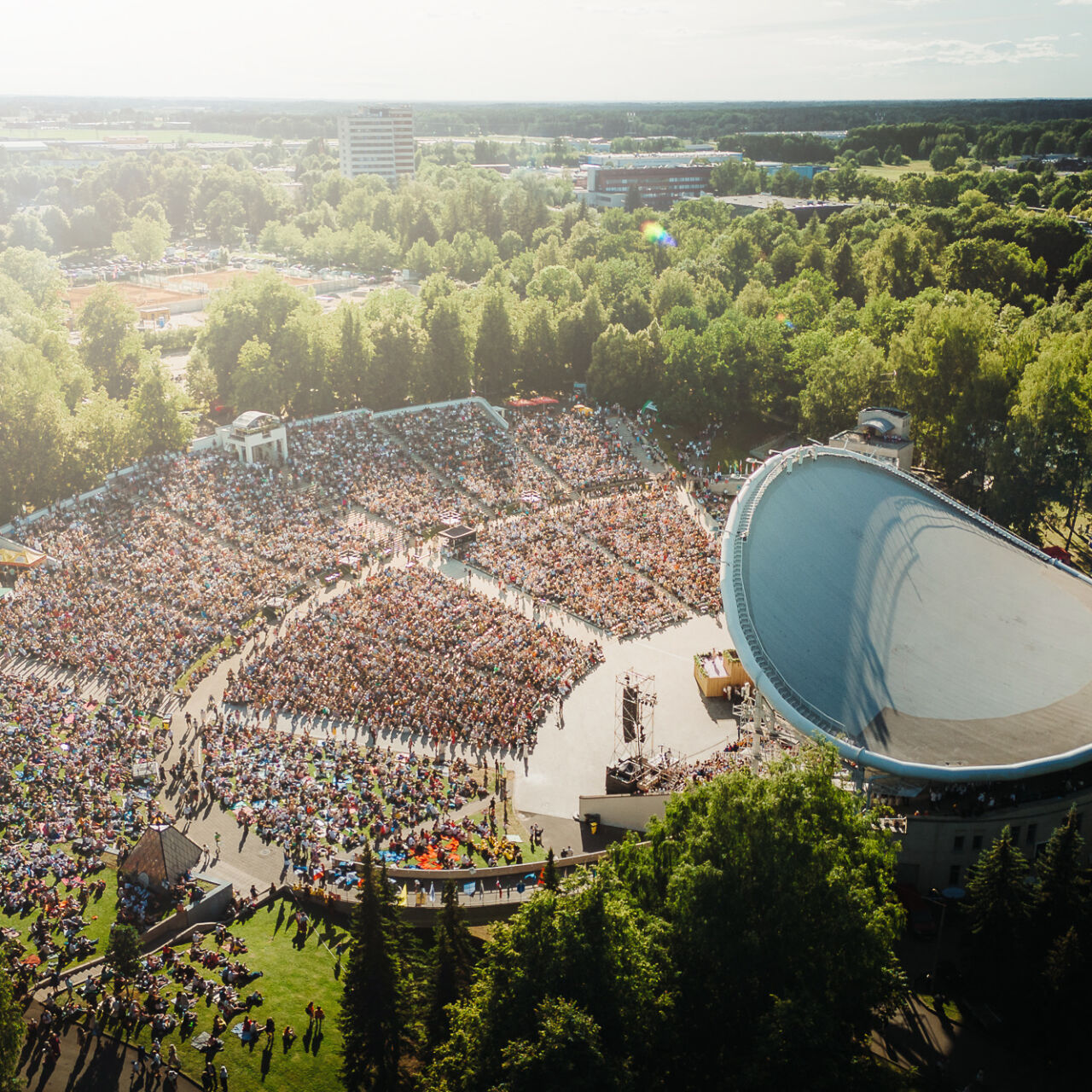
Tartu’s calendar is busier than a city this size has any right to be. tARTuFF, the Tartu Love Film Festival, runs every August on Town Hall Square, the largest open-air cinema in the Baltics, with all screenings free of charge. The town hall itself serves as the backdrop. Stencibility is one of Northern Europe’s longest-running street art festivals, taking over the city each September. The student days in April fill the streets with events that make the university’s presence impossible to ignore. The Tartu Food and Wine Festival takes over the city centre in August. In September, the Tartu Rattamaraton brings thousands of cyclists to the region as part of the UCI Gravel World Series. For a full calendar of events, kultuuriaken.ee has everything listed.

Your base for South Estonia

Tartu sits in the centre of South Estonia and everything worth seeing is within reach. Setomaa is 90 minutes by car. The Haanja hills are an hour. Lake Peipsi and the Onion Road are 40 minutes. The smoke sauna country starts an hour south. Tartu makes a natural base for day trips in any direction, with enough of its own to fill the evenings when you get back.

The city centre is walkable in 20 minutes. Most things worth seeing are within a short walk of Town Hall Square.

The carillon in the Town Hall tower plays daily at 9am, 12pm, 3pm, 6pm and 9pm. 34 bells.

Tartu has over 20 museums, more per capita than almost any city its size in Northern Europe.

Toomemägi Hill Park and the University Botanical Garden are free to enter. The botanical garden greenhouse requires a ticket.

Guided walking tours in English run every Saturday in summer at 2pm from the information point next to Town Hall.

Parking in the city centre is not free. The edges of Karlova and Supilinn have free parking within walking distance of the centre.

Tartu Airport has daily Finnair flights from Helsinki. From Tallinn, buses run every 30 minutes and take around 2 hours. Direct train from Riga since January 2026, taking 3 hours and 41 minutes.

Tartu Smart Bike Share has 750 bikes at 100 stations across the city, including electric bikes. Rentable by the hour through the app.

The university has its own prison, still intact, where students were historically sent for misdemeanours rather than to the city jail. Worth seeing on the university tour.