Altgläubige

Altgläubige

1652 änderte die russisch-orthodoxe Kirche ihre Riten. Für eine Gruppe von Gläubigen war das keine kleine Anpassung. Es war Häresie. Sie weigerten sich und verließen ihre Heimat. Einige von ihnen fanden den Weg an das Westufer des Peipsi-Sees, so weit weg vom Zugriff des Zaren, wie sie nur konnten. Dreieinhalb Jahrhunderte später sind ihre Nachfahren immer noch hier – sie fischen im selben See, bauen dieselben Zwiebeln an und bewahren denselben Glauben.

Wer sind die Altgläubigen

Die Altgläubigen erkannten die liturgische Reform des Patriarchen Nikon von 1652 nicht an, die die Riten der russisch-orthodoxen Kirche den griechischen annäherte. Ihrer Ansicht nach war jede Veränderung der typisch ruthenischen liturgischen Traditionen Häresie und eine Abkehr vom einzig wahren Glauben. Sie widersetzten sich. Sie wurden verfolgt. Sie flohen.

Viele flohen westwärts nach Estland, das damals unter der Herrschaft des Königreichs Schweden stand und somit außerhalb der Kontrolle des Zaren lag. Der Peipsi-See, groß und abgelegen, markierte den Rand der bekannten Welt. Sie errichteten Dörfer an seinem Ufer und blieben.

Heute leben in Estland etwa 15.000 Altgläubige mit 11 eingetragenen Gemeinden. Die meisten wohnen noch immer entlang desselben Uferabschnitts, den ihre Vorfahren vor drei Jahrhunderten wählten. Die Gemeinschaft schrumpft und altert, da junge Menschen in die Städte ziehen, doch die Traditionen bleiben bestehen.

Die Gebetshäuser

Gebetshäuser bilden das Zentrum des religiösen Lebens der Altgläubigen. Die Gottesdienste werden von einem Kirchenältesten geleitet, der männlich oder weiblich sein kann – bestimmte Zeremonien wie Taufe oder Beichte dürfen jedoch nur von männlichen Ältesten durchgeführt werden. Die Gebetshäuser sind mit reich verzierten Ikonen geschmückt. Die Gottesdienste sind lang und ernst, mit einstimmigem Chorgesang nach alten kirchenslawischen Notenschriften.

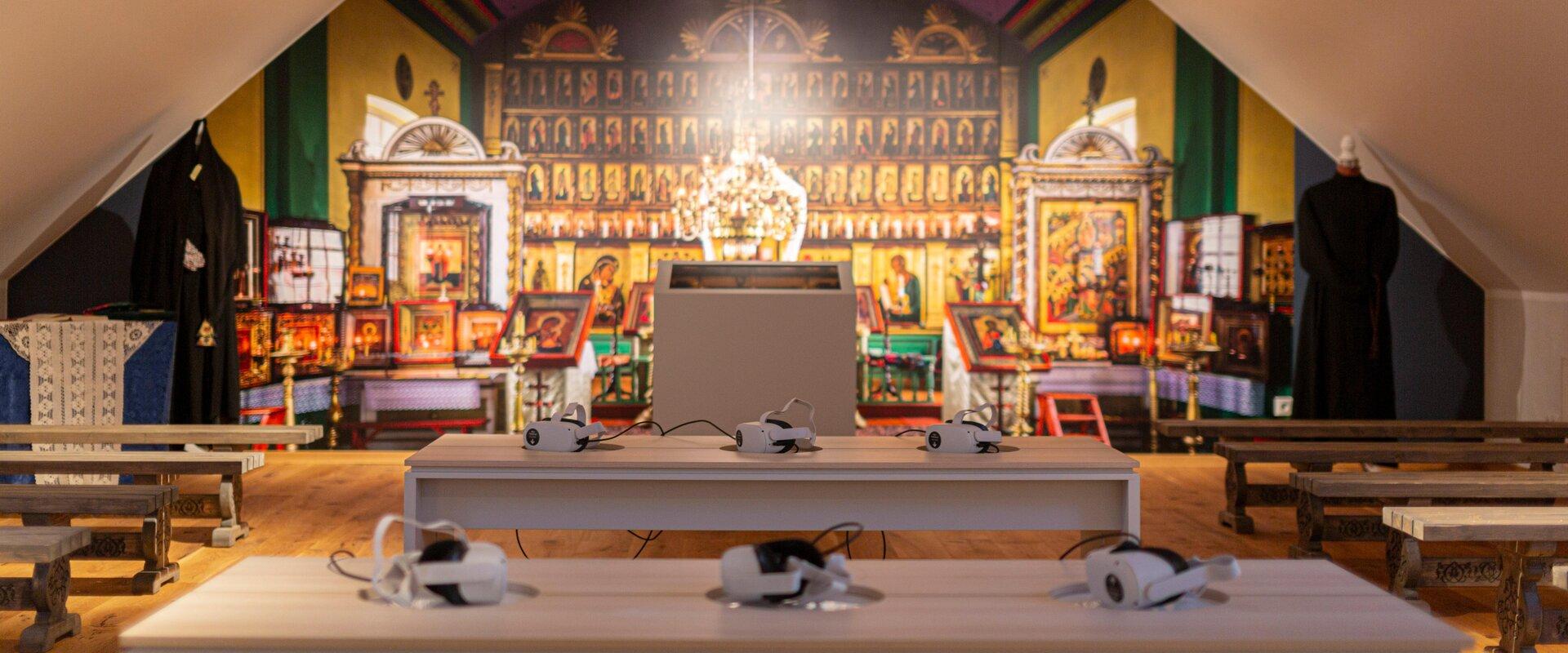
Die Gebetshäuser entlang der Zwiebelstraße sind farbenfrohe, bescheidene Gebäude mit hellen Holzfassaden. Sie werden noch immer aktiv genutzt. Die Gottesdienste sind für Außenstehende nicht zugänglich, doch das Museum der Altgläubigen in Kolkja bietet eine Virtual-Reality-Erfahrung eines Gottesdienstes im Großen Gebetshaus von Kolkja.

Eine Regel sollte man kennen, bevor man das Haus eines Altgläubigen besucht: Man bringt sein eigenes Geschirr und Besteck mit. Das ist keine Unhöflichkeit, sondern eine der ältesten Reinheitsregeln ihrer Tradition, die auch für Gäste gilt.

Die Zwiebelstraße

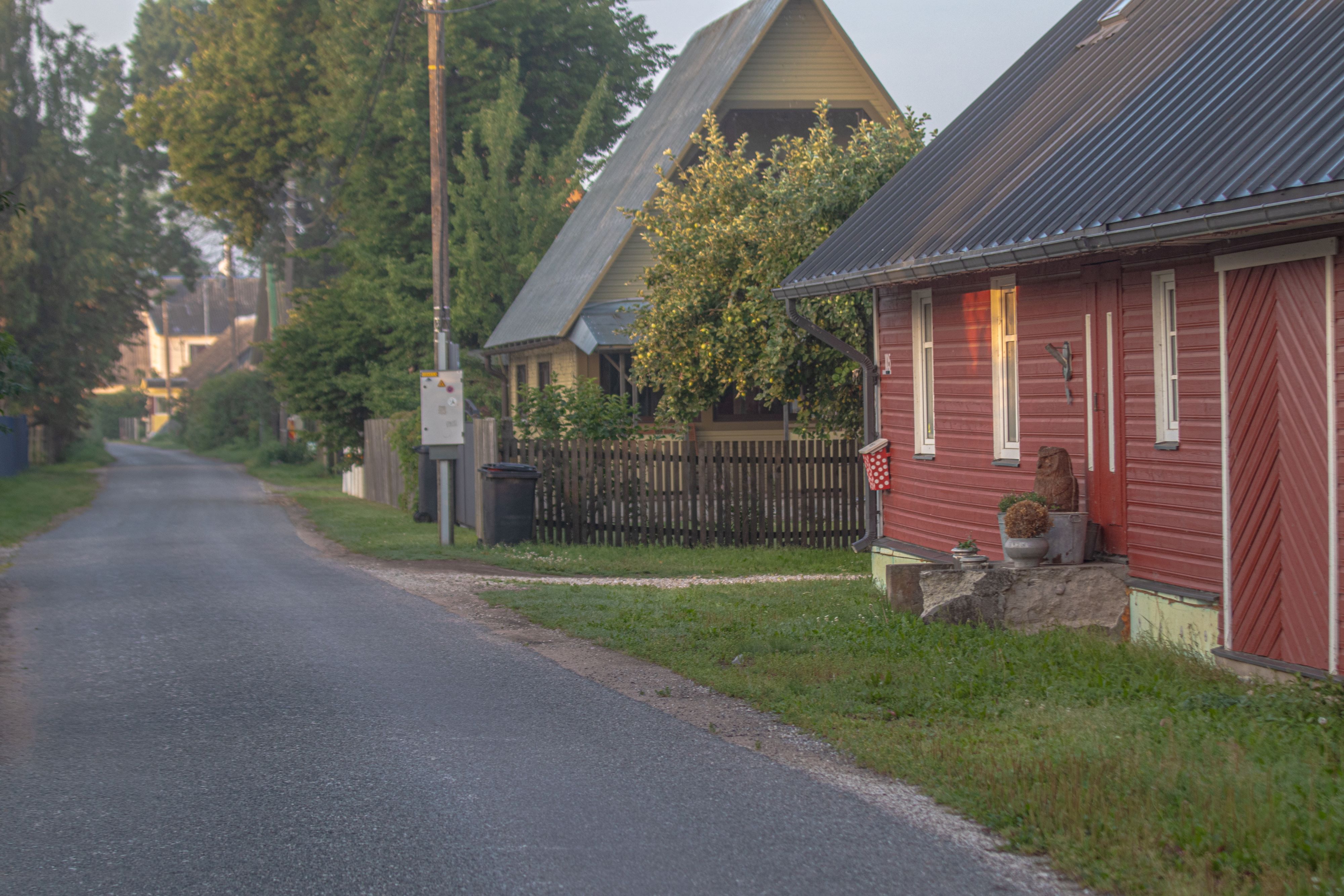
Die Dörfer entlang des Westufers des Peipsi-Sees erstrecken sich als langes Band, die Häuser laufen parallel zum Wasser, die Gärten reichen bis zur Straße. Im Sommer stehen vor fast jedem Tor Verkaufsstände mit geflochtenen Zwiebelzöpfen, geräuchertem Fisch und eingelegten Gurken. Der sandige Uferboden ist für vieles ungeeignet, aber ideal für Zwiebeln. Die hier angebauten gelten als die besten in Estland. Wer sie probiert hat, stimmt dem zu.

Im Sommer die Zwiebelstraße entlangzufahren, fühlt sich nicht wie Tourismus an. Es fühlt sich einfach an wie eine Straße, an der Menschen leben und verkaufen, was sie anbauen.

Essen und der Samowar

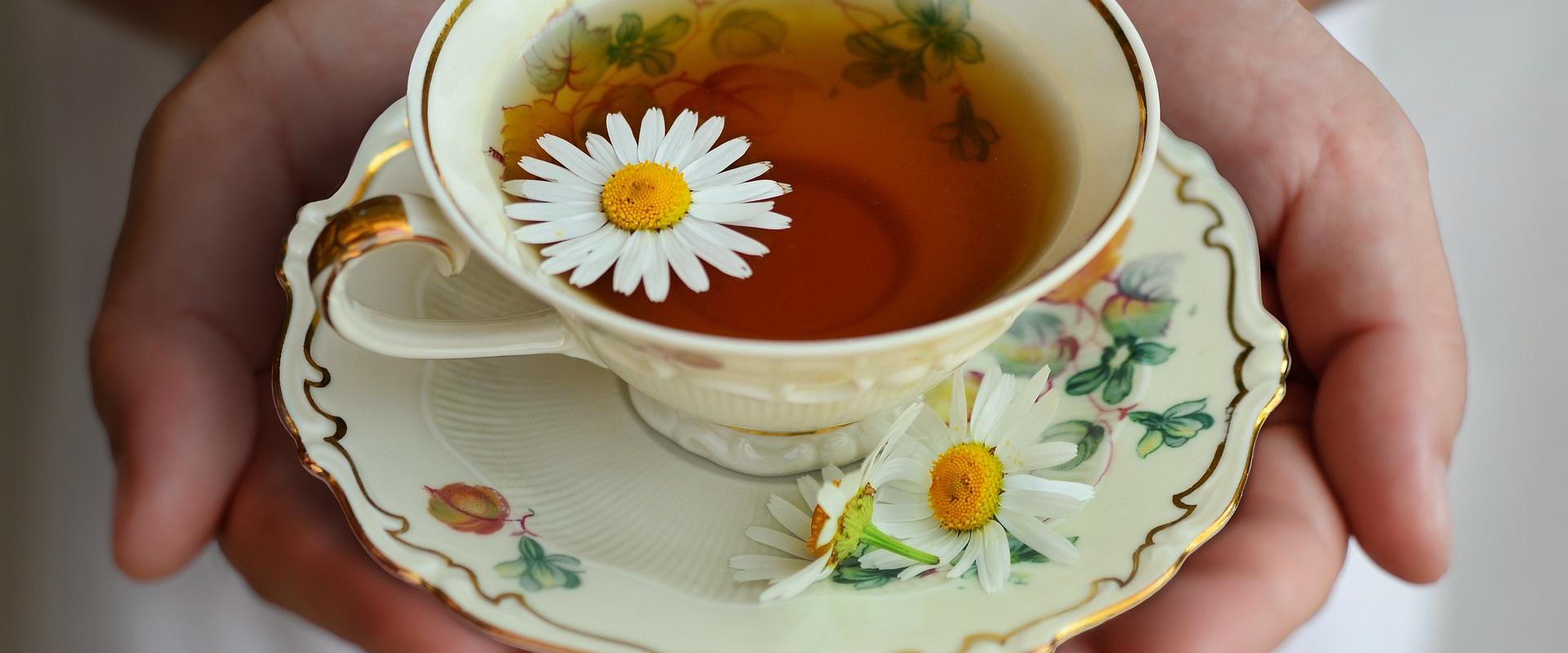
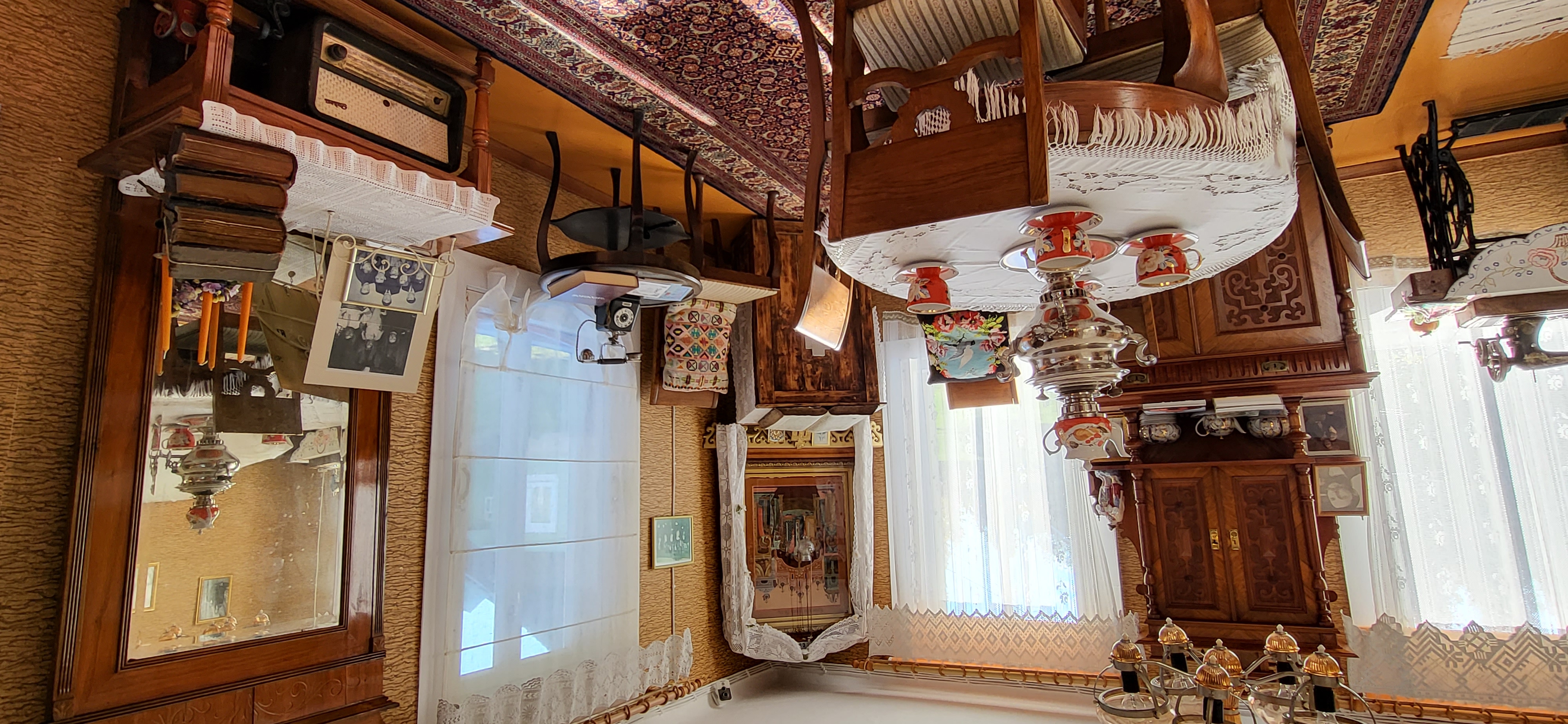
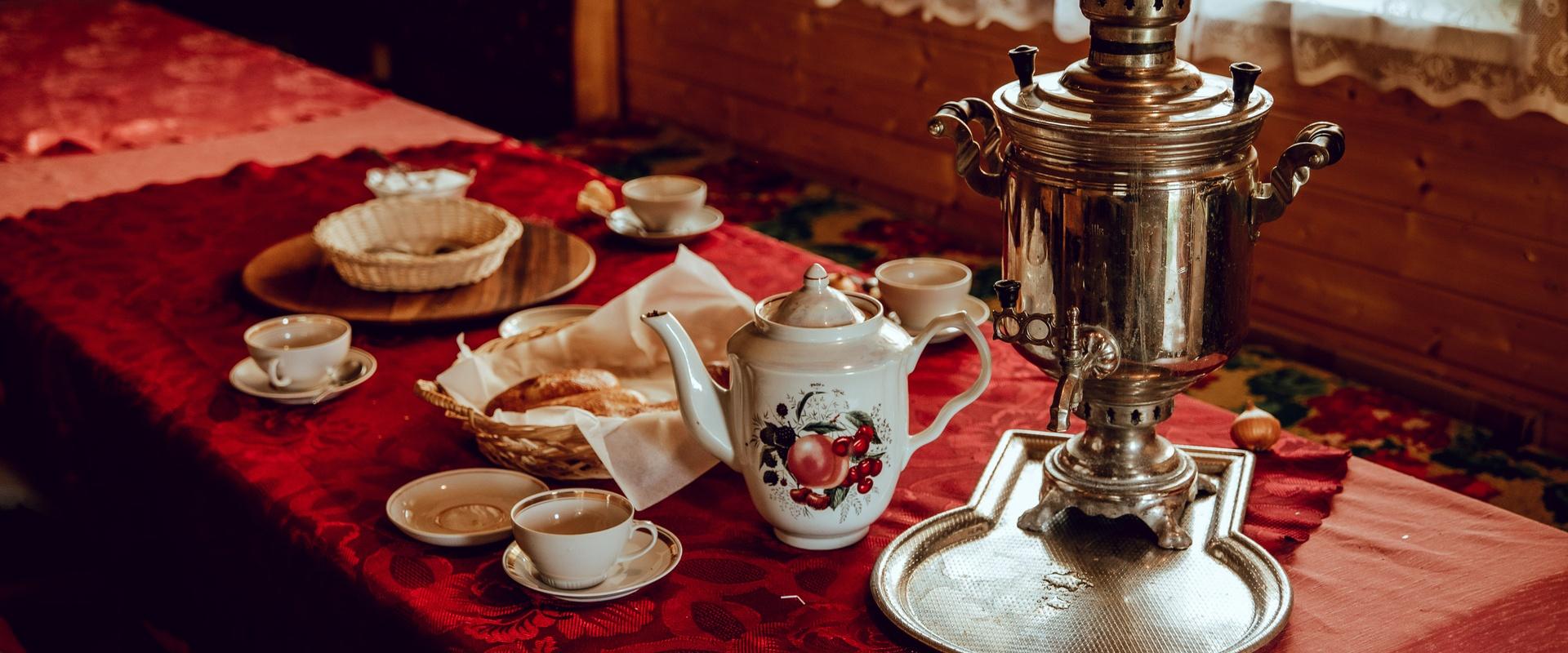
Der Samowar steht im Mittelpunkt der Gastfreundschaft der Altgläubigen. Der Tee wird langsam aufgebrüht, stark in die Tasse gegossen und am Tisch mit kochendem Wasser aus dem Samowar aufgegossen. Das traditionelle Getränk ist Iwan-Tschai, hergestellt aus fermentierten Blättern des Weidenröschens, serviert mit Baranki, Keksen und gekochtem Zucker. Es ist süß, entschleunigt und hat nichts mit der Kaffeekultur zu tun, die man anderswo findet.

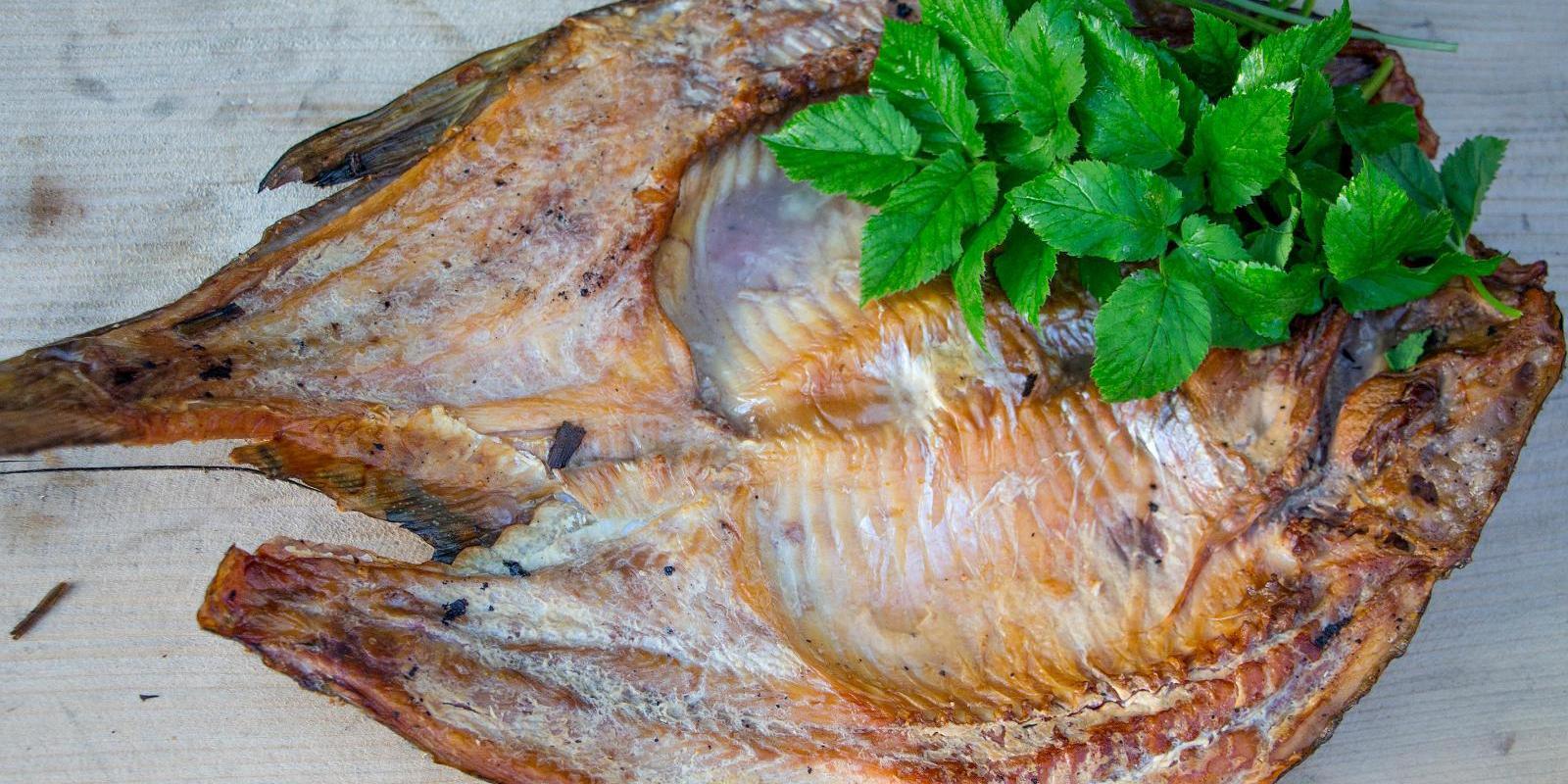
Die Küche baut auf dem auf, was See und Garten hergeben. Geräucherter Brachsen, getrockneter Rotaugenfisch, marinierter Barsch, Fischsuppe, Zwiebelkuchen. Eingelegte Gurken in solchen Mengen, dass man meinen könnte, das ganze Dorf bereite sich gleichzeitig auf den Winter vor.

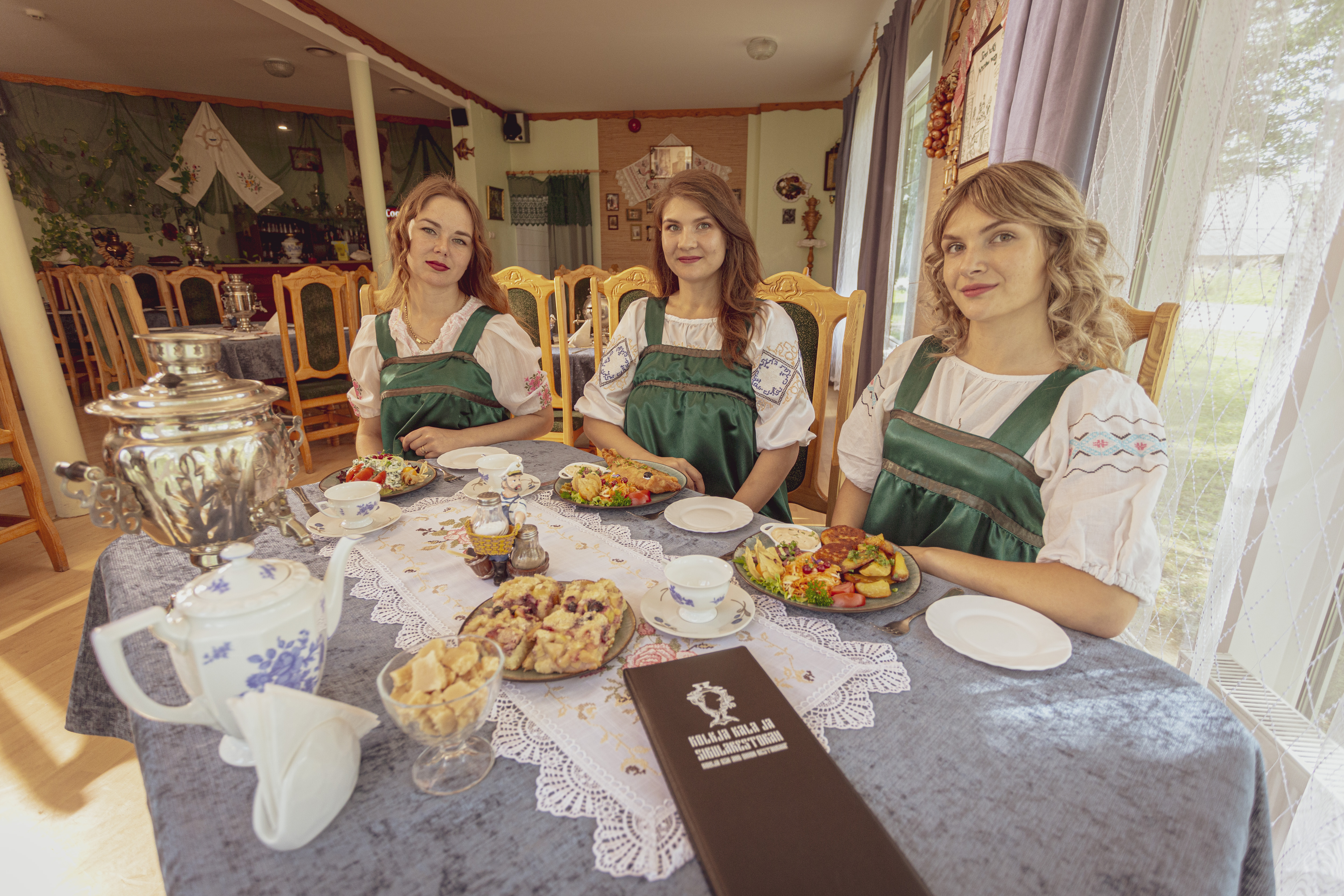
Das einzige Restaurant der Altgläubigen in der Region befindet sich in Kolkja – angeblich das einzige seiner Art weltweit. Fisch und Zwiebeln, in herzhaften Portionen serviert, in einem Raum, der mit traditionellen russischen Volksmustern und Gemälden des Peipsi-Sees geschmückt ist.

Erlebe es selbst

  • Giidiga tuurid
  • Virtual reality (VR)

Old Believers Museum in Kolkja

Who are the Russian Old Believers? How and when did they arrive in Estonia? Why did they settle in the Peipsi region, and what are their customs? Why have they grown onions this way for centuries? The Old Believers Museum in Kolkja is located on the Onion Route and tells visitors the story of the Peipsi Region's Russian Old Believers. The exhibition is in Estonian, English, and Russian and includes virtual reality, where you can experience the Old Believer prayer. We also offer hour-long guided tours in Estonian and Russian. There is an observation tower overlooking Lake Peipsi at the museum! Come and discover the world of the Old Believers in Kolkja!

  • Vegetarian food

Kolkja Fish and Onion Restaurant

At our small but authentic Kolkja Fish and Onion Restaurant, we offer genuine Old Believer dishes from the Peipsi region, prepared with freshly caught lake fish and locally grown, world-famous Peipsi onions. The dishes are based on traditional recipes passed down through generations, reflecting the unique culinary culture of the Peipsi lakeshore area. The menu features smoked fish, richly flavored fish soup, hearty onion soup, juicy fish patties, and a variety of desserts, including traditional Old Believer pies. The culinary experience is crowned with a traditional samovar tea, which is best enjoyed slowly in good company. The restaurant is located on the Onion Route (Sibulatee), and our cozy setting is perfect for families, friends, and travel groups alike. For groups, we offer the opportunity to arrange storytelling by the restaurant’s hostess about local life and Old Believer customs, as well as readings from old books, making the visit unique and memorable.

Peipsi Teemaja (Teahouse)

The teemaja (teahouse) in Mustvee is a cosy place in the capital of the Peipus region, where good tea and local food and drinks are offered. The menu includes fish from Lake Peipus and local garden and forest products.On the first floor, we can host family events and other anniversaries.We also offer accommodation on the second floor.Peipsi Teemaja is the well-known red house in the centre of Mustvee.In addition to meals, we have an exciting selection of handicrafts and souvenirs.

  • Giidiga tuurid
  • Workshops

Mesi Tare Lake Peipsi fish cooking workshop

In the Mesi Tare fish cooking workshop, we prepare local dishes from seasonal Peipsi fish! The fish cooking workshop, held in the courtyard of the Mesi Tare Holiday Home, covers the entire process from start to finish, including cleaning, filleting, preparation, and cooking the fish. Depending on the season and the fish we have, we cook uhhaa, a traditional fish soup, smoke the fish, pan fry fish, etc. And finally, the moment that everyone is especially looking forward to — we serve the food and enjoy an authentic meal in an Old Believers' village on the Onion Route. The winter fish cooking workshop includes an experience on the ice with a karakat ride on frozen Lake Peipsi, ice fishing, and preparing uhhaa. See you at the workshop!

  • Giidiga tuurid
  • Workshops

Varnja Samovar House

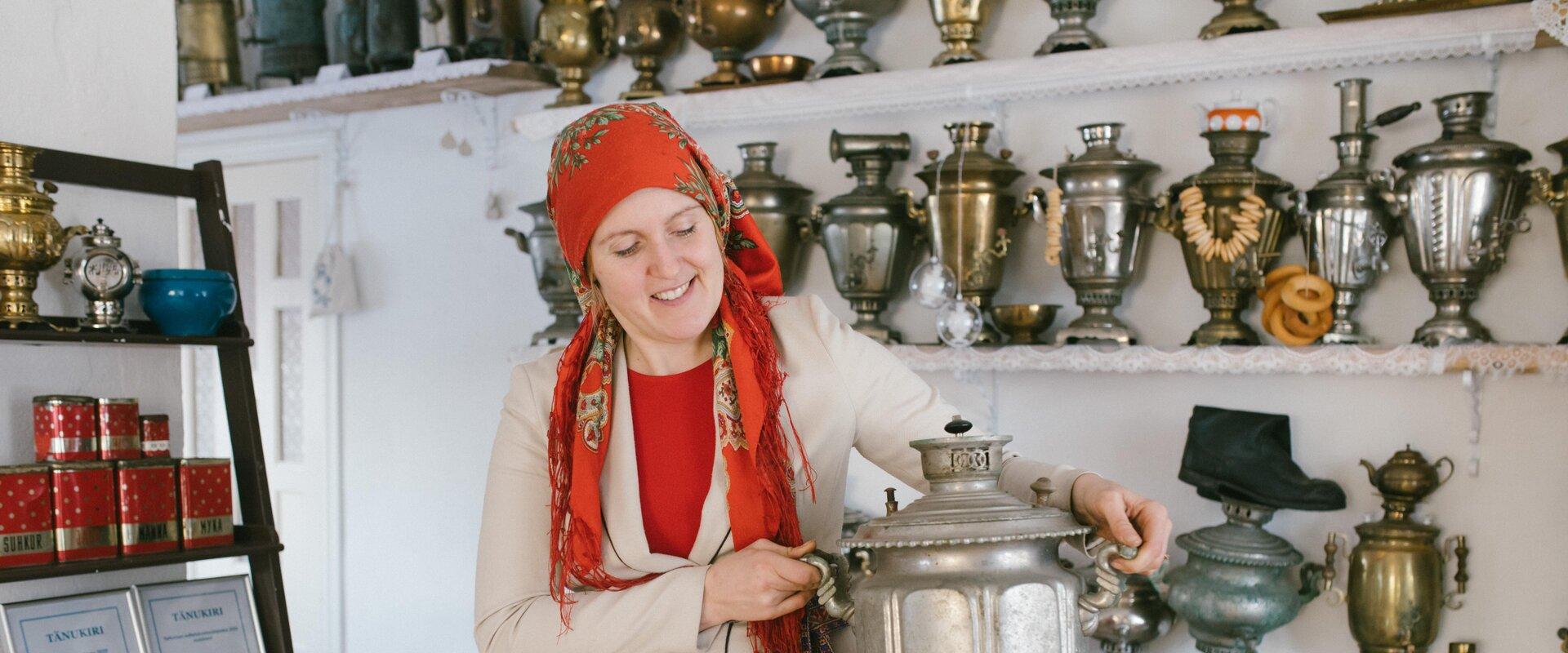
Peipsiveere Samovar House is a small museum in the Old Believers' village of Varnja that introduces visitors to the world of samovars and tea culture along Lake Peipsi. The private collection, accumulated over decades, contains more than 200 diverse samovars. From simple tin samovars to rare ones with elaborate engravings, reflecting the skills and traditions of masters from different eras. The exhibition, located in an authentic Old Believers' house, offers visitors insight into why the samovar was more than just a kettle for centuries. Stories reveal the origins of samovars, manufacturing techniques, usage methods, different design types, and tea-drinking traditions in the communities along the lake. Every guest can taste genuine samovar tea and the famous Ivan chai, and try traditional boiled sugar with the tea, an integral part of Old Believers' tea culture. If desired, one can also explore handmade samovar accessories and hear stories from the hostess of Mesi Tare about preparing, serving, and respectfully preserving tea.

  • Giidiga tuurid

Peipsimaa museum

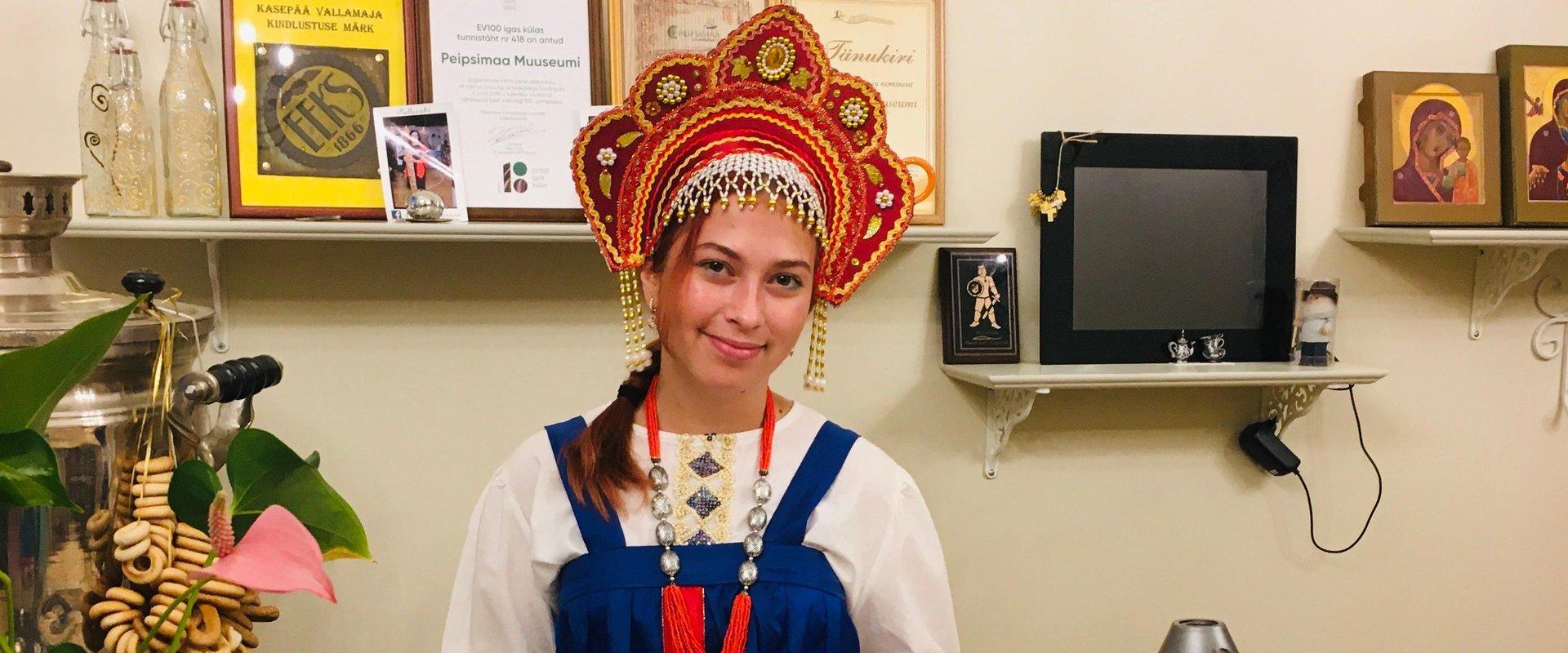
The Peipsi County Museum introduces the life of the Old Believers, the kitchen and church culture, and the life and work of the world-famous icon painter Pimen Sofronov from the local village of Tiheda. Samovars, "podrushniks", icons, "lestovkas" are worth seeing. You can buy souvenirs and handicrafts related to the culture and nature of Peipsi, as well as sweets, tea mixtures and other local products. A guided tour introducing the Old Believers and the Ivan Chai tea ceremony can be booked in advance. With a museum ticket, you can also visit the Peipsi Järve Elu room with a permanent exhibition located next door.

  • Giidiga tuurid
  • Boat trips
  • Walking tours

Mesi Tare day trip: Boat trip to Piirissaar in Lake Peipsi

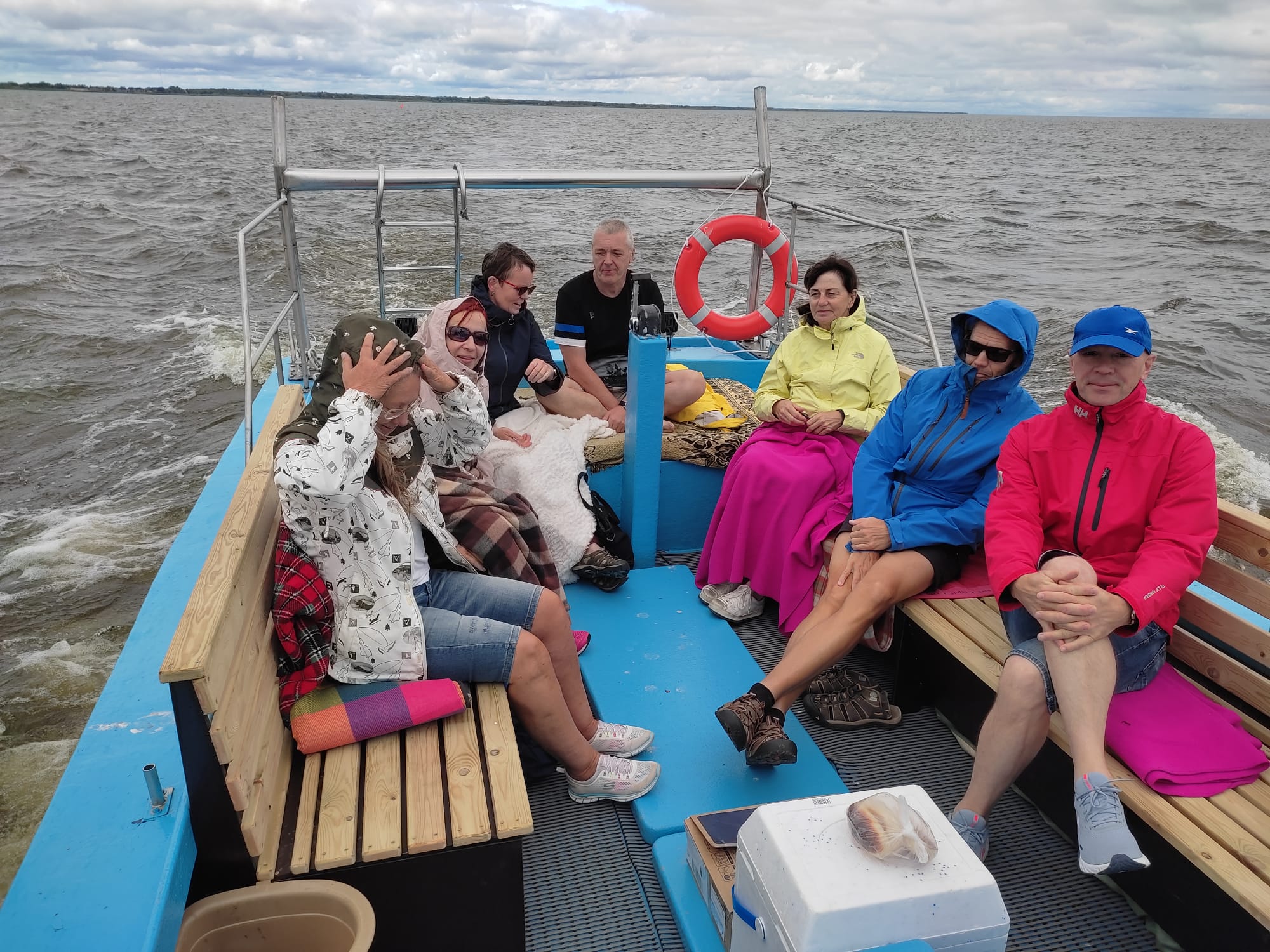
The host of Mesi Tare will take your group on an adventure to Piirissaar, a small island in Lake Peipsi! We start from the Varnja Harbor, where the host will be waiting with a fishing boat. The boat trip lasts two hours, depending on the weather and water level. We will walk with a guide through Piirissaar's three villages and see all the important places on the island, including the Piirissaare Old Believers Museum, the location of the Old Believers' prayer house, the Orthodox church and the Piirissaare Titanic. For lunch, the guide will take you to Zinaida's home, where she will lay out a magnificent table for her guests. (Note: The food must be paid for on the spot.) The day ends with a boat trip back to Varnja.

Peipsimaa County Heritage Center

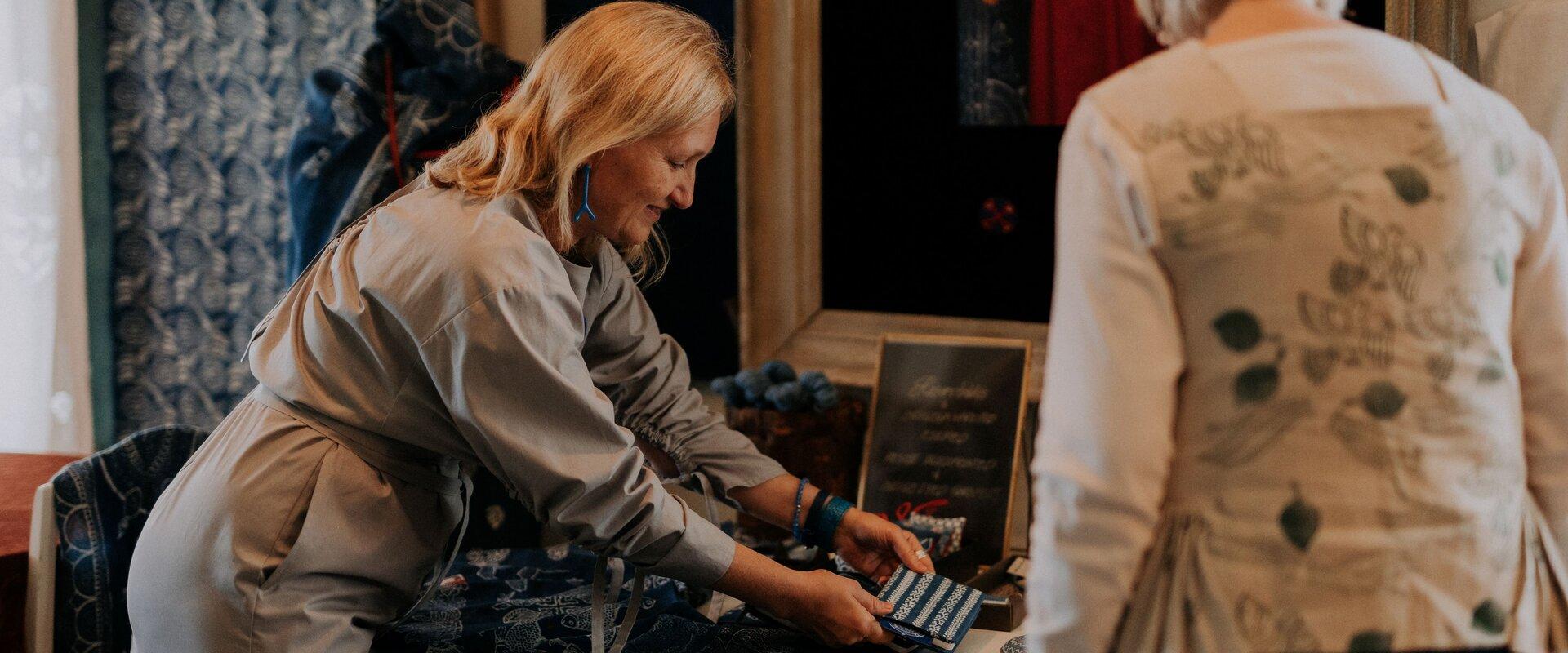
Peipsimaa County Heritage Center, located at the heart of the Lake Peipus Area, is a museum, which offers an overview of the whole Russian Old Believers area through handicrafts and various activities.At the visitor centre the Sinilnik workshop awaits you, where the fabric printing traditions of the Old Believers are introduced. You can participate in various workshops. In the Lubok yard, lubok, the popular print of the Old Believers is introduced. You can participate in lubok themed workshops as well. You can also visit: Ridaküla smithy, Chicory Museum, Peipsimaa handicraft and art shop, Peipsimaa Gallery and Aunt Šura Cafe.We rent bikes, scooters, and kicksleds. There are a playhouse and a sandbox for children.

Peipsi village life workshop ‘Onion Route subbotnik’

Want to discover the Onion Route?Sometimes, you just have to spend time with your friends and do something new. Come and discover the authentic village life of Peipsi through the everyday tasks of the local people!Depending on the season, we offer the following activities:- in early spring, we will focus on fishing and drying fish;- in late spring, we will cut brushwood, burn branches, and enjoy the fire;- in the summer, we will pick willow-herb and make traditional tea with the hostess;- in the autumn, we will build a mobile sauna from scratch.The price also includes saunas, local food and people, and accommodation for two nights. Ask for more information!

  • Giidiga tuurid
  • Walking tours

Hiking in the Old Believers‘ villages near Lake Peipus

What does life really look like in the Old Believers' villages by Lake Peipus? This question is answered by Mesi Tare's host, Marko, who takes guests on a walking tour through the historic village of Varnja. This is not a regular excursion but a personal, direct experience in which the village, its people, and their stories unfold through the eyes of a local resident. Marko has been connected to Peipsiveere all his life, and his stories are based on real experiences. He has worked as a border guard, been a fisherman and boat captain, and today he operates as a tourism entrepreneur. During the tour, Marko discusses the customs, architecture, and lifestyle of the Old Believers, as well as the importance of Lake Peipus for the local community. Walking tours are arranged by prior reservation and tailored to visitors' interests and schedules. In addition to Varnja village, you can explore Kolkja village and Kallaste town, each with its own character and story. If desired, the tour can be combined with a visit to the Varnja Samovar House.

  • Giidiga tuurid

Mustvee Old Believer’s Museum

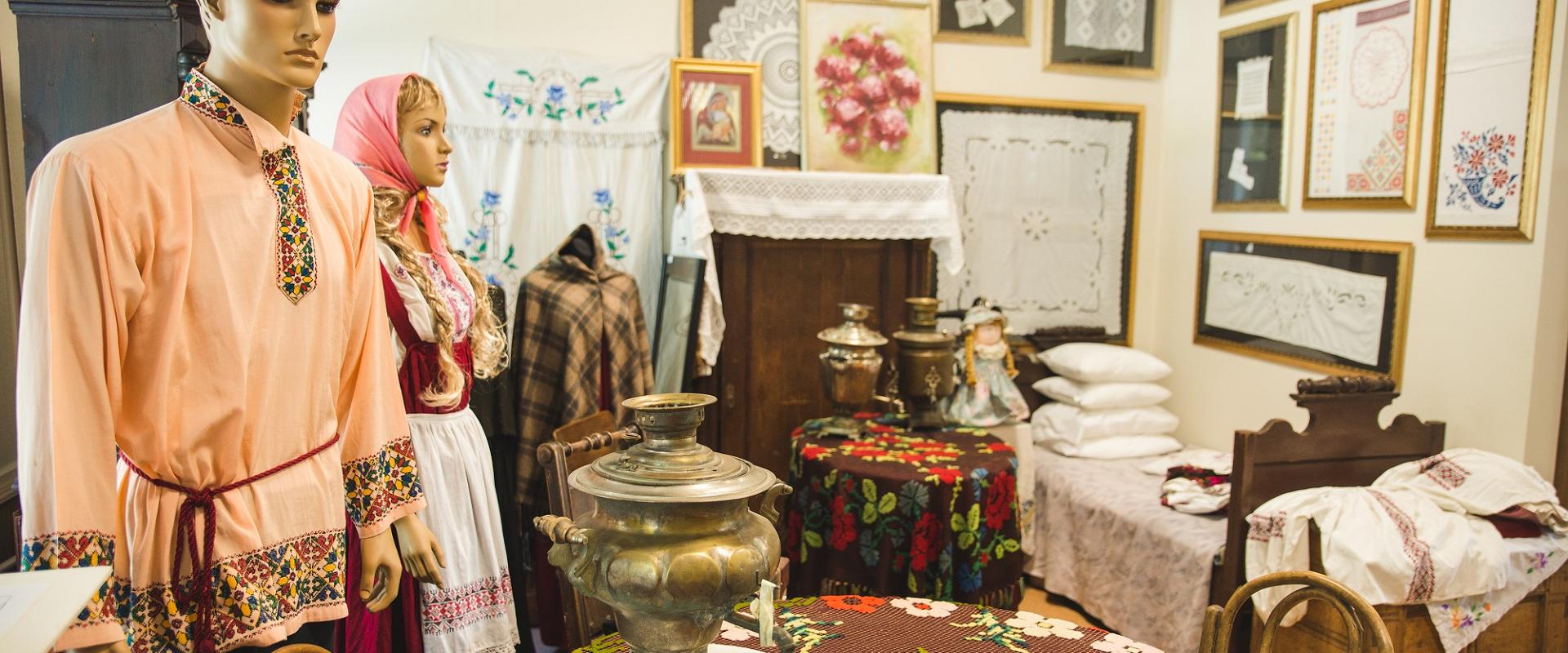
Mustvee Old Believer’s Museum is one of the 21 places in Southern Estonia worth discovering that are marked by a yellow National Geographic window; all those interested in culture and history should definitely pay a visit.The exhibits give an overview of the culture of Old Believers both in the past and in the present. The collection includes samovars, irons, clothes worn by the Old Believers, commodities, furniture and fishing equipment. Also on display – J. Kolpakov’s paintings of the churches of Mustvee, P. Mihhailov’s and his son’s wood engravings and L. Korobova’s paintings and drawings of Lake Peipus.

Piirissaare Old Believers Museum

Discover the charm of the Piirissaare Old Believers Museum! The Old Believers Museum is located in a historic building that once belonged to Kirill Smirnov, the clergyman of the Saare village parish. You can see a traditional Old Believer home in the museum and learn about Old Believer culture through artifacts, prayer books, and icons. The museum also organizes exhibitions that provide an overview of the history of Piirissaare. You can drink samovar tea at the museum and try Old Believer treats, including fish soup and Old Believer pie made from fish caught in Lake Peipsi.

  • Giidiga tuurid

Kostja Onion Farm

Contact Konstantin, the owner of Kostja Onion Farm, when the onions are starting to ripen. You can buy any variety and quantity of onions and onion garlands from him. You can also buy mouth-watering onion pies, which must be ordered in advance. They are worth it! For those interested in onion cultivation, Kostja offers a guided tour (in Estonian, German, and Russian), during which he introduces the traditional onion-growing methods of the Old Believers and modern tips for growing onions in your garden. The farm also offers onion wreath weaving workshops.

Der Zwiebelkuchen

Der Zwiebelkuchen vom Peipsi-See hat seinen eigenen Ruf. Besucher reisen eigens seinetwegen hierher. Die Altgläubigen bauen seit drei Jahrhunderten Zwiebeln auf dem sandigen Uferboden an, und diese Zwiebeln gelten als die besten in Estland. Der Kuchen ist der direkteste Weg herauszufinden, warum.

Er ist nicht das, was die meisten von einem Kuchen mit Zwiebeln als Hauptzutat erwarten. Die Füllung ist weich, süß und durch langsames Garen tief herzhaft. Der Teig ist schlicht. Serviert wird er meist warm, oft zusammen mit geräuchertem Fisch aus dem See und einem Glas Tee aus dem Samowar. Die Kombination ergibt Sinn auf eine Weise, die sich schwer erklären lässt, bevor man sie probiert hat.

In den meisten Dörfern entlang der Zwiebelstraße wird er über den Sommer aus Hausküchen und an Straßenständen verkauft. Das Restaurant in Kolkja serviert ihn das ganze Jahr über.

Piirissaar

Mitten im Peipsi-See, nur mit dem Boot erreichbar, liegt eine kleine Insel. Piirissaar ist Heimat einer kleinen Gemeinschaft von Altgläubigen, die ihre Traditionen in einer Isolation bewahrt haben, die zu deren Erhalt beigetragen hat. Die Bootsfahrt vom Festland dauert etwa 30 Minuten. Auf der Insel gibt es keine Autos.

Piirissaare Old Believers Museum

Discover the charm of the Piirissaare Old Believers Museum! The Old Believers Museum is located in a historic building that once belonged to Kirill Smirnov, the clergyman of the Saare village parish. You can see a traditional Old Believer home in the museum and learn about Old Believer culture through artifacts, prayer books, and icons. The museum also organizes exhibitions that provide an overview of the history of Piirissaare. You can drink samovar tea at the museum and try Old Believer treats, including fish soup and Old Believer pie made from fish caught in Lake Peipsi.

  • Giidiga tuurid
  • Boat trips
  • Walking tours

Mesi Tare day trip: Boat trip to Piirissaar in Lake Peipsi

The host of Mesi Tare will take your group on an adventure to Piirissaar, a small island in Lake Peipsi! We start from the Varnja Harbor, where the host will be waiting with a fishing boat. The boat trip lasts two hours, depending on the weather and water level. We will walk with a guide through Piirissaar's three villages and see all the important places on the island, including the Piirissaare Old Believers Museum, the location of the Old Believers' prayer house, the Orthodox church and the Piirissaare Titanic. For lunch, the guide will take you to Zinaida's home, where she will lay out a magnificent table for her guests. (Note: The food must be paid for on the spot.) The day ends with a boat trip back to Varnja.

Seto Line Day Trips to Piirissaar

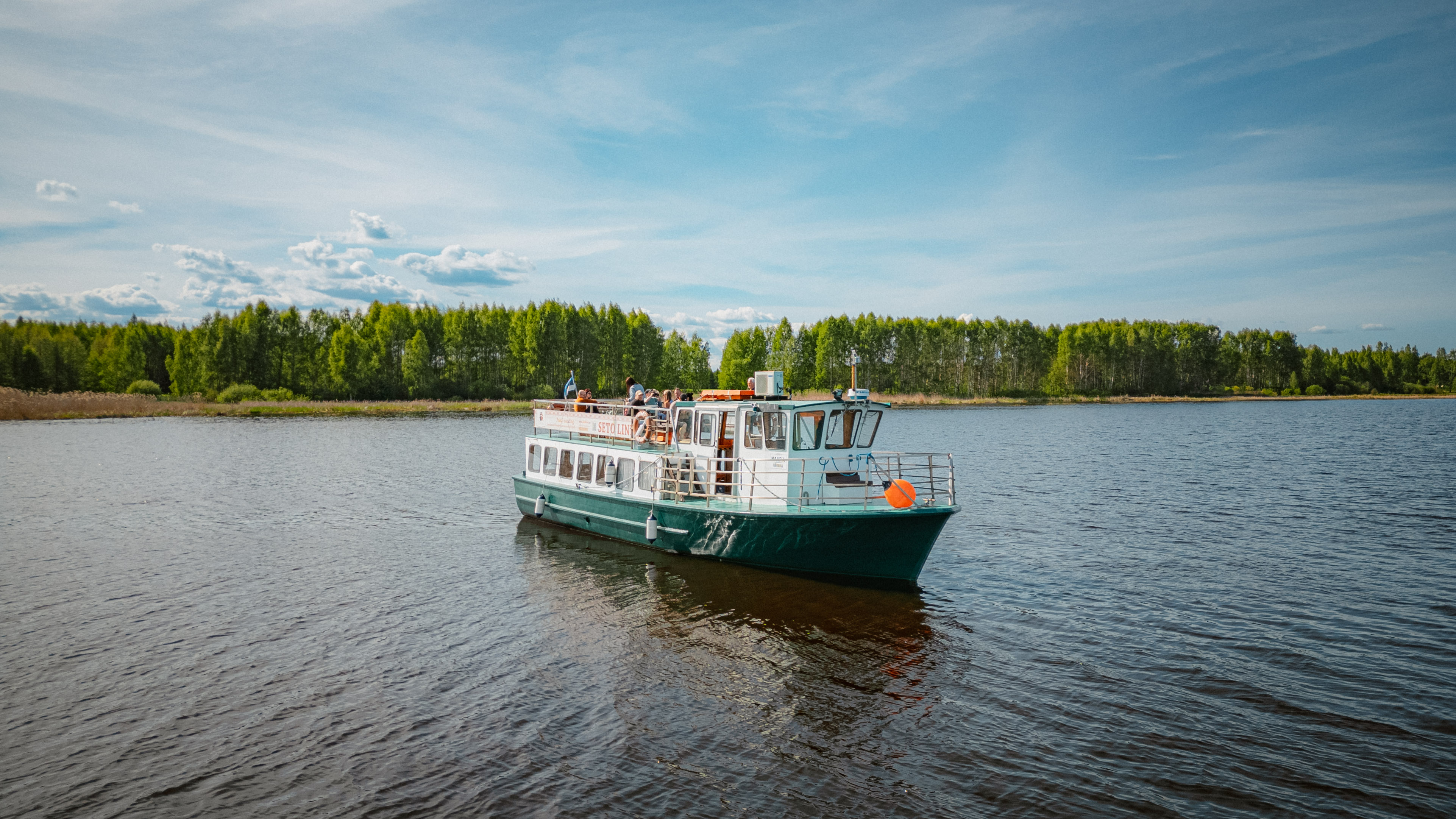
During the summer months, we depart on selected dates at 9:00 AM from the quay next to the Tartu Market Hall for a journey to Piirissaar. Piirissaar is the only permanently inhabited Estonian island in Lake Peipsi. The north-eastern part of the island has three villages (Piiri, Tooni, and Saare). Most of the inhabitants of Piirissaar are Russian Old Believers whose main activities include fishing and growing onions. The boat trip to Piirissaar takes 4–4.5 hours, with approximately 2 hours planned for independent exploration and dining on the island. The estimated return to Tartu is around 21:00. For the exact schedule, please visit the Seto Line Reisid website.

Der Peipsi-See

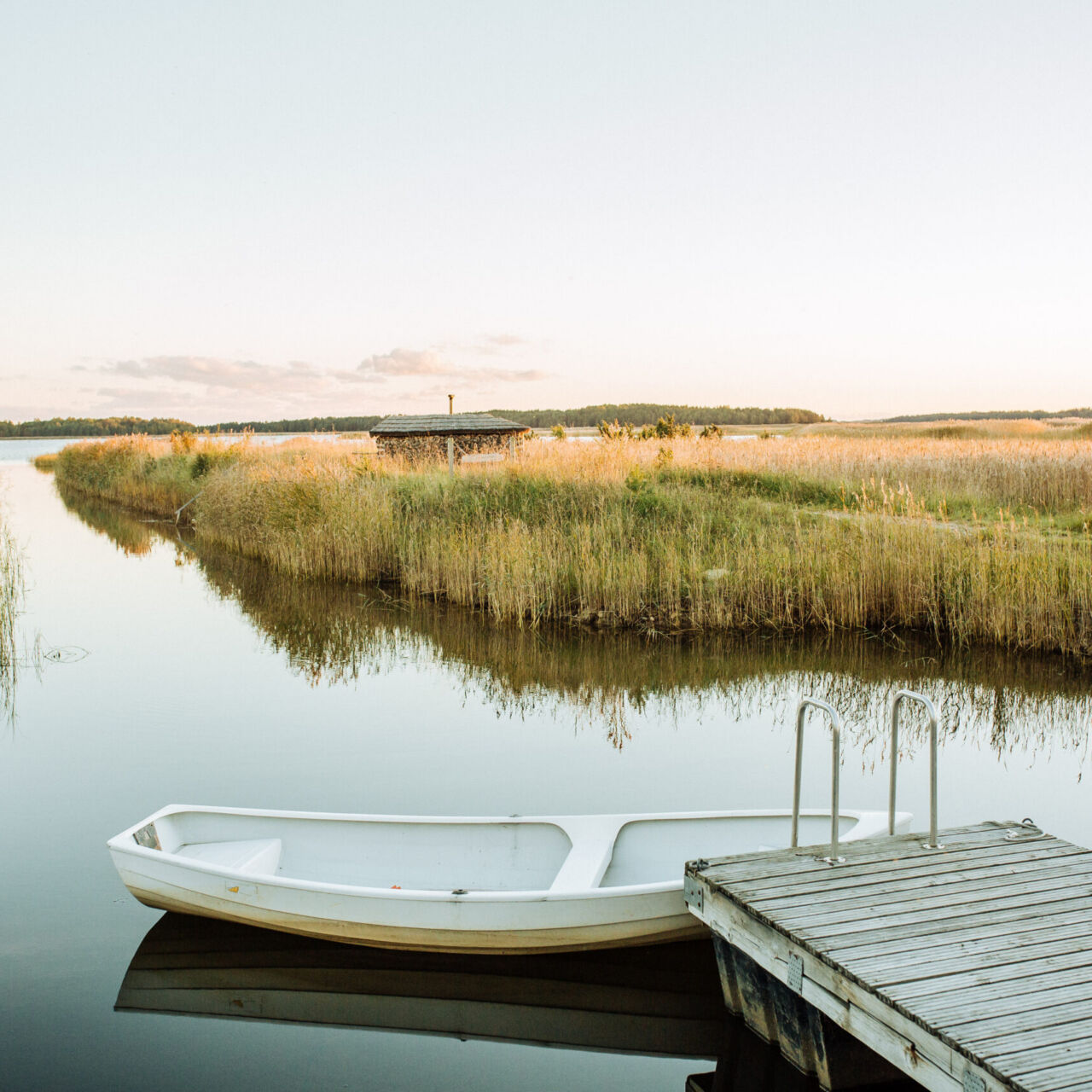
Der Peipsi-See ist der viertgrößte See Europas und einer der größten Süßwasserseen, die vollständig auf dem Kontinent liegen. Er befindet sich an der Grenze zwischen Estland und Russland und erstreckt sich über 3.555 Quadratkilometer zwischen den beiden Ländern. Trotz seiner Größe ist er bemerkenswert flach – die durchschnittliche Tiefe beträgt etwa 7 Meter, weshalb er sich im Sommer schnell erwärmt und im Winter vollständig zufriert.

Der See besteht aus drei unterschiedlichen Teilen. Der größte nördliche Abschnitt, der Suurjärv, verbindet sich über den schmalen Lämmijärv mit dem südlichen Pihkva-See, der bereits auf russischem Gebiet liegt. Das Westufer, an dem die Dörfer der Altgläubigen liegen, blickt über offenes Wasser auf Russland. An klaren Tagen ist das gegenüberliegende Ufer zu sehen.

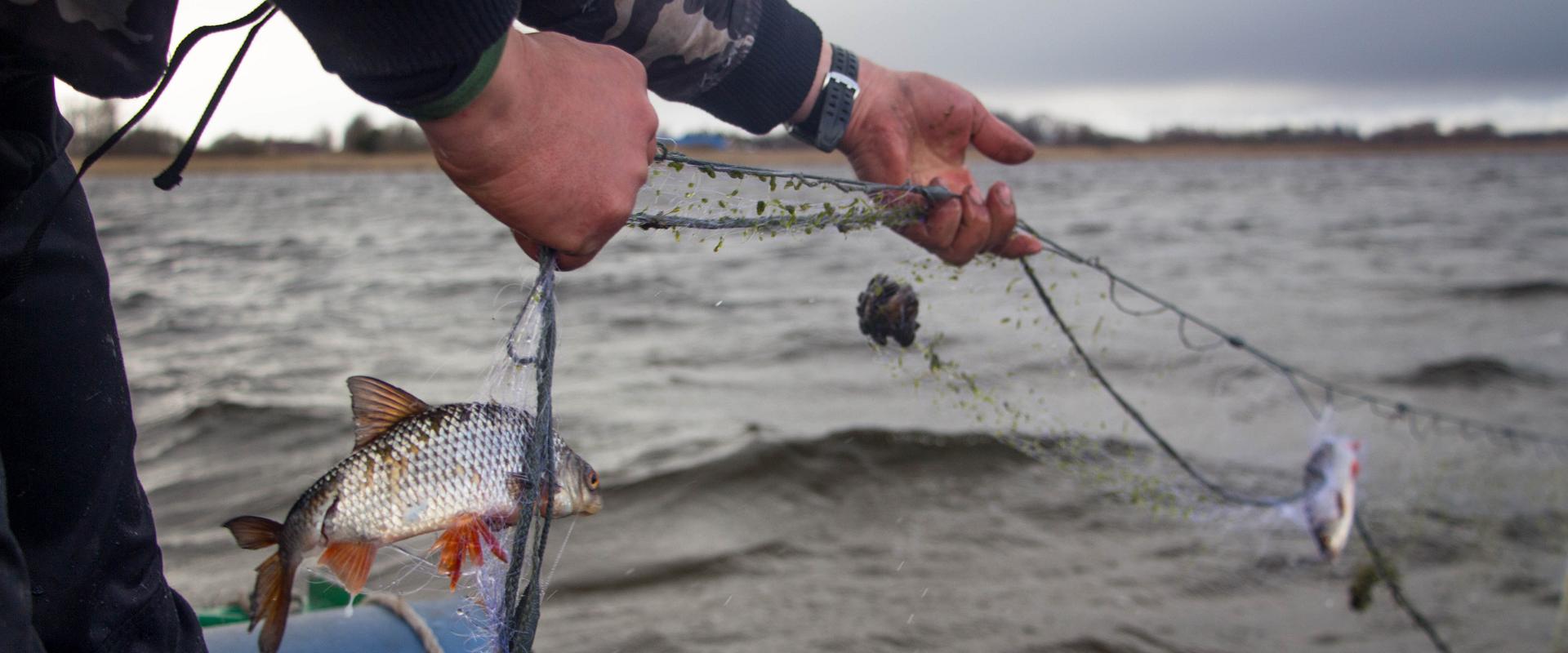
Der See ist berühmt für seinen Fischreichtum, insbesondere Kleine Maräne, Barsch und Brachsen. Der Fischfang bildet seit drei Jahrhunderten das Rückgrat der Wirtschaft der Altgläubigen. Im Winter, wenn das Eis dick genug ist, fahren Einheimische zum Eisfischen auf den See hinaus – manchmal mit einem Karakat, einem selbstgebauten Fahrzeug mit riesigen Rädern.

Textiltraditionen

Die Altgläubigen brachten mehr als nur ihren Glauben mit, als sie Russland verließen. Zu den Traditionen, die sie bewahrten, gehört der Lubok, eine russische Holzschnitttechnik, die bis ins 16. Jahrhundert zurückreicht. Dabei wird ein Motiv in einen Holzblock geschnitzt, von Hand eingefärbt und auf Papier oder Stoff gepresst. Die Ergebnisse sind kräftig, grafisch und unverkennbar alt.

Die Indigofärberei ist eine weitere Tradition, die die Reise und die Jahrhunderte überdauert hat. Tiefblaue Textilien, gefärbt mit natürlichem Indigo, waren ein Markenzeichen des Handwerks der Altgläubigen, und die Technik wird in den Dörfern noch heute gelehrt.

Im Peipsimaa Heritage Centre in Kolkja kann man beides selbst ausprobieren. Über die Saison hinweg finden Workshops zu Lubok-Druck, Indigofärberei und traditionellen Textiltechniken statt. Die in manchen Workshops verwendete Druckerpresse ist im Stil des 15. Jahrhunderts gebaut. Man geht mit einem handgefertigten Stück nach Hause – so, wie hier schon immer alles gemacht wurde.

Wissenswertes

Gottesdienste sind für Besucher nicht zugänglich. Die Virtual-Reality-Erfahrung im Museum von Kolkja kommt dem am nächsten

Wird man in ein Haus eingeladen, bringt man sein eigenes Geschirr und Besteck mit. Das ist religiöse Praxis, keine persönliche Vorliebe

Die Zwiebelstraße erstreckt sich über etwa 40 Kilometer von Mustvee bis Varnja

Eine Bootsfahrt nach Piirissaar dauert etwa 30 Minuten und sollte im Voraus organisiert werden

Der Peipsi-See grenzt an Russland. Das Wasser wird geteilt, die Grenze ist real. Bleib auf der estnischen Seite

Im Winter ist das Eis auf dem Peipsi-See dick genug zum Gehen und Fahren. Einheimische nutzen für Eisfischerei oder Winterfahrten auf dem See ein spezielles Fahrzeug namens Karakat mit besonders großen Rädern.

Der Peipsi-See ist berühmt für Felchen und Barsch. Man kann auf dem See angeln gehen und, wenn es gut läuft, eine selbst gefangene Mahlzeit genießen.

Das Peipsimaa-Museum in Mustvee bietet Workshops zum Ikonenmalen, zur Herstellung von Iwan-Tschai, zum Zuckerkochen und zum Flechten traditioneller Zwiebelzöpfe.