• Explore
    • Nature
    • Culture
    • Food
    • Family
    • Activity
    • Blog
    Smoke sauna
    Weather and seasons
  • Plan
    • Accommodation
    • How to get here
    • Weather and seasons
    • Sustainability
    • Tourist info
    Discover South Estonia’s Most Beautiful Manors and Castles
    Top 20 Sights in South Estonia
  • For professionals
    • For professionals
    • Collaboration
    • News
    • Projects
    • Training
    • Repository
    • Community (opens in new tab)
    • Contacts
ENG
  • EnglishENG
  • EestiEST
  • LatviešuLAT
  • РусскийRUS
  • SuomiFIN
ENG
  • EnglishENG
  • EestiEST
  • LatviešuLAT
  • РусскийRUS
  • SuomiFIN
Popular searches:
Show all
  • History & Culture
  • Architecture and history

Peipsimaa County Heritage Center

Suur tee 25, Peipsiääre vald, Tartu maakond, 60306

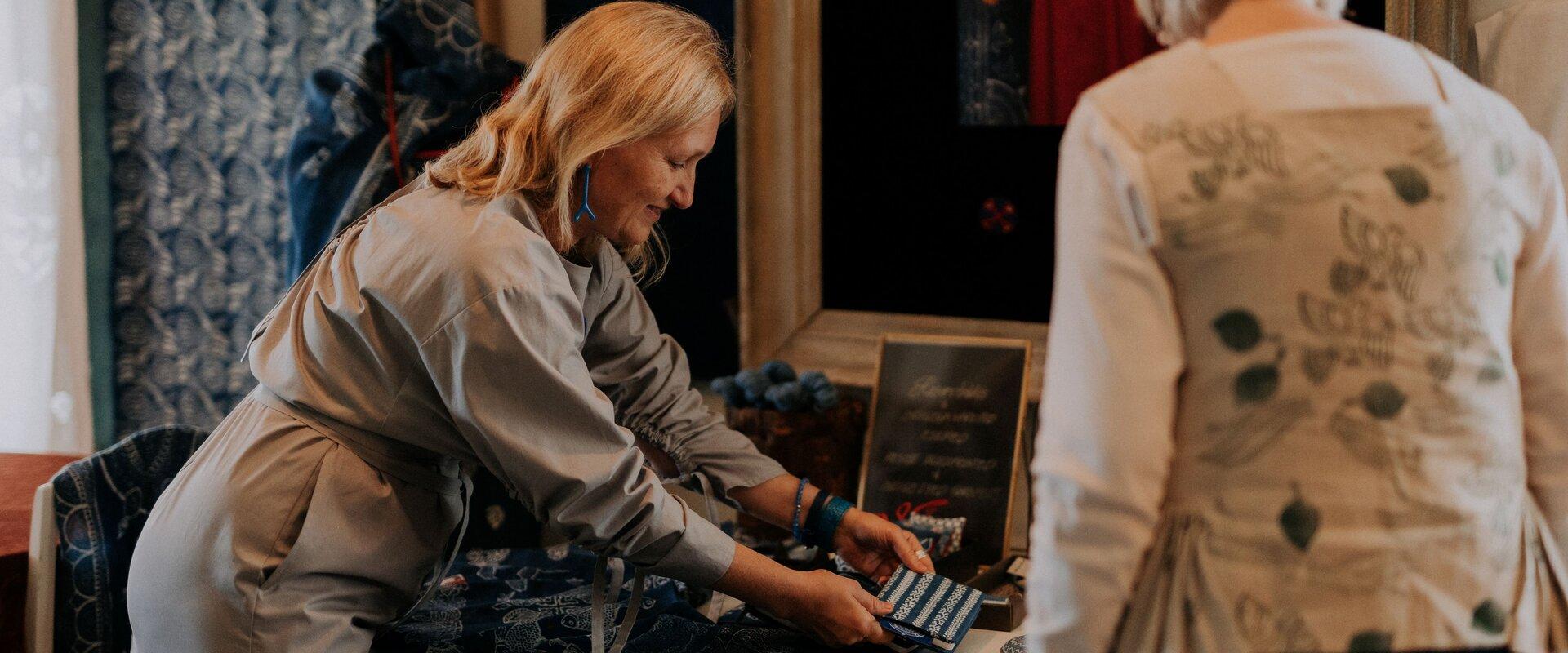
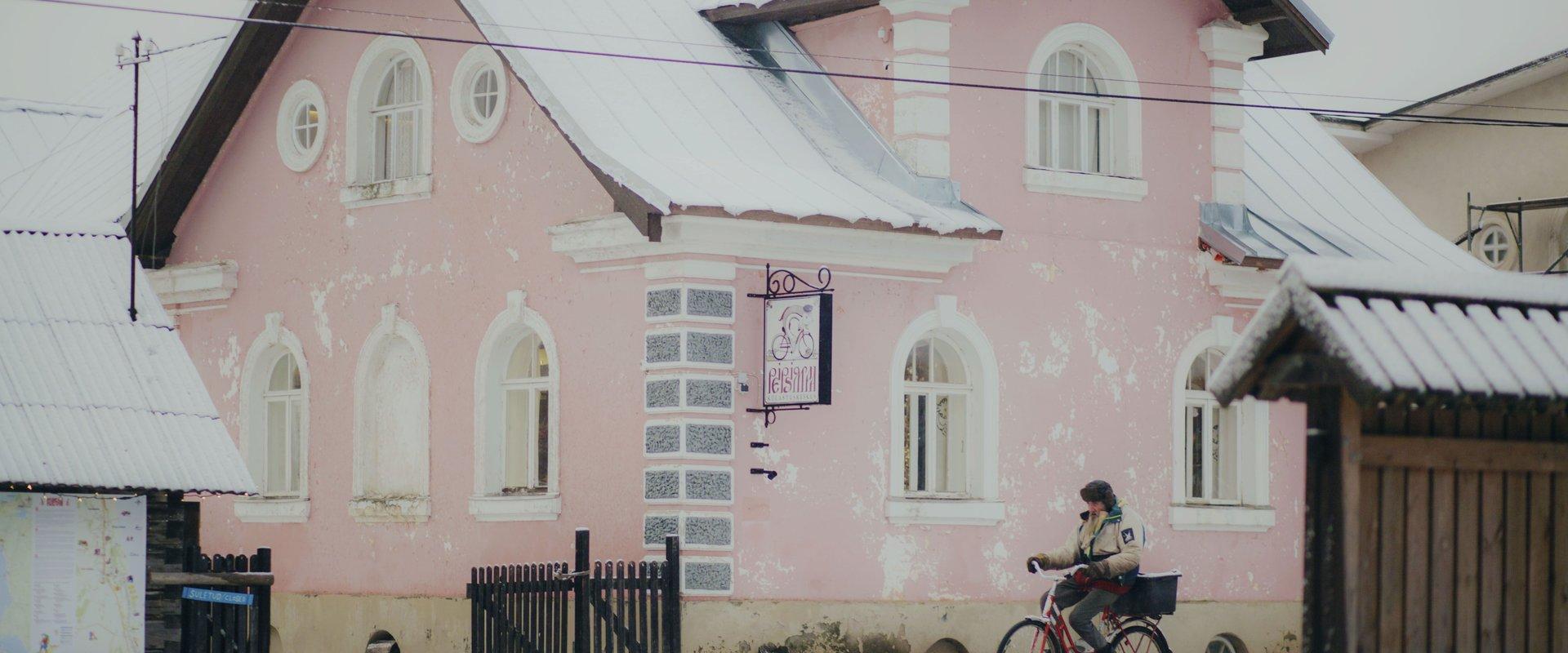
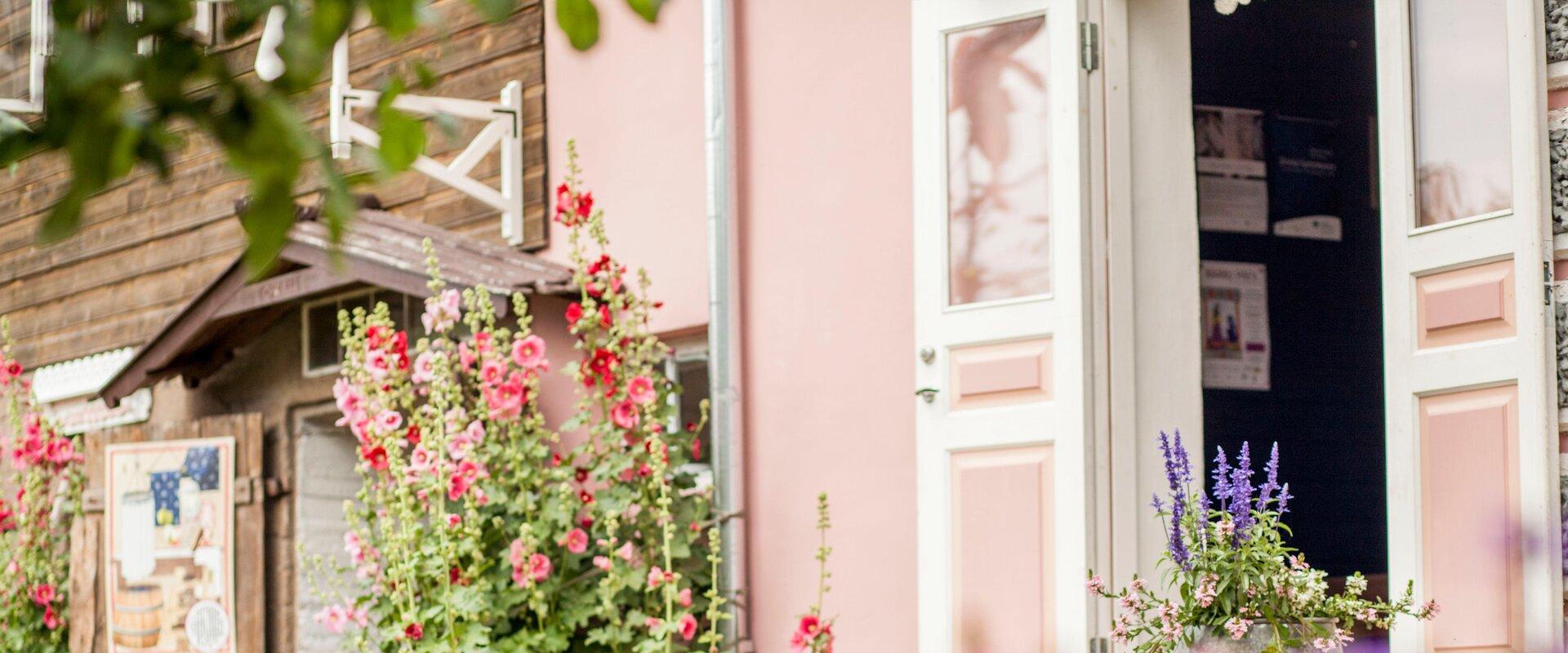
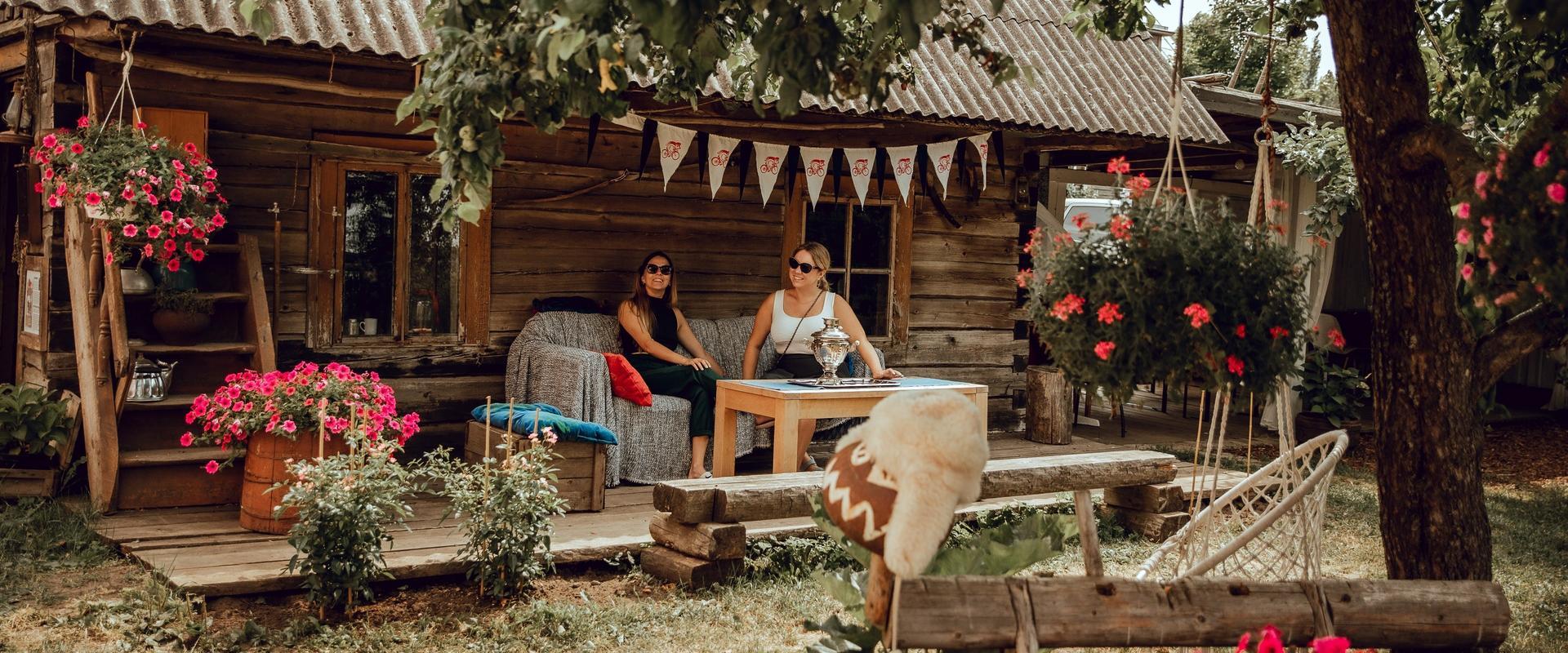
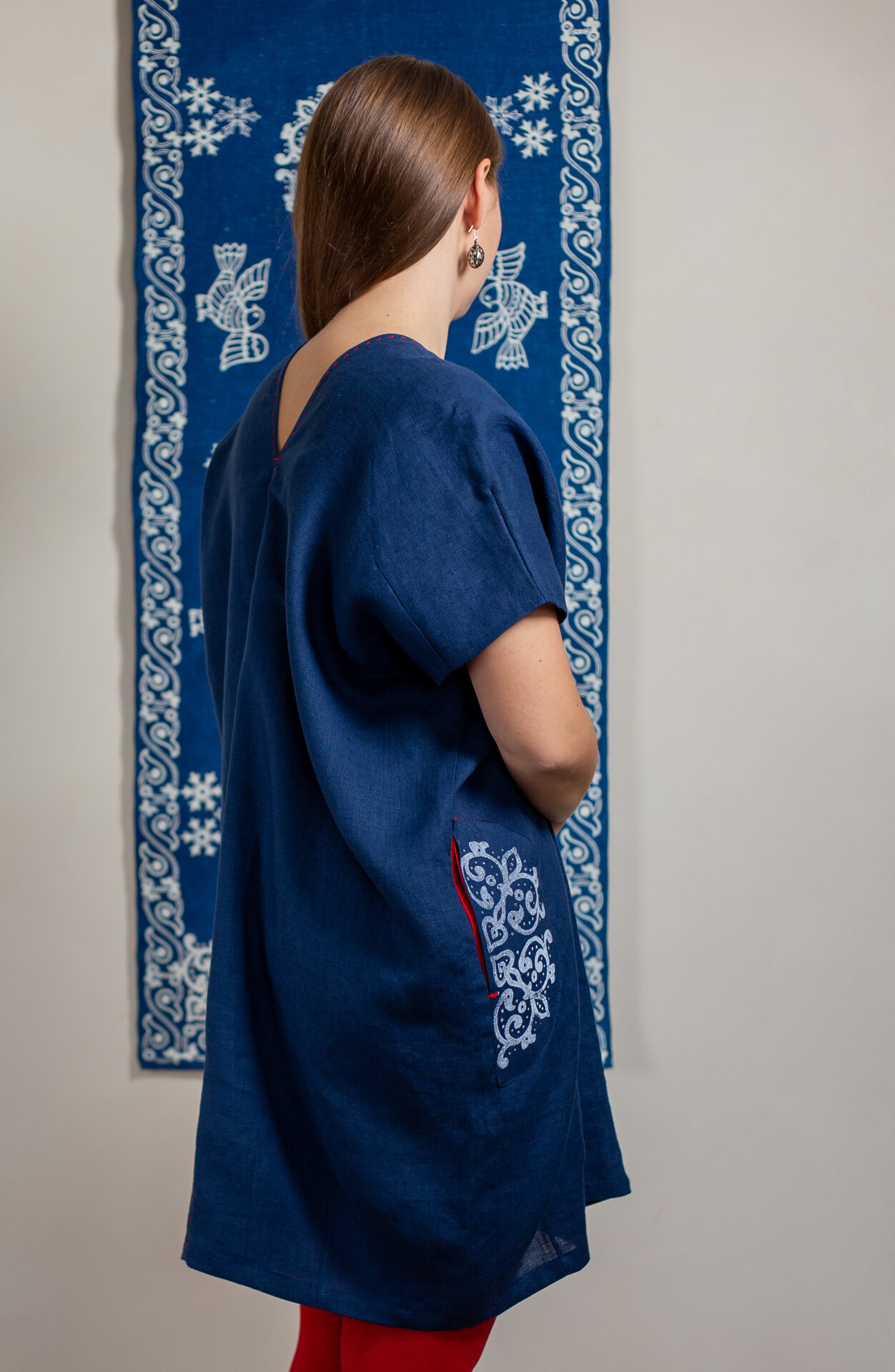
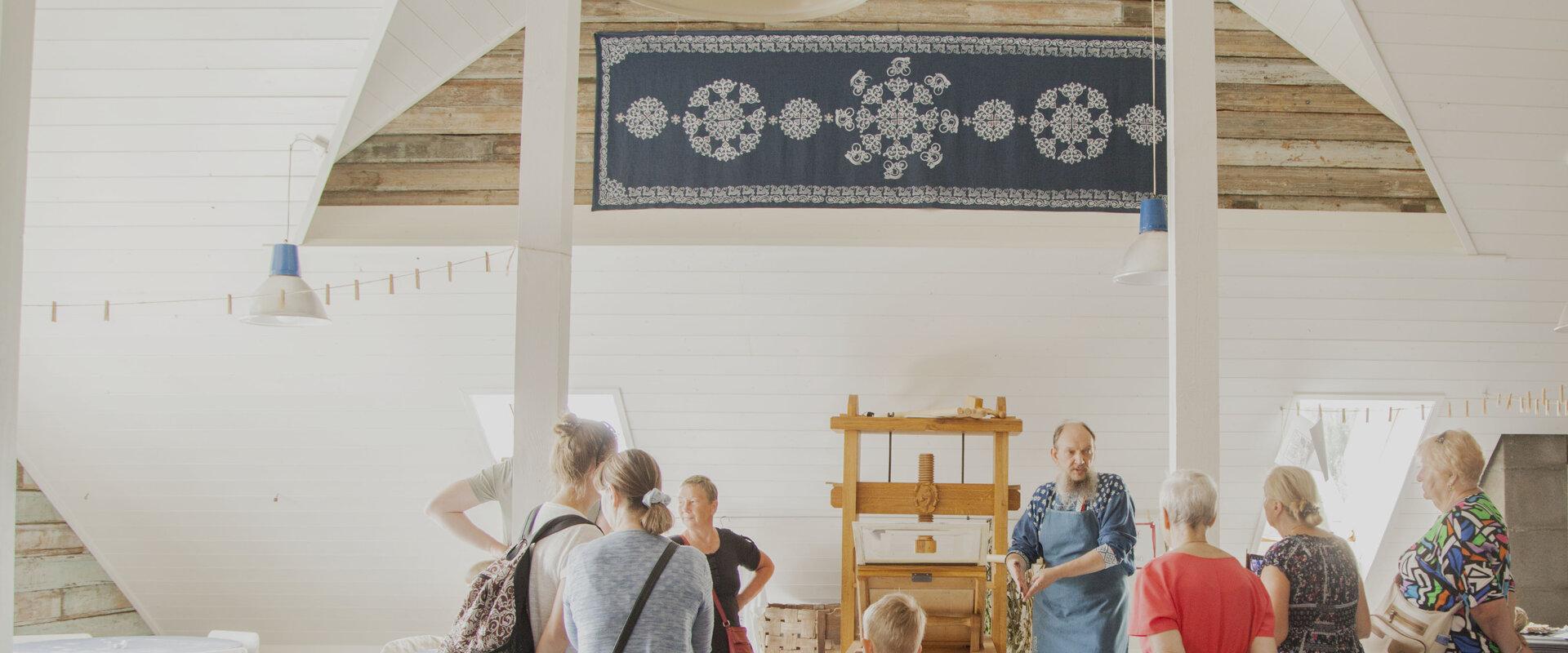
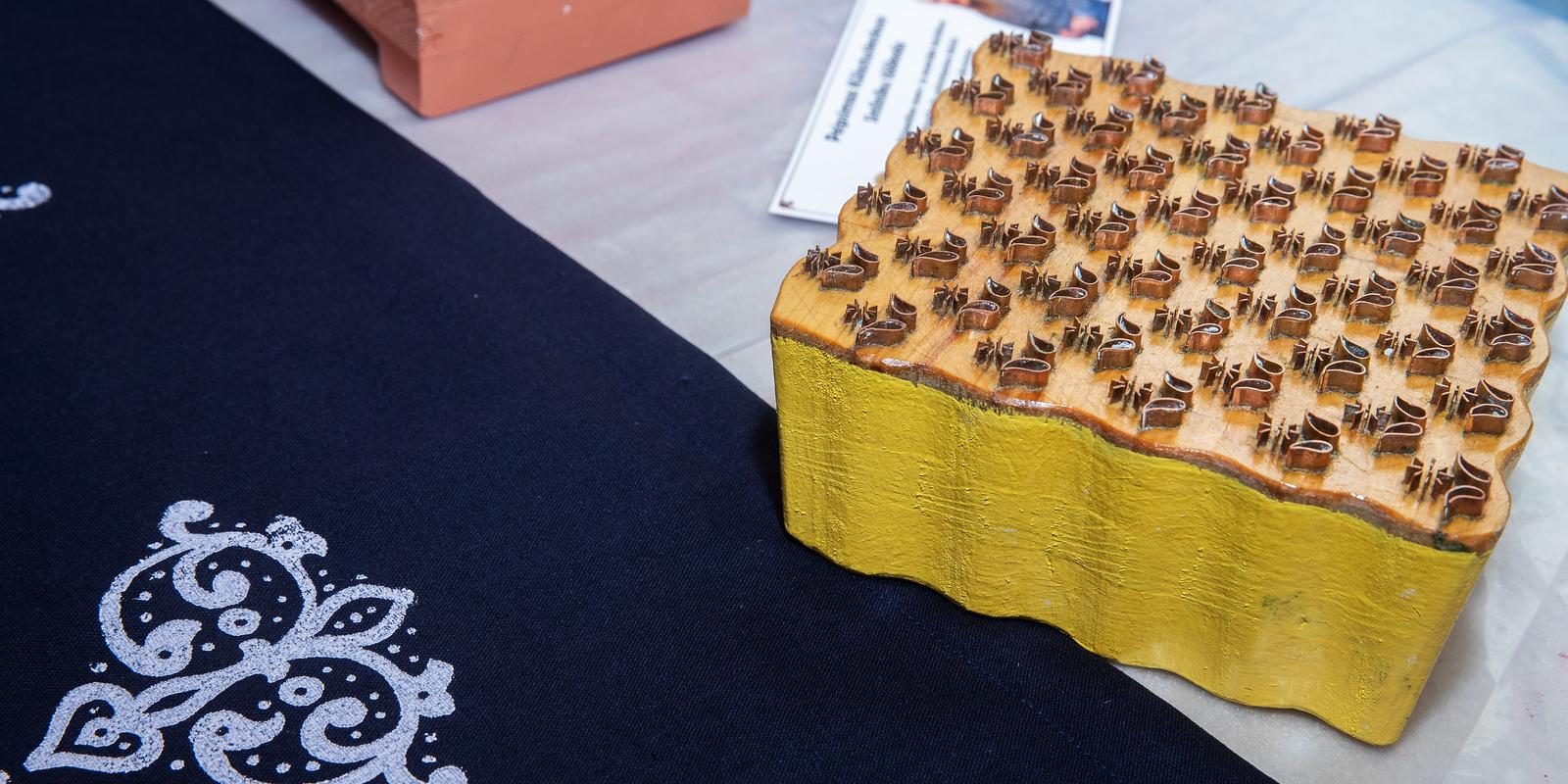
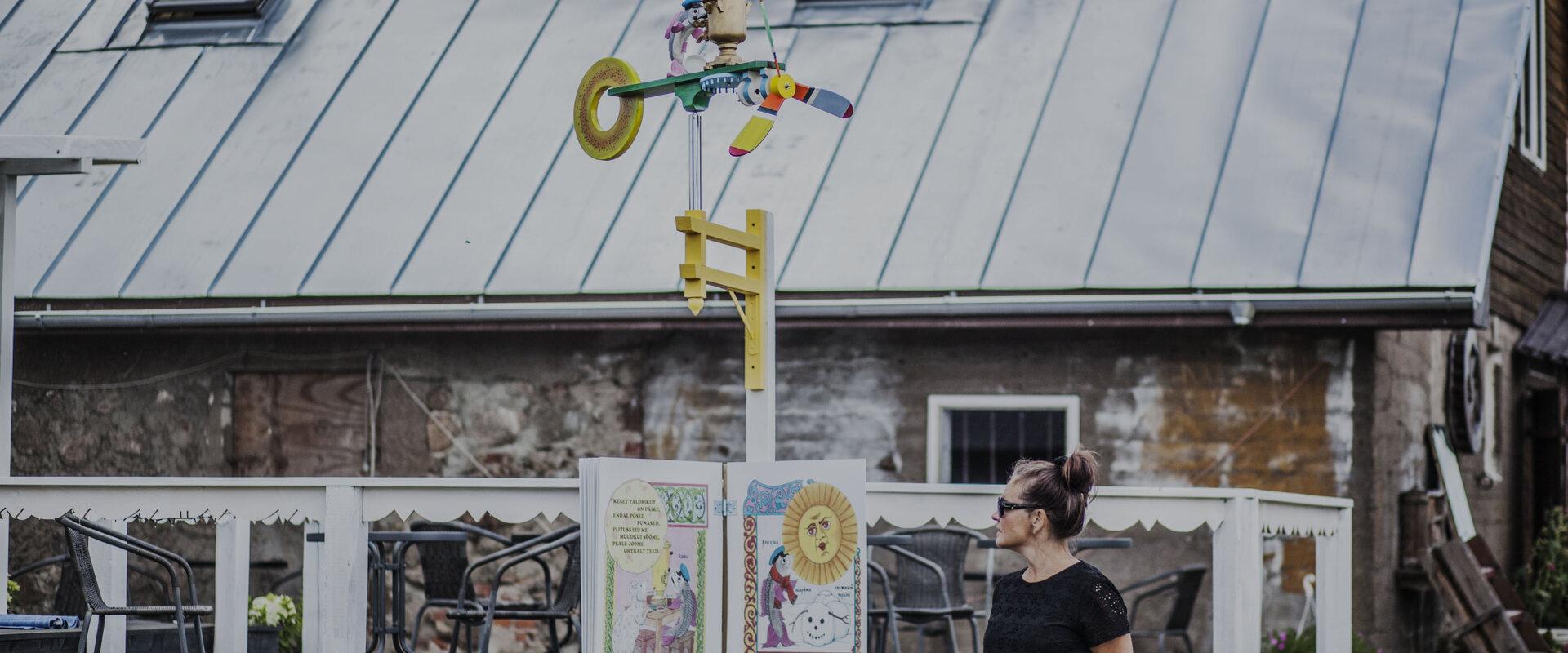
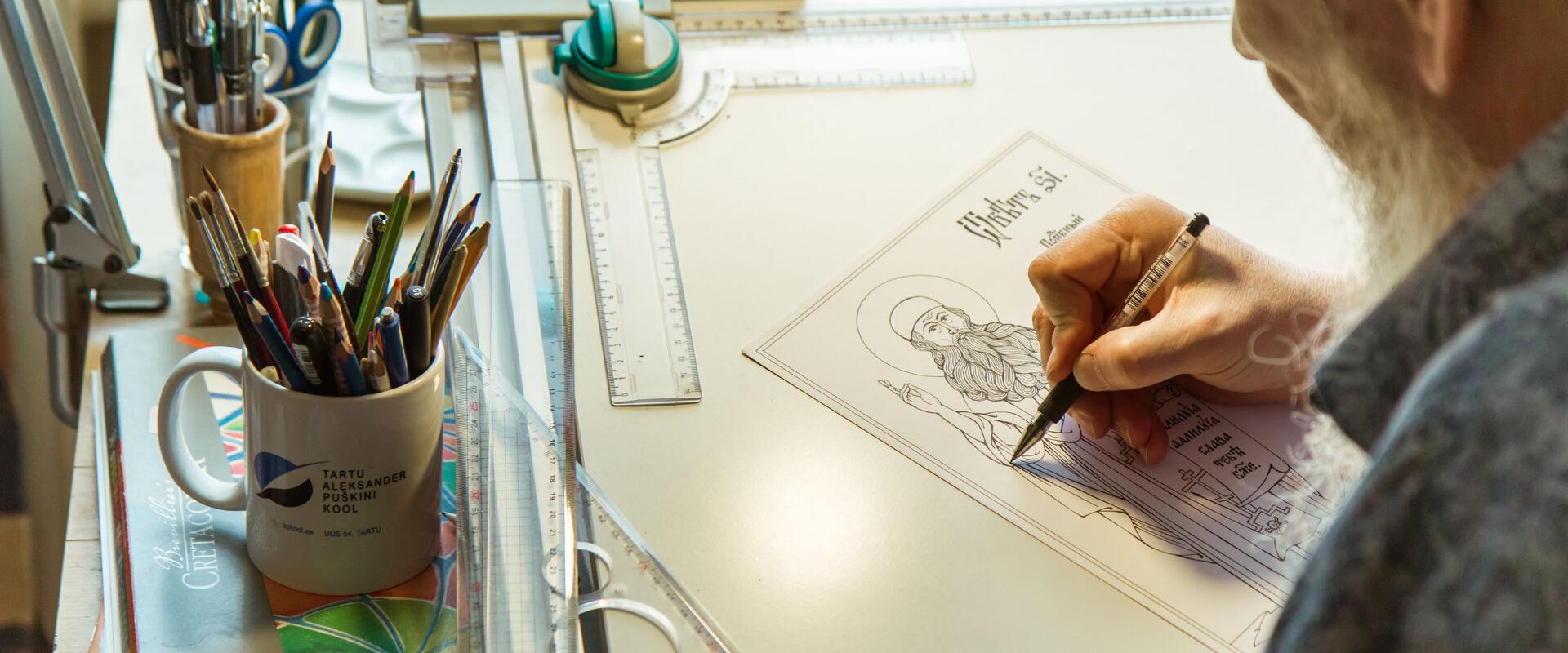
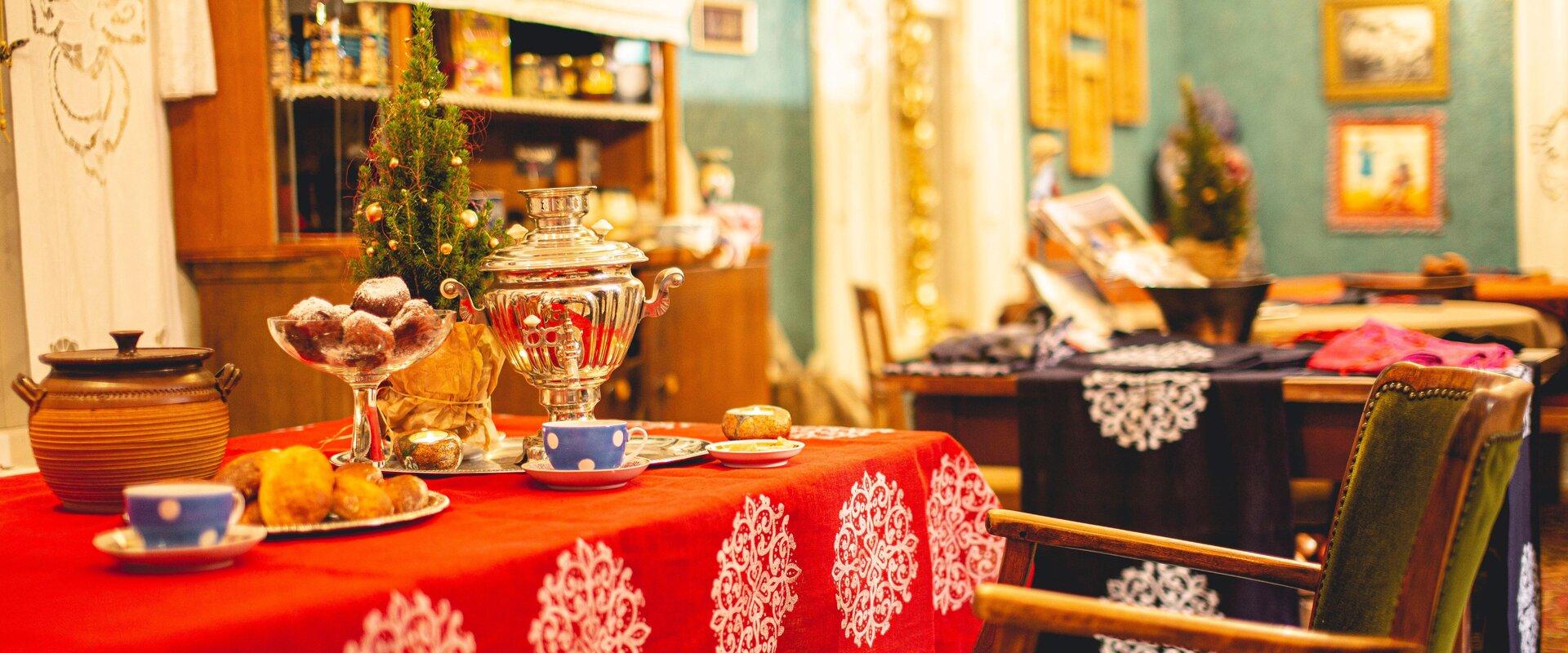
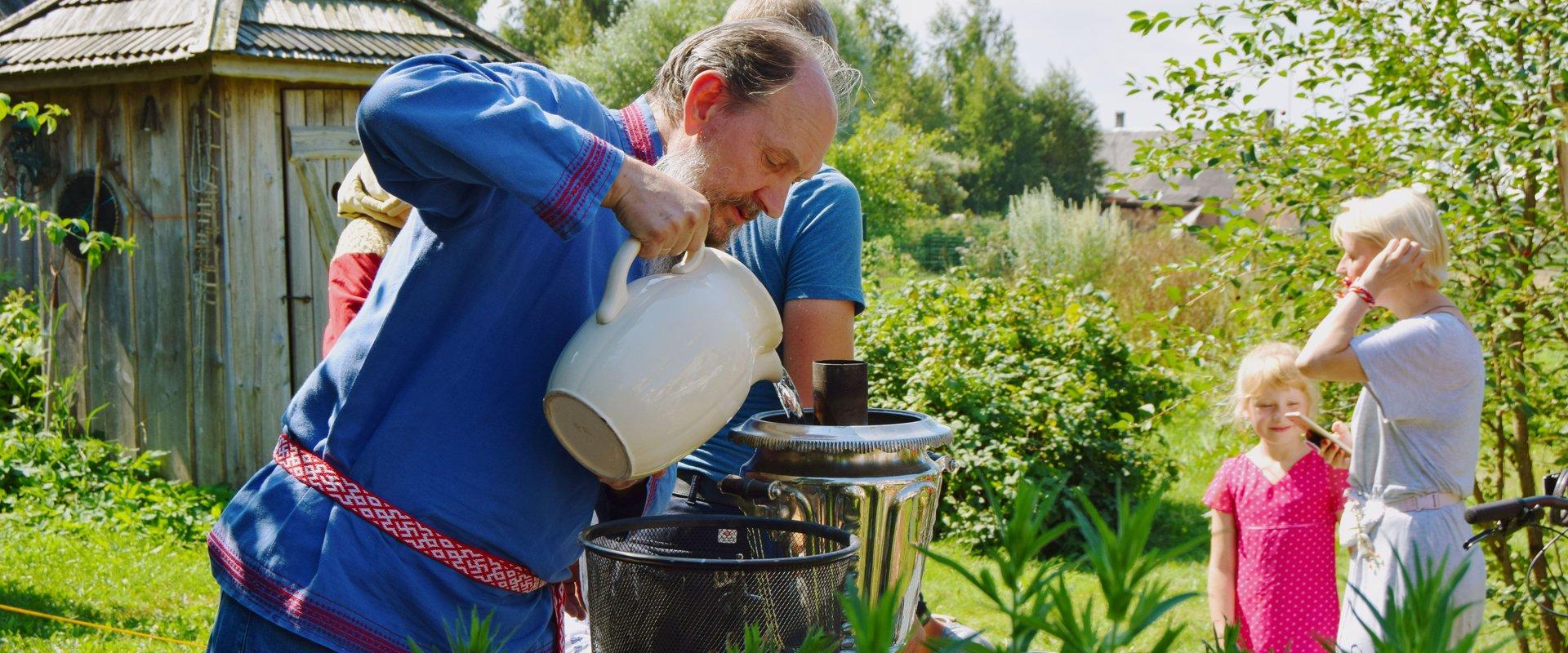
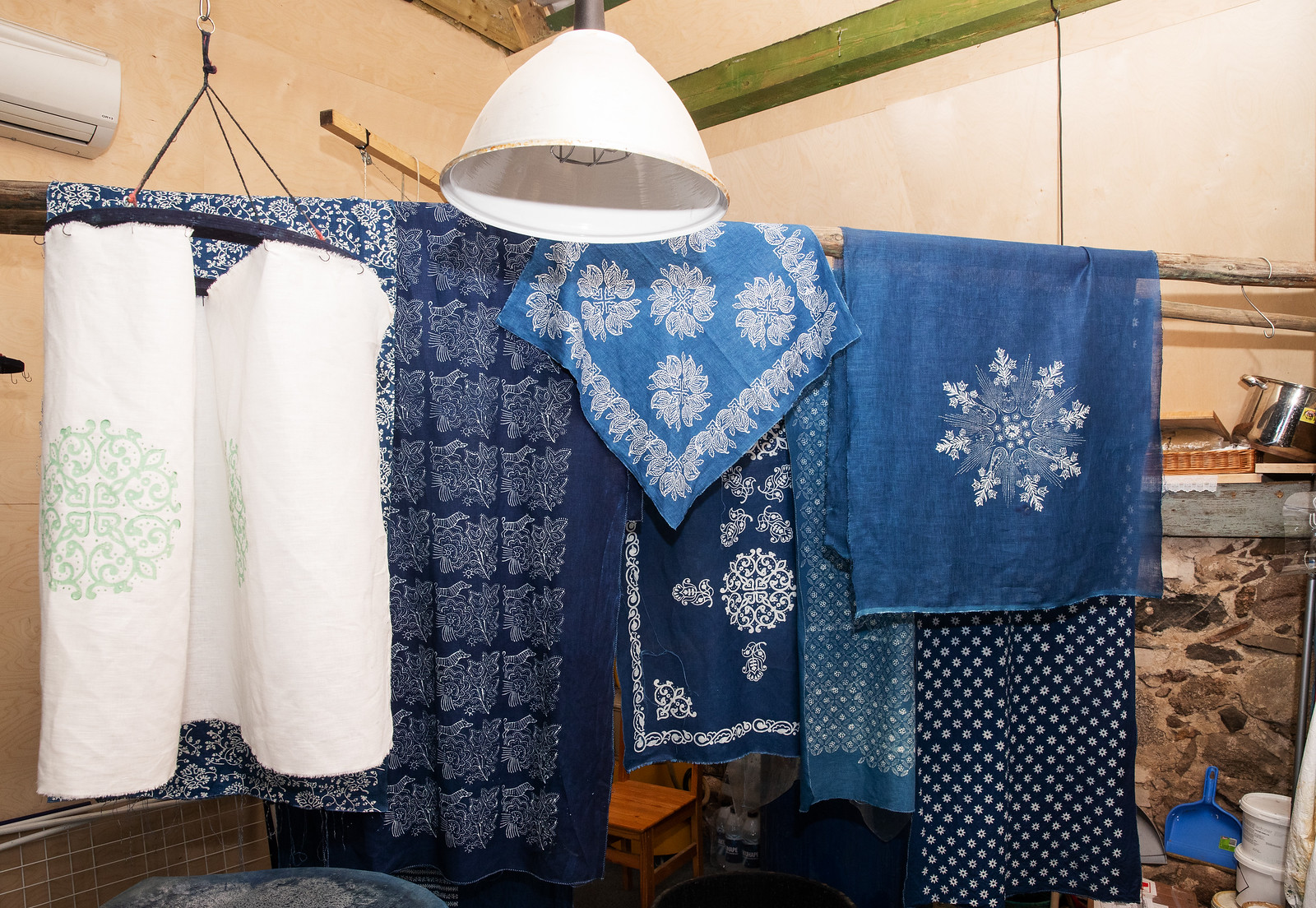
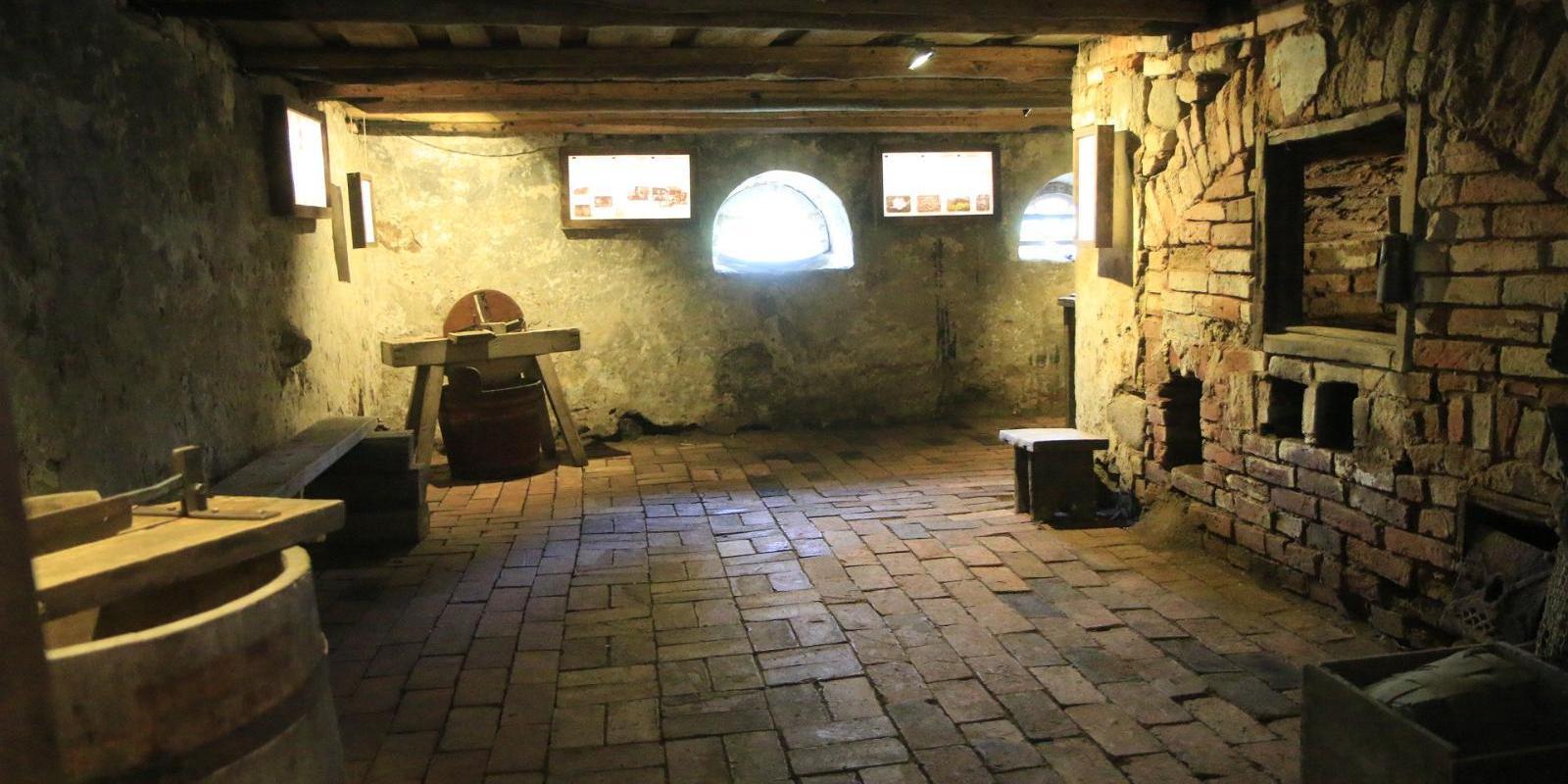
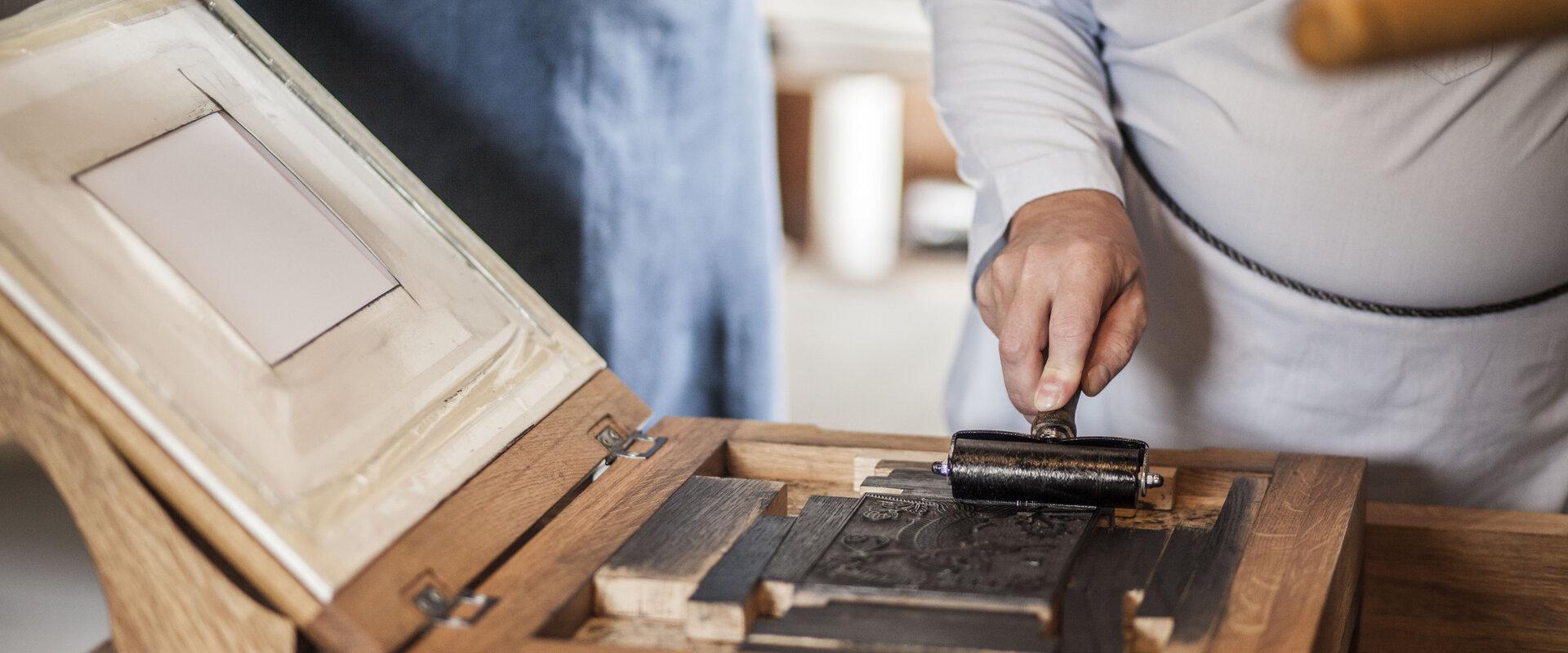
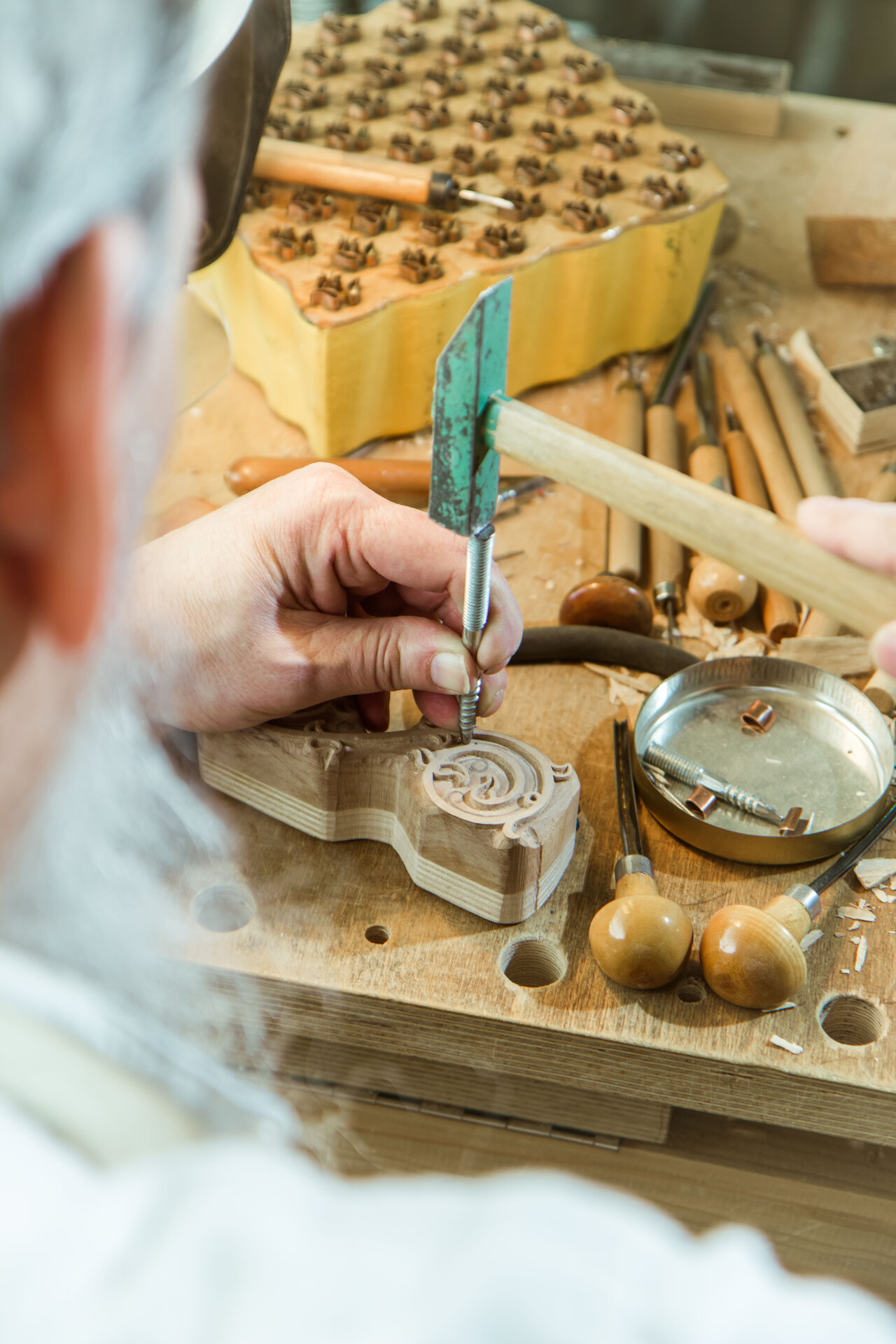
Peipsimaa County Heritage Center, located at the heart of the Lake Peipus Area, is a museum, which offers an overview of the whole Russian Old Believers area through handicrafts and various activities.At the visitor centre the Sinilnik workshop awaits you, where the fabric printing traditions of the Old Believers are introduced. You can participate in various workshops. In the Lubok yard, lubok, the popular print of the Old Believers is introduced. You can participate in lubok themed workshops as well. You can also visit: Ridaküla smithy, Chicory Museum, Peipsimaa handicraft and art shop, Peipsimaa Gallery and Aunt Šura Cafe.We rent bikes, scooters, and kicksleds. There are a playhouse and a sandbox for children.
Amenities

  • Free parking
  • Souvenirs

Open times

13. juuni - 31. aug

R-P11:00 - 18:00

Contact

  • +372 55639398
  • info@peipsimaa.ee

Links

peipsimaa.ee

See more

  • Family friendly
  • Guided tours

Piusa visitor centre

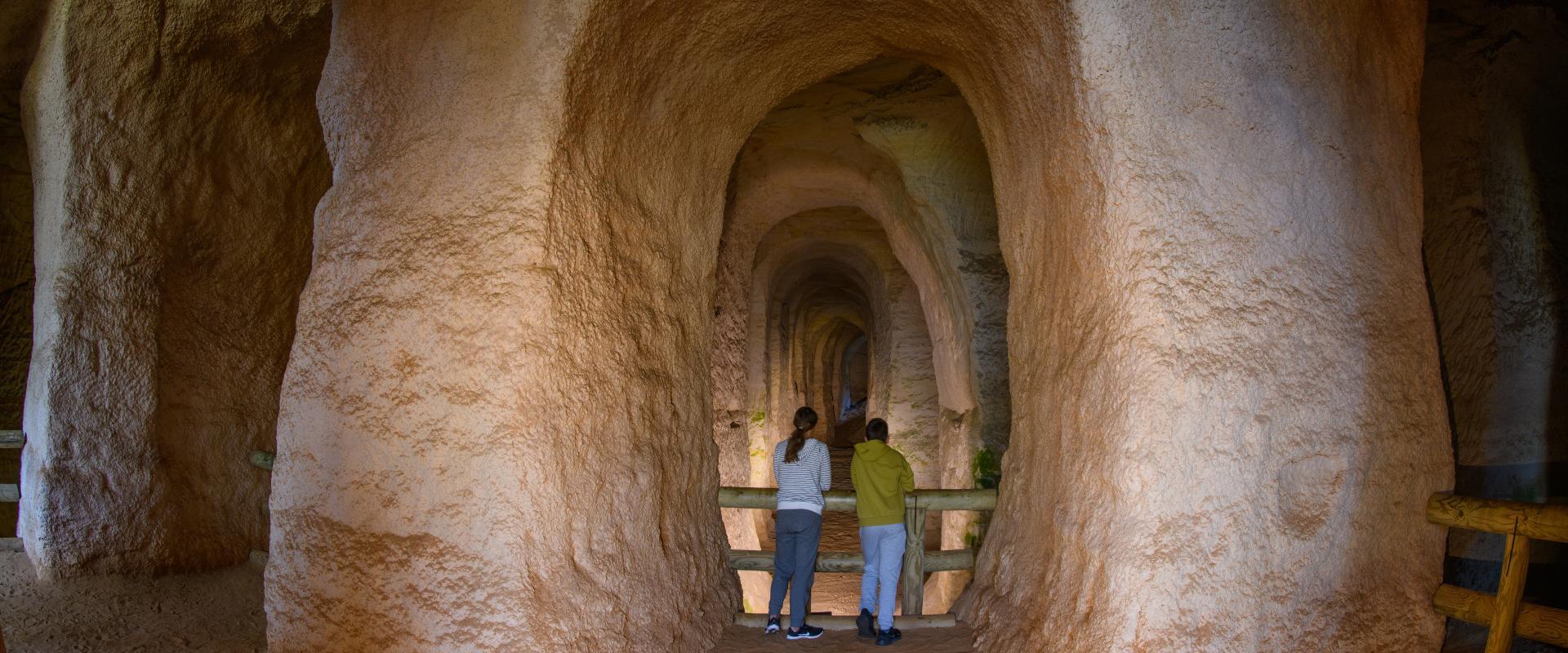
Tunnels dug in the bright sandstone of Piusa's caves are undoubtedly one of the best-known tourist attractions in ancient Võromaa. For several years now, a fun bat-shaped visitor centre has been waiting here for visitors. The Piusa visitor centre has a cafe, seminar room, craft room, cinema hall and numerous exhibits. Guests can watch a movie about bats, the most important inhabitants of caves, in the cinema hall, and then head along with a guide to the museum cave viewing platform. There are no bats in the caves in the summer because they only come here to winter. Right behind the museum cave is Piusa sand quarry, Estonia's largest sandbox. The Piusa visitor centre and the picturesque sandy hills offer a unique experience where nature and history intertwine – the mysterious caves of former glass sand mines can be discovered here and the most beautiful views of the sand quarry in Estonia can be enjoyed. With its steep slopes and sandstone outcrops, the Piusa sandy hills are like a natural adventure park that captivates both hiking enthusiasts and photographers.

  • Pet friendly
  • Ruins

Ruins of Helme Order Castle

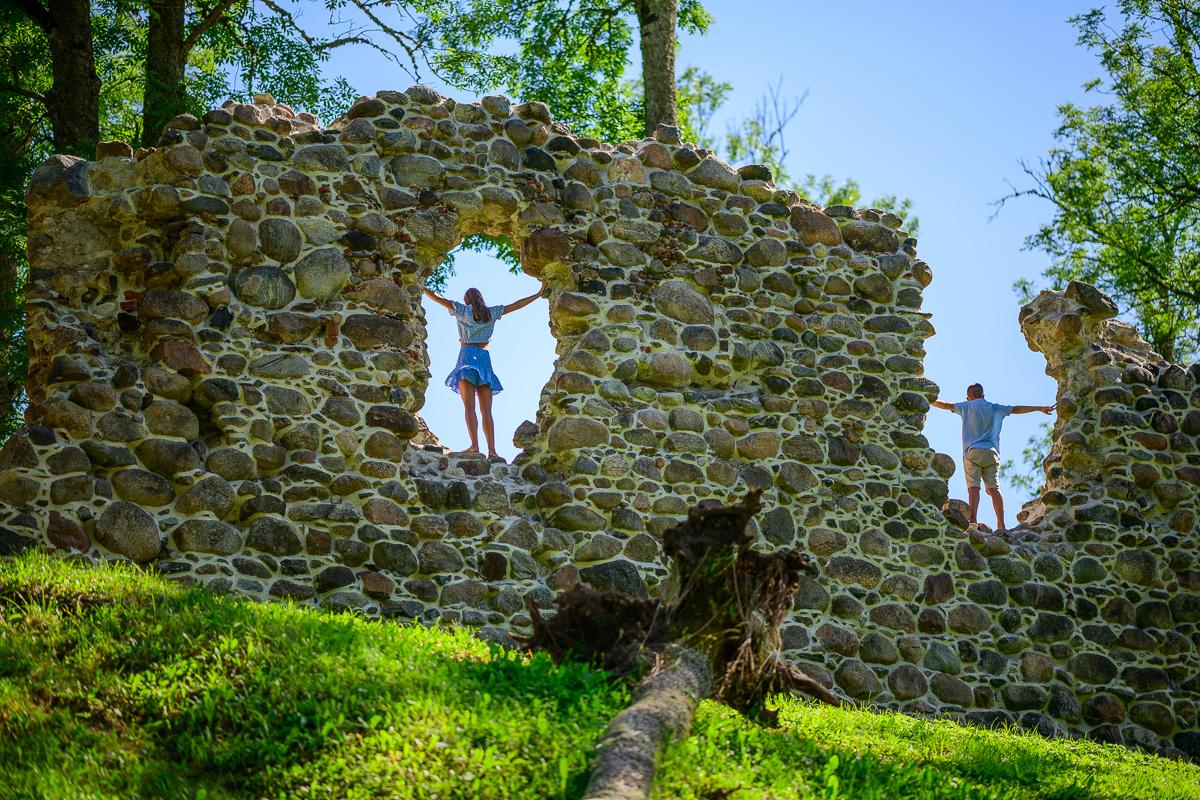
The ruins of Helme Order Castle are situated on a steep slope by the Pärnu-Valga road. The castle is thought to have been built in the first half of the 14th century. Parts of its walls with their distinctive window openings remain standing today. Legend has it that a young virgin was entombed within its walls in order to further strengthen it - whether there is any truth to the story is up to visitors to decide! Over the centuries the castle has been governed by Germans, Russians, Lithuanians and finally Swedes - who destroyed it in 1658.Did you know...?*In the valley below the castle is the Doctor's Spring, whose waters are said to cure seven different ailments.

Obinitsa village chapel

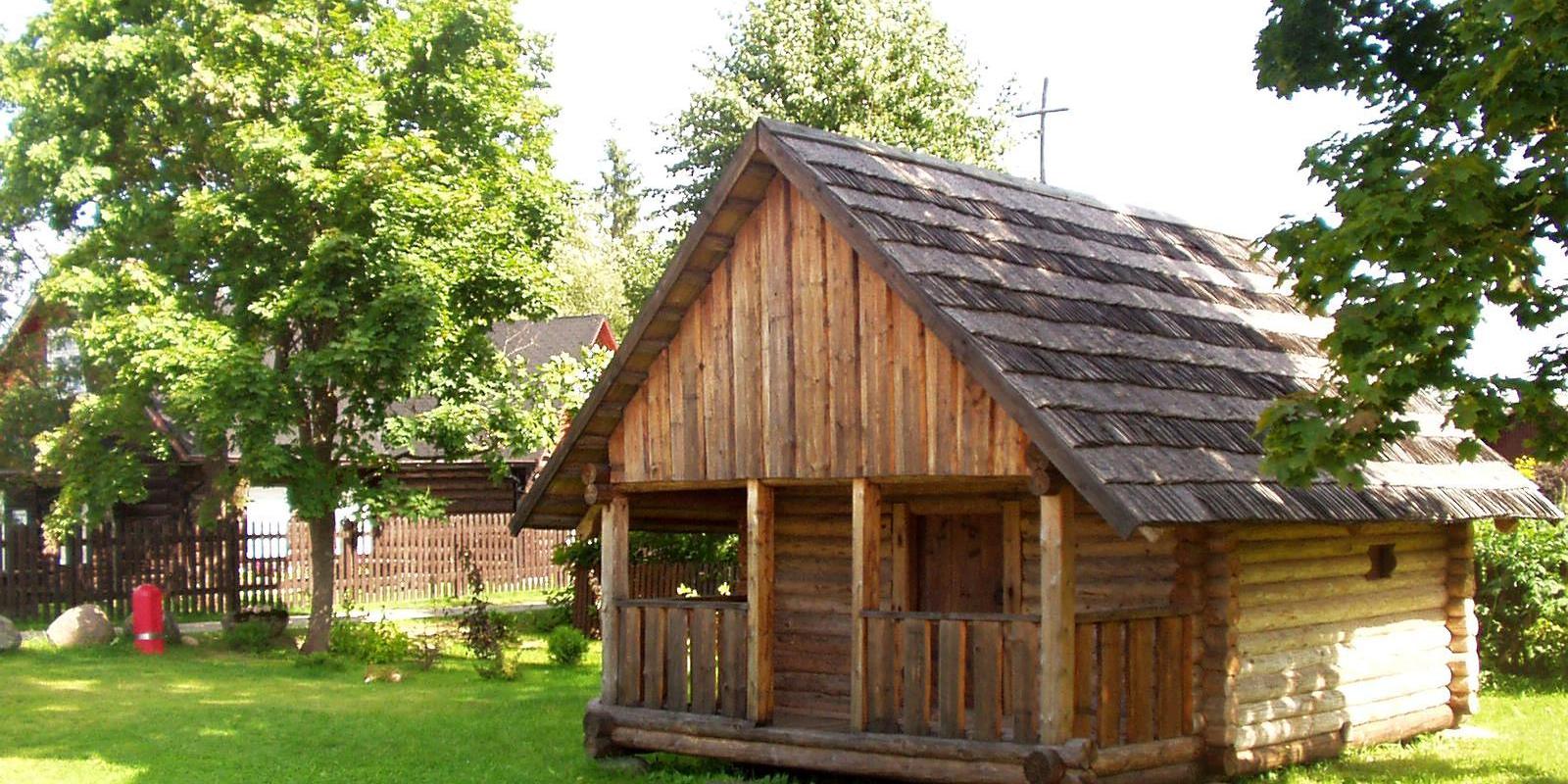
Next to the Obinitsa Museum is a small log building with a barely noticeable wooden cross on the roof. This is the Obinitsa village chapel.The building was built in 2007 in the place where a village chapel was a hundred years ago. The chapel plays an important role in Seto culture.The holy day of the chapel is the day of the Lord's Transfiguration. On its eve, on 18 August, a procession from Obinitsa Church comes here.Ask the Obinitsa Museum for more information on the chapel.

  • Family friendly
  • Guided tours

Põltsamaa Museum

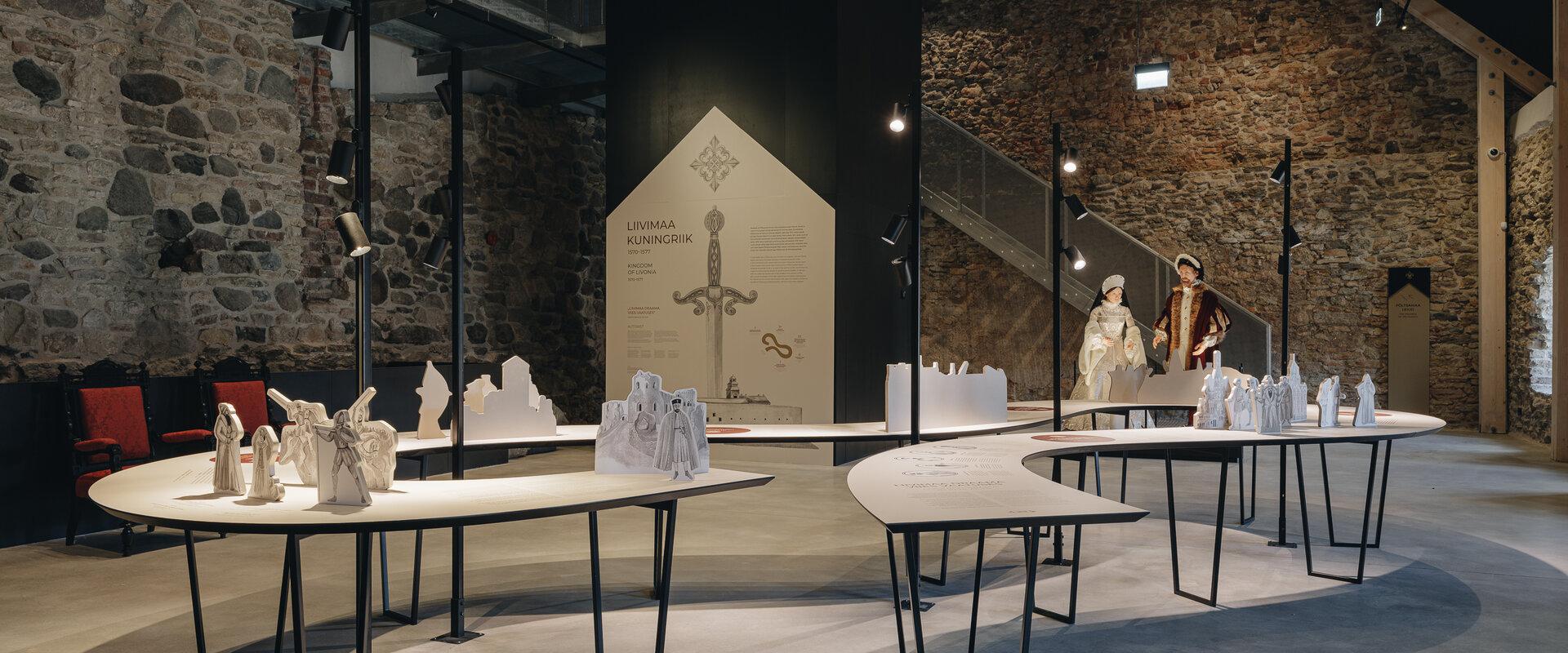
Põltsamaa Museum is located within the walls of the ancient Põltsamaa Ordensburg. Põltsamaa Museum gives an overview of the glorious past of the stronghold, town and the parish: Interesting facts: During the Livonian War the castle was the residence of the King of Livonia In the 19th century the castle was a Rococo style castle, a flourishing centre of culture and industry.

  • Guided tours
  • Workshops
  • Galleries

Tartu Art House Galleries

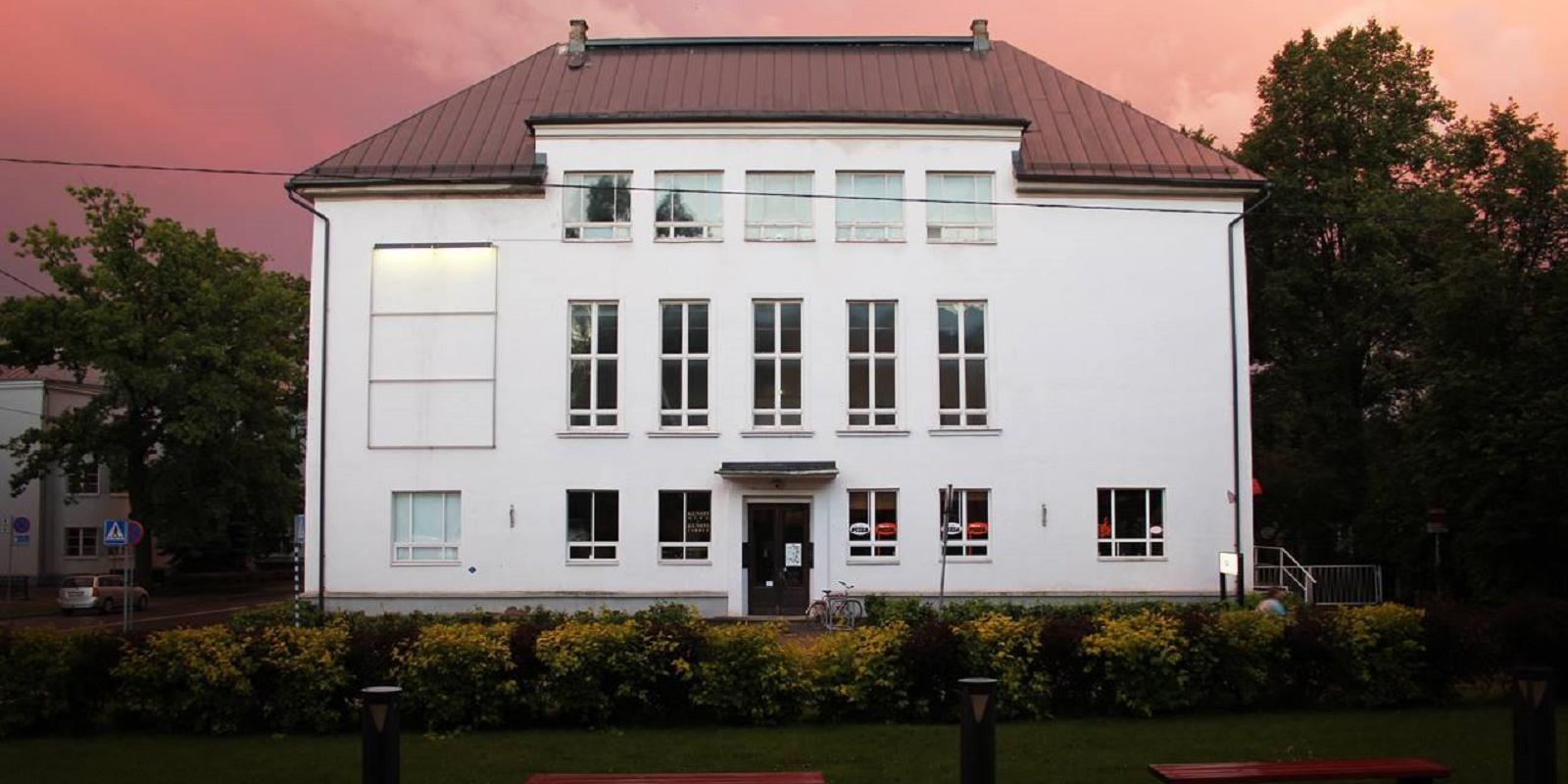
Tartu Art House is the home of the Tartu Artists’ Union and the heart of the city's art scene. It's not just a gallery room; it's a vibrant meeting place where creativity, diverse perspectives, and the spirit of an era meet. Art House is an important cultural node that brings together Estonian and international artists – known top performers, bold new talents, and, of course, all art lovers – on a regular basis. In three distinctive galleries, exhibitions alternate frequently, offering viewers something new and inspiring at every visit. Various forms of contemporary art are represented. Curators' offices, discussions, and meetings with artists help to gain a deeper understanding of the work on display and bring art closer to visitors for a more personal experience. All exhibitions and excursions are free for visitors. It is also possible to participate in practical workshops. Tartu Art House is waiting for you to discover Estonian art; a visit can show you a new perspective.

  • Sculptures

‘The Kissing Students’ sculpture and fountain

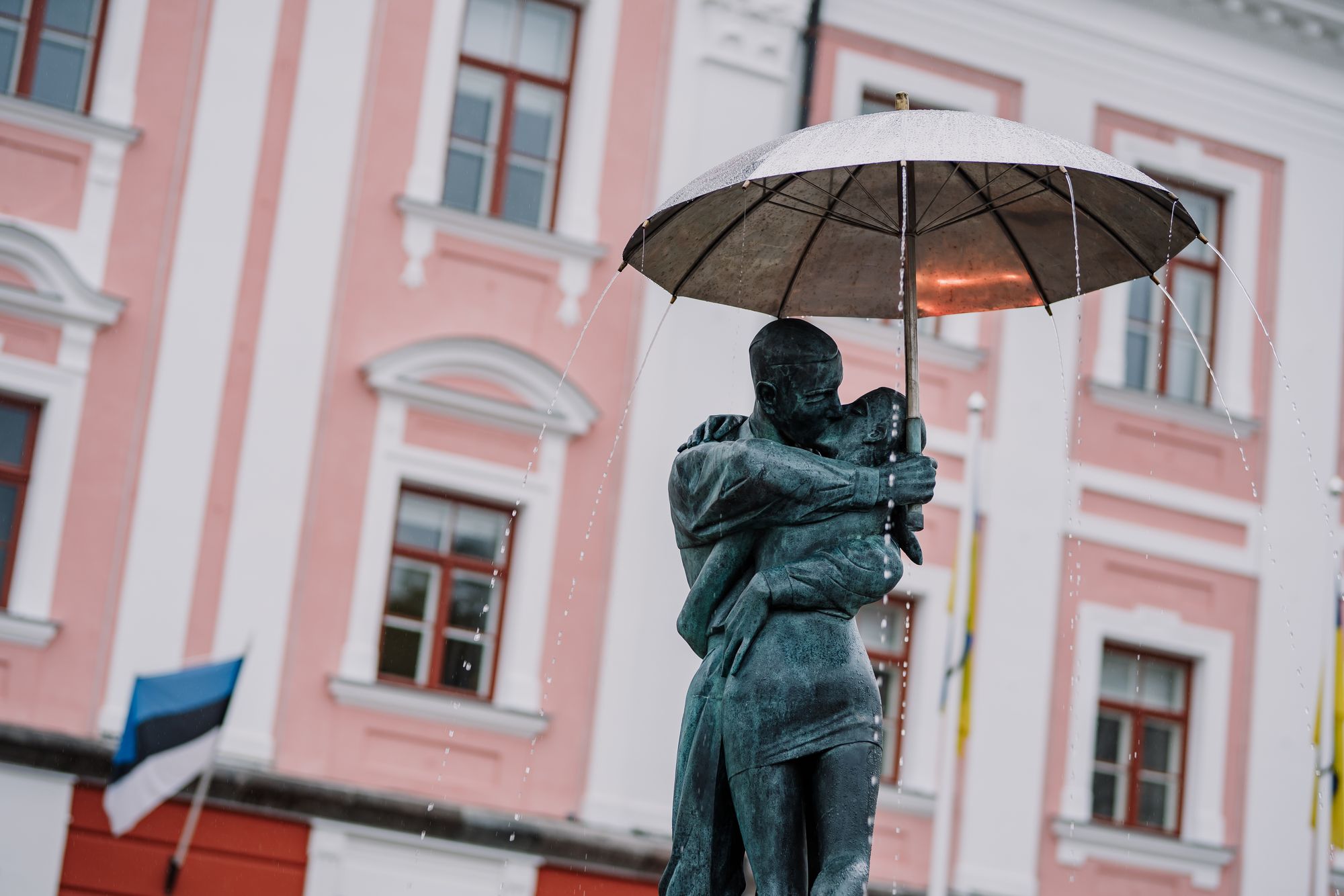
'The Kissing Students' sculpture and fountain is one of the most recognised symbols of Tartu. The fountain has stood in the same place since 1948, when newlyweds and their guests would visit it for luck, and people would also take a dip in it. The sculpture was created by Mati Karmin and completed in 1998. Since 2006 the fountain has been surrounded by tiles bearing the names of Tartu's sister cities – Bærum, Deventer, Ferrara, Fredriksberg, Hafnarfjörður, Hämeenlinna, Kaunas, Lüneburg, Pihkva, Riia, Salisbury, Tampere, Turu, Uppsala, Veszprem and Zutphen. Each of these is situated in the direction that the cities lie from Tartu, with the distances marked.

  • Monuments

The steam engine monument

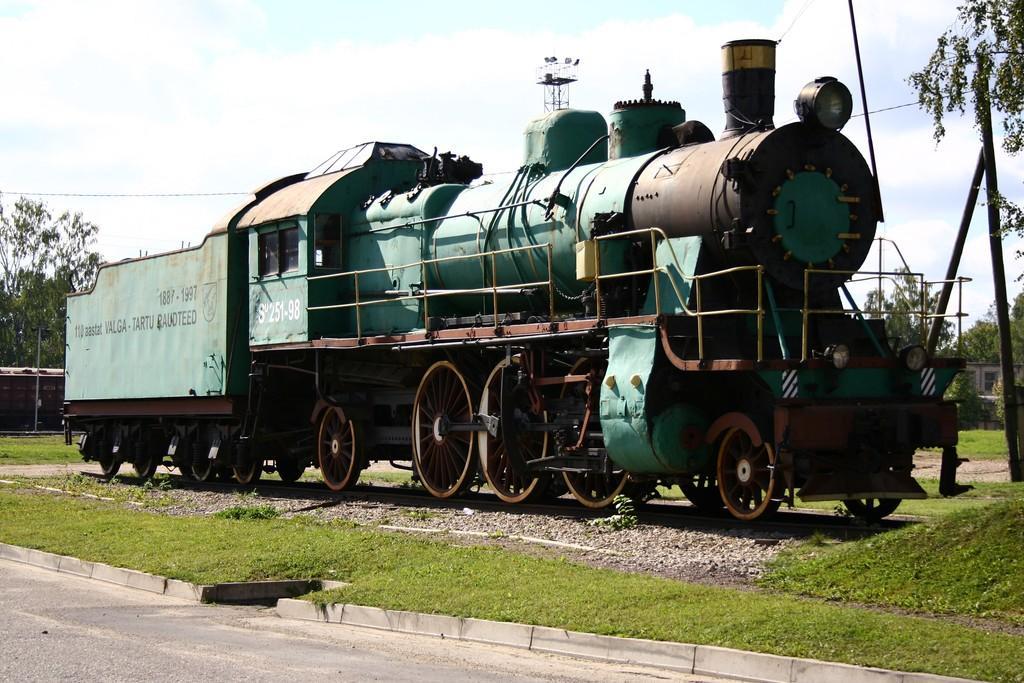
The year 1886 when the plan to build the Pihkva-Riga railway with a branch from Valga to Tartu became a crucial year in the development of the little town.The steam engine monument erected near the Valga railway station in 1998 celebrates the 110th anniversary of the Pihkva-Valga-Riga rail connection. Engine SU 251-98 was built in the Sormovo Shipyard in 1949. Interesting facts: * the engine weighs 87 tons and its output is 12 tons of steam per hour; * Riga-Pihkva railway was officially opened on 22 July 1889 in Pihkva.

  • Guided tours

Paduvere Farm Museum

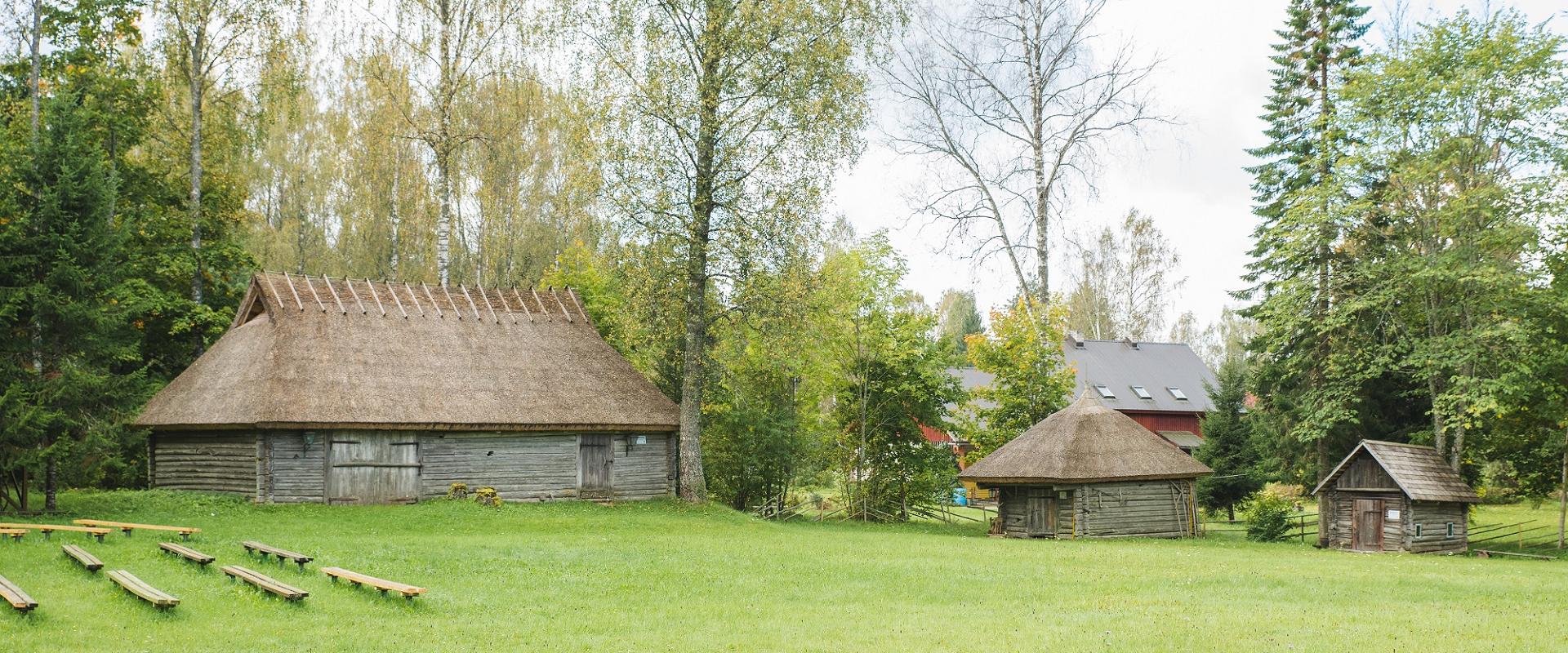
The museum introduces the life led by farmers in the 18th century and the everyday lives and work of our forefathers. There are five oak sculptures created by St Petersburg artist Grigori Azarenkov by the museum. The museum is surrounded by beautiful landscapes, which make it a popular venue for folk parties and theatre performances.

  • Collaboration
  • News
  • Contacts
  • Privacy Policy
Join our mailing list!

"*" indicates required fields

This field is for validation purposes and should be left unchanged.
I authorise marketing

South Estonia Tourism Cluster

info@visitsouthestonia.com