• Открой
    • Еда
    • Природа
    • Культура
    • Семья
    • Спорт
    • Сообщество
    • Блог
    У Вас появились свободные выходные, чтобы провести с детьми? Здесь собраны лучшие места в Южной Эстонии для семейного отдыха
  • Планируй
    • Размещение
    • Информация
    • Varamu
    Sustainability
RUS
  • РусскийRUS
  • EestiEST
  • EnglishENG
  • LatviešuLAT
  • SuomiFIN
RUS
  • РусскийRUS
  • EestiEST
  • EnglishENG
  • LatviešuLAT
  • SuomiFIN
Популярные запросы:
Показать все результаты
  • History & Culture
  • Architecture and history

Peipsimaa County Heritage Center

Suur tee 25, Peipsiääre vald, Tartu maakond, 60306

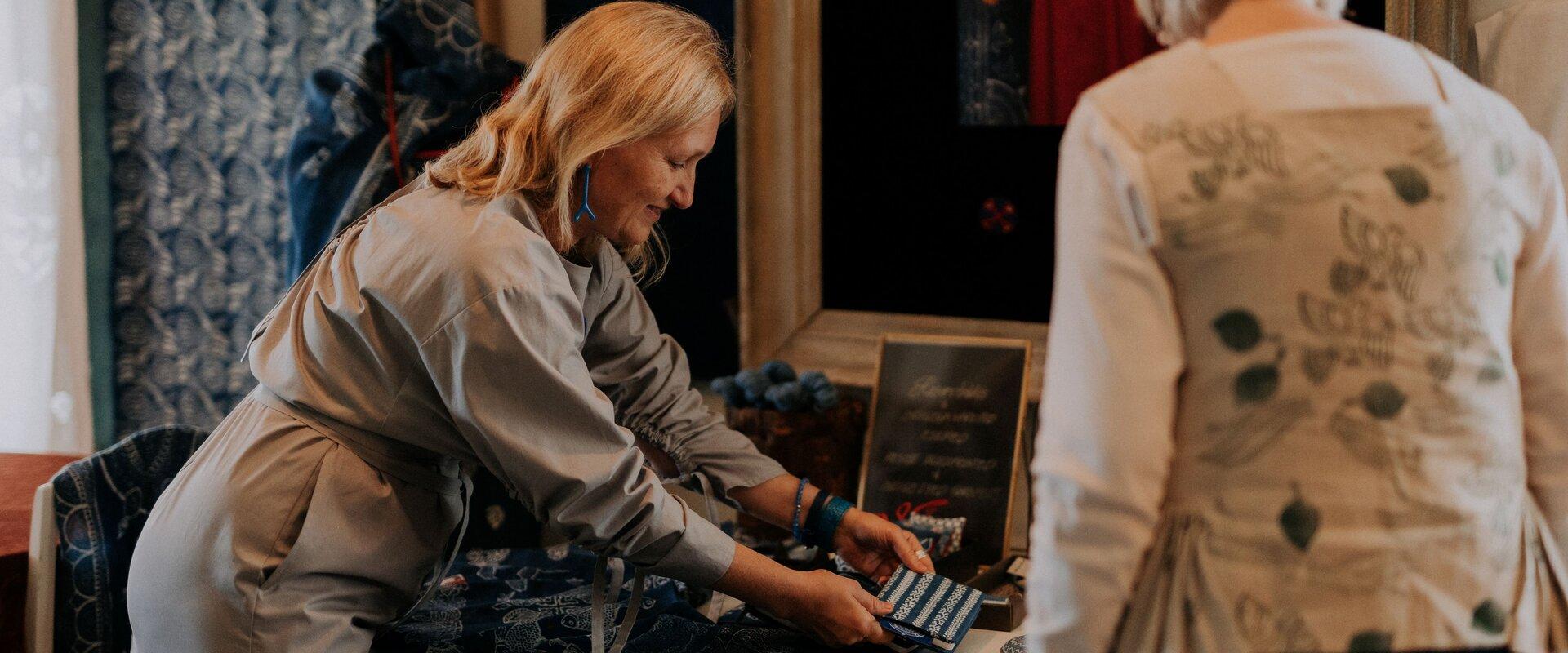
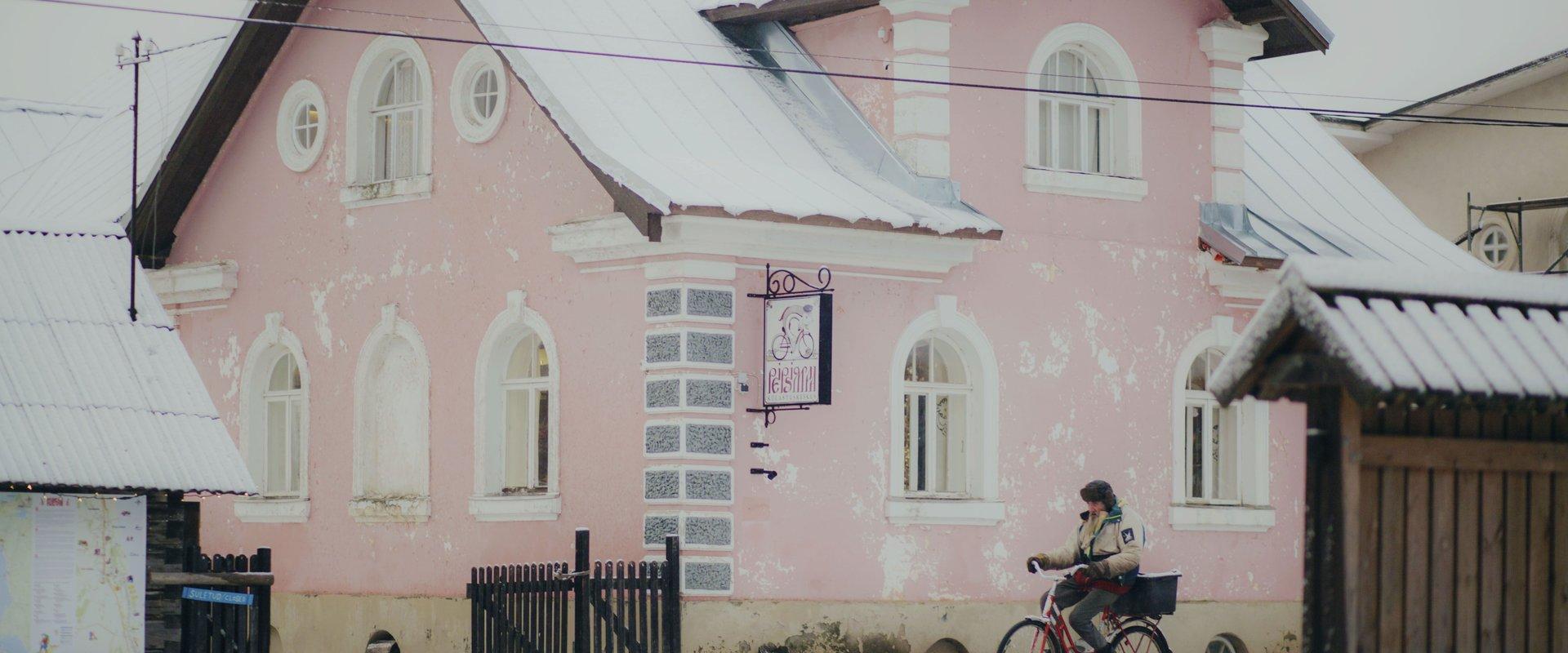
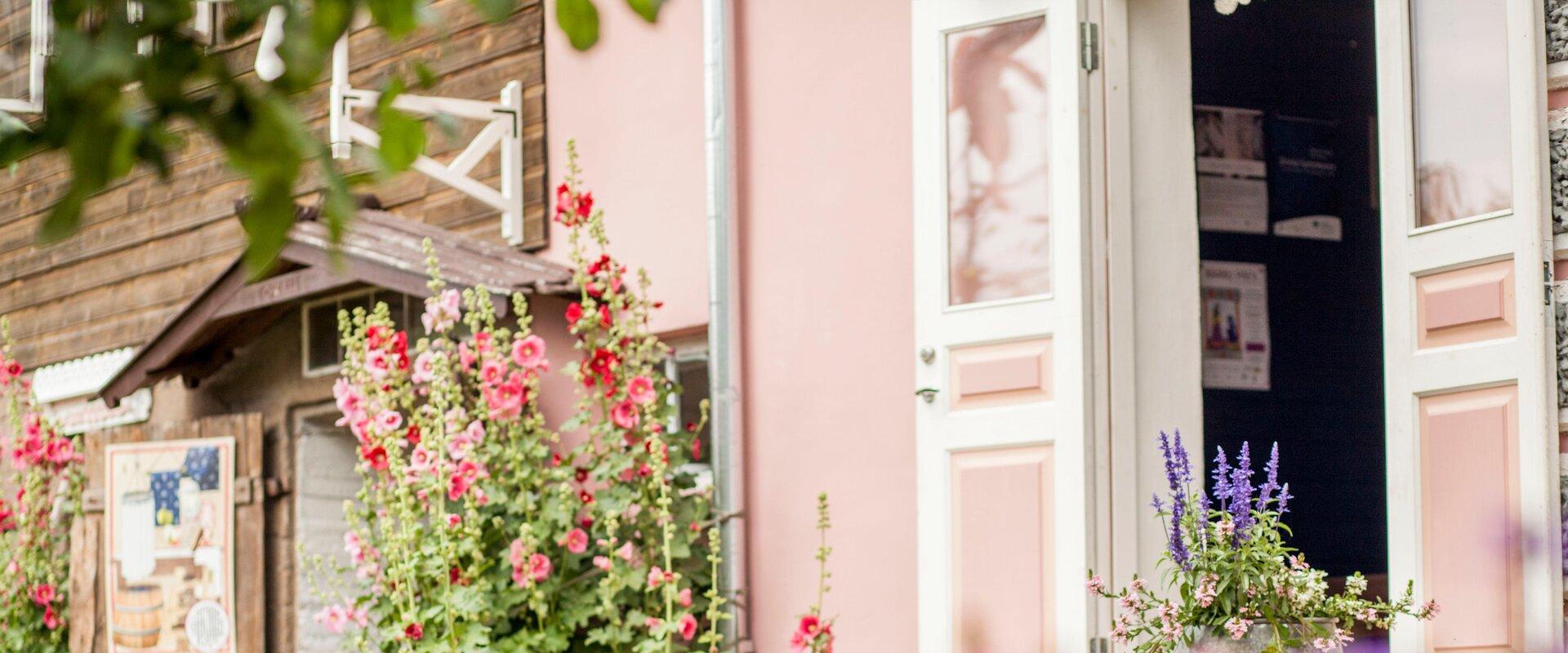
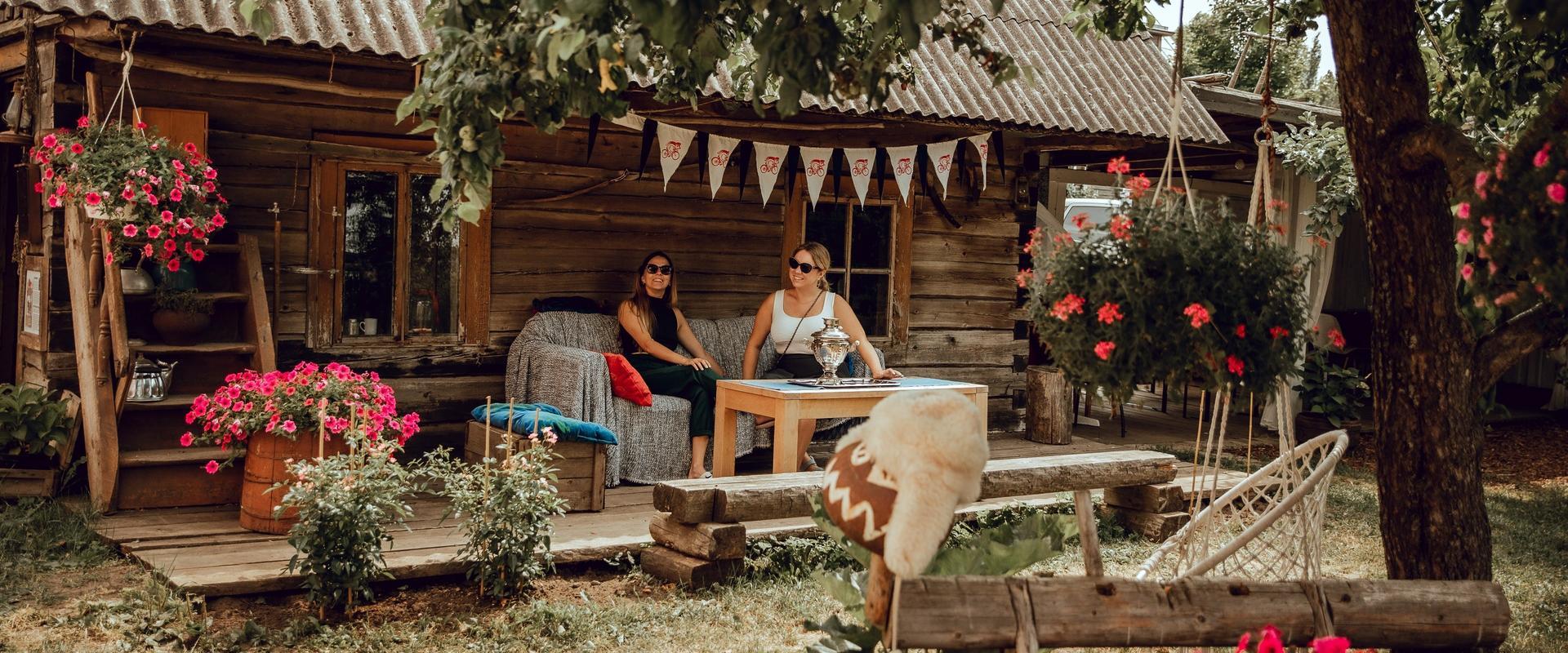
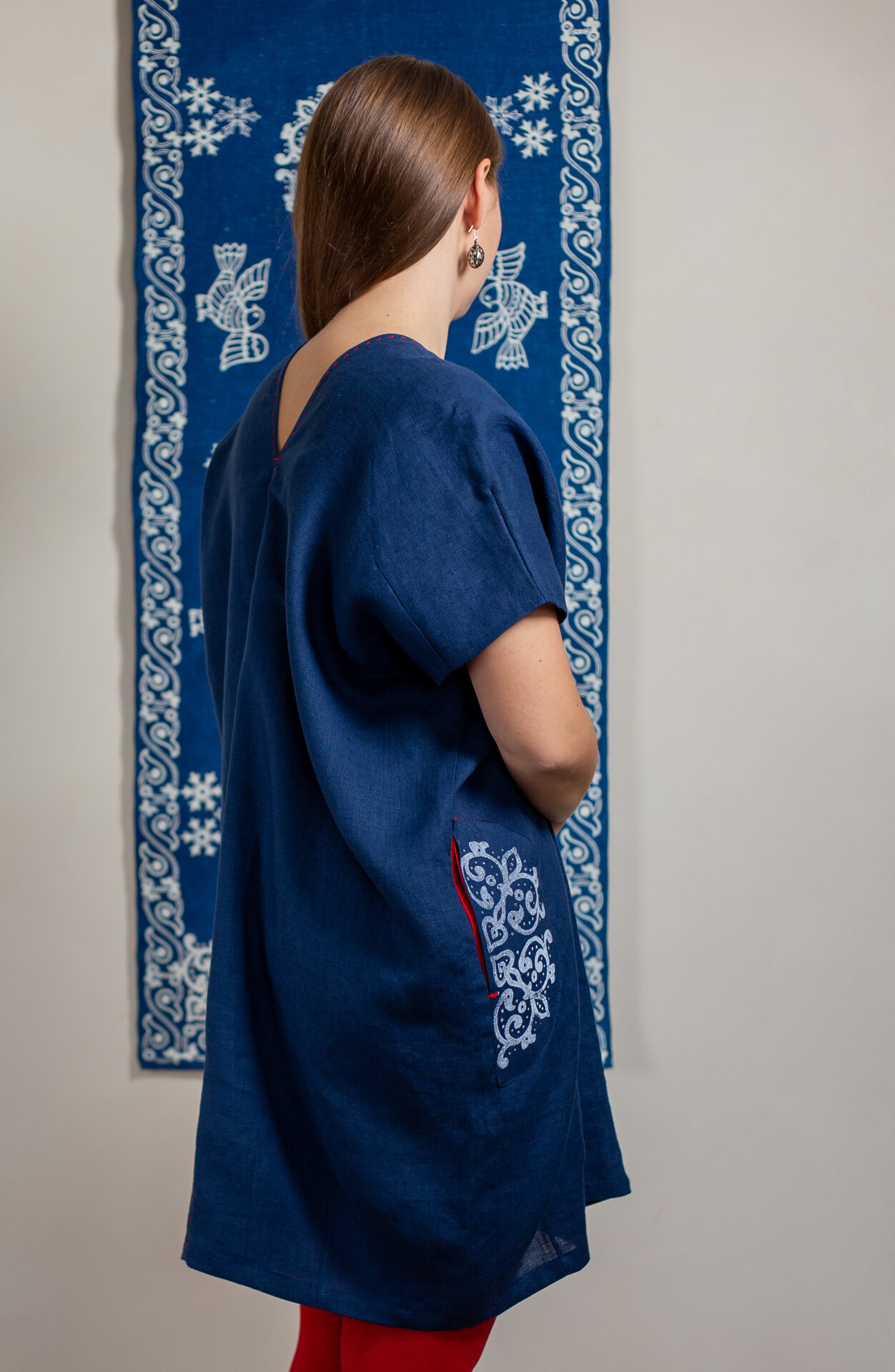
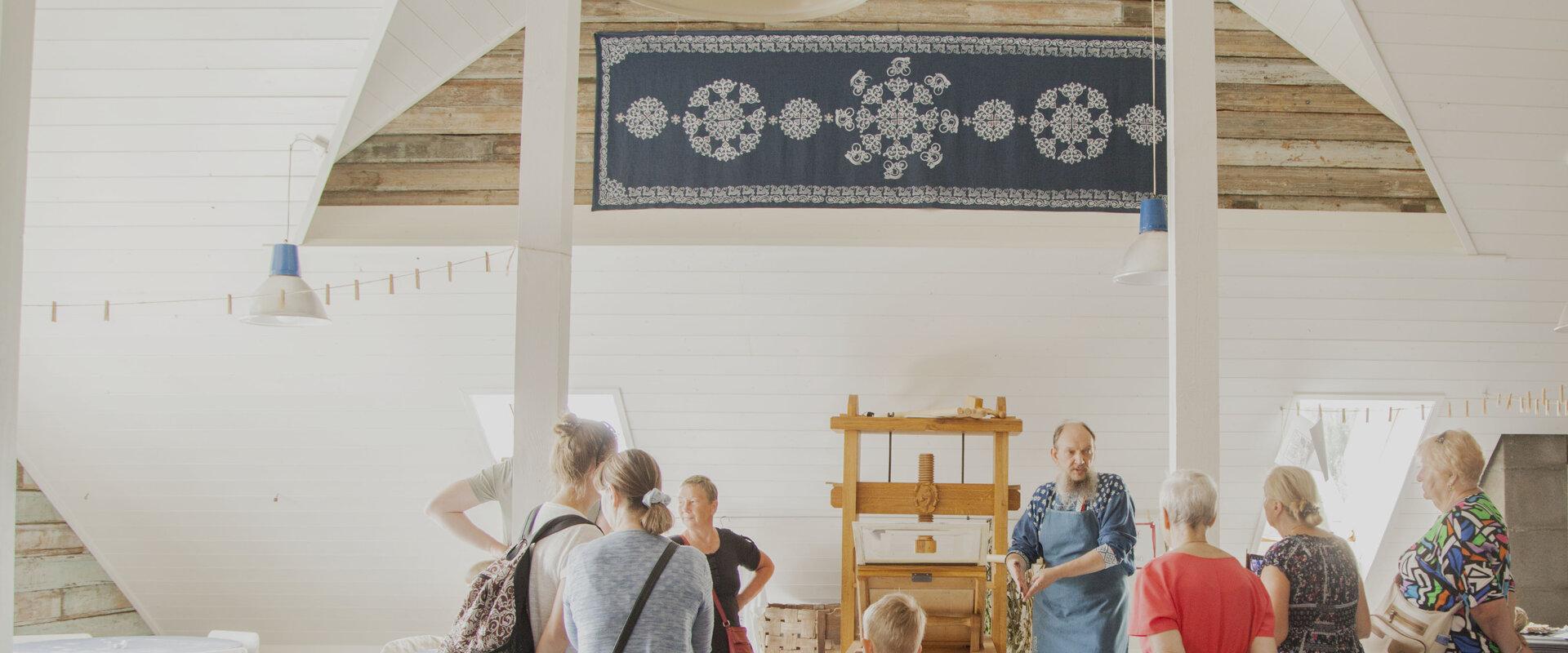
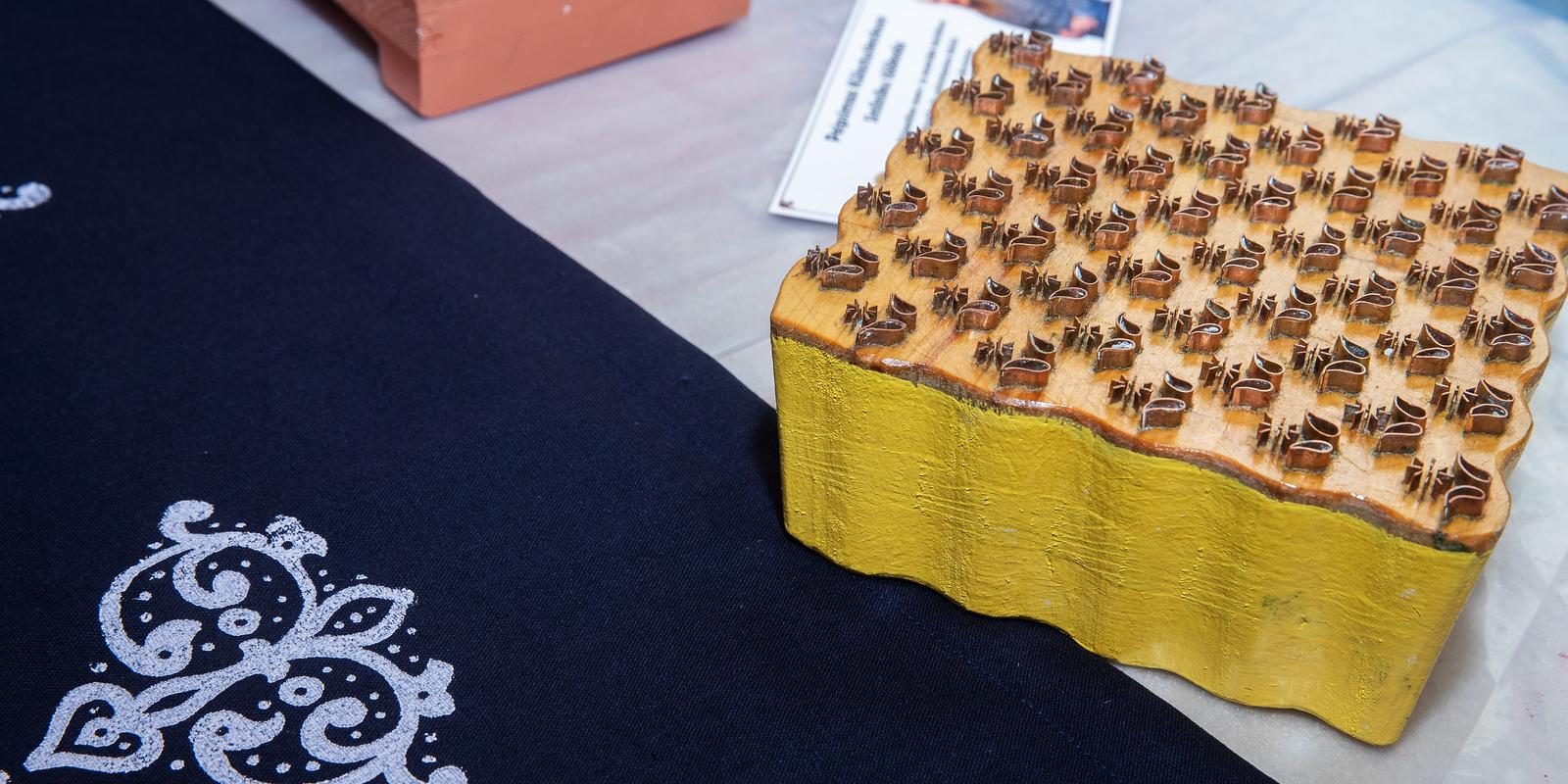
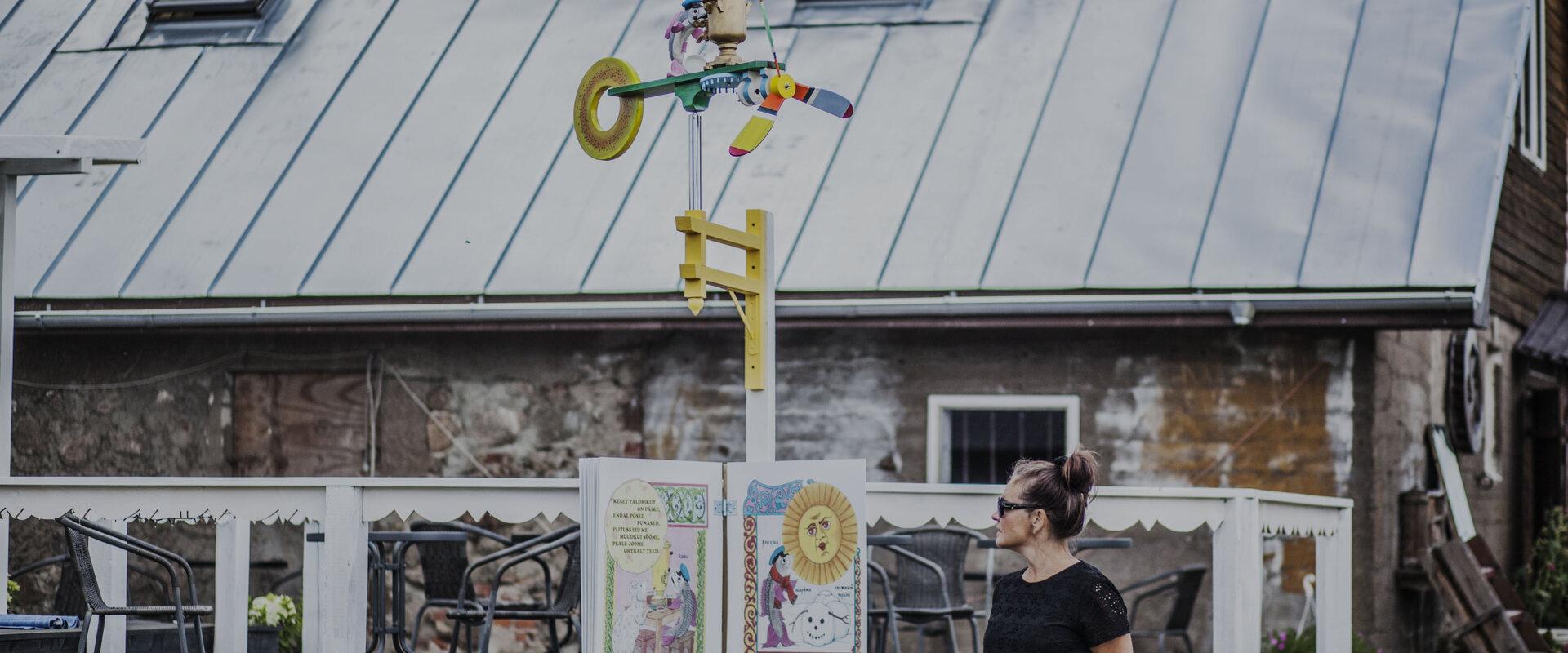
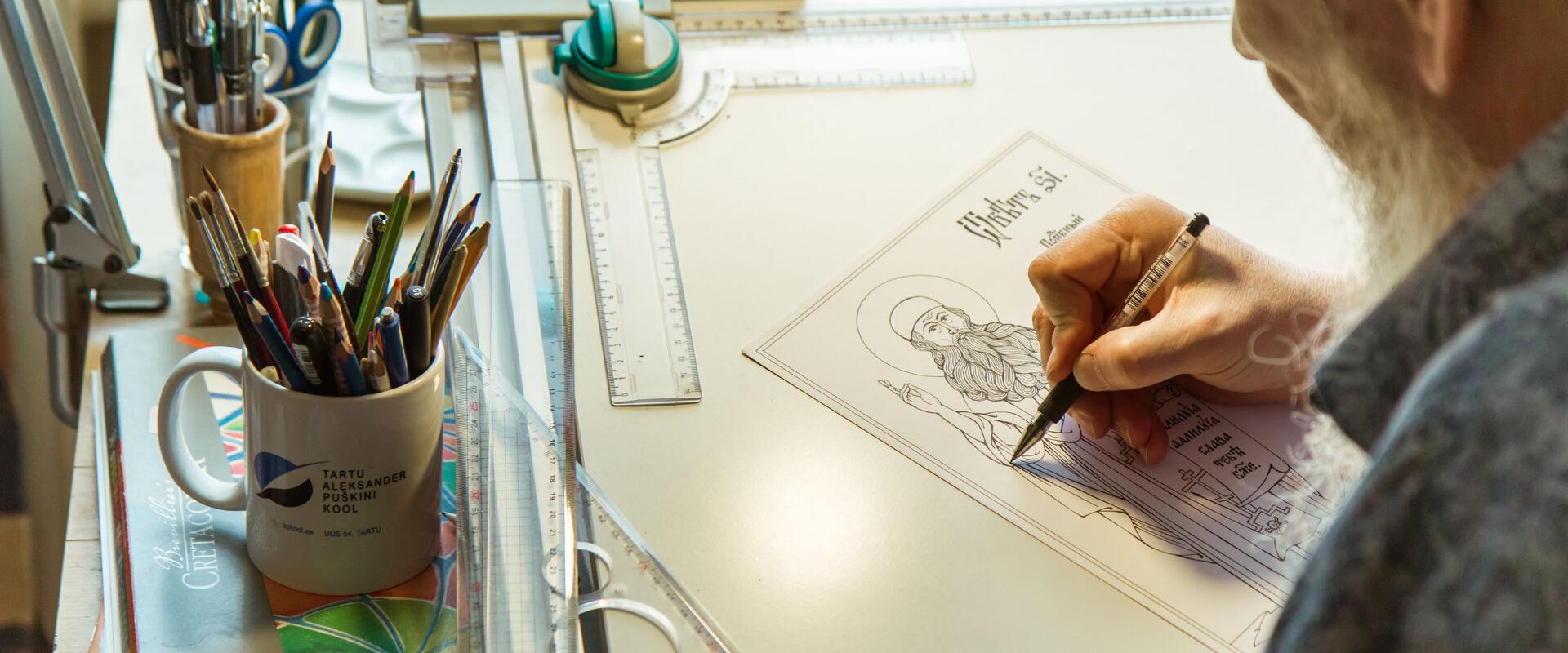
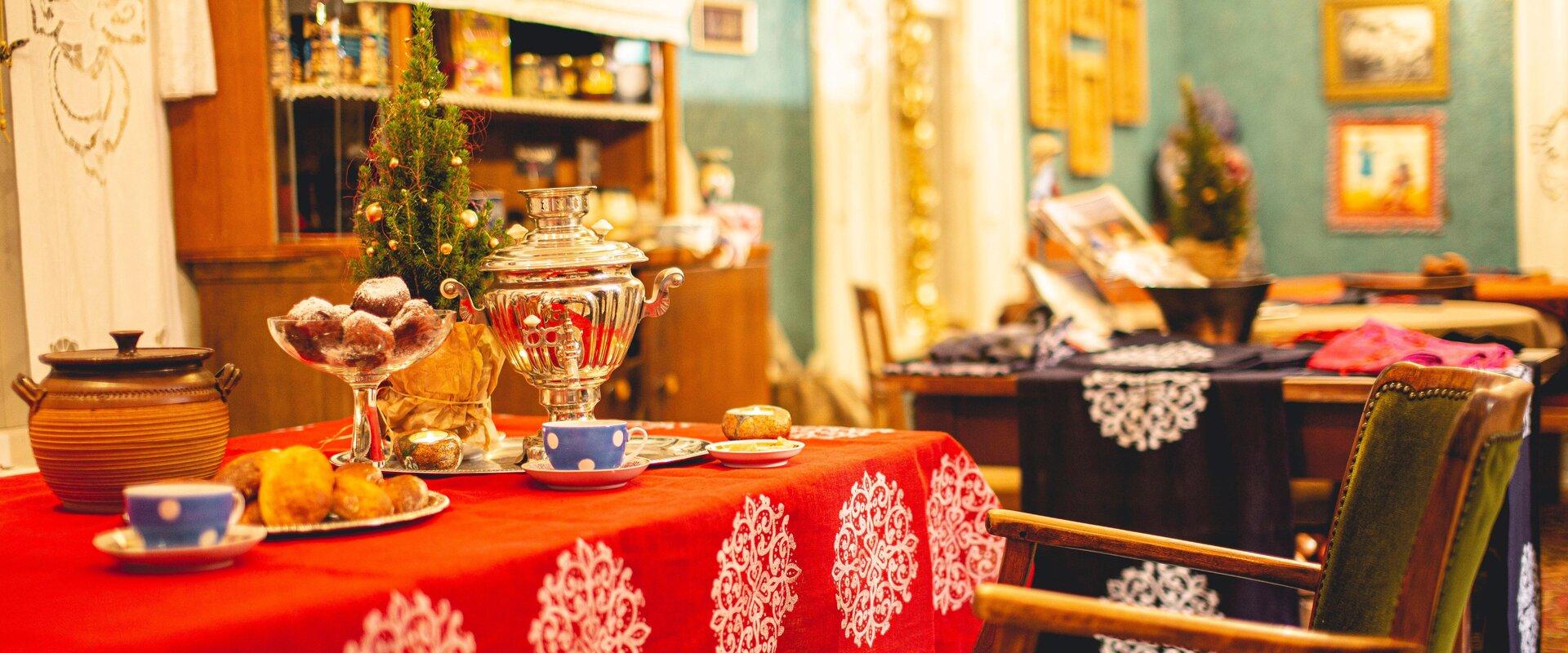
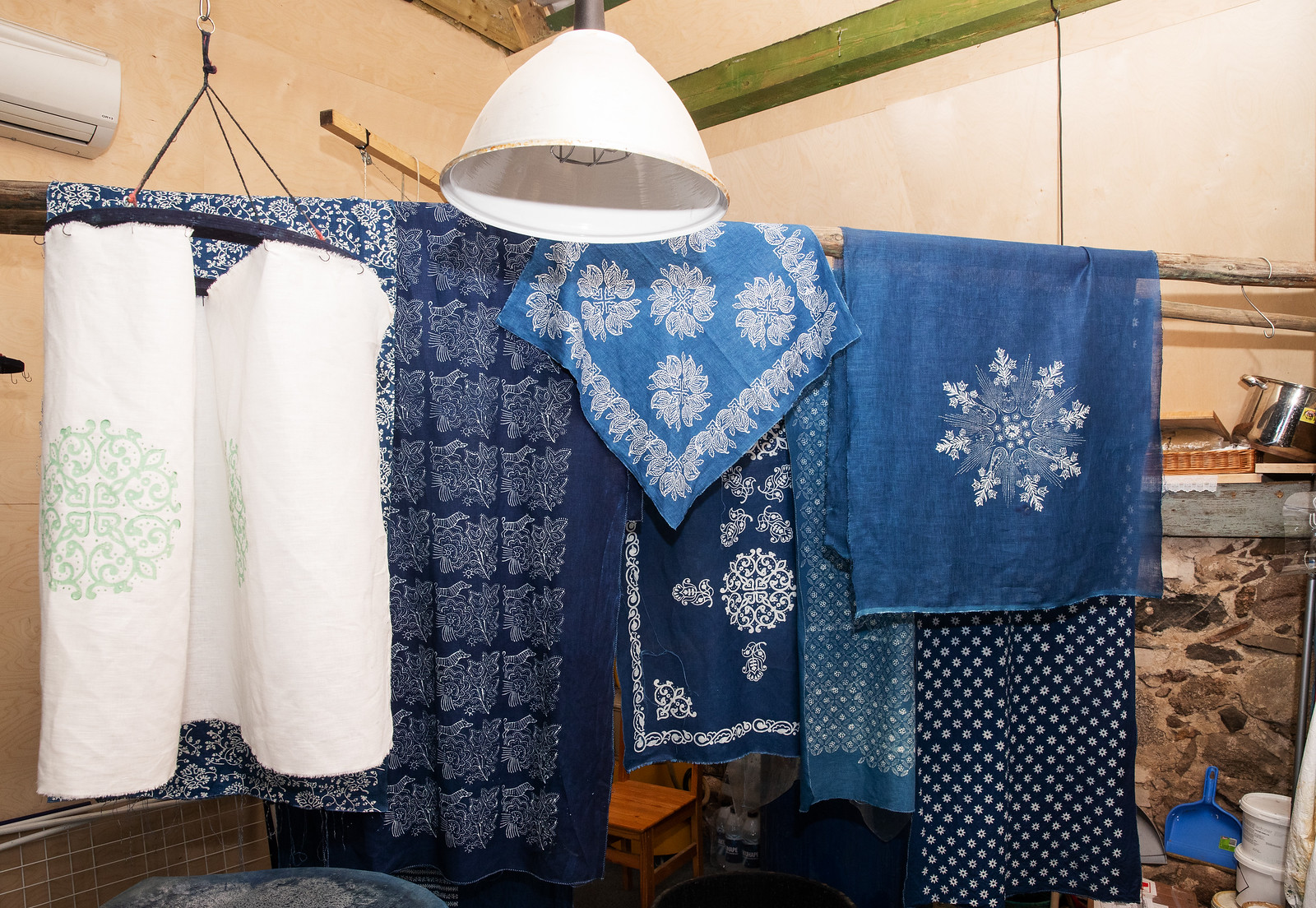
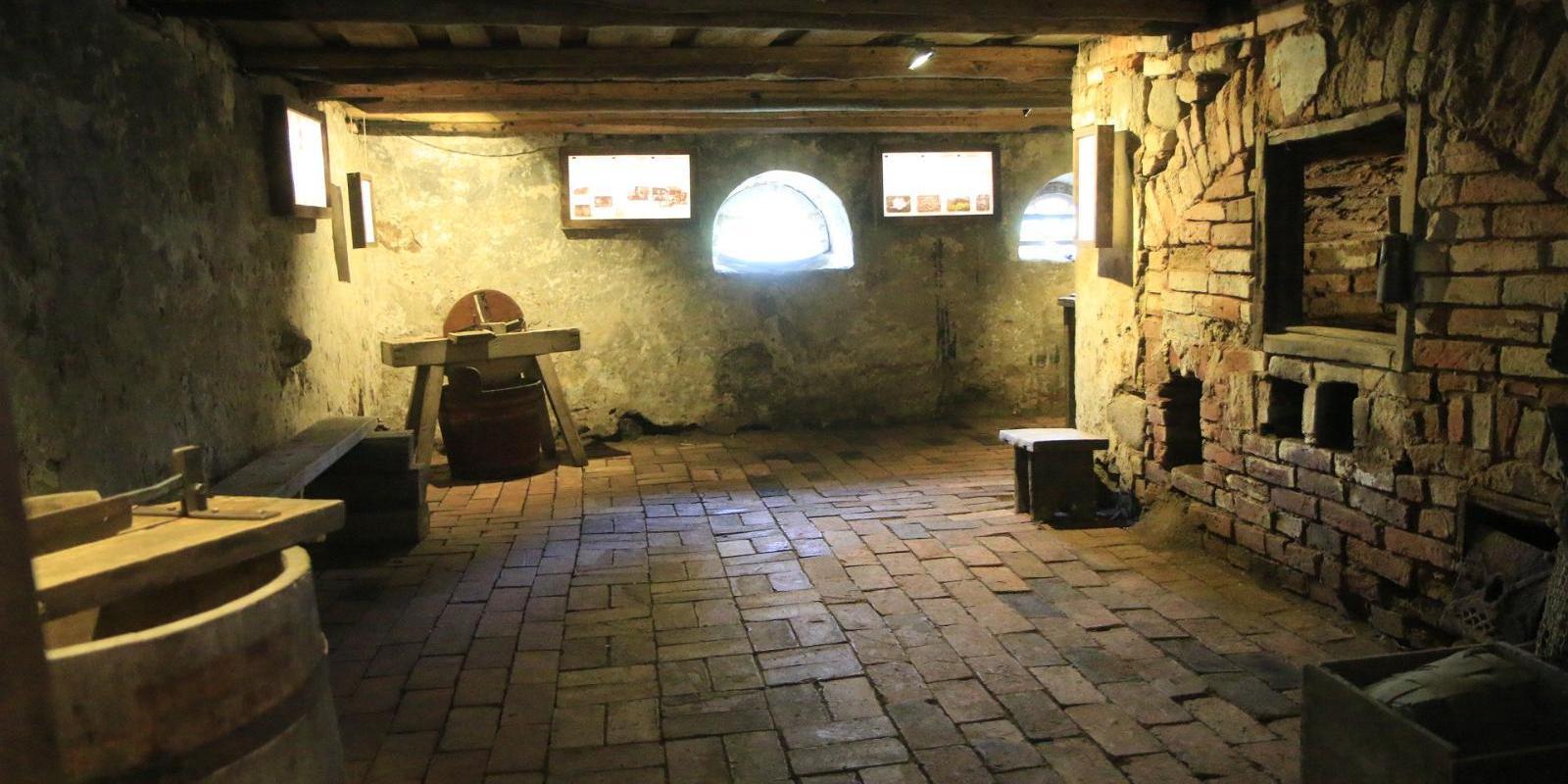
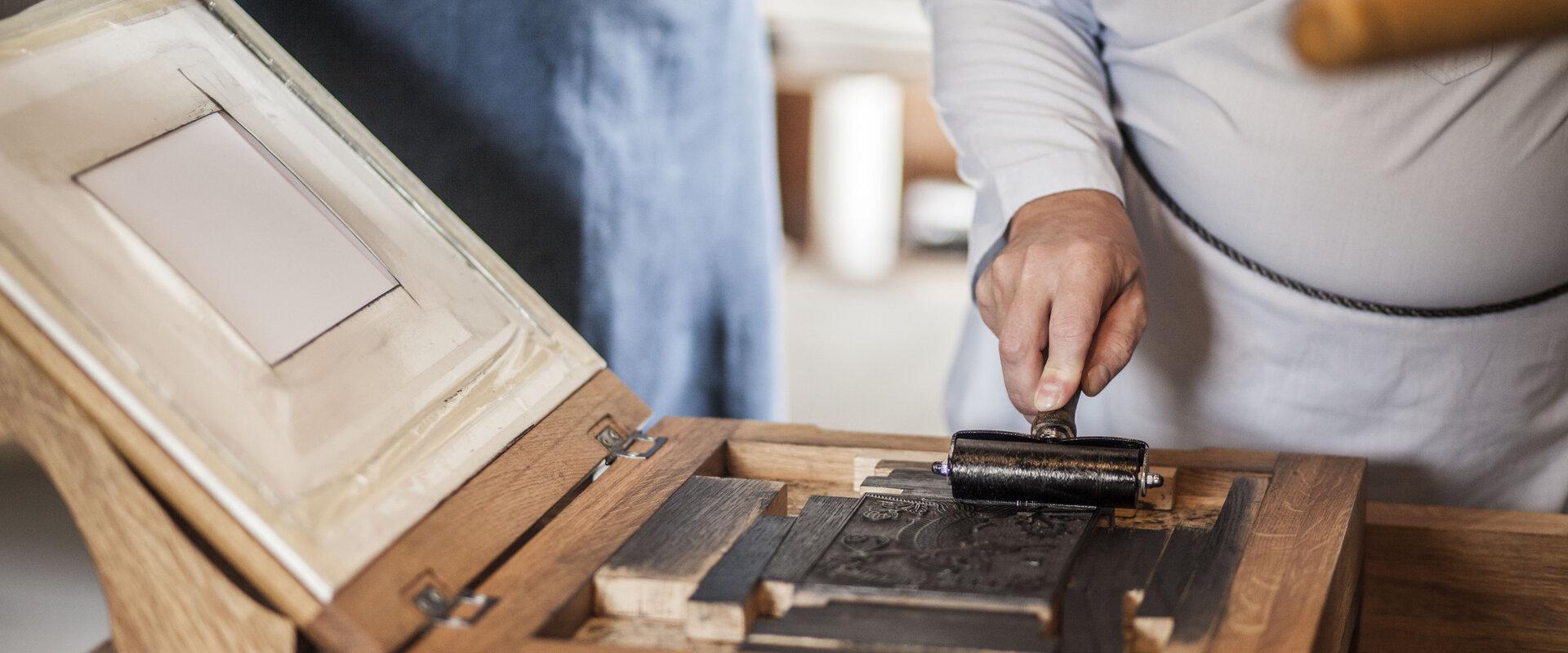
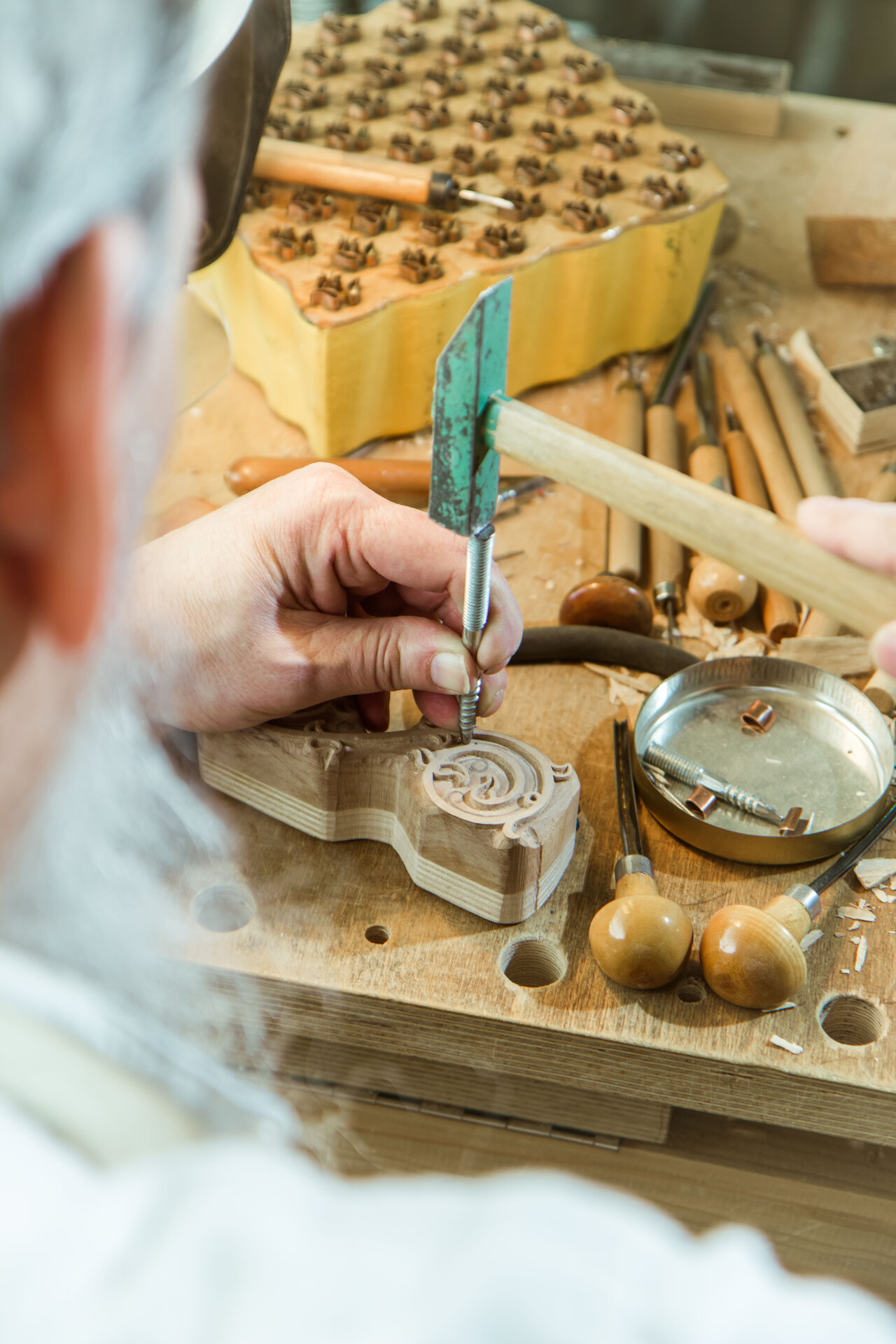
Peipsimaa County Heritage Center, located at the heart of the Lake Peipus Area, is a museum, which offers an overview of the whole Russian Old Believers area through handicrafts and various activities.At the visitor centre the Sinilnik workshop awaits you, where the fabric printing traditions of the Old Believers are introduced. You can participate in various workshops. In the Lubok yard, lubok, the popular print of the Old Believers is introduced. You can participate in lubok themed workshops as well. You can also visit: Ridaküla smithy, Chicory Museum, Peipsimaa handicraft and art shop, Peipsimaa Gallery and Aunt Šura Cafe.We rent bikes, scooters, and kicksleds. There are a playhouse and a sandbox for children.
Удобства

  • Free parking
  • Souvenirs

Часы работы

13. juuni - 31. aug

R-P11:00 - 18:00

Контакты

  • +372 55639398
  • info@peipsimaa.ee

Ссылки

peipsimaa.ee

Подробнее

Luua Manor museum rooms

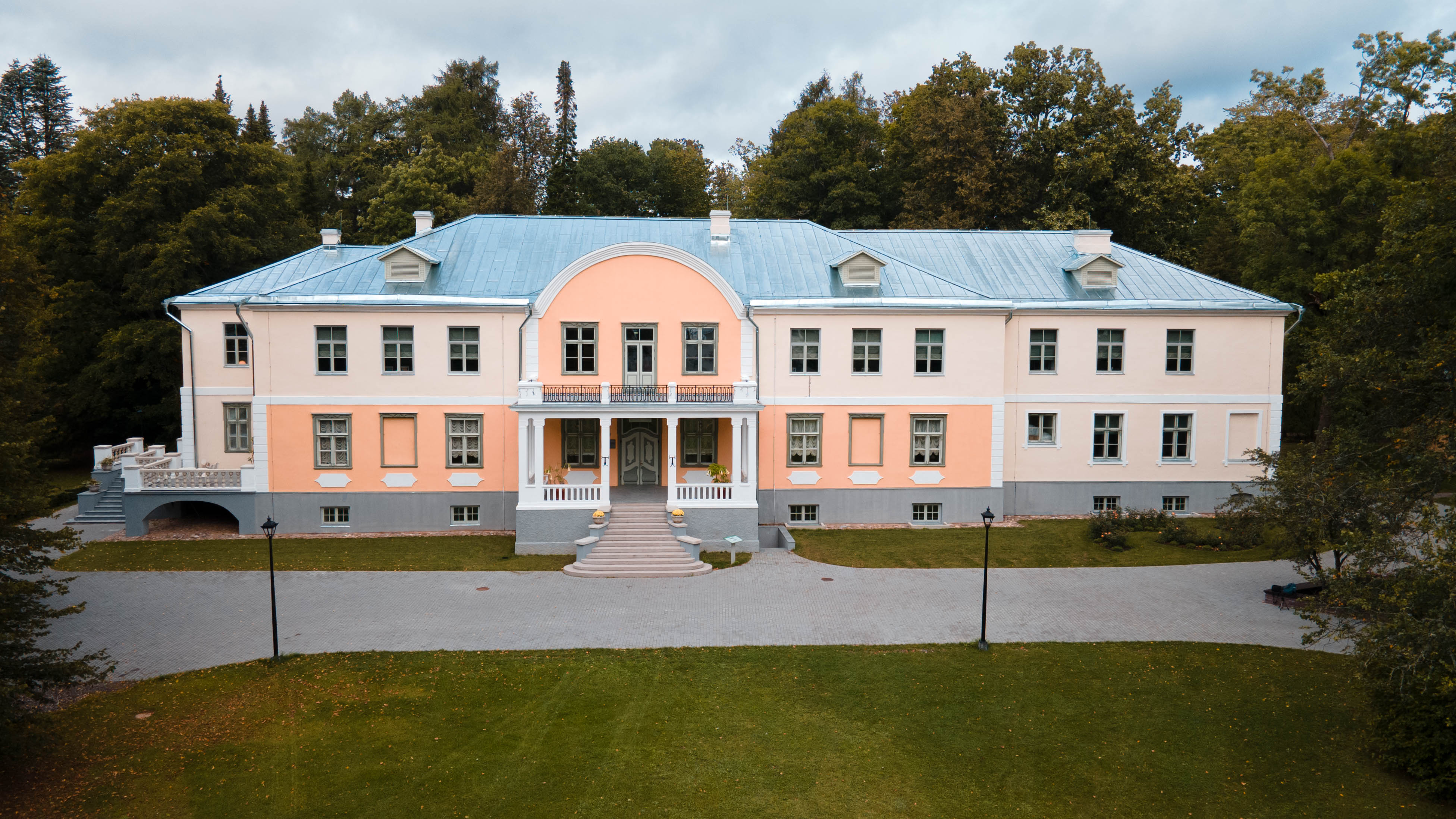
The beautiful Luua Manor is home to the museum rooms of Luua Forestry School, which showcase the history of both the school and the manor. A number of the rooms in the manor have been restored to their original state and opened up to visitors. Here you can admire the timeless beauty of the manor, find out about the history of its park and the surrounding area and take a look at awards and old school documents. There is also a large collection of stuffed birds and animals from the surrounding forests. Did you know...?*Every summer the manor takes part in the 'Forgotten Manors' game

Tartu Town Hall Square

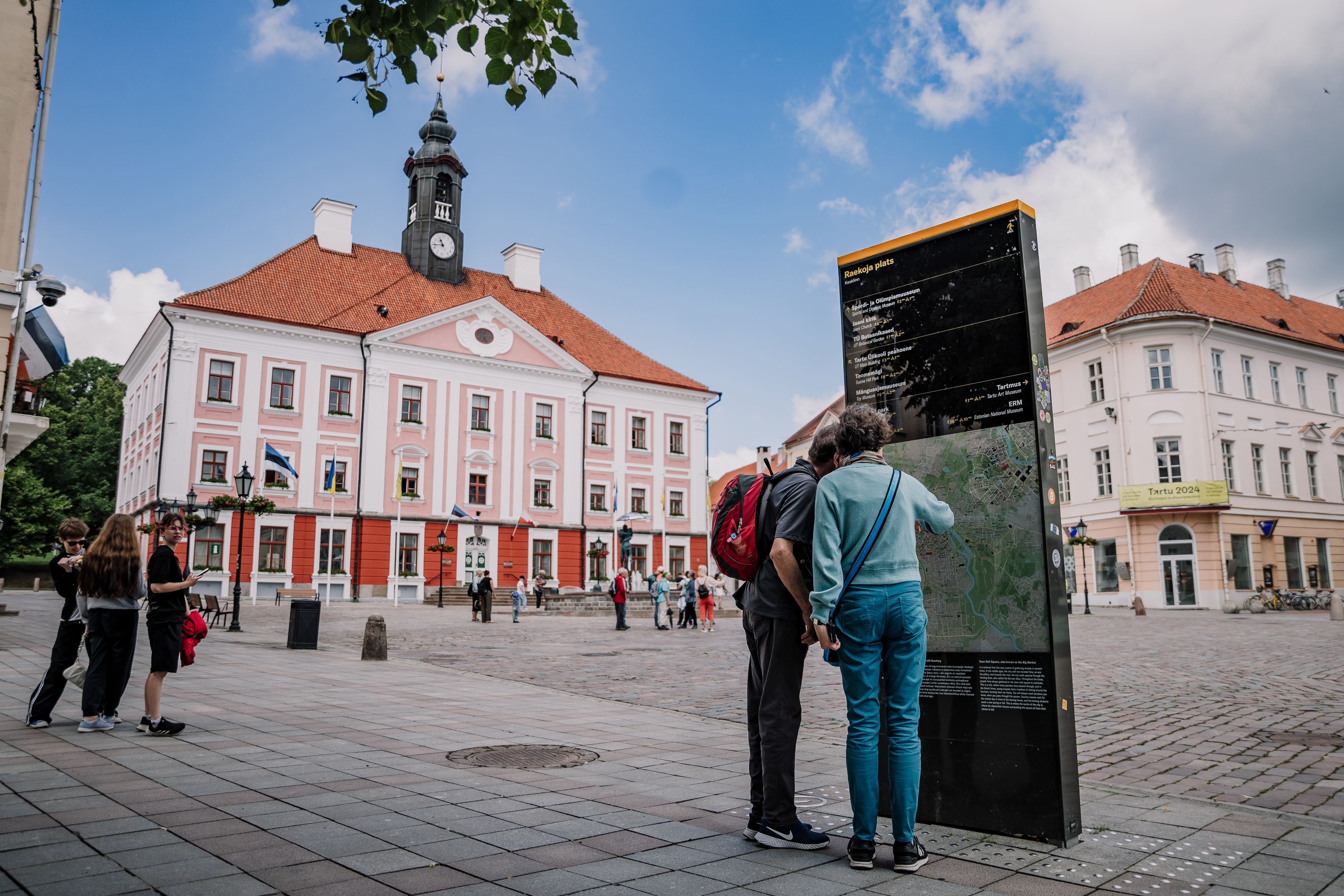
Tartu's Town Hall Square is the heart of the city. It's one of Estonia's most beautiful old town squares and home to history, culture, and modern city life. The square is surrounded by pastel-colored historical buildings, with the 18th-century Town Hall at its center. The focal point of the square's classicist architecture is the Kissing Students Fountain, which has become a symbol of the city and a popular meeting place for locals and visitors. During the summer season, Town Hall Square is filled with café terraces, events, and street music, while in winter it transforms into a magical Christmas City and ice rink. The carillon bells in the Town Hall tower are the oldest and largest in Estonia, delighting listeners with a variety of melodies throughout the year. The famous Leaning House, home to the Tartu Art Museum, is located in Town Hall Square. Just a few steps away, you'll find Toome Hill Park, the ruins of Tartu Cathedral, and several other Old Town attractions. Several guided tours also start from Town Hall Square.

  • Monuments

The steam engine monument

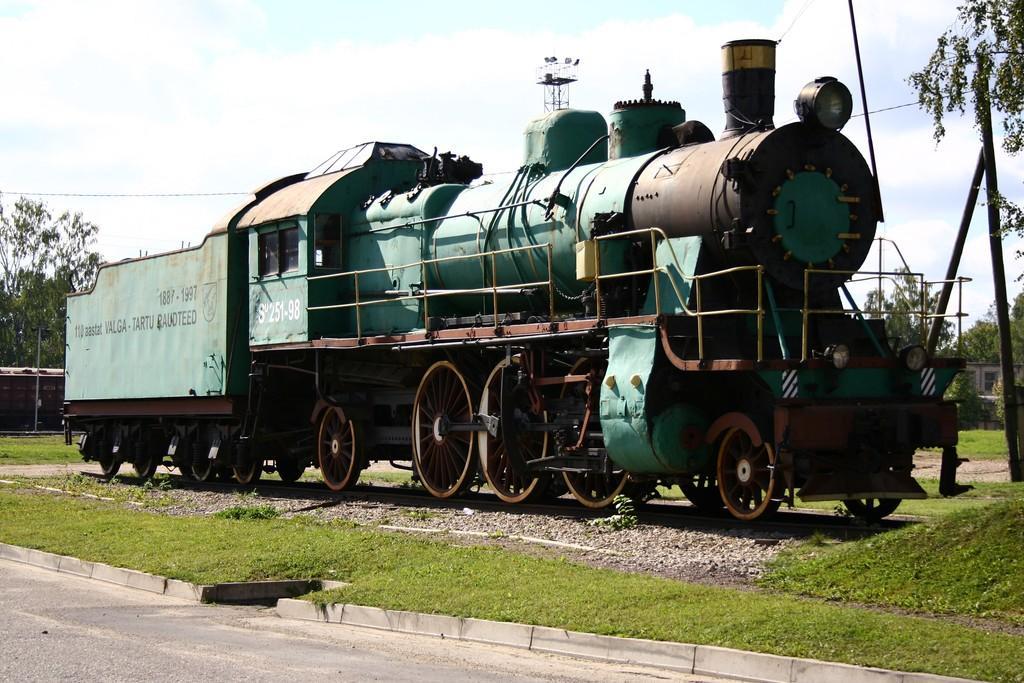
The year 1886 when the plan to build the Pihkva-Riga railway with a branch from Valga to Tartu became a crucial year in the development of the little town.The steam engine monument erected near the Valga railway station in 1998 celebrates the 110th anniversary of the Pihkva-Valga-Riga rail connection. Engine SU 251-98 was built in the Sormovo Shipyard in 1949. Interesting facts: * the engine weighs 87 tons and its output is 12 tons of steam per hour; * Riga-Pihkva railway was officially opened on 22 July 1889 in Pihkva.

  • Sculptures

Monument to Alfred Neuland

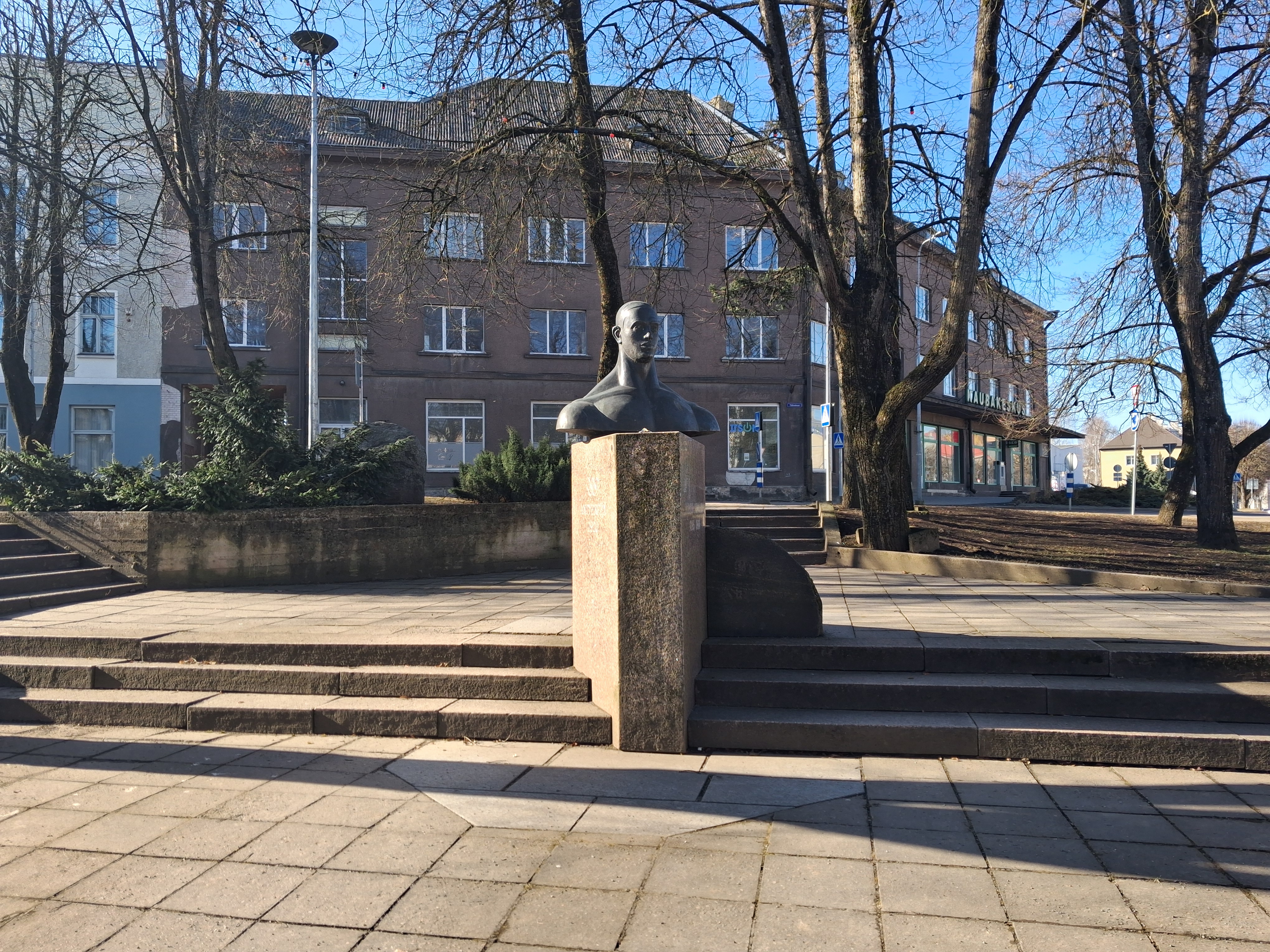
Weightlifter Alfred Neuland (1895-1966) who was born in Valga is the first Estonian Olympic Champion. He returned with a gold medal from the Antwerp Olympic Games in 1920. He was also successful at the Paris Olympic Games where he won the silver medal.Interesting facts: * sculptor Mati Karmin is the author of the bronze bust; * Hermann Lerchenbaum, the first Estonian known to have taken part in Olympic Games as a member of the US Navy's rowing team at the 1896 Olympic Games in Athens, was also born in Valga.

  • Guided tours

Siimusti Clay Industry

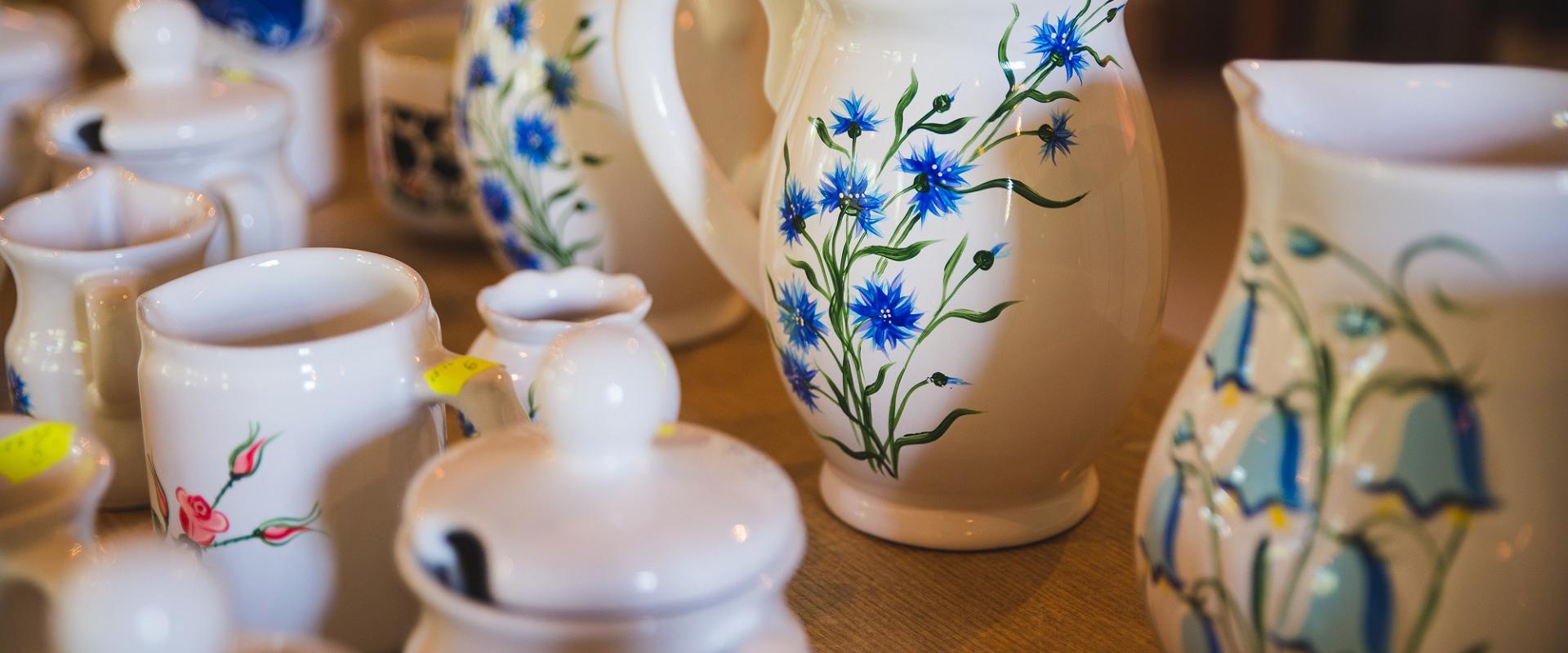
Siimusti Ceramics operates from the clay factory, which was founded in 1886 by Joosep Tiimann, a man born from a family of farmers. The location was suitable due to the clay deposits present here. At first the brick manufactury was created; afterwards they started producing oven pots and dishware.Nowadays you can get acquainted with the manufacturing process of ceramics: The pouring of clay into the mold and the firing and glazing processes. The end product can be bought onsite.

  • Guided tours
  • Workshops

Varnja Samovar House

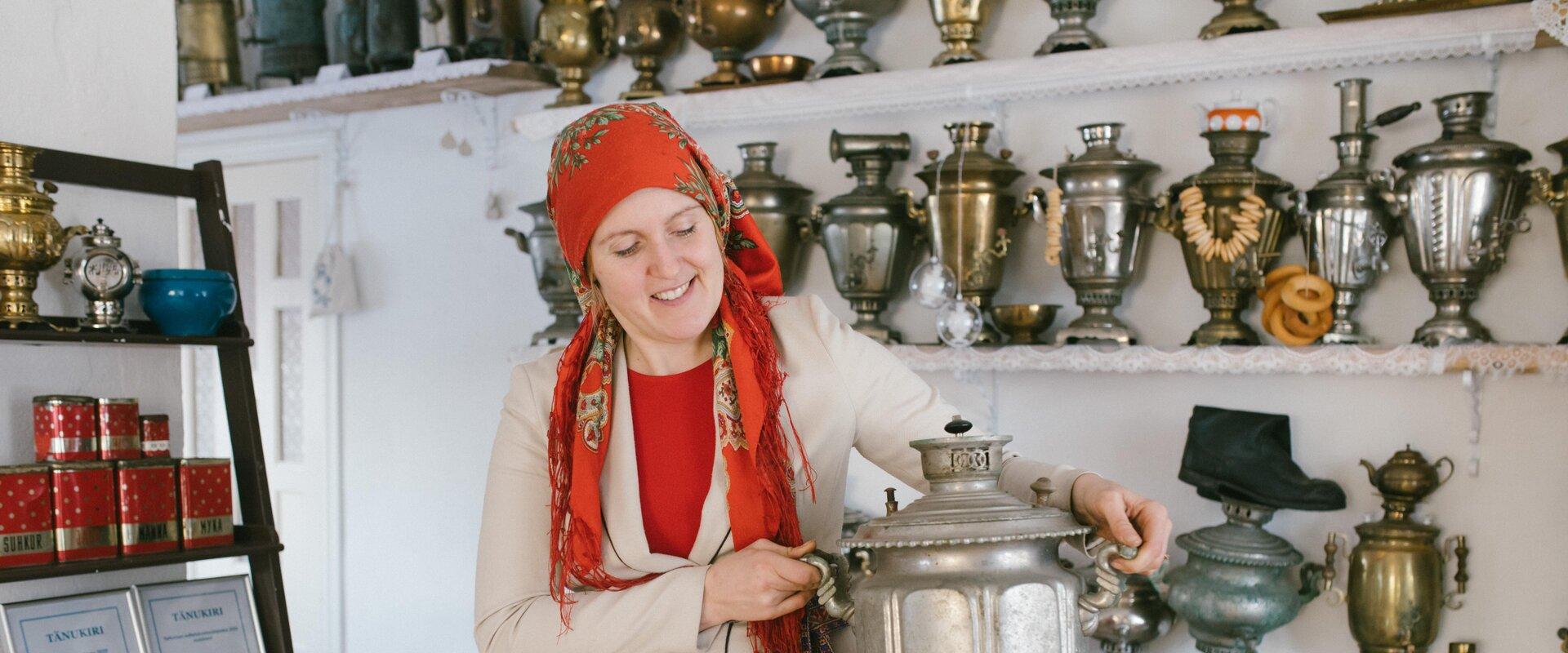
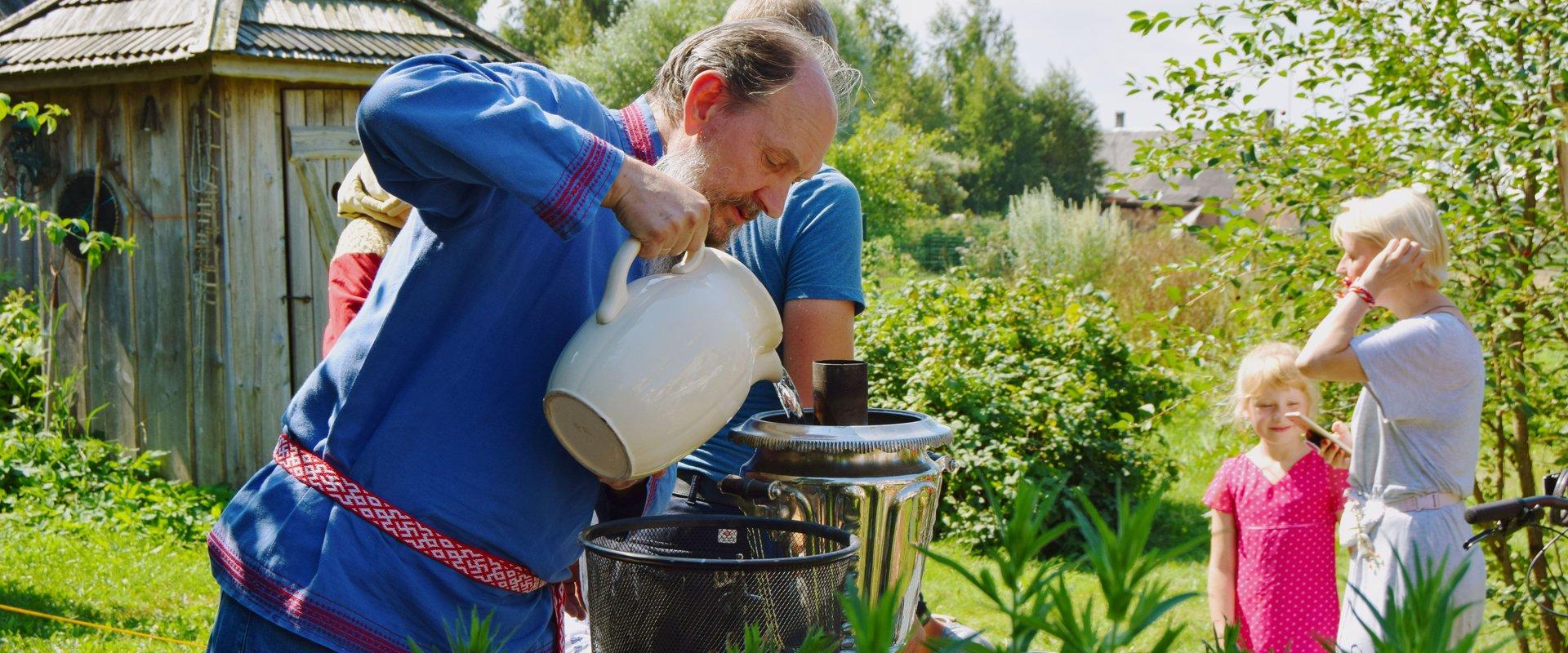
Peipsiveere Samovar House is a small museum in the Old Believers' village of Varnja that introduces visitors to the world of samovars and tea culture along Lake Peipsi. The private collection, accumulated over decades, contains more than 200 diverse samovars. From simple tin samovars to rare ones with elaborate engravings, reflecting the skills and traditions of masters from different eras. The exhibition, located in an authentic Old Believers' house, offers visitors insight into why the samovar was more than just a kettle for centuries. Stories reveal the origins of samovars, manufacturing techniques, usage methods, different design types, and tea-drinking traditions in the communities along the lake. Every guest can taste genuine samovar tea and the famous Ivan chai, and try traditional boiled sugar with the tea, an integral part of Old Believers' tea culture. If desired, one can also explore handmade samovar accessories and hear stories from the hostess of Mesi Tare about preparing, serving, and respectfully preserving tea.

  • Lighthouses

Nina beacon light

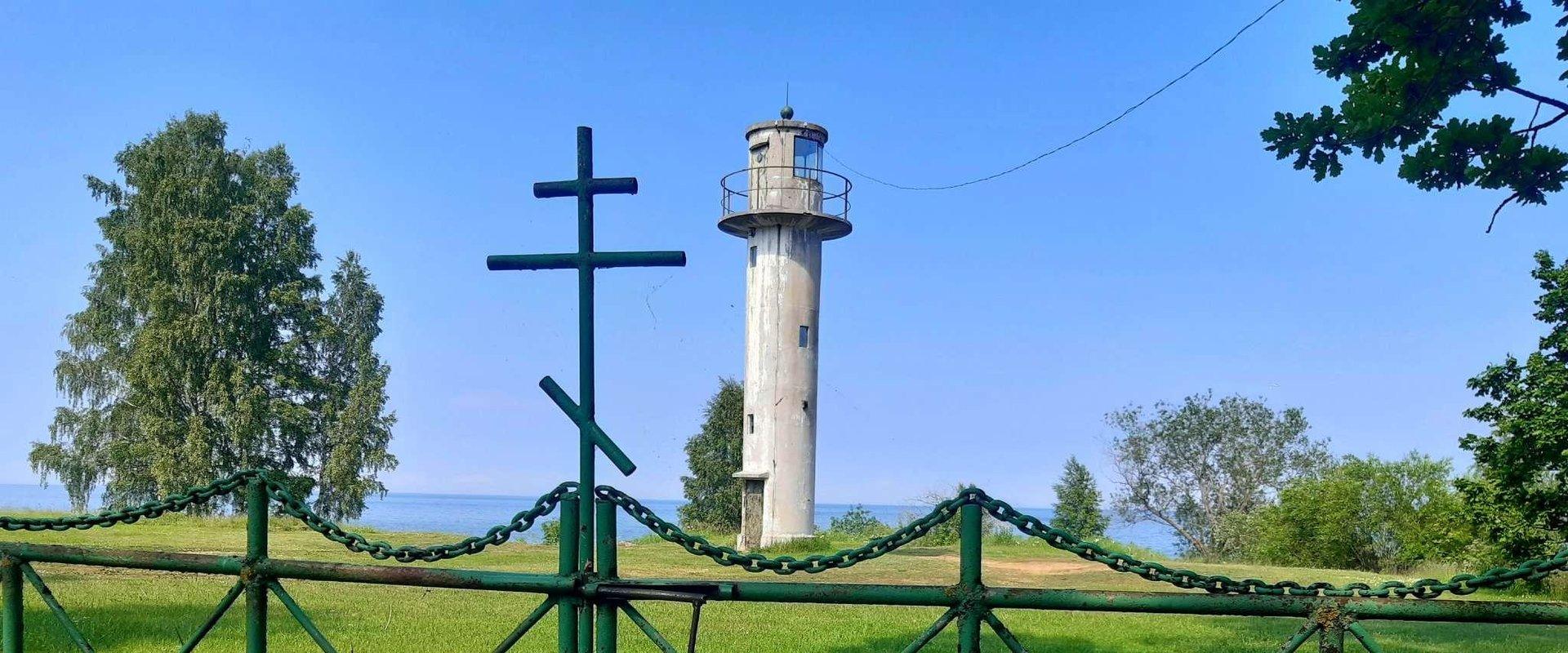
On Lake Peipsi, massive fog can sometimes rise in winter. The shore edge disappears with the fog and when it gets dark, the light beam of the lighthouse does not pass through it. It is said that years ago, locals rang church bells to help the fishermen find their way to the shore.The reinforced concrete beacon was built in 1938. A beacon is a lighthouse with a visibility of less than 10 nautical miles. The height of the beacon is 11 metres and the height of the light is 14 metres.In spring, the famous icebergs of Lake Peipus can be seen here. This is because of the stone bridge created by the hero of the Estonian national epic, Kalevipoeg.

  • Guided tours

The National Piano Museum

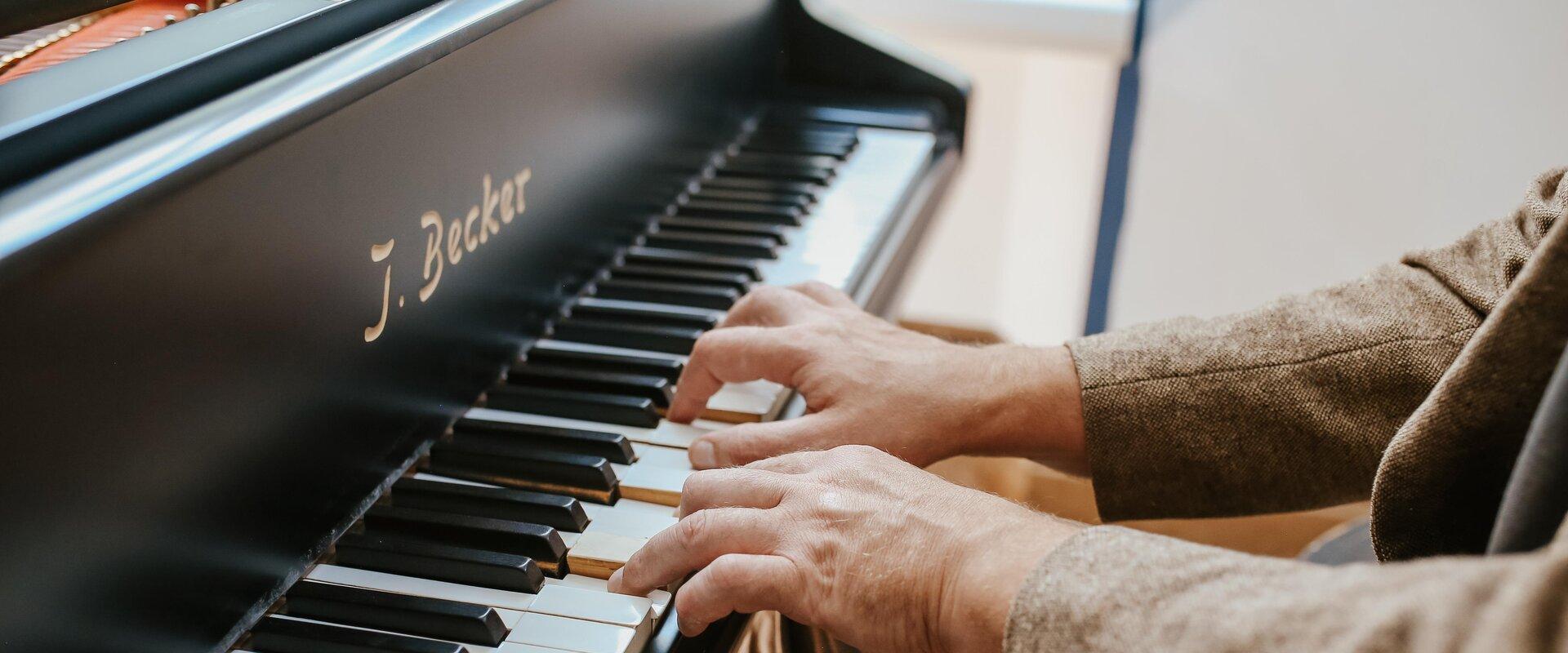
The National Piano Museum is located in a special building - the historic Holdre Manor.The Art Nouveau-style main building, with its Heimat-style influences, was erected around 1910 during the time of Woldemar von Ditmar. Previously, the manor centre had not been built in a representative style. The architect of the building was Otto Wildau, who also designed the nearby Taagepera and Karksi manor buildings. The aim of the National Piano Museum is to collect as complete a collection of Estonian pianos as possible.By prior arrangement, we offer a musical guided tour with Alo Põldmäe, a composer, singer and music educator who is in charge of the Piano Museum.

  • Privacy Policy

"*"обозначает обязательные поля

Это поле используется для проверочных целей, его следует оставить без изменений.
Я разрешаю маркетинг