• Открой
    • Еда
    • Природа
    • Культура
    • Семья
    • Спорт
    • Сообщество
    • Блог
    У Вас появились свободные выходные, чтобы провести с детьми? Здесь собраны лучшие места в Южной Эстонии для семейного отдыха
  • Планируй
    • Размещение
    • Информация
    • Varamu
    Sustainability
RUS
  • РусскийRUS
  • EestiEST
  • EnglishENG
  • LatviešuLAT
  • SuomiFIN
RUS
  • РусскийRUS
  • EestiEST
  • EnglishENG
  • LatviešuLAT
  • SuomiFIN
Populaarsed otsingud:
Näita kõiki tulemusi
  • History & Culture
  • Museums

Luua Manor museum rooms

Jõgeva vald, Jõgeva maakond, 49203

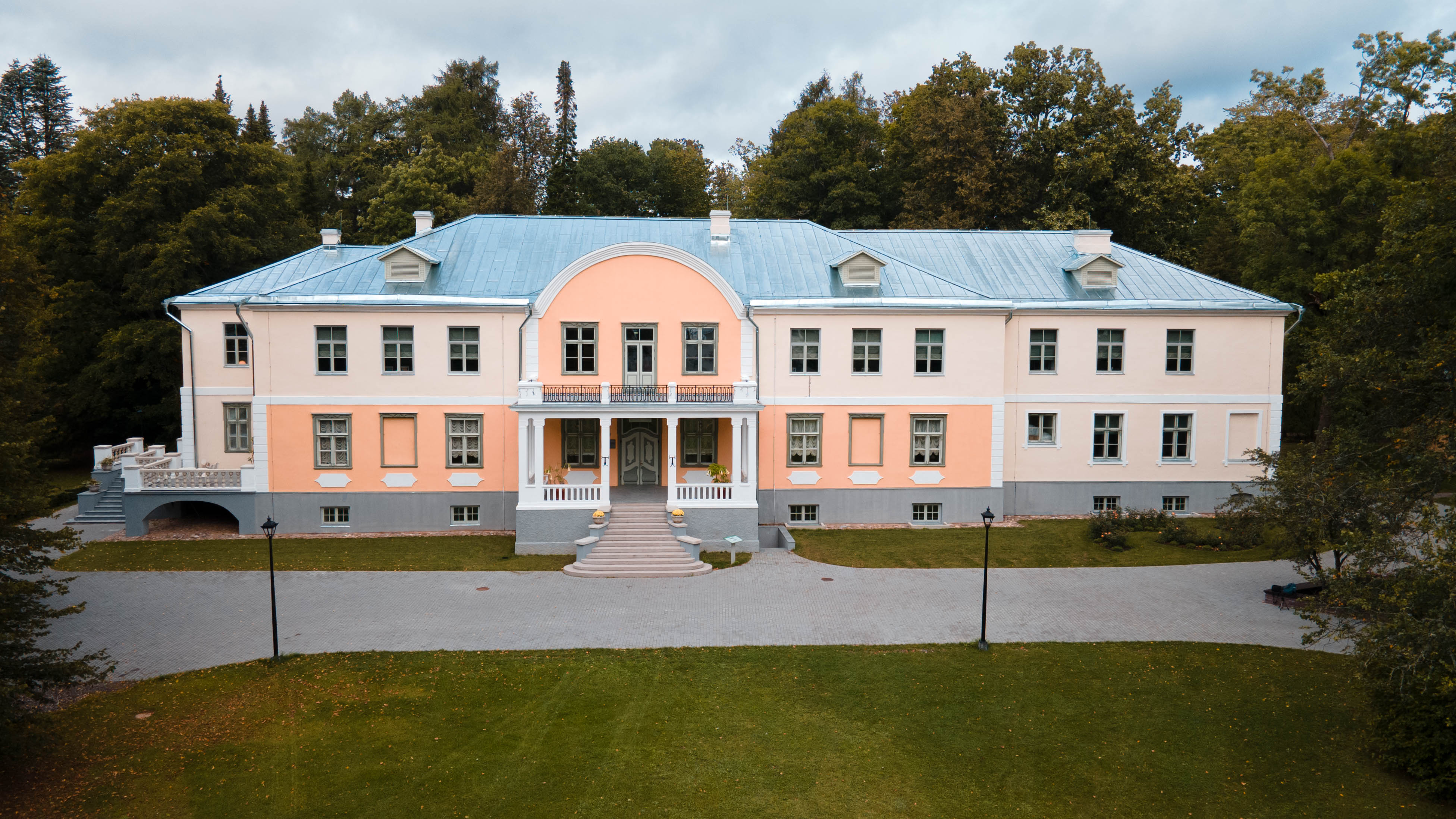
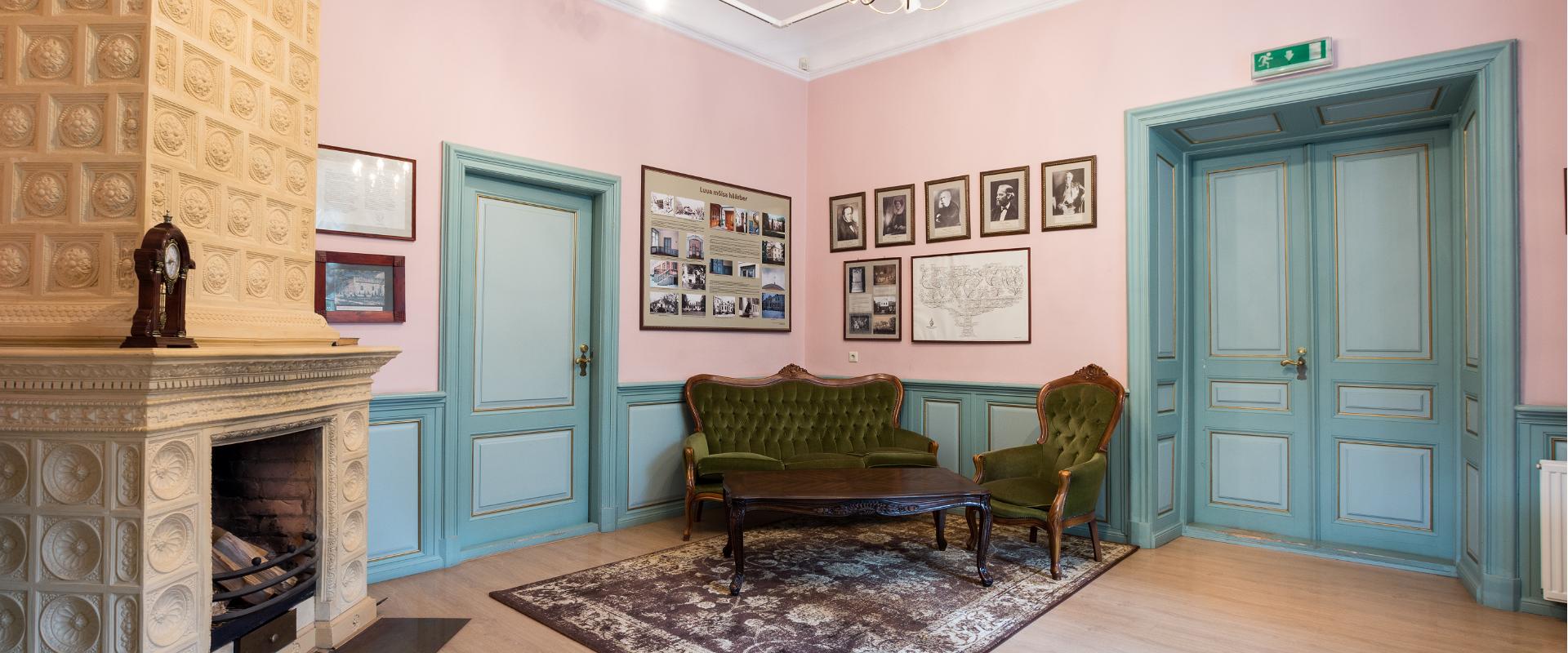
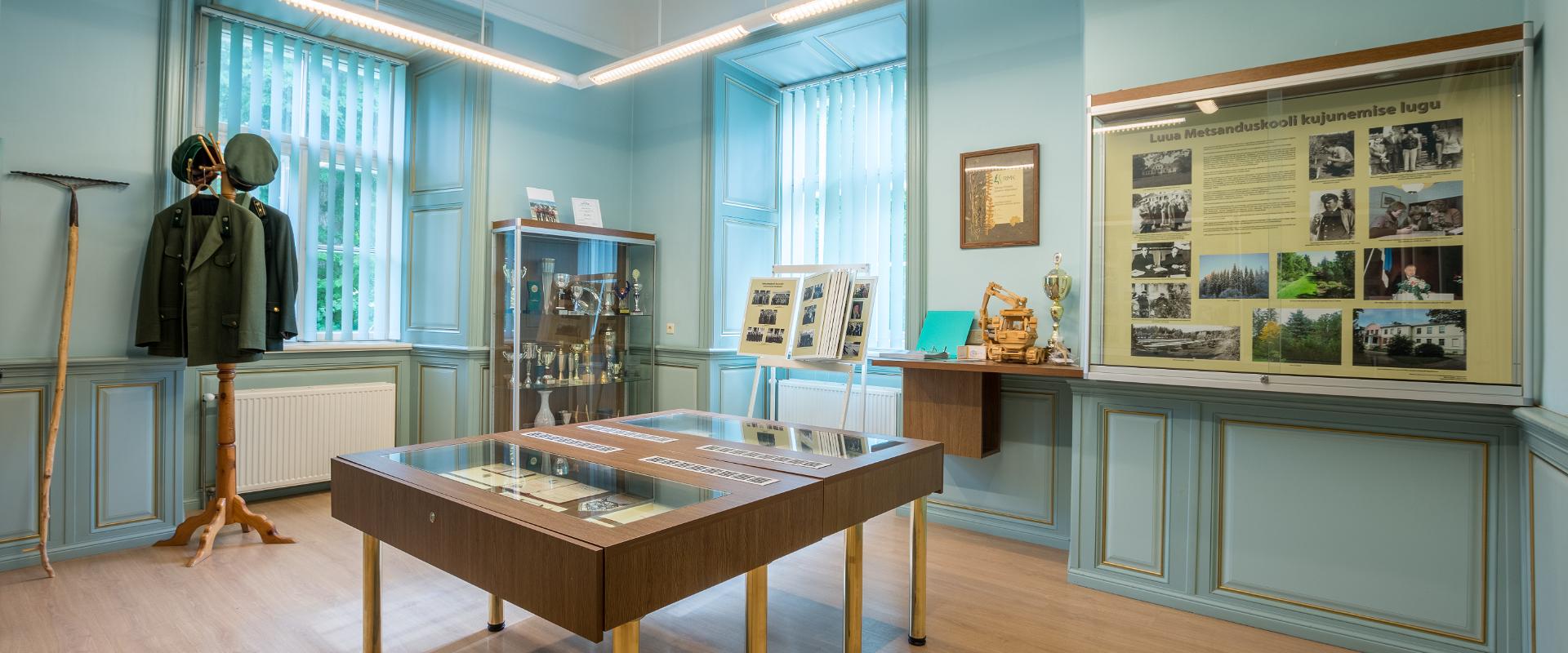
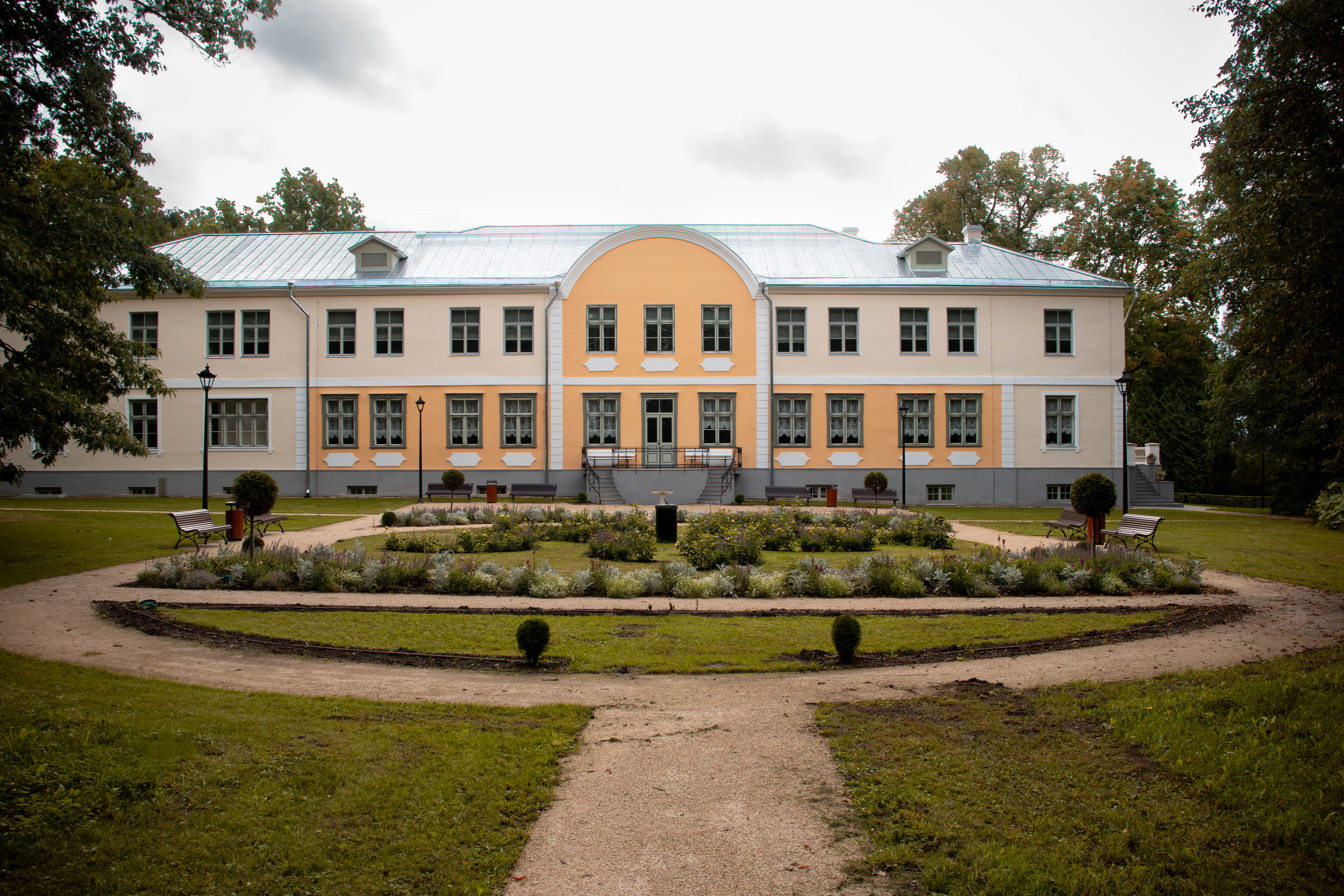
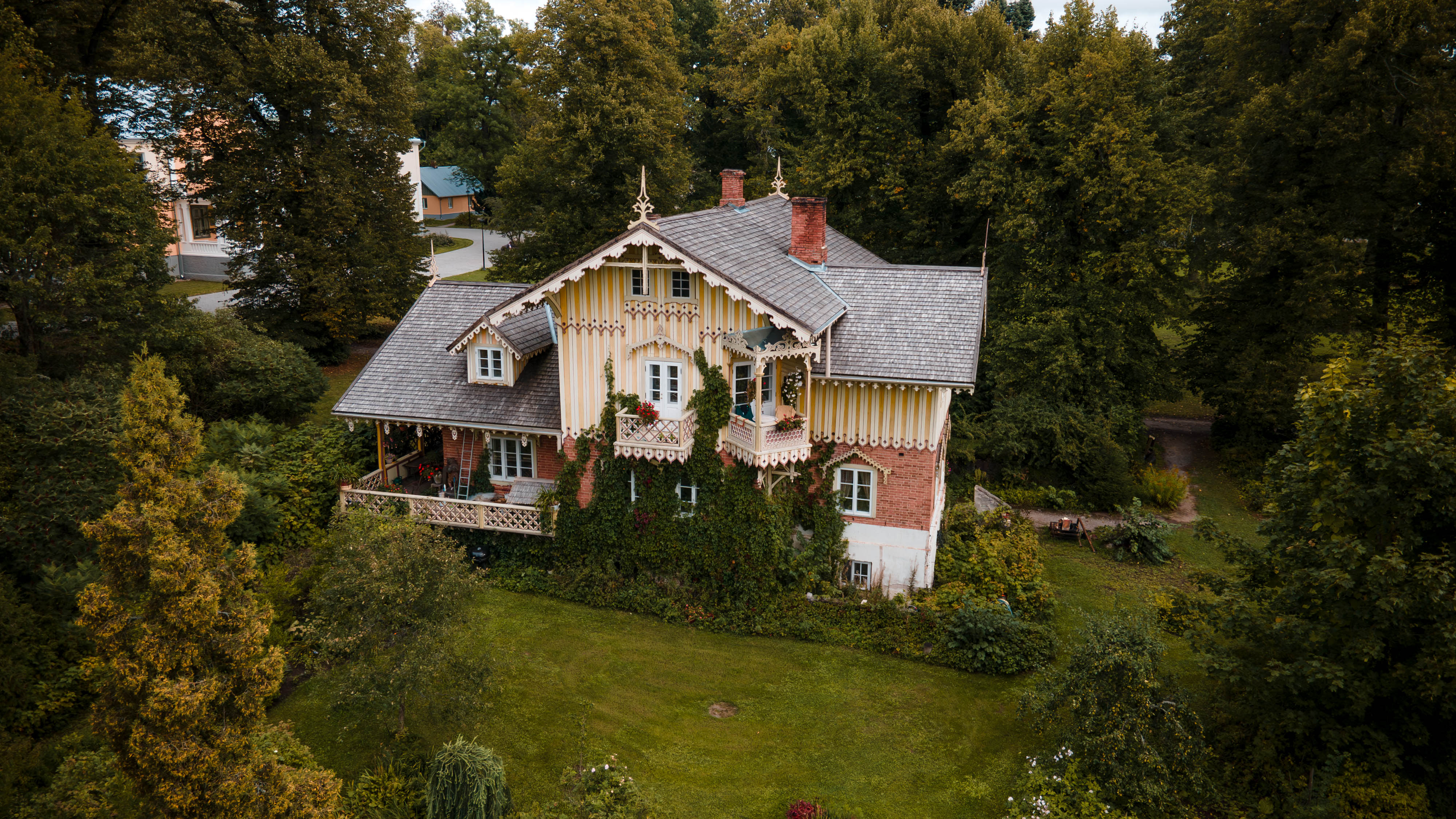
The beautiful Luua Manor is home to the museum rooms of Luua Forestry School, which showcase the history of both the school and the manor.
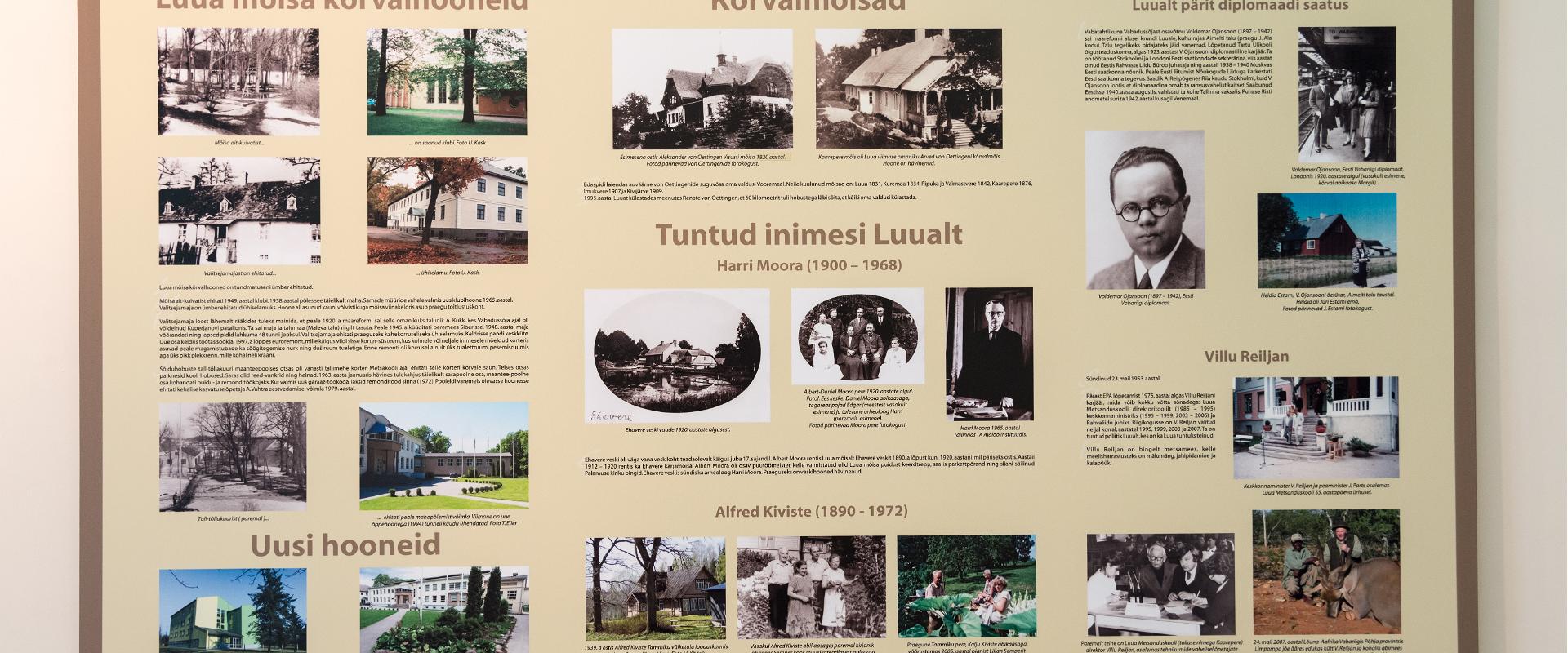
A number of the rooms in the manor have been restored to their original state and opened up to visitors. Here you can admire the timeless beauty of the manor, find out about the history of its park and the surrounding area and take a look at awards and old school documents. There is also a large collection of stuffed birds and animals from the surrounding forests.
Did you know…?*Every summer the manor takes part in the ‘Forgotten Manors’ game 
Mugavused

  • Free parking
  • Seminar room

Часы работы

Круглый год

По предварительному заказу

Контакты

  • +372 776 2111
  • info@luua.ee

Ссылки

luua.ee

Подробнее

Water tower of Raadi Manor

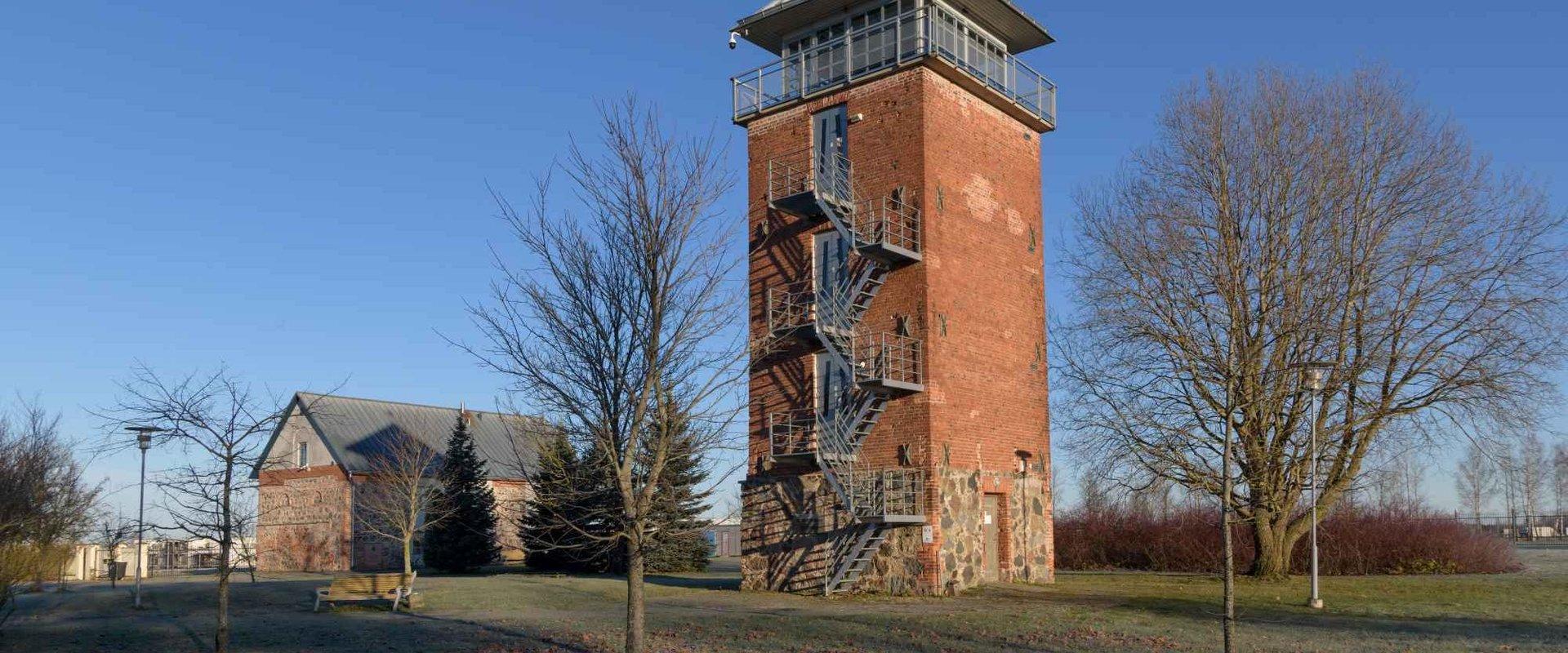
The water tower of Raadi Manor dates back to the 19th century. In ancient times, the tower housed the manor clock, which let the manor workers know it was time for lunch. After World War II, the building was used by the Soviet army and was restored in 2002.Inside the water tower is an exhibition of the Estonian National Museum. Visiting the photo exhibition Raadi Through the Ages, which runs along the floors of the water tower, offers not only historical knowledge but also enchanting views of the cosy Raadi Manor Park.The exhibition is open by reservation and a visit to the water tower can be ordered together with the guided tour of the Estonian National Museum 'Raadi Manor Park Tour'.

  • Monuments

Cornflower – Monument to the Victims of Stalinism

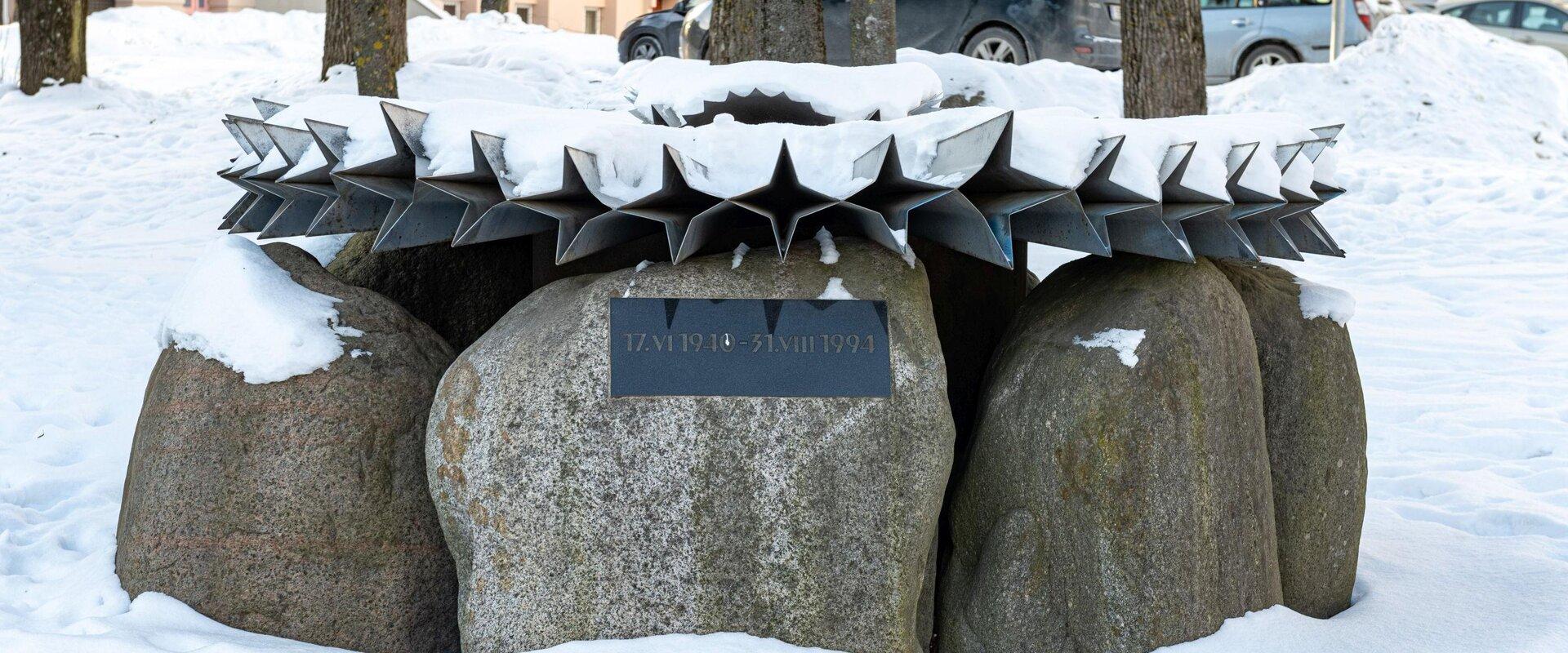
The Cornflower (or Broken Cornflower) memorial to the victims of Stalinism was established in 1990 and its author is P. Saar.On top of the granite boulders is a broken cornflower (Estonian national flower). Black stripes run through the grey stone parquet of the square. They depict the railway tracks that symbolise deportation to Siberia. The waterworks of the monument make it possible for water to drip off the petals of the cornflower, like tears.The monument, which was initially erected on the corner of Riia and Pepleri streets in Tartu by the association of freedom fighters Memento, was reopened in its new spot at Pepleri 27. The monument is located next to the grey building. During the Soviet era, a KGB remand prison was located there, where the deportation of many Estonians to Siberia began.

Acrylic pouring or stencil art portrait workshops

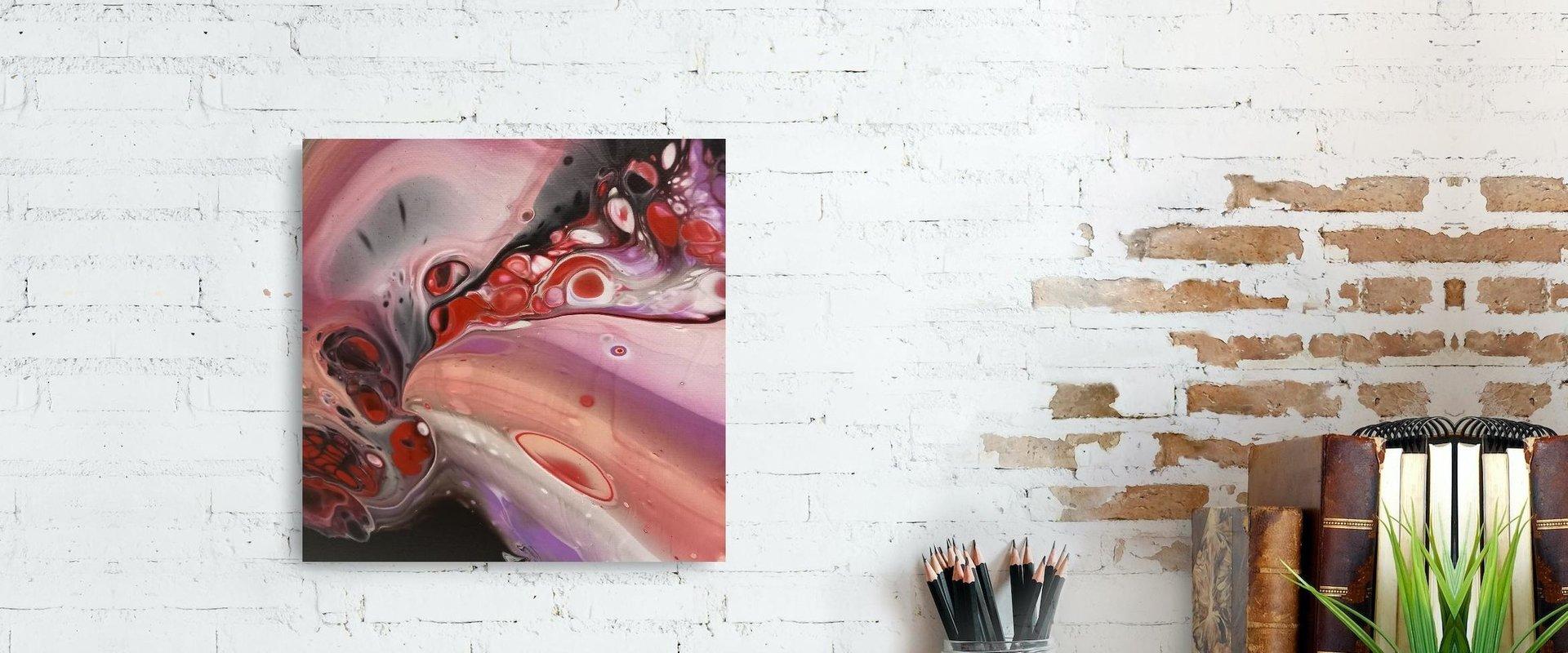
Acrylic pouring or stencil art portrait workshop – the best way to combine art and entertainment!At the Paintbar studio in the Aparaaditehas Creative City, visitors will receive an introduction to art, the opportunity to enjoy each other’s company, and explore the world of UV, spray, and acrylic paints. The visitors will, either alone or with help from us, prepare original paintings that they can take home with them.The Paintbarshop workshops are suitable for everyone (from school age).More information on Paintbarshop’s workshops can be found here.

  • Guided tours

Babelhouse day trip to Setomaa

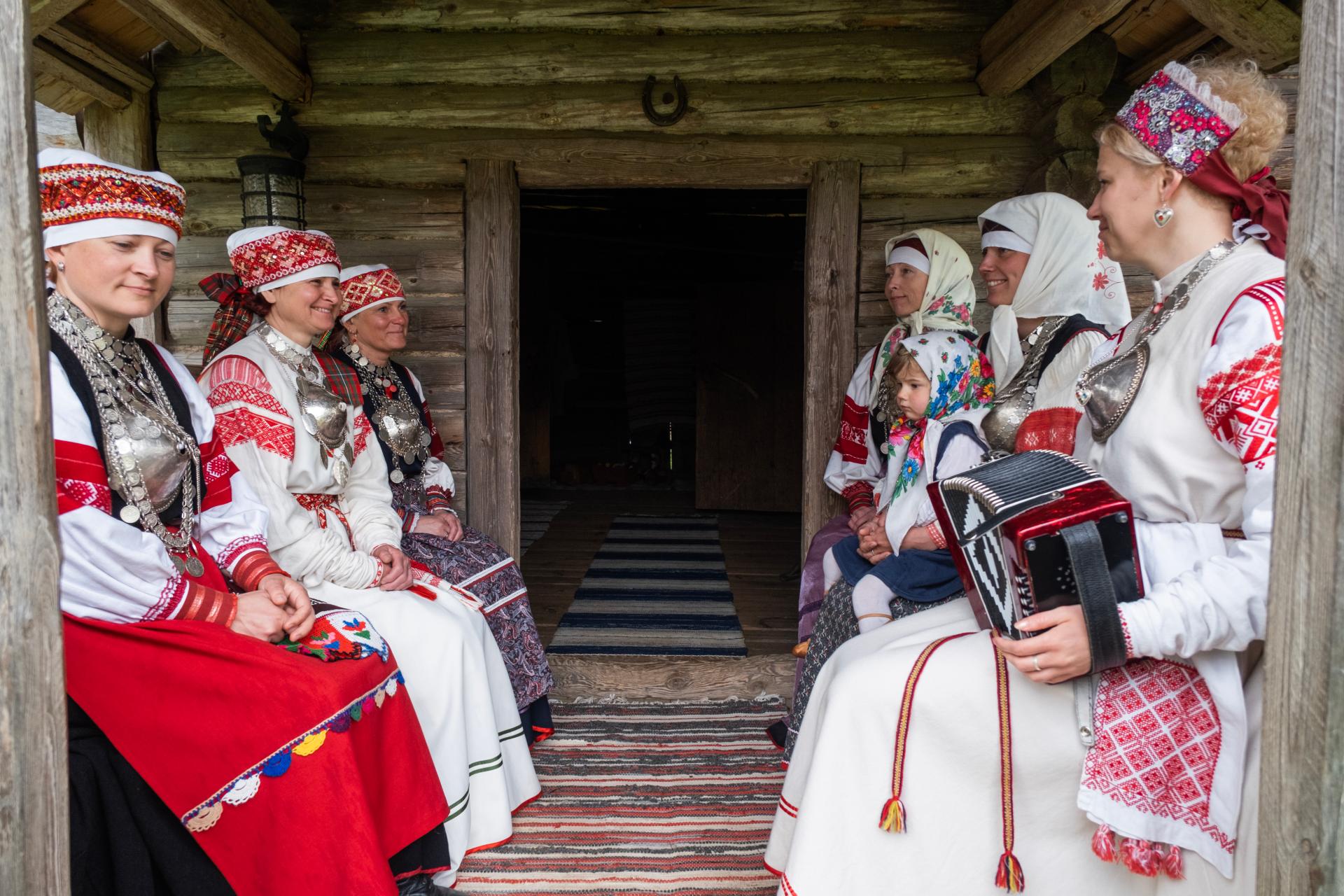
Discover Setomaa's unique culture, traditions, and authentic local foods. On this Babelhouse day trip from Tartu to Setomaa, you will explore different places and learn about life in the region. During the tour, we visit the Värska Farm Museum, where you can get a glimpse of traditional Seto farm culture and experience how life was lived in the past. We try authentic Seto cuisine, where local flavors have deep meaning. If desired, the program can be supplemented with a Seto leelo workshop, dressing in Seto clothes, a cheese-making workshop, or a raft ride on Lake Värska. Babelhouse guided tours are flexible and tailored according to the group's wishes and time limits. During the tour, it is also possible to purchase souvenirs and local handicrafts. The Setomaa tour is perfect for business partners, conference guests, and foreign friends to get to know Estonia in a different yet authentic way. Book the trip and enjoy an unforgettable experience in Setomaa!

  • Ruins

Ruins of Vastseliina Bishop’s Castle

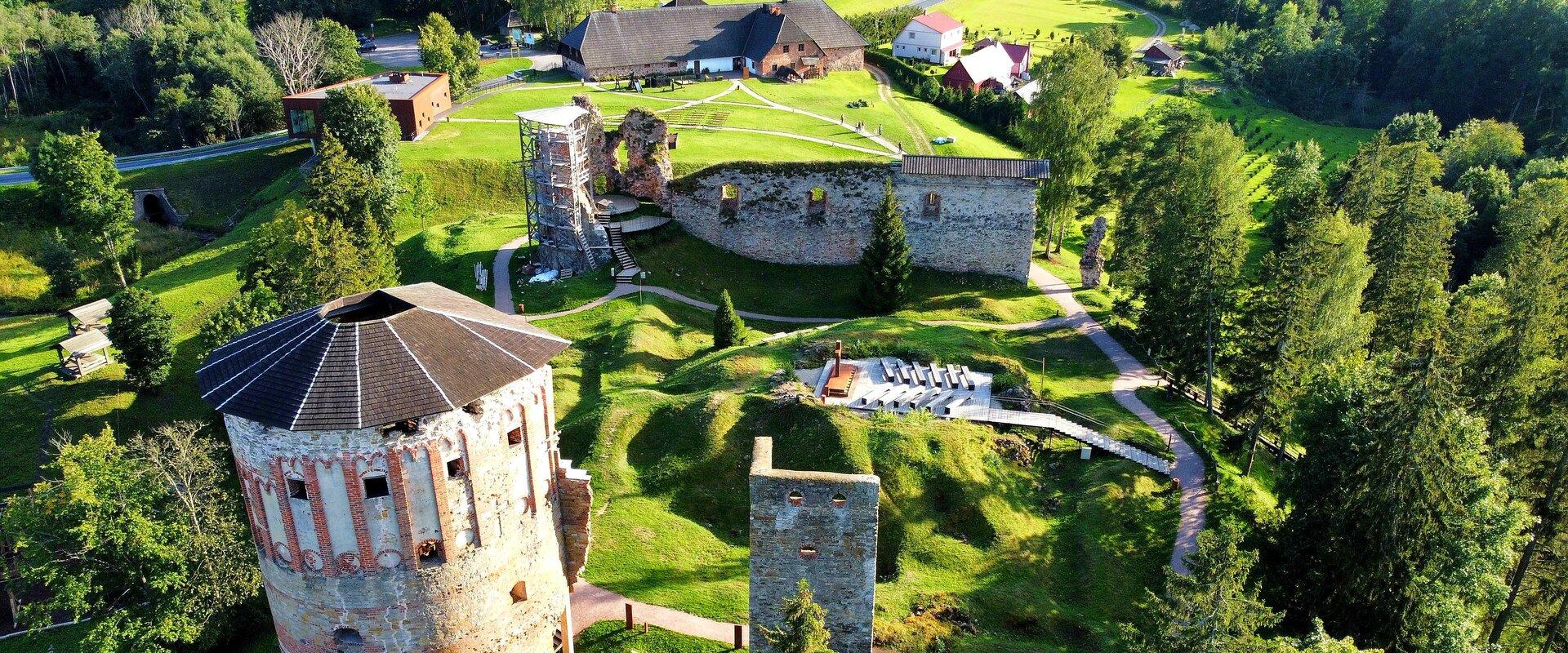
Vastseliina Episcopal Castle is a place worth discovering in South Estonia for its 14th-century castle ruins, interactive activities, and interesting history as a sacred site. In the Middle Ages, the castle was a famous pilgrimage destination: by order of Pope Innocent VI, pilgrims who saw the miraculous cross in the castle chapel received a release from penance activities imposed on them for 1 year and 40 days. During the Northern War, the castle was destroyed by Peter I's troops, and only its ruins remain. The sacred pilgrimage site on the ruins of the former church is marked by a large cross, benches, and a sound installation featuring spiritual music. Nowadays, you can also visit the Vastseliina Episcopal Castle Medieval Experience Center and the Episcopal Castle Pilgrimage House. The castle ruins, sacred site, and experience center can be visited independently or with a guide upon prior arrangement. Additionally, refreshments and medieval feasts for groups are offered at the former Piiri Tavern.

  • Sculptures

Kaarnakivi Stone in Rõuge Park

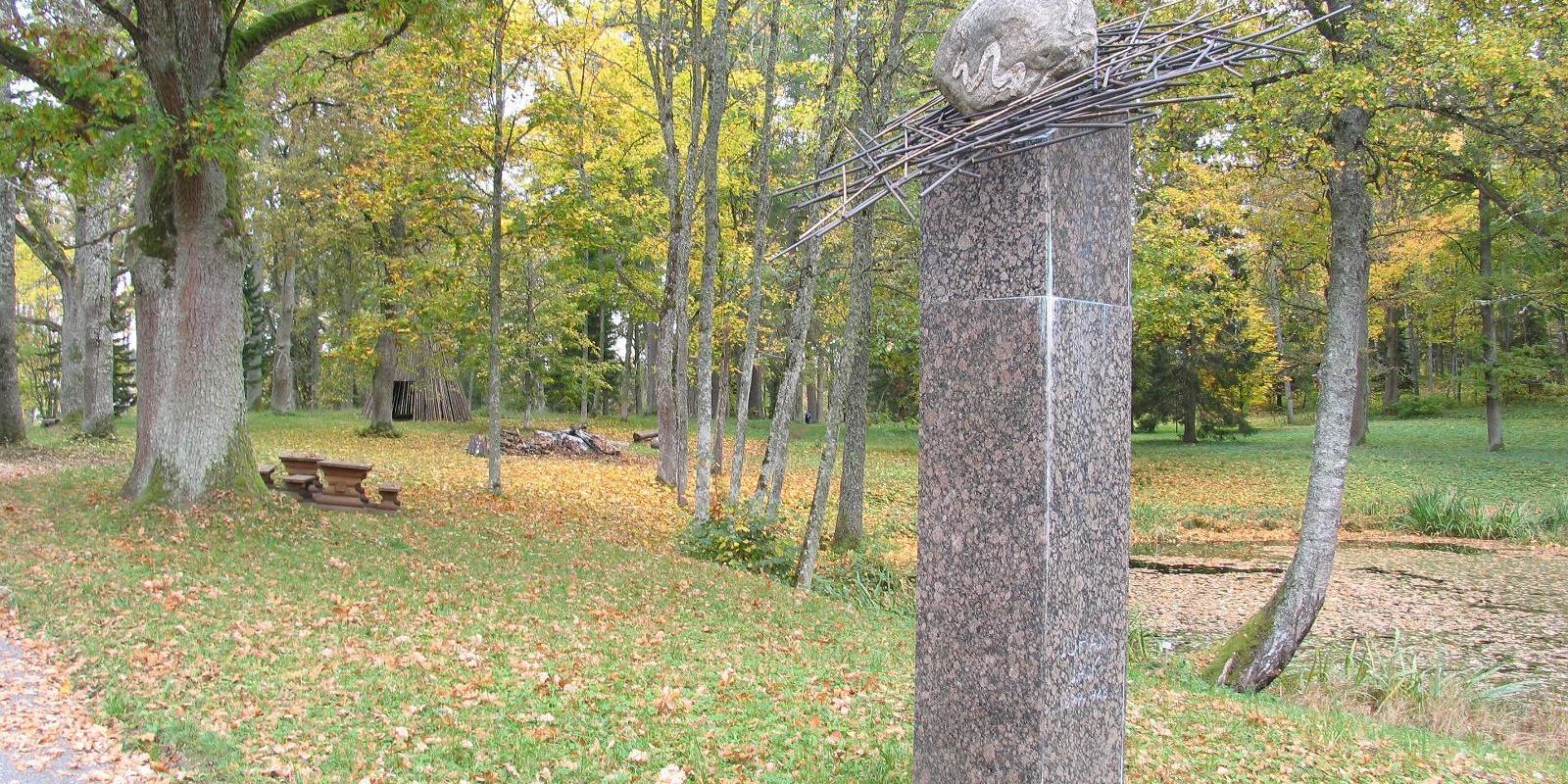
The Kaarnakivi Stone by the sculptor Tiiu Kirsipuu is a memorial to the writer Juhan Jaik erected on the occasion of the 100th anniversary of his birth. Fantasy author Juhan Jaik (1899-1948), born in Sänna in Võru County, wrote captivating and enchanting stories and poems for both adults and children. "Kaarnakivi", a collection of ghost and animal stories, is an Estonian children's literature classic that continues to excite readers today.The "kaarnakivi", as many Estonians already know, is a stone that gives its finder whatever he or she wants, if a person knows how to use it prudently.

  • Churches

St Zachariah’s and St Elizabeth’s Orthodox Church in Räpina

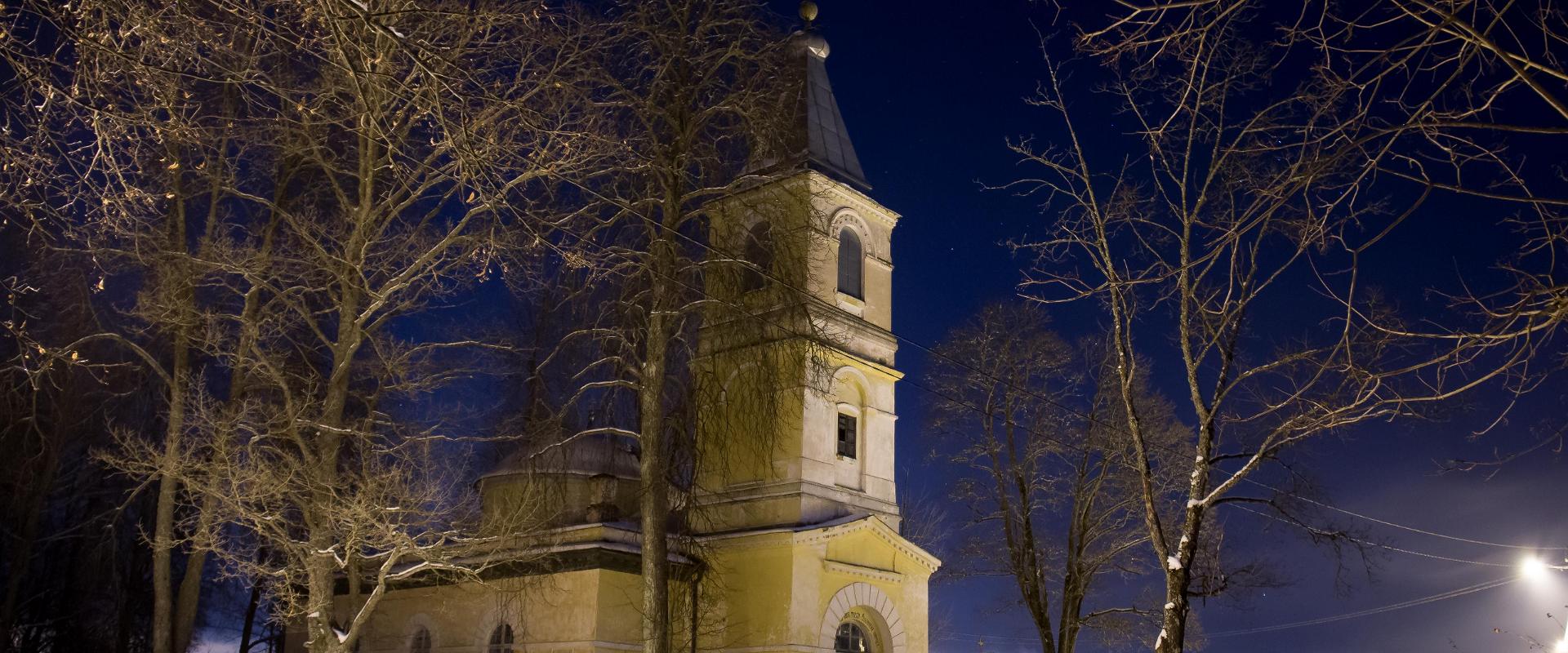
St Zachariah’s and St Elizabeth’s Orthodox Church in Räpina is a neo-Classical oblong building consisting of three parts. In the Western part there is a bell tower and in the Eastern part a crescent-shaped apsis. A cupola with a tambour is in the middle of the building. The exterior of the building is in classical style, incorporating cornices and rustic work. Simple iconostasis of the 19th century catches the eye in the interior.

Memorial stone to the first Estonian Song Festival

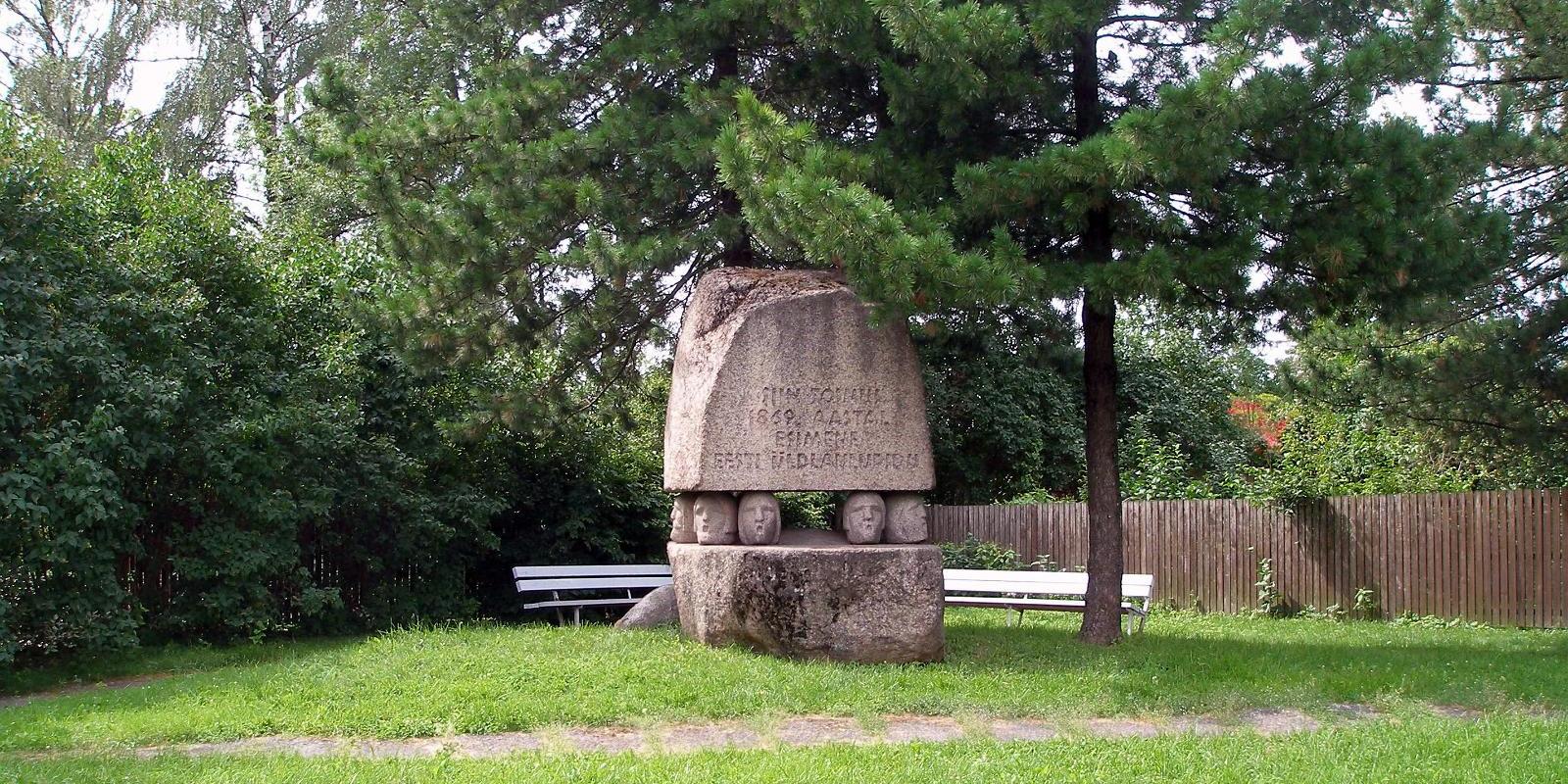
The memorial stone to the first Estonian song festival was unveiled on the 125th anniversary of the festival in 1994. It was designed by Mati Karmin.Between the two millstones (czarist power and hard work and austerity), the heads are like grains that are being ground. They sing despite the pressure (Mati Karmin XL, 2019).The first song festival was held in Tartu from 18–20 June 1869. It was opened in Toomeoru but mainly took place in the gardens of the Ressourc society opposite St Peter’s Church, which enjoyed beautiful views over the town and the Emajõgi River. The festival was attended by 46 choirs, involving almost 800 male singers and four brass bands. Almost 15,000 people attended the festival.

  • Privacy Policy

"*"обозначает обязательные поля

Это поле используется для проверочных целей, его следует оставить без изменений.
Я разрешаю маркетинг