Võro

Võrot

Võrot ovat Viron mäkisen kaakkoiskolkan kansa, joilla on standardivirolaista vanhempi kieli, savusaunaperinne, jonka UNESCO on katsonut listaamisen arvoiseksi, ja suhde aikaan, jonka ymmärtämiseen menee muutama päivä. Tule kiireettömillä mielellä. Aigu om.

Keitä võrot ovat?

Vana-Võromaa käsittää kahdeksan historiallista kirkkopitäjää nykyisissä Võrun ja Põlvan maakunnissa, osittain ulottuen Valgan ja Tarton maakuntiin. Tamulan asutus Tamula-järven rannalla Võrussa juontaa juurensa noin vuoteen 2500 eaa. Tämän Viron kolkan mäet, metsät ja järvet ovat muovanneet kulttuurin, joka eroaa muusta maasta tavoilla, jotka ulottuvat syvemmälle kuin pelkkä murre.

Nykyään võroa puhuu noin 75 000 ihmistä. Viron valtio luokittelee võron viron kielen alueelliseksi muodoksi. Võrot ovat vastustaneet tätä luokittelua vuosikymmeniä. Vuonna 2023 he pitivät ensimmäisen kongressinsa ja julistautuivat virallisesti Viron alkuperäiskansaksi.

Võrot sekoitetaan joskus naapureihinsa setoihin. Molemmat puhuvat eteläisvironkieliä, mutta siihen yhtäläisyydet loppuvat. Eri kansat, eri perinteet, sama Viron kolkka.

Kieli

Võro erosi muusta itämerensuomalaisesta kielikunnasta suunnilleen vuosien 1000–600 eaa. välillä, mikä tekee siitä yhden kielikunnan vanhimmista itsenäisistä haaroista. Sillä on oma kielioppinsa, omat äänteensä ja piirteensä, jotka vironkieli on menettänyt jo vuosisatoja sitten.

Neuvostoaika tukahdutti kieltä aktiivisesti. Võron puhumista kouluissa paheksuttiin ja rangaistiin. Kieli menetti kokonaisen sukupolven puhujia. 1980-luvun lopulla alkanut elvytys etenee hitaasti, mutta aidosti. Uma Leht, kahden viikon välein ilmestyvä võronkielinen sanomalehti, on julkaistu vuodesta 2000. On olemassa võronkielinen Wikipedia. Viron Euroviisu-kappale vuonna 2004, Tii, esitettiin võroksi. UNESCO listaa kielen uhanalaiseksi. Se on myös selvästi yhä puhuttu.

Savusauna

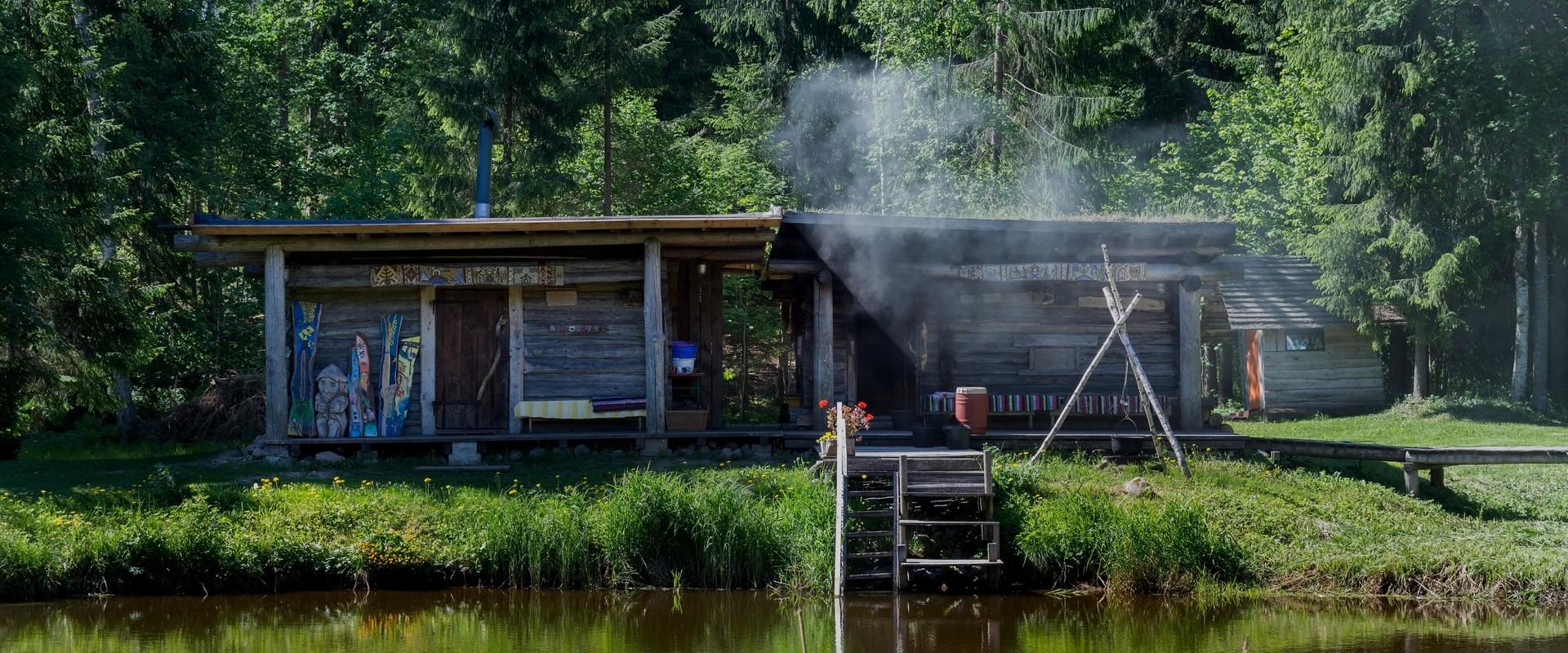
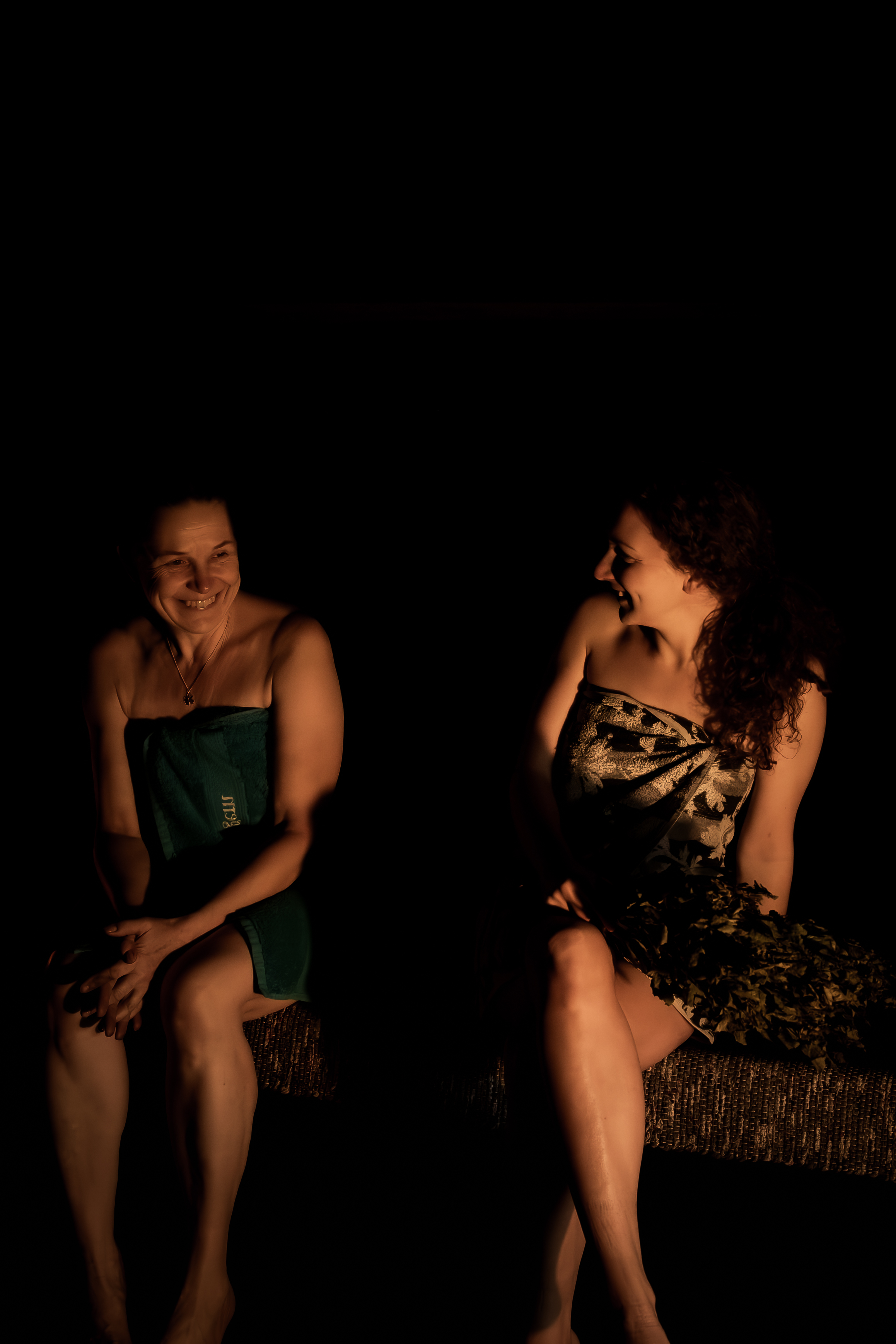
Võromaan savusaunaperinne lisättiin UNESCOn aineettoman kulttuuriperinnön listalle vuonna 2014. Savusaunassa ei ole savupiippua. Puu palaa tunteja kivikasan alla ja täyttää huoneen savulla. Kun tuli sammuu ja savu haihtuu, sisään astutaan. Jäljelle jää pehmeä, tasainen lämpö ja ilma, joka tuoksuu koivulle ja puunsavulle vielä kauan poistumisen jälkeen.

Võromaalla savusauna ei ole kylpyläkokemus tai viikonloppuhupaisu. Täällä lapset syntyivät, sairaita hoidettiin, liha savustettiin ja vainajat valmisteltiin. Se oli maatilan tärkein rakennus. Mooska-tila Haanjassa on pitänyt tätä perinnettä elävänä vierailijoille, sitä pitää yllä Eda Veeroja, yksi Viron arvostetuimmista saunanvartijoista.

Lue lisää

„Aigu om“

Võroilla on ilmaisu, joka kiteyttää jotain olennaista täällä elämistä: aigu om. Se tarkoittaa ”aikaa on“. Se ei tarkoita ajan antamista kulua ohi. Se tarkoittaa läsnä olemista siinä. Aika kulkee Võromaalla eri tavalla. Mäet ovat lempeitä, metsät vanhoja, tahti tarkoituksellisen kiireetön. Kun on viettänyt täällä päivän, alkaa ymmärtää, mitä ilmaisu todella tarkoittaa.

Võromaan ruokakulttuuri on aina rakentunut sen ympärille, mitä maa antaa. Täällä metsät tuottavat kanttarelleja, herkkusieniä, puolukoita, mustikoita ja hilloja.

Alueen tunnusomaiset ruoat ovat erityisiä ja tuntemisen arvoisia. Savusaunakinkku on tunnusomaisin, valmistettu savustamalla porsaanlihaa puulla lämmitetyssä saunassa teollisen savustamon sijaan. Lopputulos on maku, jota ei voi jäljitellä muualla. Ohraleipä, tiivis ja tumma, on paistettu täällä puulla lämmitetyissä uuneissa vuosisatoja. Kama, paahdetuista viljoista ja herneistä tehty jauho, sekoitettuna hapanmaitoon, on peräisin tästä Etelä-Viron osasta. Käynnytetty koivunmahla, korjattu keväisin, kun mahla nousee, on yksi alueen epätavallisemmista juomista ja sen arvoinen kokeiluun oikeaan aikaan.

Alueellinen ruokamerkki Uma Mekk, võroksi Oma Maku, tunnistaa tuotteet, jotka on valmistettu vähintään 50-prosenttisesti Vana-Võromaan paikallisista aineksista. Joka lokakuu ravintolat kautta alueen tarjoavat erityisen Uma Mekk -menun, jonka ruokalajit on kirjoitettu võroksi. Lindoran markkinat, jotka järjestetään syksyisin Võromaan ja Setomaan rajalla, ovat yksi Viron vanhimmista yhä järjestettävistä markkinoista.

Maisema

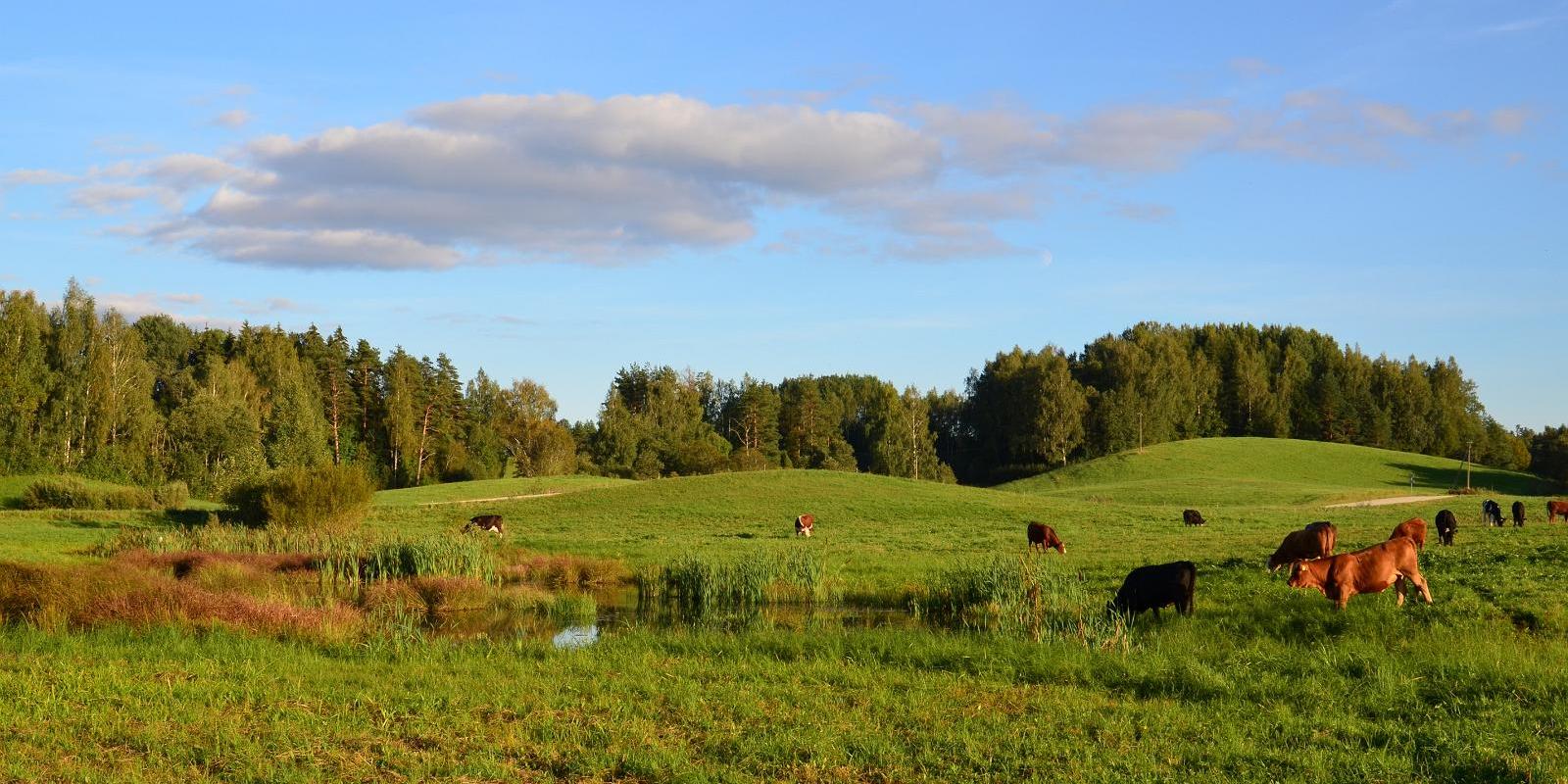
Võromaa on Viron mäkisin kolkka, mikä pääosin tasaisessa maassa tarkoittaa jotain erityistä. Haanjan ylänkö kohoaa Suureen Munamäkeen 318 metriin – Baltian maiden korkeimpaan kohtaan. Huipulla oleva näköalatorni tarjoaa kirkkaana päivänä näkymät kolmen maan yli. Näitä mäkiä peittävät metsät ovat vanhoja ja tiheitä, ja niiden hiljaisuus saa ihmiset itsestään puhumaan hiljemmalla äänellä.

Täällä järvet ovat turpeen tummentamia – samat tanniinit, joita löytyy teestä ja punaviinistä – värjäten veden meripihkanväriseksi. Ne ovat puhtaita ja kesällä tarpeeksi lämpimiä uintiin myöhäiseen iltaan asti. Rõuge sijaitsee yhdessä Viron vaikuttavimmista maisemista, syvässä jäätiköiden muovaamassa laaksossa, jota ympäröi viisi järveä ja mäet, jotka nappaavat valon eri tavalla joka vuodenaikana. Satakielilaakso on saanut nimensä linnuista, jotka täyttävät sen toukokuussa, ennen kuin lehdet puhkeavat täyteen loistoon.

Karulan kansallispuisto, Viron pienin kansallispuisto, suojelee maisemaa pieninä mäkinä, järvinä ja vanhoina maatiloina alueen länsikolkassa. Rauhallinen, kiireetön ja helposti lähes kokonaan omassa rauhassa koettava.

  • UNESCO
  • Savusaunat

Sauna session in a traditional Old Võromaa smoke sauna at Mooska

The Smoke sauna traditions of Old Võromaa have found their honoured spot on the list of UNESCO intangible cultural heritage of the world. At Mooska Farm, you can try a piece of this ancient Estonian heritage for yourself. A traditional sauna session lasts at least three (3) hours and the smoke sauna of Mooska Farm can comfortably accommodate eight people. The rich aroma of burning wood is complemented by a whispered note of meat smoked in the sauna, birch boughs, and sauna honey. Since it's located next to a pond, during the winter, you can quickly dip yourself in the nearby icy waters.In addition, the hosts provide guests with thorough explanations about the history, rituals and customs of the smoke sauna, ensuring that every visitor can experience authentic Vana-Võromaa heritage. The peaceful surroundings and unhurried pace allow you to fully disconnect and experience the sauna as a healing and unifying ritual. Good to know: The price includes guidance throughout the sauna visit, a sauna towel, birch whisks, sauna honey and herbal tea. Both body and soul will feel refreshed!

  • Opastetut kierrokset

Babelhouse guided day trip in the Võru and Võromaa region

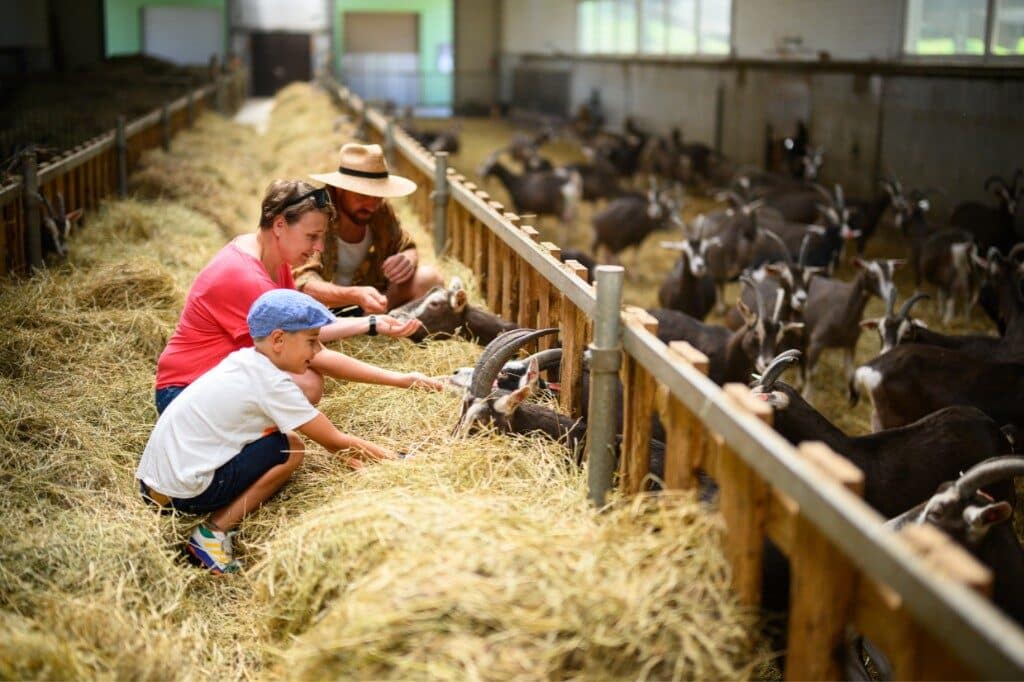
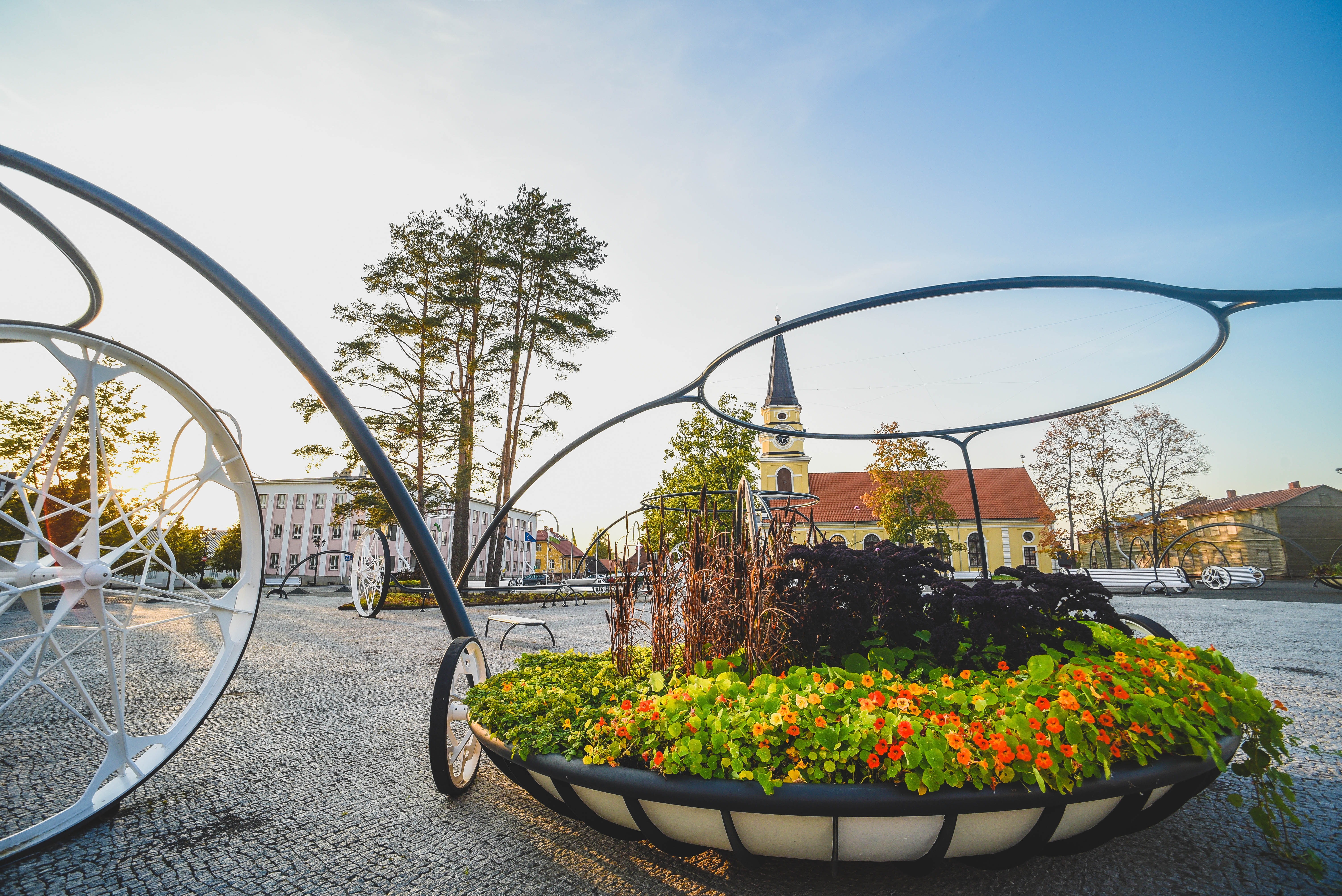
During this Babelhouse tour, you will discover the beautiful Võrumaa region in South Estonia and the city of Võru. As part of the tour, we will visit Võru's central square, explore historical churches and other architectural monuments, and enjoy the city's popular cafés and eateries. We will try local delicacies at the Võru market, where you can also purchase handmade souvenirs. During the Babelhouse tour, we will explore Tamula Lake's promenade and visit the Kreutzwald Museum. Afterwards, the guide will take you to places in Võromaa such as Hinni Canyon, the Pähni Forest megaphones, and Metsavenna farm and dairy. Transport from Tartu and back is included in the tour price. Babelhouse guided tours are flexible and tailored according to the group's preferences and time constraints. Võru and Võromaa are perfect for culture enthusiasts, foreign visitors, pre- and post-conference programs, and groups of friends who want to enjoy South Estonia together. Book a trip and spend a wonderful day in Võru and Võromaa!

  • Näköalapaikkat

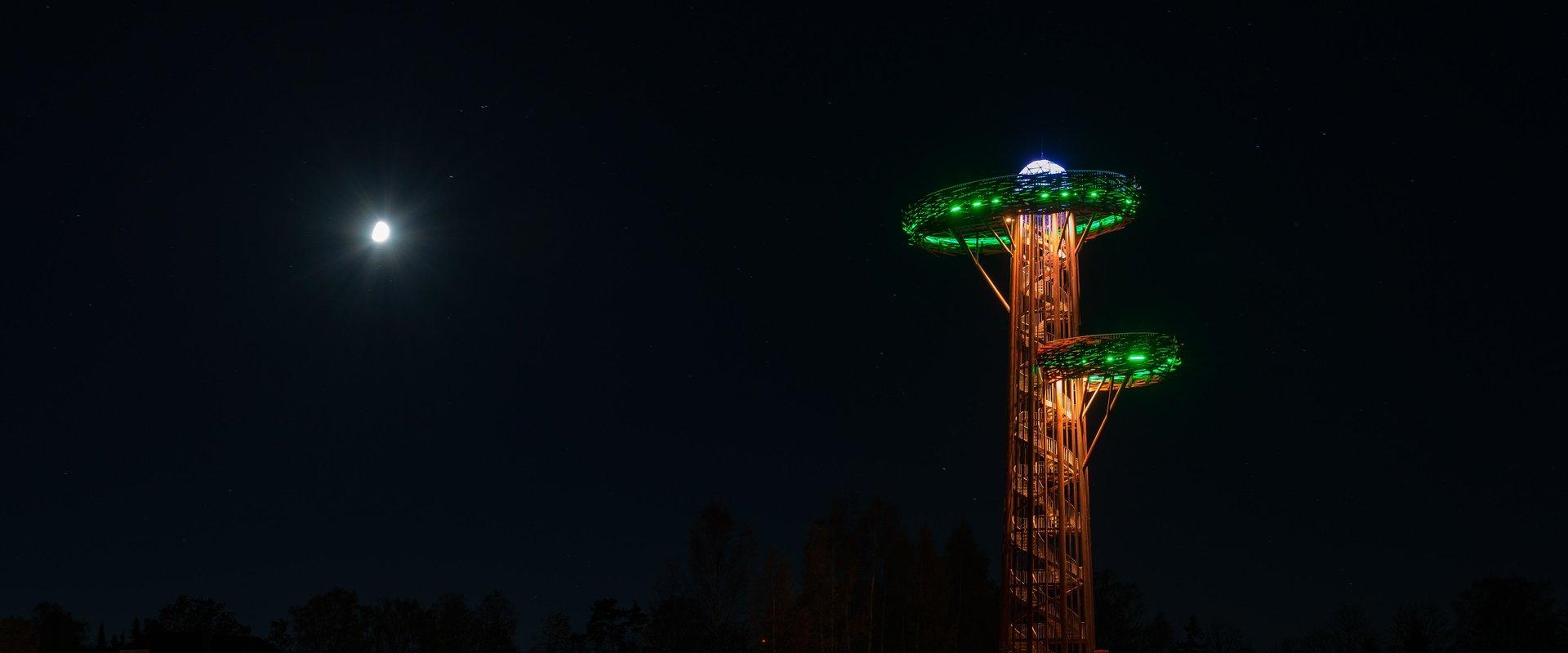
Rõuge watchtower ”Pesapuu”

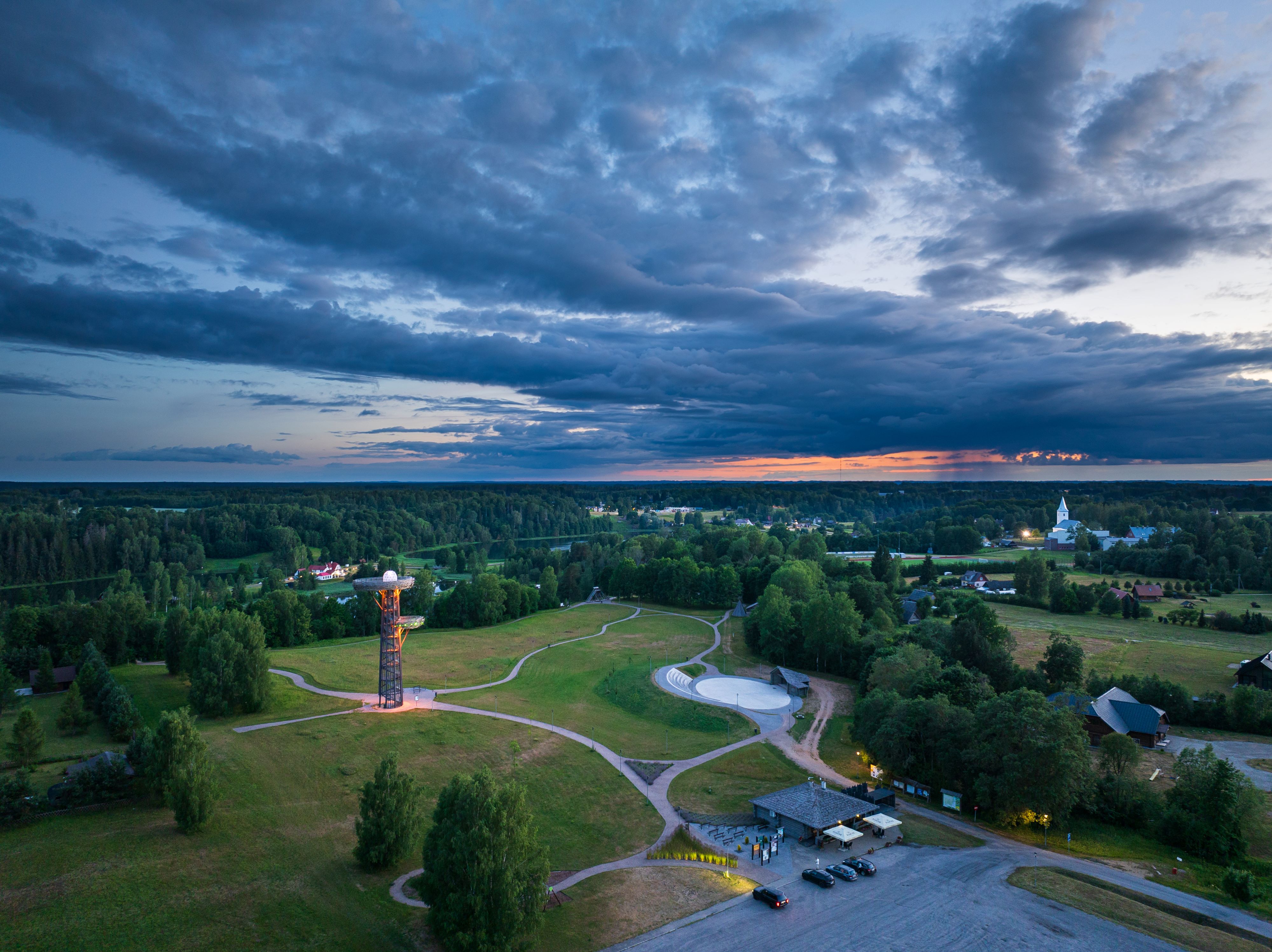
The Pesapuu watchtower is 30 meters high (the top observation platform is 27 meters from the ground) and it resembles a tree with two bird nests. The architect Karmo Tõra was the original author of the idea.The watchtower is eye-catching during both the day and the night. In the evening, lights of different colours are turned on to shed light on the so-called bird nests or observation platforms and the so-called golden egg on the top of the tower.Tourists that reach the top are offered picturesque views of the Nightingale Valley and the rest of Võru County. Pesapuu is opened around the clock.

Võru Old Pharmacy building (Steding House)

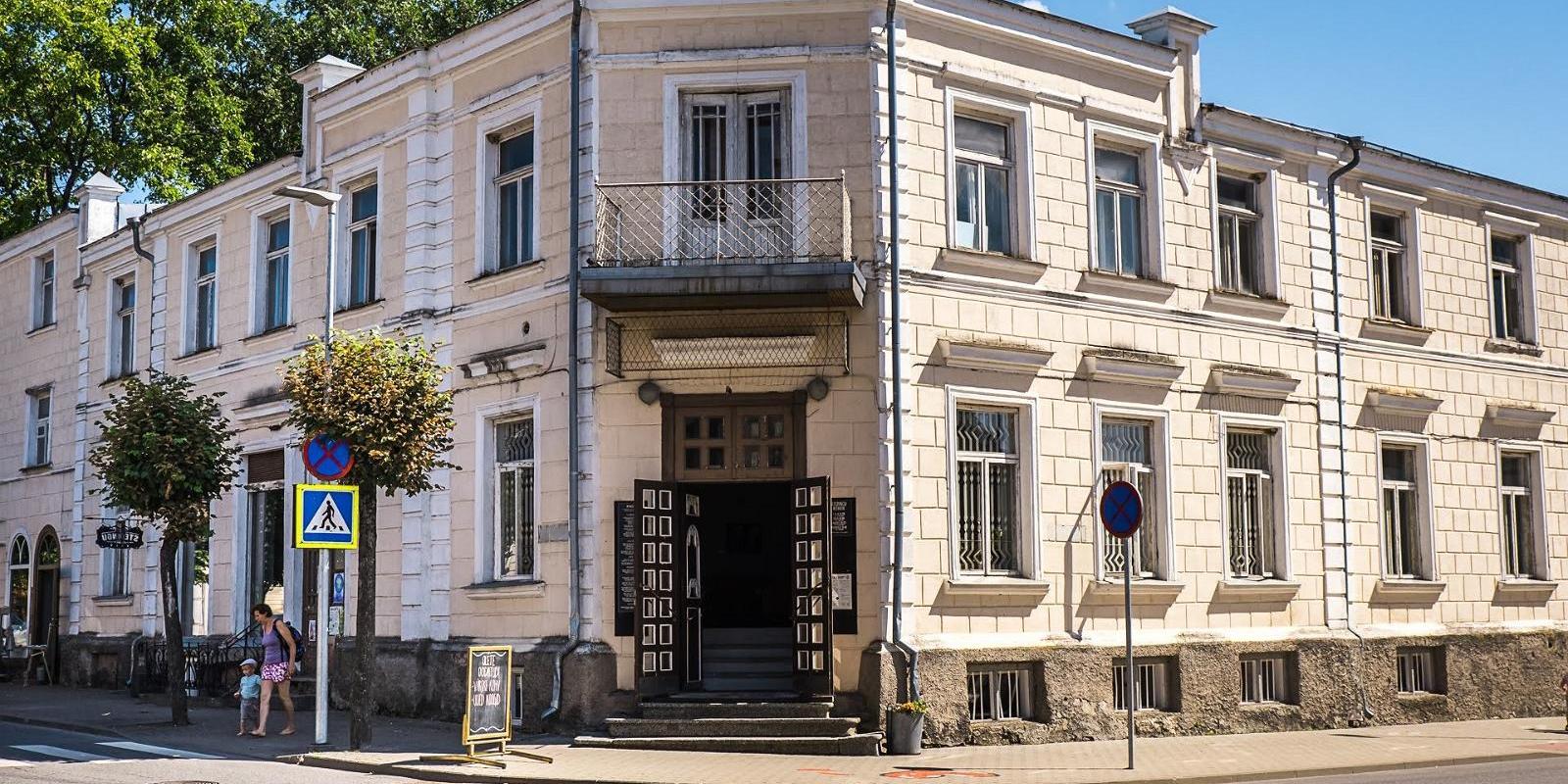
In the center of Võru stands the dignified Steding House – a stone building from the 19th century, also known as the Old Pharmacy House. The walls of the building hide several layers: beneath the plaster layers, stencil paintings and decorations have been found that tell stories of past eras. Unlike sterilely restored museums, Steding House has preserved genuine history – it is a building that shows its layers and carries the memories of the city. One wall is adorned with hand-formed ceramic tiles (author Kristel Sihiveer). The eclectic interior is from reuse. Today, Steding House is a meeting place for the community and guests. There is a café; art exhibitions, concerts, and movie nights are organized; additionally, creative and service enterprises find a home here. In summer and on weekends, the house is especially lively – a buzzing crowd on the terrace, and nighttime entertainment offered in the basement. Steding House is both a sight and a vibrant cultural center – a place where a visitor can experience the unique atmosphere of the city of Võru.

  • Luontopolut

Karula National Park and the visitor centre by the Lake Ähijärv

Karula National Park is Estonia's smallest national park, characterized by a hilly landscape rich in lakes, with 60 lakes on the highland. The national park is open to everyone: families, backpackers, and nature enthusiasts, offering various opportunities for relaxation and hiking. At the visitor center located by Lake Ähijärv, you can get information about the opportunities available in the national park, and the permanent exhibition there introduces the history, nature, folk culture of the Karula region, as well as the modern lifestyle. The heart of the national park is Lake Ähijärv, which is ideal for boating, swimming, and enjoying nature. Hiking enthusiasts are awaited by well-maintained trails that lead through forests, wooded meadows, and hilly landscapes, offering views unique to Karula. Popular destinations include the Rebäse hiking trail, Lüllemäe observation tower, and Kaika hillocks, which offer a great view of the rolling landscape. The national park has plenty of camping and bonfire sites, as well as natural swimming spots, making it suitable for both day trips and longer vacations.

  • Luontopolut

Hiking trail in the Rõuge Primeval Valley

The Rõuge Primeval Valley hiking trail is as straight as a line, 10 km long, it begins at Hinni Canyon or in the Ööbikuoru Centre parking lot. Beginning at the Ööbikuorg start point, the trail runs along the shores of seven lakes towards Hinni Canyon and offers hikers an opportunity to observe the workings of the area's water rams, see the deepest Estonian lake – Rõuge Suurjärv and visit Rõuge Park.Further on, on the shores of Lakes Ratasjärve, Tõugjärve and Kahrila, hikers can see the local forest communities, rest in meadows or enjoy the village landscape and proceed along the short path towards Hinni Canyon.

  • Opastetut kierrokset
  • UNESCO
  • Savusaunat

A tour introducing the spiritual heritage of the smoke sauna at Mooska farm

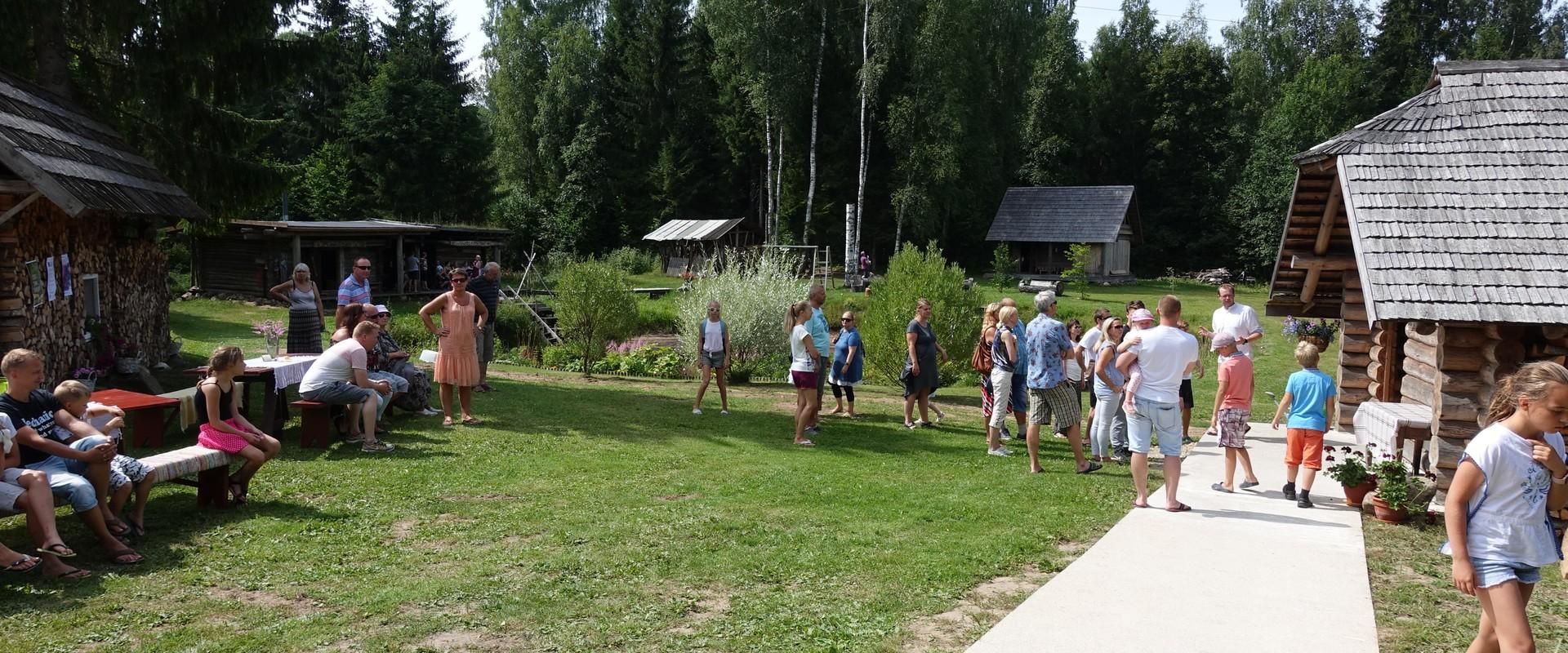
Mooska Smoke Sauna Farm in Haanja, Võrumaa introduces the heritage of smoke saunas preserved and honored in Võrumaa, which has found a rightful place on the UNESCO Representative List of the Intangible Cultural Heritage of Humanity.By appointment, the tour lasts about one and a half hours. Visitors explore 3 distinctive smoke saunas, learn about smoke sauna traditions, bath whisks, whisking, hear sauna words, and taste meat smoked in the sauna. The smoke saunas are located by the pond, at the edge of the forest, and the setting is beautiful and typical of a modern lifestyle farm. The tour ends at the farm shop enjoying sauna supplies and food souvenirs.

  • UNESCO
  • Savusaunat

Uue-Saaluse smoke sauna experience

We invite you to experience an authentic, private smoke sauna adventure in Võru County, amidst the hills of Haanja in Southern Estonia. The Uue-Saaluse smoke sauna is located right by the lakeside, offering not only a sauna but also a refreshing swim. As a bonus, you can watch the short film "The Devil Comes to Sauna," which was filmed right here at Uue-Saaluse. In the sauna, you will be guided by an experienced sauna woman who conducts rituals and creates a mindful sauna experience. Each guided sauna experience is unique – sometimes you need the power of birch branches, other times calming herbal compresses. Even different seasons and moon phases have their own influence. We collaborate with the best in the field, and the smoke sauna tradition of Old Võromaa is listed on the UNESCO World Heritage Intangible Cultural Heritage list. If desired, you can also enjoy the sauna independently, without guidance. In addition to the sauna, you can order a Uue-Saaluse wine farm tour with tastings of drinks made at the farm and catering.

Festivaalit

Võrun kansanmusiikkifestivaali on Viron vanhin ja suurin vuotuinen kansanjuhla, järjestetty Võrussa joka heinäkuu vuodesta 1995. Noin 10 000 ihmistä osallistuu vuosittain kansantanhuryhmien, konserttien, tanssityöpajojen ja monipäiväisten iltatanssien kanssa Virosta ja ulkomailta.

Uma Pido, võronkielinen laulu- ja kansanjuhla, kokoaa yhteen kaikkialta Võromaalta laulajia ja muusikoita joka toinen tai kolmas vuosi juhlimaan kieltä ja sen suullisia perinteitä. Marraskuun Uma Mekk -ruokamarkkinat tuovat yhteen pienet tuottajat kautta alueen, menuiden ollessa kirjoitettu võroksi.

Epätavalliset tavat

Kun Võromaalla joku kuolee, hautajaiset vievät aikaa. Vainajan pesevät ja pukevat läheiset perheenjäsenet tai naapurit. Vainajalle katetaan paikka pöytään jokaisella aterialla hautaukseen asti. Yövalvojaisia järjestetään yhä maaseudulla. Saattoretki pysähtyy jokaisessa tienristeyksessä matkalla hautausmaalle, jossa miespuolinen sukulainen viiltää ristin puun kuoreen. Usko on muinainen: puut ovat paikka, jossa sielut lepäävät matkallaan.

Ristimetsät, jotka merkitsevät näitä pysähdyspaikkoja vanhojen teiden varrella Põlvamaalla ja Võrumaalla, löytyvät vain täältä muualta Euroopasta. Rosman Ristimetsä Põlvan lähellä julistettiin kulttuurimuistomerkiksi vuonna 2020, sen jälkeen kun tienlaajennushanke tuhosi kymmeniä vanhoja ristipuita vuonna 2005, mikä herätti julkista suuttumusta. Neuvostoviranomaiset yrittivät korvata tavan istuttamalla muistopuita sen sijaan. Se ei juurtunut. Ristejä viilletään yhä vanhojen teiden varrella oleviin puihin.