Võro

The Võros

The Võro are the people of Estonia’s hilly southeastern corner, with a language older than standard Estonian, a smoke sauna tradition UNESCO thought worth listing and a relationship with time that takes a few days to understand. Come with patience. Aigu om.

Who are the Võros?

Vana-Võromaa covers eight historical parishes across what is now Võru and Põlva counties, with parts extending into Valga and Tartu counties. The Tamula settlement on the shores of Lake Tamula in Võru dates back to around 2500 BC. The hills, forests and lakes of this corner of Estonia have shaped a culture that is distinct from the rest of the country in ways that go deeper than dialect.

Around 75,000 people speak Võro today. The Estonian state classifies Võro as a regional variety of Estonian. The Võro people have been pushing back against that classification for decades. In 2023 they held their first congress and formally declared themselves an indigenous people of Estonia.

The Võro are sometimes confused with their neighbours the Seto. Both speak South Estonian languages but the similarities stop there. Different people, different traditions, same corner of Estonia.

The language

Võro diverged from the rest of the Finnic language family between roughly 1000 and 600 BC, making it one of the oldest independent branches of the family. It has its own grammar, its own sounds and features that standard Estonian lost centuries ago.

The Soviet period suppressed the language actively. Speaking Võro in schools was discouraged and penalised. The language lost a generation of speakers. The revival that began in the late 1980s has been slow but genuine. Uma Leht, the fortnightly Võro-language newspaper, has been published since 2000. There is a Võro Wikipedia. Estonia’s entry to Eurovision 2004, the song Tii, was performed in Võro. UNESCO lists the language as endangered. It is also, clearly, still being spoken.

The smoke sauna

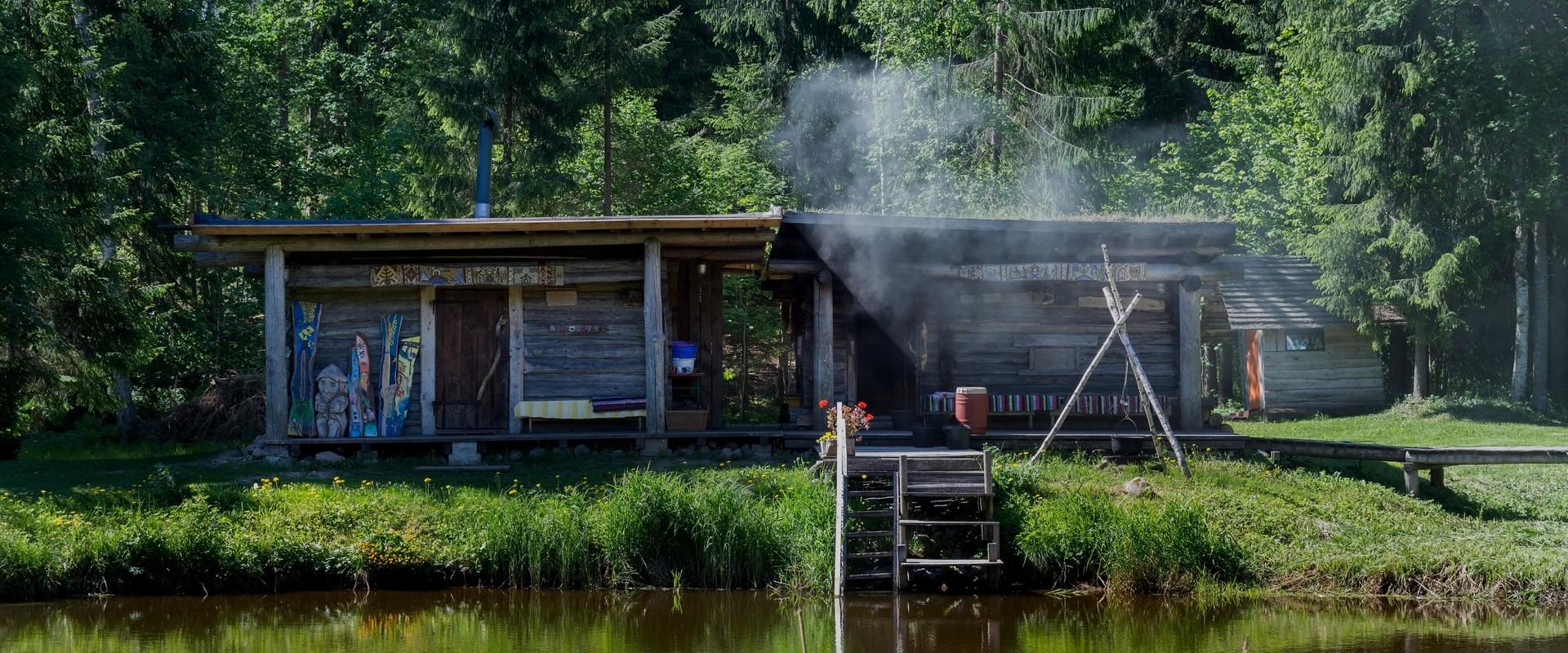
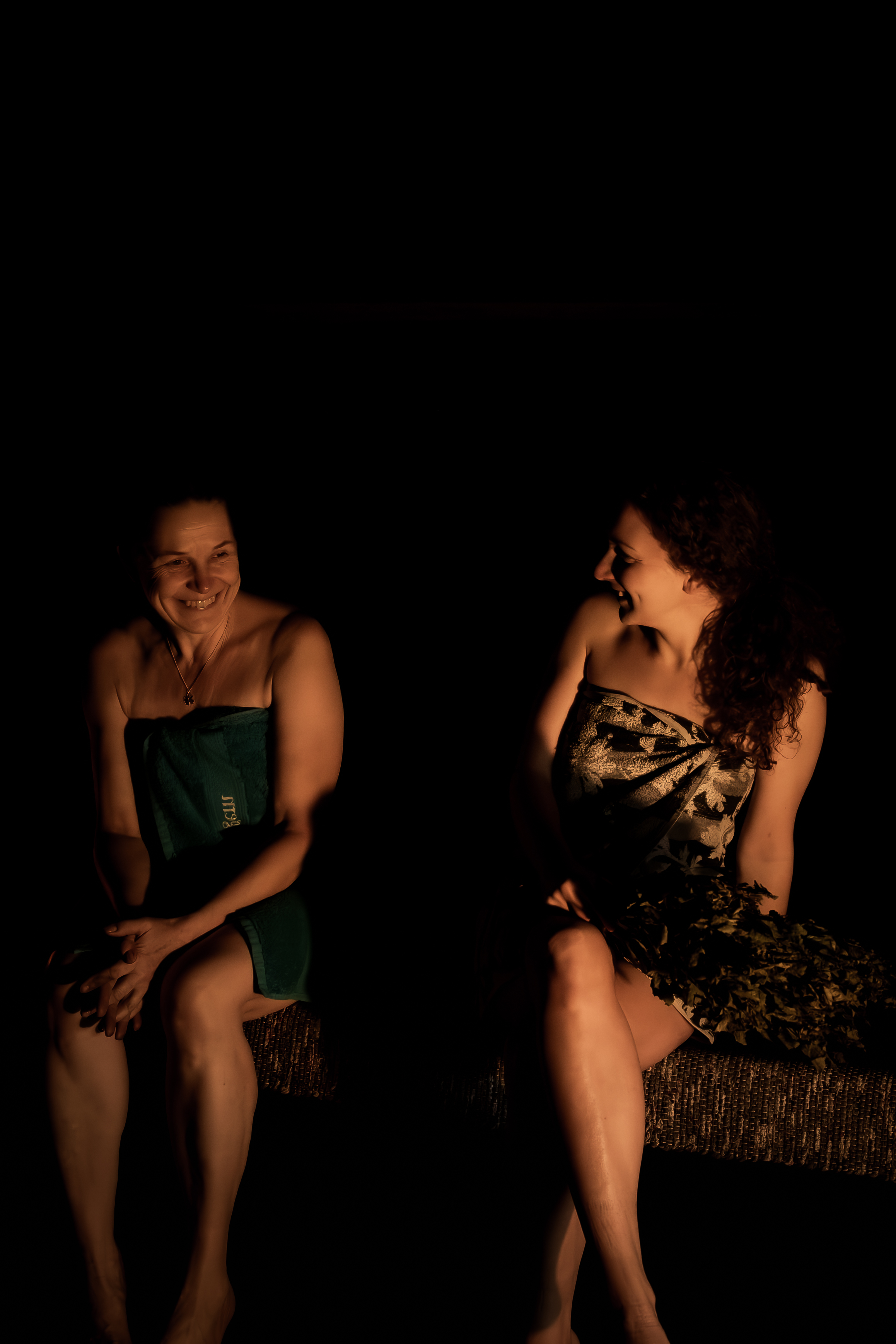
The smoke sauna tradition of Võromaa was added to the UNESCO intangible cultural heritage list in 2014. A smoke sauna has no chimney. Wood burns for hours under a pile of stones, filling the room with smoke. Once the fire dies down and the smoke clears, people step inside. What is left is a soft, even heat and air that smells of birch and wood smoke long after you have left.

In Võromaa, the smoke sauna is not a spa experience or a weekend novelty. It was where babies were born, the sick were treated, meat was smoked and the dead were prepared. It was the most important building on the farmstead. Mooska Farm in Haanja has been keeping this tradition alive for visitors, run by Eda Veeroja, one of Estonia’s most respected sauna custodians.

Read more

“Aigu om”

The Võro have a phrase that captures something essential about life here: aigu om. Meanind “There is time”. It does not mean letting time pass. It means being present in it. Time moves differently in Võromaa. The hills are gentle, the forests are old, the pace is deliberate. Once you have spent a day here you begin to understand what the phrase actually means.

Võromaa’s food culture has always been built around what the land provides. The forests here produce chanterelles, boletus mushrooms, lingonberries, blueberries and bog cranberries.

The region’s signature foods are specific and worth knowing. Smoke sauna ham is the most distinctive, prepared by smoking pork in a wood-fired sauna rather than an industrial smokehouse. The result is a flavour that cannot be replicated elsewhere. Barley bread, dense and dark, has been baked in wood-fired ovens here for centuries. Kama, a flour made from roasted grains and peas mixed with sour milk, originated in this part of southern Estonia. Fermented birch juice, harvested in spring when the sap runs, is one of the more unusual drinks in the region and worth trying in season.

The regional food label Uma Mekk, meaning Our Flavour in Võro, identifies products made with at least 50 percent local ingredients from Vana-Võromaa. Every October, restaurants across the region offer a special Uma Mekk menu with dishes written in Võro. The Lindora Fair, held in autumn on the Võromaa-Setomaa border, is one of the oldest continuing fairs in Estonia.

The landscape

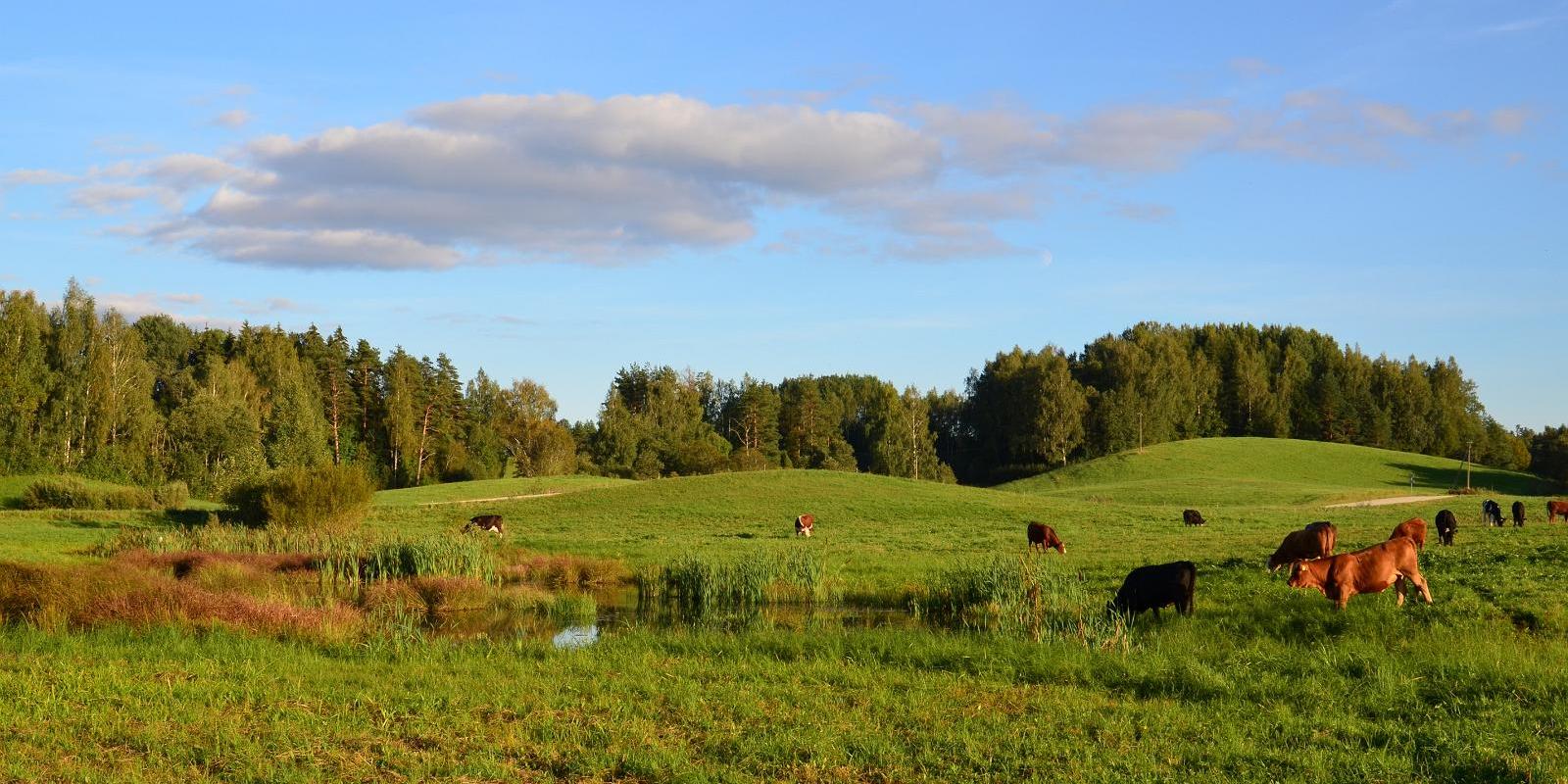
Võromaa is the hilliest corner of Estonia, which in a country that is mostly flat means something specific. The Haanja upland reaches 318 metres at Suur Munamägi, the highest point in the Baltic states. The observation tower at the top has views across three countries on a clear day. The forests that cover these hills are old and dense, with the kind of quiet that makes people lower their voices.

The lakes here are dark with peat, the same tannins found in tea and red wine, staining the water amber. They are clean and in summer warm enough to swim in until late evening. Rõuge sits in one of Estonia’s most dramatic landscapes, a deep glacial valley ringed by five lakes and hills that catch the light differently in every season. The Nightingale Valley gets its name from the birds that fill it in May, before the leaves come fully in.

Karula National Park, Estonia’s smallest national park, protects a landscape of small hills, lakes and old farmsteads in the western corner of the region. Quiet, unhurried and easy to have almost entirely to yourself.

  • UNESCO
  • Smoke saunas

Sauna session in a traditional Old Võromaa smoke sauna at Mooska

The Smoke sauna traditions of Old Võromaa have found their honoured spot on the list of UNESCO intangible cultural heritage of the world. At Mooska Farm, you can try a piece of this ancient Estonian heritage for yourself. A traditional sauna session lasts at least three (3) hours and the smoke sauna of Mooska Farm can comfortably accommodate eight people. The rich aroma of burning wood is complemented by a whispered note of meat smoked in the sauna, birch boughs, and sauna honey. Since it's located next to a pond, during the winter, you can quickly dip yourself in the nearby icy waters.In addition, the hosts provide guests with thorough explanations about the history, rituals and customs of the smoke sauna, ensuring that every visitor can experience authentic Vana-Võromaa heritage. The peaceful surroundings and unhurried pace allow you to fully disconnect and experience the sauna as a healing and unifying ritual. Good to know: The price includes guidance throughout the sauna visit, a sauna towel, birch whisks, sauna honey and herbal tea. Both body and soul will feel refreshed!

  • Guided tours

Babelhouse guided day trip in the Võru and Võromaa region

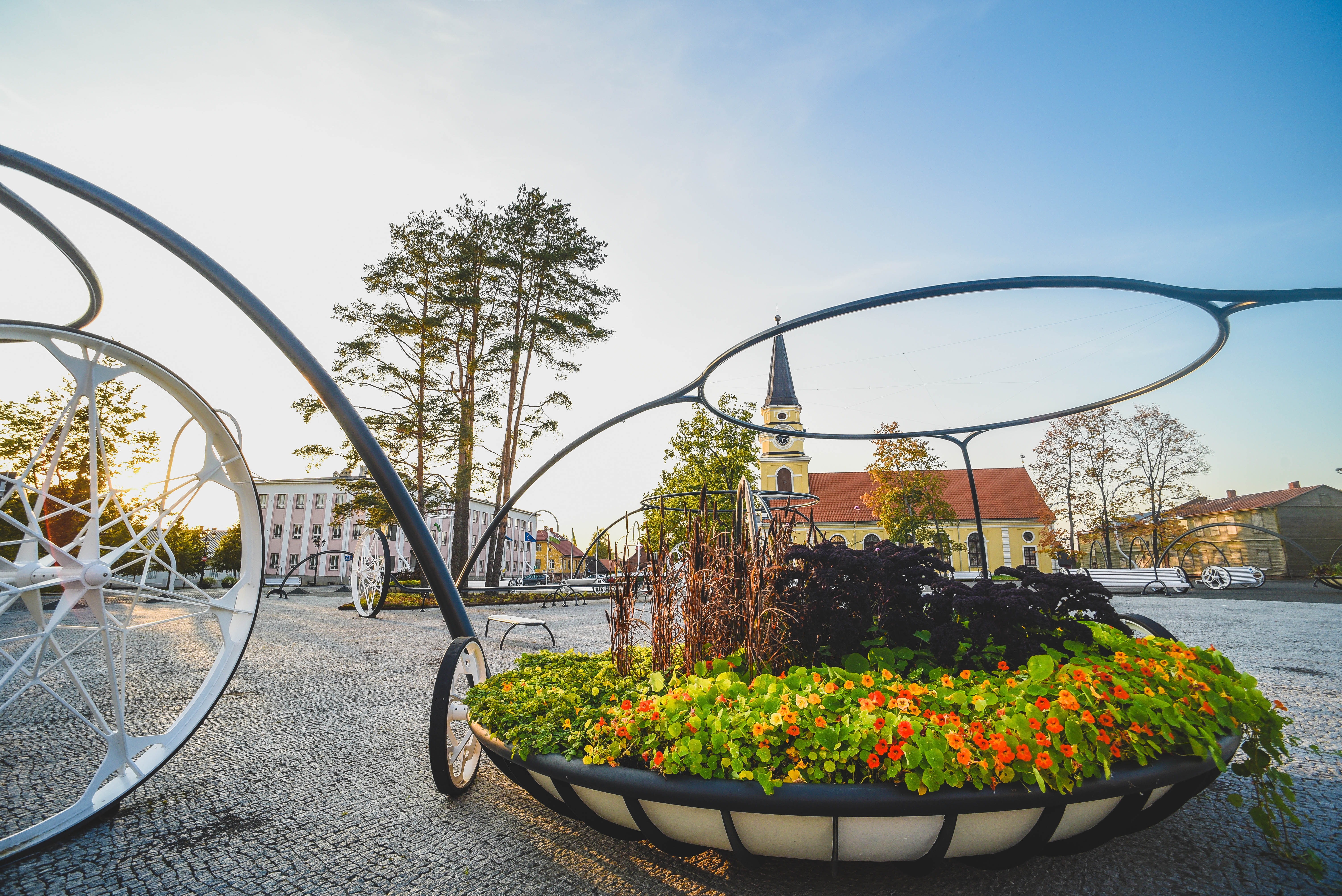
During this Babelhouse tour, you will discover the beautiful Võrumaa region in South Estonia and the city of Võru. As part of the tour, we will visit Võru's central square, explore historical churches and other architectural monuments, and enjoy the city's popular cafés and eateries. We will try local delicacies at the Võru market, where you can also purchase handmade souvenirs. During the Babelhouse tour, we will explore Tamula Lake's promenade and visit the Kreutzwald Museum. Afterwards, the guide will take you to places in Võromaa such as Hinni Canyon, the Pähni Forest megaphones, and Metsavenna farm and dairy. Transport from Tartu and back is included in the tour price. Babelhouse guided tours are flexible and tailored according to the group's preferences and time constraints. Võru and Võromaa are perfect for culture enthusiasts, foreign visitors, pre- and post-conference programs, and groups of friends who want to enjoy South Estonia together. Book a trip and spend a wonderful day in Võru and Võromaa!

  • Lookout towers

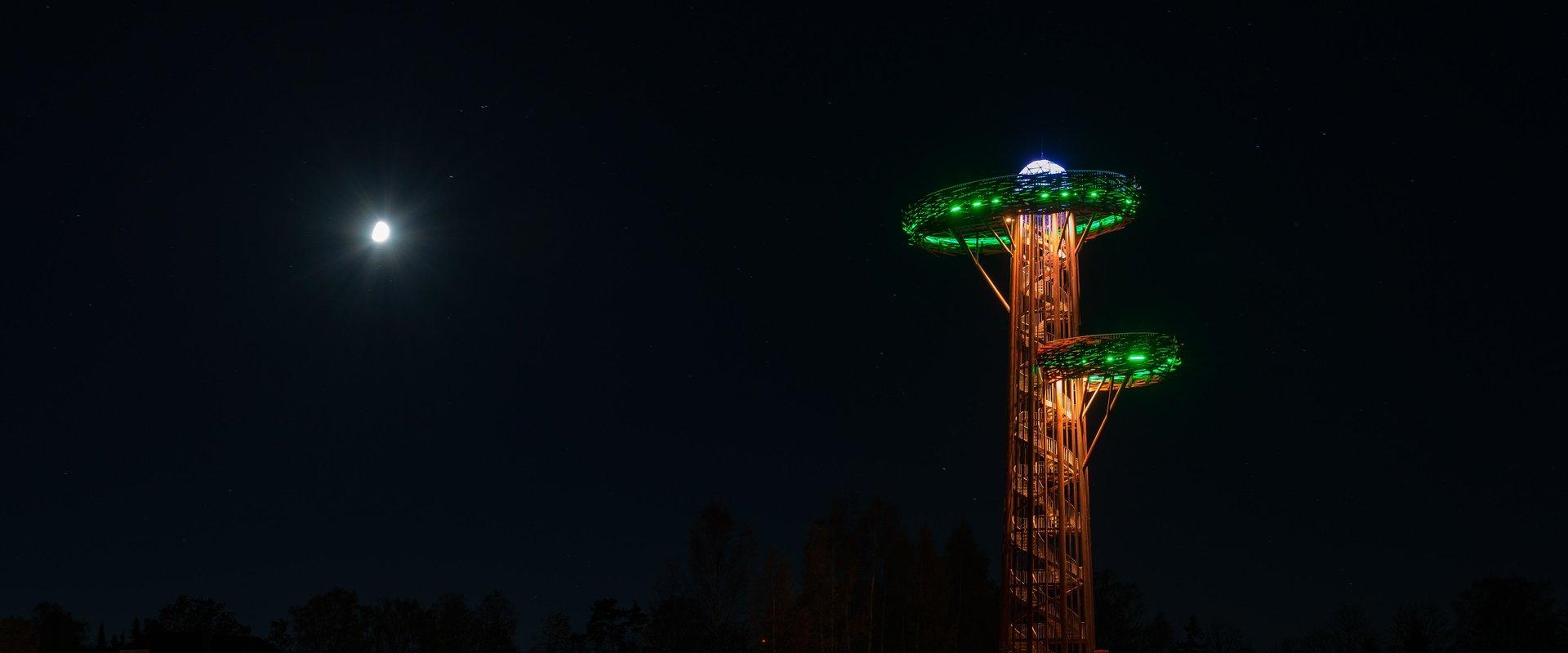
Rõuge watchtower “Pesapuu”

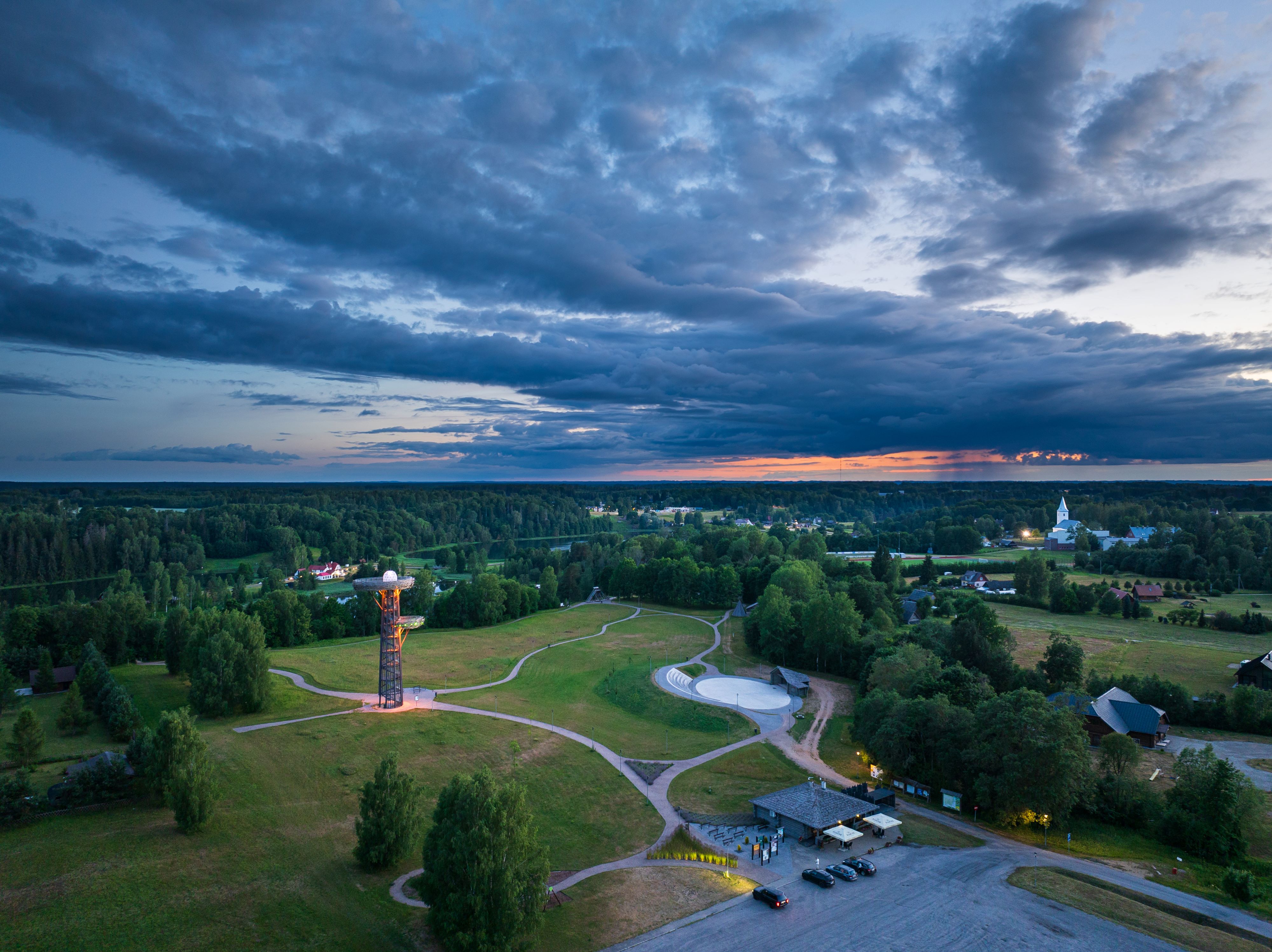
The Pesapuu watchtower is 30 meters high (the top observation platform is 27 meters from the ground) and it resembles a tree with two bird nests. The architect Karmo Tõra was the original author of the idea.The watchtower is eye-catching during both the day and the night. In the evening, lights of different colours are turned on to shed light on the so-called bird nests or observation platforms and the so-called golden egg on the top of the tower.Tourists that reach the top are offered picturesque views of the Nightingale Valley and the rest of Võru County. Pesapuu is opened around the clock.

Võru Old Pharmacy building (Steding House)

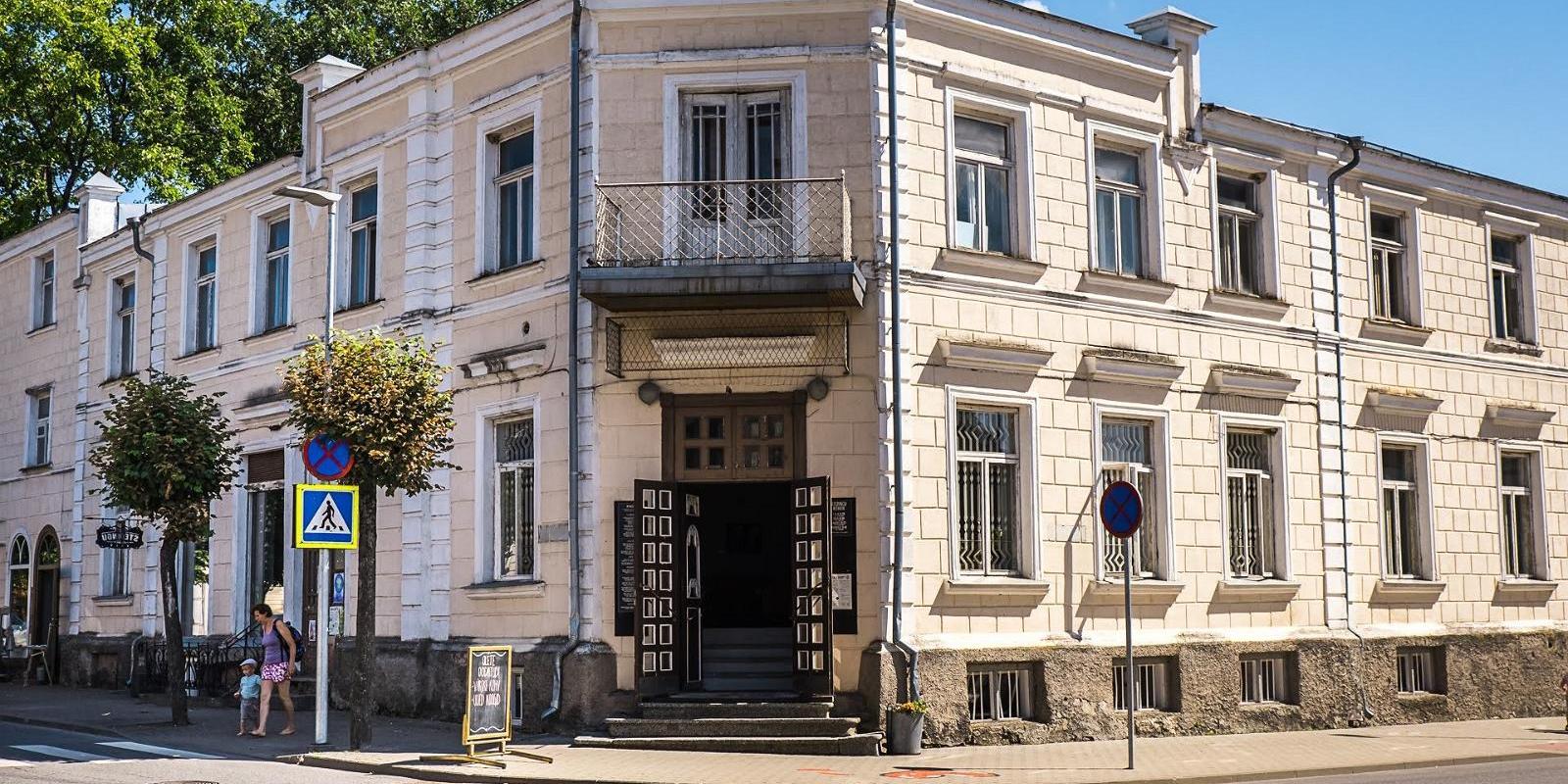
In the center of Võru stands the dignified Steding House – a stone building from the 19th century, also known as the Old Pharmacy House. The walls of the building hide several layers: beneath the plaster layers, stencil paintings and decorations have been found that tell stories of past eras. Unlike sterilely restored museums, Steding House has preserved genuine history – it is a building that shows its layers and carries the memories of the city. One wall is adorned with hand-formed ceramic tiles (author Kristel Sihiveer). The eclectic interior is from reuse. Today, Steding House is a meeting place for the community and guests. There is a café; art exhibitions, concerts, and movie nights are organized; additionally, creative and service enterprises find a home here. In summer and on weekends, the house is especially lively – a buzzing crowd on the terrace, and nighttime entertainment offered in the basement. Steding House is both a sight and a vibrant cultural center – a place where a visitor can experience the unique atmosphere of the city of Võru.

  • Hiking Trails

Karula National Park and the visitor centre by the Lake Ähijärv

Karula National Park is Estonia's smallest national park, characterized by a hilly landscape rich in lakes, with 60 lakes on the highland. The national park is open to everyone: families, backpackers, and nature enthusiasts, offering various opportunities for relaxation and hiking. At the visitor center located by Lake Ähijärv, you can get information about the opportunities available in the national park, and the permanent exhibition there introduces the history, nature, folk culture of the Karula region, as well as the modern lifestyle. The heart of the national park is Lake Ähijärv, which is ideal for boating, swimming, and enjoying nature. Hiking enthusiasts are awaited by well-maintained trails that lead through forests, wooded meadows, and hilly landscapes, offering views unique to Karula. Popular destinations include the Rebäse hiking trail, Lüllemäe observation tower, and Kaika hillocks, which offer a great view of the rolling landscape. The national park has plenty of camping and bonfire sites, as well as natural swimming spots, making it suitable for both day trips and longer vacations.

  • Hiking Trails

Hiking trail in the Rõuge Primeval Valley

The Rõuge Primeval Valley hiking trail is as straight as a line, 10 km long, it begins at Hinni Canyon or in the Ööbikuoru Centre parking lot. Beginning at the Ööbikuorg start point, the trail runs along the shores of seven lakes towards Hinni Canyon and offers hikers an opportunity to observe the workings of the area's water rams, see the deepest Estonian lake – Rõuge Suurjärv and visit Rõuge Park.Further on, on the shores of Lakes Ratasjärve, Tõugjärve and Kahrila, hikers can see the local forest communities, rest in meadows or enjoy the village landscape and proceed along the short path towards Hinni Canyon.

  • Guided tours
  • UNESCO
  • Smoke saunas

A tour introducing the spiritual heritage of the smoke sauna at Mooska farm

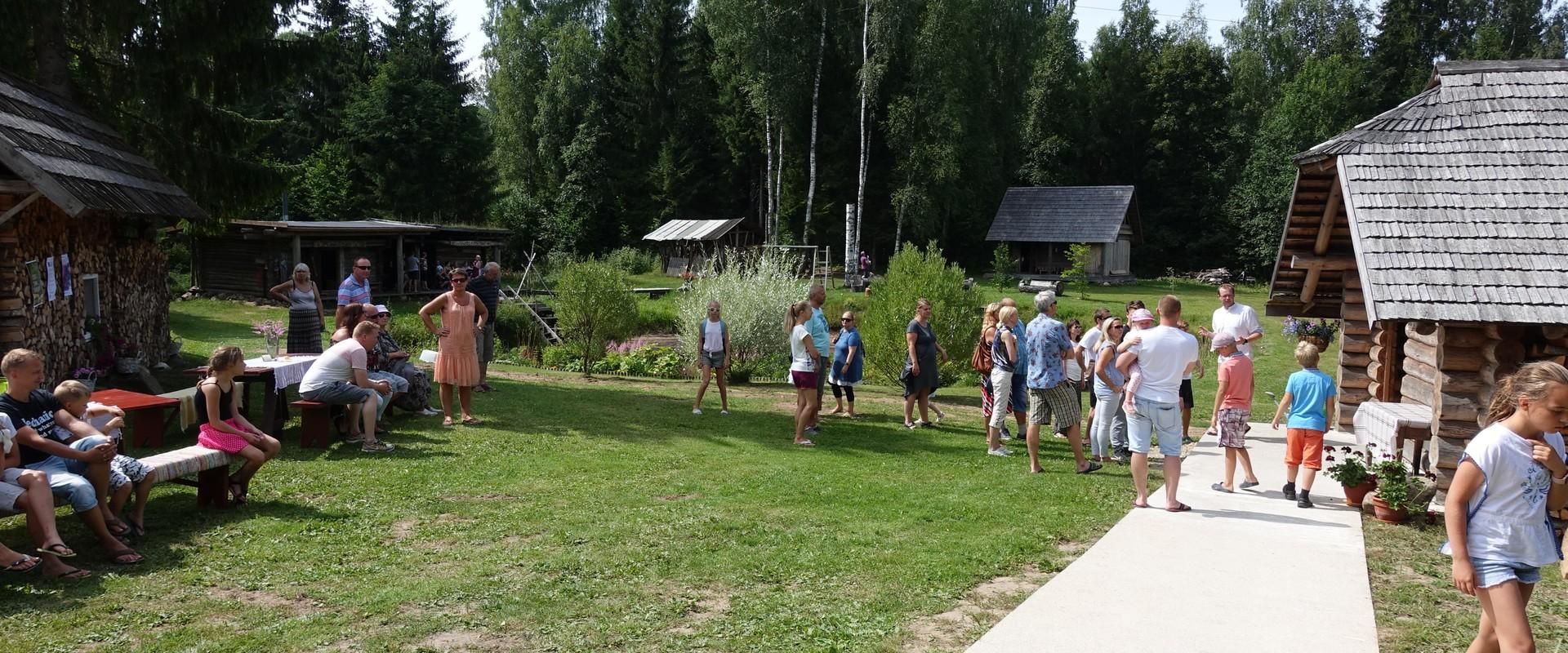
Mooska Smoke Sauna Farm in Haanja, Võrumaa introduces the heritage of smoke saunas preserved and honored in Võrumaa, which has found a rightful place on the UNESCO Representative List of the Intangible Cultural Heritage of Humanity.By appointment, the tour lasts about one and a half hours. Visitors explore 3 distinctive smoke saunas, learn about smoke sauna traditions, bath whisks, whisking, hear sauna words, and taste meat smoked in the sauna. The smoke saunas are located by the pond, at the edge of the forest, and the setting is beautiful and typical of a modern lifestyle farm. The tour ends at the farm shop enjoying sauna supplies and food souvenirs.

  • UNESCO
  • Smoke saunas

Uue-Saaluse smoke sauna experience

We invite you to experience an authentic, private smoke sauna adventure in Võru County, amidst the hills of Haanja in Southern Estonia. The Uue-Saaluse smoke sauna is located right by the lakeside, offering not only a sauna but also a refreshing swim. As a bonus, you can watch the short film "The Devil Comes to Sauna," which was filmed right here at Uue-Saaluse. In the sauna, you will be guided by an experienced sauna woman who conducts rituals and creates a mindful sauna experience. Each guided sauna experience is unique – sometimes you need the power of birch branches, other times calming herbal compresses. Even different seasons and moon phases have their own influence. We collaborate with the best in the field, and the smoke sauna tradition of Old Võromaa is listed on the UNESCO World Heritage Intangible Cultural Heritage list. If desired, you can also enjoy the sauna independently, without guidance. In addition to the sauna, you can order a Uue-Saaluse wine farm tour with tastings of drinks made at the farm and catering.

Festivals

The Võru Folklore Festival is the oldest and largest annual folk festival in Estonia, held every July in Võru since 1995. Around 10,000 people attend each year with folk groups from Estonia and abroad, concerts, dance workshops and evening dances across several days.

Uma Pido, the Võro-language song and folk festival, gathers singers and musicians from across Võromaa every two to three years to celebrate the language and its oral traditions. The Uma Mekk Food Fair in November brings together small producers from across the region, with menus written in Võro.

Unusual customs

When someone dies in Võromaa, the funeral takes time. The body is washed and dressed by close family or neighbours. A place at the table is set for the deceased at every meal until burial. Overnight vigils are still held in rural areas. The funeral procession stops at every crossroads on the way to the cemetery, where a male relative cuts a cross into the bark of a tree. The belief is ancient: trees are where souls rest on their journey.

The cross forests that mark these stopping points along old roads through Põlvamaa and Võrumaa are found nowhere else in Europe. Rosma Cross Forest near Põlva was declared a cultural monument in 2020, after a road-widening project destroyed dozens of old cross trees in 2005, prompting public outrage. Soviet officials tried to replace the custom with planting memorial trees instead. It did not take. The crosses are still being cut into the trees along the old roads.