• Explore
    • Nature
    • Culture
    • Food
    • Family
    • Activity
    • Blog
    Smoke sauna
    Weather and seasons
  • Plan
    • Accommodation
    • How to get here
    • Weather and seasons
    • Sustainability
    • Tourist info
    Discover South Estonia’s Most Beautiful Manors and Castles
    Top 20 Sights in South Estonia
  • For professionals
    • For professionals
    • Collaboration
    • News
    • Projects
    • Training
    • Repository
    • Community (opens in new tab)
    • Contacts
ENG
  • EnglishENG
  • EestiEST
  • LatviešuLAT
  • РусскийRUS
  • SuomiFIN
ENG
  • EnglishENG
  • EestiEST
  • LatviešuLAT
  • РусскийRUS
  • SuomiFIN
Popular searches:
Show all
  • History & Culture
  • Museums

Luua Manor museum rooms

Jõgeva vald, Jõgeva maakond, 49203

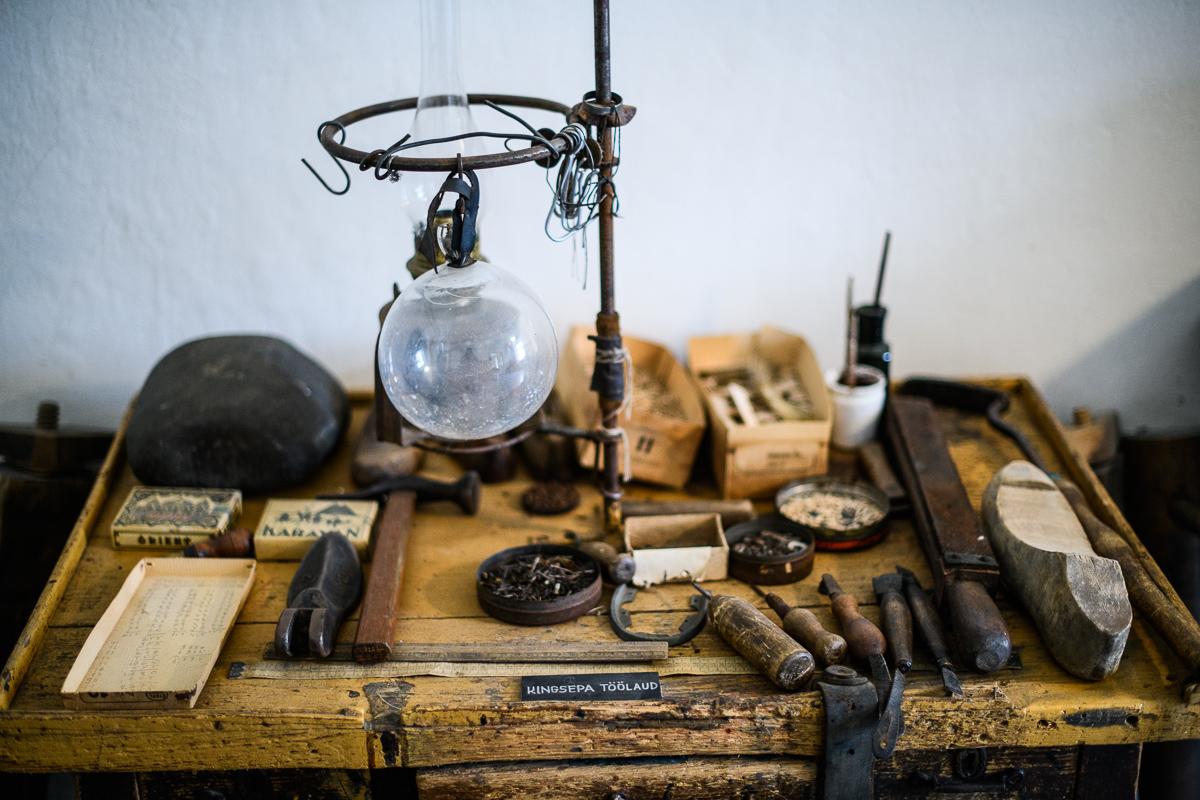
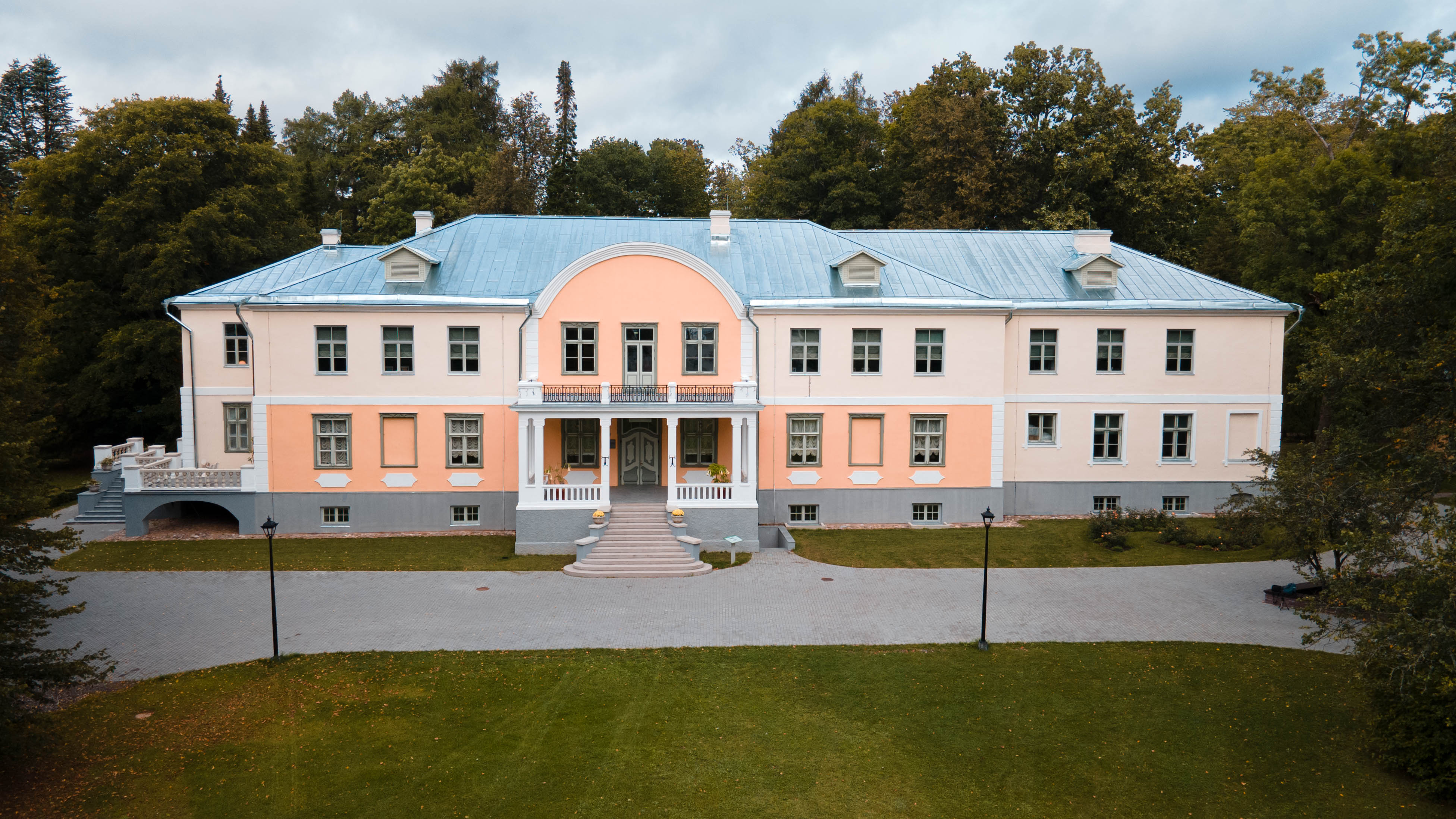
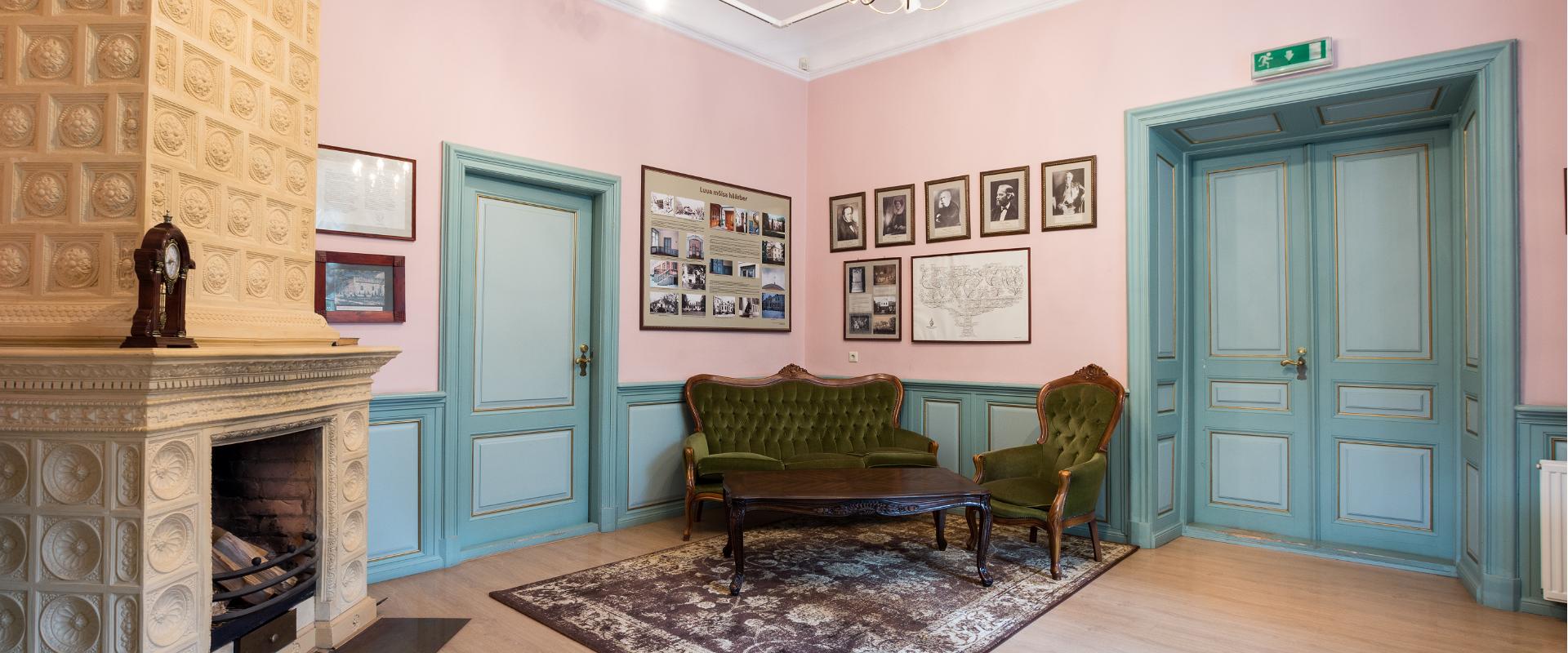
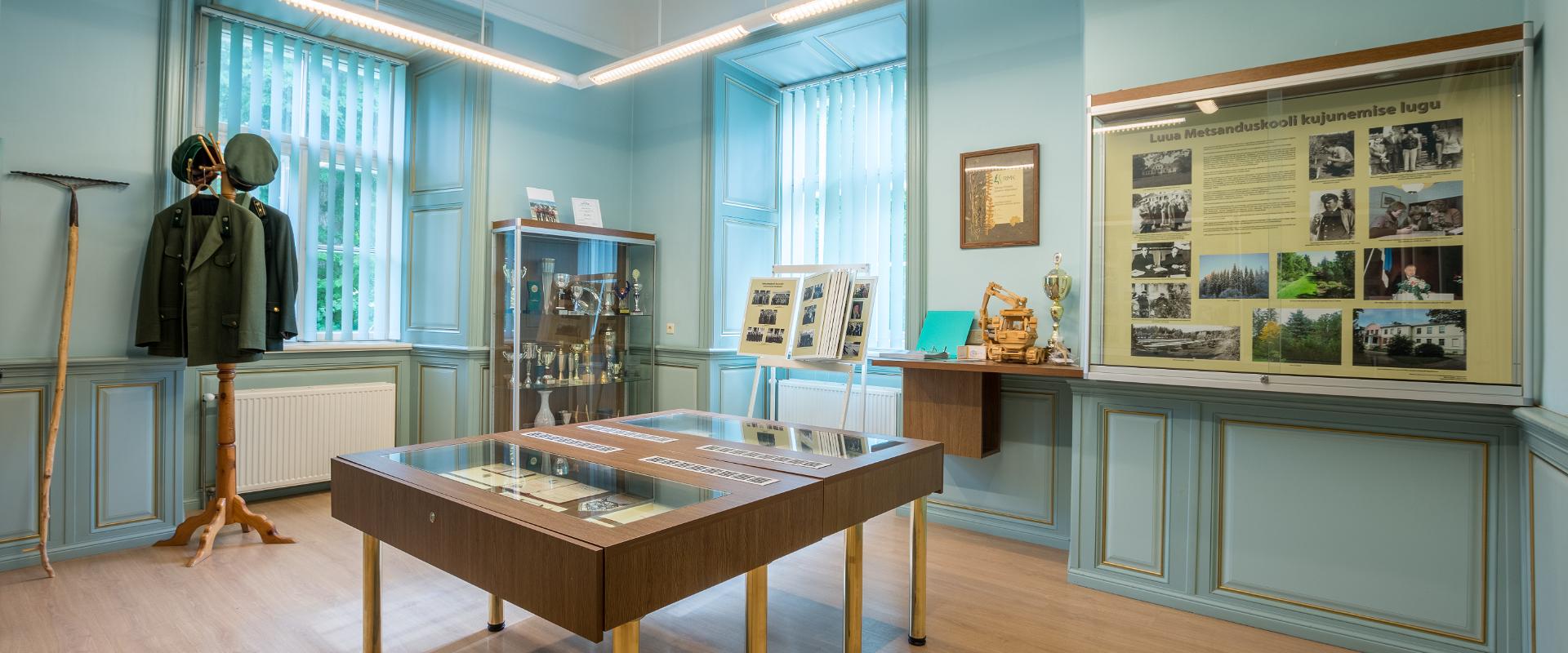
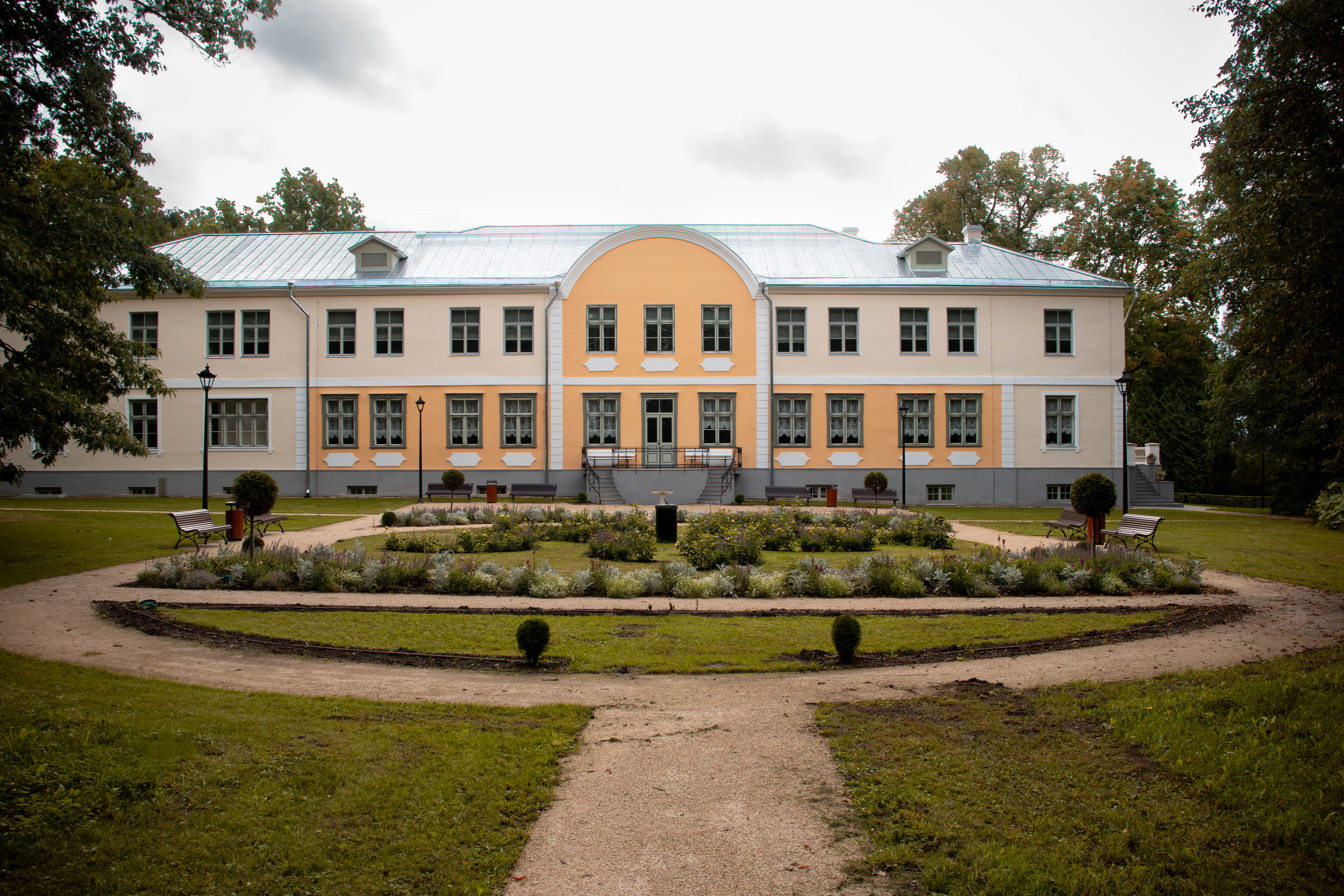
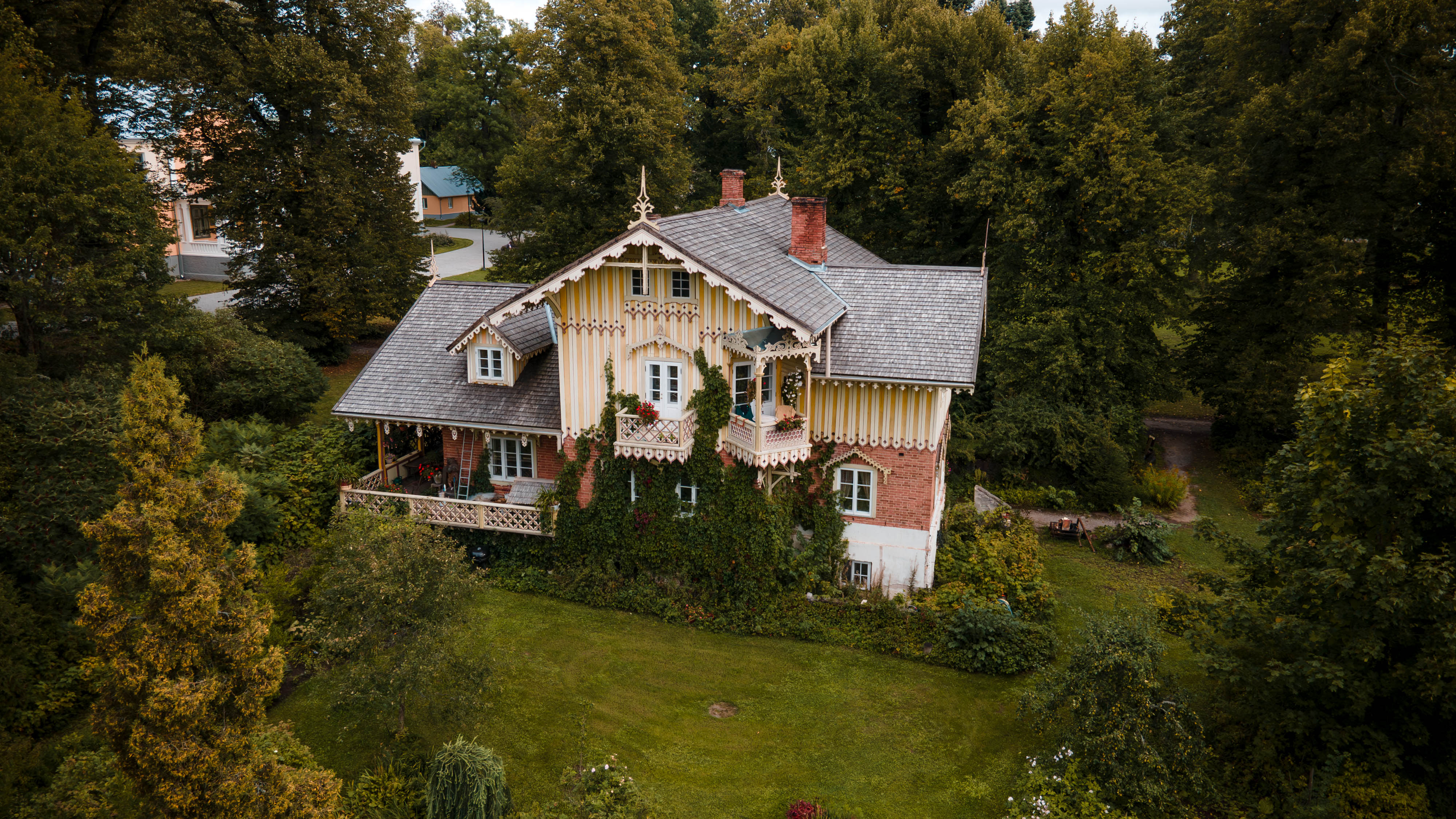
The beautiful Luua Manor is home to the museum rooms of Luua Forestry School, which showcase the history of both the school and the manor.
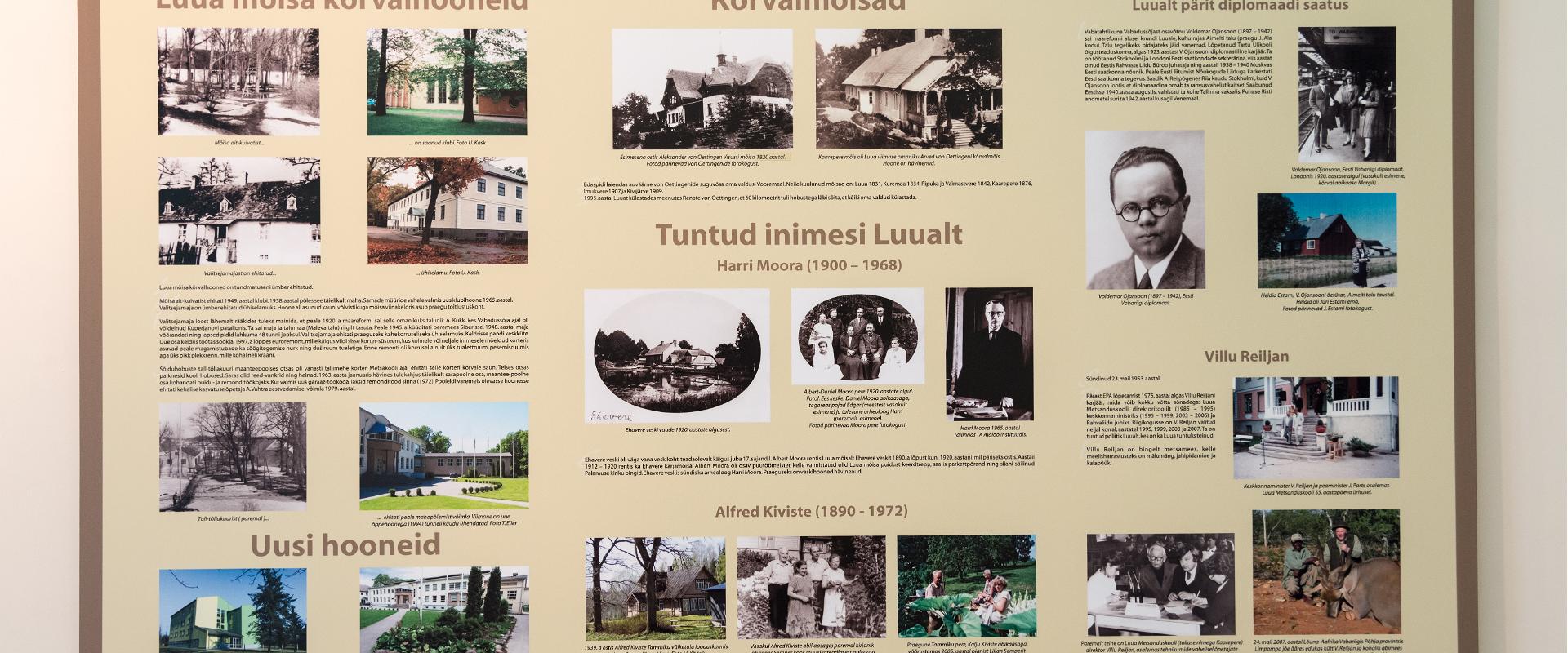
A number of the rooms in the manor have been restored to their original state and opened up to visitors. Here you can admire the timeless beauty of the manor, find out about the history of its park and the surrounding area and take a look at awards and old school documents. There is also a large collection of stuffed birds and animals from the surrounding forests.
Did you know…?*Every summer the manor takes part in the ‘Forgotten Manors’ game 
Amenities

  • Free parking
  • Seminar room

Open times

Throughout the Year

Eeltellimsel

Contact

  • +372 776 2111
  • info@luua.ee

Links

luua.ee

See more

Freedom Bridge

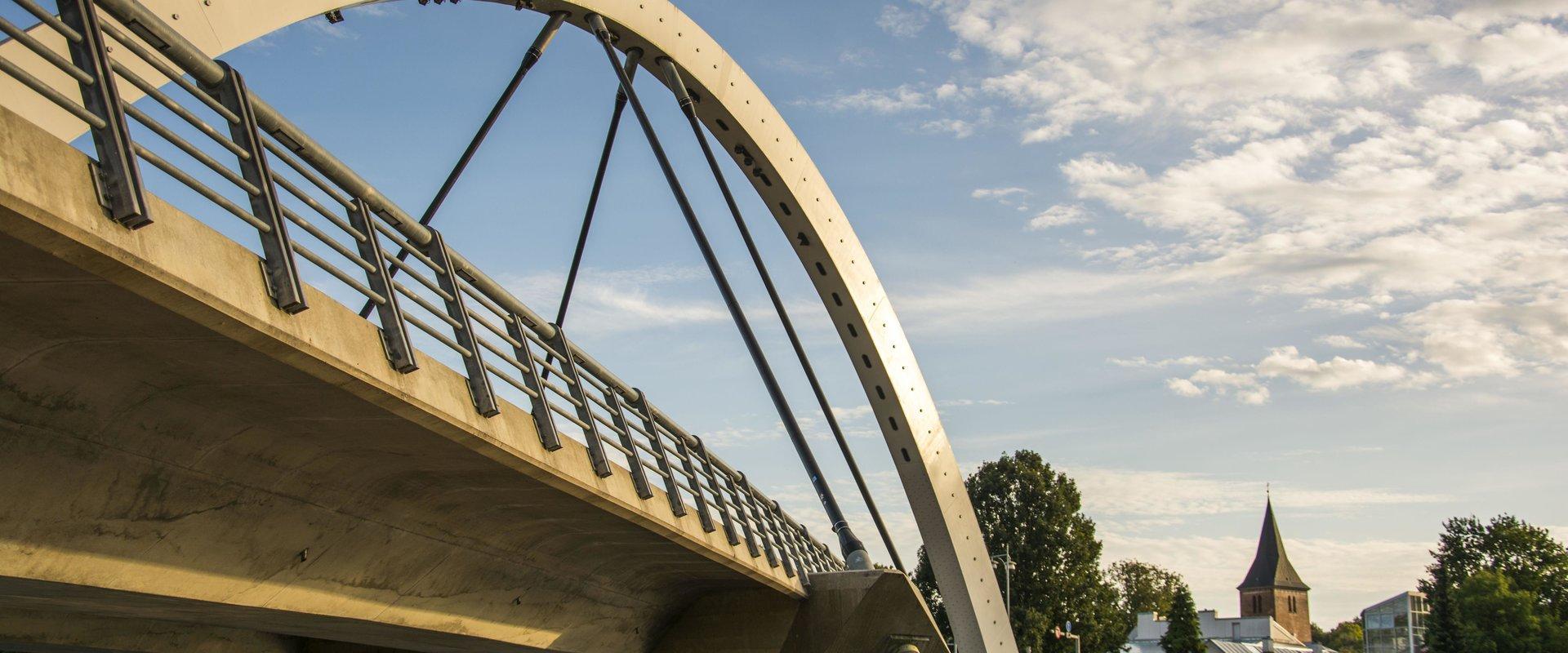
The Freedom Bridge is a bridge over the Emajõgi River in the centre of Tartu. It connects Lai tänav with Vene tänav. The current bridge, with a slab of reinforced concrete and an arch of steel, was opened on 30 July 2009. The bridge is 90 m long and 13.35 m wide. In the dark, the bridge is illuminated. A lot of eye-catching street art can be found on the concrete surfaces of the lower part of the bridge.As the location of the bridge has high banks and a narrow riverbed, the site was used for river crossing as early as in ancient times. It is not known exactly how many bridges there have been before the current Freedom Bridge.

The Leaning House of Tartu

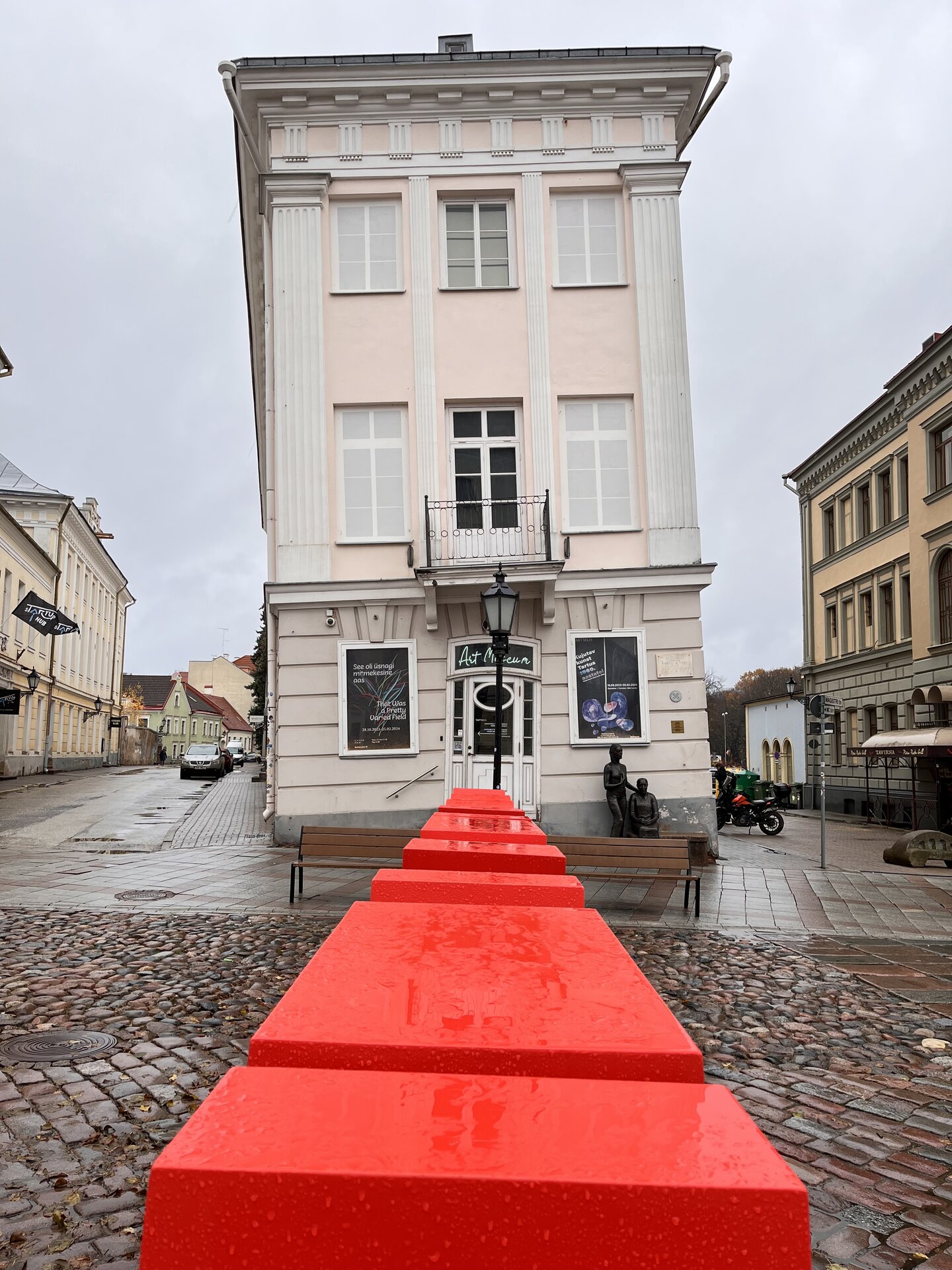
In the heart of Tartu’s Old Town, right next to Town Hall Square, stands the Leaning House, often affectionately called “The Leaning Tower of Tartu” by locals. The house was built in 1793 along the edge of the medieval city wall. The side facing the river rests on the old wall’s stone foundation, while the other side sits on softer ground. This unique construction has caused the building to slowly but noticeably lean, making it one of Tartu’s most visually distinctive landmarks today. From 1879, the building housed a pharmacy for many years, where, in the early 20th century, a young Oskar Luts worked. He went on to become a famous Estonian writer. Today, the Leaning House is home to the Tartu Art Museum, where visitors can explore works by both Estonian and international artists, participate in educational programs, and enjoy inspiring art experiences. Tartu's Leaning House is listed in the national register of cultural monuments, making it both a historical and cultural gem that combines the rich history of Tartu’s Old Town with vibrant contemporary art.

  • Workshops
  • Estonian handicraft
  • Estonian design

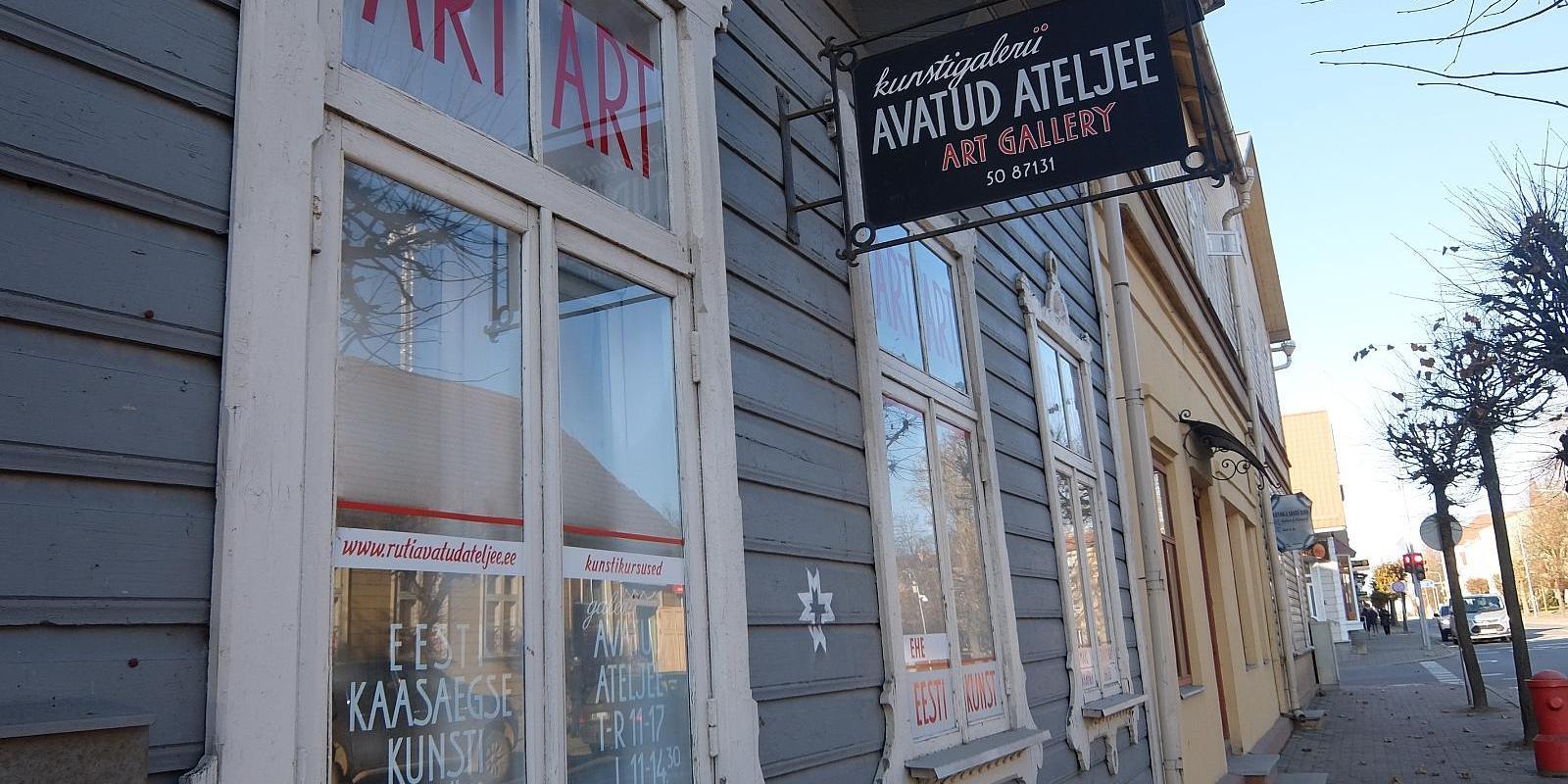
Avatud Ateljee Art Studio

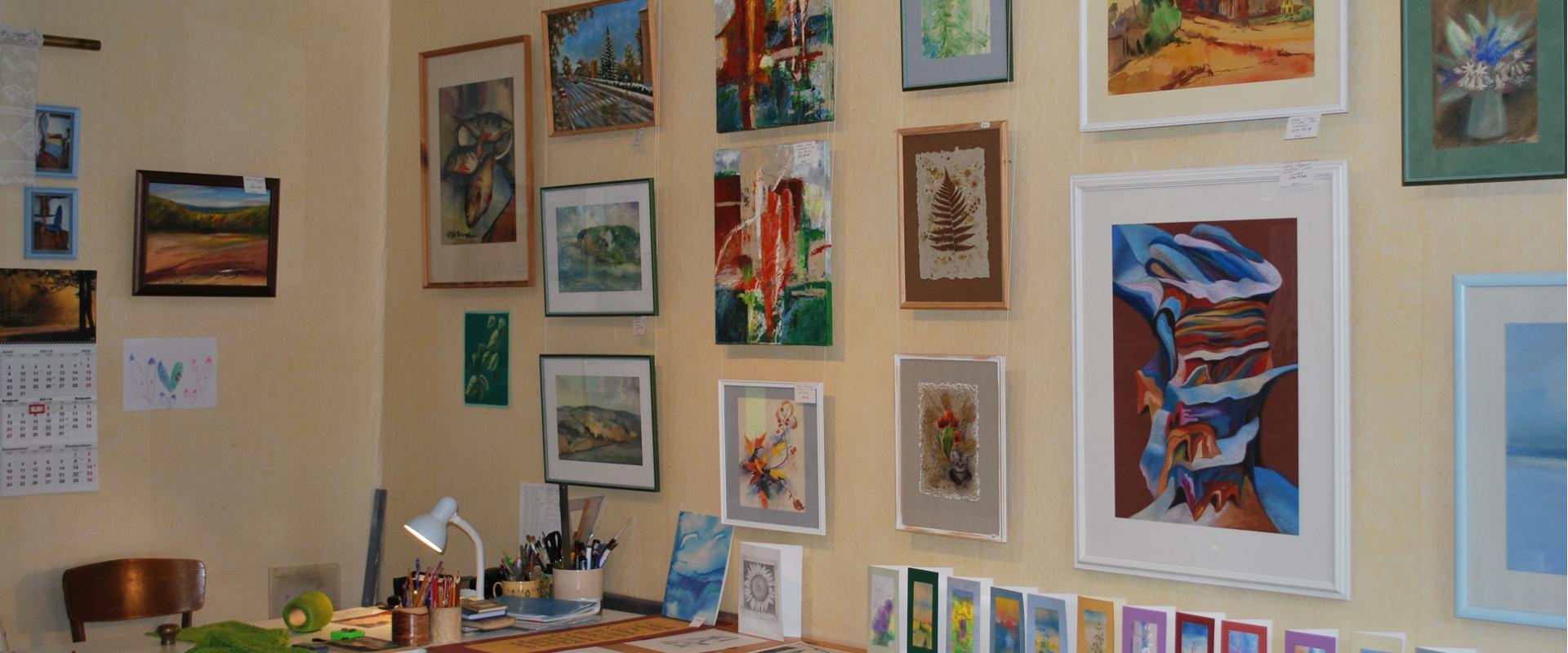
The Art Studio sells great Estonian oil paintings and graphic art, high-class leather and wood goods and high temperature ceramics by Aivar Rumvolt. Please do not hesitate to call on us, if you need a special gift for your guest. The Avatud Ateljee Studio organises different courses: you are welcome to sign up for pottery, calligraphy, binding or leatherwork classes. In addition the studio organises poetry reading nights and meetings with artists. Groups can also visit Aivar Rumvolt’s pottery shop in Kubja by previous appointment. In summer there are workshops both for grown-ups and the young.

  • Guided tours

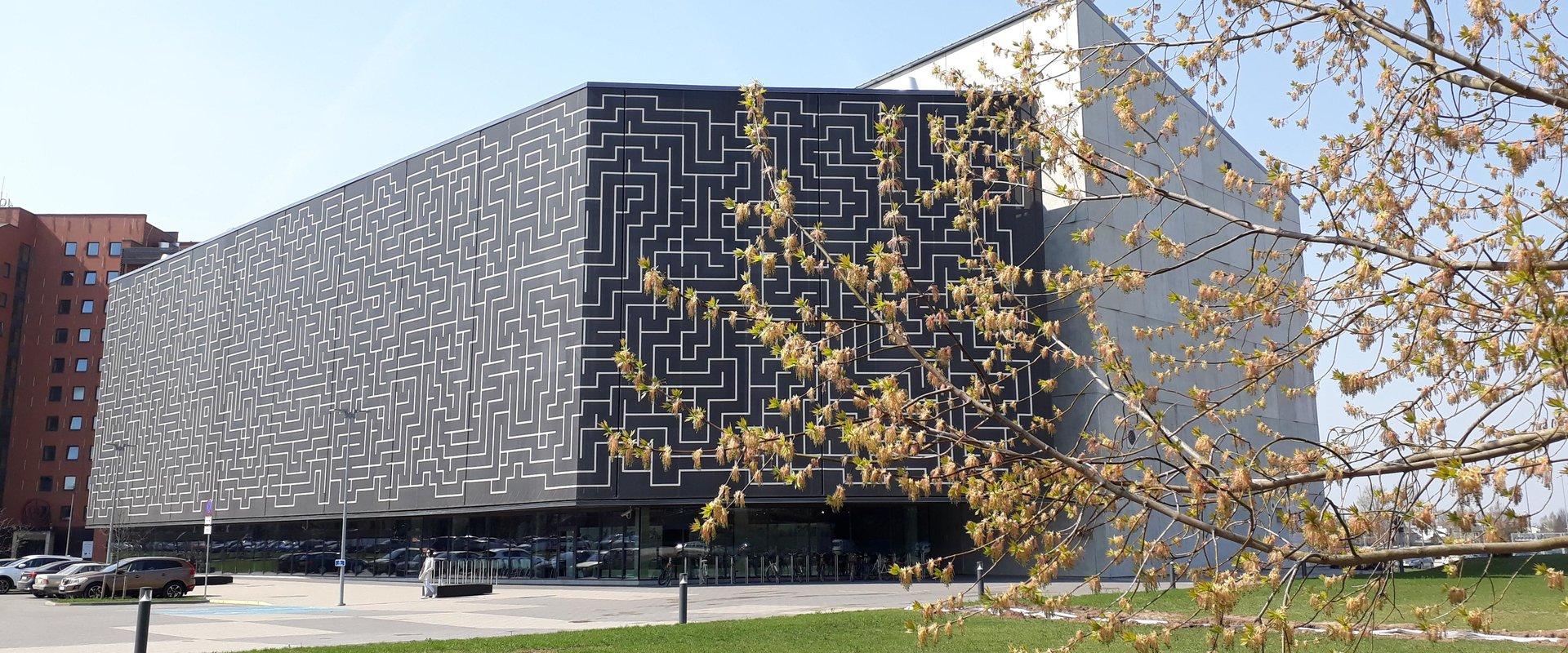
Tour of Noora, the most modern archives building in Estonia

A tour of the main building of the National Archives!During the tour, we will introduce you to various repositories, work, and office spaces, as well as research halls and libraries. You can, of course, see centuries-old and newer unique archival documents with your own eyes.It is possible to order documents on a specific topic to get acquainted with during the tour.For the tour to go smoothly, we recommend a group size of up to 20 people.The length of the tour is about 1.5 hours.

  • Churches

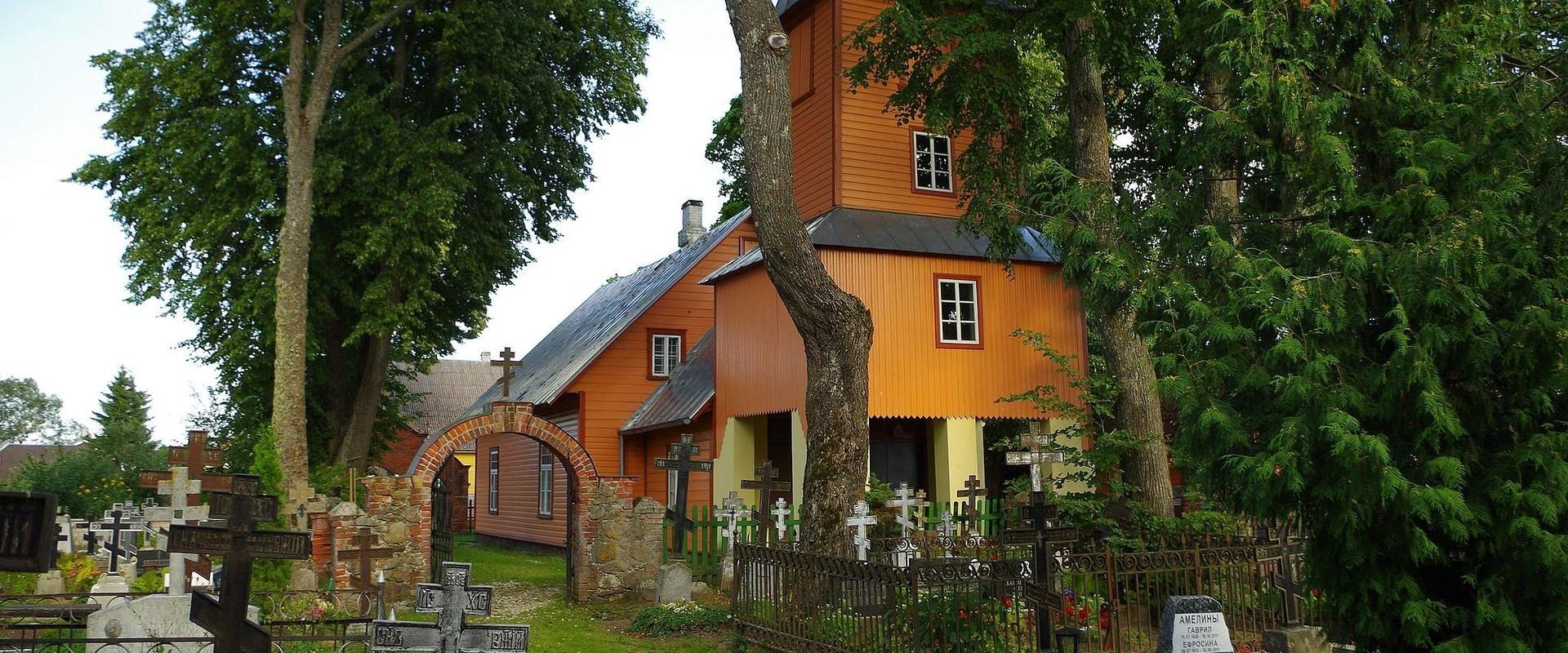
Kasepää Old Believers’ Prayer House of the Estonian Association of Old Believers Congregations

When in Kasepää Village near Lake Peipus, go and visit the prayer house of Russian Old Believers, which has been operating without interruption since the 18th century.The current prayer house was built at the beginning of the 20th century. It was designed by the governorate architect Wilhelm Schilling in 1902. The Florov school masters renewed the icons of the iconostasis in the prayer house before the Second World War. Some of the icons in the chapel date back as far as to the 17th century.Prayers are held in the chapel in Russian on Sundays at 10 a.m.

Helme Parish Museum

Helme Parish Museum is located in the village of Kirikuküla in the former rectory of Helme church. At Helme Parish Museum, you will not only see preserved items, but also conserved memories where each item can tell a story about its maker, user or owner. The multitudinous museum assets emphasise local values, sources of sustenance and way of life. Here, various eras converge, creating a long life line between yesterday, today and tomorrow.

  • Estonian handicraft
  • Estonian design

Aino Tamberg’s Art Shop

Aino Tamberg's Art Shop sells the work of artists and craftsmen from Võru County — paintings, post cards, pottery.

  • Manors

Rogosi Castle Manor in Ruusmäe

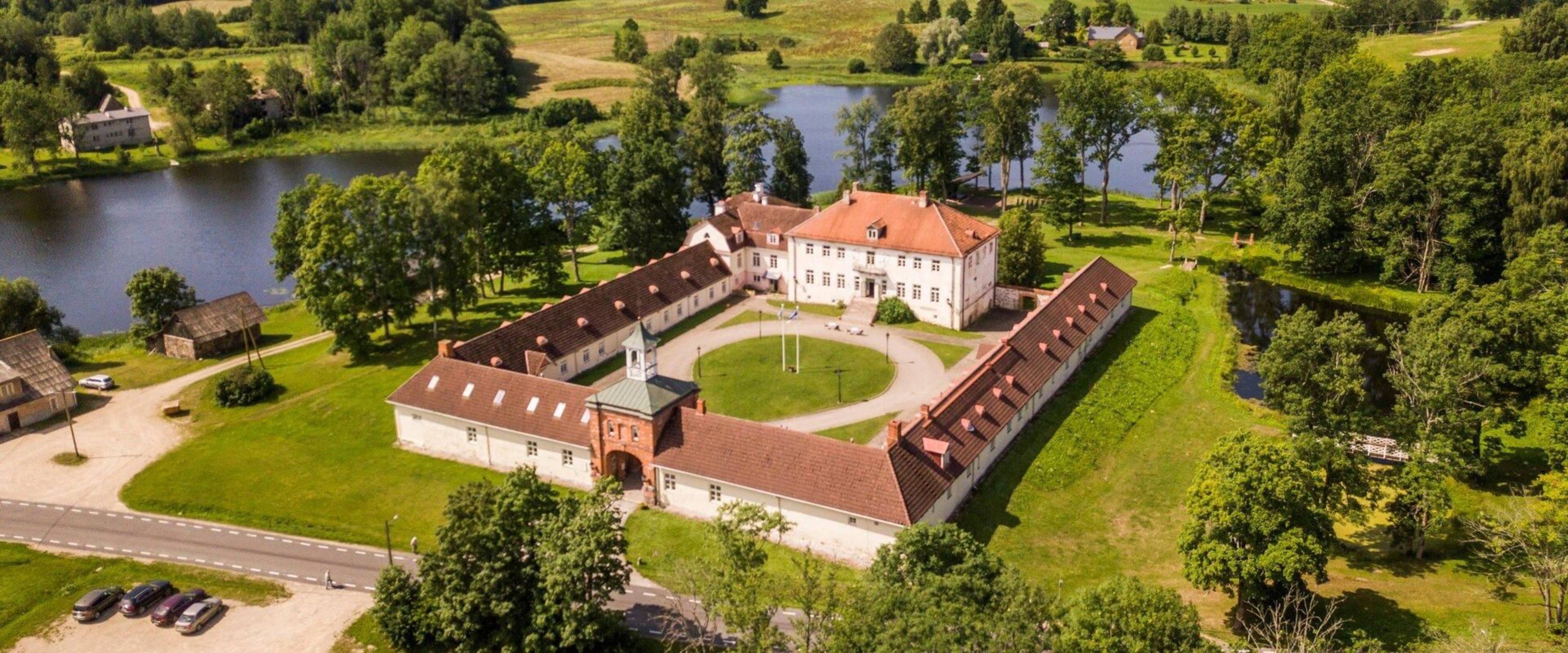
Stanislaw Rogosinsky, a native of Poland, established the Rogosi Manor. From 1629 to 1776 the manor belonged to Herman von Liebsdorff and was later given to the von Glasenapp family as Herman's daughter's dowry. From 1934, after the Glasenapp family was dispossessed of the manor, a school operates in the manor. When place names were translated into Estonian in 1939, the village was named Ruusmäe, but the manor is still known as Rogosi. In summer 1990, Otto von Glasenapp, son of the owner of the manor visited his old home.Useful information: There is a museum of local lore in the barbican, which is open in summer. Watercolors of Joh. Chr. Brotze have been preserved as sources of the manor's history.

  • Collaboration
  • News
  • Contacts
  • Privacy Policy
Join our mailing list!

"*" indicates required fields

This field is for validation purposes and should be left unchanged.
I authorise marketing

South Estonia Tourism Cluster

info@visitsouthestonia.com