• Explore
    • Nature
    • Culture
    • Food
    • Family
    • Activity
    • Blog
    Smoke sauna
    Weather and seasons
  • Plan
    • Accommodation
    • How to get here
    • Weather and seasons
    • Sustainability
    • Tourist info
    Discover South Estonia’s Most Beautiful Manors and Castles
    Top 20 Sights in South Estonia
  • For professionals
    • For professionals
    • Collaboration
    • News
    • Projects
    • Training
    • Repository
    • Community (opens in new tab)
    • Contacts
ENG
  • EnglishENG
  • EestiEST
  • LatviešuLAT
  • РусскийRUS
  • SuomiFIN
ENG
  • EnglishENG
  • EestiEST
  • LatviešuLAT
  • РусскийRUS
  • SuomiFIN
Popular searches:
Show all
  • History & Culture
  • Museums

Helme Parish Museum

Tõrva vald, Valga maakond, 68611

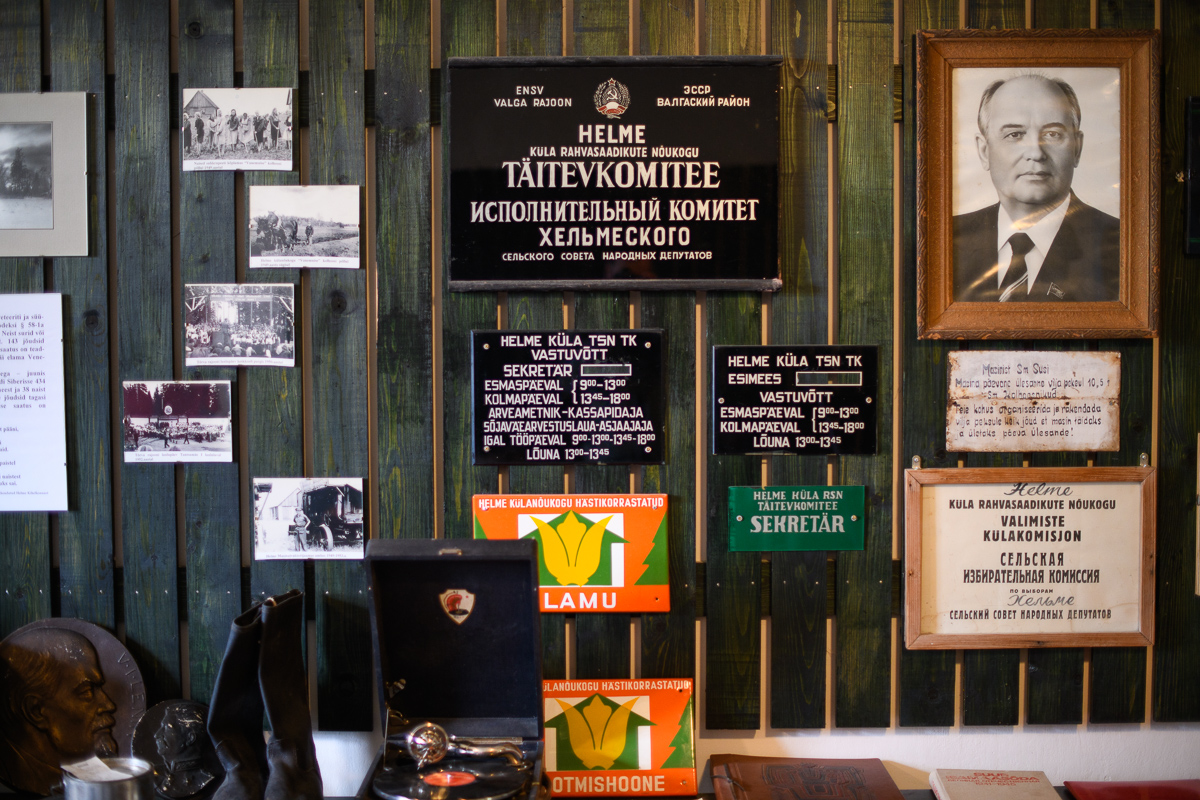
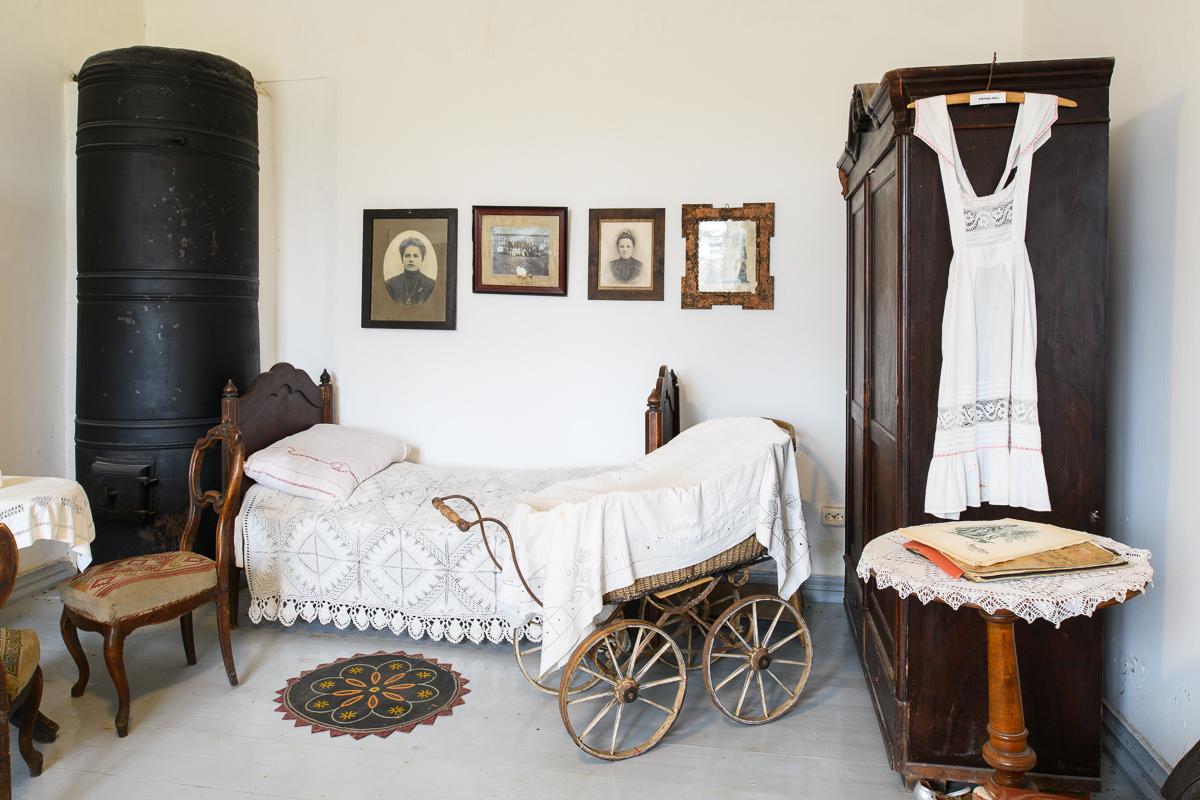
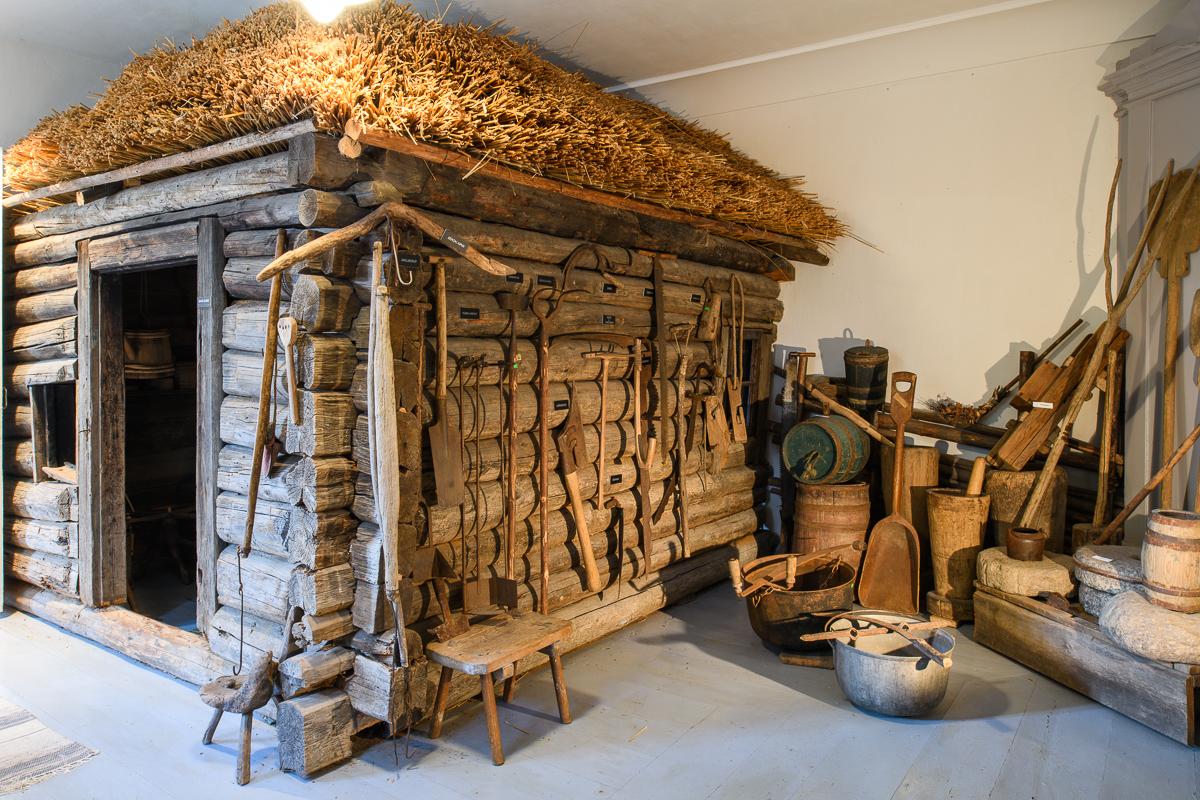
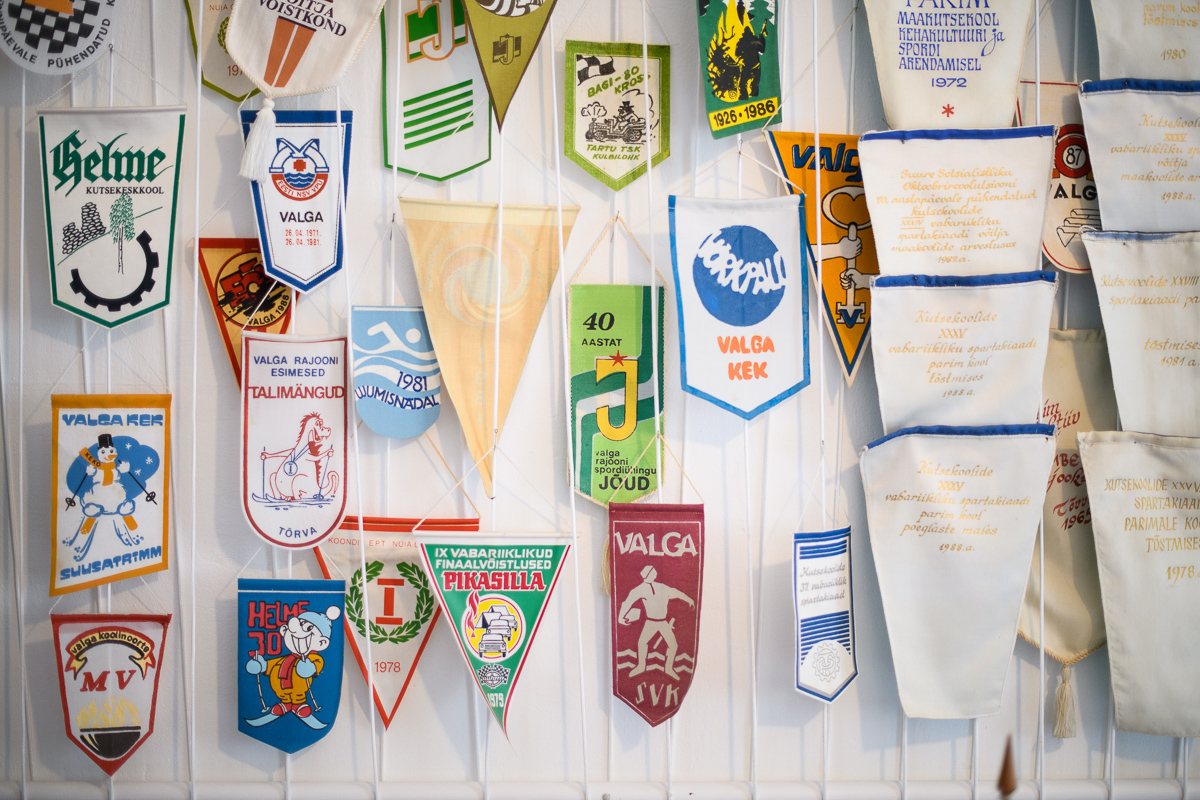
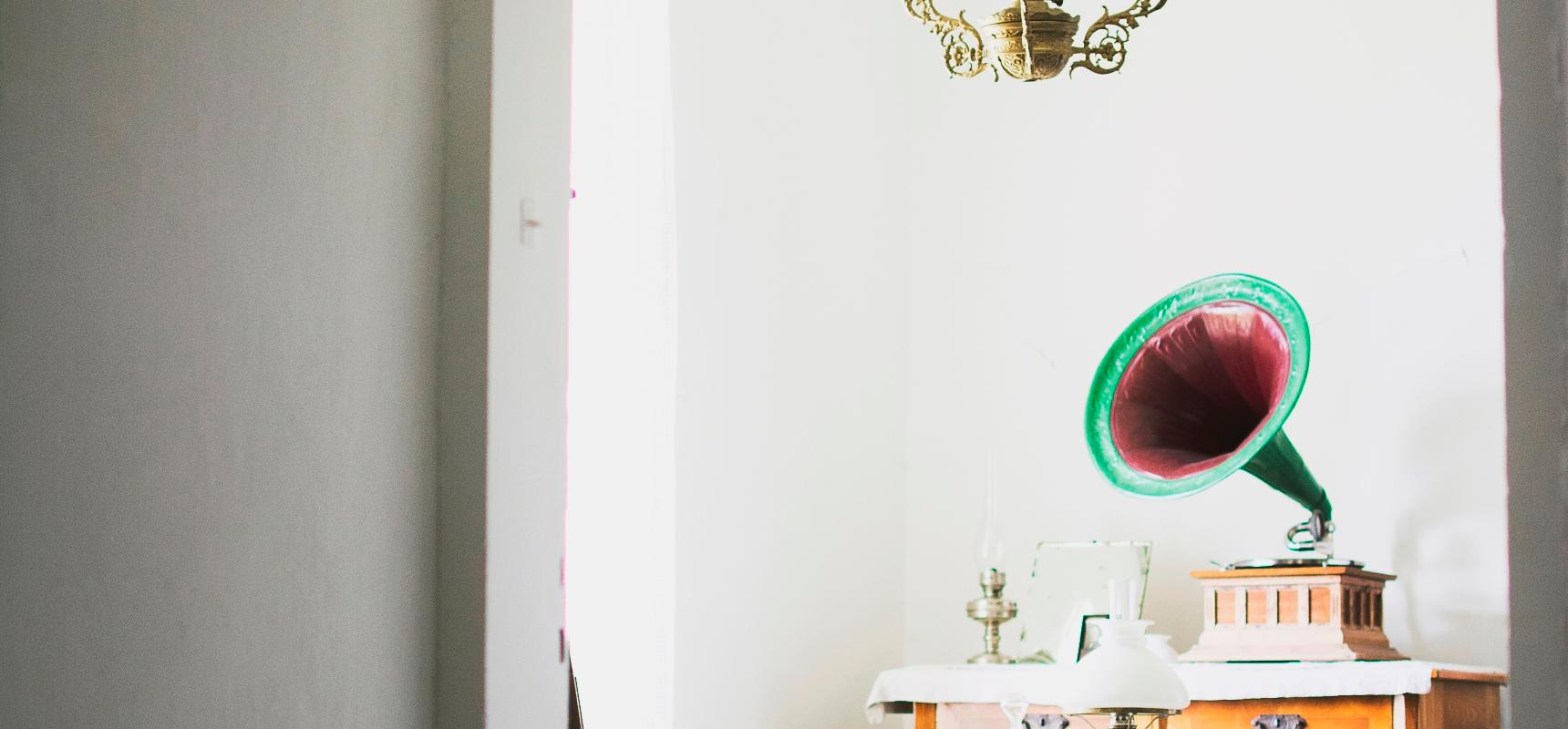
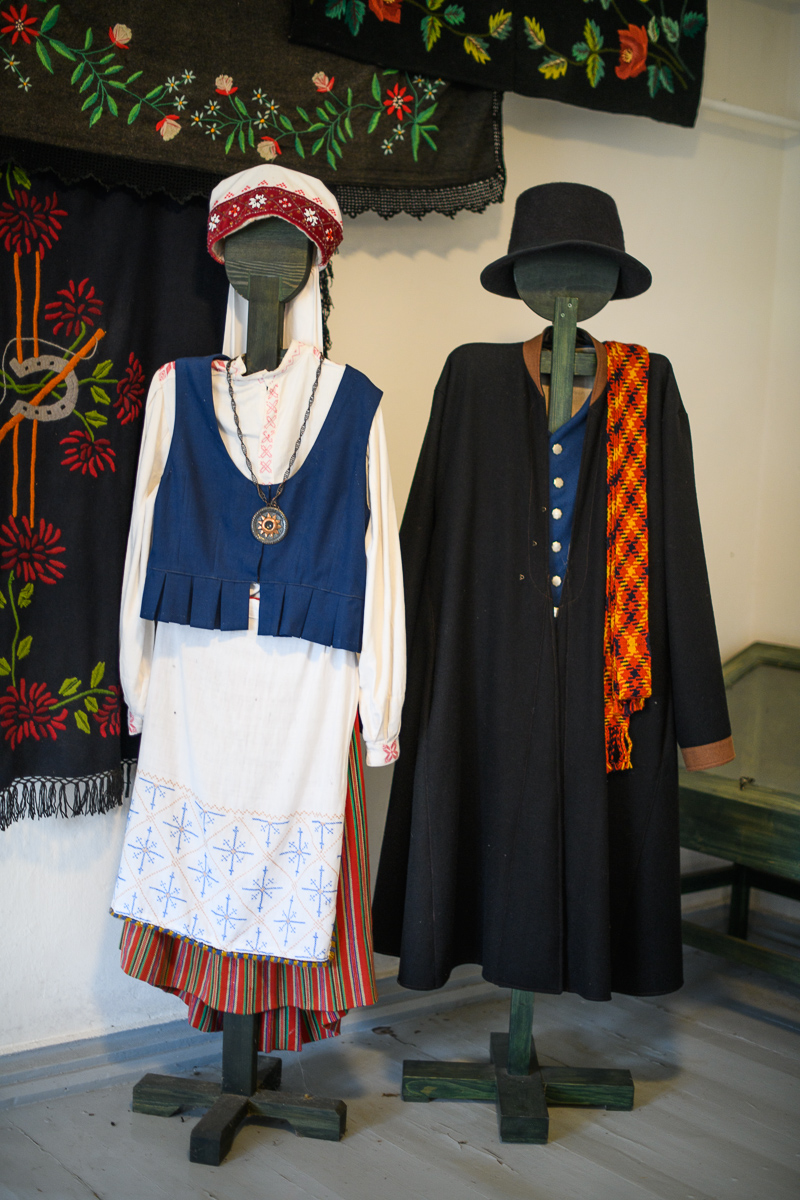
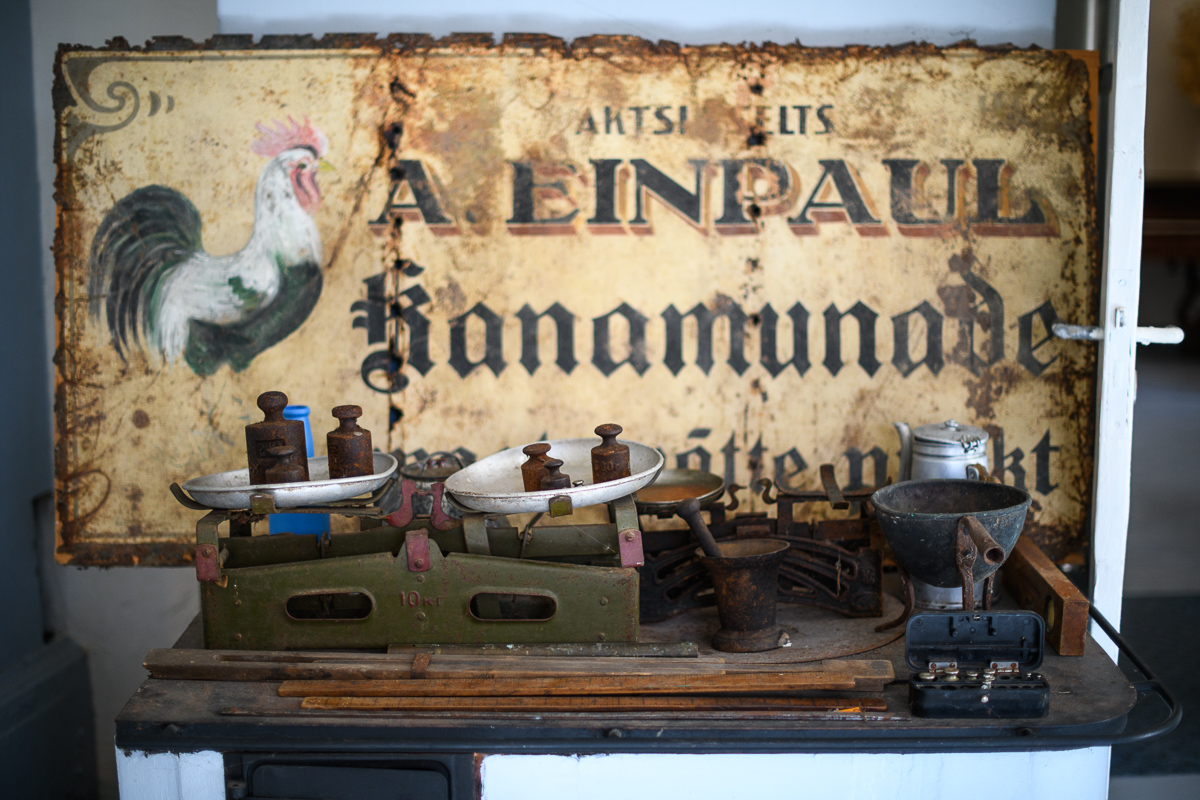
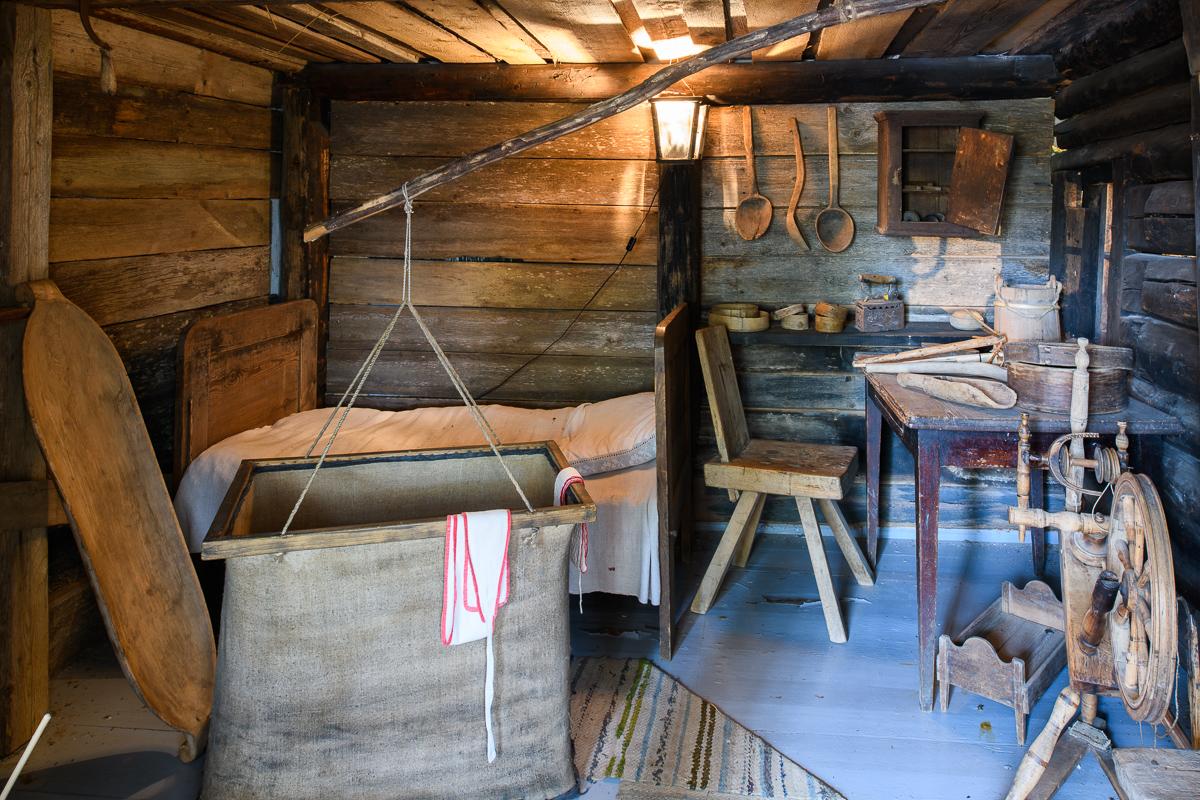
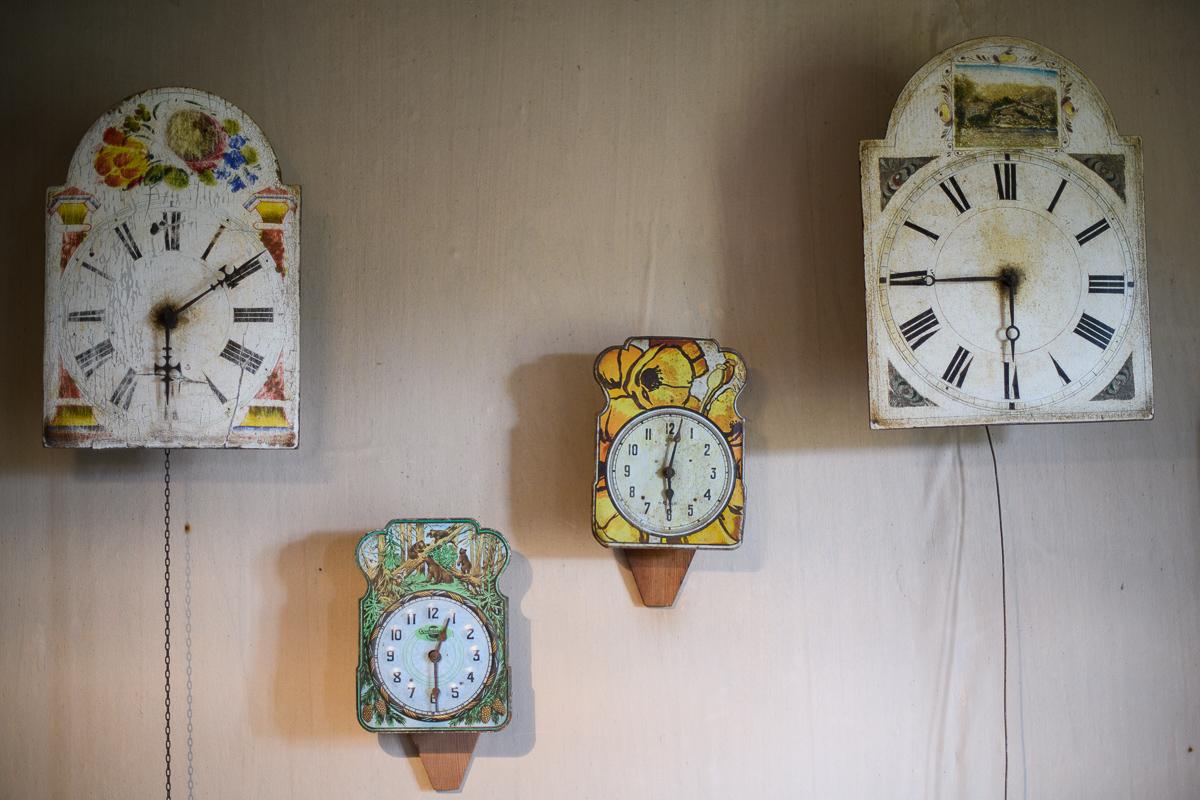
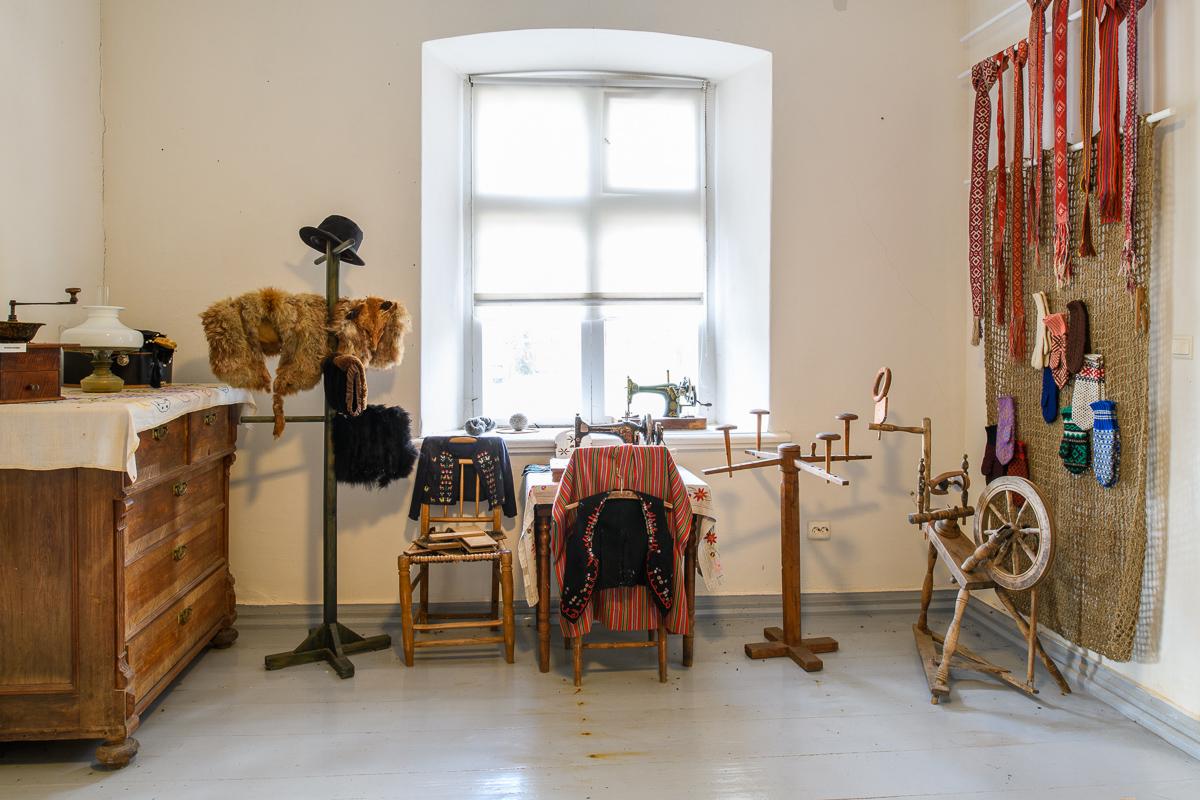
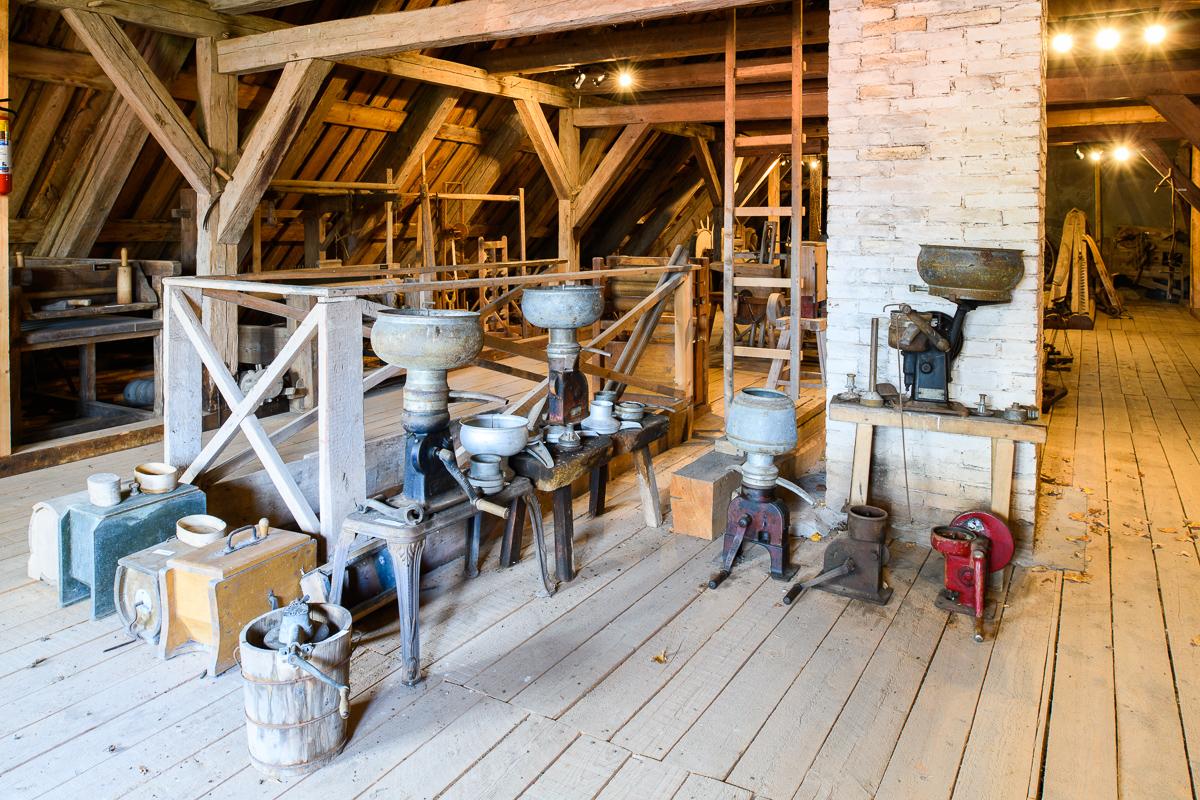
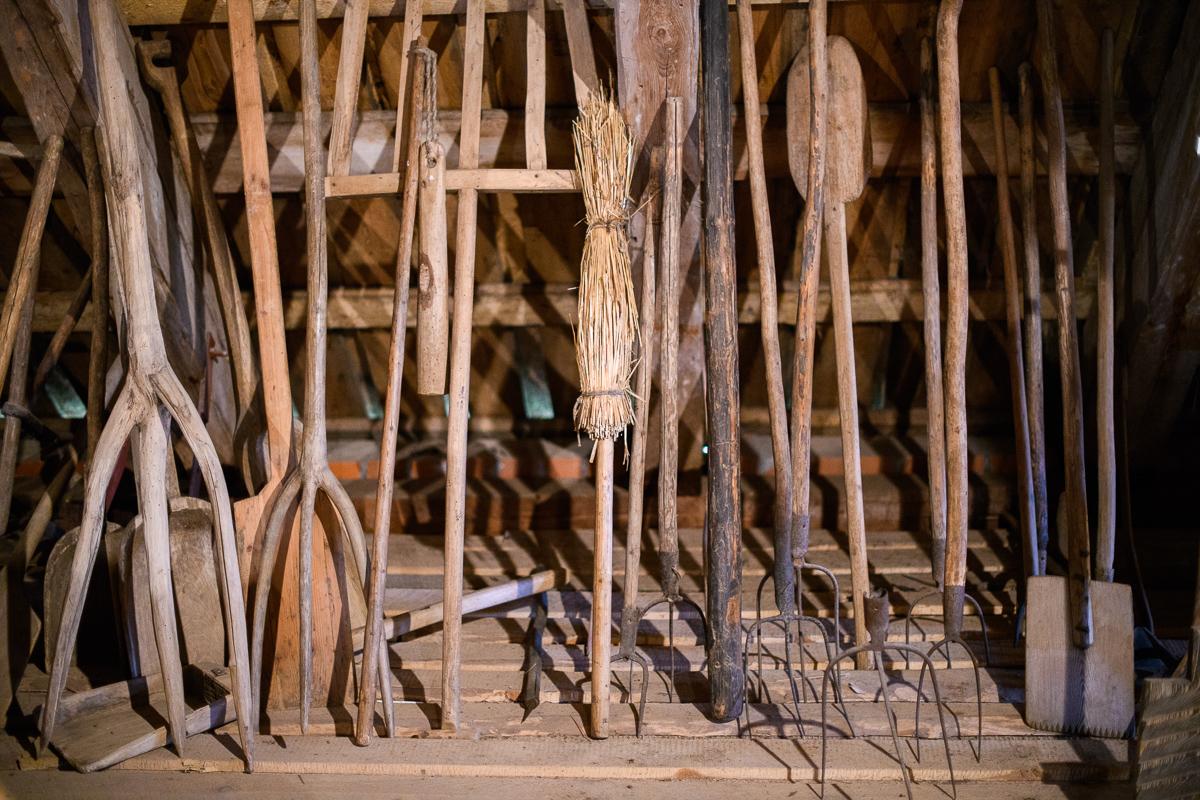
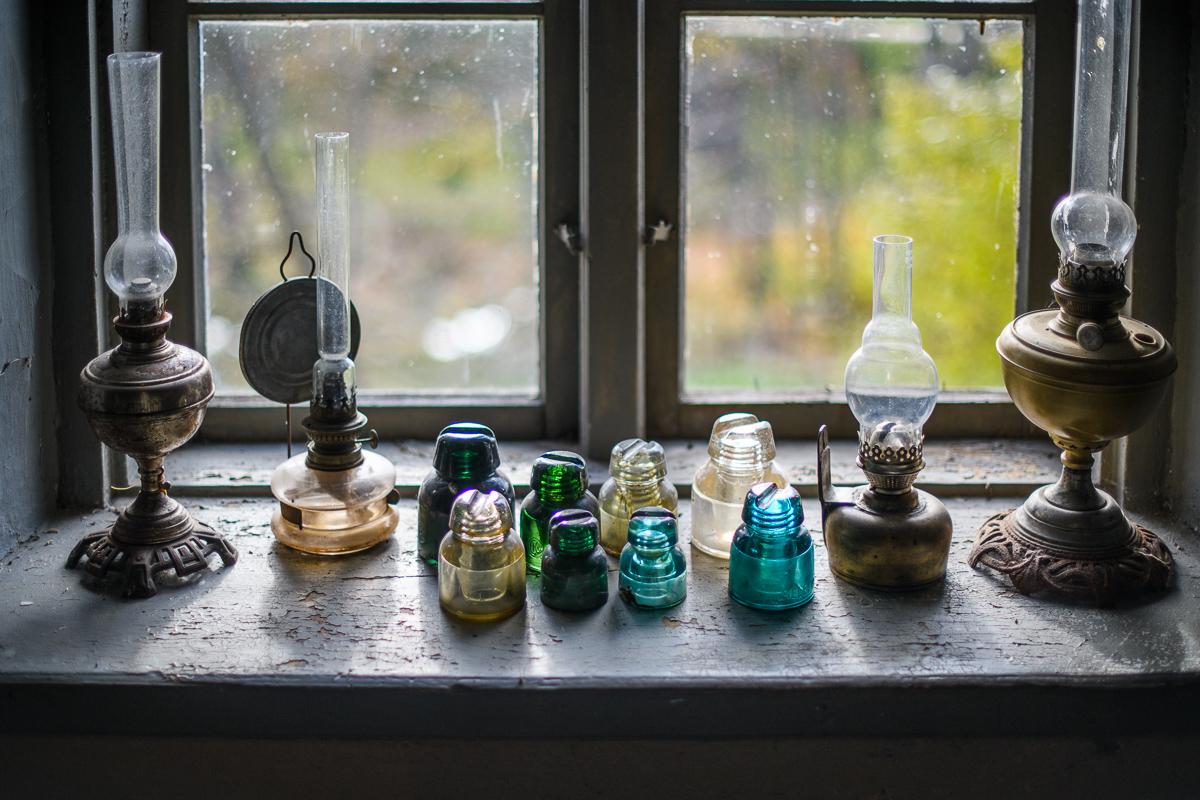
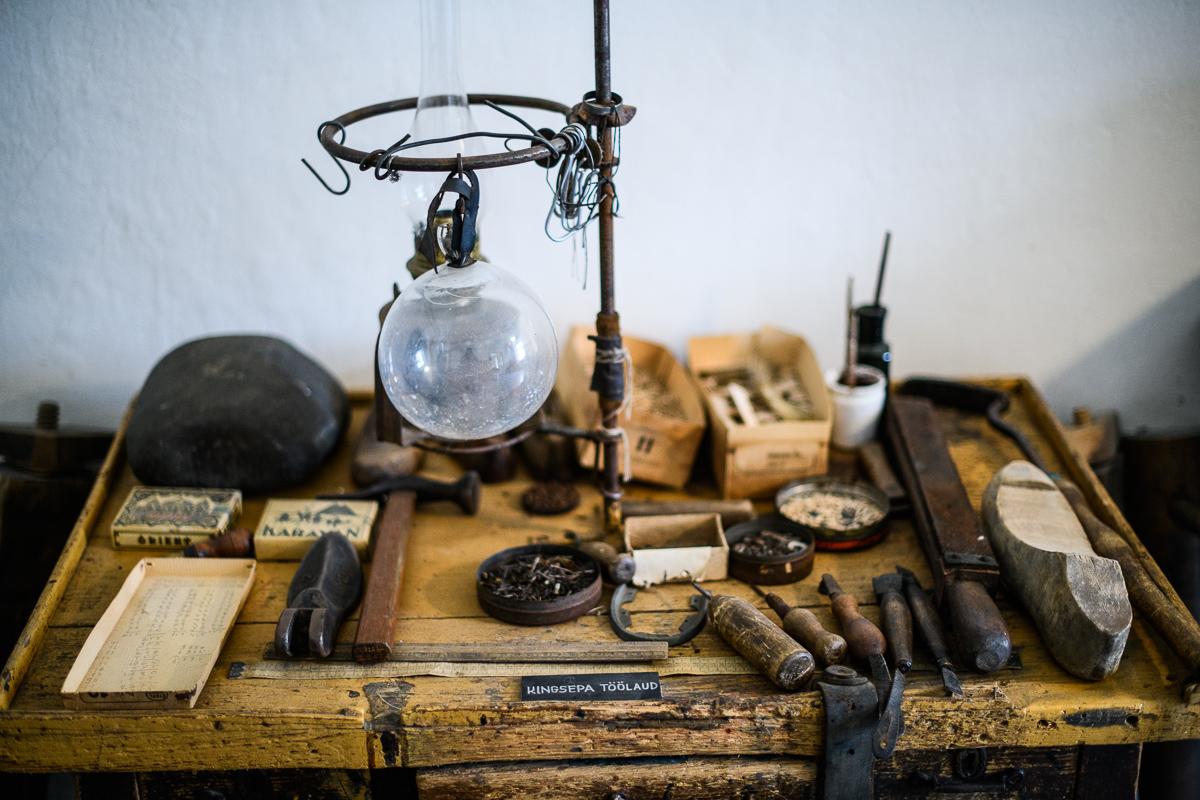
Helme Parish Museum is located in the village of Kirikuküla in the former rectory of Helme church. At Helme Parish Museum, you will not only see preserved items, but also conserved memories where each item can tell a story about its maker, user or owner. The multitudinous museum assets emphasise local values, sources of sustenance and way of life. Here, various eras converge, creating a long life line between yesterday, today and tomorrow.

Amenities

  • Free parking
  • Recreation area/picnic ground

Open times

30. sept - 29. apr

Eeltellimsel

1. mai - 30. sept

K-P12:00 - 17:00

Contact

  • +372 5662 5102
  • koduloomuuseum@torva.ee

Links

See more

  • Guided tours
  • Workshops

KGB Cells Museum

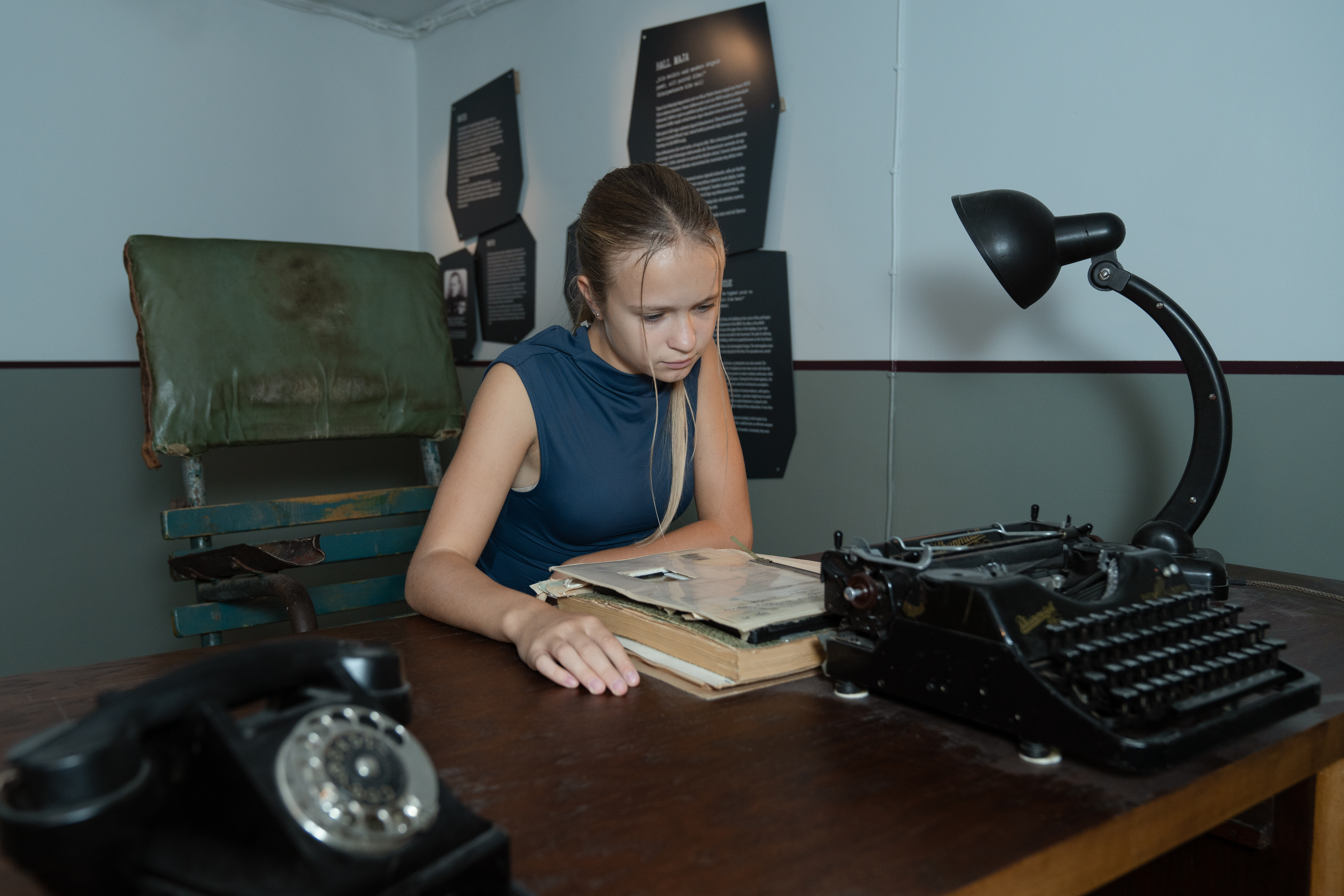
The KGB Cells Museum, known as the "Grey House", is a historical museum in Tartu, where the NKVD/KGB was located in the 1940s and 1950s. The basement of the building, where the cells were located, is open to visitors. Several cells, the punishment cells, and the basement corridor have been restored to their historical form. The prison cells are filled with an exhibition that provides an overview of Estonia's post-war struggle for freedom and the crimes of the communist regime. Here you can see photographs and objects from Siberian prison camps, as well as materials on the history of the Forest Brotherhood and secret resistance organizations. Step into history and experience the meaning of freedom!

Tartu Festival Arena

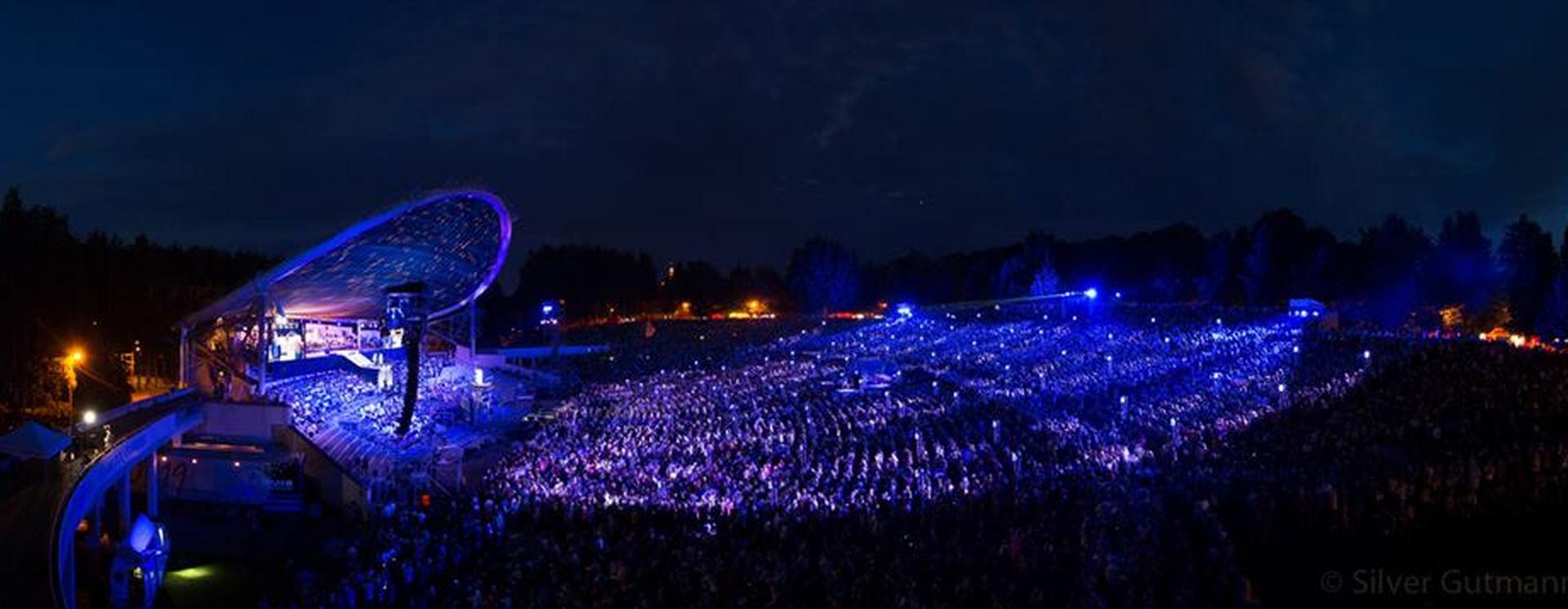
Tartu Festival Arena is a concert venue for up to 15,000 people. It was opened with the 125th Song Festival in 1994. Every year, up to 20 big concerts take place here: for example, Depeche Mode, Manhattan Transfer, and José Carreras have performed here.An activity centre has been developed around the Festival Arena, with a children’s park, a skatepark, a sports park with health trails and disc-golf courses by the river. You can rent sports equipment from the park. The halls in the Festival Arena can be rented for birthdays, seminars, or dance training. A free skating rink is open in winter. Concerts are usually with tickets and entrance is for a fee.

  • Sculptures

‘The Kissing Students’ sculpture and fountain

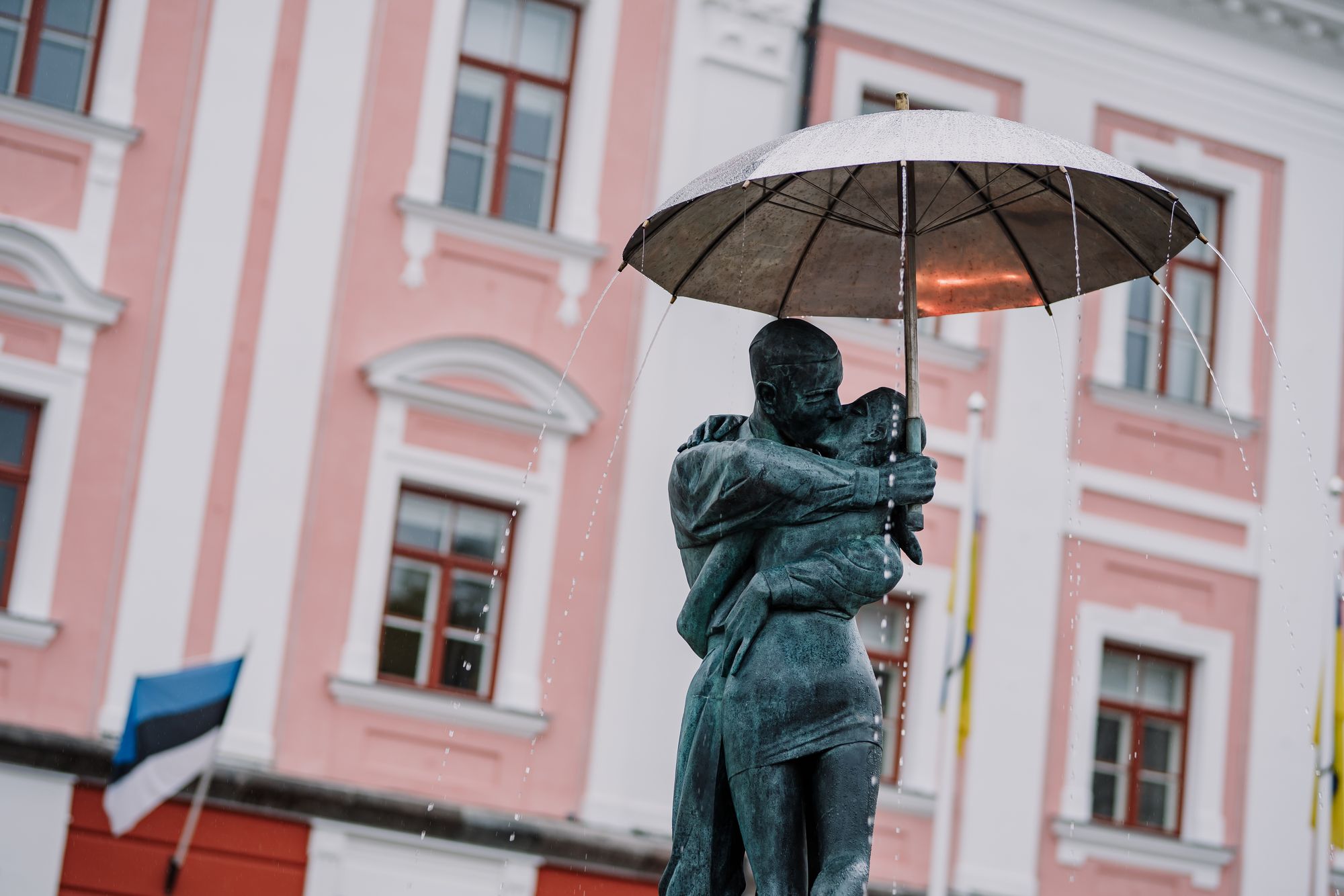
'The Kissing Students' sculpture and fountain is one of the most recognised symbols of Tartu. The fountain has stood in the same place since 1948, when newlyweds and their guests would visit it for luck, and people would also take a dip in it. The sculpture was created by Mati Karmin and completed in 1998. Since 2006 the fountain has been surrounded by tiles bearing the names of Tartu's sister cities – Bærum, Deventer, Ferrara, Fredriksberg, Hafnarfjörður, Hämeenlinna, Kaunas, Lüneburg, Pihkva, Riia, Salisbury, Tampere, Turu, Uppsala, Veszprem and Zutphen. Each of these is situated in the direction that the cities lie from Tartu, with the distances marked.

Acrylic pouring or stencil art portrait workshops

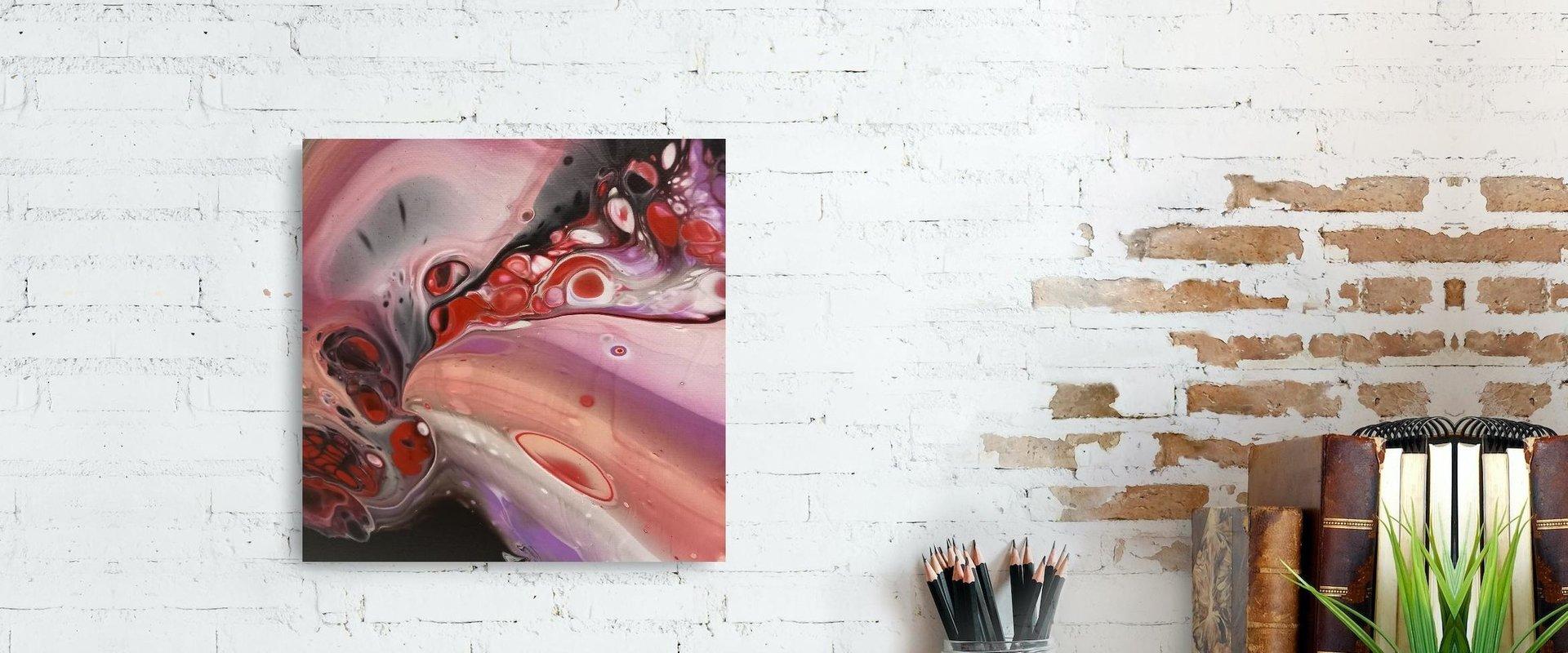
Acrylic pouring or stencil art portrait workshop – the best way to combine art and entertainment!At the Paintbar studio in the Aparaaditehas Creative City, visitors will receive an introduction to art, the opportunity to enjoy each other’s company, and explore the world of UV, spray, and acrylic paints. The visitors will, either alone or with help from us, prepare original paintings that they can take home with them.The Paintbarshop workshops are suitable for everyone (from school age).More information on Paintbarshop’s workshops can be found here.

  • Churches

EELC Roosa Jacob’s Church

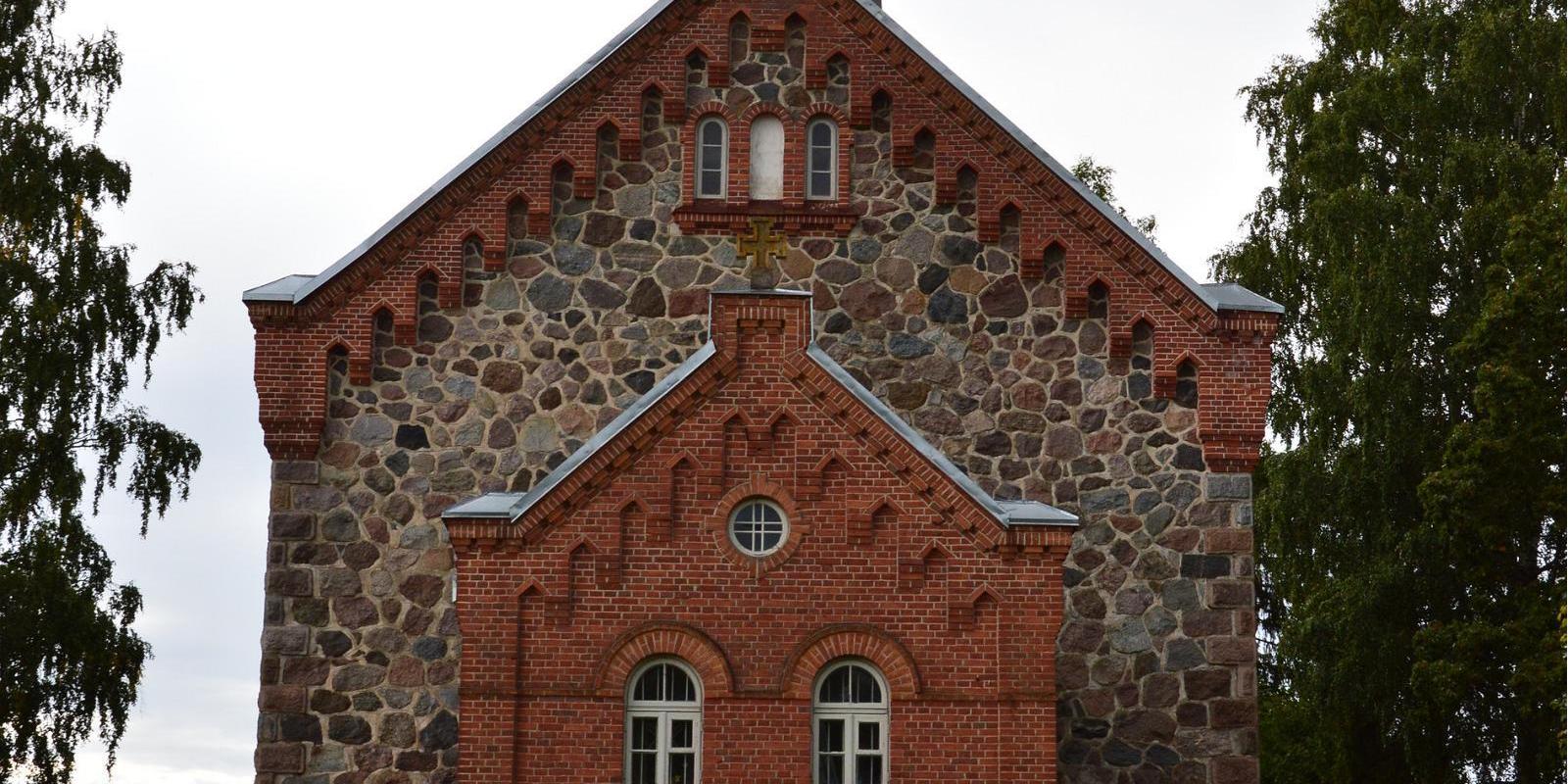
The legend speaks about the owner of Roosa manor, who had promised to build a church if he is saved from a shipwreck. When he had happily escaped the sea, he fulfilled his promise and the first church was built in Roosa in 1735.The current church is the third one in Roosa, built in 1893.The massive quarrystone walls have round-headed windows and brick ornaments, the tower has four sides and triangular gables. The altar-piece is a copy of the ″Christ on the Cross” from the St. Mary's Church in Rõuge and the organ is the first church organ the Kriisa brothers built in 1900.

  • Estonian handicraft
  • Estonian design

University of Tartu Museum, Toompood shop

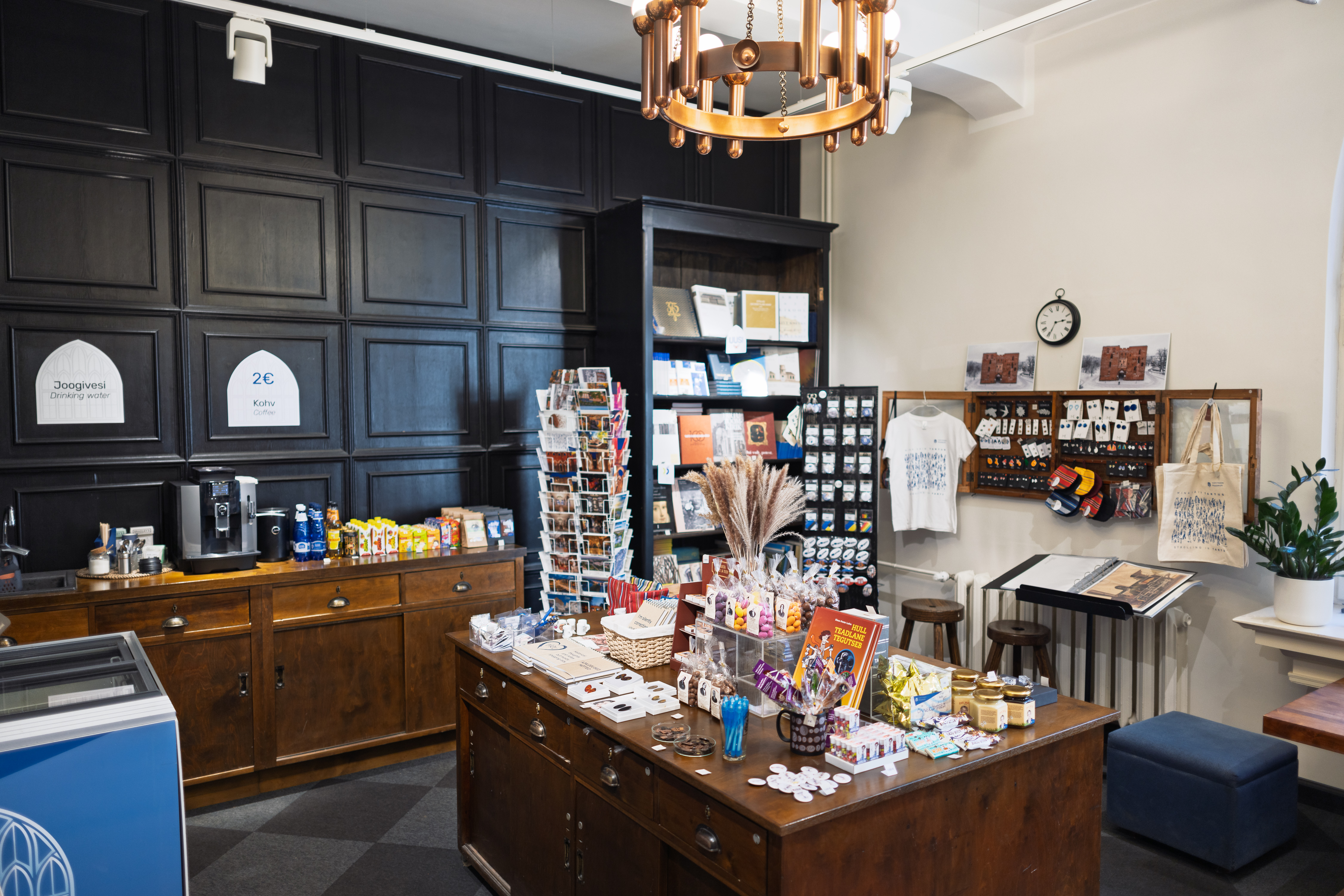
The Toompood is located on the first floor of the University of Tartu Museum. The museum shop sells books about Toomemäe and Tartu Cathedral, the University of Tartu today and in the past, and scientific achievements, in addition to souvenirs, jewelry, and much more. Design and science enthusiasts can find lovely souvenirs in the museum shop as keepsakes for themselves or gifts for loved ones. The selection includes jewelry created by local designers, toys, and souvenirs with a message suitable for culture enthusiasts. For those with a sweet tooth, we offer handmade chocolate and honey. There are souvenirs in every price range, and many of the products are Estonian.

The city centre square of Võru

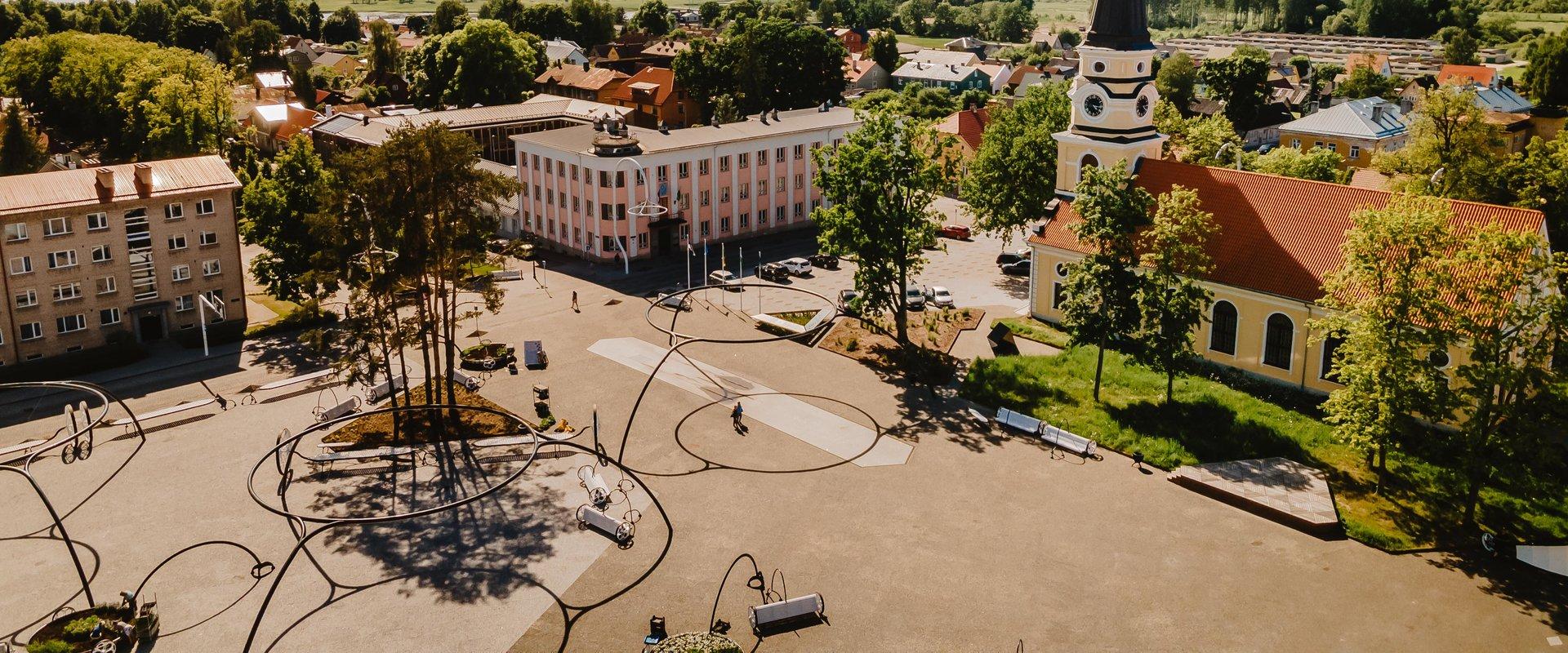
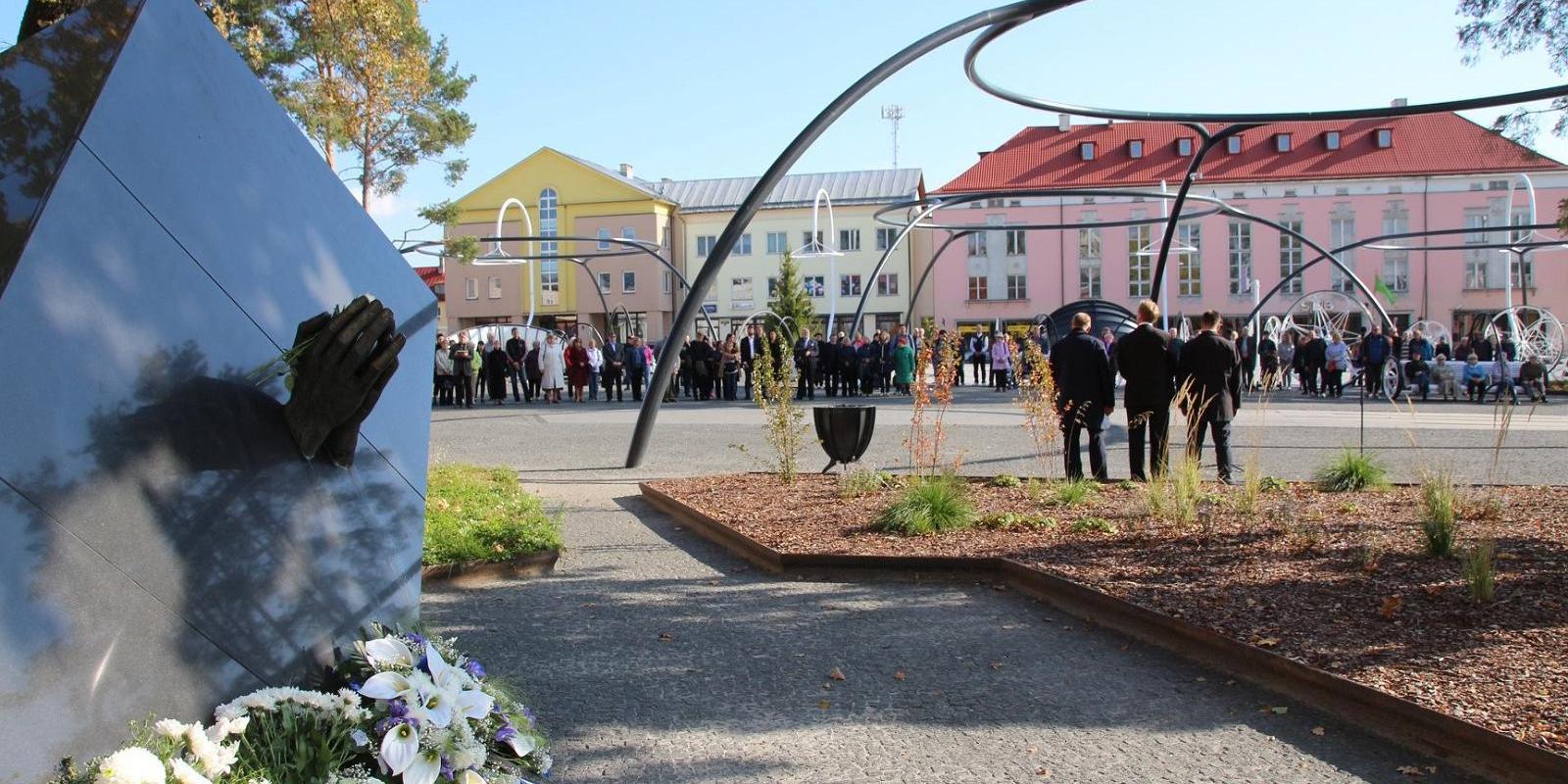
The central square of Võru, dedicated to the 100th anniversary of the Republic of Estonia, is unique for its urban furniture. The word furniture originates from the Latin word mobilis – movable. Today, the square is in constant transformation, reflecting the character of different events – sometimes it's a market square, at other times a concert hall, and in winter, a magical Christmas land. The central square is the historical heart of Võru, surrounded by the Government House (1938), the Lutheran St. Catherine’s Church (1793), the grammar school building (the oldest house in the city, 18th century), the fire station (1900), the Apostolic St. Catherine’s Church (1804), and the bank building (1938). The renewed central square was opened in 2019, designed by architect Villem Tomiste. Taking a step onto the square brings you into a space where past and present blend seamlessly. There’s room here for both reflection and liveliness – for meeting old friends, spending time with family, or simply being in the moment. Võru’s central square is more than just a plaza – it’s a living meeting place that invites everyone to pause, enjoy, and experience. Come to the heart of Võru – to where the city lives and breathes.
Võru Bank Building

Võru Bank Building is undoubtedly one of the most stylish stone buildings in Võru. The traditional building was completed in 1938 around the then main square marketplace. The style is characterised by a high roof, symmetrical facade with stylised pillar motifs, including national ornamentation. The architects were Edgar Johan Kuusik and Anton Soans, the bas-reliefs were made by Aleksander Kaasik.Currently, the building houses an SEB branch office, the souvenir and gift shop Must Kass, and the editorial office of LõunaLeht.

  • Collaboration
  • News
  • Contacts
  • Privacy Policy
Join our mailing list!

"*" indicates required fields

This field is for validation purposes and should be left unchanged.
I authorise marketing

South Estonia Tourism Cluster

info@visitsouthestonia.com