• Открой
    • Еда
    • Природа
    • Культура
    • Семья
    • Спорт
    • Сообщество
    • Блог
    У Вас появились свободные выходные, чтобы провести с детьми? Здесь собраны лучшие места в Южной Эстонии для семейного отдыха
  • Планируй
    • Размещение
    • Информация
    • Varamu
    Sustainability
RUS
  • РусскийRUS
  • EestiEST
  • EnglishENG
  • LatviešuLAT
  • SuomiFIN
RUS
  • РусскийRUS
  • EestiEST
  • EnglishENG
  • LatviešuLAT
  • SuomiFIN
Populaarsed otsingud:
Näita kõiki tulemusi
  • History & Culture
  • Museums

Helme Parish Museum

Tõrva vald, Valga maakond, 68611

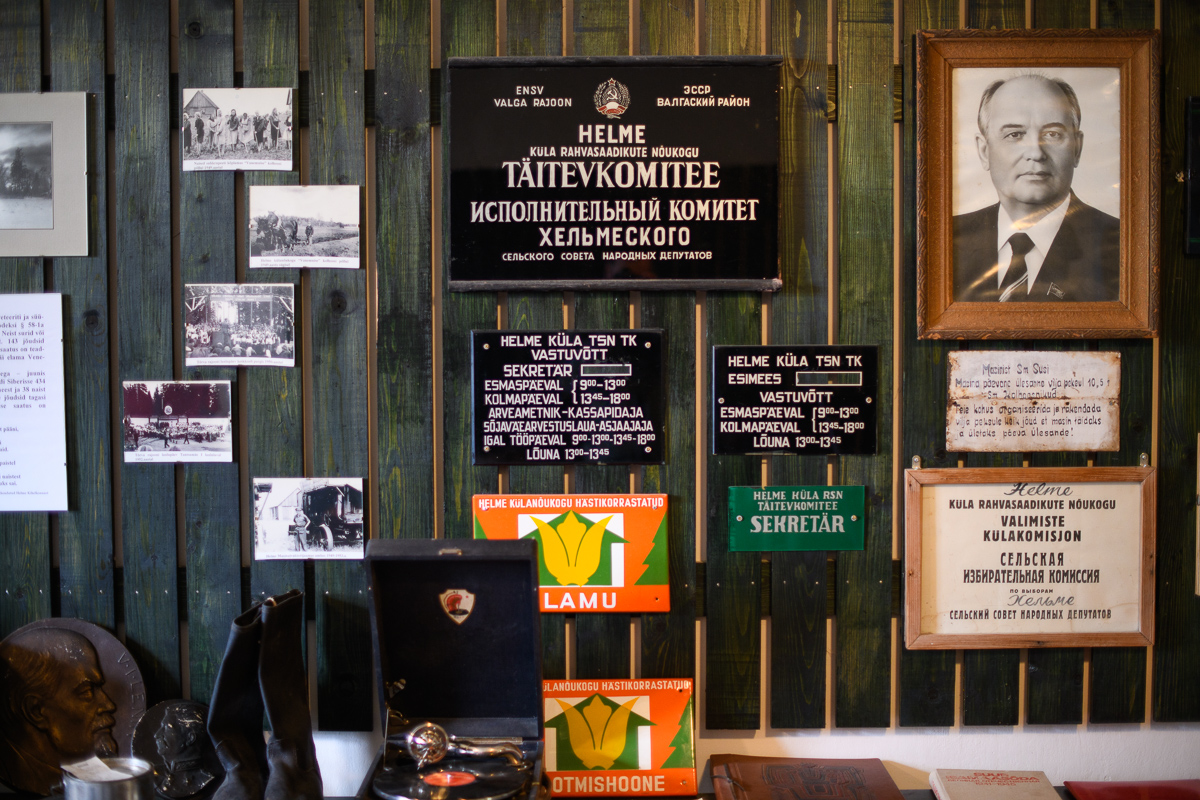
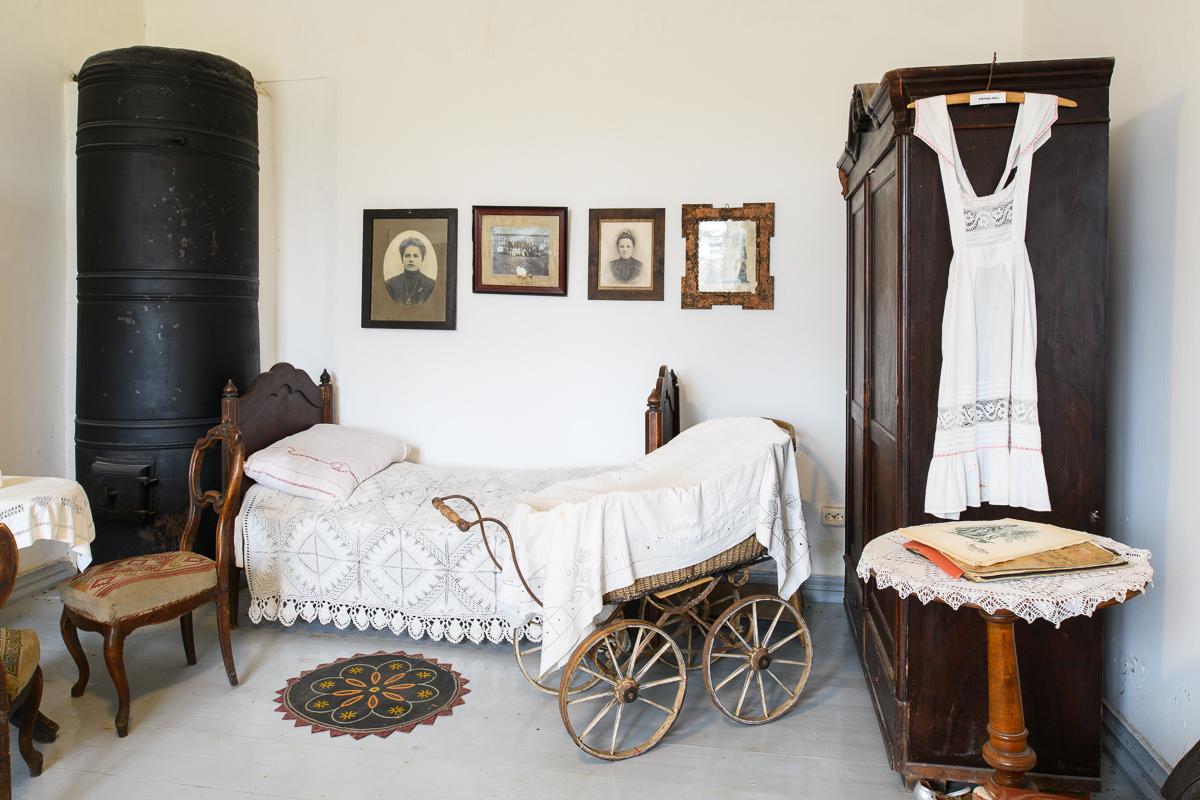
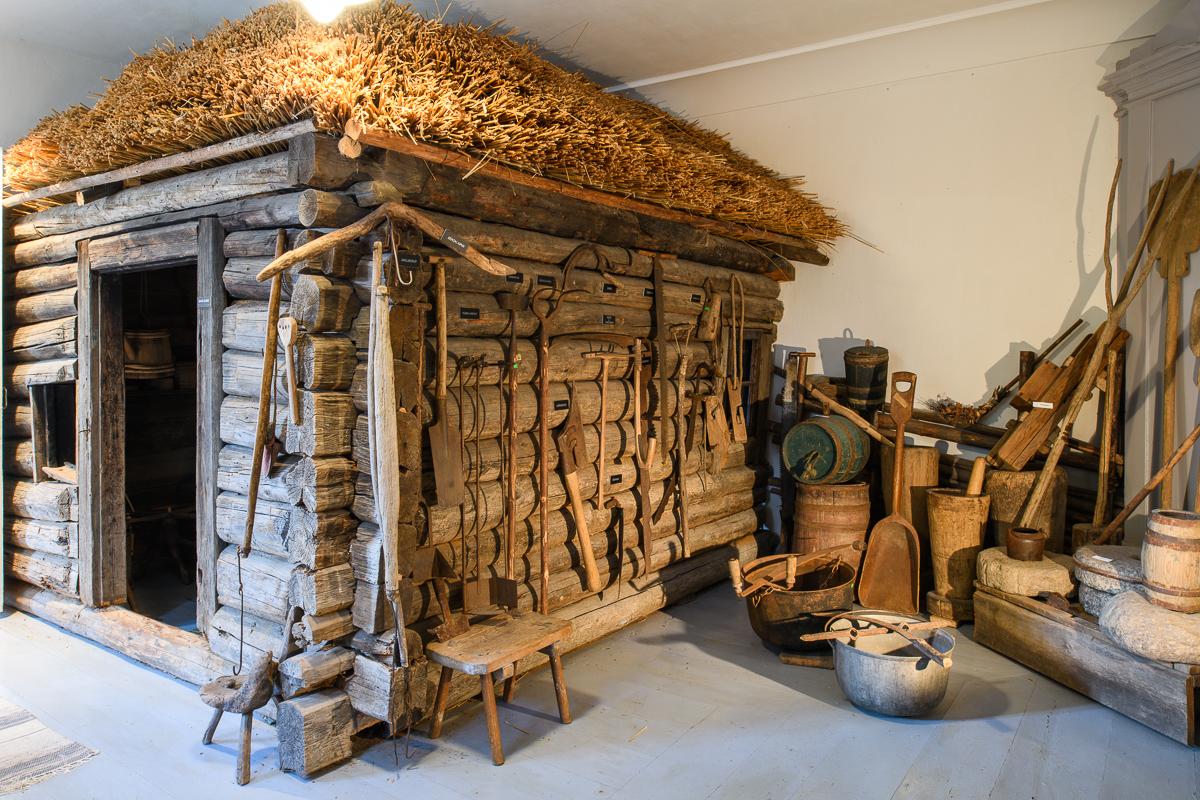
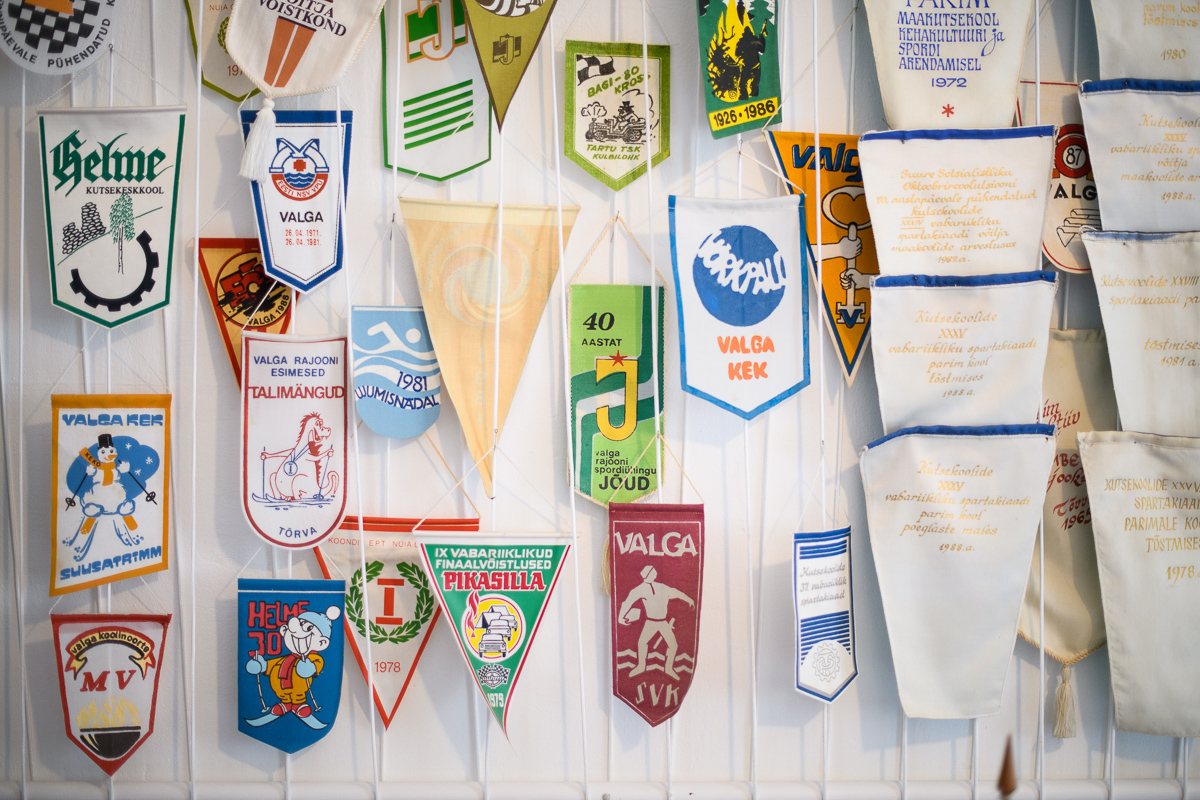
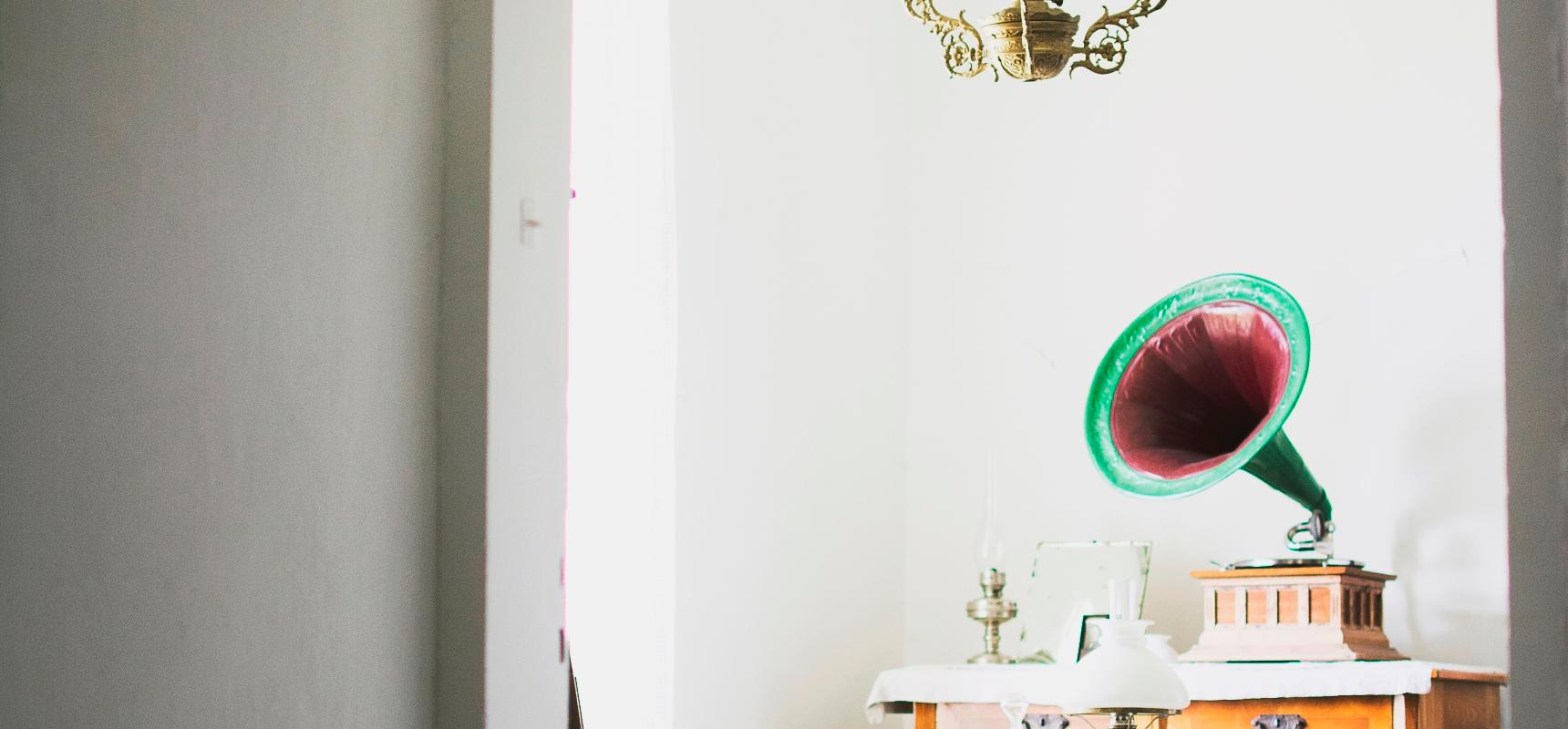
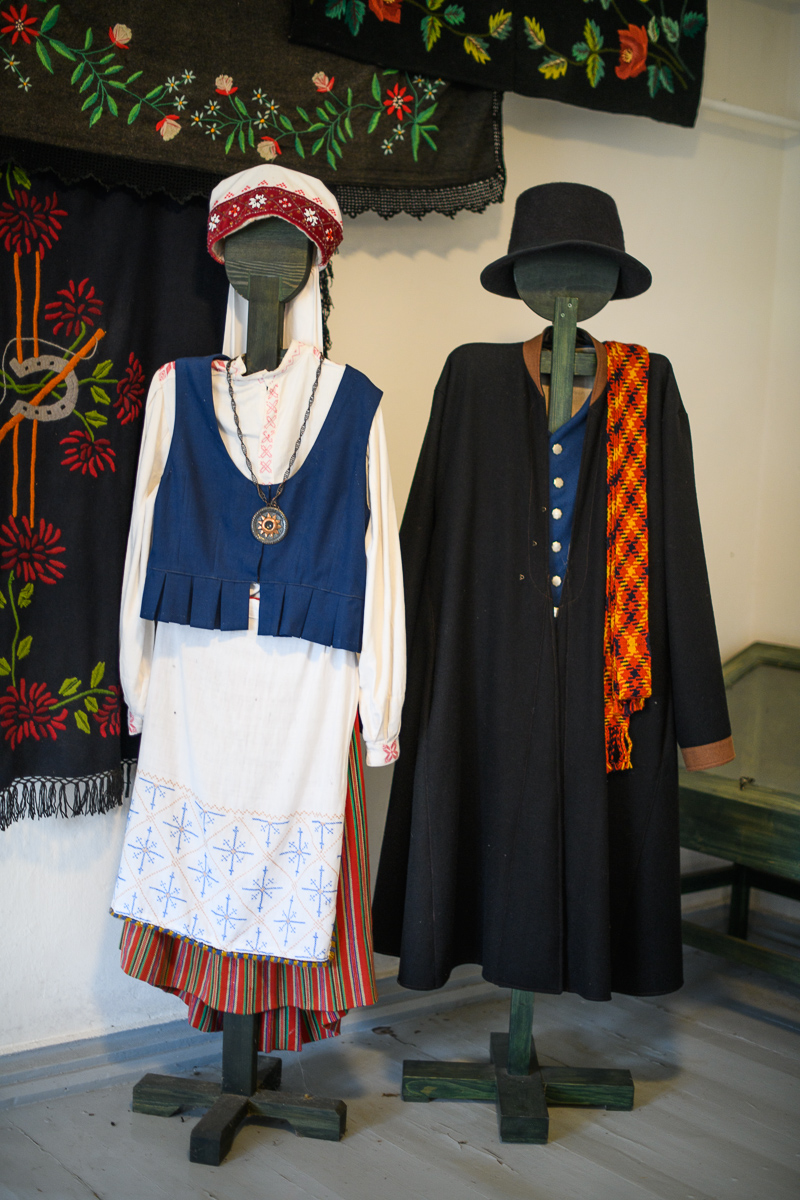
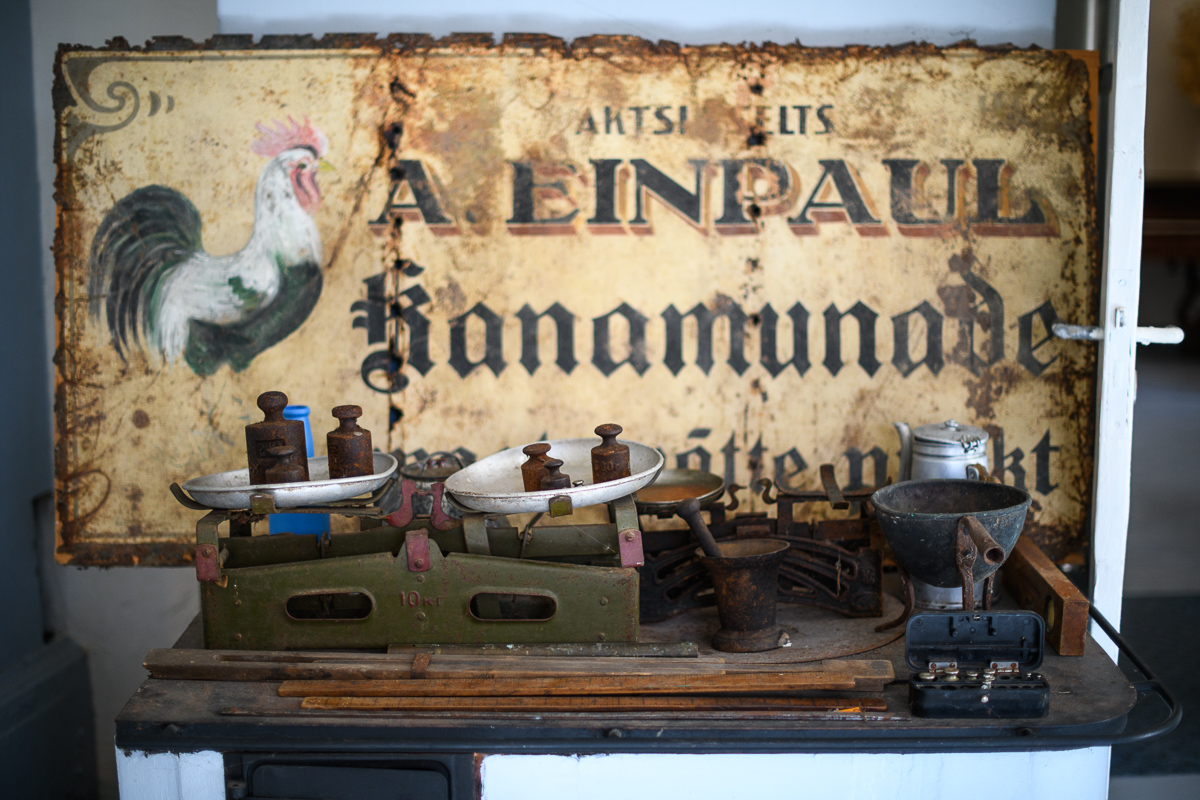
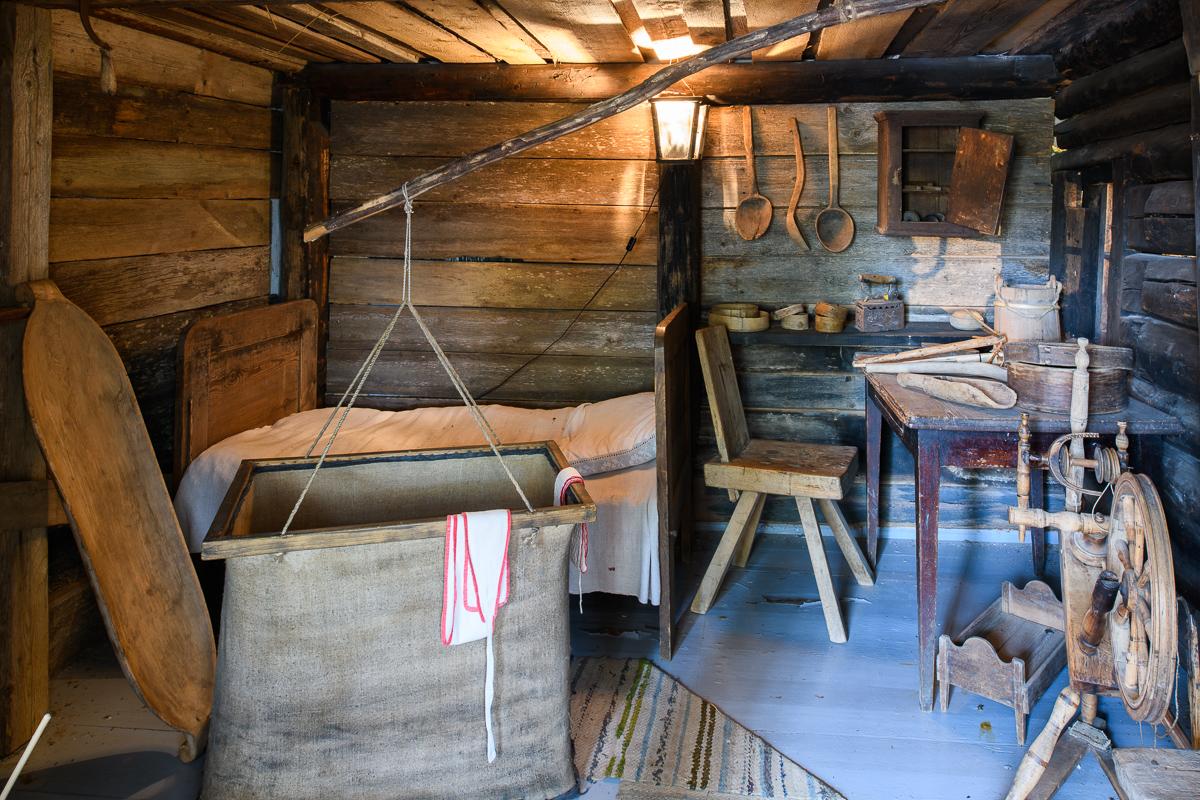
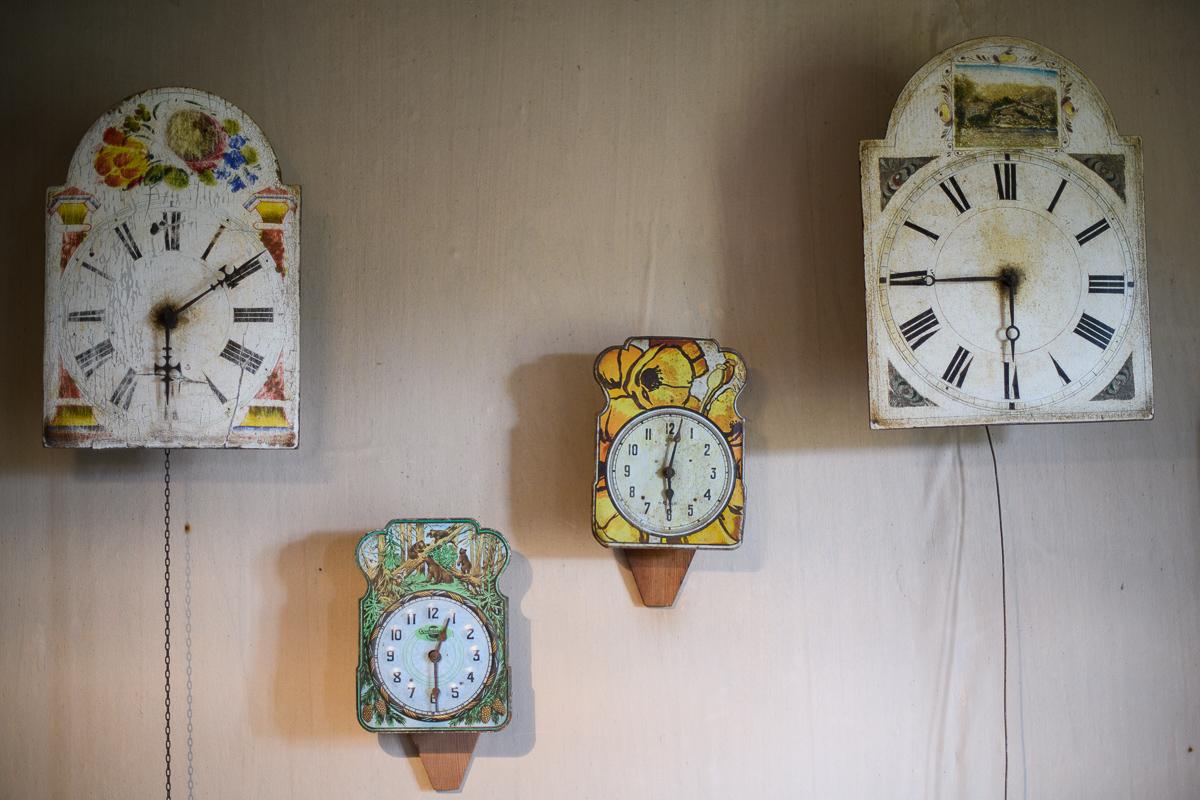
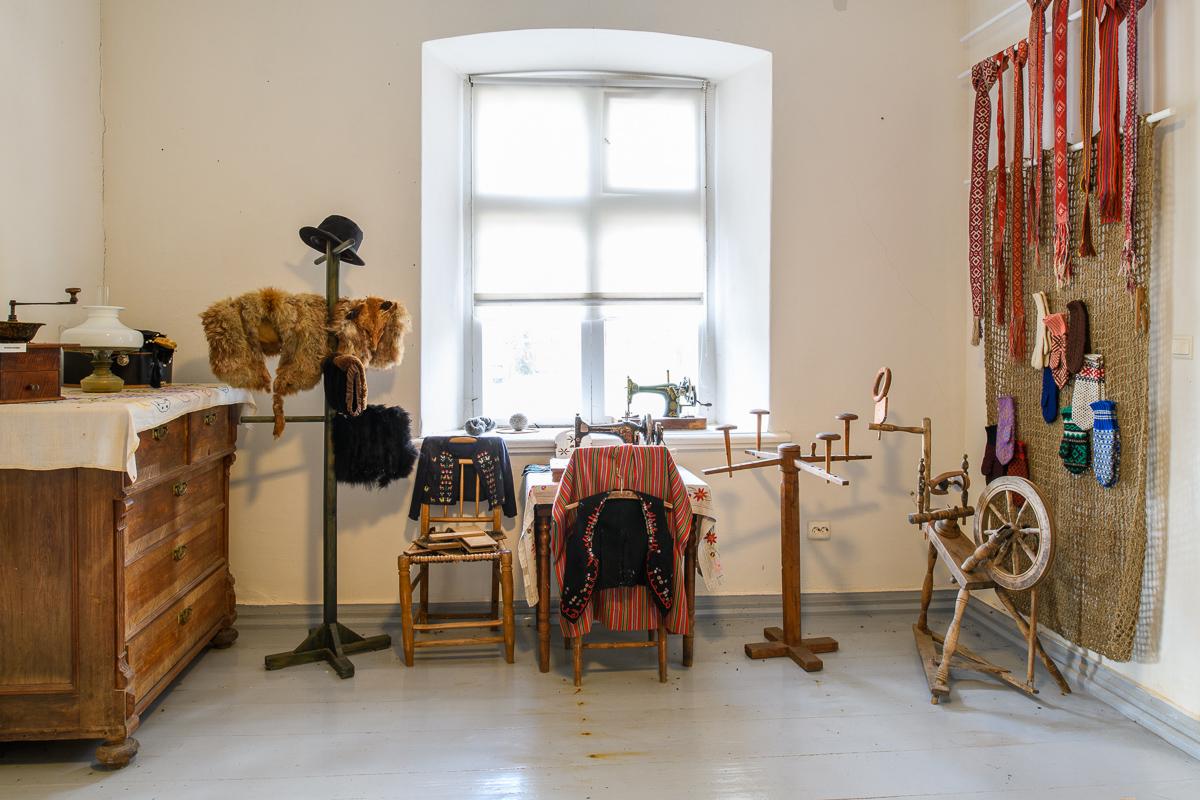
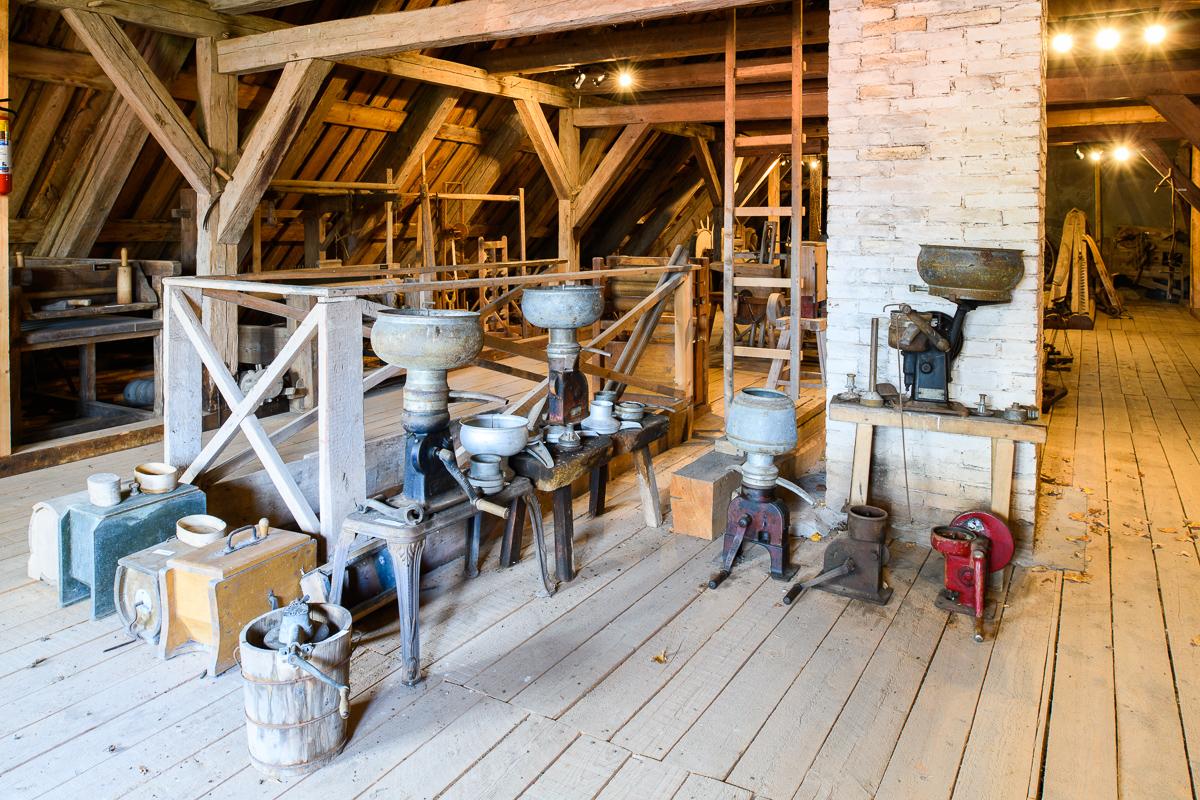
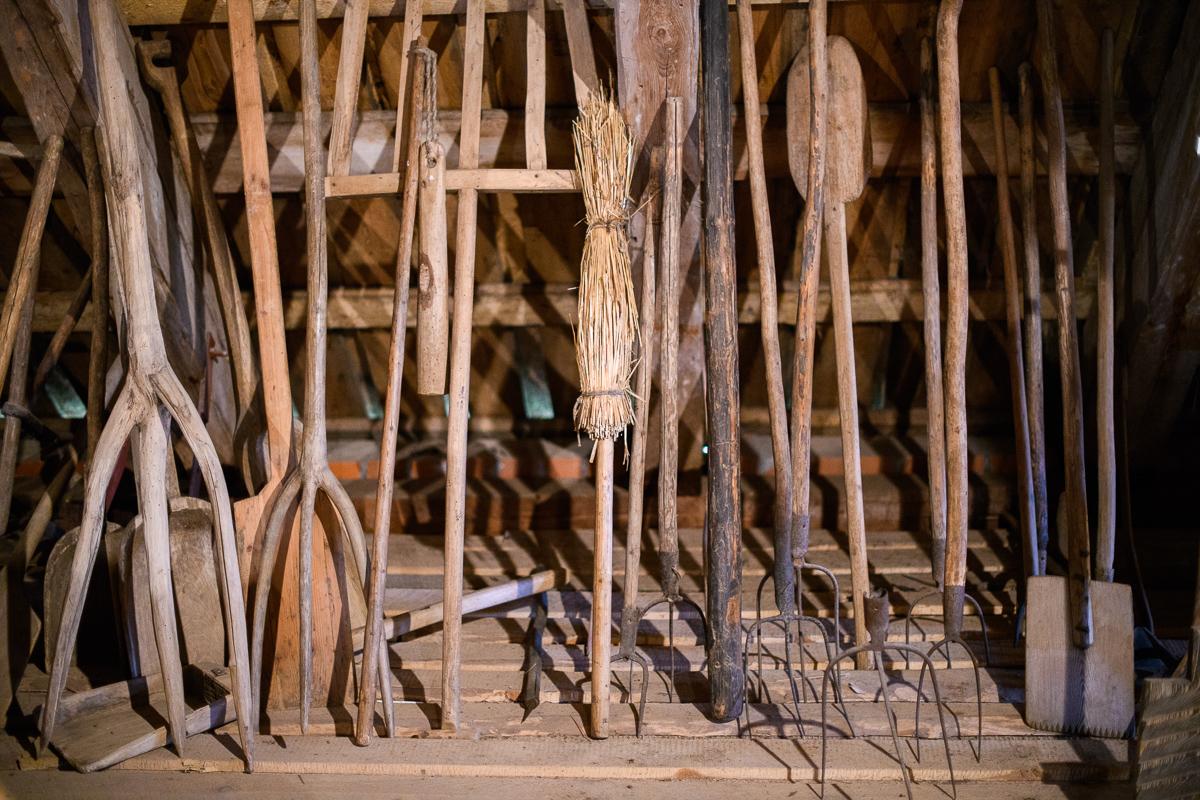
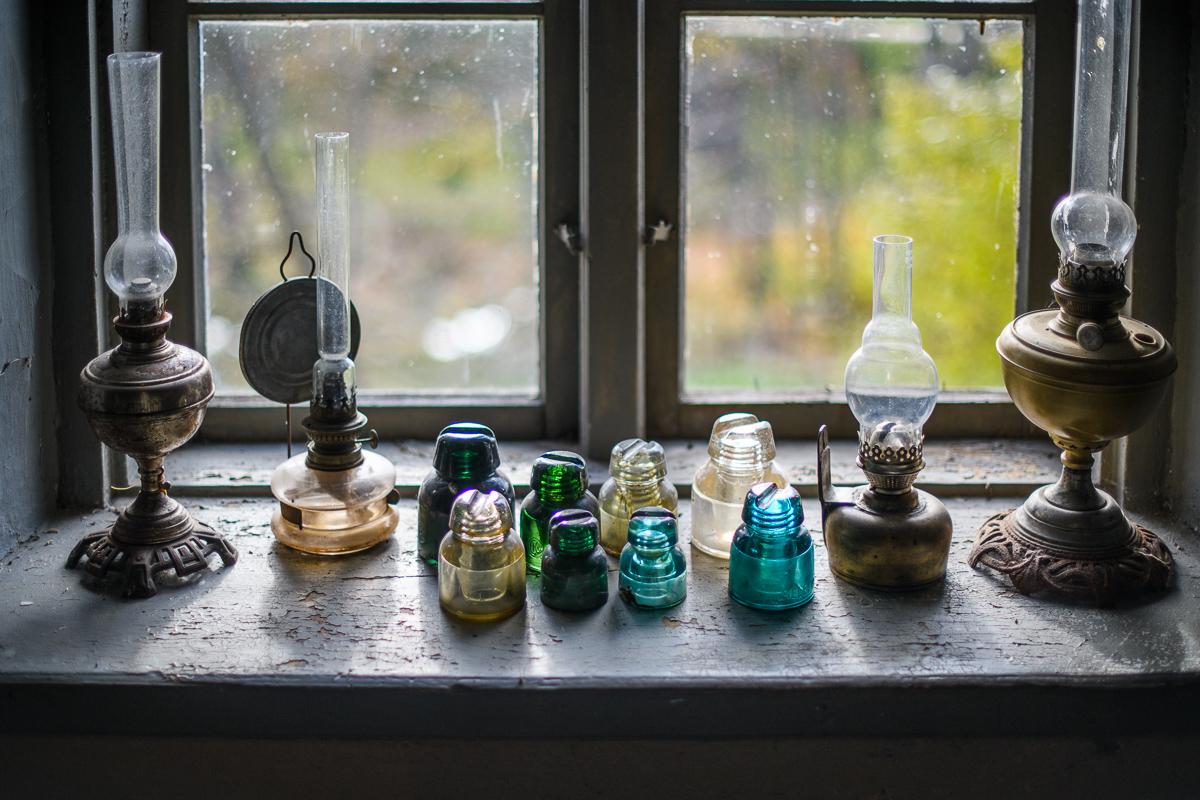
Helme Parish Museum is located in the village of Kirikuküla in the former rectory of Helme church. At Helme Parish Museum, you will not only see preserved items, but also conserved memories where each item can tell a story about its maker, user or owner. The multitudinous museum assets emphasise local values, sources of sustenance and way of life. Here, various eras converge, creating a long life line between yesterday, today and tomorrow.

Mugavused

  • Free parking
  • Recreation area/picnic ground

Часы работы

30. sept - 29. apr

По предварительному заказу

1. mai - 30. sept

K-P12:00 - 17:00

Контакты

  • +372 5662 5102
  • koduloomuuseum@torva.ee

Ссылки

Подробнее

Mats Erdell Chapel in Ala Cemetery

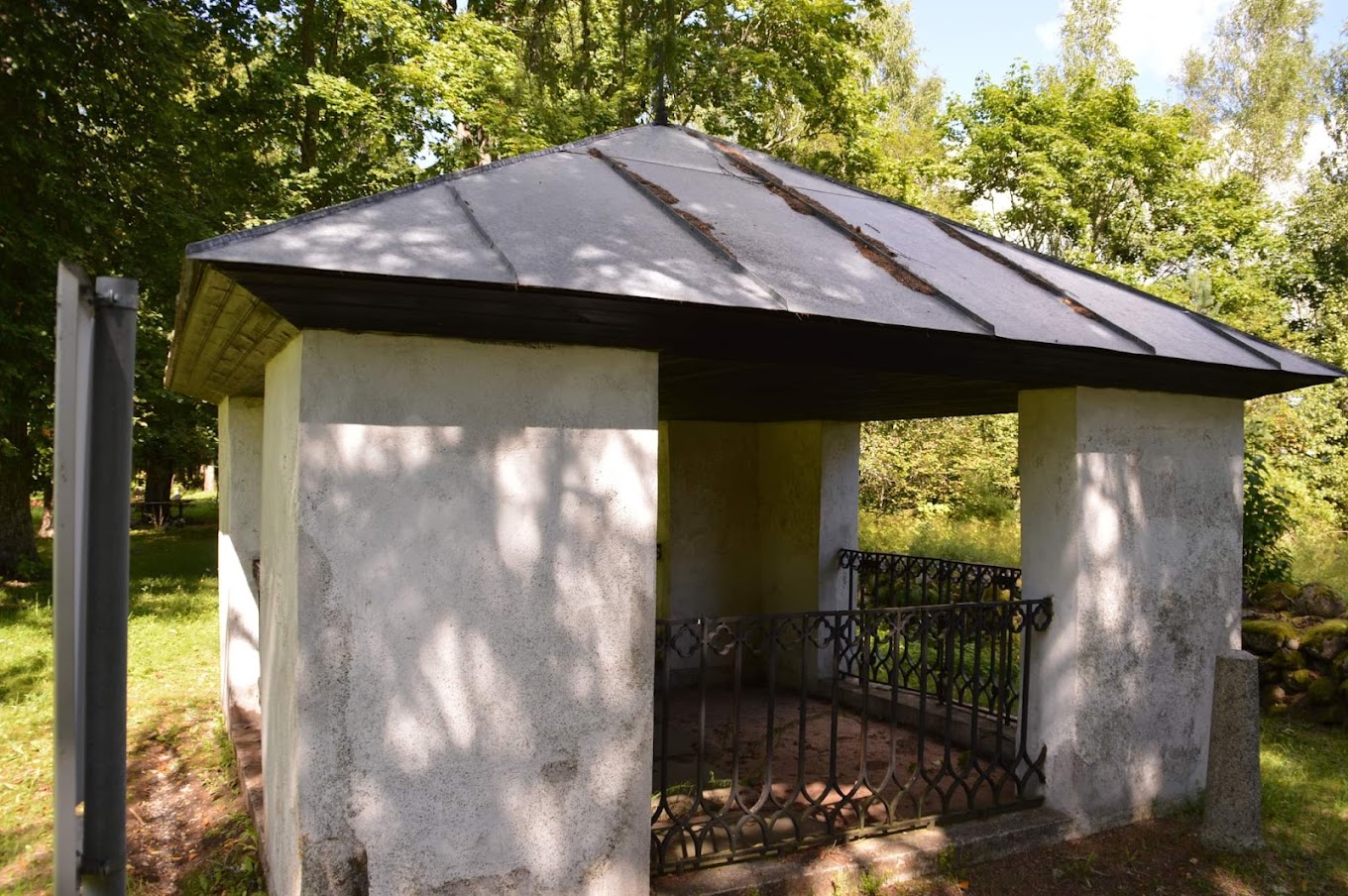
Ala Cemetery is not far from Taagepera and the chapel of the first Estonian squire Mats Eredell is located in its southern end. It is also the resting place of Mats’s wife Kärt, son Friedrich Bernhard and another descendant of Mats. Mats Eredell was the owner of the Sõnni Farm in Taagepera. One of his descendants, Hans Erdell, bought the Roobe Manor in 1868. It was one of earliest purchases of its kind in the history of Livonia.Interesting facts: Mats Erdell (1792-1847) was the first Estonian squire.

Võru Bank Building

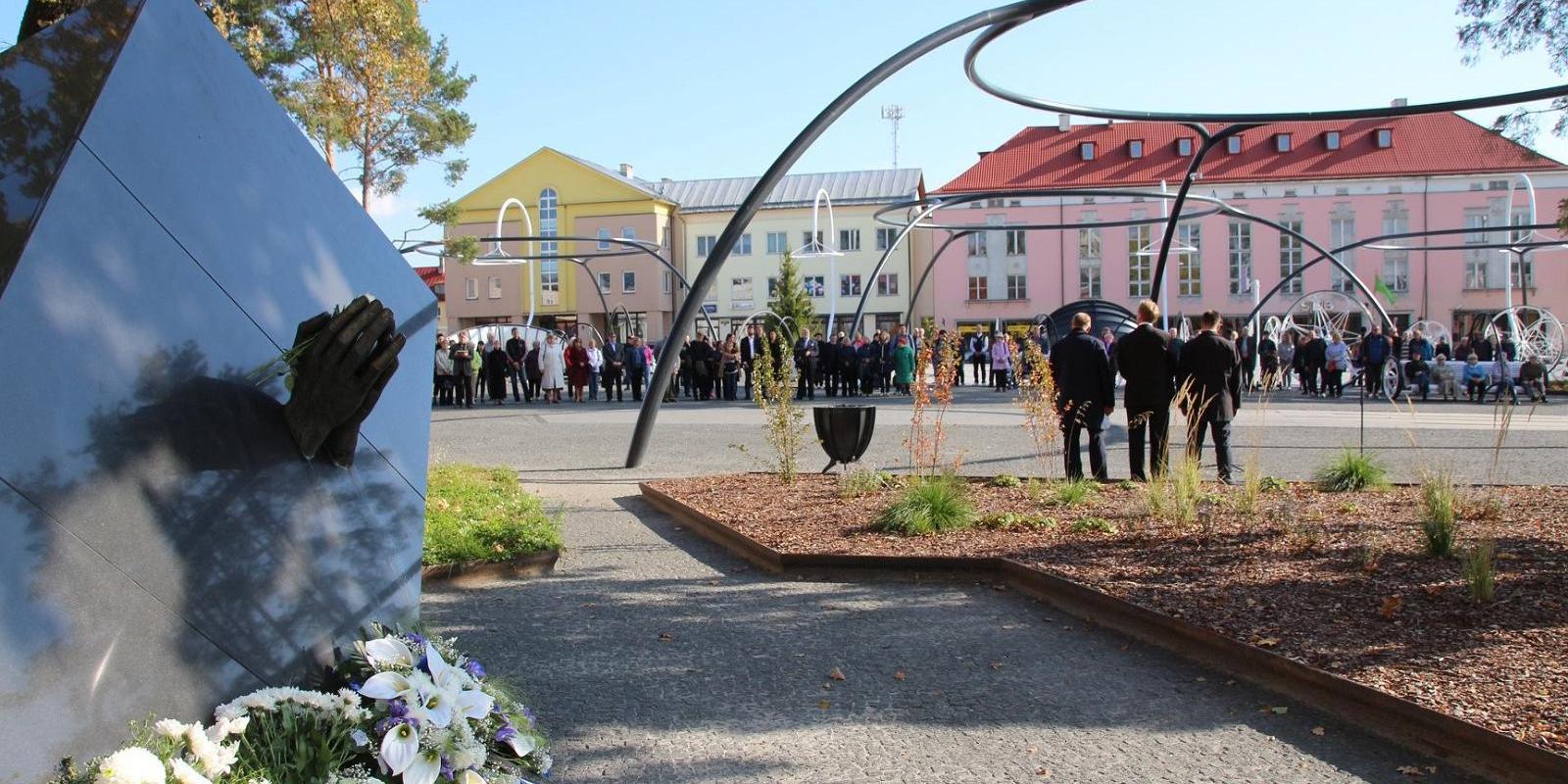
Võru Bank Building is undoubtedly one of the most stylish stone buildings in Võru. The traditional building was completed in 1938 around the then main square marketplace. The style is characterised by a high roof, symmetrical facade with stylised pillar motifs, including national ornamentation. The architects were Edgar Johan Kuusik and Anton Soans, the bas-reliefs were made by Aleksander Kaasik.Currently, the building houses an SEB branch office, the souvenir and gift shop Must Kass, and the editorial office of LõunaLeht.

  • Pet friendly
  • Family friendly
  • Guided tours
  • Workshops
  • Virtual reality (VR)

Lake Museum

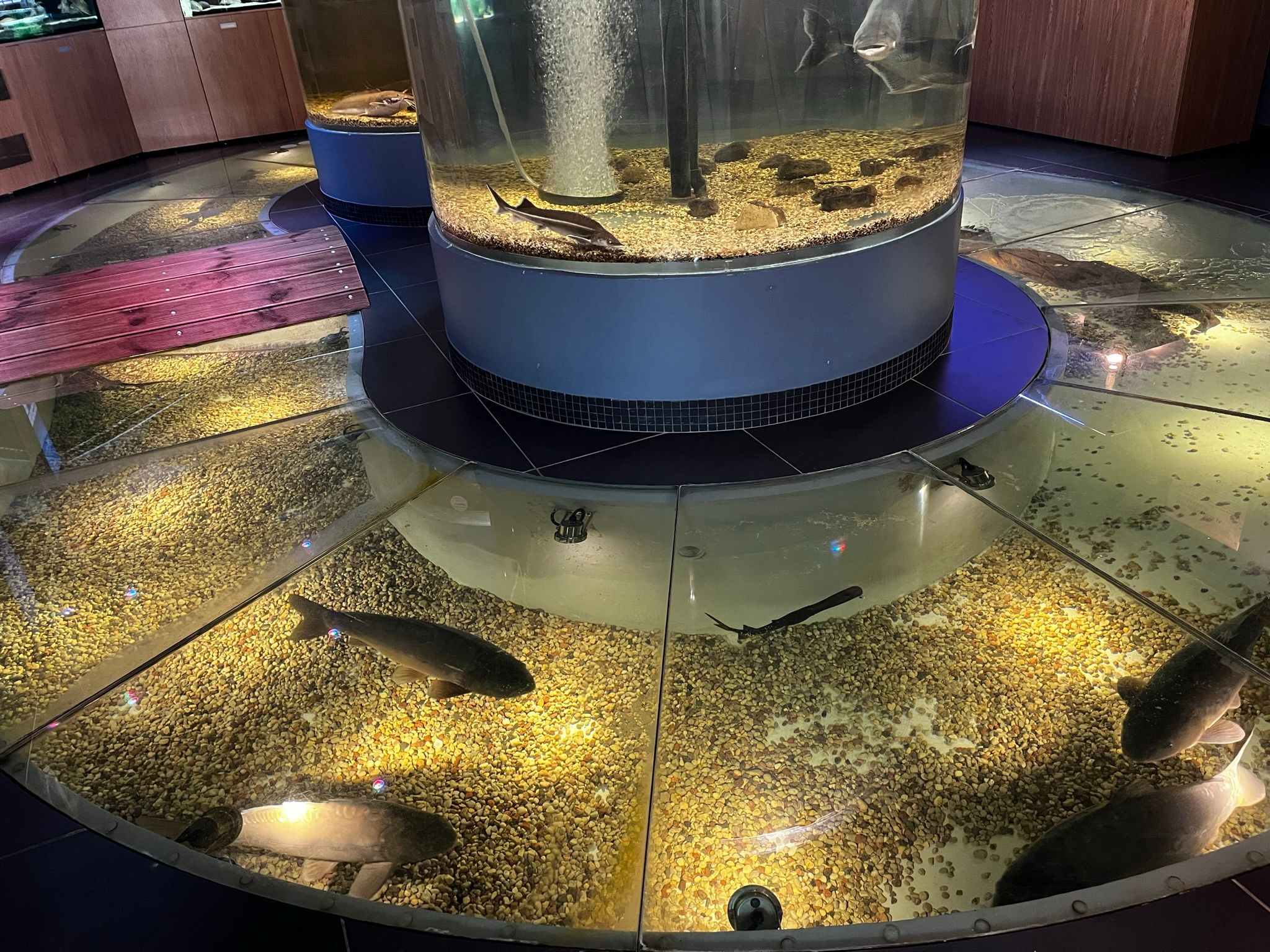
The main exposition of the Lake Museum is live Estonian freshwater fish. Our freshwater fish are not exhibited elsewhere in Estonia in such species quantity.About half of Estonia's freshwater fish live here, including more exotic species, as well as turtles, lake balls, and crayfish.You can visit 2 floor aquariums and 2 large cylindrical aquariums. There are more than 25 different aquariums in total. There is also a collection of fishing gear, an exhibition of primitive fish, and much more!You can book a sauna raft for a pleasure cruise or a sauna session and use a seminar room with a million-dollar view. During summers, a café is open.

Water tower of Raadi Manor

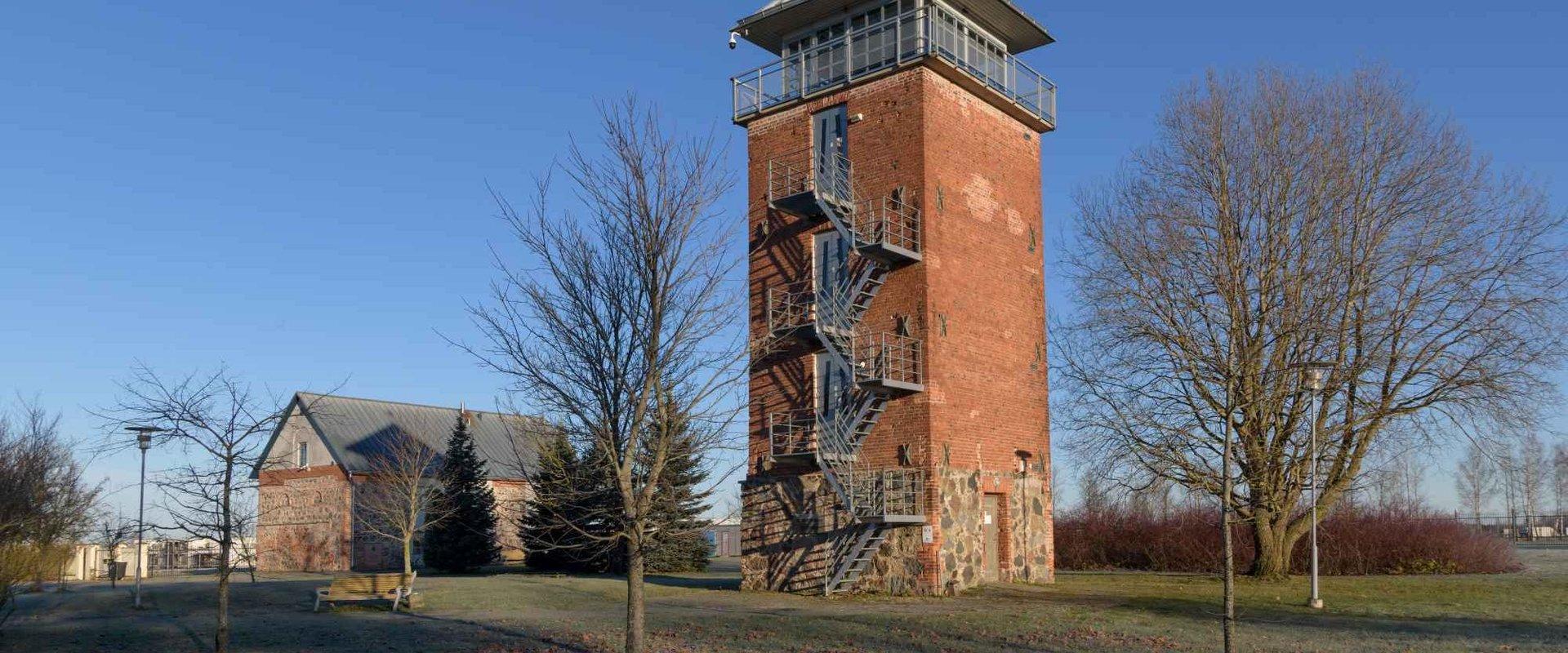
The water tower of Raadi Manor dates back to the 19th century. In ancient times, the tower housed the manor clock, which let the manor workers know it was time for lunch. After World War II, the building was used by the Soviet army and was restored in 2002.Inside the water tower is an exhibition of the Estonian National Museum. Visiting the photo exhibition Raadi Through the Ages, which runs along the floors of the water tower, offers not only historical knowledge but also enchanting views of the cosy Raadi Manor Park.The exhibition is open by reservation and a visit to the water tower can be ordered together with the guided tour of the Estonian National Museum 'Raadi Manor Park Tour'.

  • Family friendly
  • Guided tours

Estonian Road Museum

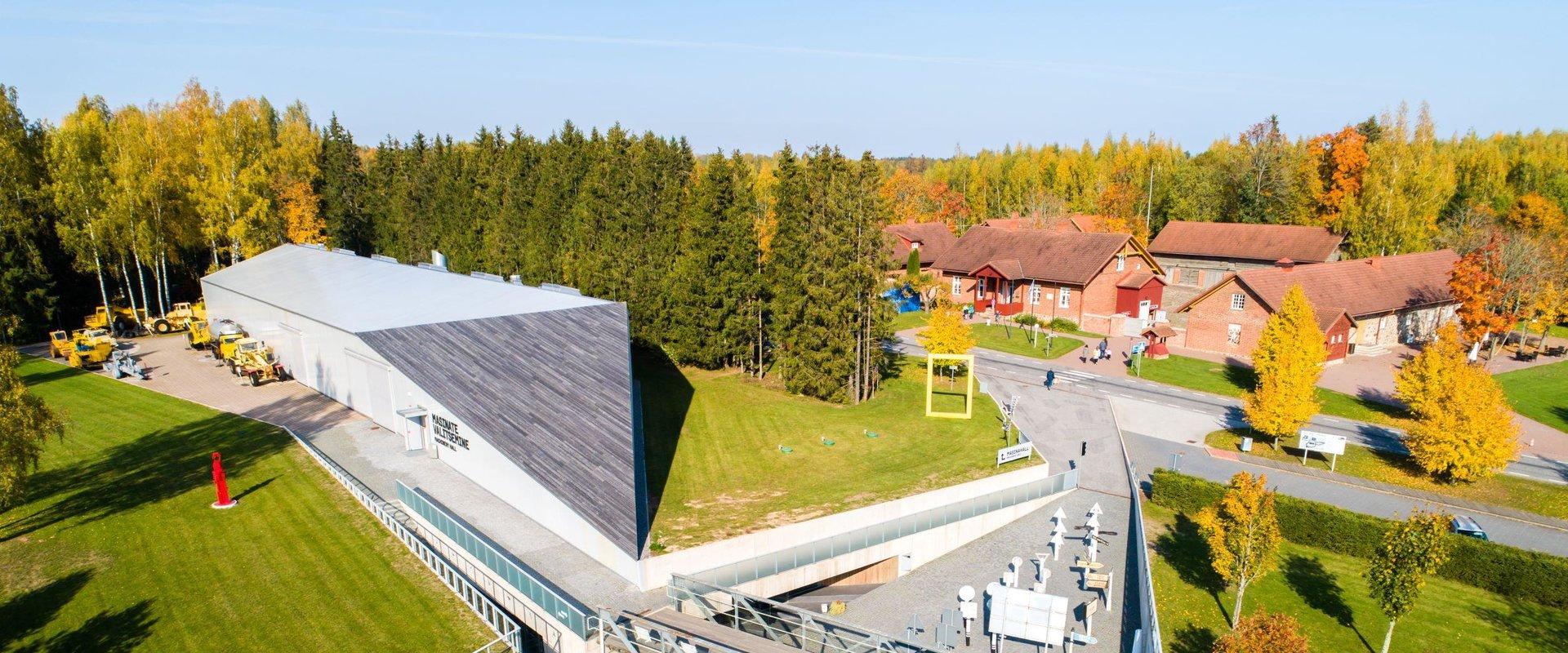
The Estonian Road Museum showcases the development of roads and traffic in Estonia, from the horse era to the present day. Exciting thematic events are organized here, educational guided tours are offered, and rooms are rented for seminars and celebrations. The heart of the museum is the historic Varbuse horse post station, which, together with the outdoor exhibition environment Teeaeg, forms a unique look at history. The Machine Hall is the museum's technical park and interactive traffic education center. It also houses a rotating car and the Estonian Road Museum's traffic safety simulator, which offers an immersive experience and a clear understanding of how seat belts save lives. The standout features of the outdoor areas are the historic road room, where you can seemingly travel back in time, and the recreation area with a traffic city, which offers activities for the whole family, especially during the summer season. Temporary exhibitions are held in the main building of the post station, and the second floor houses a children's museum created specifically for younger visitors.

  • Churches

St. Mary’s Church in Rõuge

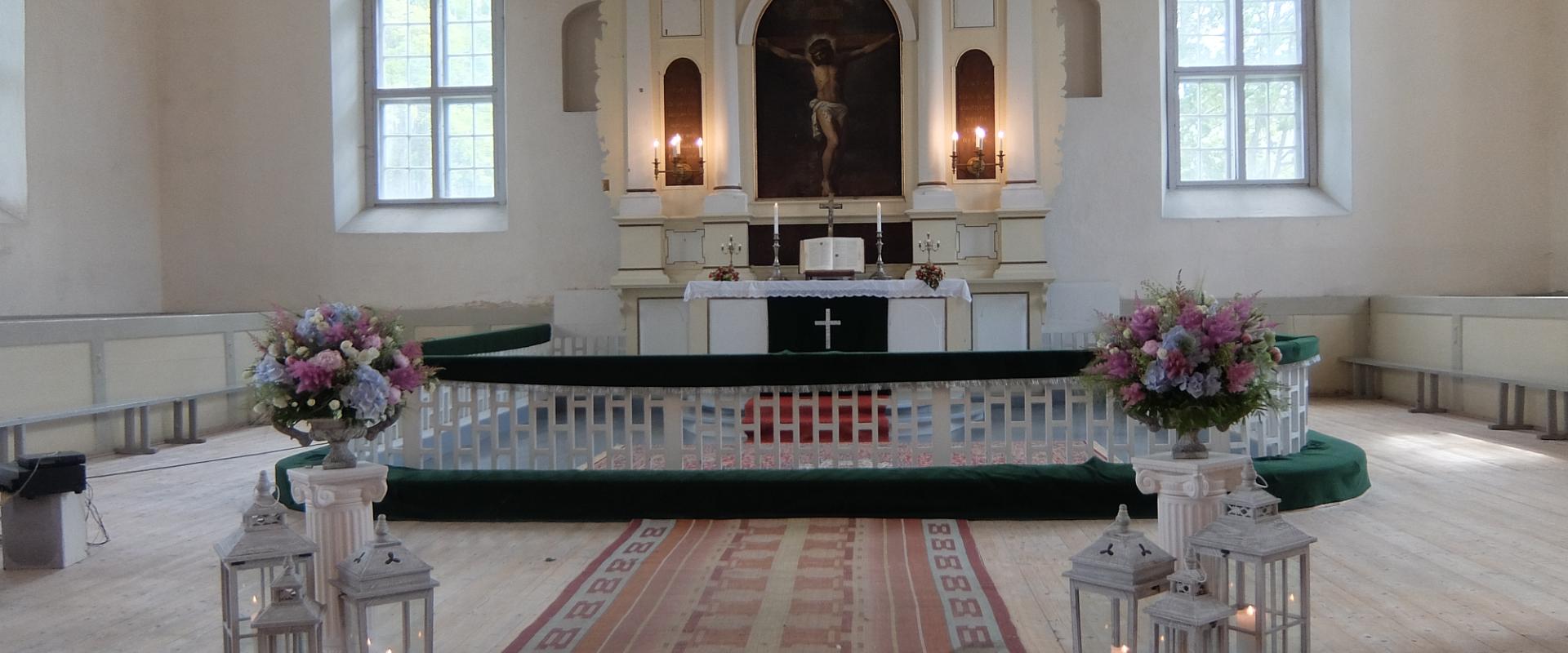
The first stone church was constructed in Rõuge in the 16th century. In 1730, the original church, which was destroyed in the Great Northern War, was replaced with one which had an imposing square tower. The church was blessed in the name of St. Mary. The altar-piece "Christ on the cross" by R. von Mühlen is from 1854. In 1860 the walls were made higher and a mirrored arch was installed. In 1930 the church got a 31-register organ built by the Kriisa brothers. The first Estonian pastor in Rõuge was Rudolf Gottfried Kallas.Useful information! You can attend mass at the church every Sunday at 11:00 and in summer, the church is used as a wayfarers' church. Entrance to the tower is for a fee (grown ups 1.50, children 1 and family ticket 3 euros).

  • Lookout towers
  • Churches
  • Ruins

Tartu Cathedral

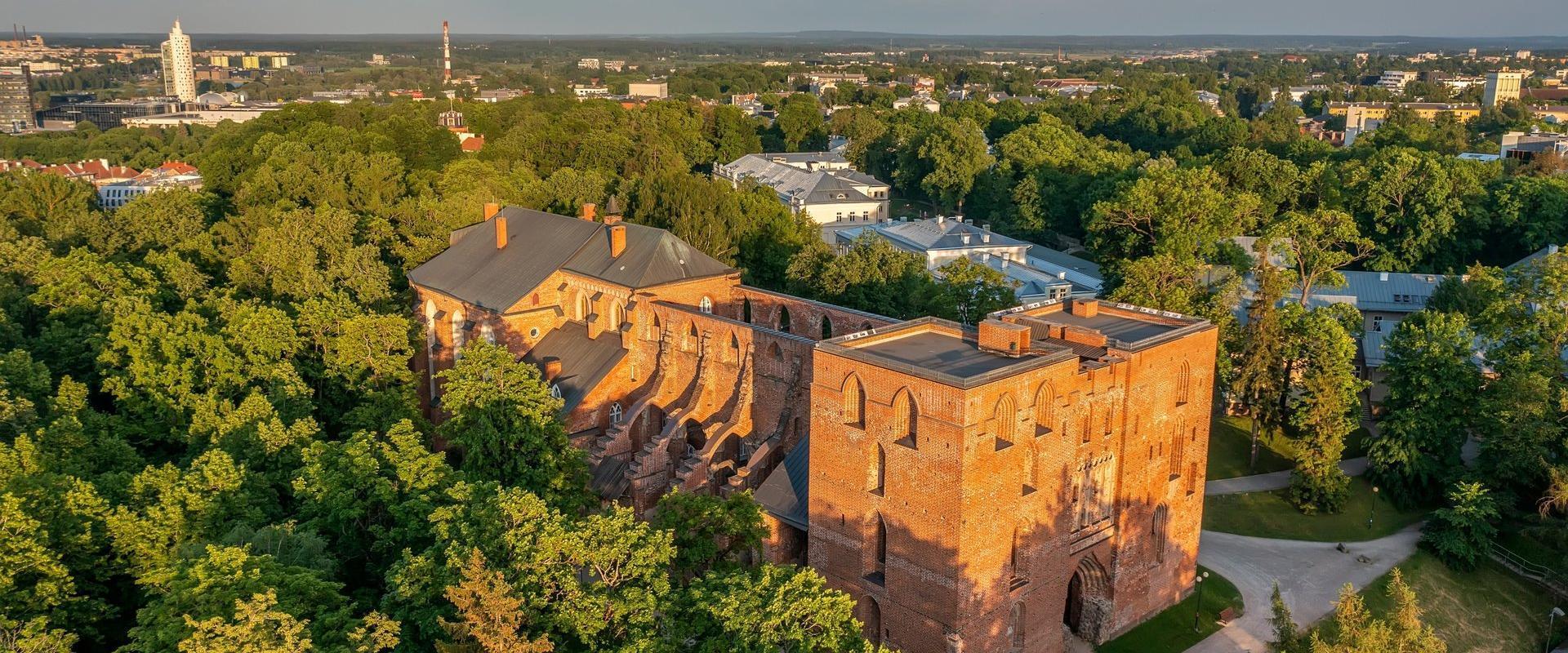
The cathedral located on Tartu's Toome Hill is one of Estonia's most remarkable and largest medieval structures, and the only church with two towers. The church's construction began as early as the 13th century, when Tartu was an important bishopric. Construction work and additions continued into the early 16th century. During the Reformation, the cathedral was abandoned and, over time, turned into ruins. Nevertheless, these powerful walls and spacious vaults remain one of the most outstanding examples of brick Gothic architecture in Old Livonia, reflecting the scale and craftsmanship of medieval architecture. The University of Tartu Museum operates in the cathedral building, showcasing the history of science, university education, and the development of Tartu's academic spirit. It is possible to visit the cathedral towers, which offer one of the most beautiful views of Tartu and the Emajõgi Valley. Next to the towers is Toompood, where you can find gifts, science-themed souvenirs, and memorabilia with university symbols. In the evenings, a light installation adds a magical atmosphere.
  • Guided tours

The National Piano Museum

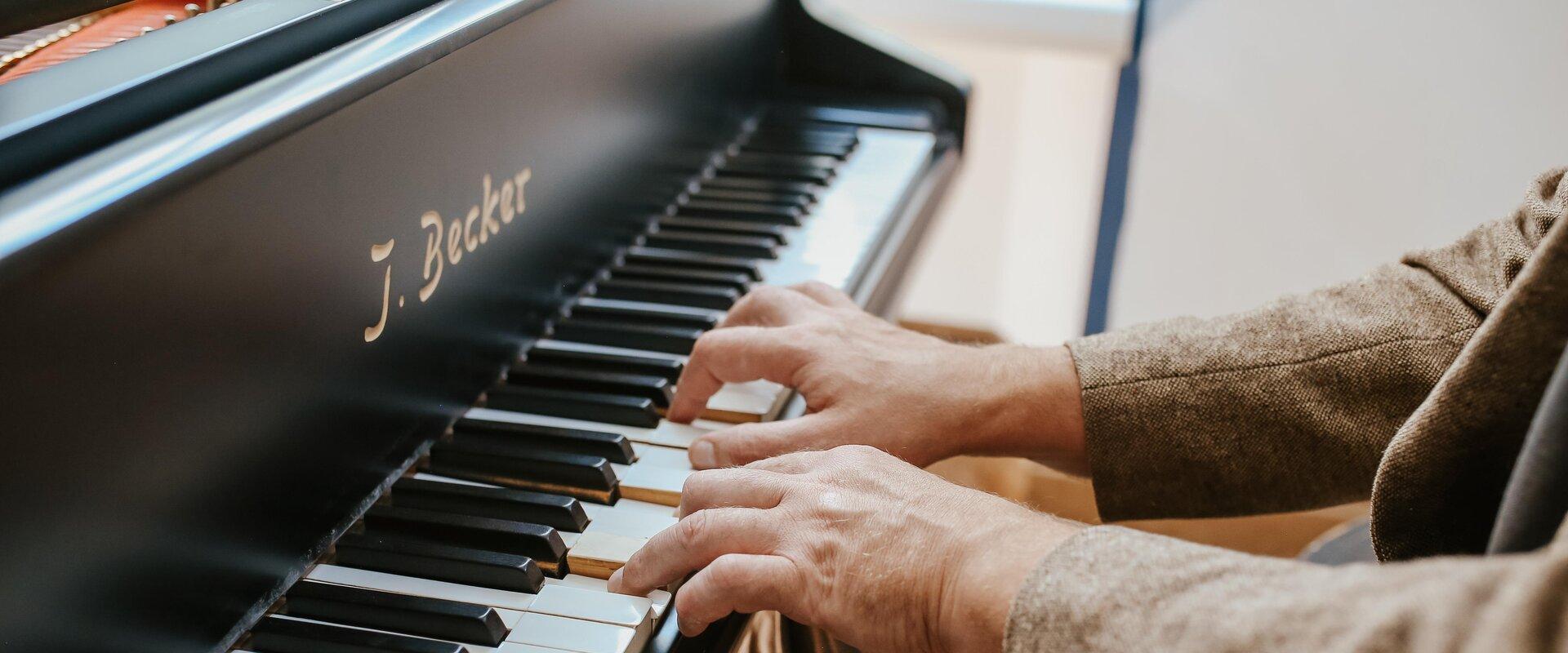
The National Piano Museum is located in a special building - the historic Holdre Manor.The Art Nouveau-style main building, with its Heimat-style influences, was erected around 1910 during the time of Woldemar von Ditmar. Previously, the manor centre had not been built in a representative style. The architect of the building was Otto Wildau, who also designed the nearby Taagepera and Karksi manor buildings. The aim of the National Piano Museum is to collect as complete a collection of Estonian pianos as possible.By prior arrangement, we offer a musical guided tour with Alo Põldmäe, a composer, singer and music educator who is in charge of the Piano Museum.

  • Privacy Policy

"*"обозначает обязательные поля

Это поле используется для проверочных целей, его следует оставить без изменений.
Я разрешаю маркетинг