• Explore
    • Nature
    • Culture
    • Food
    • Family
    • Activity
    • Blog
    Smoke sauna
    Weather and seasons
  • Plan
    • Accommodation
    • How to get here
    • Weather and seasons
    • Sustainability
    • Tourist info
    Discover South Estonia’s Most Beautiful Manors and Castles
    Top 20 Sights in South Estonia
  • For professionals
    • For professionals
    • Collaboration
    • News
    • Projects
    • Training
    • Repository
    • Community (opens in new tab)
    • Contacts
ENG
  • EnglishENG
  • EestiEST
  • LatviešuLAT
  • РусскийRUS
  • SuomiFIN
ENG
  • EnglishENG
  • EestiEST
  • LatviešuLAT
  • РусскийRUS
  • SuomiFIN
Popular searches:
Show all
  • History & Culture
  • Architecture and history

Freedom Bridge

Tartu linn, Tartu maakond, 51008

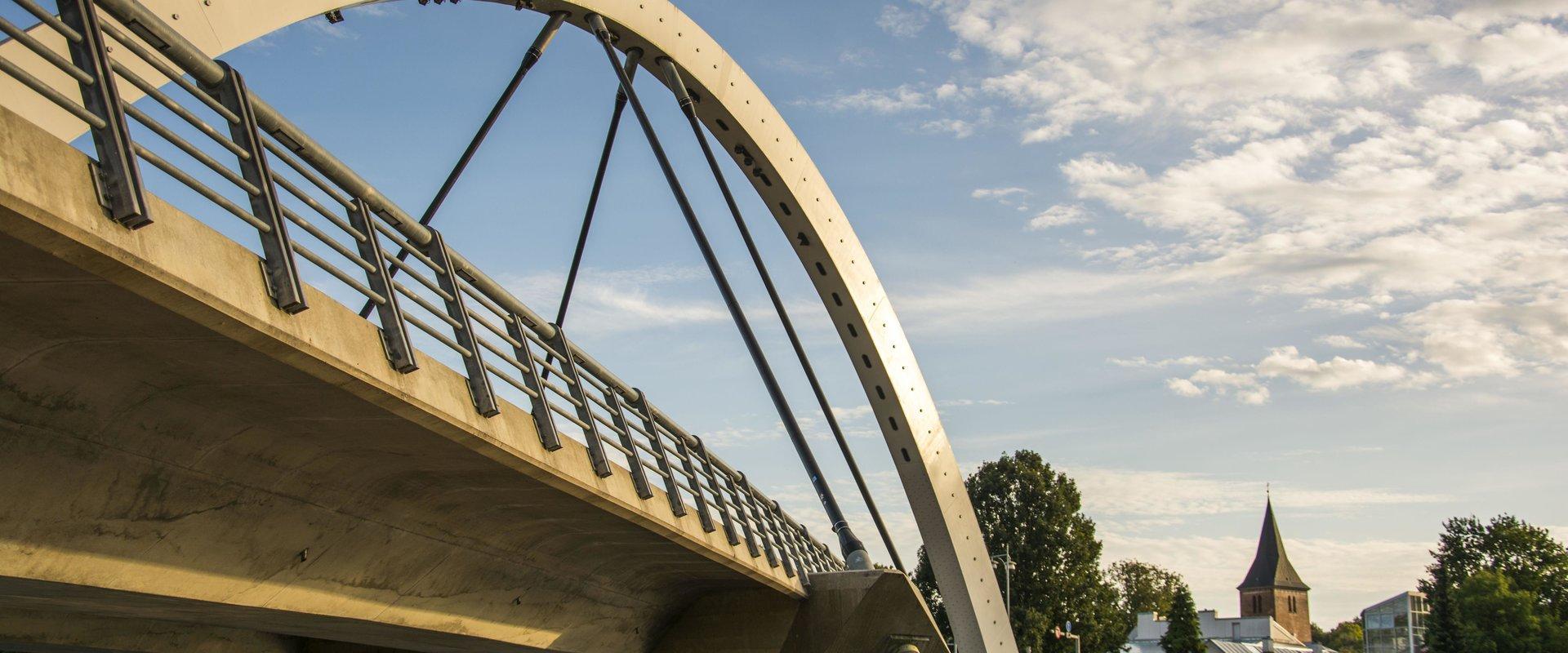
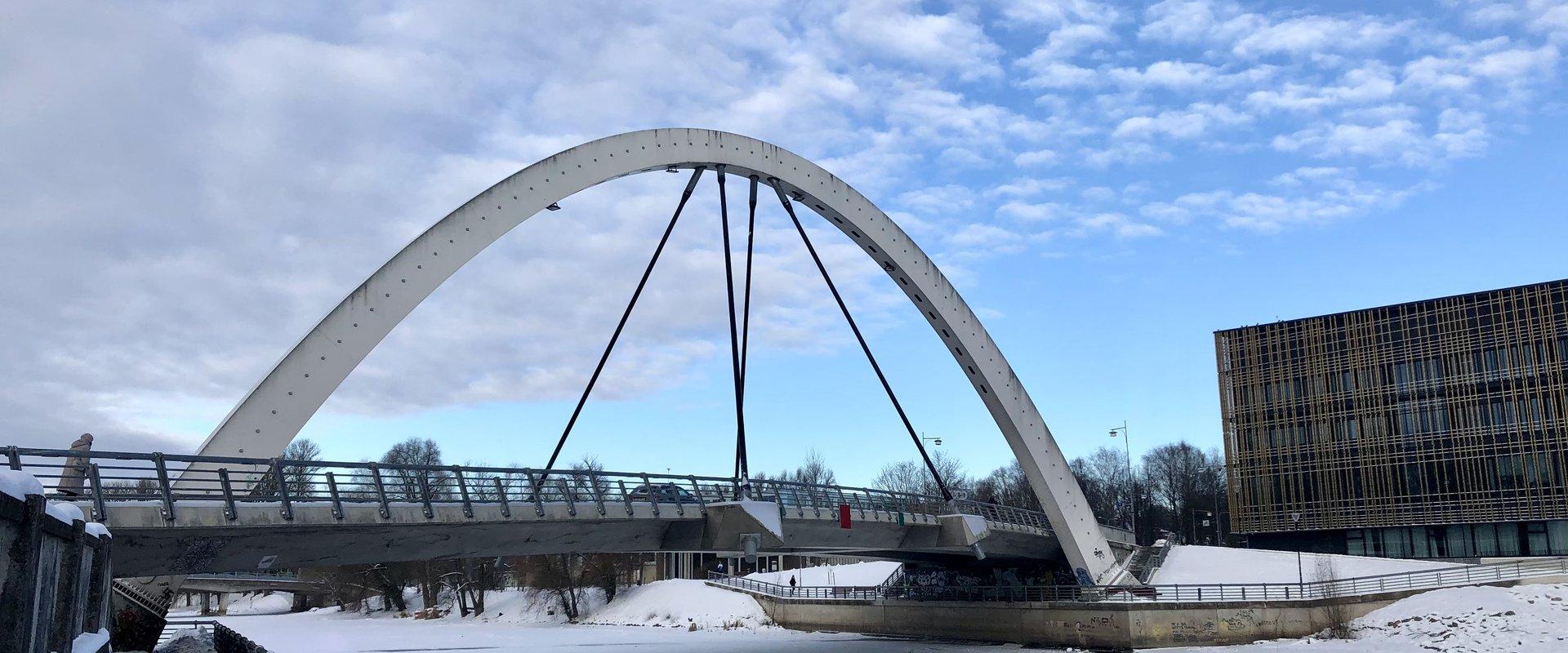
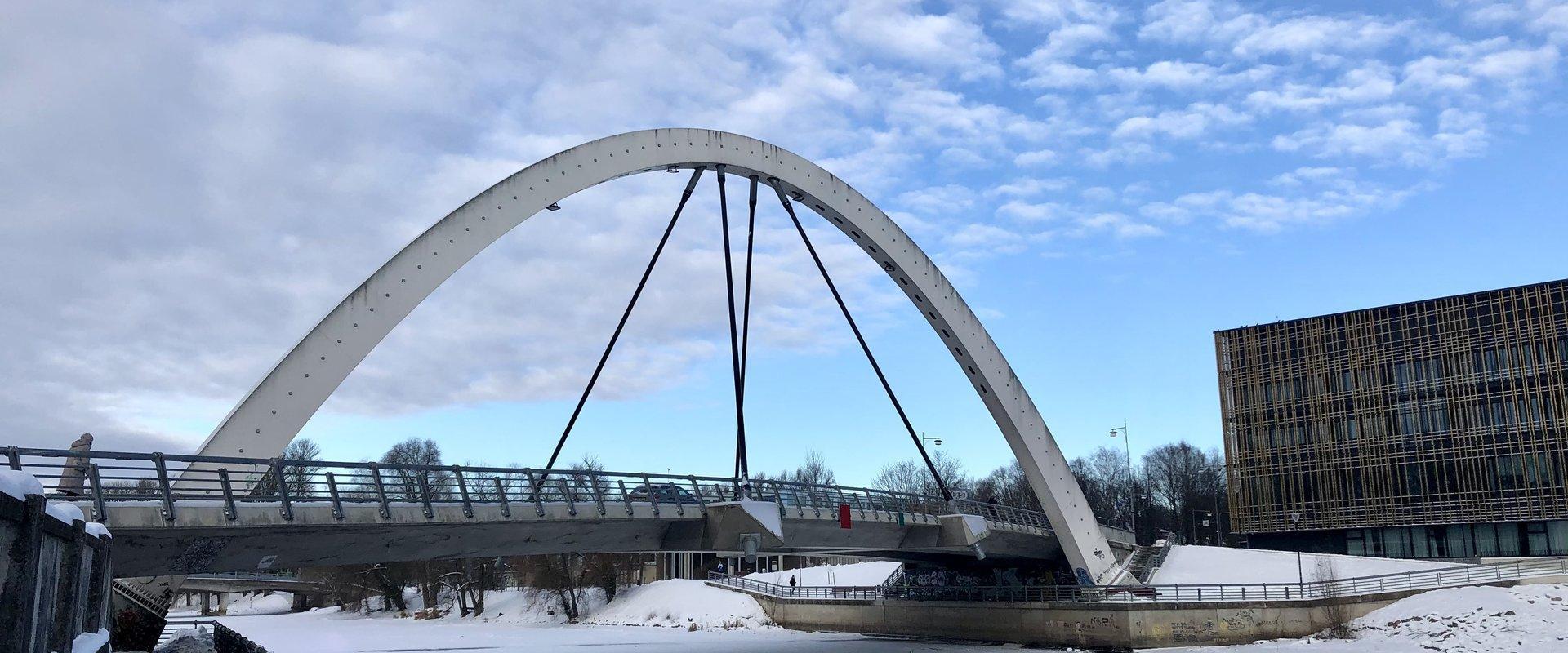
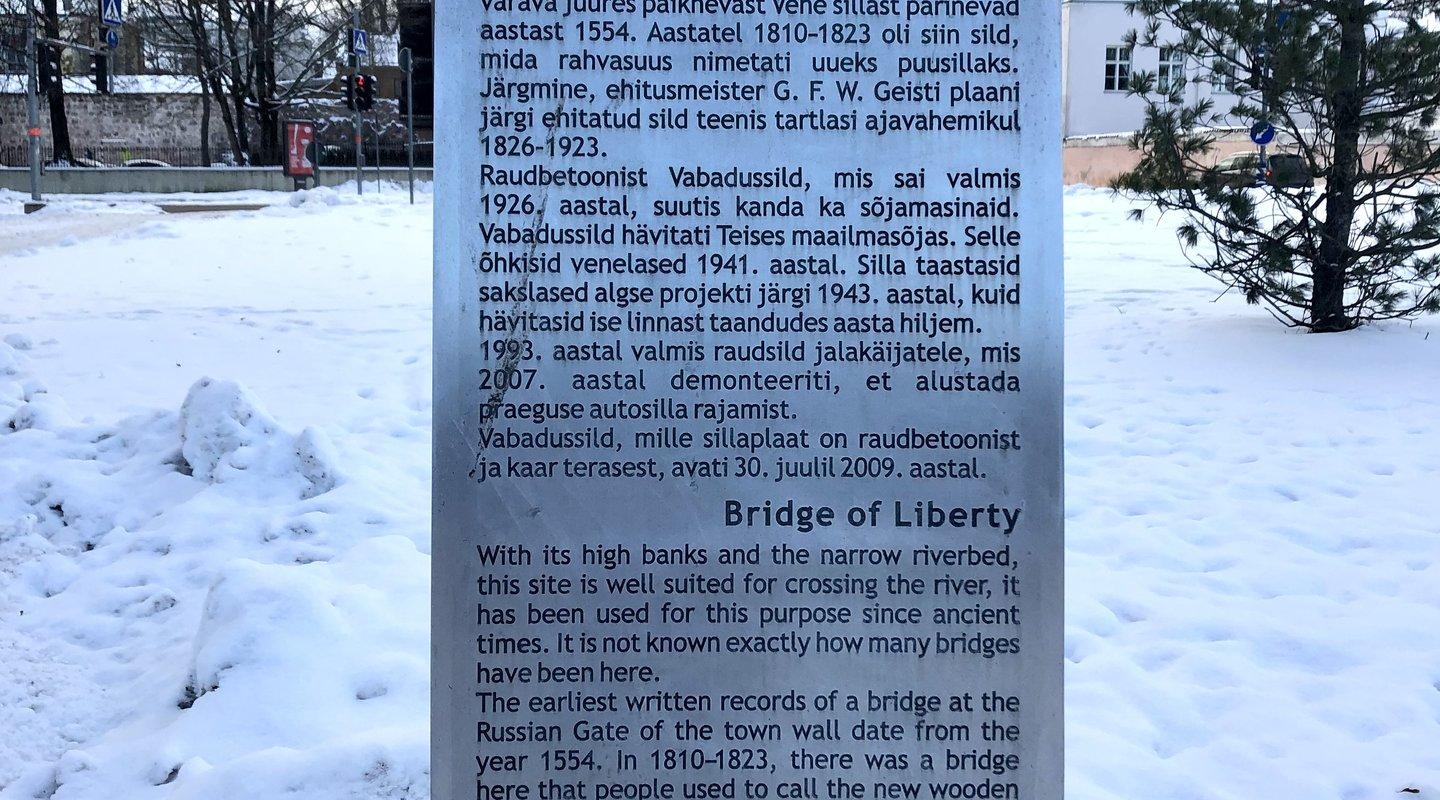
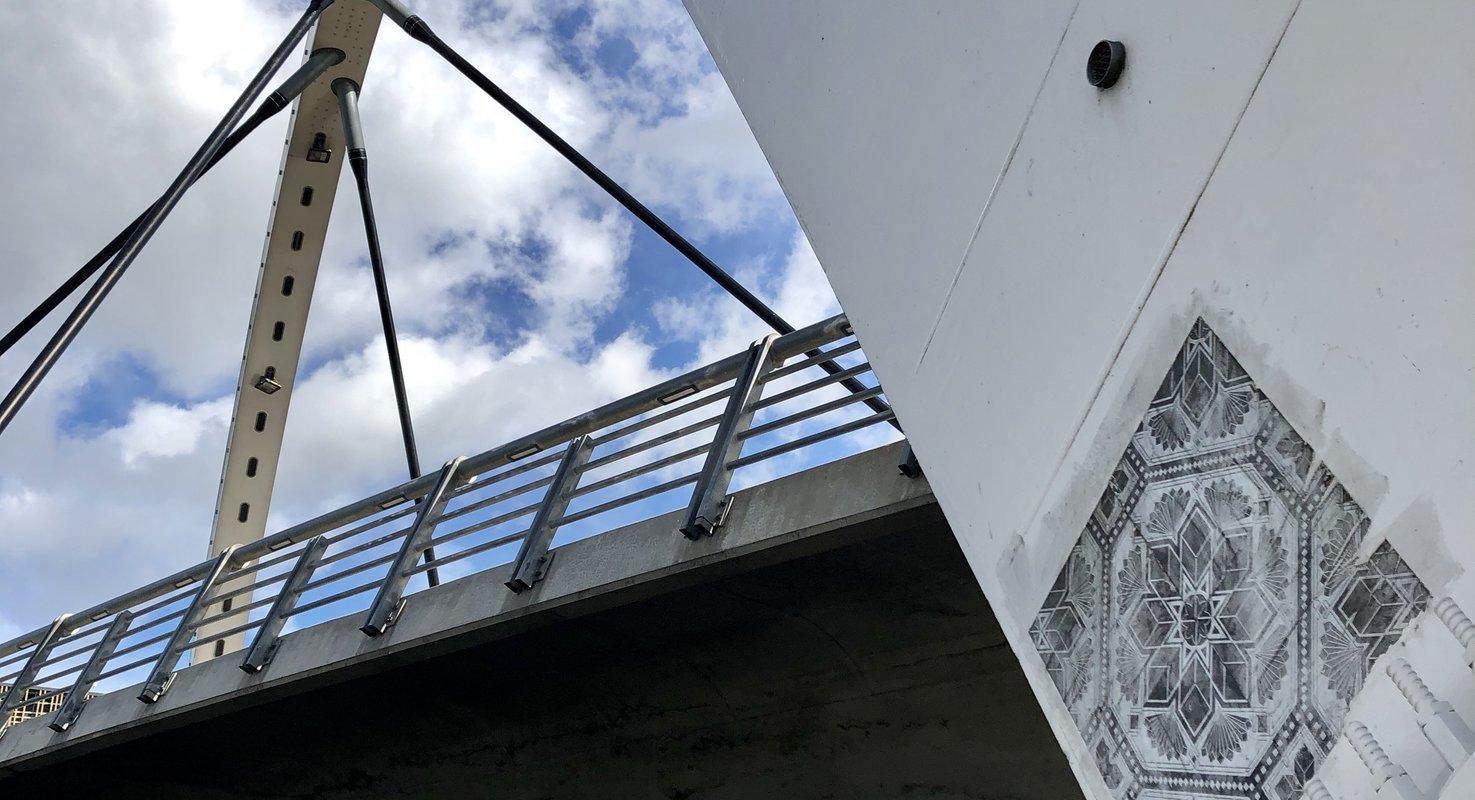
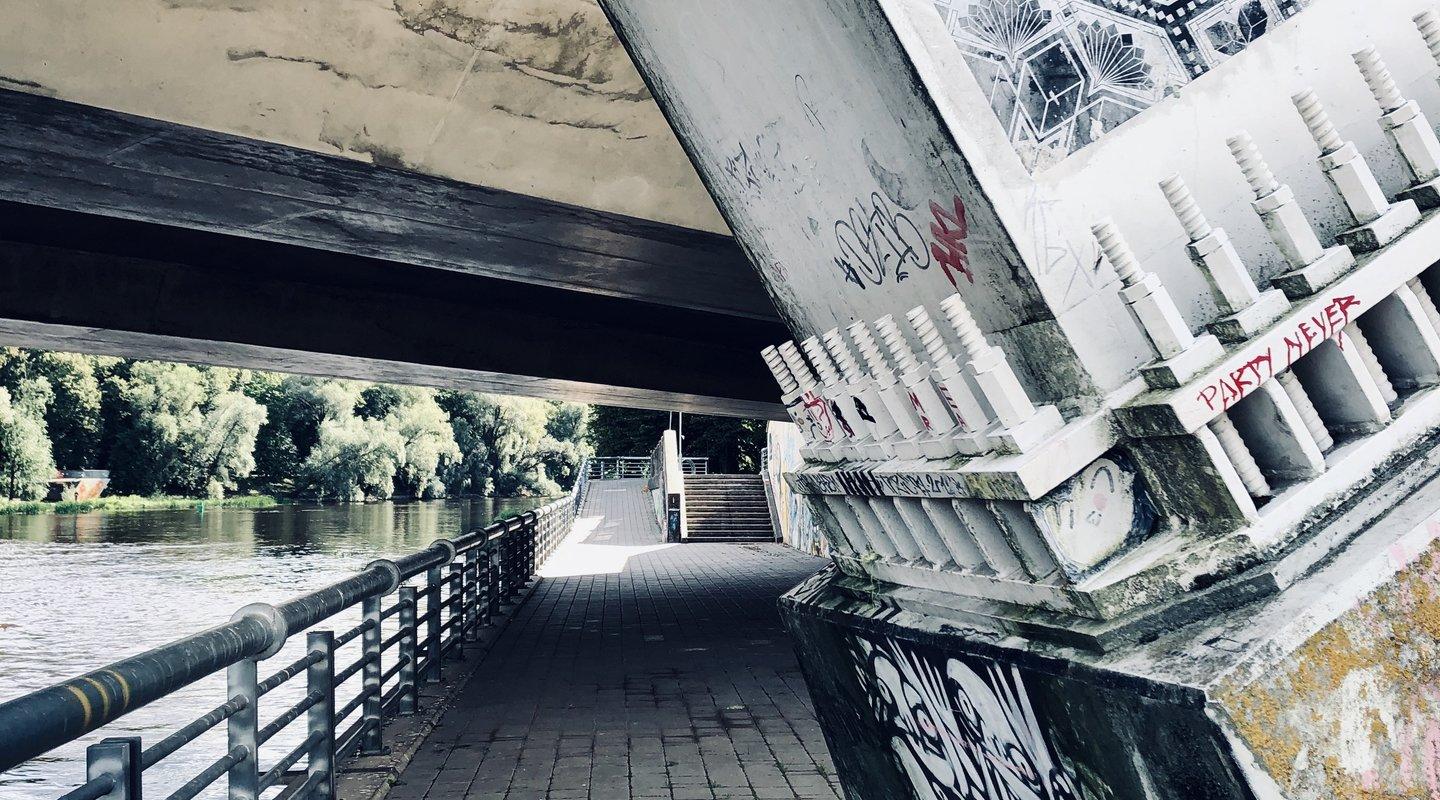
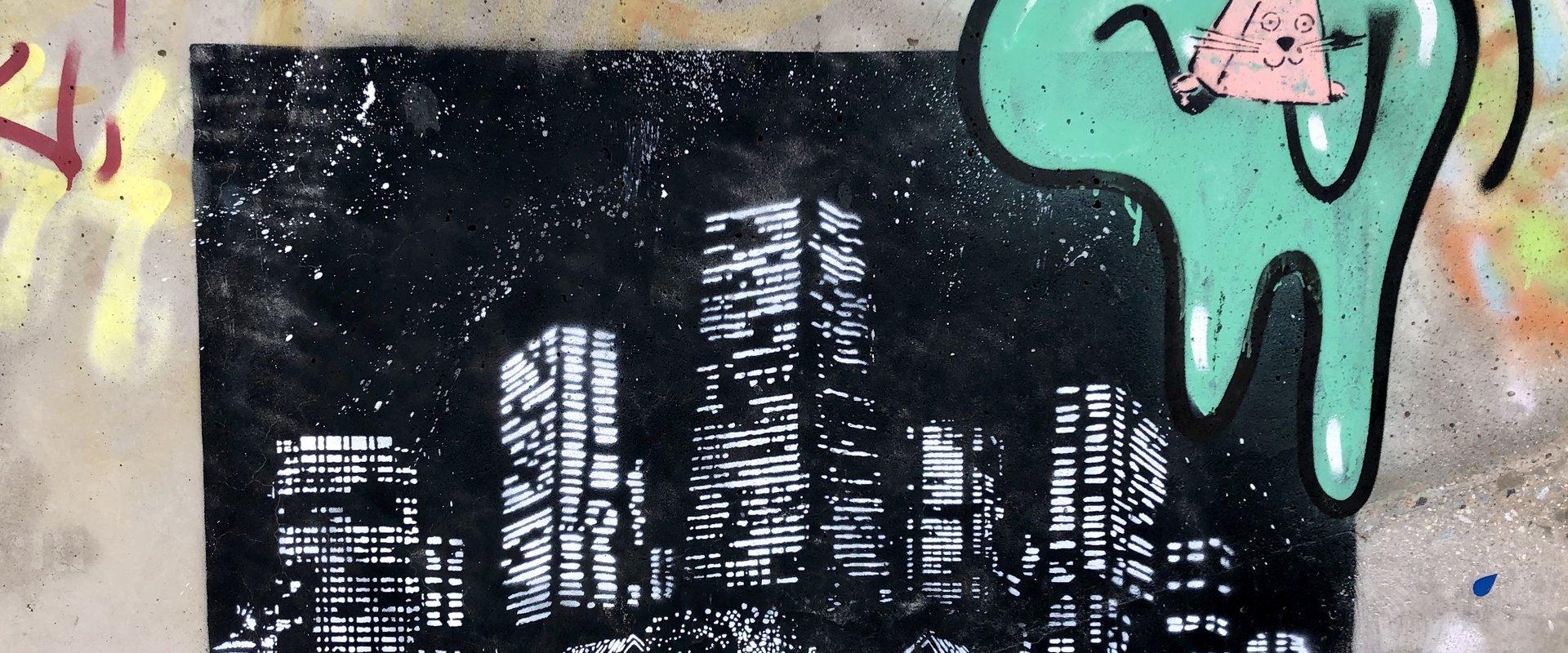
The Freedom Bridge is a bridge over the Emajõgi River in the centre of Tartu. It connects Lai tänav with Vene tänav. The current bridge, with a slab of reinforced concrete and an arch of steel, was opened on 30 July 2009. The bridge is 90 m long and 13.35 m wide. In the dark, the bridge is illuminated. A lot of eye-catching street art can be found on the concrete surfaces of the lower part of the bridge.As the location of the bridge has high banks and a narrow riverbed, the site was used for river crossing as early as in ancient times. It is not known exactly how many bridges there have been before the current Freedom Bridge.
Amenities

  • Information boards

Open times

Throughout the Year

Around the Clock

Links

See more

  • Sculptures

Singing Mother Monument

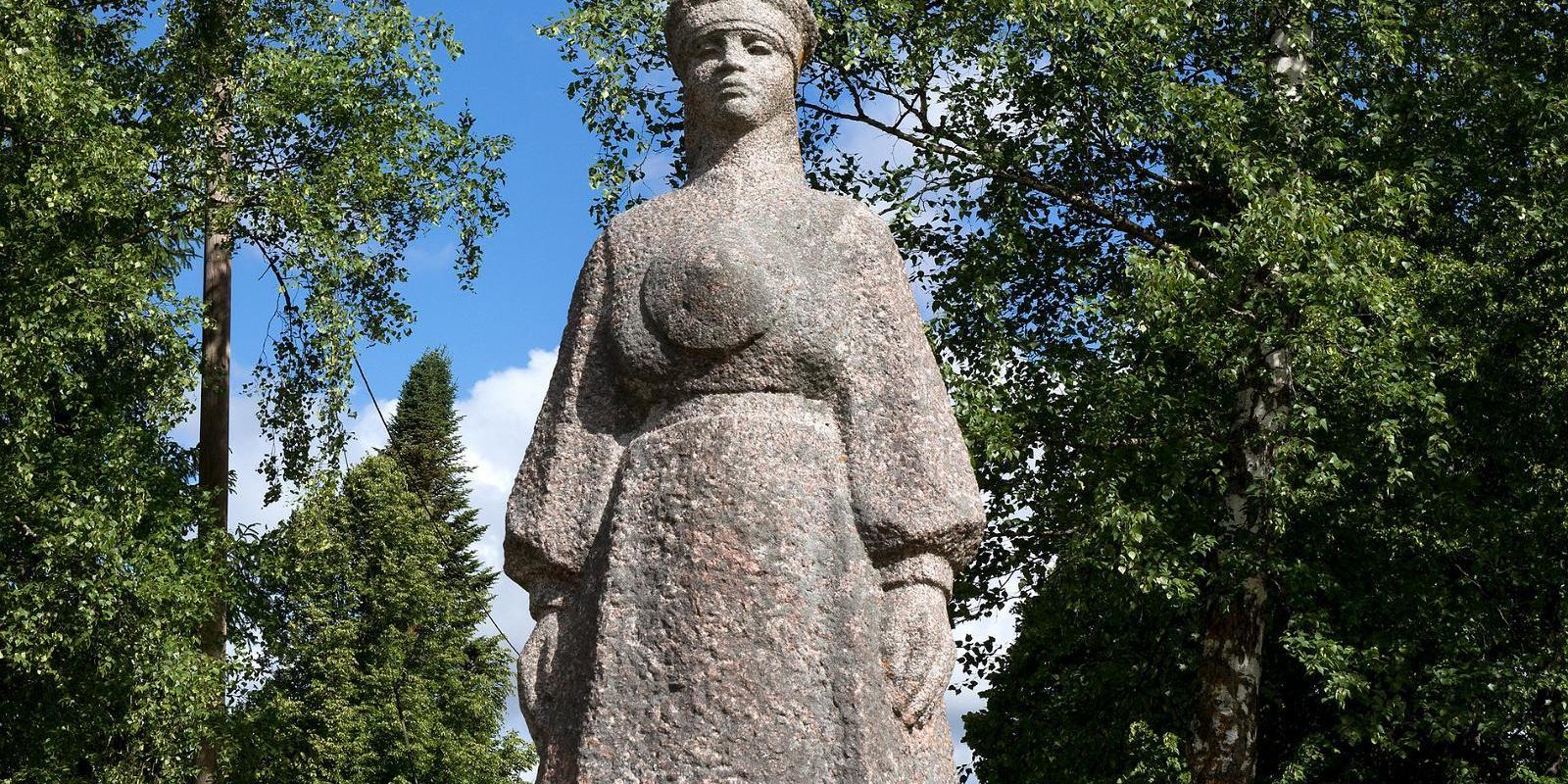
On the vista overlooking Obinitsa Lake stands the stone Singing Mother Monument. It's a memorial to all the "singing mothers" (Estonian: lauluemad) of Setomaa. The statue was erected in 1986. Around its base are many stones for local singers. The area around the monument offers a good view of Obinitsa Lake and the older part of the village. This is also a good place for a group picture. To the left of the Singing Mother Monument is Obinitsa's old school-church (1904).

  • Monuments

Monument to Soldiers Killed in the War of Independence

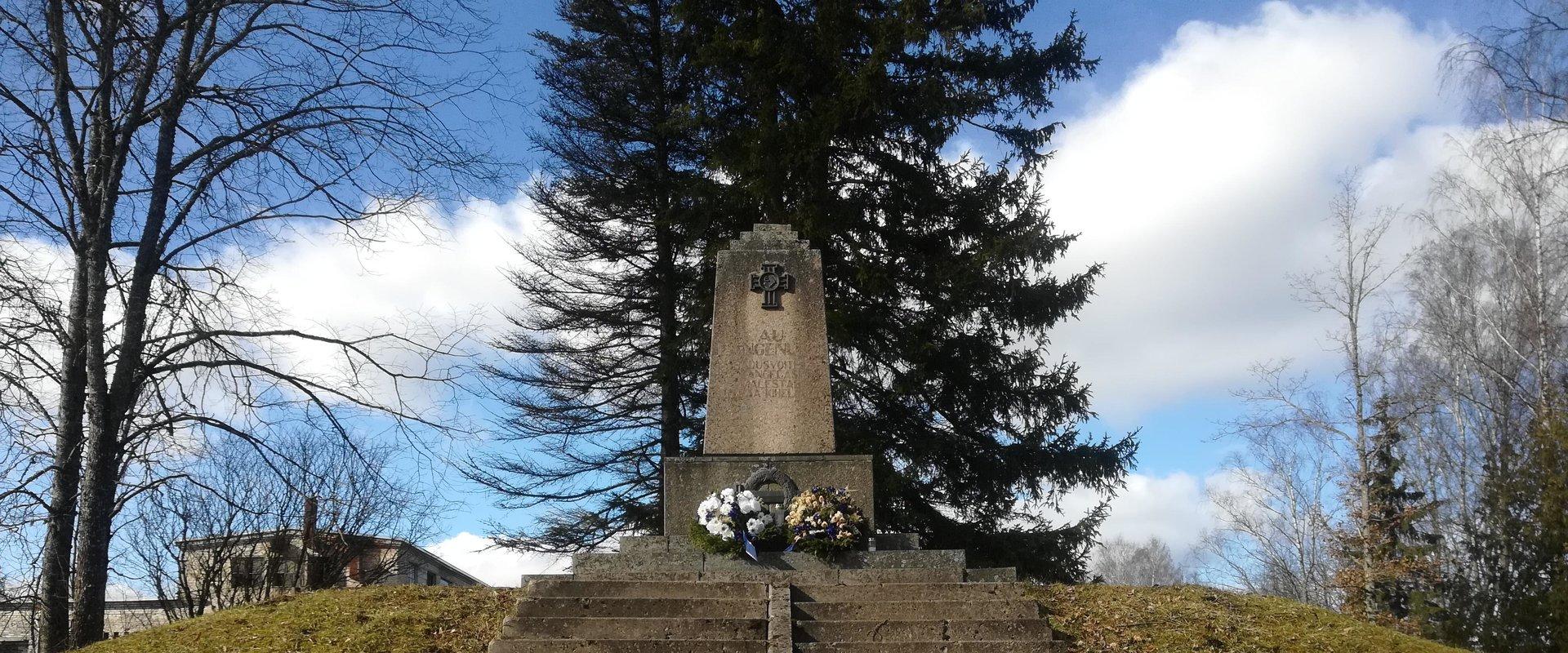
The monument to soldiers who fell in the War of Independence stands on a hill in front of Otepää Maarja Church and it is remarkable because it was hidden underground for 30 years. The monument was reopened in 1989 after renovation. The top part of the monument bears the words HONOUR THE FALLEN and a list of 22 names. The granite piece with the full list has been lost. The metal decorations were created at the initiative of sculptor Jüri Ojaver.Interesting facts: The initial monument was designed by Voldemar Melnik and made by stonemason Peeter Veeber. The monument was opened for the first time on 10 June 1928.

  • Galleries

Pallas Gallery

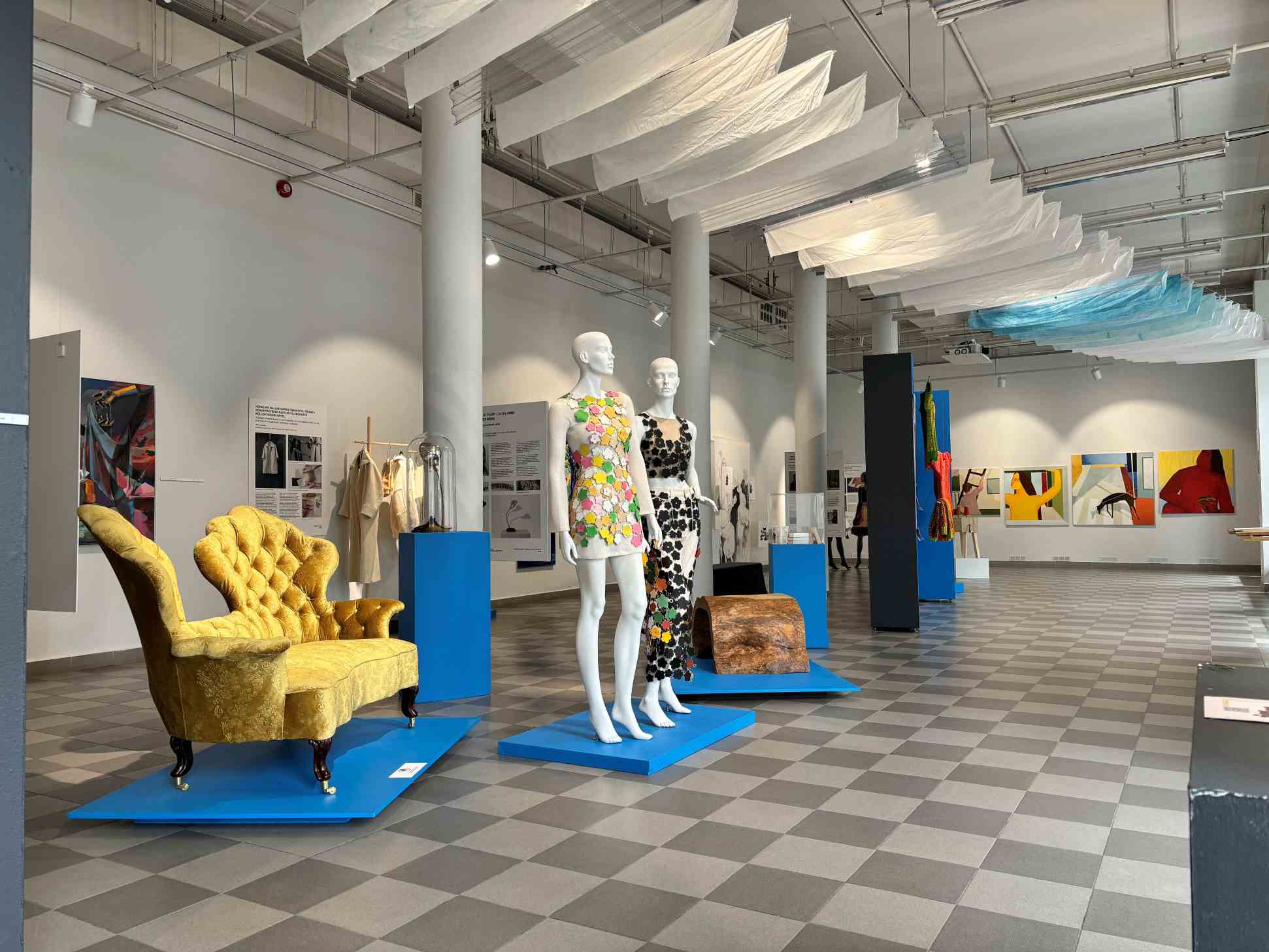
The Pallas Gallery is a contemporary, ever-evolving art space where you can experience fresh Estonian art and ideas from young creators. Exhibitions change approximately every five weeks, offering new experiences each time. The exhibitions feature works by students, lecturers, and alumni of the Pallas University of Applied Sciences, providing a good overview of contemporary Estonian art. The gallery's aim is to introduce and popularize contemporary art in Tartu, bringing the creations of both young authors and collaborative partners to visitors. The spacious main hall is located in the center of Tartu, offering an inspiring setting for enjoying art. In addition, various cultural and educational events are held in the gallery, making the visit more diverse. The gallery is free for everyone to visit, making it an especially good opportunity to get acquainted with contemporary art in Tartu. Come and be inspired at the Pallas Gallery!

  • Guided tours
  • Workshops
  • Virtual reality (VR)

University of Tartu Art Museum

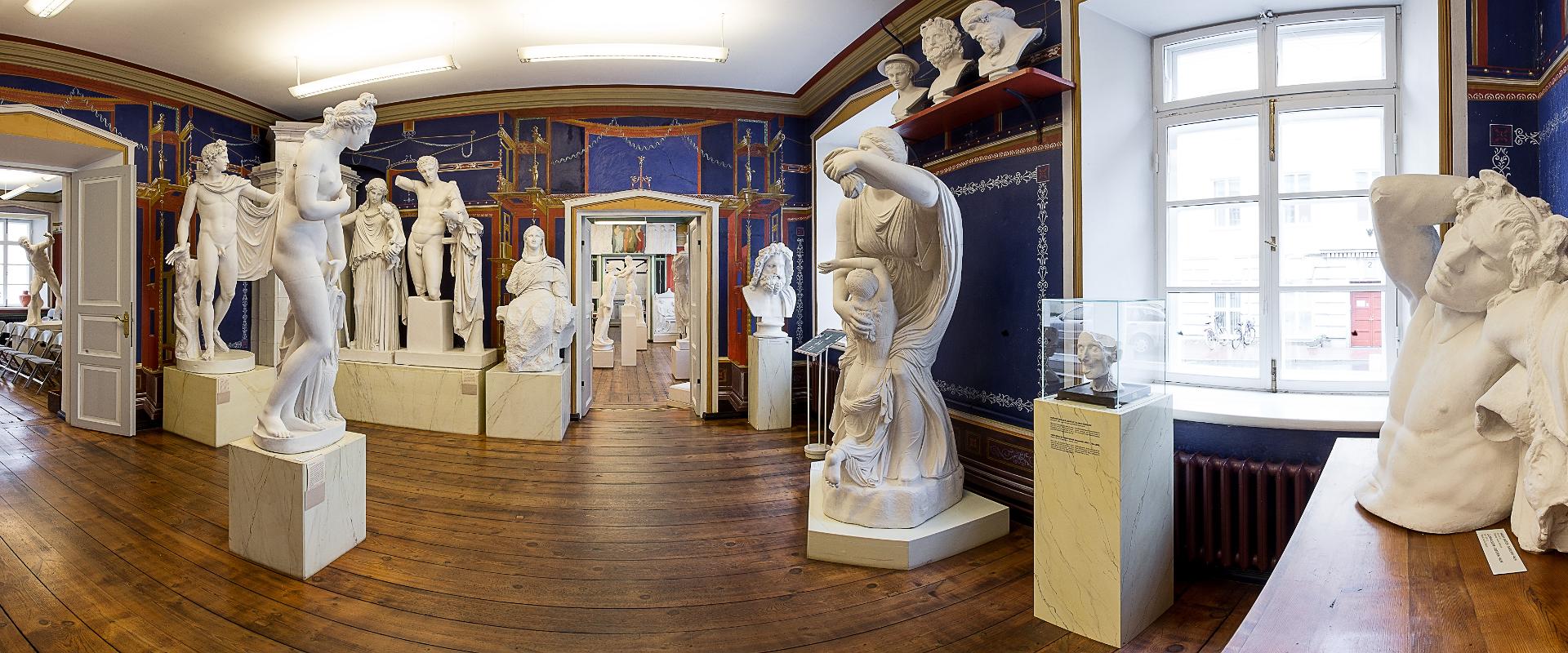
The University of Tartu Art Museum is located in the historical University Main Building and has Pompeian-style interior. The museum’s permanent exhibition consists of sculptures, mostly from the antiquity – original size plaster cast copies of the best works of Archaic, Classical, and Hellenistic Greece. The Art Museum also displays many ancient originals: coins, vases, clay lamps, and cuneiform tablets. There is also the mysterious mummy chamber, where you can find a genuine Egyptian mummy. You can also visit the beautiful Assembly Hall of the university and the student lock-up in the attic.

  • Manors

Tähtvere Mansion

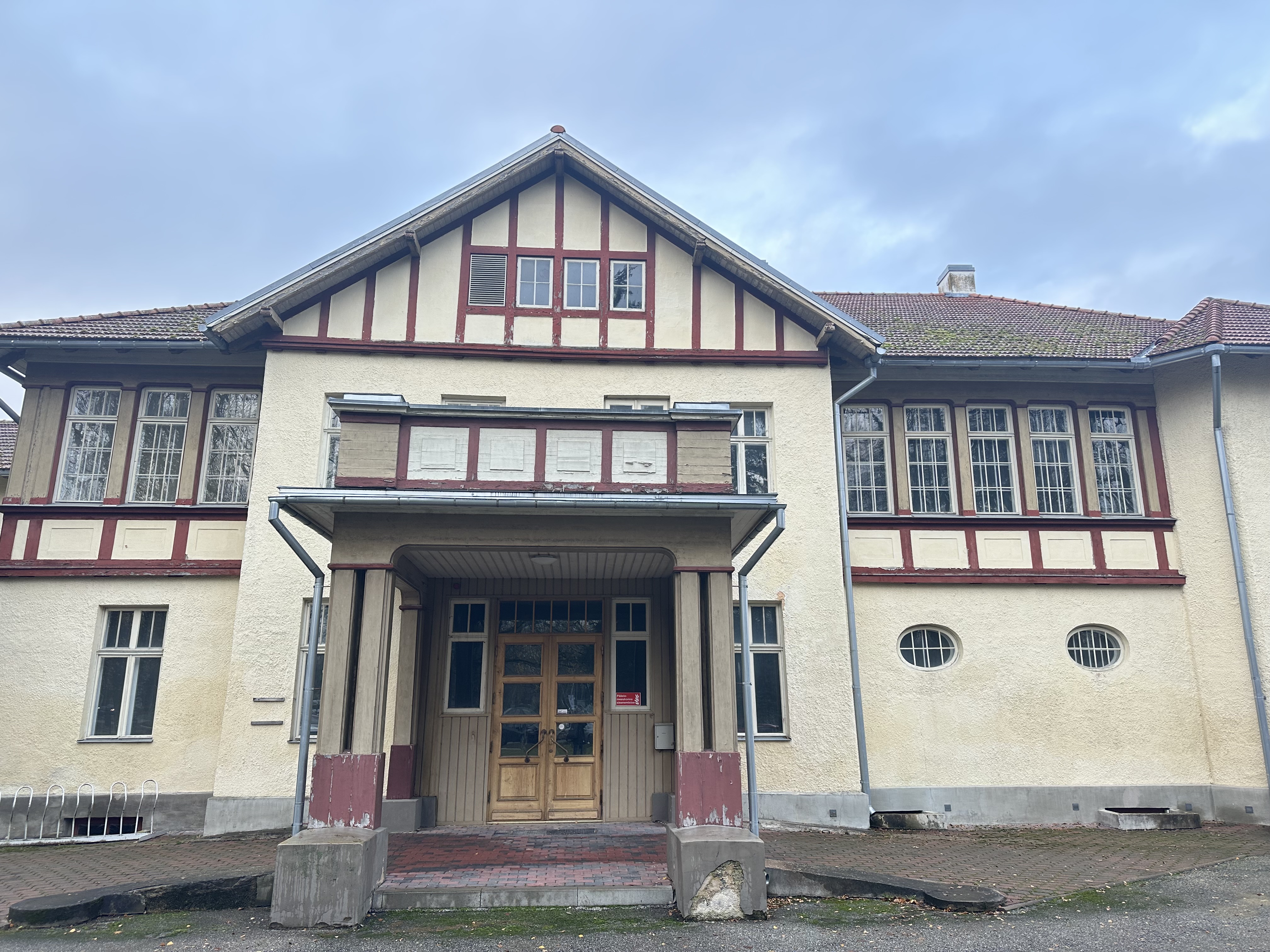
Tähtvere Mansion was first mentioned in 1515 and belonged to the Bishop of Tartu in the Middle Ages. In 1919, part of the lands of Tähtvere Mansion were sold as the first building plots of Tähtvere District. The main building of the mansion (built in 1910 in the heimat style) has been preserved and is used as one of the study buildings of the Estonian University of Life Sciences (an extension has been added to it).The surviving outbuildings of the mansion are a small animal barn, a maid's house, a barn/grain dryer, a cattle barn, a farmhand's house, and a smithy.The Mansion can only be seen from the outside and it can also be seen for example in the guided bicycle tour "Tartu City Mansions".

  • Guided tours
  • Workshops

Karilatsi Open Air Museum

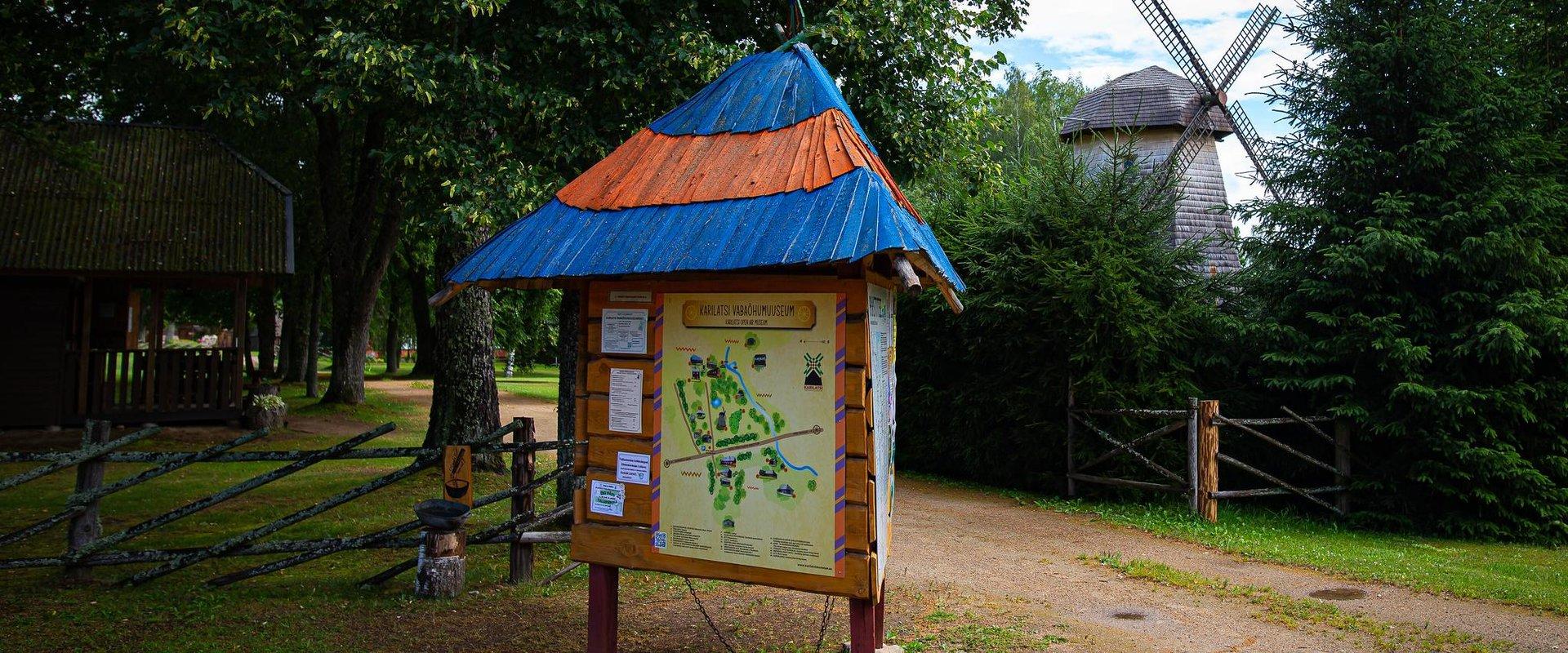
Karilatsi Open Air Museum is a unique open air museum in Southern Estonia which provides an overview of the life of Vana-Võromaa County about 100 years ago.On the 5-hectare territory of the museum, you can experience moments from the school life and farm work of that time and get to know everyday simple tools. Workshops and lessons on traditions and customs: smoke sauna customs, Võromaa wedding customs, celebrations, folk calendar year, and many other experience programmes (e.g. court session in Võru language, old school lesson). You can see a school, a court, and an almshouse with their smaller buildings, a granary, a barn-dwelling, a cottar farm, and a Dutch windmill. Agricultural machinery and vehicles are also on display. Ticket sales to the museum end one hour before closing.

  • Guided tours
  • Castles
  • Manors

Guided day trip to the Onion Route along Lake Peipsi

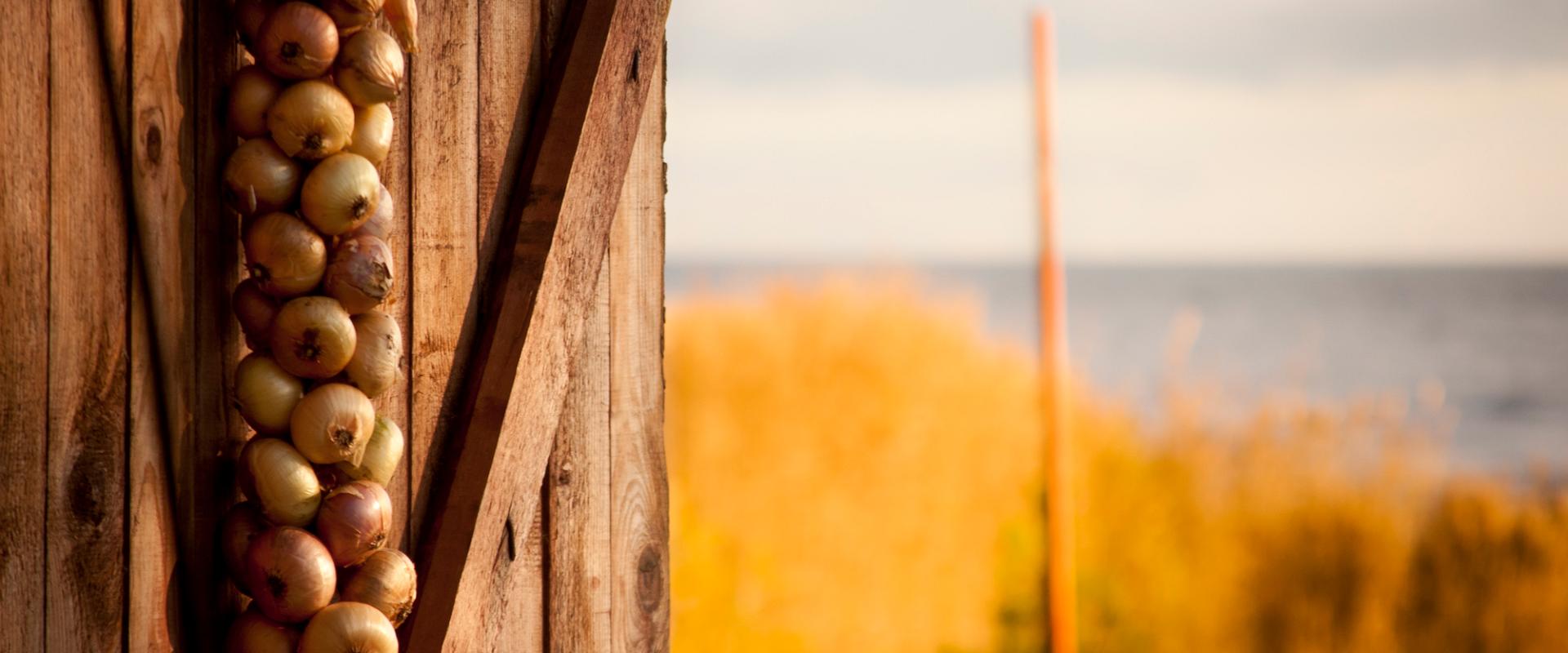
Spend an exciting day trip exploring the culture of the Onion Route, which will introduce you to the following: Baltic German culture at Alatskivi Castle Estonian peasant culture and the Kodavere parish at the Juhan Liiv Museum or the Kodavere Heritage Centre Russian Old Believer culture at the Peipsimaa Heritage Centre or the Kolkja Old Believer Museum Local onion farming at Kostja Onion Farm (with delicious onion pies and samovar tea) At each location, a local guide awaits the group to share many stories about local life. If desired, it is possible to arrange transport from a suitable starting point, accommodation, and catering. The price depends on the number of participants. Additionally, you can order transportation (to pick you up at a location that suits you best), accommodation, and catering.

Water tower of Raadi Manor

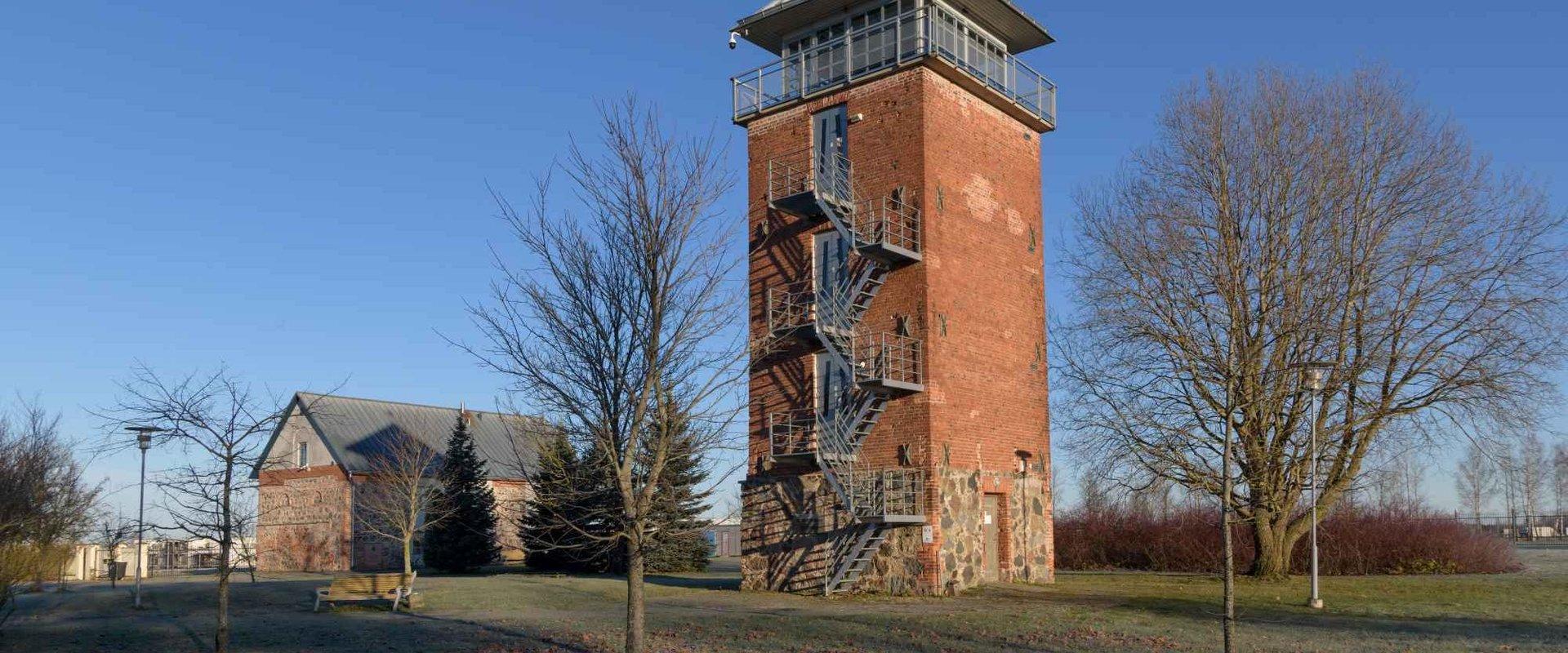
The water tower of Raadi Manor dates back to the 19th century. In ancient times, the tower housed the manor clock, which let the manor workers know it was time for lunch. After World War II, the building was used by the Soviet army and was restored in 2002.Inside the water tower is an exhibition of the Estonian National Museum. Visiting the photo exhibition Raadi Through the Ages, which runs along the floors of the water tower, offers not only historical knowledge but also enchanting views of the cosy Raadi Manor Park.The exhibition is open by reservation and a visit to the water tower can be ordered together with the guided tour of the Estonian National Museum 'Raadi Manor Park Tour'.

  • Collaboration
  • News
  • Contacts
  • Privacy Policy
Join our mailing list!

"*" indicates required fields

This field is for validation purposes and should be left unchanged.
I authorise marketing

South Estonia Tourism Cluster

info@visitsouthestonia.com