• Explore
    • Nature
    • Culture
    • Food
    • Family
    • Activity
    • Blog
    Smoke sauna
    Weather and seasons
  • Plan
    • Accommodation
    • How to get here
    • Weather and seasons
    • Sustainability
    • Tourist info
    Discover South Estonia’s Most Beautiful Manors and Castles
    Top 20 Sights in South Estonia
  • For professionals
    • For professionals
    • Collaboration
    • News
    • Projects
    • Training
    • Repository
    • Community (opens in new tab)
    • Contacts
ENG
  • EnglishENG
  • EestiEST
  • LatviešuLAT
  • РусскийRUS
  • SuomiFIN
ENG
  • EnglishENG
  • EestiEST
  • LatviešuLAT
  • РусскийRUS
  • SuomiFIN
Popular searches:
Show all
  • History & Culture
  • Architecture and history
  • Manors

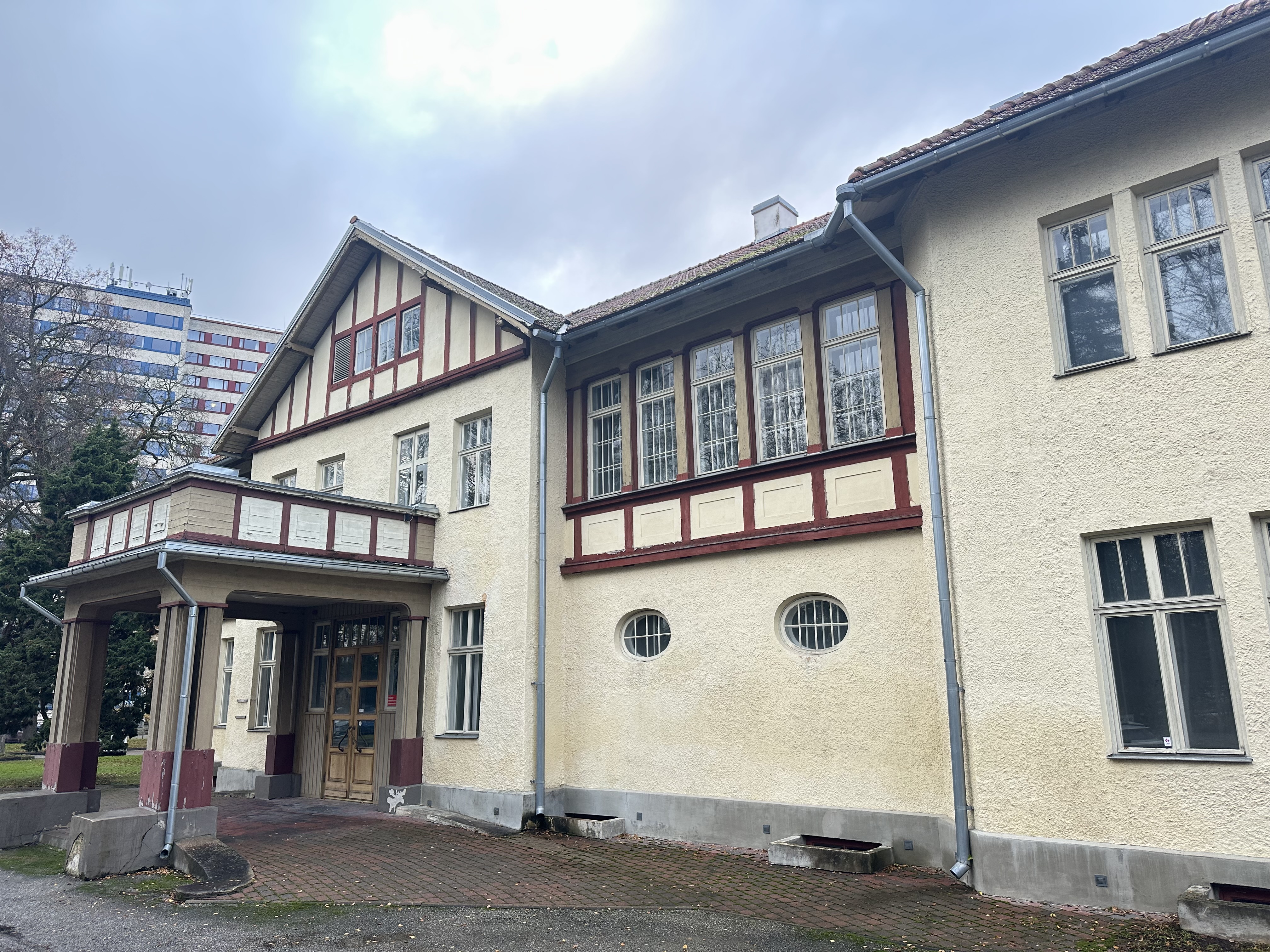
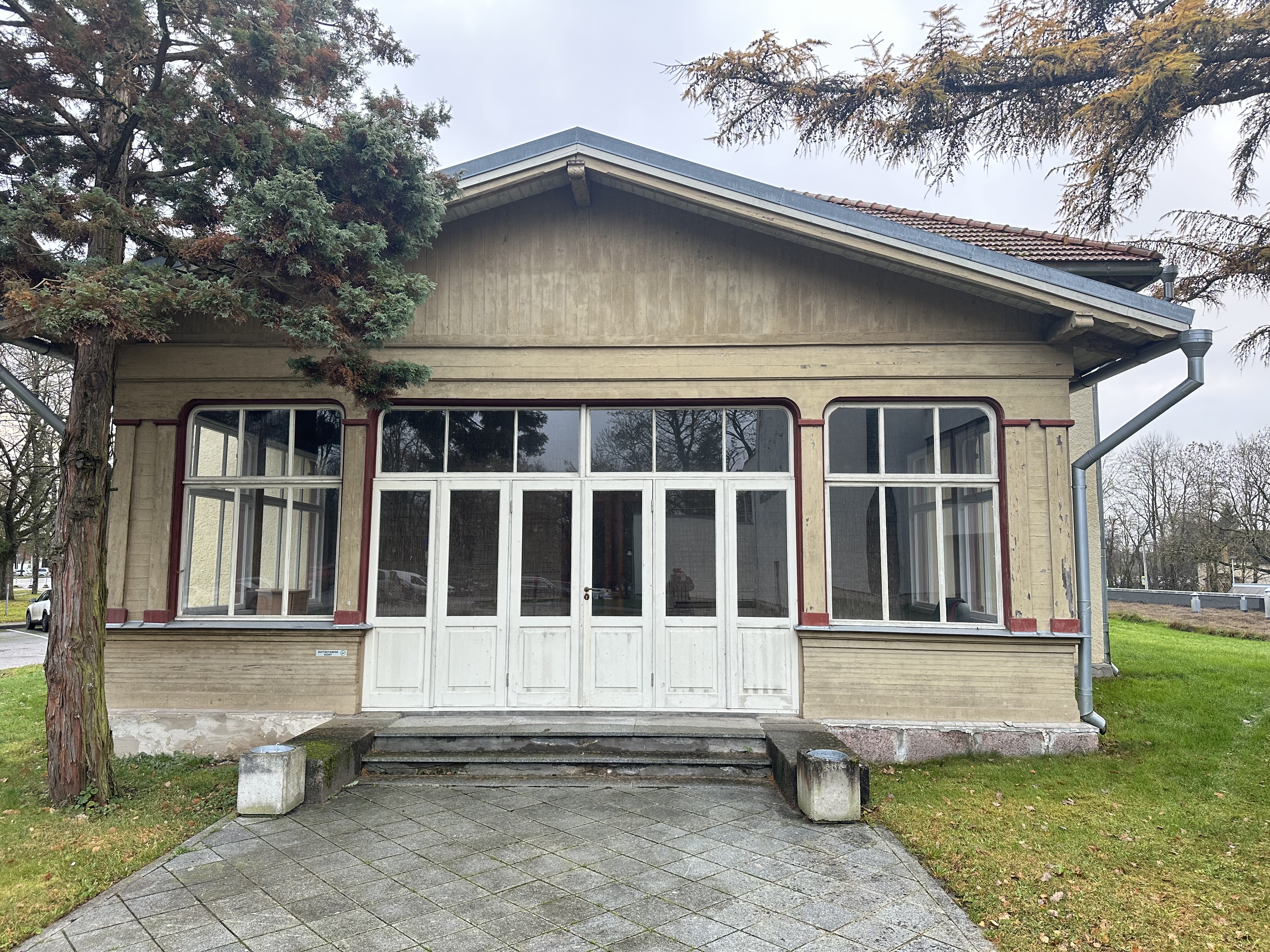
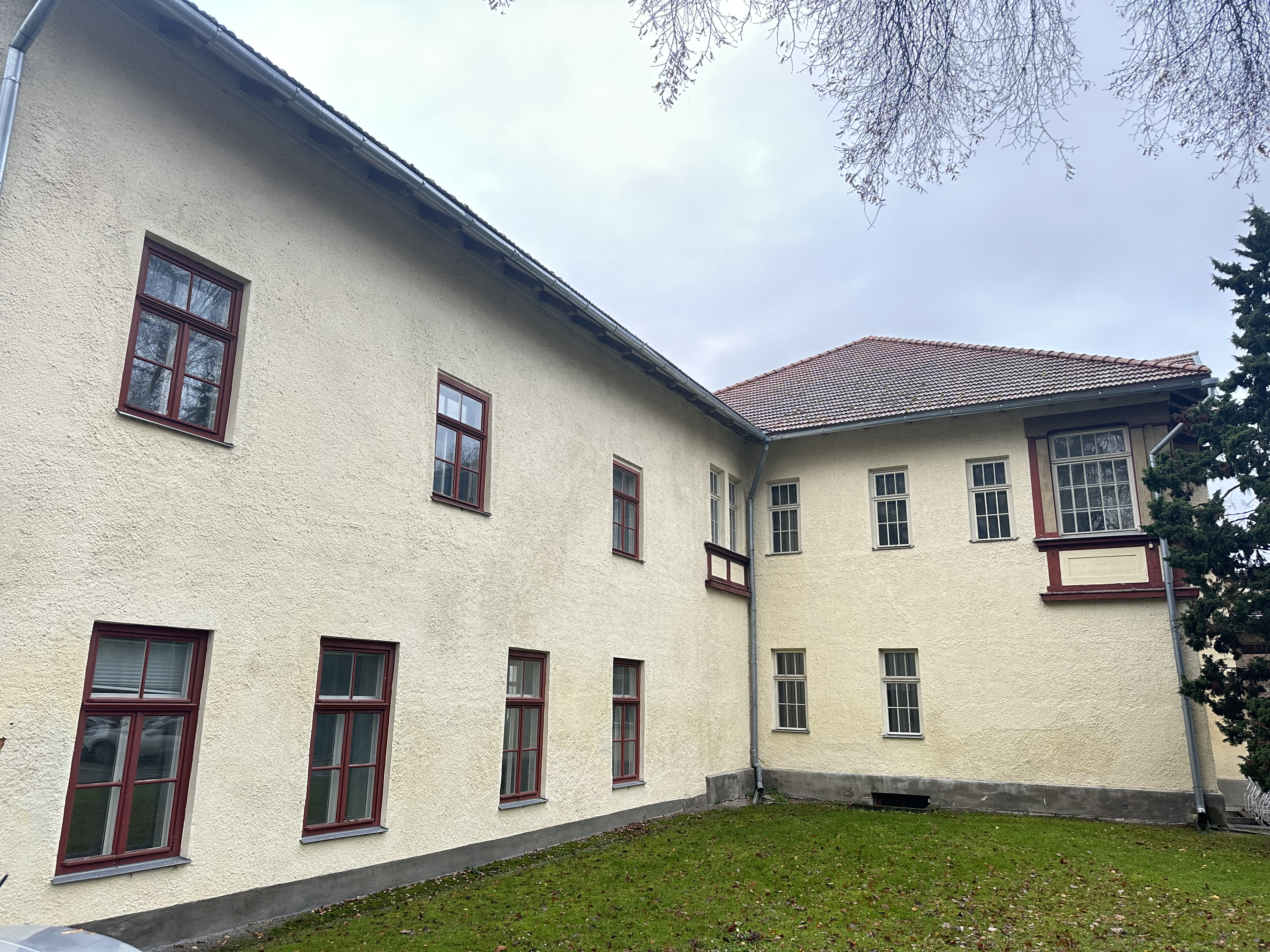
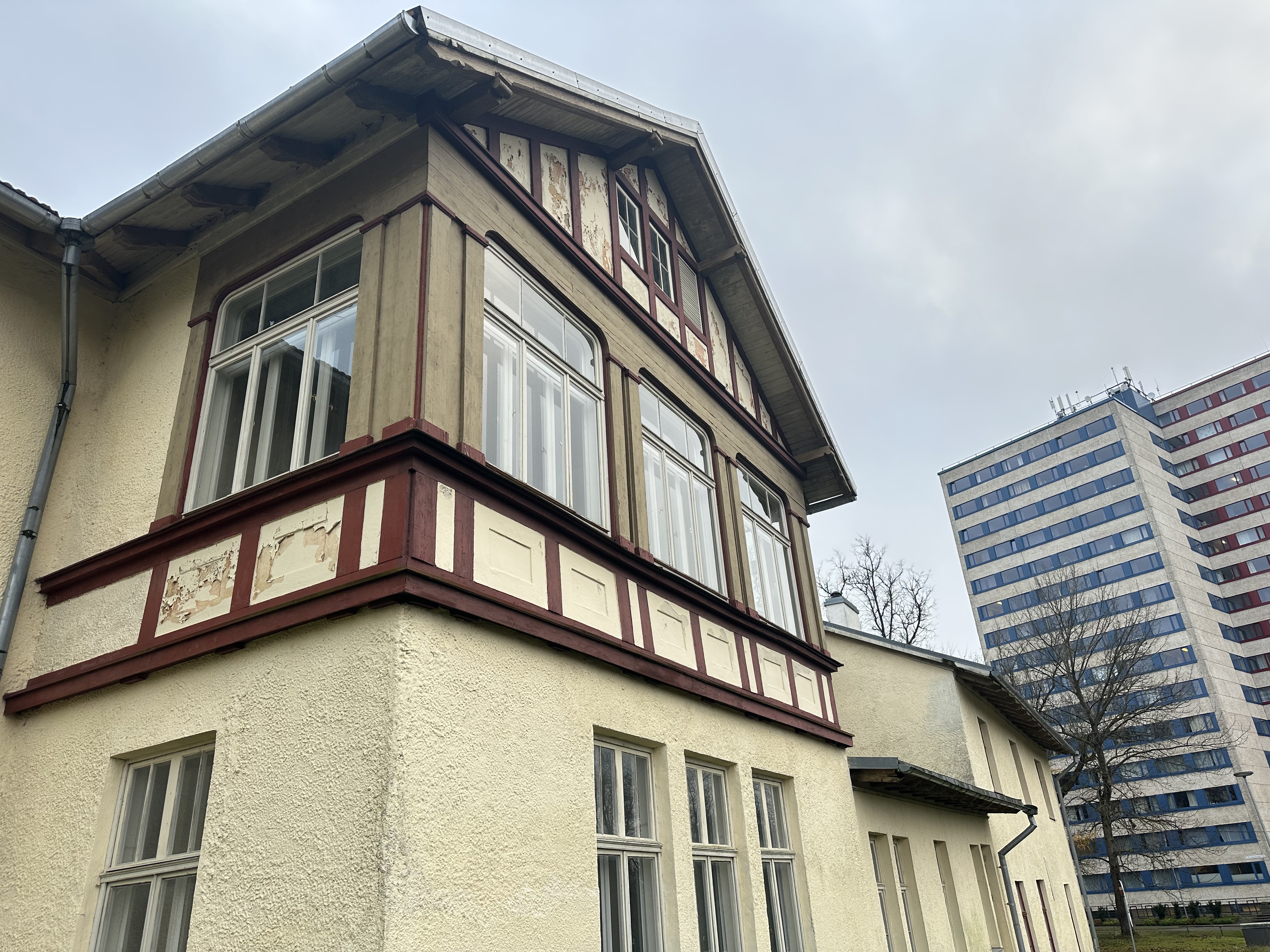
Tähtvere Mansion

F. R. Kreutzwaldi tn 1, Tartu linn, Tartu maakond, 51006

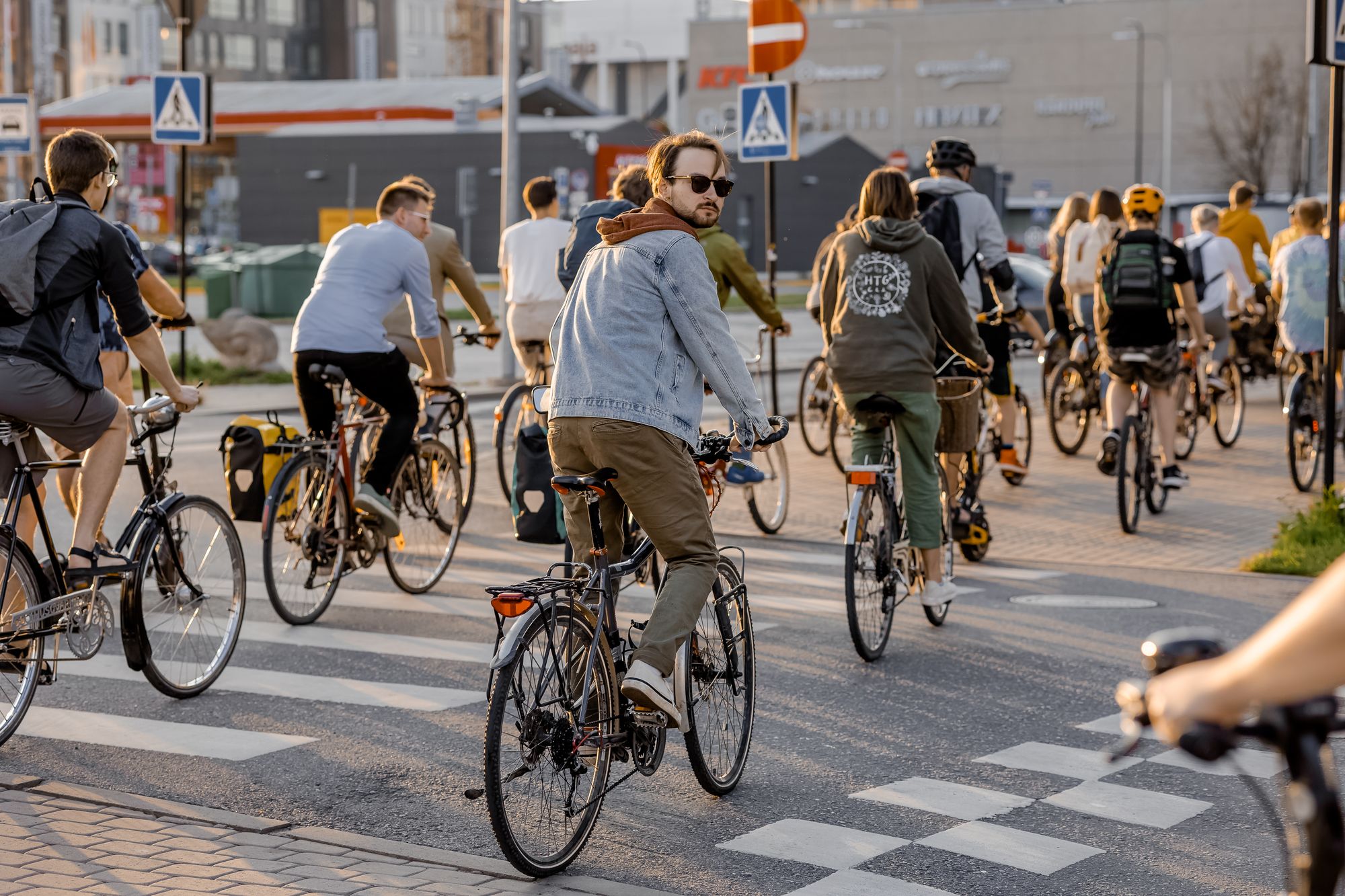
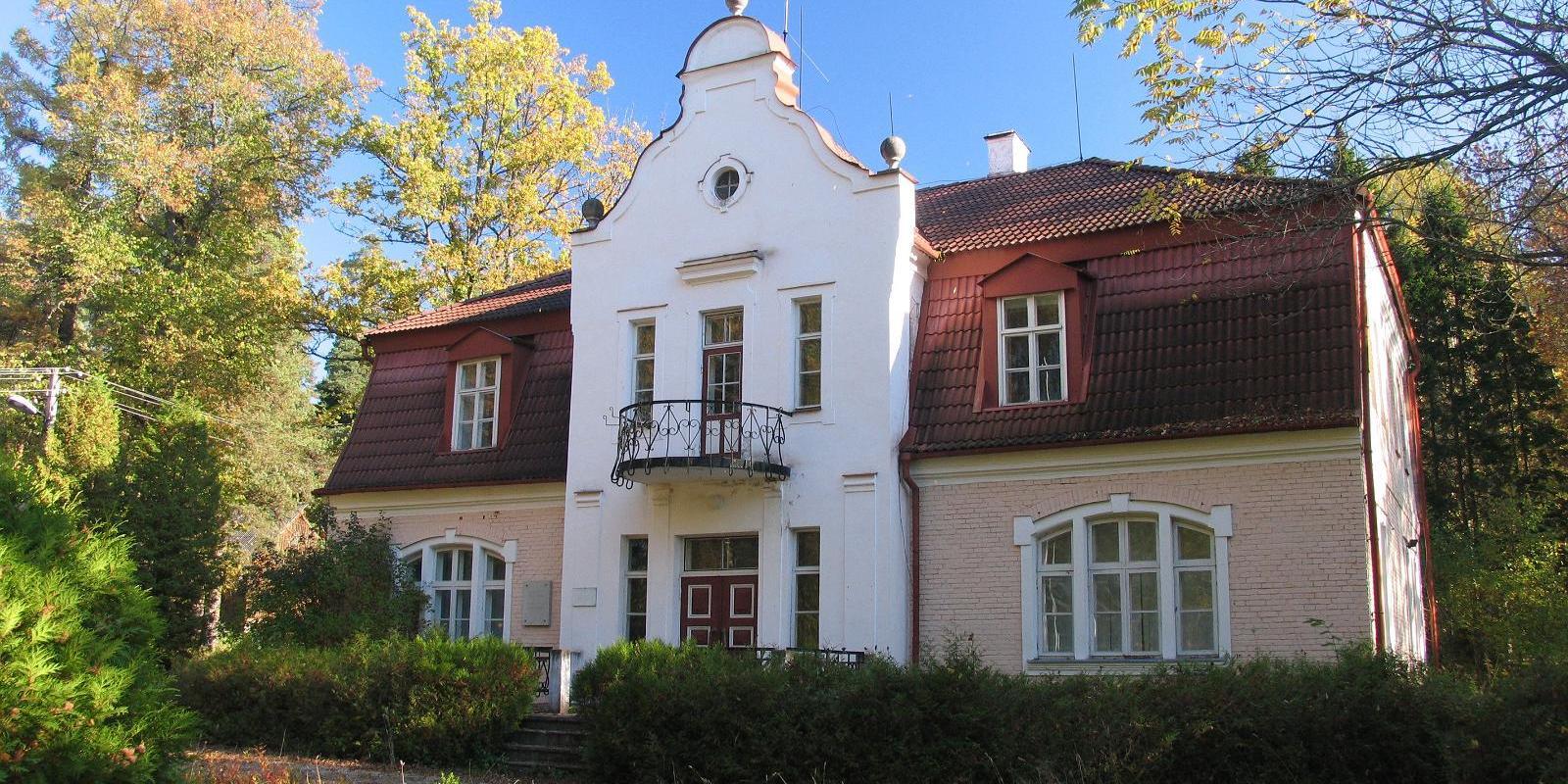
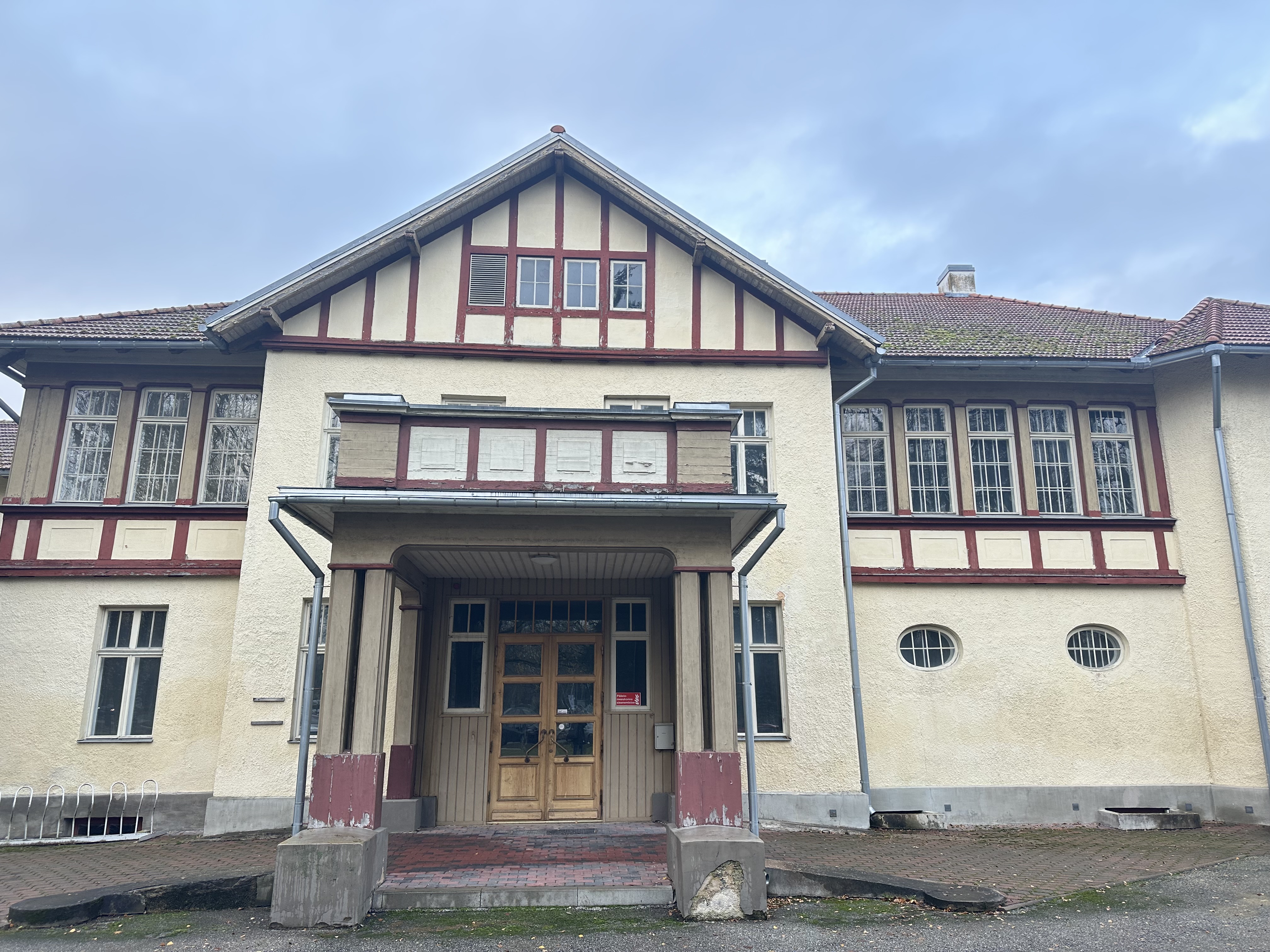
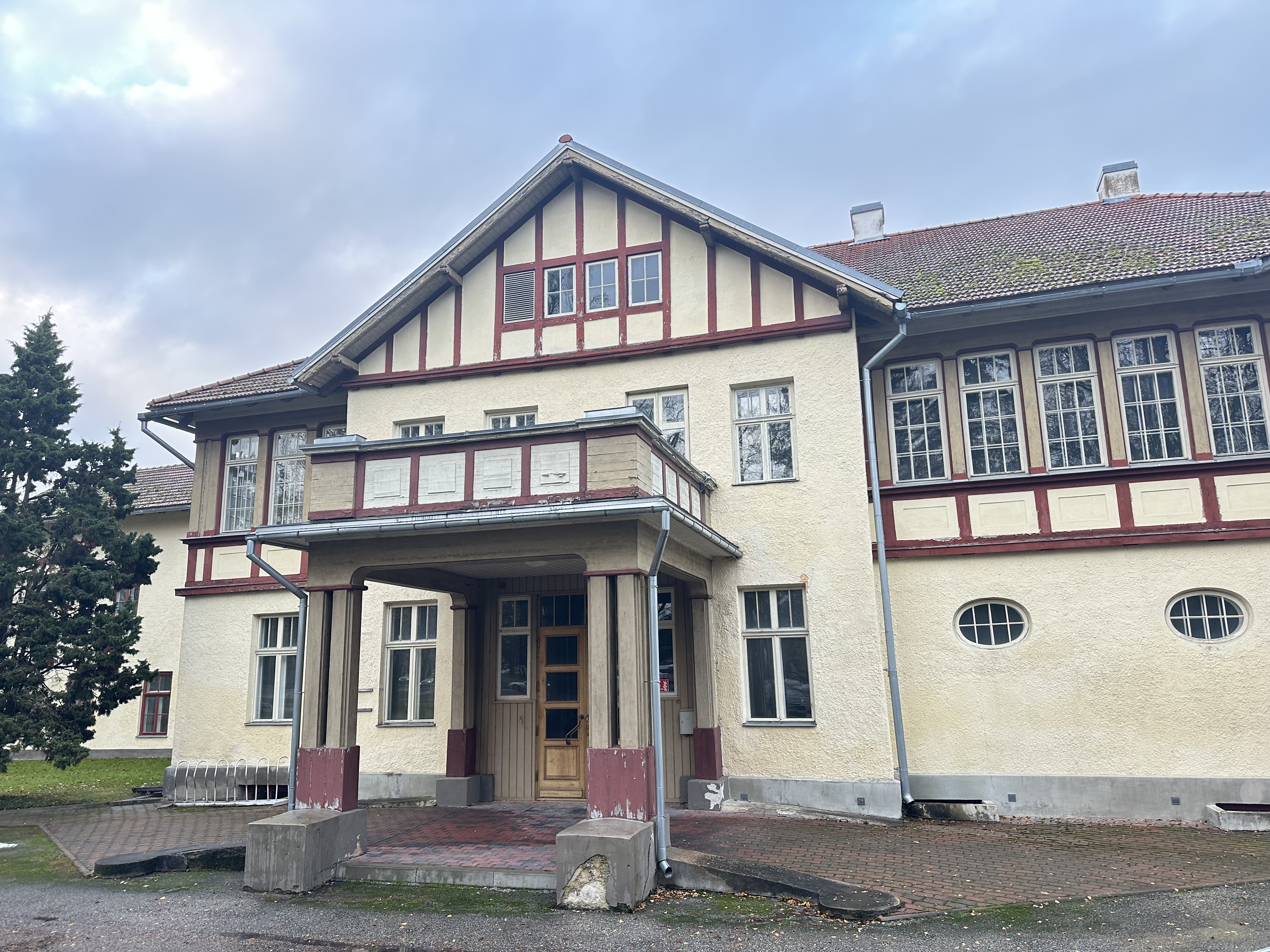
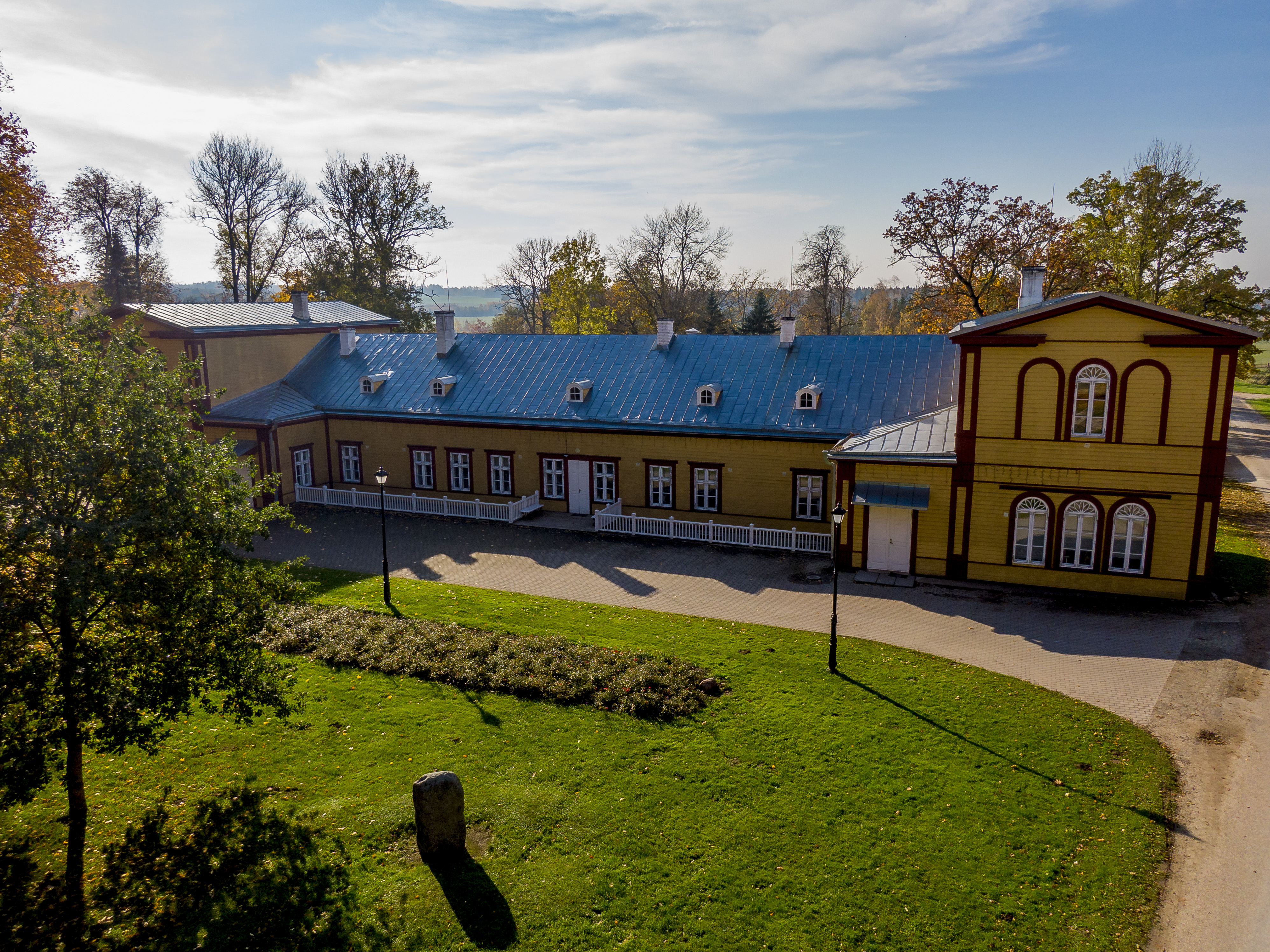
Tähtvere Mansion was first mentioned in 1515 and belonged to the Bishop of Tartu in the Middle Ages. In 1919, part of the lands of Tähtvere Mansion were sold as the first building plots of Tähtvere District. The main building of the mansion (built in 1910 in the heimat style) has been preserved and is used as one of the study buildings of the Estonian University of Life Sciences (an extension has been added to it).The surviving outbuildings of the mansion are a small animal barn, a maid’s house, a barn/grain dryer, a cattle barn, a farmhand’s house, and a smithy.The Mansion can only be seen from the outside and it can also be seen for example in the guided bicycle tour “Tartu City Mansions”.
Amenities

  • Free parking

Open times

Throughout the Year

Eemalt vaadeldav

Links

www.mois.ee

See more

  • Guided tours
  • Manors

Mooste Manor

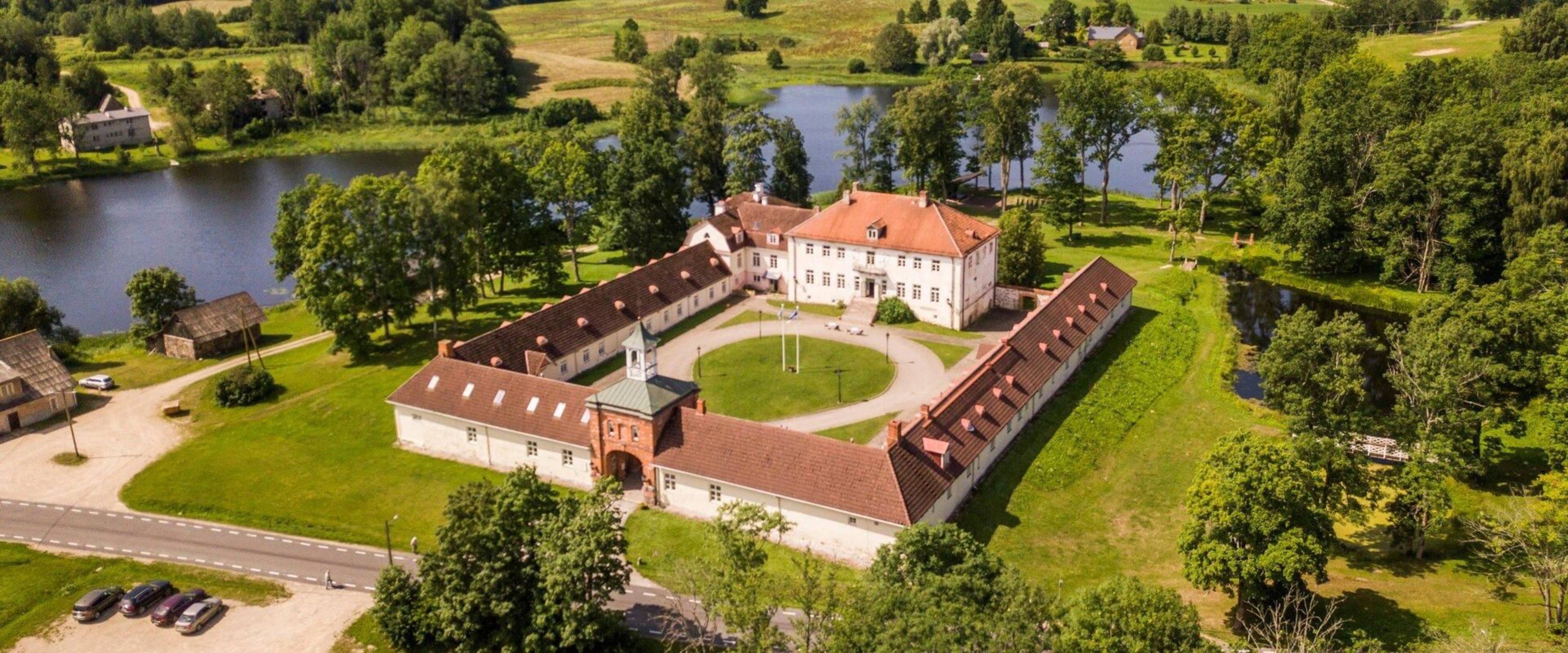
Mooste Manor, established at the time when the Nolcken family ruled the area, lies on the shore of Lake Mooste. Beside the beautiful manor house you will find the pride of Mooste Manor, one of the most impressive auxiliary building ensembles built in the historicist style. Most of the buildings are constructed from stones and decorated with brick. An English-style park adds to the appearance of the manor. The manor house accommodates a school, and the former woodworking workshop has been renovated into the Mooste Manor Guest House. A restorer’s workshop operates in the old workhorse stable, and the Centre for Arts and Social Practice occupies the steward’s house, while the former barn has been transformed into a 500-seat concert hall.

  • Manors

Ropka Manor

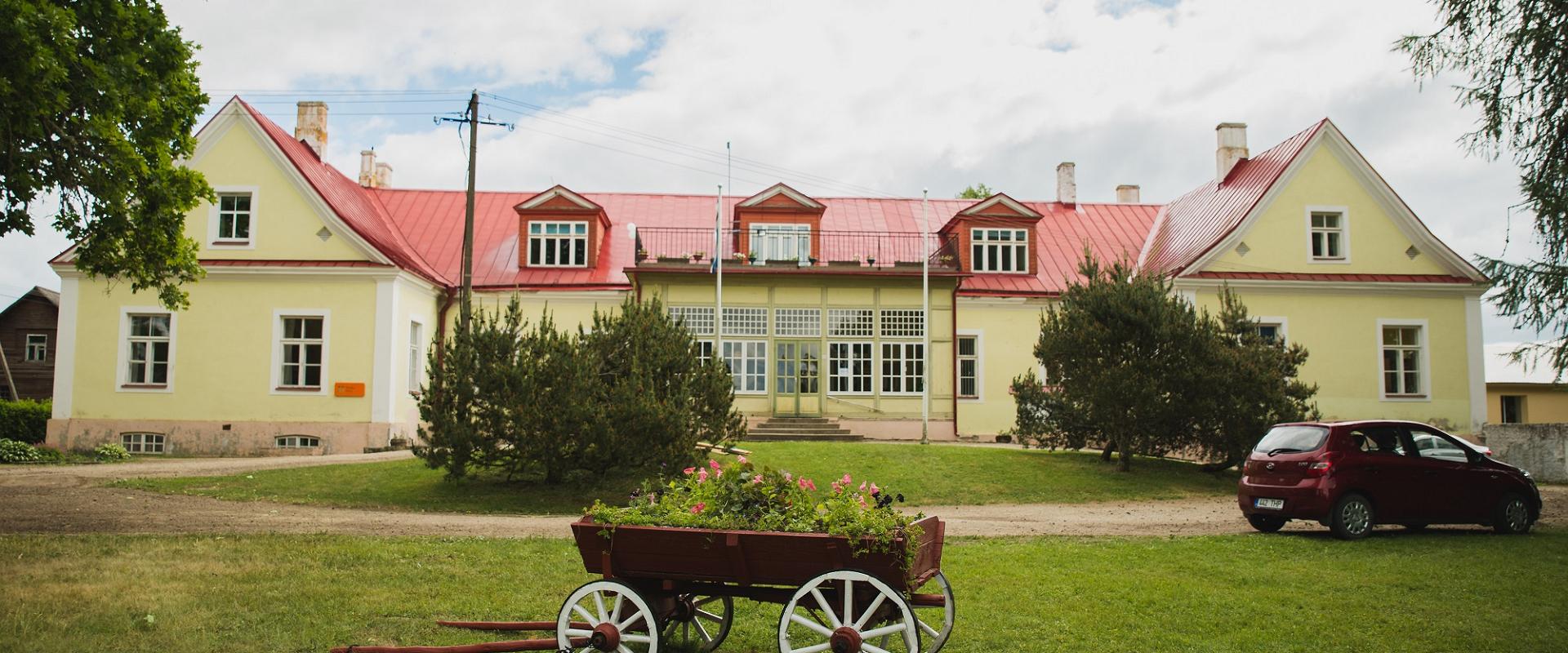
The one-storey stone manor was built in the first half of the 19th century. The buildings of Ropka Manor are located on both sides of the street of Ropka tee. Preserved manor buildings include the farm hand's house, cattle barn, converted stables and a barn, a cellar and a park. There were three ponds in the park and it is planned to restore one of them. There was an orchard with a regular plan on the western side of the servants' house, which is now a built-up area.The building is in private ownership and can only be viewed from the outside.

  • Manors

Rogosi Castle Manor in Ruusmäe

Stanislaw Rogosinsky, a native of Poland, established the Rogosi Manor. From 1629 to 1776 the manor belonged to Herman von Liebsdorff and was later given to the von Glasenapp family as Herman's daughter's dowry. From 1934, after the Glasenapp family was dispossessed of the manor, a school operates in the manor. When place names were translated into Estonian in 1939, the village was named Ruusmäe, but the manor is still known as Rogosi. In summer 1990, Otto von Glasenapp, son of the owner of the manor visited his old home.Useful information: There is a museum of local lore in the barbican, which is open in summer. Watercolors of Joh. Chr. Brotze have been preserved as sources of the manor's history.

  • Manors

Ülenurme Manor

The well-preserved Ülenurme Knight's Manor (Üllenorm) in Ülenurme is first mentioned in writing in 1646, when a military man called Bernhard Bousselberg received the manor from the Kingdom of Sweden in exchange for a stone building in Tartu.The park and the main building were probably created by Count Cancrin who was the owner of Ülenurme manor between 1856 and 1883.The manor has been passed from owner to owner, and the main source of its income was grain farming.At the beginning of 1970, the complex of numerous stone buildings of the former Ülenurme Manor's centre was allocated to the Estonian Agricultural Museum that opened its doors to visitors in 1981.You have to buy a ticket in order to visit the museum. The complex has a gazebo, a village swing, and stables.

  • Guided tours
  • Manors

Tour of Luke Manor and Park

Luke Manor in Tartu County offers an engaging tour that introduces the manor and its beautiful park. During the walk, stories of Luke Manor's history unfold, and you have the chance to explore the Gardener's House, the Handicraft Workshop, and the historic Steward's House. The tour is well-suited for both smaller groups and larger gatherings and can be combined with other events, providing guests with a memorable cultural experience. Luke Manor Park is one of the best-preserved parks in Southern Estonia, with its original layout, offering a wonderful environment for walking, enjoying nature, and experiencing the unique historical manor atmosphere. In addition to the tour, catering can be ordered from the Luke Manor kitchen, enriching the visit with local flavors and a cozy atmosphere. During the tour, you can purchase Luke Manor's handicrafts. By prior arrangement, the visit can be combined with various additional activities, such as organizing a seminar or catering packages.

  • Manors

Rannu Park and Manor Buildings

Rannu Park is a manor-era park partly bordered by a stone wall, surrounded by former manor farm buildings and a pond that once surrounded the vassal stronghold. The main building of the manor located in the park was demolished in the 1970s. There is still a gardener's house, a manor granary, a coach house, and some other buildings. A community centre has been built instead of the manor house. The park is for leisure, walking with children, and sports (volleyball, basketball).Here, you can still perceive the wealth of the owners of the manor and admire the magnificent landscaping. In the autumn of 2006, a memorial stone to the Battle of Rannu was erected in the park. In 2016, a bench was dedicated for writer Mats Traat.

  • Manors

Puurmani Manor

The magnificent Neo-Renaissance style manor with a white main building was built during the time of G. J. Mannteuffel in 1860. In 1918, Julius Kuperjanov established a partisan battalion in Puurmani castle.At present, the castle houses the Puurmani Upper Secondary School.You can visit Puurmani castle and learn about its history in the course of the Forgotten Manors program during the visiting days in the summer. You can also order a tour of the manor house, manor park and the entire Jõgeva County. In the manor, we will look around different floors where you can see the countess's boudoir, a secret door leading to the tower, as well as the count's study and treasury. You can also order a night tour and catering.

  • Manors

Võisiku manor

Võisiku manor was first mentioned in 1558. It was one of the biggest manors in Livonia in the 18th and 19th centuries, stretching from Põltsamaa to Lake Võrtsjärv. There were 52 buildings on the manor originally, some of which we can still see today, and a further 67 in outlying parts of the manor and its mirror factory. Lord of the manor Timotheus Eberhard von Bock, who drew up Russia's first constitution for Emperor Alexander I and was sent to the Schlüsselburg fortress for 9 years for doing so, is the central character in Estonian author Jaan Kross' novel "The Emperor's Madman". Did you know...? *Today the main building houses Võisiku Nursing Home and can only be viewed from the exterior

  • Collaboration
  • News
  • Contacts
  • Privacy Policy
Join our mailing list!

"*" indicates required fields

This field is for validation purposes and should be left unchanged.
I authorise marketing

South Estonia Tourism Cluster

info@visitsouthestonia.com