• Explore
    • Nature
    • Culture
    • Food
    • Family
    • Activity
    • Blog
    Smoke sauna
    Weather and seasons
  • Plan
    • Accommodation
    • How to get here
    • Weather and seasons
    • Sustainability
    • Tourist info
    Discover South Estonia’s Most Beautiful Manors and Castles
    Top 20 Sights in South Estonia
  • For professionals
    • For professionals
    • Collaboration
    • News
    • Projects
    • Training
    • Repository
    • Community (opens in new tab)
    • Contacts
ENG
  • EnglishENG
  • EestiEST
  • LatviešuLAT
  • РусскийRUS
  • SuomiFIN
ENG
  • EnglishENG
  • EestiEST
  • LatviešuLAT
  • РусскийRUS
  • SuomiFIN
Popular searches:
Show all
  • History & Culture
  • Architecture and history

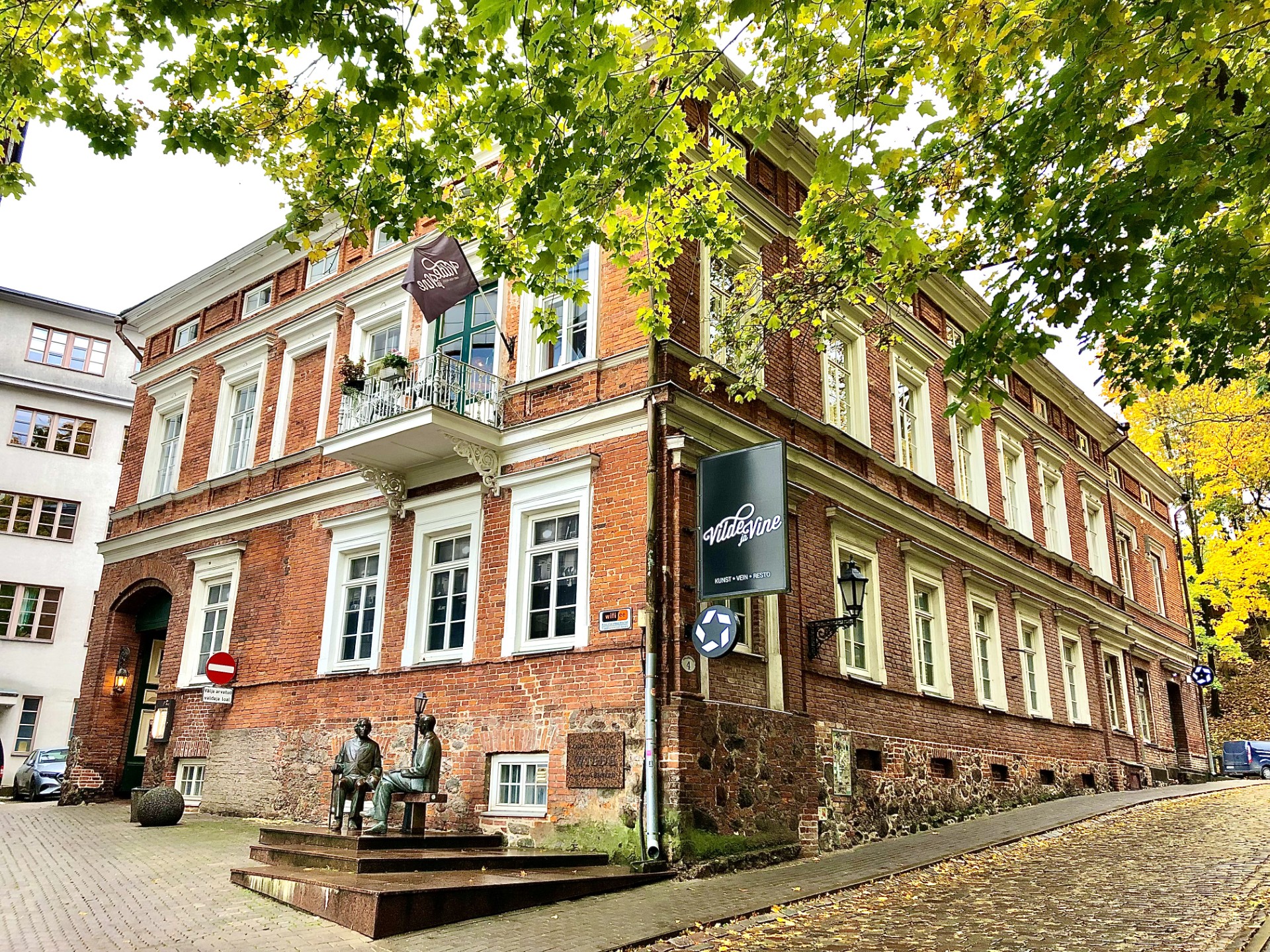
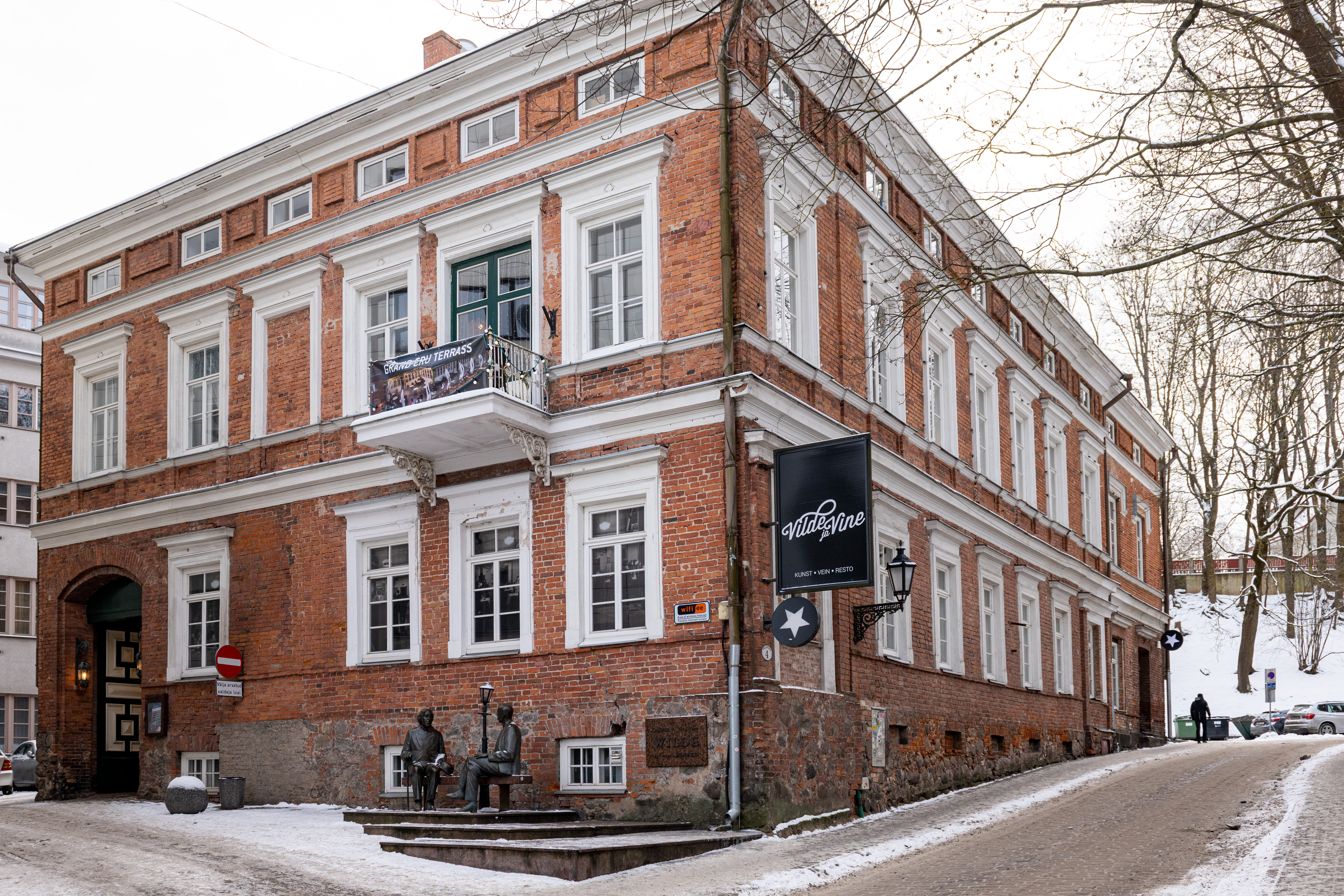
Tartu Mattiesen Print Shop

Vallikraavi tn 4, Tartu linn, Tartu maakond, 51003

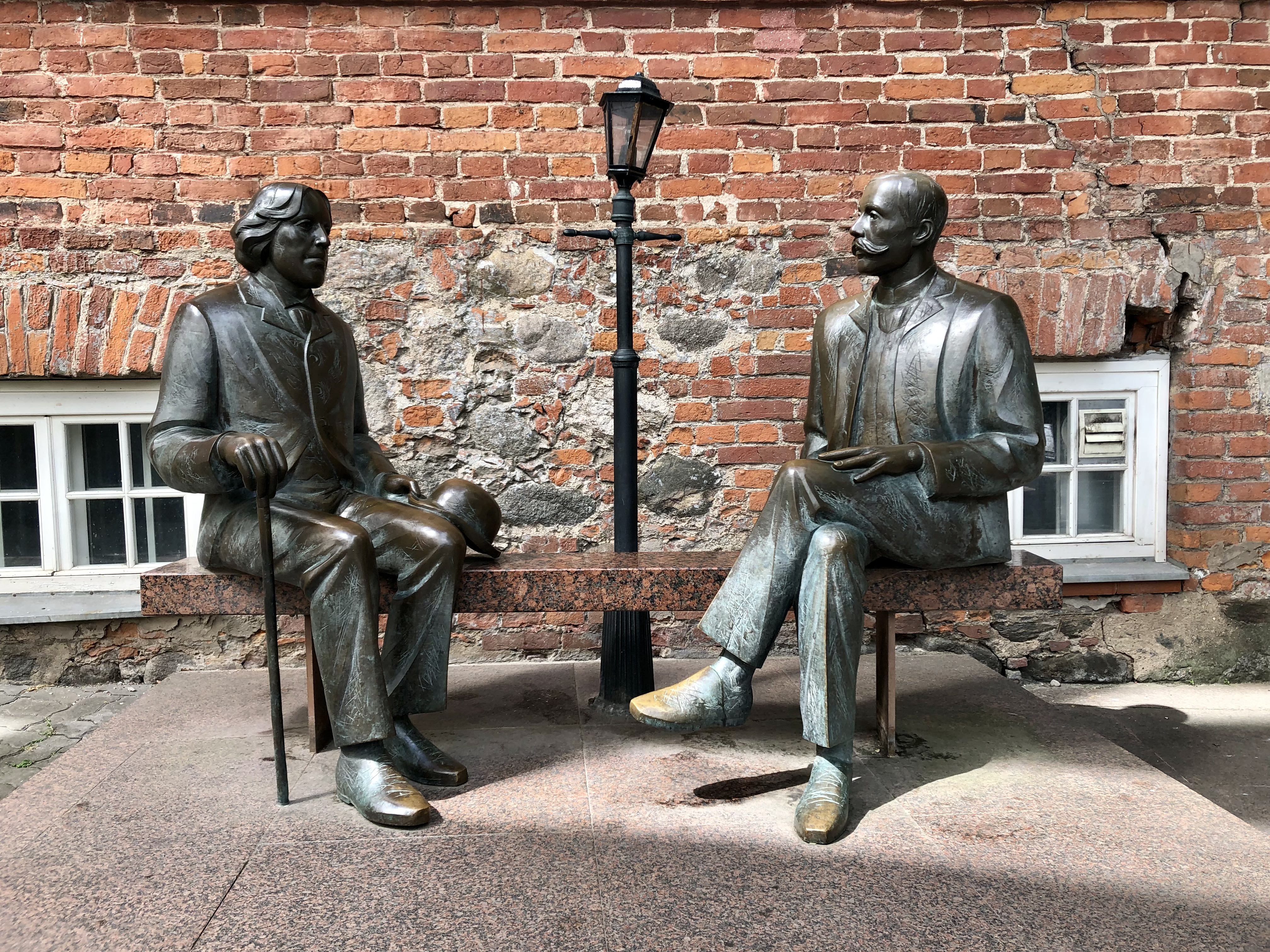
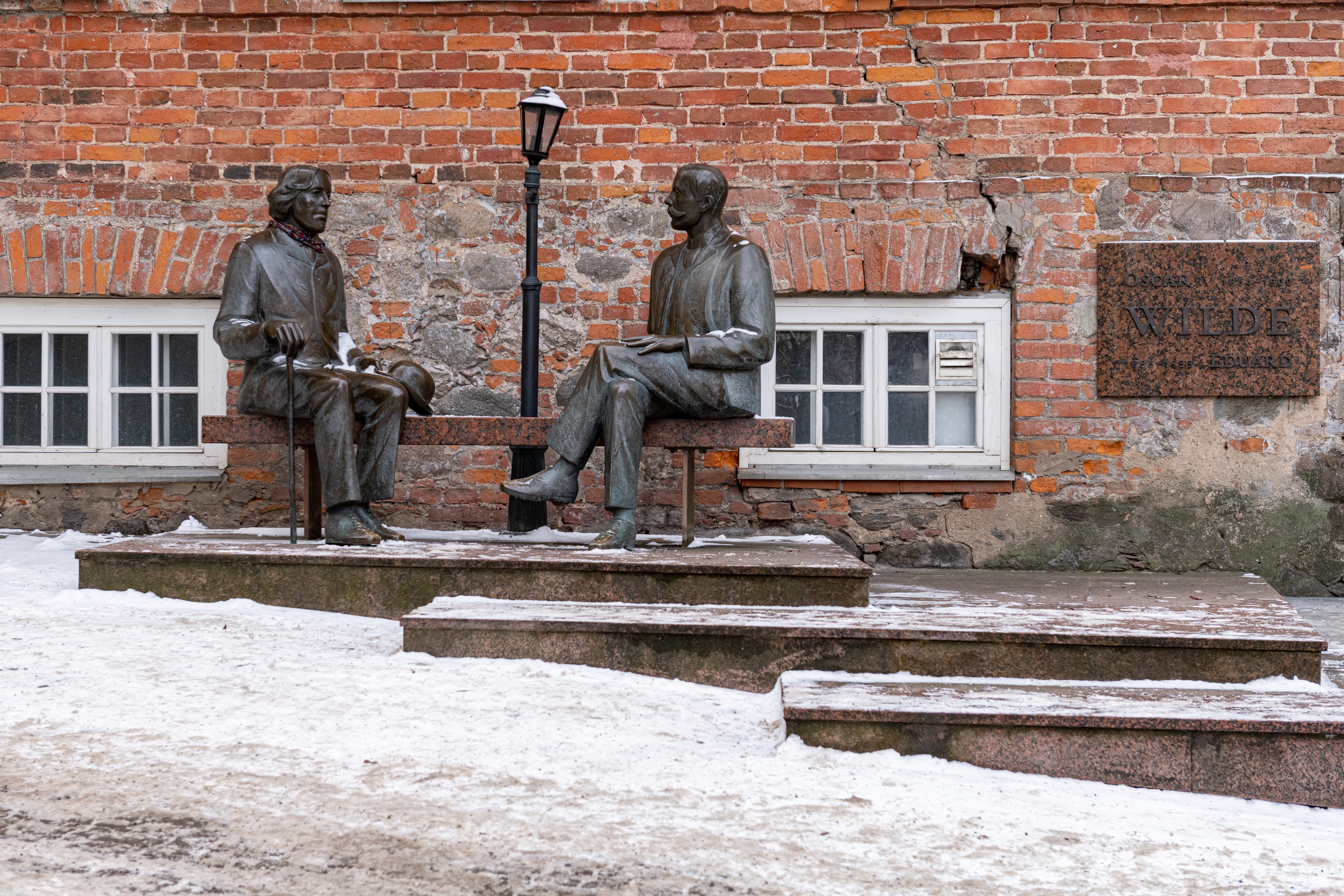
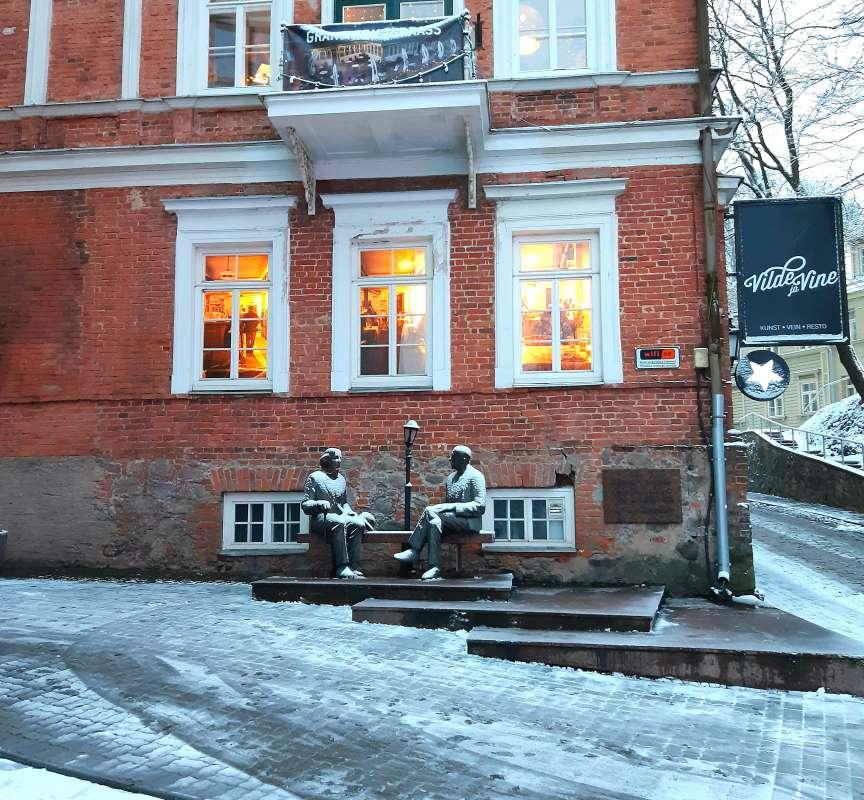
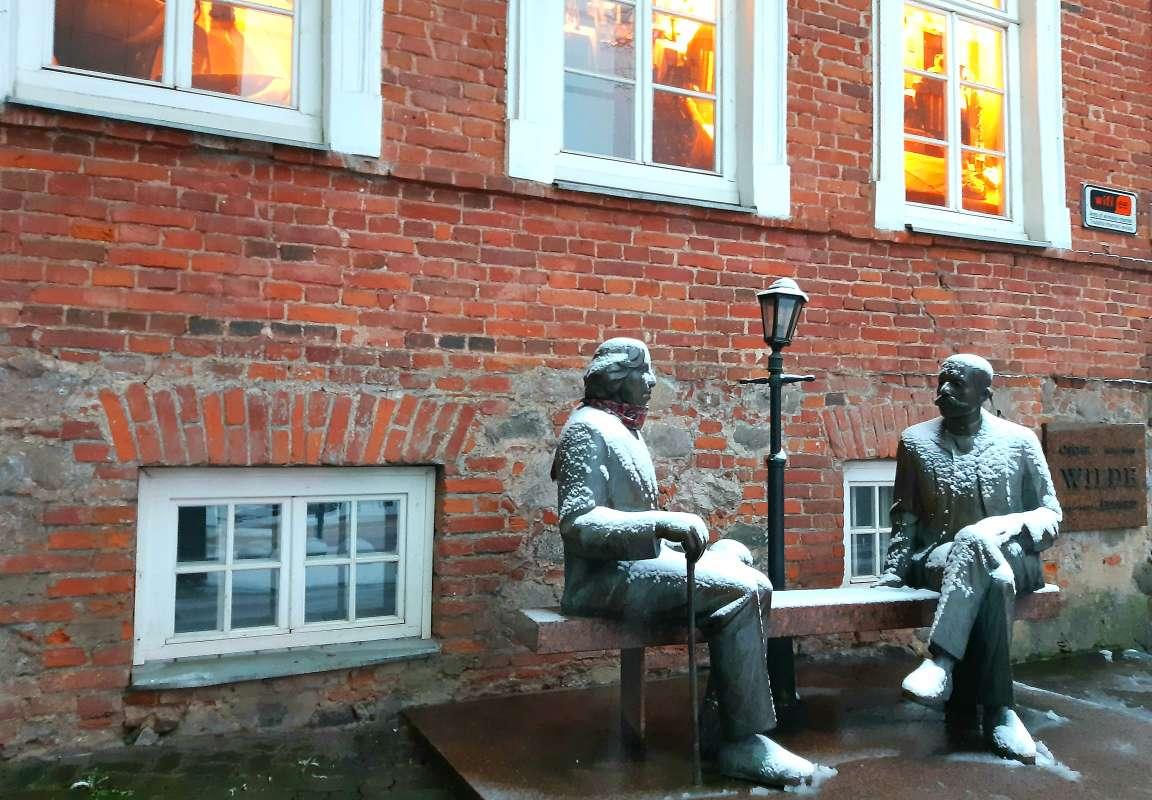
The former Mattiesen Print House on the corner of Ülikooli and Vallikraavi Streets is also a noteworthy architectural monument in the centre of Tartu. Printer Carl Gottlieb Mattiesen bought the plot in 1848 and the print shop of the University of Tartu was moved into the wooden house. A stone annex was added to the building later.The building was redesigned in 1997 (architect M Raid) into a café-museum, bookstore and pub. Wilde Pub and Café operated in the building for a long time. A group of bronze sculptures depicting Oscar Wilde and Eduard Vilde was opened in front of the building in 1999 (authors M Karmin and T Trummal).
Amenities

  • Free parking
  • Paid parking

Open times

Throughout the Year

Around the Clock

Links

See more

  • Churches

Puhja St Dionysus Church of the Estonian Evangelical Lutheran Church

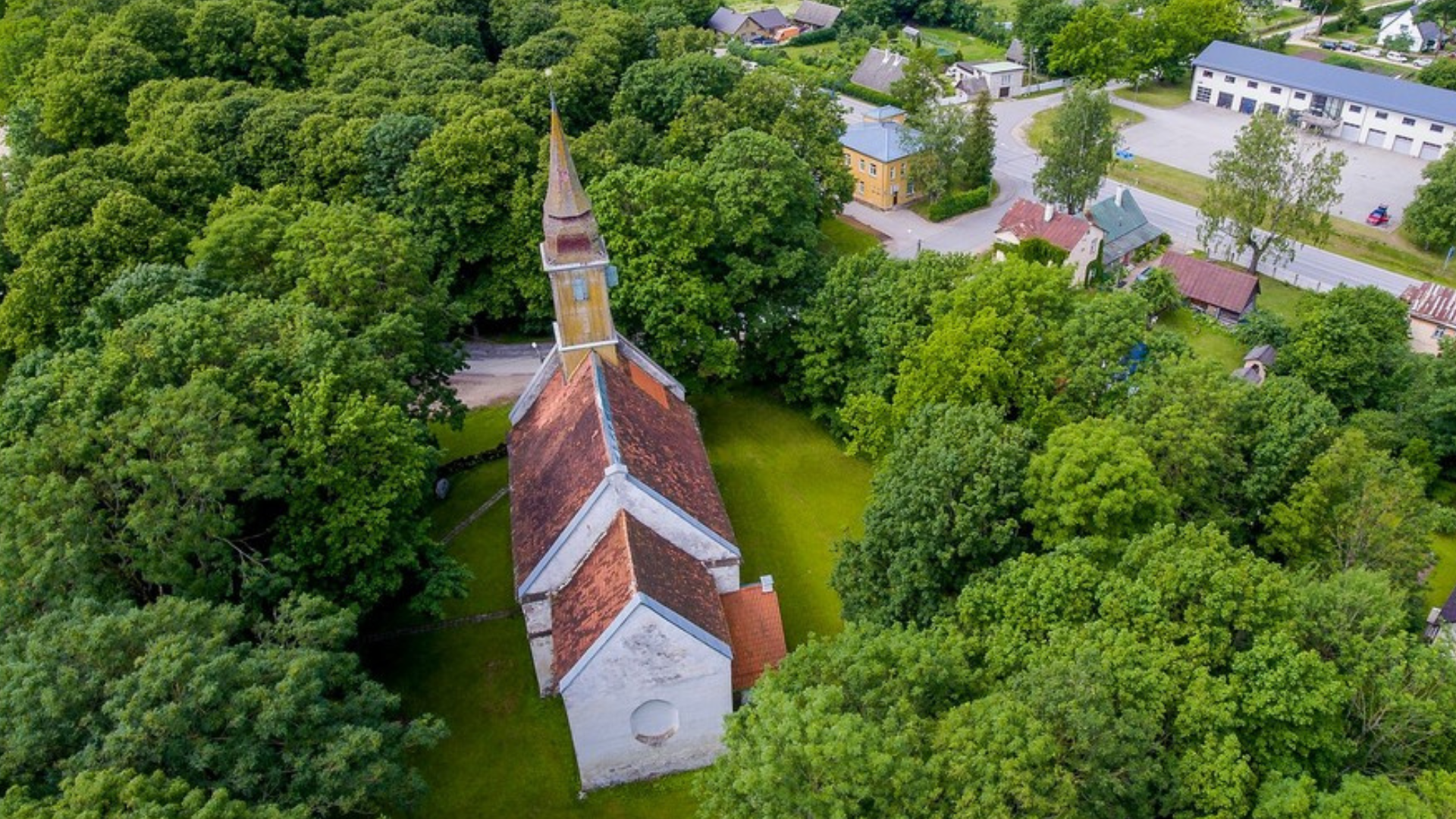
The medieval Gothic church is located on the ancient Pirita–Vastseliina pilgrim route. The white walls of the sanctuary are characterised by narrow and high round arched windows and beautiful relief motifs on the western façade.The organ used in Puhja Church is a rarity throughout Europe. It is estimated that only 10 other similar organs have survived. Those who wish can also go to see the spire or visit the church museum of Puhja parsonage.Good to know:The church participates in the Wayfarers Churches and the Night of Churches programmes.Worship every Sunday at 11 a.m. The church can also be visited by prior arrangement.

Kärde Peace House

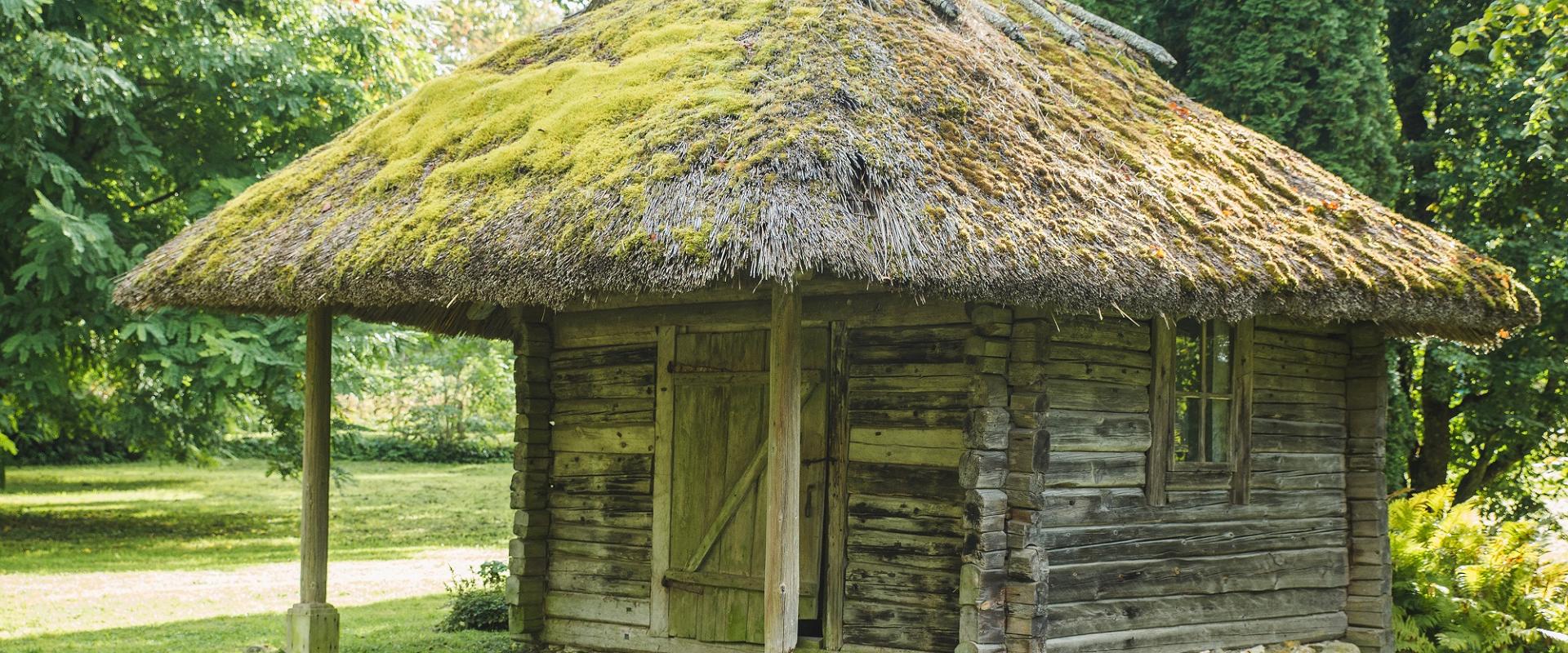
Kärde Peace House is a small hut on the southwestern edge of Kärde Manor Park. It is said that the peace treaty between Russia and Sweden was signed here in 1661. The Peace House is open all year round and every day.

  • Monuments

Paju Battle Memorial

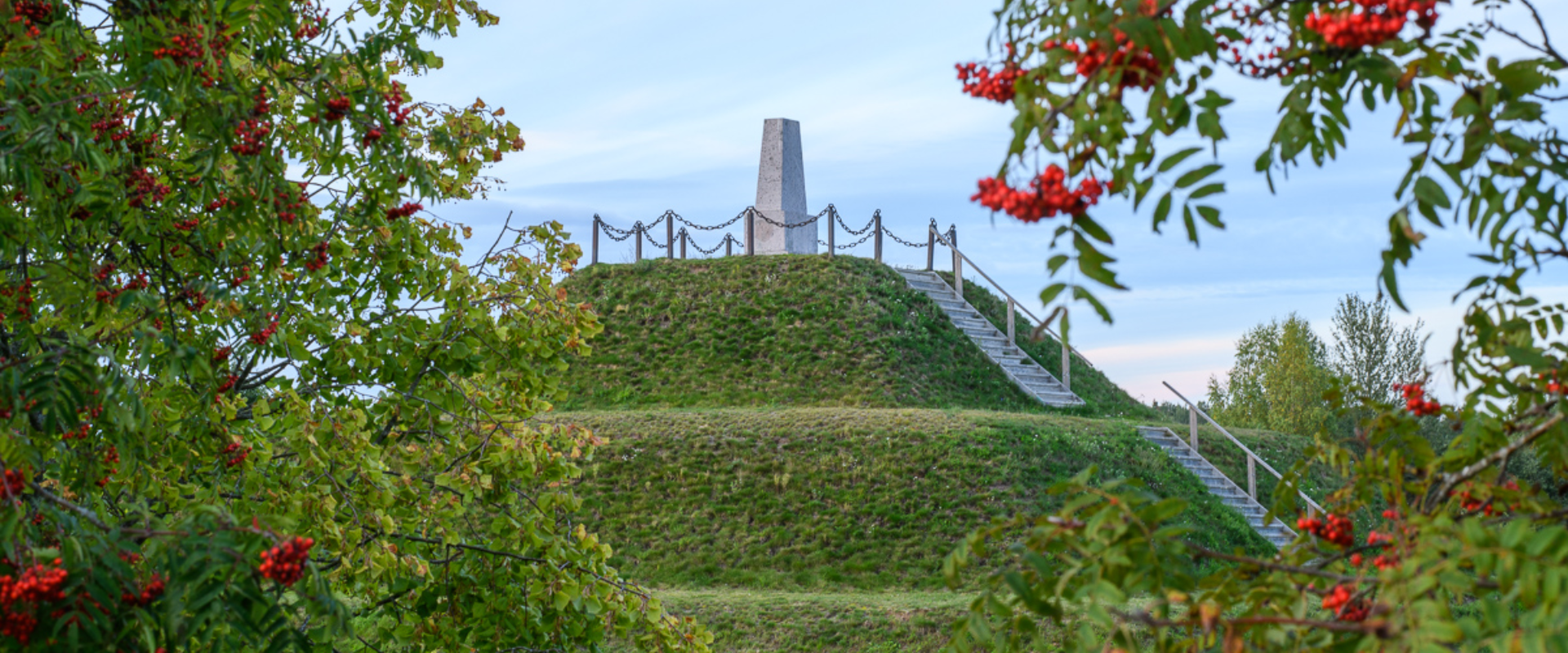
One of the most important battles of the War of Independence took place near the Paju Manor on 31 January 1919. The Northern Sons Regiment that consisted of Finnish volunteers also fought for the independence of Estonia over here. The most legendary commander in the War of Independence, Lieutenant Julius Kuperjanov, was fatally injured in the battle. The battle memorial is a granite pillar on a three-level pyramid, which was reopened on the 75th anniversary of the battle on 30 January 1994.Interesting facts: * the memorial was opened by President of the Republic of Estonia Lennart Meri; * a memorial tablet to the Northern Sons who fell in the battle can be found on the wall of the Valga Jaani (St John’s) Church.

Estonian flagstaff in Otepää

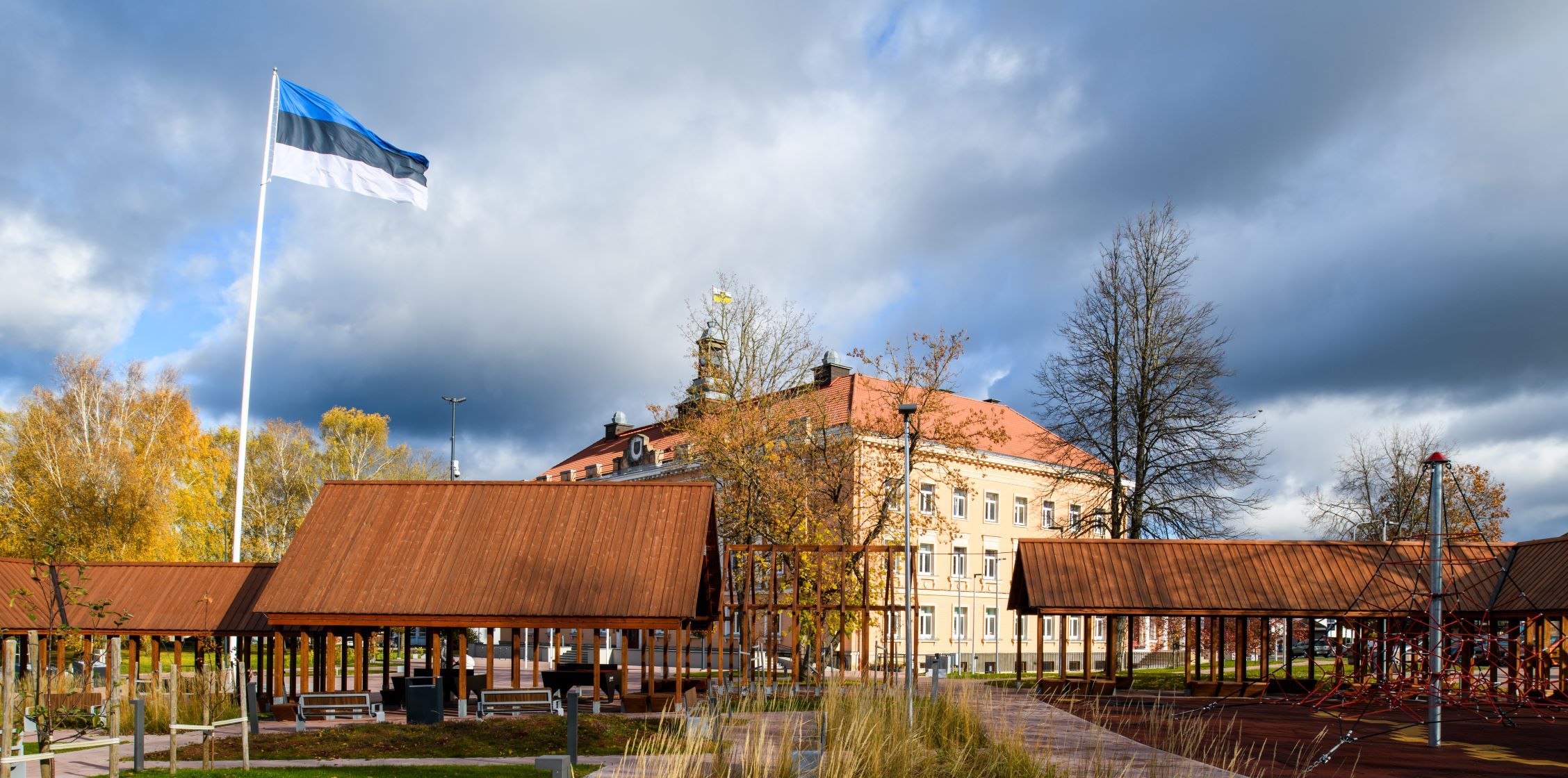
The Estonian blue-black-and-white national flag waves in the highest flagstaff in Estonia – on the renewed Central Square in the centre of Otepää. The flag was hoisted on a 20-metre flagstaff on the National Flag Day on 4 June 2009, when 125 years passed from the day when the first blue-black-and-white flag was commemorated and consecrated. Next to the flag are information stands with the story of the Estonian flag, and in the nearby Community Garden, you can learn exciting facts about the history of Otepää.The flag consecrated on 4 June 1884 was initially the flag of Estonian University Students, then the Estonian national flag, and when the Republic of Estonia was established, blue, black, and white were declared the national colours.

  • Monuments

Monument to Peeter Põld

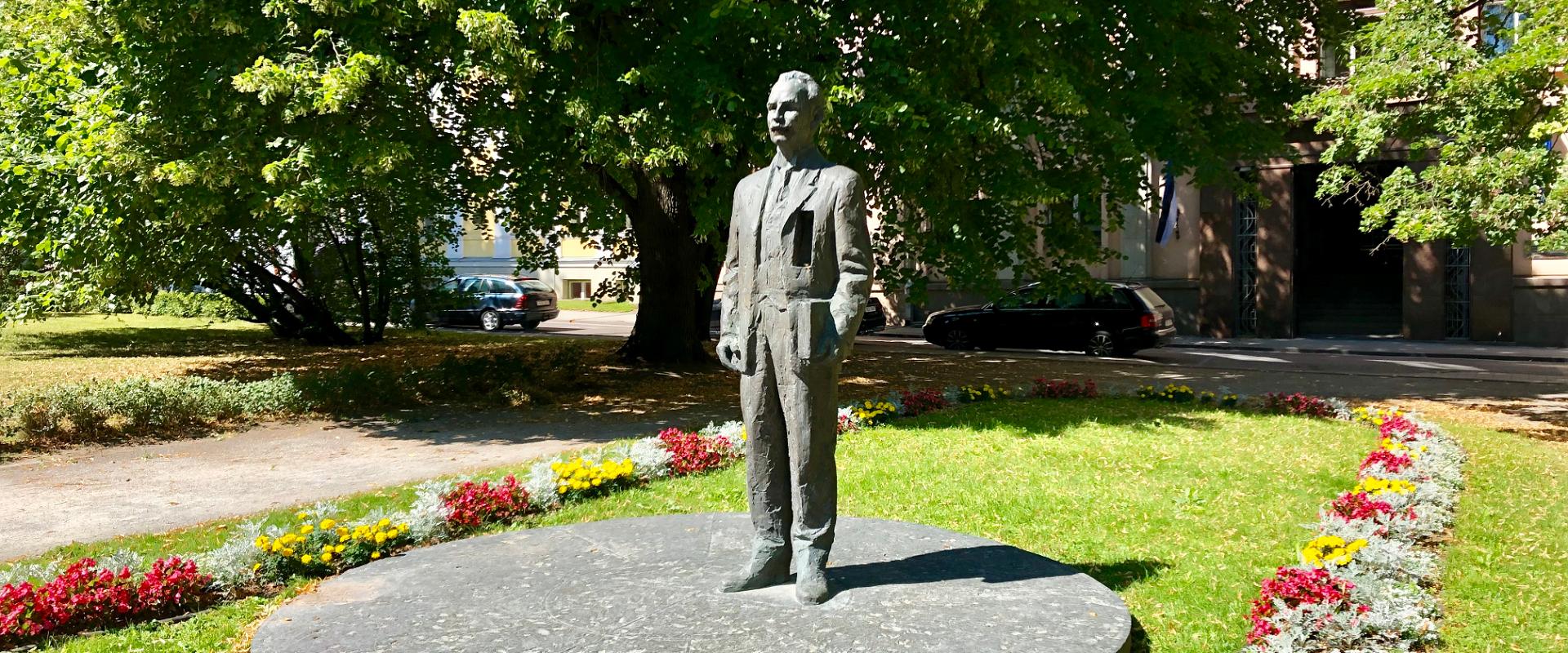
The monument to Peeter Siegfried Nikolaus Põld (1878–1930), the first Minister of Education and founder of the national university of Estonia, the first professor of pedagogy, was unveiled in front of the Ministry of Education and Research on 1 December 2008.The authors of the monument are sculptor Ekke Väli and architect Ain Rööpson.Under the name of Peeter Põld Day, student scientific conferences have been organised at the University of Tartu since 2008, and on the same day, the university issues a scholarship named after him.

  • Guided tours

Vastseliina Episcopal Castle Pilgrim House

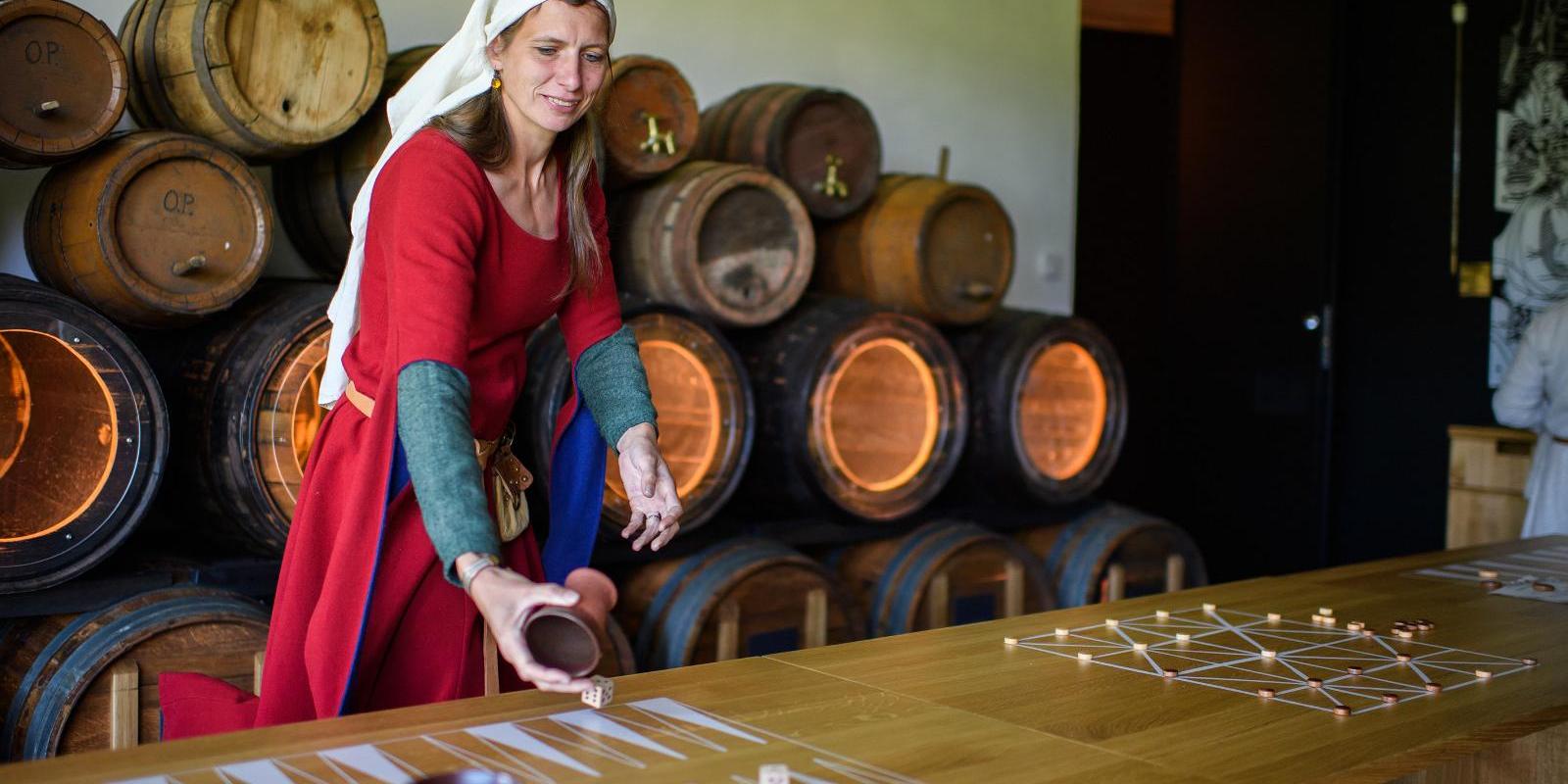
The Pilgrim House introduces visitors to everything related to medieval pilgrims and pilgrimages. Here you can get acquainted with various medieval holy places and pilgrimage destinations. One of them, the most famous in Northern Europe, was located right here in the Holy Cross Chapel of the Vastseliina Bishopric! Thanks to the interactive exhibit, visitors can experience firsthand what a medieval pilgrim felt, what he feared, and what he loved. You can play medieval board games, and with prior arrangements, we offer various experience packages, including period and themed meals prepared in the Pilgrim House oven to fill your stomach!

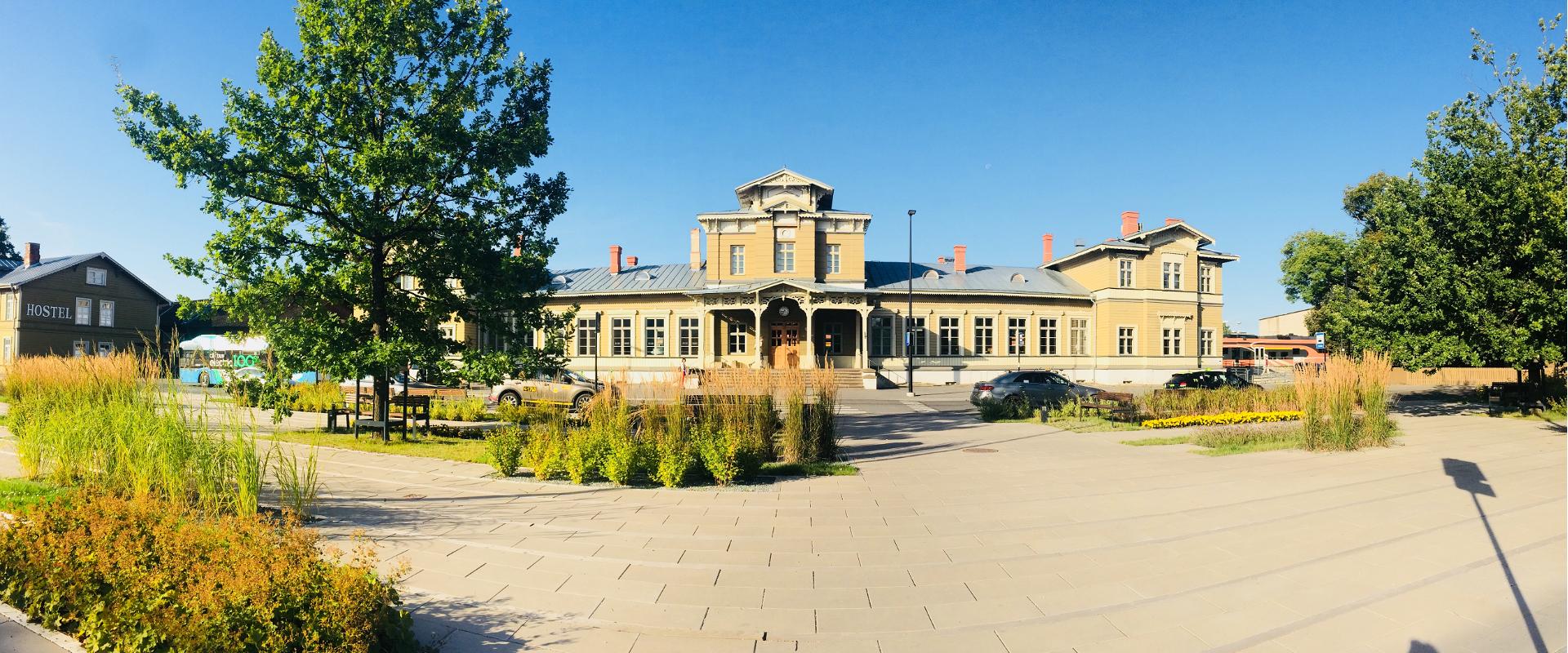
Tartu Railway Station

Tartu Railway Station was built in 1876 outside of the city’s borders. It could be reached by Maarjamõisa tänav, which was lined with trees. The main building of the station consists of three parts and has a standard façade and a transverse gabled roof. Warehouses, platforms, a depot, a water tower, and two houses for railway workers were located next to the main building. In the 2000s, the building was restored under the architect Aivar Roosaar. In 2012, the building was reopened for passengers. Café Wedur is now operating in the station building. In front of the station are bike parking, and Tartu Smart Bike rental docks.

  • Churches

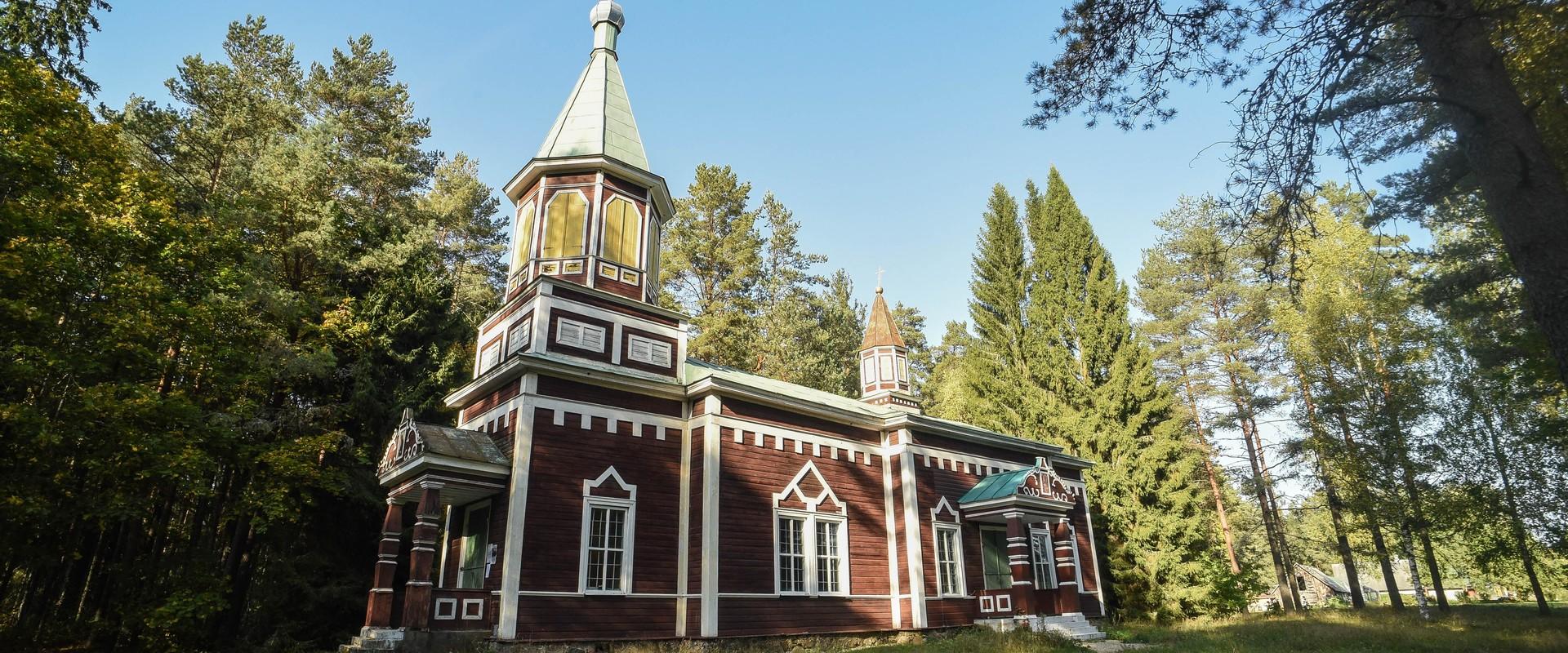
Ritsiku church in Mõniste

Of the Orthodox churches in Võru County, Ritsiku church in Mõniste is the second oldest (dating back to 1855). The oldest is St Catherine's Church in Võru itself.The church in Ritsiku was consecrated in the name of the prophet John the Baptist. Its name day is celebrated by the congregation every year on 24 June.The congregation was established in 1837. The church was constructed from timber and has a tin roof. It was originally known as Mõniste church, since it was located on the lands of the Mõniste estate. But since it was not in Mõniste itself, it was renamed Ritsiku church in Mõniste.The sacristan and parson did a lot of work in educating the local community. Until 1931 the congregation had its own parish school and three smaller schools.

  • Collaboration
  • News
  • Contacts
  • Privacy Policy
Join our mailing list!

"*" indicates required fields

This field is for validation purposes and should be left unchanged.
I authorise marketing

South Estonia Tourism Cluster

info@visitsouthestonia.com