• Explore
    • Nature
    • Culture
    • Food
    • Family
    • Activity
    • Blog
    Smoke sauna
    Weather and seasons
  • Plan
    • Accommodation
    • How to get here
    • Weather and seasons
    • Sustainability
    • Tourist info
    Discover South Estonia’s Most Beautiful Manors and Castles
    Top 20 Sights in South Estonia
  • For professionals
    • For professionals
    • Collaboration
    • News
    • Projects
    • Training
    • Repository
    • Community (opens in new tab)
    • Contacts
ENG
  • EnglishENG
  • EestiEST
  • LatviešuLAT
  • РусскийRUS
  • SuomiFIN
ENG
  • EnglishENG
  • EestiEST
  • LatviešuLAT
  • РусскийRUS
  • SuomiFIN
Popular searches:
Show all
  • History & Culture
  • Art & design
  • Monuments

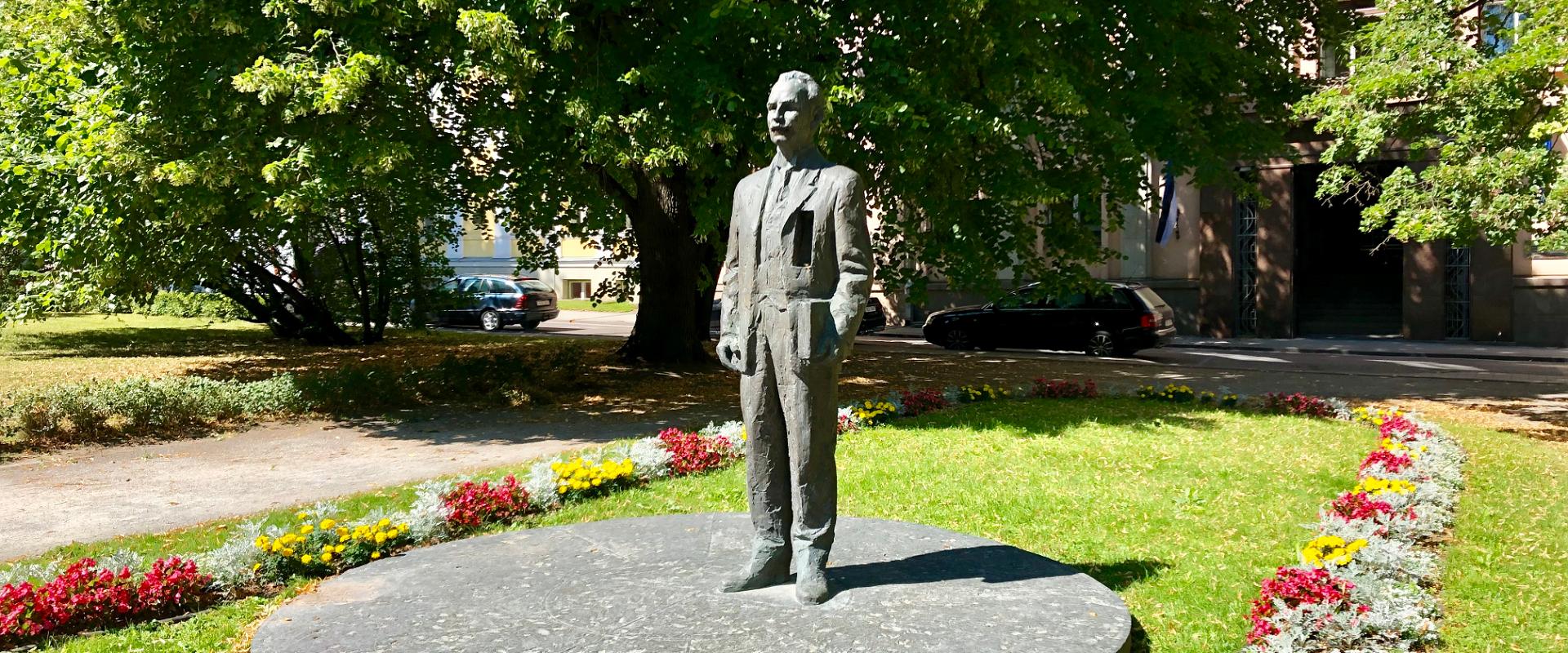
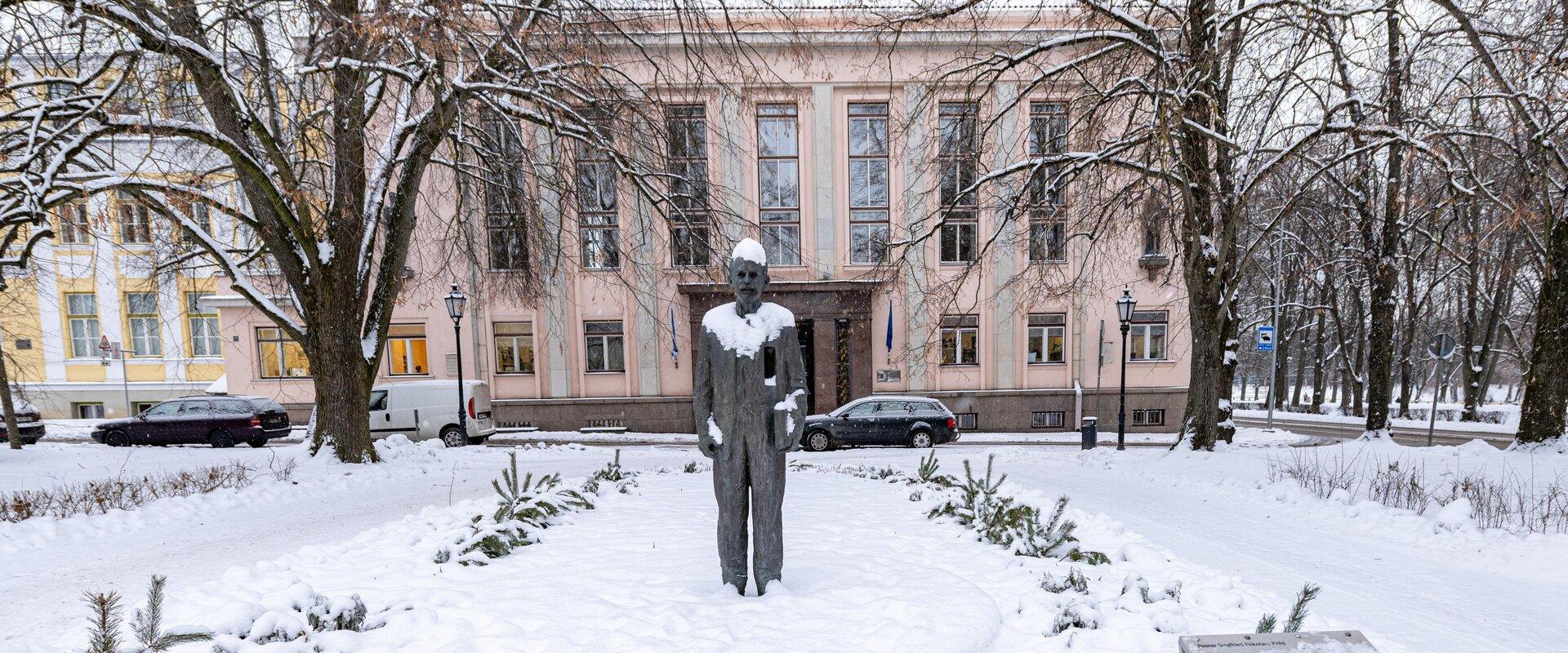
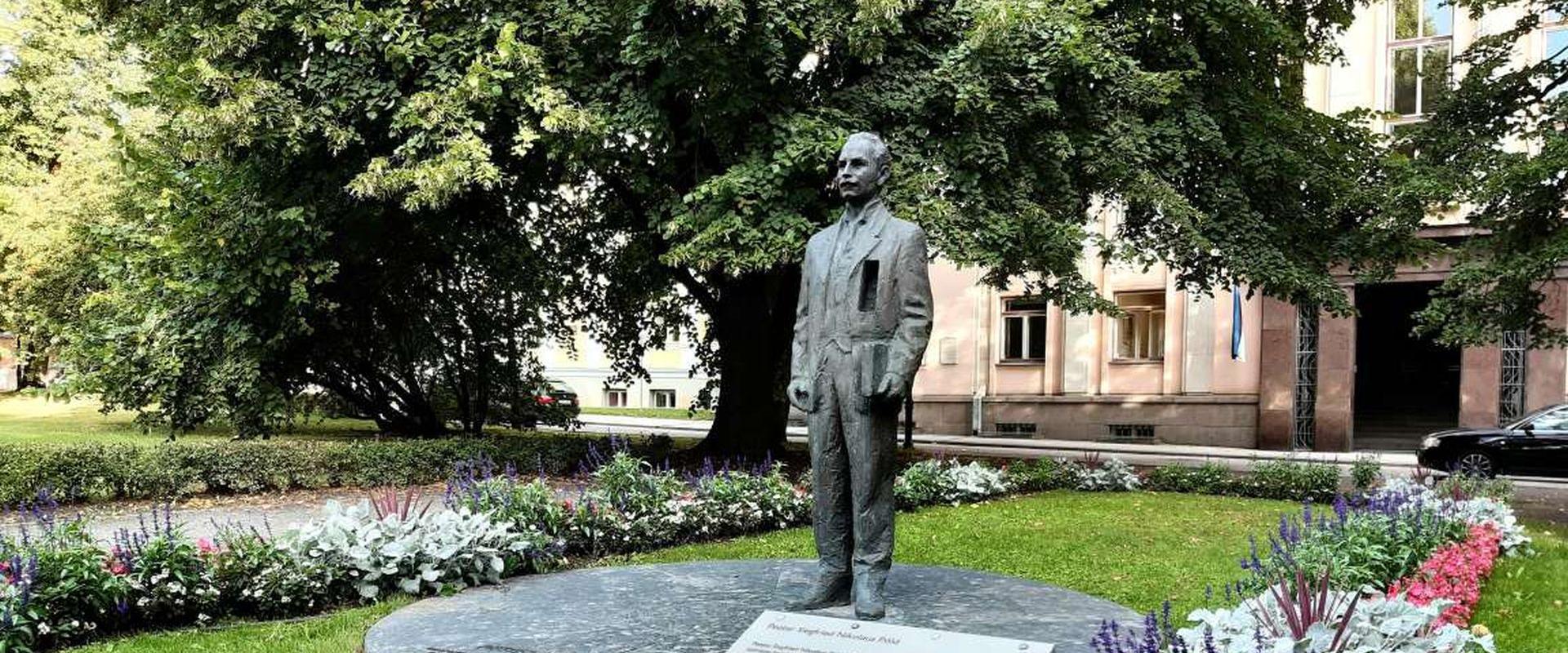
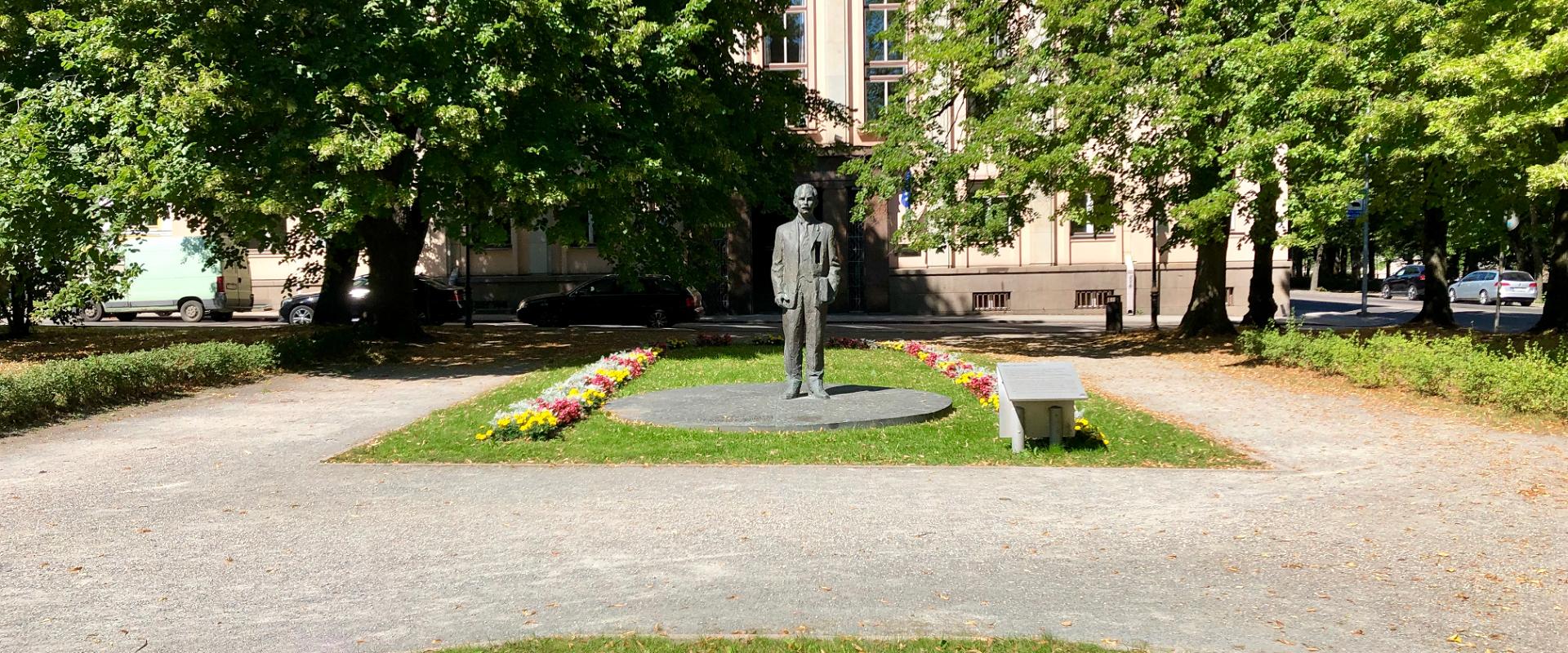
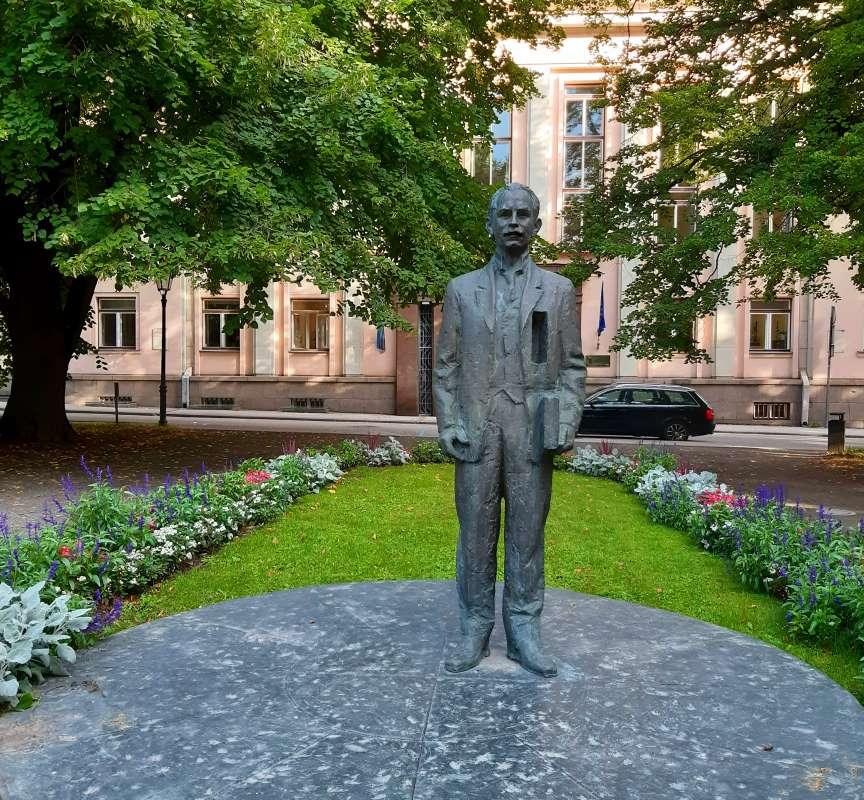
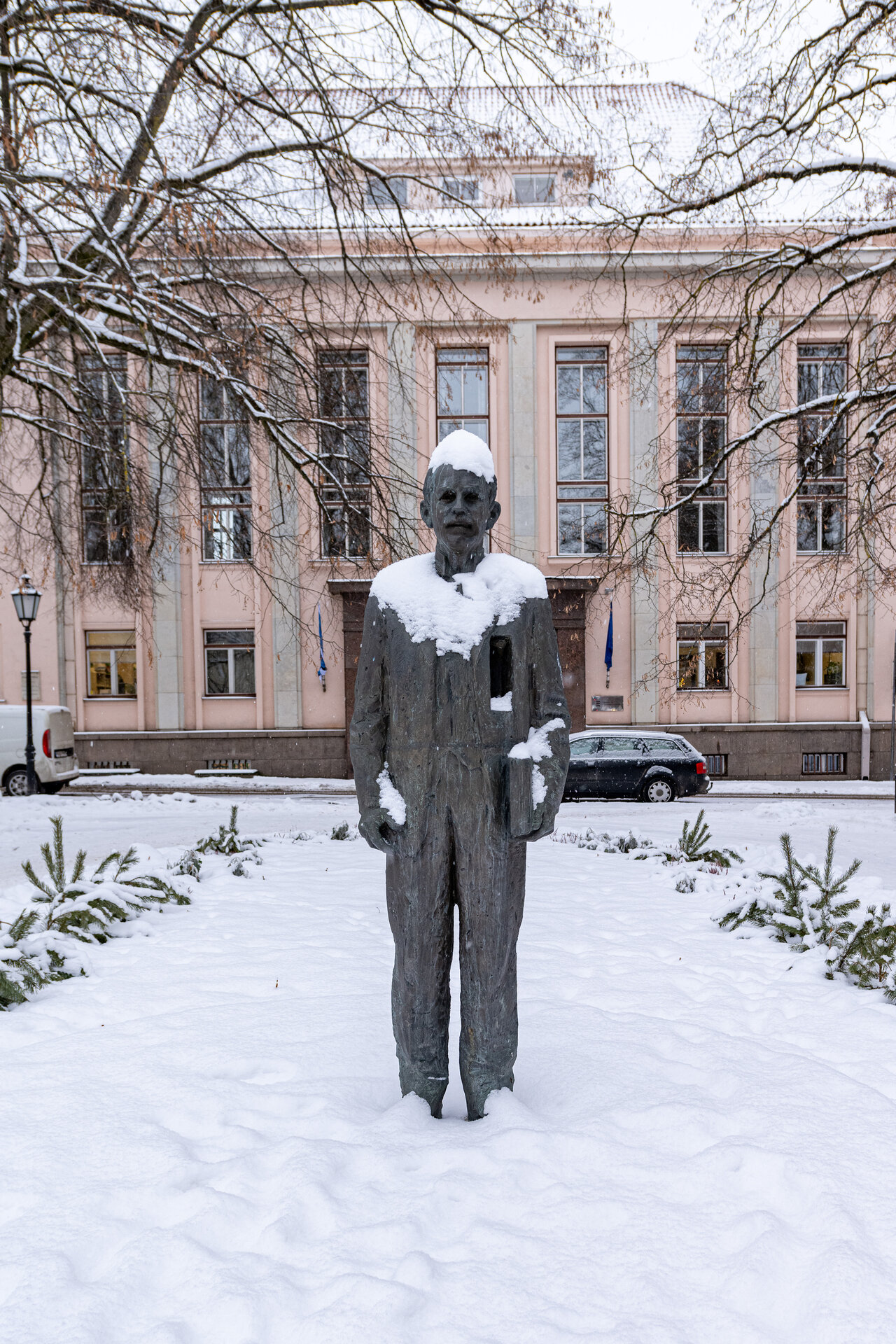
Monument to Peeter Põld

Vabaduse pst 8, Tartu linn, Tartu maakond, 51004

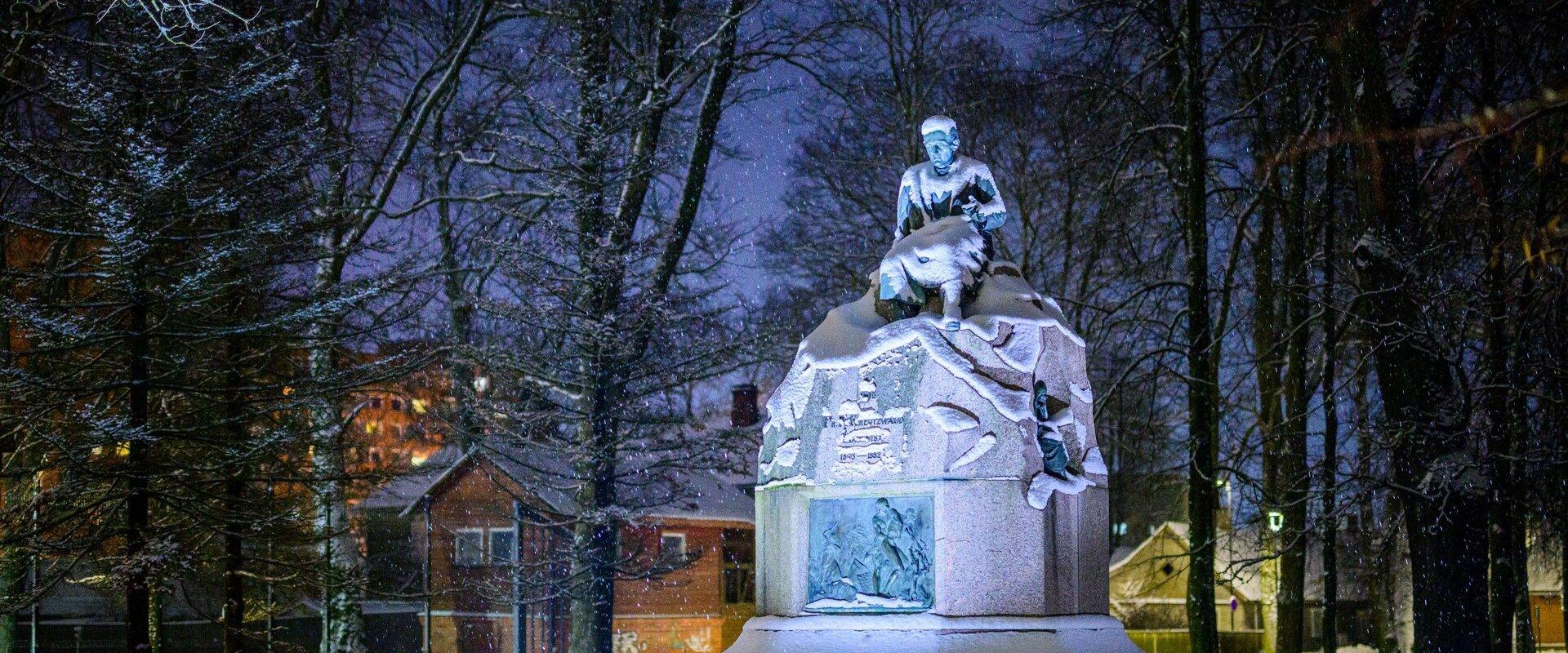
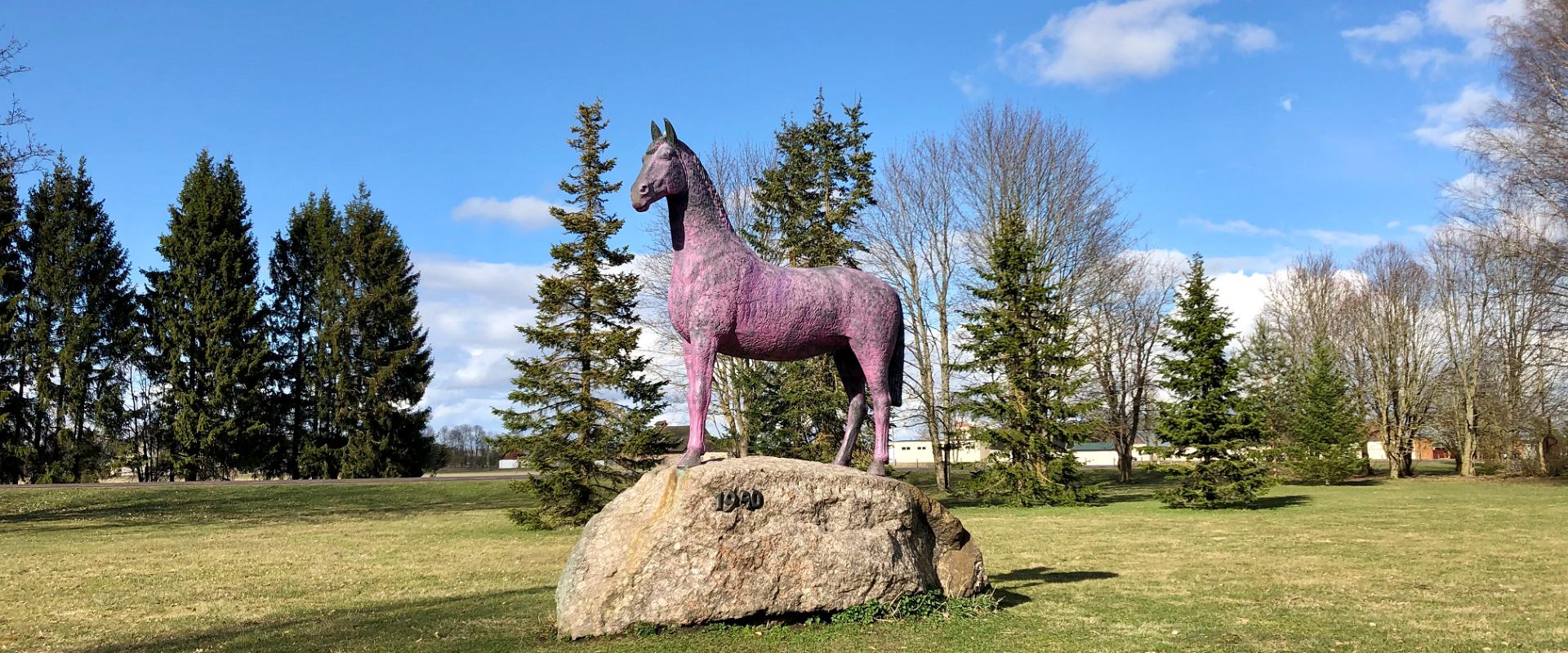
The monument to Peeter Siegfried Nikolaus Põld (1878–1930), the first Minister of Education and founder of the national university of Estonia, the first professor of pedagogy, was unveiled in front of the Ministry of Education and Research on 1 December 2008.The authors of the monument are sculptor Ekke Väli and architect Ain Rööpson.Under the name of Peeter Põld Day, student scientific conferences have been organised at the University of Tartu since 2008, and on the same day, the university issues a scholarship named after him.
Open times

Throughout the Year

Around the Clock

Links

See more

  • Monuments

Monument to Nikolai Pirogov

The monument to the physician who studied and became a professor in Tartu was completed in 1952. The authors of the monument are J Raudsepp, A Mölder, P Tarvas, A Volberg.Nikolai Pirogov was the founder of experimental surgery, topographic anatomy and field surgery. His work made the surgeries performed in Tartu famous all over Russia and also abroad.

  • Monuments

Kalevipoeg – War of Independence Monument

Kalevipoeg is the Estonian national epic about the adventures of the hero called Kalevipoeg.In 1950, the memorial Kalevipoeg, which was dedicated to the soldiers who lost their lives in the War of Independence, was taken down by the occupying power. The monument was built by Amandus Adamson. In 1952, the monument to Kreutzwald, the Father of Song, was erected at the same location. Discussions over restoring the memorial Kalevipoeg were held since 1988, but in 2002, when the exhibition ‘Kalevipoeg in Sculpture’ took place, the restoration proptly started. Sculptor Ekke Väli modelled the momorial on the basis of photos, and he was consulted by Endel Taniloo, a senior sculptor, during the restoration of Kalevipoeg.

  • Monuments

The Fr. R. Kreutzwaldi Monument and Park on the Shore of Lake Tamula

The Monument to Dr. Fr. R. Kreutzwald is located in a park on the shore of Lake Tamula. The author of the monument is A. Adamson and it was cast in bronze in Italy. The monument was opened in 1926. It is not known when the park was founded, however the age of most of the species of trees, birches and lindens is estimated at more than one hundred years. The coniferous trees in the park include spruces and firs. Lake Tamula has an oval shape in an east-west direction with an average depth of 4.2 m. The lake is deepest to the northeast of its centre (7.5 m) and has a surface area of 231 ha. There is a swimming area, beach and a beautiful promenade on the shore on the city side. In Kreutzwald Park, there is an accessible trail.

  • Monuments

Monument to Soldiers Killed in the War of Independence

The monument to soldiers who fell in the War of Independence stands on a hill in front of Otepää Maarja Church and it is remarkable because it was hidden underground for 30 years. The monument was reopened in 1989 after renovation. The top part of the monument bears the words HONOUR THE FALLEN and a list of 22 names. The granite piece with the full list has been lost. The metal decorations were created at the initiative of sculptor Jüri Ojaver.Interesting facts: The initial monument was designed by Voldemar Melnik and made by stonemason Peeter Veeber. The monument was opened for the first time on 10 June 1928.

  • Monuments

Memorial to the Victims of the Estonia Ferry Disaster

The memorial is located in Võru central square and is dedicated to the residents of Võru who died in the Estonia ferry disaster during the stormy night of September 28, 1994. The memorial was built in 1996 (sculptor M. Karmin).

  • Monuments

Estonian War of Independence cemetery and monument at Võru cemetery

Those who fought and were killed in the Estonian War of Independence are buried here. The War of Independence started in November 1918 when Soviet Russia invaded the Republic of Estonia and ended on 2 February 1920 with the signing of the Tartu Peace Treaty. The monument was destroyed during the Soviet occupation. In 1987 the society Vaba Sõltumatu Noorte Kolonn Nr 1 (Free Independent Youth Fleet No. 1) started to clean up the graves of those who were killed in the War of Independence and the monument was reopened on 23 June 1988. In 2002 the city government of Võru started to renovate the burial ground. The monument erected by the Youth Fleet was torn down, but the slab and cross made by the fleet were used on the new monument.

  • Monuments

Paju Battle Memorial

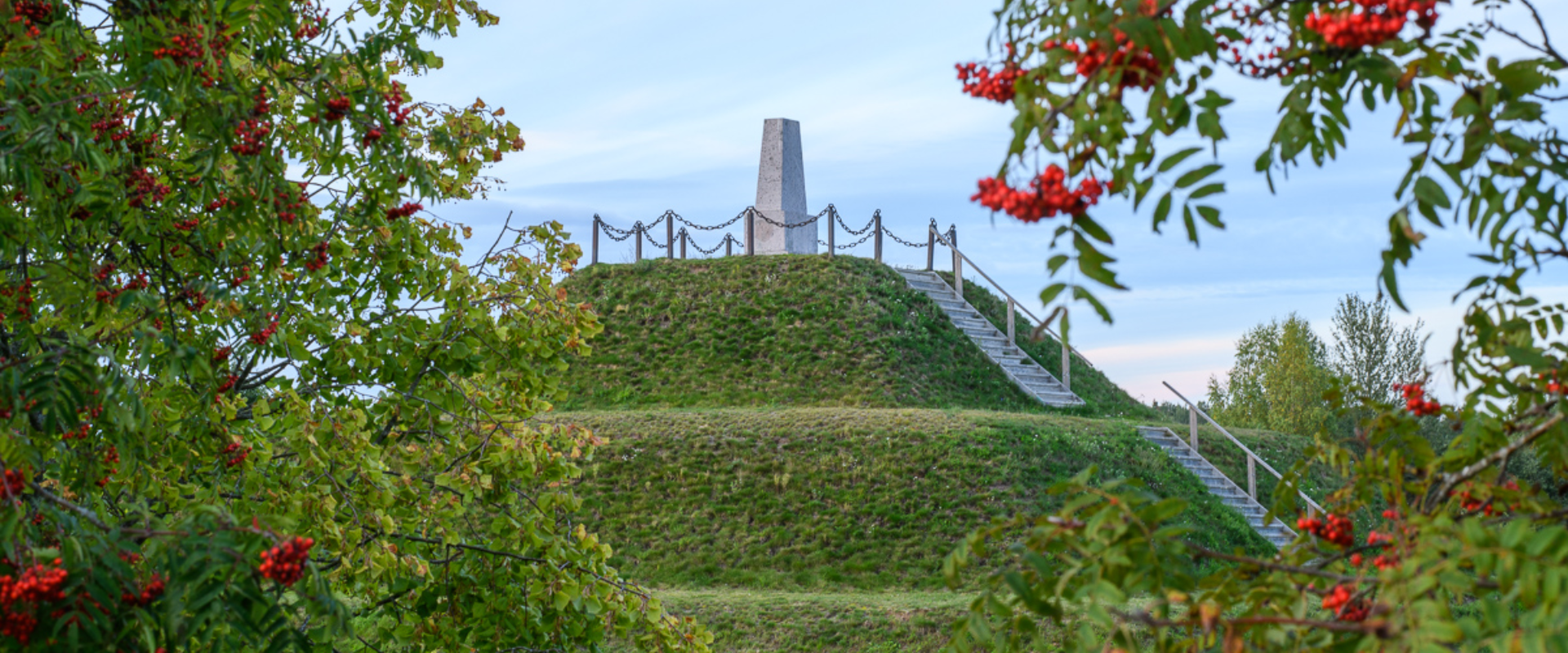
One of the most important battles of the War of Independence took place near the Paju Manor on 31 January 1919. The Northern Sons Regiment that consisted of Finnish volunteers also fought for the independence of Estonia over here. The most legendary commander in the War of Independence, Lieutenant Julius Kuperjanov, was fatally injured in the battle. The battle memorial is a granite pillar on a three-level pyramid, which was reopened on the 75th anniversary of the battle on 30 January 1994.Interesting facts: * the memorial was opened by President of the Republic of Estonia Lennart Meri; * a memorial tablet to the Northern Sons who fell in the battle can be found on the wall of the Valga Jaani (St John’s) Church.

  • Monuments

Monument to Jaan Tõnisson

The monument to the legendary Estonian statesman and journalist Jaan Tõnisson was established in 1999. Its authors are Mati Karmin and Tiit Trummal. Jaan Tõnisson was a legendary statesman and journalist who was prime minister from 1919 to 1920, the head of state from 1927 to 1928 and in 1933, the owner of the Postimees newspaper from 1896 to 1930 and the editor-in-chief of the Postimees from 1896 to 1935. Tõnisson was made an honorary citizen of Tartu in 1939.

  • Collaboration
  • News
  • Contacts
  • Privacy Policy
Join our mailing list!

"*" indicates required fields

This field is for validation purposes and should be left unchanged.
I authorise marketing

South Estonia Tourism Cluster

info@visitsouthestonia.com