• Explore
    • Nature
    • Culture
    • Food
    • Family
    • Activity
    • Blog
    Smoke sauna
    Weather and seasons
  • Plan
    • Accommodation
    • How to get here
    • Weather and seasons
    • Sustainability
    • Tourist info
    Discover South Estonia’s Most Beautiful Manors and Castles
    Top 20 Sights in South Estonia
  • For professionals
    • For professionals
    • Collaboration
    • News
    • Projects
    • Training
    • Repository
    • Community (opens in new tab)
    • Contacts
ENG
  • EnglishENG
  • EestiEST
  • LatviešuLAT
  • РусскийRUS
  • SuomiFIN
ENG
  • EnglishENG
  • EestiEST
  • LatviešuLAT
  • РусскийRUS
  • SuomiFIN
Popular searches:
Show all
  • History & Culture
  • Art & design
  • Monuments

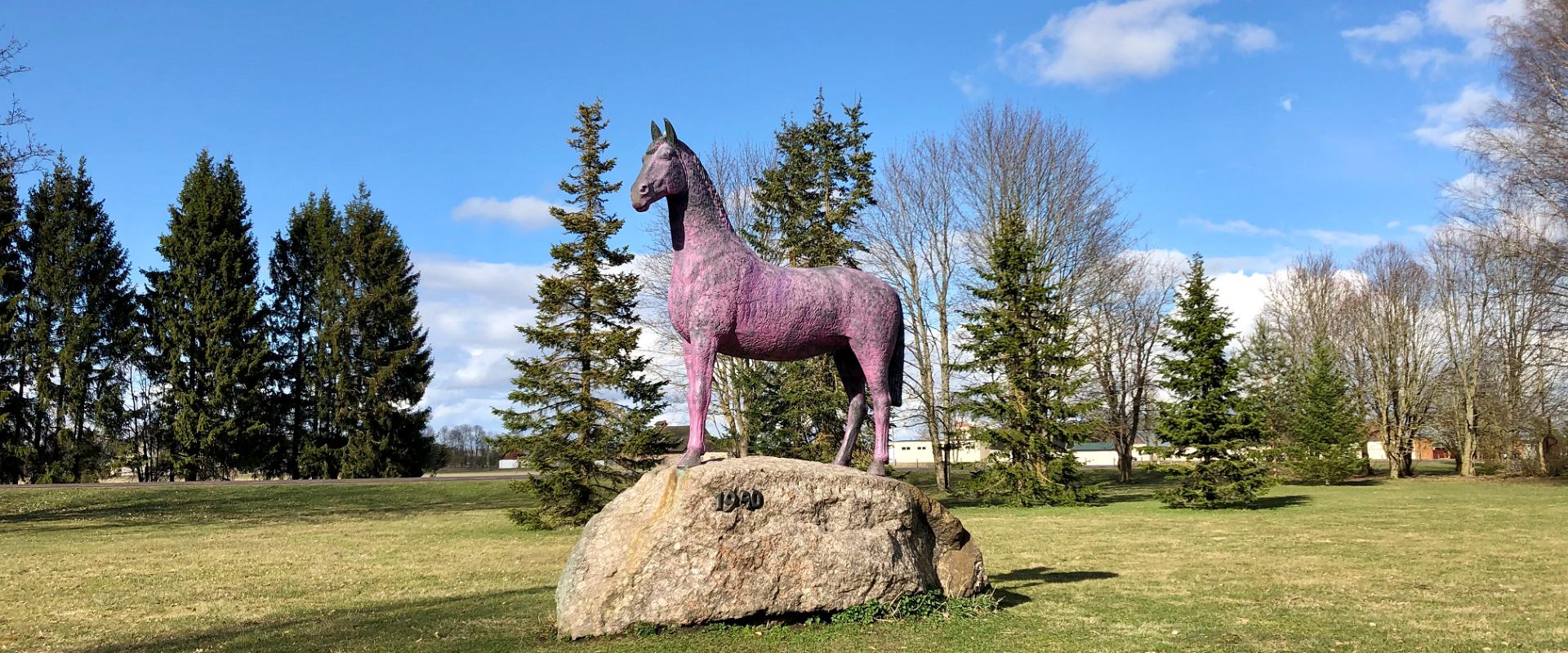
Horse monument in Luunja

Puiestee tn 3a, Luunja vald, Tartu maakond, 62222

On 1 May 1990, the 70th anniversary of the state farm was celebrated in Luunja. As horse breeding and horseback riding are traditional in the Luunja rural municipality and horses are still bred in the manor, a monument was erected there to celebrate man’s best friend in agriculture – the horse. The author of the bronze horse monument is Endel Taniloo.On the night of 19 June 2017, the sculpture was painted purple. It is not known who did it. According to folk tradition, the horse became so angry it turned purple because in the course of the administrative reform, Luunja rural municipality almost had to join the city of Tartu. Fortunately, the rural municipality was able to maintain its independence.
Open times

Throughout the Year

Around the Clock

Contact

  • +372 741 7319
  • vald@luunja.ee

Links

See more

  • Monuments

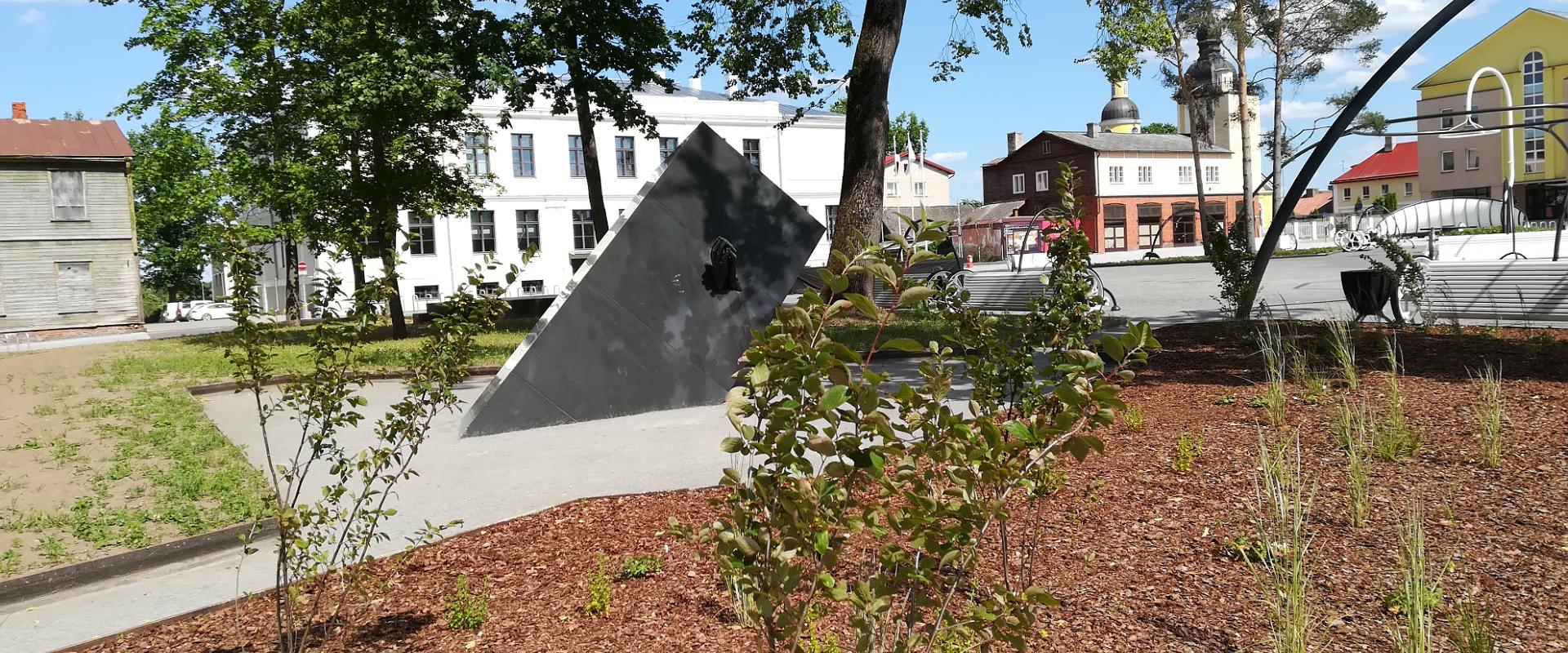
Cornflower – Monument to the Victims of Stalinism

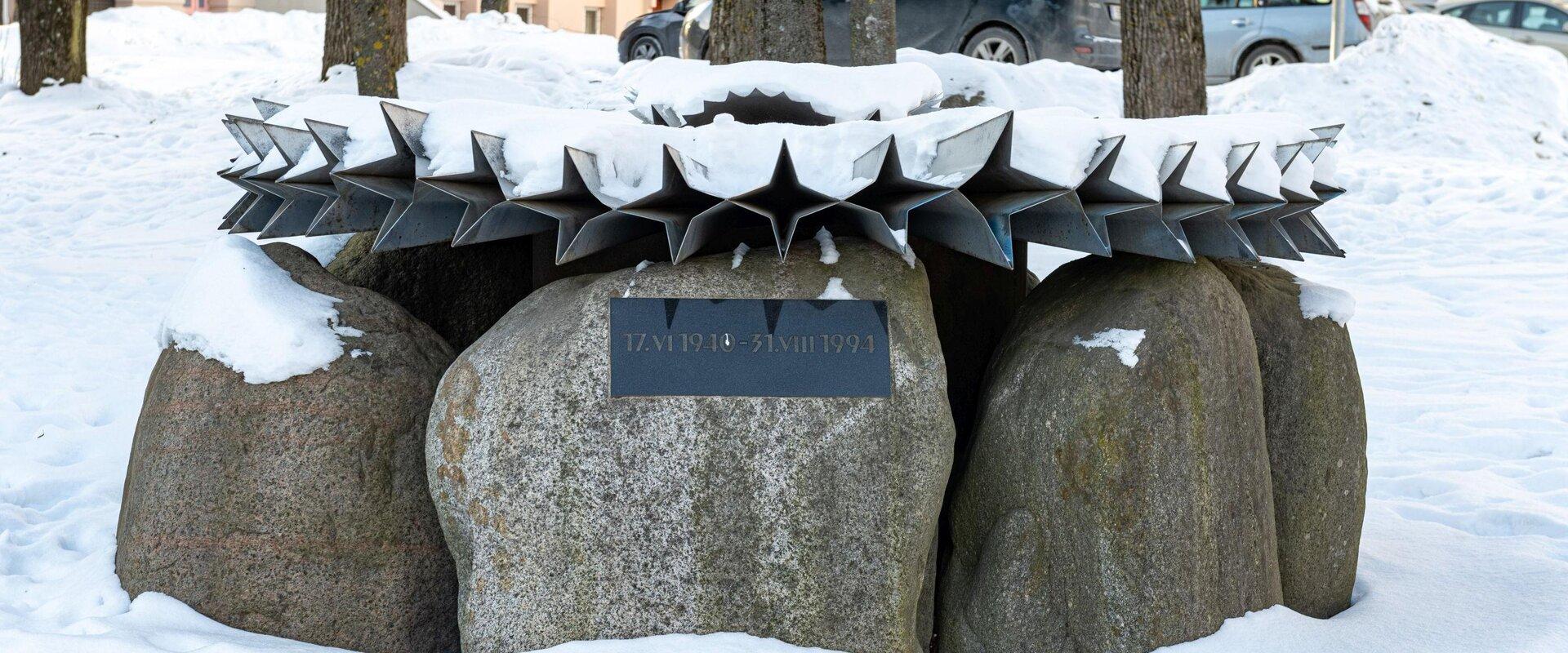
The Cornflower (or Broken Cornflower) memorial to the victims of Stalinism was established in 1990 and its author is P. Saar.On top of the granite boulders is a broken cornflower (Estonian national flower). Black stripes run through the grey stone parquet of the square. They depict the railway tracks that symbolise deportation to Siberia. The waterworks of the monument make it possible for water to drip off the petals of the cornflower, like tears.The monument, which was initially erected on the corner of Riia and Pepleri streets in Tartu by the association of freedom fighters Memento, was reopened in its new spot at Pepleri 27. The monument is located next to the grey building. During the Soviet era, a KGB remand prison was located there, where the deportation of many Estonians to Siberia began.

  • Monuments

Monument to the Estonian Mother

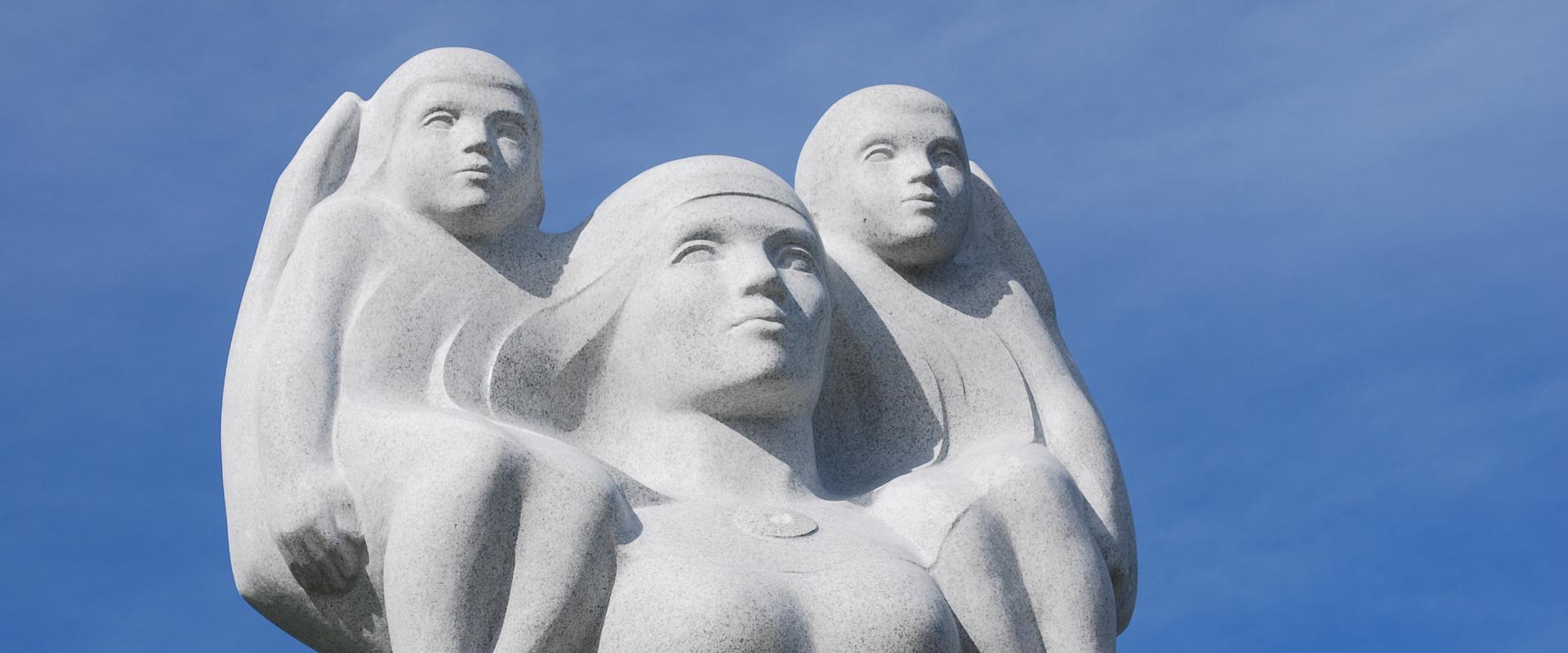
The Monument to the Estonian Mother was inaugurated in Rõuge on 26 June 2010. The monument is meant to demonstrate appreciation for the Estonian woman as a mother, to express gratitute, and to value the survival of our people. Hans Sissas (1933 - 2012), who has recounted the stories of Estonian deportees and authored many memoirs, initiated the idea of a monument to the Estonian mother, and lead the efforts to have the monument completed.The monument is made from stone brought from Udmurtia, and is 3.6 high, weighing nearly 6 tonnes.The monument was designed by the artists/sculptors Ilme and Riho Kuld, and was made by the sculptors/stone masons Margus Kurvits and Kristjan Kittus.

  • Monuments

Memorial to the Victims of the Estonia Ferry Disaster

The memorial is located in Võru central square and is dedicated to the residents of Võru who died in the Estonia ferry disaster during the stormy night of September 28, 1994. The memorial was built in 1996 (sculptor M. Karmin).

  • Monuments

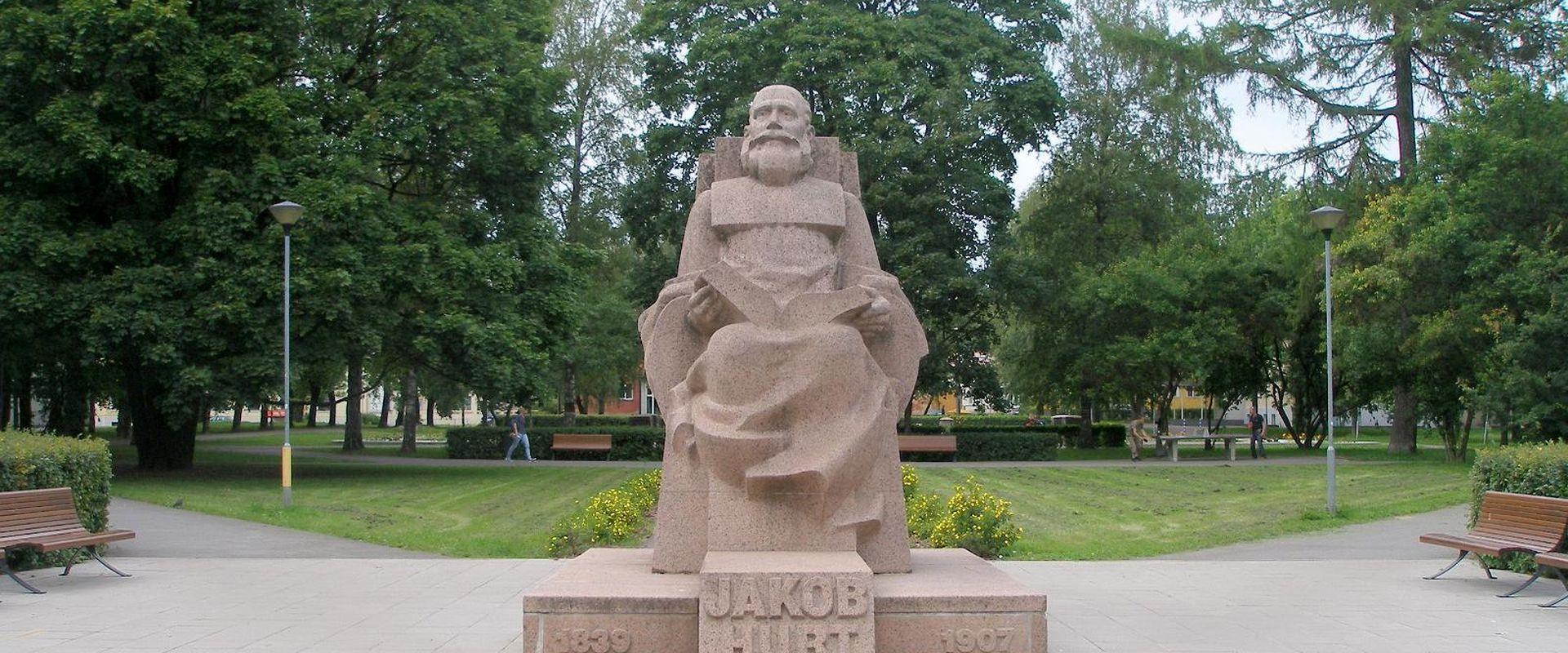
Monument to Jakob Hurt

Jakob Hurt (22.07.1839-13.01.1907) was an Estonian folklorist and linguist. He studied theology in the University of Tartu and gained his Doctor of Philosophy degree from the University of Helsinki in 1886. He played the leading role in many major events of the Estonian national movements.The monument to Jakob Hurt (1839-1907) was completed in 1994. Its authors are J Soans and R Tomingas.

  • Monuments

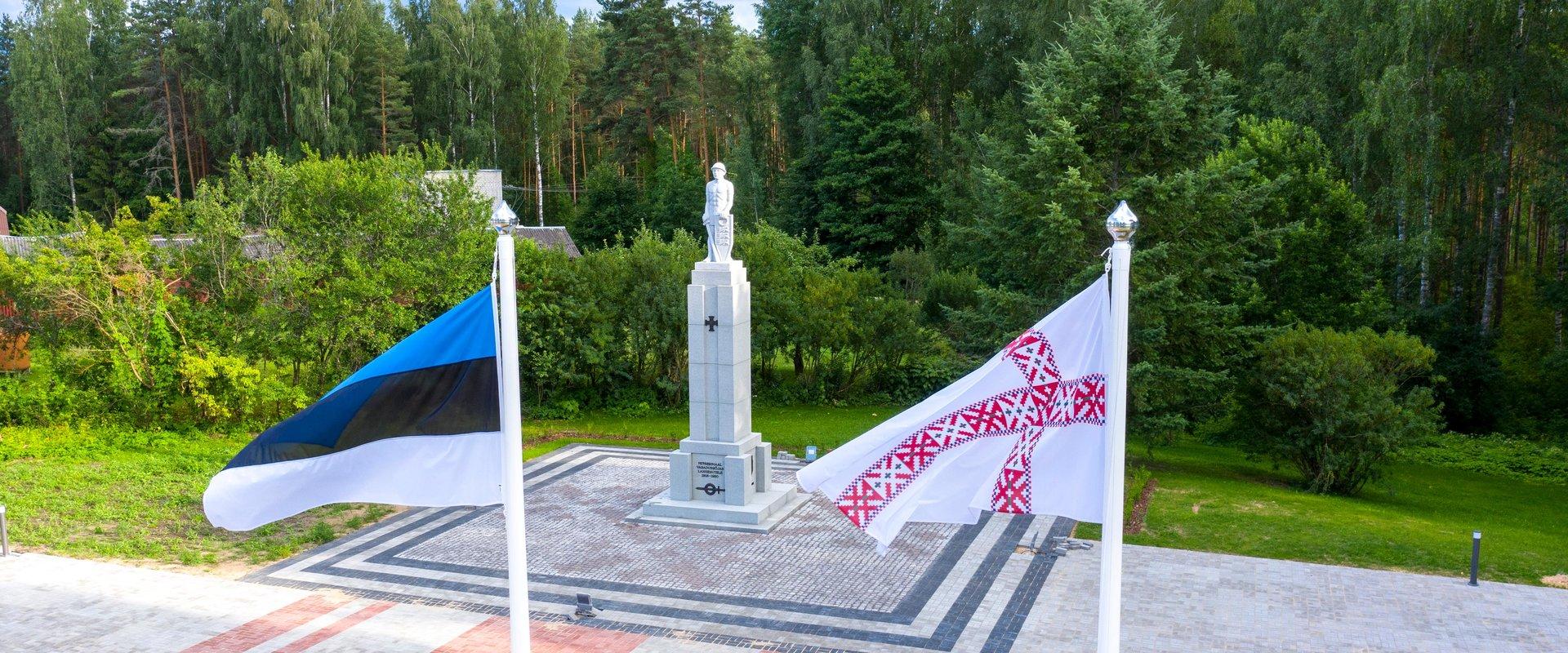
Petseri Statue of Liberty

The statue for those who perished in the War of Independence in Petseri county stands on the Statue of Liberty Square in Värska. The monument designed by sculptor Roman Haavamägi was supposed to be erected in the heart of the town of Petseri in the summer of 1940, but due to the Soviet occupation that started, the plan was abandoned. Only 80 years later, in 20 July 2020, the restored statue was opened here in Setomaa. The soldier figure was modelled and shaped in granite on the basis of photos by sculptor Tiiu Kirsipuu.The Statue of Liberty of Petseri was erected in remembrance of those nearly 350 Estonian soldiers who fell in the War of Independence in Petseri County, as well as the importance of the Tartu Peace Agreement for the Setos.

  • Monuments

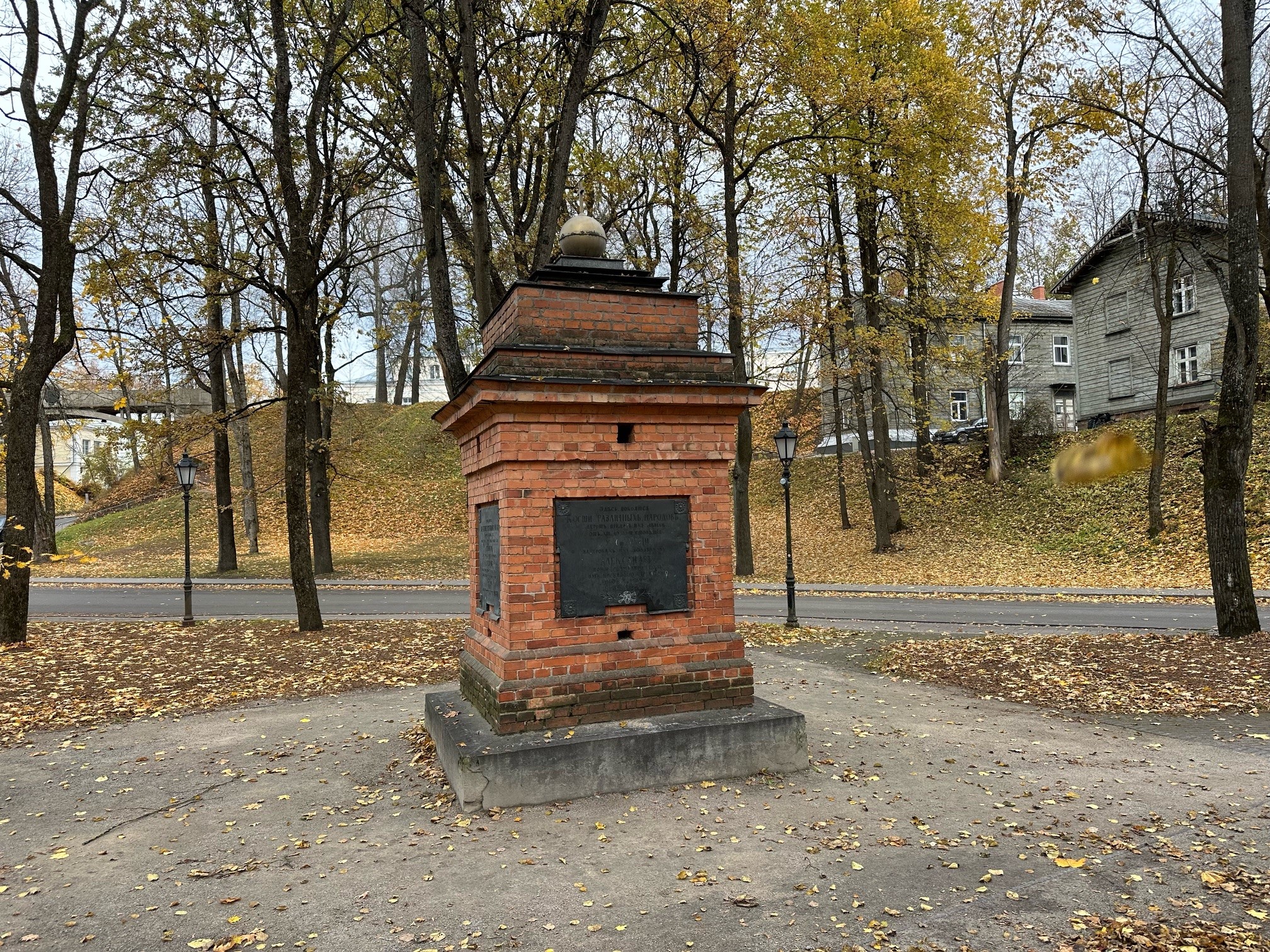
Monument of Nations

The Monument of Nation is the oldest monument in Tartu. The bones buried under the floor and in the cemetery of St Mary’s Church were found when the main building of the University of Tartu was built on the former site of the church. In 1806 they were reburied in Toomeorg near Vallikraavi Street and the small square Monument to People, which was created according to the drawings of J W Krause and resembles the tomb monuments of Asia Minor (Lykia), was erected there in 1811. The human bones found in the course of archaeological work in the cellars of the main building of the University of Tartu were buried by the monument’s side that faces street on 20 September 1985. A case with information was also buried in the grave.

  • Monuments

War of Independence Memorial in Rõuge

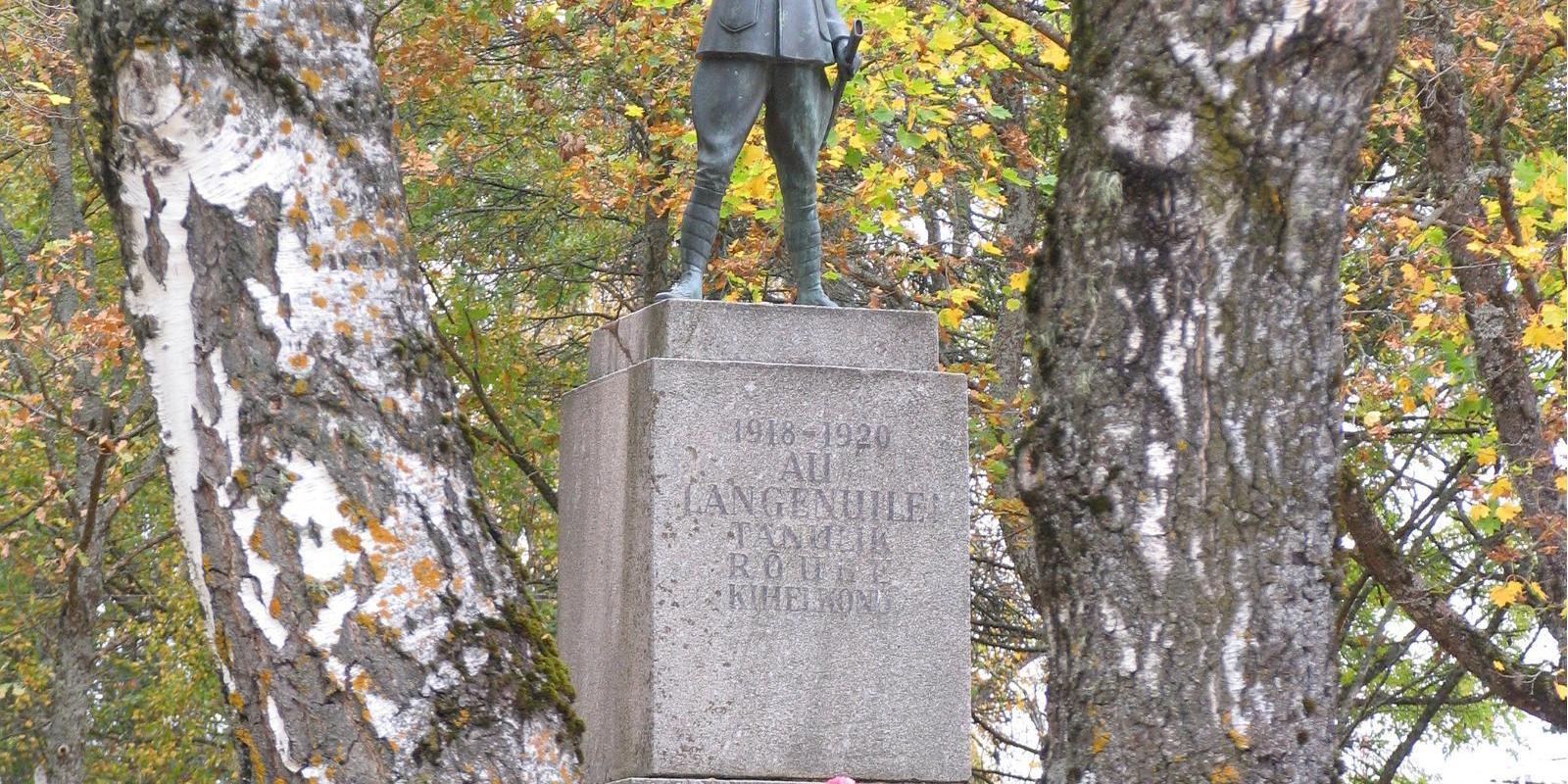
In 1926, on the initiative of pastor Valter Viks, a memorial to the 200 citizens of Rõuge who were killed in the War of Independence, designed by artist Voldermar Mellik, was erected near the Rõuge Church. The Estonian text engraved in the stone on the front of the memorial reads "1918-1920. Honour the Fallen! Your thankful Rõuge parish". In 1945, the Bolsheviks blew up the memorial, and the bronze soldier and its foundation stones were buried in the ground near the monument. A local artist Aksel Ollmann dug the bronze statue out under the cover of night and hid it on his farm. In 1988, the statue was dug up from its hiding place. The memorial was re-inaugurated on 30 October 1988. The statue was restored by Ars Monumentaal.

  • Monuments

Monument to the War of Independence in Misso

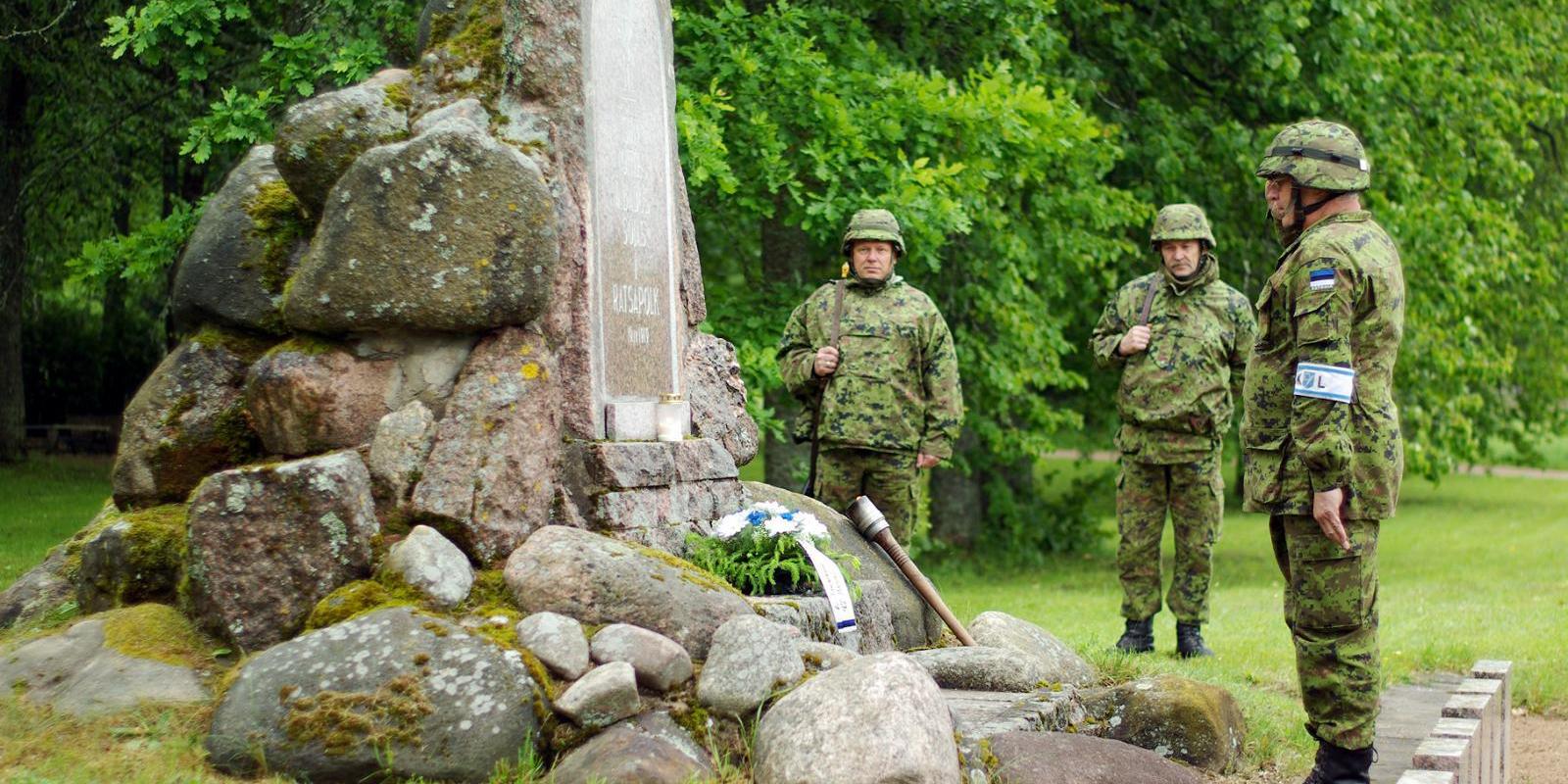
A monument to those, who fell in the War of Independence, was opened in Misso on 26 May 1935, and the activities of the 1st cavalry regiment in the battles of the War of Independence were immortalised. The monument was demolished in 1945.The reconstructed monument was reopened on 27 August 1989. The granite pillar placed on a base of quarry-stones is 2.5 m tall. Its main side has the symbol of the cavalry unit along with the text “Here, the 1st cavalry regiment fought in the War of Independence on 19 April 1919”. In front of the monument, there are six granite plates with the names of those that fell.A monument to World War II is erected only a few steps from the Monument to the War of Independence.

  • Collaboration
  • News
  • Contacts
  • Privacy Policy
Join our mailing list!

"*" indicates required fields

This field is for validation purposes and should be left unchanged.
I authorise marketing

South Estonia Tourism Cluster

info@visitsouthestonia.com