• Explore
    • Nature
    • Culture
    • Food
    • Family
    • Activity
    • Blog
    Smoke sauna
    Weather and seasons
  • Plan
    • Accommodation
    • How to get here
    • Weather and seasons
    • Sustainability
    • Tourist info
    Discover South Estonia’s Most Beautiful Manors and Castles
    Top 20 Sights in South Estonia
  • For professionals
    • For professionals
    • Collaboration
    • News
    • Projects
    • Training
    • Repository
    • Community (opens in new tab)
    • Contacts
ENG
  • EnglishENG
  • EestiEST
  • LatviešuLAT
  • РусскийRUS
  • SuomiFIN
ENG
  • EnglishENG
  • EestiEST
  • LatviešuLAT
  • РусскийRUS
  • SuomiFIN
Popular searches:
Show all
  • History & Culture
  • Architecture and history

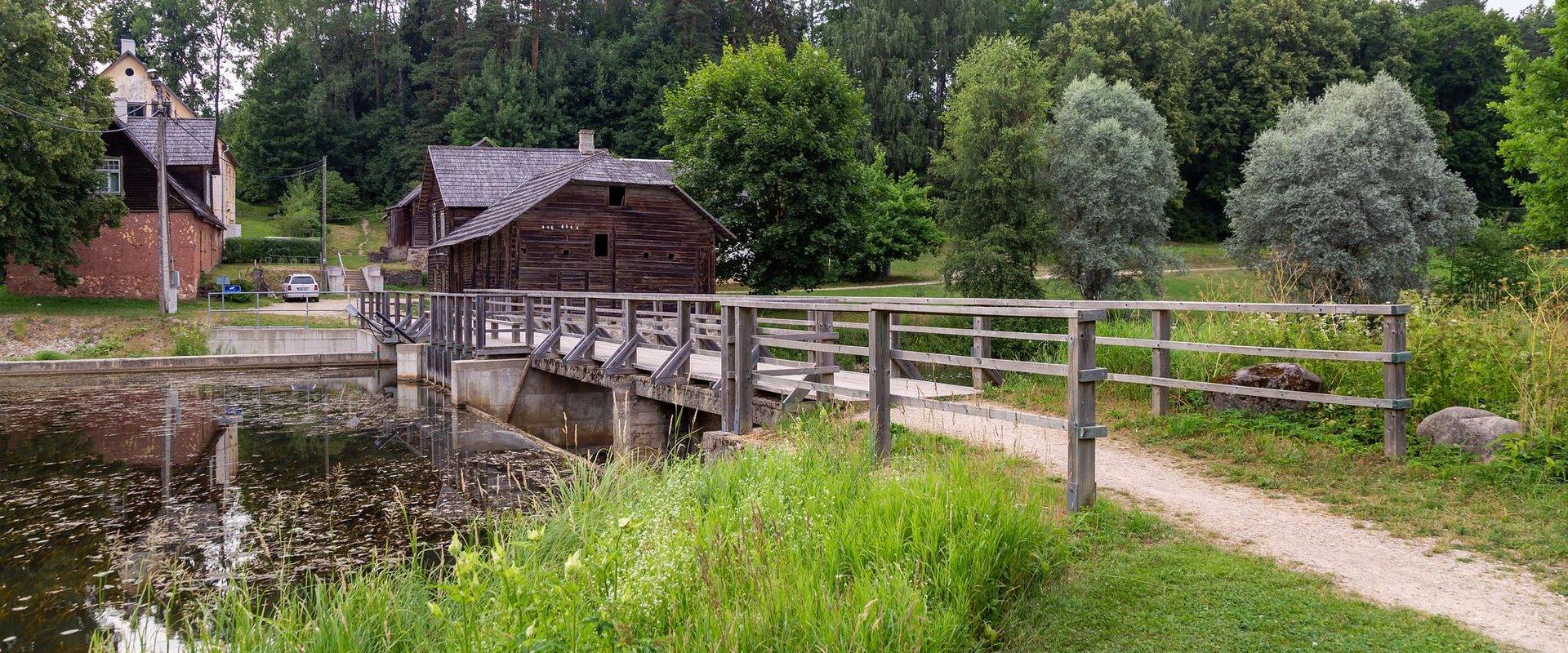
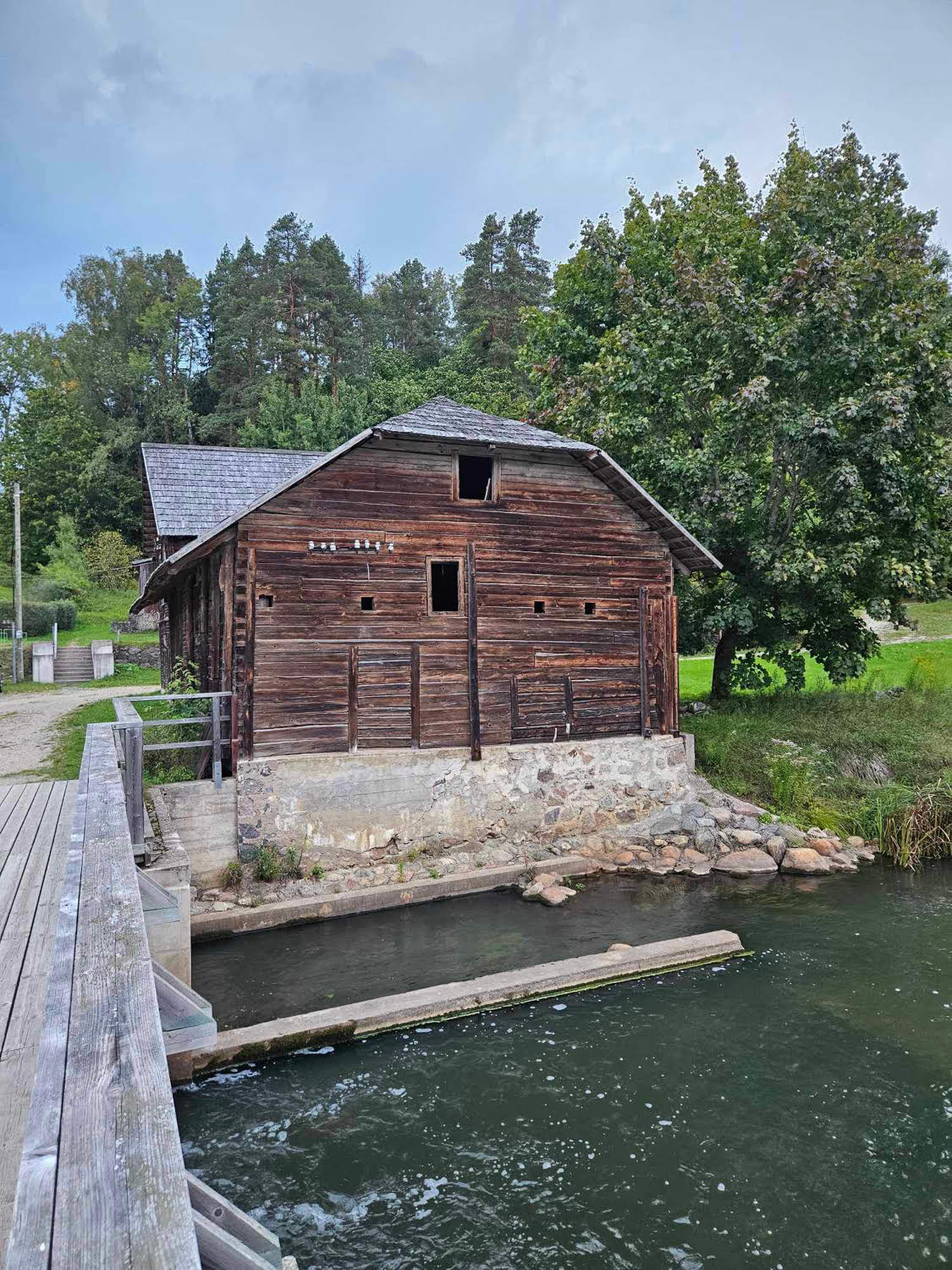
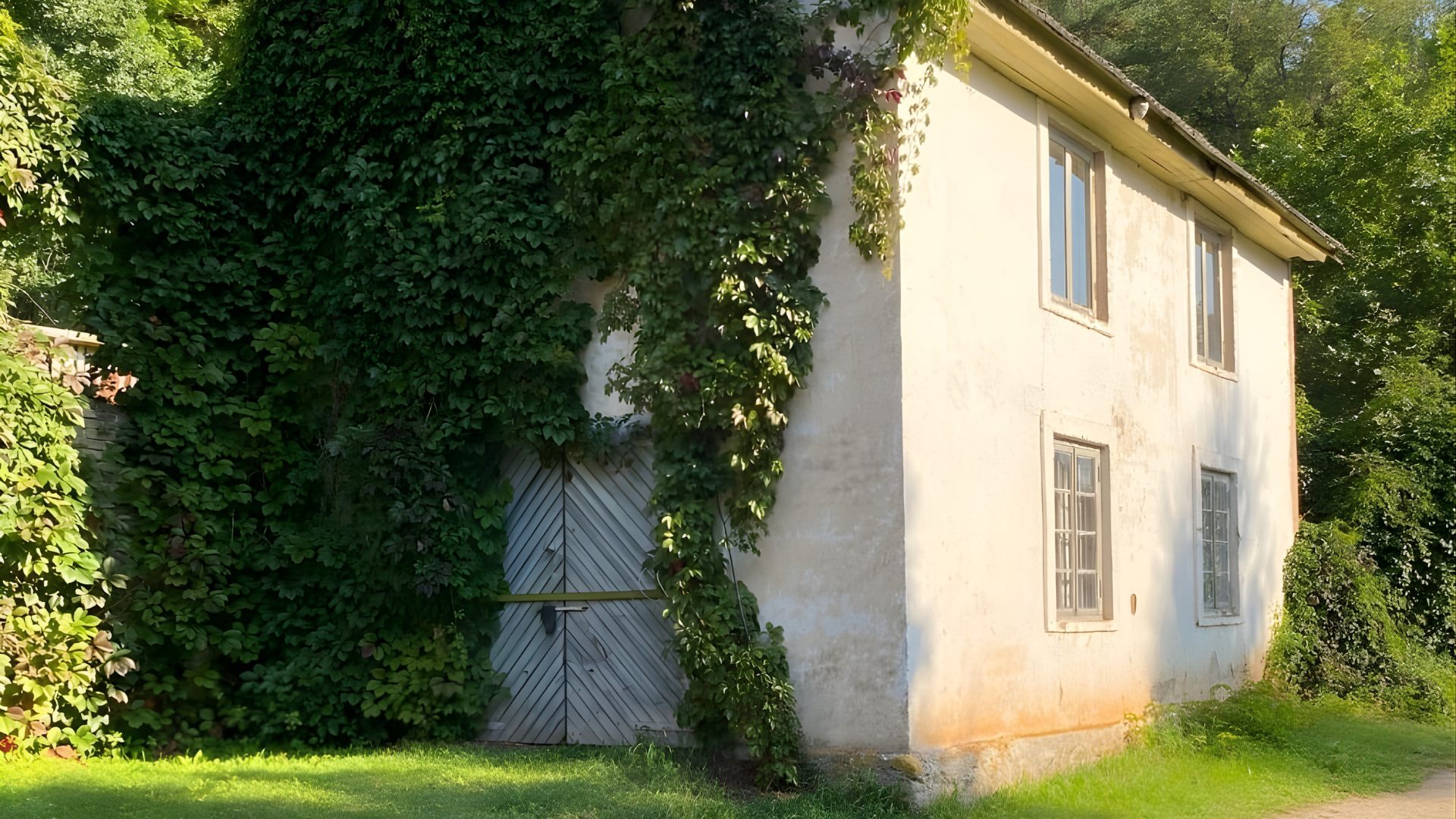
Peedu-Nuti water mill complex

Veski tn 1, Elva vald, Tartu maakond, 61508

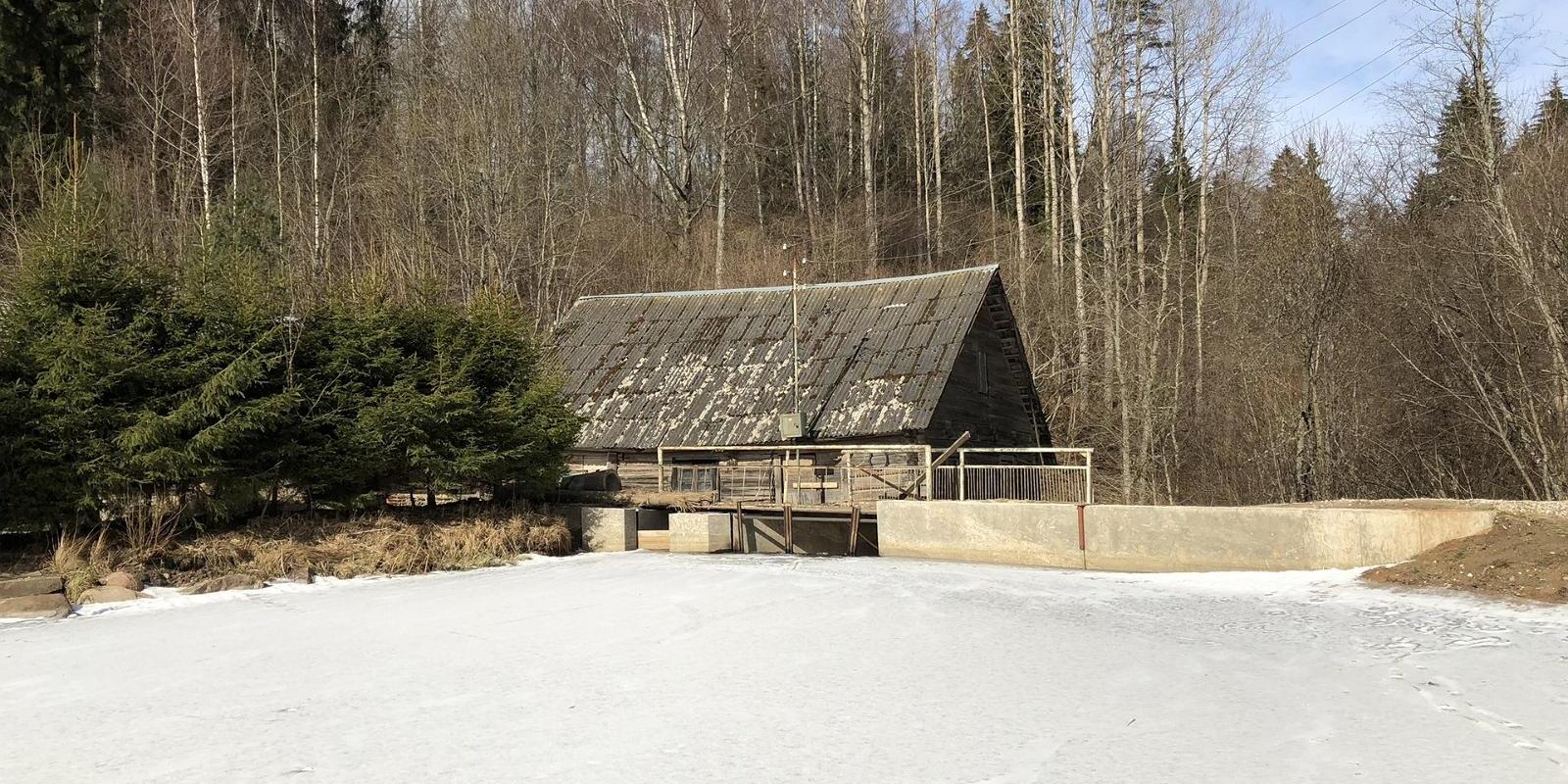
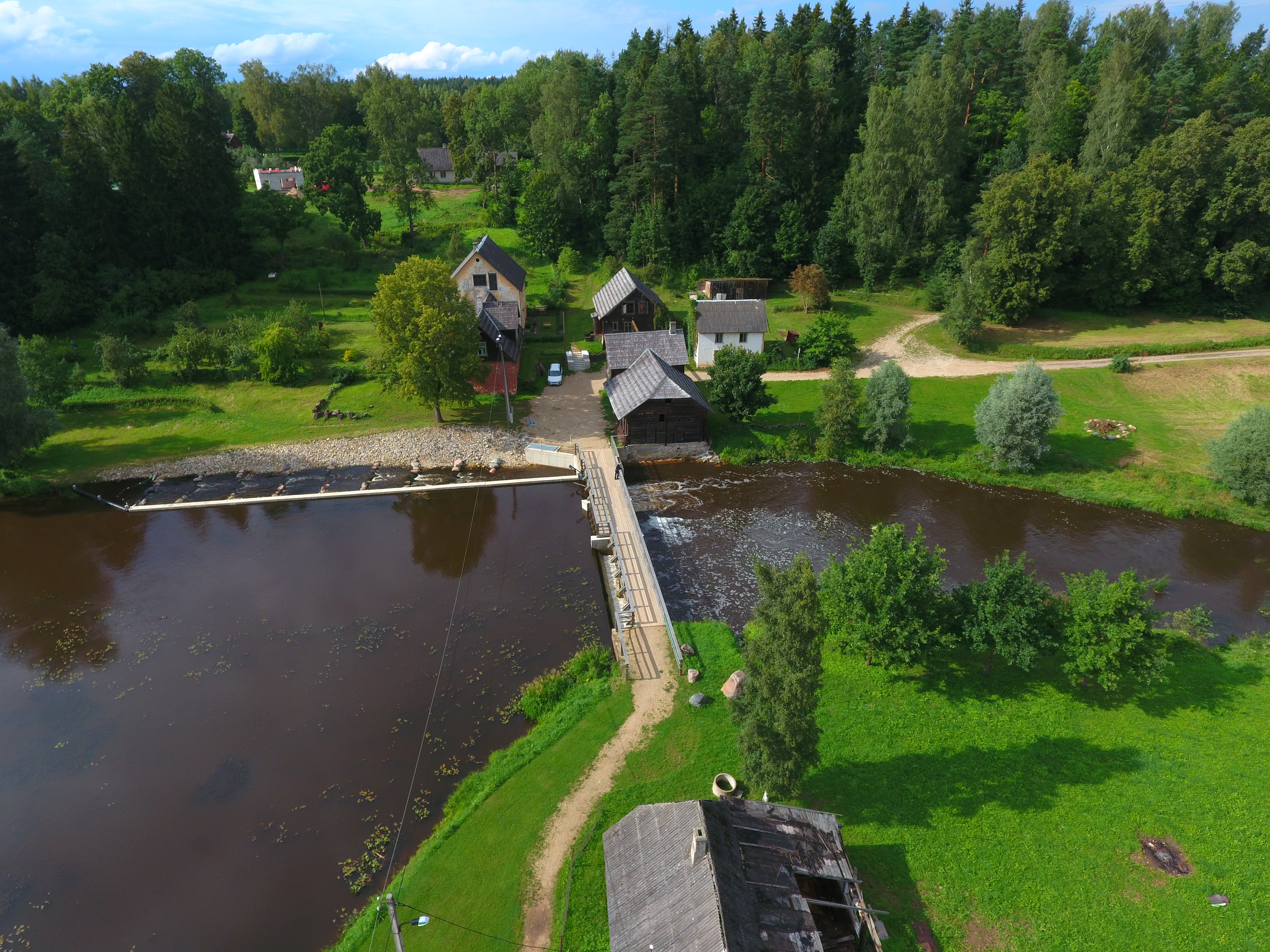
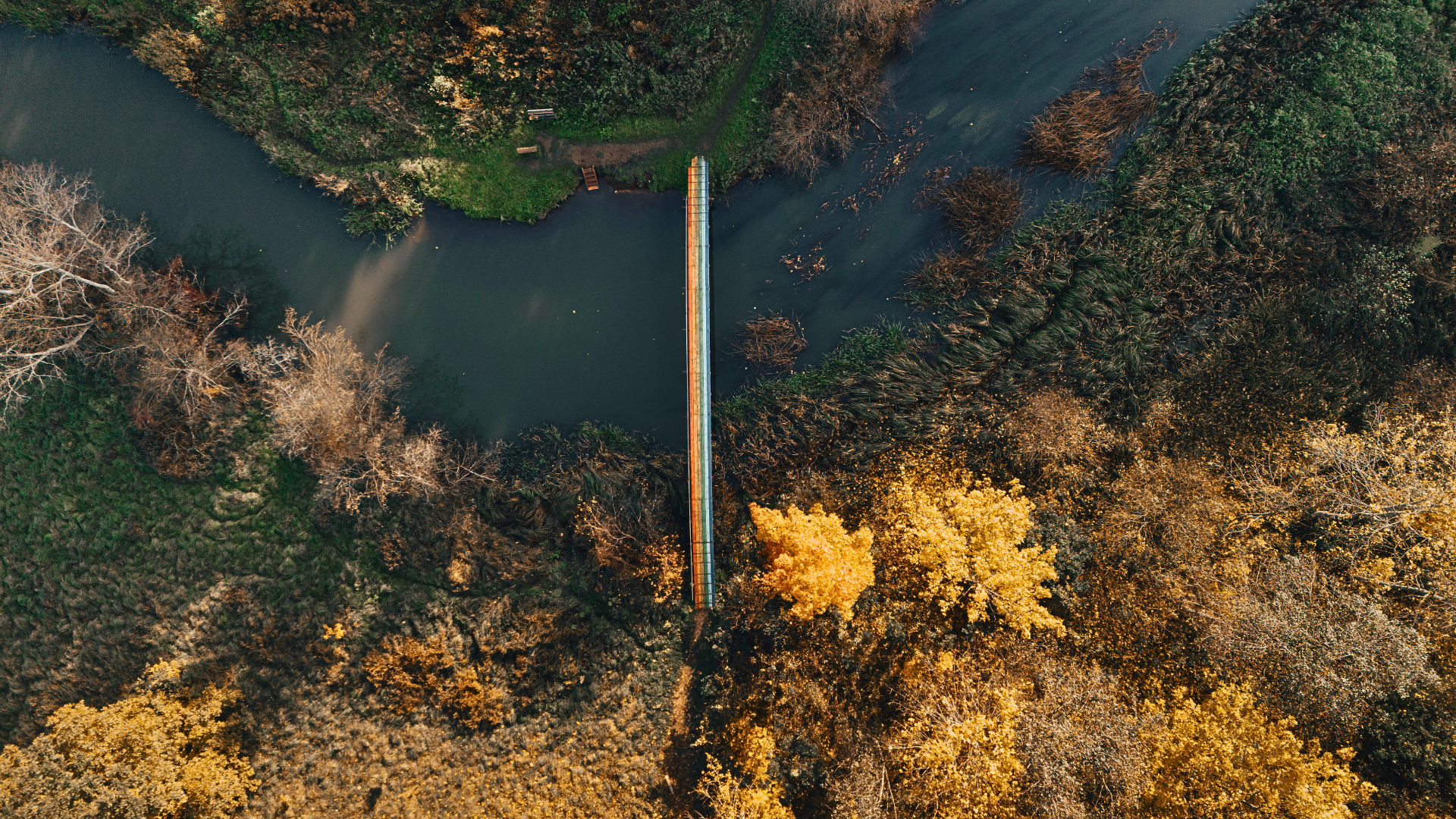
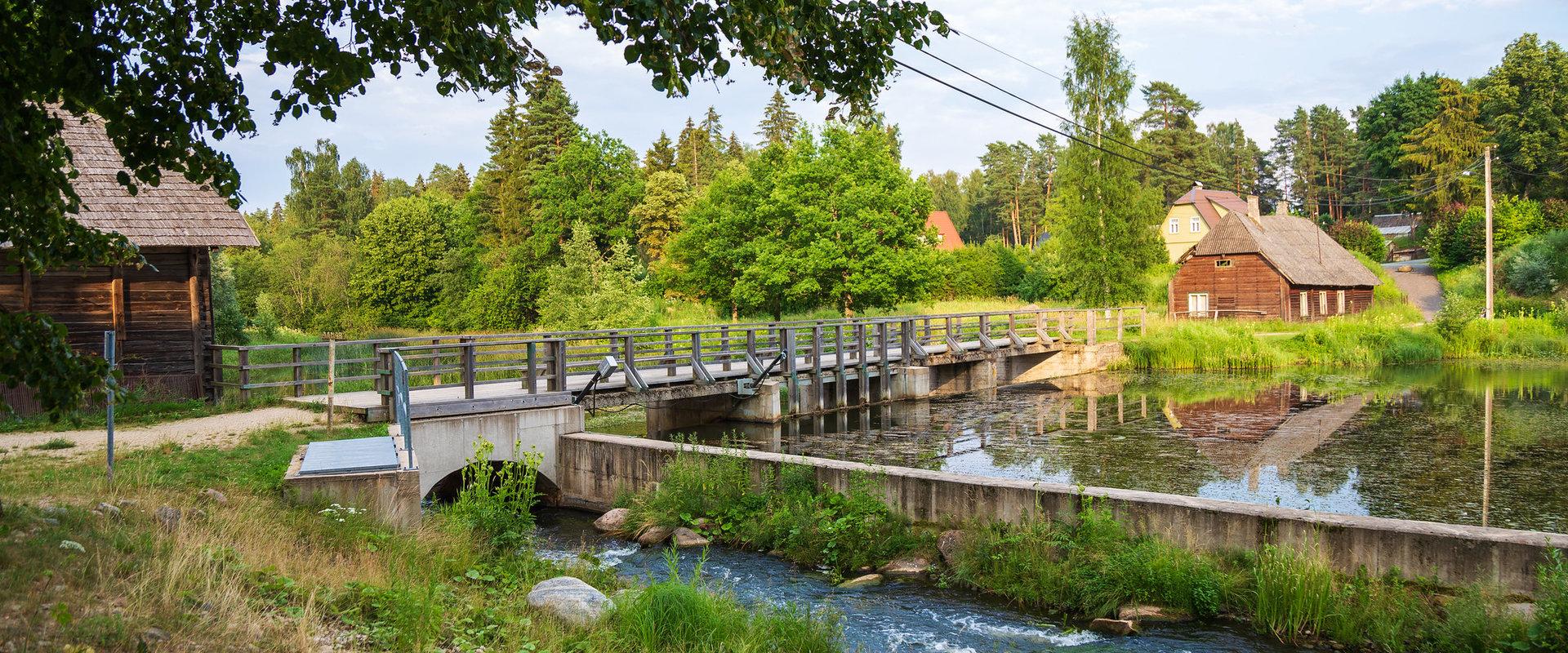
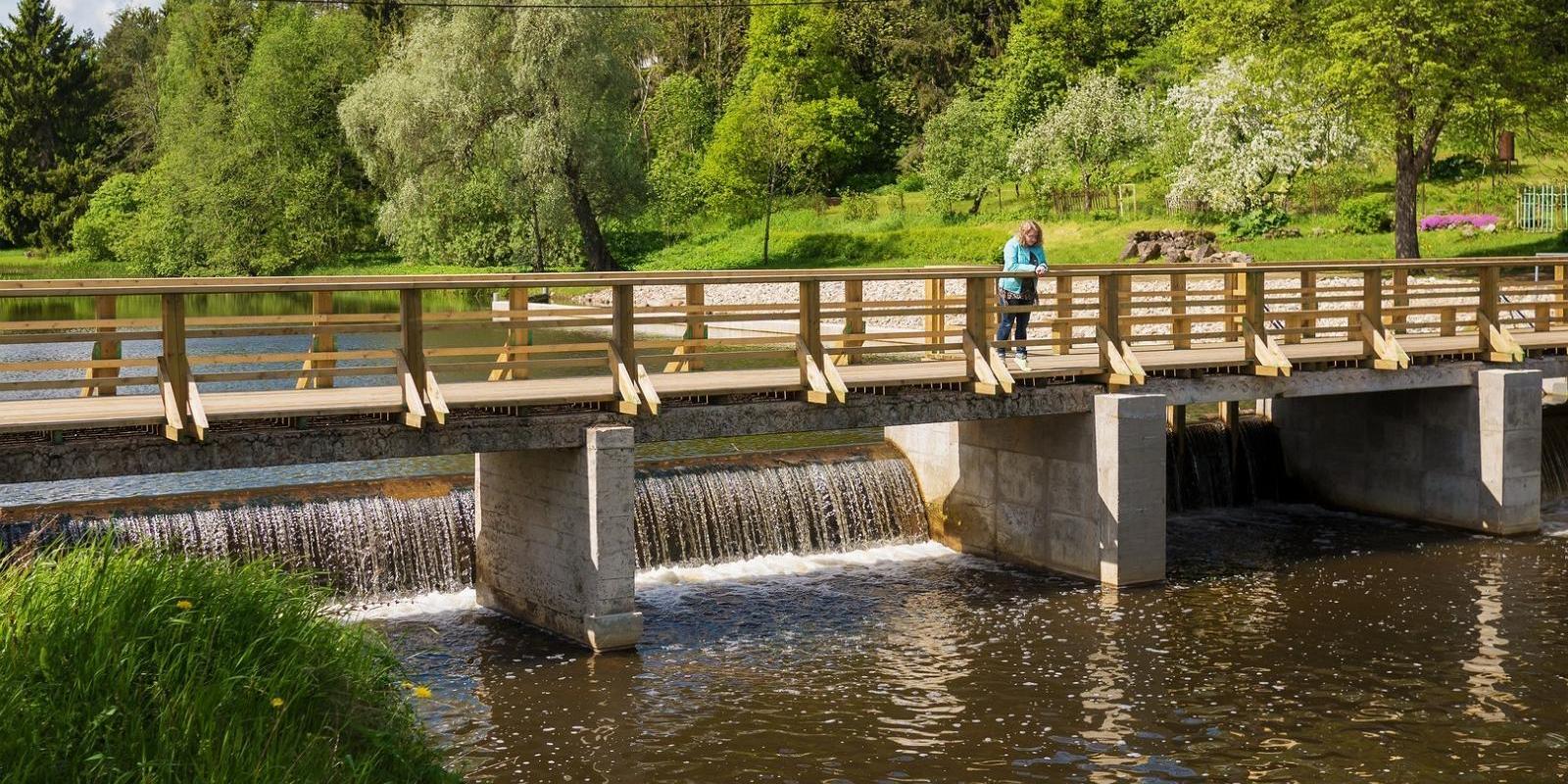
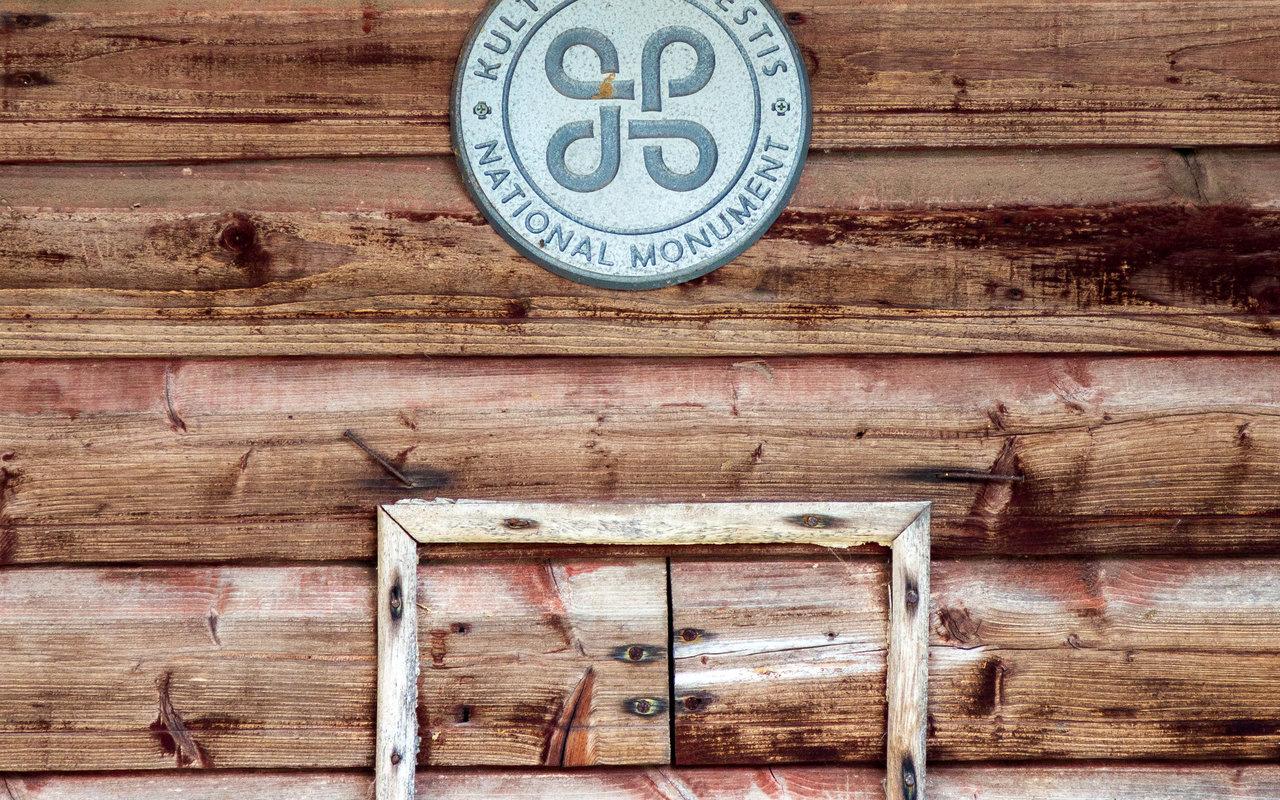
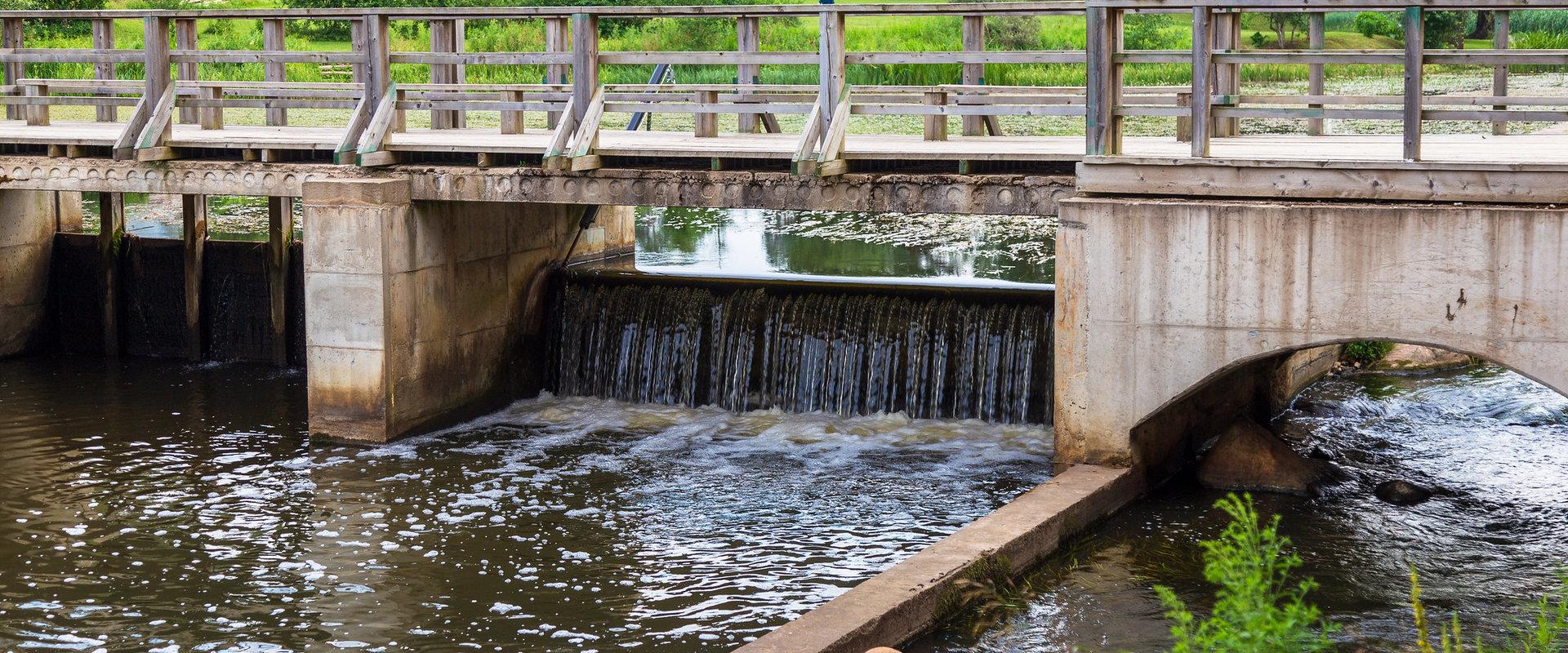
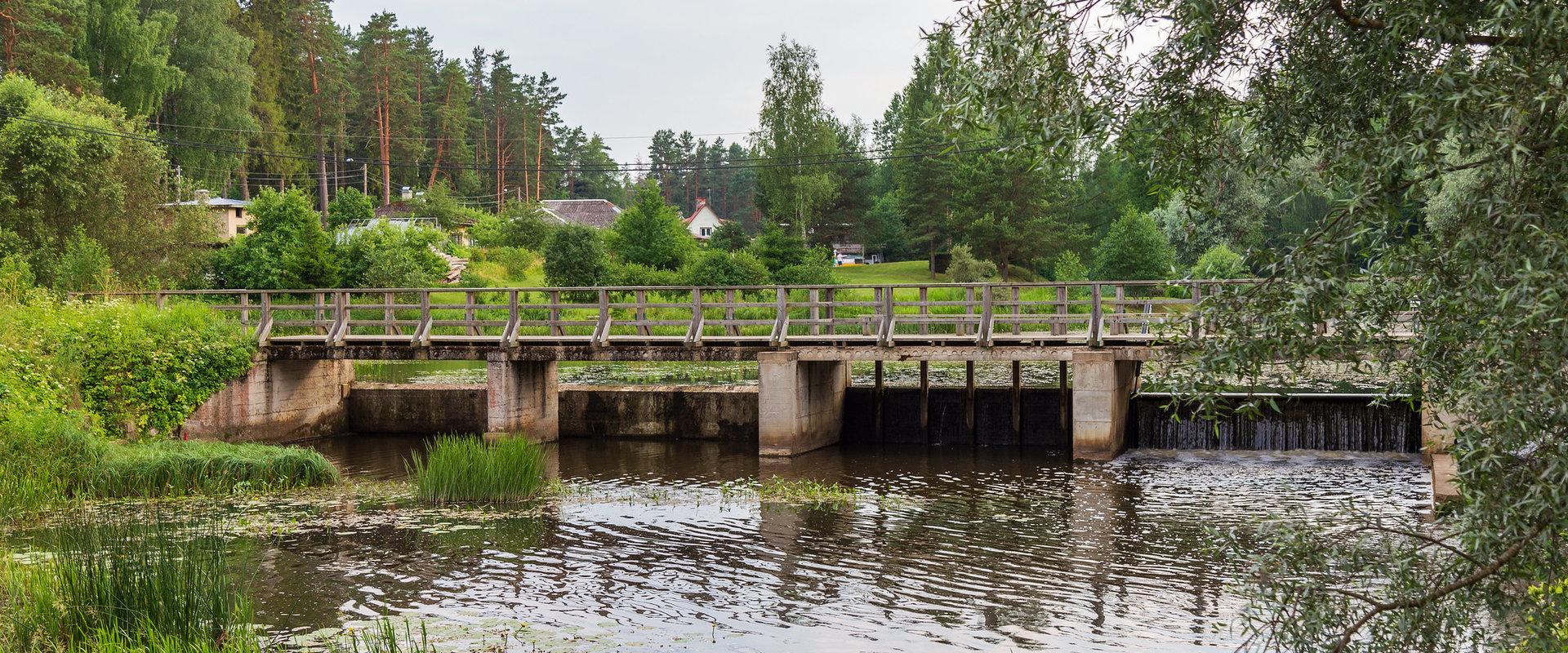
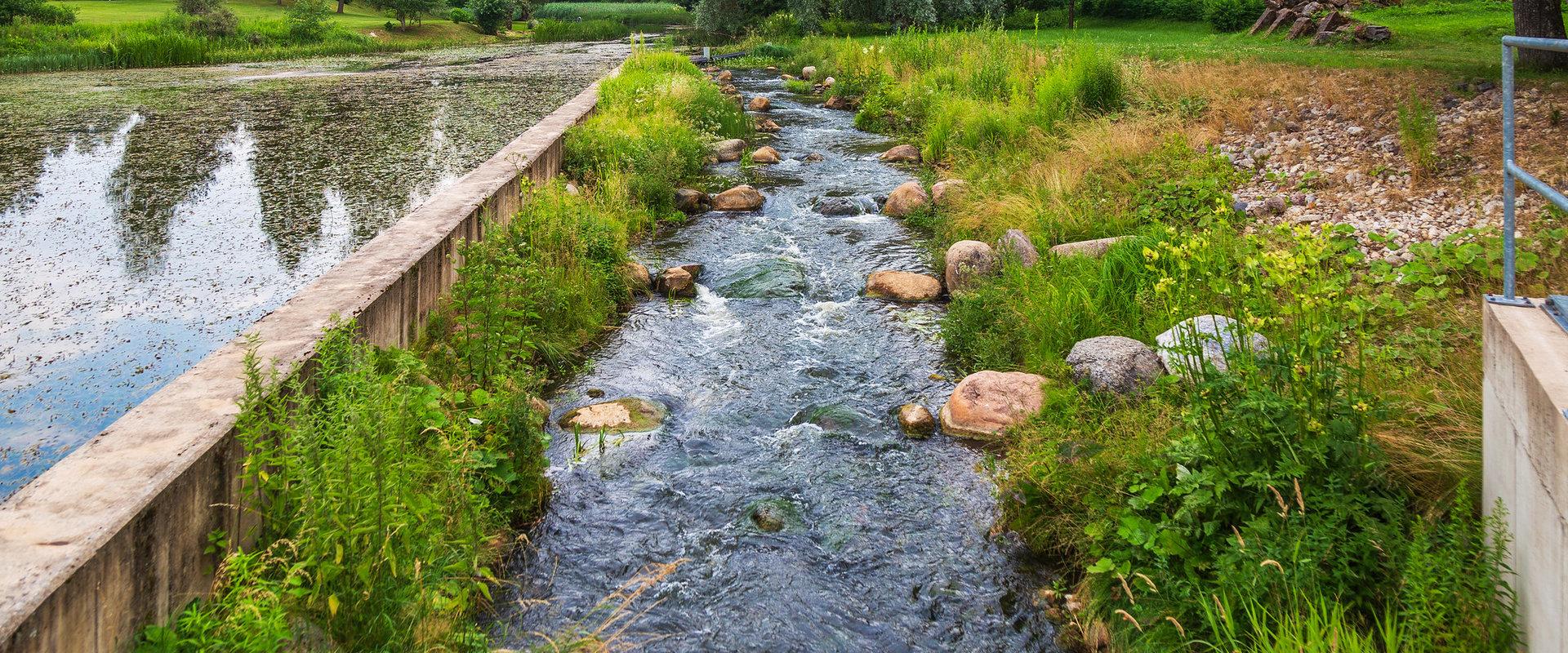
There are written notes about the Nutti watermill in the Livonian Government paper from 1865. In 1870, it was recorded which lands in which size belonged to the watermill. The Nutti mill is also a landmark for land plots. Today, the well-preserved Peedu mill complex is privately owned and subject to heritage conservation.The watermill was reconstructed a few years ago and offers a beautiful view of the Elva River.There are other watermills on the river: the Hellenurme watermill in the upper course and Vapramäe and Mosina watermill in the middle course.
Amenities

  • Free parking

Open times

Throughout the Year

Around the Clock

Contact

  • +372 524 2702
  • turism@elva.ee

Links

visitelva.com

See more

  • Monuments

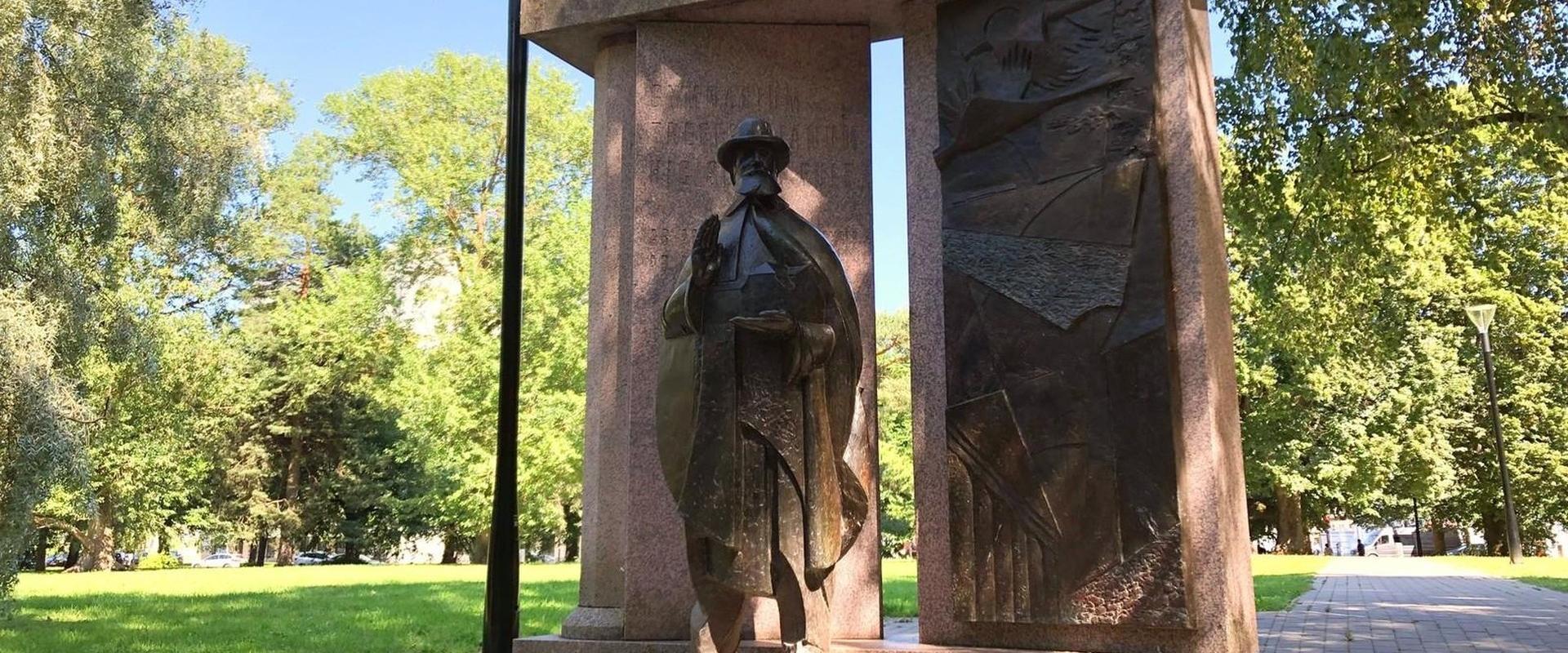
Monument to Hugo Treffner

Hugo Treffner (1845–1912) was an Estonian cultural figure and the founder of Hugo Treffner Gymnasium. The school still operates in Tartu (it was called the Tartu 1st Upper Secondary School during the Soviet era), on the wall of which is also the bas-relief of the first school principal Treffner on Rüütli tänav. It is considered one of the elite schools in Estonia.The monument erected in honour of Hugo Treffner is located on the bank of the Emajõgi River in the western part of Ülejõgi Park, on the site of the former Hugo Treffner private school. The authors of the monument are sculptor Mati Karmin and architect Tiit Trummal. The monument was opened on 25 May 1997.Hugo Treffner's grave is in Tartu, in the Uus-Jaani cemetery.

  • Monuments

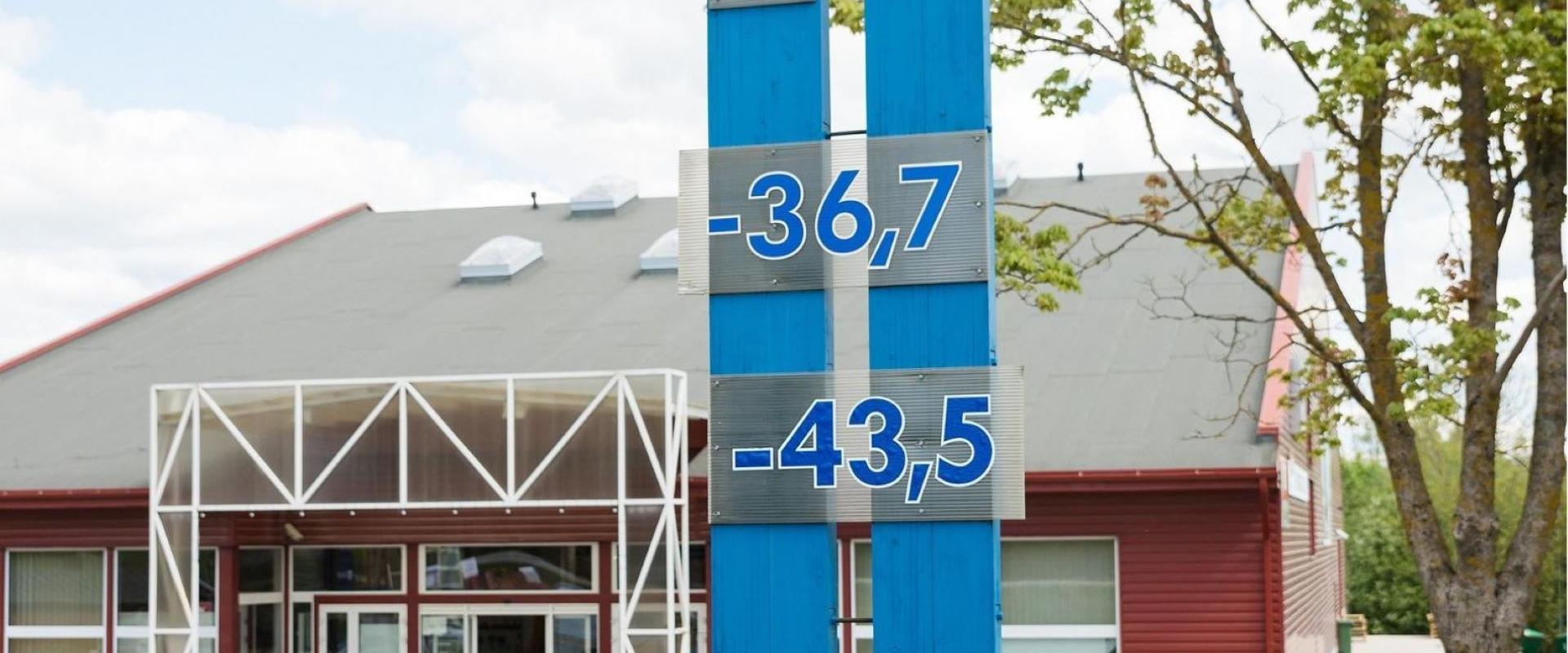
Monument to cold weather in Jõgeva

A monument to cold weather has been erected on the Piibe road on the outskirts of Jõgeva, where the lowest ever temperature in Estonia (-43.5*C) was recorded in 1940. The monument also highlights the most recent record of -37.6*C from 2003, also recorded in Jõgeva.

  • Guided tours

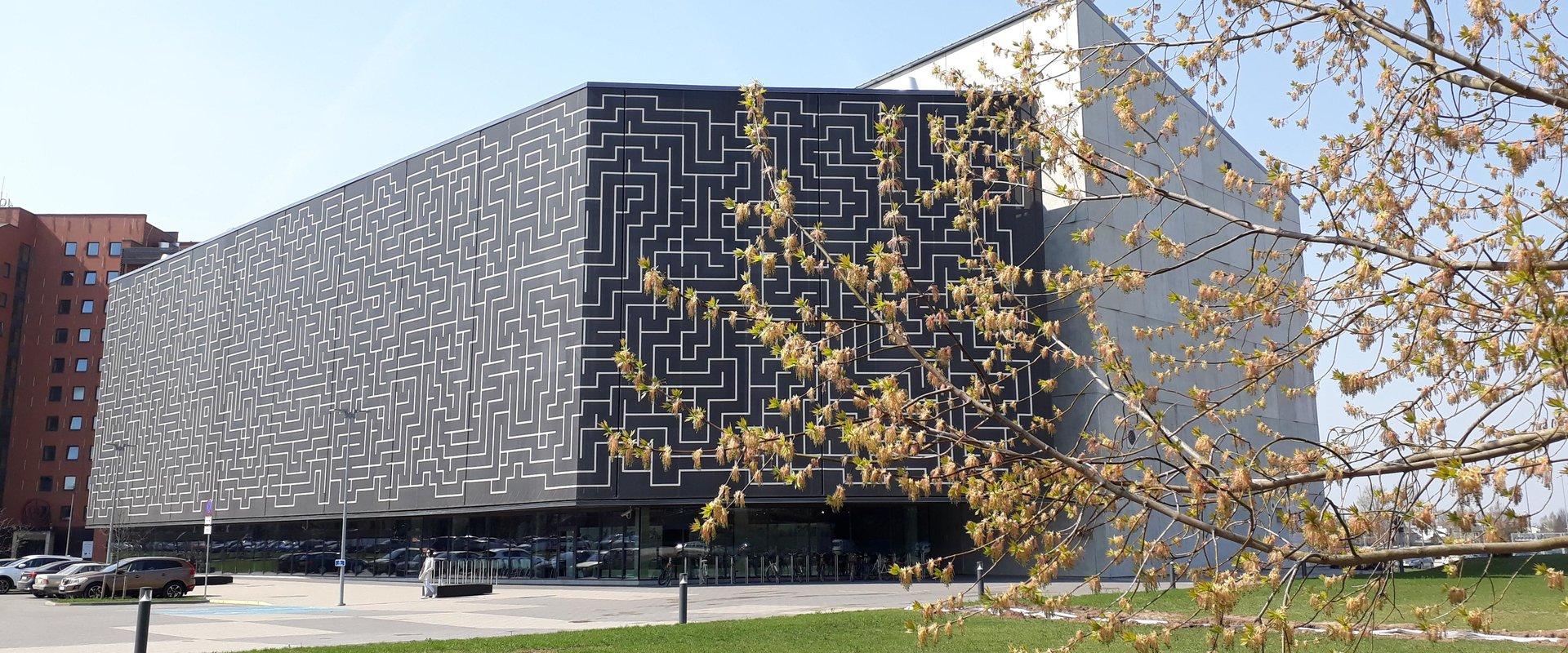
Tour of Noora, the most modern archives building in Estonia

A tour of the main building of the National Archives!During the tour, we will introduce you to various repositories, work, and office spaces, as well as research halls and libraries. You can, of course, see centuries-old and newer unique archival documents with your own eyes.It is possible to order documents on a specific topic to get acquainted with during the tour.For the tour to go smoothly, we recommend a group size of up to 20 people.The length of the tour is about 1.5 hours.

Küti Mäeveski (The Hunters Hill Mill)

Kütiorg, located in the northern part of Haanja Nature Park, is the largest and most powerful valley in Estonia. The historical Hunters Hill Mill is located here.The mill was built in 1868 and it was last used in the autumn of 2016. It is planned to preserve the mill as industrial heritage of Estonia. The mill is near Noodasküla in Haanja Nature Park. You can walk to the mill if you take the longer trail on the RMK Kütiorg hiking trail. If you are coming by car, you can drive to Noodasküla.If you want to explore the historic mill, please book a time in advance.Welcome!

  • Monuments

Cornflower – Monument to the Victims of Stalinism

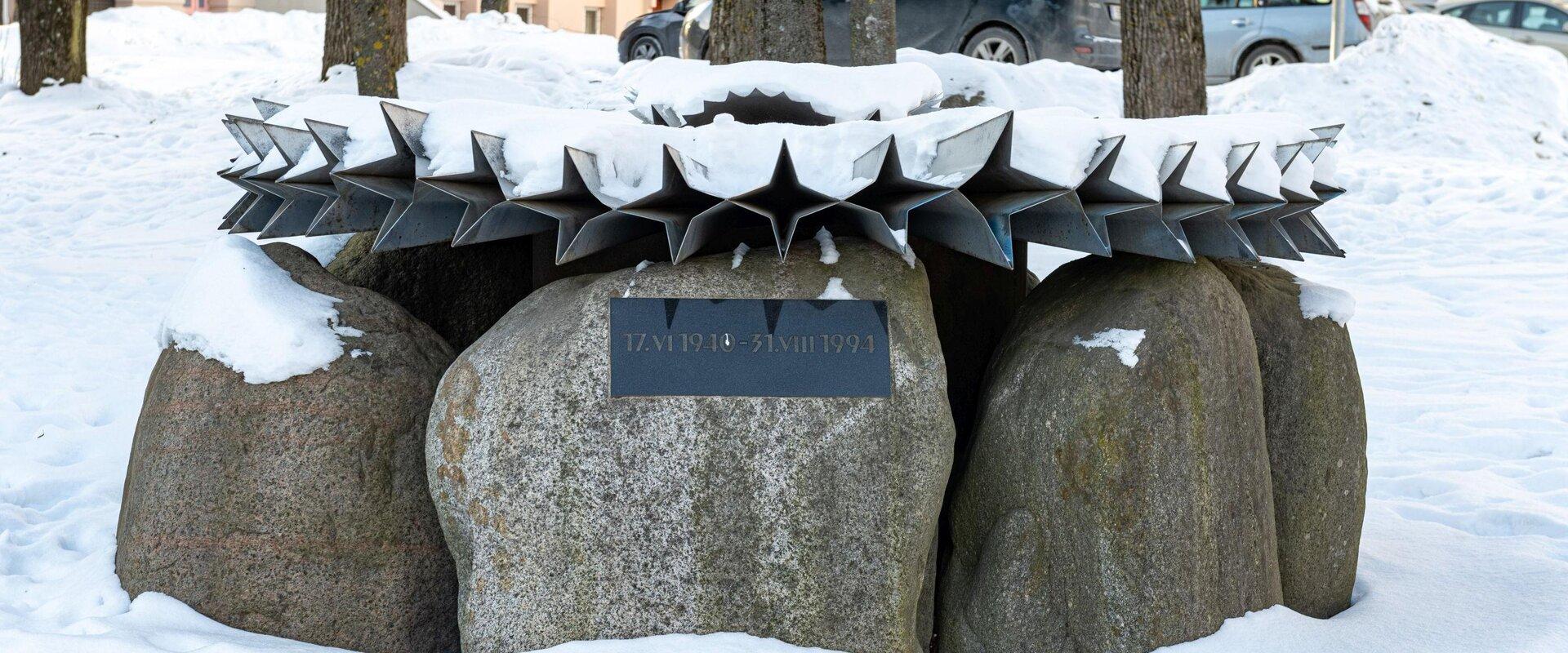
The Cornflower (or Broken Cornflower) memorial to the victims of Stalinism was established in 1990 and its author is P. Saar.On top of the granite boulders is a broken cornflower (Estonian national flower). Black stripes run through the grey stone parquet of the square. They depict the railway tracks that symbolise deportation to Siberia. The waterworks of the monument make it possible for water to drip off the petals of the cornflower, like tears.The monument, which was initially erected on the corner of Riia and Pepleri streets in Tartu by the association of freedom fighters Memento, was reopened in its new spot at Pepleri 27. The monument is located next to the grey building. During the Soviet era, a KGB remand prison was located there, where the deportation of many Estonians to Siberia began.

Museum of Tuglas in Ahja rural municipality

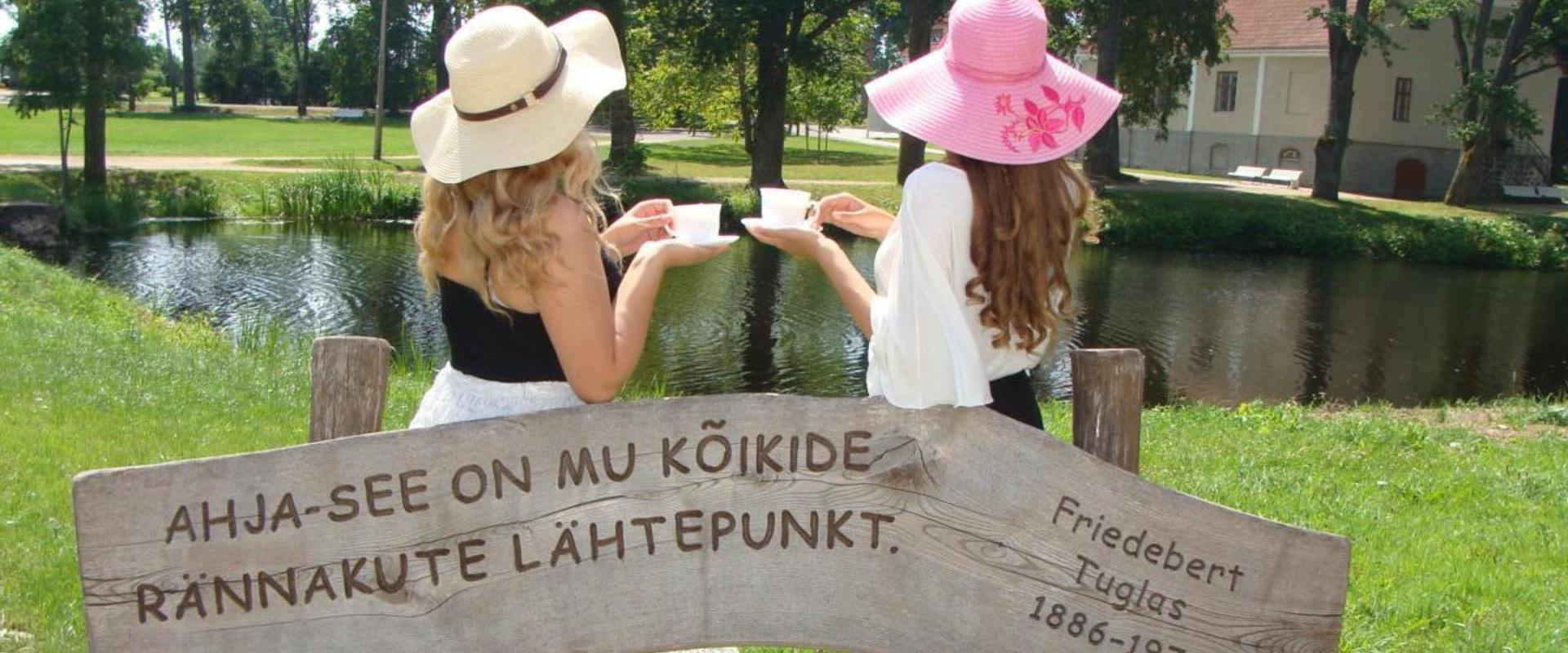
The Museum of Tuglas is the childhood home of Friedebert Tuglas, born on 2 March 1886. Tuglas became a well-known writer for his novel Väike Illimar (Little Illimar) written in 1932. The story of the little Illimar is at the same time the story of a manor in Estonia. Places related to Friedebert Tuglas and the Little Illimar are displayed on a large map, which is also exhibited in the museum. Spatial exposition provides background information for the guests who visit the places related to the novel and learn about the everyday life of the manor house.

  • Churches

Urvaste church and cemetery on the shores of Lake Uhtjärv

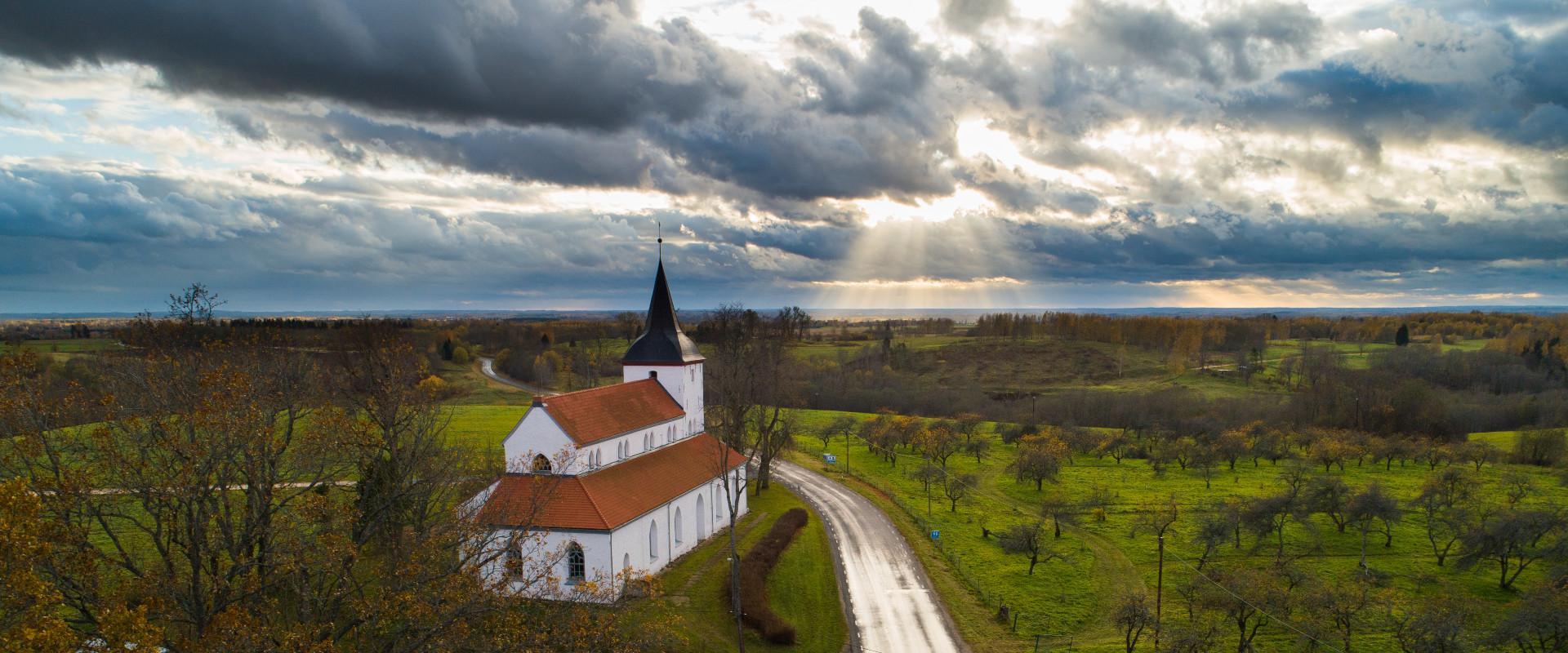
The EELC St. Urbanus' Church in Urvaste, Võru County is one of the oldest and most unique country churches. The earliest written records date back to 1413, which means that 600 years have passed since the church was first mentioned.The church we see today – a three-naved Gothic basilica – was consecrated on 5 September 1889. The entire interior of the church also dates back to this time. In 1938, The organ was built by the Kriisa brothers in 1938, while the church bells date back to 1832.From the yellow National Geographic window on the shores of Lake Uhtjärv, you can enjoy a breathtaking view over the Urvaste church and the primeval valley of Lake Uhtjärv. The window marks one of the 21 places worthy of discovery in South-Estonia.

  • Churches

Valga Jaani (St John’s) Church

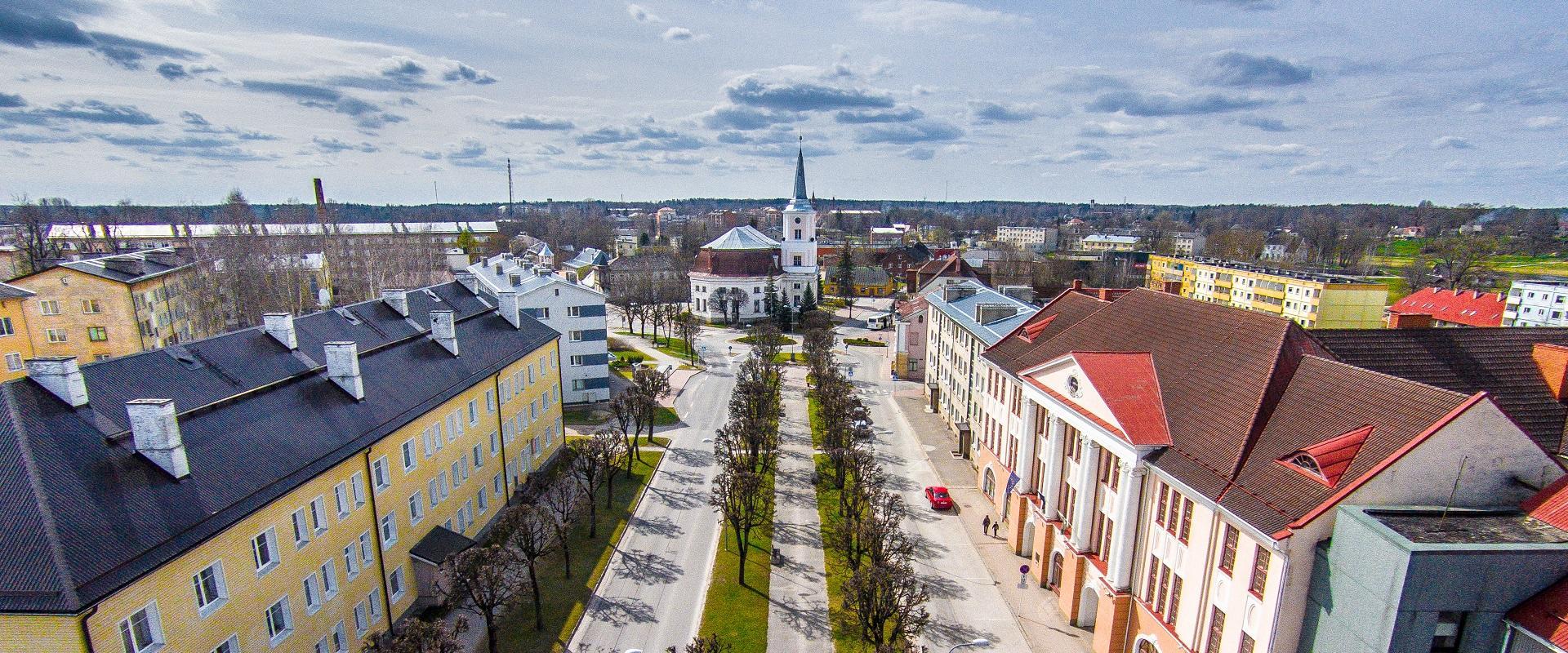
Jaani Church, located right in the heart of the city, was built in 1816 according to the design of architect Christoph Haberland and it is the only church in Estonia with an oval ground plan. The unique organ has been preserved in its original shape and it is the only instrument built by Friedrich Ladegast still left in Estonia.Interesting facts: * the organ is one of the 200 best organs in Europe; * music can be heard from the church’s bell tower at midday and midnight.

  • Collaboration
  • News
  • Contacts
  • Privacy Policy
Join our mailing list!

"*" indicates required fields

This field is for validation purposes and should be left unchanged.
I authorise marketing

South Estonia Tourism Cluster

info@visitsouthestonia.com