• Открой
    • Еда
    • Природа
    • Культура
    • Семья
    • Спорт
    • Сообщество
    • Блог
    У Вас появились свободные выходные, чтобы провести с детьми? Здесь собраны лучшие места в Южной Эстонии для семейного отдыха
  • Планируй
    • Размещение
    • Информация
    • Varamu
    Sustainability
RUS
  • РусскийRUS
  • EestiEST
  • EnglishENG
  • LatviešuLAT
  • SuomiFIN
RUS
  • РусскийRUS
  • EestiEST
  • EnglishENG
  • LatviešuLAT
  • SuomiFIN
Populaarsed otsingud:
Näita kõiki tulemusi
  • History & Culture
  • Architecture and history

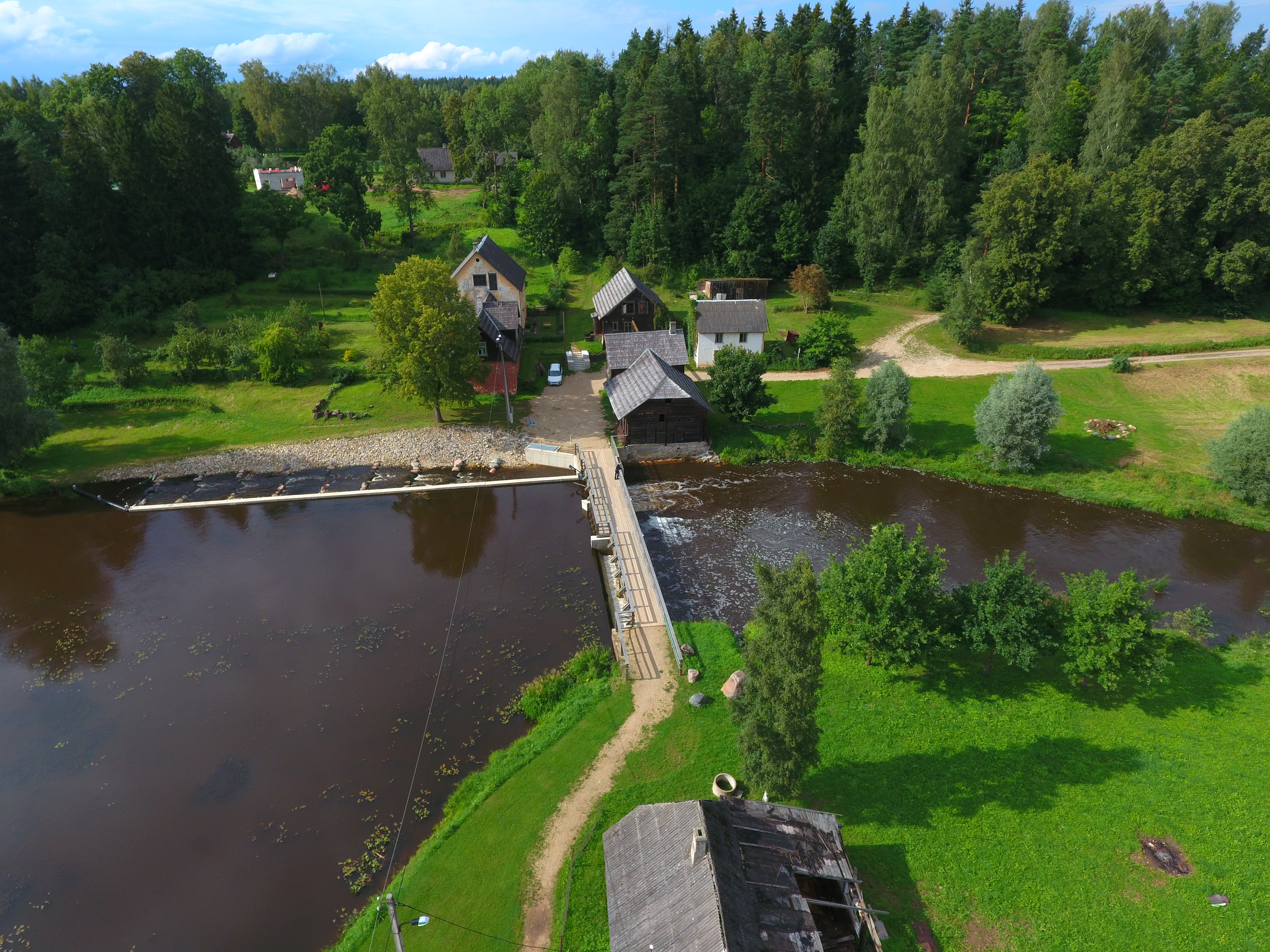
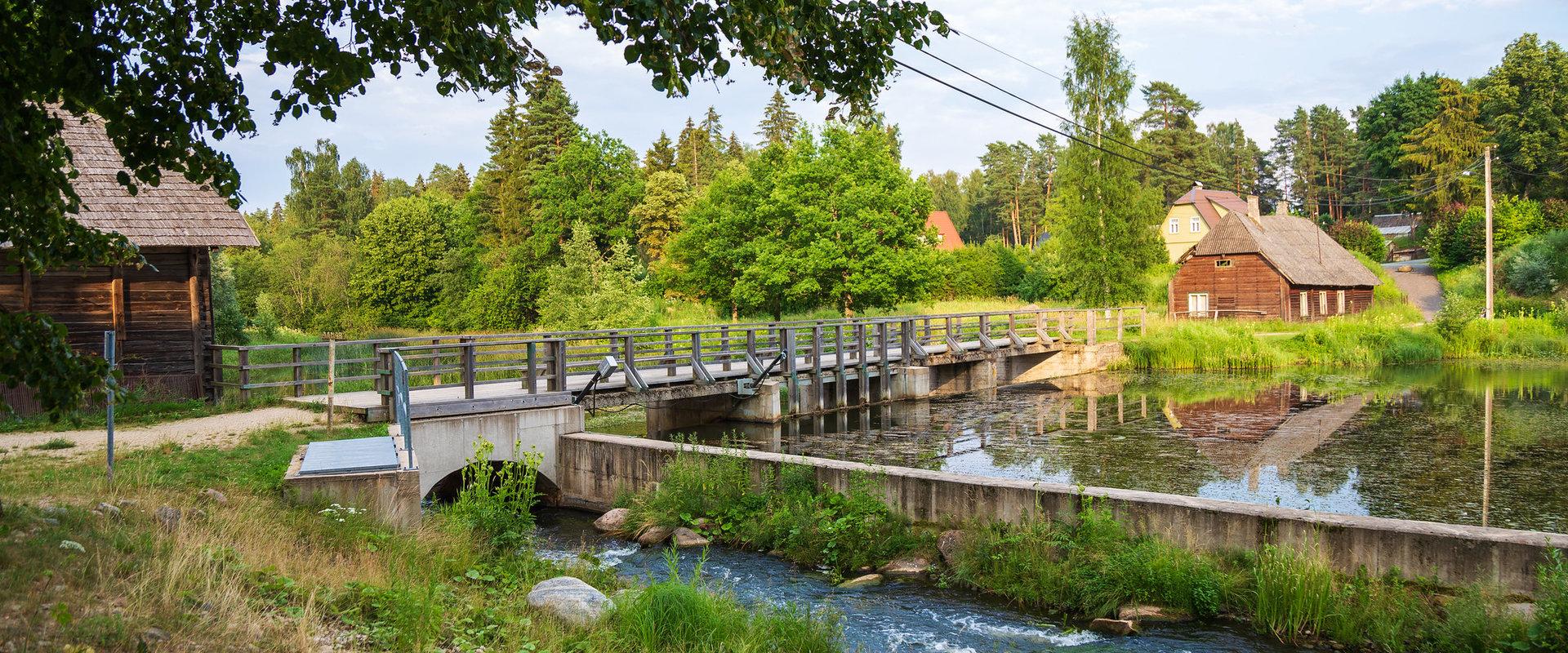
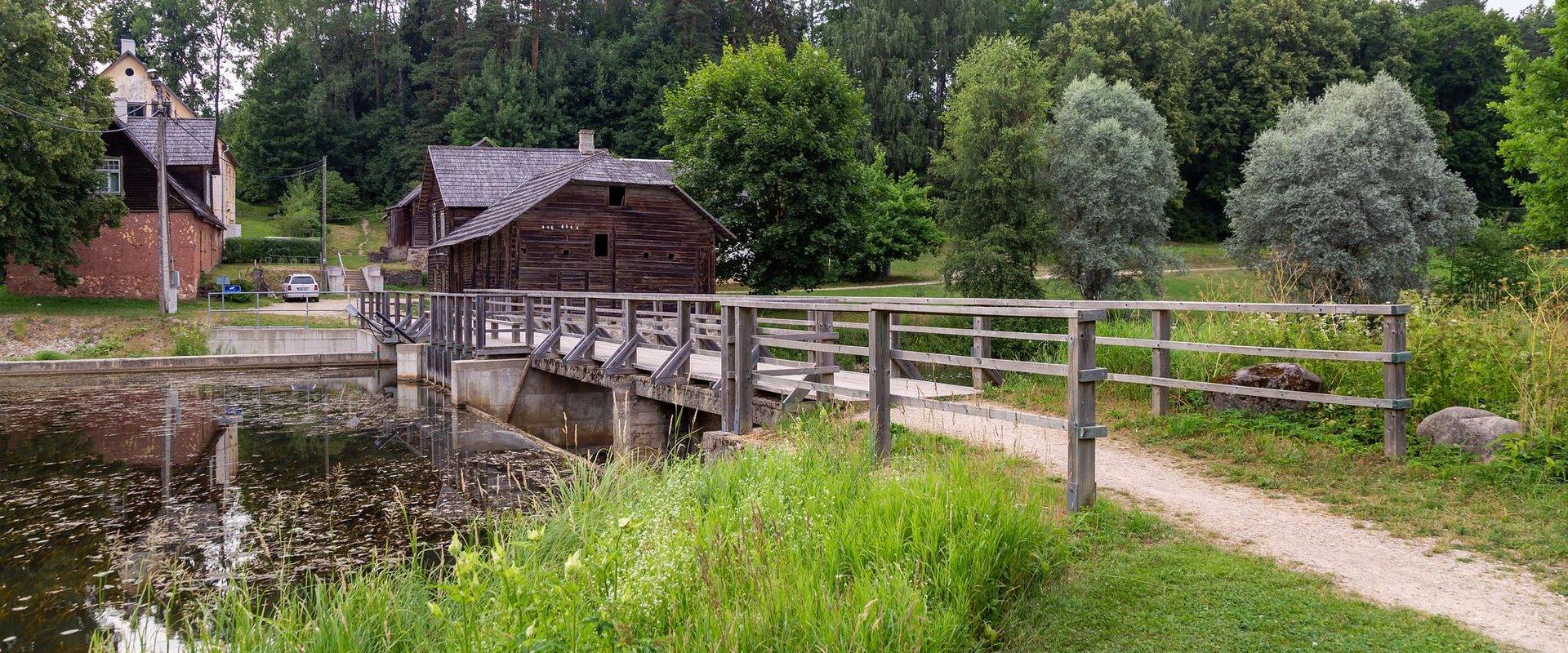
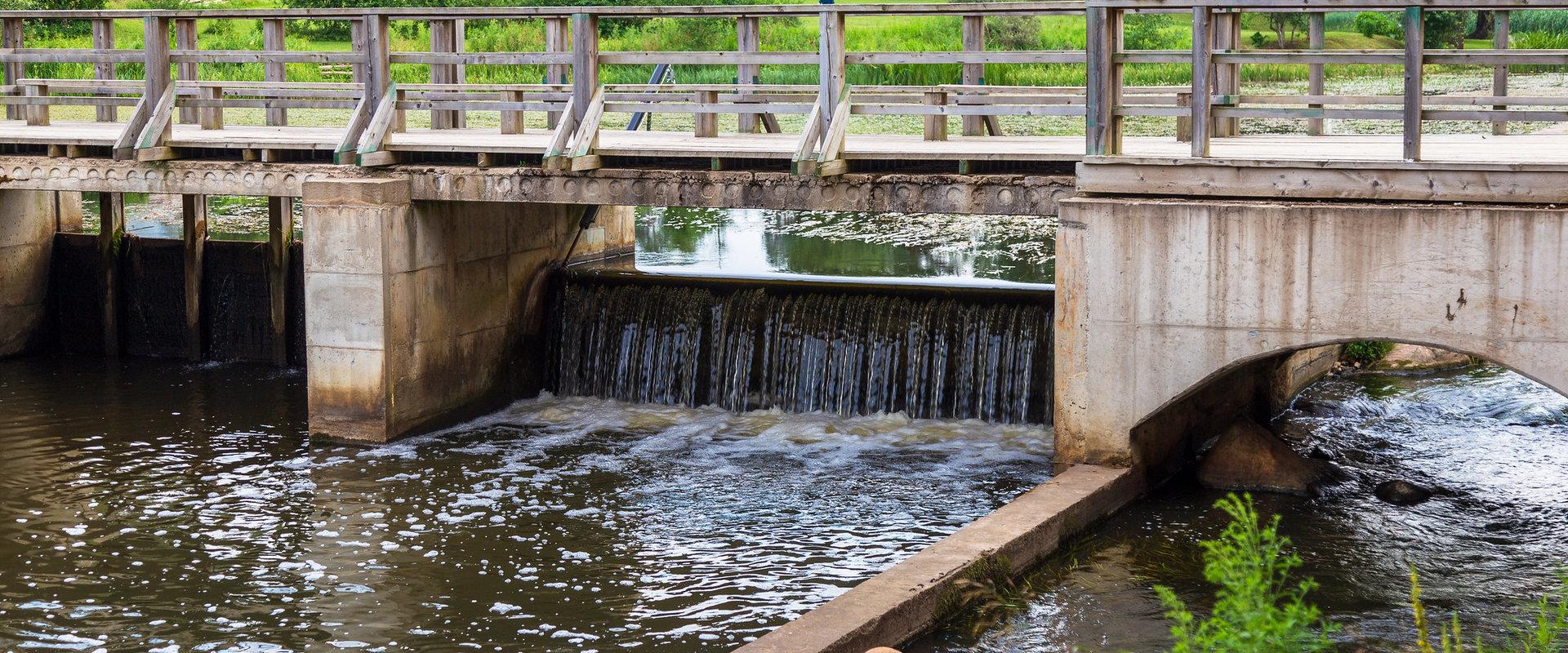
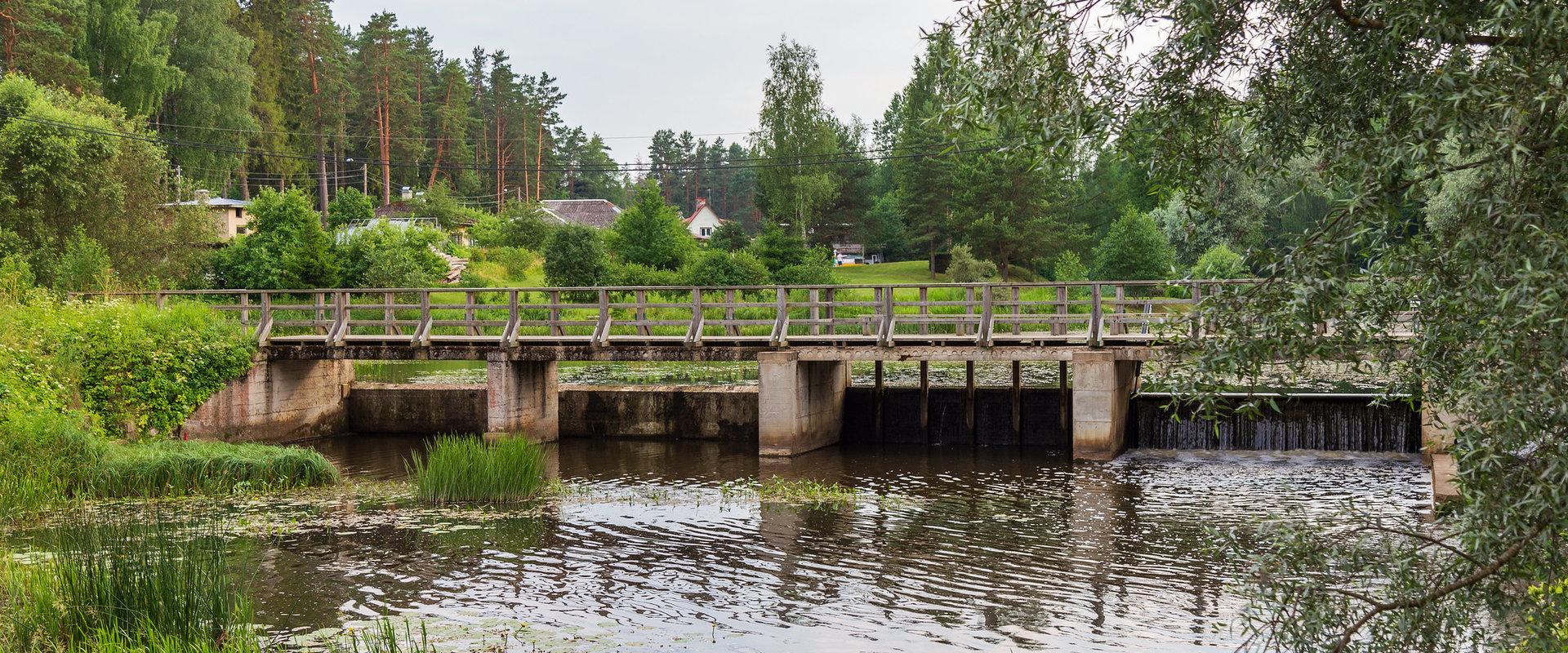
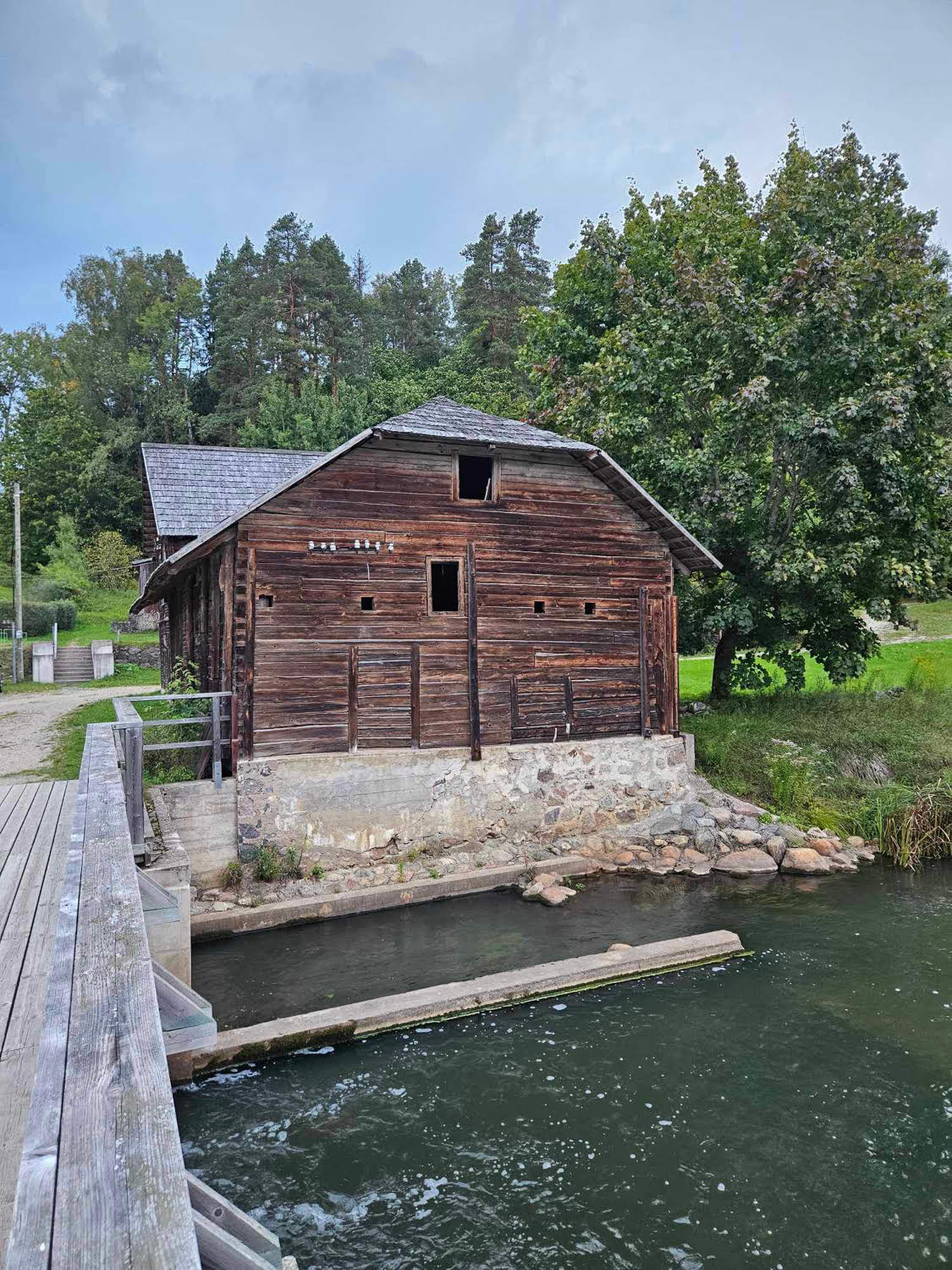
Peedu-Nuti water mill complex

Veski tn 1, Elva vald, Tartu maakond, 61508

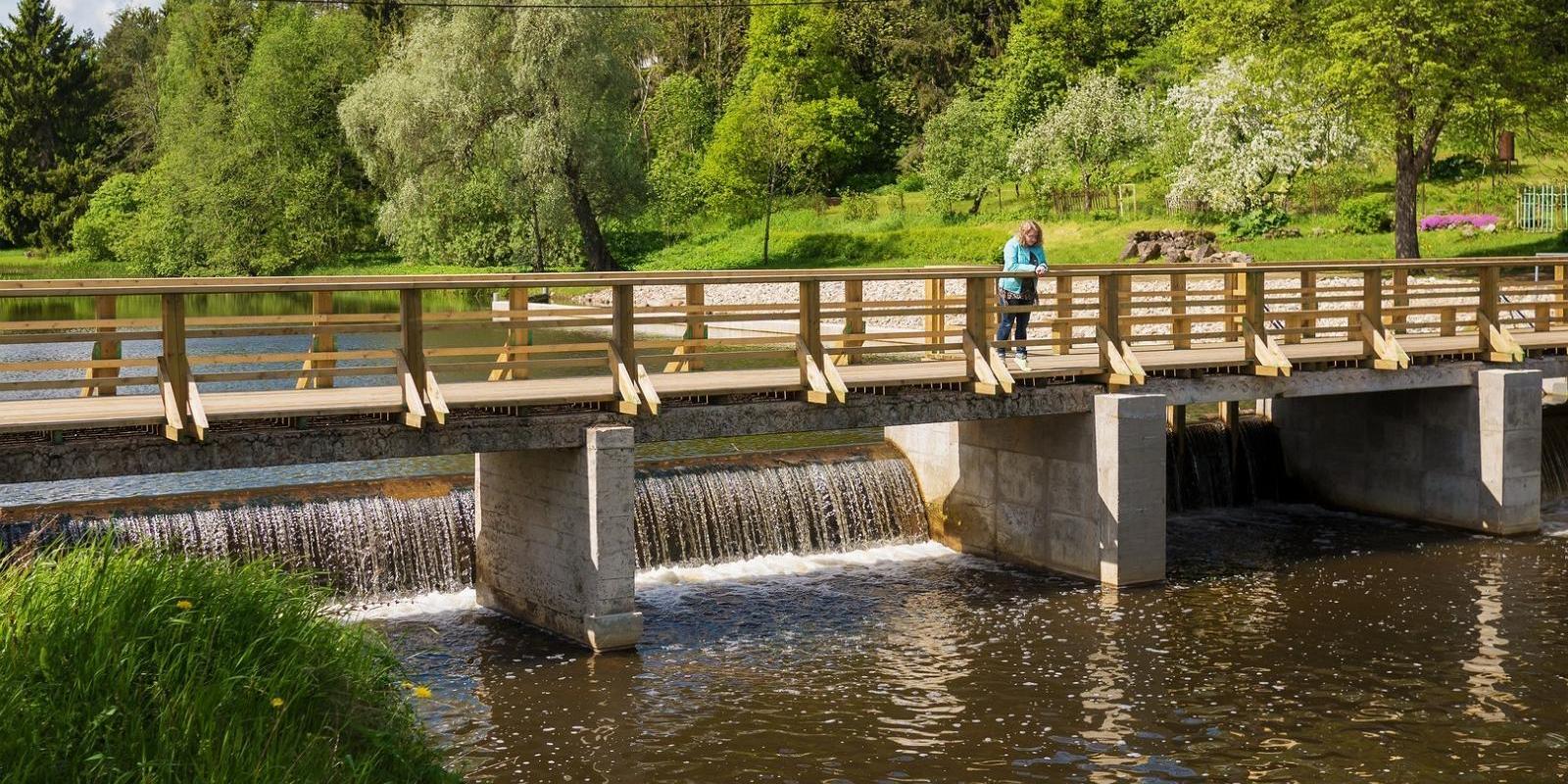
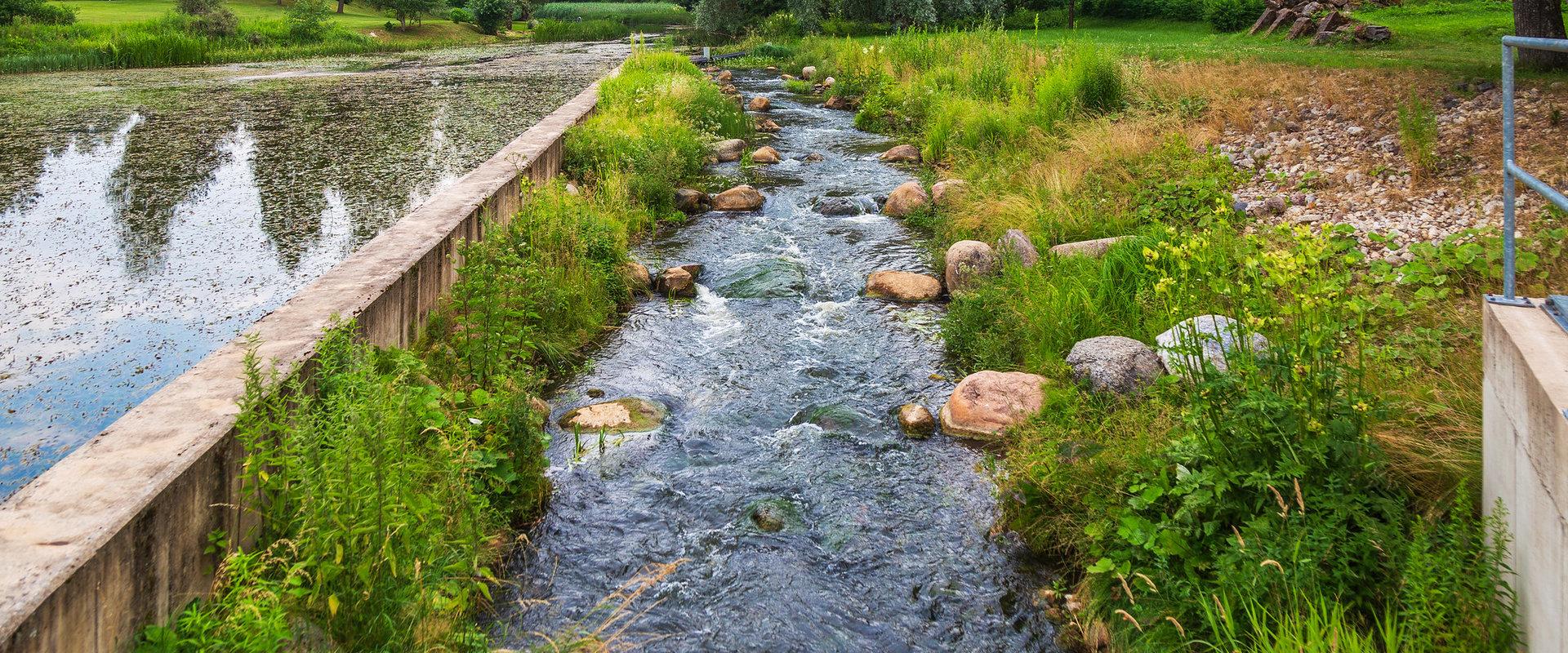
There are written notes about the Nutti watermill in the Livonian Government paper from 1865. In 1870, it was recorded which lands in which size belonged to the watermill. The Nutti mill is also a landmark for land plots. Today, the well-preserved Peedu mill complex is privately owned and subject to heritage conservation.The watermill was reconstructed a few years ago and offers a beautiful view of the Elva River.There are other watermills on the river: the Hellenurme watermill in the upper course and Vapramäe and Mosina watermill in the middle course.
Mugavused

  • Free parking

Часы работы

Круглый год

Ööpäevaringselt

Контакты

  • +372 524 2702
  • turism@elva.ee

Ссылки

visitelva.com

Подробнее

  • Lookout towers
  • Churches

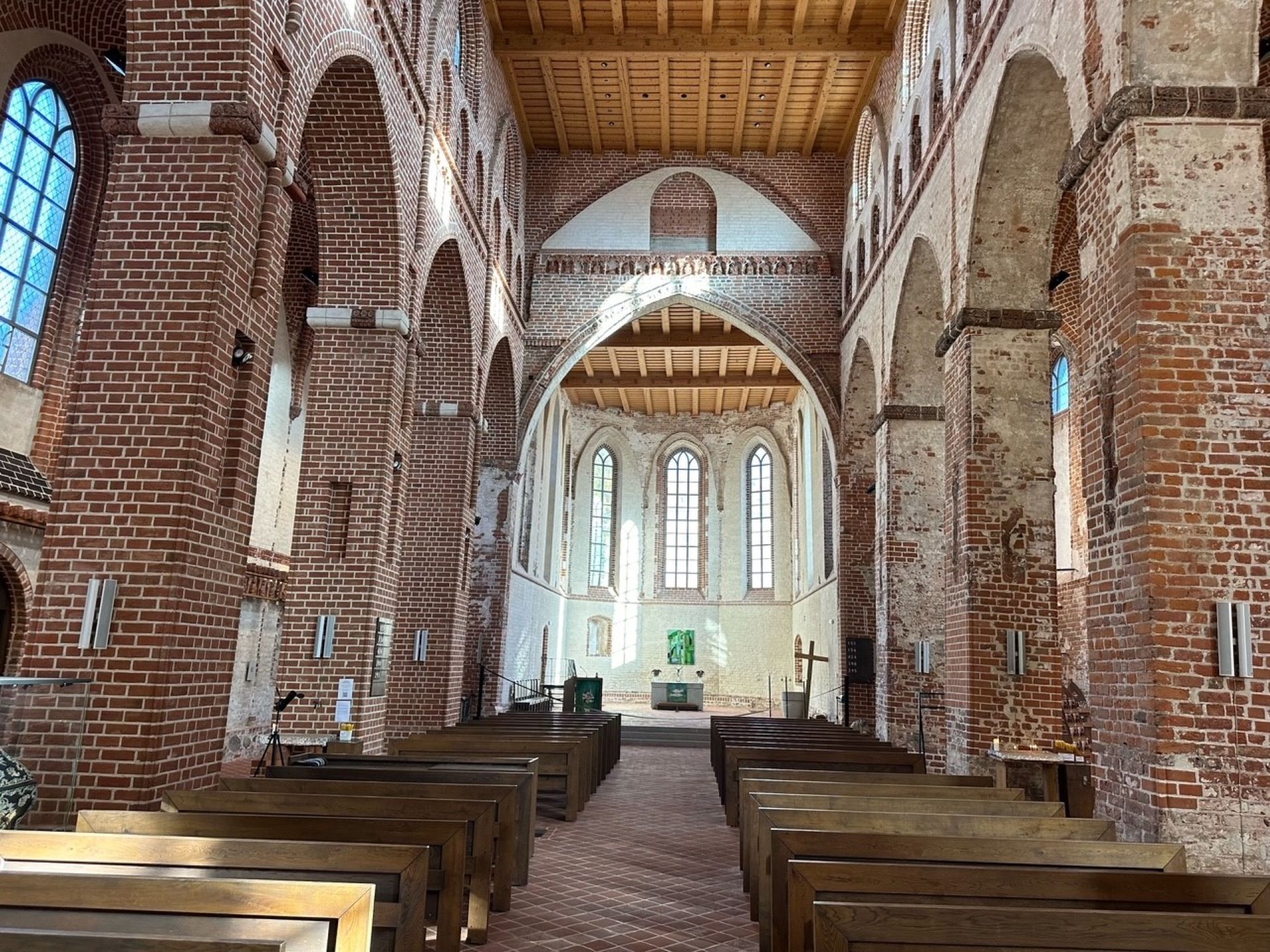
St. John’s Church in Tartu

Tartu's Gothic-style St. John's Church dates back to the 14th century, making it one of the oldest churches in Estonia. It is known for its unique terracotta sculptures, which are considered rare in all of Europe. The church once had over 1,000 handmade terracotta statues; about 200 have survived. Each sculpture is different, which has led to speculation that they may depict Tartu's former inhabitants or other important people. The tower of St. John's Church offers a wonderful view of the entire historic old town of Tartu. It houses two bronze bells, called Peter and Paul. On the last Sunday of every month, the church holds a service in English!

  • Ruins

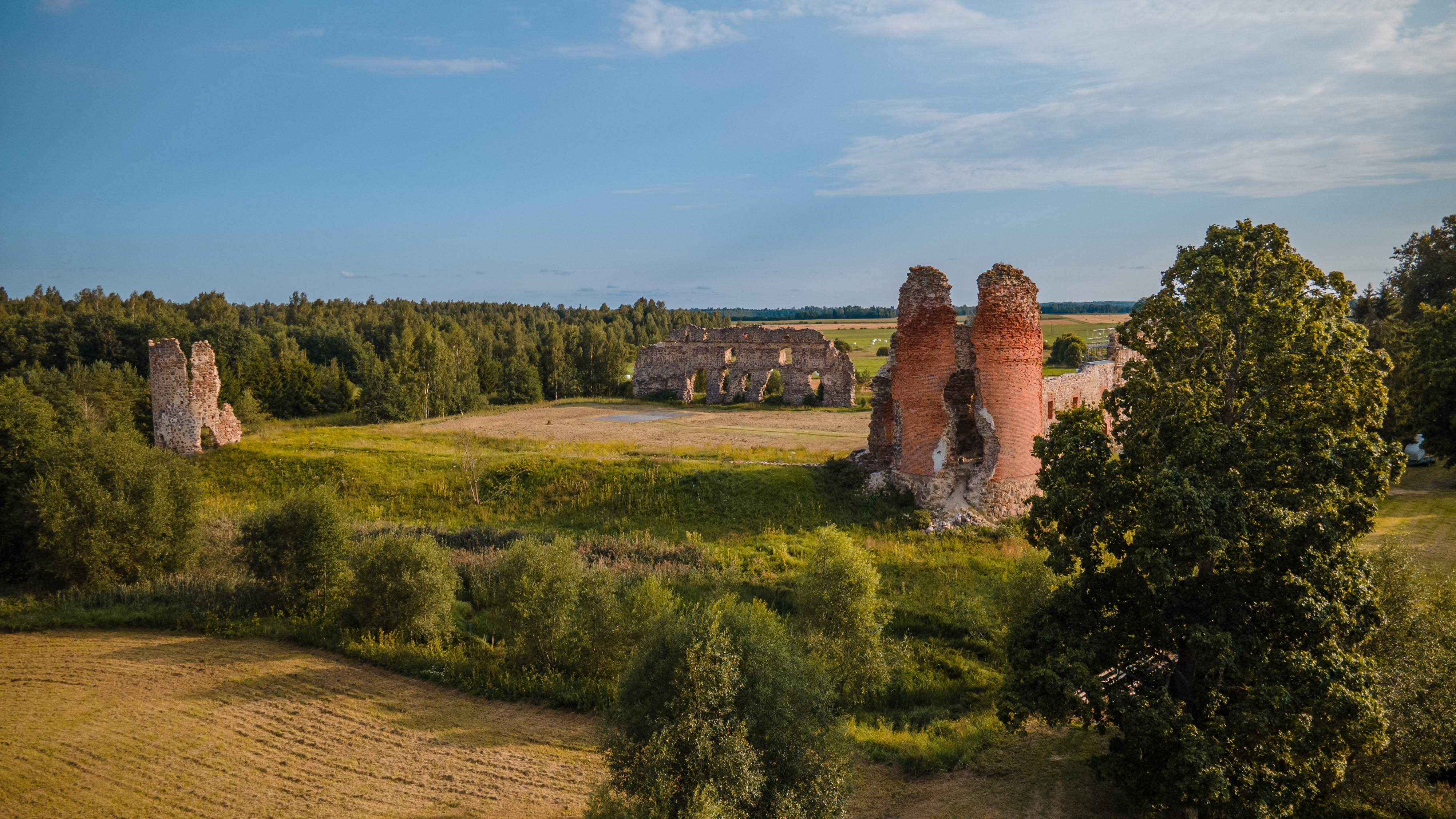
Laiuse fortress ruins

Construction of the Laiuse fortress was launched by the Livonian Order in the late 14th century to defend its eastern borders. The first defensive structure in Estonia to be fitted with firearms, it gained its definitive appearance in the late Middle Ages. Cannon towers were added to the fortress in the mid-15th century. The fortress crumbled in 1559 but was restored, with wooden barracks built at the end of the Swedish era, which accommodated Karl XII and his entourage from 1700–1701. After the Great Northern War the fortress lay in ruins.

  • Churches

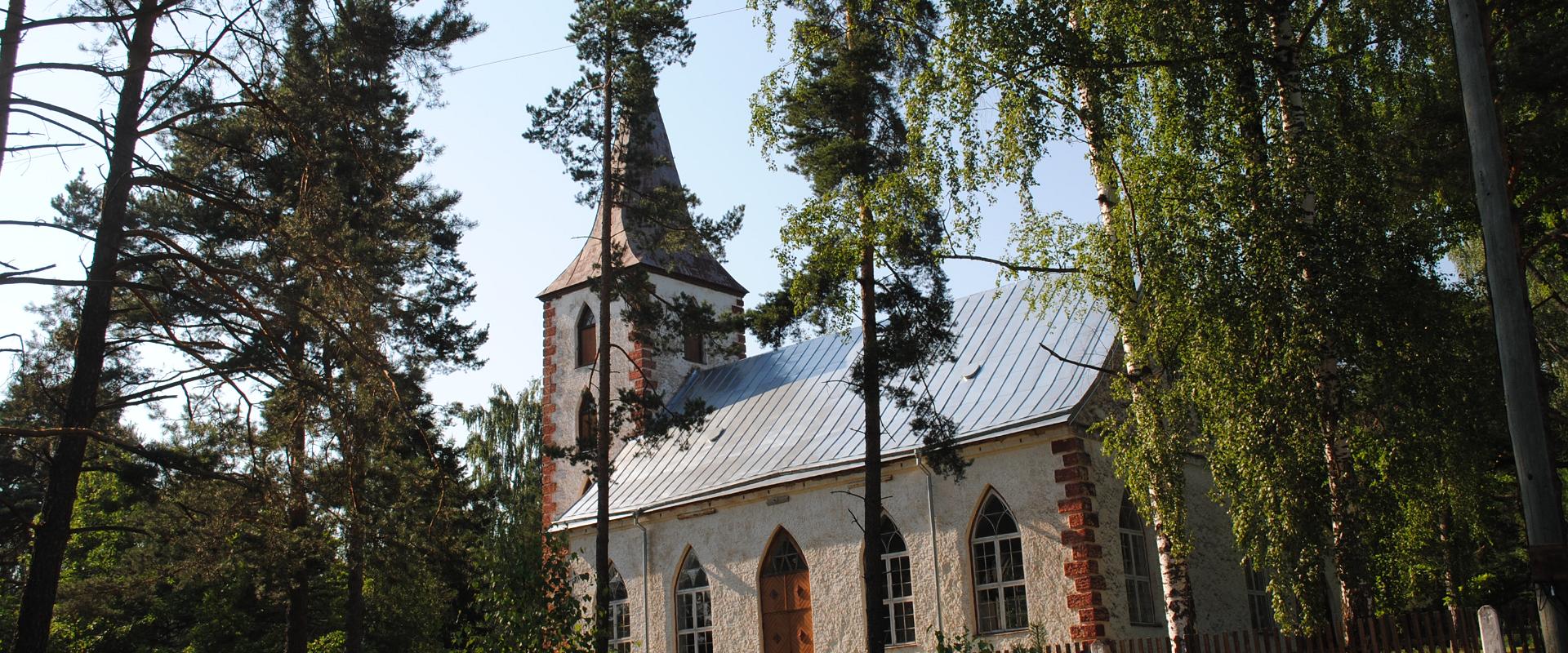
Pindi church in Lasva

Pindi Jaani (St. John's) church was built according to the plan by architect J. G. Mühlhausen. The church was consecrated in 1881. A massive tower stands In the western part of the rectangular church, the vestry is in the north-eastern part. The altarpiece is a copy of the one in Rõuge church, "Jesus on the cross" by Rudolf von zur Mühlen. The new organ built by the brothers Kriisa was consecrated in 1903.The grave and monument of Captain Friedrich Vreeman (1894–1919), who was killed in the Estonian War of Independence, are in the church cemetery. Service is held Sundays at 10.30.Useful information: Laine Villenthal, who was the first woman ordained as a minister in Estonia, served in Pindi church until 2004.

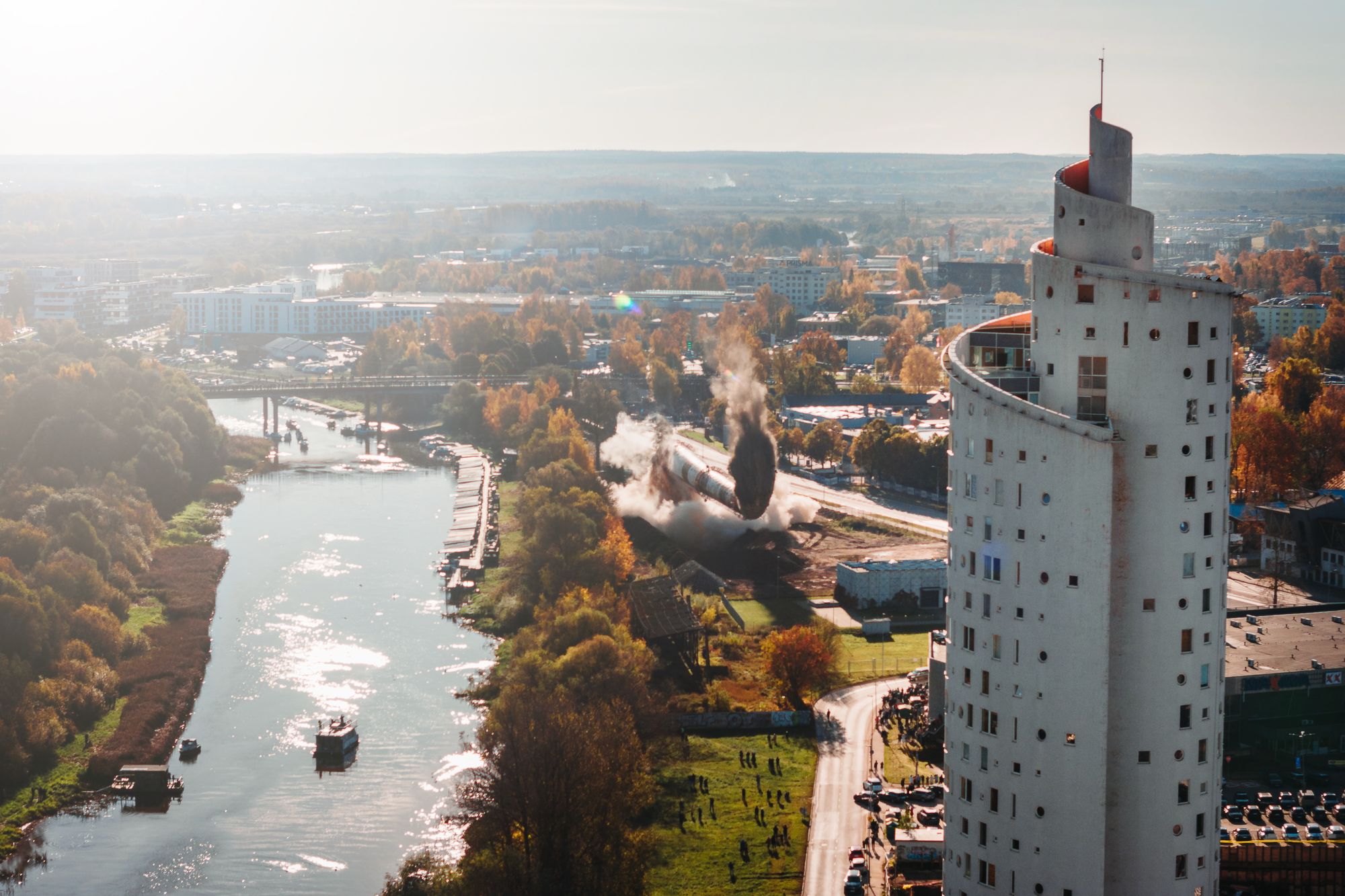
Snail Tower (Tigutorn)

The 23-storey high-rise building finished in 2008 on the right bank of the River Emajõgi in Tartu is called the Snail Tower. This is a unique apartment building in the centre of the city, designed by Vilen Künnapu and Ain Padrik. The Snail Tower is a symbolic building of Tartu – from the top, the rest of Tartu looks as small as the downtown looked to the clergyman of the church in the Middle Ages.

  • Family friendly
  • Virtual reality (VR)

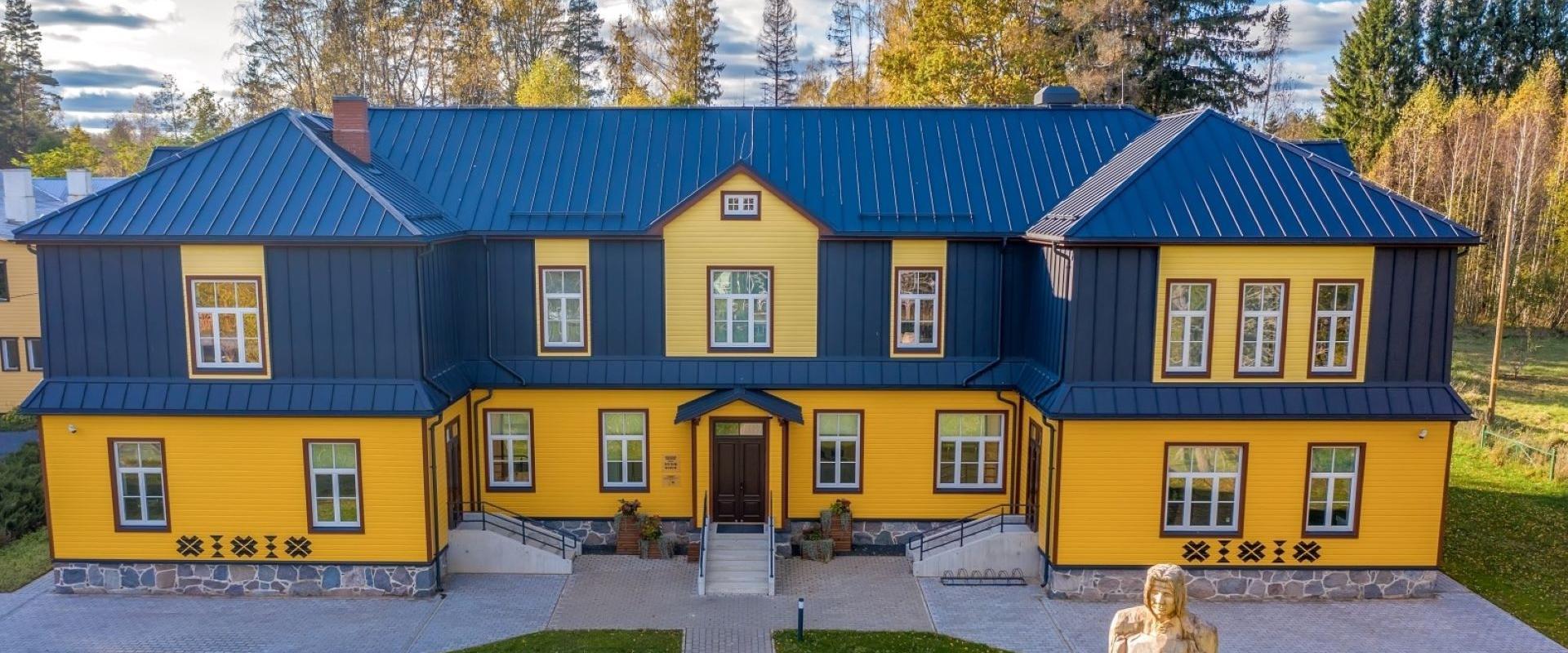
Kalevipoeg Museum

The Kalevipoja Museum, located in Jõgeva County, Kääpa, is named after the Estonian national epic "Kalevipoeg". In the nearby river lies the sword of Kalevipoja, and around it lie the resting places, stones, springs and furrows of the ancient sangari. This is where you can start a real journey into the world of the Estonian national epic! The museum's permanent exhibition gives an overview of the epic, and you can learn about the most important events in a playful way. Anyone who wishes can listen to the epic as an audiobook or sit in the "Plane" and watch a short film about places in Estonia related to Kalevipoja. Do you dare to try what it feels like to be Kalevipoeg yourself? In a virtual reality adventure, you can pick up your sword and fight Sarviktaat! Families, groups of friends and groups are welcome! In addition, you can organize seminars and team events with us, which combine knowledge, creativity and adventure. Adrenaline and fun activities are offered in our adventure park with both high and low trails - the perfect way to spend active time with family, friends or colleagues.

  • Churches

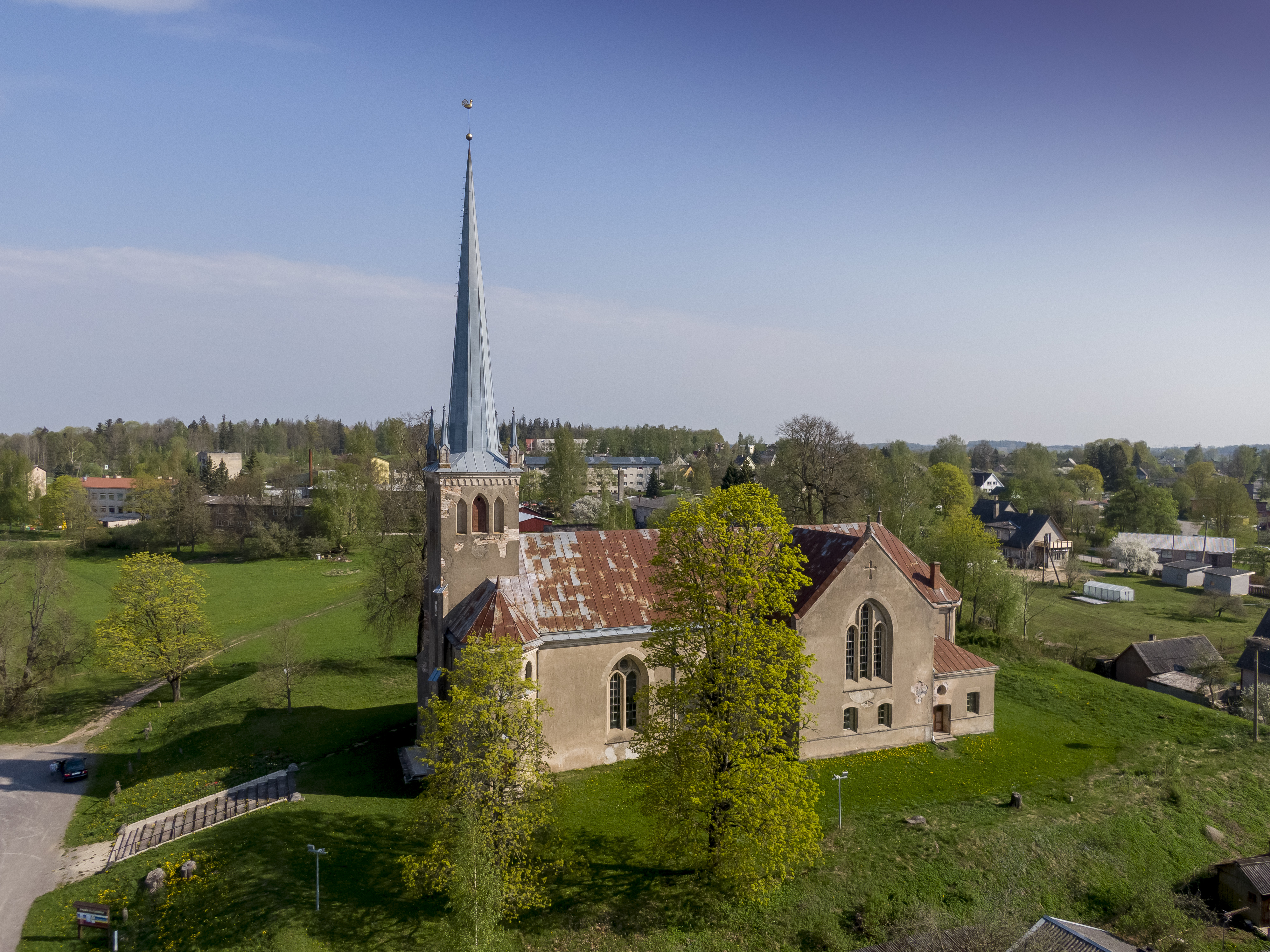
Rõngu St Michael’s Church of the Estonian Evangelical Lutheran Church

The medieval Rõngu St Michael's Church is dedicated to the Archangel Michael. The church is also known as the oldest building in Rõngu.The church has suffered major damage in several wars, and over time, the original architecture has been partially altered during the restorations. The current shape of the church dates from the last reconstruction in 1901.Today, the most significant parts of the church are the altarpiece (1901, the work of a Dresden artist), the organ (V. Müllverstedt, 1874), and the stained-glass windows (1900, the work of Riga artists).The church participates in both the 'Wayfarers' Churches' and the 'Night of Churches' programme.The church can be visited on Sundays during the service or by prior arrangement.

  • Workshops
  • Estonian handicraft
  • Estonian design

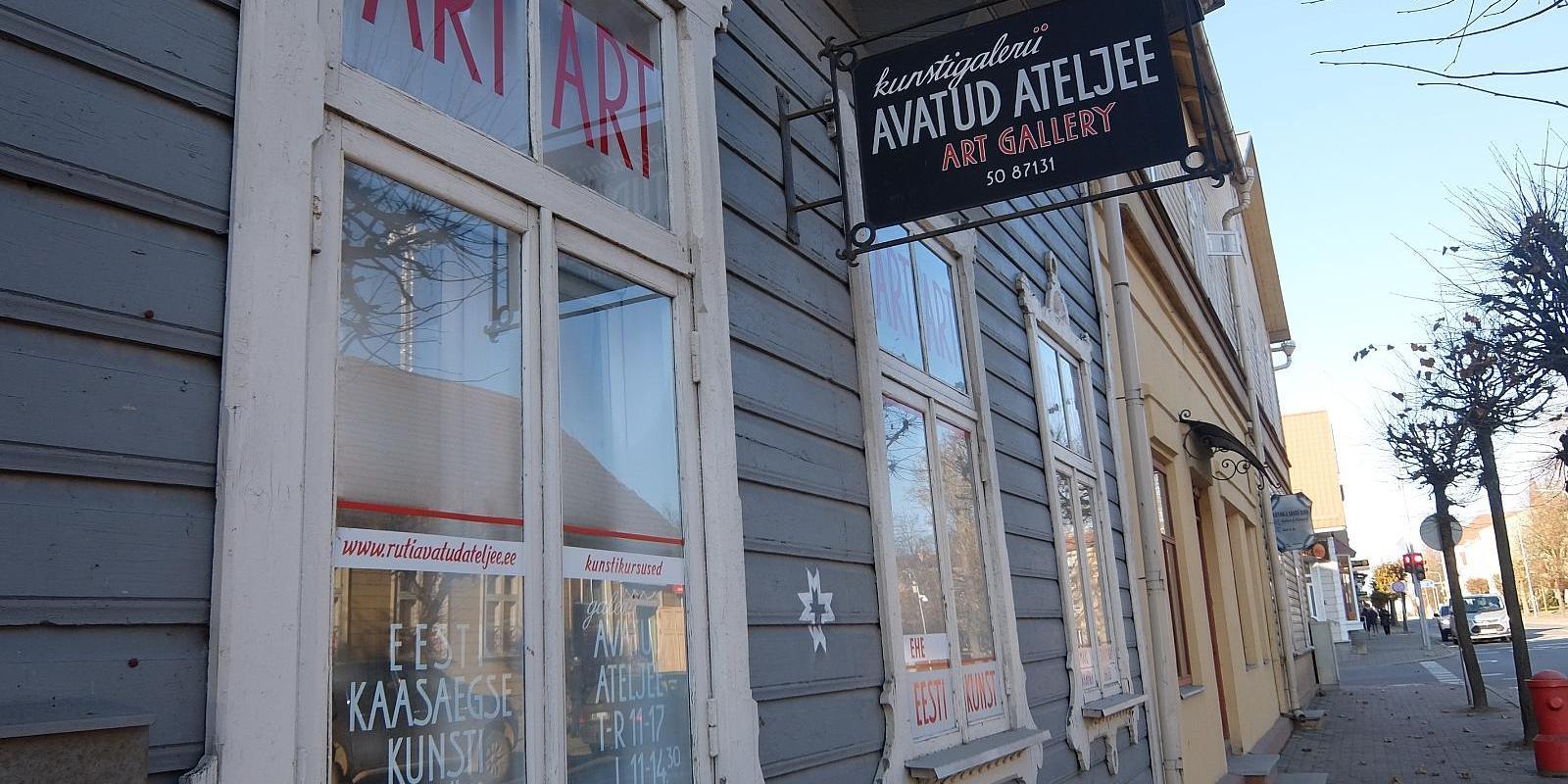
Avatud Ateljee Art Studio

The Art Studio sells great Estonian oil paintings and graphic art, high-class leather and wood goods and high temperature ceramics by Aivar Rumvolt. Please do not hesitate to call on us, if you need a special gift for your guest. The Avatud Ateljee Studio organises different courses: you are welcome to sign up for pottery, calligraphy, binding or leatherwork classes. In addition the studio organises poetry reading nights and meetings with artists. Groups can also visit Aivar Rumvolt’s pottery shop in Kubja by previous appointment. In summer there are workshops both for grown-ups and the young.

  • Guided tours

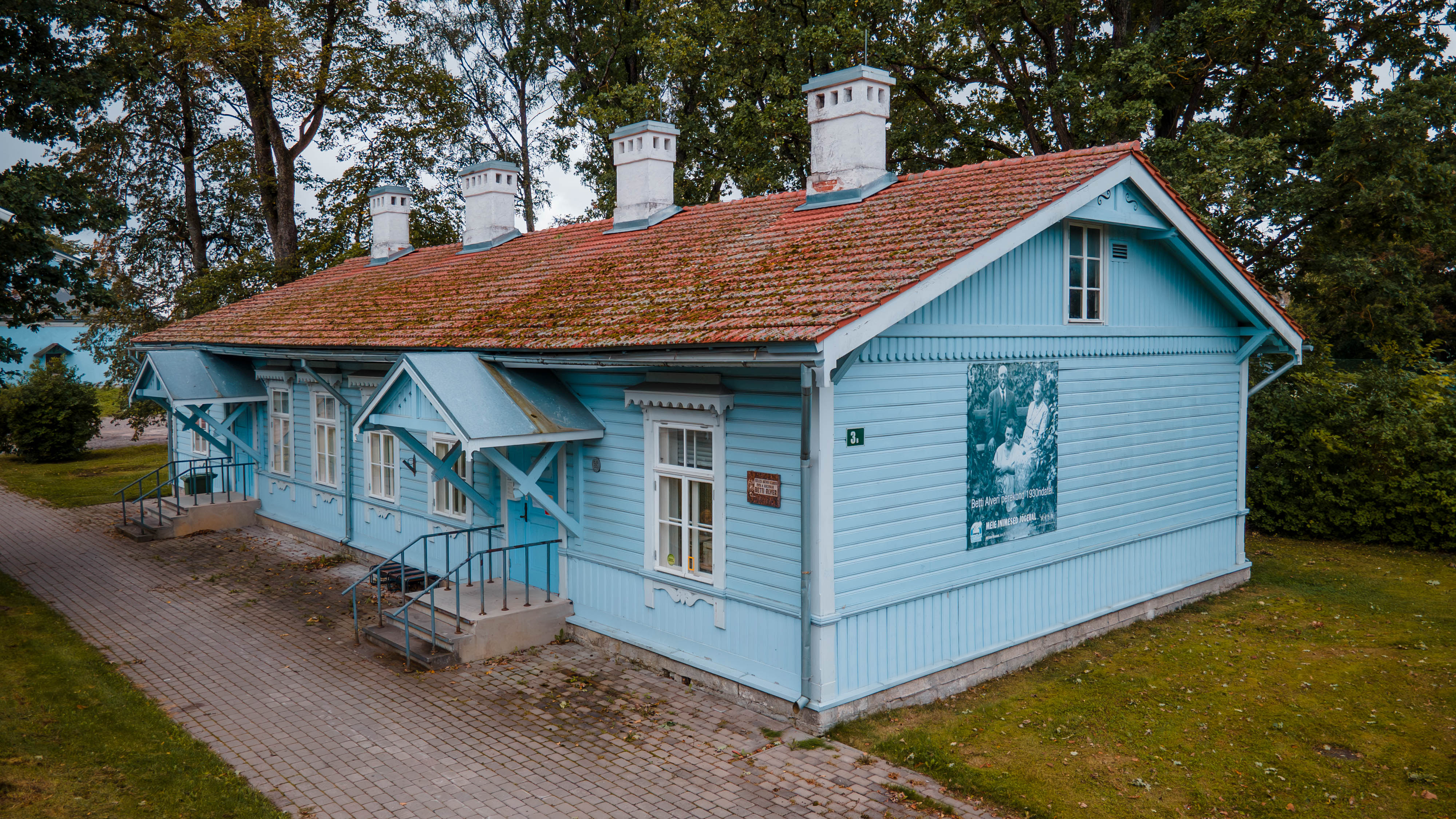
Betti Alver Museum

The museum is housed in Betti Alver’s home next to the Jõgeva railway station.The museum gives an overview of Betti Alver’s life and works, also perpetuates the memory of Alo Mattiisen and acquaints visitors with the historic and cultural heritage of Jõgeva.

  • Privacy Policy

"*"обозначает обязательные поля

Это поле используется для проверочных целей, его следует оставить без изменений.
Я разрешаю маркетинг